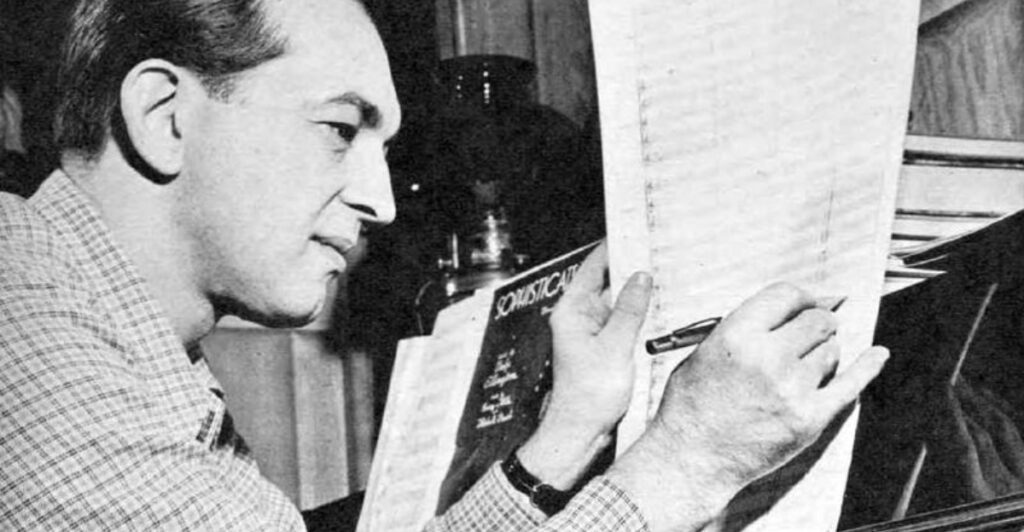
Instrumental music has a timeless charm. Without lyrics, these songs rely on melody, rhythm, and emotion to leave a lasting impression.
Here are 21 legendary instrumental tracks, each with a story worth revisiting.
1. “Green Onions” – Booker T. & the M.G.’s
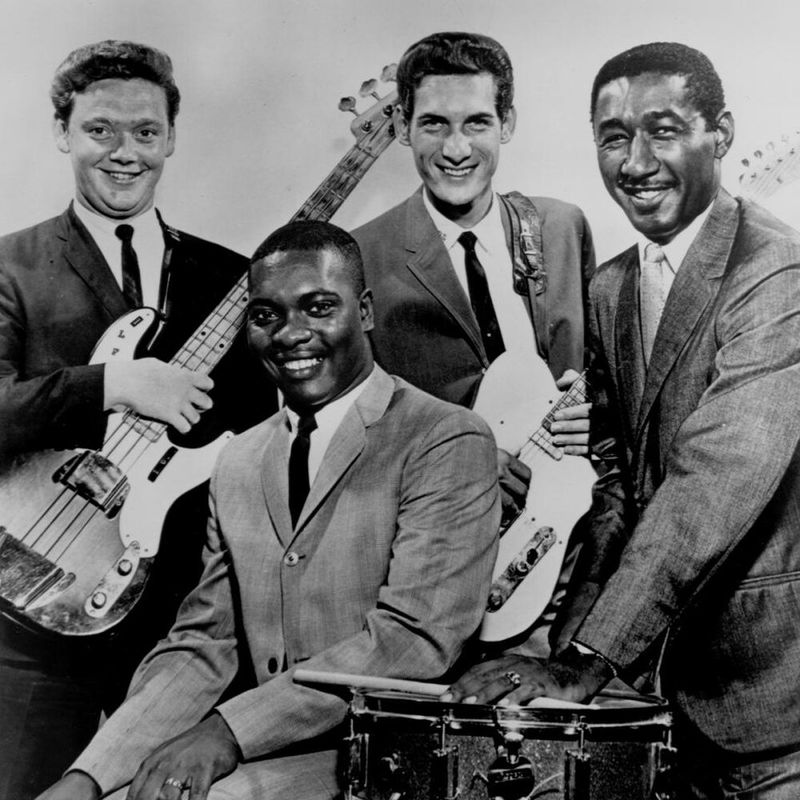
Released in 1962, this track helped define the sound of Memphis soul. Built around a smooth Hammond organ riff, it delivers a laid-back groove that feels effortless yet powerful.
The rhythm section keeps things tight, allowing the melody to shine without distraction. It became a staple in films and commercials, giving it a second life with newer audiences.
What makes it special is its simplicity—no flashy tricks, just pure musical chemistry. It’s a reminder that sometimes less really is more when it comes to creating something timeless.
2. “Sleep Walk” – Santo & Johnny
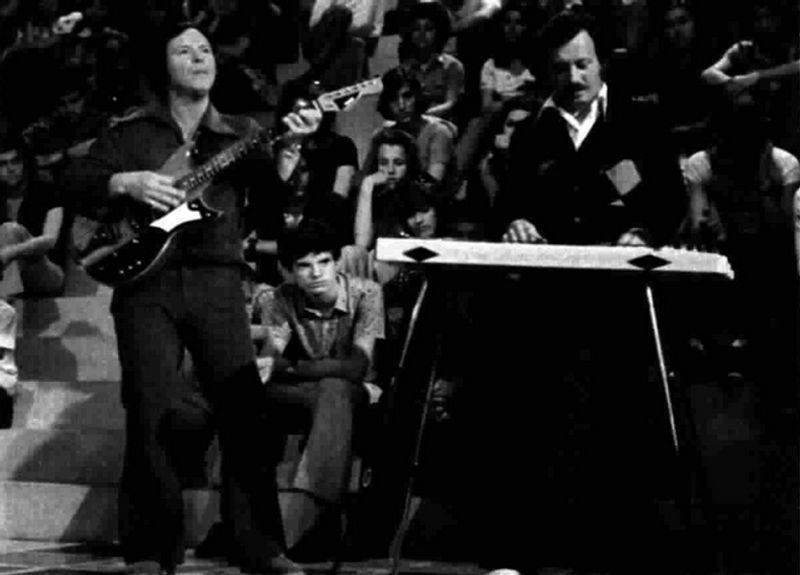
This hauntingly beautiful instrumental is driven by a steel guitar that seems to glide through every note. Released in 1959, it quickly became a chart-topping hit and a favorite for slow dances.
The dreamy quality of the song gives it a slightly otherworldly feel, as if you’re drifting through a memory. It has been featured in countless films and TV shows, often used to evoke nostalgia or longing.
Even decades later, it remains one of the most emotional instrumental tracks ever recorded, proving how powerful a simple melody can be.
3. “Tequila” – The Champs
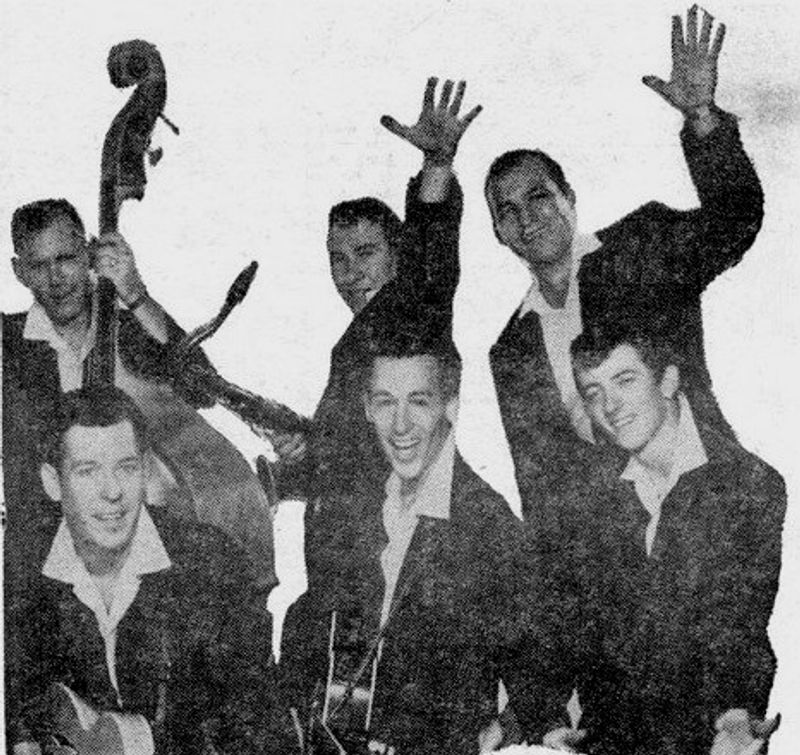
“Tequila” is proof that a great instrumental doesn’t need complexity to succeed. Released in 1958, the track is built around a catchy saxophone melody and a lively rhythm that invites listeners to move.
The single spoken word – “Tequila!” – only adds to its charm without taking away from its instrumental identity. It became an instant hit and remains a party favorite to this day.
Its upbeat energy and playful tone make it one of the most recognizable instrumentals ever, showing how fun and memorable music can be without relying on lyrics.
4. “Apache” – The Shadows
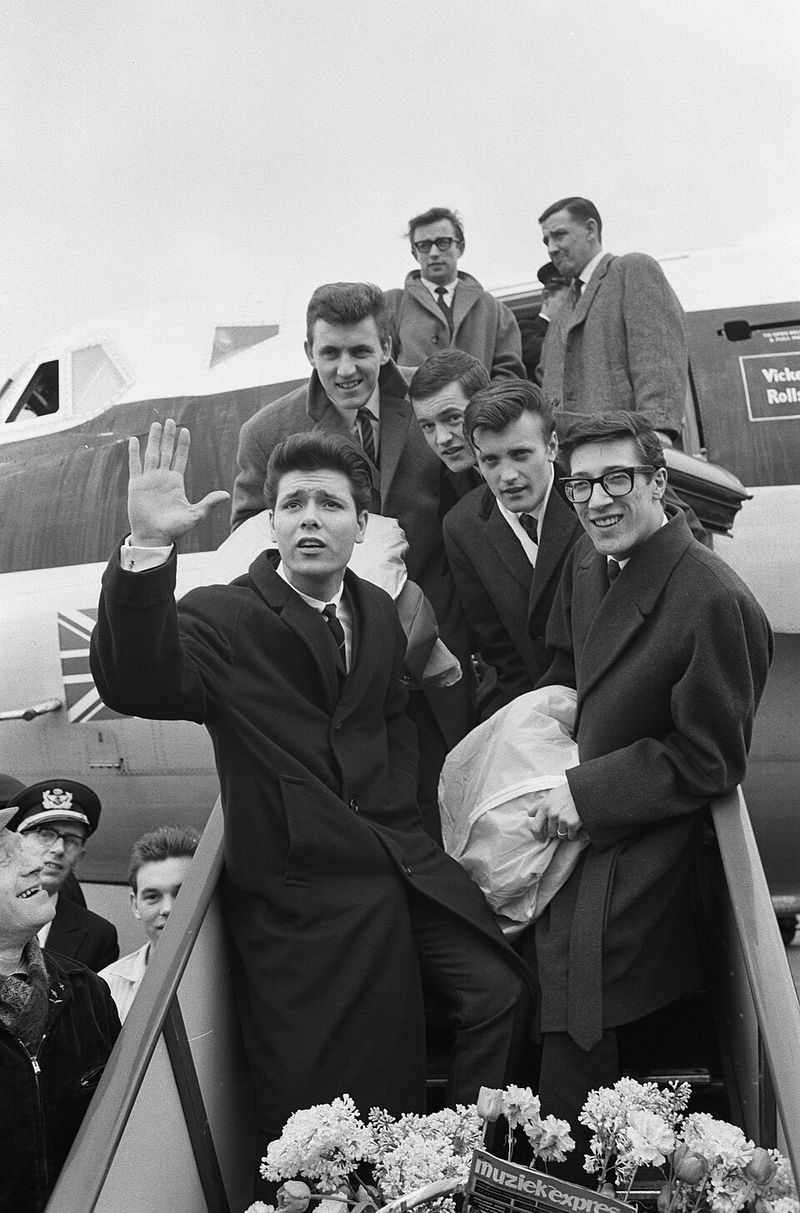
Originally recorded in 1960, “Apache” became one of the defining guitar instrumentals of its era. The track features a distinctive echo effect that gives it a spacious, atmospheric feel.
Its melody is both mysterious and powerful, capturing listeners from the first note. The song influenced countless musicians, especially in the early days of rock and roll.
Over time, it has been reinterpreted in different styles, including hip-hop. Its lasting appeal lies in its unique sound and strong identity, making it a true classic in instrumental music history.
5. “Peter Gunn Theme” – Henry Mancini
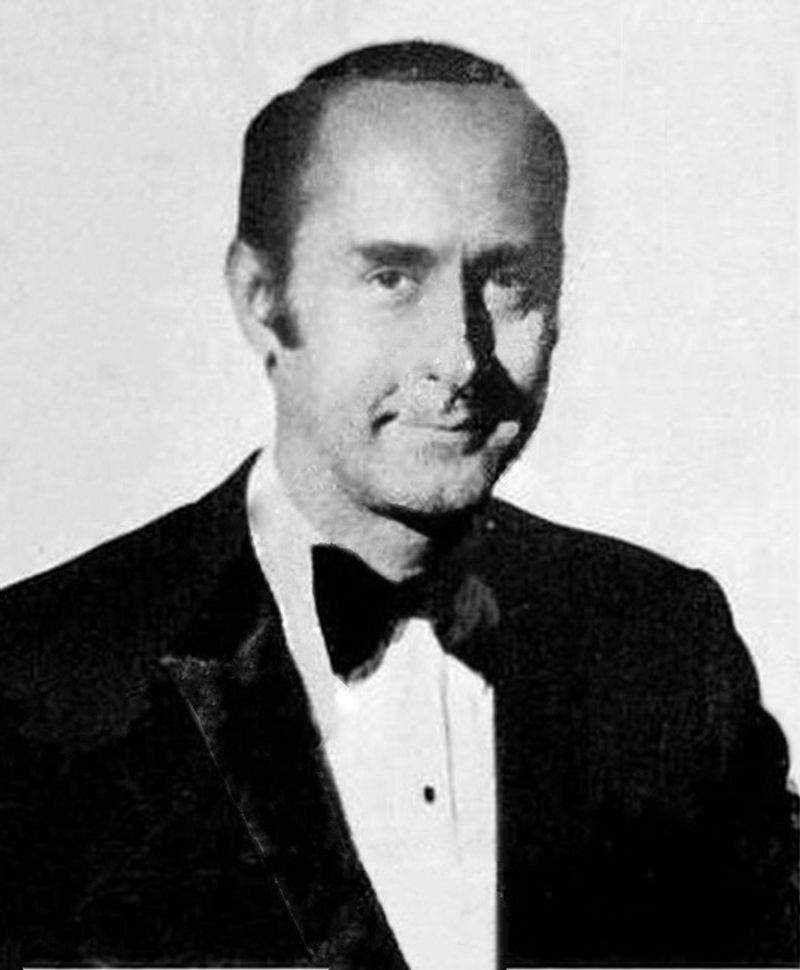
This track brought a bold, modern edge to television music in the late 1950s. Its driving bassline and sharp brass accents create a sense of urgency and style that perfectly matched the detective series it was written for.
The song quickly took on a life of its own, becoming a jazz standard covered by many artists. Its cool, confident sound still feels fresh today.
Mancini’s ability to blend jazz with cinematic storytelling helped redefine what TV themes could be, turning them into memorable pieces of music beyond the screen.
6. “Theme from A Summer Place” – Percy Faith
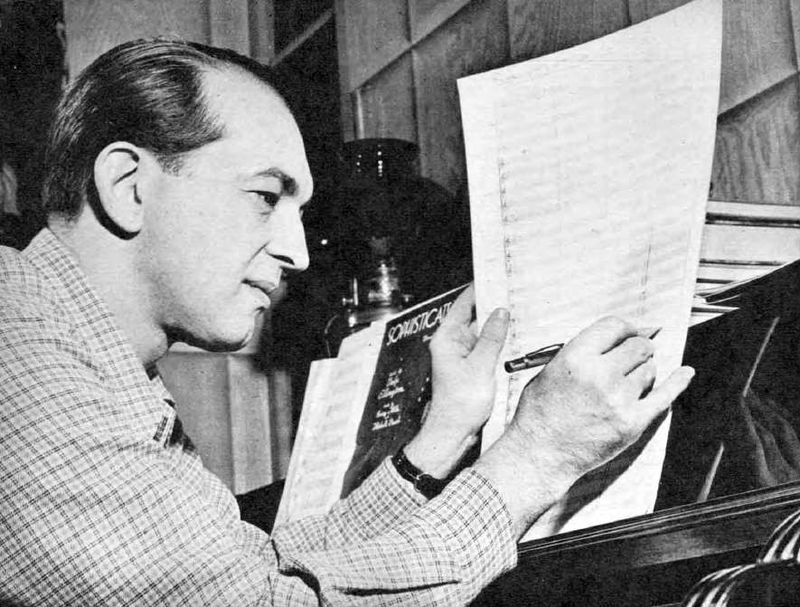
This 1960 classic became one of the most recognizable orchestral hits of its time. Its sweeping string arrangement creates a warm, romantic atmosphere that instantly transports listeners to another era.
The melody is simple but incredibly effective, building gently and staying with you long after it ends. It spent nine weeks at No. 1 on the Billboard charts, which is rare for an instrumental.
Even today, it’s often associated with nostalgia and old Hollywood elegance. It’s the kind of song that feels familiar, even if you can’t quite remember where you first heard it.
7. “Classical Gas” – Mason Williams
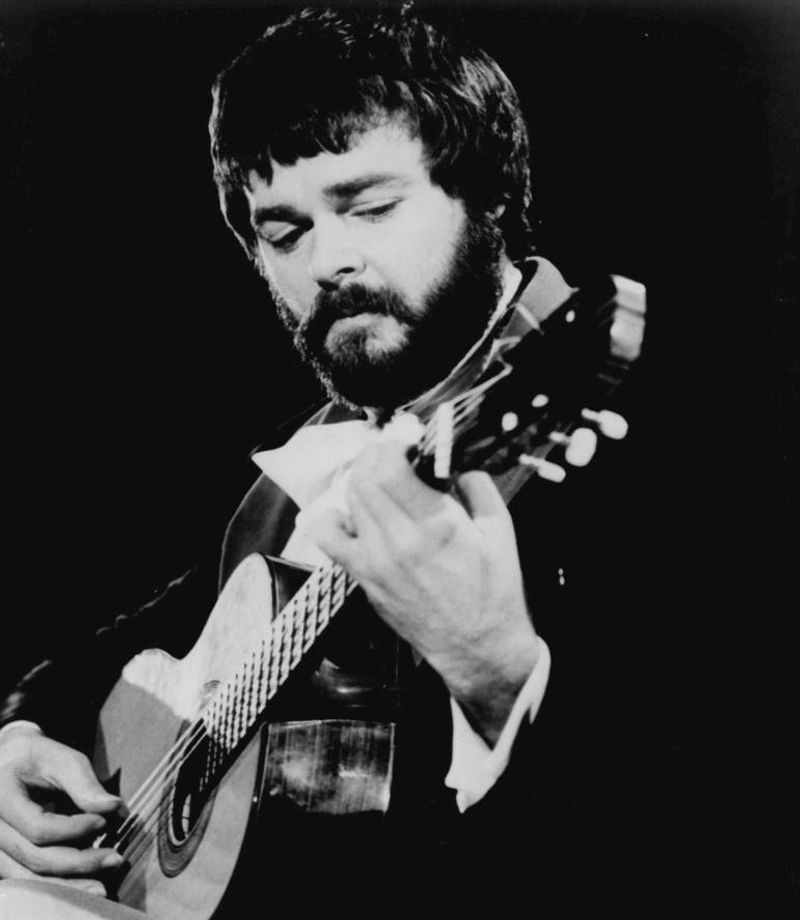
Released in 1968, “Classical Gas” blends classical guitar techniques with contemporary composition. The piece moves through different moods and tempos, keeping listeners engaged from start to finish.
Its intricate picking style showcases technical skill without feeling overwhelming. The song became a surprise hit and earned a Grammy, proving that instrumental music could still find a wide audience.
Its balance of elegance and accessibility makes it a standout piece. Even today, it’s often used as a benchmark for guitarists looking to test their abilities.
8. “Love Theme from Romeo and Juliet” – Nino Rota
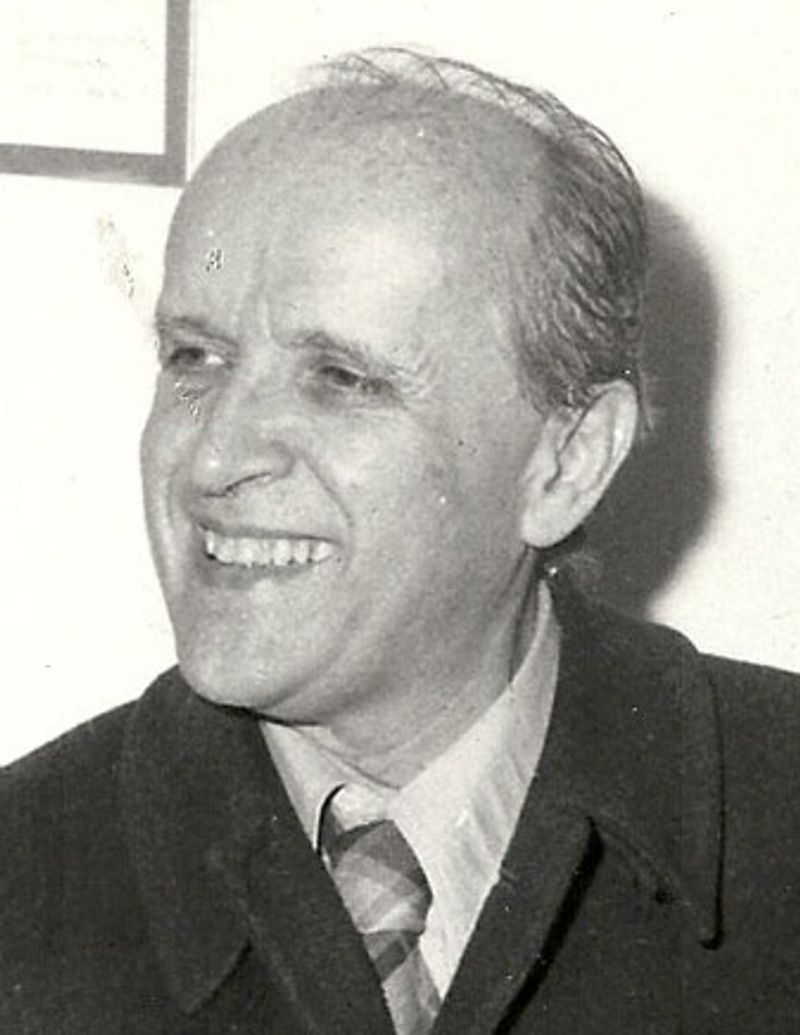
This gentle, emotional piece captures the essence of young love and tragedy. Composed for the 1968 film adaptation, it quickly became one of the most recognizable movie themes.
The melody is soft and flowing, creating a sense of intimacy and vulnerability. It resonated strongly with audiences, helping the film’s emotional impact linger long after the credits rolled.
Over the years, it has been adapted into various versions, including vocal renditions. Its lasting popularity highlights the power of film music to connect deeply with listeners.
9. “Jessica” – The Allman Brothers Band
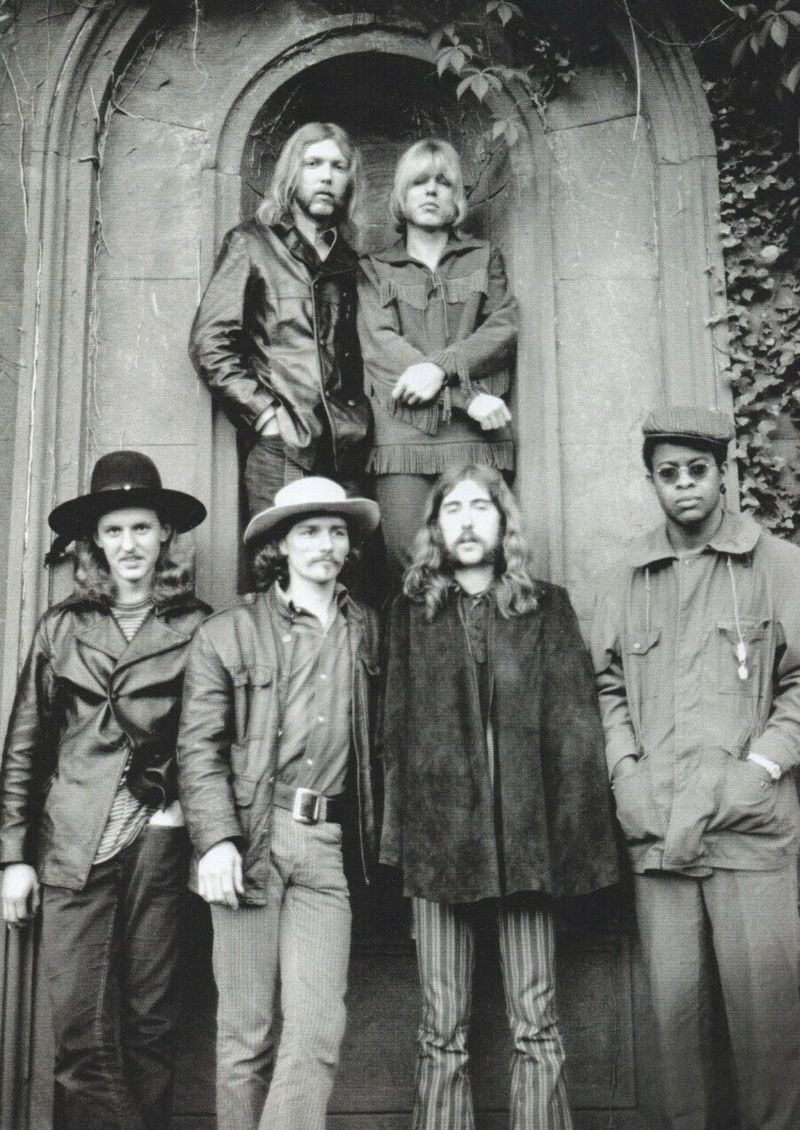
“Jessica” stands out as one of the most uplifting instrumental tracks in rock history. Released in 1973, it features bright guitar melodies that feel both playful and precise.
The song has a lively energy that makes it instantly engaging, often associated with open roads and good times. It gained renewed popularity as the theme for the TV show Top Gear.
What makes it special is its ability to feel both complex and easygoing at the same time. It’s a perfect example of how instrumental rock can be both technical and widely appealing.
10. “Chariots of Fire” – Vangelis

This iconic piece helped define the sound of the early 1980s. Built around synthesizers, it introduced a new kind of cinematic music that felt modern and emotional.
The slow build of the melody creates a powerful sense of achievement and determination. It became closely tied to the film’s famous running scene, making it instantly recognizable.
The track won an Academy Award and continues to be used in various contexts, from sports to comedy. Its influence on film scoring is undeniable, marking a shift toward electronic soundscapes.
11. “Axel F” – Harold Faltermeyer

This synthesizer-driven track became synonymous with 1980s pop culture. Featured in Beverly Hills Cop, it combines a catchy melody with a playful electronic rhythm.
The sound was groundbreaking at the time, showcasing how synths could carry a full composition. Its upbeat and slightly quirky tone helped it stand out from other film themes.
Over the years, it has been remixed and reimagined, proving its lasting appeal. Even today, just a few notes are enough to bring back memories of the era.
12. “Pick Up the Pieces” – Average White Band

A standout funk track from the 1970s, this song is driven by tight horn sections and a steady groove. It quickly became a favorite on dance floors, thanks to its infectious rhythm.
The band’s precision and timing give the track a polished yet energetic feel. It’s a great example of how instrumental funk can be both complex and accessible.
The song reached No. 1 on the Billboard charts, showing that instrumental tracks could compete with vocal hits. Its lively energy still makes it a crowd-pleaser today.
13. “Frankenstein” – Edgar Winter Group
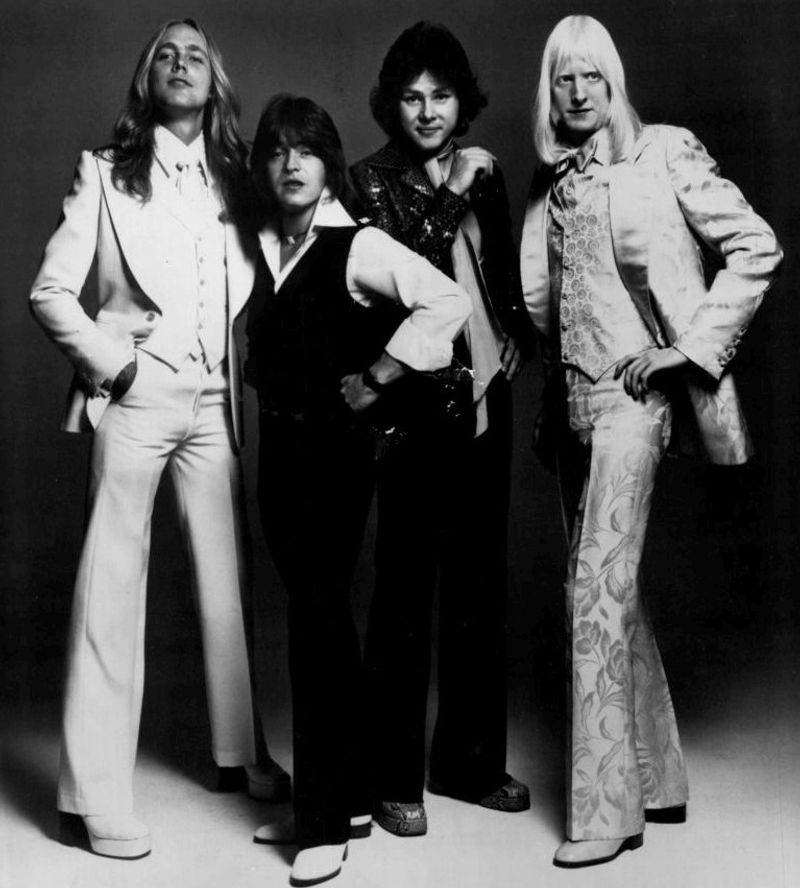
This experimental rock instrumental pushed boundaries when it was released in 1973. Featuring synthesizers, saxophones, and layered production, it created a sound that felt futuristic at the time.
The track’s title comes from the way it was pieced together in the studio, much like the fictional monster. Its shifting sections keep listeners on their toes, offering something new with each listen.
Despite its complexity, it became a commercial success. It remains a bold example of how creativity and risk-taking can lead to something truly unique.
14. “Tubular Bells (Excerpt)” – Mike Oldfield

Best known for its use in The Exorcist, this piece has a haunting, minimalist quality. Released in 1973, it builds slowly, layering instruments to create tension and atmosphere.
The repetition gives it a hypnotic feel, drawing listeners deeper into the music. Oldfield played most of the instruments himself, showcasing remarkable talent.
The track became a major success and helped launch Virgin Records. Its eerie tone has made it a lasting presence in popular culture, often associated with suspense and mystery.
15. “The Entertainer” – Scott Joplin
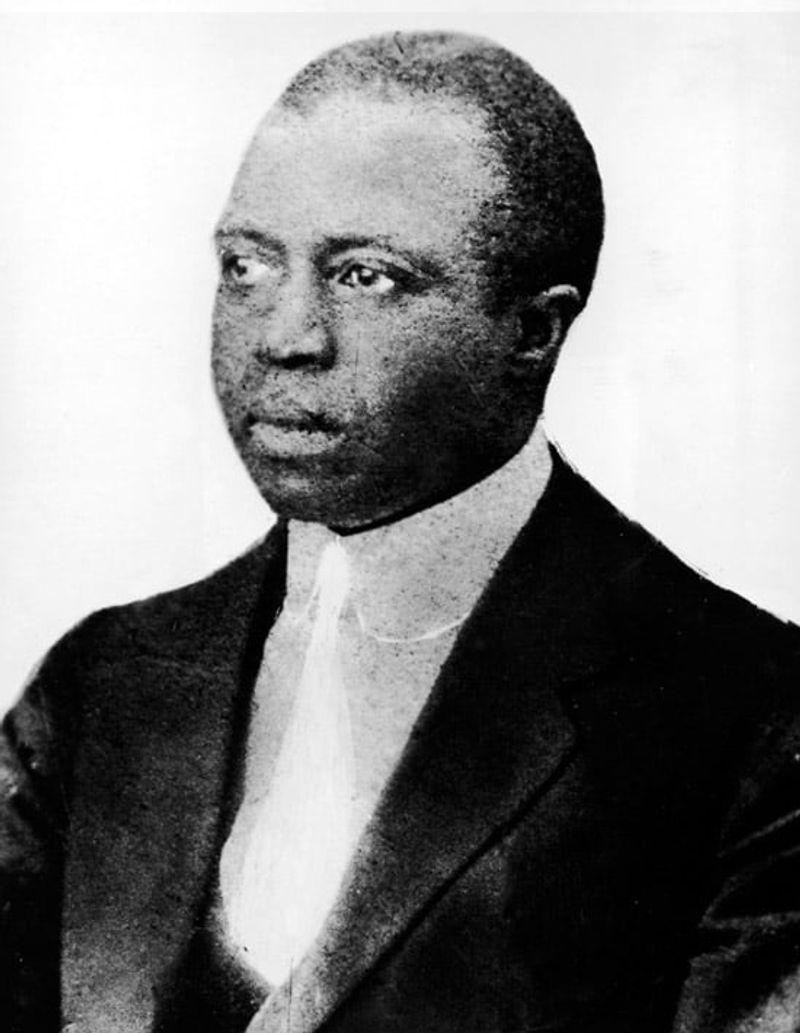
Originally composed in 1902, this ragtime piano piece found new life in the 1970s. Its lively rhythm and playful melody make it instantly enjoyable.
The song’s structure reflects the style of early American music, offering a glimpse into a different era. Its resurgence came through the film The Sting, introducing it to a new generation.
The piece remains one of Joplin’s most famous works. It’s a reminder that great music can transcend time, continuing to entertain audiences more than a century later.
16. “Boléro” – Maurice Ravel
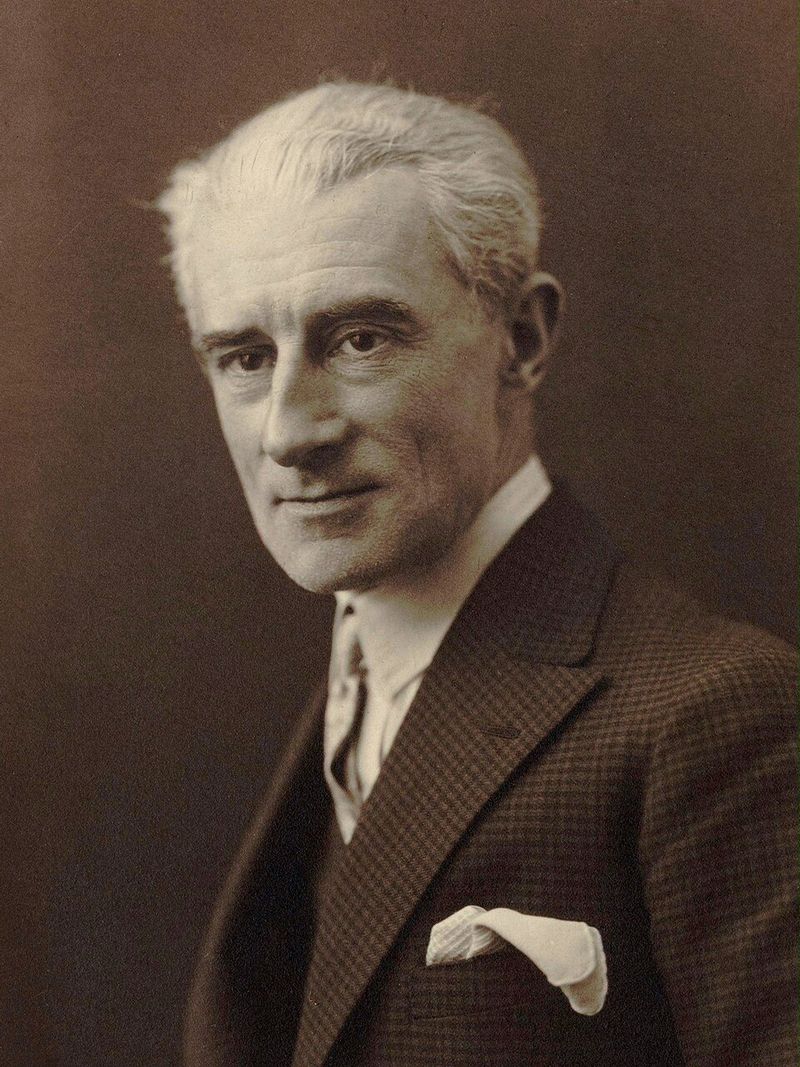
“Boléro” is one of the most famous orchestral compositions ever created. Built on a repeating melody, it gradually increases in intensity over time.
Each new instrument adds depth, creating a sense of anticipation and drama. The piece is often described as hypnotic, drawing listeners into its steady progression.
First performed in 1928, it remains widely performed today. Its unique structure sets it apart from traditional compositions, making it a standout in classical music.
It’s a perfect example of how repetition can be used creatively.
17. “Albatross” – Fleetwood Mac
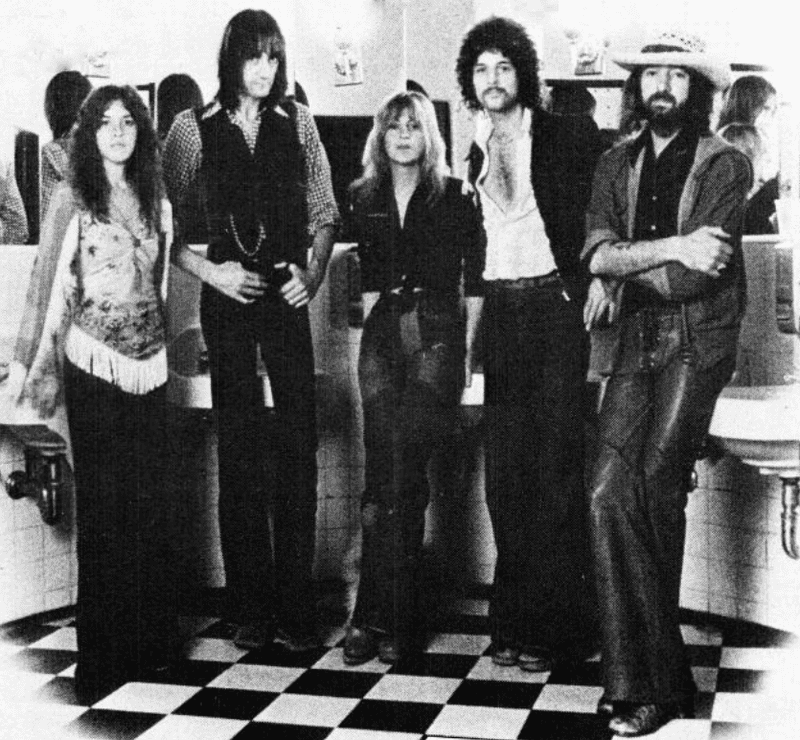
Released in 1968, “Albatross” offers a calm and soothing listening experience. Its gentle guitar tones create a sense of space and relaxation, often compared to the feeling of being near the ocean.
The track reached No. 1 in the UK, showing its broad appeal. Unlike the band’s later work, this piece focuses on atmosphere rather than vocals.
Its simplicity is its strength, allowing listeners to unwind and reflect. It remains a favorite for those seeking a peaceful musical escape.
18. “Soulful Strut” – Young-Holt Unlimited
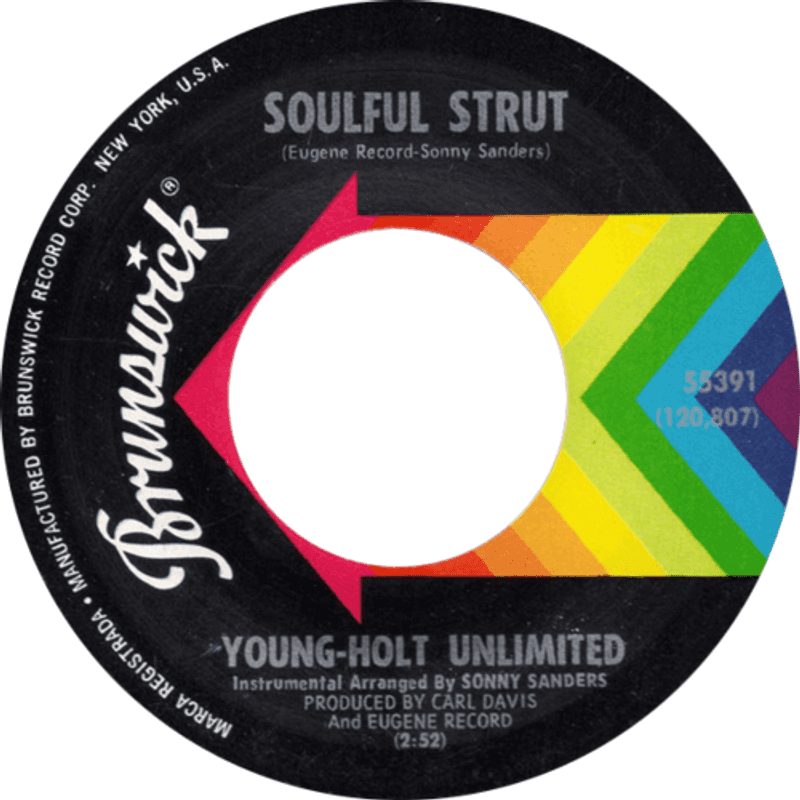
This smooth instrumental blends jazz and soul influences into a relaxed groove. Released in 1968, it quickly gained popularity for its easygoing vibe.
The melody is light and catchy, making it perfect for casual listening. It has been featured in various films and commercials, helping it stay relevant over time.
The track’s charm lies in its simplicity and warmth. It’s the kind of song that feels comfortable and familiar, making it a timeless addition to any playlist.
19. “Misirlou” – Dick Dale
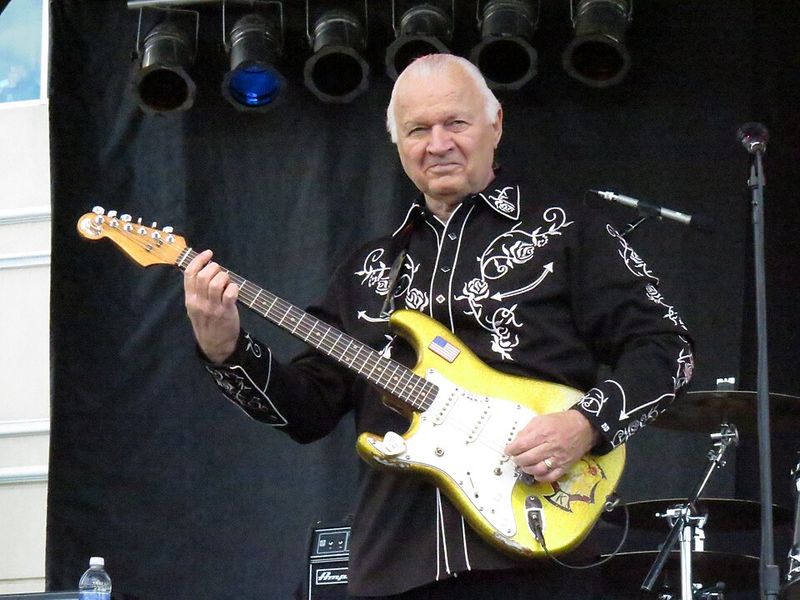
Known for its fast pace and energetic guitar work, “Misirlou” became a defining surf rock track. Its rapid picking style showcases impressive technical skill.
The song gained renewed fame through its use in Pulp Fiction, introducing it to a new generation. Its intensity and rhythm make it instantly recognizable.
Originally based on a traditional folk melody, it has evolved into a modern classic. It’s a perfect example of how older influences can be transformed into something fresh and exciting.
20. “Time Is Tight” – Booker T. & the M.G.’s
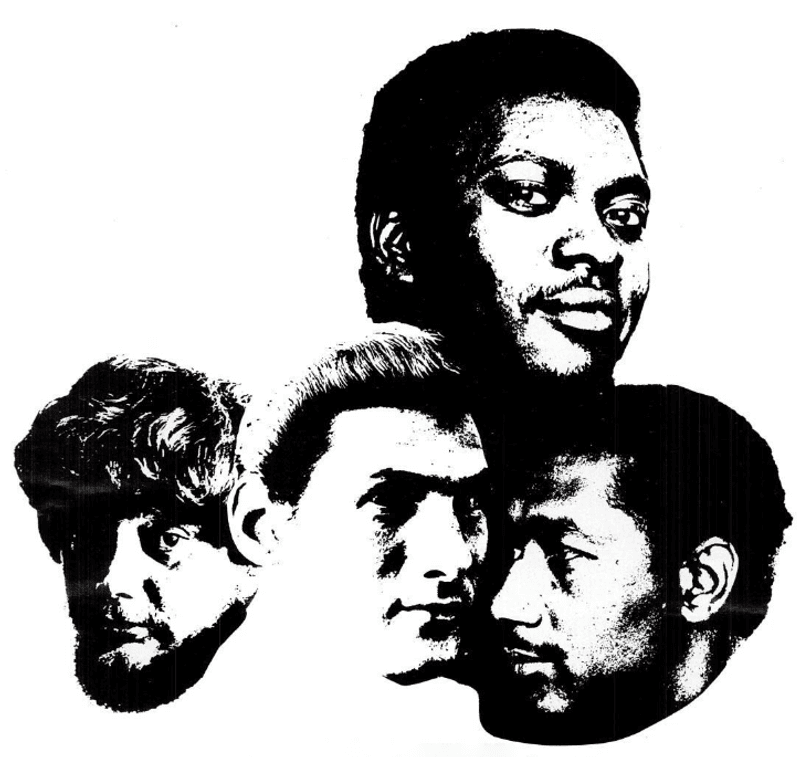
This track highlights the band’s signature blend of soul and rhythm. Released in 1969, it features a steady groove that feels both relaxed and purposeful.
The organ melody carries the song, supported by a tight rhythm section. It became a hit in both the U.S. and the UK, reinforcing the group’s influence.
The song’s structure is simple but effective, making it easy to enjoy. It remains a staple of instrumental soul, showcasing the power of subtle, well-crafted music.
21. “Theme from Shaft” (Instrumental) – Isaac Hayes
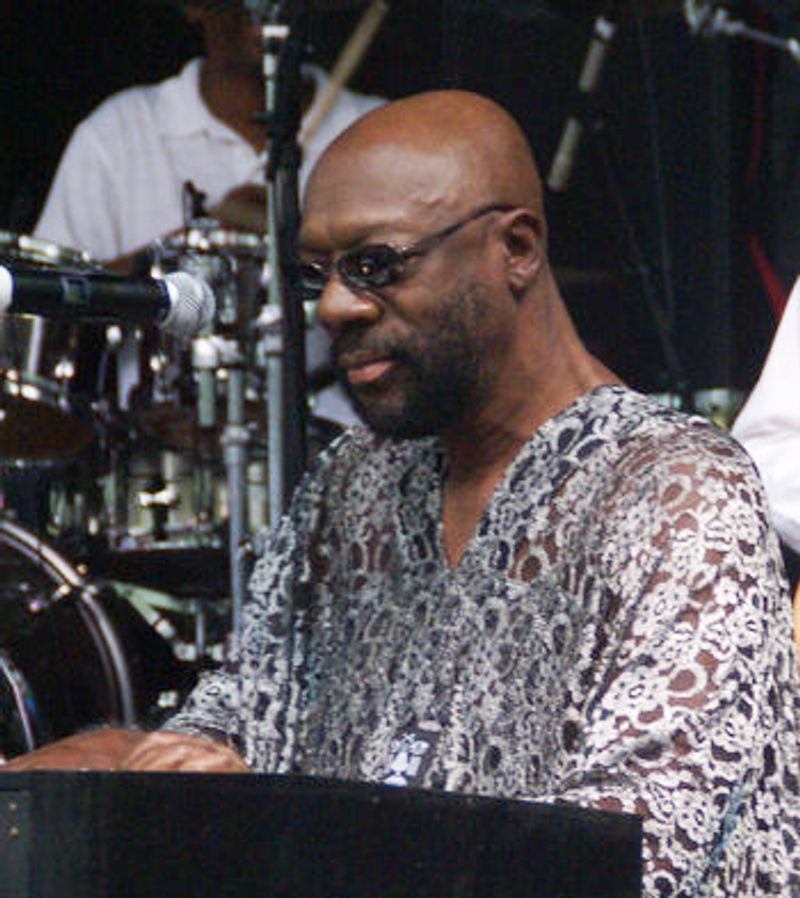
Even without vocals, this track delivers undeniable style and attitude. The rhythm, guitar, and orchestration come together to create a bold, cinematic sound.
Released in 1971, it became closely associated with the film and its cultural impact. Hayes’ production brings depth and richness to every section of the song.
It’s a defining piece of 1970s music, blending funk, soul, and orchestral elements. The instrumental version proves that the groove alone is enough to carry the track, making it unforgettable.
Share this story