 Unearth The Voyage
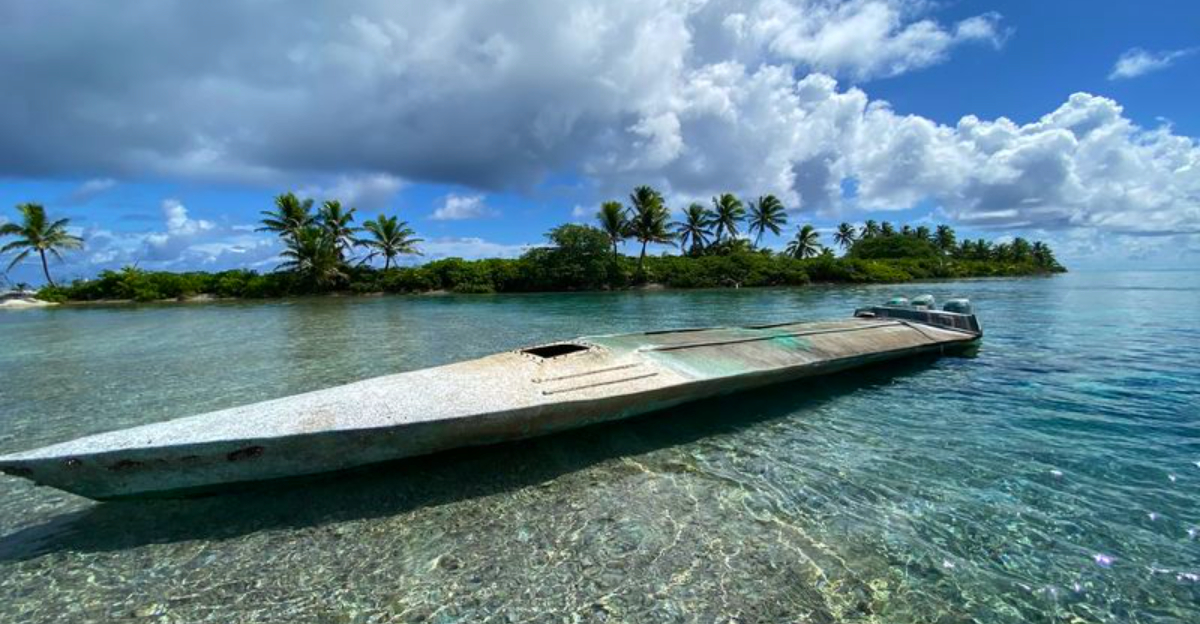
The Pacific is dotted with islands that still whisper the secrets of World War II. From hidden bunkers swallowed by jungle to coral runways where planes once roared, these 22 islands are living monuments to courage, strategy, and sacrifice.
Ghostly shipwrecks rest just offshore, and every shoreline holds a story that could change the way you see history. Step onto these sands, and you’re not just visiting a place – you’re walking through pivotal moments that shaped the world.
For history lovers, adventurers, or anyone curious about the echoes of the past, these islands offer a journey where the battlefield, the bravery, and the legacy feel almost within reach.
1. Saipan (Northern Mariana Islands)
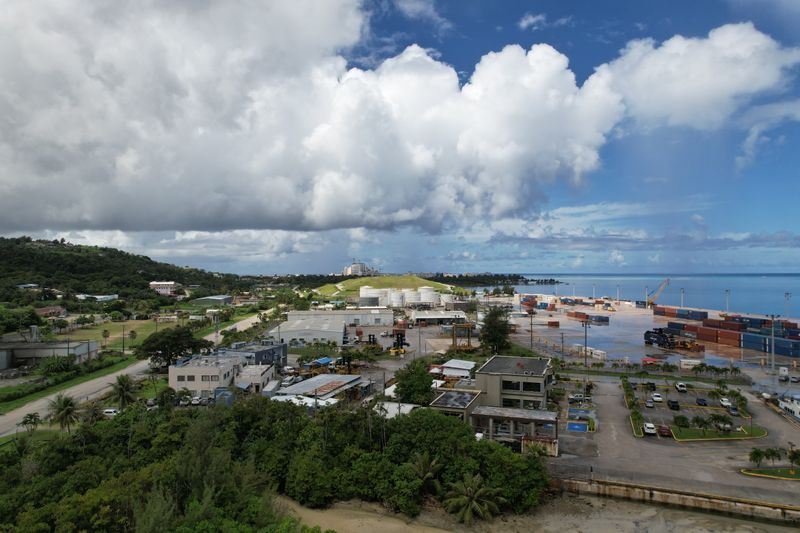
Saipan’s beaches look tranquil today, but the sand still hides stories from June to July 1944. You walk past weathered pillboxes and anti aircraft positions where the Battle of Saipan cracked Japan’s Central Pacific line.
Lookups toward Suicide and Banzai Cliffs carry a hush that words rarely capture.
Museum exhibits and roadside markers gently guide you through the advance from the beaches to Garapan. You can trace tank tracks in coral pavement and find rusting artillery cooling under breadfruit shade.
The island’s neighborhoods mix daily life with memory, and that blend makes the history feel close, not distant.
Divers explore scattered wreckage while hikers cross ridges that once swallowed smoke. If you slow down, you notice small details, like foxhole depressions softened by rain and vines.
Saipan invites you to learn without rushing, to stand where decisions shifted the Pacific war’s momentum.
2. Tinian (Northern Mariana Islands)
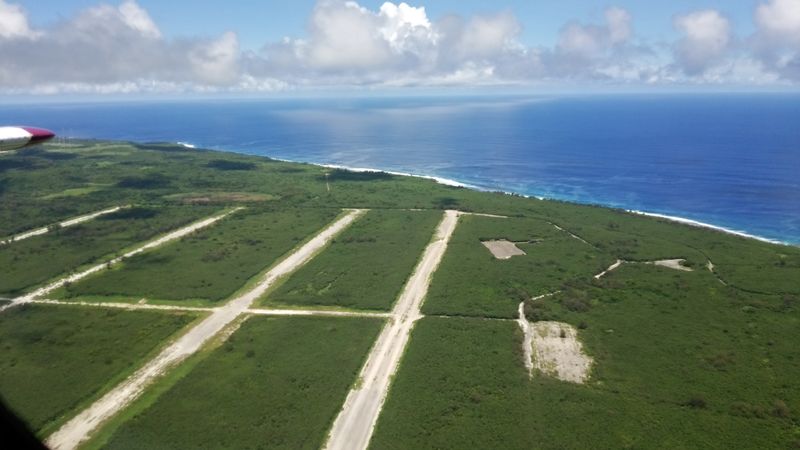
Tinian’s quiet roads lead you to North Field, where B 29s roared toward the horizon in 1944 and 1945. You can walk right up to the atomic bomb loading pits, marked and preserved, and feel the weight of history without noise.
Grass drifts over massive runways that once defined global reach.
The island was captured after fierce fighting, then turned into a vast airbase in record time. You trace taxiways with your fingertips and imagine ground crews sweating under relentless sun.
It is a place where logistics, courage, and consequence met on coral concrete.
Nearby, you find small chapels and memorials that remind you lives were more than strategy and sortie counts. The sea keeps its distance, glimmering behind old revetments like a patient witness.
On Tinian, big history becomes personal as you consider the decisions that lifted off from here.
3. Guam (U.S. Territory)
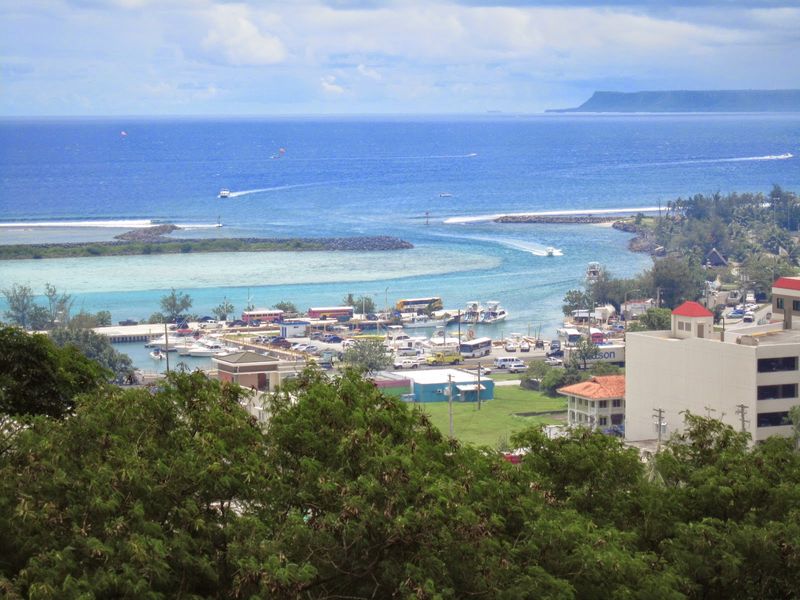
Guam carries layers of conflict and resilience in its hills and lagoons. Invaded in 1941, retaken in 1944, the island remembers through memorials at Asan and Piti where Marines came ashore.
You stroll by bunkers shaded by tangantangan, listening to surf where machine guns once rattled.
War in the Pacific National Historical Park links scattered battlefields with quiet overlooks. Plaques tell of civilians caught between empires, and of Chamorro endurance under occupation.
You feel the terrain’s power as ridgelines funnel wind and memory along the same paths.
Dive sites reveal scuttled wrecks and coral softening old steel. Inland, cave positions still breathe cool air, as if holding stories for cautious listeners.
Guam’s living culture welcomes you, and that warmth helps frame the past with dignity rather than spectacle.
4. Iwo Jima (Japan)
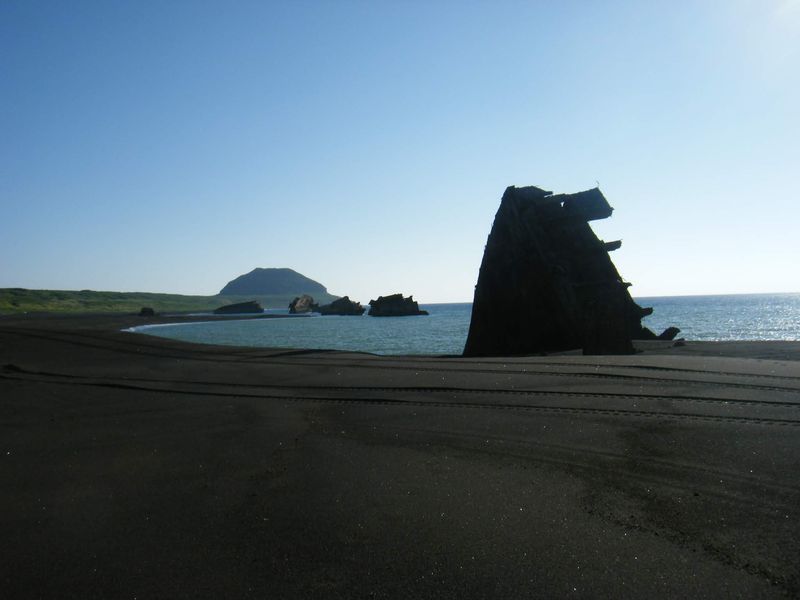
Iwo Jima feels stark the moment your eyes meet Suribachi’s dark slope. The volcanic sand clings to boots, just as it did in February and March 1945 when the fighting became legendary.
You imagine the flag raising’s frozen instant and the unphotographed moments that cost so much.
Tunnels lace the island, a hard echo of determination and endurance. Standing near pillboxes, you feel the compressed space where seconds decided fate.
The terrain itself, steep and abrasive, explains why the battle still commands respect in hushed tones.
Today, access is restricted and guided, which keeps the experience sober and focused. Memorials from both nations face each other with a quiet promise of remembrance.
As waves work the black shoreline, you understand how a small island can hold a continent of memory.
5. Okinawa (Japan)
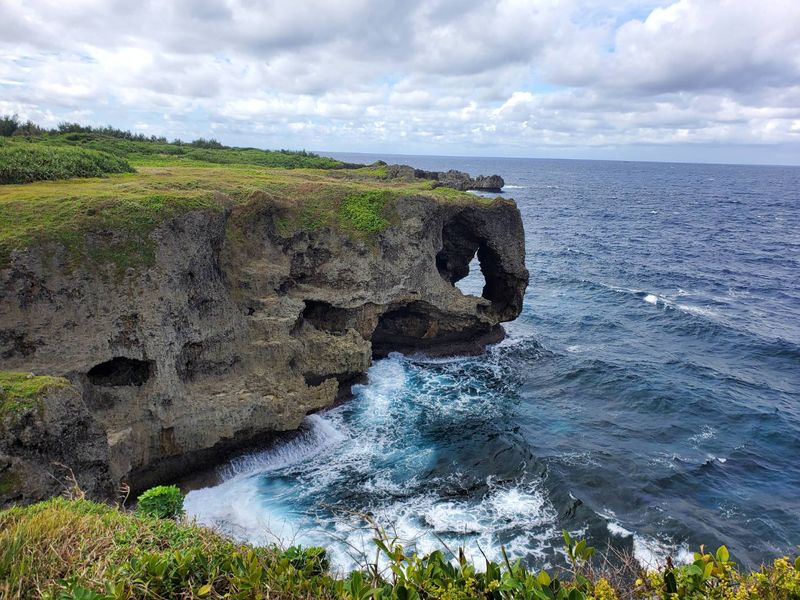
Okinawa’s beauty has a careful hush, because beneath the hibiscus and limestone lie stories of April to June 1945. The Battle of Okinawa was massive and humanly costly, with civilians suffering alongside soldiers.
You sense it at Mabuni cliffs where wind and names are etched together.
Peace Memorial Park creates space for reflection, not spectacle. Caves recall evacuations and desperate final stands, while museum exhibits bring both hardship and hope into focus.
Walking village lanes, you notice how hospitality and history share space in everyday life.
On the coast, remnants of beach defenses face an ocean that seems determined to heal. Inland, ridges still read like military maps with natural chokepoints and fields of fire.
Visiting here asks you to slow down, listen closely, and let compassion be your guide.
6. Midway Atoll (U.S.)
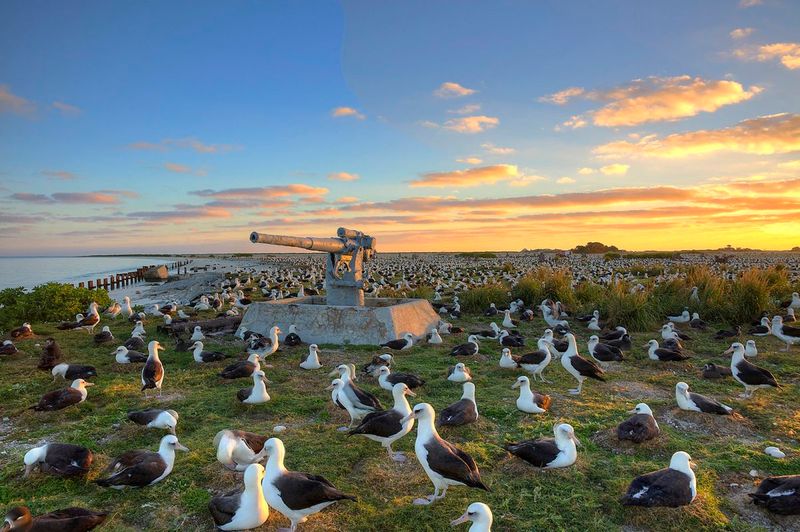
Midway’s atoll ring looks delicate, but its name anchors a turning point from June 1942. You picture dive bombers angling down as carriers traded mortal decisions on open water.
On Sand Island, modest buildings and runways echo a drama staged just beyond the reef.
The atoll is a sanctuary for birds now, and that quiet contrasts with the past. Interpretive signs outline the day the balance tipped, method by method and minute by minute.
You sense how intelligence, timing, and courage aligned over these exact coordinates.
Standing by the airstrip, wind moves through ironwood trees like distant static. The lagoon glows innocent while history remains exacting in facts and outcomes.
Midway teaches that small places can bend large arcs when preparation meets resolve.
7. Wake Island (U.S. Territory)
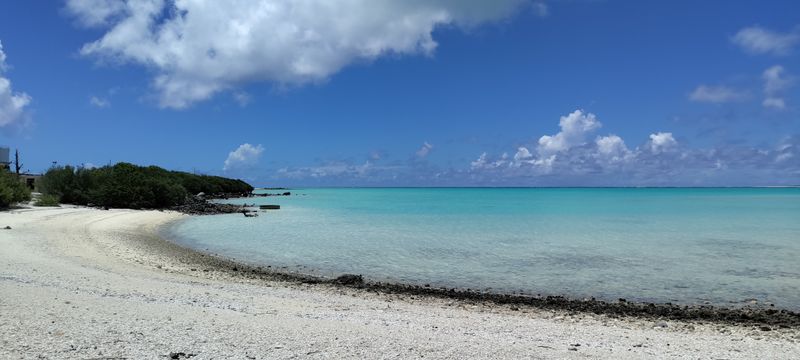
Wake Island is lonely in a way that sharpens memory. In late 1941, defenders held out with grit before occupation imposed long years and hard choices.
Today, the coral runway and scattered gun emplacements carry that stubborn spirit forward.
You notice how the lagoon’s color defies the harshness of concrete revetments. Small plaques and relics personalize a story often told only in dates.
The wind, uninterrupted by high ground, seems to sweep away everything except the essentials.
Access is limited, which preserves the site’s honesty and restraint. Bunkers slump into the sand as if relaxing after standing too long.
On Wake, you feel the scale of sacrifice precisely because the island refuses theatrics and lets silence speak.
8. Peleliu (Palau)
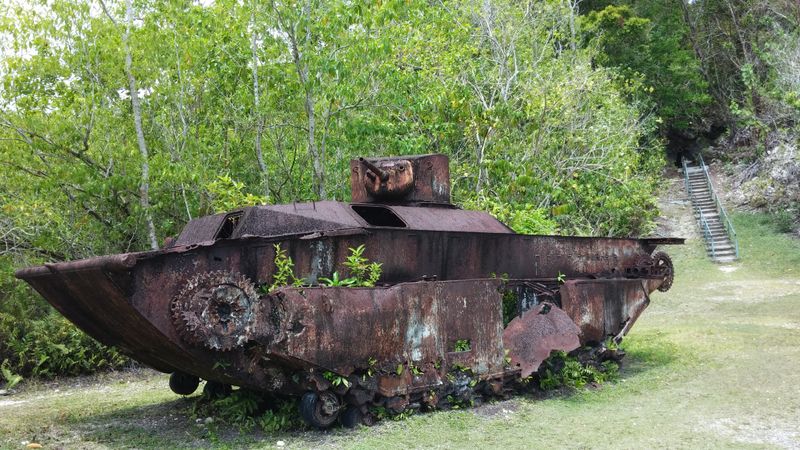
Peleliu greets you with sun glare on coral ridges and shadows in caves. From September to November 1944, the fight here carved names into stone and memory.
You can feel heat trapped in the Umurbrogol as if the battle never fully cooled.
Trails pass rusting tanks folded into jungle, their edges softened by vines. Small memorials stand where company lines faltered and re formed again.
Divers drift over wreckage as parrotfish stitch color through metal ribs.
The island is small enough to hold the story close yet varied enough to surprise you. Every bend in the path reveals a new angle on courage and consequence.
Peleliu asks you to measure words carefully, then listen to what the landscape tells you.
9. Angaur (Palau)
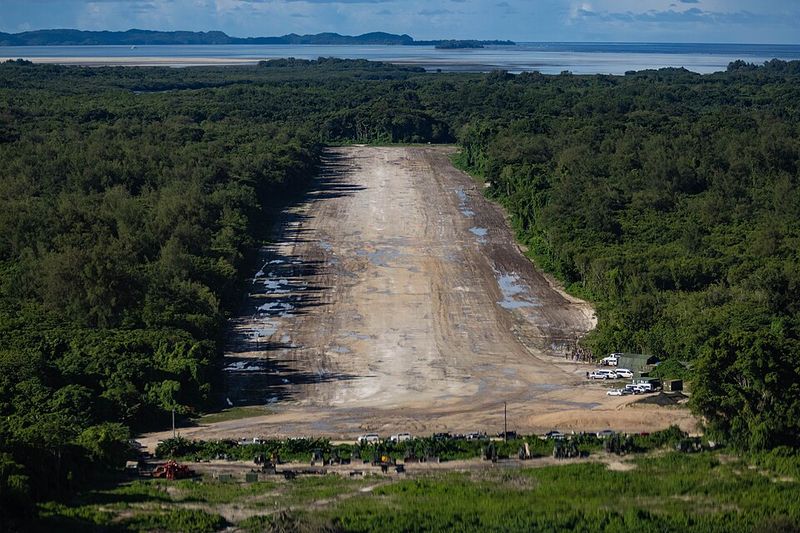
Angaur sits just south of Peleliu, quieter but no less sincere. In September 1944, fighting scarred quarries and thickets that still hold fragments of that time.
You can walk between limestone cuts where echo and history trade places.
Memorials honor soldiers who pushed through stubborn defenses in close quarters. Overgrown batteries peek through ferns, reminding you that war’s infrastructure often outlives its orders.
The island’s pace is slow, which makes reflection feel natural rather than staged.
Locals point you toward paths where artifacts surface after heavy rain. Birds lift from the canopy like soft punctuation to difficult sentences.
On Angaur, remembrance happens in small moments, and you leave carrying more empathy than when you arrived.
10. New Guinea (Papua New Guinea/Indonesia)
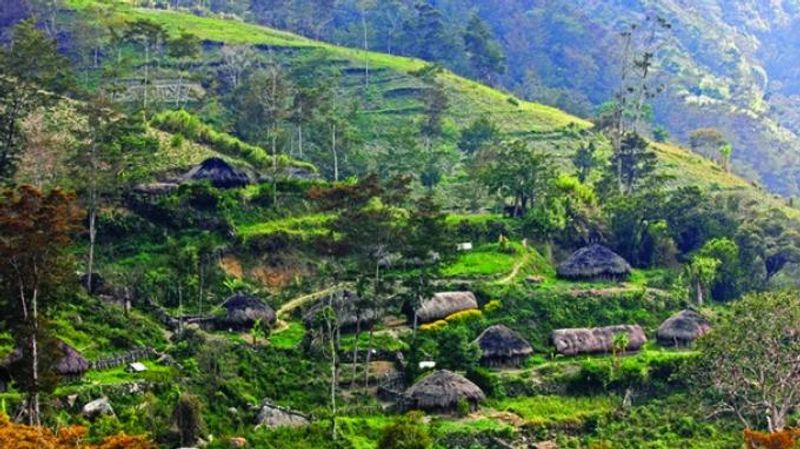
New Guinea’s scale makes strategy feel personal because terrain decides everything. From 1942 to 1945, campaigns stretched from the Owen Stanley Range to coastal swamps, reshaping villages and lives.
You sense effort in every step along Kokoda where mud steals breath and time.
Airstrips carved from kunai grass still anchor community stories. Rust flecks from aircraft parts mingle with river stones, and children grow up hearing names of distant places.
Museums in Port Moresby and small local displays keep the narrative grounded and human.
Hiking here turns history into rhythm as clouds and ridgelines dictate pace. Guides share family memories that bridge dates with emotions.
New Guinea shows how logistics, courage, and weather created a theater where endurance became the decisive weapon.
11. Guadalcanal (Solomon Islands)
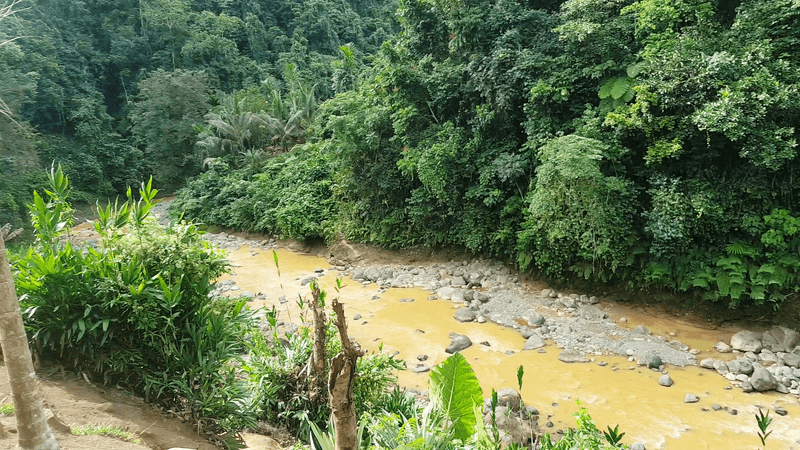
Guadalcanal’s name carries the sound of engines and rain. From August 1942 to February 1943, the first major Allied offensive clawed back initiative.
You walk near Henderson Field and feel how a simple runway became the hinge of a campaign.
Ridges still pull winds in ways that match old battle maps. Local guides bring stories alive with gestures toward river bends and hilltops.
Wreckage sits in thickets, half swallowed and half displayed by a forgiving jungle.
Museums and memorials dot the island with sober, precise words. Standing by the coast, you hear surf combine with distant village life.
Guadalcanal reveals how momentum is made of endurance, improvisation, and ordinary people doing impossible things.
12. Tulagi (Solomon Islands)
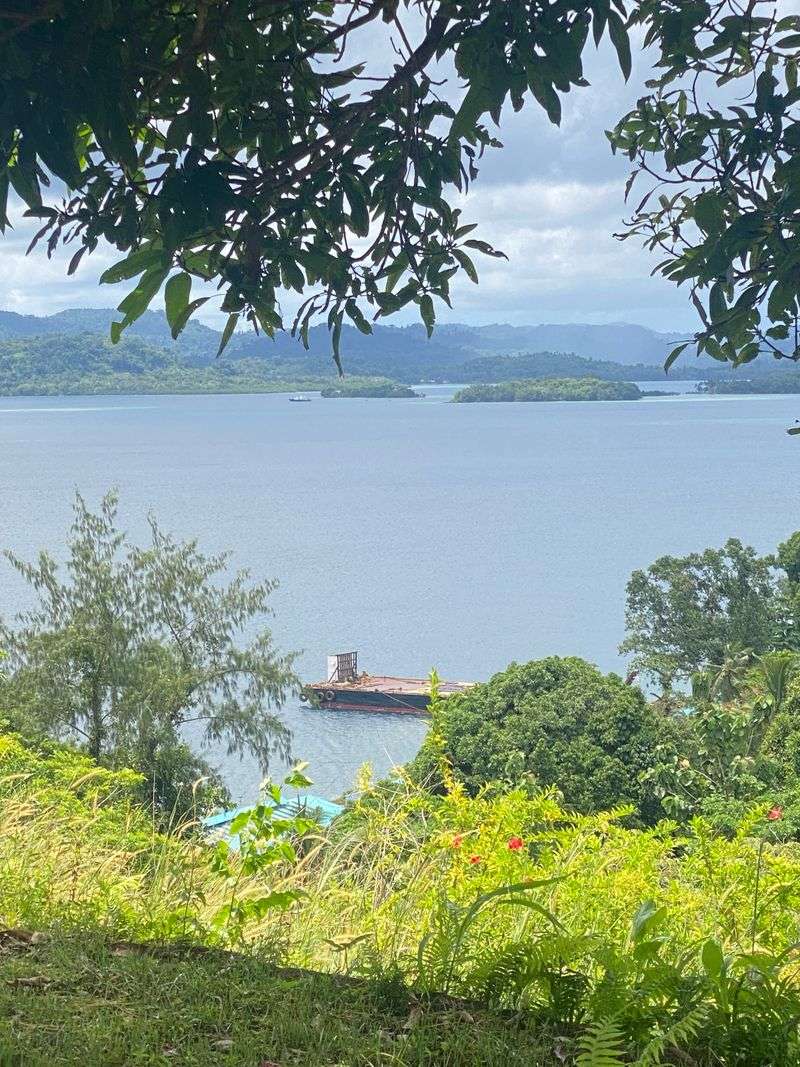
Tulagi feels compact, a stage where August 1942 unfolded in sharp scenes. The assault here was short but decisive, seeding control that shaped the Solomon Islands campaign.
You navigate quiet streets that once managed outsized military responsibilities.
Harbor waters lie still over moorings that buzzed with urgent traffic. Overgrown batteries sit above town like careful guardians, watching days pass.
Locals share simple directions to plaques that tell everything without embellishment.
Boat rides to nearby islets frame the geography that mattered then and still matters now. The intimacy of Tulagi makes learning efficient and heartfelt.
You leave understanding how small victories open big doors.
13. Kwajalein Atoll (Marshall Islands)
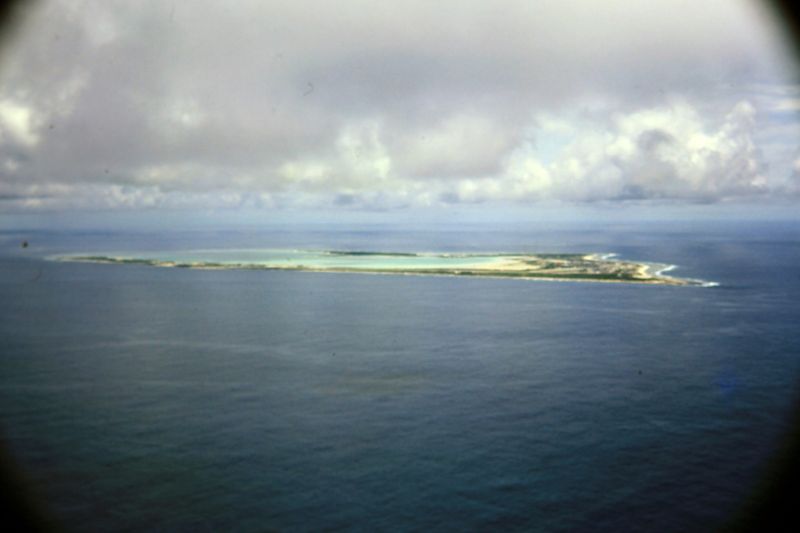
Kwazi’s giant lagoon frames one of 1944’s decisive leaps. The capture of Kwajalein broke a lock on the Central Pacific, and you can still read that change in concrete and coral.
Airfields stretch across islets like measured lines on blue parchment.
Remnants of bunkers and shore defenses peek from palms. Divers find relics in astonishing visibility while fishermen move among history with gentle respect.
Memorials keep the story clear without turning it into spectacle.
Standing at the water’s edge, you sense how distance and supply shaped every decision. The atoll’s geometry explains strategy better than long lectures ever could.
Kwajalein shows how coordination, courage, and timing can re write what seemed fixed.
14. Roi-Namur (Marshall Islands)
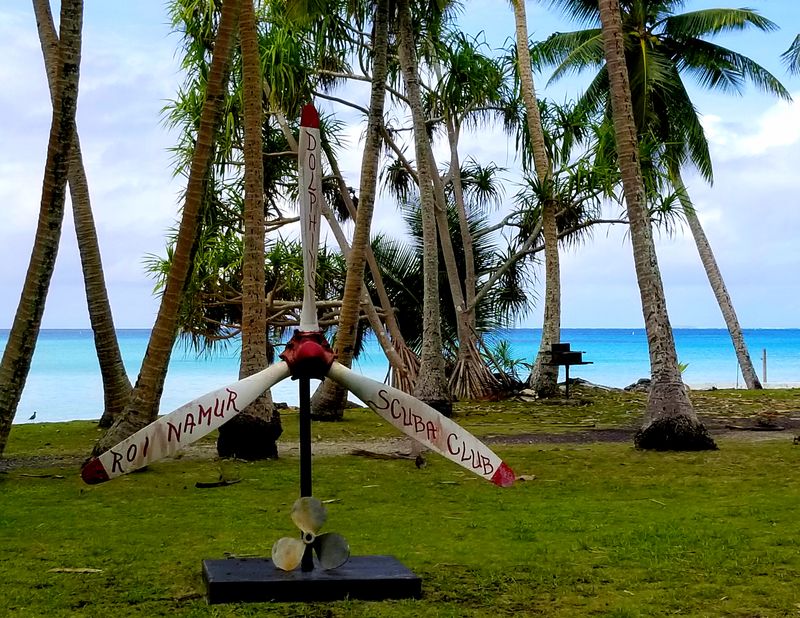
Roi Namur sits at Kwajalein’s northern tip, where fierce fighting met swift engineering. You wander past blockhouses and seawalls that feel heavy even in sunshine.
The lagoon’s clarity turns wrecks into open books for careful readers.
Interpretive signs are simple, which suits the place. Palm shade and sea breeze make reflection feel honest rather than staged.
Divers and historians share space politely, each pursuing details with quiet focus.
From shore, you can imagine the approach of landing craft and the push inland. The islets feel close, connected by causeways and memory.
Roi Namur reminds you that decisive days can fit into compact spaces without losing significance.
15. Palau Islands (Micronesia)
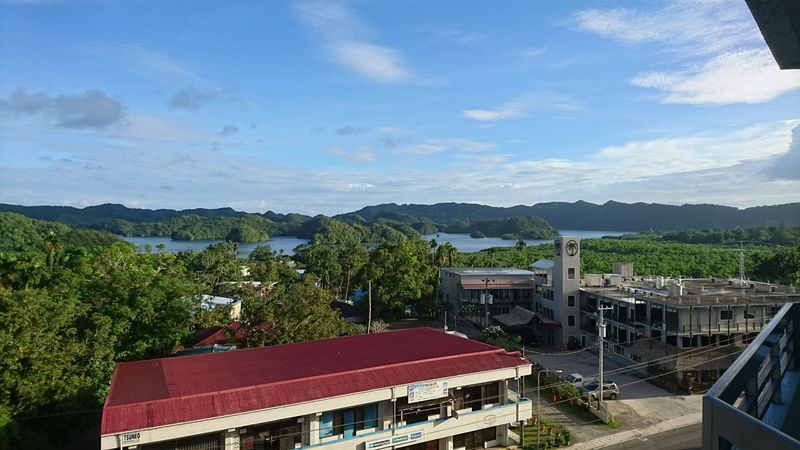
Beyond Peleliu and Angaur, Palau’s wider islands hold quiet galleries of memory. Underwater, wrecks rest among soft corals where light scatters like confetti.
On land, gun positions and tunnels hide beside breadfruit and betel nut trees.
Dive boats carry you from history to wonder in minutes. Guides balance technical detail with stories that make you care.
The contrast between colorful reefs and gray steel keeps the past vivid but not overwhelming.
Shore hikes reveal foundations, revetments, and cave mouths cooled by constant breeze. You feel welcome, and that hospitality softens the heaviness while never dismissing it.
Palau’s mosaic proves that remembrance and renewal can share the same horizon.
16. Johnston Atoll (U.S.)
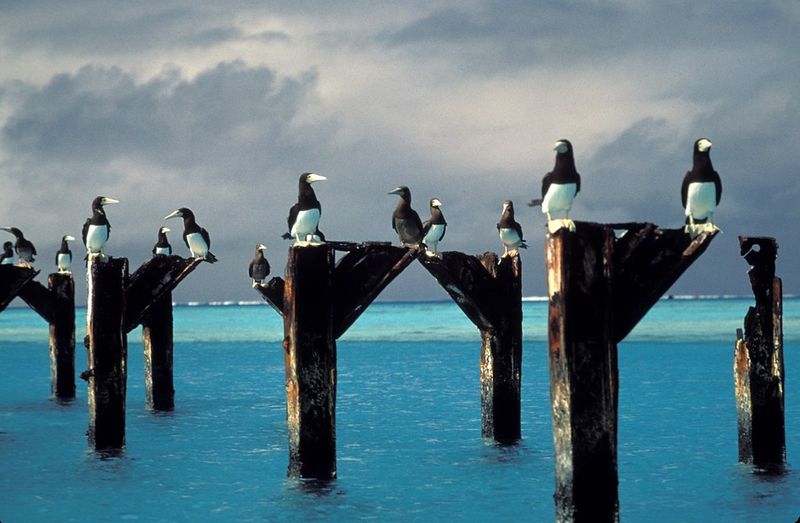
Johnston Atoll rarely raises its voice, yet its runway once guided long range plans. During the war, it served as a strategic refueling and staging point across a whole ocean.
You stand by the tarmac and feel how distance becomes infrastructure.
Buildings are few, memories many. The emptiness helps you imagine constant motion that never paused for applause.
Fuel drums, weathered concrete, and charts in old photos fill the gaps without exaggeration.
Birds and wind own the place now, turning noise into a faint hum. The atoll shows how support work wins campaigns as surely as front line heroics.
Here, significance rides on practicality, and that honesty feels refreshing.
17. Palmyra Atoll (U.S.)
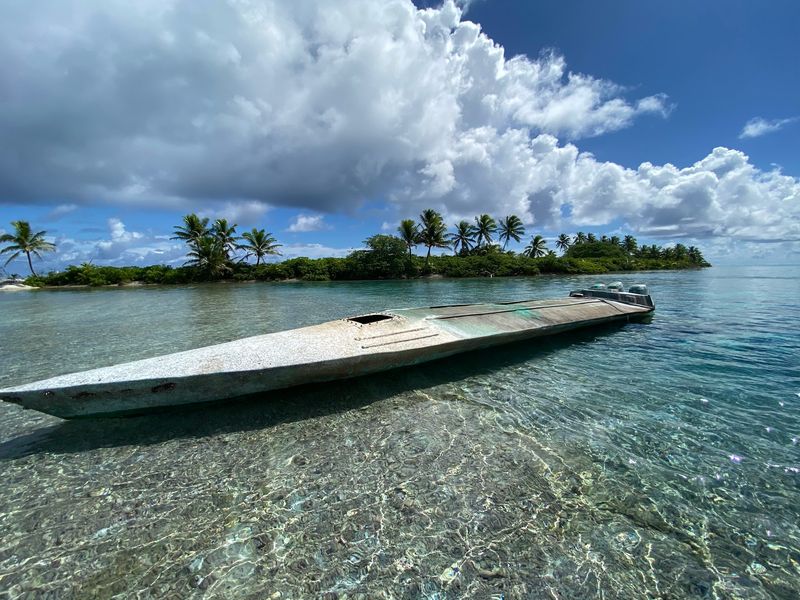
Palmyra looks like a postcard until you notice the wartime skeleton under the palms. The Navy built piers, roads, and airstrips that turned isolation into leverage.
You walk past cracked slabs where training and refueling once pulsed nonstop.
Nature is busy reclaiming, but interpretive notes keep context alive. Mangroves wrap old pilings like gentle arms around a tough story.
The lagoon reflects sky and history together, both endless and forgiving.
Here, support meant readiness, not headlines. You realize how many victories rely on places that rarely get named.
Palmyra gives you space to appreciate the infrastructure behind courage.
18. New Britain (Papua New Guinea)
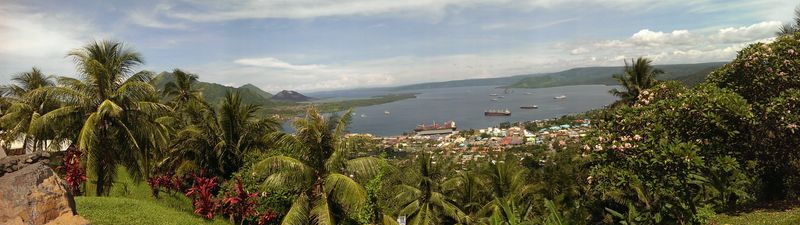
New Britain frames war within volcano rims and wide harbors. Rabaul’s caldera sheltered fleets while tunnels wound through warm earth like a second city.
You can still step into cool passages and feel footsteps echo forward and back.
Cape Gloucester’s airfield remnants lie under vines and tall kunai. Broken barges slump into shoreline mud, half sculpture, half testimony.
Museums and community guides connect scattered sites into a coherent, human narrative.
Everywhere, the terrain rules decisions, just as it did in the campaigns. Steam from earth vents blurs the past into the present for a heartbeat.
New Britain proves that strategy lives or dies by geography and grit.
19. Bougainville (Papua New Guinea)
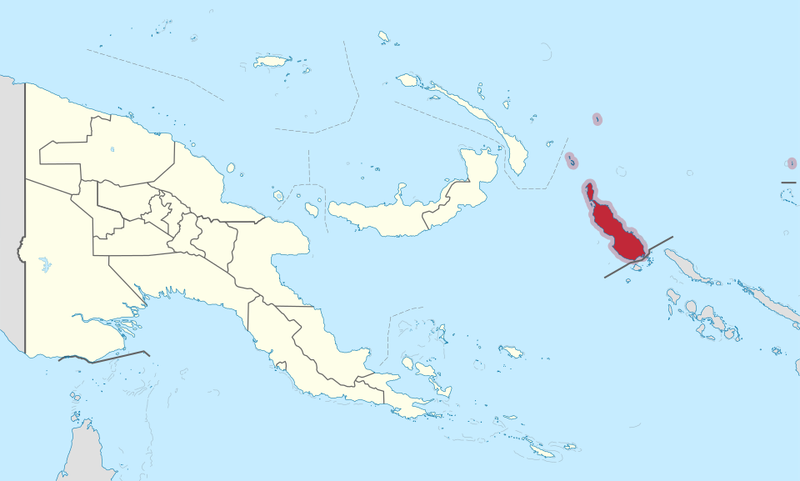
Bougainville spreads its story across mountains and mangroves. After Allied landings in 1943, fighting continued for years, shaping villages and valleys.
You feel the scale when river crossings turn simple walks into patient negotiations.
Markers are modest, but locals speak with authority shaped by family memory. Trails pass foxholes softened by leaf litter, and ridge paths follow lines once chosen under fire.
The island’s greenery gives mercy to harsh histories without hiding them.
Beaches where the landings unfolded look peaceful now, with gentle surf smoothing rough edges. In towns, small exhibits and photographs hold focus where words might drift.
Bougainville rewards curiosity with context, not spectacle, and that restraint invites respect.
20. Efate (Vanuatu)
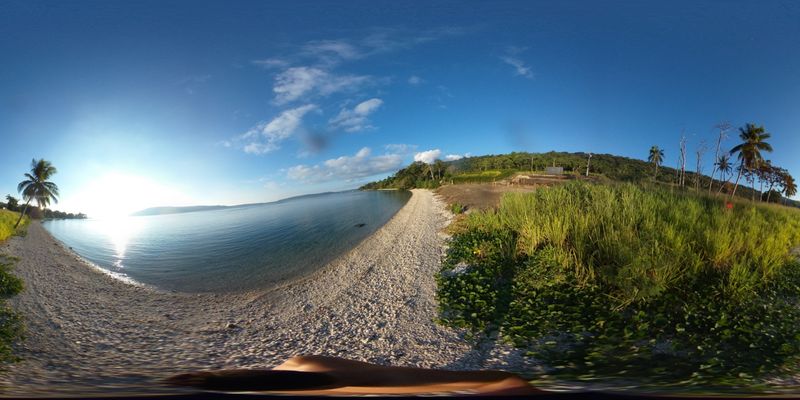
Efate supported bigger pushes by keeping people and planes moving. Allied bases dotted the coastline, turning quiet bays into purposeful hubs.
You can still spot pier footings and coral fill where heavy loads met the sea.
The island moves at an easy pace now, which makes discovery feel organic. Local stories thread through modest monuments and scattered artifacts.
It is the kind of place where logistics becomes visible if you slow down and look.
Driving the coastal road, you meet vistas that combine comfort with consequence. Overgrown airstrip margins hide metal that remembers better than maps.
Efate shows how support work, done well, shortens wars and lengthens peace.
21. Fiji Islands
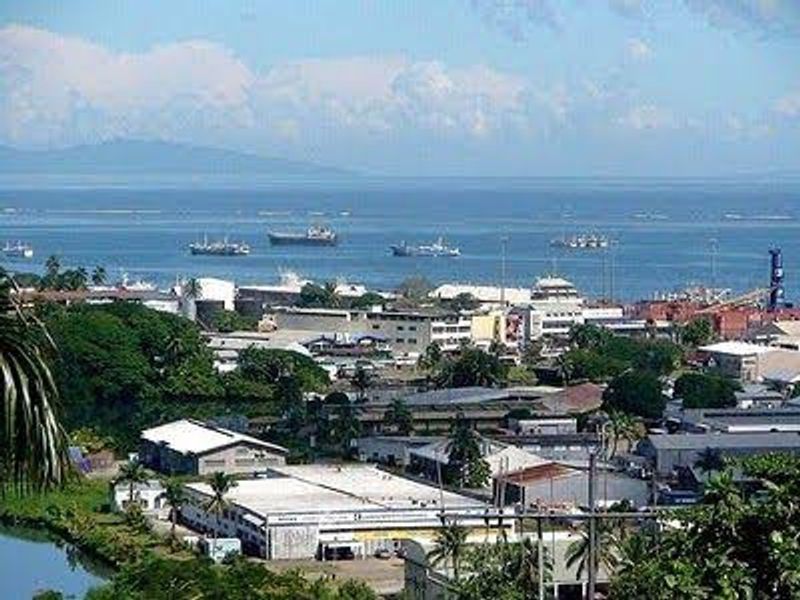
Fiji turned geography into momentum by staging people and supplies for the push north. Training grounds and depots spread across multiple islands, knitting the region into a launchpad.
You see it in coastal batteries that watched channels like careful sentries.
Community memorials feel personal, with names tied to neighborhoods and family stories. Museums highlight navigation, communication, and the quiet heroics of preparation.
The blue water smiles back, while history stands close without intruding.
As you move between villages, hospitality frames every lesson you learn. Old foundations and road alignments hint at the tempo that once ruled days.
Fiji reminds you that readiness is an achievement built by many hands over patient hours.
22. Solomon Islands (General)
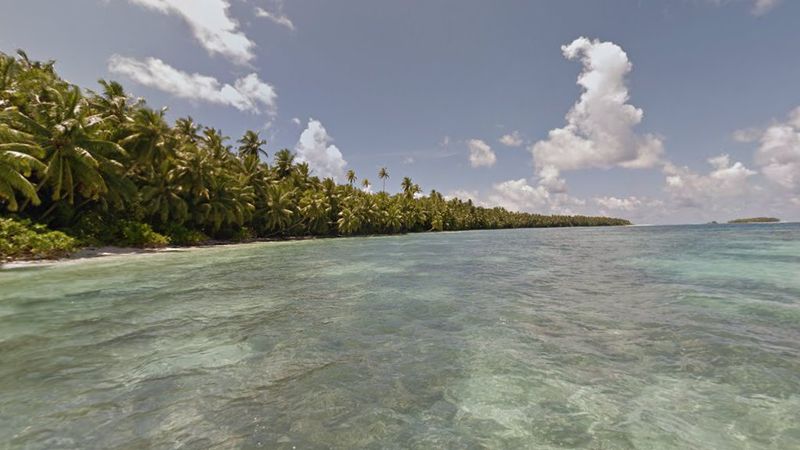
The Solomons stretch like a timeline across blue water. From Guadalcanal onward, campaigns braided sea, air, and ground into long, grinding tests.
You feel continuity as each island offers a chapter that depends on the others.
Wrecks rest in lagoons while village life hums along nearby. Memorials show restraint, letting landscapes hold most of the explanation.
Guides connect details with patience, so the story stays clear and humane.
Travel here turns study into conversation with place and people. You measure distances in boat rides and cloud shadows, not just miles.
The Solomons teach that persistence, partnership, and place shape outcomes as much as any single battle.



