 Unearth The Voyage
Pull off at an old neon-lit diner and you can almost hear the sizzle, smell the coffee, and picture a pie carousel slowly turning. Yet a surprising number of those once-reliable favorites are either rare or gone, nudged aside by changing tastes, tighter margins, and fast-food convenience.
Some faded because of health concerns, others because scratch cooking takes time few kitchens have. Let’s revisit the plates that made cross-country road trips feel like home, and why you hardly see them anymore.
1. Meatloaf with Brown Gravy
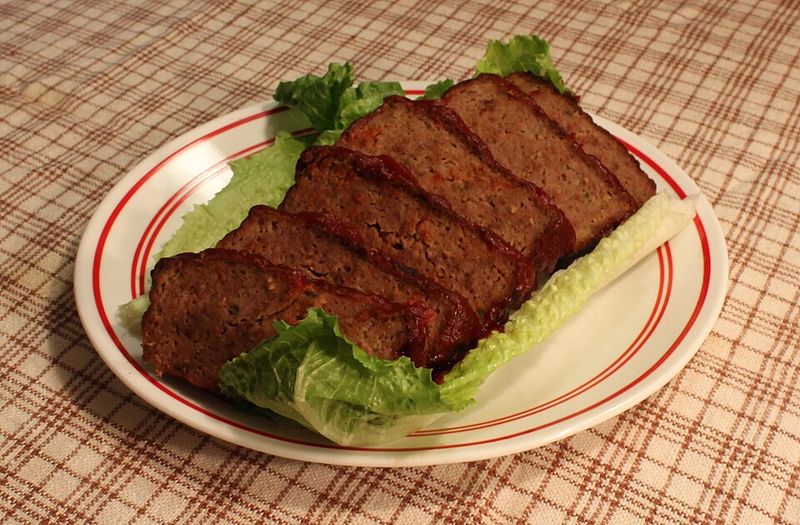
Meatloaf with brown gravy once anchored the blue plate rotation, a thrifty hug-by-the-fork. You could taste the diner’s personality in the loaf: minced onions, crushed saltines, a sly squirt of ketchup, maybe a whisper of Worcestershire.
Brown gravy pooled into the potatoes, and steam fogged your glasses while the waitress balanced three plates on one arm.
So why the fade? Consistency.
From-scratch loaves vary, and leftovers define tomorrow’s texture. Many kitchens pivoted to burgers because patties are predictable and profitable.
Changing tastes matter too. According to the National Restaurant Association, diners increasingly seek customizable, globally inspired flavors, squeezing out old-school standards.
Still, when that gravy glosses the knife and the loaf holds together without crumbling, it is a time machine. You remember family stops under buzzing neon and the first time someone called you sugar while sliding extra napkins your way.
2. Liver and Onions
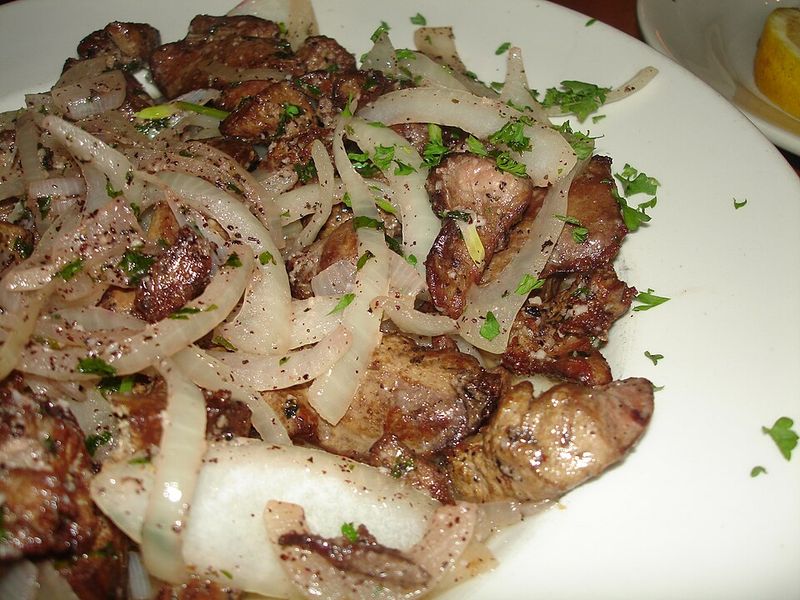
Liver and onions was once a mark of a serious kitchen. The cook knew timing, searing the edges while keeping the center just tender, then tumbling caramelized onions across the top.
It tasted minerally, savory, honest. Older travelers swore by the iron, and it paired perfectly with diner coffee that tasted faintly of yesterday’s batch.
Now it is nearly gone. Offal scares modern menus, and supply chains favor cuts with broader appeal.
Nutritionally, liver is a powerhouse, but high cholesterol optics and shifting palates pushed it aside. A 2023 survey showed younger diners lean toward chicken and veggie-forward plates, not organ meats.
Still, there is a romance to the sizzle of onions on a flat-top and the way the aroma drifts past the pie case. If you spot it on a chalkboard, order it.
You might convert a tablemate with one bite.
3. Open-Faced Roast Beef Sandwich
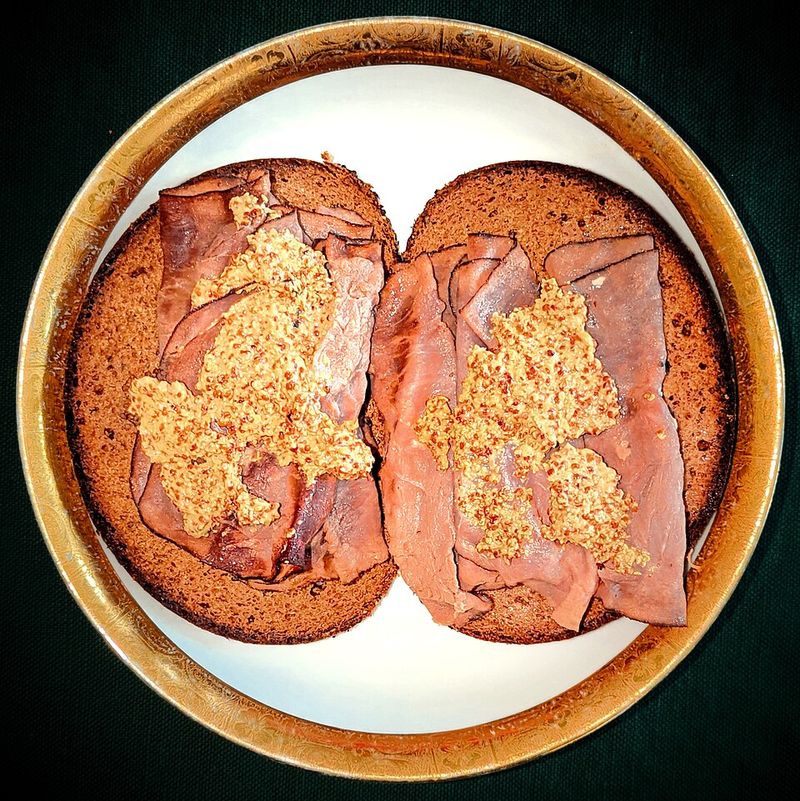
The open-faced roast beef sandwich felt like a Sunday supper rerouted to a Formica counter. Slices of beef lounge on doorstop bread, then everything drowns in glossy gravy that seeps into the crust.
Fries or mash flank the plate like loyal sidekicks, and a dill pickle spear stands guard.
What happened? Real roast beef takes oven time, and many diners now rely on precooked proteins to survive the lunch rush.
Scratch gravy asks for pan drippings and patience. With tighter margins, operators trimmed slow-cook items for burgers and wraps.
Yet nothing replaces that first forkful, bread softening beneath savory flood, steam fogging your glasses. According to industry reports, roast-beef sandwich sales trail chicken options by wide margins, reflecting cost and preference shifts.
Still, in a tiny town with a railroad mural, you may find a cook who keeps a beef round humming low, ready to ladle your memories.
4. Hot Turkey Sandwich
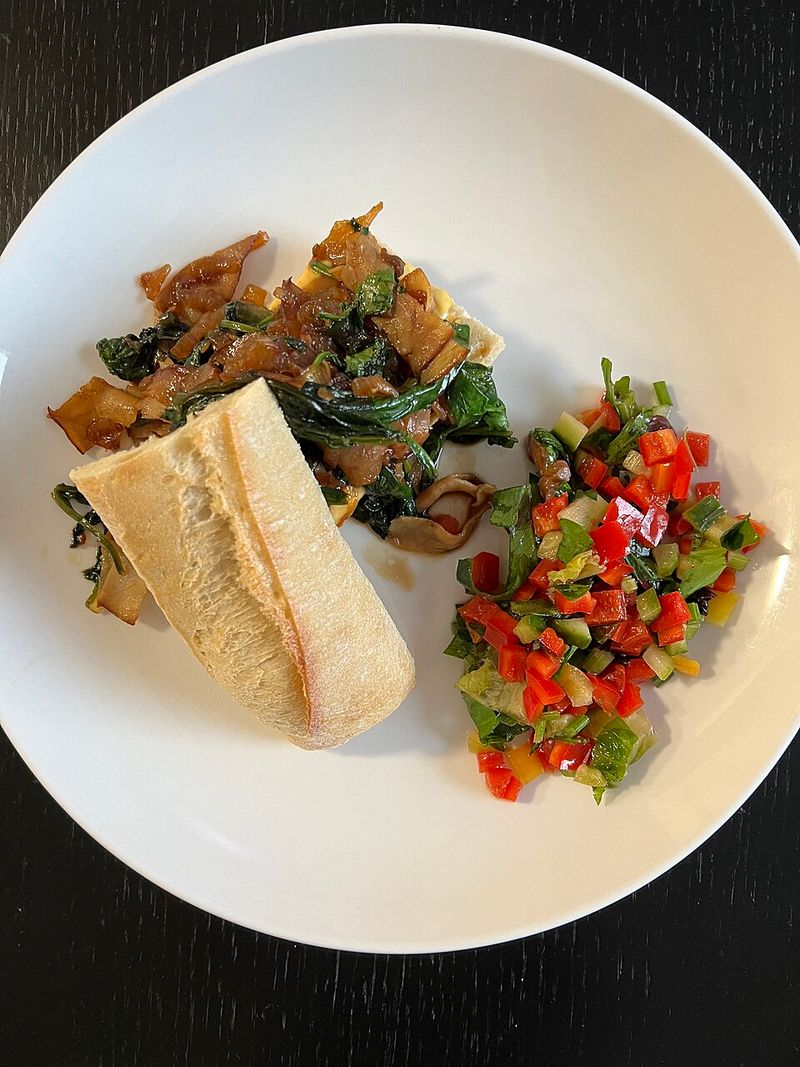
Hot turkey sandwiches tasted like day-after-Thanksgiving detours. Thick-carved slices stacked on soft bread, then a generous snowfall of gravy, maybe a spoon of cranberry sauce to brighten the edges.
It arrived with a scoop of mashed potatoes displaying perfect ice-cream parlor ridges.
Decline owes to carving time, food waste risk, and customers chasing lighter lunches. Many kitchens moved to deli-style cold turkey for clubs and salads, sidelining the ladle.
Supply volatility after holiday seasons also plays a role. Still, that savory aroma brings back counter seats near the pie case, when the cook signaled for gravy with a chin tilt.
The National Restaurant Association notes comfort foods spike during colder months, but year-round demand waned. If you see hand-carved turkey on a dry-erase board, do not hesitate.
Ask for extra gravy and the end slice, and let the world slow down for ten minutes.
5. Patty Melt on Rye
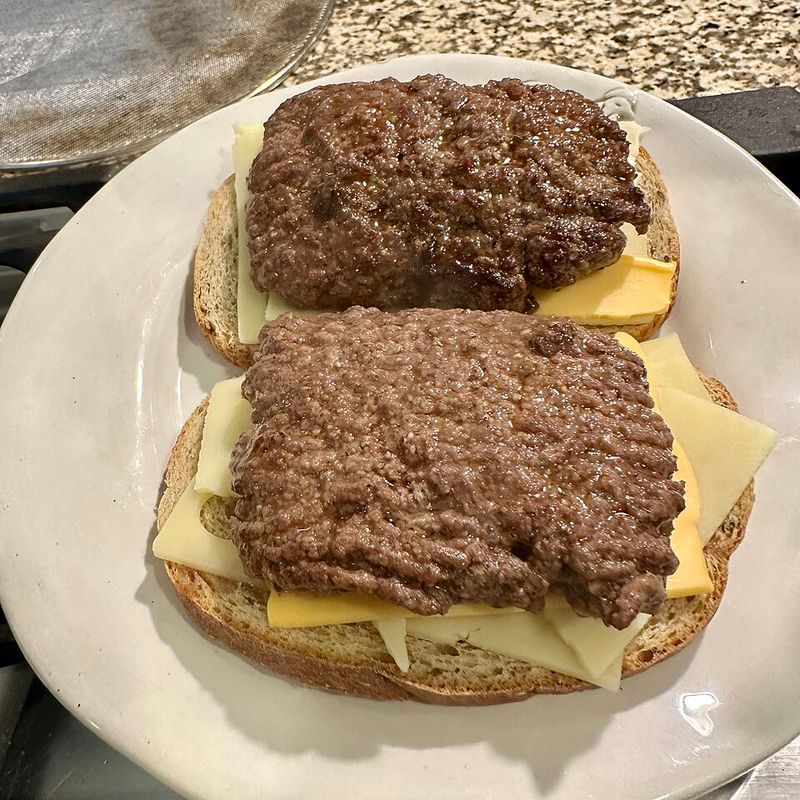
The patty melt is a burger’s jazzy cousin, born on rye. Buttered bread hits the flat-top first, then a smashed patty, Swiss, and a tangle of slow-sweated onions.
The crust crackles when you cut it, and the scent mingles with coffee and the faint sugar of the pie case.
So why rarer? Good rye bread is not always on a diner’s short-order list, and caramelizing onions takes time.
As menus tilted to brioche everything, rye lost shelf space. Yet the first bite delivers toast-sizzle, beef richness, and onion sweetness that feels like midnight radio.
Industry menu tracking shows specialty breads rotating less frequently to reduce waste. You can still find patty melts at stalwarts with griddle lineage, where cooktops carry a memory of a thousand sandwiches.
Order one with a side of slaw and a fountain Coke, and you will remember why rye matters.
6. Tuna Melt
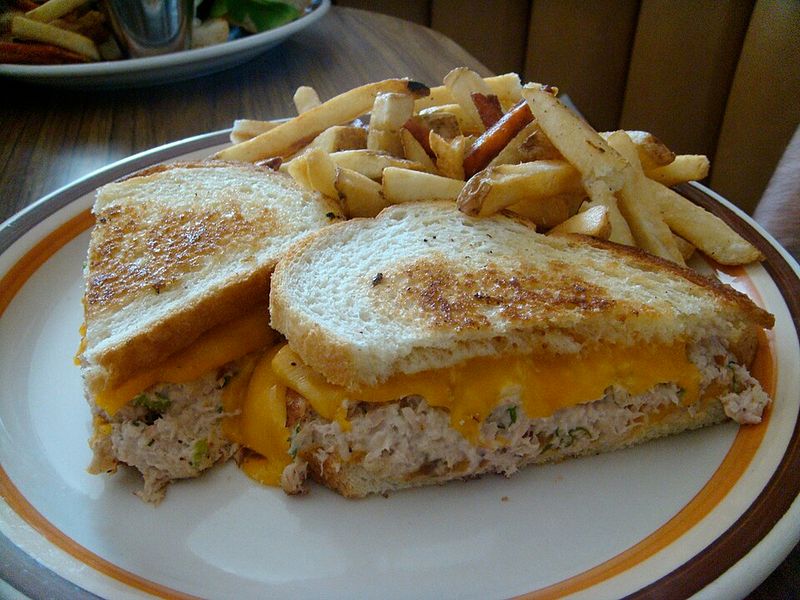
The tuna melt was weekday comfort, a can turned into conversation. Celery crunch, mayo, maybe a little pickle relish, all tucked under molten cheddar on griddled bread.
It showed up with ruffled chips and a pickle that snapped, perfect for a quick lunch while the waitress refilled your cup unasked.
Now it is a rarer sight. Consumers worry about mercury and prefer fresher-seeming proteins like grilled chicken.
Operators cut SKUs, dropping tuna to simplify prep and avoid waste. Yet a well-made melt is proof that simple things sing.
The FDA’s guidance on tuna consumption can spook cautious diners, though light tuna remains within reasonable limits for most adults. If a chalkboard boasts house tuna salad, lean in.
Ask for it on sourdough, maybe with tomato when in season, and feel the bread crunch give way to creamy, peppery warmth that tastes like a familiar song.
7. Club Sandwich with Toothpicks
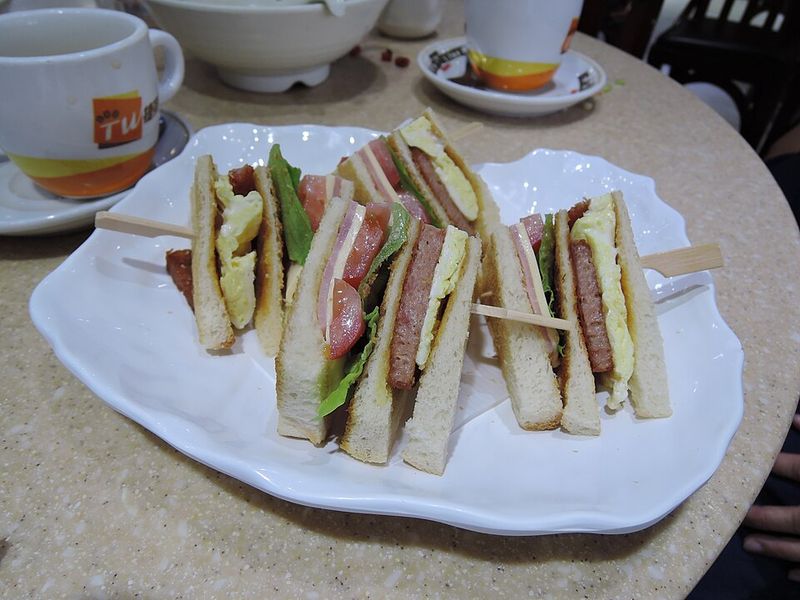
The club sandwich used to tower like a roadside billboard, three toast layers staked with frilled toothpicks. Turkey, bacon, lettuce, tomato, mayo, crisp edges catching salt and sunshine near a window booth.
It sliced into neat quarters, each a triangle of balance and crunch.
Why less common? Prep time and waste from daily turkey, bacon, and produce can be high, and many guests now favor wraps or handhelds with fewer parts.
Safety rules around holding sliced turkey also add headaches. Still, the sight of those jewel-toned picks brings back long afternoons and bottomless coffee.
Market data shows sandwich menus trimming SKUs in favor of customizable builds. If you find a club that still toasts to order, ask for extra napkins.
You will get that bacon-snap and mayo gloss that makes road maps unnecessary, because you are exactly where you meant to be.
8. Monte Cristo Sandwich
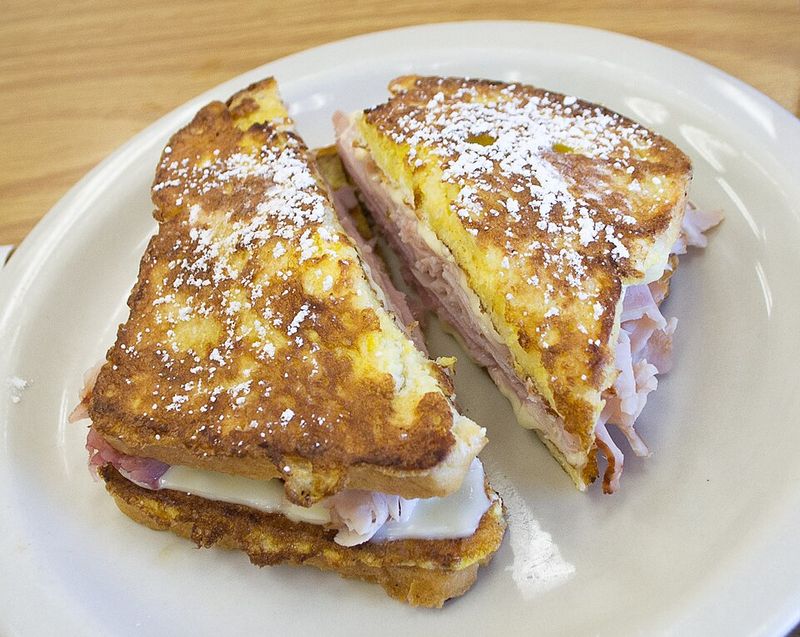
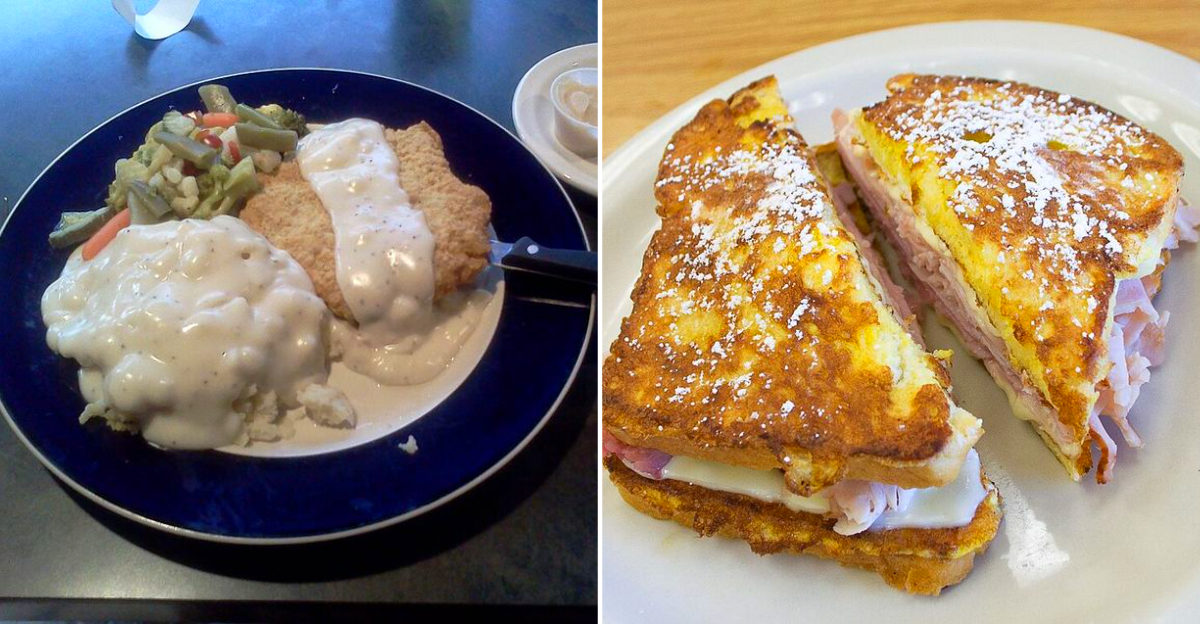
The Monte Cristo straddles breakfast and lunch with theatrical flair. Ham, turkey, and Swiss get tucked between bread, dipped in egg batter, and griddled or fried to a custardy crust, then dusted with powdered sugar.
Raspberry jam on the side feels playful, like a fairground detour off the interstate.
It faded because fryers got busier with wings and fries, and cross-utilizing batter for one specialty sandwich ate space and time. Health optics do not help.
Yet one bite delivers sweet-salty fusion that tastes like permission. Menu trend trackers show fewer fried sandwiches on mainstream diner menus since 2018, replaced by bowls and salads.
If you catch a Monte Cristo on a weekend brunch card, pounce. Ask for extra jam, sip your coffee, and watch the sunlight paint your booth while the powdered sugar melts into the plate’s rim like first snow.
9. Country Ham with Red-Eye Gravy
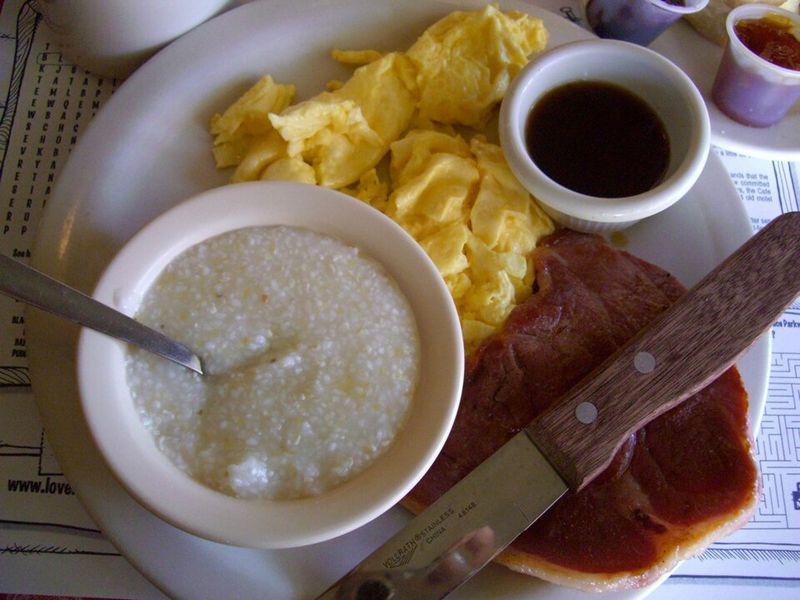
Country ham sings in the skillet, salty and sturdy, a slice of morning discipline. Red-eye gravy, brewed from coffee and pork drippings, looks thin but punches above its weight.
Spoon it over grits or drag a biscuit through the puddle until the edges glisten.
You see it less as regional menus nationalized and salt-wary diners balked. Sourcing true country-cured ham can be tricky outside the Southeast, and its assertive profile contrasts with today’s softer flavors.
Yet in a diner with a screen door and a clock forever five minutes fast, this plate defines breakfast. CDC sodium guidance nudged operators to offer leaner meats, tilting the board toward turkey sausage and yogurt parfaits.
But if you spot red-eye in dry-erase marker, order fast. The first taste is dawn in a skillet, the second is the road rolling out under a brand-new sky.
10. Biscuits and Chocolate Gravy
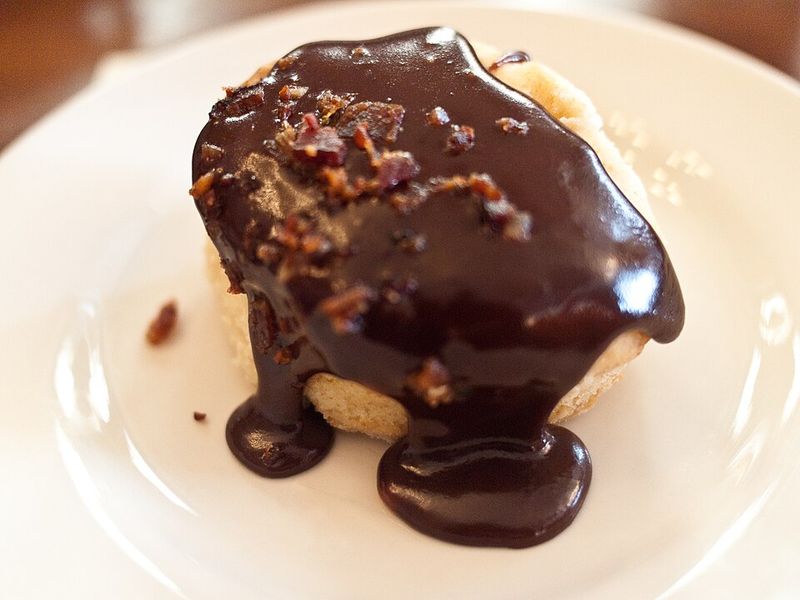
Chocolate gravy is a Southern breakfast wink. It pours satin-smooth over hot biscuits, smelling like cocoa and butter melting into childhood.
The sweetness is gentle, closer to hot cocoa than dessert frosting, and the biscuit’s salt keeps everything grounded.
So why scarce? Regional tradition met national standardization.
Many diners buy biscuits frozen, and chocolate gravy requires stovetop attention and a feel for thickness. As breakfast skewed savory or protein-heavy, this treat lost its square on the board.
Still, a good diner in Arkansas or Tennessee might still ladle it with pride. Menu data shows indulgent breakfast items giving way to egg white scrambles and bowls.
But if you find it, break a biscuit, watch steam ghost the window, and remember that breakfast used to be a place where a little joy could ride shotgun with your coffee and the map spread across the table.
11. Corned Beef Hash (House-Made)
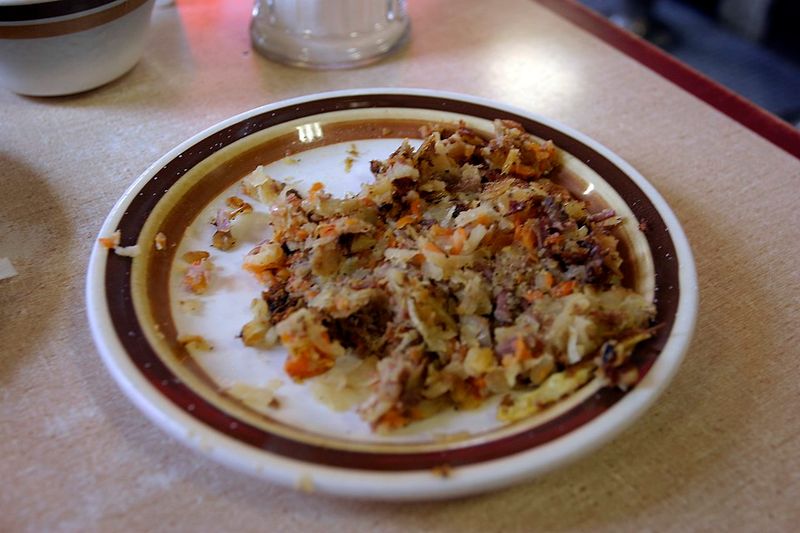
House-made corned beef hash is all about the crust. You hear the spatula scrape as the cook coaxes a mahogany edge from potatoes, onions, and chopped corned beef.
Two eggs crown the skillet, yolks ready to run like sunrise down Main Street.
The shortcut version from a can kept the name alive, but true from-scratch hash takes prep and leftover management. Brined brisket is not cheap, and diners lean on items that flip fast.
Yet that crispy bottom tastes like kitchen pride. Breakfast trends show bowls outpacing plated combos, and many operators simplified.
Still, if the menu says house-made, ask for it extra-crispy and do not rush. The coffee is bottomless for a reason.
The first forkful delivers smoke, salt, and sweetness, a postcard from St. Patrick’s Day that somehow stayed for summer road trips.
12. Ham Salad Sandwich
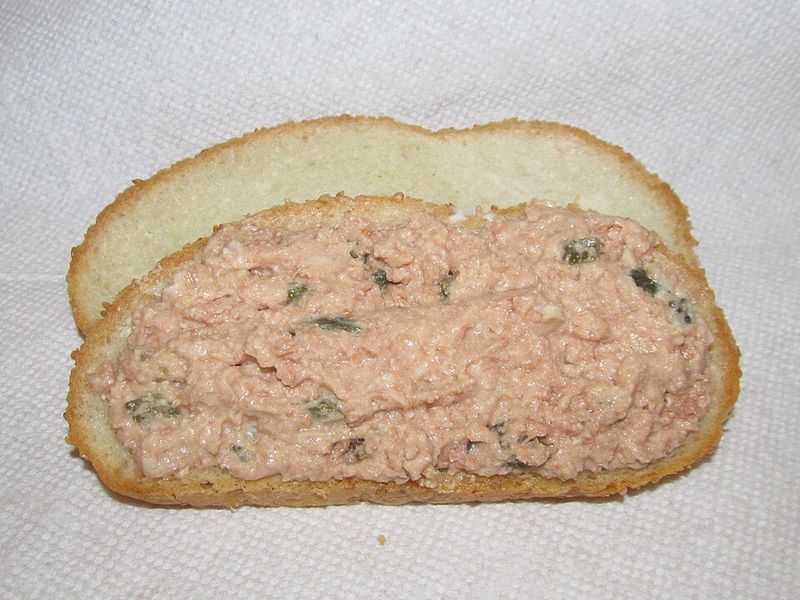
The ham salad sandwich was thrifty magic, chopping yesterday’s baked ham into a creamy, tangy spread flecked with relish and celery. It came on soft white bread with a lettuce whisper, chips rattling on the plate like loose change in the glove box.
One bite and you tasted potlucks, church basements, and ballfield evenings.
It slipped away as delis standardized to turkey, ham, and roast beef slices. Food safety anxieties over mayo-based salads did not help, especially on sweltering days.
Operators trimmed niche salads to reduce waste. Still, a good ham salad hits that perfect sweet-salty balance.
Consumer data shows cold-cut sandwiches holding steady while specialty salads decline. If you spy a handwritten sign promising house-chopped ham salad, order it with extra pickles.
The crunch and creaminess make even a construction detour feel like a scenic route.
13. Blue Plate Special (Daily Rotating Entrée)
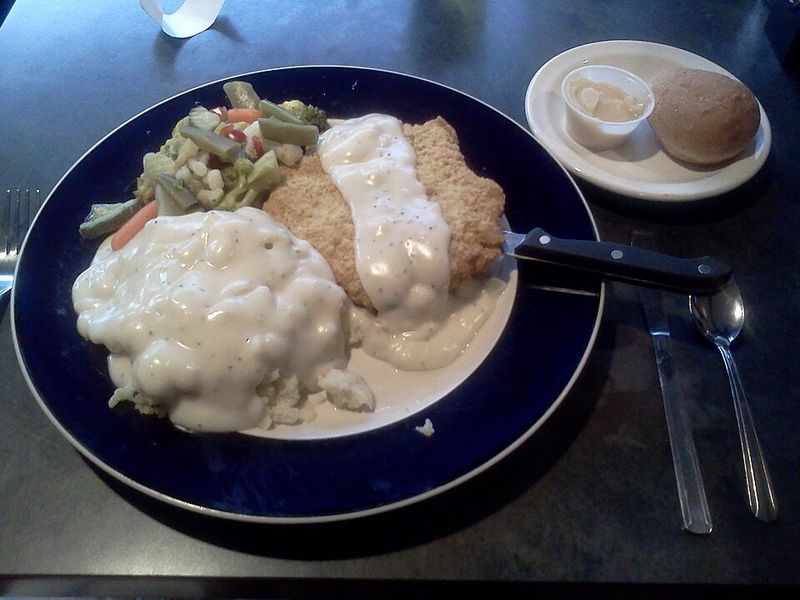
The blue plate special was a promise. Whatever the cook felt like making, whatever the market allowed, landed on your plate with a price that made sense.
It turned strangers into regulars, because surprise can be comforting when it is cooked with care.
Today’s standardized menus leave less room for daily improvisation. Fewer cooks have autonomy, and cost controls discourage variance.
POS systems crave predictability. Yet the blue plate carried community.
You learned the town’s news at the counter while waiting to learn your lunch. Industry research shows limited-time offers still work, but the labor to support true daily rotations is scarce.
If you see chalk dust on a server’s fingers, ask what is good. You might get pot roast so tender it forgets it was ever a muscle, and a roll that remembers butter the way radios remember static.
14. Rice Pudding
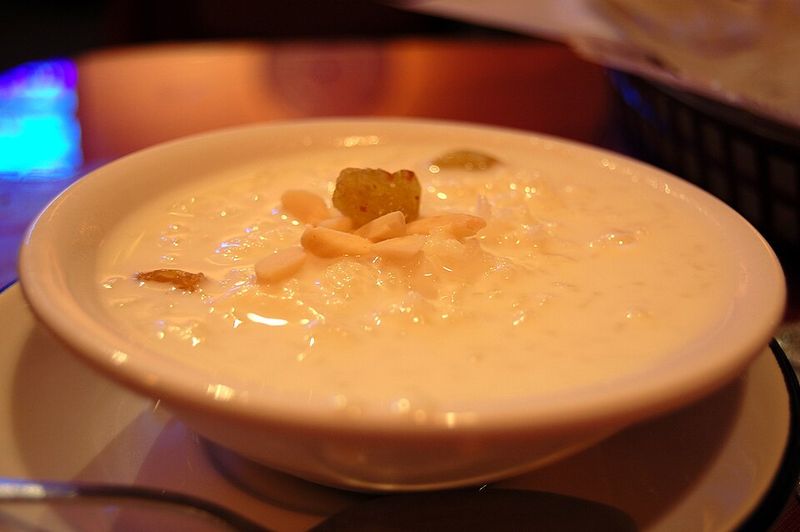
Rice pudding used to live by the register in chilled parfait glasses, cinnamon freckles on top. It tasted like slow time, milk simmered just long enough to coax tenderness from humble grains.
You would catch a spoonful between sips of coffee while the server swapped stories with the night cook.
Dessert cases shifted toward cakes and cheesecakes that ship well and last. Rice pudding asks for stovetop attention and space in the fridge.
As grab-and-go rose, spoon desserts retreated. Yet the comfort is undeniable.
A 2022 consumer survey found nostalgia desserts still spark purchases, though operators favor items with longer shelf life. If you spot real rice pudding, not a mix, claim it.
Sprinkle a touch more cinnamon and dig down to the cool center, where the texture feels like a record’s quiet groove before the next track clicks in.
15. Tapioca Pudding
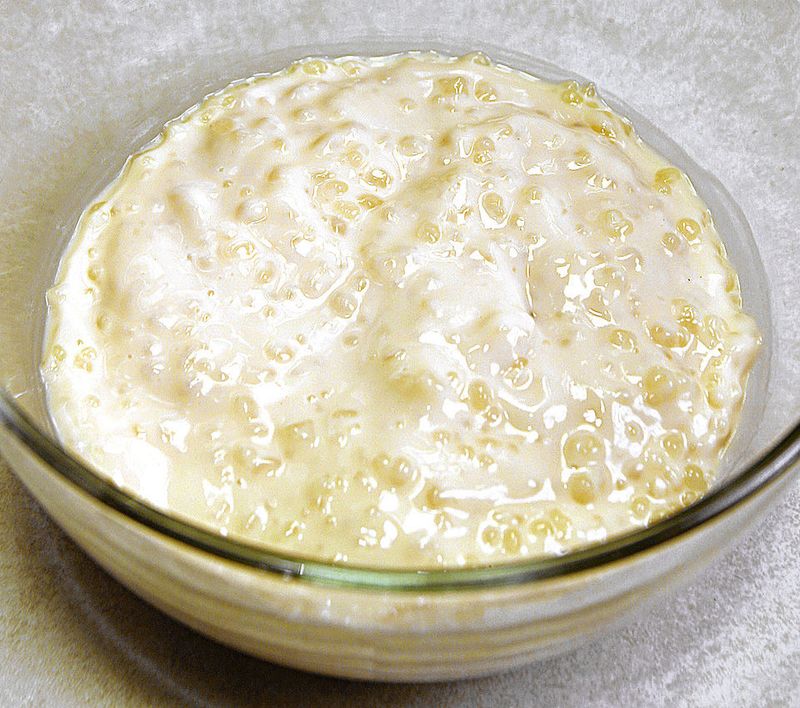
Tapioca pudding, with its little pearls catching the light, once shared shelf space with Jell-O and pie slices. It carries a whisper of vanilla and a texture that asks you to slow down.
Grandparents ordered it because it was gentle, and kids loved the tiny orbs like edible snow.
It faded for logistics reasons. Tapioca pearls take soaking and stirring, and many kitchens lost that ritual to prep lists focused on fries and eggs.
Shipping-ready desserts took the slot. Still, there is something meditative about a spoon tracing circles in a chilled bowl.
Market trend reports show fewer custard-style desserts on quick-service menus, collateral of speed. If you find tapioca made in-house, say yes.
A shake of nutmeg and the world softens, the highway noise tucking itself behind the hum of the refrigerator case.
16. Lemon Icebox Pie
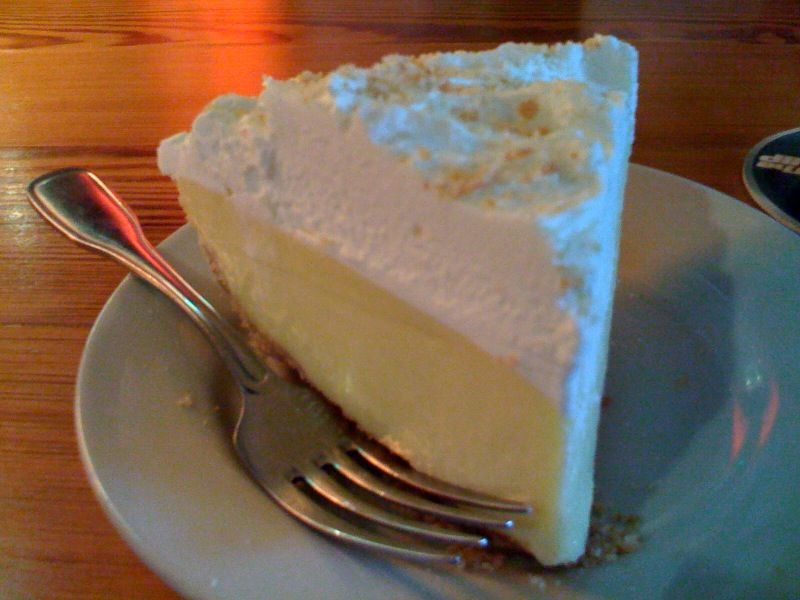
Lemon icebox pie cooled summers in parts of the South where AC was a rumor. Condensed milk, lemon juice, and a graham crust formed a tart, creamy wedge that could turn a hot afternoon compassionate.
It glows pale yellow on the plate, a small sun you can eat.
Distribution-friendly cheesecakes muscled in, and some diners stopped making pies entirely. Freezer space and labor pushed scratch desserts to the edge.
Yet the pie’s balance is unbeatable. When lemons bite and sugar forgives, you get clarity on a fork.
Industry data shows pies still beloved, but house-baked slices decline as chains rely on commissaries. If the server says the crust was pressed in that morning, order two.
One for now, one for the glove box, a secret slice waiting at the next overlook.
17. Coconut Cream Pie (From Scratch)
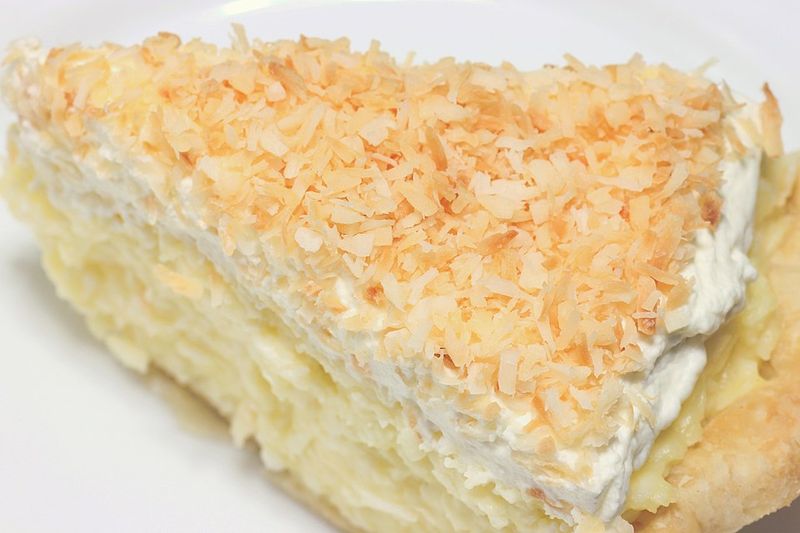
Coconut cream pie towers like friendly architecture. Flaky crust, coconut-studded custard, and a cloud of whipped cream finished with toasted flakes that smell like vacations.
You spot it rotating in the carousel and suddenly dinner becomes an opening act.
From-scratch means tempering eggs, whisking custard, blind-baking crusts. It is a labor of love many busy kitchens cannot spare.
Prebaked shells and thaw-and-serve pies took over. Still, when the custard wobbles just right and the flakes crunch like a good joke, you remember why diners kept pastry chefs in aprons.
Reports show bakery outsourcing rising, shaving prep minutes but trimming soul. If a slice lists toasted coconut made in-house, do not blink.
Order before the lunch rush empties the case, and watch sunlight catch the coconut like confetti.
18. Butterscotch Pie
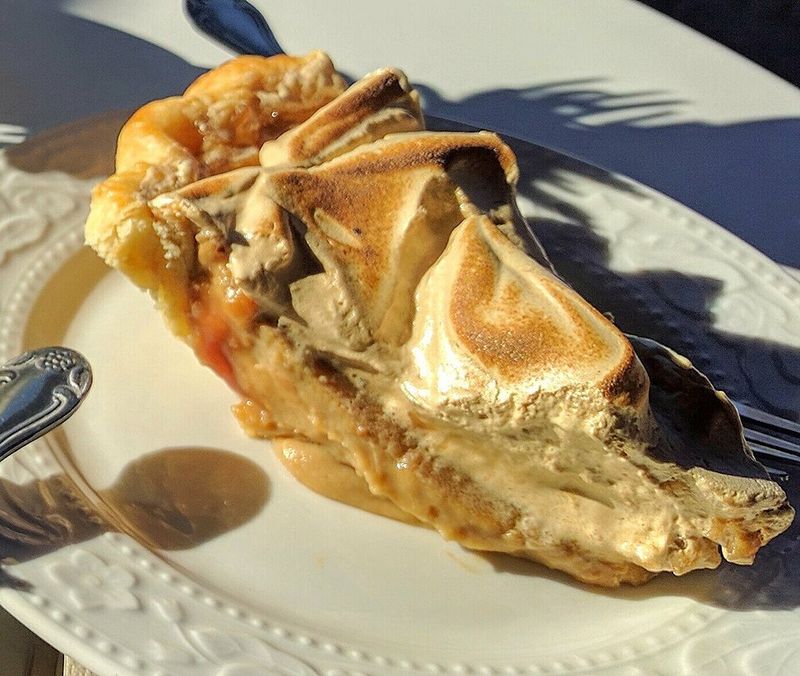
Butterscotch pie tastes like patience. Brown sugar kissed by butter, eggs thickened to a silky hush, sometimes capped with meringue peaks that shimmer under heat lamps.
It is the color of late afternoon and the texture of confidence, slid across the counter with a wink.
It waned because cooking sugar to the right stage scares busy lines, and mixes rarely hit the deep toasted notes. With dessert real estate shrinking, simpler options win.
Butterscotch deserves a comeback. Consumer nostalgia indexes keep climbing, yet execution remains the hurdle.
If a diner prints butterscotch on paper menus, they probably mean it. Ask if the custard is cooked in-house.
When the fork carves a triangle and the meringue sighs, you will understand how a road can feel shorter after something sweet reminds you that small towns still keep secrets worth stopping for.
19. Egg Cream
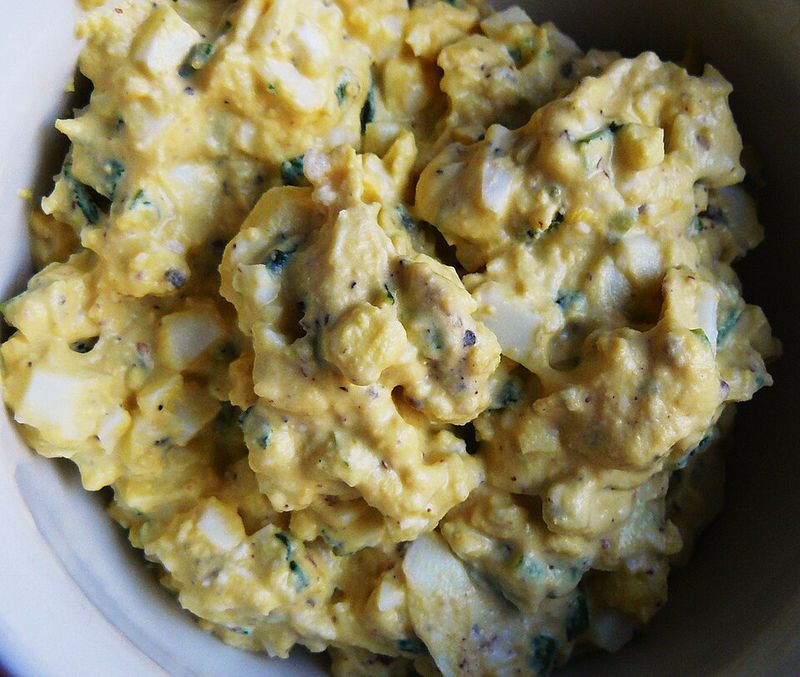
An egg cream contains no egg and no cream, just milk, seltzer, and chocolate syrup fizzed into a head taller than the glass. It is New York in a sip, the sound of seltzer taps and the quick wrist of a counterman.
The foam is half the point, vanishing as fast as a yellow cab.
As fountains disappeared, so did egg creams. Bottled sodas are easier to stock, and syrup ratios demand practice.
Still, one well-made egg cream is like a time lapse of the city. Industry closures of soda fountains since the 1970s tell the tale.
If a diner keeps seltzer on tap and Fox’s U-bet behind the counter, order one. Watch the chocolate marble through the milk and feel the fizz tidy the edges of a long day on the road.
20. Chicken à la King
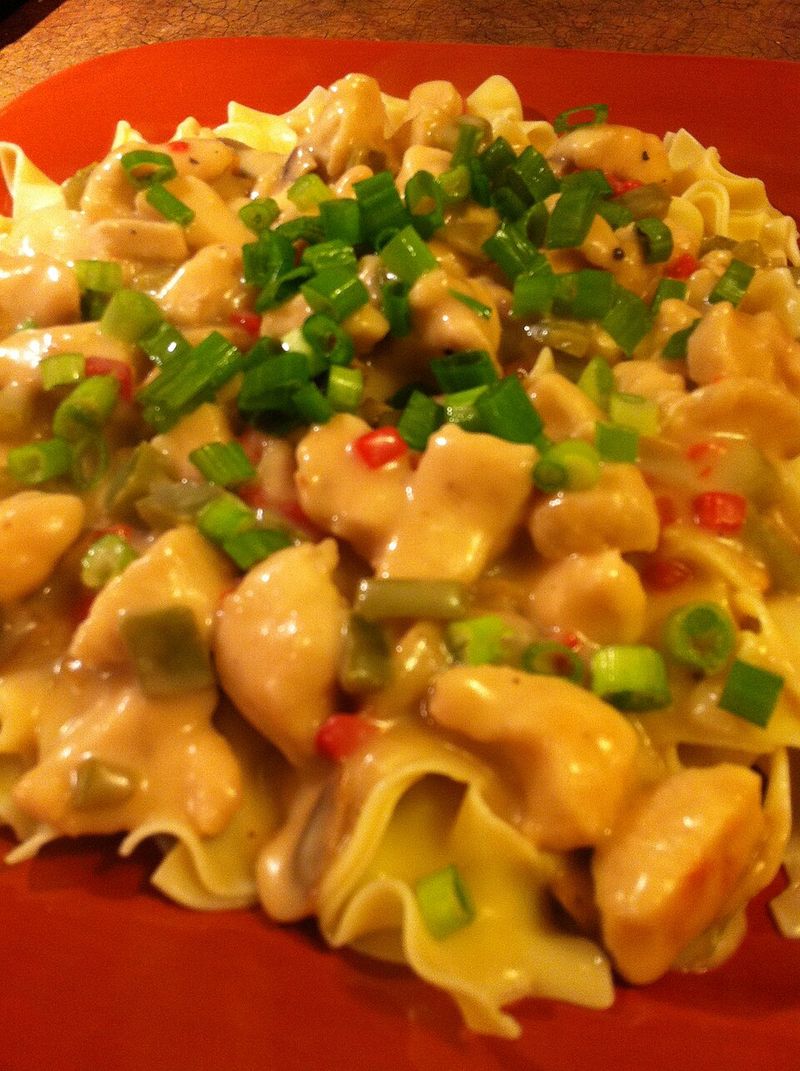
Chicken a la King once felt like a tuxedo at lunch. Tender chicken, mushrooms, peas, and pimentos swam in a creamy sauce spooned over toast points or rice.
It was hotel elegance scaled for a diner counter, where stainless shone and the coffee never cooled.
It faded as menus trimmed cream-heavy entrees and kitchens chased speed. Roux and reduction do not love the rush.
Prepped bowls and grilled chicken took the slot. Still, when made right, it tastes like a polite conversation that slips into laughter.
Menu research notes cream sauces declining as guests seek lighter fare. If a blue plate whispers a la King on Thursdays, show up.
Pepper it generously, listen to the clink of cutlery around you, and let the sauce do what it was born to do: make ordinary bread feel like relief.
21. Pork Chop on a Bun
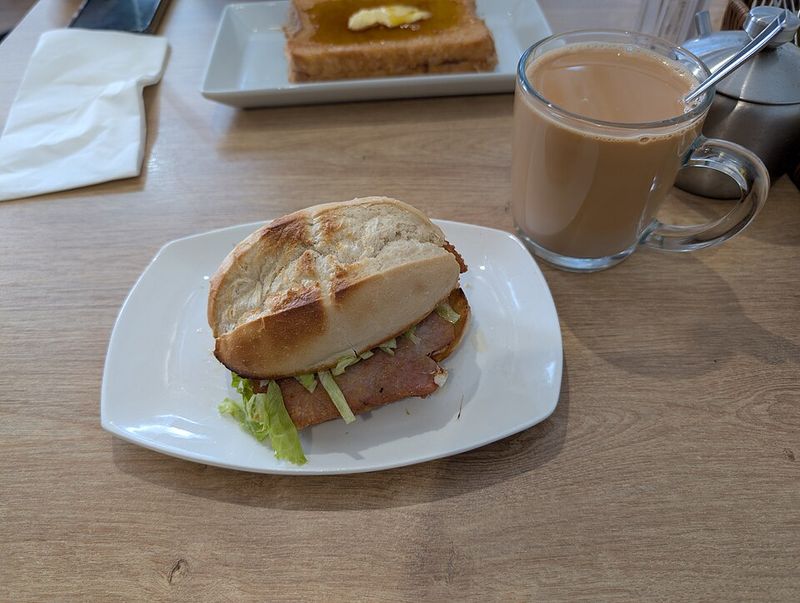
The pork chop on a bun is exuberantly impractical. A bone jutting past the bun, mustard and onions crowding the margins, grease baptizing the wrapper.
It is county fair energy smuggled into a booth with spinning stools.
It disappeared for reasons you can guess. Hard to eat, inconsistent to cook, and not friendly to quick-service pacing.
As handhelds got neater, this glorious mess lost its square. Health shifts toward leaner proteins also weighed in.
Industry safety guidelines favor boneless cuts for speed and uniformity. But if you catch one on a specials board, accept the risk.
Grip the bun, dodge the bone, and embrace the moment a sandwich refuses to behave. Some meals are maps, and some are detours worth missing your exit for.
22. SOS (Creamed Chipped Beef on Toast)
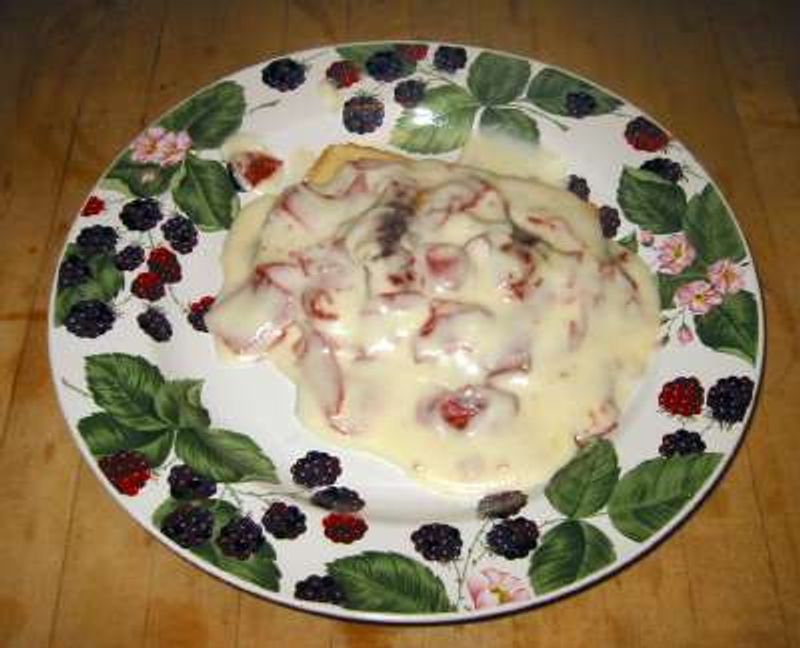
Call it SOS if you served or grew up hearing the stories. Dried beef ribbons swim in a peppery white sauce and spill over toast, the kind of breakfast that sticks through a thousand miles.
It is salty, creamy, and oddly elegant in its thrift, a postcard from mess halls and mom-and-pop counters.
Why gone? Sodium.
As health awareness rose, high-salt items slipped off menus. Even fans admit it is a sometimes food.
Sources note its decline as diners modernized offerings. Still, when a short-order cook nails the roux and balances the salt, you get comfort with history.
The dish is living Americana, more memory than trend. Order it once, then walk it off beneath the billboard shadows and wonder how something so simple could feel like a conversation with your grandfather over black coffee.



