 Unearth The Voyage
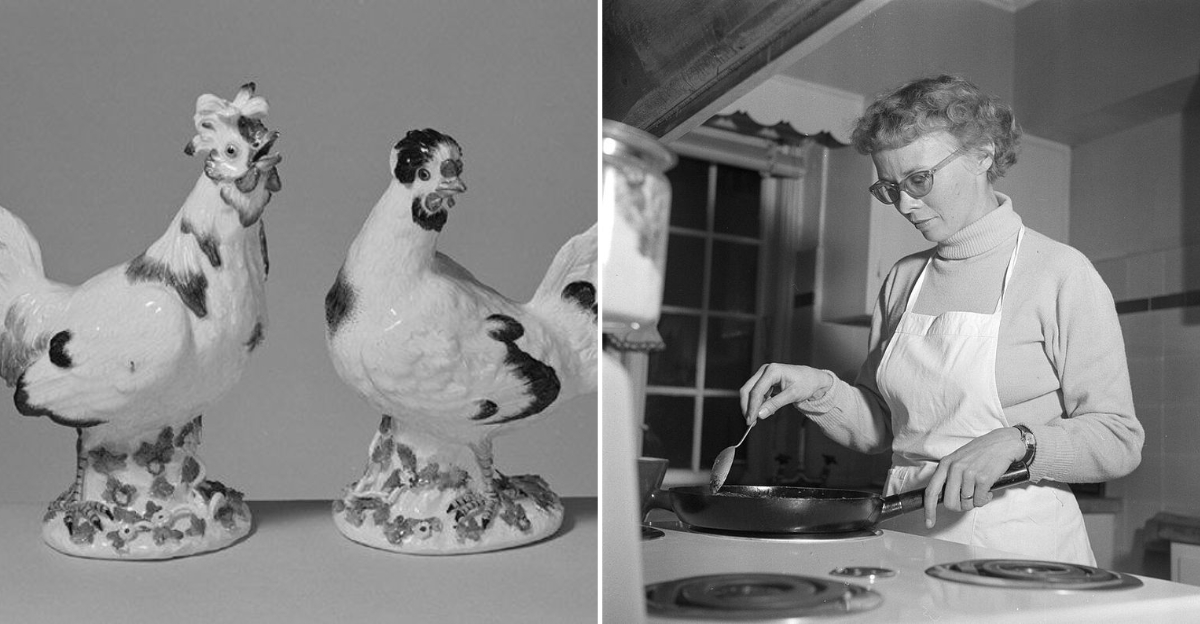
Open the door to Grandma’s kitchen and you can almost hear the clock, smell the coffee, and feel the linoleum under your socks. It was a place where tools had stories, and every drawer hid a small miracle waiting to be used again.
Today’s sleek counters and app timers can’t compete with that gentle hum of routine and care. Come wander through the details you remember and a few you might have forgotten.
1. Floral Wallpaper Everywhere
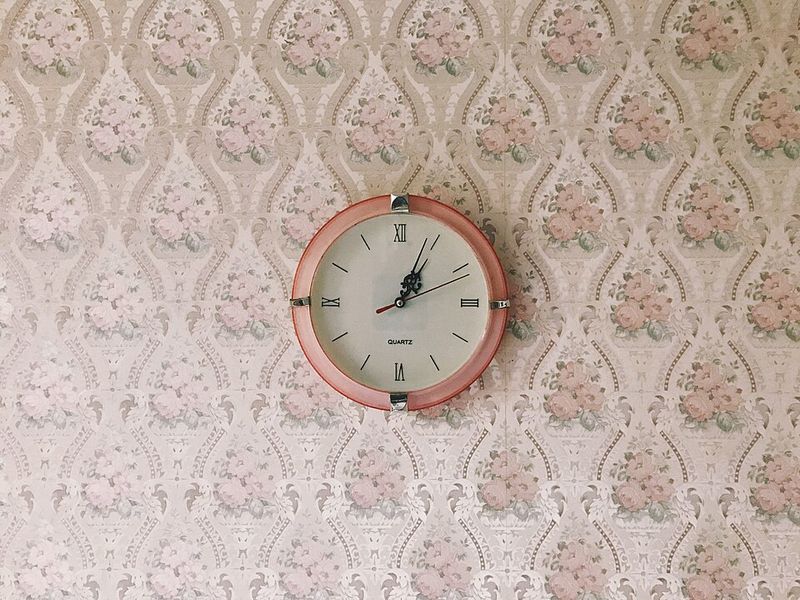
You remember how the roses climbed the walls like a garden that never needed watering. Vines curled along borders, and sometimes even the ceiling wore petals, softening every corner with color.
It made the kitchen feel dressed, like it had put on its Sunday best just for you.
The patterns were bold, cheerful, and unapologetic, turning toast and jam into a small ceremony. Designers say 1970s florals surged with mass-market vinyl, and it shows in old catalogs.
You could spot similar prints in Sears circulars, nestled between aprons and enamel pots.
Even the seams told stories, slightly lifting near a window where steam gathered. Steam from simmering soup gave the wallpaper that lived-in sheen.
You could track family history by the faded squares behind old calendars. When the sun hit just right, the daisies glowed, and the room felt like summer.
2. A Cookie Tin Full of Sewing Supplies
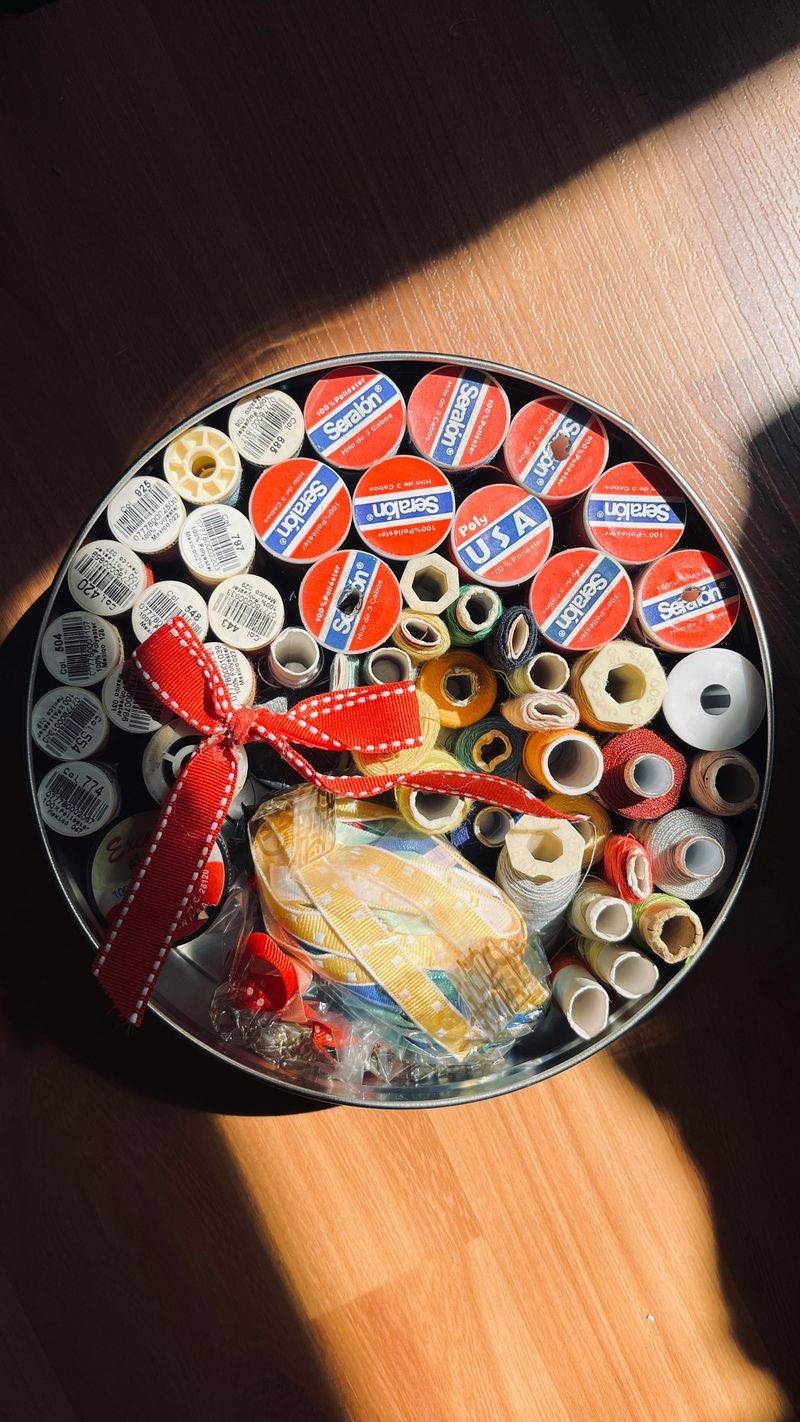
Open the tin expecting shortbread, and you’d get a tumble of buttons in every color. Spools rattled like little maracas when the lid came off.
A thimble would wink from the corner, daring you to find its matching needle.
This was the emergency room for hems, doll clothes, and popped shirt cuffs. It smelled faintly of metal and starch, with a whisper of vanilla from long-gone cookies.
The famous blue tin became a universal symbol of hidden craft supplies, recognized across generations.
There was comfort in knowing a fix was always nearby, and you were trusted to try. Today, fast fashion shortens repair culture, though surveys show thrifting and mending are rising among Gen Z.
That little tin predicted the trend. Dig deep and you might still find a paper pattern piece, yellowed and curled, waiting for one more stitch.
3. A Wall-Mounted Can Opener
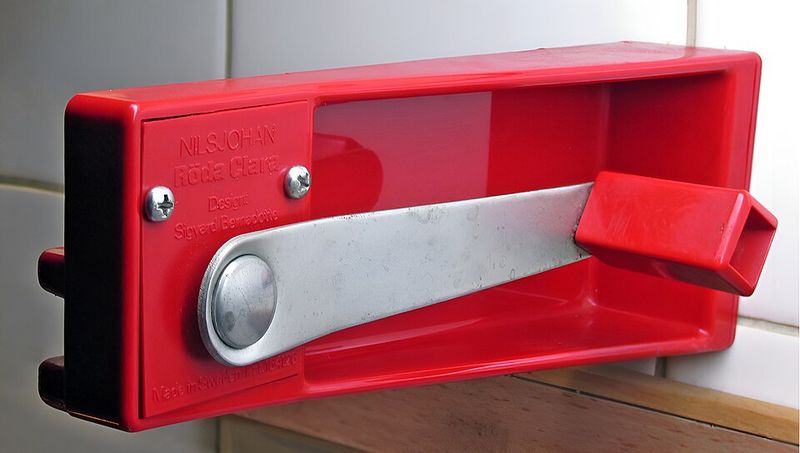
Right by the counter, a sturdy lever stood ready for action. You’d hook the can, press down, and hear that smooth bite of metal separating metal.
Handheld openers felt flimsy after using this anchored workhorse.
It saved drawer space and never got lost, a tiny monument to everyday efficiency. Brands like Swing-A-Way earned reputations for durability, and Grandma trusted them.
The mechanism was simple, satisfying, and just a touch industrial, like something from a diner.
When electric openers took over in the 1980s, the wall mount quietly retired. But it never failed, even when labels got soggy or rims were dented.
If you look closely, you might still find the shadow on the wall where it once lived. That outline is a blueprint of convenience, drawn by years of soup, peaches, and beans.
4. Grease-Stained Recipe Cards
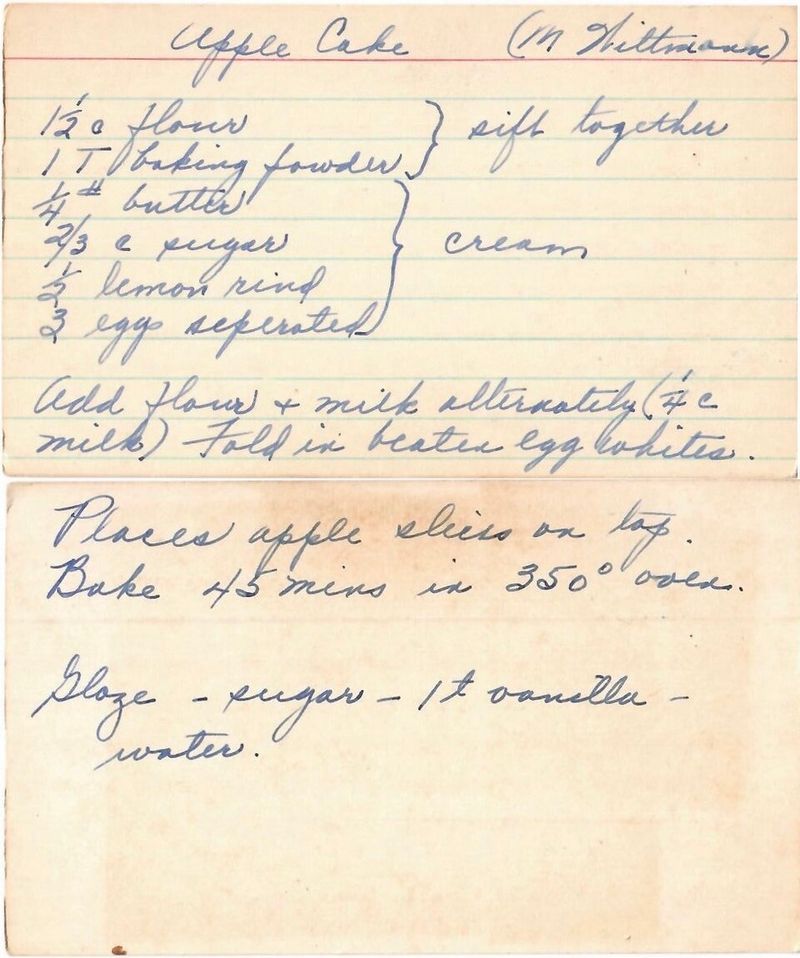
Every smudge had a memory, and every splatter told you where to be careful. The cards were crowded with cursive, arrows, and substitutions scribbled in the margins.
A folded corner might mean there was a secret step only family knew.
These weren’t just directions, they were voices: turn the oven low, wait until golden, don’t skimp on vanilla. Studies show handwritten notes boost recall, but Grandma already knew that.
She tucked the stack under a flour bag like a talisman.
If a card was extra translucent, it meant success had left its mark in butter. You could trace generations in pencil pressure and fading ink.
Cookbooks look neat, but these cards felt alive, humming with repetition. When you copy one today, you keep the smudge, because that stain is part of the flavor.
5. A Flour Sifter
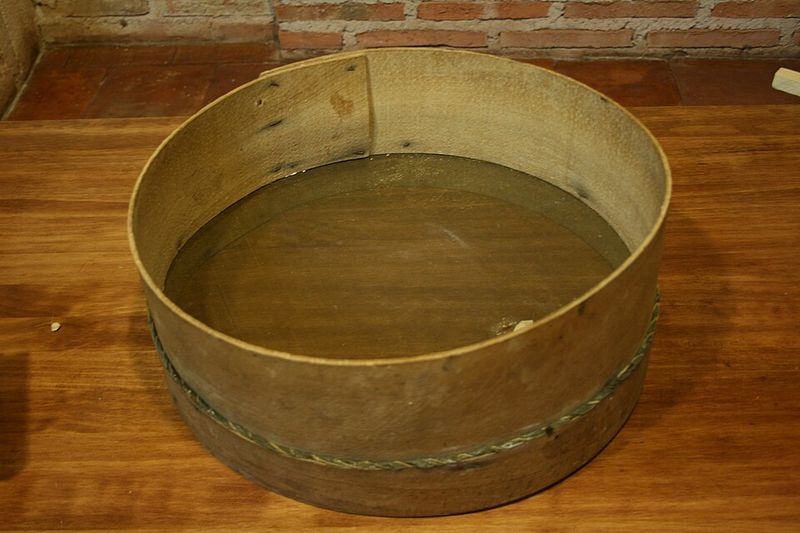
Crank the handle and it would snow in the kitchen, soft as a hymn. The mesh hummed while flour floated down like dust motes catching sunlight.
Cakes rose taller, cookies turned tender, and the ritual felt almost ceremonial.
Grandma kept it tucked beside the mixing bowls, ready for Sunday pies. Food science confirms sifting can aerate and remove lumps, improving texture for delicate bakes.
She didn’t need a study to prove what her hands already knew.
The paint was chipped, the handle warm from years of small circles. Those circles were a metronome, steadying chatter and measuring time between stories.
When the sifter finally stuck, she tapped it twice with a spoon. Even then it obliged, releasing one more whisper of winter over the dough.
6. Decorative Ceramic Roosters
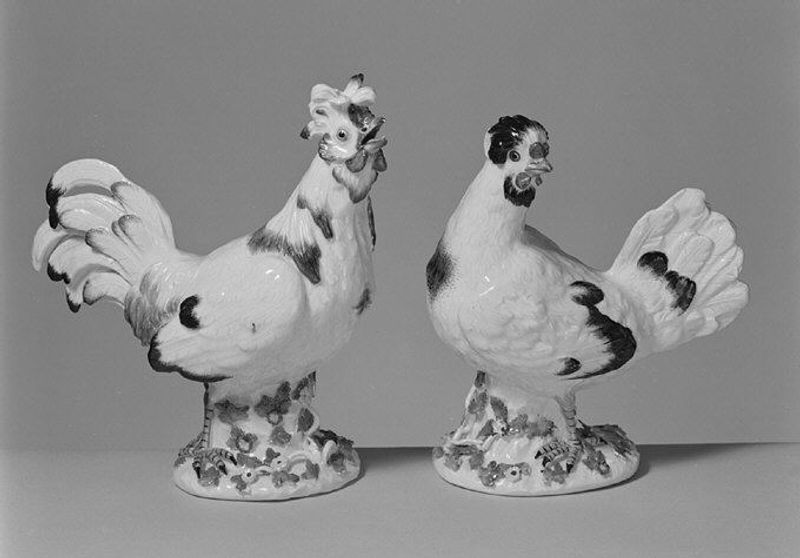
Somehow a rooster always stood guard, tail feathers fanned like a parade float. Maybe it was one, maybe five, perched on shelves and windowsills.
No one remembered buying them, yet there they were, cheerful and unbothered.
Folklore links roosters with good luck and morning vigilance, which suits a kitchen well. They added color to neutral walls and watched over biscuits and coffee.
Glazed reds and yellows caught sunrise, casting tiny carnival reflections on the counter.
If you tapped one, it rang with a hollow bell of clay. A tiny chip on the beak meant it had seen things, like a dropped towel or a runaway rolling pin.
Souvenir shops knew the appeal and stocked them by the dozen. When you spot one now, it’s like a wink from a simpler chorus line.
7. A Tablecloth with a Plastic Cover
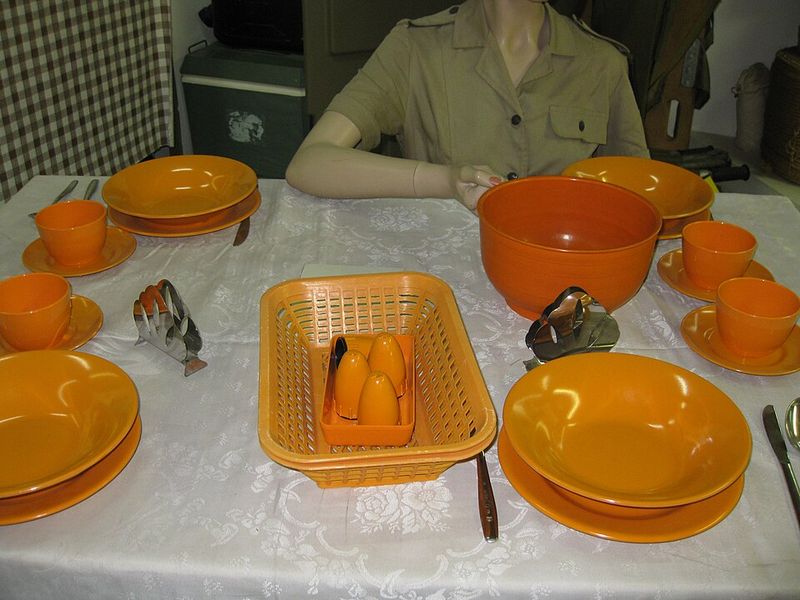
Set your elbows down and they’d stick with a shy little kiss. Beneath the plastic, the real tablecloth stayed bright, a garden frozen in time.
Spills turned into beaded constellations you could push with a fingertip.
Grandma loved the practicality, especially with kids and Sunday potlucks. Replacing a cloth was a luxury, so she shielded it like a museum curator.
The plastic crinkled when you smoothed it, sounding like a page turning.
Today stain-resistant fabrics and wipeable mats do the job. Back then, this clear armor kept holiday patterns ready for the next big meal.
You learned to lift the edge carefully to brush away crumbs, a secret sweep. The table felt dressed and unafraid, and somehow you did too, ready for gravy.
8. The Phone on the Kitchen Wall
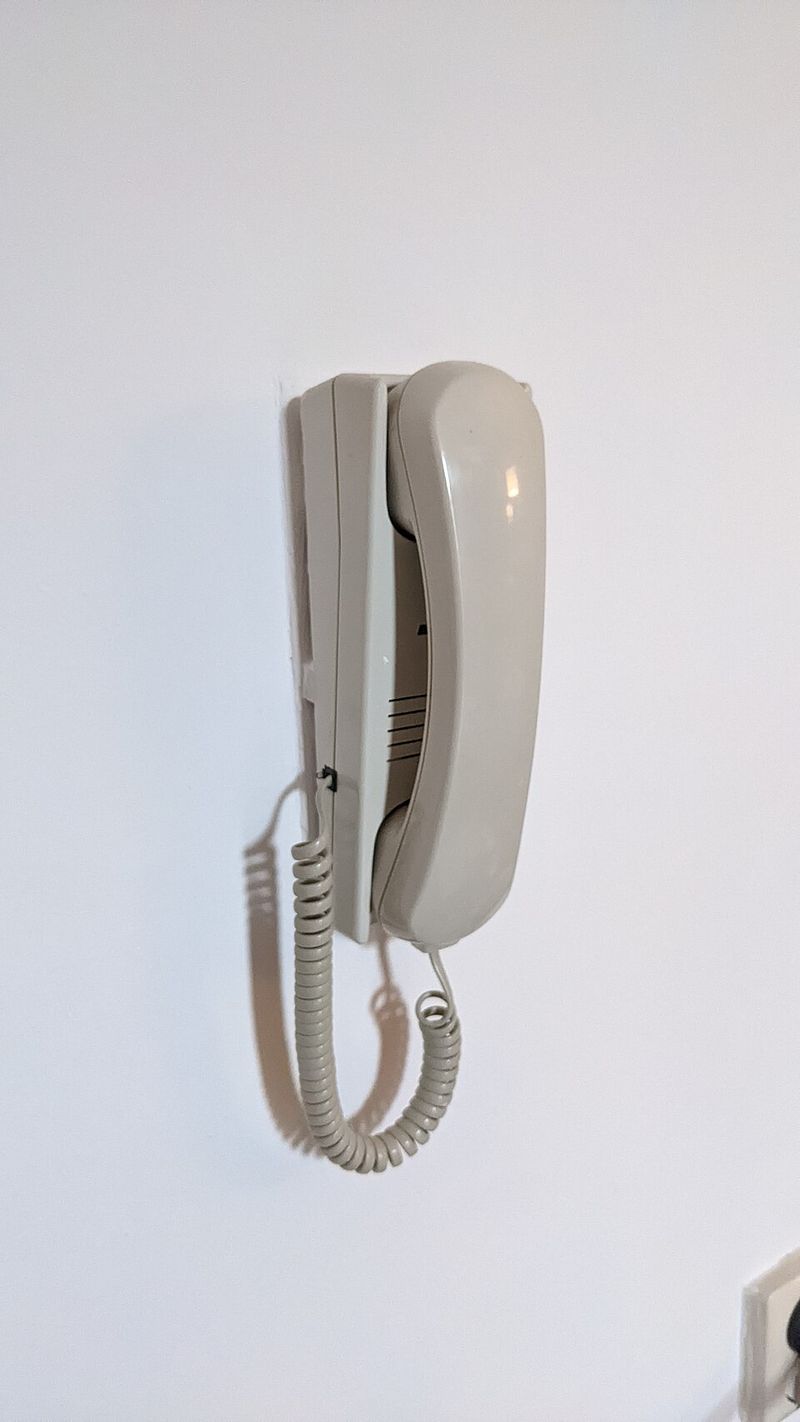
The cord stretched halfway across the room, a lifeline and a tripwire. You’d twist it while talking, carving curly cues that never smoothed out.
Privacy was a fantasy, but somehow secrets still slipped between the clatter of pans.
An avocado or harvest-gold handset matched the era’s palette. The notepad beside it bloomed with messages in hurried handwriting.
In the 1990s, over 90 percent of U.S. households still had landlines, and this phone ruled the house.
Voices floated over simmering soups and radio news, turning recipes into running commentary. You learned to cradle the receiver with your shoulder while measuring a cup of sugar.
When the bell rang, everyone jumped anyway. That ring felt like a guest knocking, and the kitchen always answered first.
9. A Coffee Can Full of Bacon Grease
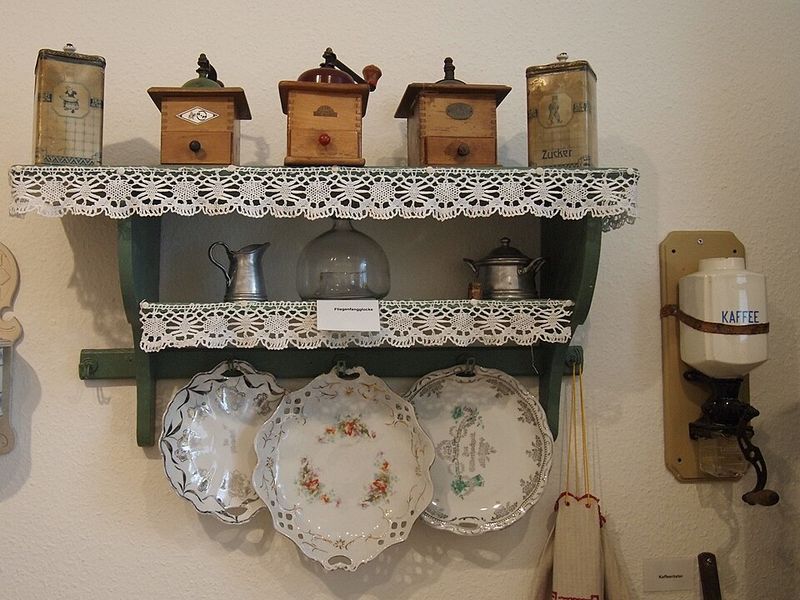
Nothing went to waste, especially flavor. After breakfast, the grease slid into a coffee can, cooling into a creamy souvenir.
Later, a spoonful turned green beans silky and cornbread wickedly good.
Before nutrition labels became daily reading, thrift and taste guided the pot. Even now, chefs praise bacon fat’s high smoke point for frying and roasting.
Grandma knew by feel how much a spoonful could wake up a skillet.
The lid always clicked with that soft tin sound. It sat behind the stove where only family knew to look.
On Sundays, potatoes crisped like they had a secret. They did, and it lived in a humble can with yesterday’s date scribbled on masking tape.
10. A Butter Dish That Never Went in the Fridge
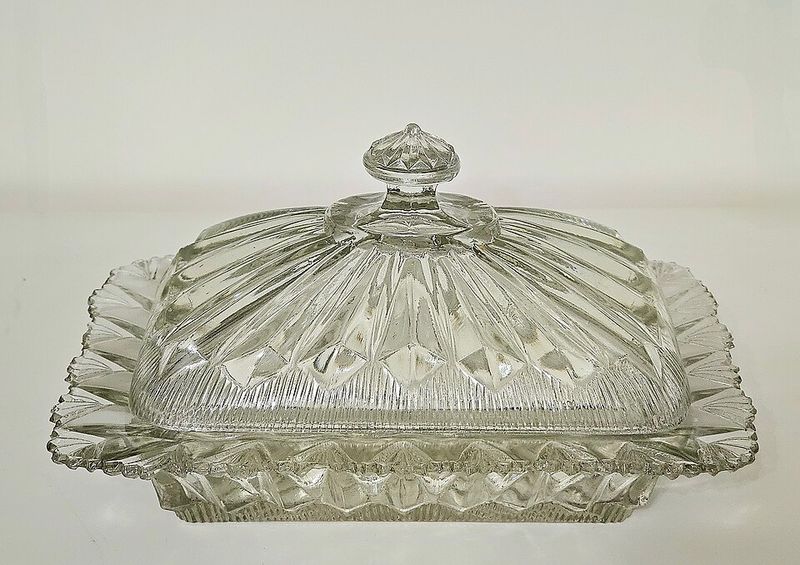
Butter lived on the counter like a friendly housemate. The lid lifted to reveal the perfect swipe for toast or biscuits.
No cold shards, just a soft, golden promise ready at every meal.
Food safety advice has evolved, but room-temp salted butter can be safe for short periods. Grandma managed by using it quickly and keeping it covered.
The dish itself felt special, often painted with tiny tulips or stripes.
Mornings moved faster when butter behaved. You learned the pleasure of a clean knife line, smooth as a ribbon.
Today, silicone crocks try to recreate that ease. Still, nothing beats the quiet luxury of soft butter waiting patiently by the sugar bowl.
11. A Roll of Wax Paper Always in Use
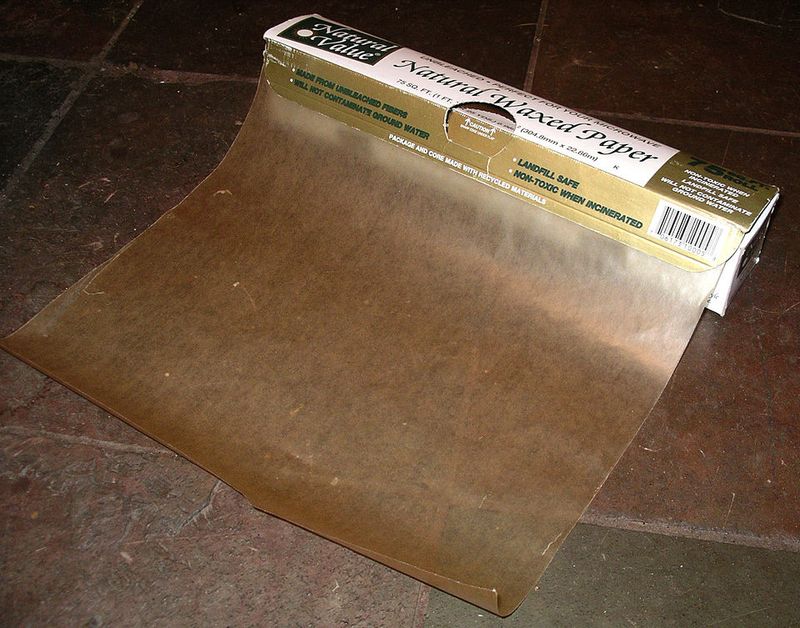
Wax paper slid from the box with a whisper and a satisfying tear. Sandwiches tucked into it tasted somehow fresher, even if that was just confidence.
Cookie stacks rested on sheets that gleamed like raincoats.
Before silicone mats and parchment dominated, wax paper did it all. Lining, wrapping, shielding cake layers from frosting smears, it was the Swiss Army knife of drawers.
The box corners always frayed, ink smudging onto fingertips.
By the 2000s, parchment took the lead for oven use, but wax paper still shines for prep. Grandma knew its limits and strengths by heart.
She’d trace cookie circles on it when teaching you spacing. You learned patience as the pencil squeaked and the dough waited, calm as snowfall.
12. An Apron Worn Daily
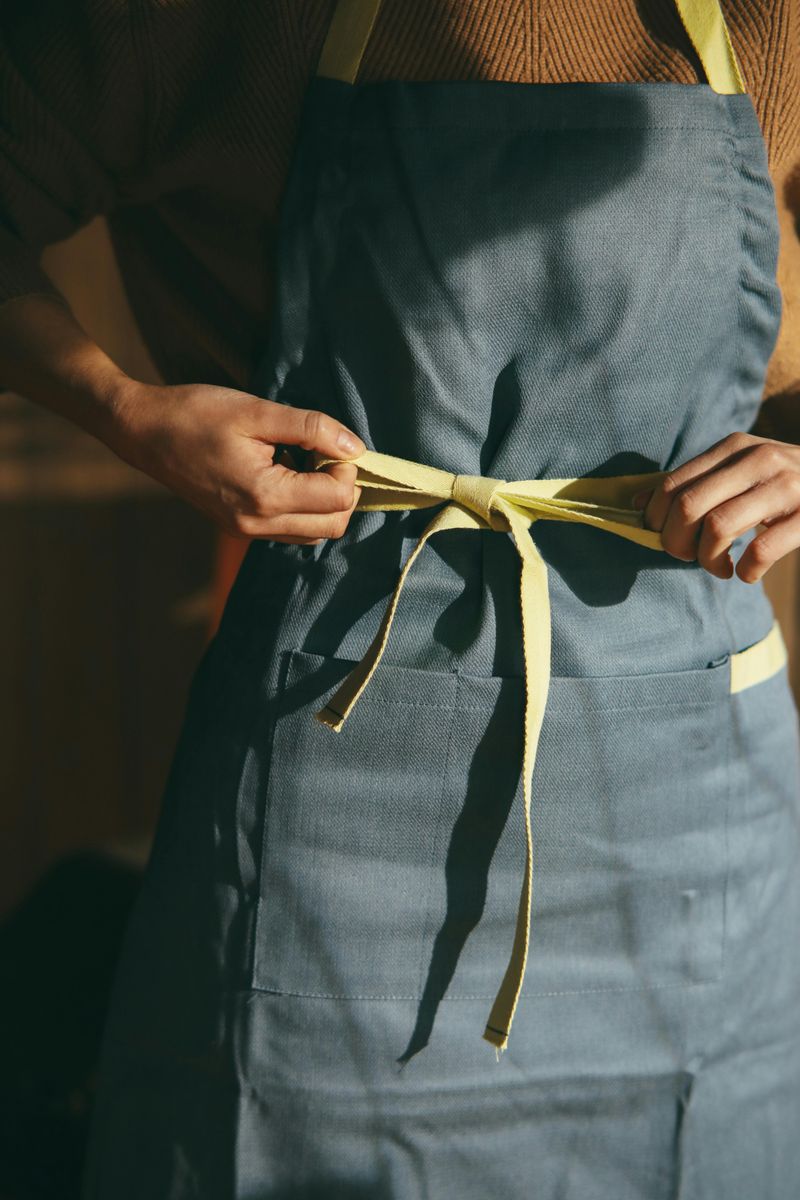
The apron went on before the burner clicked, like a quiet promise to get things done. Pockets held everything: a folded note, clothespins, cough drops, a tape measure.
Ties wrapped twice around a waist that knew its kitchen by muscle memory.
Daily aprons faded in stages, softening the way good jeans do. Surveys show home cooking rose during 2020, but the all-day apron remains rare.
Grandma’s felt like armor and invitation, practical and welcoming at once.
Flour clouds left pale handprints near the hips. When the doorbell rang, she smoothed the front and smiled anyway.
You learned that care can look like cotton with a stubborn stain. It hung back on the hook at dusk, carrying the day’s quiet victories.
13. A Matchbook Near the Stove
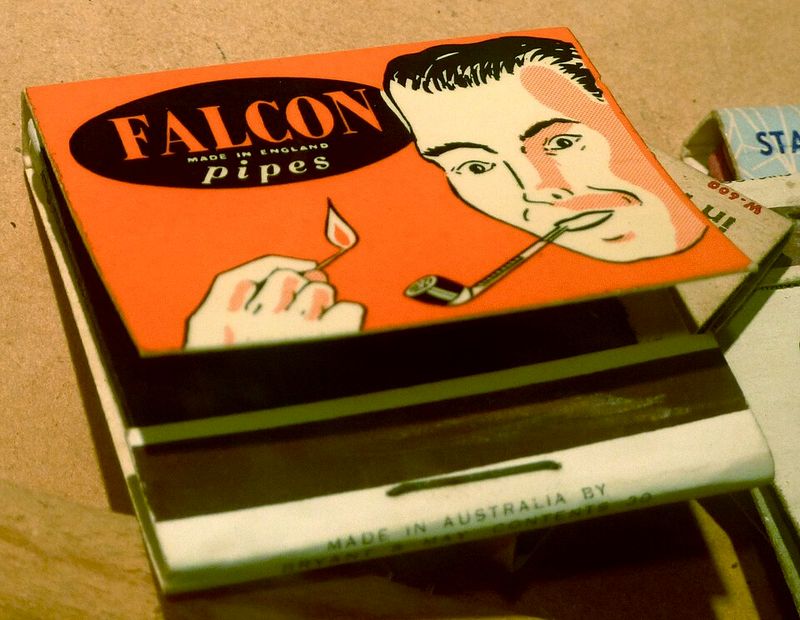
Before lighters cluttered drawers, fire lived in a tiny paper book. Striking a match made a sound you still feel in your teeth.
Gas burners woke with a soft blue halo and the day began.
Matchbooks were everywhere, from diners to hardware stores, tiny billboards in your pocket. Safety improved over time, but the ritual stayed the same.
You’d fan a few on rainy days when pilot lights were stubborn.
The sulfur smell meant soup was coming or tea was moments away. Used sticks lined the ashtray like pick-up sticks gone honest.
A rubber band sometimes wrapped the book to keep it full. That little bundle was confidence, flickering into life with one practiced swipe.
14. A Sugar Bowl with a Tiny Spoon
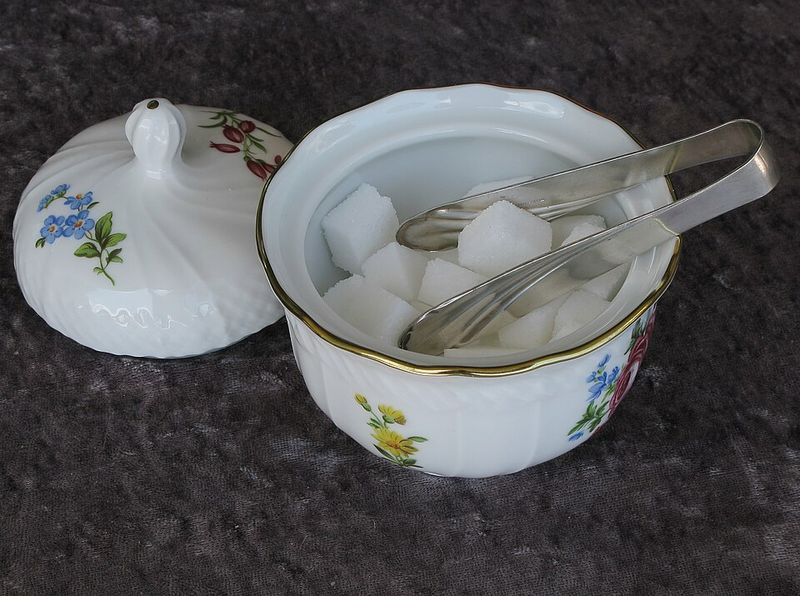
The sugar bowl sat out like a friendly neighbor who never overstayed. Lift the lid and you’d hear that porcelain click, sweet and polite.
A tiny spoon waited, sized perfectly for just enough.
Guests helped themselves without ceremony, stirring conversations as easily as coffee. The bowl matched mismatched cups because everything somehow coordinated anyway.
It kept mornings moving, measuring hospitality in small, glinting scoops.
Today packets and dispensers feel sterile by comparison. Back then, a shared bowl said you belonged at the table already.
If you spilled a few crystals, they sparkled like snow and no one minded. The spoon returned to its notch, ready for the next hello.
15. A Kitchen Clock That Ticked Loudly
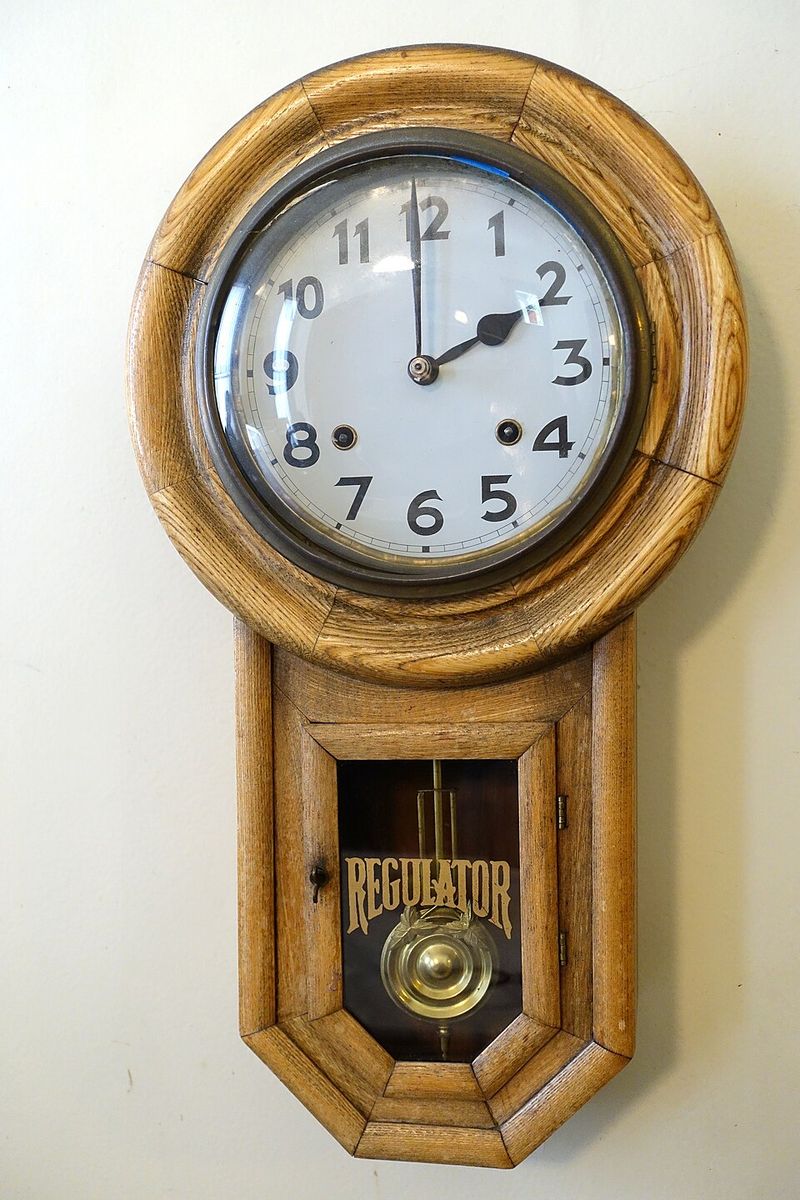
You could hear it from the next room, steady as a heartbeat. The tick gave sauce simmering a soundtrack, counting down to dinnertime.
When the minute hand leaped, you felt the day move forward.
Quartz clocks got quieter, but those older models announced themselves proudly. The sound wrapped around phone calls and weather reports on the radio.
In a world of silent screens, that tick meant presence.
Sometimes the clock ran a minute fast, and Grandma cooked like it was gospel. Batteries were replaced on birthdays, a superstitious little tradition.
The face might have cherries, a rooster, or simply black numerals. Either way, it kept time and company without asking for anything back.
16. A Bread Box on the Counter
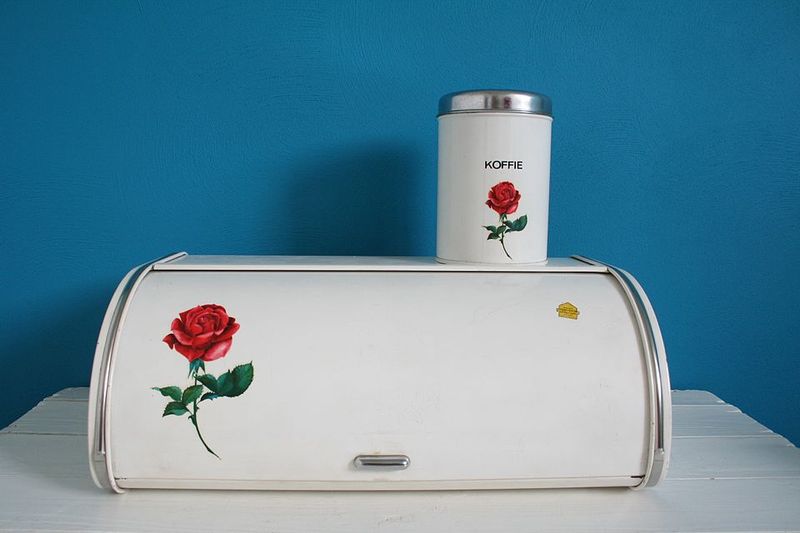
The bread box was a small house with a roll-top grin. Inside waited a loaf wrapped in wax paper, still breathing from yesterday.
You learned to open it gently, as if not to wake the crust.
Metal kept light out and curiosity contained. Bread stayed soft longer, even before anyone said humidity control.
Modern data says airflow matters, and that box managed it without a chip or chip-level tech.
Saturdays meant a bakery trip, box cleared like a stage awaiting the star. The lid rattled in a familiar rhythm you could play by memory.
Even store-bought felt special once it crossed that threshold. Slices came out straight and generous, perfect for cinnamon toast.
17. Mismatched Glassware from Decades Ago
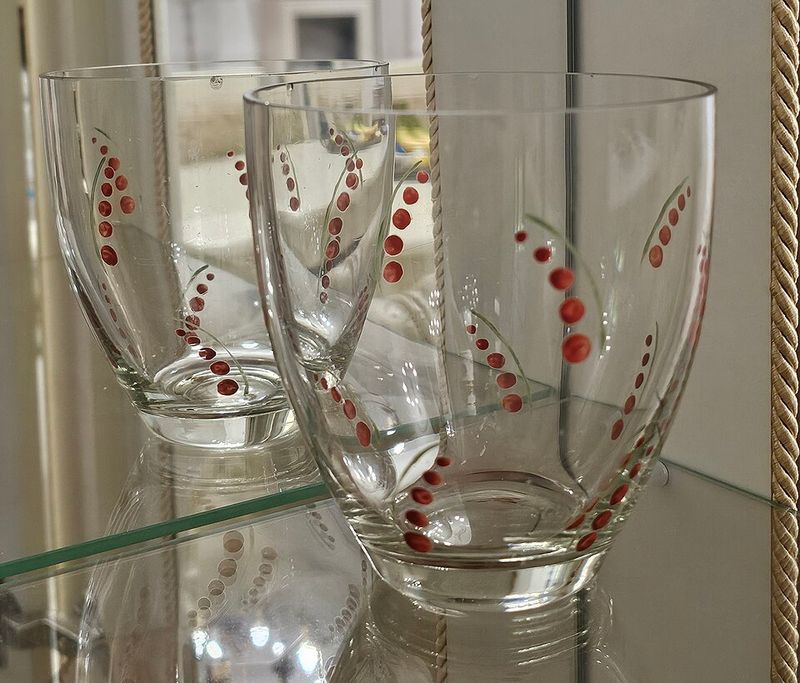
Open the cabinet and it looked like a parade: jelly jars, souvenir tumblers, floral etchings. Every glass told a story in a different accent.
You learned which one was yours by weight and wobble.
Depression glass glowed faintly next to restaurant giveaways, all happily coexisting. Sets were expensive, but memories were free, so the collection grew honest.
Sustainability folks would applaud the reuse now, and thrift stores echo the aesthetic.
Cold milk looked heroic in those sturdy sides. Lemonade carried a hint of sun when poured into tinted green.
When a glass chipped, it became a vase for marigolds. Nothing matched, everything belonged, and somehow that made guests feel the same.
18. A Deep Freezer in the Kitchen or Basement
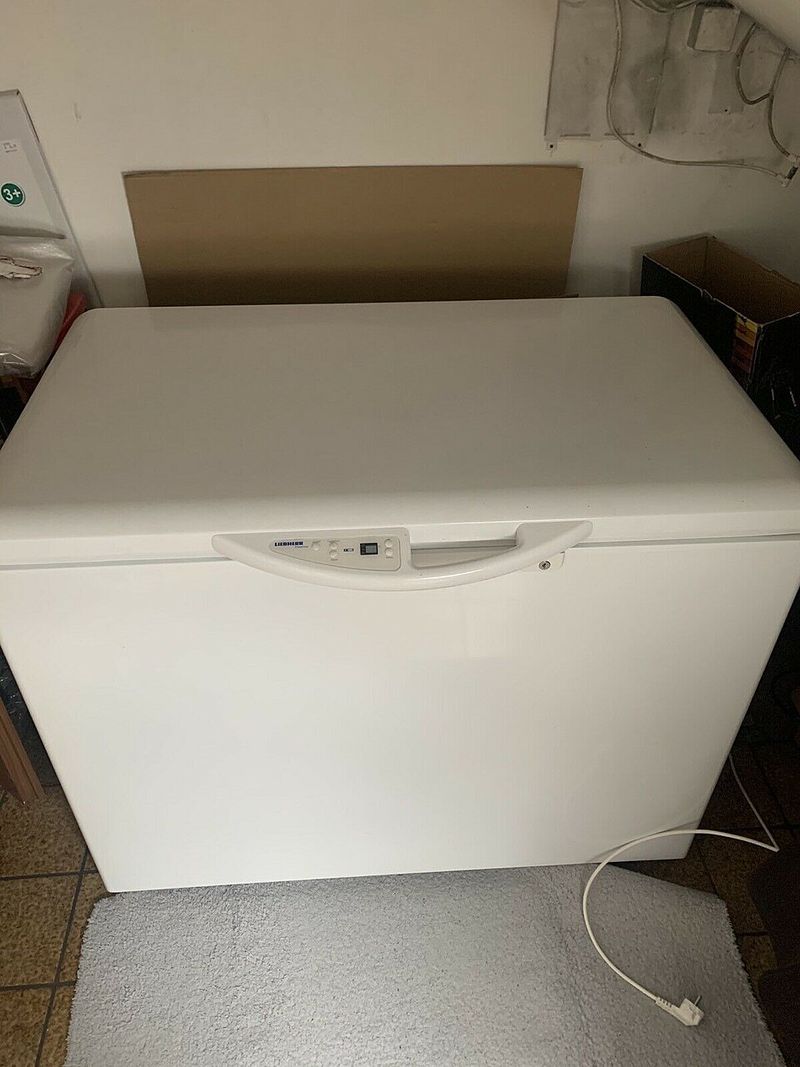
Lift the heavy lid and winter breathed out. Inside were roasts wrapped in white paper, berries from last summer, and labeled mystery dinners.
It was a time capsule of thrift and planning.
Chest freezers helped families stretch budgets, especially when sales hit. The U.S. still discards roughly a third of its food by weight each year, a number this freezer tried to fight.
Grandma kept inventory with a pencil taped to the side.
Power outages meant a countdown and extra blankets piled on top. On holidays, someone would dive for the good ham like a treasure hunter.
Frost kissed your knuckles and you felt proud carrying up the prize. That cold held more than food, it stored relief.
19. The Smell of Something Always Cooking
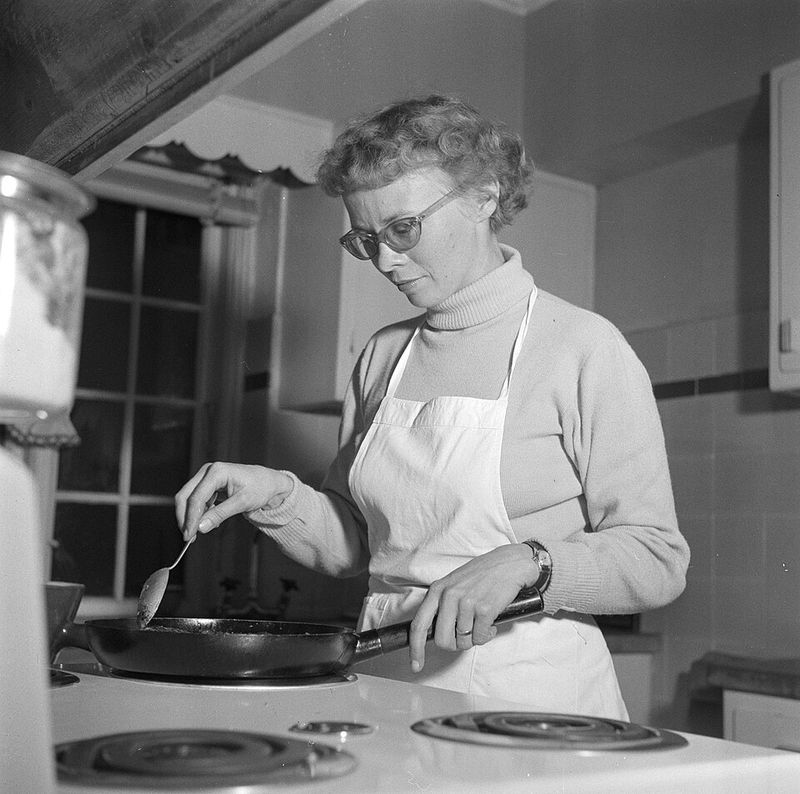
Walk in and there it was, a scent that wrapped around your shoulders. Soup on Monday, pot roast on Friday, coffee humming in between.
Even on quiet afternoons, a batch of apples might be slowly turning into sauce.
Smell is the strongest memory trigger, researchers say, and this room proved it daily. The aroma mapped your childhood better than any photo album.
Your coat absorbed it and carried comfort into the cold.
Sometimes you woke to cinnamon. Other times, onions told you dinner would be honest and unpretentious.
The air felt seasoned, like the cast iron pan on the stove. When the windows fogged in winter, you could write your name in warmth.
20. Pyrex Mixing Bowls
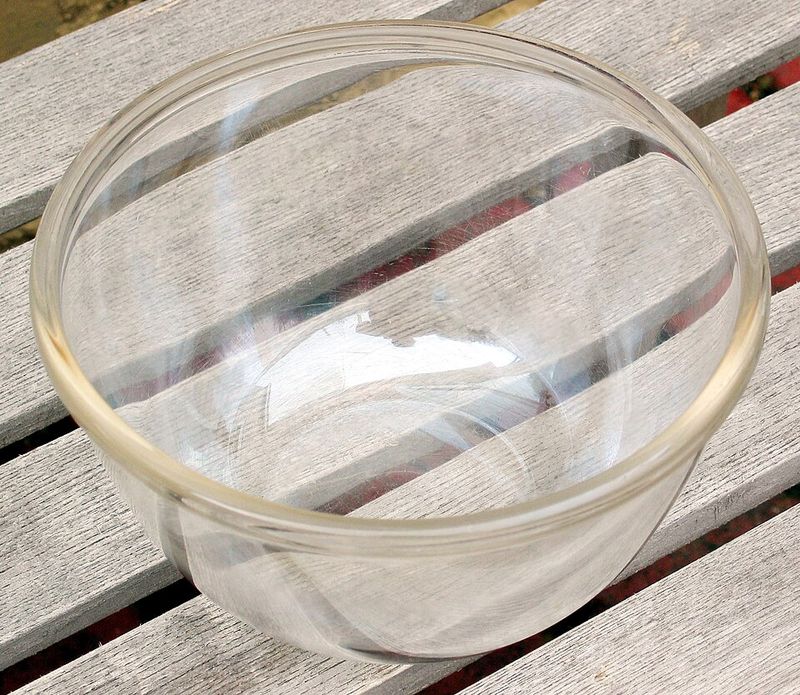
Colors stacked like a cheerful rainbow waiting for batter. The bowls nested with a musical clink, patterns glowing with midcentury optimism.
You learned which size fit banana bread by heart, not numbers.
Pyrex became heirloom and workhorse, durable under heat and busy schedules. Collectors still hunt for rare patterns, and resale values can surprise you.
AOL once spotlighted these sets as icons of retro kitchens for good reason.
Scratches told the story of wooden spoons and birthday cakes. When you pulled one down, it felt like borrowing time from another decade.
They were heavy enough to stay put, light enough to lift with one arm. Mix, pour, smile, repeat, and the colors kept their promise.
21. Crystal Candy Dish
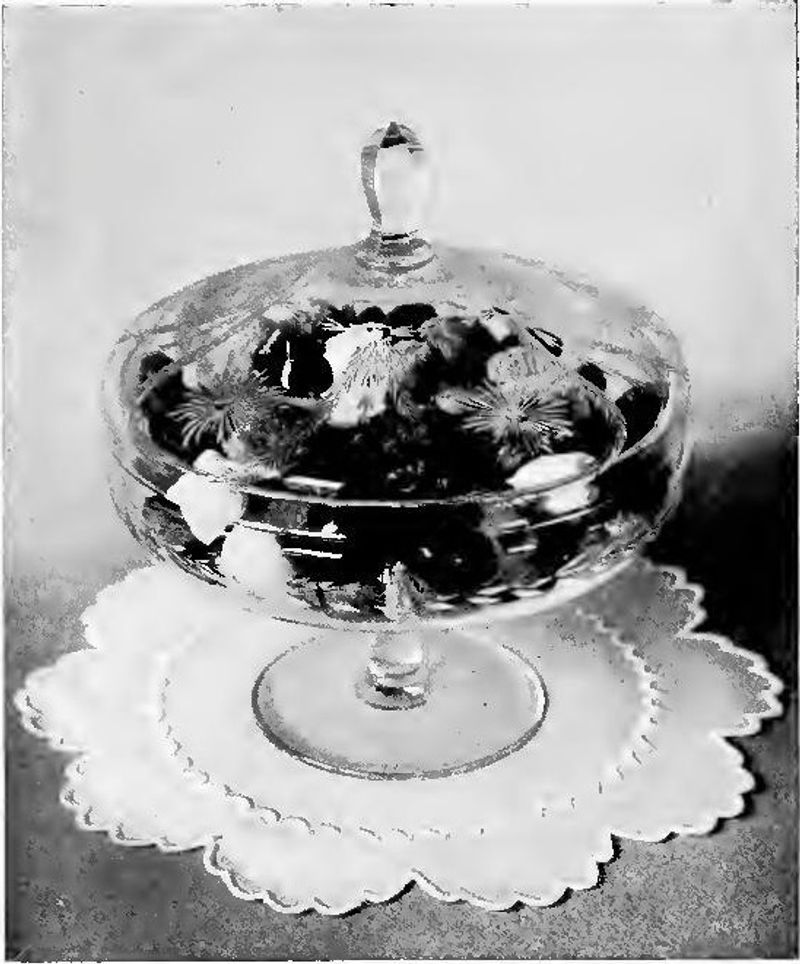
The lid chimed softly when lifted, and there they were: butterscotch, peppermints, maybe ribbon candy at Christmas. You learned restraint one sweet at a time.
Light refracted through the facets, turning the kitchen into a tiny ballroom.
Guests knew they were welcome when the dish slid closer. It was hospitality you could taste, simple and sincere.
AOL’s roundups of retro staples always include this sparkling little ambassador.
Even empty, the dish looked full of good manners. Dust never dared linger long on that polished edge.
If a piece stuck together, it only made the treat last longer. Refill it and the room brightened, as if the sun approved.
22. Enamelware Cookware
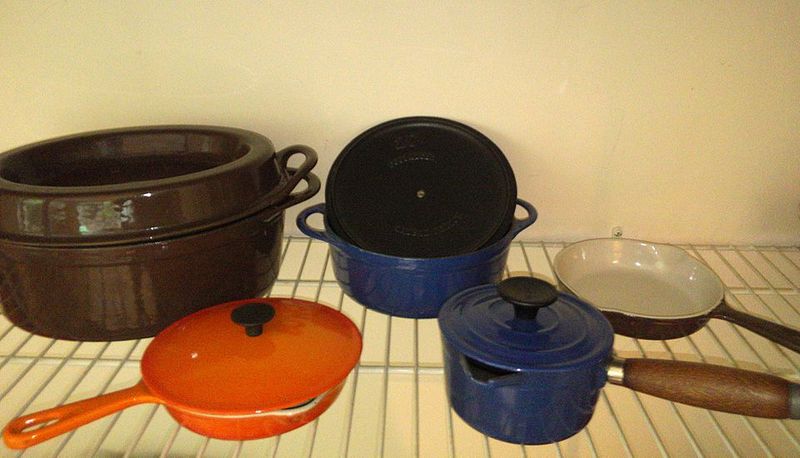
Speckled pots clinked with a friendly confidence. Enamelware balanced bright color with rugged steel hearts, ready for soup or cocoa.
The rims showed honest wear where ladles rested between tastes.
Campers still love it, but Grandma had it first, choosing durability that looked joyful. Enamel’s easy cleanup felt like magic after long stews.
Its designs popped against floral wallpaper, a little parade on the stovetop.
You could spot chips like freckles and remember the meals that made them. Heat spread evenly enough for patient recipes.
When the cupboard door swung open, those colors promised comfort. Put a mug beside the sink, and even rinsing felt festive.



