Some airlines were so big, so bold, and so deeply woven into everyday life that it felt like they would fly forever. Then one day, they were just gone.
From glamorous jet-age giants to scrappy low-cost upstarts, these carriers shaped how the world traveled before quietly disappearing from the skies. Buckle up, because this is one turbulent trip down aviation memory lane.
Trans World Airlines
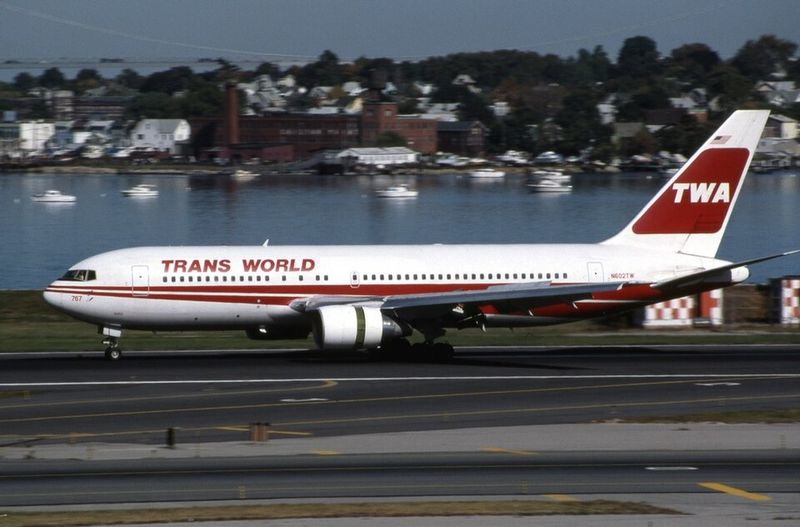
TWA had style in spades. Howard Hughes owned it for years, which already makes it the most Hollywood airline in history.
The man literally bought a major airline the way most people buy a car.
TWA was a powerhouse on both coasts and across the Atlantic, competing fiercely with Pan Am for the glamorous international traveler market. Its iconic red and white jets were a familiar sight at JFK and LAX for decades.
Passengers in the golden age of flying actually looked forward to boarding a TWA plane.
Repeated bankruptcies and management chaos slowly wore the airline down through the 1980s and 1990s. Carl Icahn’s ownership era left a trail of debt that TWA never fully escaped.
American Airlines swooped in and acquired TWA in 2001, and the final TWA flight touched down on December 1 of that year. A giant had quietly left the runway.
Eastern Air Lines
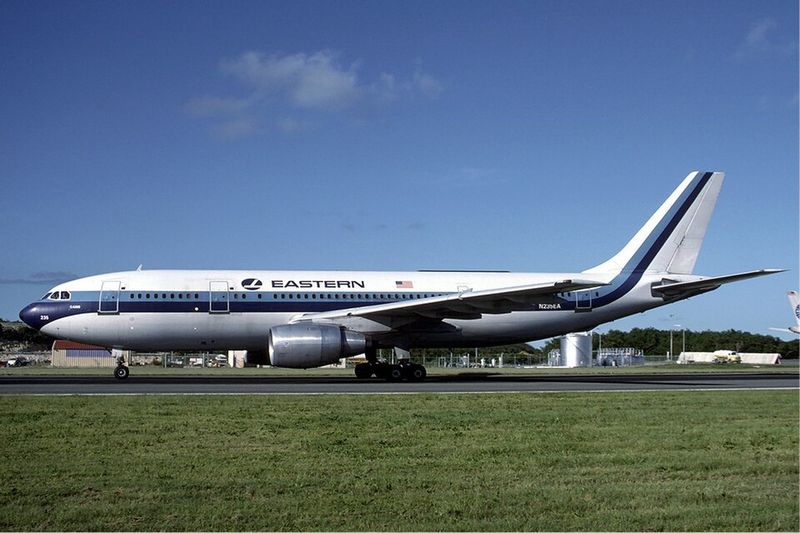
Eastern Air Lines was practically the official airline of the American East Coast for most of the 20th century. Florida-bound families, business travelers, and holiday crowds all knew that blue and silver tail well.
At its peak, Eastern was one of the four major U.S. carriers alongside United, American, and TWA. It operated one of the world’s busiest air shuttle services between New York, Boston, and Washington.
For a while, it seemed untouchable.
Labor disputes turned toxic in the late 1980s, and the airline never recovered from a crippling 1989 machinists strike. Frank Lorenzo’s controversial management style made headlines for all the wrong reasons.
Eastern filed for bankruptcy and fought to survive for nearly two years before finally ceasing operations in January 1991. The East Coast lost a familiar face that winter, and aviation history lost one of its most complicated stories.
Braniff International Airways
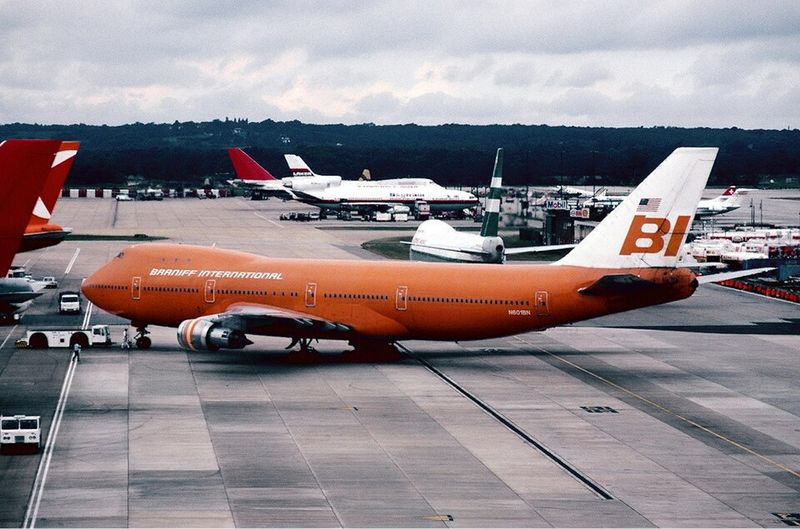
Braniff did not do boring. While other airlines stuck to safe blues and whites, Braniff painted its planes in solid jellybean colors and hired fashion designer Emilio Pucci to dress the flight attendants.
Yes, really.
The airline called its 1965 makeover the End of the Plain Plane campaign, which is still one of the greatest puns in marketing history. Braniff even commissioned Alexander Calder to paint one of its jets like a giant flying artwork.
It was the art museum of the skies.
Deregulation in 1978 led Braniff to expand too fast, adding routes it simply could not afford to sustain. Fuel costs spiked, debt piled up, and the colorful fleet started shrinking fast.
In May 1982, Braniff became the first major U.S. airline to go bankrupt in the deregulation era. The planes went quiet, the colors faded, and aviation lost its most fashionable carrier.
Pan American World Airways
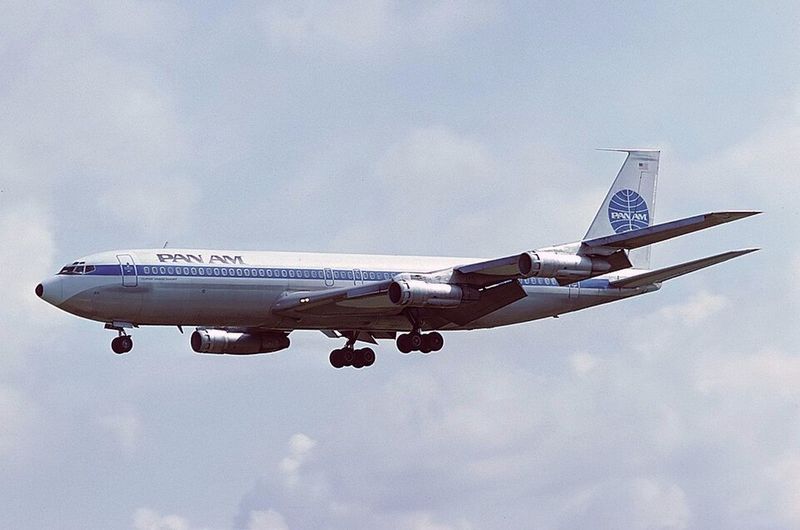
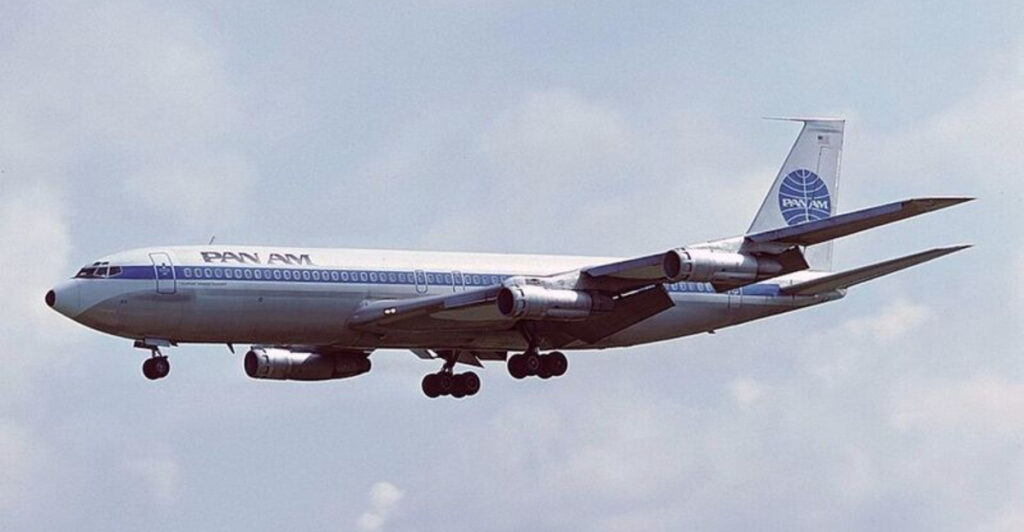
Pan Am did not just run an airline. It basically invented what international travel was supposed to look like.
The blue globe logo was everywhere in the 1960s and 70s, from airports to movies to your dad’s old travel posters.
Pan Am launched the first commercial Boeing 747 service in 1970, forever changing how many people could fly at once. It also operated the first round-the-world commercial flight back in 1947.
Not bad for a company that started with mail routes in Florida.
Financial trouble hit hard after deregulation opened the skies to cheaper competition. Rising fuel costs and a string of costly acquisitions drained the airline dry.
Pan Am sold off routes, sold the iconic Worldport terminal, and still could not stay airborne. On December 4, 1991, the last Pan Am flight landed, closing one of aviation’s most legendary chapters for good.
National Airlines
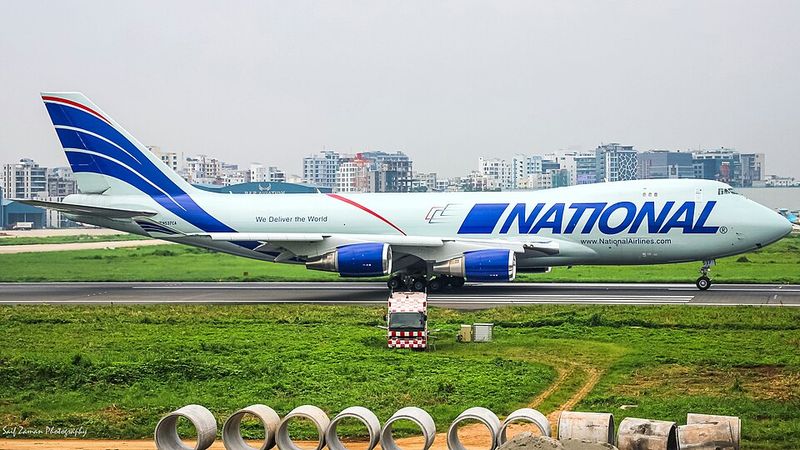
National Airlines had a marketing campaign so bold it would never fly today. Their 1970s ads featured flight attendants saying things like “I’m Cheryl, fly me” which caused enormous controversy and enormous ticket sales simultaneously.
The Florida routes were National’s bread and butter. Sunshine-seekers heading to Miami loved the airline, and for a time National was genuinely profitable and fiercely independent.
It even fended off a hostile takeover attempt before eventually succumbing to Pan Am’s offer in 1980.
Pan Am paid a steep price for National, which many historians say helped accelerate Pan Am’s own eventual downfall. Talk about a costly souvenir from Florida.
The original National Airlines brand was retired after the merger, though the name has been recycled by other carriers since. The authentic National Airlines that defined Florida air travel in the 1960s and 70s is gone, taking its controversial ad campaigns with it.
Western Airlines
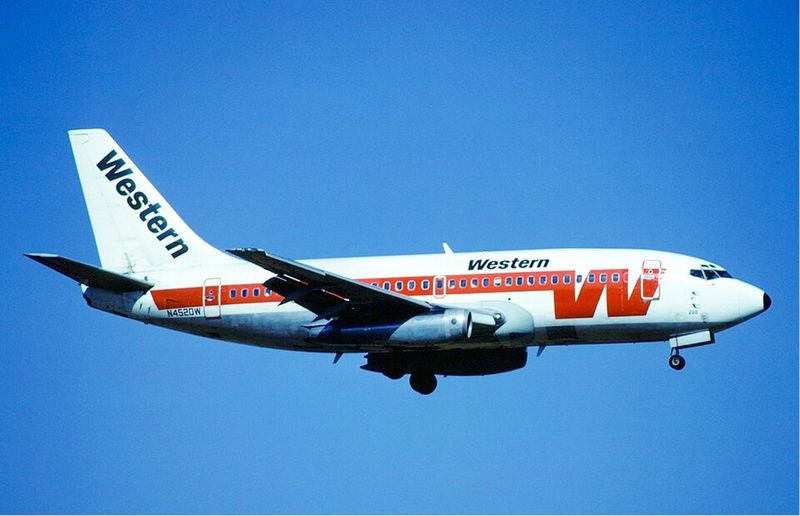
Western Airlines called itself the only way to fly, which is a bold claim for a regional carrier. But in the western United States, they had a point.
Western connected cities from Los Angeles to Calgary long before budget airlines crowded those routes.
Founded in 1925, Western was actually one of the oldest airlines in the United States by the time it disappeared. That is nearly six decades of flying before the final merger papers were signed.
The airline survived the Great Depression, World War II, and deregulation, only to be absorbed in peacetime.
Delta Air Lines completed its merger with Western in 1987, folding the routes and fleet into its growing national network. Western’s red and white jets got repainted in Delta colors, and the Western name quietly vanished from departure boards.
Passengers who loved Western’s friendly service simply found themselves flying Delta instead, often without noticing the change.
Laker Airways
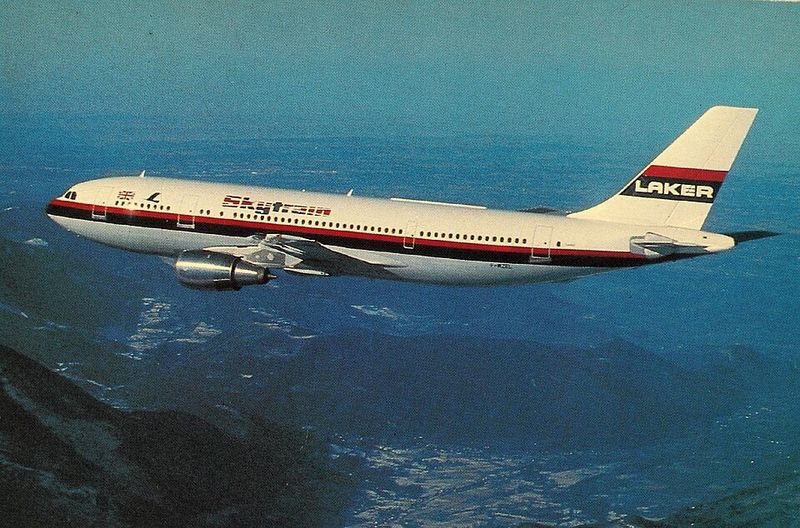
Freddie Laker was the original budget airline maverick, and he had the mustache to prove it. His Skytrain service launched in 1977 and offered walk-up transatlantic tickets for prices that made traditional airlines furious.
Before Laker, flying across the Atlantic was a luxury reserved for the wealthy or the expensed. Freddie changed that by offering no-frills seats for around $135 one way, which caused a full-blown panic among established carriers.
British Airways and other rivals reportedly colluded to undercut and crush Laker’s pricing, a claim later settled in court.
Despite the legal battles, Laker Airways could not survive the financial pressure and ceased operations in February 1982. Freddie Laker was later knighted for his contributions to aviation, which is a very polite way of saying the establishment admitted he had been right all along.
His legacy lives on in every budget airline that crosses the Atlantic today.
Air Florida
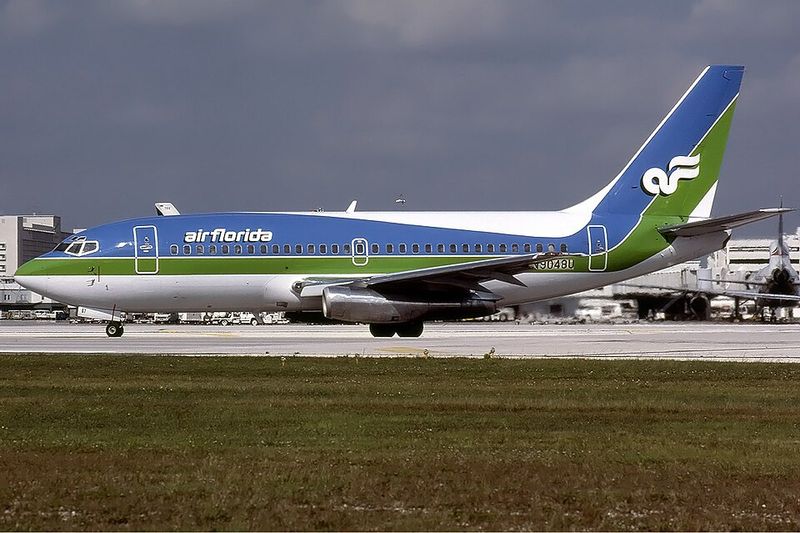
Air Florida launched in 1971 with a sunny attitude and low fares that made it popular along the East Coast and into the Caribbean. The branding was cheerful, the prices were competitive, and for a while, the airline looked like a genuine success story.
Then came January 13, 1982. Air Florida Flight 90 crashed into the 14th Street Bridge in Washington, D.C., shortly after takeoff from National Airport during a snowstorm.
The disaster killed 78 people and put Air Florida on every front page in America for all the wrong reasons.
The crash raised serious questions about the airline’s de-icing procedures and crew training. Public trust evaporated almost overnight.
Financial losses mounted, routes were cut, and the airline limped along for two more years before shutting down in 1984. Air Florida’s story is a sobering reminder that aviation safety is never something an airline can afford to cut corners on.
Pacific Southwest Airlines
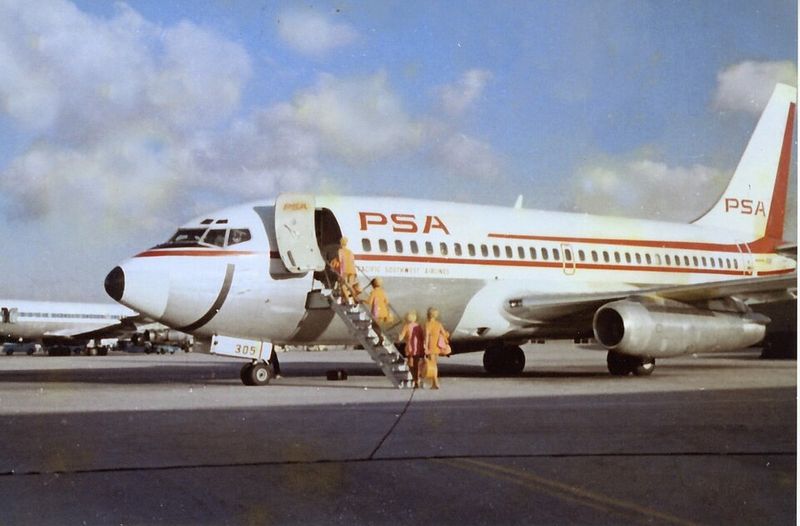
PSA’s planes had a literal smile painted on the nose, which is either the most wholesome thing in aviation history or a very effective marketing strategy. Probably both.
Those grinning jets became icons of California cool in the 1970s.
PSA helped prove that flying did not have to be stuffy or expensive. Low fares, friendly crews, and a laid-back West Coast vibe made PSA a genuine favorite among California commuters.
The airline practically invented the short-haul budget model that Southwest Airlines later perfected.
USAir acquired PSA in 1988, and the final PSA flight took place in April of that year. The smile was painted over, the orange jets got new colors, and California lost its favorite regional carrier.
PSA’s cheerful spirit did not disappear entirely though. Many aviation fans consider it a direct ancestor of the modern low-cost airline culture that now dominates American skies.
Allegheny Airlines
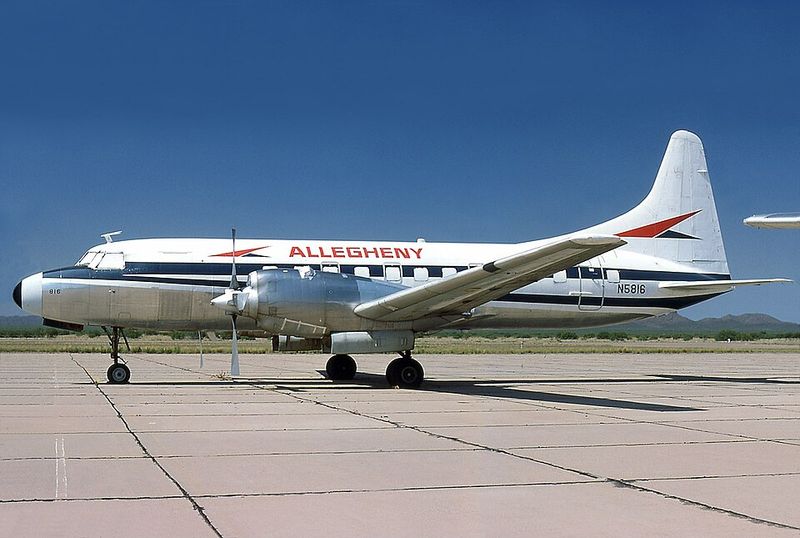
Allegheny Airlines was the workhorse of the northeastern United States, connecting small cities that bigger carriers ignored. If you lived in a mid-sized Pennsylvania town and needed to fly somewhere, Allegheny was probably your only option.
Critics nicknamed it Agony Airlines because of its reputation for delays and cramped regional aircraft. That said, for communities with limited air service, Allegheny was genuinely essential.
The airline kept growing throughout the 1970s, eventually rebranding as USAir in 1979 to reflect its expanded national reach.
USAir later became US Airways, which then merged with American Airlines in 2013. So Allegheny’s corporate DNA technically lives on inside one of the world’s largest airlines today.
The original Allegheny name, however, is long gone. It is a fascinating case of an airline that transformed so completely that its own grandchildren would not recognize it at the gate.
Piedmont Airlines
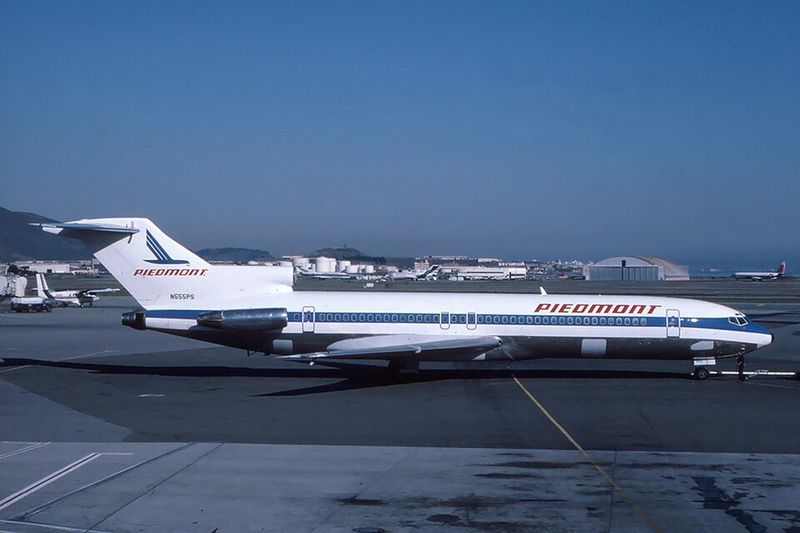
The original Piedmont Airlines had a Pied Piper logo and a reputation for genuinely good service in the southeastern United States. Passengers who flew Piedmont in the 1970s and 80s often remember it with real fondness, which is not something most airlines inspire.
Piedmont was based in Winston-Salem, North Carolina, and built a loyal regional following over four decades. It was the kind of airline where staff remembered regular passengers by name.
That personal touch made the merger news hit harder than usual for its fans.
USAir acquired Piedmont in 1989, folding it into its growing network and retiring the beloved Pied Piper branding. There is still a Piedmont Airlines flying today, but it operates as a regional subsidiary for American Airlines and is not the same carrier.
The original mainline Piedmont, the one that southeastern travelers grew up with, quietly landed for the last time and never took off again.
Republic Airlines
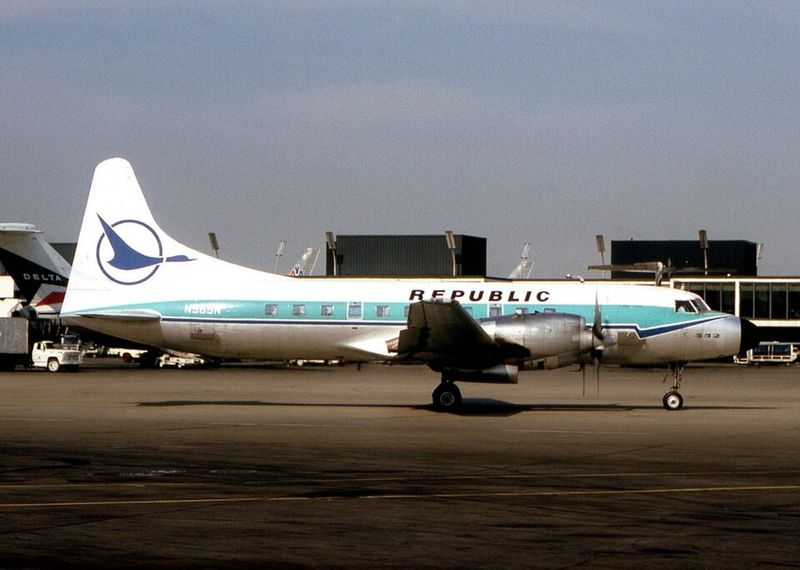
Republic Airlines was basically the Frankenstein of the airline world, stitched together from the mergers of North Central, Southern, and Hughes Airwest in the late 1970s. Somehow it actually worked, and Republic became a solid Midwest carrier with a respectable route network.
At its peak, Republic was the fifth-largest airline in the United States, which is impressive for a carrier most people outside the Midwest barely remember. The DC-9 was its workhorse aircraft, and Republic operated hundreds of daily flights across the central part of the country.
Northwest Airlines acquired Republic in 1986, creating a much larger carrier that dominated Minneapolis-Saint Paul for years. Then Northwest itself merged with Delta in 2008, meaning Republic is now two mergers deep inside the Delta family tree.
If airline mergers were genealogy, Republic’s family reunion would require a very large chart and several hours to explain.
Ozark Air Lines
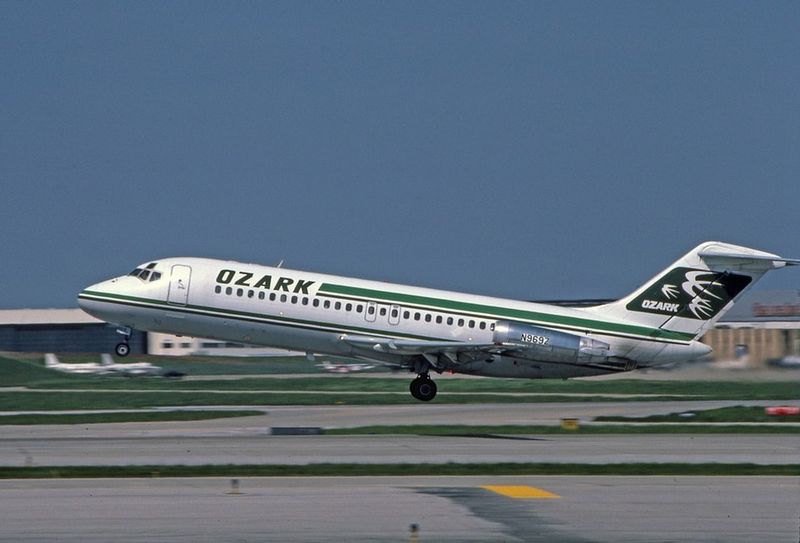
Ozark Air Lines was St. Louis’s hometown airline for decades, and the city loved it back. The carrier built its hub at Lambert Airport and became the go-to option for Midwest travelers who wanted reliable, no-nonsense service.
Ozark flew mostly DC-9s and focused on connecting smaller Midwest cities to major hubs, filling a niche that bigger carriers overlooked. It was a regional specialist at a time when regional airlines still had real personality and loyal followings.
TWA acquired Ozark in 1986, absorbing its routes and fleet into the larger carrier’s St. Louis hub operation. The Ozark name vanished from airport signs the same year, though the routes lived on under TWA colors.
Then TWA itself disappeared into American Airlines in 2001, making Ozark a ghost twice removed. St. Louis has had a complicated relationship with airline hubs ever since, and aviation historians often trace part of that story back to this quiet 1986 merger.
Reno Air
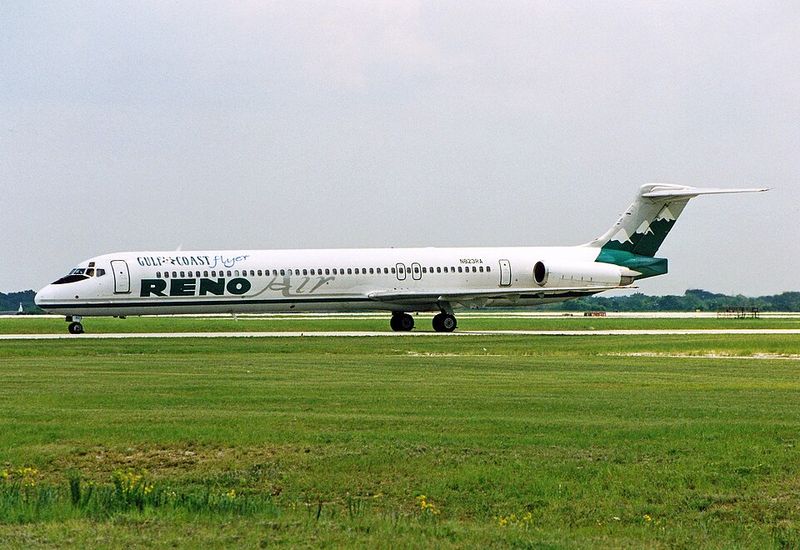
Reno Air launched in 1992 with a mission to shake up western U.S. air travel, and it did exactly that. Based in Reno, Nevada, the airline offered competitive fares on routes that bigger carriers had been overcharging for years.
At its peak, Reno Air served about 20 cities and carried millions of passengers annually. It was profitable for most of its short life, which puts it ahead of many airlines twice its size.
Travelers in the Mountain West genuinely appreciated having a scrappy regional alternative to the major carriers.
American Airlines agreed to acquire Reno Air in late 1998, and the integration was completed in 1999. The Reno Air brand was retired, and its routes disappeared into American’s massive network.
For a carrier that only lasted seven years, Reno Air made a surprisingly big impact on western aviation. It proved that a well-run regional airline could compete, even if it could not ultimately survive on its own.
Sabena
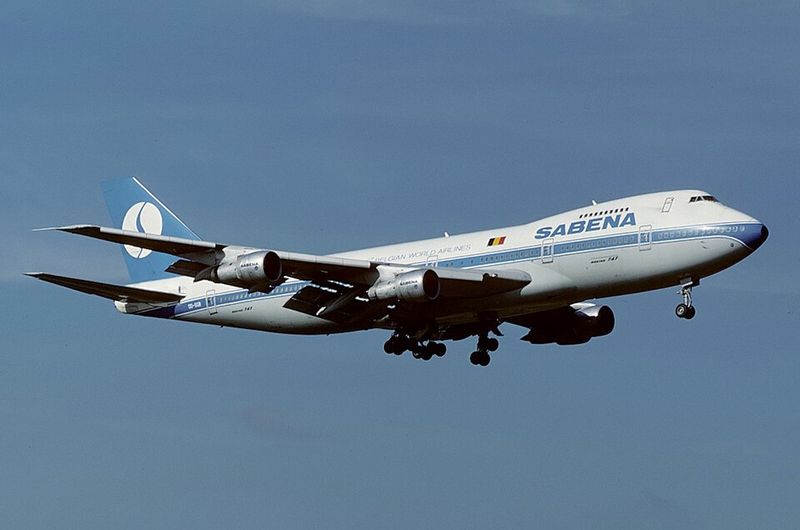
Sabena was Belgium’s flag carrier for 78 years, and for a small country, it punched well above its weight. The airline connected Brussels to destinations across Africa, Asia, North America, and beyond, serving as a symbol of Belgian ambition on the world stage.
Founded in 1923, Sabena survived two world wars and decades of political complexity in Belgium. It even operated one of the world’s first flight attendant training schools.
For much of its history, boarding a Sabena flight meant experiencing something genuinely European in the best possible way.
Financial mismanagement and a botched partnership with Swissair ultimately doomed Sabena. When Swissair itself collapsed in 2001, Sabena lost its financial lifeline and filed for bankruptcy shortly after, on November 7, 2001.
The airline ceased operations almost immediately. Brussels Airlines eventually rose from the wreckage, but Sabena itself was gone, taking seven decades of aviation history with it.
Continental Airlines
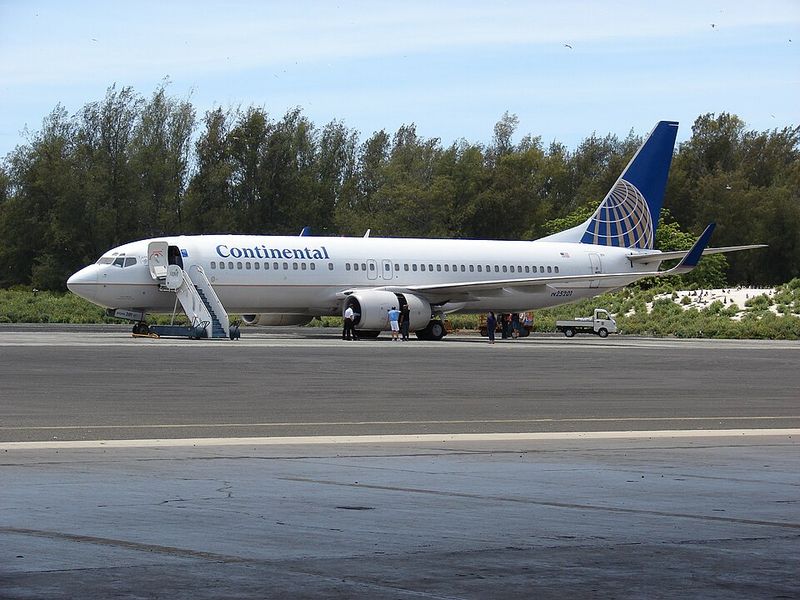
Continental Airlines had one of the most dramatic comeback stories in aviation history before its final chapter closed. The airline filed for bankruptcy not once but twice, in 1983 and again in 1990, and still managed to turn itself into one of America’s top carriers.
Under CEO Gordon Bethune in the 1990s, Continental transformed from the worst major U.S. airline into one of the best-rated. The turnaround is still studied in business schools.
Continental won J.D. Power awards for customer satisfaction and became genuinely competitive with United and American.
United Airlines and Continental announced their merger in 2010, creating the world’s largest airline at the time. The FAA issued a single operating certificate in 2011, officially making Continental flights part of United’s operation.
The Continental name was retired, and the globe logo came down. It was a bittersweet ending for an airline that had fought so hard just to survive long enough to be worth absorbing.
Air Berlin
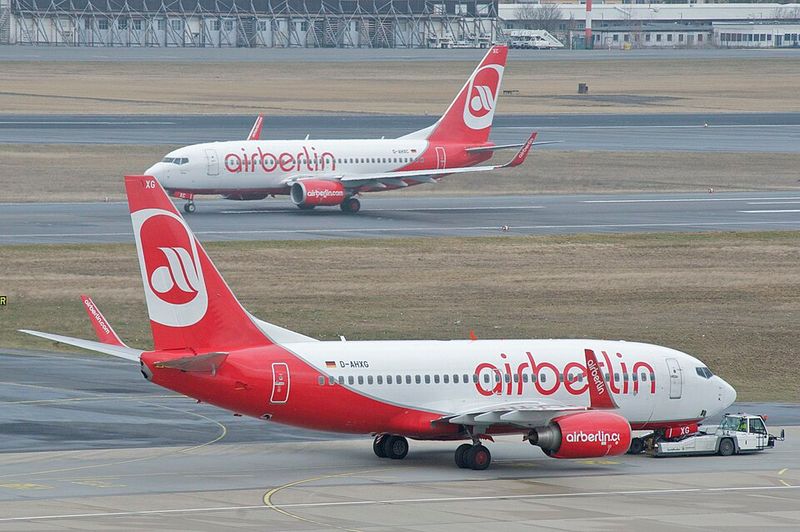
Air Berlin was once Germany’s second-largest airline, and at its peak it was carrying over 30 million passengers a year. That is a lot of bratwurst and business travelers crossing European skies under that red and white livery.
The airline started as a charter carrier serving German tourists headed to sunny destinations, then gradually transformed into a full scheduled airline competing with Lufthansa and low-cost rivals. It tried to be everything to everyone, which turned out to be an expensive strategy.
Years of mounting losses, a failed partnership with Etihad Airways, and an inability to cut costs fast enough pushed Air Berlin into insolvency in August 2017. It filed for bankruptcy protection and ceased operations in October of that year.
Lufthansa and easyJet picked up many of the routes and aircraft. The gap Air Berlin left in German leisure and low-cost travel took years to fill, and some argue it never fully was.
Arrow Air
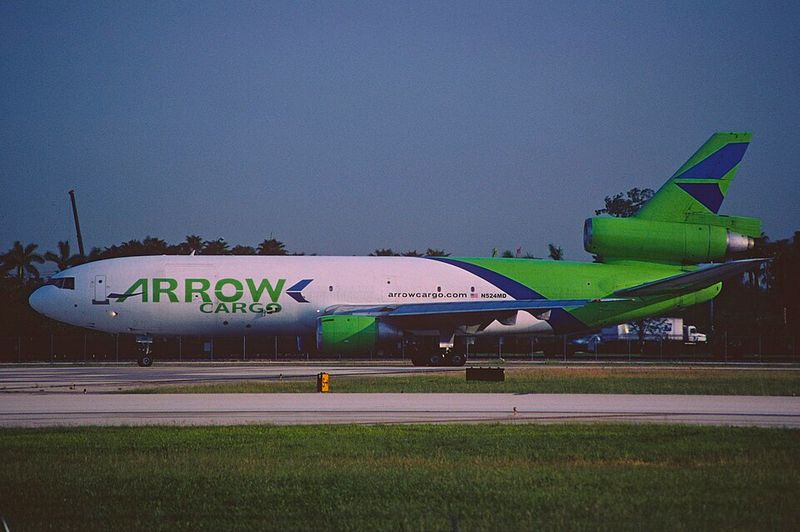
Arrow Air was never a household name, but it kept quietly busy in the background of American aviation for years. Based in Miami, it specialized in charter flights, cargo operations, and military contract flying rather than the glamorous passenger routes that made headlines.
The airline’s darkest moment came on December 12, 1985, when Arrow Air Flight 1285 crashed on takeoff from Gander, Newfoundland, killing all 256 people on board. Most of the victims were U.S.
Army soldiers returning home from peacekeeping duty in the Middle East. The crash remains one of Canada’s deadliest aviation disasters.
Arrow Air struggled on after the tragedy, going through ownership changes and operational shifts. The airline eventually shut down passenger and charter operations, and the original Arrow Air no longer exists in any meaningful form.
Its history is a complex mix of workaday aviation hustle and genuine tragedy, the kind of airline story that rarely gets told but probably should be.
Mexicana de Aviacion
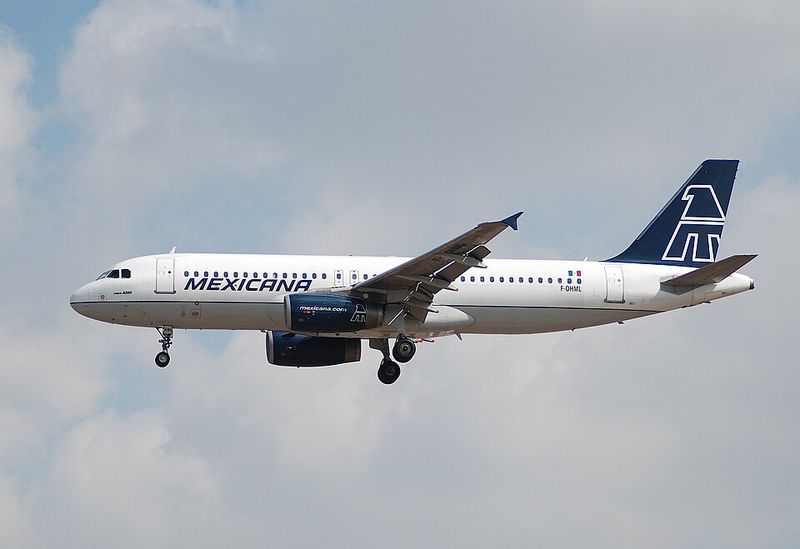
Mexicana de Aviacion was one of the oldest airlines in the world by the time it stopped flying in 2010. Founded in 1921, it predates many of the countries it eventually flew to.
That is a serious aviation resume.
For most of the 20th century, Mexicana was the backbone of Mexican commercial aviation, connecting dozens of domestic cities and flying international routes throughout the Americas. It was as much a part of Mexican national identity as the flag on its tail.
Financial losses and labor disputes finally grounded the historic carrier in August 2010, ending nearly nine decades of continuous operation. The Mexicana name has since been revived by a new government-backed airline, so the brand is technically still airborne.
But the original Mexicana, the one that flew through the jet age and connected generations of Mexican families, is a different story entirely from whatever carries that name today.
Ansett Australia
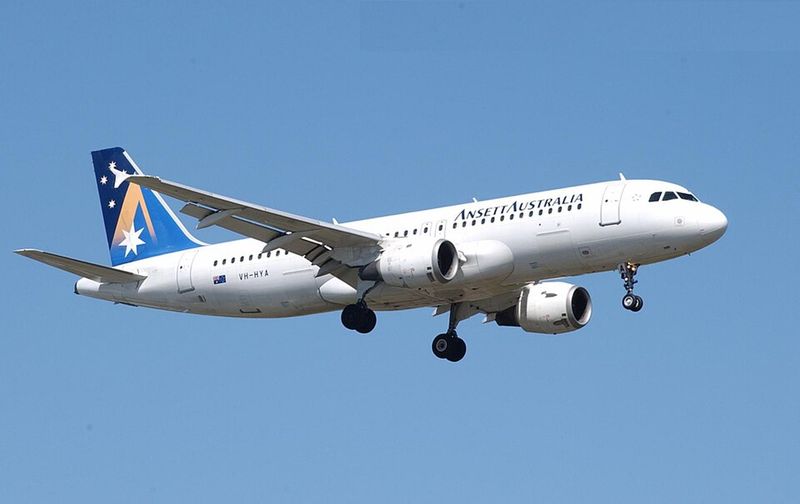
Ansett Australia was so woven into Australian life that its collapse in 2001 felt like a national crisis. For millions of Australians, Ansett was simply the other option alongside Qantas, and its disappearance left a massive hole in the country’s domestic aviation market.
Founded by Reginald Ansett in 1936, the airline grew from a small regional operation into a full national carrier serving every major Australian city. At its peak, Ansett competed head-to-head with Qantas on virtually every domestic route.
The competition kept fares honest and options plentiful for Australian travelers.
Financial mismanagement and the shock of September 11, 2001, proved fatal. Ansett collapsed in September 2001, stranding thousands of passengers and leaving tens of thousands of employees without jobs.
A brief restart attempt failed in early 2002, and the airline permanently ended flying operations. The Ansett name has appeared on various businesses since, but none of them is the original airline that Reg Ansett built from scratch.
ValuJet Airlines
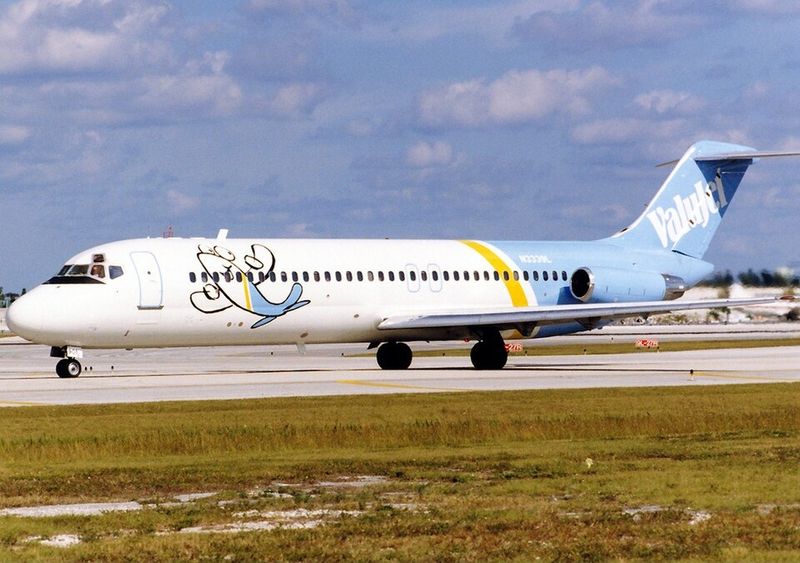
ValuJet was the poster child of 1990s budget aviation, growing from zero to 50 planes in just three years. That kind of explosive growth is either a miracle of business or a massive red flag, and in ValuJet’s case it turned out to be both.
The airline offered fares so low they seemed impossible, and for a while they were sustainable enough to attract huge passenger numbers in the southeastern United States. Atlanta was its hub, and ValuJet packed those gates with bargain-hunting travelers who did not mind skipping the free peanuts.
On May 11, 1996, ValuJet Flight 592 crashed into the Florida Everglades, killing all 110 people on board. Investigators found serious maintenance and safety failures.
The FAA briefly grounded the airline, and when it returned to service, the reputation damage was irreparable. ValuJet merged with AirTran Holdings and adopted the AirTran name in 1997, effectively erasing the ValuJet brand from the skies forever.
Skybus Airlines
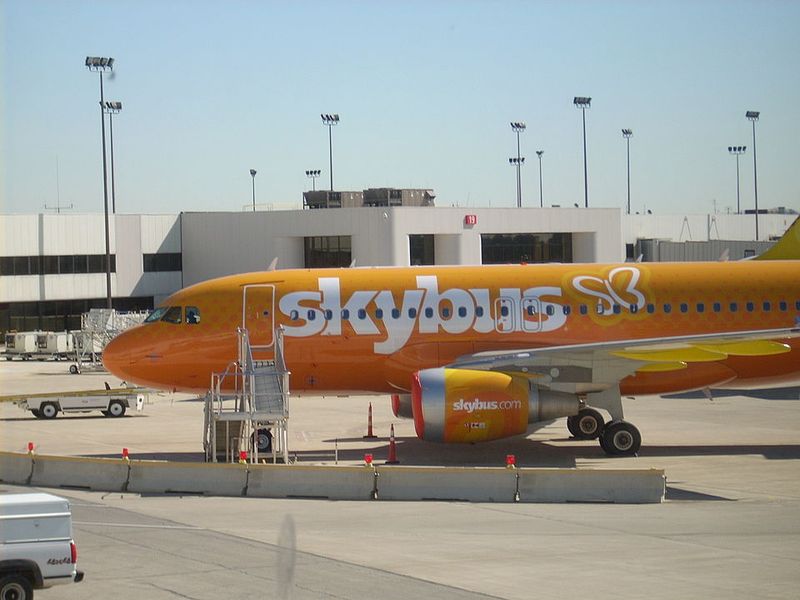
Skybus Airlines had a business model so aggressively cheap it made other budget airlines look luxurious. The Columbus, Ohio-based carrier launched in 2007 offering some seats for just ten dollars.
Ten dollars. For a plane ticket.
The catch was that absolutely everything else cost extra. Carry-on bags, checked luggage, snacks, and even printing your own boarding pass all came with fees.
Skybus was essentially inventing the unbundled airline model that Spirit and Frontier would later take to extremes.
Unfortunately, Skybus launched just as fuel prices were spiking toward record highs, which is possibly the worst timing in budget airline history. The ultra-low fares could not cover the cost of actually flying the planes.
After less than a year of operations, Skybus ceased flying on April 5, 2008, stranding passengers at airports across the country. It lasted just shy of one full year, making it one of the shortest-lived major airline launches in U.S. history.
ATA Airlines
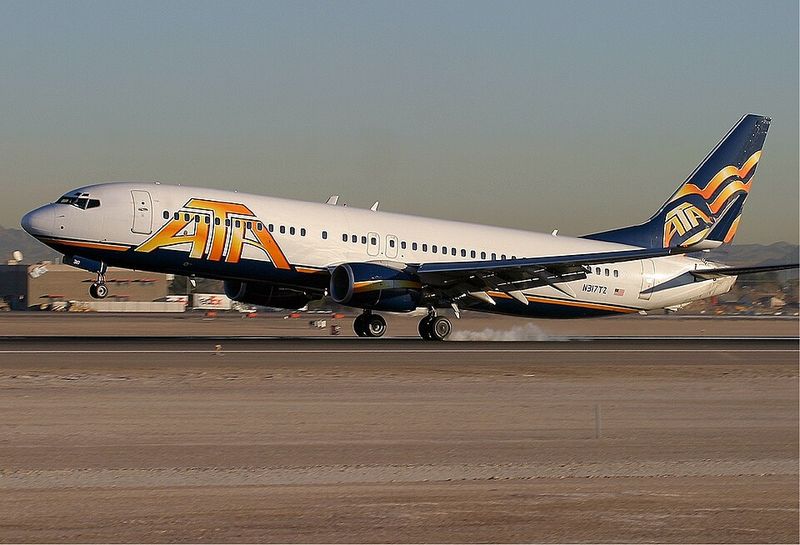
ATA Airlines had a longer history than most people realized. Originally called American Trans Air, it started as a charter airline in 1973 and spent decades flying military personnel, vacationers, and sports teams to destinations around the world.
The airline transitioned into scheduled passenger service in the 1990s, competing on leisure routes with its bold red and blue jets. ATA became a significant carrier at Chicago Midway Airport, building a hub that gave it real presence in the Midwest.
For a while, it looked like the charter-to-scheduled transformation was working.
Fuel costs and the aftermath of 9/11 hammered ATA’s finances, leading to a first bankruptcy in 2004. The airline restructured and tried again, but a second financial collapse in 2008 proved unsurvivable.
ATA ceased operations on April 3, 2008, leaving thousands of passengers scrambling for alternative flights. The ATA name disappeared from aviation shortly after, closing a 35-year chapter in American charter and leisure flying.
Share this story