 Unearth The Voyage
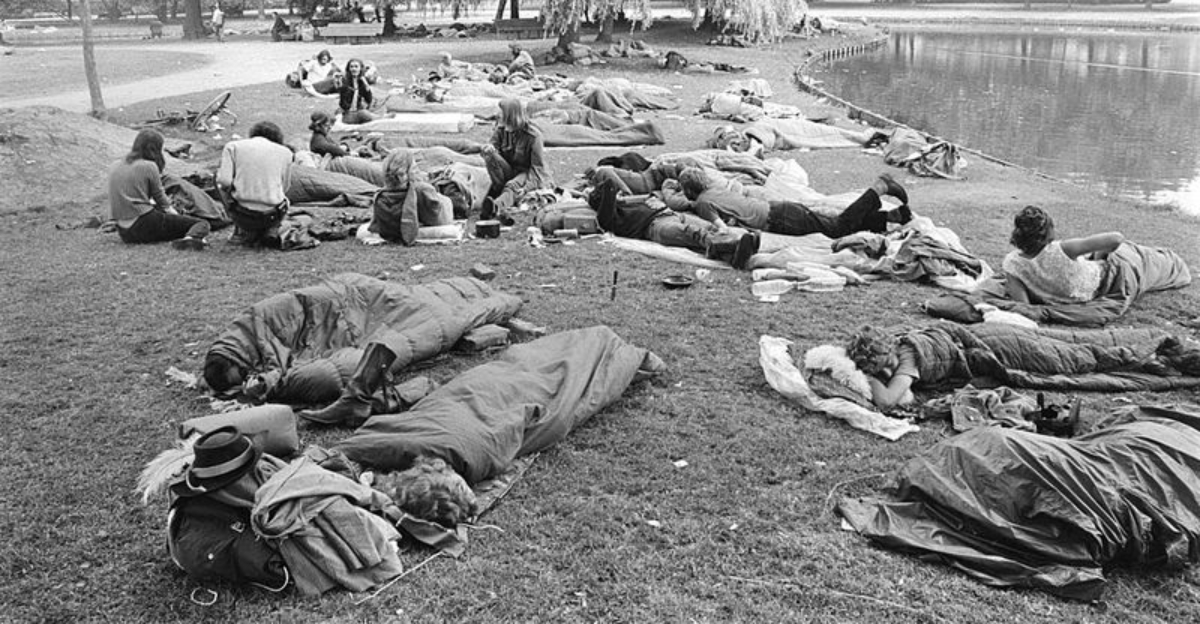
Some memories refuse to stay in the past, especially when they still light up dinner table arguments. If you ever watched your uncle and aunt spar over music, or saw friends split over old politics, you know how intense it gets.
These boomer flashpoints shaped everything from fashion to foreign policy. Dive in, and see which ones still make you say, hold on, that is not how it happened.
1. Beatles vs. Rolling Stones: Best Rock Bands

You swear the Beatles had the melodies, harmonies, and pure songwriting magic. Someone else argues the Rolling Stones brought grit, swagger, and blues soul you can feel in your ribs.
Both changed everything, and that is the rub.
Which mattered more, studio innovations or live energy. Do you weigh cultural impact or longevity.
Every playlist becomes a battleground where Let It Be duels Gimme Shelter, and there is no referee.
Pick your side, but admit both bands shaped rock’s DNA. Your ears remember first loves, not spreadsheets.
2. Disco: Glorious Groove or Glittery Nuisance
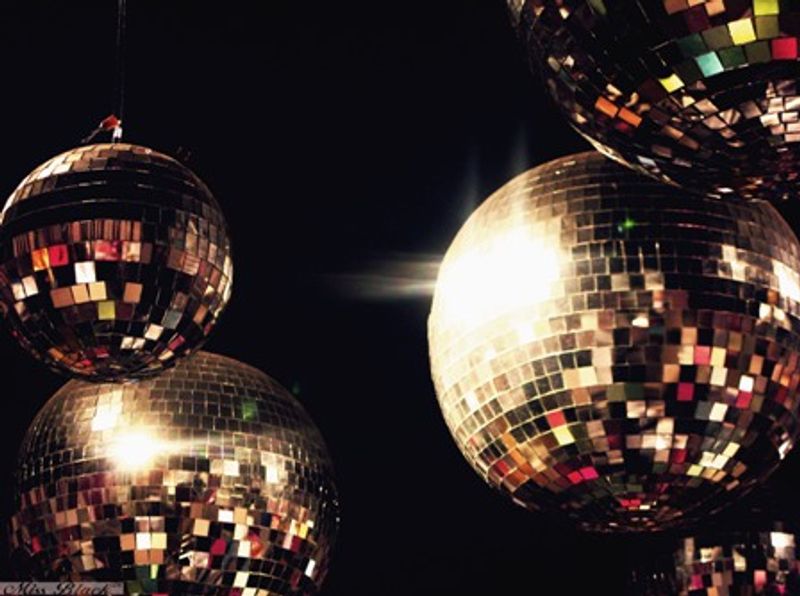
For some, disco meant liberation, dancing till the legs burned, and a place where everyone could belong. For others, it was a sugary soundtrack that choked rock radio.
You can still hear the booing from Disco Demolition Night echoing through time.
Was it joyful community or corporate gloss. Did it elevate Black, Latino, and queer artists or flatten genres into wallpaper.
You decide while the bass bumps.
Throw on a record, feel that four-on-the-floor heartbeat, and see whether your shoulders start moving. Your body might vote before your mouth does.
3. Classic Sitcoms vs. Today’s TV
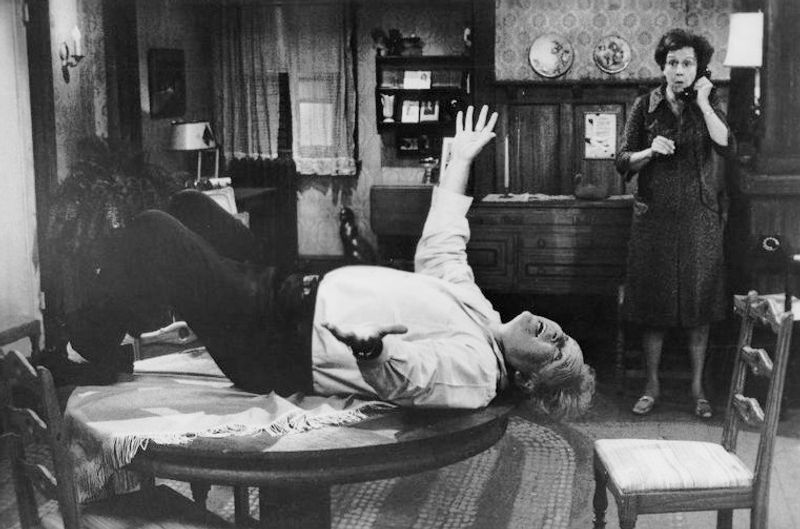
Reruns of classic sitcoms feel like comfort food. Tight jokes, tidy endings, and theme songs you can hum in your sleep.
But today’s TV pushes boundaries, tackles messy truths, and bends genre in brave ways.
Are laugh tracks charming or canned. Do you prefer punchlines over character studies.
You argue over whether depth requires darkness, or if heart and wit carry plenty of weight.
Maybe the real question is how you watch. Appointment viewing built community, while streaming lets you binge.
Either way, the couch is still home base.
4. Vietnam War: The “Real” End and How It Was Handled
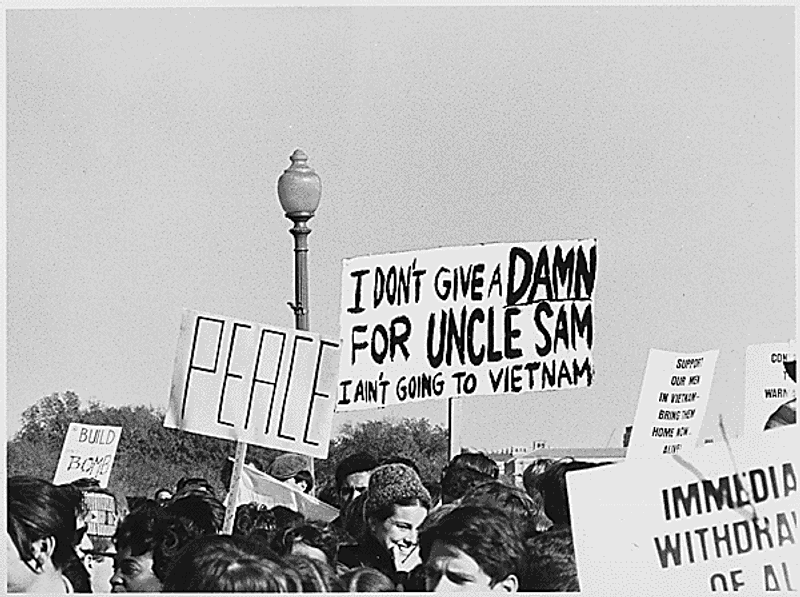
Some say the war ended when troops came home. Others fix the date at Saigon’s fall.
You still might hear arguments about lost lives, draft lotteries, and who should have spoken up sooner.
Was the strategy doomed, or the politics. Did the media help end the war or deepen division.
You can feel the weight whenever someone brings it up, especially among families touched by grief.
The debates do not fade because the scars did not. Memory is messy, and closure rarely arrives on schedule.
Respect is the steady ground.
5. Bell-bottoms: Fashion Statement or Faux Pas
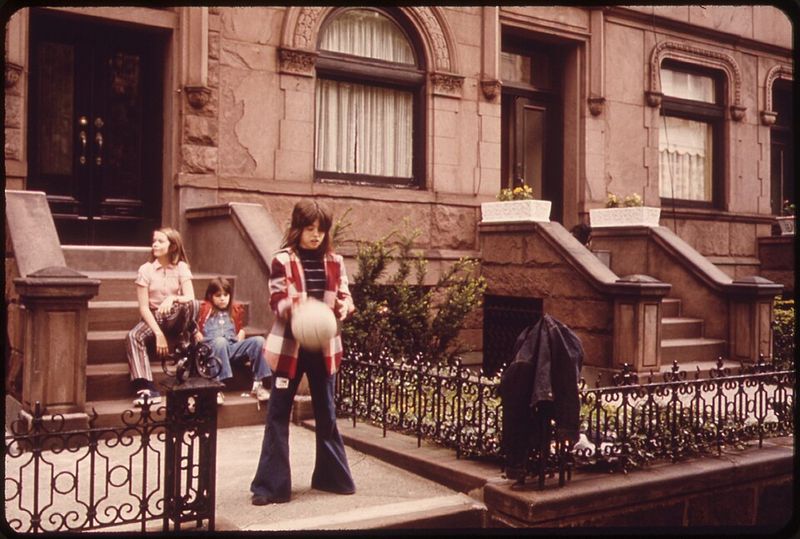
Nothing says era like a pair of sweeping bell-bottoms brushing the sidewalk. Some call them carefree and cool, swishing with every step like portable confidence.
Others remember tripping, fraying, and stains around the hems.
Fashion cycles turn everything into comeback stories. Are they flattering or just nostalgic.
You will argue in front of a mirror while your playlist shuffles from funk to soft rock.
Maybe the best measure is how they make you move. If your stride loosens and your mood lifts, style points achieved.
6. Civil Rights Movement: Progress vs. Unfinished Work
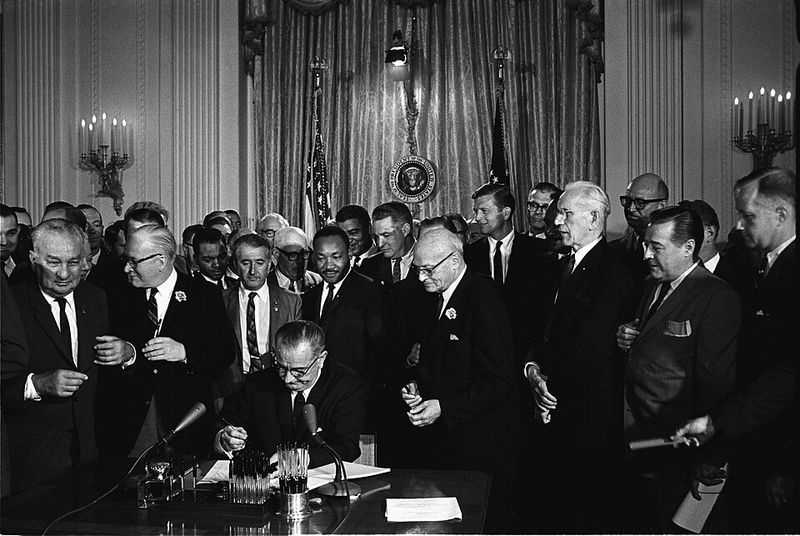
You cannot talk about progress without acknowledging the movement that shook the nation awake. Laws changed, doors opened, and voices rose louder than sirens.
Yet the debates persist because disparities did not vanish.
Is the arc bending fast enough. Do metrics prove improvement, or do daily experiences tell another story.
You hear both, and both can be true at once.
Listening might be the bravest step. Celebrate victories, question complacency, and keep going until equal is more than a promise.
Memory should motivate, not paralyze.
7. Did Video Games Ruin Childhoods
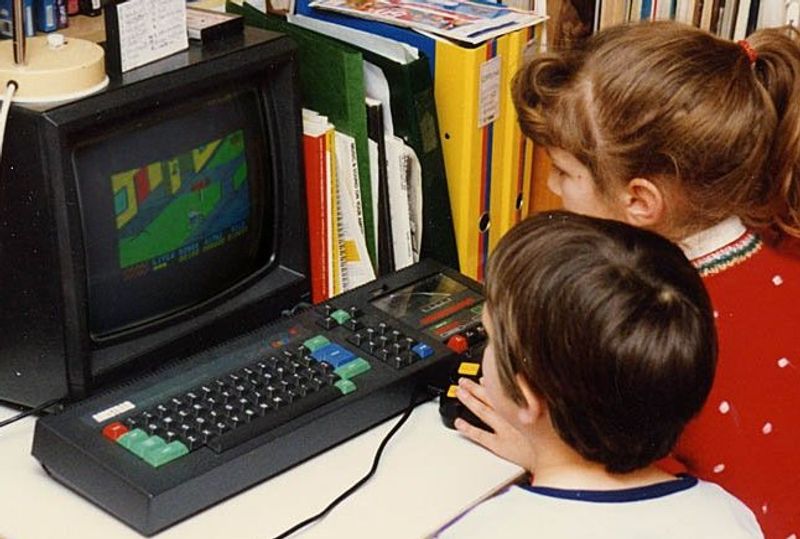
Some remember arcades and consoles as wonderlands for quarters and imagination. Others blame them for lost daylight, fewer scraped knees, and attention spans stretched thin.
The joystick became a lightning rod for parental frustration.
Did games build problem-solving skills or replace real-world play. Were they social hubs or solitary caves.
You can stack studies on both sides, and still not settle it.
Maybe the real trick is balance. Save the princess, then go ride bikes.
Childhood is big enough for pixels and playgrounds.
8. Best Classic Car: Mustang vs. Camaro
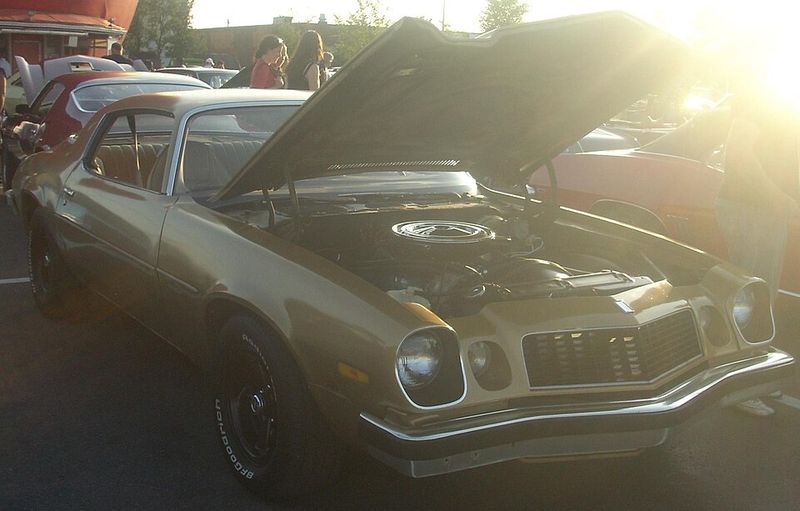
Open roads ask tough questions. Is it the Mustang’s silhouette or the Camaro’s stance that makes your pulse jump.
Fans argue torque curves and quarter-mile times like courtroom lawyers.
Heritage matters too. First love at a stoplight, or the poster on your childhood wall.
Which one rumbled past your window at midnight and made sleep impossible.
Pick your keys. Either way, you are buying a soundtrack of throaty exhaust, summer heat, and the possibility of outrunning yesterday for one more mile.
9. Elvis: Death or Disappearance
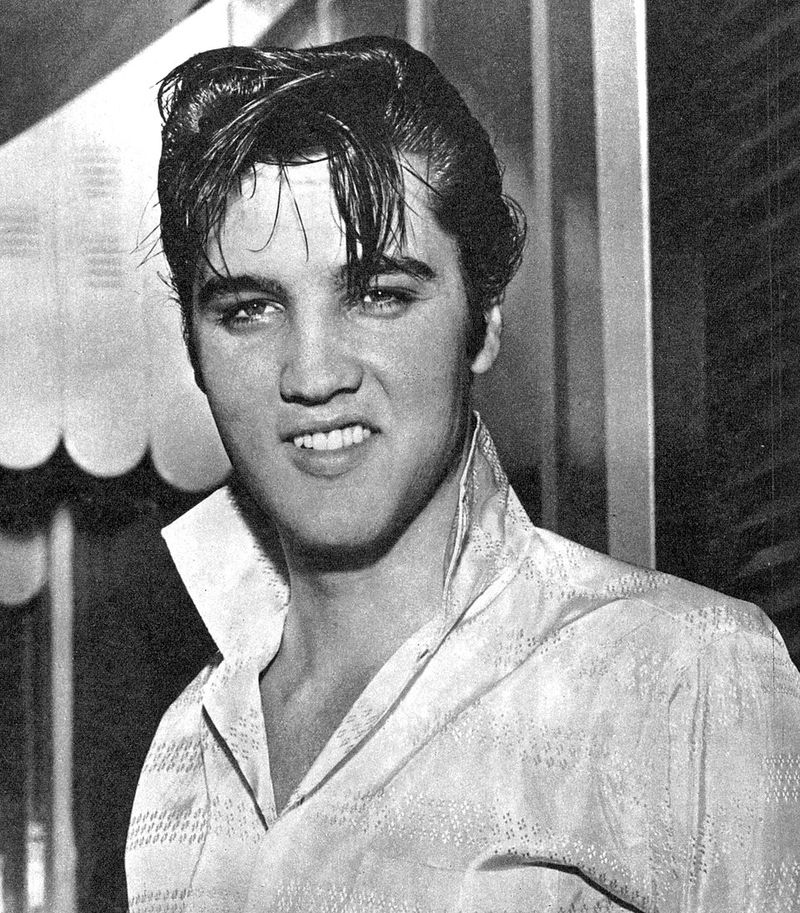
Officially, the King left the building. But whispers never stopped, turning sightings into folklore and doubt into cottage industry.
You might roll your eyes, or lean in when a story sounds too detailed.
Why does it linger. Part grief, part mythmaking, part refusal to let icons go.
In a world of unreliable narrators, certainty feels rare.
Whether you believe the coroner or the conspiracies, the music endures. That voice still shakes the walls, proof that mortality cannot touch every note.
10. Watergate’s Long-term Legacy
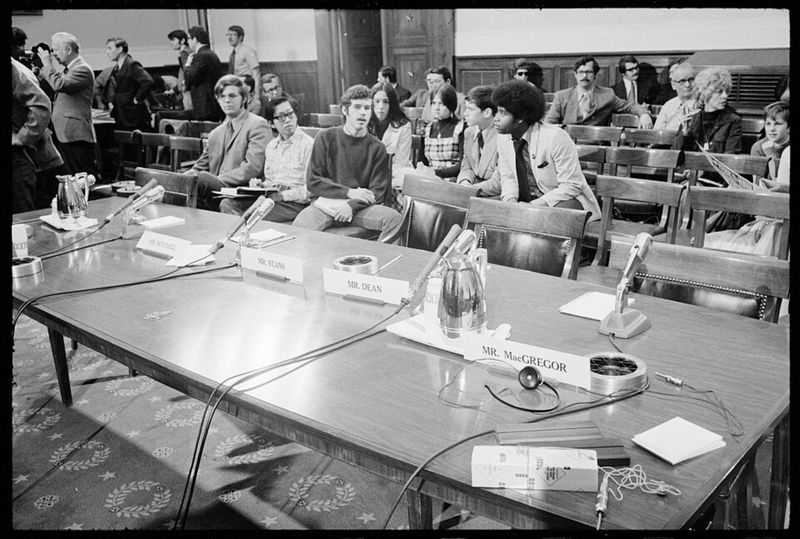
Trust broke like glass, and everyone kept a shard. Watergate became the template for scandal talk, a suffix and a cautionary tale.
You can feel its echo whenever accountability is on the table.
Did it strengthen journalism or breed cynicism. Did reforms stick or fade under partisan heat.
The debate keeps resurfacing with every leaked memo and late-night press conference.
Whatever your take, the lesson is not subtle. Power needs guardrails, and voters must keep both eyes open.
11. Woodstock: Overrated or Iconic
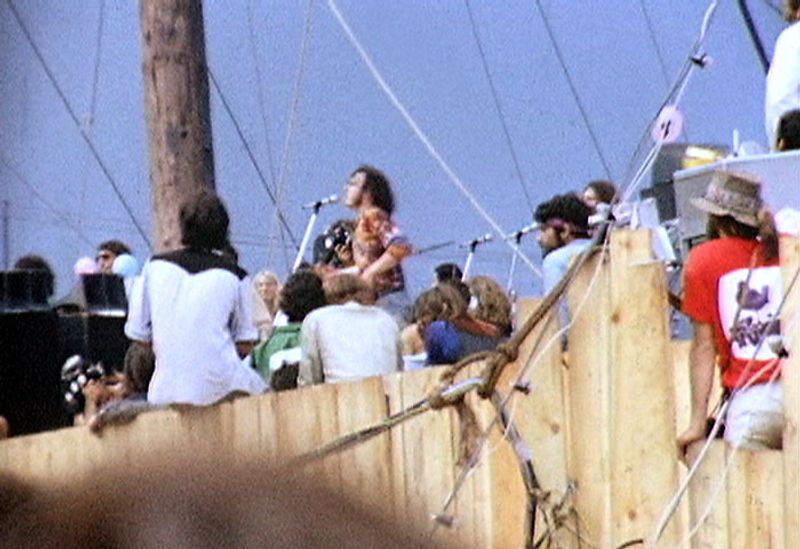
For some, Woodstock was lightning in a bottle, a messy miracle of music and community. For others, it was mud, chaos, and myth polished by time.
You can love the spirit and still question the legend.
Was it a blueprint for festivals or a one-off fever dream. Are the performances truly transcendent or just time-stamped.
Your verdict may depend on which recordings you treasure.
Icon or overhyped, its silhouette looms over every outdoor stage since. That says something, even if opinions clash like thunder.
12. Best Live Concerts: Woodstock vs. Other Festivals
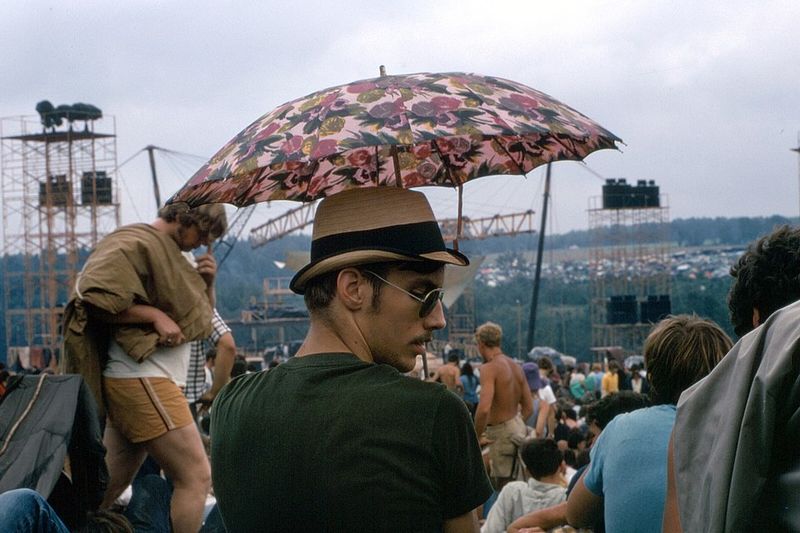
Maybe you were there, or maybe the bootlegs did the transporting. Woodstock felt raw, communal, and unrepeatable.
Later festivals offered precision sound, massive screens, and logistics that actually worked.
Is magic the crowd or the craft. Do you prefer imperfect brilliance or flawless production.
Your answer probably ties to how you measure goosebumps.
No matter the pick, live music is proof that strangers can sing together. That counts, even after the last note fades into traffic.
13. Newspapers vs. Digital News
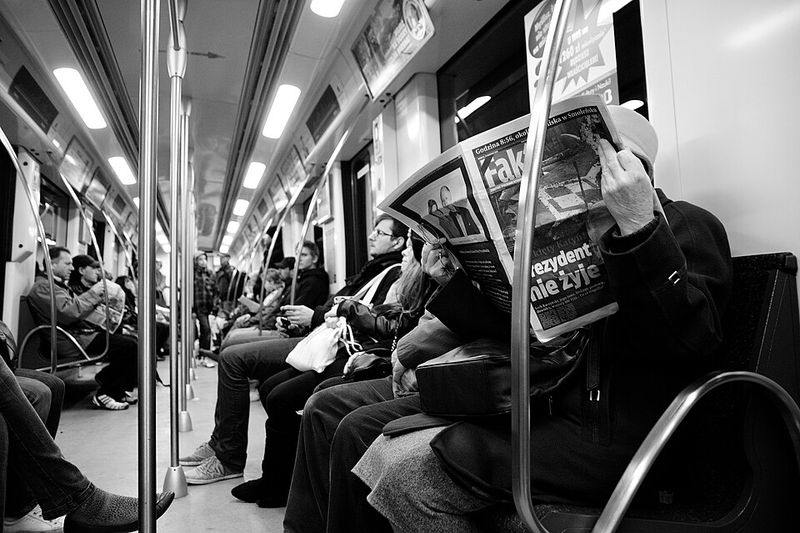
There is a smell to newsprint that screens cannot replicate. Turning pages slows you down just enough to think.
But digital speed puts updates in your pocket before the kettle boils.
Is depth being traded for clicks. Do algorithms narrow horizons or broaden access.
You weigh convenience against trust, and find yourself toggling between both worlds.
Maybe the smartest habit is intentional reading. Curate, verify, and remember that truth needs time, regardless of format.
14. Was the Space Race Worth the Cost
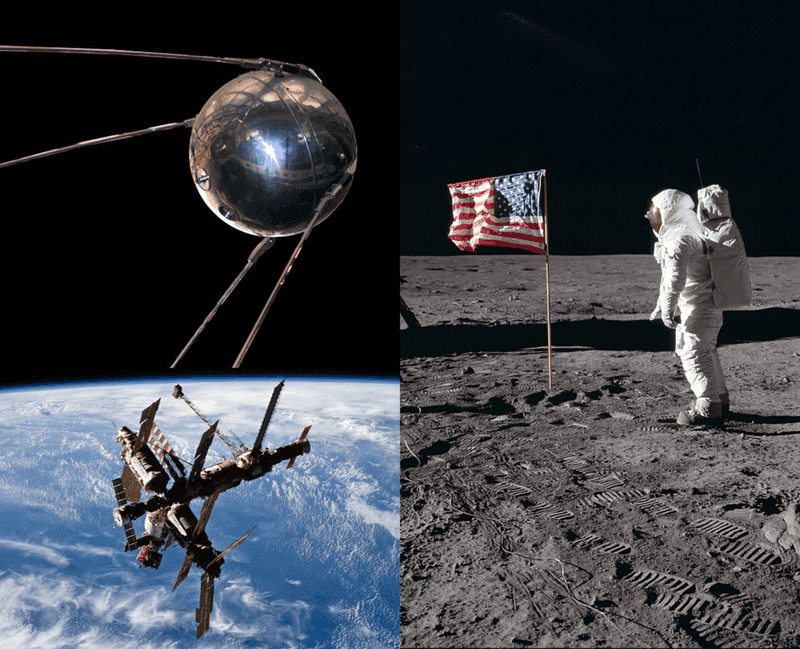
Moon dust or misplaced priorities. You hear both every time budgets come up.
The space race delivered tech that reshaped daily life, and a view of Earth that softened borders.
Still, critics tally dollars and unmet needs. Should funds have gone to classrooms and clinics.
It is a fair question with no easy ledger.
Perhaps the value is bigger than any line item. Exploration changes who we are, even if the receipt arrives steep.
15. Best Sitcom Theme Song of the ’70s and ’80s
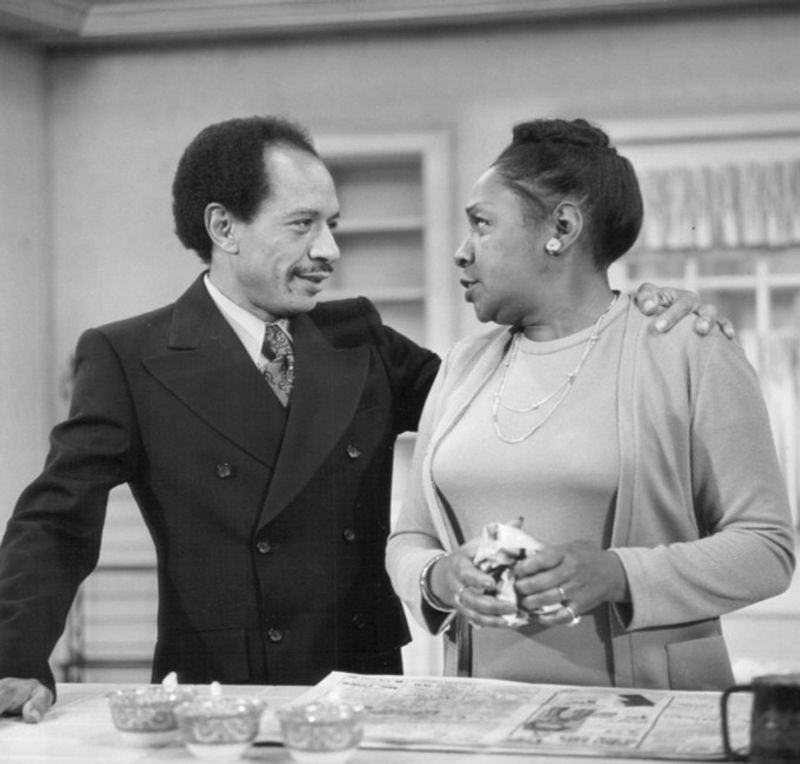
A few bars and you are transported to a couch, a bowl of cereal, and a weeknight ritual. Cheers, The Jeffersons, Happy Days, Taxi, so many contenders.
The melodies carried promise that stories would land soft.
Do you rank by catchiness, lyrics, or goosebumps per second. Does nostalgia tilt the scales.
Probably, and that is okay.
Hum your favorite and watch the room smile. Theme songs are tiny time machines, perfectly tuned for sing-alongs.
16. MTV: Saved Music or Broke It
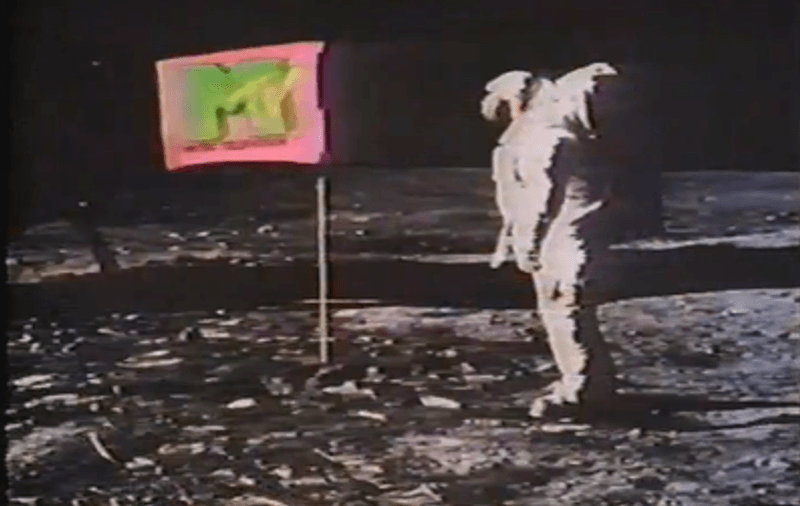
MTV turned sound into spectacle, launching careers with moving pictures you could not stop watching. Critics say image began to outrun melody.
Fans say it expanded artistry and made music a fuller language.
Did videos cheapen craft or elevate it. Did radio lose power or adapt.
Your answer might trace the first time a video made you care about a song.
Either way, the culture shifted. We started seeing music differently, and there is no going back.
17. Do Kids Today Respect Elders Like Boomers Did
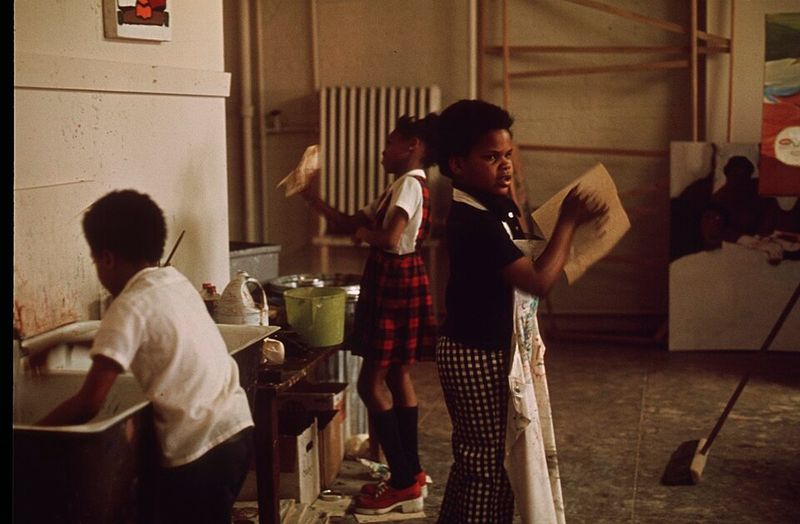
You hear the sighs: kids these days. Yet respect looks different when information is abundant and hierarchies blur.
Questioning can be care, not defiance.
Were Boomers better at yes sir or just afraid to speak. Culture, economics, and technology shape manners more than birthdays do.
The heart of respect remains listening and showing up.
Invite stories, not lectures. When voices meet in the middle, everyone grows taller.
18. Best ’70s Sci‑Fi: Star Wars or Close Encounters
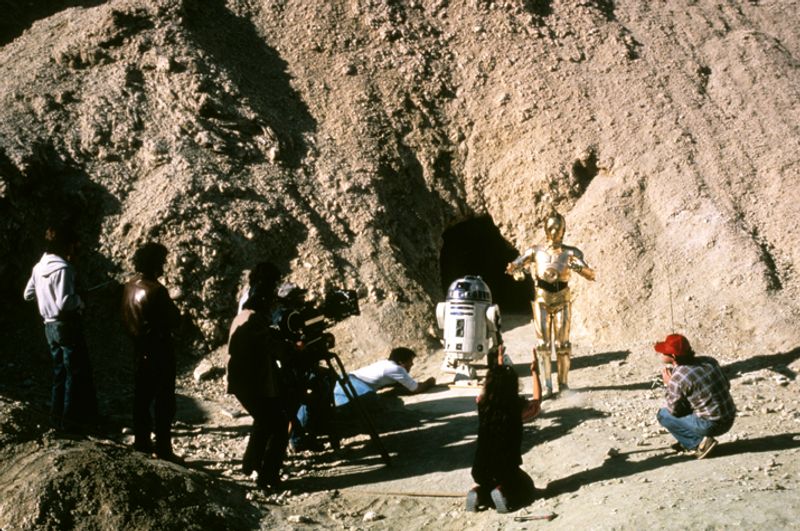
Choose your flavor of wonder. Star Wars blasts through galaxies with mythic heroes and laser-bright momentum.
Close Encounters whispers, then swells, asking you to listen for mysteries in the sky.
Is spectacle the point, or is it wonder tinged with uncertainty. Do you want swashbuckling or trembling awe.
Your pick might reveal how you like your hope served.
Either way, the ’70s gave us big-screen belief. We walked out looking up.
19. Assassinations of the 1960s
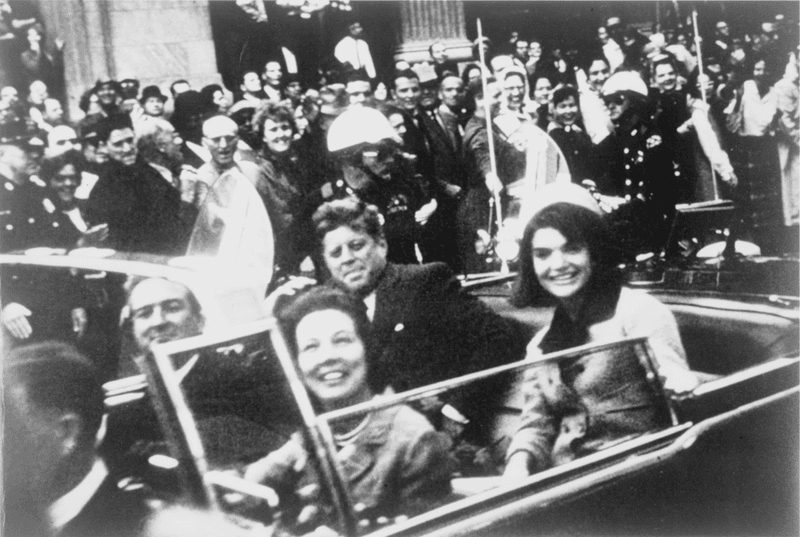
The decade carried grief like a constant drumbeat. MLK, RFK, names that still hush a room.
Each loss bent the nation’s path and left questions that never quite settled.
Did hope die, or shift forms. How did communities hold together after shock.
You feel the ache even if you were born later, because echoes travel.
We argue over what might have been to make sense of what was. Mourning is unfinished work.
20. Rise of Counterculture Movements

Rebellion wore flowers, denim, and sometimes safety pins. It challenged rules about war, sex, music, and power.
You can thank it for freedoms and blame it for fractures, depending on the day.
Was it courageous awakening or chaotic self-indulgence. Did it widen empathy or just move the spotlight.
The answer keeps changing with each generation’s needs.
Culture is a tug-of-war between comfort and change. The rope marks remain on our hands.
21. AIDS Crisis Emergence
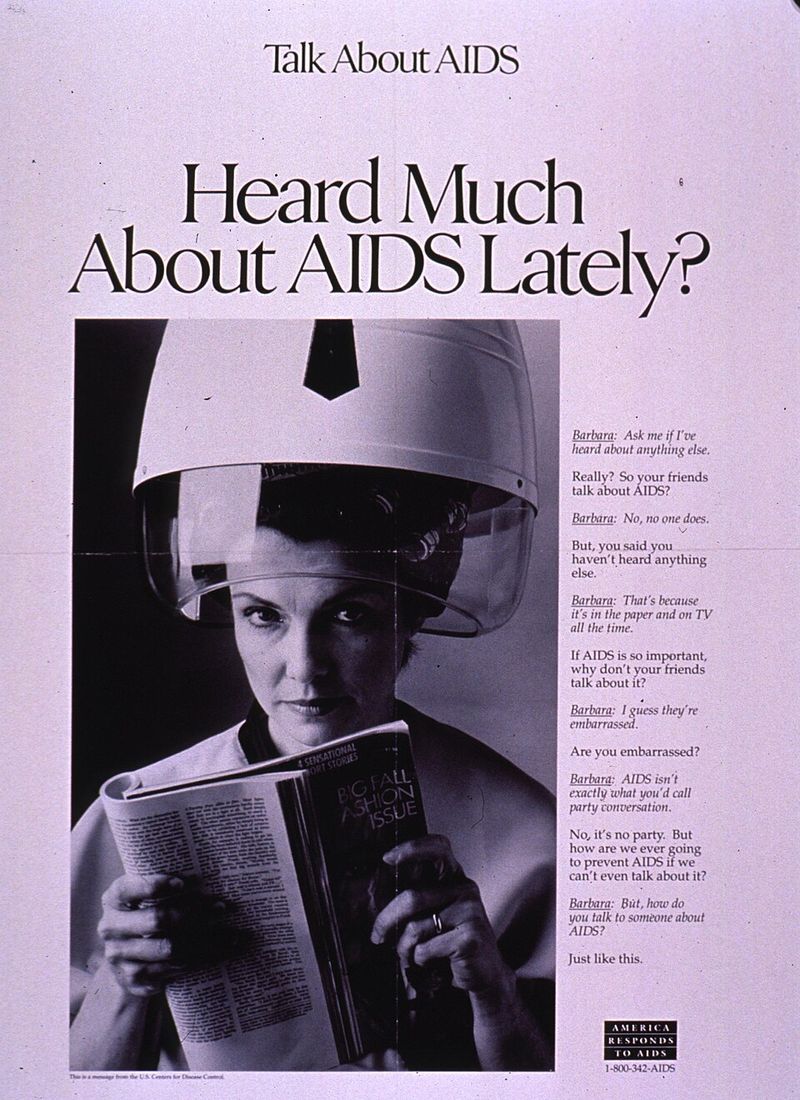
At first, confusion and fear filled the air. Then came loss, activism, and hard-won science.
Names on quilts turned statistics back into people, teaching a nation how to fight stigma.
Debates rage over government response, media framing, and the years it took to fund research. You hear anger because it was earned.
You hear gratitude for progress because lives were saved.
History asks us to remember both urgency and compassion. That is how you honor everyone lost.
22. Challenger Disaster and Space Safety
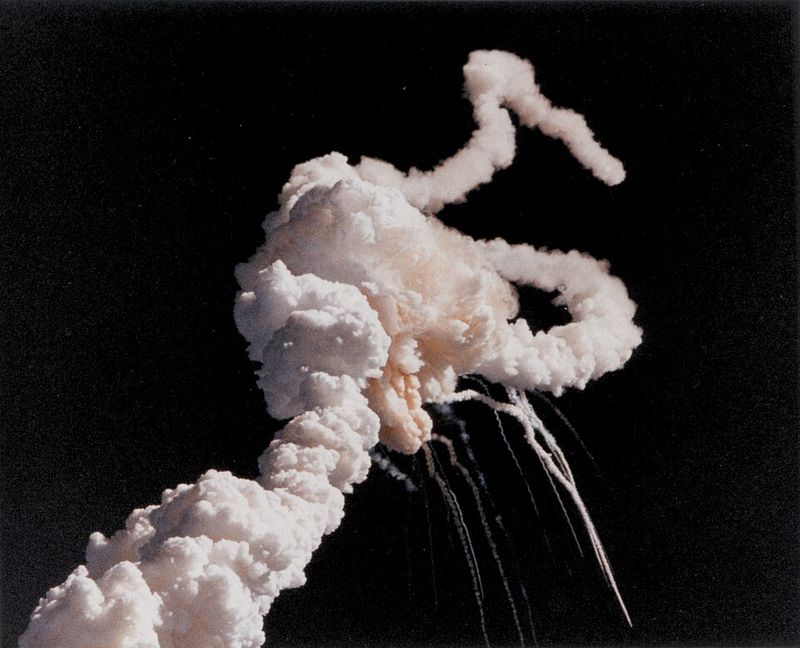
Many watched in classrooms, breath held for a teacher in space. Joy turned to silence in seconds.
The images burned into memory, and safety became a national conversation.
Should risks be lower, or is space never safe. Did pressure and schedule trump caution.
Investigations taught lessons, but the sorrow still sits heavy.
Exploration demands humility. We carry both awe and accountability when we aim skyward.
23. Berlin Wall’s Fall and Cold War’s End
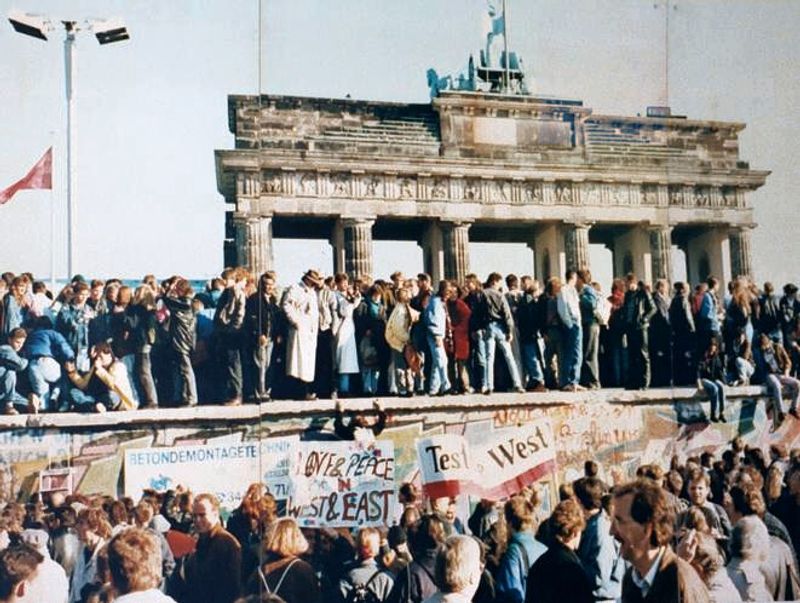
Joy spilled into the streets as concrete gave way to possibility. Families reunited, and a generation exhaled.
But the aftershocks still spark arguments about winners, losers, and promises kept.
Did globalization deliver prosperity or precarity. Did democracy surge or stumble.
Your answer likely depends on which border you crossed and what came next.
The wall fell faster than fear, but both still leave marks. History unfolds in layers, not clean breaks.



