Wars rarely end the way anyone expects. History is full of conflicts that started over one thing and ended with something completely different.
Some wars ended with a handshake over a pig, others with entire empires collapsing overnight. Buckle up, because these 23 wars had endings so wild, even the history books did a double-take.
War of Jenkins’ Ear
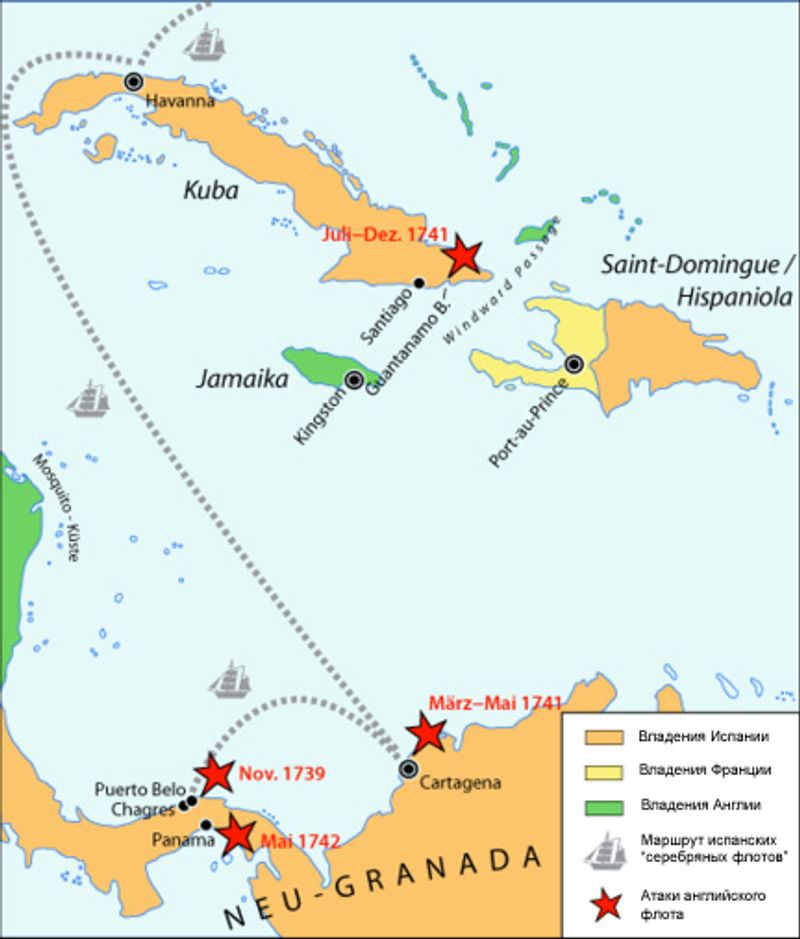
A war named after a severed ear sounds like a bad joke, but the War of Jenkins’ Ear was very real. In 1739, British merchant Robert Jenkins waved his pickled ear before Parliament, claiming Spanish coast guards had sliced it off.
Britain declared war on Spain faster than you can say “that’s an odd reason.”
Here is the truly wild part: the conflict quietly merged into the larger War of Austrian Succession without anyone really noticing. No grand treaty, no dramatic finale.
It just… dissolved into a bigger war like sugar in hot tea.
Britain gained almost nothing concrete from years of fighting. Spain did not crumble.
Jenkins got his moment of fame and then vanished from history. The war that started over a body part ended with a collective shrug.
Historians still argue about whether it was worth it. Spoiler: it probably was not.
War of 1812
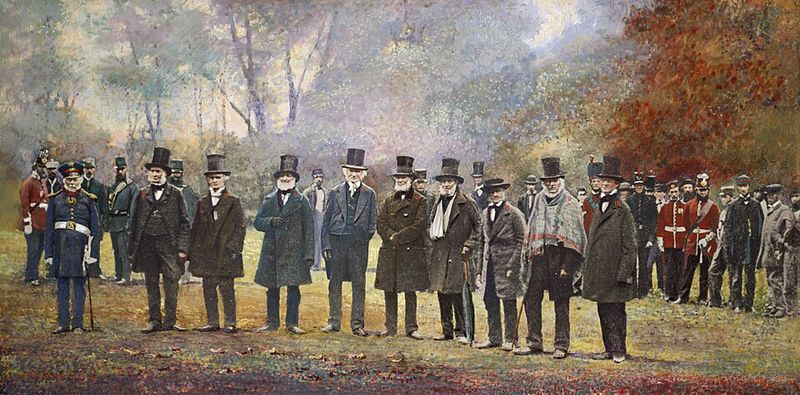
The War of 1812 is one of history’s most confusing conflicts, mostly because nobody really won. The United States declared war on Britain hoping to grab Canada.
Spoiler: they did not get Canada. Not even a little bit.
What makes the ending truly jaw-dropping is the Battle of New Orleans. Andrew Jackson delivered a crushing defeat to British forces in January 1815.
Brilliant victory, right? Except the peace treaty had already been signed two weeks earlier.
The battle was completely unnecessary. Soldiers died for a war that was already over.
The Treaty of Ghent basically restored everything to how it was before the war started. All that fighting, and the borders stayed the same.
Britain got nothing extra. America got nothing extra.
Canada stayed Canadian. The war ended like a long road trip where you realize you never left your driveway.
Both sides declared victory anyway, naturally.
Pig War
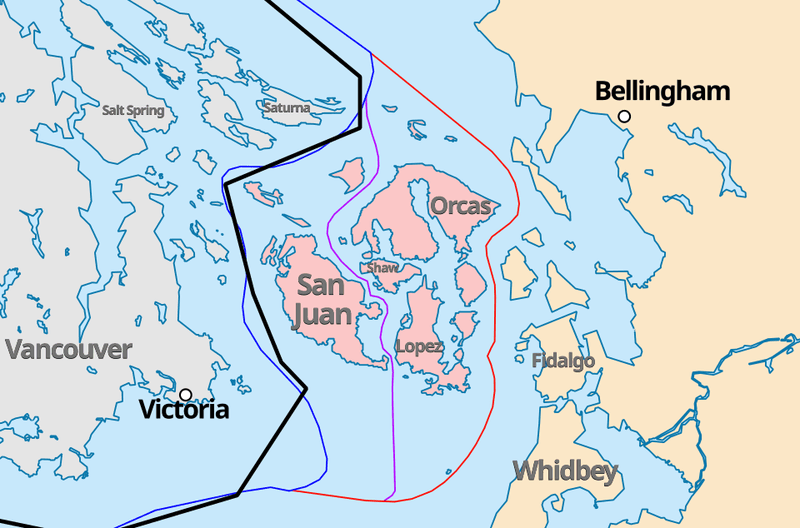
Only one casualty defined the entire Pig War of 1859: one very unlucky pig. An American farmer shot a British pig rooting through his garden on San Juan Island, and suddenly both nations were on the brink of full-scale war.
Over a pig. A single pig.
Both the U.S. and Britain sent troops to the island. At one point, 461 American soldiers faced five British warships.
Tensions were genuinely high. Yet somehow, the commanding officers on both sides just decided to be reasonable and wait for orders rather than actually shoot each other.
The war ended with joint military occupation of the island for 12 years. Then an international arbitration commission awarded the island to the United States in 1872.
Britain packed up and left without firing a single shot. The pig, unfortunately, did not survive to see justice served.
It remains history’s most expensive bacon.
Mexican-American War
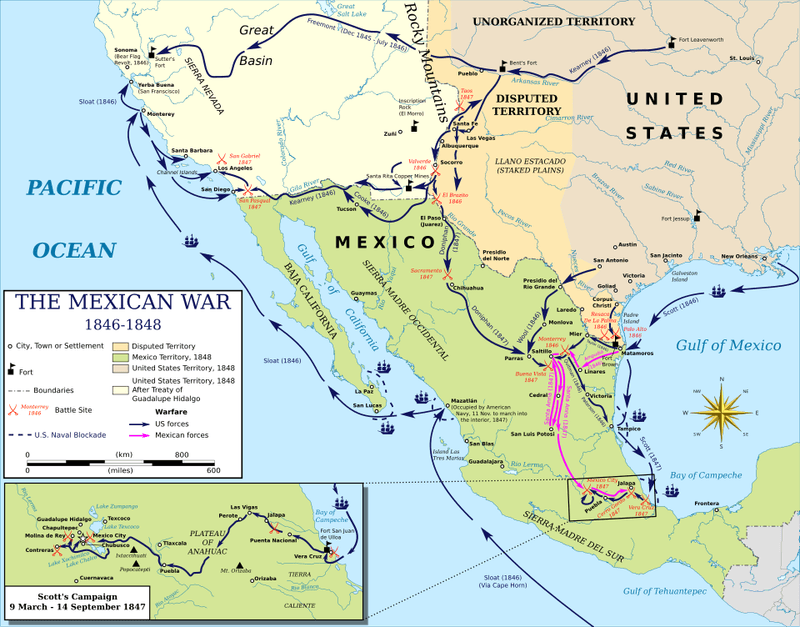
When the Mexican-American War ended in 1848, the United States gained roughly half of Mexico’s territory. That sounds like a clear American victory.
But the unexpected twist came from within America itself.
The newly acquired land ripped the country apart politically. Every new territory raised the same burning question: would it allow slavery?
The debate grew so fierce and so divisive that many historians trace a direct line from the Mexican-American War straight to the Civil War just thirteen years later.
Congressman Abraham Lincoln, then relatively unknown, publicly questioned whether President Polk had the legal right to start the war. The conflict that looked like a triumphant expansion became a powder keg.
Mexico lost enormous territory, but America inherited a crisis that nearly destroyed it. General Ulysses S.
Grant later called it “one of the most unjust wars ever waged.” That is quite a review from someone who fought in it.
Crimean War
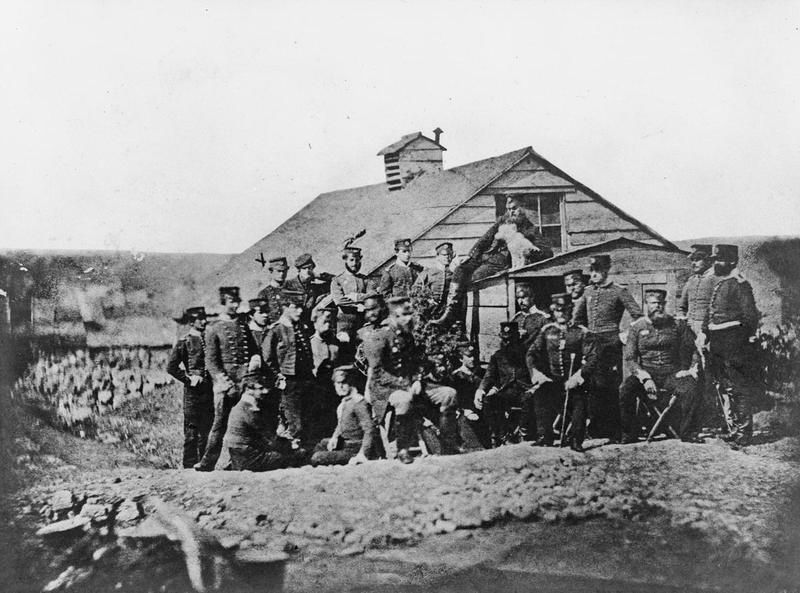
The Crimean War started as a clash between Russia and the Ottoman Empire over religious influence in the Holy Land. Britain and France jumped in to support the Ottomans.
Everybody expected Russia to fold quickly. Russia did not fold quickly.
The war dragged on from 1853 to 1856 with catastrophic losses, mostly from disease rather than combat. The unexpected hero of the whole mess was Florence Nightingale, a nurse who transformed military medicine and basically invented modern nursing standards.
Nobody had that on their war bingo card.
Russia did eventually lose, signing the Treaty of Paris. But the biggest shock was how the war reshuffled European alliances and exposed how badly organized every army involved actually was.
Britain’s Light Brigade charged the wrong target in one of history’s most famous blunders. Russia modernized dramatically afterward.
The Crimean War is remembered less for who won and more for how spectacularly everyone struggled.
Franco-Prussian War
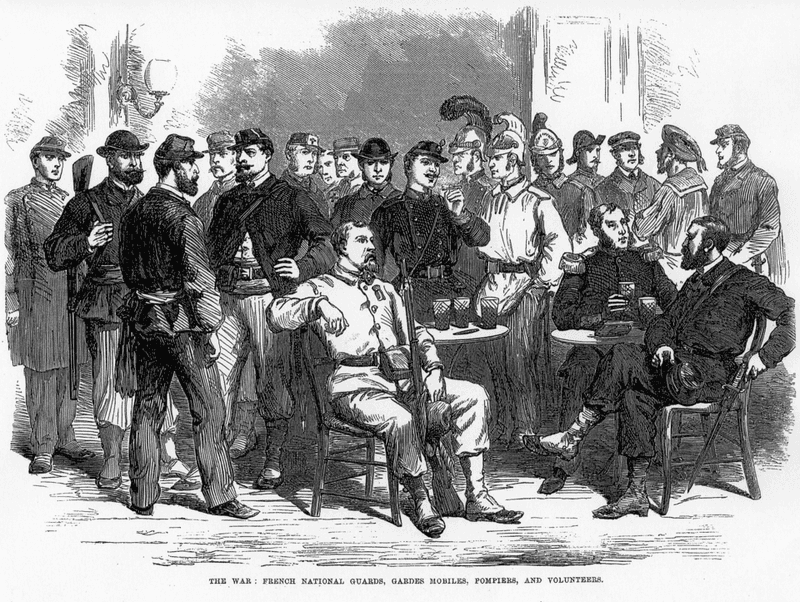
France picked a fight with Prussia in 1870, fully expecting a quick and glorious military victory. What France got instead was one of the most humiliating defeats in European history.
The Prussians moved so fast that Emperor Napoleon III himself was captured at the Battle of Sedan.
The truly shocking twist came at the end. Prussia did not just win the war.
Prussia used the victory to unite dozens of German states into one powerful German Empire, and they celebrated by proclaiming the new empire inside the Palace of Versailles. In France.
In the French king’s own palace. That is a power move for the history books.
France lost the wealthy regions of Alsace and Lorraine and had to pay massive war reparations. The humiliation burned so deeply that it became a major fuel for World War I, forty years later.
One war planted the seeds for another. History loves a sequel nobody asked for.
Spanish-American War
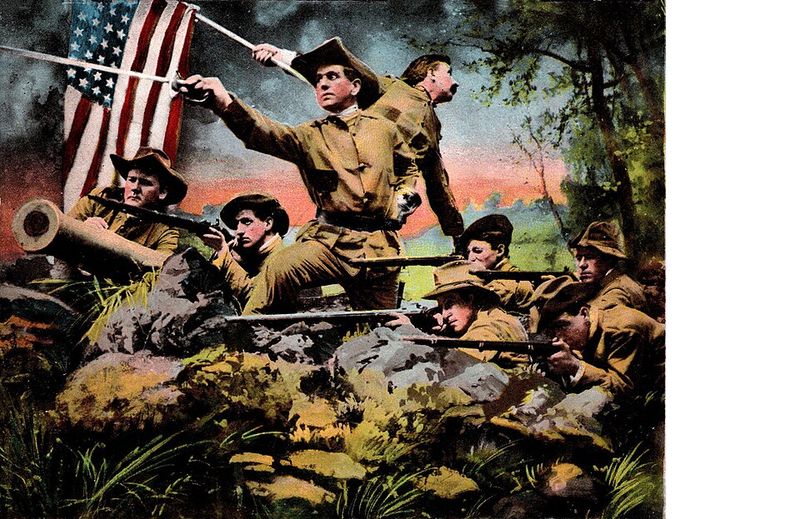
The Spanish-American War of 1898 lasted only ten weeks. Ten weeks!
That is shorter than most summer vacations. Yet the outcome completely reshuffled global power in ways nobody predicted when the fighting started.
America entered the war claiming it wanted to free Cuba from Spanish colonial rule. Technically, Cuba did gain independence.
But the United States also walked away with Puerto Rico, Guam, and the Philippines. Suddenly, America was a colonial power with territories scattered across two oceans.
That was not exactly the stated mission.
Spain lost its last major overseas colonies in a humiliating instant. Meanwhile, a young Theodore Roosevelt charged up San Juan Hill and turned himself into a war hero, which eventually launched him into the presidency.
The war that started over a mysterious battleship explosion in Havana Harbor ended with America accidentally becoming an empire. The USS Maine may have triggered the war, but its cause remains debated to this day.
Russo-Japanese War
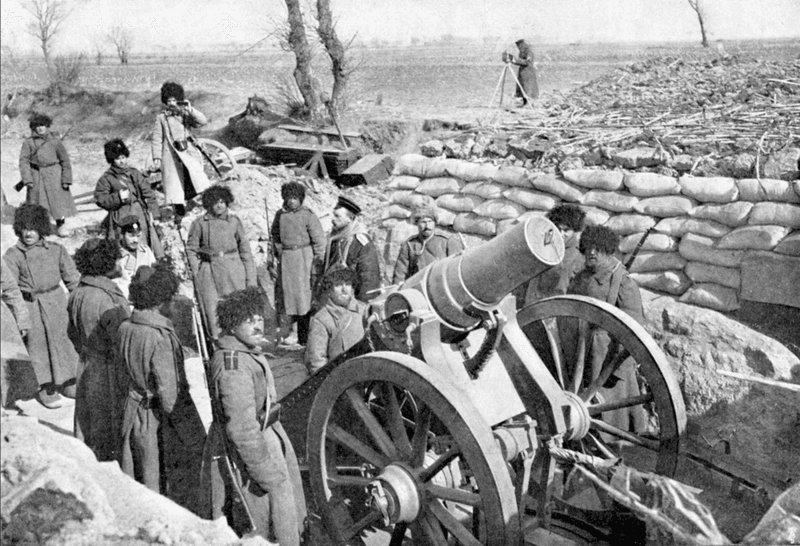
In 1904, Russia and Japan went to war over influence in Manchuria and Korea. The whole world expected Russia, a massive European empire, to swat Japan aside easily.
The world was spectacularly wrong.
Japan won battle after battle, shocking every major power watching from the sidelines. The decisive moment came at the Battle of Tsushima in 1905, where Japan destroyed almost the entire Russian Baltic Fleet.
Russia had sailed those ships halfway around the world only to lose them in a single afternoon.
The peace treaty, brokered by U.S. President Theodore Roosevelt in Portsmouth, New Hampshire, earned him a Nobel Peace Prize.
Russia lost territory and prestige. The Tsar’s humiliating defeat fueled massive unrest back home, directly contributing to the 1905 Russian Revolution and setting the stage for the full revolution in 1917.
Japan’s unexpected victory also changed how the world viewed Asian military power forever. Nobody underestimated Japan quite so casually after that.
World War I
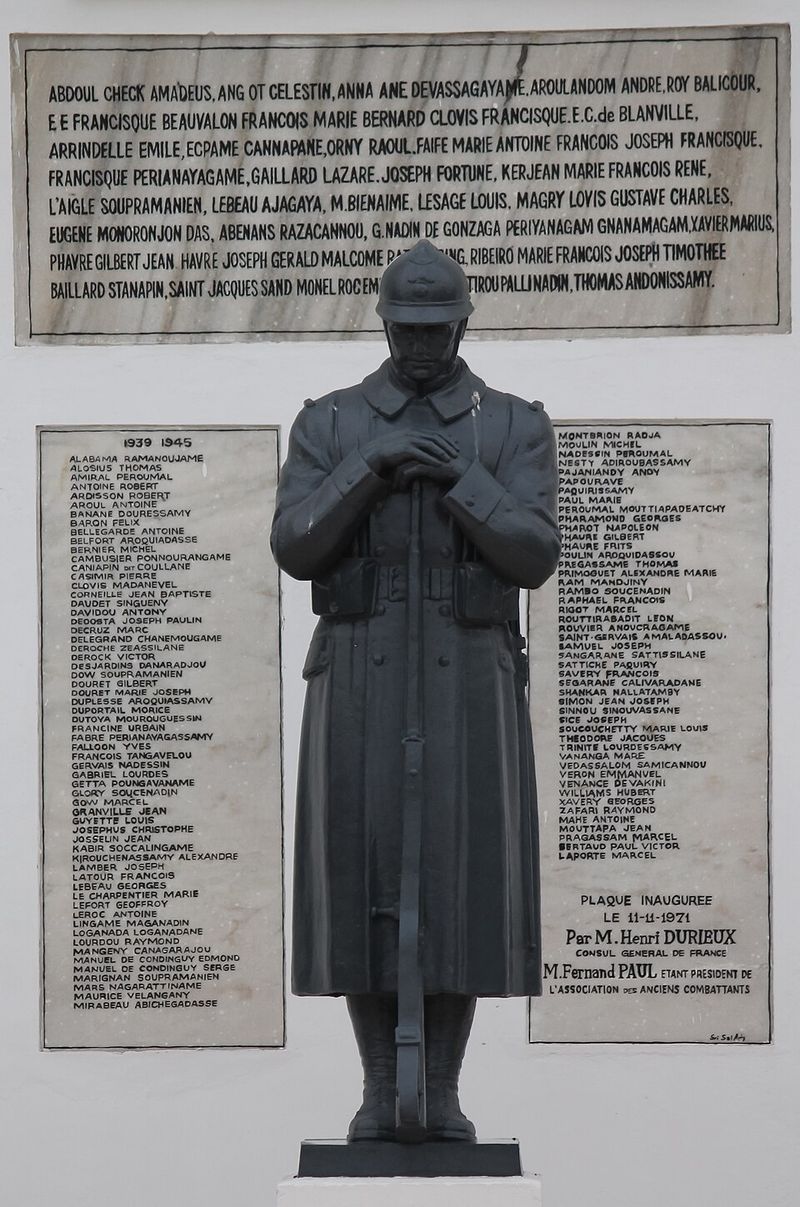
World War I was supposed to be over by Christmas 1914. Everybody said so.
Soldiers kissed their families goodbye expecting a quick adventure. What followed was four years of trench warfare, poison gas, and roughly 20 million deaths.
Christmas 1914 came and went without a peace treaty.
The ending was almost as bizarre as the beginning. Germany did not surrender on the battlefield.
Its army was still fighting when the armistice was signed on November 11, 1918, at 11 a.m. precisely. Some German military leaders later used this to claim the army had been “stabbed in the back” by politicians at home.
That myth helped fuel the rise of Adolf Hitler.
Four empires collapsed: Ottoman, Austro-Hungarian, Russian, and German. The map of Europe was completely redrawn.
The Treaty of Versailles punished Germany so harshly that many historians consider it the opening chapter of World War II. One war’s ending became another war’s beginning.
Humanity did not learn this lesson cheaply.
Irish War of Independence
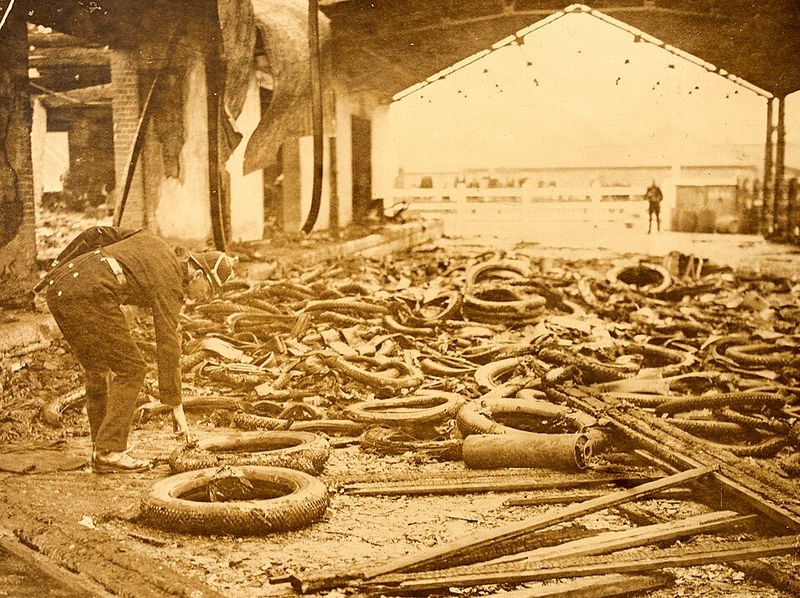
Ireland’s War of Independence from 1919 to 1921 was a scrappy, guerrilla-style conflict fought by the Irish Republican Army against British forces. The IRA was massively outgunned.
Britain had one of the world’s most powerful military forces. Nobody expected a small rebel army to force Britain to the negotiating table.
Yet that is exactly what happened. The Anglo-Irish Treaty of 1921 granted most of Ireland independence as the Irish Free State.
Britain kept Northern Ireland, which remains a source of tension to this day. The twist nobody saw coming: the treaty immediately split the Irish independence movement itself.
Pro-treaty and anti-treaty factions went to war with each other in a brutal Irish Civil War just months after winning independence from Britain. Michael Collins, who negotiated the treaty, was assassinated by anti-treaty forces in 1922.
Ireland won its freedom and then turned that freedom into its own internal conflict almost immediately. History has a dark sense of humor sometimes.
Winter War
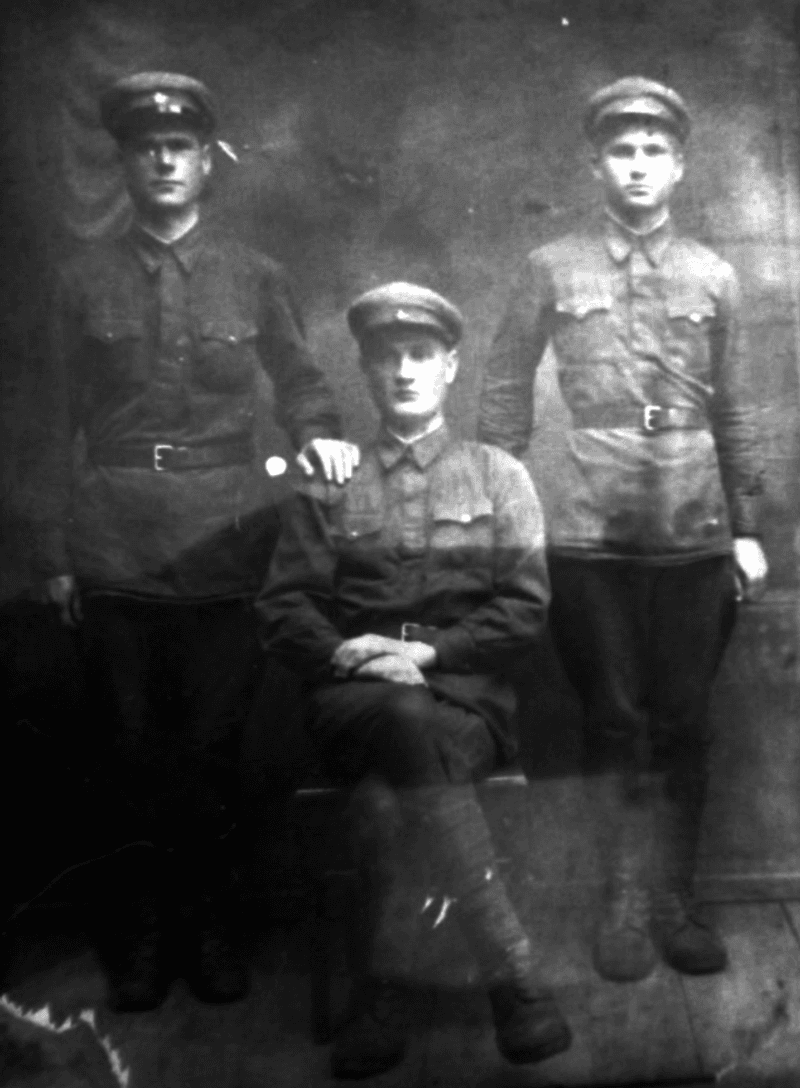
The Soviet Union attacked Finland in November 1939 expecting a quick, easy victory. Stalin thought his massive Red Army would crush tiny Finland within weeks.
Finland had other plans, and those plans involved skis, white camouflage, and extraordinary stubbornness.
Finnish soldiers used guerrilla tactics in the frozen forests with devastating effectiveness. The Soviets suffered embarrassing losses against a much smaller force.
The world watched in astonishment. Finland’s fighters, nicknamed the “White Death” snipers, became legendary.
Simo Hayha alone is credited with over 500 confirmed kills.
The twist came at the end. Despite Finland’s heroic resistance, the Soviet Union’s sheer size eventually overwhelmed them.
Finland signed the Moscow Peace Treaty in March 1940, surrendering about 11 percent of its territory. Finland lost the war but kept its independence, which was the real victory.
Stalin won the battle but lost so much military credibility that Hitler became convinced the Soviet army was weak. That miscalculation led directly to Operation Barbarossa in 1941.
World War II
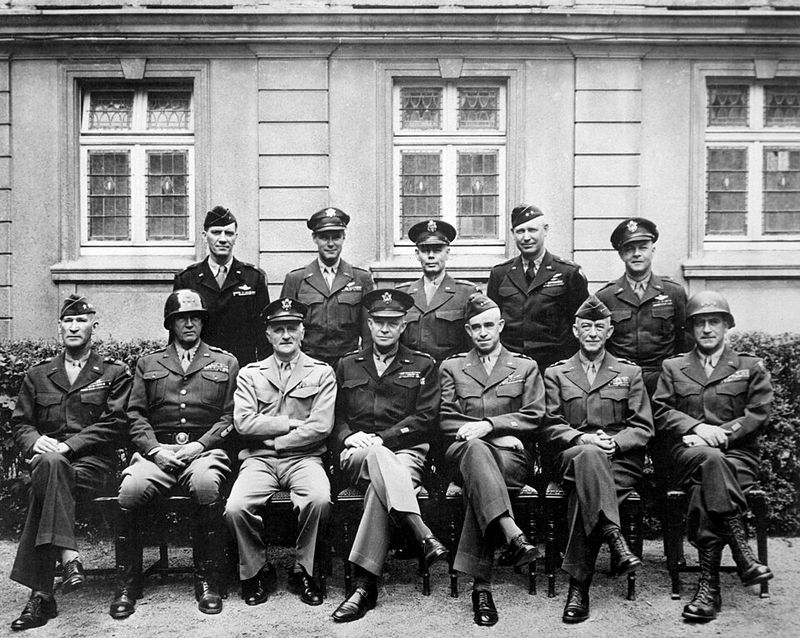
World War II’s ending in Europe was almost predictable by 1945. But the Pacific theater finale was genuinely shocking.
The United States dropped atomic bombs on Hiroshima and Nagasaki in August 1945, introducing a weapon so devastating that it changed warfare forever. Japan surrendered within days.
The unexpected twist came with what happened next. Japan, a nation that had been a fierce military adversary, transformed into one of America’s closest allies within a generation.
The U.S. helped rebuild Japan’s economy and write its new constitution. Former enemies became economic partners in one of history’s most dramatic turnarounds.
Germany’s post-war division into East and West also surprised many. Nobody quite predicted that the defeat of one enemy would immediately create a new Cold War standoff between former allies.
The Soviet Union and the United States, who fought together against Hitler, immediately started competing against each other. World War II ended and the Cold War began almost without a pause between them.
Korean War
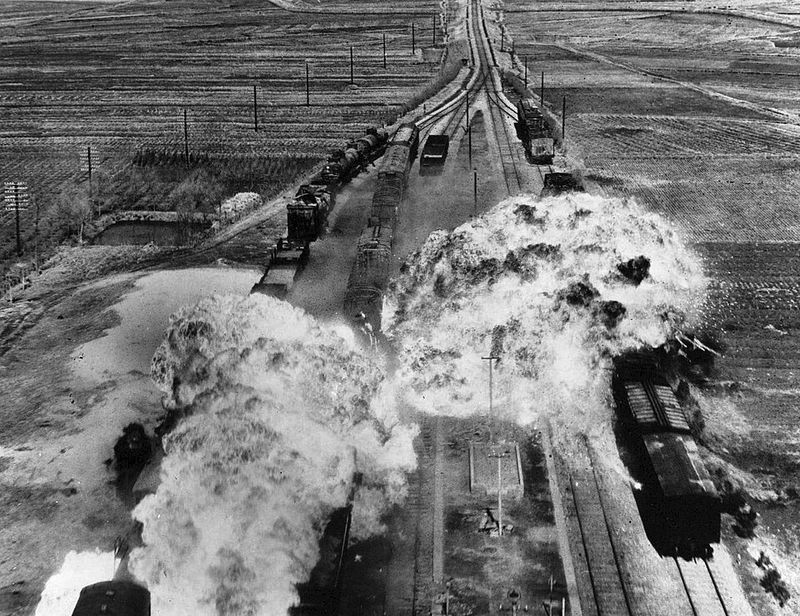
The Korean War started in 1950 when North Korea invaded South Korea, pushing UN forces nearly off the peninsula entirely. Then General Douglas MacArthur launched a brilliant amphibious landing at Inchon, flipping the entire war around.
Then China entered, flipping it back. This war could not make up its mind.
The conflict technically never ended. An armistice was signed in 1953, but no official peace treaty followed.
North and South Korea remain technically at war to this day. The border, called the Demilitarized Zone, is one of the most heavily fortified places on Earth.
Seven decades later, the situation remains unresolved.
MacArthur famously wanted to use nuclear weapons and attack China directly. President Truman fired him for insubordination.
A five-star general got fired during a war. The Korean War earned the nickname “The Forgotten War” in America, sandwiched between World War II and Vietnam.
Forgotten, unfinished, and still technically ongoing. Few wars have a stranger status than this one.
Six-Day War
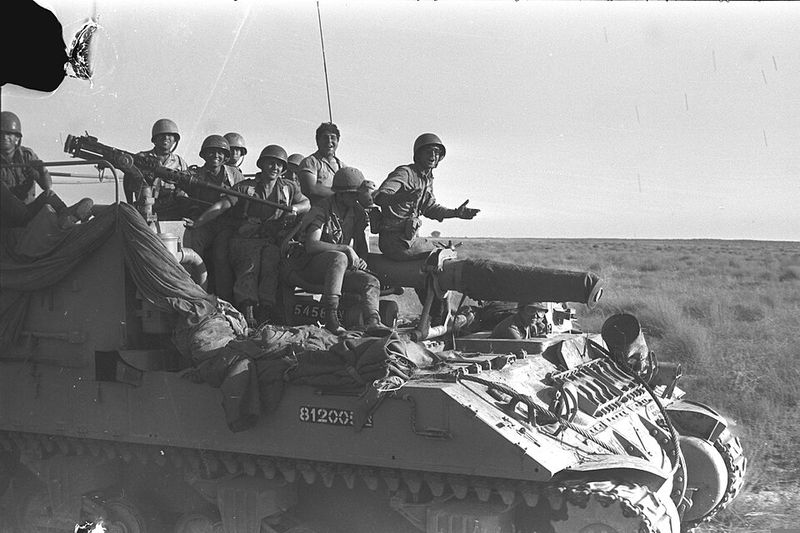
Six days. The Six-Day War of June 1967 lasted exactly six days, and in that time, Israel defeated Egypt, Jordan, and Syria simultaneously.
When the fighting began, most military analysts gave Israel slim chances against a coalition of Arab armies. Israel destroyed the Egyptian air force on the ground in the first hours of the first day.
The speed of Israel’s victory shocked the entire world. Israel tripled its territory, capturing the Sinai Peninsula, Gaza Strip, West Bank, and Golan Heights.
It was one of the most decisive military victories in modern history, accomplished in less time than a typical school week.
The unexpected aftermath created decades of unresolved conflict. The occupied territories became the center of ongoing disputes that continue shaping Middle Eastern politics today.
What looked like a clean, decisive victory actually created a much more complicated situation than existed before. Israel won the war convincingly but has navigated the consequences ever since.
Six days of fighting, fifty-plus years of aftermath.
Indo-Pakistani War of 1971
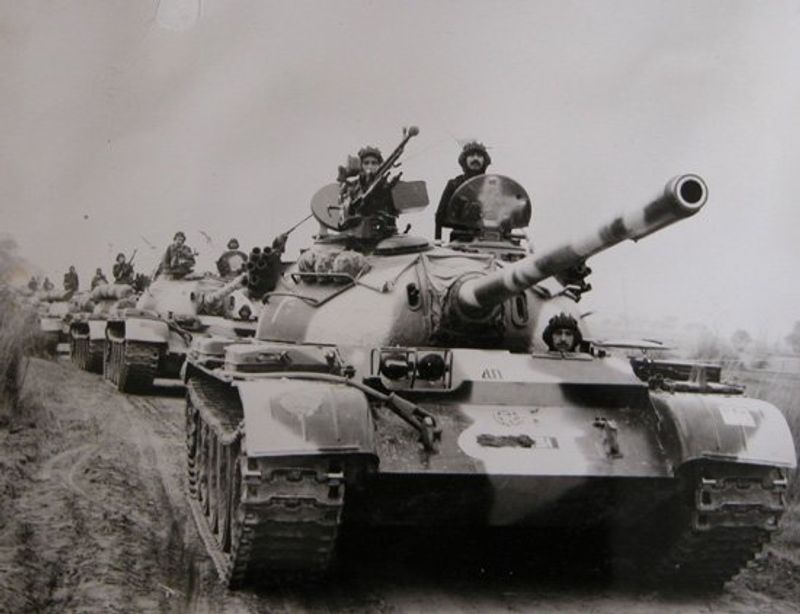
The Indo-Pakistani War of 1971 started as India supporting East Pakistan’s independence movement against West Pakistan. The conflict lasted only 13 days of full-scale war.
Thirteen days. Some people have taken longer to finish a jigsaw puzzle.
The result was stunning. Pakistan’s military surrendered on December 16, 1971, with 93,000 Pakistani soldiers becoming prisoners of war.
It was one of the largest military surrenders since World War II. Bangladesh was born as a new independent nation, carved out of what had been East Pakistan.
Pakistan’s humiliation was total and swift. The war fundamentally changed South Asian geopolitics overnight.
India emerged as the clear regional superpower. Pakistan never quite recovered its confidence or its territory.
The United States had backed Pakistan diplomatically during the conflict, which strained U.S.-India relations for years. A 13-day war created a brand-new country and reshuffled the entire regional balance of power.
History rarely moves that fast or that decisively.
Yom Kippur War
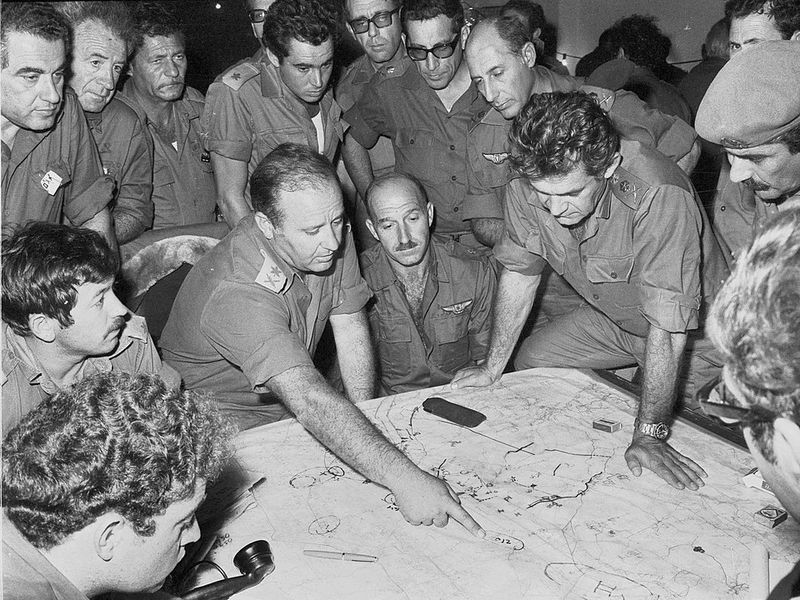
Egypt and Syria launched a surprise attack on Israel on Yom Kippur, the holiest day in the Jewish calendar, in October 1973. Israel was caught genuinely off guard.
For the first time since 1948, Israeli forces were pushed back and in serious danger. The opening days of the war looked catastrophic for Israel.
Then the tide turned dramatically. Israel counterattacked, crossed the Suez Canal into Egypt, and surrounded an entire Egyptian army.
Syria was pushed back beyond its starting lines. Israel recovered and actually ended the war in a stronger military position than when it started, despite the brutal opening.
The real unexpected consequence was economic. Arab oil-producing nations cut off oil exports to countries that supported Israel.
The 1973 oil crisis sent fuel prices skyrocketing worldwide and triggered a global recession. A regional Middle Eastern war caused gas lines in America and economic chaos in Europe.
The Yom Kippur War reshaped global energy policy in ways nobody on either side of the conflict had planned.
Gulf War
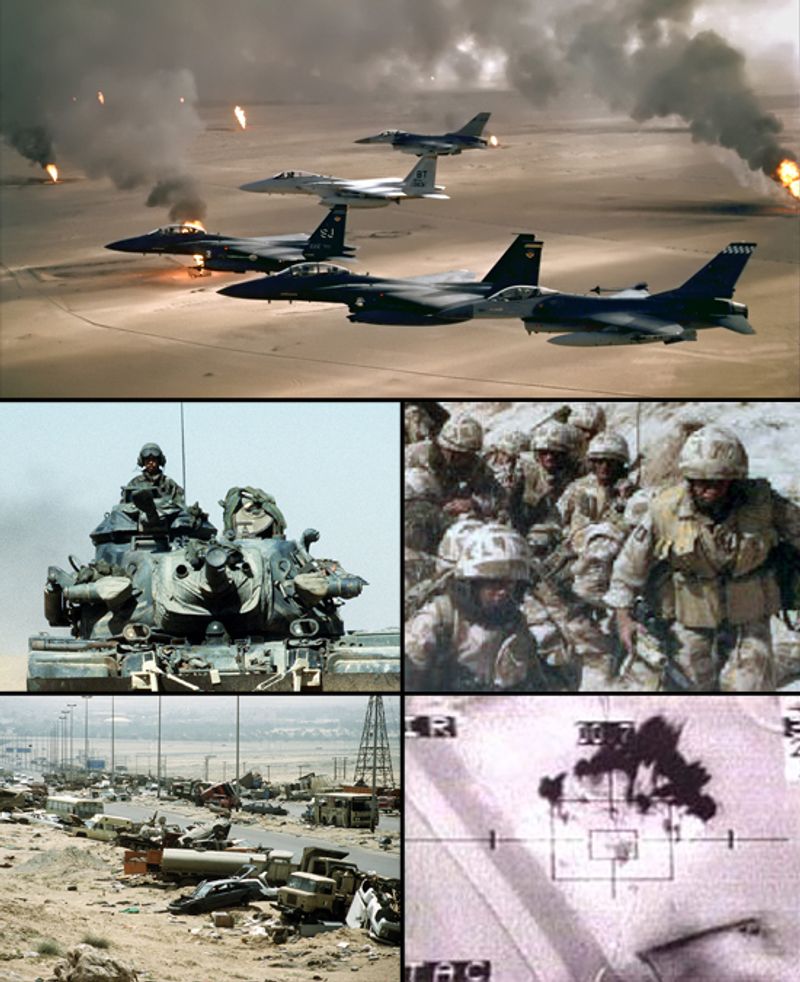
Iraq invaded Kuwait in August 1990, and Saddam Hussein probably expected the international community to grumble and move on. Instead, a coalition of 35 nations assembled to push Iraq out.
The ground war, when it finally came, lasted exactly 100 hours. One hundred hours to liberate a country.
The speed of the coalition victory stunned military analysts. Iraqi forces, supposedly battle-hardened from eight years of war with Iran, collapsed remarkably fast.
Thousands surrendered. The “Highway of Death” images of retreating Iraqi columns destroyed by air power shocked the world.
Here is the twist that nobody fully anticipated: President George H.W. Bush stopped the war without marching to Baghdad or removing Saddam Hussein from power.
The decision was criticized then and debated for decades afterward. Saddam remained in power for another twelve years.
The Gulf War ended with a decisive military victory that left the political problem completely unresolved. That unfinished business set the stage for the Iraq War in 2003.
History rarely closes cleanly.
Kosovo War
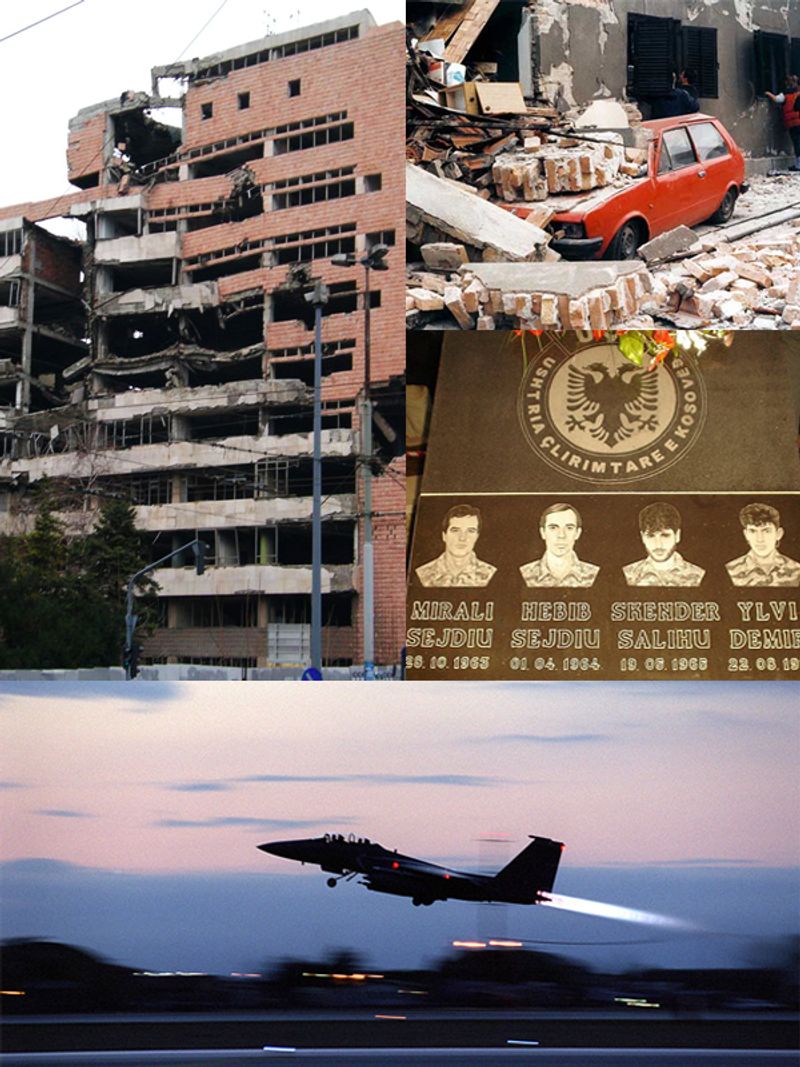
The Kosovo War of 1998-1999 involved Serbian forces carrying out ethnic cleansing against Kosovo Albanians. NATO intervened with a bombing campaign against Serbia, which was unusual in itself since no NATO member had been attacked.
The alliance acted to prevent a humanitarian catastrophe, setting a new kind of precedent.
Serbian President Slobodan Milosevic held out for 78 days of NATO bombing before agreeing to withdraw from Kosovo. Most military planners had expected him to fold within days.
He did not fold for nearly three months. NATO had to keep bombing longer than almost anyone predicted.
The unexpected ending came years later. Kosovo declared independence in 2008, which Serbia still does not recognize.
Milosevic was arrested and sent to the International Criminal Tribunal, where he died before his trial concluded. A war fought to stop ethnic cleansing ended with a new country being born and a head of state dying in a courtroom.
The Balkans have never done anything simply.
Iraq War
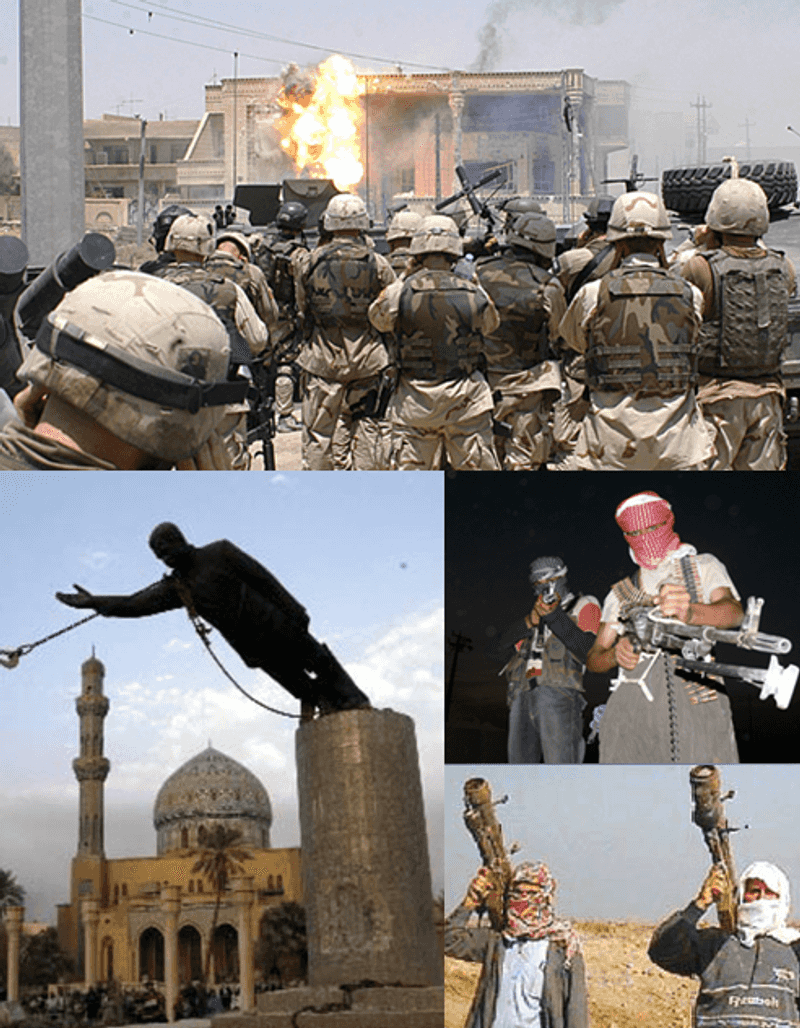
The Iraq War began in 2003 with a lightning-fast military victory. American and coalition forces toppled Saddam Hussein’s government in just three weeks.
The statue fell in Baghdad’s Firdos Square. Mission accomplished, right?
Well, not quite.
The unexpected part was everything that came after. The absence of weapons of mass destruction, the stated reason for the invasion, was a massive and embarrassing revelation.
The country descended into sectarian violence and insurgency. What was supposed to be a quick liberation became a grinding, years-long occupation.
The power vacuum left by Saddam’s removal eventually contributed to the rise of ISIS, which nobody in 2003 had on their radar. The Iraq War, which began with such confident certainty, ended without a clear victory condition and left the region fundamentally destabilized.
American troops finally withdrew in 2011, then returned in 2014 to fight ISIS. A war that started with one declared objective ended up creating several new problems that outlasted the original conflict by many years.
2006 Lebanon War
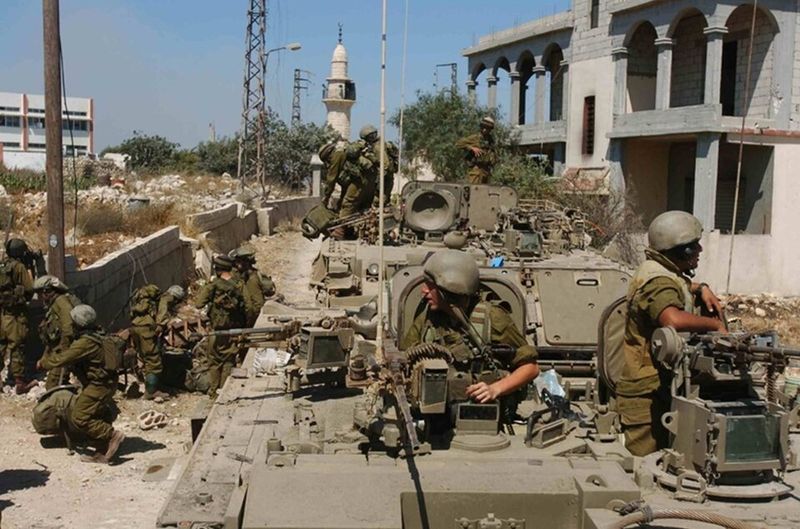
Israel launched a major military offensive against Hezbollah in Lebanon in July 2006, after Hezbollah fighters crossed the border and kidnapped two Israeli soldiers. Israel expected a quick, decisive operation.
Hezbollah had other ideas and had spent years preparing for exactly this kind of fight.
The war lasted 34 days and ended with a UN ceasefire. Israel caused massive damage to Lebanese infrastructure and Hezbollah suffered significant losses.
But Hezbollah was not destroyed, and its leadership was still standing when the ceasefire took effect. That outcome was widely seen as a political victory for Hezbollah.
For Israel, a military power expected to dominate quickly, the inconclusive result was a genuine shock. Hezbollah’s ability to keep firing rockets into Israel throughout the conflict demonstrated a level of resilience that surprised Israeli commanders.
The war ended with both sides claiming victory, which usually means neither side truly achieved what they set out to do. The kidnapped soldiers were eventually returned in a prisoner exchange in 2008, two years after the war that started over them.
Libyan Civil War
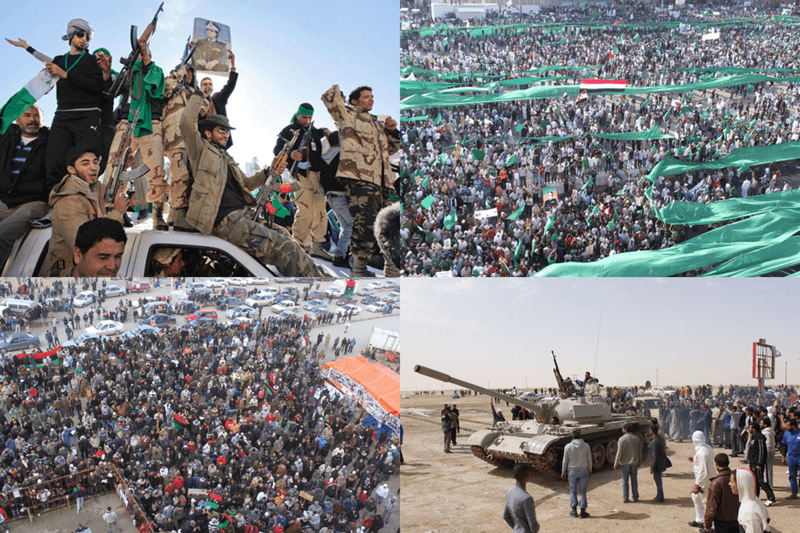
Libya’s civil war began in 2011 as part of the Arab Spring, with rebels rising against Muammar Gaddafi’s 42-year dictatorship. NATO intervened with air support, and Gaddafi’s regime collapsed faster than most expected.
Gaddafi himself was captured hiding in a drainage pipe and killed by rebels in October 2011.
Everyone assumed the hard part was over. Remove the dictator, hold elections, build democracy.
Libya had oil wealth to fund reconstruction. The future looked cautiously optimistic.
That optimism aged very poorly very quickly.
Libya fractured into competing militias and rival governments rather than unifying. The country became a failed state, a hub for arms trafficking and human smuggling across the Mediterranean.
A second civil war broke out between 2014 and 2020. The NATO intervention that was supposed to bring stability created a power vacuum that nobody adequately planned for.
Gaddafi’s fall ended one nightmare and began several others simultaneously. Libya is still working toward stability today, over a decade after the war that was supposed to fix everything.
Thirty Years’ War
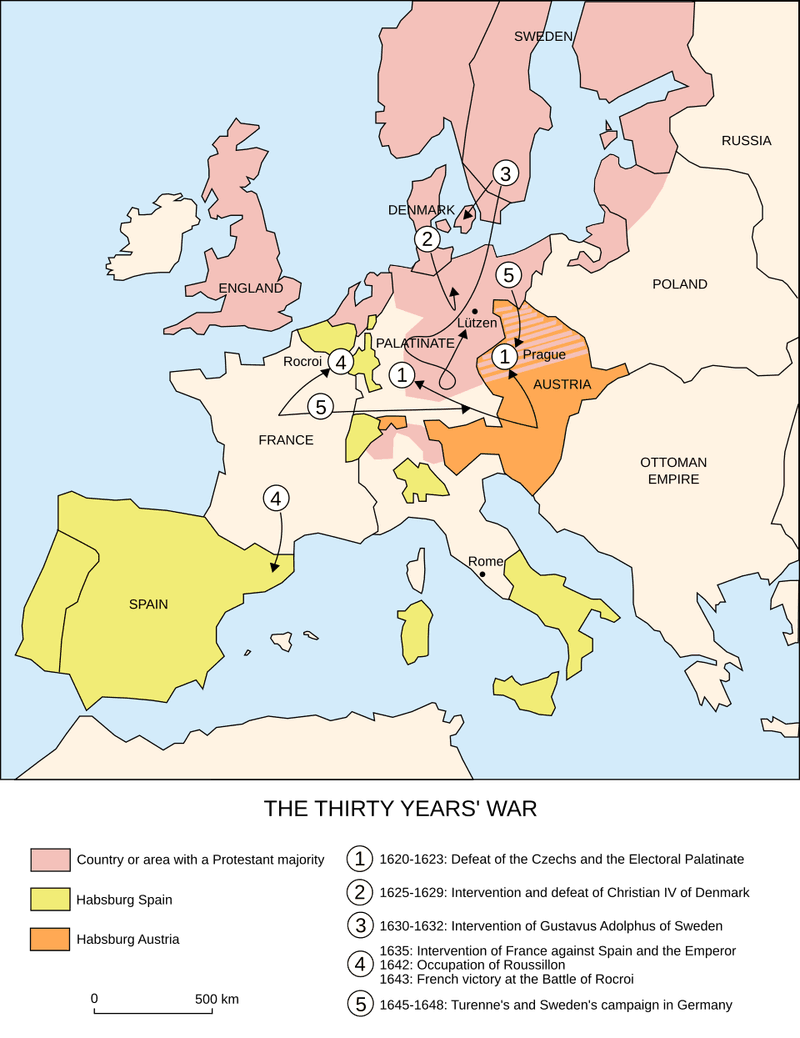
The Thirty Years’ War, fought from 1618 to 1648, started as a religious conflict between Catholics and Protestants in the Holy Roman Empire. It escalated into a full continental European power struggle that dragged in France, Sweden, Spain, and Denmark.
Central Europe was devastated. Some regions lost a third of their entire population to war, famine, and disease.
The ending was genuinely revolutionary. The Peace of Westphalia in 1648 did not just end the war.
It essentially invented the modern concept of national sovereignty. The idea that each state controls its own territory without outside interference became the foundation of international relations for the next three centuries.
Nobody sat down in 1618 thinking they were about to reshape how nations relate to each other forever. They were arguing about religion.
They ended up accidentally designing the basic rules of modern geopolitics. The Thirty Years’ War is possibly the only conflict in history where the peace treaty mattered more to the future than the war itself did.
Suez Crisis
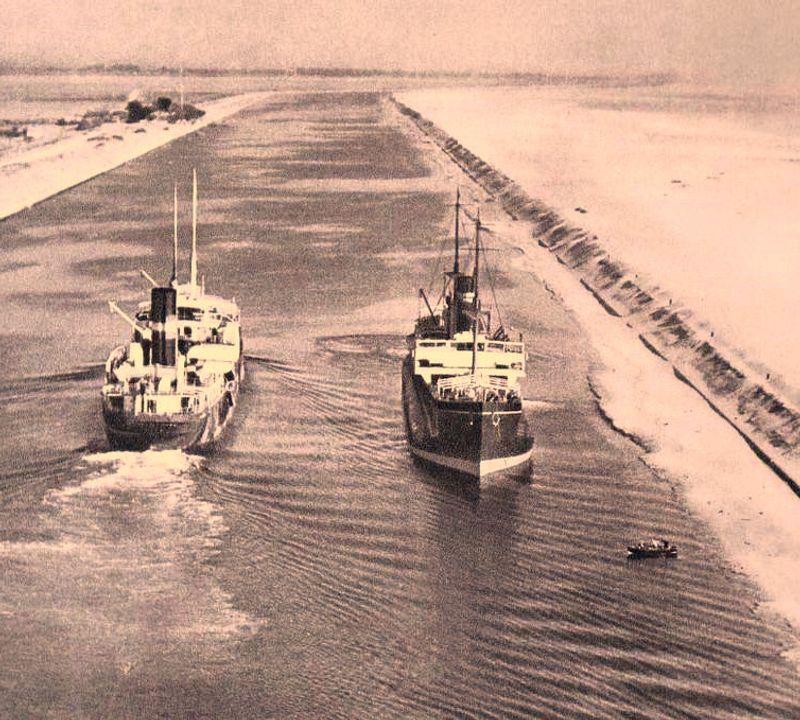
In 1956, Egypt’s President Nasser nationalized the Suez Canal, and Britain, France, and Israel launched a coordinated military operation to take it back. Militarily, the operation worked.
The three nations were winning on the battlefield without much trouble.
Then the United States stepped in, and not on the side of its allies. President Eisenhower furiously demanded Britain, France, and Israel withdraw.
He threatened economic pressure on Britain at a moment when the British economy was extremely vulnerable. Britain folded almost immediately.
France and Israel followed. The military victors were forced to give back everything they had won.
The Suez Crisis marked the moment the world understood that Britain and France were no longer the global superpowers they had been. The United States and Soviet Union were the real powers now, and smaller nations had to accept that reality.
Britain’s Prime Minister Anthony Eden resigned in humiliation. A military victory turned into a political catastrophe.
The canal stayed Egyptian. The British Empire’s era of dominance quietly ended in the desert sand.
Share this story