 Unearth The Voyage
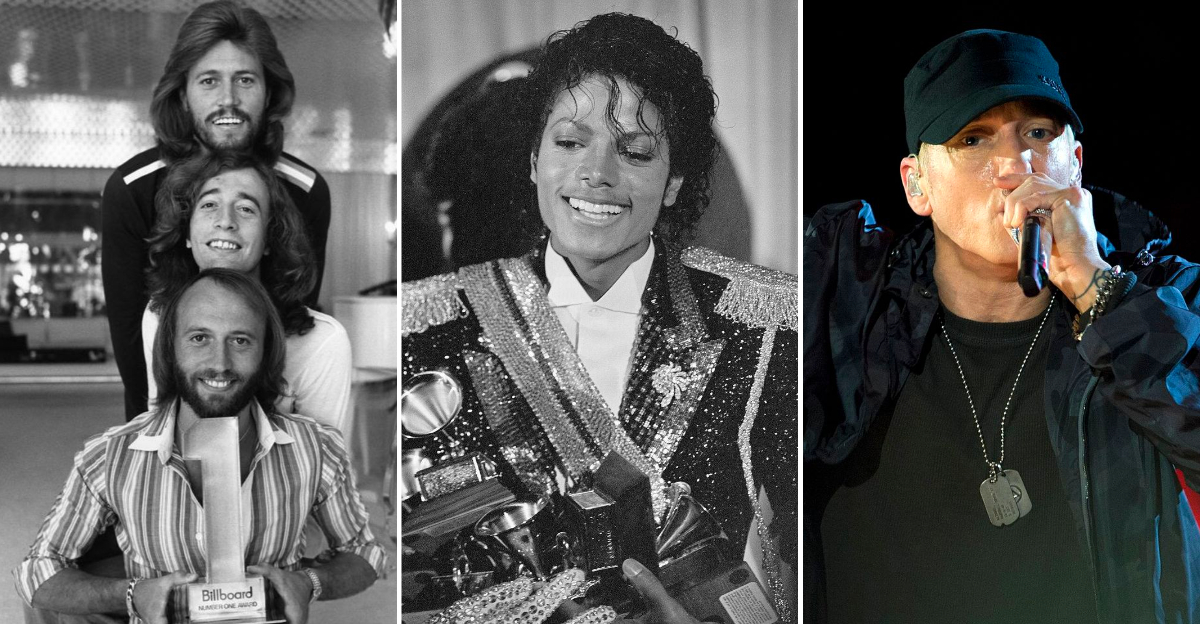
Some songs flip a switch in your brain the second a single note lands. Without thinking, you can hear the chorus, the bridge, and even that air guitar solo you love to exaggerate.
Neuroscience suggests familiarity speeds recognition in milliseconds, which is why these intros feel like muscle memory. Ready to test how fast your mind hits play when the first note arrives?
1. Billie Jean – Michael Jackson
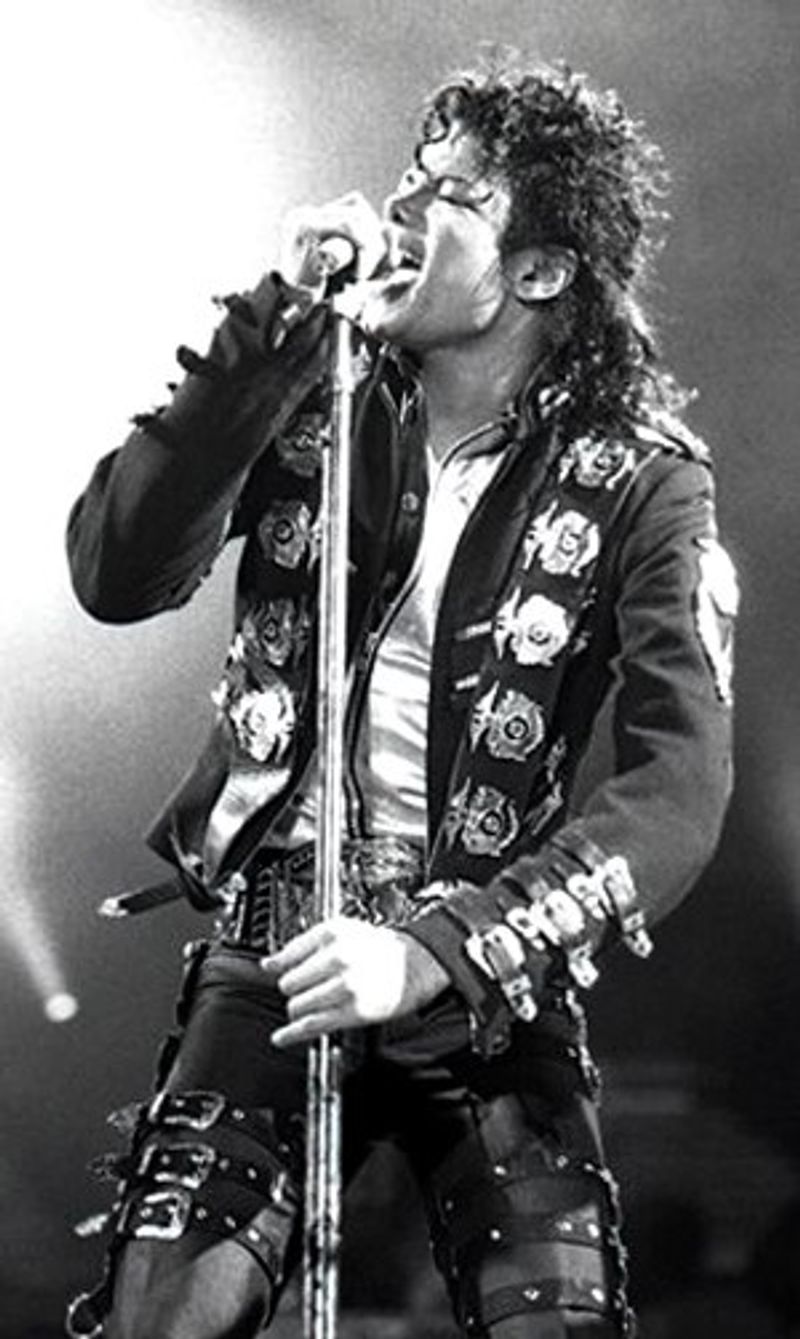
That bassline does not walk in, it materializes. One tightly snapped note and your brain assembles the drums, the snap, the cool hush of the verse.
Even in a noisy gym, those first pulses cut through like a lighthouse, and suddenly your shoulders keep time.
DJs lean on it for instant crowd calibration because recognition is immediate and universal. In advertising tests, familiar hooks boost recall scores by double digits, and this groove is a textbook case.
You do not need the vocal to arrive to start mouthing along.
What makes it stick is minimalism plus tension. The kick is patient, the bass carries the attitude, and everything else drips in like drama.
Play the first note and watch a room synchronize, strangers nodding in sync as if they rehearsed.
2. Sweet Child O’ Mine – Guns N’ Roses
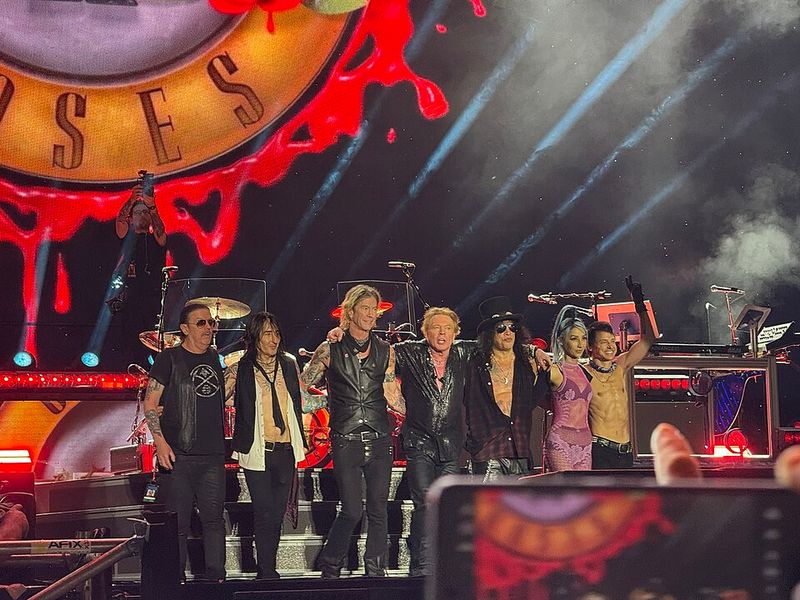
That crystalline riff is pure muscle memory. The moment it chimes, your mind flashes to the chorus, the stadium arms, and the long, burning outro.
It is equal parts nursery rhyme and firepower, which explains why beginners learn it and veterans still respect it.
In live settings, you can measure the lift: phones go up, decibels spike, the crowd anticipates the snare entrance with uncanny timing. Guitar teachers call it a gateway riff because it trains string skipping and timing discipline.
Hear that first phrase and you practically feel the pick angle.
The magic is melodic contour plus tone. Slash’s vibrato sells emotion before vocals even land.
Hit the first note at a backyard barbecue and the sing along arrives right on schedule, no coaxing required.
3. Bohemian Rhapsody – Queen
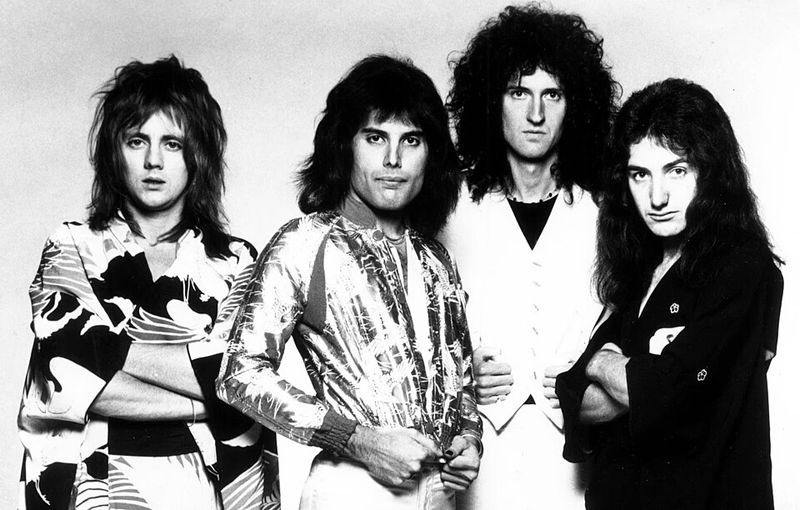
One piano note and everyone in the room smirks. You are not just hearing a song, you are boarding a rollercoaster.
The entry tone is simple, but cultural context does the heavy lifting, summoning harmonies, head bangs, and car singalongs.
Jukebox studies show multi section epics still score high on recall when the opening timbre is distinct. Here, the sparse piano against silence is a signature.
People can name it before the second note lands, then skip straight to the Galileo part in their heads.
It is a lesson in theatrical branding. The arrangement turns minimal openings into trigger points your memory races to complete.
Strike that first key and a full mini movie starts playing across every face nearby.
4. Seven Nation Army – The White Stripes
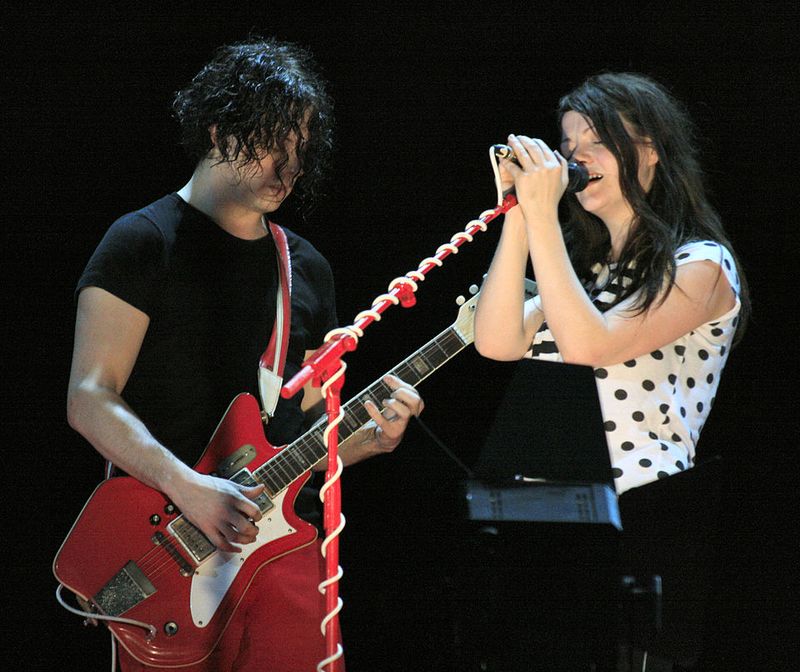
You do not even need lyrics. One low note, slightly overdriven, and stadiums around the world become choirs.
It is not technically a bass, which makes the timbre stickier and the contour easy to chant in unison.
Sports analytics firms have tracked chant adoption, and this riff is everywhere from soccer terraces to basketball arenas. Simplicity breeds scalability, so the first tone cues a thousand voices, perfectly off key, perfectly right.
No translation required.
For creators, it is a masterclass in motif economy. The initial interval is distinct, the rhythm stomps, and listeners supply the rest.
Start the line and watch strangers fist pump on the same beat without speaking a word.
5. Like a Virgin – Madonna
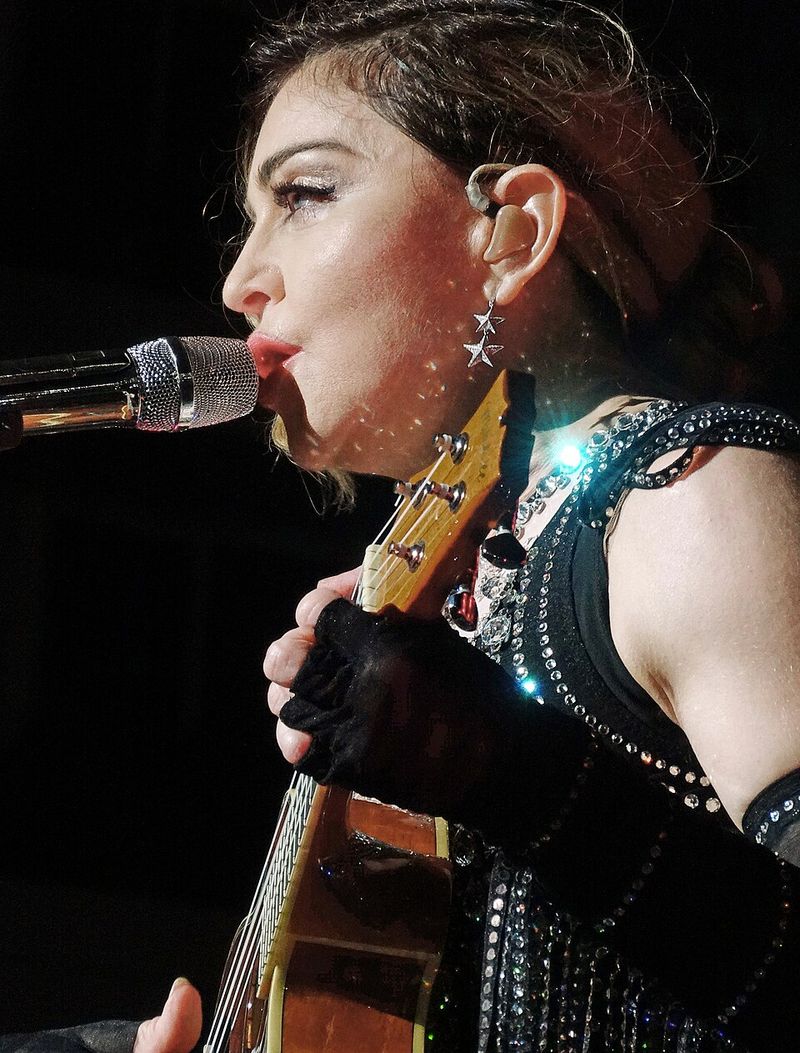
The synth hits and you are already hopping to the hook. The tone is bright, slightly cheeky, and entirely unforgettable.
It is pop minimalism done with a wink, and your brain jumps straight to the chorus before the verse even forms.
Producers talk about attack shape and envelope as memory glue. This intro has both, plus a clean pocket that DJs love for instant floor alignment.
In throwback nights, a single stab is enough to send the crowd into costume level nostalgia.
The takeaway is timbre as branding. One sound can carry an era when it is this crisp and confident.
Hear that opening sparkle and your inner karaoke star elbows forward, no warm up required.
6. Stayin’ Alive – Bee Gees
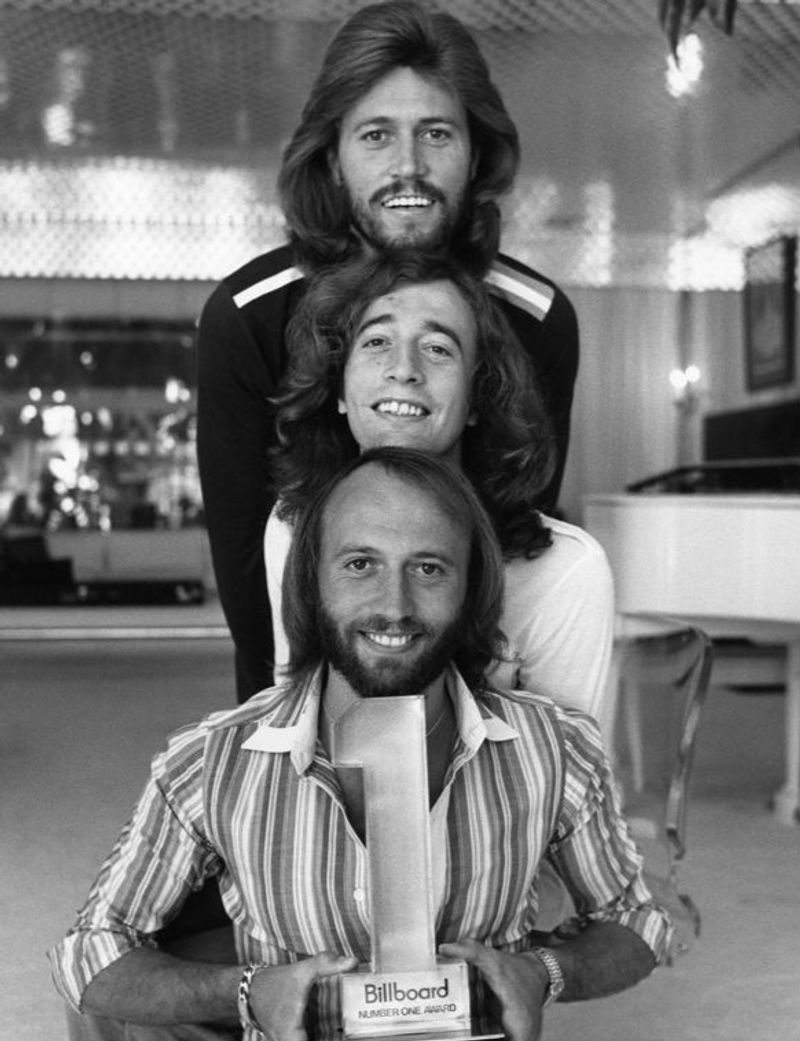
Those opening beats set your stride instantly. The groove whispers posture and pace, and suddenly your walk has rhythm.
Falsetto memories arrive before vocals, like your brain has queued the chorus backstage.
Medical instructors once used the tempo for CPR training at around 100 to 120 BPM, and that association helped cement its cultural utility. In surveys, people identify the track within seconds due to the drum pattern’s crisp hi hat and kick placement.
It is groove plus guidance.
From wedding floors to supermarket aisles, the first tick tick lights the runway. You do not choose to strut, it just happens.
That is how a beat graduates from song to social choreography.
7. Hotel California – Eagles
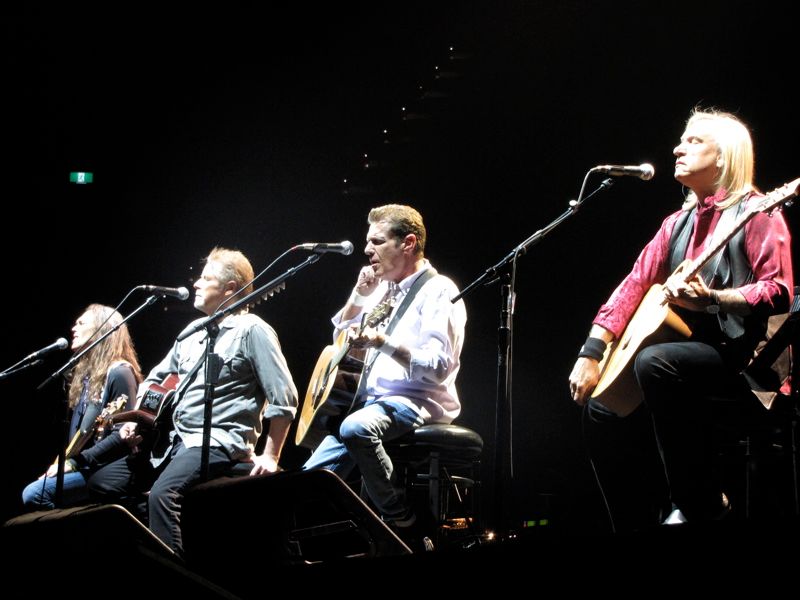
The opening guitar feels like a warm road unspooling. You sense a story before a lyric arrives, a long drive mood that sets expectations.
It is patient, inviting, and unmistakable in a crowded playlist.
Classic rock radio data shows high time spent listening when this intro appears, likely because anticipation is baked into the phrasing. The tonal blend of the guitars is a signature you can pick out from another room.
Even the first note suggests the solo you know by heart.
If you want a case study in narrative intros, this is it. The soundscape promises destination and detour.
One string rings and suddenly you are checking into a chorus you never quite leave.
8. Take On Me — a-ha
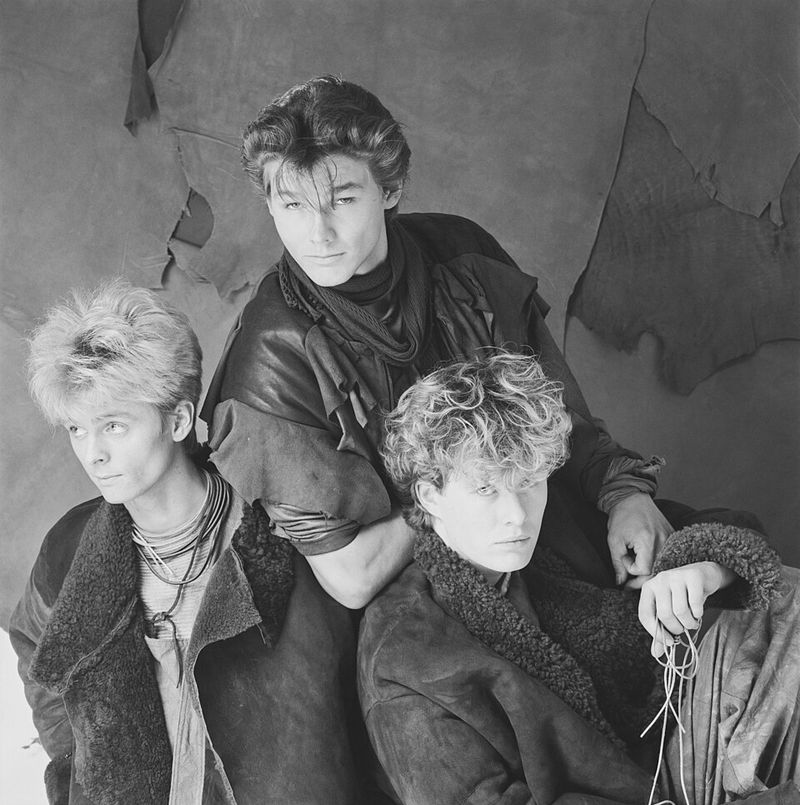
The first synth phrase snaps you into a comic book panel. It is bright, kinetic, and impossible to confuse with anything else.
Your brain instantly fast forwards to the high note you pretend you can hit.
Hook recognition research shows timbral fingerprints drive instant recall, and that glassy keyboard sound is a perfect fingerprint. Add the drum machine snap and the melody’s angular bounce, and you have speedrun nostalgia.
Even a single tone suggests the entire chorus arc.
It is also a lesson in dynamic promise. The intro says lift off, and the song delivers.
Press play and you are already halfway to the hook before the verse even introduces itself.
9. Beat It – Michael Jackson
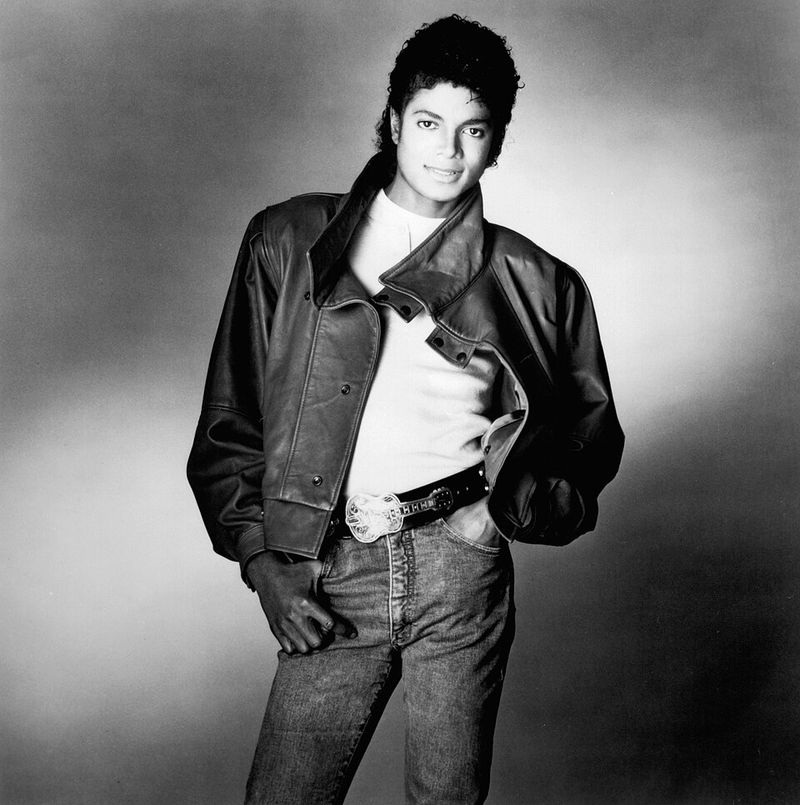
The opening slices like a warning. A staccato hit pattern and lean guitar stab tell you this track means business.
By the time the vocal arrives, you are already humming the chorus rhythm under your breath.
Cross genre appeal helps with instant memory. The rock edge gives it bite, the pop structure gives it stickiness, and that intro welds them together.
In fitness classes, the first note is a go signal that tightens form and tempo.
For producers, it is a reminder that space can be dramatic. The arrangement leaves room for attitude, so the first hit lands heavier.
One note, one stab, and everyone knows exactly what is coming.
10. Don’t Stop Believin’ – Journey
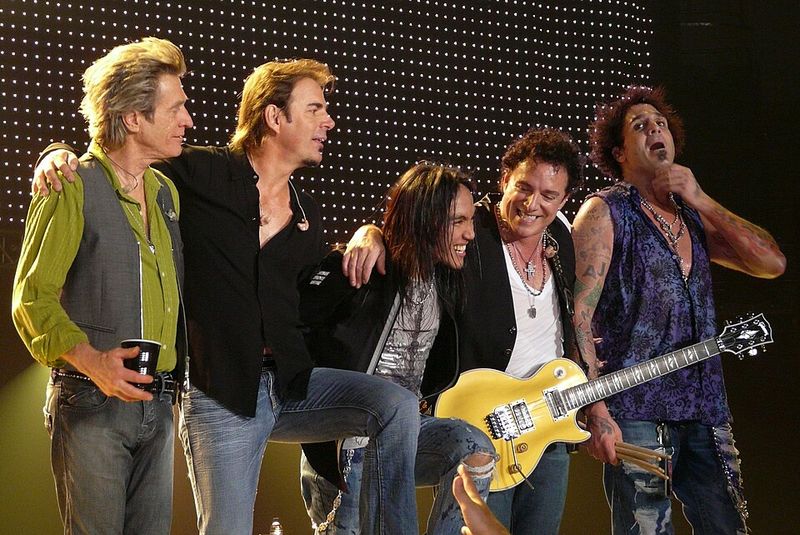
A few piano notes and it is over. The melody feels like a story starting mid sentence, and you know every character by heart.
Even skeptics mouth the words by the first chorus because the intro signals community singing time.
Karaoke data consistently ranks it among the most performed songs, and recognition at intro is a big reason. The piano tone is clean, the motif short, and the payoff massive.
You do not need the drums to guess where it is headed.
Call it a campfire in a bottle. The first notes draw strangers together, shoulder to shoulder, ready to shout harmonies.
That is the power of a perfect opening line.
11. Imagine – John Lennon
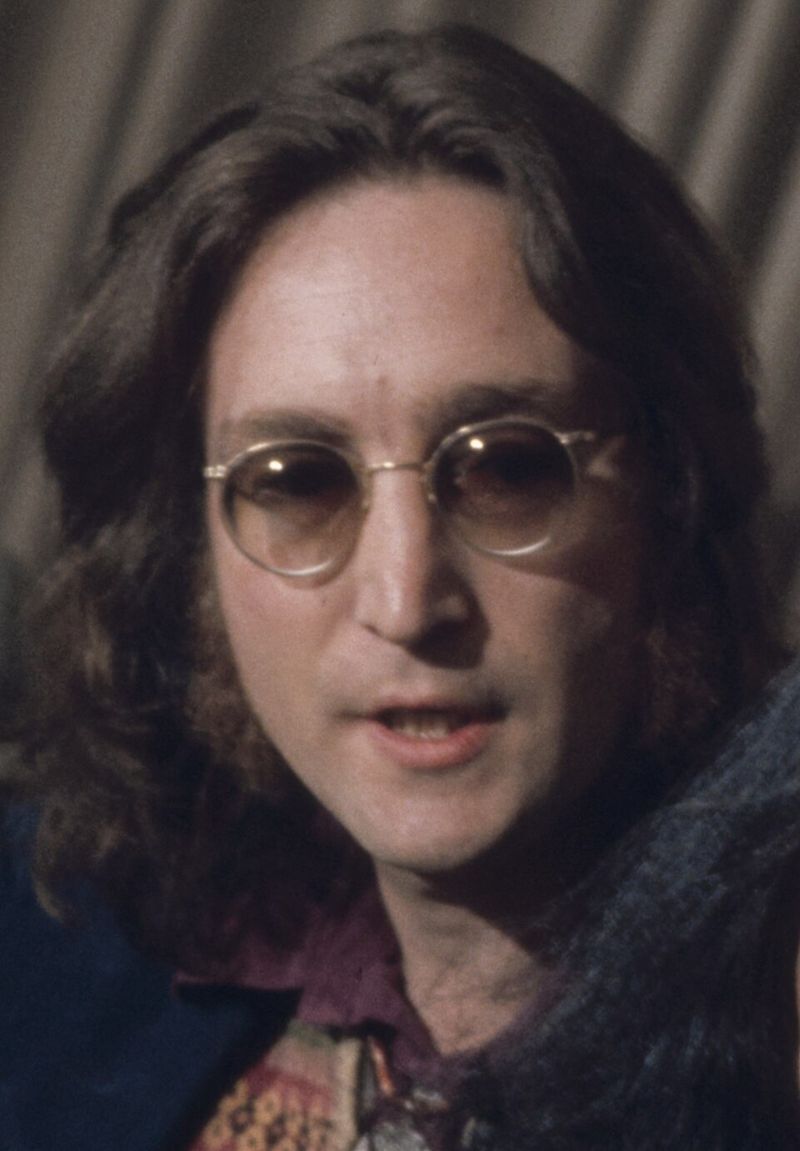
The first gentle piano note arrives like a deep breath. You instantly recall the melody’s quiet hope, and the room softens.
There is no need for a drum count, because the tone carries the message by itself.
In listener studies, sparse intros with distinctive timbre often trigger rapid identification, and this one is almost meditative. The memory hook is purity: one note, one idea, endless resonance.
People lower their voices, as if respect is baked into the chord.
It is musical minimalism that feels generous. The opening invites you to think, not just sing.
Play that first key and the rest of the song appears like handwriting you have known forever.
12. Eye of the Tiger – Survivor
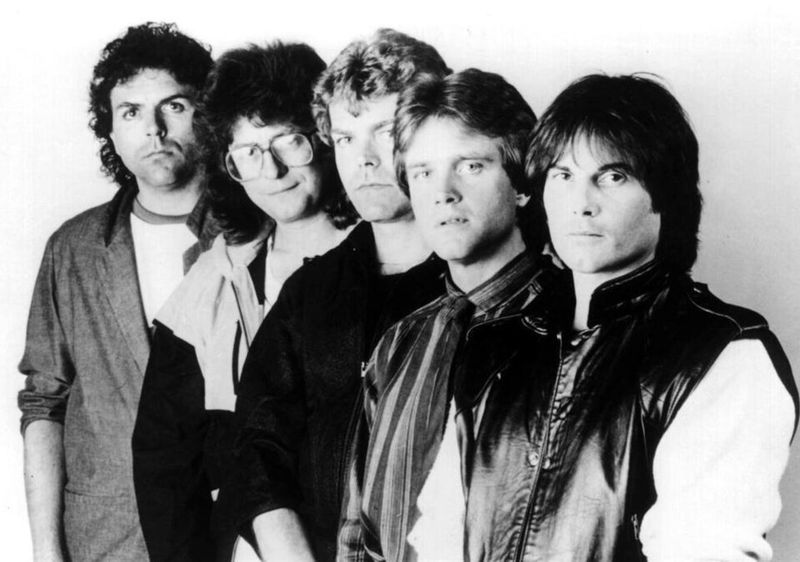
The drum and synth pattern hits like a coach’s whistle. Your brain starts assembling training montages before the riff even snarls in.
That first pulse is a switch that flips from idle to determined.
Fitness playlists prove its stamina, and sports highlight editors love the instant narrative it supplies. Recognition happens fast due to the steady eighth note drive and gritty guitar tone.
Before vocals land, you are already stepping into the ring mentally.
It is a study in momentum. Minimal elements combine to telegraph purpose, so one note cues the fight.
Hit play and your posture rises without asking permission.
13. Thriller – Michael Jackson
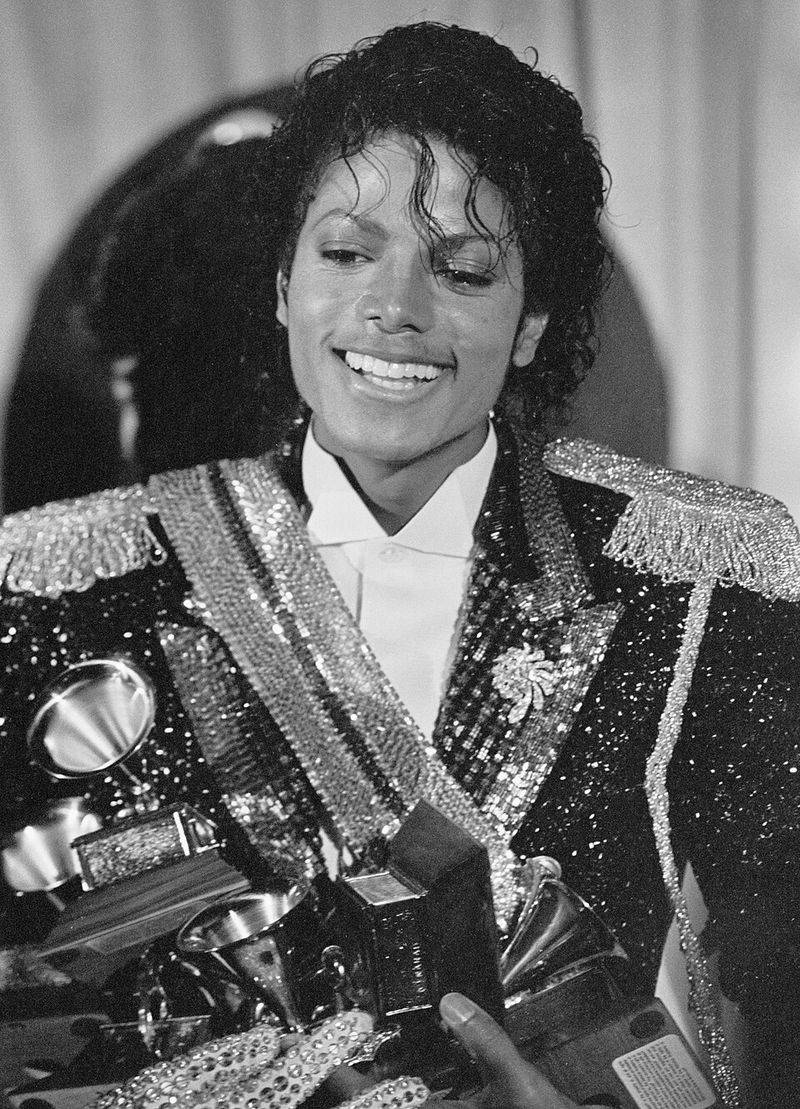
The first eerie tone sets the alley scene. You can practically see the fog and feel the bass about to lunge.
Even without the laugh, your mind hears the groove and the choreography boots up.
Seasonal spikes prove it. Every October, streams surge, and recognition at the first note drives costume parties into sync.
The sonic palette is cinematic, so that initial sound functions like opening credits.
For creators, it is a lesson in world building. A single spooky timbre establishes narrative and mood.
Press play and the sidewalk turns into a dance floor you already know the steps for.
14. Wonderwall – Oasis
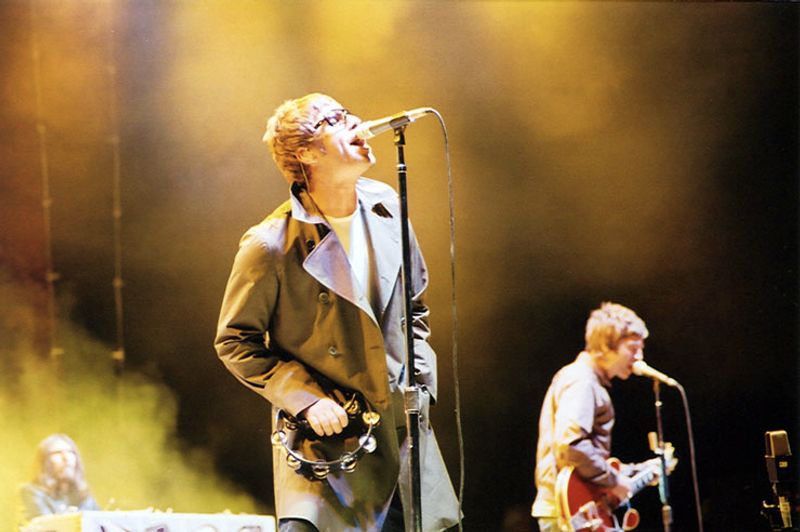
One strum, and everyone within five feet becomes a backing vocalist. The chord voicings are signature, jangly yet grounded, and your mouth finds the melody automatically.
Even reluctant singers resign themselves to the chorus by the second line.
Open mic nights prove how quickly crowds identify it, often before the second chord completes. The rhythm pattern is a mnemonic by itself, making the initial hit enough to start the memory cascade.
You do not need perfect pitch, just muscle memory.
It is comfort food for gatherings. That first strum signals communal nostalgia, pint glasses raised as harmony attempts wobble into charm.
Play it and the room does the rest.
15. Hey Jude – The Beatles
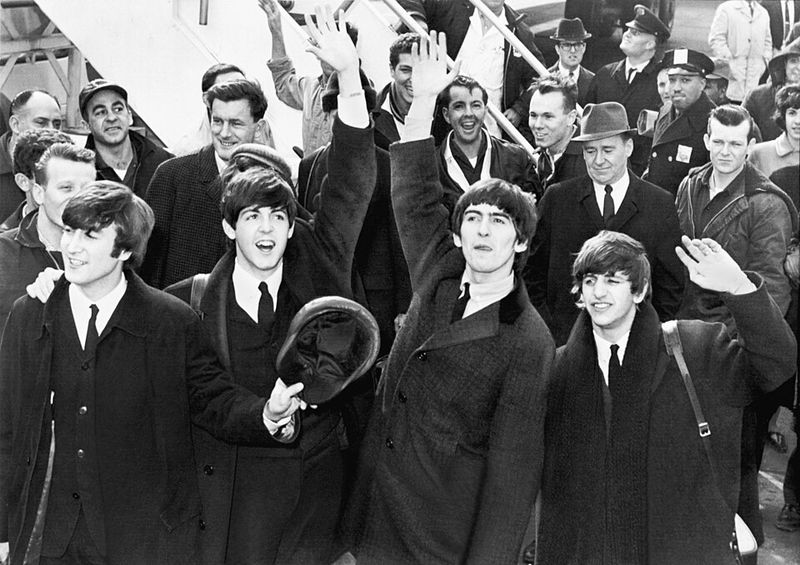
The opening piano feels like a hand on your shoulder. One note and you anticipate the long na na na coda that unites strangers.
It is an invitation disguised as a melody.
Choirs and stadiums prove the scalability: the first phrase lands and people lean in. The tone is plainspoken, which makes identification fast and heartfelt.
Your mind jumps to the chorus without waiting for permission.
Production wise, it is a patient open. The space allows memory to fill gaps, so the first sound sparks the whole journey.
Play that note and watch a room soften together.
16. Crazy Train – Ozzy Osbourne
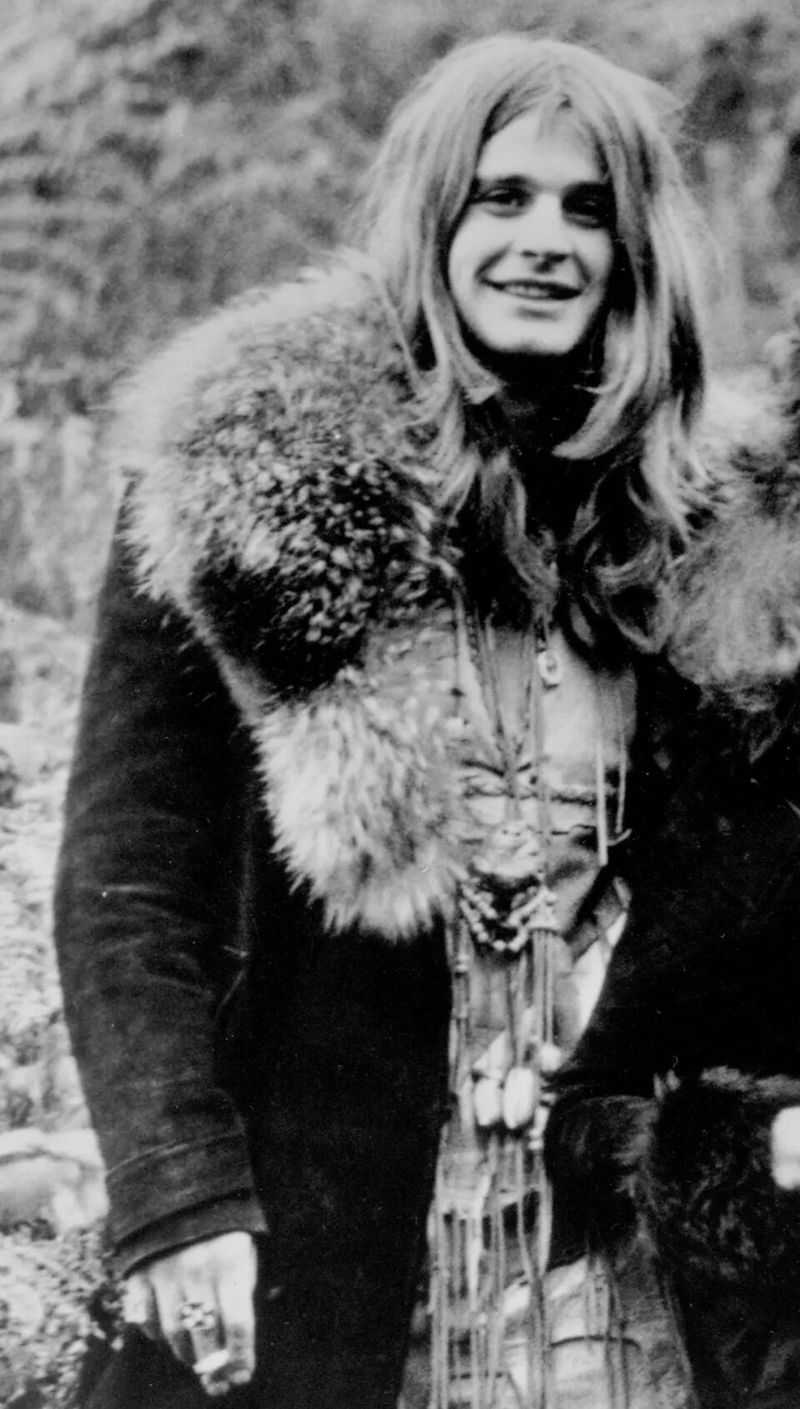
The laugh, the count in, then the riff like a locomotive. It is theatrical and immediate, the kind of intro that cues adrenaline on contact.
Your head starts bobbing before the verse knows what hit it.
Guitar students treat it like a rite of passage because the pattern is catchy and technical enough to flex. Recognition is near instant thanks to the harmonic shape and percussive palm mutes.
Even a single note hints at the riff’s direction.
It is proof that character matters. The attitude in the first seconds sets the entire narrative.
Hit that opener and the energy in the room redlines instantly.
17. Africa – Toto
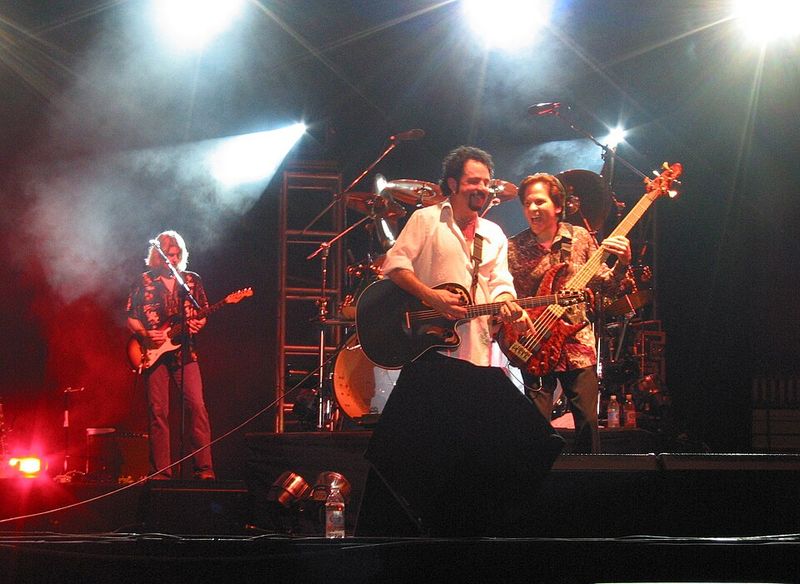
One shimmering synth tone and you are on the savanna, or at least the studio’s idea of it. The vibe is soothing and adventurous at once, which is why the first note feels like a postcard.
Your mind leaps to that chorus you cannot resist.
Streaming data shows periodic resurgences, and the intro’s gentle distinctiveness helps it trend. The percussion bed is unique enough that even a fragment signals the full arrangement.
You do not need a lyric to locate the hook.
For arrangers, it is a masterclass in texture. The first sound promises space and melody, then delivers both.
Press play and you are already humming before bar four.
18. I Want It That Way – Backstreet Boys
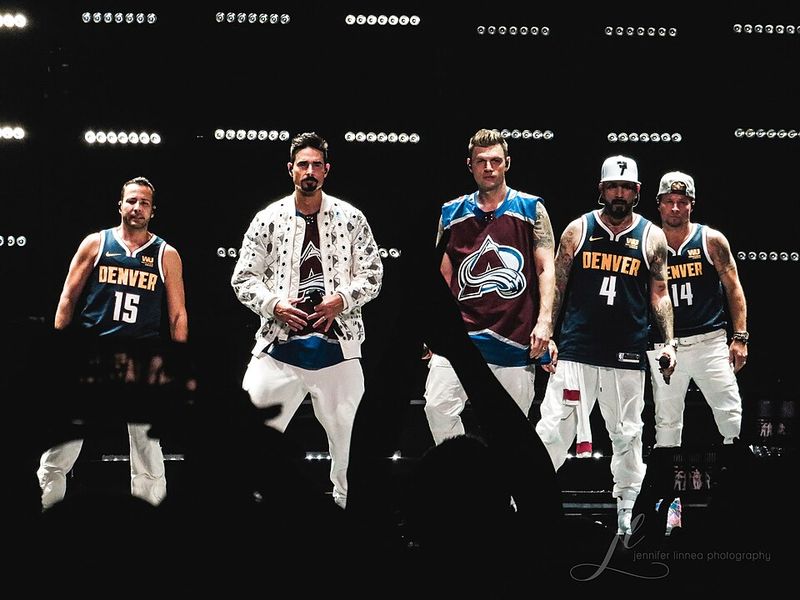
The opening vocal cue is basically a bat signal for harmonies. One line and your inner teen choir wakes up fully formed.
It is the kind of intro that turns a grocery aisle into a duet without warning.
Charts aside, the reason it sticks is interval familiarity and clean production. The blend is iconic, so a single syllable can summon the chorus.
In social videos, the first note consistently triggers audience participation without prompts.
Think of it as vocal branding. No guitar necessary, just timbre and melody.
Hear that opener and you are already pointing at your friends for the next harmony line.
19. Purple Rain – Prince
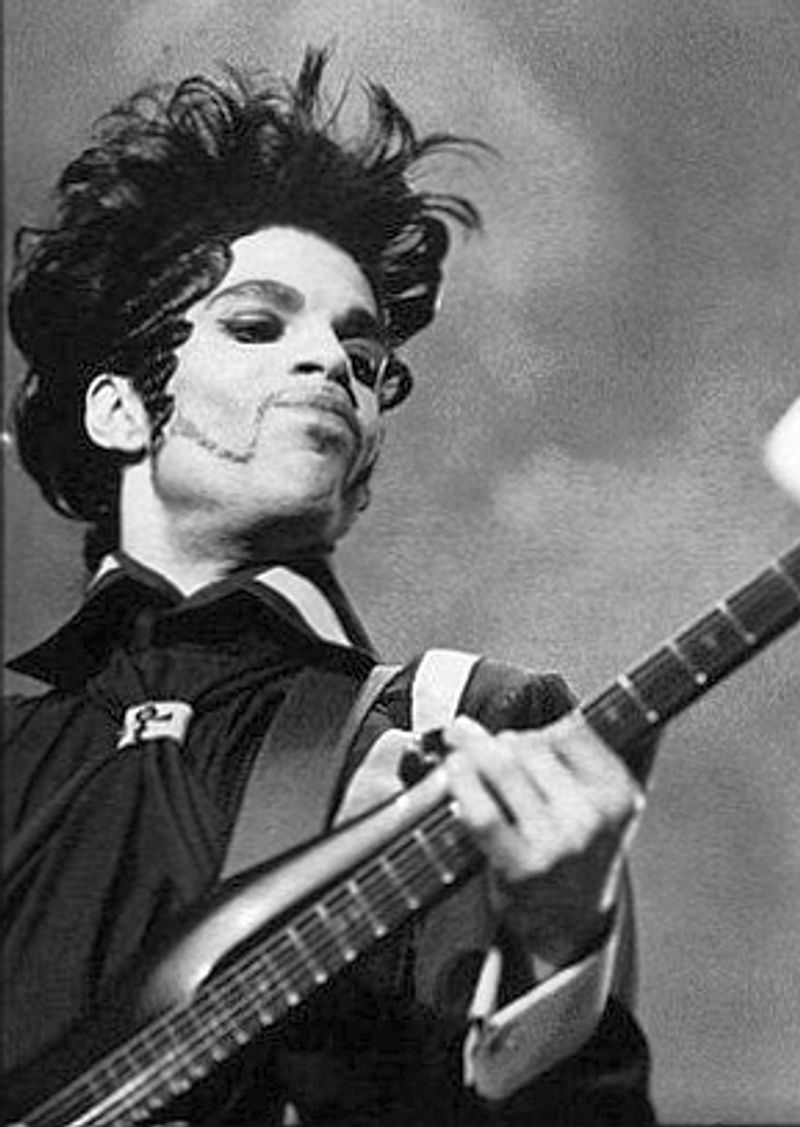
The first sustained note feels like a confession. It hangs in the air long enough for your heart to catch up, and then the flood arrives.
Even before the lyric, emotion takes the wheel.
Live recordings show crowds identifying it within a heartbeat, cheering on the very first tone. The guitar’s vocal quality is the tell, a signature you can pick out blindfolded.
It is recognition by feeling as much as sound.
This is the blueprint for slow build grandeur. The intro promises catharsis and absolutely delivers.
Strike that note and every memory tied to late night drives and last dance moments comes back.
20. Lose Yourself – Eminem
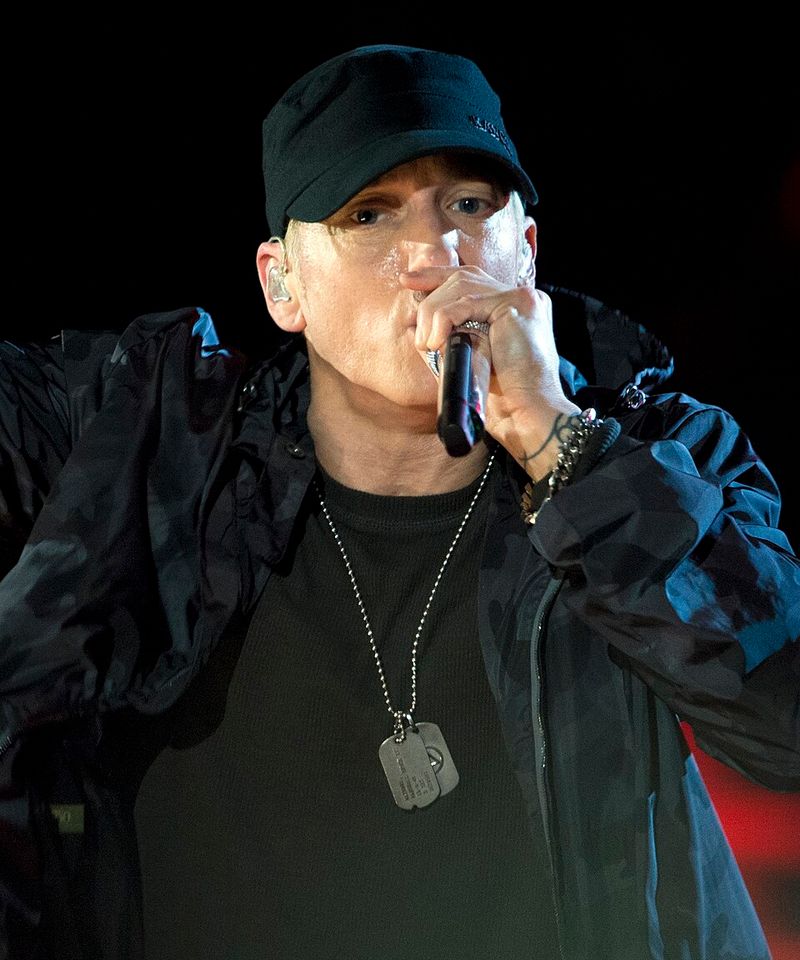
The quiet, tense motif starts like a heartbeat before a big decision. One measure in, your brain finishes the rhyme scheme on autopilot.
It is the sound of focus sharpening, and you can feel palms sweat.
Workout and study playlists lean on it because the intro cues a locked in mindset. Recognition is fast due to the minor key pulse and sparse arrangement.
Before the first bar is done, the hook lives rent free again.
As a case study, it proves anticipation is a hook. Leave space, build pressure, and one note becomes destiny.
Press play and your inner narrator starts counting opportunities.
21. My Heart Will Go On – Céline Dion
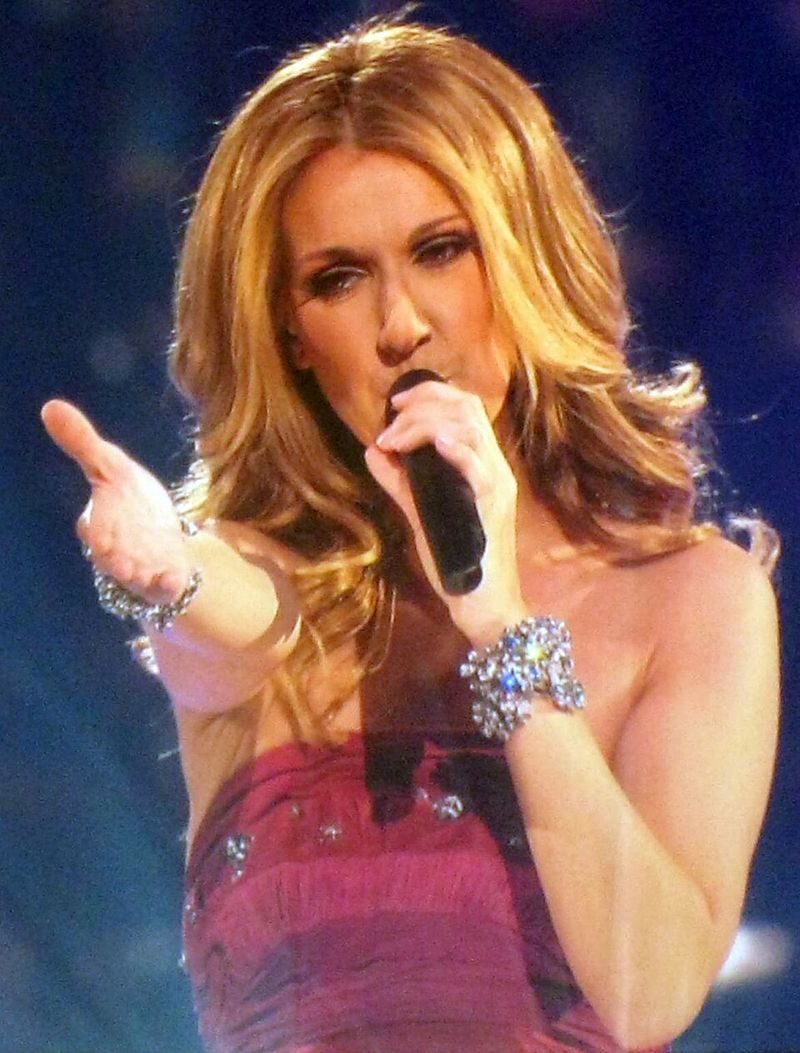
One flute like tone and you can already see the ocean. The melody floats in with cinematic grace, and your brain auto completes the swell into the chorus.
It is gentle but incredibly specific, which is why the first note lands so hard.
Soundtracks thrive on associative memory, and this one is fused to scenes everyone knows. Recognition arrives quickly because the timbre is rare in pop ballads.
Even in a noisy room, that first breathy pitch cuts through.
It is proof that delicacy can dominate. The intro is soft power that carries an entire narrative.
Play the first note and people reach for tissues or jokes, but they react either way.
22. A Hard Day’s Night – The Beatles
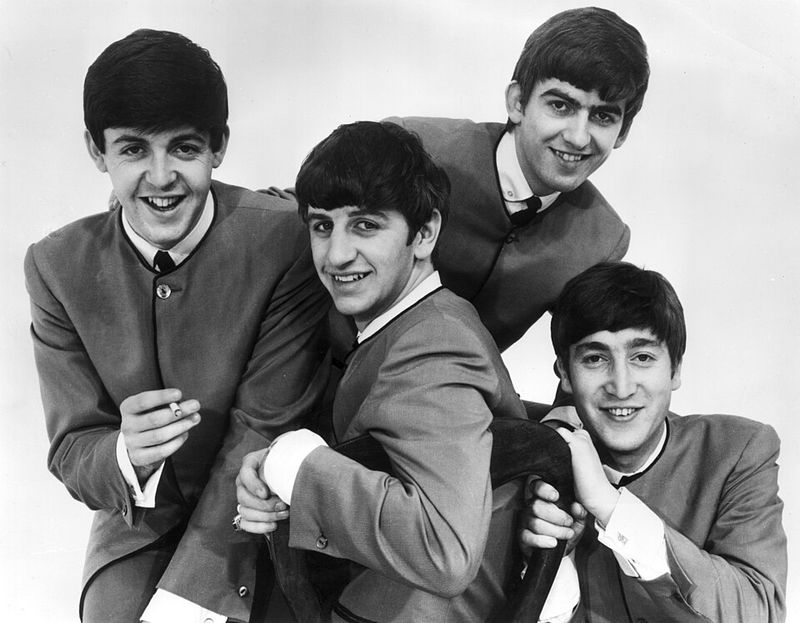
That opening chord is a sonic puzzle and a calling card. One strike and you know exactly where you are headed, even if you cannot name the voicing.
It is bright, slightly dissonant, and unforgettable.
Acousticians have analyzed it for decades, which only deepened the legend. Recognition is instant because the timbral clash is so unique in the pop landscape.
Before the second beat, your mind has queued the verse.
It is proof that a single hit can brand an era. Precision and surprise live in that first moment.
Play it and see every head in the room snap toward the speakers.
23. Under Pressure – Queen & David Bowie
The bassline drops and the world nods. It is a minimalist hook so efficient that one note hints at the whole groove.
You can hear the scatting, the snaps, and the soaring vocals before they arrive.
Surveys of iconic intros put this near the top because the rhythm is instantly legible. The tone is warm, the pattern unforgettable, and the cultural associations deep.
Play a single pulse and half the room smiles knowingly.
Collaboration magic lives here. Distinct voices meet a perfect motif, and the first second carries their signatures.
Start it and the chorus practically appears out of thin air.



