 Unearth The Voyage
The South keeps time with porch swings, courthouse clocks, and calendars filled with parades and homecomings. In these places, tradition is not a slogan on a T-shirt but a weekly practice that shows up in markets, marching bands, and story circles.
You will find brick squares, family-run shops, and rituals that still anchor a community’s week. Keep reading and you will pick up practical ideas for planning a visit, plus a closer look at what each town protects, celebrates, and passes along.
1. Beaufort, South Carolina
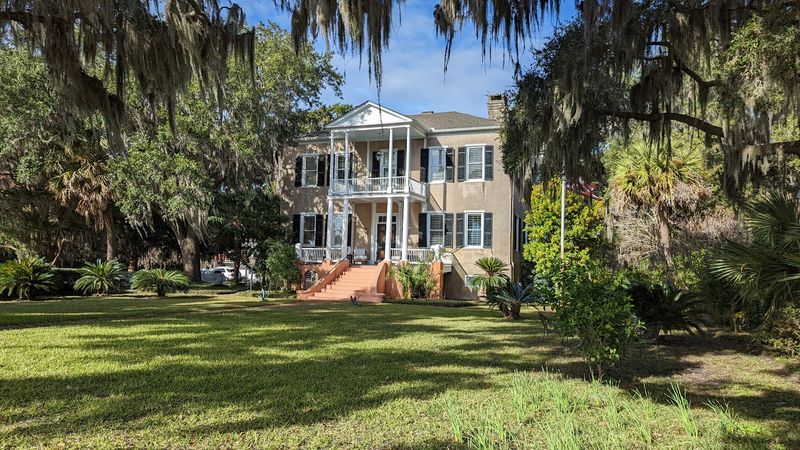
Tradition arrives here by tide charts and church bells, and nobody seems in a hurry to change the schedule. Beaufort’s National Historic Landmark District frames daily life with preserved antebellum architecture, brick paths, and tidy front yards.
The Henry C. Chambers Waterfront Park works like a civic living room, where neighbors gather for art shows, shrimp cookouts, and low-key concerts.
History steers the conversation through guided house tours, Gullah storytelling events, and interpretive exhibits at the Beaufort History Museum. You can trace military chapters at nearby Parris Island Museum, then compare notes over a plate of local seafood at long-running cafes.
On Bay Street, independent booksellers, outfitters, and galleries keep ownership close to home.
Seasonal traditions hold firm with the Water Festival, soft-shell crab season, and community parades that move along familiar routes. Walkers loop Old Point under oak canopies, pointing out carriage steps and ironwork that locals still maintain with pride.
Visitors quickly learn the rule of the porch swing pause.
2. Natchez, Mississippi
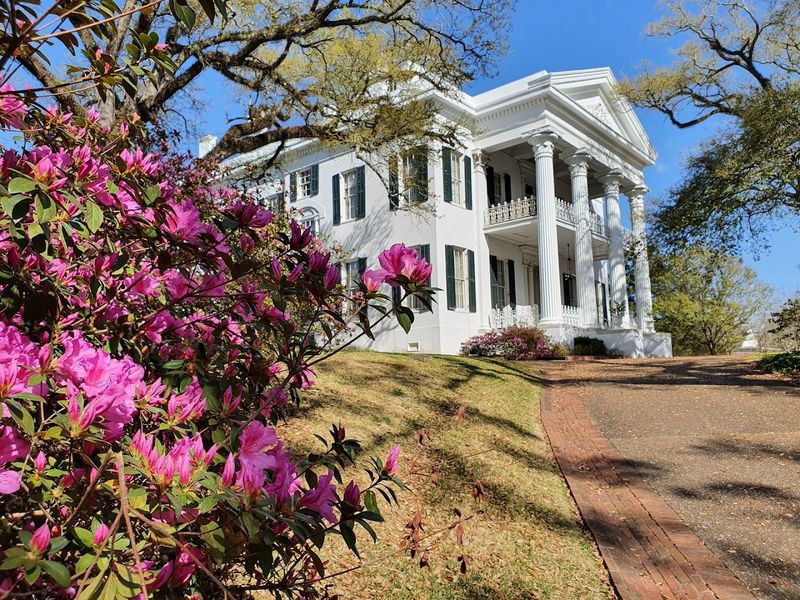
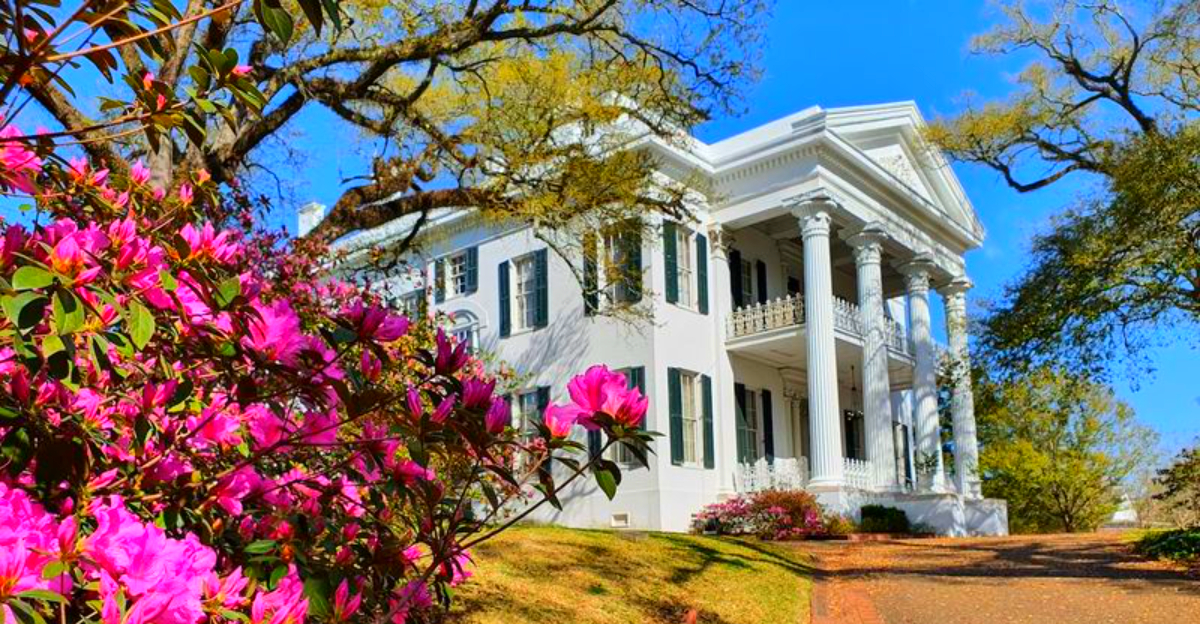
Stories here come with columns, gardens, and river views that stretch into local memory. Natchez organizes its year around home tours, genealogy research, and riverfront walks that double as history lessons.
The Natchez National Historical Park and the downtown visitor center outline timelines without fuss.
Tour routes through Longwood, Stanton Hall, and Rosalie set a clear standard for preservation and interpretive detail. Docents emphasize architecture, family records, and craftsmanship, not drama.
On Franklin and Main, antique stores and small clothing boutiques operate in buildings that have seen many hands.
Community rhythms include cemetery strolls, storytelling hours, and music on open-air stages overlooking the bluffs. Festivals focus on crafts, gardens, and heritage trades, with vendors who can explain their methods step by step.
Even the walking paths along the river become part of the lesson, pointing to ferry history and shipping routes.
3. Franklin, Tennessee
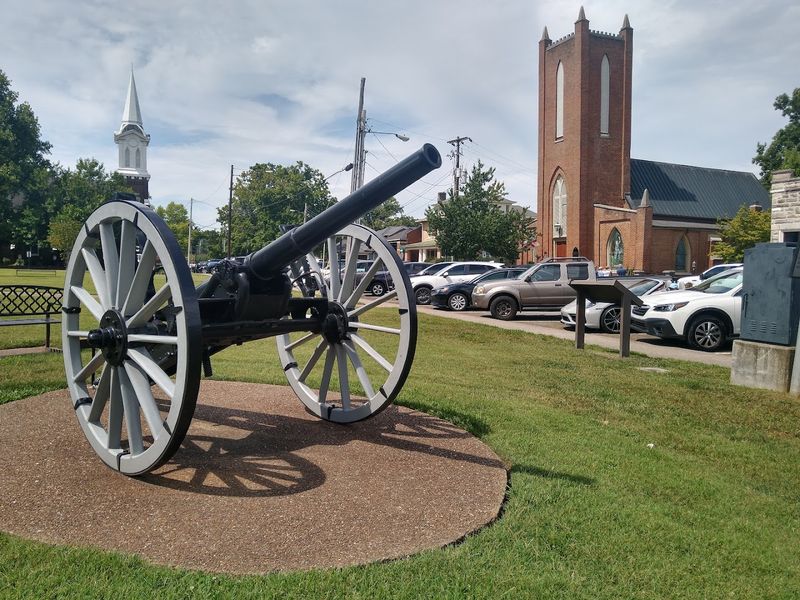
Main Street here operates like a front row seat to small-town choreography. Franklin ties daily life to preservation societies, battlefield parks, and a calendar that keeps craft fairs and parades in rotation.
The Carter House and Carnton interpret the Civil War with artifacts, gardens, and clear signage.
Shops are owner-run, and clerks know which festival weekend fills the sidewalks. You can browse records, boots, and local goods within a few blocks, then step into restaurants that post community fundraisers on chalkboards.
Public squares host ceremonies, wreath-layings, and open-air markets that begin right on schedule.
Traditions surface at the Heritage Foundation’s events, the Dickens-themed street festival, and concerts at the Franklin Theatre. Side streets offer restored cottages and tidy churchyards, proof that locals invest time and funds into upkeep.
A visitor leaves with a brochure stack and a plan to return for the next marquee weekend.
4. Natchitoches, Louisiana
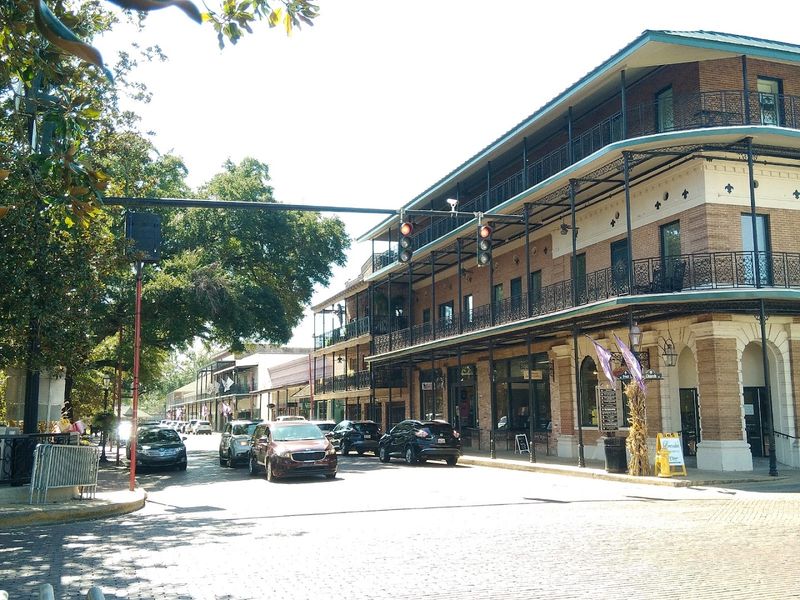
Brick streets announce that tradition has the right-of-way. Natchitoches claims Louisiana’s oldest town status and organizes activities around the riverfront and Front Street.
Creole townhouses, iron balconies, and museums explain settlement patterns with maps and household items.
Shops sell meat pies and local crafts, and staff talk about family recipes and long-running booths at festivals. The historic district’s interpretive signs describe the Cane River region, plantations, and trade routes with straightforward detail.
At lunch, the conversation drifts toward parade schedules and which vendor still uses a hand-crimped edge.
The famous holiday festival becomes a logistics masterclass, with reserved viewing areas, boat parades, and community crews that repeat the same duties each year. Walking tours connect churches, a minor-league ballpark site, and waterfront stages that host year-round programming.
It feels like a town that keeps its calendar laminated.
5. Dahlonega, Georgia
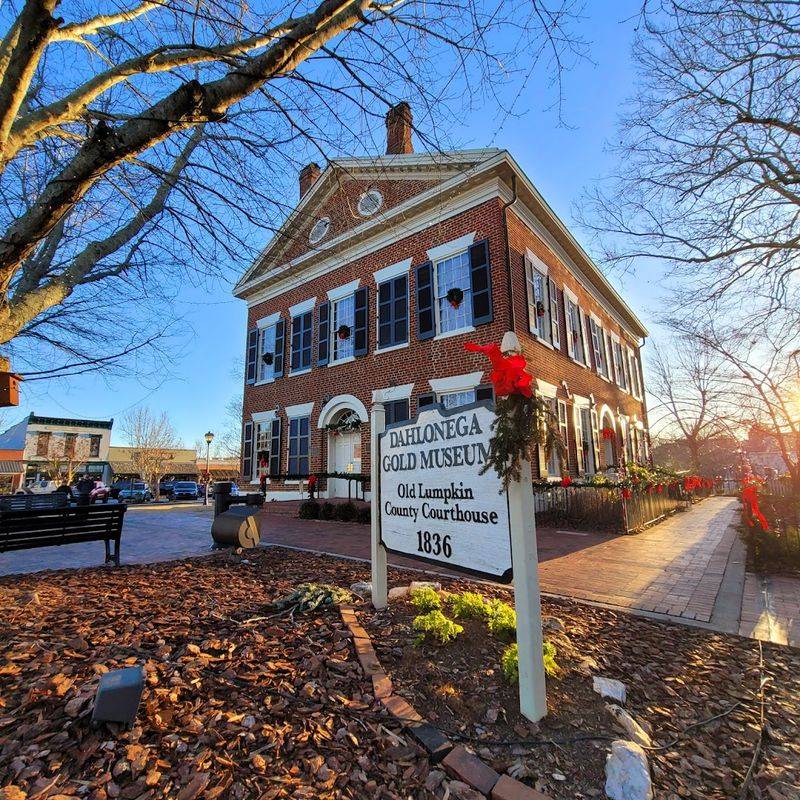
Gold first, everything else second, and the evidence sits right on the square. Dahlonega leans into its 1828 rush with a state historic site, working displays, and a museum inside the old courthouse.
The square hosts buskers, craft vendors, and student groups who treat the plaza like a classroom.
Shops carry regional art, hiking maps, and jars labeled by county, while cafes manage steady foot traffic from trailheads. Tour operators offer panning demonstrations and mine history without gimmicks.
The town’s layout makes it easy to cross-reference plaques, artifacts, and place names in one loop.
Annual festivals cover bluegrass, arts, and a holiday market that repeats traditions like caroling routes and tree lighting cues. Visitors pick up practical tips on nearby waterfalls and vineyard tours, then return to the square for evening events.
Local pride shows up in simple habits like sweeping the stoop and greeting by name.
6. Oxford, Mississippi
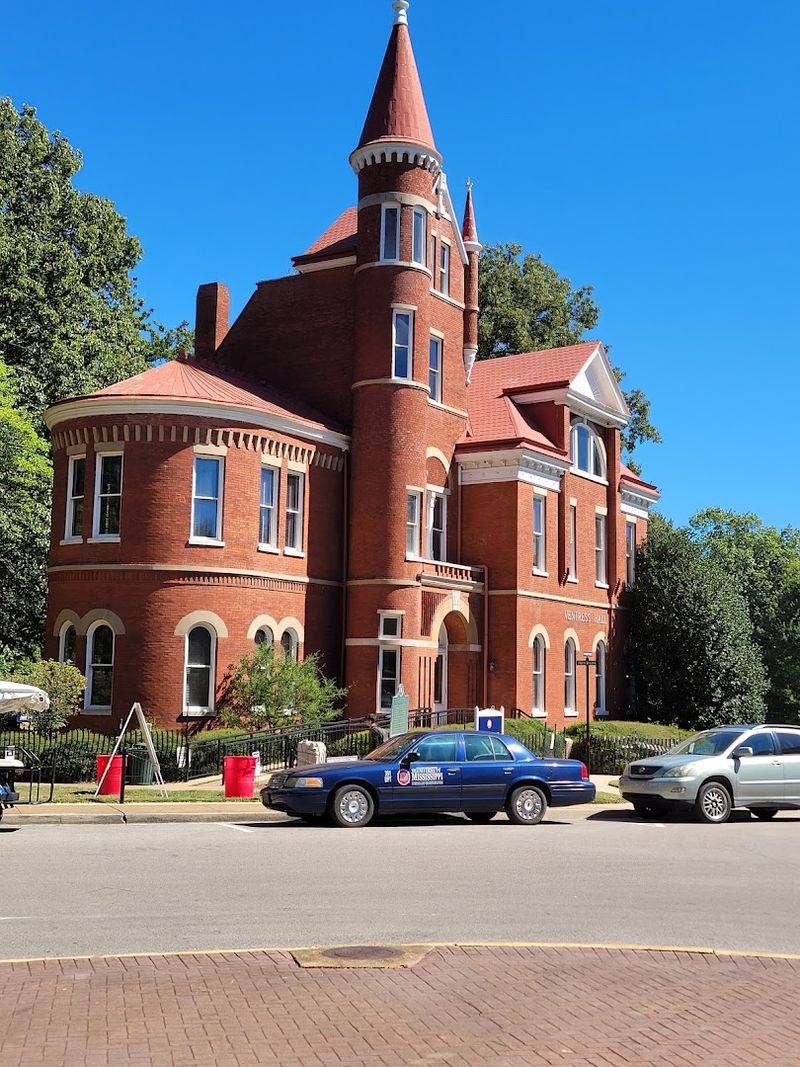
Literature and tailgate schedules share a calendar here without conflict. Oxford keeps tradition visible in the courthouse square, independent bookstores, and a campus that treats Saturdays like a weekly holiday.
Faulkner’s Rowan Oak provides a quiet study in routine, with marked paths and preserved rooms.
The Square Bookstore triad anchors author talks and signing lines that circle the balcony. Restaurants post hours keyed to game days, and sidewalks fill with alumni who know their meeting corners by heart.
Galleries and boutiques in restored buildings keep ownership local and personal.
Festivals focus on books, foodways, and arts, and organizers publish neat schedules and maps that make navigation easy. Evenings might include a lecture at the university museum or a small-stage performance at community theaters.
Visitors leave with reading lists, event flyers, and a promise to return for a fall Saturday.
7. Georgetown, South Carolina
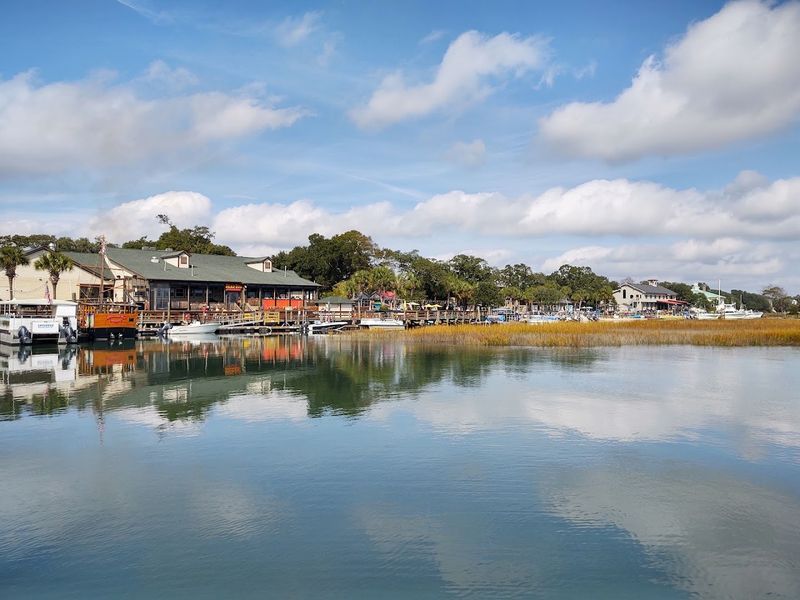
Waterfront boards double as the town’s main hallway. Georgetown’s Harborwalk connects seafood markets, museums, and restored storefronts that explain the seaport’s past.
The Rice Museum’s exhibits outline crop history and trade with straightforward panels and artifacts.
Locals practice tradition at fish fries, church events, and volunteer cleanups along the boardwalk. Independent shops sell gear, local art, and pantry staples, and staff often recommend family-run restaurants first.
The Kaminski House grounds host community gatherings with folding chairs and predictable raffle prizes.
Boats drift by as tour guides point toward lighthouse histories and shipping channels. Annual festivals keep to established routes, and vendors return to the same stalls year after year.
Visitors leave with a better grasp of how rice built fortunes and how the harbor still shapes daily routines.
8. Bardstown, Kentucky
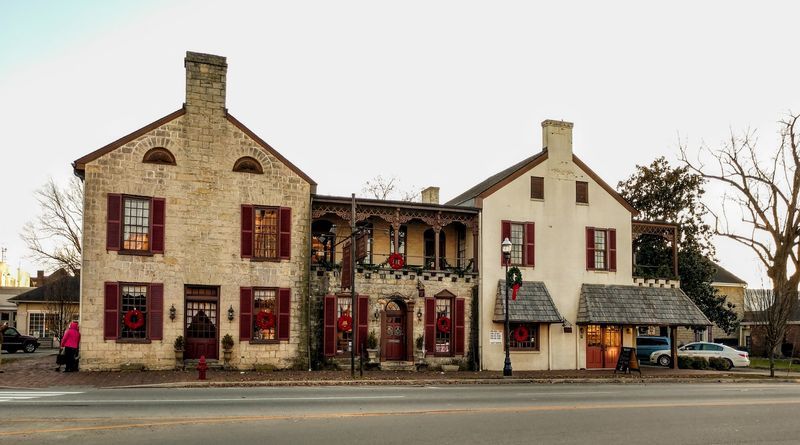
Heritage here is organized with the precision of a well-kept ledger. Bardstown’s downtown squares up with historic facades, museums, and a schedule of tours that keeps guides busy.
My Old Kentucky Home State Park provides architecture, gardens, and period furnishings with careful explanations.
Shops lean locally owned, with shelves of regional goods and history books that double as souvenirs. Restaurants operate on first-name greetings, and servers compare notes about seasonal festivals and marching bands.
Public concerts and performances stack into weekends that run like clockwork.
Community pride shows in restored signage, tidy sidewalks, and volunteers stationed at event check-in tents. Parades follow established routes, and marching units practice the same formations each season.
Visitors find a walkable town that treats tradition as a shared responsibility, not a decoration.
9. Fairhope, Alabama
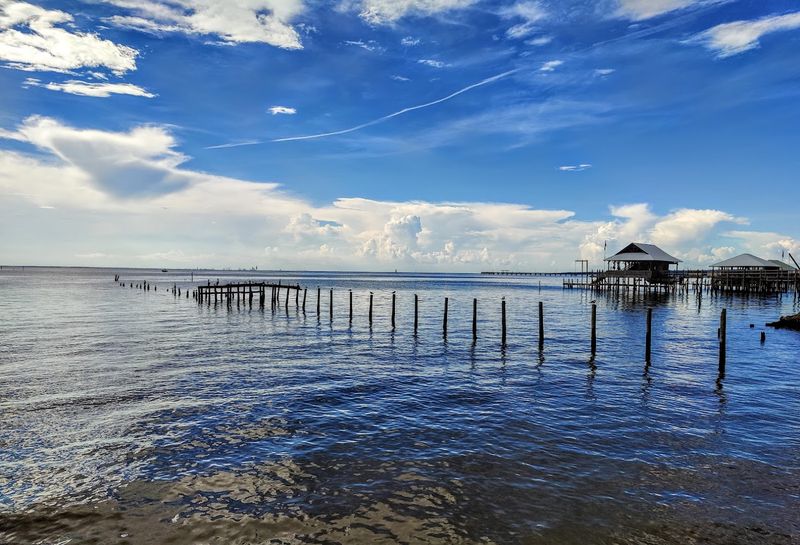
Community planning here feels handwritten in a well-used notebook. Fairhope grew with a utopian colony idea and still prizes civic design, public art, and walkability.
The bayfront pier and park system host daily routines like fishing, picnics, and club meetups.
Downtown streets display locally owned galleries, bookstores, and cafes, each with a reliable set of regulars. Public flowerbeds and tidy medians reflect volunteer hours and city attention to detail.
The Eastern Shore Art Center coordinates classes, juried shows, and talks that fill a predictable calendar.
Seasonal events return on schedule with art walks, outdoor performances, and maker markets. Residents enjoy sunset gatherings on the pier as a simple, recurring ritual.
Visitors leave with a note to return for the next art fair and a photo of the orderly downtown streetscape.
10. Abingdon, Virginia
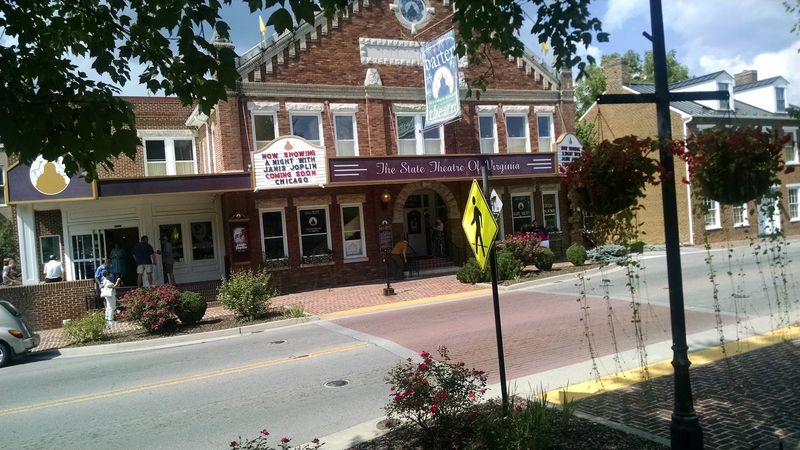
The playbill runs long and the traditions run longer. Abingdon centers culture around the Barter Theatre, where ticket stubs mark seasons that stretch back nearly a century.
Main Street’s brick walks and restored storefronts keep arts, crafts, and regional foodways in the daily conversation.
Galleries and studios show pottery, fiber arts, and woodwork, often with the maker on hand to explain process. The Abingdon Muster Grounds and interpretive trails explain Revolutionary War history with clear signboards and ranger talks.
Restaurants post theater times for pre-show seating and swift service.
Festivals line up with music weekends and artisan markets that stick to familiar venues. The Virginia Creeper Trail adds a steady flow of cyclists and walkers, bringing repeat customers to coffee counters.
Abingdon proves a tradition can be scheduled, ticketed, and still feel neighborly.
11. Granbury, Texas
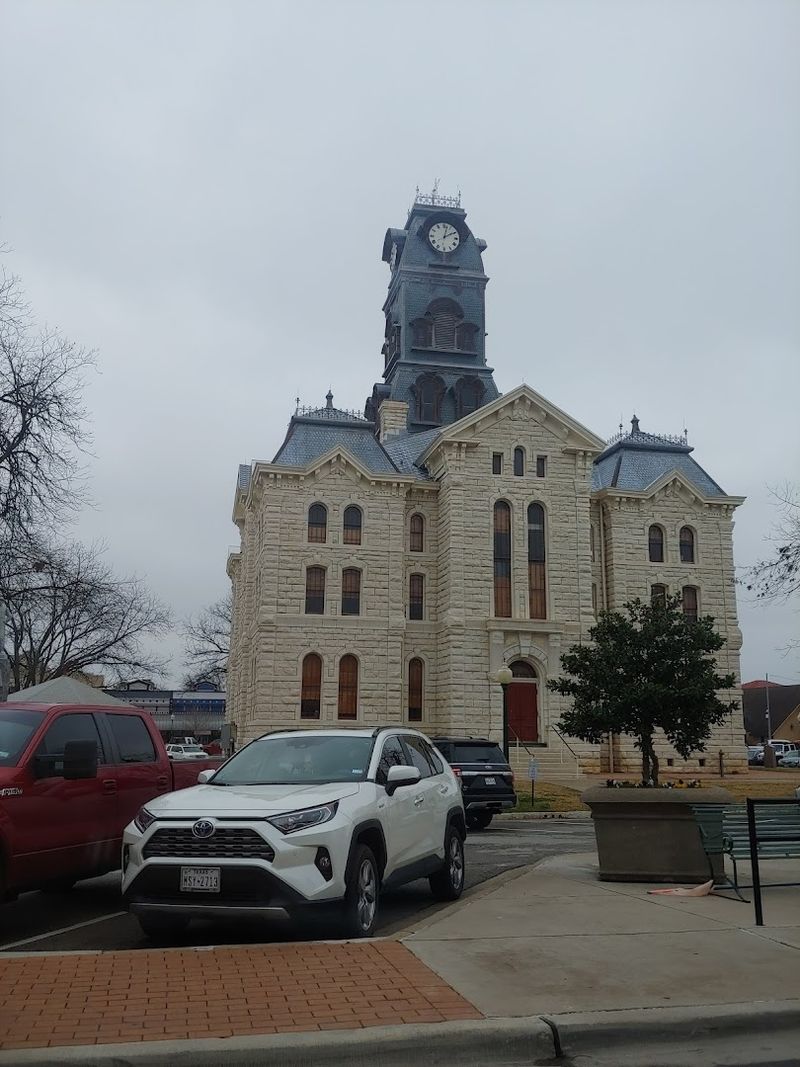
A courthouse clock quietly organizes the day here. Granbury’s square stays active with markets, parades, and community plays staged in buildings that have served multiple purposes.
The Hood County Courthouse presides over a grid of shops selling boots, quilts, and local sweets.
Restaurants post chalkboard menus and photos from earlier festivals, and owners know which events draw vintage car clubs. The restored opera house schedules musicals and community productions that locals treat like family milestones.
Lake access adds an outdoors rhythm that blends with town routines.
Parades circle the square along predictable routes, and chairs appear early as placeholders. The old jail museum and historical markers map the town’s past for anyone willing to read along.
The result is a place where tradition looks both public and practical.
12. Apalachicola, Florida
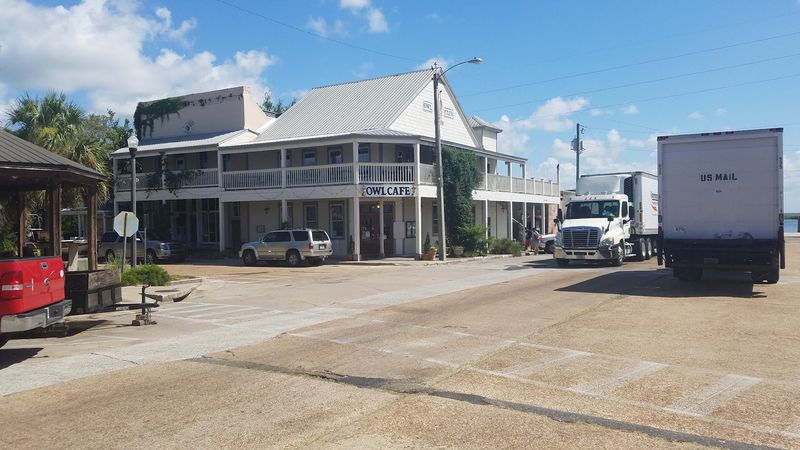
Clipboards, crates, and tide tables shape the schedule here. Apalachicola’s working waterfront keeps heritage visible with active docks, seafood houses, and warehouses converted into shops and galleries.
The Raney House Museum and walking tours detail mercantile history and civic milestones.
Independent businesses favor functional décor and handwritten signs. Cafes serve local seafood with straightforward sides, and staff often recommend a quick detour to the estuary center.
Antique stores carry maritime tools and framed maps that double as conversation starters.
Festivals highlight boats, crafts, and heritage skills, with demonstrations that explain technique before results. Locals still measure seasons by fishing patterns and school calendars.
Visitors learn quickly that schedules bend to tides, and that is part of the charm.
13. Greenville, Mississippi
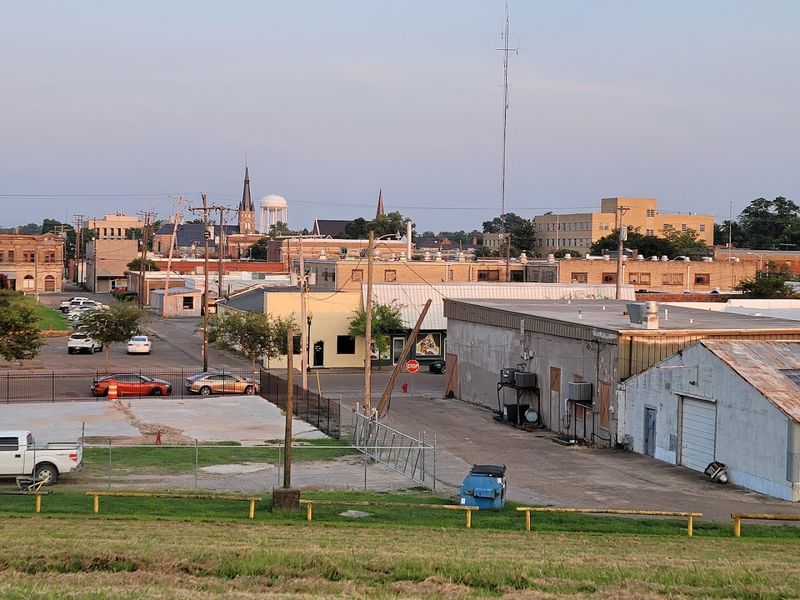
Music history here reads like a set list printed in permanent ink. Greenville’s downtown and riverfront display blues markers, public art, and small venues where local musicians keep standards in rotation.
The Delta’s story appears in museums, libraries, and community centers that collect posters, instruments, and oral histories.
Shops sell records, crafts, and paperbacks that reference regional writers. Cafes serve plates common to family gatherings, and regulars trade recommendations about upcoming shows.
The levee and park areas host fun runs, markets, and school performances that stick to a simple plan.
Festivals map routes through streets that have hosted the same acts and vendors for years. The schedule is predictable in the best way, and newcomers catch on fast.
The result is a town where tradition shares equal billing with the next set.
14. Covington, Louisiana
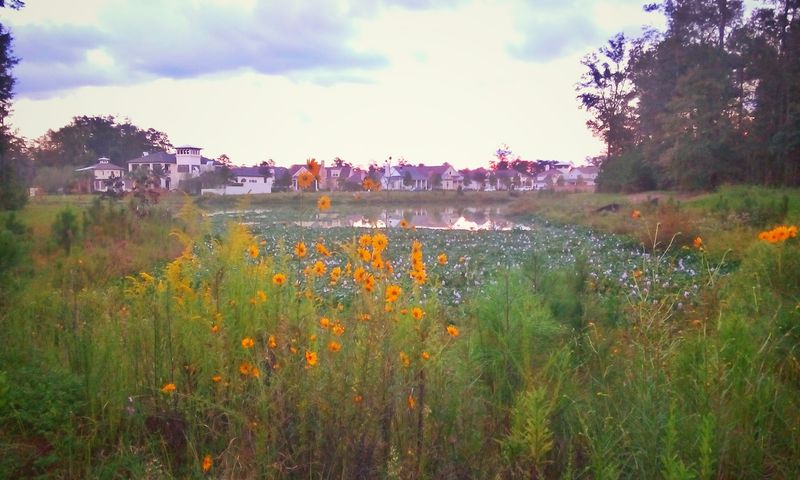
Saturday starts with baskets and handwritten labels. Covington’s farmers market brings growers, bakers, and artisans to a steady crowd that treats shopping like a standing appointment.
The historic downtown pairs galleries, cafes, and boutiques with clear wayfinding signs and shaded sidewalks.
Public art and preserved cottages keep the look coherent. Trailheads for the Tammany Trace add cyclists and walkers who roll right into lunch spots.
Churches, schools, and civic clubs post bulletin boards that double as community calendars.
Festivals return to the same blocks each year, and vendors greet repeat customers by name. Even weekday afternoons feel organized by tradition, with regular gallery nights and porch concerts.
Visitors leave with market goods and a workable plan for the next trip.
15. Camden, Arkansas
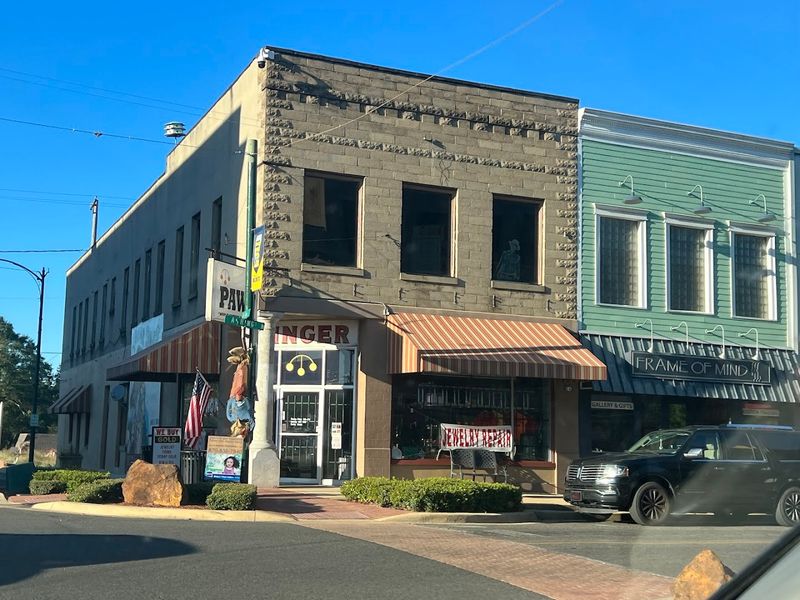
Yellow blooms serve as the unofficial welcome sign. Camden’s daffodil festival organizes tours of historic homes and gardens, complete with maps, shuttle routes, and docents who have practiced their lines.
Downtown storefronts display event posters that double as keepsakes.
Historical markers and the McCollum-Chidester House tell Civil War era stories in concise detail. Local shops sell crafts, uniforms, and school gear, reflecting a community that supports its teams.
Restaurants keep menus straightforward and portions generous without fanfare.
Annual events repeat with comforting precision, giving volunteers and visitors a familiar script. Neighborhoods show pride with painted porches and neat hedges.
The rhythm suits anyone who values a predictable, friendly calendar.
16. St. Marys, Georgia
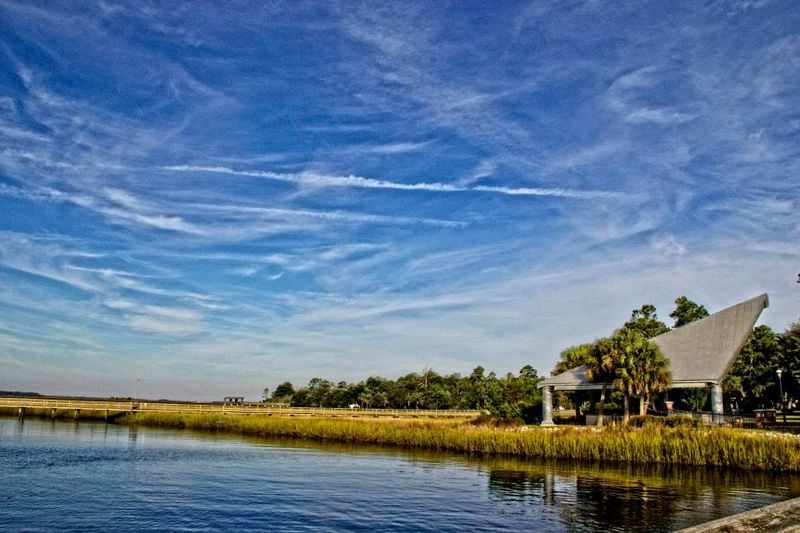
A bench by the water counts as prime seating for the daily show. St. Marys functions as both a quiet coastal town and a gateway to Cumberland Island, and that pairing shapes routines.
The waterfront park hosts ceremonies, markets, and school concerts under a simple schedule.
Downtown shops sell gear for the ferry, coastal crafts, and books on local history. The St. Marys Submarine Museum and historic cemetery add context with organized exhibits and legible markers.
Restaurants lean casual, and staff share ferry advice as naturally as menu specials.
Parades follow time-tested routes along Osborne Street, and festivals bring regular vendors back each season. Porch conversations last as long as the shade allows, and nobody rushes the goodbye.
Visitors leave with a ferry reservation and a plan to return for another easy afternoon.
17. Jonesborough, Tennessee
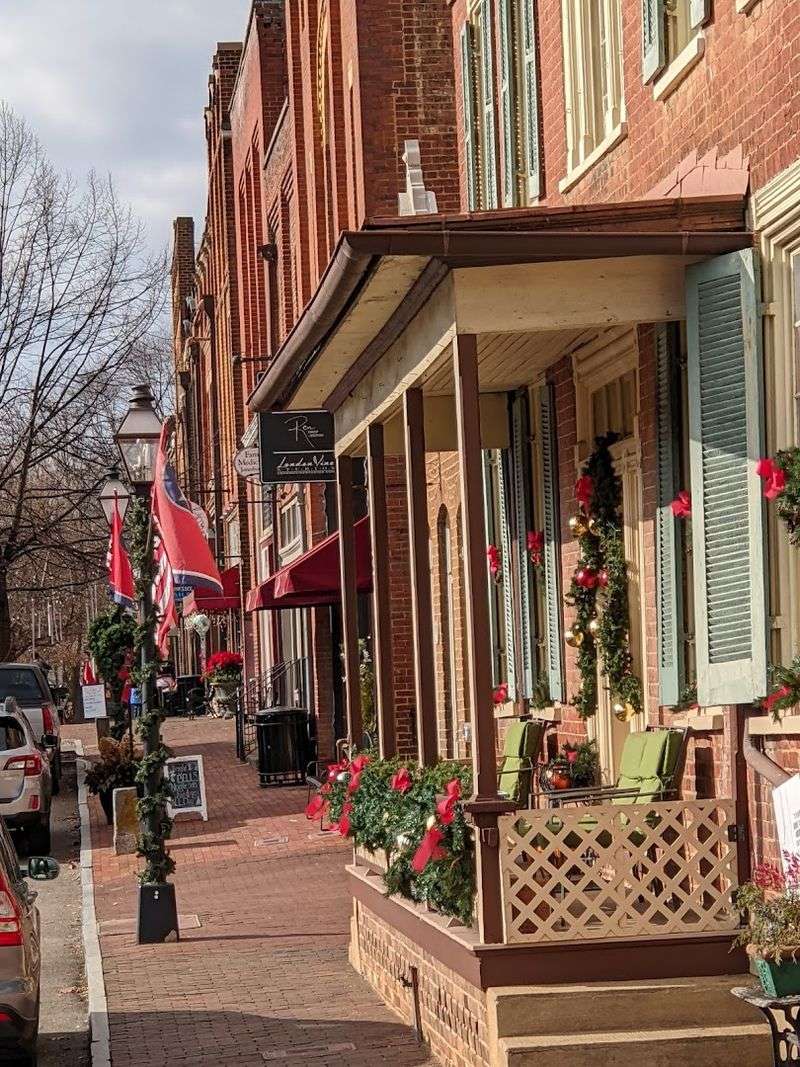
Every October, the microphone stand might as well be a landmark. Jonesborough brands itself around storytelling, and the town delivers with venues, tents, and stages set on a reliable schedule.
The International Storytelling Center hosts year-round programs that feel like rehearsals for the big week.
Main Street’s preserved buildings hold craft shops, bakeries, and galleries that know how to manage festival crowds. Docents at the visitor center provide maps and history lessons with a conversational tone.
Side streets lead to historic homes and churches with placards that reward careful readers.
Tradition here is participatory, with open mics, workshops, and school programs. Locals volunteer for usher duty and information booths without fail.
You come for the stories and leave with the festival dates already circled.
18. Marshall, Texas
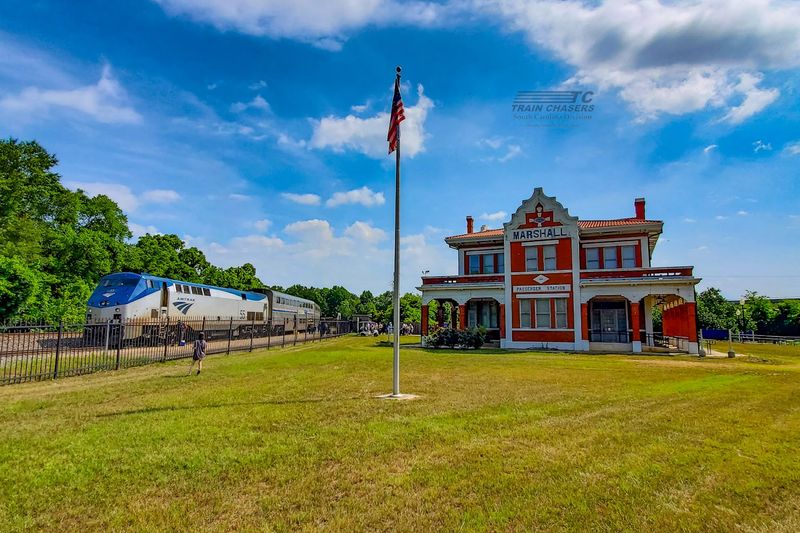
Big porches and bigger schedules keep things moving at a steady clip. Marshall highlights its railroad past and courthouse square with tours, plaques, and a museum circuit that requires comfortable shoes.
Brick streets and restored façades frame shops selling antiques, crafts, and practical goods.
Locals show up for parades, car shows, and community concerts that repeat on dependable weekends. Restaurants post flyers near the register for upcoming school performances and fundraisers.
Neighborhoods maintain broad lawns and deep porches that still see daily use.
Seasonal displays return like clockwork, and the courthouse grounds act as center stage. The routine is public, friendly, and easy to learn in one weekend.
Most visitors plan a second visit before leaving the square.
19. Micanopy, Florida
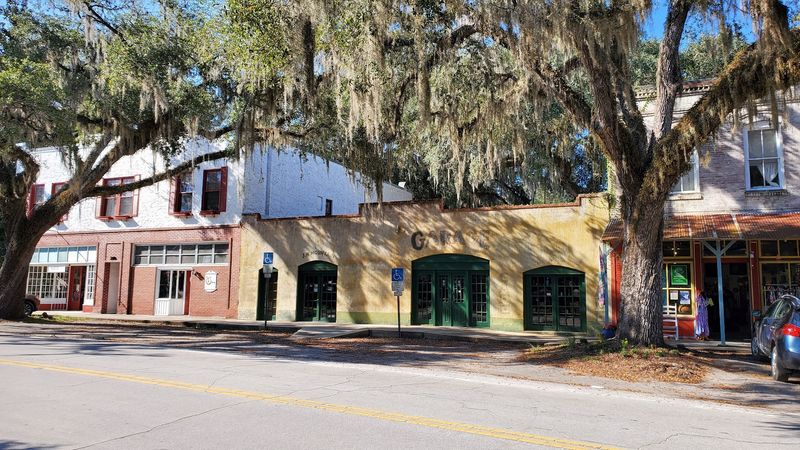
Time seems to keep a slower checklist here. Micanopy’s compact main street hosts antique shops, cafes, and galleries in buildings that look purpose-built for unrushed browsing.
The Herlong Mansion and local museum present town history with photos, tools, and family records.
Vendors greet by first name and share tips on nearby trails and preserves. Porch steps serve as meeting spots, and nobody minds repeat visits to the same store.
The small size makes it easy to see how tradition survives through daily routines and consistent hours.
Annual festivals bring handcrafted goods, local produce, and simple entertainment to a familiar stretch of road. Residents handle parking, signage, and cleanup like practiced stagehands.
Visitors exit with a map, a vintage find, and a promise to return for the next market day.
20. Eufaula, Alabama
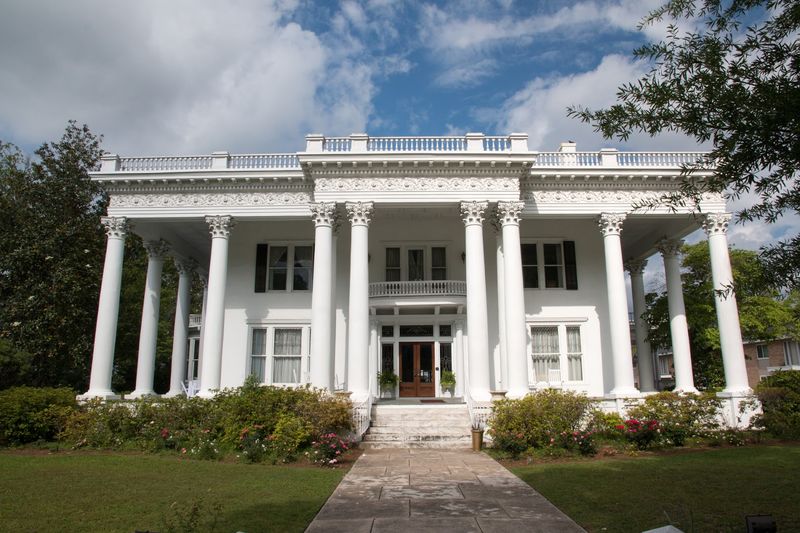
Architecture does most of the talking here. Eufaula’s broad avenues display Victorian mansions with plaques that make a self-guided tour easy.
The annual pilgrimage opens porches and parlors under careful supervision, with docents stationed like friendly guardians.
Downtown shops sell regional cookbooks, crafts, and sports gear for the lake. Wayfinding signs direct visitors to the Shorter Mansion, the bluff, and boat ramps without confusion.
Restaurants manage steady traffic with well-practiced crews who handle tour group timing.
The lake adds weekend structure with tournaments, picnics, and predictable rushes at tackle shops. Seasons bring repeats of the same events, and regulars know exactly where to set their chairs.
Eufaula proves that careful upkeep and open doors can make history feel current.
21. Edenton, North Carolina
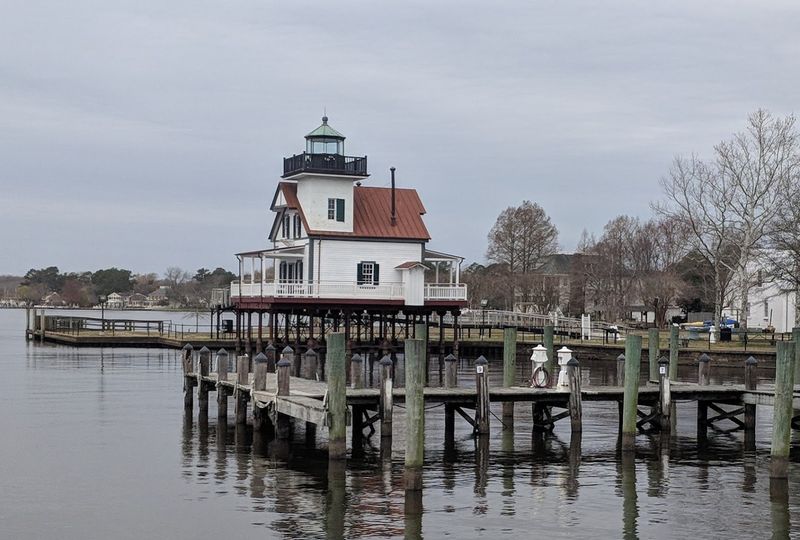
Colonial-era geometry still shapes the streetscape. Edenton presents its past through the Cupola House, Barker House, and a waterfront that doubles as the town’s front porch.
Guided tours and self-led maps keep timelines neat and manageable.
Shops carry coastal crafts, stationery, and housewares suited to historic homes. Docents at house museums explain construction details and restoration choices in clear terms.
The waterfront green holds concerts, public meetings, and seasonal markets on a repeatable schedule.
Residents protect views, gardens, and fences with consistent caretaking. Events rely on volunteers who know their stations and repeat them every year.
You leave with a tidy understanding of who built what, when it happened, and how it is still maintained.
22. Madison, Georgia
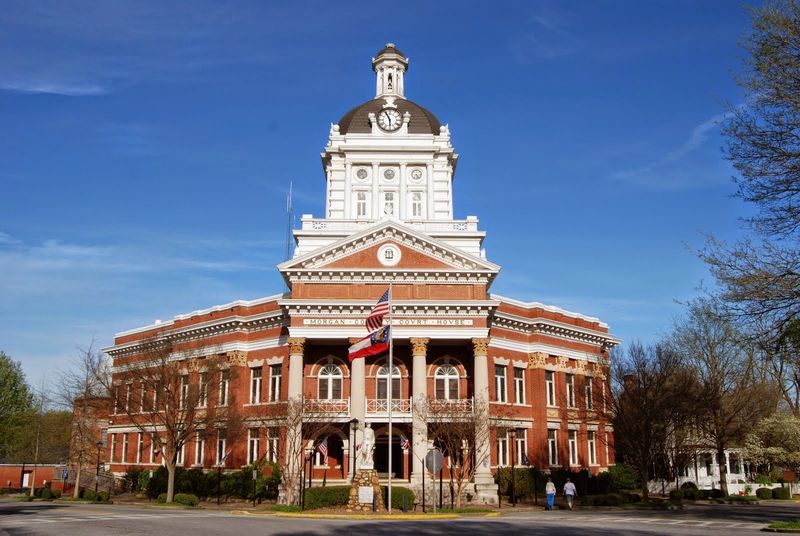
Porches wrap corners like parentheses around daily life. Madison’s historic district preserves a large collection of antebellum homes with readable plaques and carefully maintained lawns.
The welcome center provides maps for walking routes that cover architecture, churches, and civic buildings.
Downtown carries an orderly mix of galleries, outfitters, and cafes in brick storefronts. Owners often share renovation stories alongside product recommendations.
Public gardens and pocket parks offer seating that regularly hosts book clubs and small meetings.
Annual house tours and spring events return to the same addresses, reinforcing a sense of continuity. Volunteers direct traffic, test microphones, and stock brochures with practiced efficiency.
Tradition operates here like a homeowner’s checklist shared by the whole town.
23. St. Francisville, Louisiana
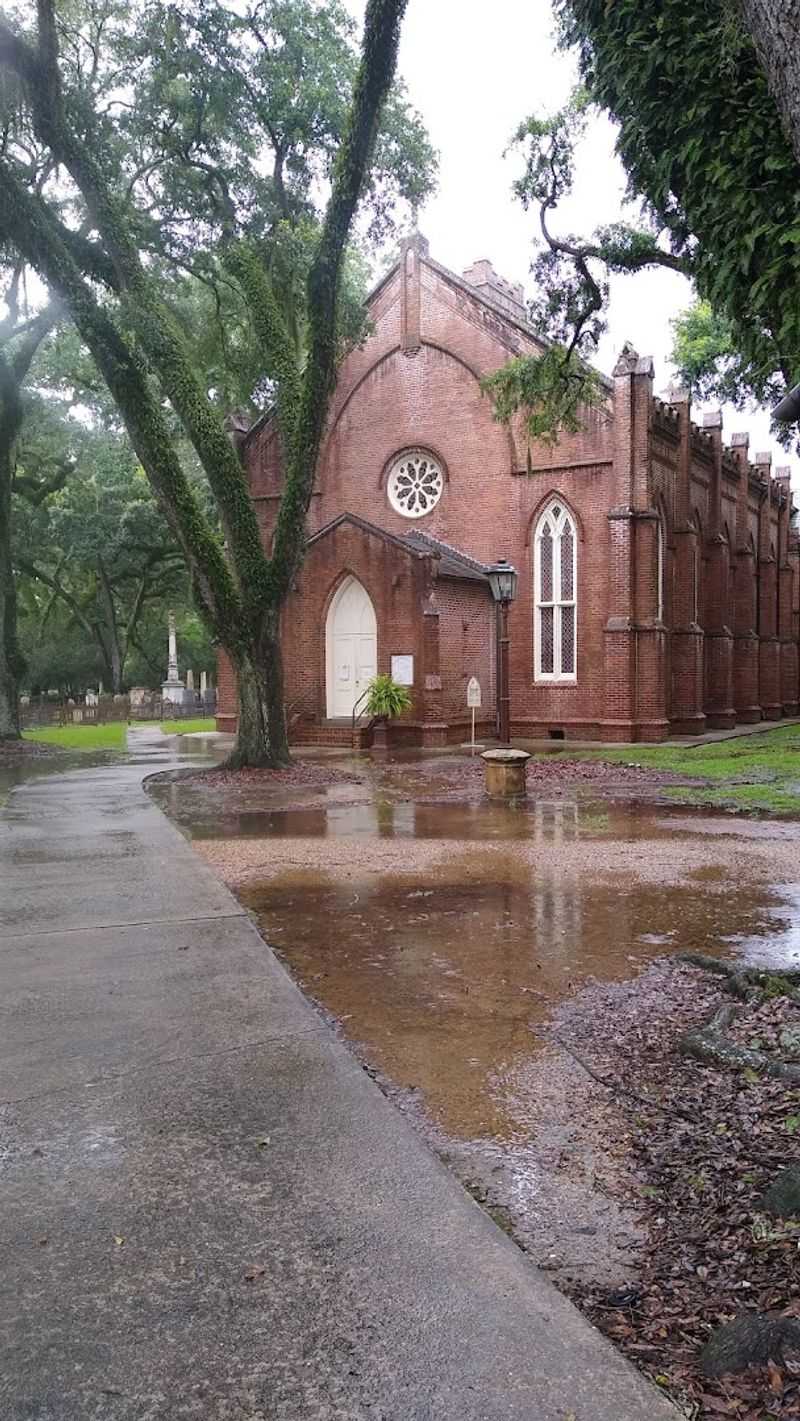
Bluff-top views pair with a tidy network of historic sites. St. Francisville guides visitors through churchyards, gardens, and house museums with maps that rarely require clarification.
The West Feliciana Historical Society keeps resources organized, including brochures and docent-led walks.
Shops sell regional crafts, books, and practical items for day trips. Side streets reveal cottages and cemeteries with markers that favor facts over flourish.
Café counters often host informal planning sessions for the next garden tour.
Festivals and markets return to steady venues, and regulars know where the shade and seating land. The result is an efficient tradition that welcomes newcomers without diluting the routine.
You get history, scenery, and a calendar that behaves predictably.



