 Unearth The Voyage
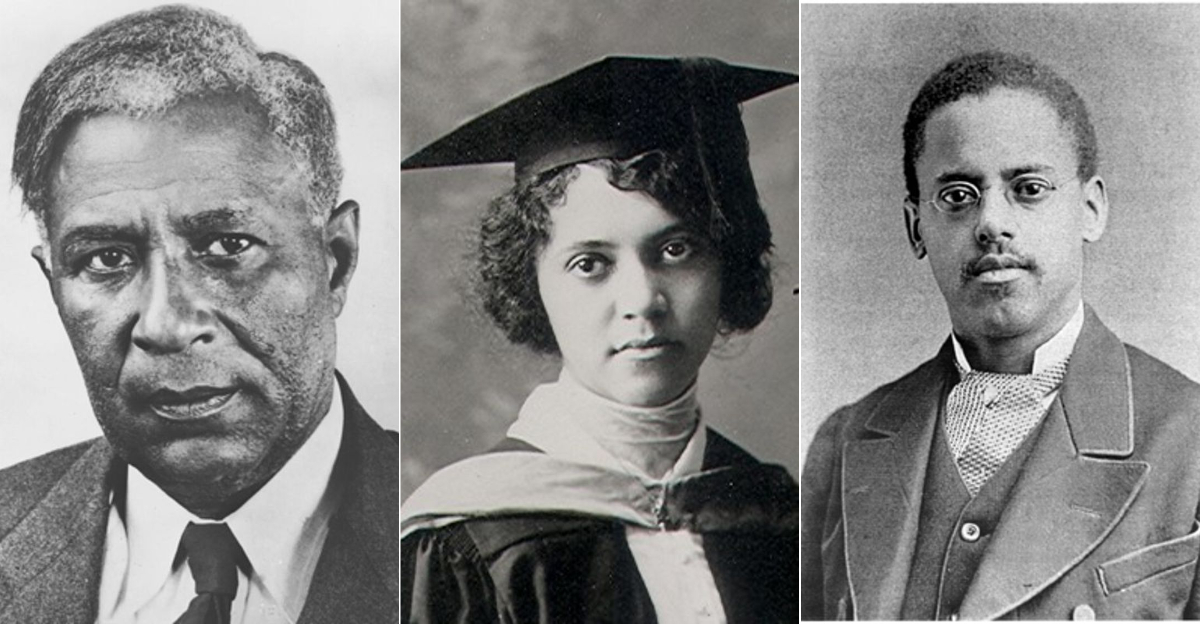
Throughout history, Black scientists have made groundbreaking discoveries that changed medicine, technology, space exploration, and countless other fields. Their innovative ideas and tireless dedication solved problems, saved lives, and opened new doors for future generations. Despite facing enormous challenges and discrimination, these brilliant minds pushed forward and left lasting legacies. Their stories inspire us to pursue our own dreams and remind us that talent and determination know no boundaries.
1. George Washington Carver
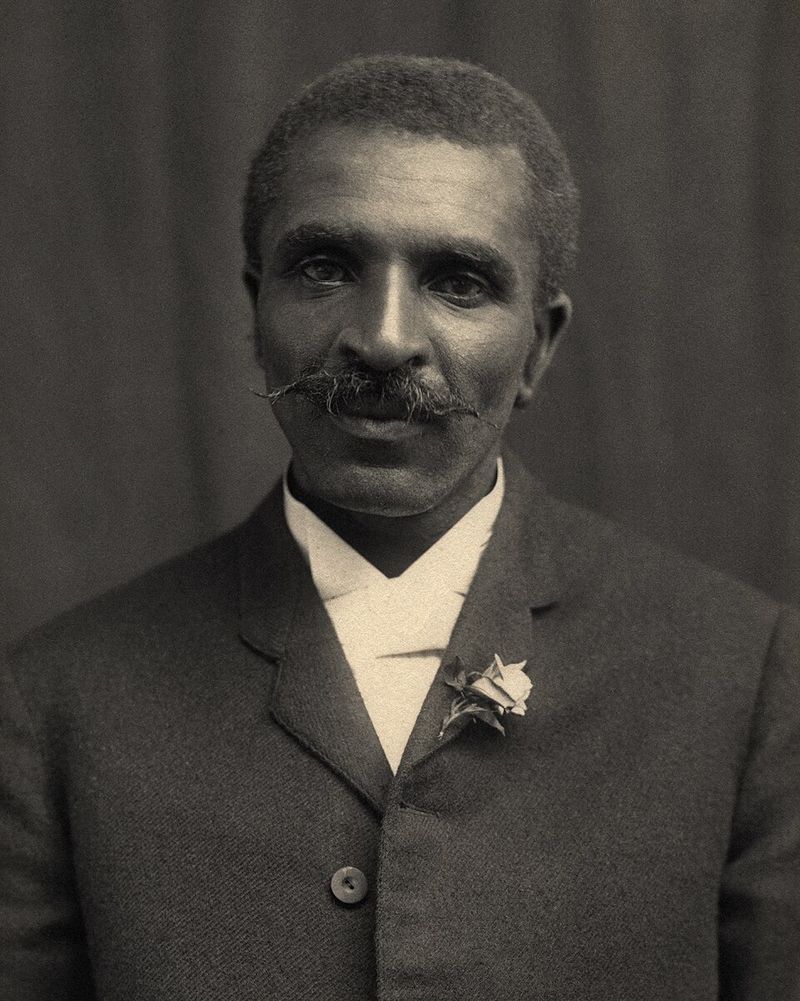
Born into slavery, Carver became one of America’s most celebrated agricultural scientists. His research on peanuts, sweet potatoes, and soybeans transformed Southern farming and helped poor farmers improve their soil and income.
He developed over 300 products from peanuts alone, including dyes, plastics, and gasoline. His work proved that science could solve real-world problems for everyday people.
Carver refused to patent most of his discoveries, believing knowledge should be free for everyone to use and benefit from.
2. Mae Jemison
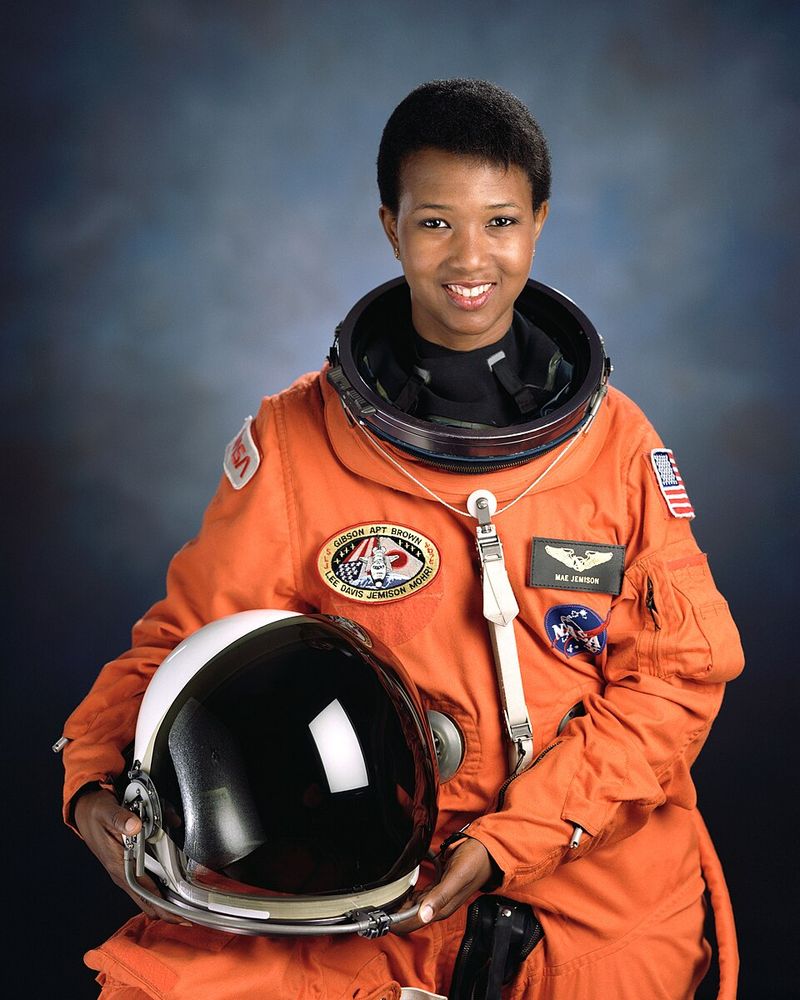
In 1992, Jemison made history as the first African American woman to travel into space aboard the Space Shuttle Endeavour. Before joining NASA, she worked as a doctor in the Peace Corps, treating patients in West Africa.
Her childhood dream of reaching the stars came true after years of hard work and determination. She studied chemical engineering and medicine, proving you can excel in multiple fields.
Today, she leads programs encouraging young people, especially girls and minorities, to pursue science careers.
3. Percy Lavon Julian
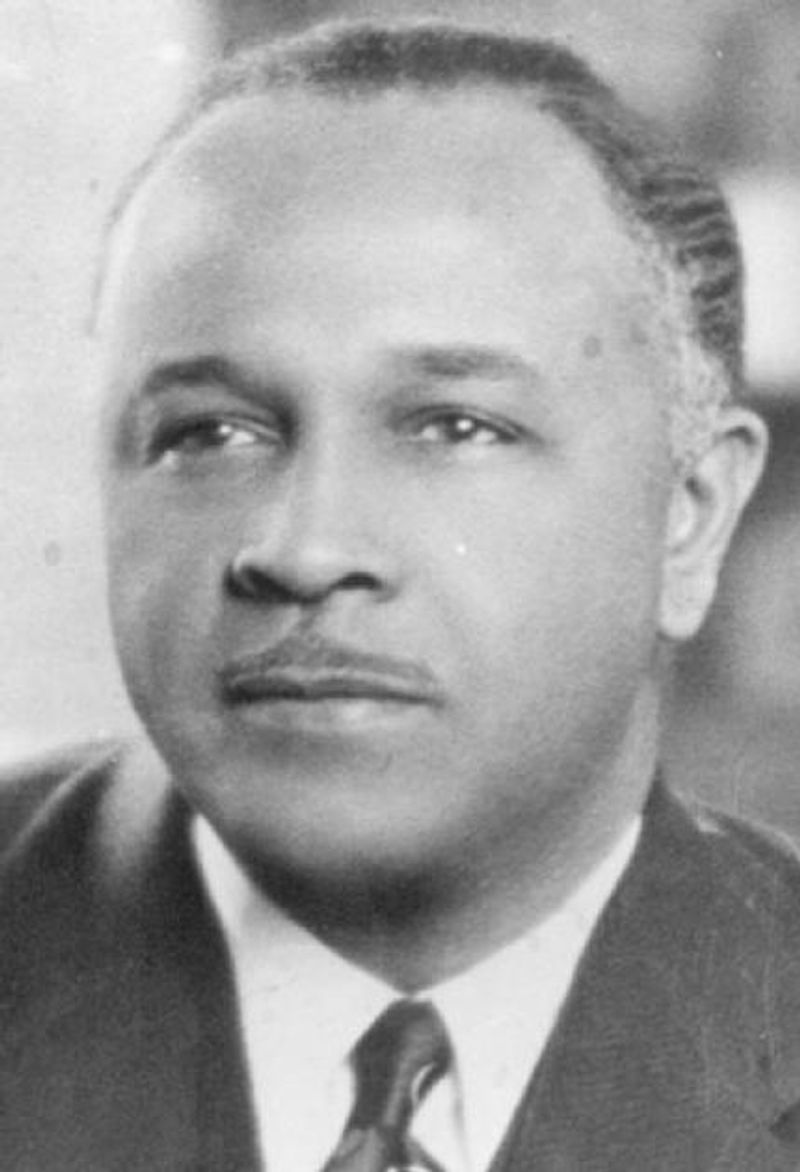
Julian revolutionized medicine by discovering how to synthesize important drugs from plants, making treatments affordable for millions. His work on cortisone helped arthritis patients move without pain, while his glaucoma medication saved countless people from blindness.
Despite facing racism throughout his career, he earned over 130 chemical patents. His fire-extinguishing foam even saved lives during World War II.
Julian’s grandson later said his grandfather believed chemistry could make the world more equal and fair.
4. Katherine Johnson
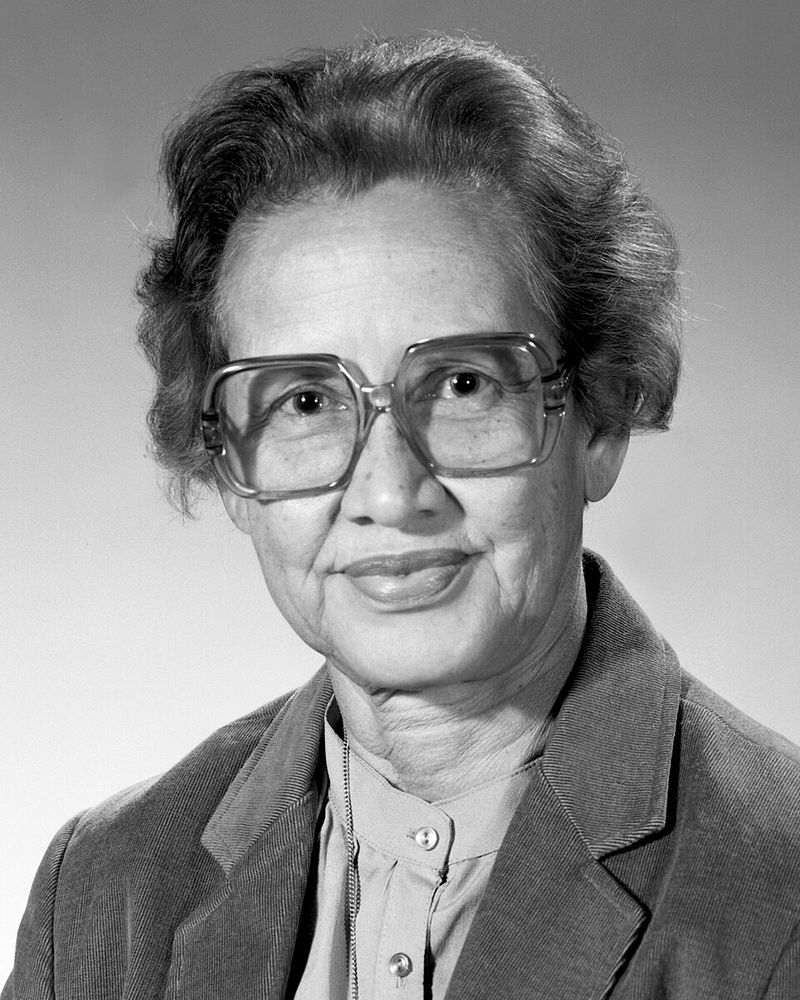
Her incredible mathematical skills helped NASA send astronauts to space and back safely. Johnson calculated flight trajectories for Alan Shepard’s first American spaceflight and John Glenn’s orbit around Earth.
Glenn himself refused to launch until Johnson personally verified the computer’s calculations. She worked when computers were new and unreliable, so her brain was NASA’s backup system.
Her story, featured in the movie Hidden Figures, inspired millions to appreciate the unsung heroes behind space exploration.
5. Charles Drew
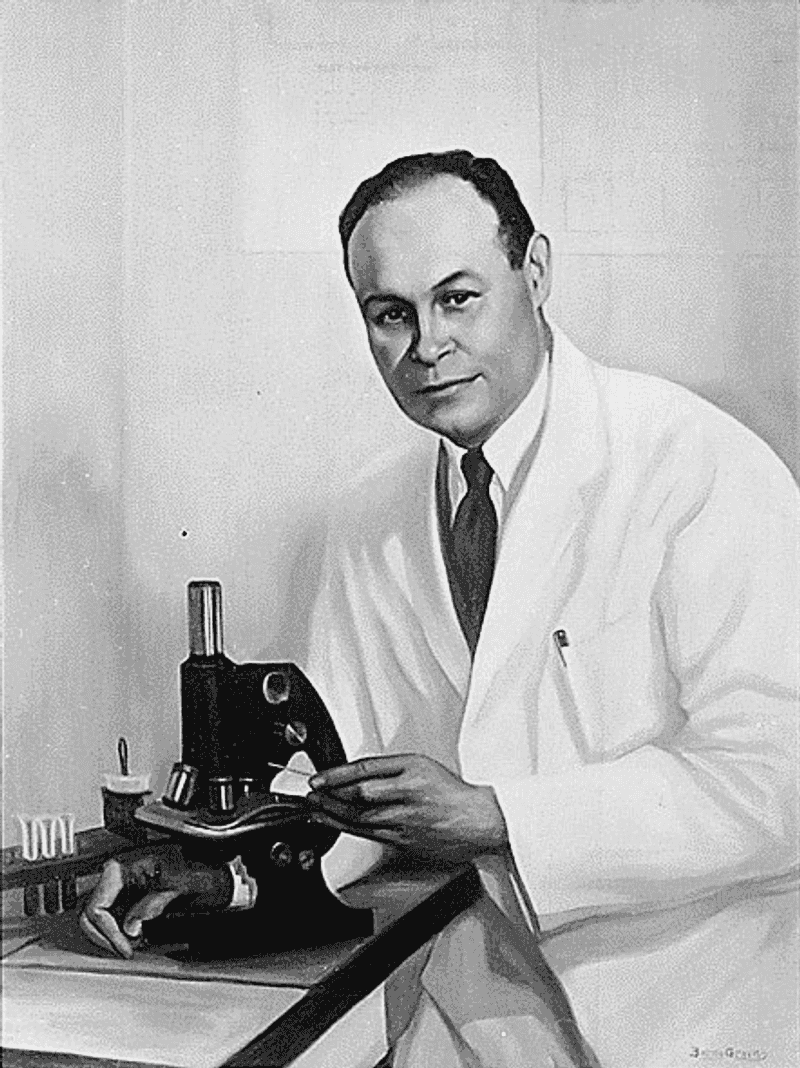
Drew created the first large-scale blood banks, revolutionizing emergency medicine and saving countless lives during World War II. He discovered that plasma could be stored longer than whole blood, making transfusions easier and safer.
His research established the system we still use today in hospitals everywhere. Tragically, he died after a car accident, sparking myths about segregated blood banks refusing him treatment.
Though these stories were exaggerated, Drew did fight against racial segregation in blood donation throughout his career.
6. Neil deGrasse Tyson
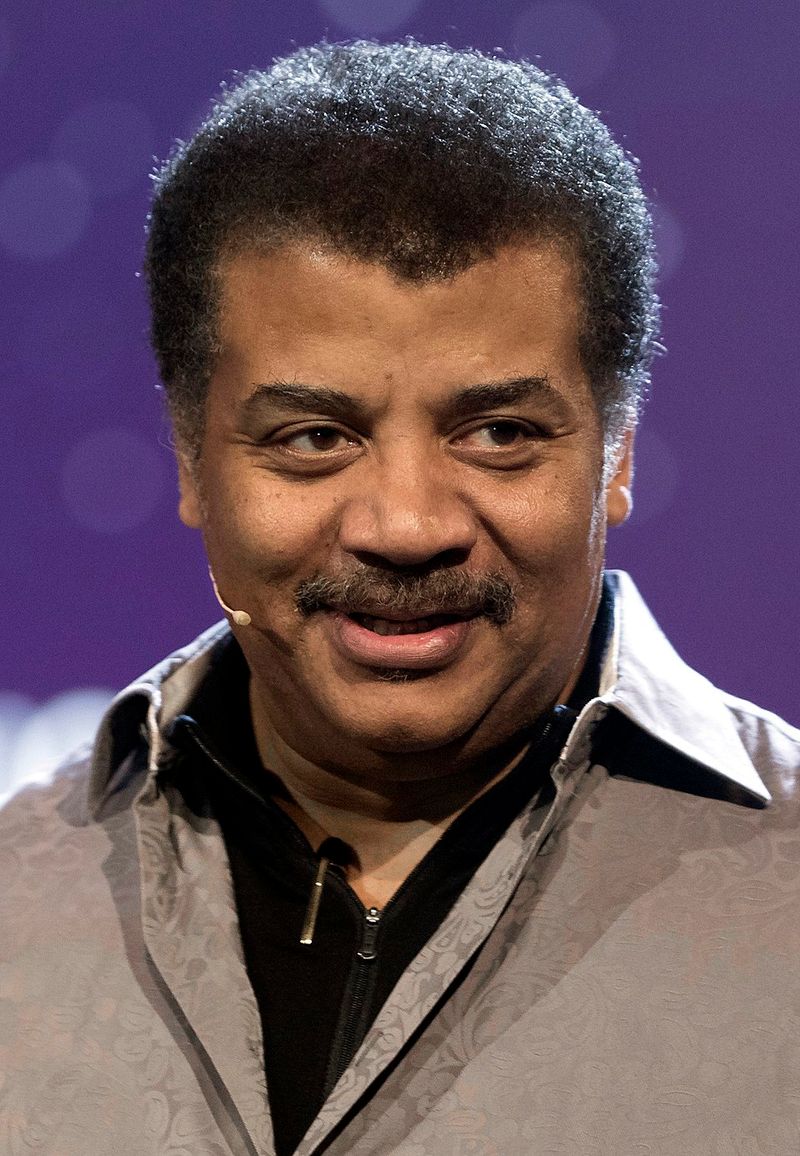
As director of the Hayden Planetarium, Tyson makes complex space science understandable and exciting for everyone. His books, TV shows, and podcasts reach millions of people who might never pick up a science textbook.
He famously led the effort to reclassify Pluto as a dwarf planet, sparking worldwide debate. Growing up in the Bronx, he faced teachers who doubted his astronomy dreams.
Now he encourages kids everywhere to question, explore, and never let anyone limit their curiosity about the universe.
7. Alice Ball
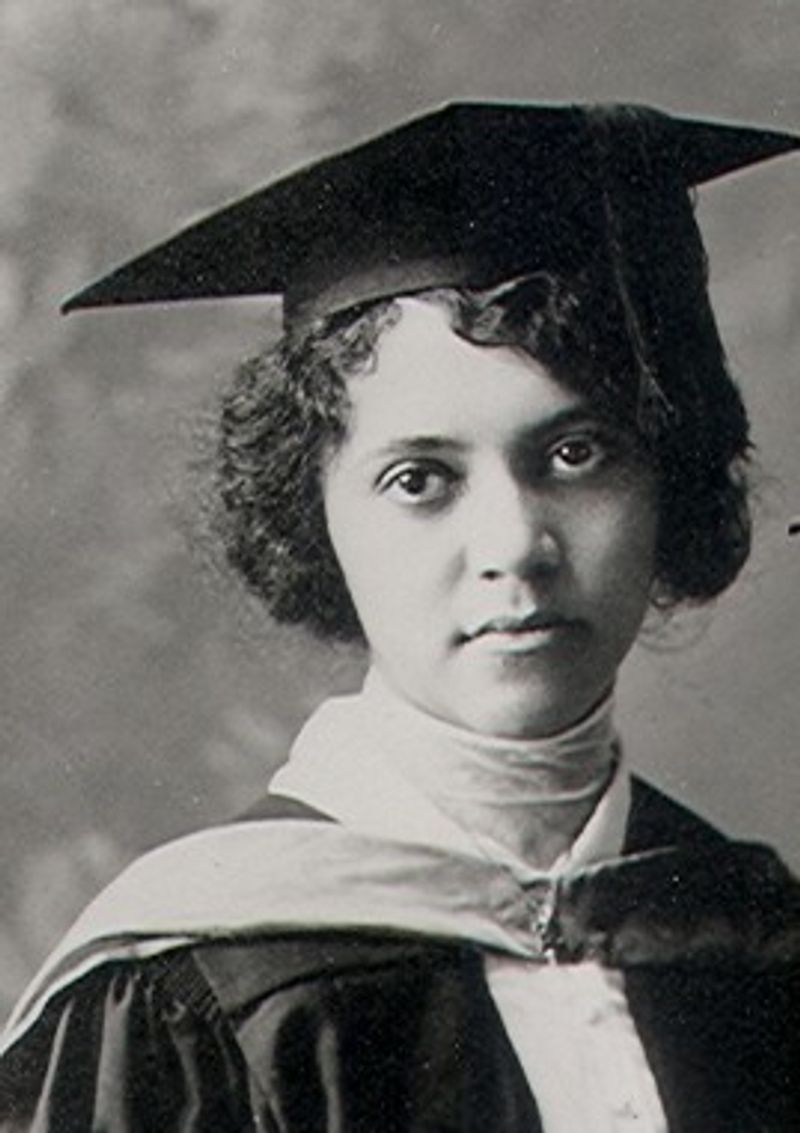
At just 23, Ball developed the first effective treatment for leprosy, a disease that had caused suffering for centuries. Her extraction technique using chaulmoogra oil remained the best treatment until the 1940s.
Tragically, she died at 24 before publishing her research, and a colleague initially took credit for her discovery. Decades later, the University of Hawaii finally recognized her contributions.
Ball was also the first woman and first African American to earn a master’s degree from the university.
8. Benjamin Banneker
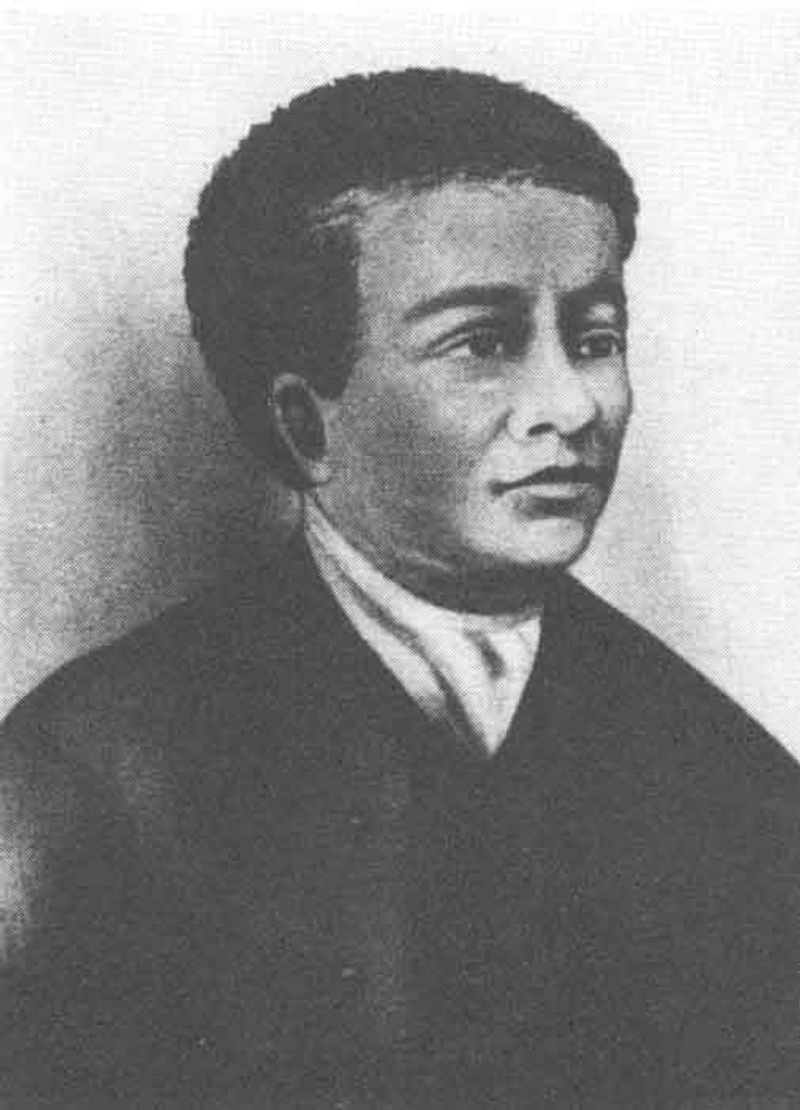
This self-taught mathematician and astronomer published almanacs predicting eclipses and weather patterns in the 1790s. Banneker helped survey the boundaries of Washington, D.C., our nation’s capital.
Born free in Maryland, he learned advanced mathematics and astronomy entirely on his own by borrowing books. He built a striking wooden clock at 22 that kept accurate time for decades.
Banneker also wrote to Thomas Jefferson, challenging him about slavery and proving Black people possessed equal intellectual abilities.
9. Garrett Morgan
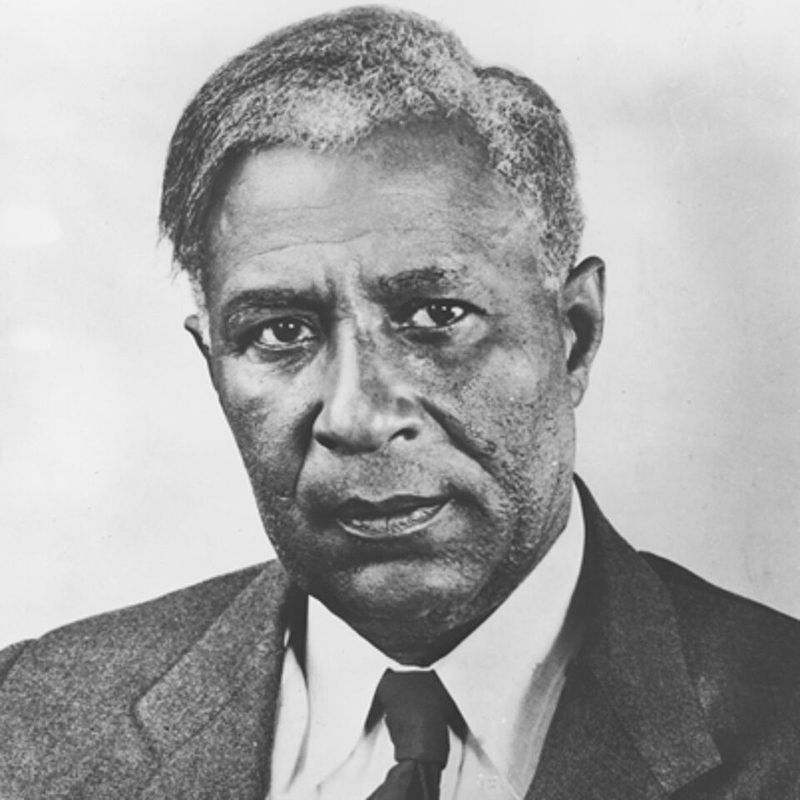
Morgan invented the three-position traffic signal that makes our streets safer today, along with a safety hood that protected firefighters from smoke. His breathing device saved workers trapped in a tunnel explosion in 1916.
Despite proving his invention’s value, many fire departments refused to buy it once they learned he was Black. Morgan often hired a white actor to demonstrate his products at sales meetings.
His traffic signal design was eventually purchased by General Electric for $40,000.
10. Marie Maynard Daly
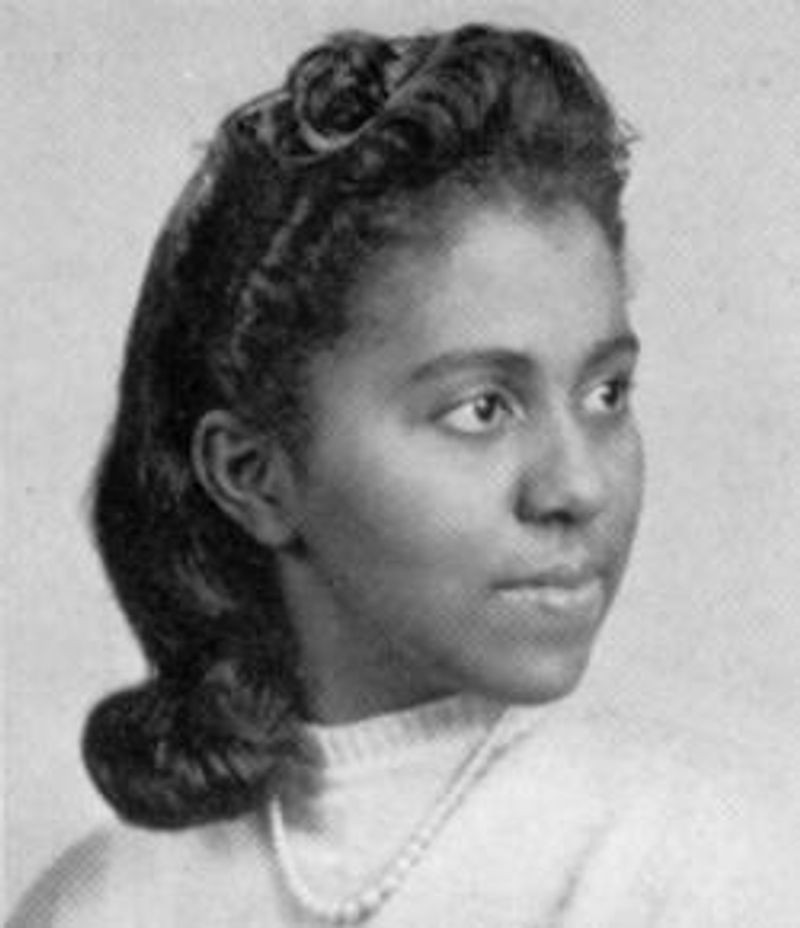
Daly became the first African American woman to earn a Ph.D. in chemistry in the United States in 1947. Her groundbreaking research connected high cholesterol to clogged arteries and heart disease.
This discovery changed how doctors treat and prevent heart attacks today. She studied how proteins are made in cells and how the body processes food into energy.
Later in life, Daly created a scholarship fund for minority students studying chemistry, helping others follow in her footsteps.
11. Otis Boykin
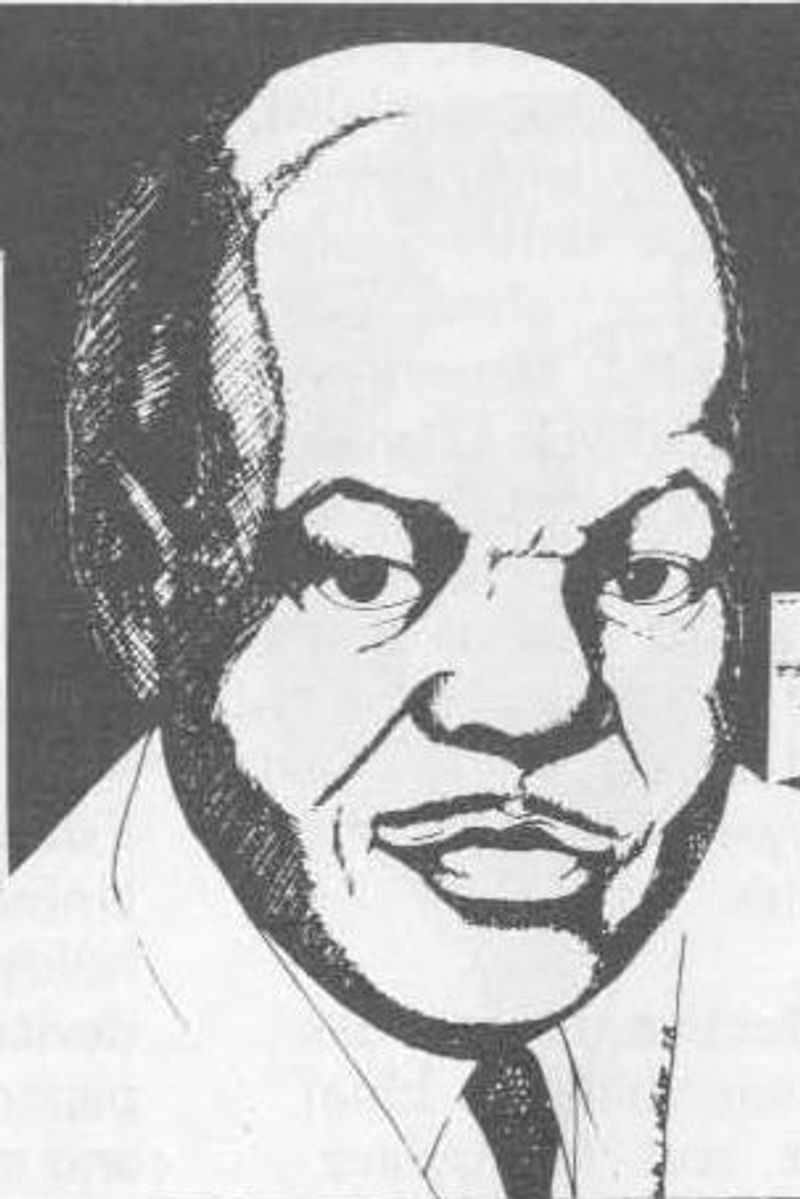
Boykin invented an improved electrical resistor used in computers, radios, and televisions worldwide. His most important creation was a control unit for the artificial heart pacemaker, helping hearts beat regularly.
He held 26 patents for electronic devices that made technology cheaper and more reliable. Growing up during the Great Depression, he worked multiple jobs to pay for college.
His resistors were so dependable that they were used in military missiles and IBM computers during the Cold War era.
12. Jane Cooke Wright
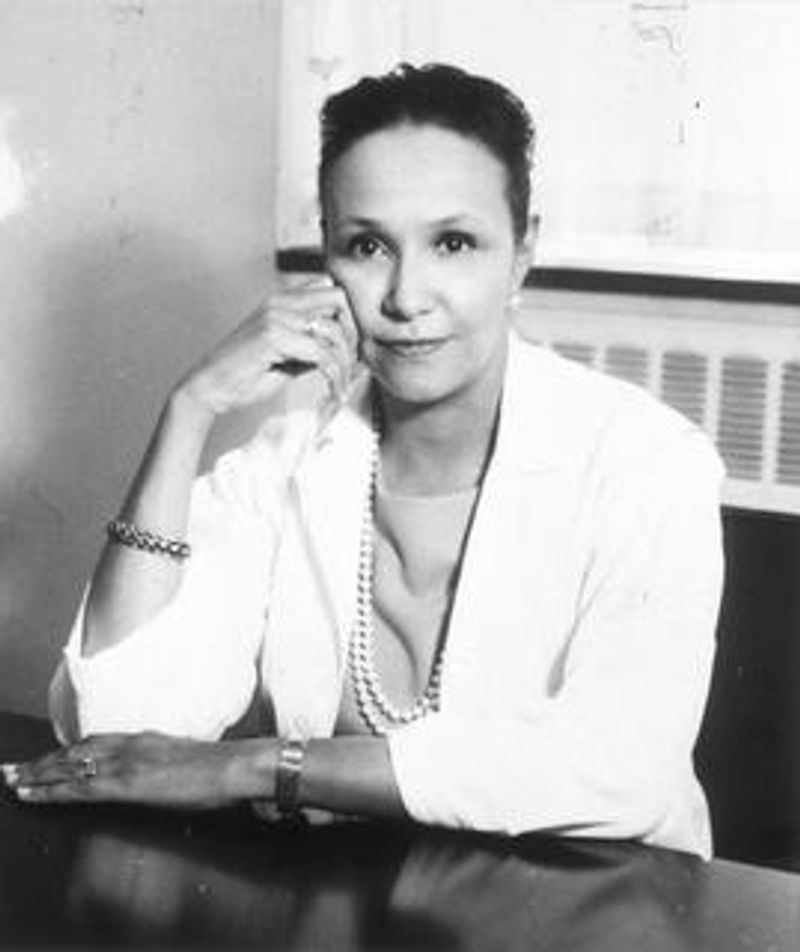
Wright pioneered chemotherapy research, developing techniques to test cancer drugs on human tissue before giving them to patients. Her methods revolutionized cancer treatment and saved countless lives.
She became the highest-ranked African American woman at a medical institution when she directed cancer research at New York Medical College. Wright also studied how cancer spreads and found new drug combinations.
Her father was also a cancer researcher, and together they advanced the field enormously during the mid-20th century.
13. Ernest Everett Just
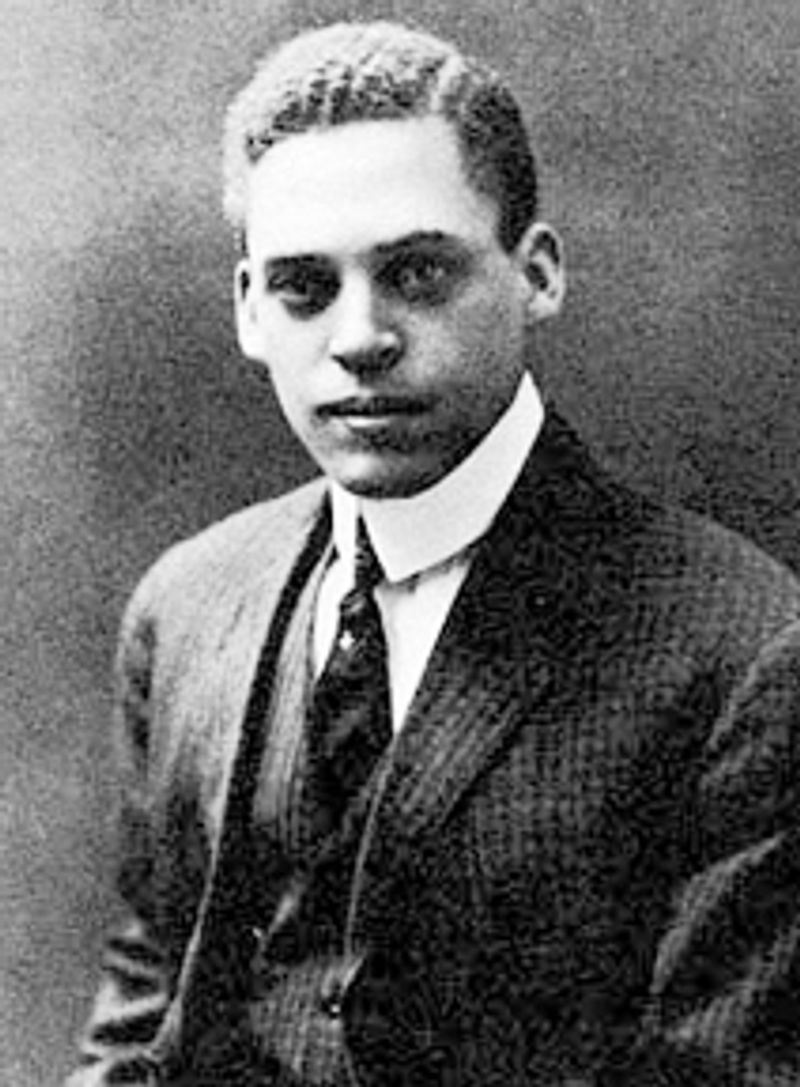
Just’s research on cell fertilization and development changed how scientists understand the beginnings of life. He studied sea urchin eggs and discovered how cells divide and develop into complex organisms.
Despite his brilliance, American universities rarely gave him opportunities because of racism. He spent summers at the Marine Biological Laboratory in Massachusetts, conducting research that scientists still reference today.
Just eventually moved to Europe, where he felt more respected, and published over 70 scientific papers during his career.
14. Gladys West
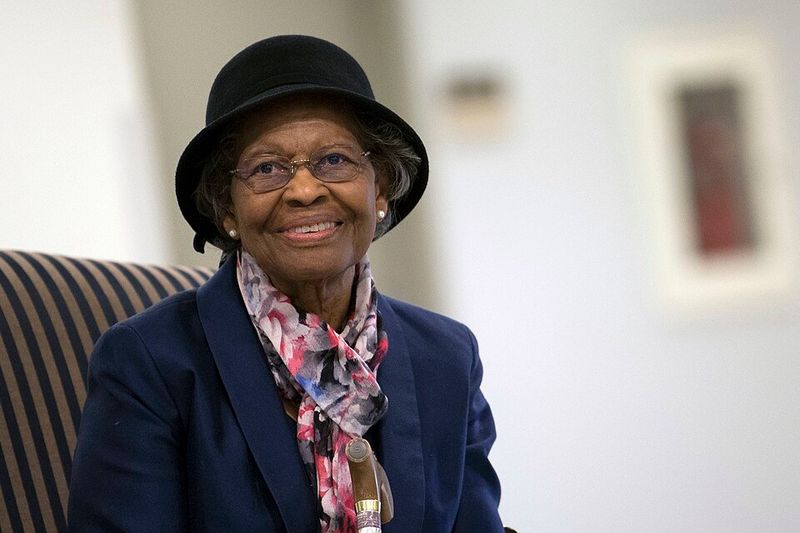
West’s mathematical modeling of Earth’s shape made GPS technology possible, though she remained largely unknown for decades. Working at a naval base, she programmed computers to process satellite data with incredible precision.
Her calculations helped create the accurate maps we use in our phones and cars every day. Growing up on a Virginia farm, she was determined to avoid manual labor through education.
West earned master’s degrees in mathematics and became one of few Black women working in her field during the 1950s and 60s.
15. Lloyd Quarterman
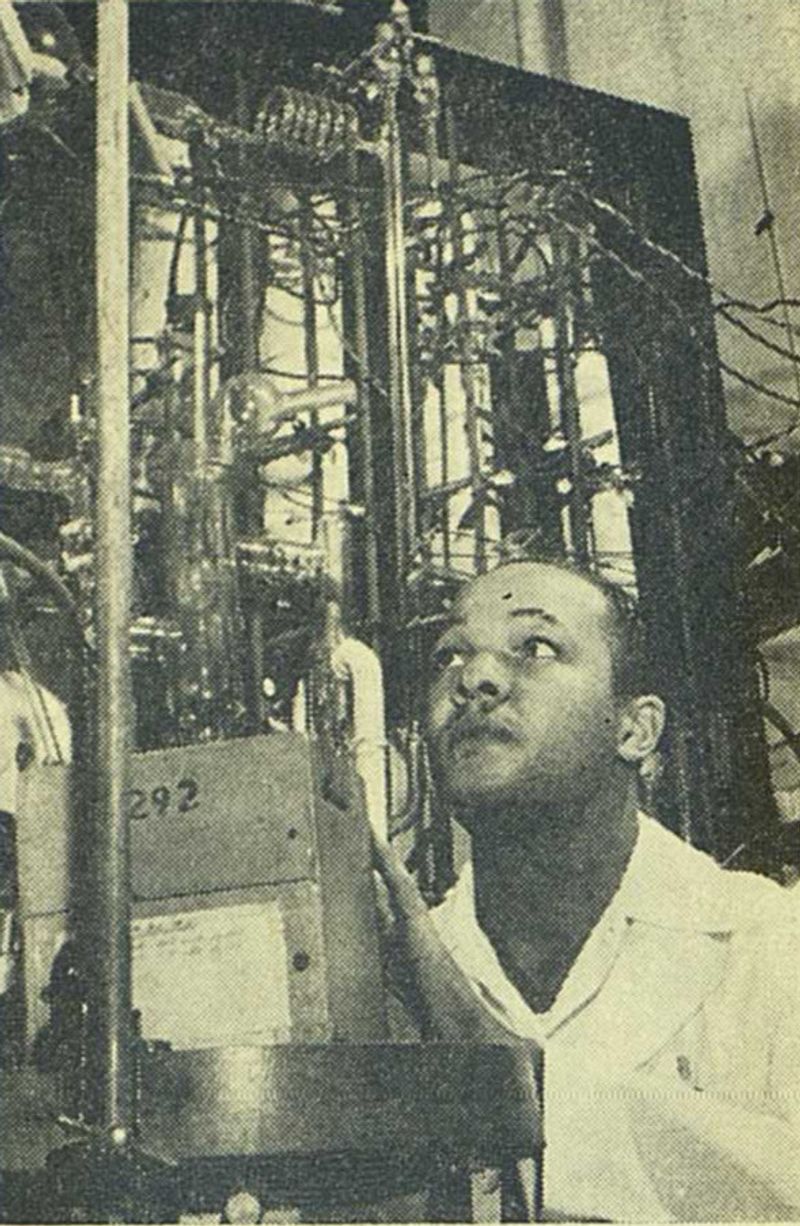
Quarterman was one of only six Black scientists who worked on the Manhattan Project, helping develop the atomic bomb during World War II. His expertise in fluorine chemistry proved essential to separating uranium isotopes.
After the war, he continued researching at Argonne National Laboratory, contributing to peaceful uses of nuclear energy. Despite his critical role, he faced segregation even while working on top-secret military projects.
Quarterman published numerous papers on spectroscopy and helped train the next generation of chemists throughout his career.
16. Patricia Bath
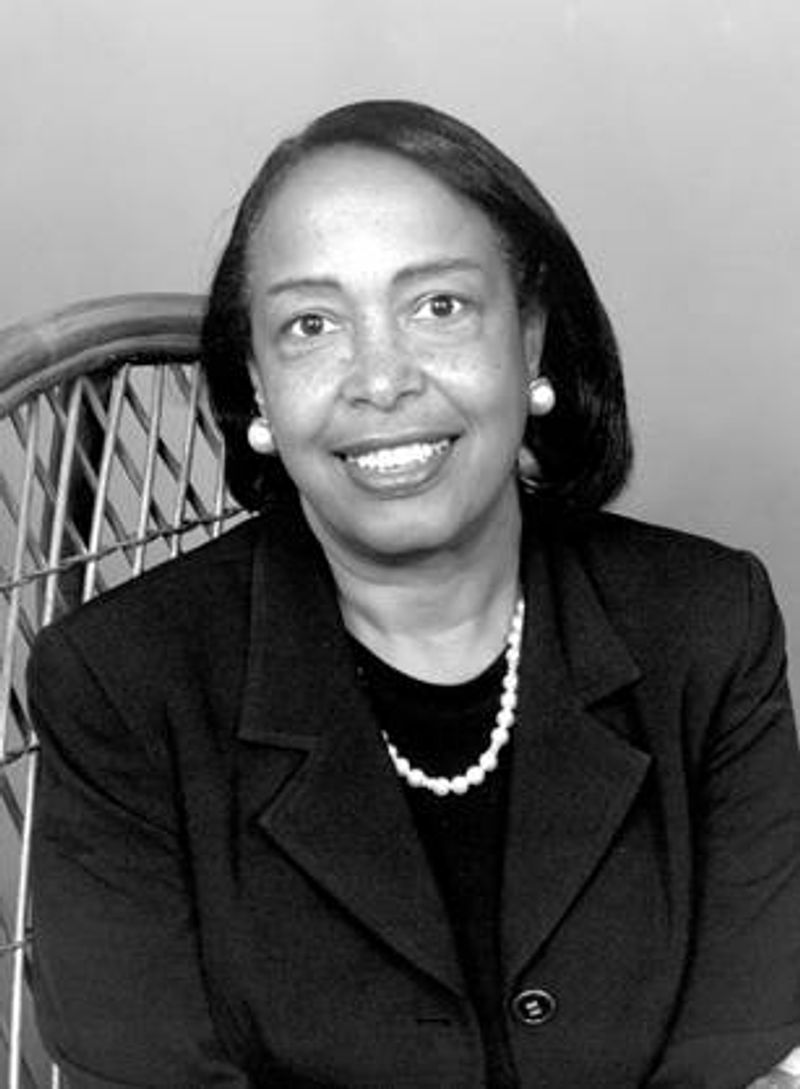
Bath invented the Laserphaco Probe in 1986, a device that uses lasers to remove cataracts quickly and painlessly. Her invention restored sight to people who had been blind for decades.
She became the first African American woman doctor to receive a medical patent. Bath founded the American Institute for the Prevention of Blindness, believing everyone deserves quality eye care.
Growing up in Harlem, she won science awards as a teenager and went on to break barriers throughout her medical career.
17. George Carruthers
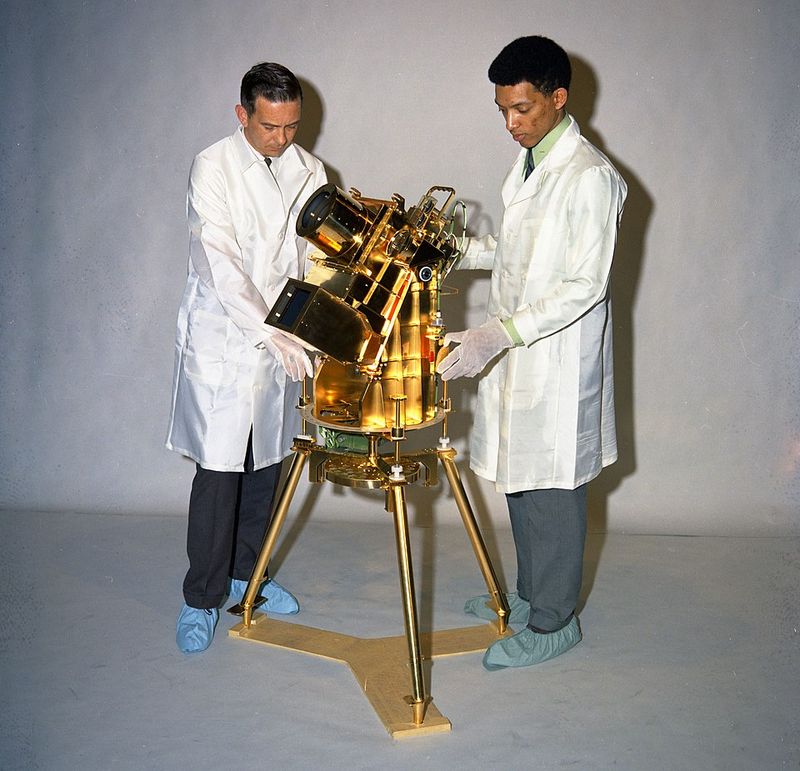
Carruthers invented the ultraviolet camera that astronauts took to the moon during Apollo 16 in 1972. His camera captured stunning images of Earth’s atmosphere and distant stars invisible to regular cameras.
This technology helped scientists study space in completely new ways. As a child in Chicago, he built his own telescope from cardboard tubes and lenses.
Carruthers worked for NASA for over 50 years, continuing to develop instruments that explore the universe beyond what human eyes can see.
18. Shirley Jackson
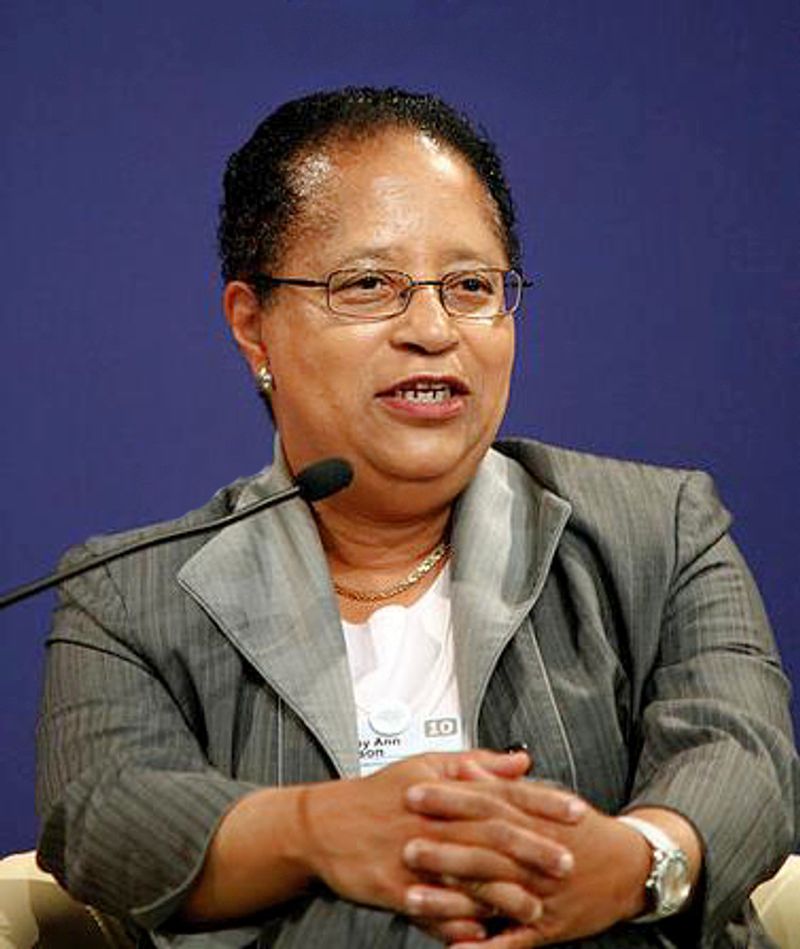
Jackson’s research in theoretical physics led to inventions we use daily, including caller ID, call waiting, and fiber optic cables. She was the first African American woman to earn a Ph.D. from MIT in any field.
Her work at Bell Laboratories advanced telecommunications technology enormously. Jackson later became president of Rensselaer Polytechnic Institute, one of the oldest engineering schools in America.
She has served on numerous corporate boards and advised presidents on science policy, making her one of the most influential scientists alive.
19. David Blackwell
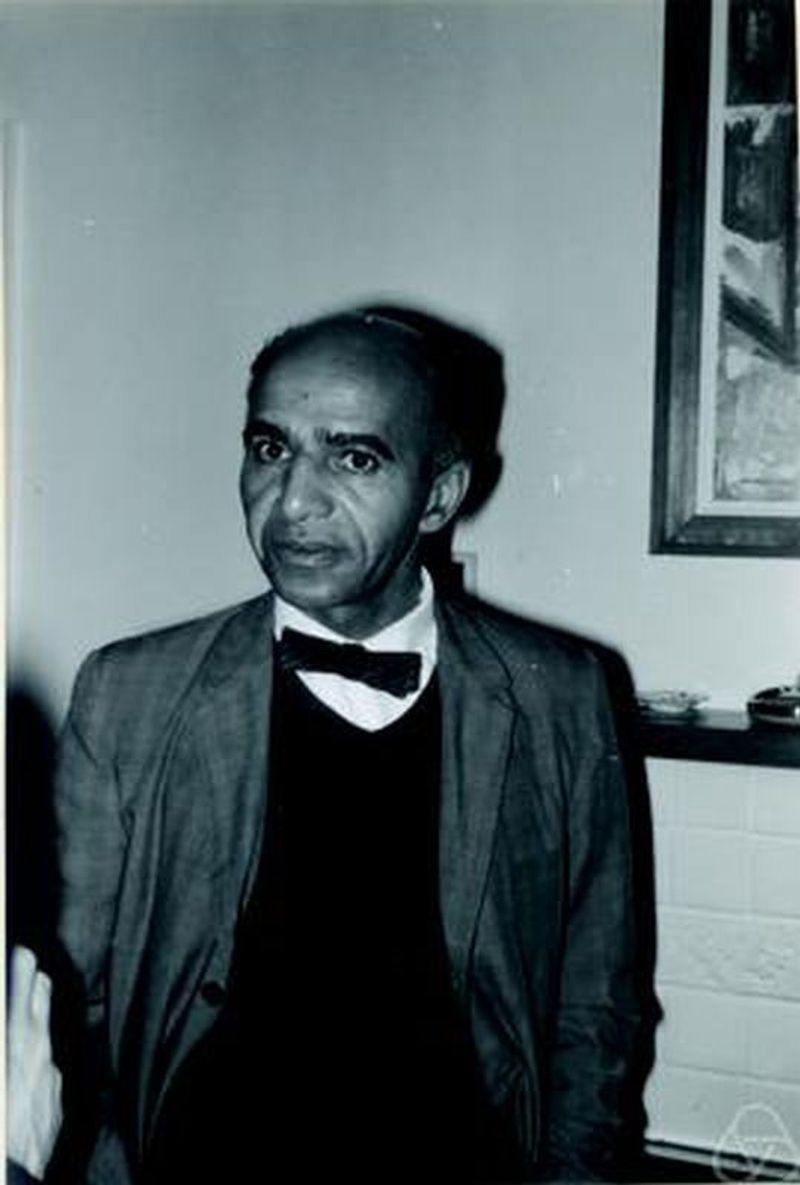
Blackwell made fundamental contributions to statistics, probability theory, and game theory that mathematicians still use today. He became the first Black professor at the University of California, Berkeley, in 1954.
His work helped develop decision-making strategies used in business, medicine, and military planning. Despite graduating high school at 16 and earning his Ph.D. at 22, many universities initially refused to hire him.
Blackwell published over 90 papers and mentored dozens of graduate students who became accomplished mathematicians themselves.
20. Emmett Chappelle
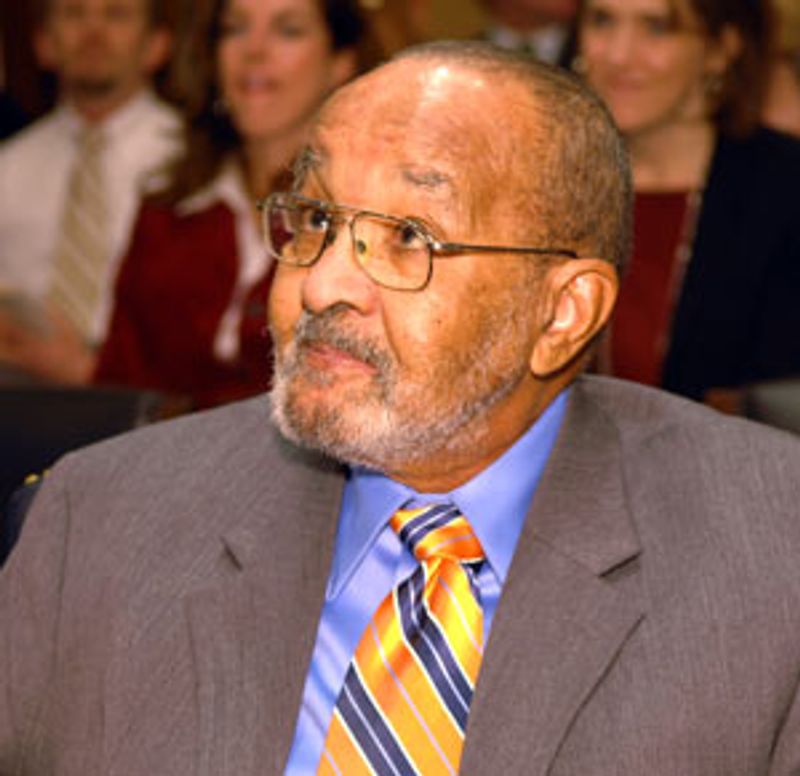
Chappelle discovered that all living cells produce light when combined with certain chemicals, a process called bioluminescence. NASA used his research to detect bacteria in space and determine if other planets might support life.
His work also helps doctors quickly identify bacterial infections in patients. During World War II, he served in an all-Black infantry unit before earning his degree.
Chappelle held 14 patents and worked for NASA for decades, making space exploration safer and more scientifically productive.
21. Annie Easley
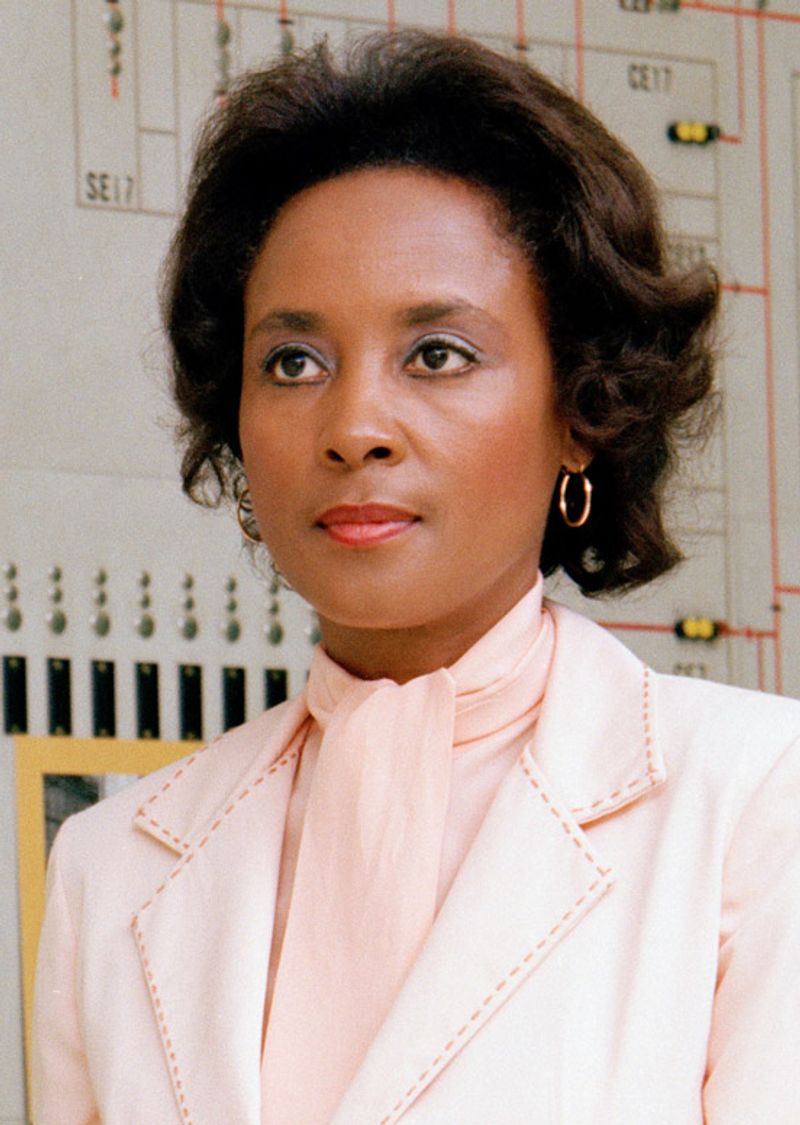
Easley worked as a computer scientist at NASA for 34 years, developing software for rocket systems and energy projects. She wrote code that analyzed alternative power sources like batteries and solar panels.
Her work contributed to the Centaur rocket stage used in numerous space missions. Starting as a human computer who performed calculations by hand, she adapted as technology advanced.
Easley also fought discrimination at NASA and encouraged young people to pursue careers in science, technology, engineering, and mathematics fields.
22. Lewis Latimer
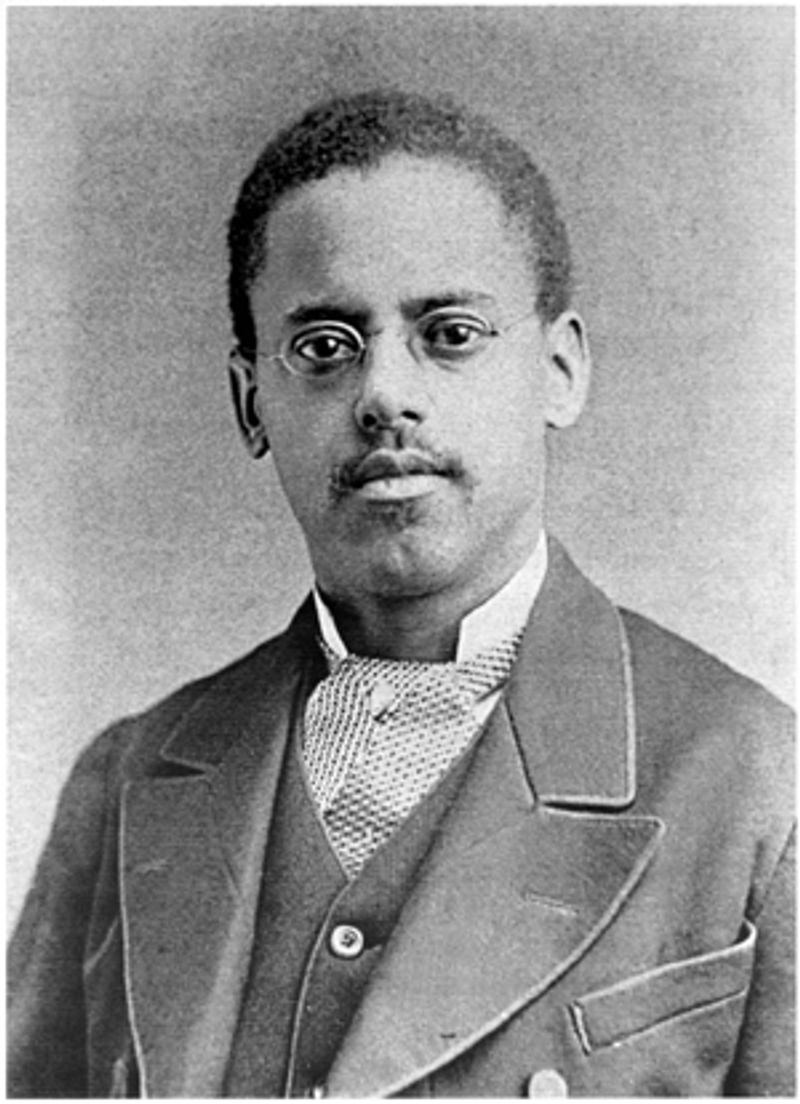
Latimer improved Thomas Edison’s light bulb by inventing a longer-lasting carbon filament that made electric lighting practical and affordable. He also supervised installation of public electric lights in New York, Philadelphia, and London.
Born to escaped slaves, he taught himself mechanical drawing while working as an office boy. Latimer worked with both Alexander Graham Bell and Thomas Edison, drafting patents for their inventions.
He wrote the first book explaining electric lighting systems, helping spread this revolutionary technology worldwide.
23. Daniel Hale Williams
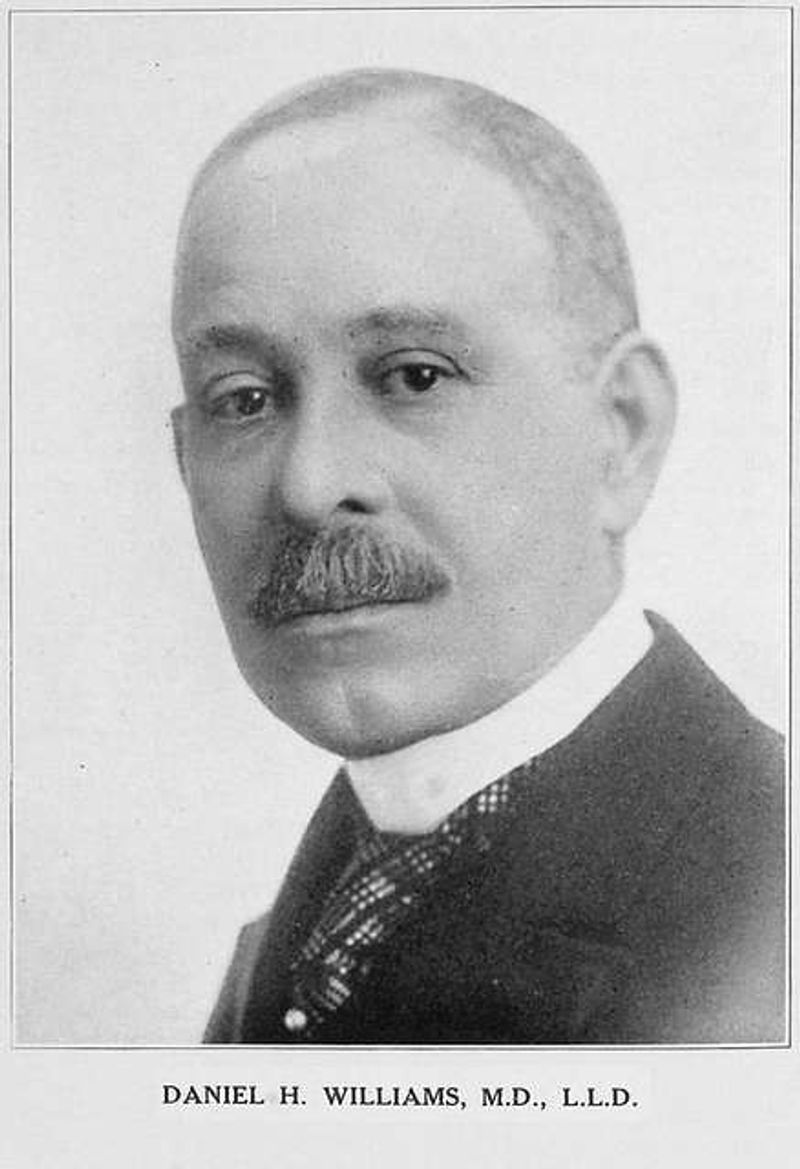
Williams performed one of the first successful open-heart surgeries in 1893, saving a stabbing victim’s life without modern equipment or antibiotics. He founded Provident Hospital in Chicago, the first interracial hospital with a nursing school for Black women.
His surgical techniques and training programs influenced medicine nationwide. Williams believed excellent medical care should be available to everyone regardless of race.
He trained dozens of Black doctors and nurses when most medical schools refused to admit them.
24. Roger Arliner Young
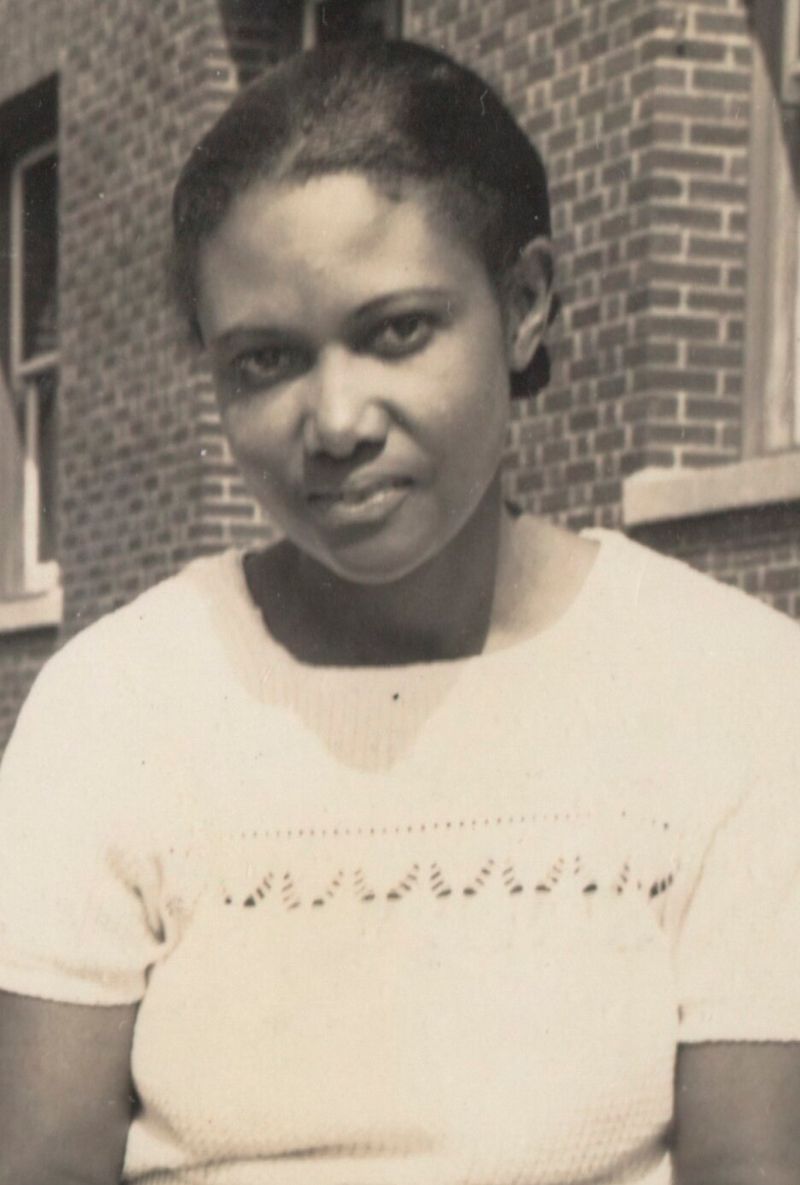
Young became the first African American woman to earn a doctorate in zoology in 1940. Her research focused on how salt concentration affects the structure of sea urchin eggs and paramecium.
She faced enormous obstacles, including poverty and mental health struggles, while pursuing her education. Young published several important papers on marine biology and cell structure.
Despite her challenges, she taught at several historically Black colleges and inspired students to pursue scientific research when few opportunities existed for minorities.



