 Unearth The Voyage
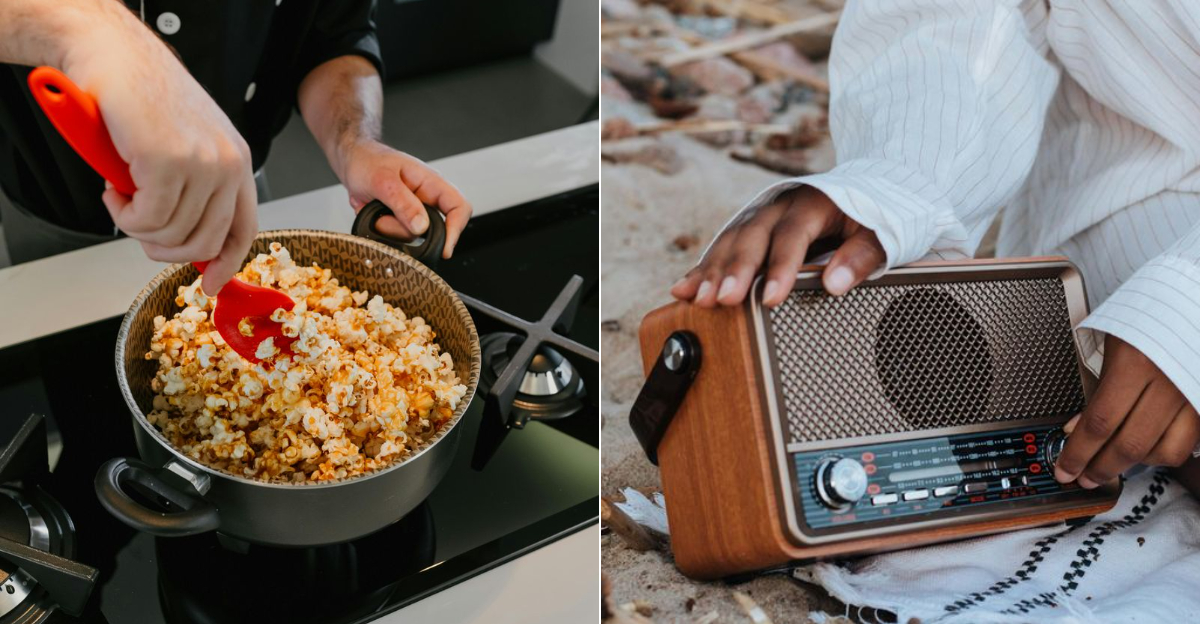
Remember when the day moved a little slower? When simple routines gave life a steady rhythm, and small tasks felt like part of a shared culture?
For many Baby Boomers, everyday life was built around habits that quietly shaped how people connected, learned, shopped, and relaxed.
A lot of those rituals have faded so gradually that most of us barely noticed. They were not flashy, but they made daily life feel more hands-on and personal.
If you have ever wondered what disappeared along the way, you are about to recognize more than a few of these moments.
Here are some classic Baby Boomer habits that used to be normal, and now feel like a different world.
1. Dialing a number on a rotary phone
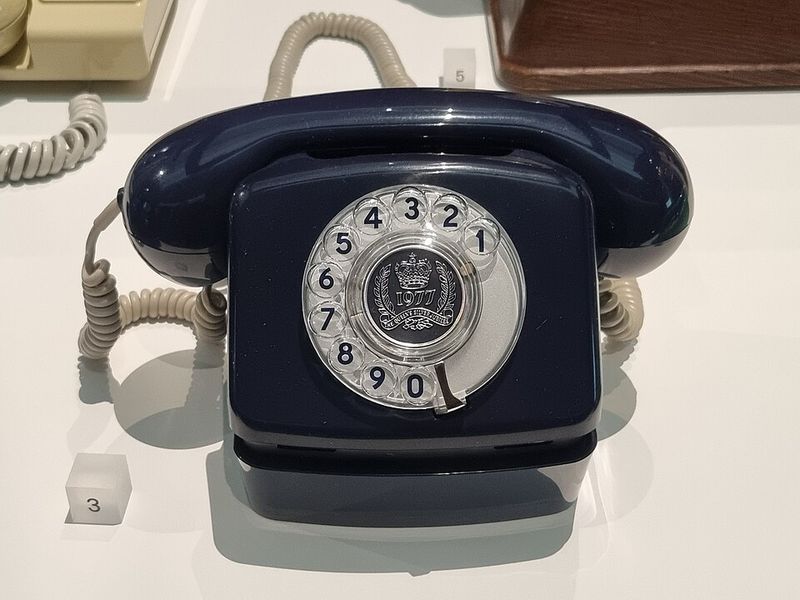
My grandmother’s rotary phone sat on a little table in her hallway, and I remember being fascinated by how satisfying it felt to stick your finger in those holes and drag the dial around. Each number required commitment.
You couldn’t just tap and be done with it.
The physical effort of dialing made every call feel important. Wrong number?
That was seven or ten wasted rotations you’d never get back. Kids today will never know the minor arm workout that came with calling your best friend.
There was something oddly meditative about the whirring sound as the dial spun back into place. You had time to think between digits, maybe even reconsider whether you really wanted to make that call.
Impatience wasn’t an option.
Phone numbers became muscle memory in a completely different way. Your fingers learned the rhythm and distance of each number’s placement.
Dialing your own number felt like second nature, a small dance your hand performed without thinking.
Today’s smartphones complete our sentences and remember every contact. But rotary phones demanded attention, patience, and a certain respect for the act of communication itself.
They taught us that connection required effort, and somehow that made it more meaningful.
2. Paying for everyday purchases with checks
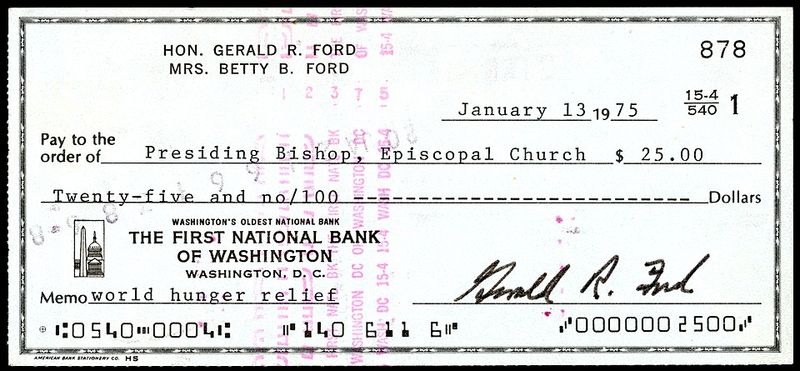
Standing behind someone writing a check at the grocery store used to be a test of patience. They’d wait until every item was scanned, then pull out their checkbook like they had all day.
The rest of us would shift our weight and study the candy bars.
Writing checks was an art form. You had to get the date right, spell out the amount in words, and make sure your signature matched the one on file.
One mistake meant voiding it and starting over.
Balancing your checkbook later meant you actually knew where your money went. Every purchase left a paper trail in your check register.
You couldn’t just swipe mindlessly and hope your account would survive until payday.
Stores would sometimes call a verification service, adding even more time to the transaction. If your check bounced, everyone knew about it.
The embarrassment factor kept most people honest about their account balances.
Checks felt official and grown-up in a way that cash didn’t. Younger generations might never understand the small thrill of writing your first check or the responsibility that came with carrying a checkbook.
Now we tap our phones and the money disappears instantly, no pen required.
3. Balancing a checkbook by hand
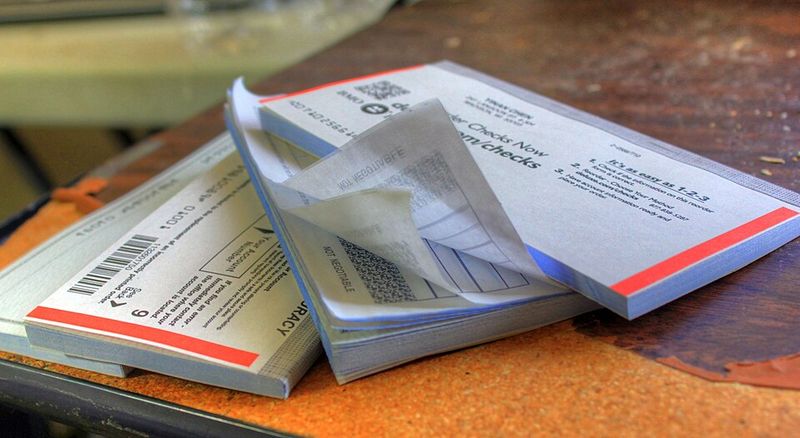
Every month brought the ritual of reconciling your checkbook with your bank statement. You’d spread everything out on the dining room table, armed with a calculator and a sense of dread.
Math was about to become very personal.
The check register was your financial bible. Every deposit, every check written, every ATM withdrawal got recorded in those tiny columns.
Your running balance told you exactly how broke or comfortable you were at any given moment.
Finding a discrepancy meant detective work. You’d go through every transaction, checking your math multiple times.
Was it the bank’s error or yours? Usually yours, but admitting that took some soul-searching.
There was genuine satisfaction when everything balanced perfectly. That moment when your calculated balance matched the bank’s statement felt like winning a small victory.
You’d done your financial homework and passed.
Online banking killed this habit faster than almost anything else on this list. Now algorithms do the math instantly, and most people couldn’t tell you their exact account balance without checking their phone.
We gained convenience but lost that intimate knowledge of exactly where every dollar went and why it mattered.
4. Hanging laundry outside on a clothesline
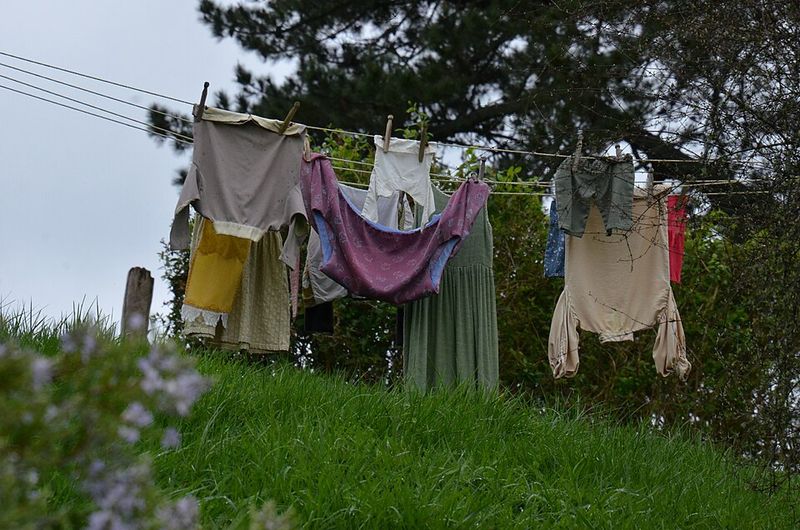
Sheets dried outside smelled like sunshine and fresh air in a way no dryer sheet could ever replicate. My mom swore by her clothesline, and Monday mornings meant the backyard transformed into a flapping gallery of our entire wardrobe.
Hanging laundry was strategic. Heavy items like jeans went on the sturdiest part of the line.
Delicates needed careful pinning to avoid stretching. Weather forecasts actually mattered because rain could ruin an entire morning’s work.
Neighbors could basically inventory your underwear situation if they were nosy enough. Privacy wasn’t really part of the equation.
Everyone’s laundry hung out there for the world to see, literally airing the family’s dirty laundry after it got clean.
The physical labor involved was real. Hauling a heavy basket outside, reaching up to pin each item, then taking it all down later built actual arm strength.
Plus, clothes dried stiff as cardboard and needed a good shake before folding.
Dryers offered convenience that couldn’t be beat, especially in winter or rainy climates. But something got lost when we stopped hanging clothes outside.
That connection to weather, seasons, and the simple satisfaction of free solar-powered drying disappeared into our climate-controlled homes.
5. Ironing everything, not just dress clothes
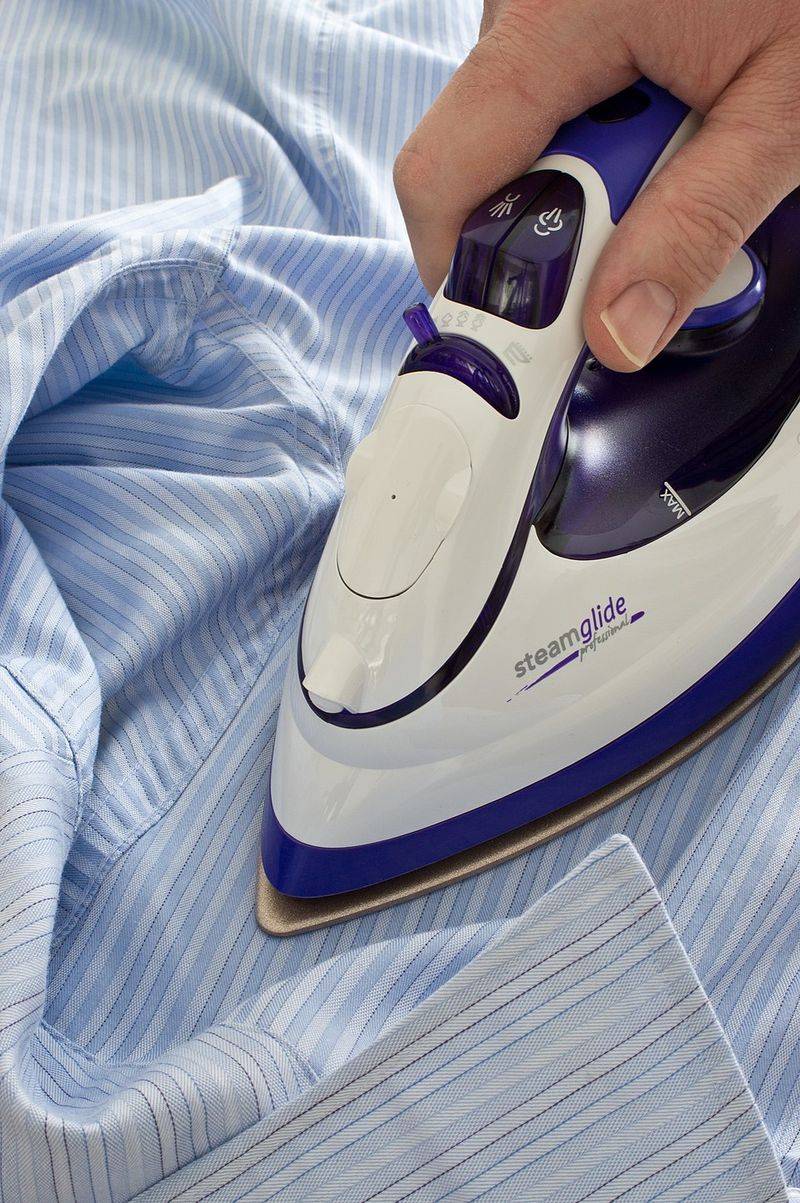
Wrinkled sheets were apparently unacceptable to an entire generation. My mother ironed pillowcases.
Pillowcases! The things you put your face on while sleeping, completely hidden under your head, got the full iron treatment.
Tuesday was ironing day in many households. The ironing board came out and stayed out for hours.
Everything from tablecloths to dish towels got pressed into submission. Wrinkles were the enemy, and the iron was the weapon of choice.
Men’s cotton shirts required serious skill. Getting those collars crisp and the sleeves just right was an art form.
Some women could iron a dress shirt in under three minutes flat, moving with practiced efficiency that came from years of repetition.
The iron itself was a beast. Heavy, hot, and dangerous if you weren’t careful.
Ironing burns were a common kitchen injury. You learned quickly to respect that metal plate and the steam it produced.
Permanent press fabrics changed everything. Suddenly clothes came out of the dryer relatively smooth, and the younger generations decided that slightly rumpled was an acceptable lifestyle choice.
Now most people only iron for job interviews or weddings, if that. The weekly ironing marathon has gone the way of the dinosaurs, and honestly, nobody misses it.
6. Typing on a manual typewriter (no backspace!)
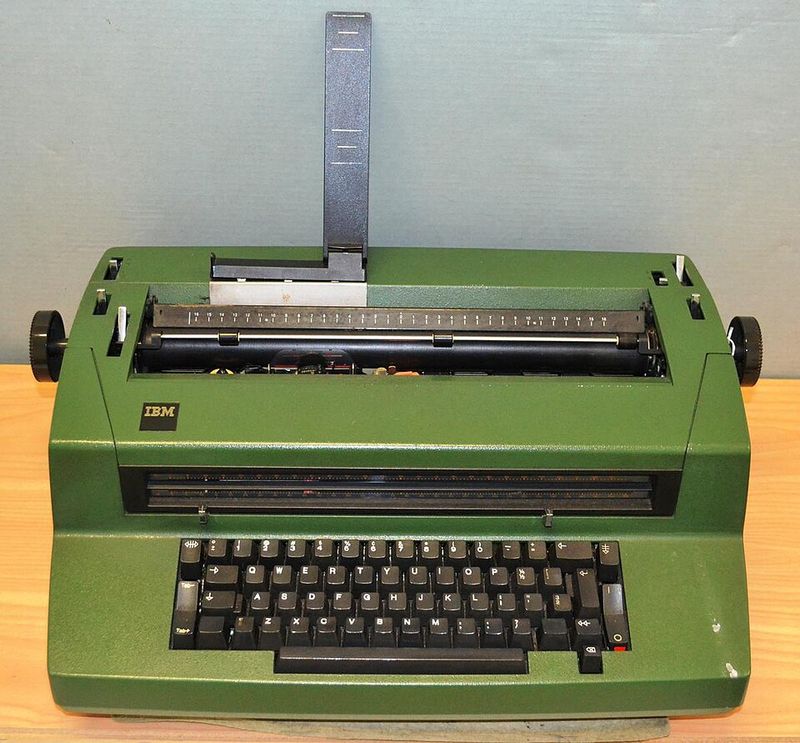
Mistakes on a typewriter were permanent unless you had correction tape or white-out handy. Every keystroke required intention because there was no undo button.
You thought before you typed, and you typed carefully.
The physical force needed to press those keys gave your fingers a workout. Touch-typing wasn’t just a skill; it was a necessity.
Pecking with two fingers would take forever and tire you out quickly.
The sound of typing filled offices and homes with a rhythmic clacking that became background music. When someone was really on a roll, the machine-gun pace of the keys was almost musical.
Then came the satisfying ding and whoosh of the carriage return.
Carbon paper let you make copies, but it was messy and imperfect. Want five copies?
You’d better have strong fingers because pressing through all those layers required real force. The bottom copy was always lighter and harder to read.
Typewriters demanded respect and skill in equal measure. Secretaries were valued professionals who could type accurately at high speeds.
Now we have spell-check, autocorrect, and the ability to revise endlessly. Writing became easier, but something about the deliberateness of typewriter composition made every word count more.
7. Rewinding VHS tapes after watching
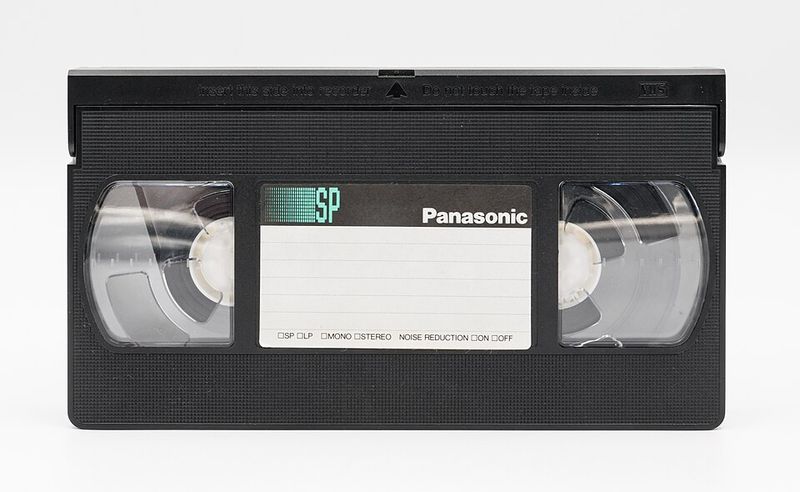
Video rental stores had signs everywhere begging customers to rewind their tapes before returning them. Some even charged rewind fees if you brought back a tape at the end.
The struggle was real, and apparently lots of people were rebels who refused to comply.
Rewinding took time, and you could hear the tape whirring inside the VCR as it spooled backward. Impatient people bought separate rewinders that were supposedly faster.
These devices existed solely to rewind tapes, which seems absurd now but made perfect sense then.
Forgetting to rewind meant the next person who popped in the tape got instant spoilers. They’d see the end credits first, which was its own special kind of annoying.
Common courtesy meant rewinding, but not everyone got that memo.
The tape itself could get damaged if you weren’t careful. Fast-forwarding and rewinding too much stretched the film or caused it to tangle inside the cassette.
A mangled tape was basically garbage, and you’d lost whatever movie or recorded TV show was on there forever.
Streaming killed VHS tapes and all their quirks. Now movies start instantly at the beginning, every single time, with no rewinding required.
We saved time but lost that anticipation as the tape rewound and you waited to watch your movie again.
8. Manually defrosting the freezer
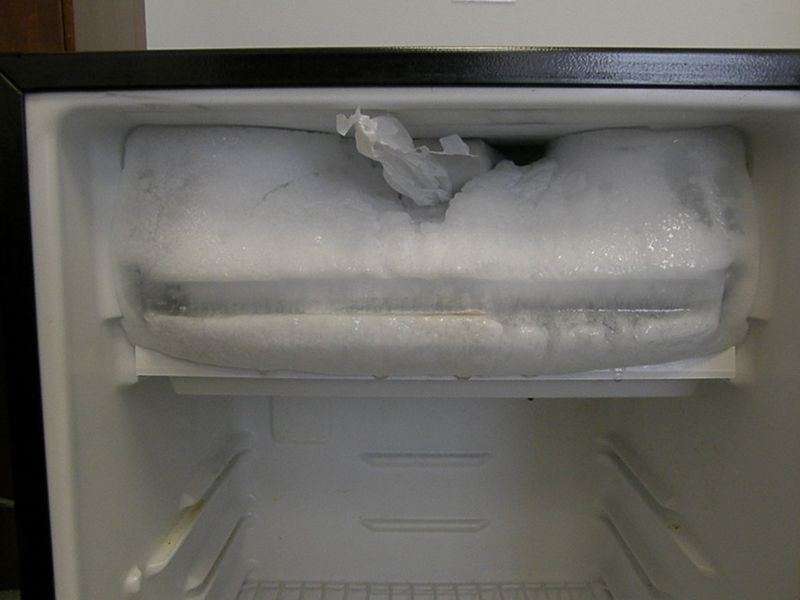
Frost would build up inside freezers like an arctic cave system. Eventually, the ice got so thick you could barely close the door.
That’s when defrosting day arrived, and everyone in the house knew it would be a production.
First, you emptied everything out and found coolers or boxes to keep food cold. Then you turned off the freezer and opened the door wide.
Towels went on the floor to catch the melting ice, and you just waited.
Impatient people used hair dryers or put pots of hot water inside to speed things up. Others chipped away at the ice with butter knives or scrapers, risking damage to the freezer walls.
It was tedious, wet work that nobody enjoyed.
The whole process took hours. You’d check periodically, empty the towels, and wait some more.
Meanwhile, your frozen food was slowly thawing, creating a race against time and spoilage.
Frost-free freezers were a genuine miracle of modern appliance engineering. They automatically prevent ice buildup, so defrosting became a thing of the past.
Younger folks have no idea how good they have it, never having to chip ice out of their freezer on a Saturday afternoon while their ice cream turns to soup.
9. Adjusting a TV antenna to get a clear picture
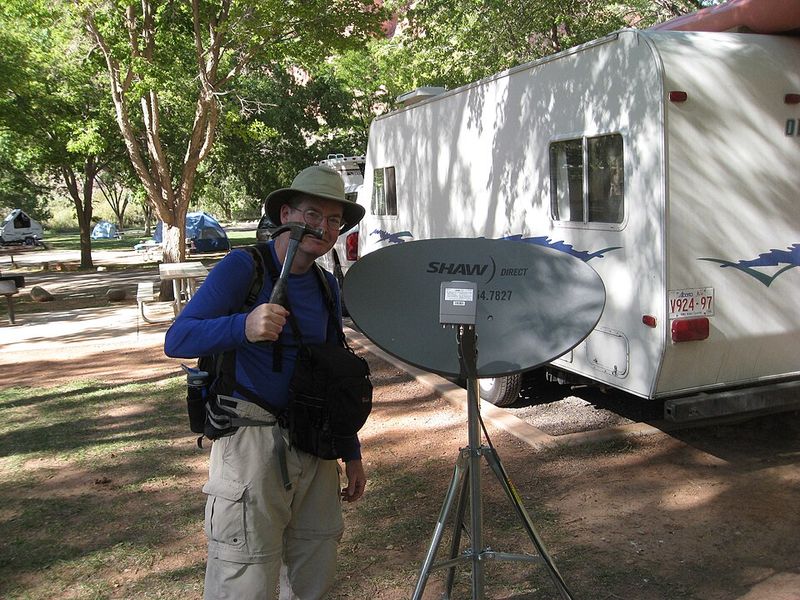
Getting a clear picture on your TV sometimes required someone to stand outside holding the antenna while someone else yelled directions from inside. Rotate it left.
No, the other left. Hold it right there.
Don’t move!
Indoor rabbit ears had their own special kind of frustration. You’d adjust them endlessly, sometimes wrapping aluminum foil around the tips for better reception.
The perfect position was always precarious, and walking past the TV could mess everything up.
Weather affected reception in ways that made no sense. A clear day might give you perfect channels, but then clouds rolled in and everything went snowy.
You learned to live with a little static during your favorite shows.
Some channels came in crystal clear while others were unwatchable. You might get channels two, four, and seven perfectly but channel nine was nothing but ghosts and snow.
Geography and antenna placement determined your viewing options more than any subscription service.
Cable TV eliminated antenna adjustments and gave everyone clear reception on dozens of channels. Then satellite and streaming made even cable seem old-fashioned.
Now picture quality is a given, and younger viewers can’t imagine a time when watching TV required constant physical adjustments and compromise with fuzzy reception.
10. Waiting days for film photos to be developed
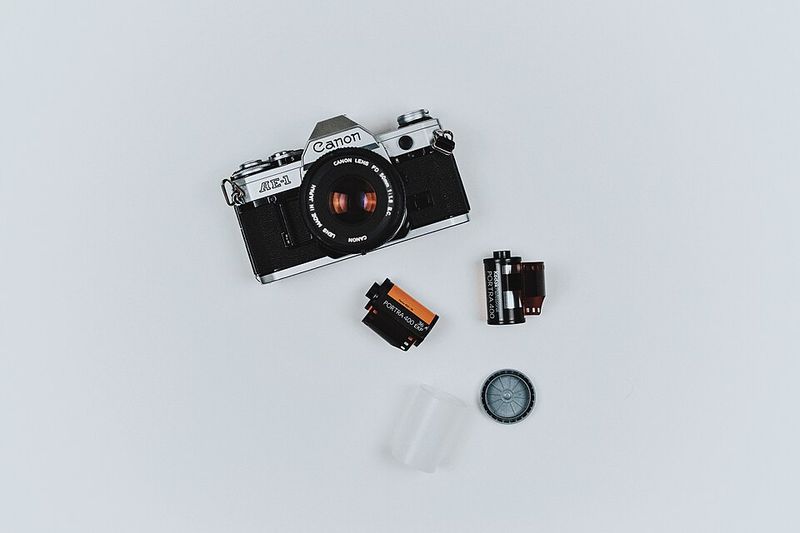
You took a whole roll of pictures without seeing a single one. Twenty-four or thirty-six shots of birthday parties, vacations, or random moments, all trapped in a plastic canister until you finished the roll and took it somewhere to be developed.
Dropping off film meant waiting. One-hour photo was considered fast, but most places took days or even a week.
You’d get a little receipt and return later, hoping the photos turned out okay.
Opening that envelope of prints was always exciting and sometimes disappointing. Half the shots might be blurry, overexposed, or feature someone’s thumb over the lens.
But you paid for all of them anyway, even the disasters.
Bad photos still got kept in the envelope or stuck in albums. You didn’t just delete them like we do now.
That blurry shot of your cousin with red-eye and the top of her head cut off? Into the album it went, because film and developing cost money.
Digital cameras and smartphones killed the wait and the mystery. Now we see photos instantly, delete the bad ones immediately, and take hundreds without thinking twice.
We gained convenience and lost that anticipation of waiting to see if we’d captured the moment or completely botched it.
11. Hand-washing dishes as the daily default
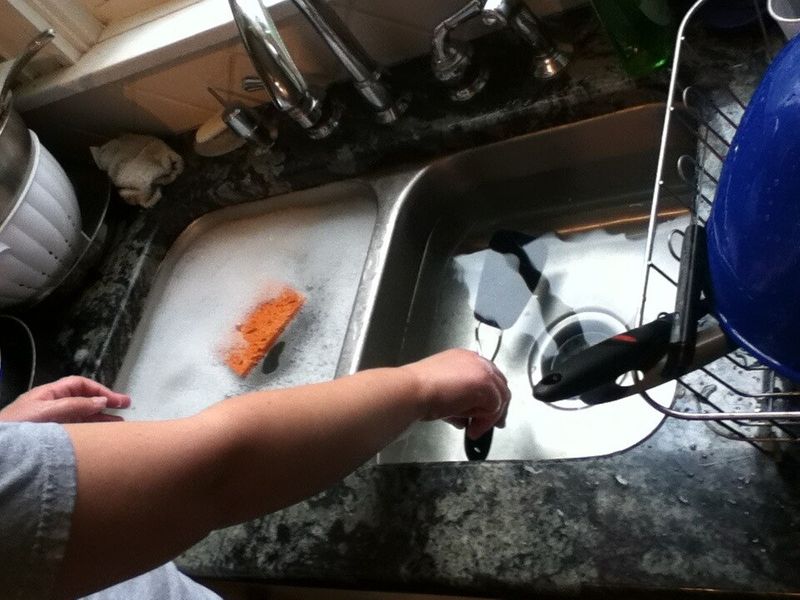
After every meal, someone stood at the sink washing dishes while someone else dried. It was a team effort and a daily ritual that couldn’t be avoided.
Dirty dishes didn’t magically clean themselves, so you rolled up your sleeves and got to work.
Hot water, dish soap, and elbow grease were your tools. Scrubbing stuck-on food required actual effort.
Some pots and pans needed soaking overnight before you could even attempt to clean them properly.
The dish rack held everything as it air-dried, creating a precarious tower of clean plates, bowls, and glasses. Knocking it over was a disaster.
Water pooled underneath, and someone always forgot to empty the drip tray.
Dishpan hands were real. Spending time with your hands in hot soapy water dried out your skin and made it wrinkly.
Rubber gloves helped, but not everyone bothered with them. Hand lotion became a necessity, not a luxury.
Dishwashers changed everything, though Boomers were often the first generation to have them. Still, many continued hand-washing out of habit or because they didn’t trust the machine to get things truly clean.
Now most people only hand-wash the occasional large pot, and standing at the sink scrubbing dishes for thirty minutes after dinner seems like ancient history.
12. Making popcorn on the stove for movie night
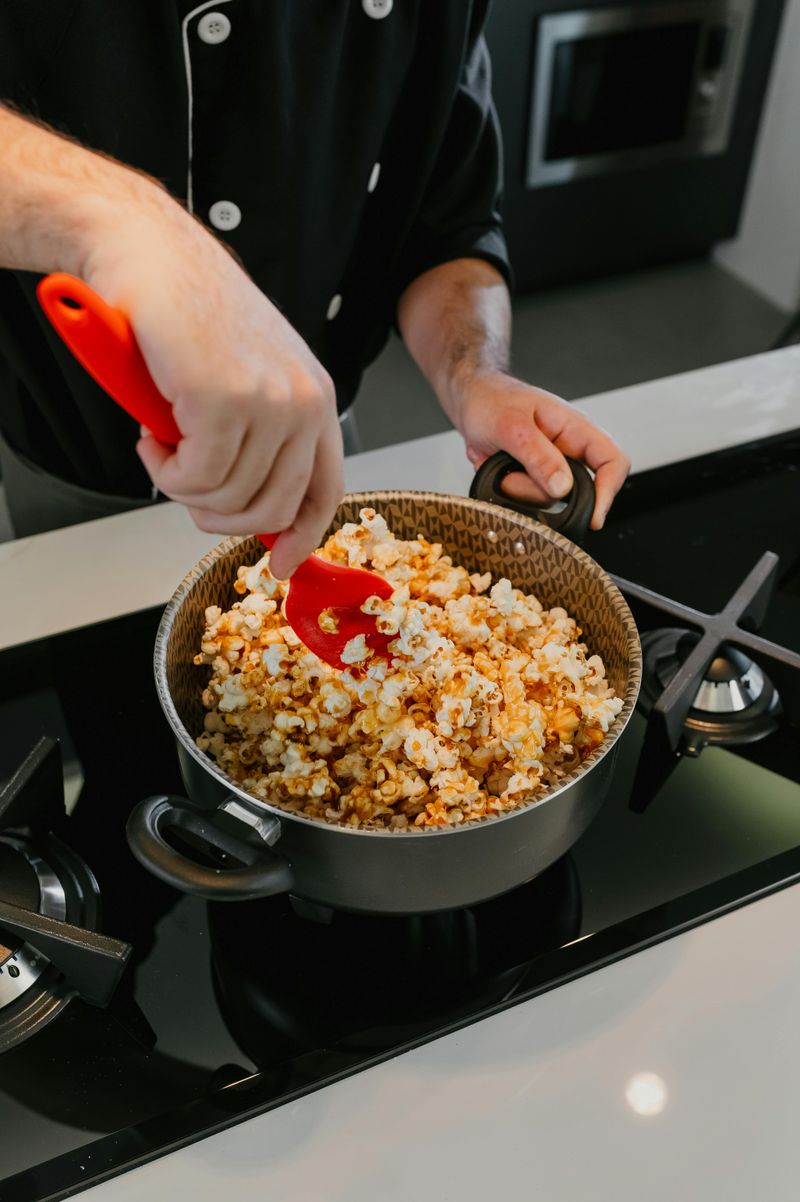
Jiffy Pop was a miracle in a foil pan. You’d shake it over the burner and watch the foil dome expand as the kernels popped inside.
The whole kitchen smelled like butter and salt, and timing it perfectly so nothing burned required attention.
Regular stovetop popcorn meant heating oil in a big pot, adding kernels, and covering it with a lid. Then came the waiting and the first tentative pops.
Soon the pace picked up into a rapid-fire crescendo of popping.
Shaking the pot kept kernels from burning on the bottom. Stop shaking and you’d smell the burn within seconds.
The timing between removing it from heat and letting the last kernels pop was an art form learned through trial and error.
Burnt popcorn was a tragedy. The whole batch tasted scorched, and the smell lingered in the house for hours.
You’d open windows and feel guilty about wasting perfectly good kernels because you got distracted for thirty seconds.
Microwave popcorn made everything easier but somehow less special. Air poppers came and went.
Now most people just buy pre-popped bags at the store. The ritual of making popcorn from scratch on the stove, with all its risks and rewards, became another casualty of convenience culture.
13. Memorizing phone numbers instead of saving contacts
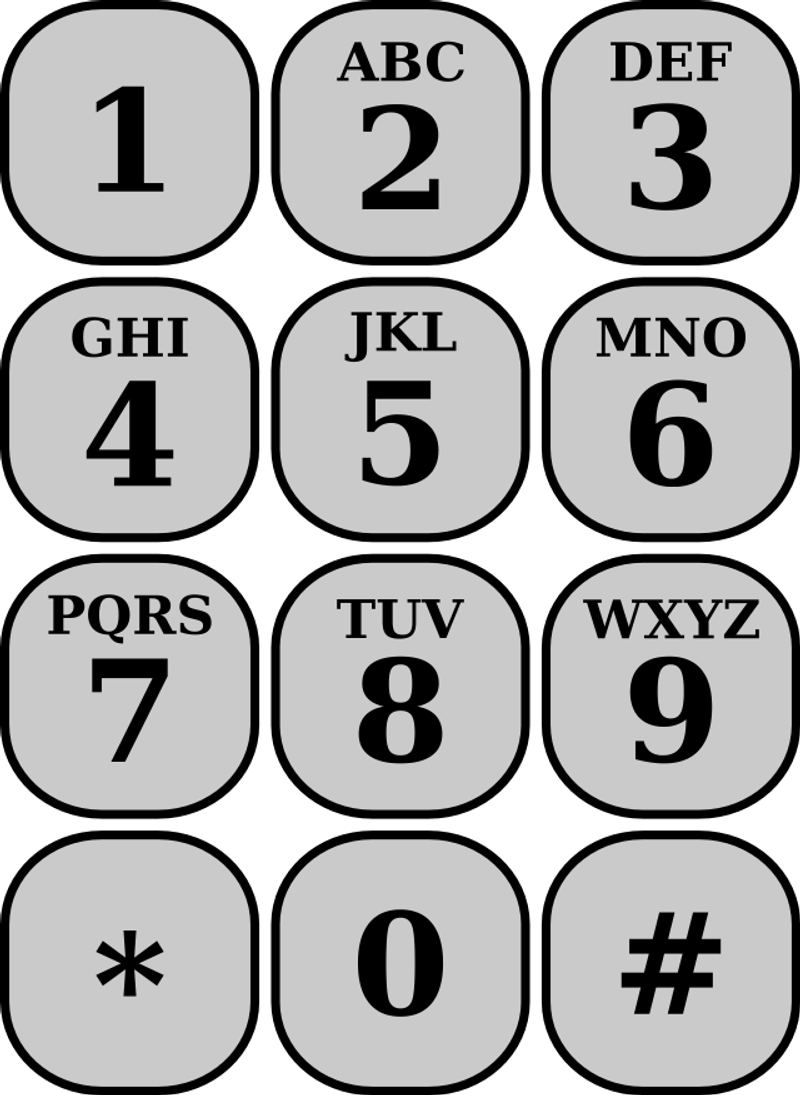
Everyone knew at least a dozen phone numbers by heart. Your best friend, your parents’ work numbers, your grandparents, the pizza place.
These numbers lived in your brain, taking up mental real estate that’s now occupied by passwords and streaming service logins.
Calling someone meant actually remembering their number or looking it up in a phone book. There was no scrolling through contacts or asking Siri to call Mom.
Your memory was your contact list, and it worked surprisingly well.
Kids today don’t even know their parents’ cell numbers. Why would they?
The phone does all the remembering. But there was something empowering about carrying those numbers in your head, being able to make a call from any phone anywhere.
Forgetting a number meant real inconvenience. You’d have to call directory assistance or look it up when you got home.
Some people kept little address books in their purses or wallets with important numbers written down as backup.
Speed dial was revolutionary when it arrived, letting you program frequently called numbers into your phone. But even that required knowing the numbers first.
Now our phones remember everything, and our brains have been freed up to forget. Whether that’s progress or laziness depends on who you ask.
14. Navigating road trips with a road atlas
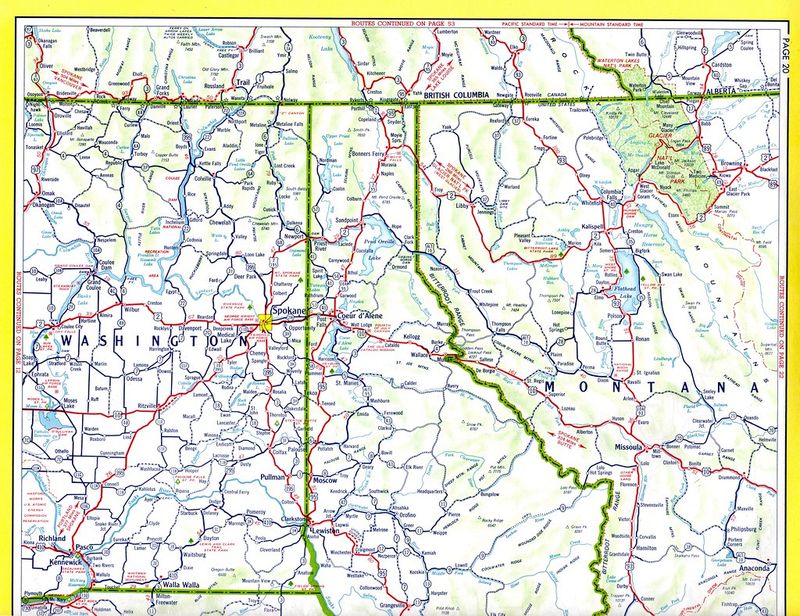
The road atlas lived in the car’s glove compartment or side pocket, pages worn from constant use and refolding. Planning a trip meant studying maps before leaving, highlighting your route, and hoping you didn’t miss a turn.
Reading maps while driving was a two-person job. The driver drove, and the navigator navigated.
Arguments about whether to turn left or right were common, and getting lost was just part of the adventure.
Missing your exit meant real consequences. You couldn’t just reroute instantly.
You’d have to find the next exit, turn around, and backtrack. Sometimes that added an hour to your trip, and everyone in the car would be grumpy about it.
Gas station attendants got asked for directions constantly. People would pull over, unfold their massive map, and ask locals how to get back on track.
Handwritten directions on napkins were surprisingly common and sometimes surprisingly helpful.
GPS changed everything overnight. Suddenly a calm voice told you exactly when to turn, rerouted you instantly if you went wrong, and showed you where traffic jams were ahead.
Maps became decorative nostalgia items. The skill of reading them and the adventure of occasionally getting lost became things older folks reminisce about to eye-rolls from younger generations.
15. Writing letters by hand (and mailing them)
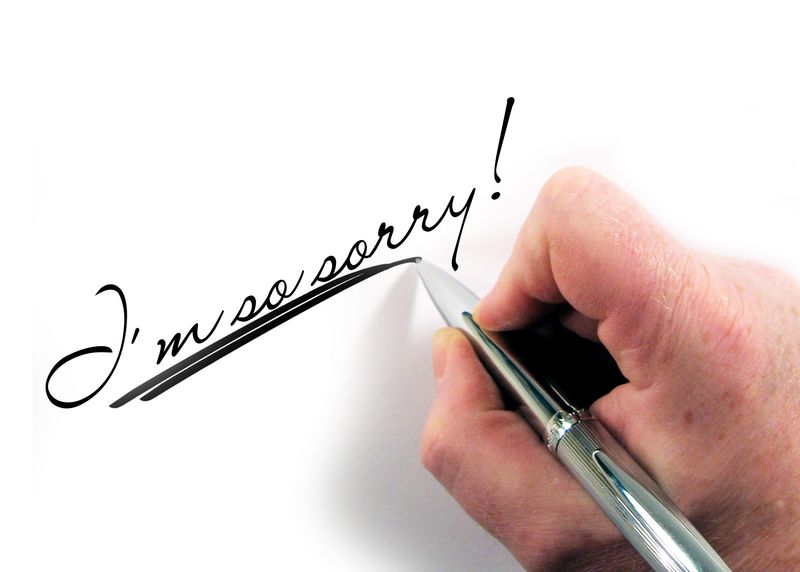
Receiving a handwritten letter in the mail felt special in a way that emails never will. Someone took time to sit down, think about what they wanted to say, and physically write it out.
Then they addressed an envelope, found a stamp, and walked to a mailbox.
Writing letters required planning. You couldn’t just delete and start over like with texts.
Mistakes meant crossing things out or starting fresh with a new piece of paper. Your handwriting mattered because someone had to read it.
Waiting for a response took weeks sometimes. You’d send a letter and then check the mailbox daily, hoping for a reply.
Pen pals across the country or world would exchange letters for years, building friendships through patient correspondence.
Letters were keepsakes. People saved them in shoeboxes or tied them with ribbons.
Reading old letters years later brought back memories in a tangible way that scrolling through old texts just doesn’t match. The paper, the handwriting, even the smell connected you to that moment.
Email killed letter writing almost instantly because it was faster and easier. Then texting made even email seem slow.
We communicate more now but somehow connect less. The art of letter writing, with all its deliberateness and permanence, became another lost skill of a slower era.
16. Using payphones when you needed to call home
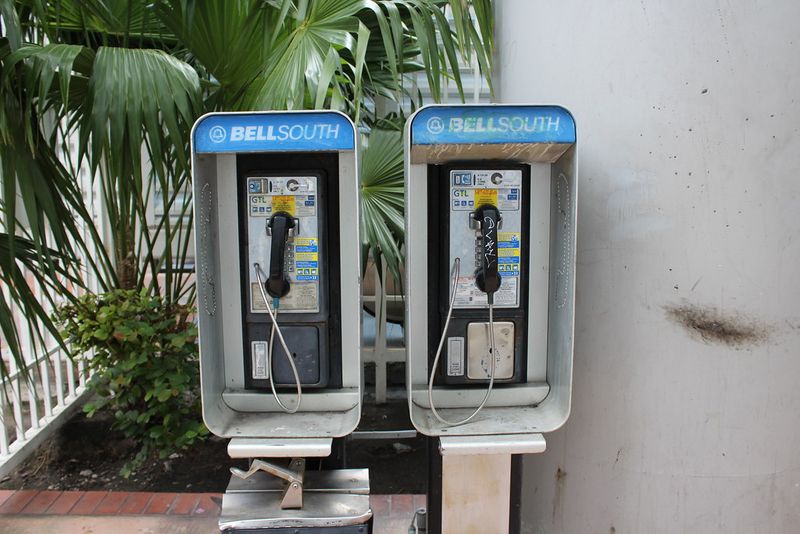
Payphones stood on street corners and in every public building. They cost a quarter or maybe thirty-five cents, and you’d better have exact change.
Running out of coins mid-conversation meant the call cut off, and you’d have to scramble for more quarters.
Calling collect was an option if you had no money. The operator would ask your name, then the person answering could accept the charges.
Kids developed elaborate systems of saying their message in the name part so their parents knew to pick them up without accepting charges.
Phone booths offered minimal privacy. You’d stand there having a conversation while strangers walked past or waited impatiently for their turn.
Background noise was just part of the deal. Everyone could hear your business whether you wanted them to or not.
Finding a working payphone was sometimes a challenge. Vandalism and neglect meant many were broken, the receivers missing or the coin slots jammed.
You’d try several before finding one that actually worked and had a dial tone.
Cell phones made payphones obsolete almost overnight. Now they’re historical artifacts, occasionally spotted in old buildings or photographed as quirky relics.
Younger people see them in movies and wonder how anyone survived without being constantly reachable. The answer is we did just fine, though admittedly with less convenience.
17. Reading the newspaper every morning
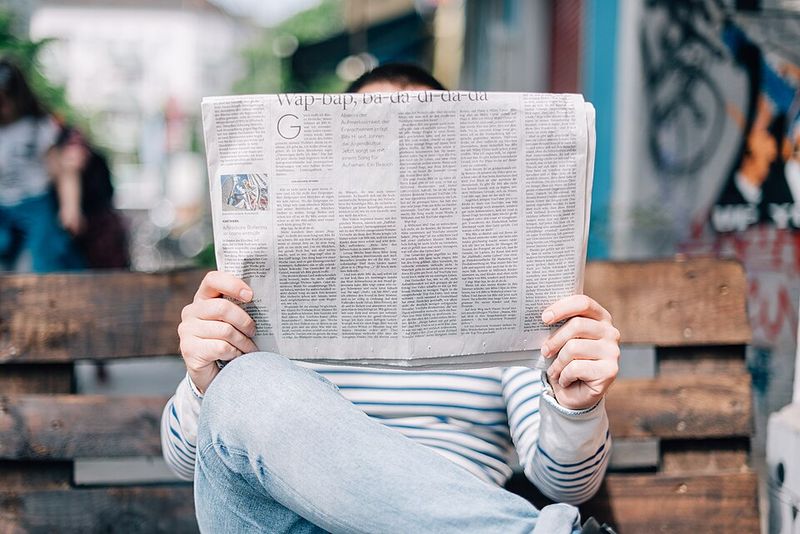
The morning paper arrived with a thud on your doorstep before dawn. Retrieving it in your bathrobe became a daily ritual.
You’d settle in with coffee and read the news while eating breakfast, ink sometimes rubbing off on your fingers.
Newspapers were comprehensive. You got local news, national news, sports, comics, and classified ads all in one package.
Reading the paper took time, but it was how people stayed informed about the world beyond their immediate surroundings.
The Sunday paper was especially thick, stuffed with ads, coupons, and special sections. Families would divide it up, each person claiming their favorite parts.
Dad got sports, Mom got the main section, kids fought over the comics.
Recycling newspapers was a constant chore. They piled up quickly, and bundling old papers with string for recycling day was a weekly task.
Some people saved articles by clipping them out, creating their own physical archives of interesting stories.
Online news killed newspaper subscriptions for most people. Why pay for paper when you can get news instantly on your phone for free?
Newsrooms closed, papers folded, and a whole industry changed forever. The ritual of sitting down with a physical newspaper, turning pages and discovering stories, became an old-fashioned luxury rather than a daily necessity.
18. Listening to the radio for school-closure announcements
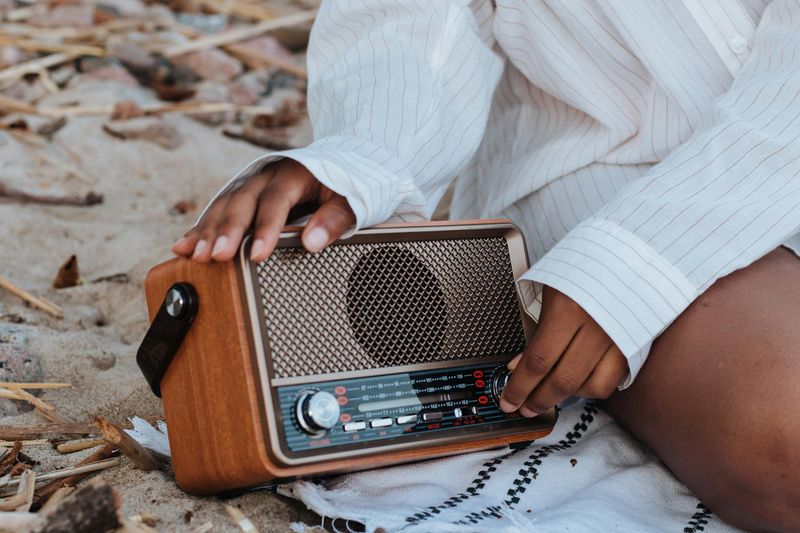
Snow days meant huddling near the radio early in the morning, listening to an announcer slowly read through a list of school closures. Your district’s name could come up anytime, so you had to pay attention or risk missing it.
The anticipation was intense. Each school name that wasn’t yours felt like a small defeat.
Then finally you’d hear it, and joy would erupt. No school!
Back to bed or out to play in the snow!
Some radio stations repeated the list, but if you missed your announcement, you had to wait through all the other schools again. Or you’d call the school directly, but phone lines were often busy with other anxious families doing the same thing.
TV stations crawled closures across the bottom of the screen too, but radio was faster and more reliable. You could have it on in the background while getting ready, just in case.
Morning routines revolved around that broadcast during winter months.
Now schools send automated calls, texts, and emails. Kids find out about closures through apps and social media.
The ritual of gathering around the radio, hoping to hear your school’s name and celebrate an unexpected day off, became another casualty of instant digital communication. Efficient, yes.
But way less exciting.
19. Canning fruits and vegetables to preserve the harvest
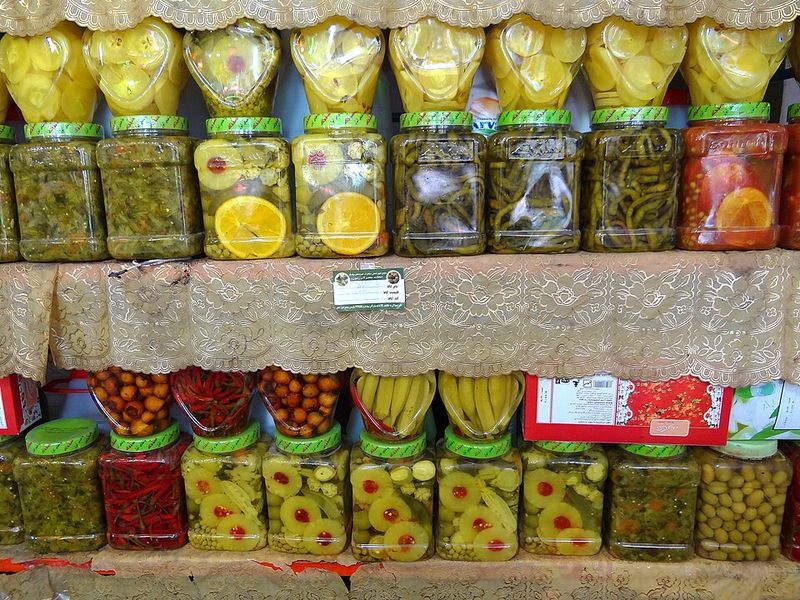
Late summer meant canning season. Kitchens transformed into hot, steamy production facilities where bushels of tomatoes, peaches, or green beans got processed into jars for winter eating.
It was hot, exhausting work that took all day.
Sterilizing jars, preparing produce, and processing everything in boiling water baths required knowledge and timing. Recipes got passed down through generations.
Doing it wrong meant spoiled food or even food poisoning, so precision mattered.
The reward was shelves lined with colorful jars in the basement or pantry. Each jar represented hours of labor but also food security and the satisfaction of self-sufficiency.
Opening a jar of home-canned peaches in January tasted like summer preserved.
Canning was often a social activity. Women would gather and work together, making the process faster and more enjoyable.
Stories were shared, recipes exchanged, and community bonds strengthened over bushels of produce and boiling pots.
Grocery stores with year-round fresh produce made canning seem unnecessary to younger generations. Why spend hours canning tomatoes when you can buy them anytime?
The skills and traditions faded as convenience won out. Some people still can, but it’s become a hipster hobby rather than a necessity, practiced by people seeking connection to the past.
20. Making mix tapes the hard way
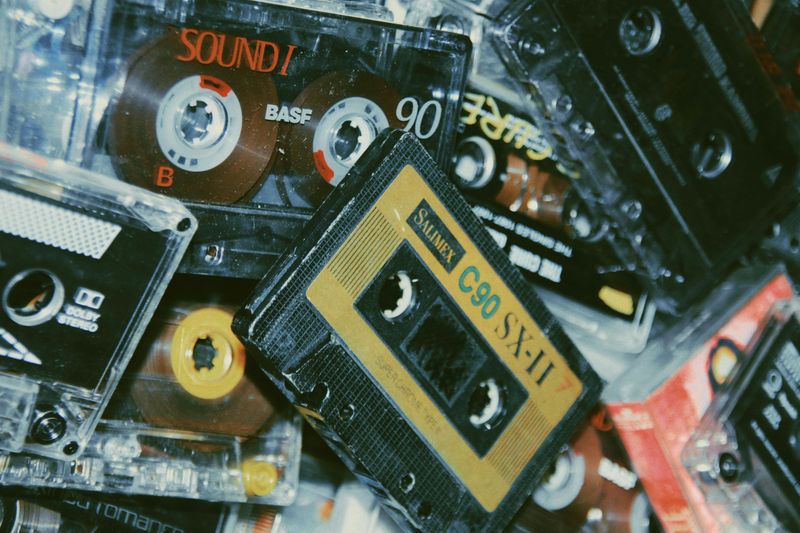
Creating the perfect mix tape was an act of love and patience. You’d sit by the radio with your finger on the record button, waiting for your favorite song to play.
Miss the beginning or catch the DJ talking over it? Start over and wait for it to play again.
Recording from other tapes or CDs required timing and attention. You had to manually press record at the right moment and stop it before the next track started.
Silence between songs needed to be just right, not too long or too short.
Decorating the tape case and writing out the track list was part of the art. Some people created elaborate covers and carefully ordered songs to tell a story or set a mood.
A well-made mix tape was a personal gift that showed real effort.
Tape quality mattered. Cheap blanks sounded terrible and sometimes got eaten by the player.
You learned which brands were reliable and worth the extra dollar or two. Protecting your mix tapes from heat and magnetic fields became second nature.
Digital playlists are easier in every way. Drag, drop, done.
But they lack the soul and effort of mix tapes. Nobody’s going to treasure a Spotify playlist the way people kept mix tapes from old relationships and friendships for decades afterward.
21. Sewing or mending clothes instead of replacing them
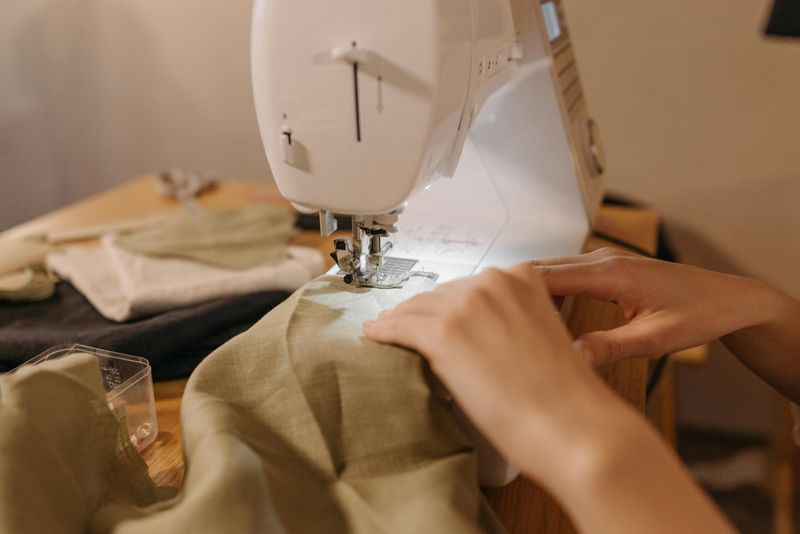
A torn shirt didn’t mean throwing it away. It meant getting out the sewing kit and fixing it.
Buttons fell off and got sewn back on. Hems came loose and got re-stitched.
Clothes were investments that deserved repair, not disposable items.
Most people knew basic sewing skills. Home economics classes taught everyone how to thread a needle, sew on a button, and fix simple tears.
These weren’t special talents but basic life skills everyone was expected to have.
Sewing machines were common household items, not craft supplies. Making your own clothes or altering store-bought items was normal.
Hemming pants yourself saved money and ensured a perfect fit. Custom clothing was within reach of regular people, not just the wealthy.
Darning socks was an actual thing people did regularly. Holes in the heel or toe got carefully woven back together with matching thread.
Socks lasted years instead of months because people took time to maintain them properly.
Fast fashion killed mending culture. Clothes got so cheap that replacing them cost less than the time to fix them.
Sewing became a hobby rather than a necessity. Now most people can’t sew on a button and don’t see any reason to learn.
The connection between clothing and craftsmanship dissolved into a disposable culture of constant replacement.
22. Changing the TV channel by hand
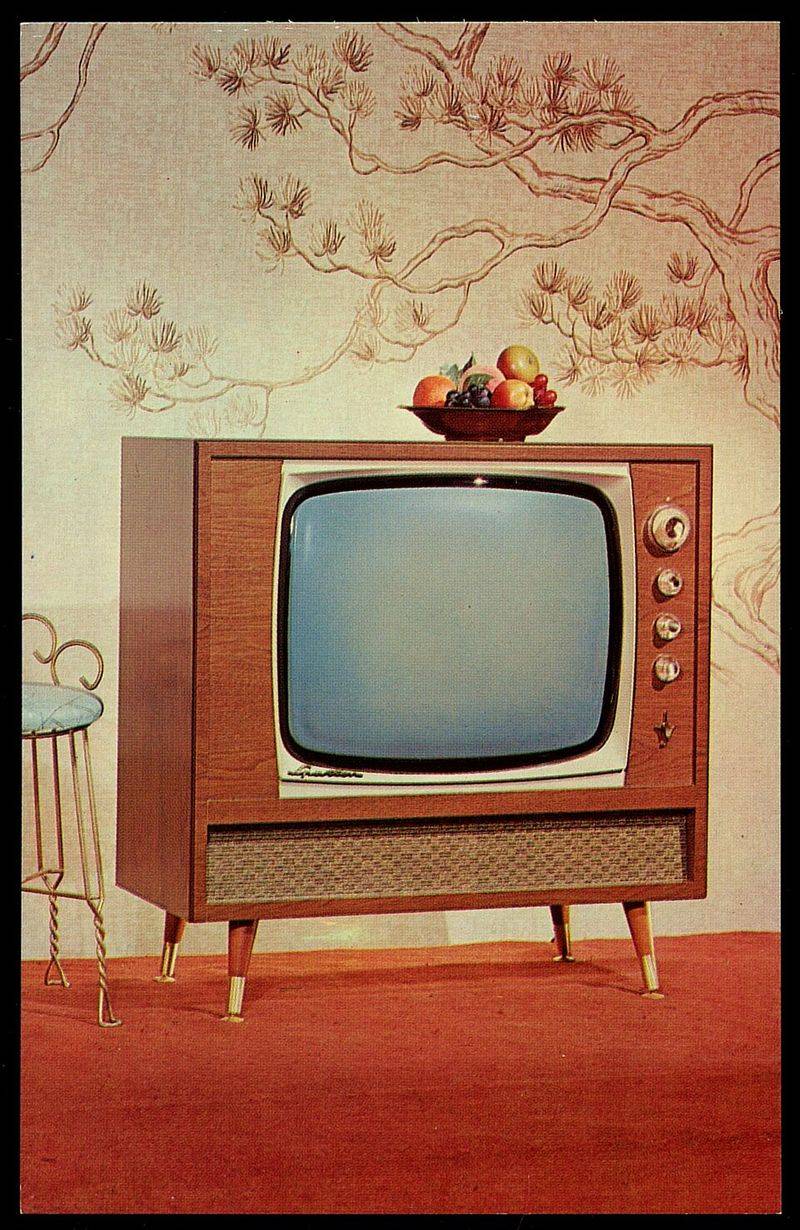
Getting up to change the channel was just part of watching TV. The dial clicked satisfyingly as you rotated through channels, and sometimes you had to jiggle it to get a station to come in clearly.
Fine-tuning was a real skill.
Being the youngest person in the room often meant you were the designated channel changer. Adults would bark orders from the couch, and you’d get up repeatedly to adjust things.
It was basically being a human remote control.
Channel surfing meant commitment. You couldn’t rapidly flip through dozens of options.
You’d turn the dial, watch for a minute, decide if it was worth watching, then get up and change it again if not. Choosing what to watch required more patience.
Some TVs had buttons instead of dials, which felt futuristic at the time. Push-button channel changing was considered fancy and modern.
Either way, you still had to get up and walk over there to make it happen.
Remote controls changed television forever. Suddenly you could channel surf from the couch, flipping endlessly without moving.
Batteries became a household necessity. The remote itself became a source of family arguments about who controlled it.
But at least nobody had to get up anymore, which was apparently worth all the fighting.
23. Using carbon paper to make duplicates
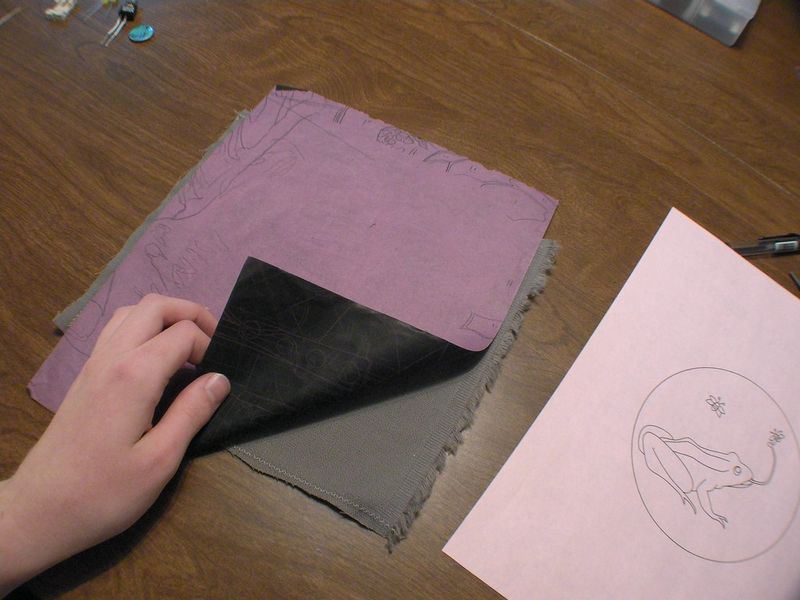
Carbon paper was a miracle of old technology. You’d sandwich it between two sheets of regular paper, and whatever you typed or wrote on the top sheet would transfer to the bottom.
Instant copies without any machines or electricity required.
The paper itself was messy. It left dark smudges on your hands and sometimes on the documents if you weren’t careful.
The carbon side had to face down, or you’d end up with backwards writing and a ruined original.
Making multiple copies meant using multiple sheets of carbon paper. Each additional layer made the typing harder because you had to press through more paper.
The bottom copy was always lighter and fuzzier than the top one.
Mistakes were especially problematic with carbon paper. You couldn’t just white-out the error on one copy.
You had to correct each sheet individually, which was tedious and time-consuming. Accuracy became even more important when carbons were involved.
Photocopiers and printers made carbon paper obsolete almost overnight. Why struggle with messy carbon sheets when you could make perfect copies at the push of a button?
The skill of aligning carbon paper correctly and managing multiple copies became irrelevant. Younger generations have probably never even seen carbon paper, let alone used it.
24. Reheating food on the stove instead of the microwave

Leftovers meant pulling out a pot or pan and reheating everything on the stove. You couldn’t just pop a plate in the microwave for two minutes.
Reheating required attention, stirring, and time. Food could burn if you wandered off or got distracted.
Different foods needed different approaches. Liquids went in pots.
Solid foods got reheated in pans with a little oil or butter. Everything took at least ten minutes, often longer.
Planning ahead was necessary because dinner wasn’t happening quickly.
Stovetop reheating actually improved some foods. Fried foods got crispy again instead of soggy.
Sauces could be thinned with a little water or milk. You could adjust and improve as you reheated, turning leftovers into something almost as good as the original meal.
Cleaning was more involved too. Reheating meant dirtying pots and pans, which then needed washing.
The convenience of microwaving food on the same plate you’ll eat from didn’t exist. Every reheated meal created dishes that someone had to clean.
Microwaves revolutionized leftover culture. Suddenly reheating took minutes instead of a quarter-hour, and cleanup was minimal.
Speed won over quality for most people. The slower, more attentive method of stovetop reheating became something only cooking enthusiasts bothered with, and leftovers became genuinely convenient instead of a minor project.
25. Shopping from mail-order catalogs
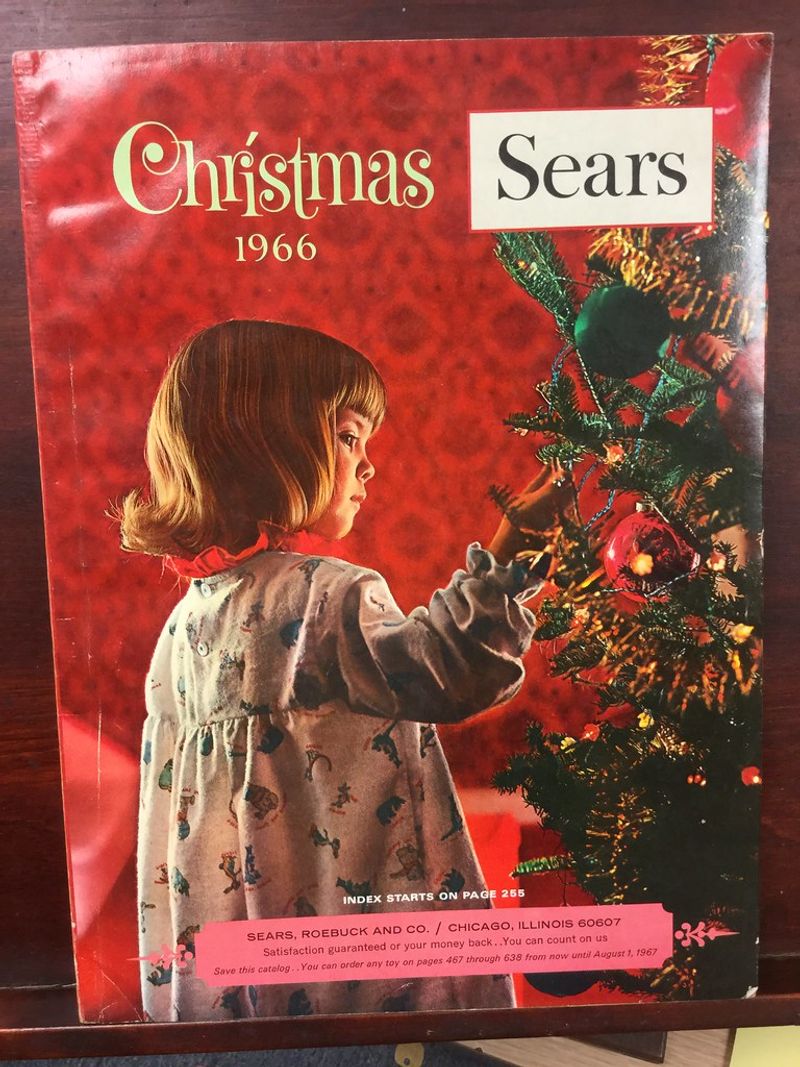
The Sears catalog was basically the internet before the internet existed. Hundreds of pages showcasing everything from clothes to appliances to toys.
You’d browse for hours, circling items you wanted and dreaming about things you couldn’t afford.
Ordering meant filling out a paper form with item numbers, sizes, colors, and quantities. Then you’d mail it in with a check or money order and wait weeks for your items to arrive.
No tracking numbers or estimated delivery dates existed.
Christmas catalogs were especially magical for kids. The toy section was studied intensely, pages marked and dog-eared.
Wish lists got created based entirely on catalog browsing. The anticipation of waiting for catalog orders made receiving them extra special.
Returns were complicated. If something didn’t fit or wasn’t what you expected, you had to package it back up and mail it in.
Then you’d wait again for a refund or exchange. The whole process could take months from initial order to final resolution.
Online shopping killed catalog culture instantly. Why wait for a catalog to arrive, then wait again for your order, when you can browse millions of items online and get them in two days?
The ritual of catalog shopping, with all its anticipation and patience required, became another artifact of slower times.



