 Unearth The Voyage
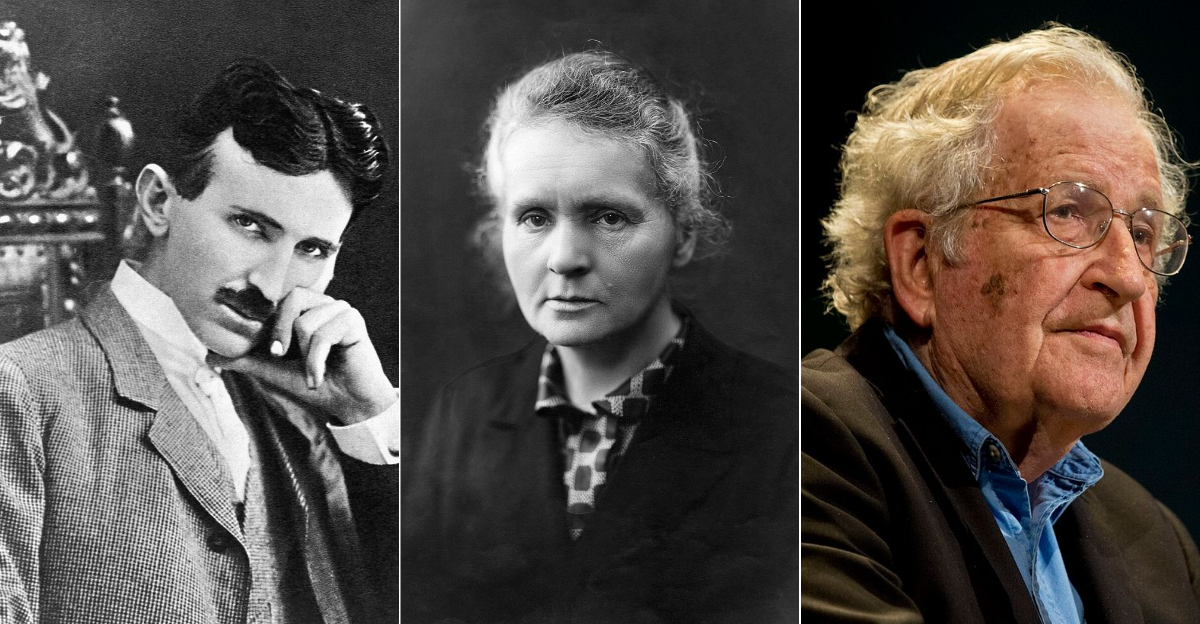
Throughout history, brilliant minds have sparked revolutions in how we understand the universe, build societies, and live our daily lives. From ancient philosophers who laid the groundwork for logic and ethics to modern scientists who unlocked the secrets of atoms and galaxies, these thinkers changed everything.
Their groundbreaking ideas didn’t just sit in dusty books; they became the foundation for technology, medicine, government, and the way we see ourselves in the cosmos.
1. Albert Einstein: The Relativity Breakthrough That Changed Physics Forever
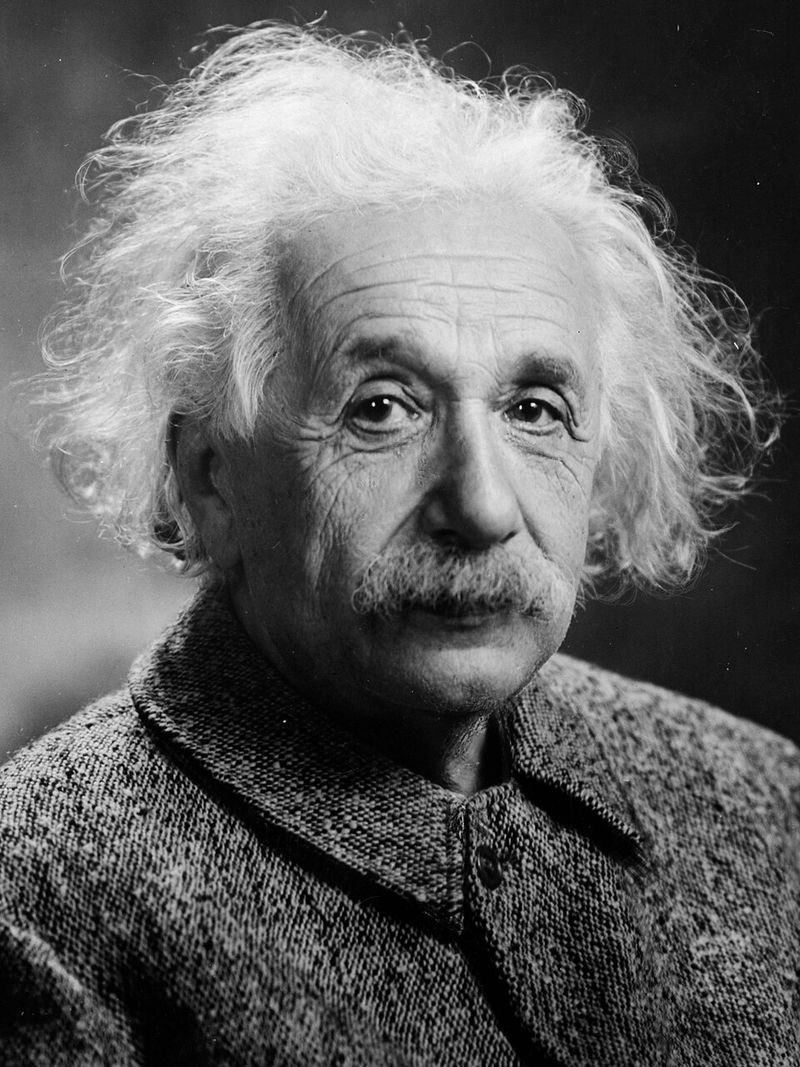
Einstein’s theory of relativity revealed that time isn’t a constant ticking clock but bends and stretches depending on speed and gravity. Mass and energy became two sides of the same coin, captured in the famous E=mc².
His ideas didn’t just fascinate physicists. They made nuclear energy possible, explained how GPS satellites need to adjust for time differences, and showed that gravity warps the fabric of space itself.
Black holes, gravitational waves, and the expanding universe all flow from his insights.
Einstein also championed peace and civil rights, using his fame to speak against war and injustice. He fled Nazi Germany and helped warn the U.S. about atomic weapons, though he later regretted the destruction they caused.
His wild hair and thoughtful gaze became symbols of genius itself.
Today, every smartphone, power plant, and space mission owes something to Einstein’s curiosity. He proved that asking simple questions like “What if I rode alongside a beam of light?” can unlock the deepest secrets of reality.
2. Isaac Newton: The Laws of Motion and Gravity That Powered the Modern Age
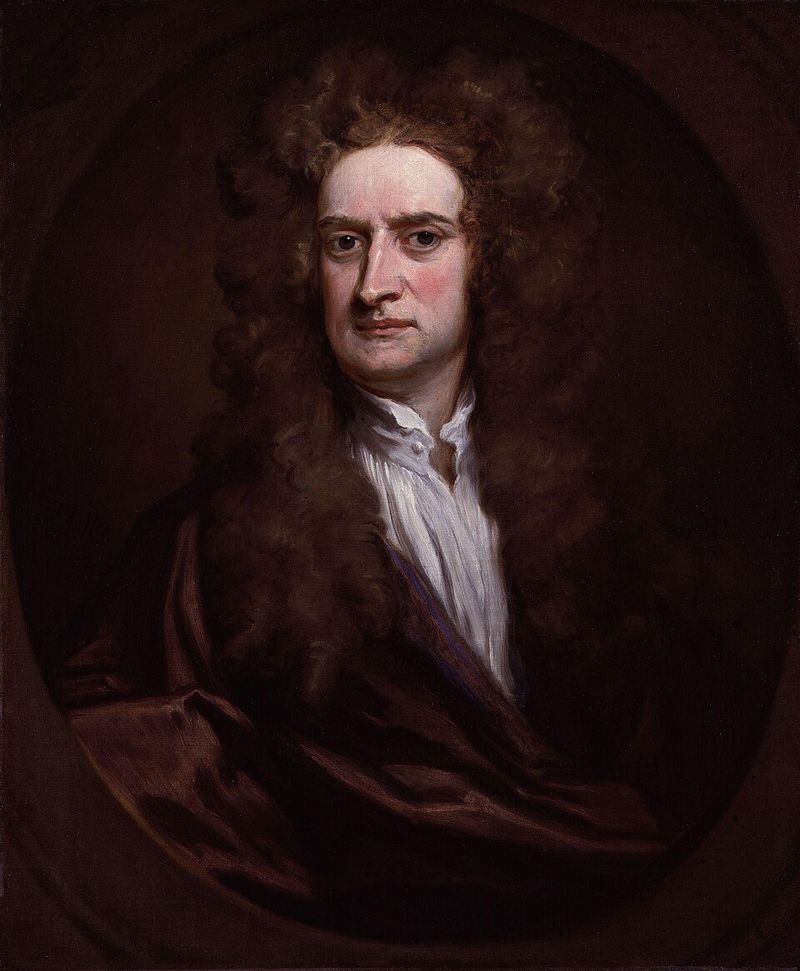
An apple falling from a tree sparked one of history’s greatest leaps in understanding. Newton realized that the same force pulling fruit to the ground also keeps planets orbiting the sun.
His three laws of motion explained how objects move, stop, and push back, turning physics into a precise science.
Before Newton, people guessed at why things fell or why the moon stayed in the sky. He gave us equations that predicted eclipses, calculated rocket trajectories, and made engineering possible.
Bridges, cars, airplanes, and roller coasters all rely on his laws.
Newton also invented calculus, a type of math that handles changing quantities, which engineers and scientists use every single day. He built the first reflecting telescope and discovered that white light splits into a rainbow of colors.
His book, the Principia, became the blueprint for modern science.
Though he was famously cranky and feuded with rivals, his work laid the foundation for the Industrial Revolution. Factories, trains, and machines all depend on understanding force, mass, and acceleration—concepts Newton clarified three centuries ago.
3. Leonardo da Vinci: The Renaissance Mind That Blended Art, Anatomy, and Invention
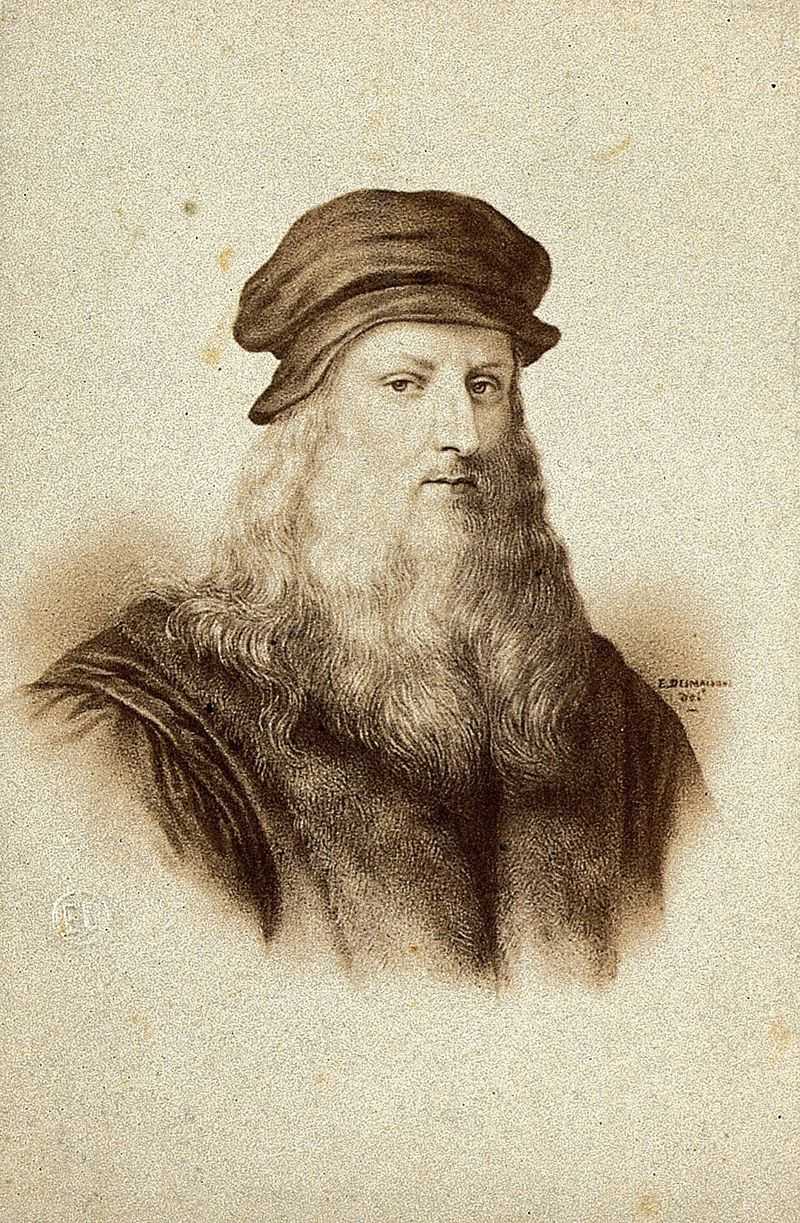
Leonardo filled thousands of notebook pages with inventions, from flying machines and submarines to parachutes and armored tanks. His curiosity knew no limits, and he saw connections between art, science, and engineering that others missed.
He painted the Mona Lisa and The Last Supper, masterpieces that still captivate millions. But Leonardo also dissected corpses to map muscles and bones, creating anatomical drawings more accurate than medical textbooks of his time.
He studied water flow, bird flight, and plant growth, always asking how and why.
Though many of his inventions stayed on paper, they inspired future engineers. His designs for gears, bearings, and levers appear in modern machines.
He even sketched contact lenses and a robot knight, ideas centuries ahead of their time.
Leonardo showed that art and science aren’t opposites but partners in understanding the world. His blend of creativity and logic became a model for innovation, proving that asking “What if?” and “How does it work?” can lead to breakthroughs in any field.
4. Aristotle: The Thinker Who Shaped Western Logic, Ethics, and Science
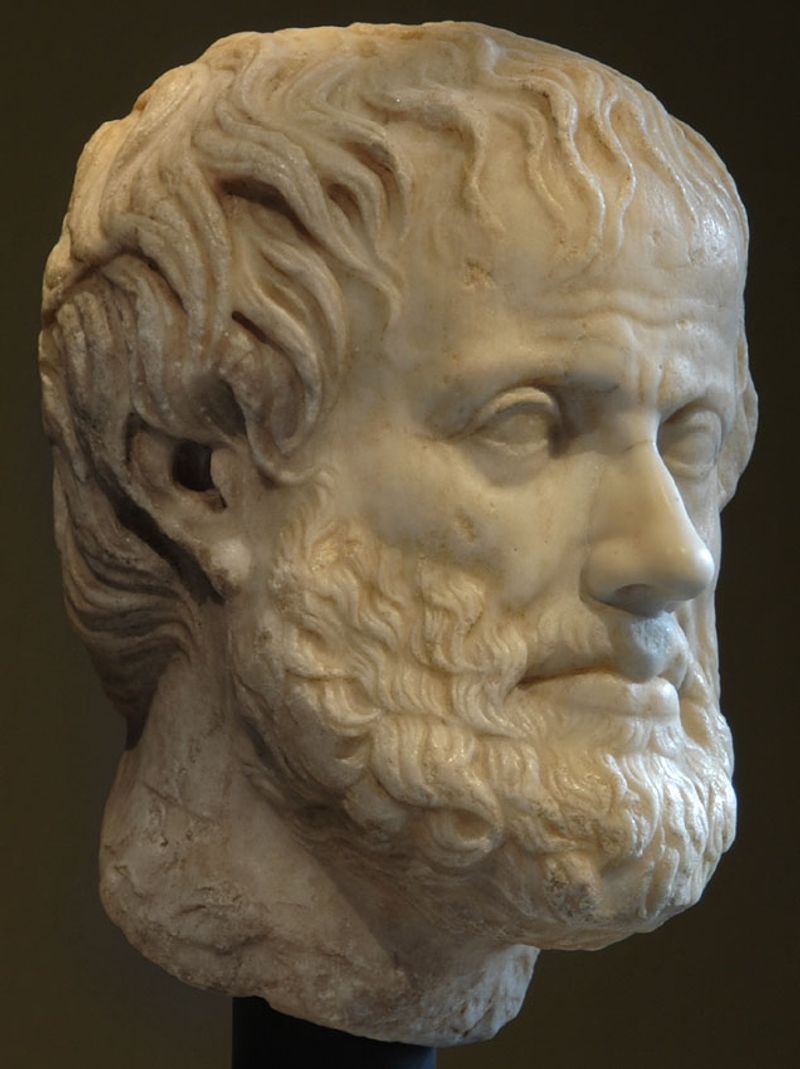
Long before modern universities, Aristotle created a school called the Lyceum where students debated everything from politics to physics. He organized knowledge into categories, invented formal logic, and taught that careful observation leads to truth.
His method of breaking arguments into premises and conclusions still guides debates today.
Aristotle explored ethics, asking what makes a good life. He argued that virtue lies in balance, courage sits between cowardice and recklessness, and happiness comes from living according to reason.
His ideas influenced Christian, Islamic, and Jewish thinkers for centuries.
He also studied biology, classifying hundreds of animals and dissecting specimens to understand their inner workings. Though some of his scientific ideas were later proven wrong, his insistence on observation and classification laid the groundwork for the scientific method.
Medieval scholars treated his writings almost like sacred texts, and his influence shaped universities across Europe. Even today, when we structure an argument, define ethical principles, or classify living things, we’re using tools Aristotle refined over two thousand years ago in ancient Greece.
5. Archimedes: The Mathematician Behind Buoyancy and Ingenious Machines
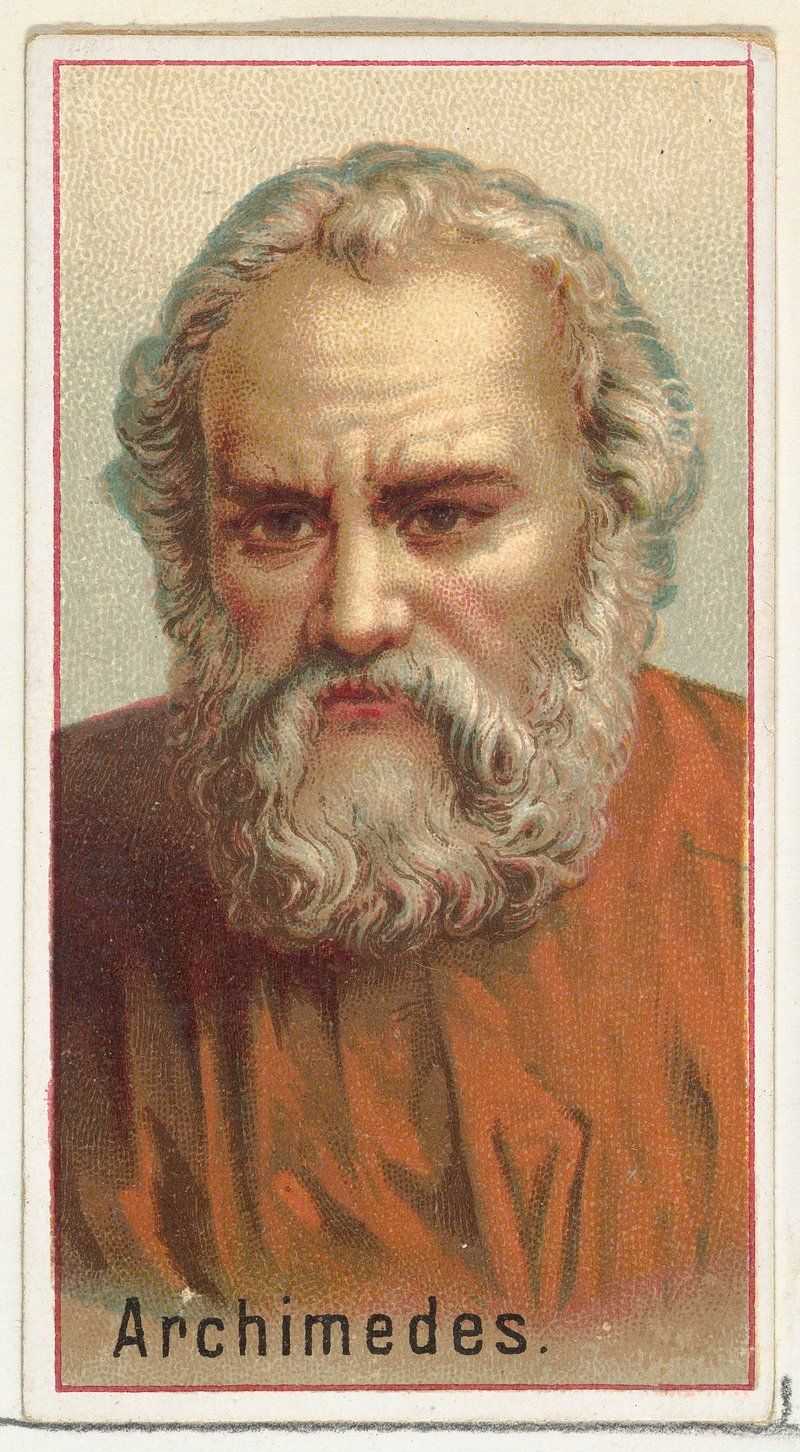
Legend says Archimedes leaped from his bath shouting “Eureka!” when he discovered why objects float. He realized that water pushes up on submerged objects with a force equal to the weight of water they displace.
This principle of buoyancy still guides shipbuilders and submarine designers.
Archimedes also invented war machines that defended his city, Syracuse, from Roman invaders. He built giant cranes that lifted enemy ships out of the water and mirrors that focused sunlight to set sails on fire.
His genius for levers and pulleys led him to boast he could move the Earth if given a long enough lever.
In mathematics, he calculated pi with remarkable accuracy and developed methods for finding areas and volumes that foreshadowed calculus. His work on spirals, spheres, and cylinders became foundational for geometry and engineering.
Tragically, a Roman soldier killed him during the siege of Syracuse, reportedly while he was absorbed in a mathematical diagram. Yet his ideas survived, inspiring scientists and engineers for over two millennia and proving that understanding simple principles can lead to world-changing inventions.
6. Galileo Galilei: The Telescope Pioneer Who Challenged Earth-Centered Reality
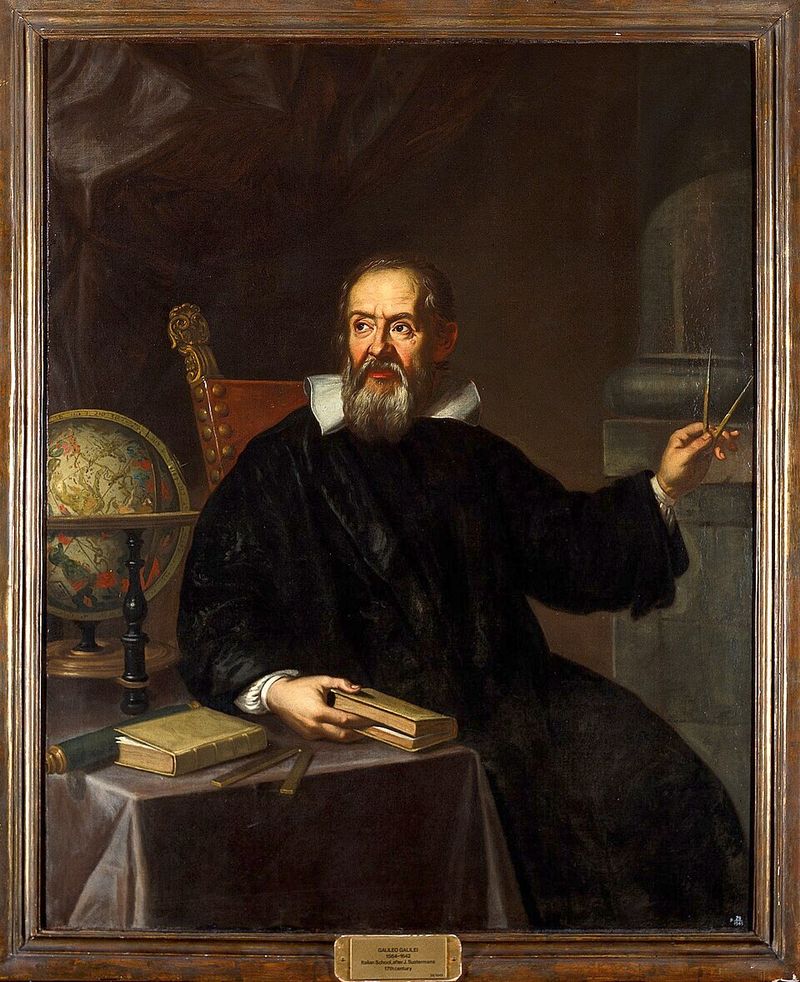
When Galileo pointed his homemade telescope at the night sky, he saw mountains on the moon, spots on the sun, and four moons orbiting Jupiter. These discoveries shattered the ancient belief that Earth sat motionless at the center of a perfect, unchanging cosmos.
Suddenly, we were just one planet among many.
He also rolled balls down ramps to study motion, discovering that objects accelerate at a constant rate regardless of their weight. This contradicted centuries of accepted wisdom and laid groundwork for Newton’s laws.
Galileo showed that experiments, not just ancient books, reveal how nature works.
His support for the sun-centered model got him in trouble with the Catholic Church, which forced him to recant and placed him under house arrest. Yet his writings spread across Europe, inspiring a generation of scientists to question authority and trust observation.
Galileo proved that looking closely at the world, whether through a telescope or a careful experiment, can overturn what everyone assumes is true. His courage to challenge dogma made him a hero of the scientific revolution and a symbol of curiosity triumphing over tradition.
7. Nikola Tesla: The AC Innovator Who Electrified the Modern World
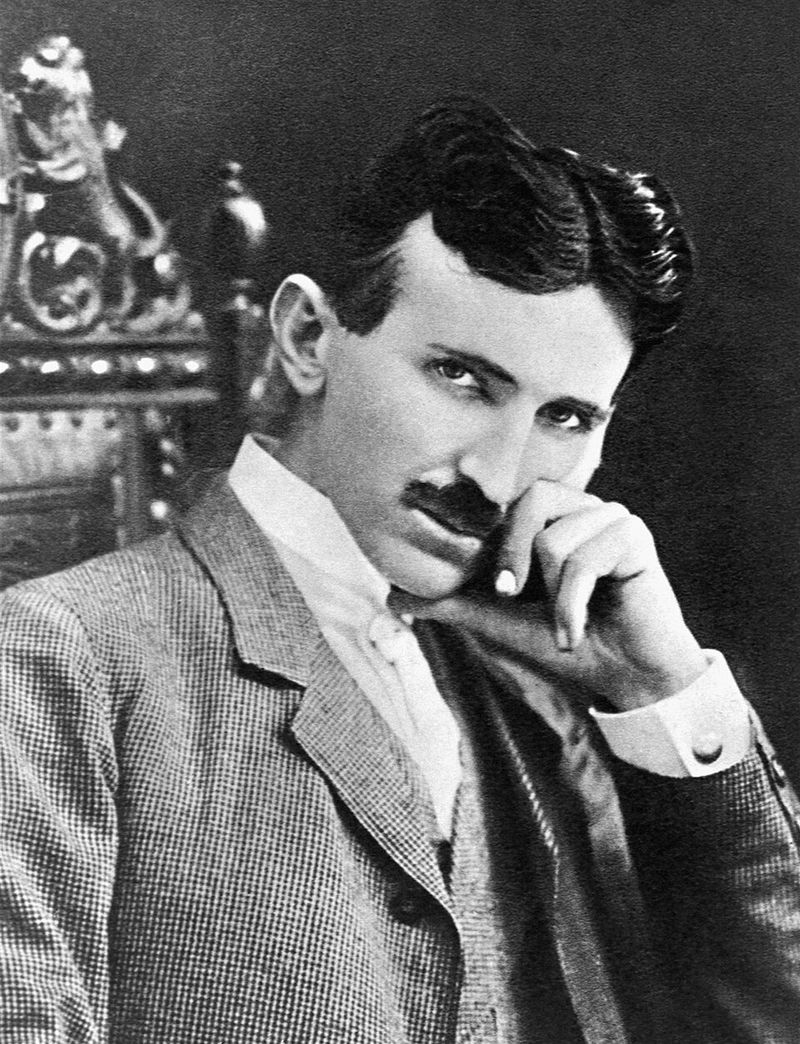
Tesla envisioned a world powered by alternating current, a type of electricity that could travel long distances without losing strength. He battled Thomas Edison, who championed direct current, in the famous “War of Currents.” Tesla won, and today AC powers nearly every home, factory, and city on the planet.
He invented the induction motor, transformers, and the Tesla coil, devices that made electric grids practical and efficient. His work at Niagara Falls created the first large-scale hydroelectric power plant, proving renewable energy could light up entire cities.
Tesla also dreamed of wireless power and communication, experimenting with radio waves and building a massive tower to transmit energy through the air. Though his wireless power vision didn’t materialize, his ideas foreshadowed modern wireless technology and inspired countless inventors.
Despite his brilliance, Tesla died nearly penniless, his later years marked by eccentric behavior and unfulfilled projects. Yet his legacy powers everything from smartphones to electric cars.
The Tesla name now symbolizes innovation and the relentless pursuit of a better, electrified future for humanity.
8. Stephen Hawking: The Black Hole Theorist Who Brought the Cosmos to Everyone
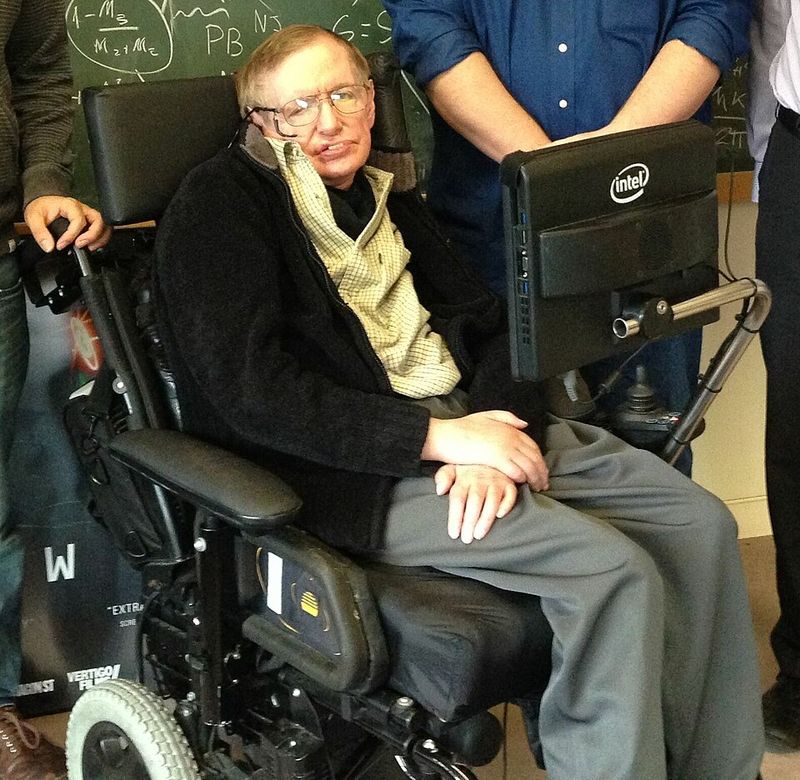
Diagnosed with a paralyzing disease at 21, Hawking was given only a few years to live. He defied those odds for over five decades, using a computerized voice to share ideas that reshaped our understanding of black holes, time, and the origin of the universe.
He discovered that black holes aren’t completely black but emit faint radiation, now called Hawking radiation. This finding linked quantum mechanics and gravity in ways no one had imagined and suggested black holes could eventually evaporate.
His work on singularities showed that the Big Bang itself might have been a point of infinite density.
Hawking also wrote “A Brief History of Time,” a bestseller that explained cosmology without heavy math. Millions of readers learned about space, time, and the universe’s fate from someone who turned complex science into captivating stories.
His life proved that physical limitations don’t limit the mind. Hawking’s humor, determination, and ability to make the cosmos feel accessible inspired people worldwide, showing that curiosity and courage can overcome almost any obstacle and reach for the stars.
9. Marie Curie: The Radioactivity Pioneer Who Transformed Science and Medicine
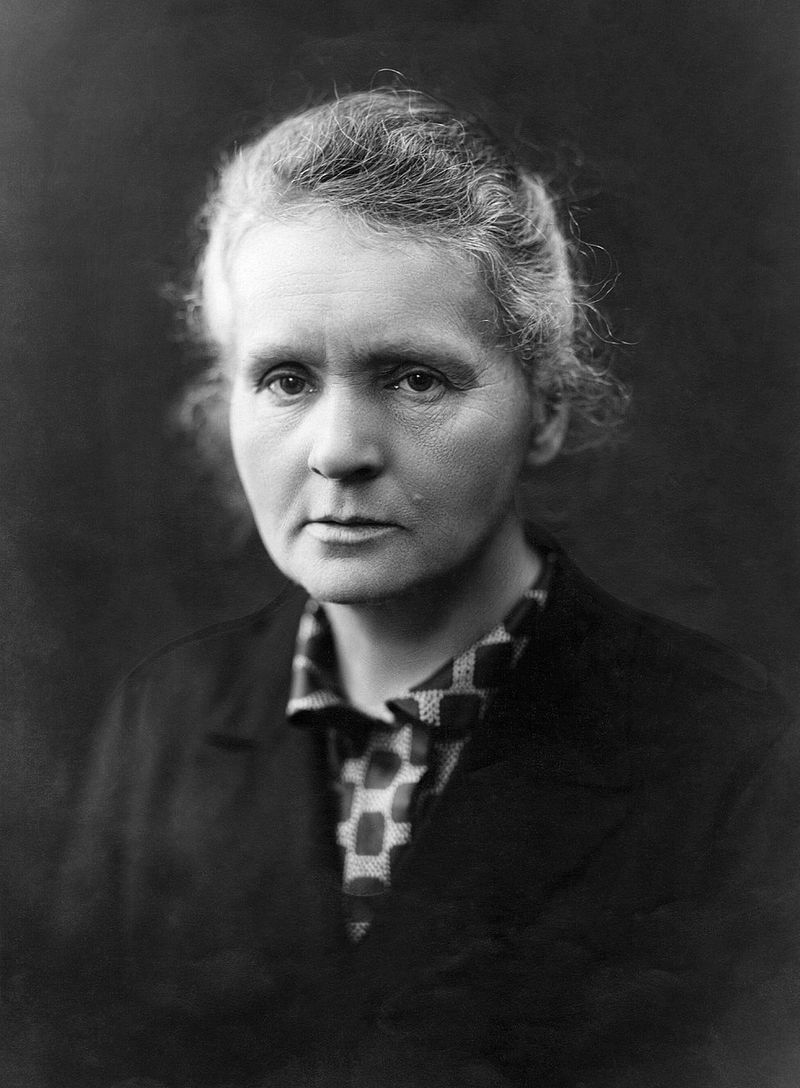
Marie Curie discovered two new elements, polonium and radium, by painstakingly isolating them from tons of radioactive ore. She coined the term “radioactivity” and showed that atoms themselves could break apart, releasing energy.
This insight opened the door to nuclear physics and changed chemistry forever.
She became the first woman to win a Nobel Prize and remains the only person to win Nobels in two different sciences: physics and chemistry. During World War I, she equipped mobile X-ray units, called “petites Curies,” and trained operators, saving countless soldiers’ lives by helping doctors locate bullets and shrapnel.
Working with dangerous materials without proper protection, Curie suffered from radiation exposure that likely contributed to her death. Yet her courage and dedication advanced medicine, leading to cancer treatments and diagnostic tools still used today.
Marie Curie shattered barriers for women in science, proving that talent and determination matter more than gender. Her legacy lives on in every radiation therapy session, every nuclear power plant, and every young woman who dreams of becoming a scientist.
10. Charles Darwin: The Natural Selection Theory That Redefined Life on Earth
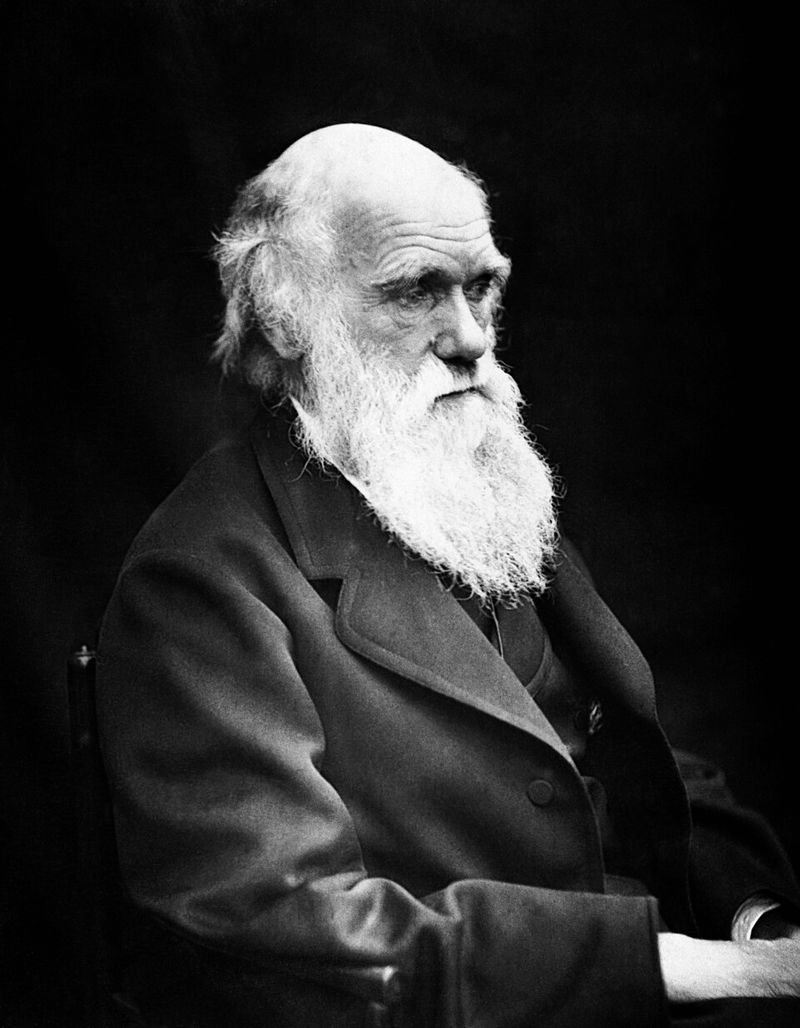
After sailing around the world on the HMS Beagle, Darwin noticed that finches on different Galápagos islands had different beak shapes suited to their diets. This observation sparked a revolutionary idea: species change over time through a process he called natural selection, where traits that help survival get passed on.
His book “On the Origin of Species” presented evidence from fossils, anatomy, and breeding experiments, showing that all life shares common ancestors. Humans, he later argued, evolved from earlier primates, a claim that shocked Victorian society and sparked fierce debate.
Darwin’s theory unified biology, explaining why organisms are so well adapted to their environments and why the fossil record shows progression from simple to complex life. It also laid the groundwork for genetics, ecology, and modern medicine.
Though controversial in his time, evolution by natural selection is now the backbone of biology. It helps us understand disease resistance, develop vaccines, and protect endangered species.
Darwin showed that life’s incredible diversity arose not from design but from the slow, powerful force of nature itself.
11. Euclid: The Father of Geometry Who Built the Blueprint for Proof
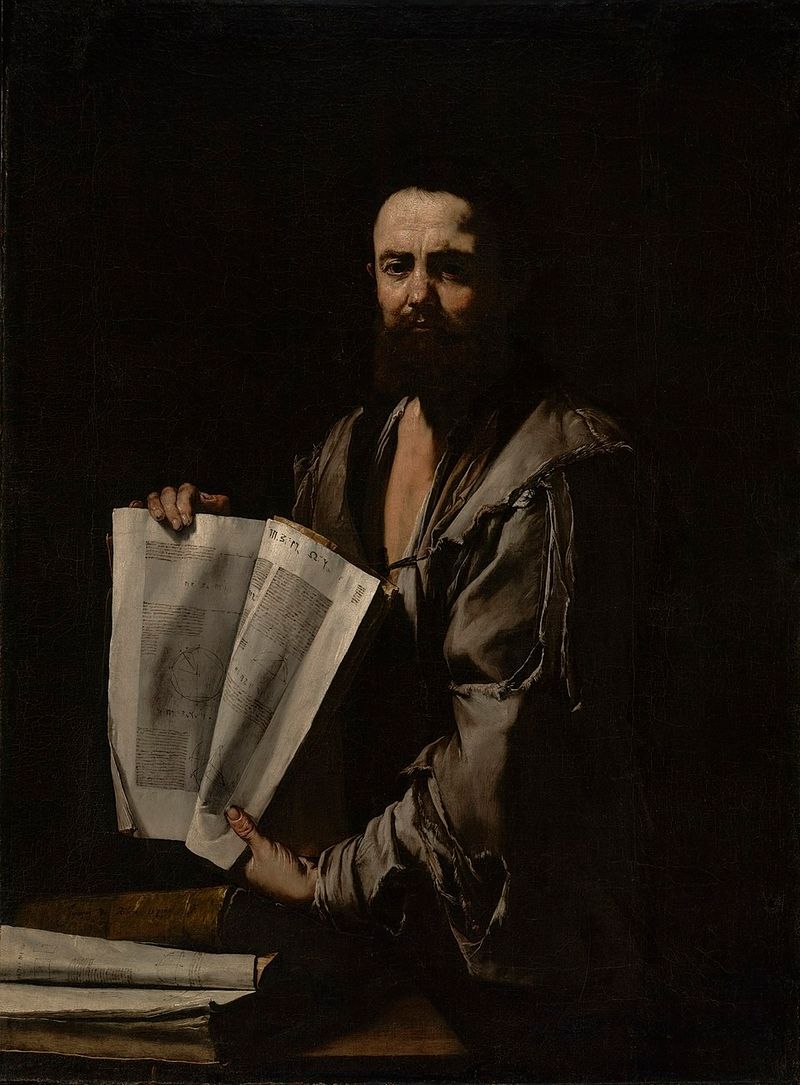
Around 300 BCE, Euclid compiled “The Elements,” a textbook that organized all known geometry into a logical system starting from simple definitions and axioms. For over two thousand years, it remained the standard math textbook, teaching students how to prove theorems step by step.
Euclid’s work covered not just shapes and angles but also number theory and the properties of prime numbers. His proof that infinitely many primes exist is still taught today and remains a model of elegant reasoning.
His method of starting with self-evident truths and building complex conclusions influenced not just mathematics but philosophy, law, and science. The idea that you can prove something beyond doubt by logical steps became central to Western thought.
Architects, engineers, and artists have used Euclidean geometry for millennia to design buildings, plan cities, and create perspective in paintings. Though modern math has expanded beyond Euclid’s flat-plane geometry, his approach to clear definitions and rigorous proof remains the gold standard for mathematical thinking.
12. Pythagoras: The Theorem That Became a Cornerstone of Mathematics
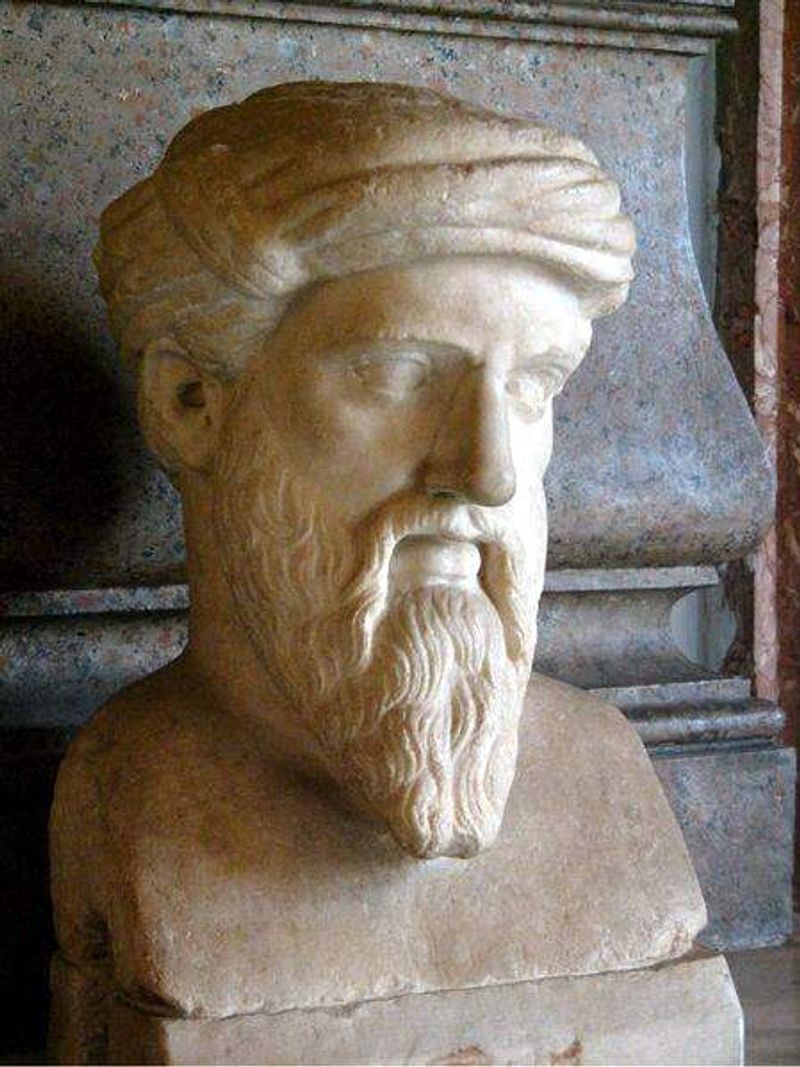
Everyone learns it in school: in a right triangle, the square of the longest side equals the sum of the squares of the other two sides. This simple rule, the Pythagorean theorem, unlocks countless problems in construction, navigation, and physics.
It’s been verified in cultures from ancient China to medieval Europe.
Pythagoras founded a community that studied math, music, and philosophy, believing numbers held the secrets of the universe. They discovered musical harmony relates to simple ratios and explored properties of odd, even, and prime numbers.
Though Pythagoras himself left no writings, his followers spread his ideas, making mathematics central to understanding nature. They also explored irrational numbers, which don’t fit neat fractions, a discovery that reportedly disturbed their tidy worldview.
The Pythagorean theorem appears everywhere: carpenters use it to make square corners, GPS systems use it to calculate distances, and astronomers use it to measure cosmic separations. A single equation from ancient Greece continues to shape how we build, navigate, and explore the world around us every single day.
13. Immanuel Kant: The Philosopher Who Reframed Knowledge and Moral Duty
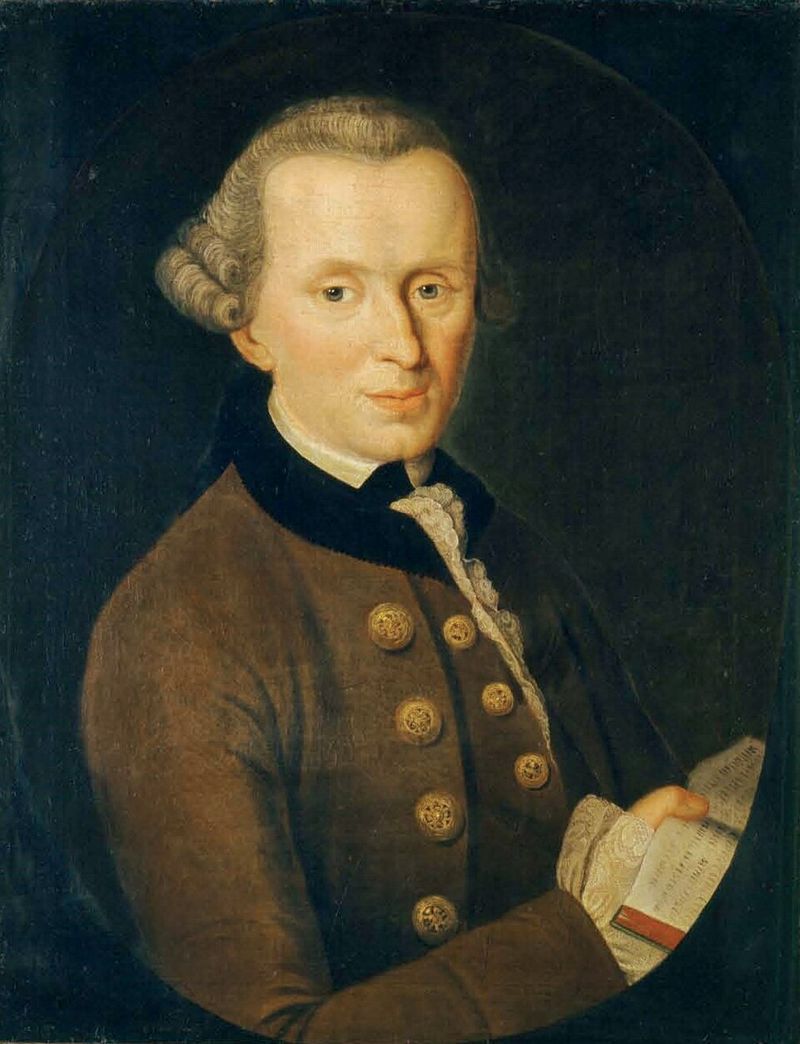
Kant asked a radical question: What can we truly know? He argued that our minds don’t passively receive information but actively shape it through built-in categories like space, time, and cause and effect.
This means we never experience reality directly, only our mind’s interpretation of it.
In ethics, Kant proposed the “categorical imperative,” a rule that says act only in ways you’d want everyone to act. Lying is wrong not because of consequences but because if everyone lied, trust would collapse.
This focus on duty and universal principles influenced law, human rights, and moral philosophy.
His dense, challenging books sparked debates that continue today. Philosophers argue over his ideas about freedom, autonomy, and the limits of reason.
Kant showed that examining how we think is just as important as what we think about.
Though he lived a famously routine life in Königsberg, never traveling far, Kant’s ideas traveled the world. His work bridged the gap between rationalism and empiricism, shaping modern philosophy and reminding us that our perceptions filter reality in ways we must constantly question.
14. Sigmund Freud: The Psychoanalysis Founder Who Mapped the Unconscious Mind
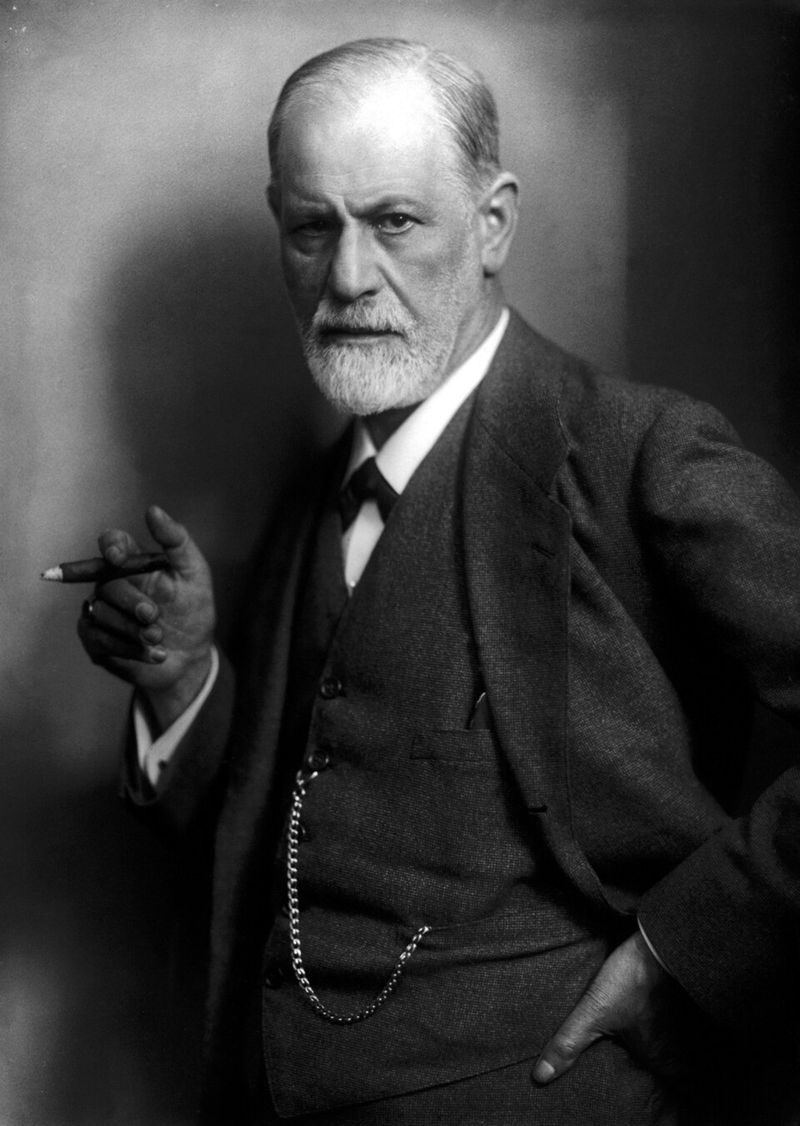
Freud proposed that much of our behavior springs from unconscious desires and memories we can’t easily access. He developed psychoanalysis, a method where patients talk freely while a therapist listens for hidden meanings in dreams, slips of the tongue, and childhood experiences.
He divided the mind into the id, ego, and superego, representing primal drives, rational thought, and moral conscience. He also emphasized childhood’s role in shaping personality and introduced concepts like repression, defense mechanisms, and the Oedipus complex.
Though many of Freud’s specific theories have been challenged or revised, his core insight that unconscious processes influence behavior remains central to psychology. Therapy, whether psychoanalytic or not, often explores hidden emotions and past trauma to help people heal.
Freud’s ideas spread beyond psychology into art, literature, and popular culture. Terms like “Freudian slip” and “ego” entered everyday language.
He showed that understanding ourselves requires looking beneath the surface, exploring the hidden currents that shape thoughts, feelings, and actions in ways we rarely recognize.
15. Alan Turing: The Codebreaker Who Helped Birth Modern Computing
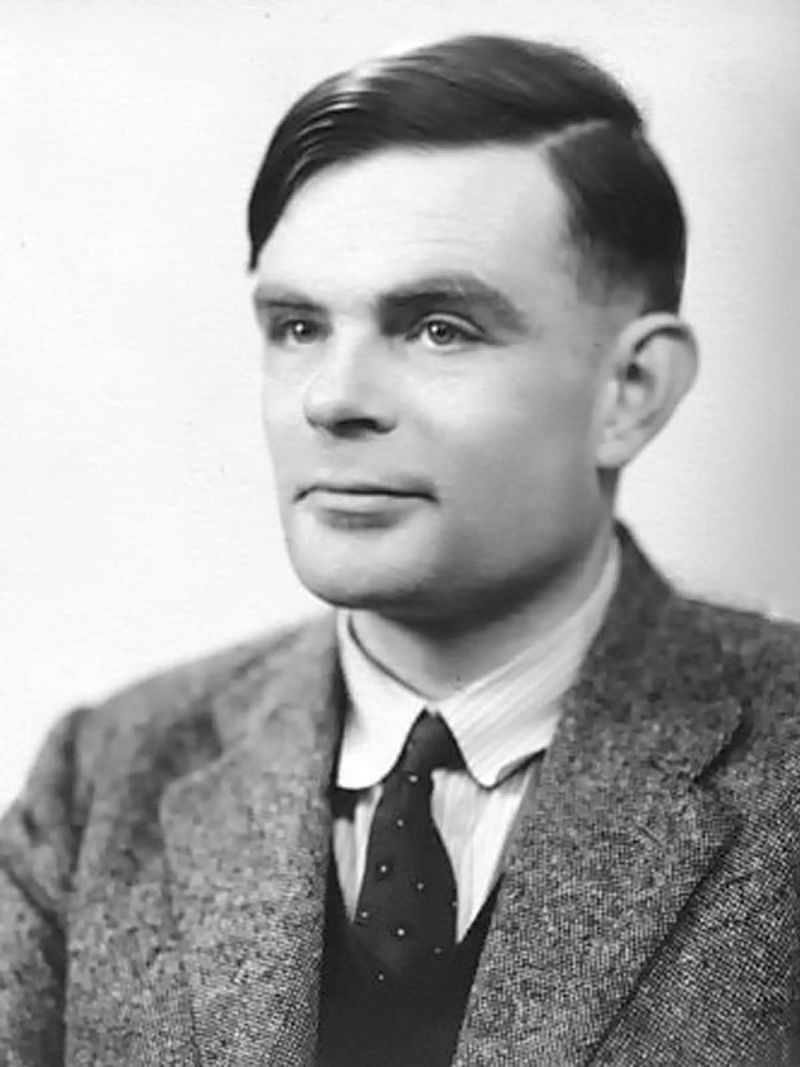
During World War II, Turing led the team that cracked Nazi Germany’s Enigma code, a feat that shortened the war and saved countless lives. He designed machines that could test millions of possible settings, pioneering techniques that laid the groundwork for computer science.
Before the war, Turing imagined a theoretical machine that could perform any calculation by following simple rules. This “Turing machine” became the blueprint for all modern computers, from smartphones to supercomputers.
He also proposed the Turing Test, asking whether machines could think by fooling humans into believing they’re conversing with another person.
Tragically, British authorities prosecuted Turing for being gay, forcing him to undergo chemical treatment. He died young, likely by suicide, a loss that robbed the world of decades of potential genius.
Today, the Turing Award is computer science’s highest honor, and his face graces British currency. Turing’s legacy lives in every algorithm, every encrypted message, and every debate about artificial intelligence.
He proved that abstract thinking about computation could change the world in profoundly practical ways.
16. Richard Feynman: The Quantum Master Who Made Complex Ideas Understandable
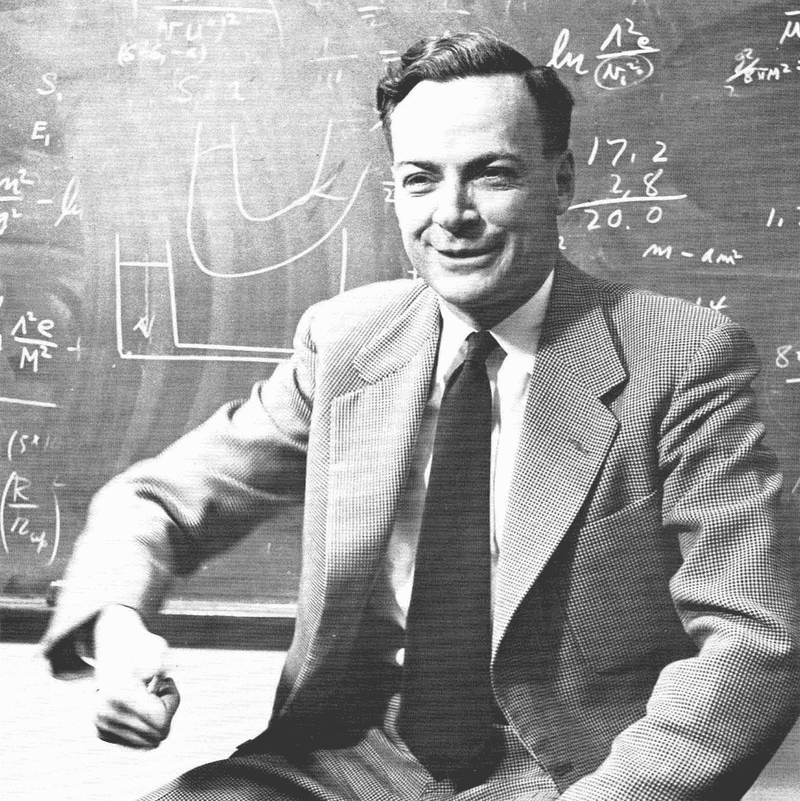
Feynman revolutionized quantum mechanics with his path integral formulation, which imagines particles exploring every possible route between two points. His Feynman diagrams turned abstract equations into simple pictures, helping physicists visualize and calculate particle interactions.
He won the Nobel Prize for his work on quantum electrodynamics, the theory describing how light and matter interact. Yet Feynman became equally famous for his teaching, delivering lectures that made physics feel like a thrilling detective story rather than a dry subject.
His curiosity extended beyond physics. He learned to play bongo drums, crack safes, and paint portraits.
During the investigation of the Challenger space shuttle disaster, Feynman famously demonstrated the cause by dipping a rubber O-ring into ice water on live television.
Feynman’s books, like “Surely You’re Joking, Mr. Feynman!” show a playful, irreverent genius who refused to take himself too seriously. He proved that brilliance doesn’t require stuffiness and that explaining complex ideas simply is the mark of true understanding, inspiring generations to approach science with joy and wonder.
17. Johannes Kepler: The Planetary Motion Laws That Explained How Worlds Move
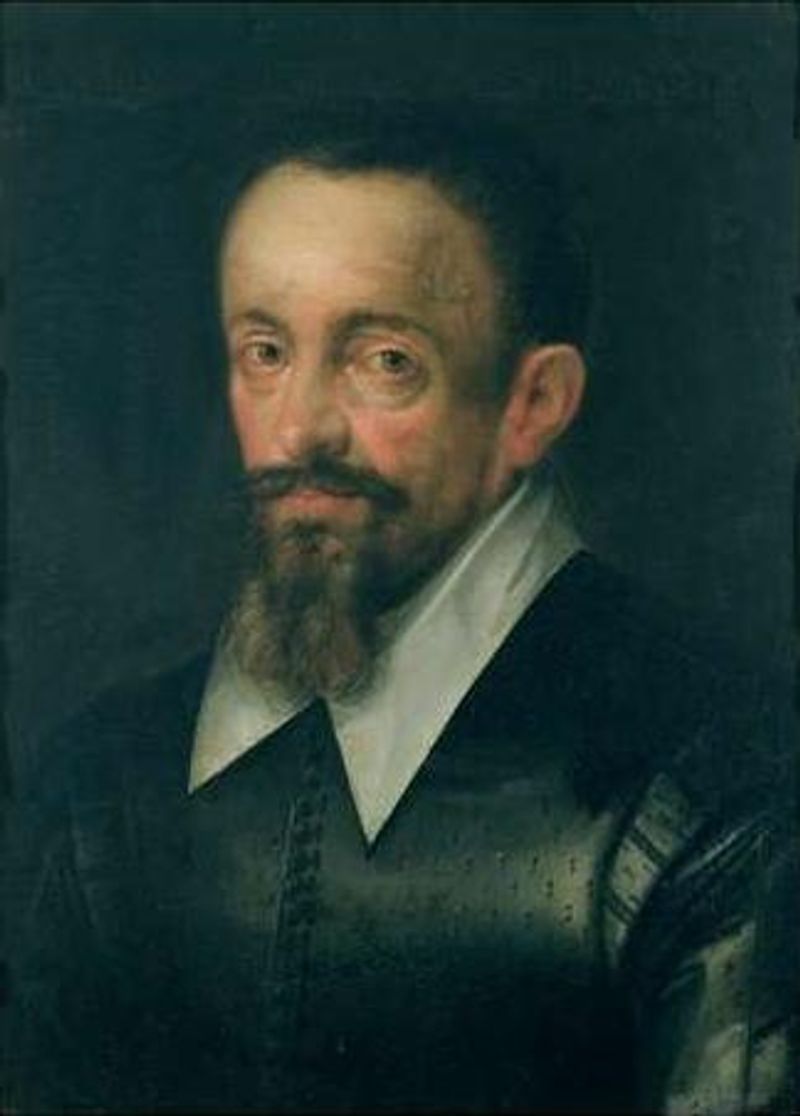
Kepler spent years analyzing astronomical data, searching for patterns in planetary orbits. He discovered that planets travel in ellipses, not perfect circles, with the sun at one focus.
This first law shattered centuries of belief in heavenly perfection.
His second law showed that planets sweep out equal areas in equal times, moving faster when closer to the sun. The third law linked orbital period to distance, giving a mathematical relationship that applies to moons, planets, and even artificial satellites.
Kepler’s laws provided the evidence that convinced scientists the sun, not Earth, sits at the solar system’s center. They also gave Newton the data he needed to formulate the law of universal gravitation, proving math could predict celestial motion with stunning accuracy.
Kepler worked through personal tragedy, war, and poverty, driven by a mystical belief that God’s creation followed mathematical harmony. His persistence paid off, turning messy observations into elegant laws that guide space exploration today.
Every spacecraft trajectory and satellite orbit relies on principles Kepler uncovered four centuries ago.
18. Socrates: The Questioning Method That Still Defines Critical Thinking
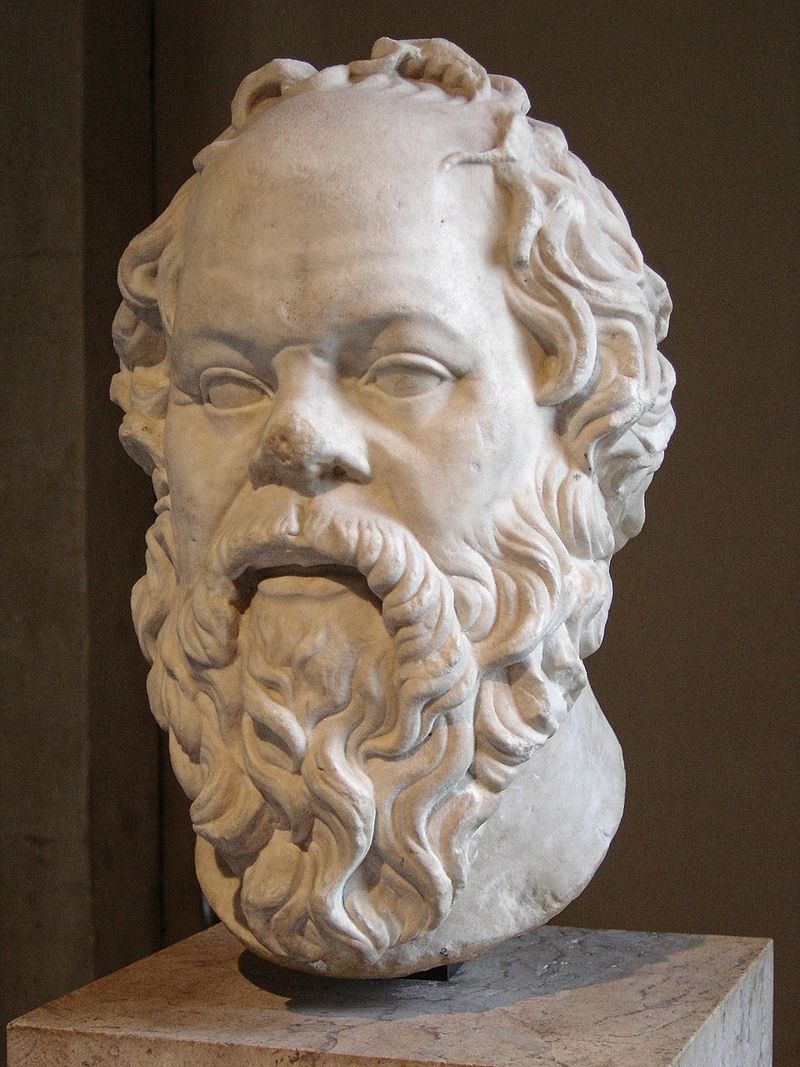
Socrates never wrote a book, yet he became one of history’s most influential thinkers. He wandered Athens asking people to define justice, courage, and virtue, then poked holes in their answers until they admitted confusion.
This “Socratic method” taught that wisdom begins with recognizing what you don’t know.
He believed that asking the right questions leads to truth better than lecturing. By challenging assumptions, Socrates forced people to think deeply about their beliefs and values.
His approach became the foundation for Western philosophy and remains central to education and law.
Athenian authorities accused him of corrupting youth and disrespecting the gods. Rather than flee or compromise, Socrates accepted the death penalty, drinking poison hemlock.
His calm acceptance of fate inspired debates about justice, morality, and civil disobedience for millennia.
Though he claimed to know nothing, Socrates taught that the unexamined life isn’t worth living. His relentless questioning reminds us to challenge easy answers, seek deeper understanding, and never stop asking why.
Every debate, every courtroom cross-examination, and every classroom discussion echoes his voice.
19. Plato: The Academy Founder Whose Ideas Still Shape Politics and Education
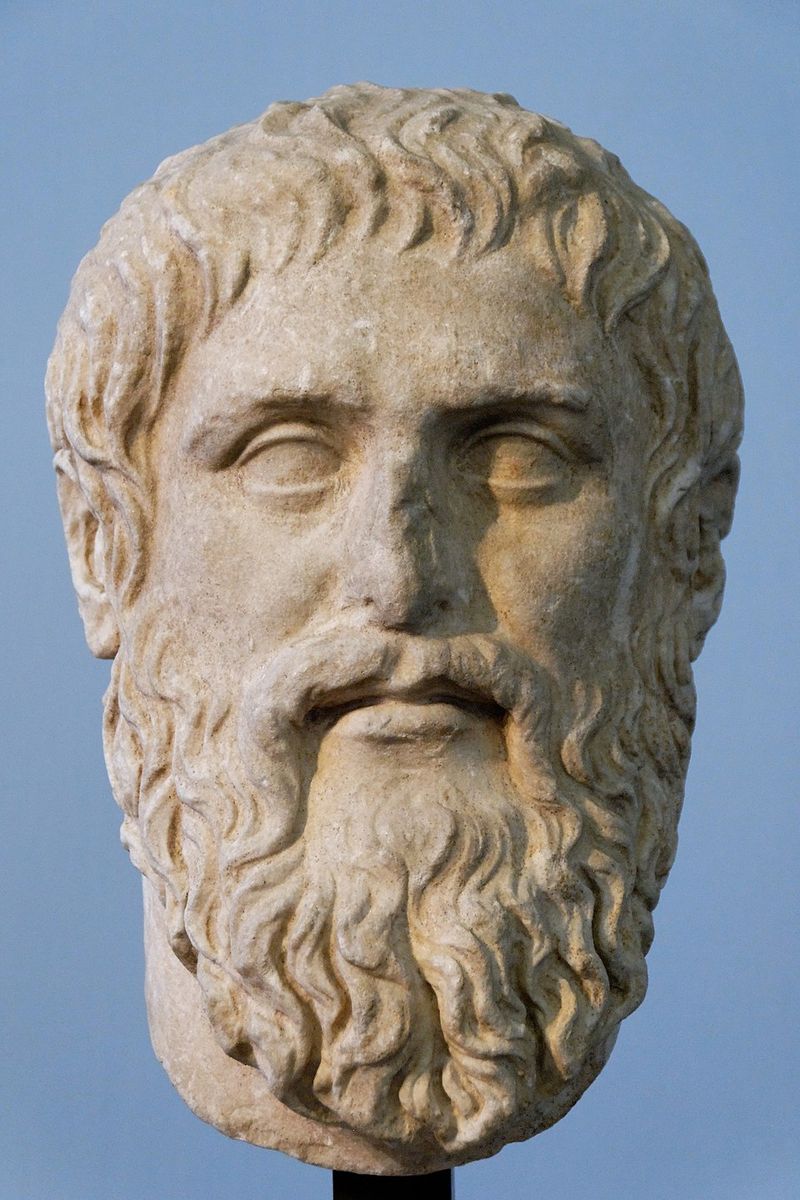
Plato founded the Academy in Athens, one of history’s first universities, where students studied math, philosophy, and science for nearly a thousand years. He argued that the physical world is just a shadow of a higher realm of perfect “Forms” or “Ideas,” and true knowledge comes from understanding these eternal truths.
His dialogues, starring his teacher Socrates, explore justice, beauty, and the ideal society. In “The Republic,” he imagined a city ruled by philosopher-kings, where education and reason guide decisions.
Though his vision was never realized, it sparked endless debates about governance and the role of wisdom in leadership.
Plato also explored the nature of the soul, proposing it has three parts: reason, spirit, and appetite. Balancing these parts, he believed, leads to a harmonious life.
His ideas influenced Christian theology, Islamic philosophy, and modern psychology.
The Academy’s motto reportedly read “Let no one ignorant of geometry enter,” showing Plato’s belief that math trains the mind for abstract thinking. His emphasis on reason, education, and the search for truth continues to shape universities, governments, and anyone who asks what makes a just and meaningful life.
20. Confucius: The Ethical Framework That Influenced Societies for Millennia
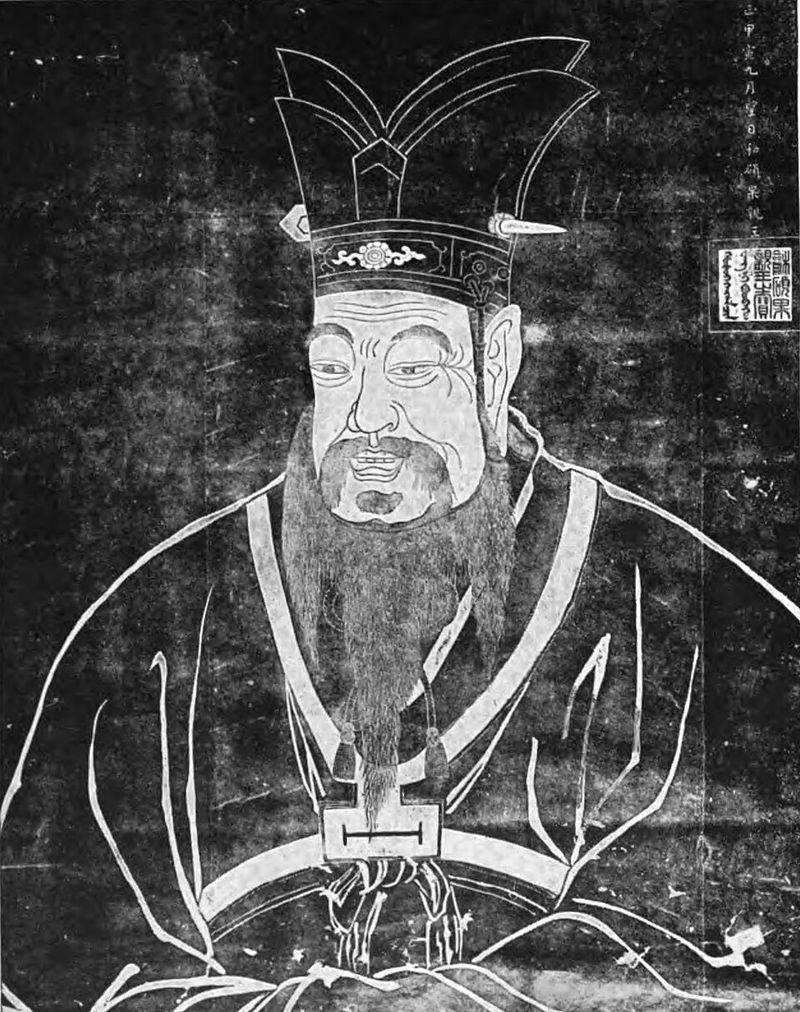
Confucius lived during a time of war and chaos in ancient China. He taught that harmony comes from everyone fulfilling their roles with virtue: rulers should be just, parents should be loving, and children should be respectful.
His philosophy emphasized relationships, duty, and moral self-improvement.
He promoted the “Golden Rule” centuries before others: treat others as you wish to be treated. Education, he believed, should cultivate character, not just skills.
His sayings, collected in the “Analects,” became a guide for personal conduct and government policy across East Asia.
Confucianism shaped Chinese culture so deeply that for over two thousand years, government officials studied his works to pass civil service exams. His ideas about filial piety, respect for tradition, and the importance of rituals influenced family structures, legal systems, and social norms.
Though Confucius saw himself as a failure during his lifetime, his teachings spread across China, Korea, Japan, and Vietnam, shaping the values of billions. His belief that ethical behavior starts with self-discipline and extends to society remains a powerful model for building stable, compassionate communities worldwide.
21. Ludwig Wittgenstein: The Language Philosopher Who Challenged Meaning Itself
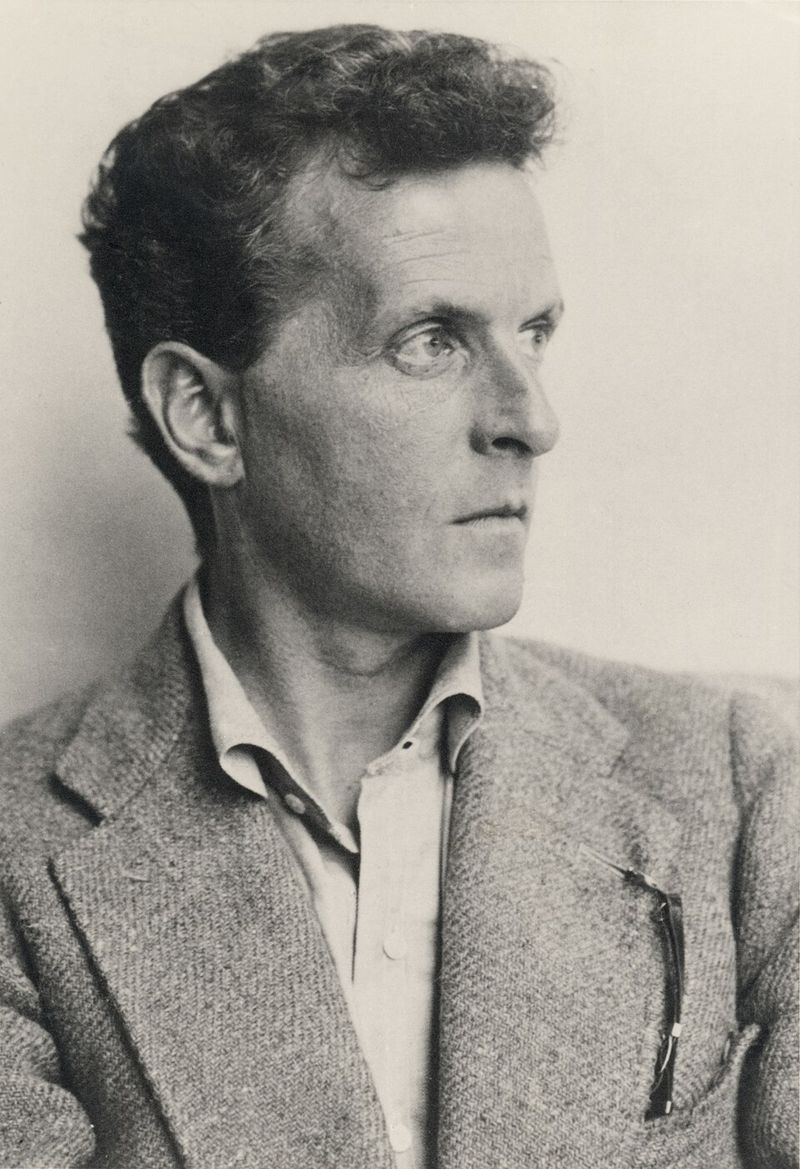
Wittgenstein believed most philosophical problems arise from misunderstanding how language works. In his early work, he argued that language mirrors reality, and anything that can’t be said clearly should be passed over in silence.
This “picture theory” tried to set strict limits on meaningful statements.
Later, he changed his mind, proposing that meaning comes from use, not fixed definitions. Words are like tools in a toolbox, serving different purposes in different contexts.
This idea revolutionized philosophy of language and influenced fields from linguistics to artificial intelligence.
Wittgenstein lived an unconventional life. He gave away his fortune, worked as a schoolteacher and hospital porter, and retreated to a remote cabin to think.
His intensity and perfectionism made him both admired and difficult to work with.
His books, especially “Philosophical Investigations,” remain dense and puzzling, but they shifted how philosophers approach problems. Instead of seeking grand theories, many now analyze how we actually use words.
Wittgenstein showed that clarity about language can dissolve confusion, making philosophy a tool for untangling the knots we create with our own words.
22. Noam Chomsky: The Linguist Who Revolutionized How We Understand Language
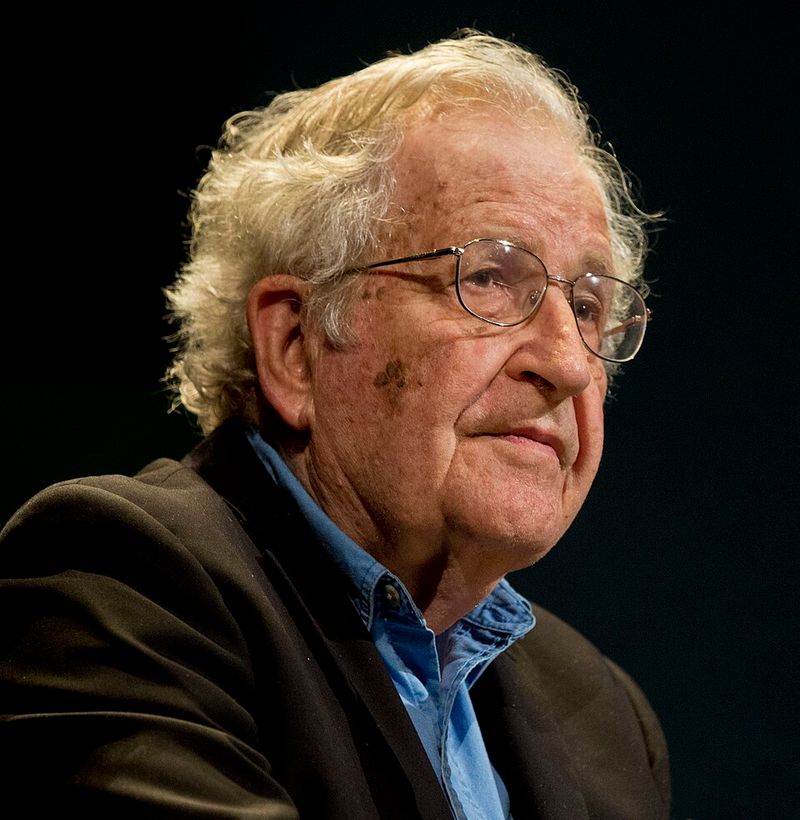
Chomsky proposed that humans are born with an innate ability to learn language, a “universal grammar” hardwired into the brain. This idea challenged the belief that children learn language purely through imitation and reinforcement, sparking a revolution in linguistics and cognitive science.
He showed that despite surface differences, all human languages share deep structural similarities. Kids master complex grammar rules without formal teaching, suggesting our brains come pre-equipped with language-learning tools.
This insight influenced psychology, neuroscience, and artificial intelligence research.
Chomsky also became a prominent political activist, critiquing media, foreign policy, and corporate power. His writings on propaganda and manufactured consent challenged how societies control information and shape public opinion.
Though controversial, especially his political views, Chomsky’s linguistic work remains foundational. Understanding that language is an instinct, not just a cultural artifact, changed how we study the mind.
His work reminds us that what makes us human includes not just what we say but the deep structures that let us say anything at all.
23. Benjamin Franklin: The Polymath Who Turned Curiosity into Practical Progress
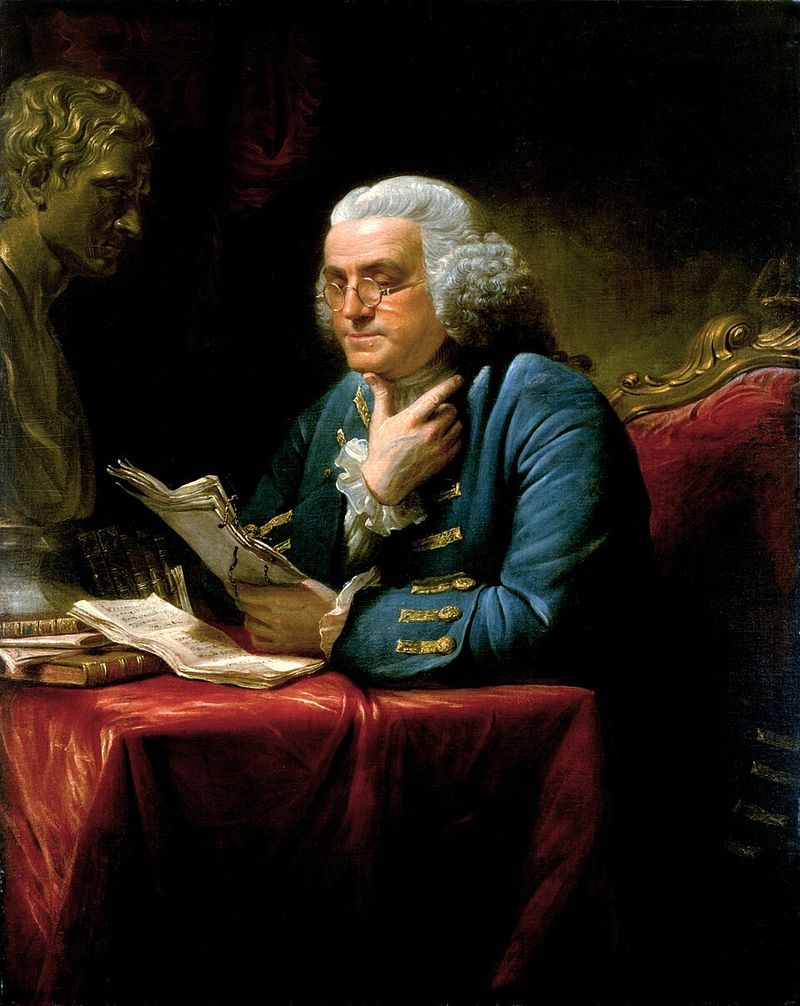
Franklin proved lightning is electricity by flying a kite in a storm, a risky experiment that led to the invention of the lightning rod. This simple device has saved countless buildings and lives by safely channeling electrical strikes into the ground.
He also invented bifocal glasses, the Franklin stove, and a flexible catheter. His experiments with electricity laid groundwork for understanding circuits and charge.
Yet Franklin never patented his inventions, believing useful ideas should benefit everyone.
Beyond science, Franklin helped draft the Declaration of Independence, negotiated the treaty that ended the Revolutionary War, and founded libraries, fire departments, and universities. His “Poor Richard’s Almanack” dispensed practical wisdom and witty sayings that Americans still quote.
Franklin embodied the Enlightenment ideal that reason and experimentation improve society. His life showed that curiosity, hard work, and a commitment to the public good can create lasting change.
From electricity to democracy, his fingerprints are all over the modern world, proving one person’s ideas can spark revolutions in science, politics, and daily life.
24. Karl Marx: The Economic Thinker Who Reshaped Modern Political Debate
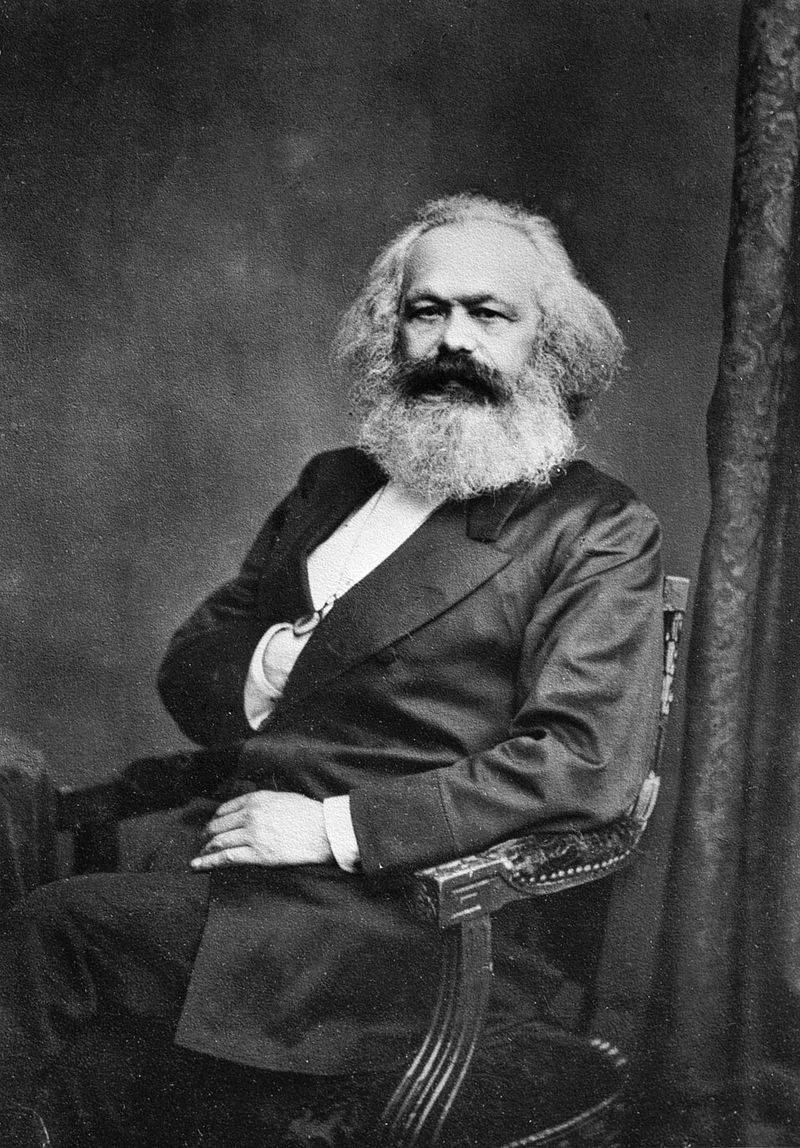
Marx analyzed capitalism with a critical eye, arguing that it creates inevitable conflicts between workers who sell their labor and owners who control the means of production. He predicted that this tension would lead to revolution and the eventual rise of a classless, communist society.
His book “Das Kapital” examined how surplus value is extracted from workers, shaping debates about wages, profit, and exploitation. Though his predictions didn’t unfold exactly as he imagined, his ideas influenced labor movements, social reforms, and the creation of socialist states across the globe.
Marx also developed historical materialism, the theory that economic systems drive social and political change. He believed that understanding material conditions, not just ideas, is key to understanding history.
Whether you agree with Marx or not, his critique of capitalism remains central to discussions about inequality, workers’ rights, and economic justice. Concepts like class struggle, alienation, and ideology entered political vocabulary worldwide.
Marx showed that questioning how societies organize work and wealth can challenge power structures and inspire movements for change.
25. Carl Sagan: The Science Communicator Who Made the Universe Feel Close
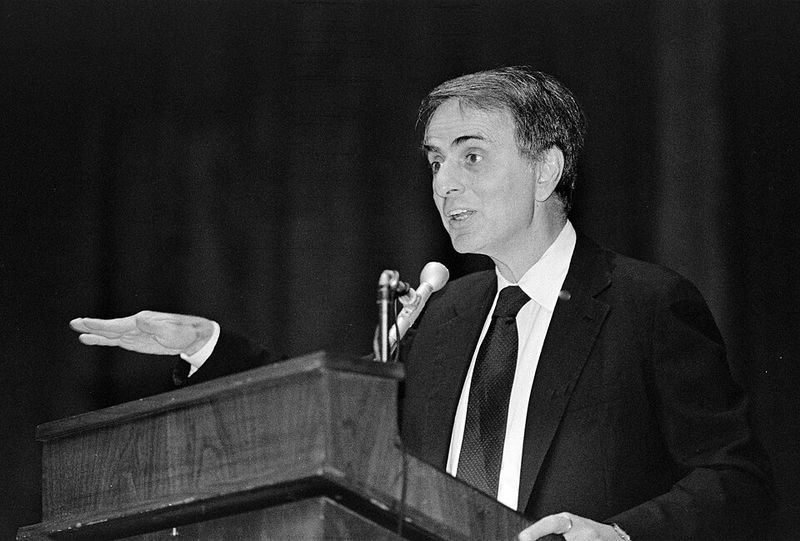
Sagan brought the cosmos into living rooms with his TV series “Cosmos,” watched by hundreds of millions worldwide. He explained black holes, the Big Bang, and the search for alien life with poetic language and infectious enthusiasm, making science accessible and inspiring.
He contributed to NASA missions, helping design messages sent into space on the Voyager probes, hoping that someday intelligent aliens might find them. He also warned about nuclear winter, showing how atomic war could trigger global climate catastrophe, and advocated for environmental protection.
Sagan emphasized skepticism and the scientific method, encouraging people to question claims and demand evidence. His book “The Demon-Haunted World” argued that science is a candle in the dark, lighting the way against superstition and pseudoscience.
His phrase “billions and billions” became iconic, as did his idea that “we are made of star stuff,” reminding us that atoms in our bodies were forged in ancient stars. Sagan showed that understanding the universe isn’t just for experts but for everyone who looks up at the night sky and wonders where we came from and whether we’re alone.



