 Unearth The Voyage
History has a funny habit of burying its greatest secrets, sometimes literally. Across every continent, entire cities vanished beneath sand, jungle, and time, only to resurface centuries later and rewrite everything we thought we knew.
These rediscovered places are not just tourist hotspots or textbook footnotes. They are proof that human civilization runs deeper, wider, and far more impressive than most of us ever learned in school.
Pompeii: A Roman City Caught Mid-Breath
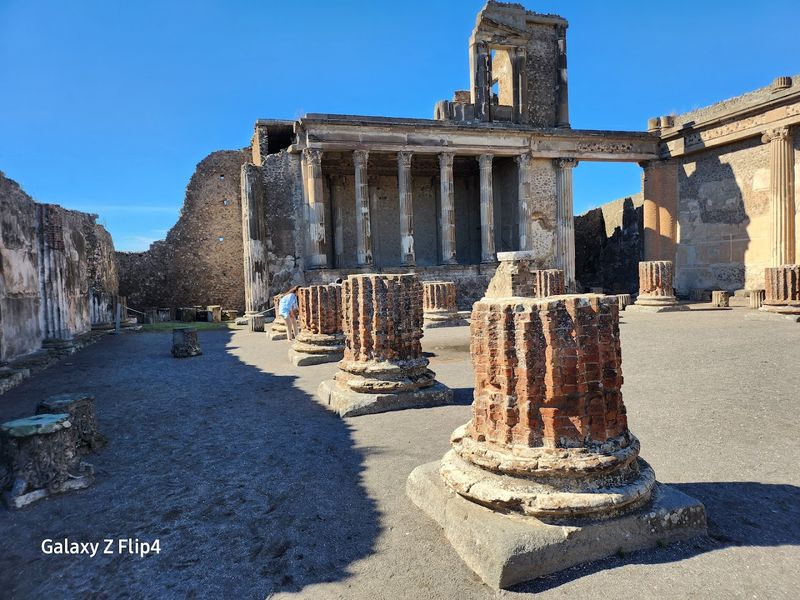
Pompeii did not fade away slowly. It was erased in a single afternoon.
When Mount Vesuvius erupted in 79 CE, an entire Roman city froze in place, preserving bakeries, graffiti, and even a fast-food counter called a thermopolium.
Systematic excavations started in 1748, and archaeologists have been astonished ever since. The site revealed loaves of bread still sitting in ovens and political campaign slogans painted on walls.
Romans, it turns out, were not so different from us.
Pompeii became archaeology’s most famous time capsule because nothing was edited. Life stopped, and the record stayed intact.
Walking through its streets today feels less like visiting ruins and more like stumbling into someone’s interrupted Tuesday. Over 1,500 victims have been identified, and new discoveries still happen regularly, including a horse stable found as recently as 2021.
Machu Picchu: The Inca Citadel the Clouds Hid
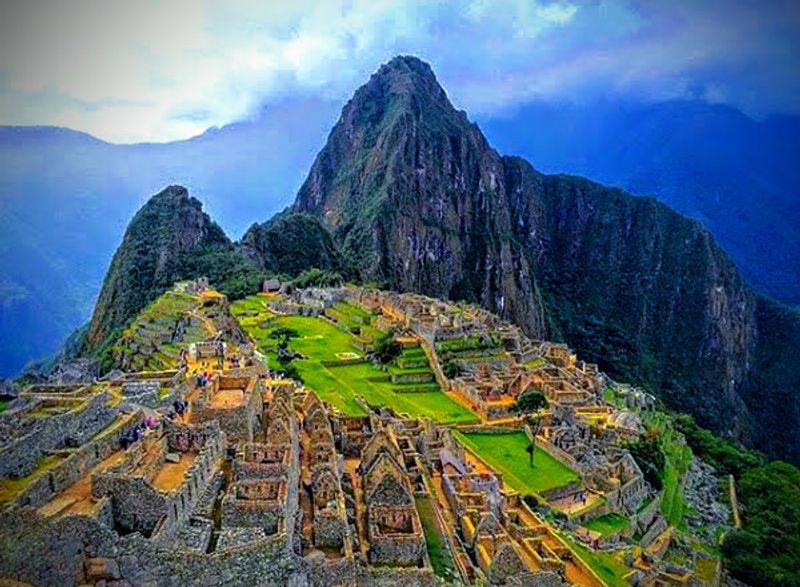
Tucked between two Andean peaks at over 7,900 feet, Machu Picchu had an excellent hiding strategy: clouds. The Inca built it around 1450 CE, and when the Spanish arrived, it stayed off their radar entirely.
Local communities knew about it, but the wider world did not.
That changed in 1911 when Hiram Bingham, an American explorer, arrived with a notebook and a lot of enthusiasm. His photographs and published accounts turned Machu Picchu into a global sensation almost overnight.
Decades of research followed, and debates about its purpose still continue today.
Was it a royal retreat? A religious sanctuary?
Possibly both. The stonework alone is jaw-dropping.
The Inca fitted massive granite blocks together without mortar, so precisely that a knife blade cannot slide between them. Machu Picchu now welcomes over a million visitors annually, making it one of history’s most spectacular comeback stories.
Petra: The Rose City Stepping Out of Legend
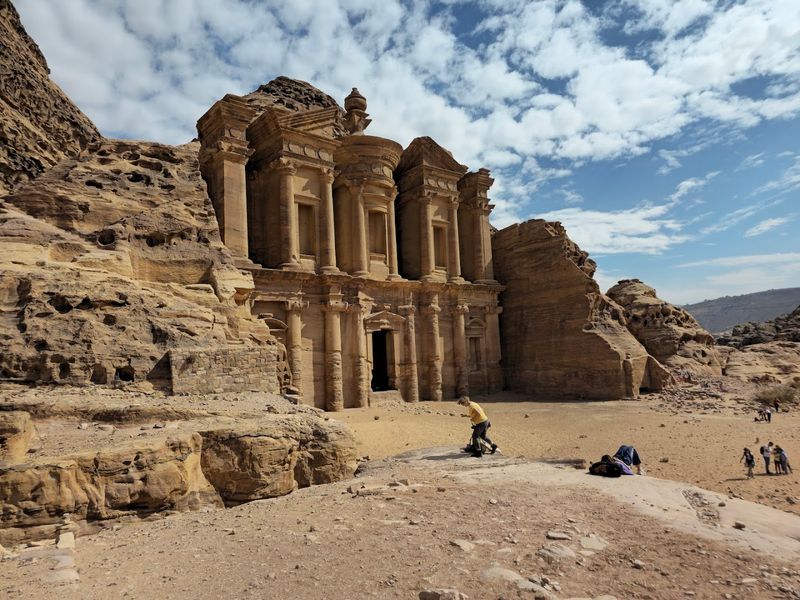
Petra looks like something a special effects team invented. Entire buildings carved directly into rose-red sandstone cliffs, hidden inside a narrow canyon called the Siq.
It was the capital of the Nabataean Kingdom, a trading empire that controlled spice routes across the ancient Middle East.
European awareness surged after Swiss explorer Johann Ludwig Burckhardt disguised himself as a pilgrim and reached Petra in 1812. His report stunned the Western world.
Here was a city that looked mythical even when you were standing inside it.
Petra was home to around 20,000 people at its peak. Its residents engineered sophisticated water channels to survive in a desert environment, which is genuinely impressive given their era.
Less than 15 percent of the city has been excavated so far, meaning most of Petra still sleeps underground. The best is almost certainly yet to come.
Troy: The Myth That Became a Dig Site
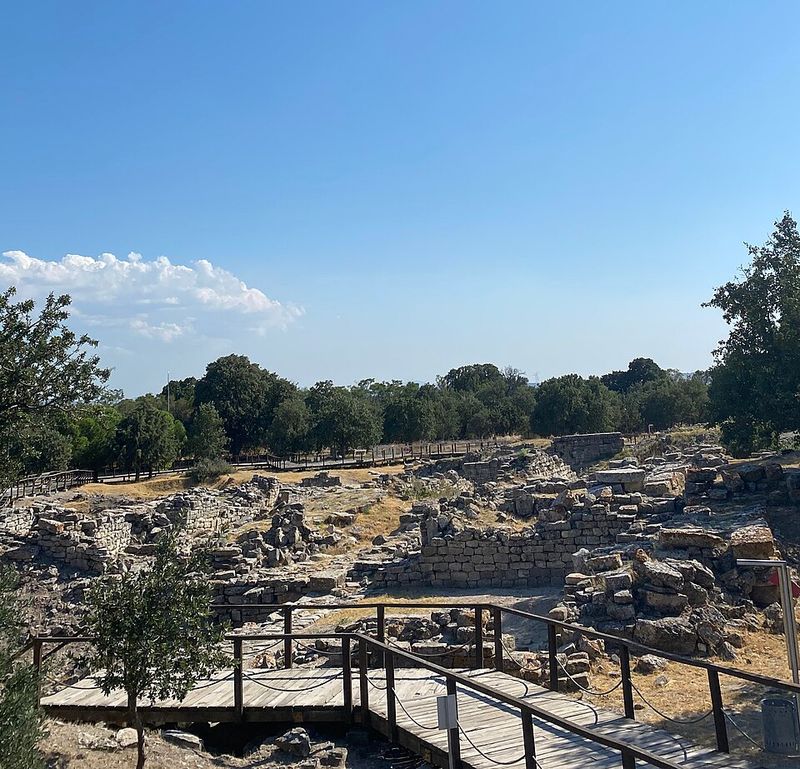
For centuries, Troy lived inside Homer’s Iliad as a great poetic backdrop for war, heroes, and a famous wooden horse. Most scholars treated it as pure fiction.
Then Heinrich Schliemann showed up with a shovel and a stubborn belief that myths sometimes tell the truth.
His excavations in the 1870s at Hisarlik in modern Turkey exposed not one Troy, but nine layered settlements stacked on top of each other. Each layer represented a different civilization, a different era, a different story.
Schliemann’s methods were controversial, since he bulldozed through several layers looking for gold. Archaeologists still wince about that.
Despite the messy early digs, Troy gained genuine archaeological credibility. The site now shows evidence of a major Bronze Age city that matches the timeframe of the Trojan War legend.
Whether the war itself happened exactly as Homer described remains delightfully unresolved.
Tikal: Pyramids Punching Through Rainforest
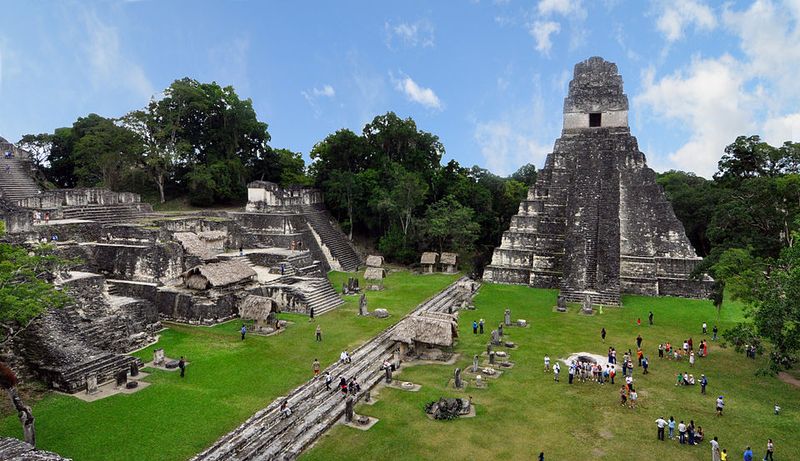
Tikal’s tallest temple rises 230 feet above the jungle floor. That is taller than a 20-story building, built without metal tools, wheels, or draft animals.
The Maya who constructed this city were working with nothing but stone, ingenuity, and an extraordinary understanding of mathematics.
At its height around 800 CE, Tikal housed roughly 100,000 people. Then it went quiet.
The city was gradually reclaimed by the Guatemalan rainforest, its pyramids swallowed by roots and vines for centuries before modern archaeologists began clearing them in earnest.
Rediscovery brought global attention to just how sophisticated Maya civilization really was. Recent LIDAR surveys, which use laser technology to see through dense jungle, revealed that Tikal was even larger than previously thought.
Thousands of previously unknown structures were hiding in plain sight. The jungle, it turns out, had been keeping even more secrets than anyone suspected.
Great Zimbabwe: Stone Walls That Rewrote History
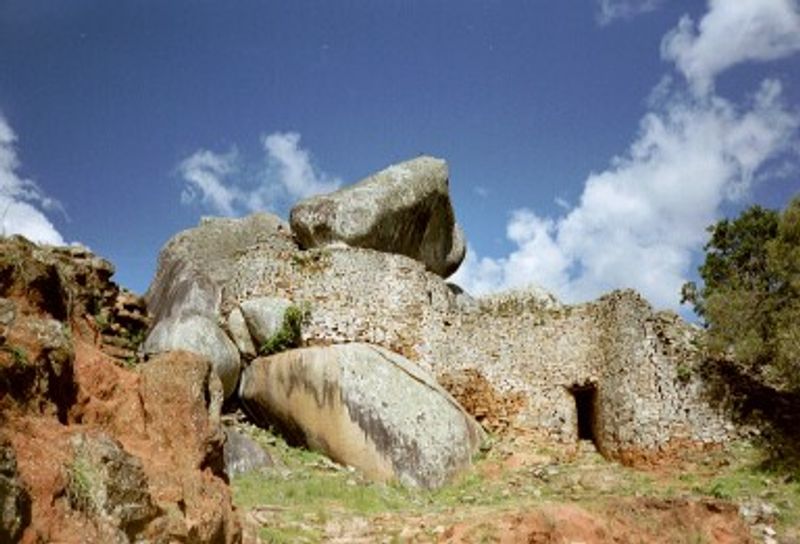
When European explorers first encountered Great Zimbabwe in the late 1800s, some refused to believe Africans had built it. They invented elaborate theories crediting Phoenicians, ancient Israelites, and practically everyone except the actual builders.
The evidence disagreed loudly.
Great Zimbabwe was the capital of a powerful Shona kingdom that flourished between the 11th and 15th centuries. Its stone walls, some reaching 36 feet high, were built without mortar using a dry-stacking technique that has kept them standing for centuries.
At its peak, the city held around 18,000 residents.
The site forced a long-overdue recognition of sophisticated African state-building that colonial narratives had worked hard to erase. Today, Great Zimbabwe is so significant that it literally gave Zimbabwe its name.
The word Zimbabwe comes from the Shona phrase for stone houses. The ruins are not just archaeology.
They are national identity carved in stone.
Angkor: An Entire Empire’s Heart in the Jungle
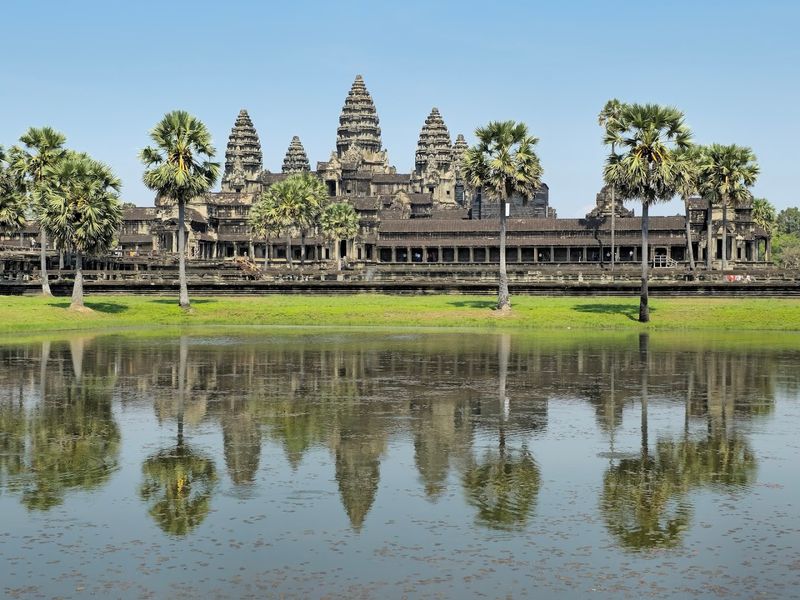
Angkor Wat is the largest religious monument ever built. Full stop.
The Khmer Empire constructed it in the 12th century, and at its height the city of Angkor supported over a million people, making it the largest pre-industrial city on Earth. Then it slowly declined and the jungle moved in.
French naturalist Henri Mouhot brought Angkor to Western attention in the 1860s, though local communities had never forgotten it. His detailed descriptions of the temple complex sparked enormous scholarly interest.
The Khmer had built not just temples but an entire hydraulic city, with canals and reservoirs engineered to support massive populations.
Modern archaeology using satellite imaging has revealed that Angkor’s urban sprawl extended far beyond what anyone previously mapped. The city was a masterpiece of urban planning.
Its famous temples, especially Angkor Thom and the Bayon with its giant smiling stone faces, remain among the most awe-inspiring structures humanity has ever produced.
Mohenjo-daro: Plumbing Before It Was Cool
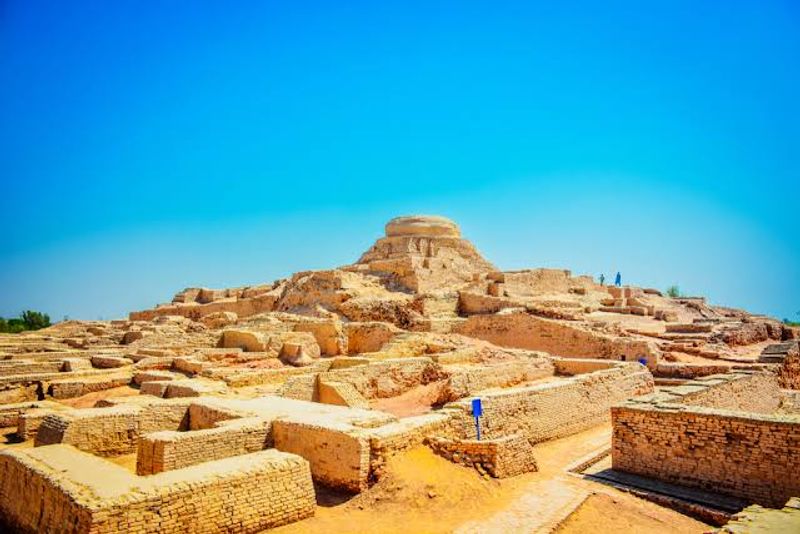
Mohenjo-daro had indoor plumbing around 2500 BCE. Most of Europe would not catch up for another three thousand years.
That alone should make this city famous, and yet it remained unknown to modern scholarship until excavations began in the early 1920s in what is now Pakistan.
The city shocked archaeologists. Its streets were laid out in a grid pattern.
Buildings had standardized brick sizes. A sophisticated drainage system ran beneath the streets, connecting individual homes to city-wide sewers.
This was urban planning at a level that rivaled anything Rome would build centuries later.
Nobody has deciphered the Indus script yet, so Mohenjo-daro keeps its deepest secrets locked tight. We know what the city looked like but not what its people called it, what language they spoke, or why it was eventually abandoned.
The mystery makes the ruins even more compelling. Some cities speak clearly.
This one prefers to whisper.
Babylon: The Famous Ruins That Kept Surprising
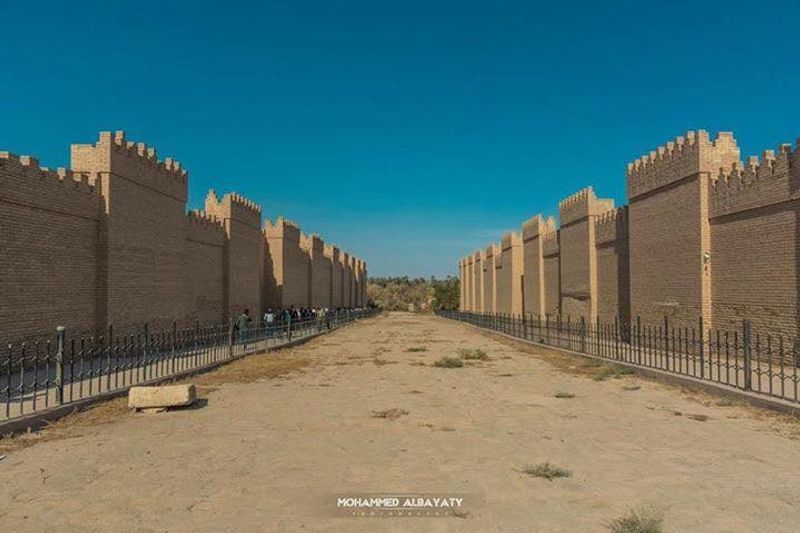
Babylon was never truly forgotten. It lived in the Bible, in Greek histories, and in the cultural memory of half the ancient world.
But the actual physical city, buried under millennia of Mesopotamian dust, needed serious archaeological attention before its full story emerged.
European investigators began examining Babylon’s remains seriously in the early 19th century. German archaeologist Robert Koldewey led major excavations from 1899 to 1917, unearthing the Ishtar Gate, the Processional Way, and foundations that matched ancient descriptions remarkably well.
The famous blue-glazed bricks with their dragons and bulls are genuinely stunning in person.
Babylon was home to the Hanging Gardens, one of the Seven Wonders of the Ancient World, though archaeologists still debate their exact location or whether they existed at all. King Nebuchadnezzar II built much of what Koldewey found.
The city once straddled the Euphrates River in modern-day Iraq, and its legacy still echoes across three major world religions.
Palmyra: The Desert Bride That Linked Empires
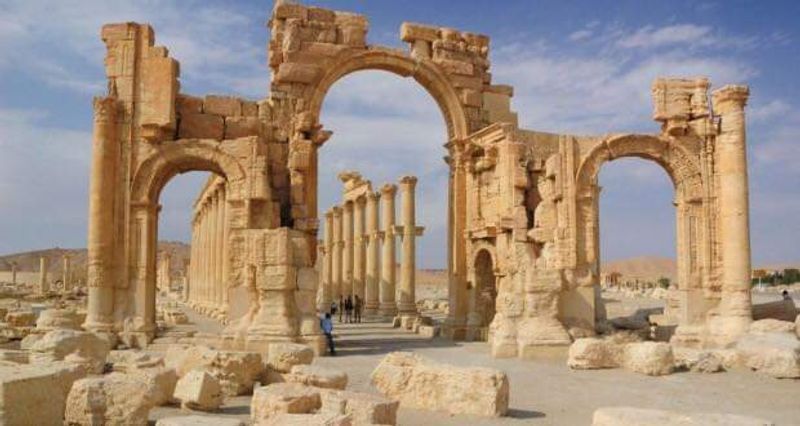
Palmyra sat at the crossroads of the ancient world, connecting Rome to Persia and the Mediterranean to the Silk Road. For centuries, it was one of the wealthiest cities on Earth.
Then it declined, the desert crept in, and the world largely moved on.
European travelers in the 1600s began revisiting Palmyra’s ruins, and the reports they sent back caused a sensation. Here was a city of enormous colonnaded streets, grand temples, and a monumental arch, all half-buried in Syrian sand.
Palmyra became the defining image of lost grandeur found again.
Queen Zenobia, who ruled Palmyra in the 3rd century CE, briefly challenged Rome itself and almost pulled it off. Her story is one of antiquity’s most dramatic power plays.
Palmyra’s recent destruction by extremists between 2015 and 2016 was a global tragedy. Restoration efforts continue, but some losses cannot be undone.
The desert bride deserves better.
Carthage: Rome’s Greatest Rival, Resurfacing
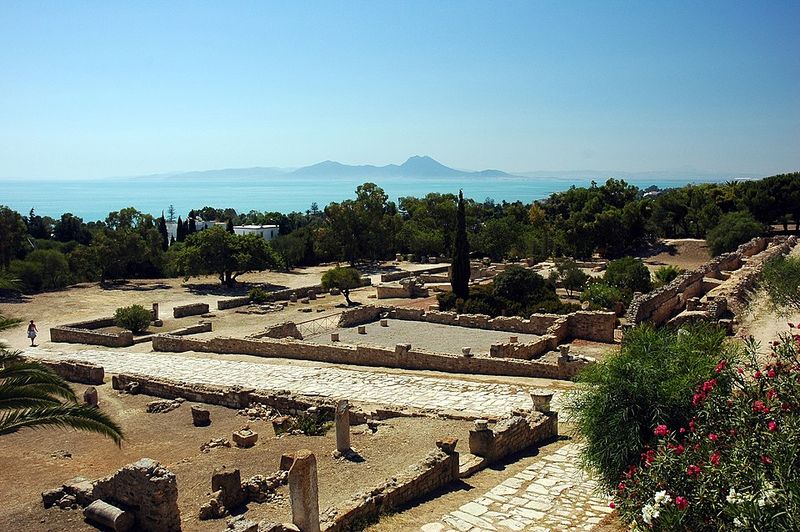
Rome did not just defeat Carthage. It erased it.
After the Third Punic War in 146 BCE, Roman forces destroyed the city so thoroughly that later generations debated whether it had ever really existed as described. Spoiler: it absolutely had.
Excavations gaining momentum in the 1800s helped piece together Punic life beyond the Roman propaganda that had dominated the historical record for centuries. Carthage was a sophisticated maritime empire with its own religion, art, language, and trade networks stretching across the Mediterranean.
The famous tophet, a sacred burial ground, revealed thousands of urns containing the remains of children, sparking a debate about ritual sacrifice that archaeologists still argue about today. Carthage sits near modern Tunis, and its ruins are scattered across a surprisingly large area.
The city was rebuilt as a Roman colony after its destruction, which means layers of different civilizations sit on top of each other, each one covering the last.
Teotihuacan: A Metropolis That Kept Its Secrets
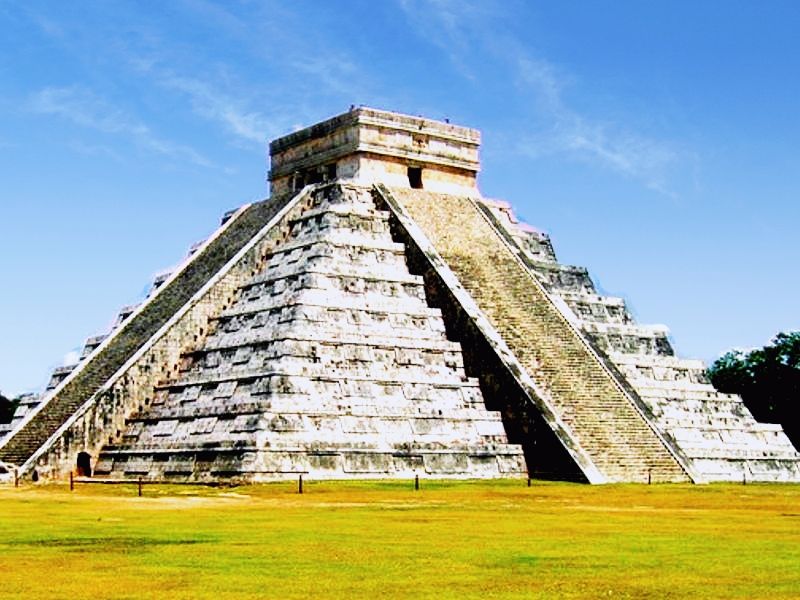
Nobody knows who built Teotihuacan. That fact alone makes it one of archaeology’s greatest mysteries.
At its peak around 450 CE, this city in central Mexico was the sixth-largest city in the world, housing over 125,000 people. And its founders remain completely anonymous.
Modern study accelerated with surveys in 1864 and excavations from 1884, with major restoration work between 1905 and 1910. The city’s layout is astonishingly precise.
The Pyramid of the Sun is oriented to track astronomical events, and the entire Avenue of the Dead aligns with specific celestial positions.
Beneath the Pyramid of the Feathered Serpent, archaeologists in 2015 discovered a tunnel filled with thousands of ritual objects. Mercury, rubber balls, jade figurines, and pyrite mirrors were found arranged with clear ceremonial intent.
Teotihuacan keeps answering old questions by raising better new ones, which is exactly what a great mystery should do.
Hattusa: The Hittite Capital Rising from Silence
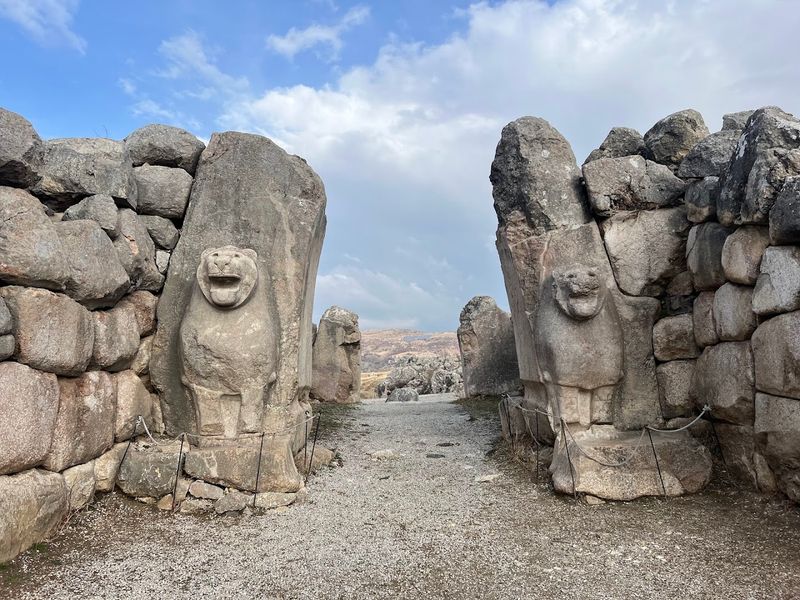
The Hittites once rivaled Egypt. They fought Ramesses II to a standstill at the Battle of Kadesh, signed one of history’s first known peace treaties, and built an empire across modern Turkey and Syria.
Then they collapsed around 1200 BCE, and the world essentially forgot them for three thousand years.
Hattusa, their capital in central Anatolia, was rediscovered and excavated through the 20th century, helping rebuild an empire from scratch. The site revealed massive stone walls, temple complexes, and thousands of clay tablets written in cuneiform.
Those tablets included the peace treaty with Egypt, the oldest known written treaty in history.
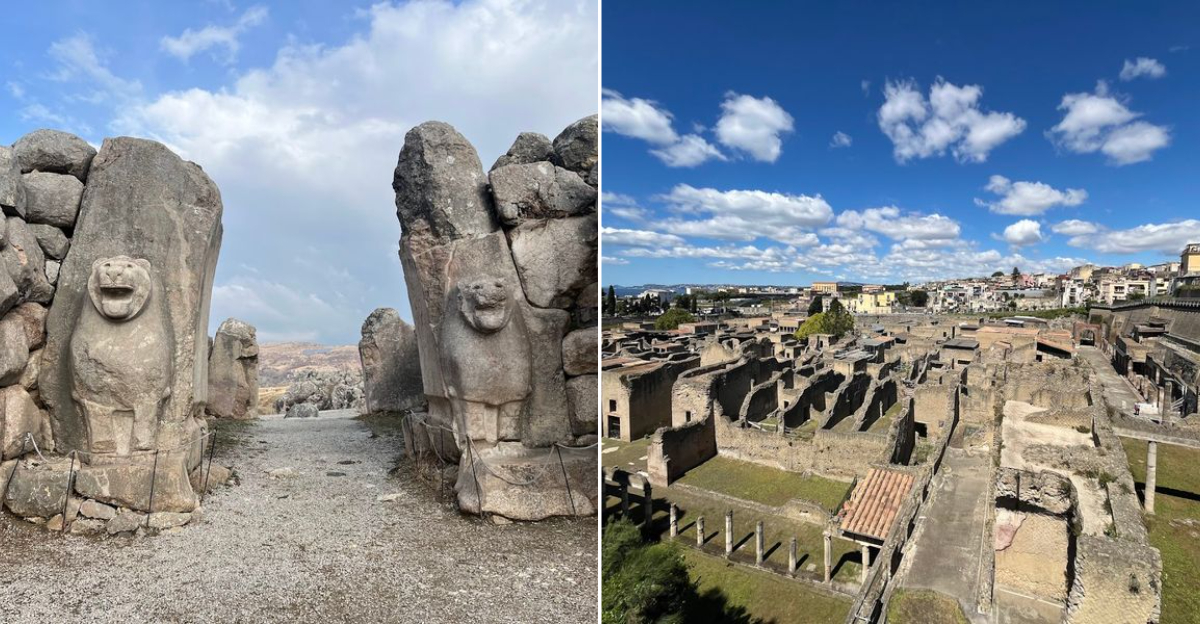
The Lion Gate at Hattusa is particularly striking. Two massive stone lions flank the entrance with expressions suggesting they are not entirely pleased to see visitors.
Hattusa’s archaeology reshaped our understanding of Bronze Age geopolitics, proving that the ancient Near East was far more diplomatically complex than anyone had previously appreciated.
Leptis Magna: Rome’s North African Showpiece
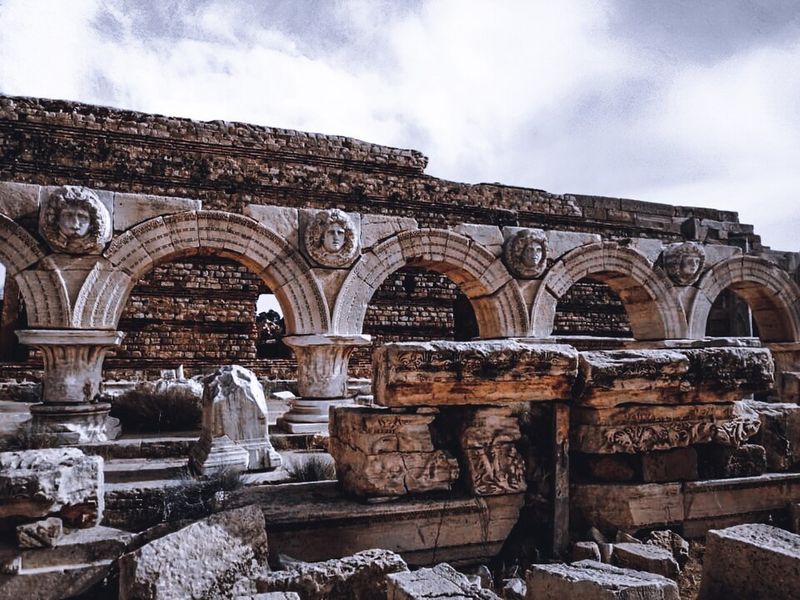
Leptis Magna makes most Roman ruins look underdressed. Located on the Libyan coast, this city was the birthplace of Emperor Septimius Severus, who celebrated his hometown origins by showering it with extraordinary monuments.
The result was one of the most lavishly built cities in the entire Roman Empire.
Long buried under sand, early 20th-century excavations revealed an astonishing cityscape. The Severan Forum, the harbor, the basilica, the theater, and the amphitheater all survived in remarkable condition.
Sand, it turns out, is an excellent preservative when it keeps tourists and weather away for long enough.
The carved stonework at Leptis Magna is genuinely breathtaking in its detail. Portrait reliefs, mythological scenes, and architectural ornamentation cover nearly every surface.
Many archaeologists consider it one of the best-preserved Roman cities anywhere in the world, arguably better than Rome itself in certain respects. Libya’s political instability has made continued preservation a serious ongoing challenge.
Catalhoyuk: A Prehistoric City With No Streets
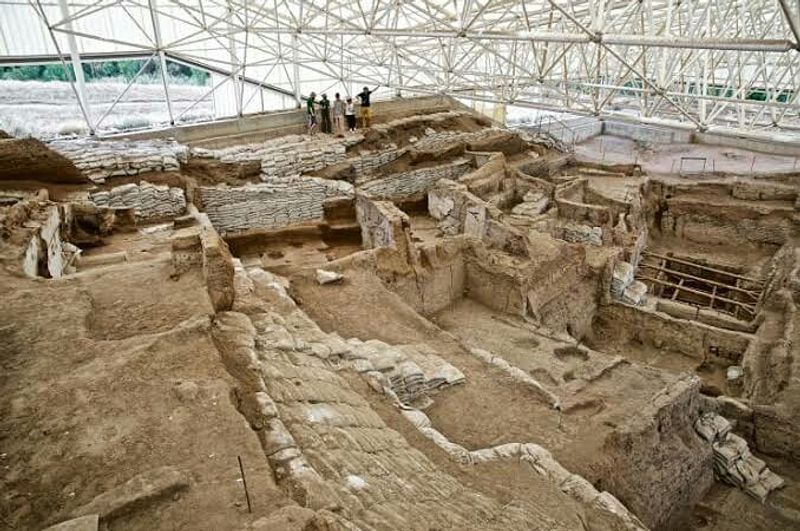
Catalhoyuk had no streets. None at all.
Residents entered their homes through holes in the roof, climbing down ladders into living spaces that were packed so tightly together that walking between buildings was simply not an option. This was urban living, Neolithic style.
Discovered in 1958 in central Turkey, Catalhoyuk dates to around 7500 BCE, making it one of the earliest known dense human settlements. The site completely reframed how archaeologists think about early cities.
Rituals happened inside homes, with the dead buried beneath the floors. Wall paintings depicted animals, hunting scenes, and geometric patterns.
Around 8,000 people lived here at its peak, which is remarkable for a settlement from this era. Researchers found no evidence of a ruling class or central authority, suggesting a surprisingly egalitarian social structure.
Catalhoyuk proves that humans were experimenting with urban living long before anyone thought to add streets to the blueprint.
Ciudad Perdida: The Real Lost City in the Jungle
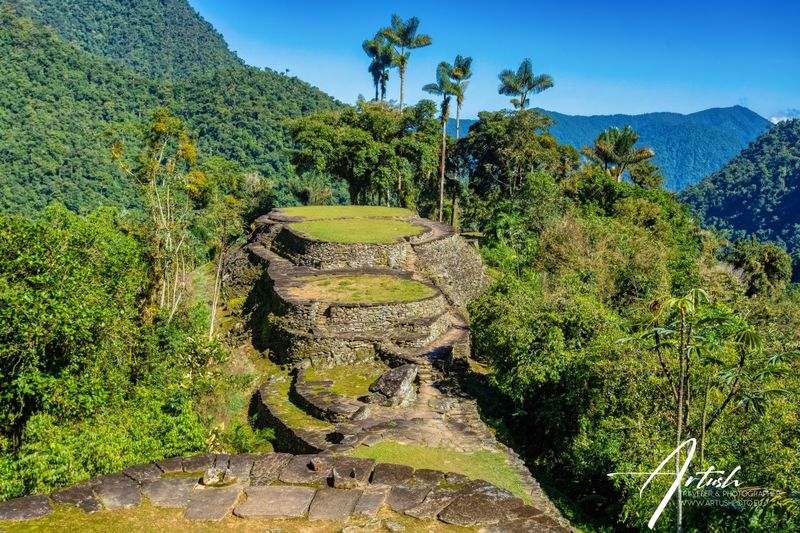
El Dorado, the legendary golden city, sent countless explorers stumbling into jungles they never came back from. The real prize, however, was something far more verifiable.
Ciudad Perdida, a Tairona city in the mountains of northern Colombia, was rediscovered in 1972 by local treasure hunters who had no idea what they had found.
The site predates Machu Picchu by roughly 650 years. Its stone terraces, staircases, and circular plazas were carved into a steep mountainside deep in the Sierra Nevada de Santa Marta.
It was the political and spiritual center of the Tairona civilization, which thrived for centuries before Spanish colonization devastated it.
Getting to Ciudad Perdida today requires a four-to-six-day hike through dense jungle. That makes it one of the more athletic archaeological pilgrimages available to the public.
The trek is considered worth every blister. The city sits hidden in greenery so thick that it remained undiscovered by the wider world for over four centuries after the Spanish arrived.
Xanadu: The Capital That Became a Poem
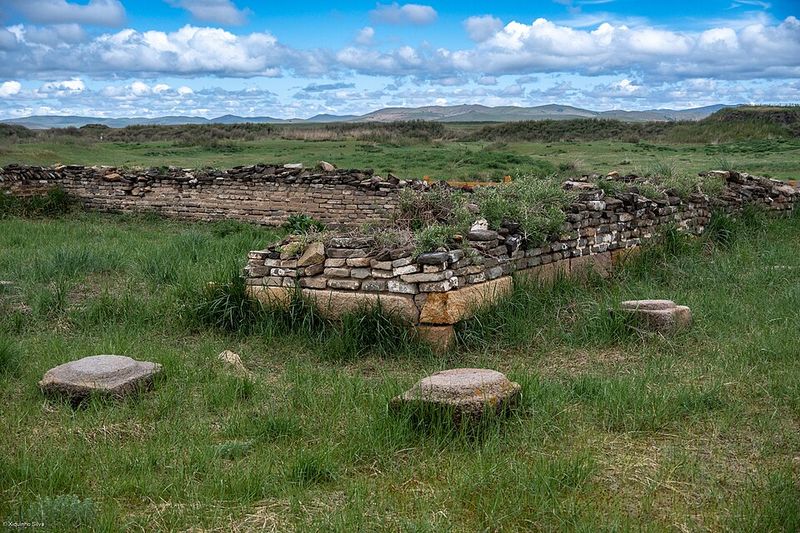
Samuel Taylor Coleridge wrote about Xanadu in 1797 and made it sound like the most opulent place ever conceived. He was not entirely wrong.
Shangdu, known in the West as Xanadu, was the summer capital of Kublai Khan’s Mongol Empire in the 13th century, and contemporary accounts described it in terms that sounded frankly unbelievable.
Marco Polo visited and wrote glowingly about its marble palace, its hunting grounds, and its extraordinary gardens. The city was eventually destroyed, and its ruins in Inner Mongolia sat largely unexamined by modern archaeology for centuries.
UNESCO formally recognized the site in 2012, bringing renewed scholarly attention to what remains.
Modern excavations have revealed the city’s layout, its palace foundations, and the scale of its infrastructure. What was once dismissed as poetic exaggeration turns out to have been fairly accurate reporting.
Xanadu really was that impressive. The poem got it right, and the ruins are still proving it.
Herculaneum: Pompeii’s Quieter, Richer Sibling
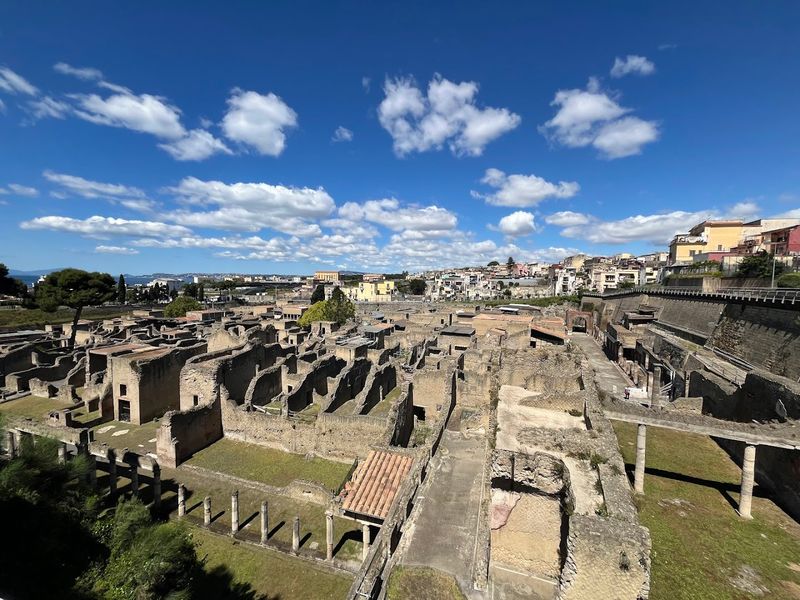
Herculaneum gets overshadowed by Pompeii in almost every conversation, which is deeply unfair. When Vesuvius erupted in 79 CE, Herculaneum was buried under a superheated volcanic surge that preserved it even more completely than its more famous neighbor.
Wood survived. Furniture survived.
Food survived.
The city was discovered in 1709 when workers digging a well broke through into the ancient theater. Systematic excavation began in 1738, revealing a wealthy Roman town with intact two-story houses, painted walls, and carbonized scrolls that scholars are still working to read using modern imaging technology.
The Villa of the Papyri alone contained over 1,800 scrolls, representing the only intact library from the ancient world. Most are so fragile they cannot be unrolled by hand.
X-ray and infrared technology are slowly decoding them, and the texts they contain could genuinely rewrite our understanding of ancient philosophy. Herculaneum is still revealing secrets, one fragile scroll at a time.
Dwarka: Underwater Ruins That Blur Myth and Science
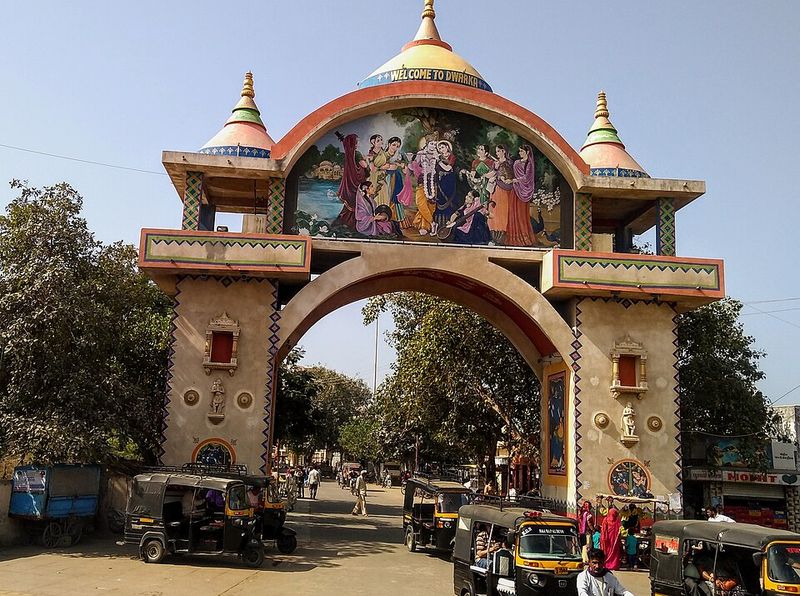
Dwarka sits in a uniquely strange position between mythology and archaeology. Hindu tradition holds that Dwarka was Lord Krishna’s legendary capital, a golden city that sank beneath the sea.
Modern underwater exploration has found something genuinely interesting below the waves off the Gujarat coast in India.
Underwater exploration has been active since the 1980s, with the National Institute of Oceanography conducting systematic work since 1983. Submerged stone structures, walls, and artifacts have been documented at depths suggesting they were once above sea level.
The dating of these structures and their relationship to the mythological city remain subjects of active scholarly debate.
Not everyone agrees on the interpretation of what has been found. Some researchers see clear evidence of an ancient submerged city.
Others argue the structures could have natural explanations. The truth probably lies somewhere in between, which is exactly where the most interesting archaeology tends to live.
Dwarka keeps generating more questions than answers, which suits it perfectly.
Caral: The Americas’ Oldest Urban Turning Point
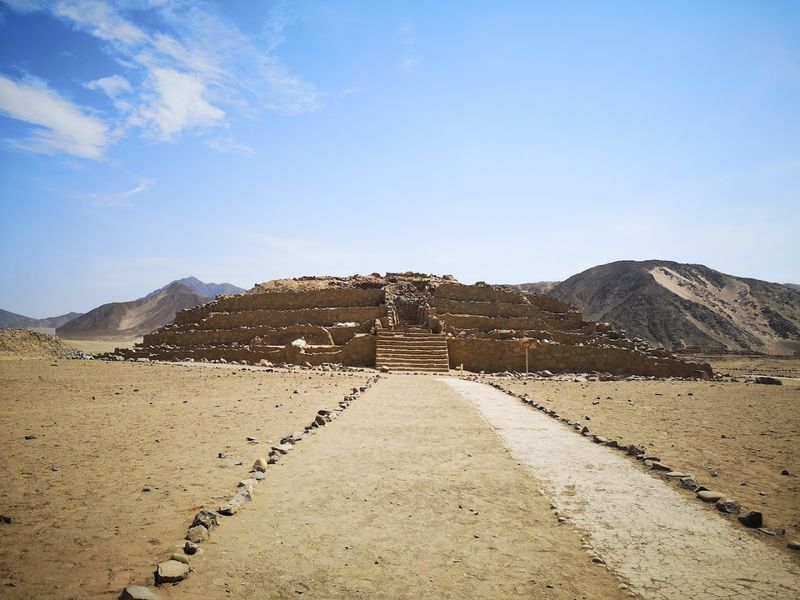
Caral is 5,000 years old, which means it was already ancient when the Egyptian pyramids were being built. Located in the Supe Valley of Peru, it is considered one of the oldest urban centers in the Americas, and its discovery fundamentally changed how archaeologists understand early civilization in the Western Hemisphere.
Peruvian archaeologist Ruth Shady began major excavations in 1994, and her work revealed monumental platform mounds, sunken circular plazas, and evidence of complex social organization. Caral had no writing system and no pottery, which is unusual for a city of its sophistication and scale.
The city appears to have been built around music and trade rather than warfare. No weapons or evidence of conflict have been found at the site, which is refreshingly unusual for a major ancient civilization.
Caral’s residents apparently preferred textiles, fish, and flutes to swords. That is either a sign of remarkable social harmony or the world’s most effective PR strategy.
Knossos: The Palace That Powered a Legend
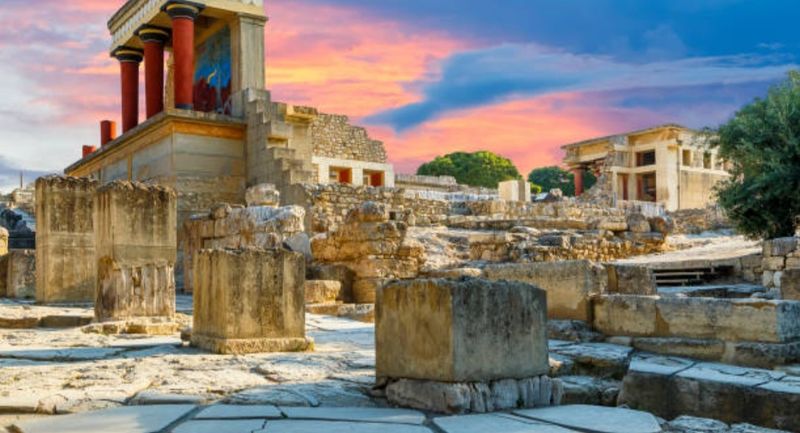
The labyrinth was real. Well, sort of.
The Palace of Knossos on the island of Crete is so sprawling and complex, with corridors, staircases, and rooms branching off in every direction, that it likely inspired the Greek myth of the Minotaur’s maze. Walking through it today, getting slightly lost is almost a guarantee.
Arthur Evans began major excavations in 1900 and spent the next three decades uncovering the Minoan civilization, a Bronze Age culture that had been almost completely unknown. He also controversially reconstructed large sections of the palace using concrete, which modern archaeologists find somewhat horrifying but tourists seem to enjoy.
The frescoes found at Knossos are extraordinary. Images of bull-leaping athletes, elegant women, and marine life cover the walls in vivid color.
The Minoans were clearly a sophisticated, art-loving civilization. Their mysterious collapse around 1450 BCE remains debated, with volcanic eruptions, invasions, and internal collapse all proposed as contributing factors.
Taxila: Where Empires, Buddhism, and Trade Met
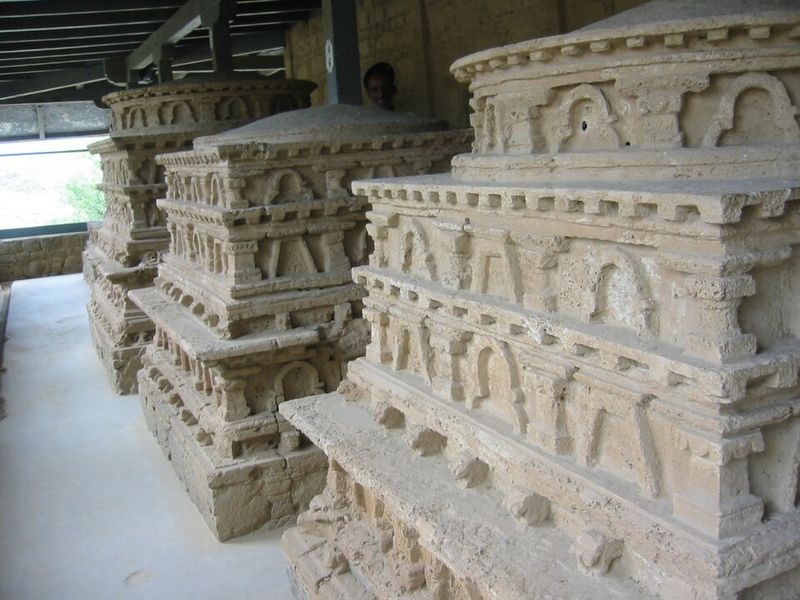
Taxila had an extraordinary resume. It was a major city under the Persian Achaemenid Empire, then Alexander the Great passed through, then the Maurya Empire, then the Kushans.
Each civilization left its mark, making Taxila one of the most layered archaeological sites in South Asia.
The ruins were identified in the 1800s and extensively excavated through the 20th century. What emerged was a picture of a thriving intellectual and commercial hub.
Taxila hosted one of the ancient world’s great universities, attracting scholars from across Asia to study medicine, philosophy, and statecraft.
Buddhist monasteries and stupas dot the landscape around Taxila, reflecting centuries of religious development. The Dharmarajika Stupa is one of the oldest in the world, believed to contain relics of the Buddha himself.
Taxila sits near modern Rawalpindi in Pakistan and is a UNESCO World Heritage Site, though it receives far less international attention than its remarkable history genuinely deserves.
Vilcabamba: The Inca’s Last Refuge, Finally Found
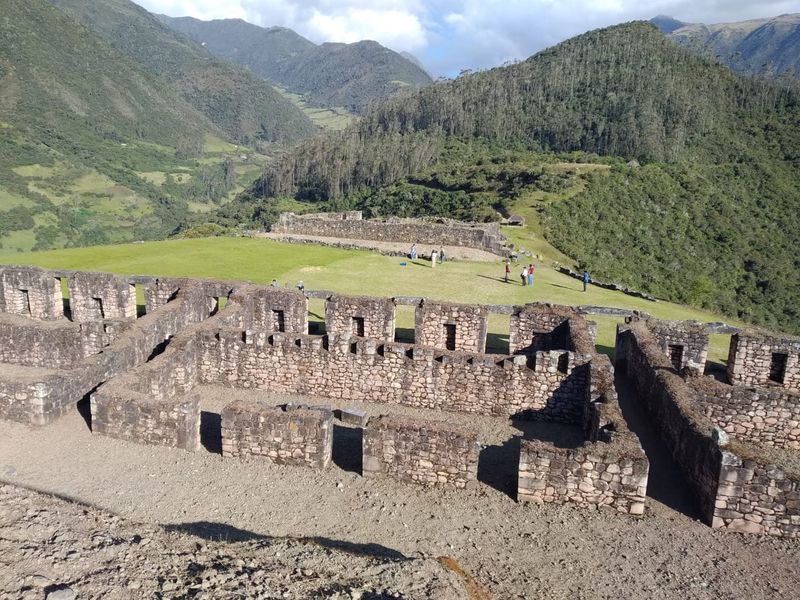
After the Spanish conquered the Inca Empire, a small group of Inca royalty retreated deep into the Amazon jungle and established a final holdout kingdom called Vilcabamba. They resisted for nearly 40 years.
When the Spanish finally captured and executed the last Inca ruler in 1572, Vilcabamba was abandoned and swallowed by jungle.
Finding it became one of South American archaeology’s great obsessions. Hiram Bingham thought Machu Picchu was Vilcabamba, which was a reasonable but incorrect guess.
The real identification came in 1964, when explorer Gene Savoy argued convincingly that Espiritu Pampa, a remote jungle site in Peru, matched historical descriptions of the legendary last city.
Subsequent excavations confirmed Savoy’s identification. The site revealed Inca stonework, pottery, and architectural features consistent with a royal settlement from the resistance period.
Vilcabamba is not as photogenic as Machu Picchu, but its story is arguably more dramatic. It was the last stand of an empire, hidden in the jungle until someone finally looked hard enough.
Mycenae: Gold, Kings, and the Lion Gate
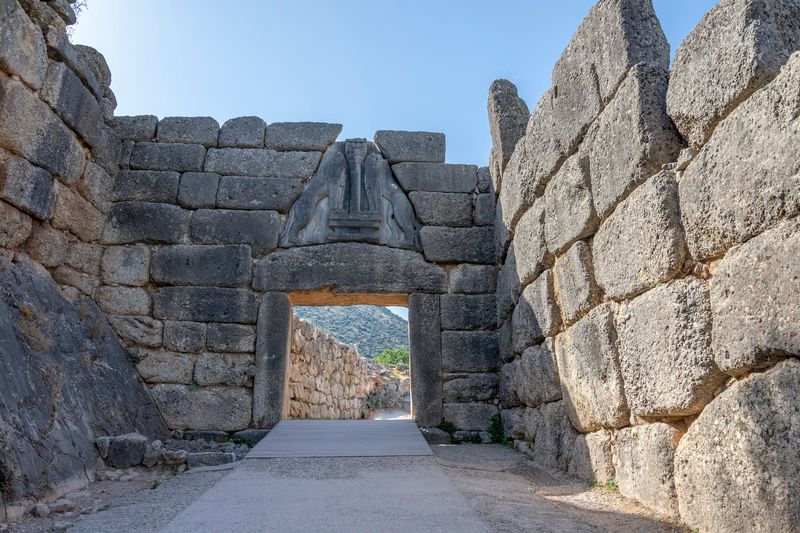
Heinrich Schliemann was not always right, but at Mycenae he struck gold. Literally.
His 1876 excavations at the citadel in southern Greece uncovered the famous Shaft Graves, filled with golden death masks, weapons, and jewelry belonging to Bronze Age royalty. One mask he declared belonged to Agamemnon, the legendary king of Troy fame.
Modern analysis suggests the mask predates Agamemnon by about three centuries, but the name stuck anyway. The site confirmed that Mycenae was indeed a major Bronze Age power, the civilization behind much of later Greek mythology and the cultural backdrop for Homer’s epics.
The Lion Gate, Mycenae’s famous entrance carved with two massive heraldic lions, is one of the oldest monumental sculptures in Europe. The Treasury of Atreus, a beehive-shaped tomb nearby, is equally remarkable.
Mycenae collapsed around 1200 BCE as part of the broader Bronze Age collapse that brought down civilizations across the Mediterranean simultaneously.
Sigiriya: A Fortress-Palace on a Rock Throne
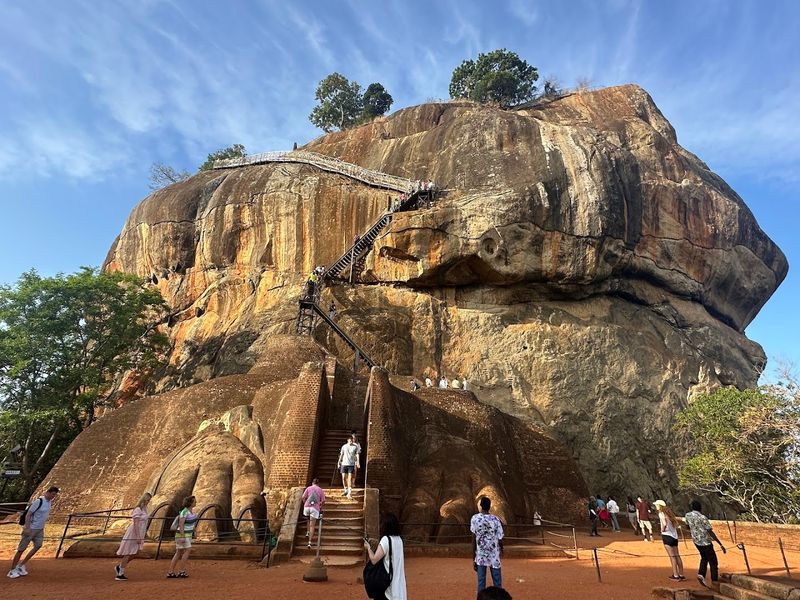
Sigiriya is a 200-meter granite column rising from the Sri Lankan jungle like something placed there deliberately by a very theatrical king. That is essentially what happened.
King Kashyapa built his palace on top of this rock fortress in the 5th century CE, presumably because he wanted the most dramatic home address in recorded history.
The site reemerged in modern scholarship in the 1800s, and what archaeologists found was extraordinary. Frescoes depicting beautiful women painted directly onto the rock face.
A mirror wall so polished that the king could see his reflection walking past. Water gardens at the base engineered with hydraulic sophistication that still functions during the rainy season.
The climb to the top involves a spiral staircase bolted into the rock face, passing the famous frescoes at mid-height. The view from the summit is spectacular.
Sigiriya is considered one of the best-preserved examples of ancient urban planning in South Asia and is Sri Lanka’s most visited archaeological site by a considerable margin.



