Some people don’t just live in their time, they redefine it. Throughout history, a handful of extraordinary thinkers have changed the way we see the world, from the laws of physics to the devices in our pockets.
Their ideas didn’t just solve problems, they created entirely new ways of thinking. Get ready to meet the 25 brilliant minds who literally reshaped our future.
Isaac Newton
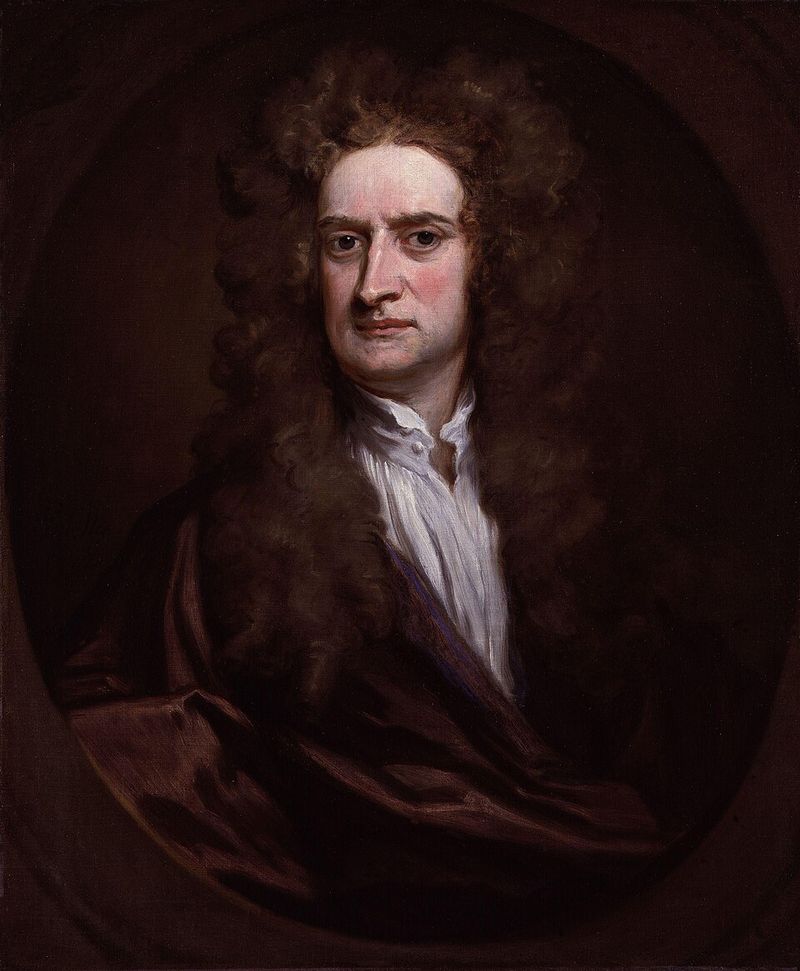
An apple falls from a tree, and most of us would just grab a snack. Newton turned it into the law of universal gravitation.
That’s the kind of brain we’re dealing with here.
Newton’s three laws of motion became the backbone of classical physics. Every rocket launch, every car engine, every billiard ball bouncing off a cushion owes something to his thinking.
He basically wrote the rulebook for how things move.
He also co-invented calculus, because apparently redefining physics wasn’t enough for one lifetime. Newton was notoriously difficult to get along with, but his ideas outlasted his personality by centuries.
Without him, modern science would be missing its most important foundation.
Albert Einstein
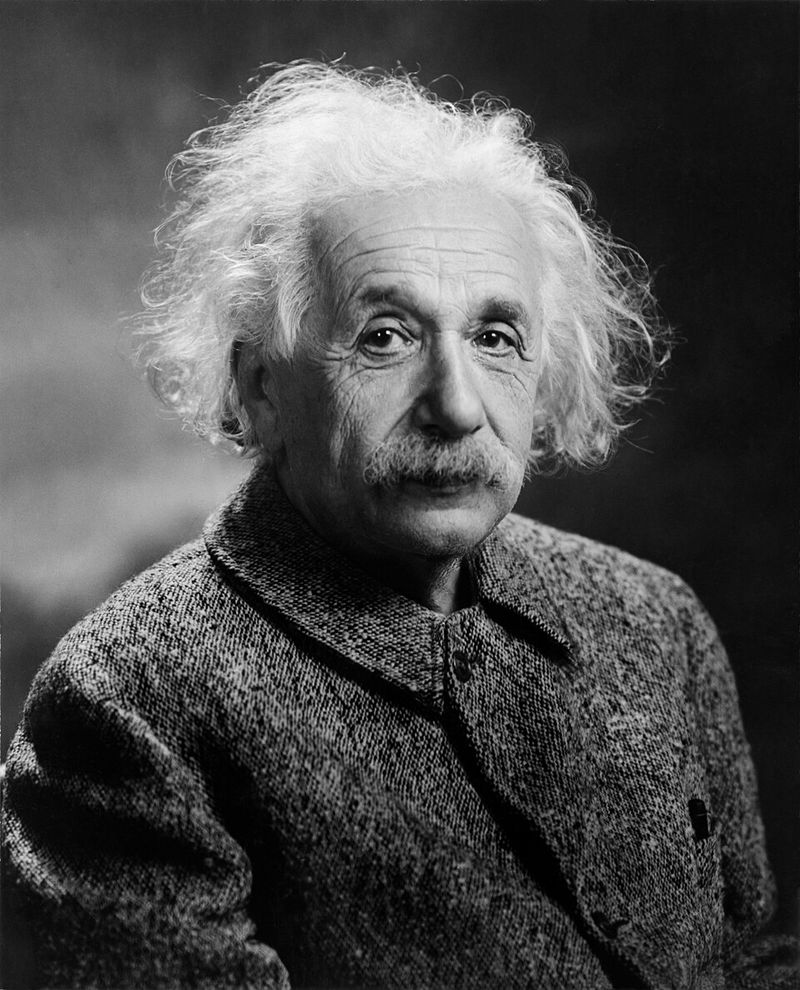
E=mc². Five characters that changed everything.
Einstein figured out that energy and mass are interchangeable, and the universe hasn’t been the same since.
His theory of special relativity proved that time isn’t fixed. It actually slows down depending on how fast you’re moving.
Your GPS uses Einstein’s math every single day to tell you where to turn left.
Einstein failed his university entrance exam on the first try and worked as a patent clerk while developing world-altering physics. He later won the Nobel Prize, though surprisingly not for relativity.
He was also an amateur violinist who once said music meant more to him than any scientific discovery. Genius, it turns out, comes in more than one key.
Marie Curie
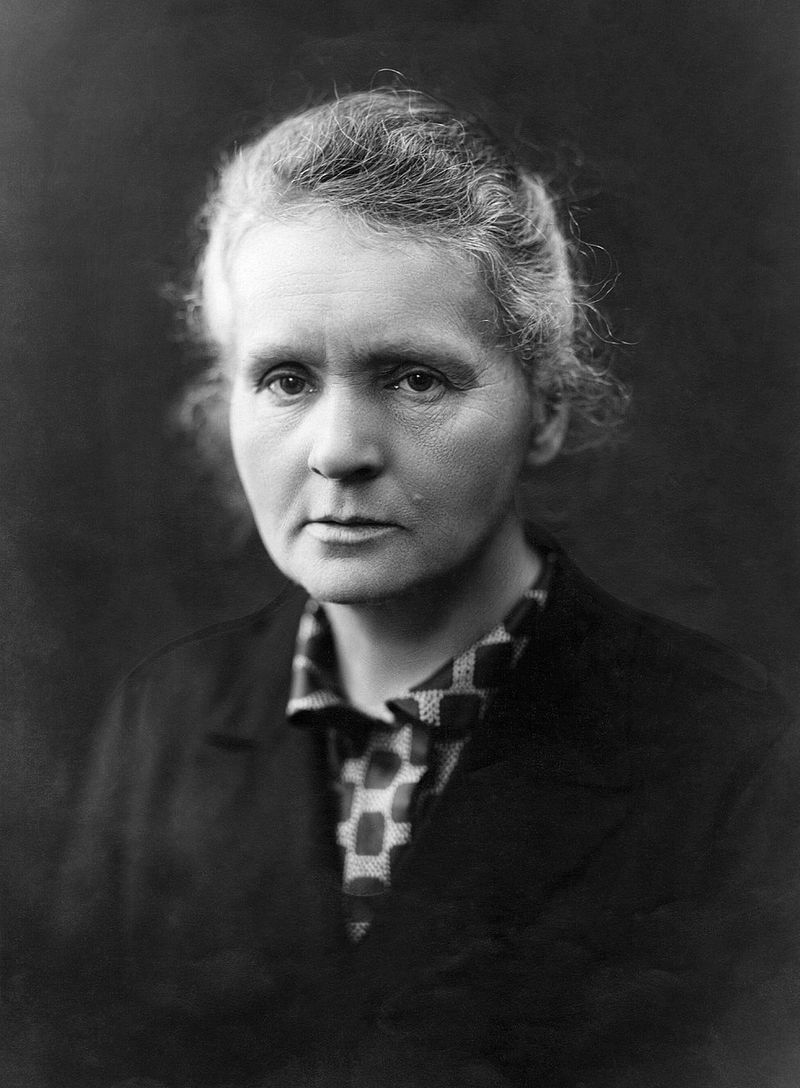
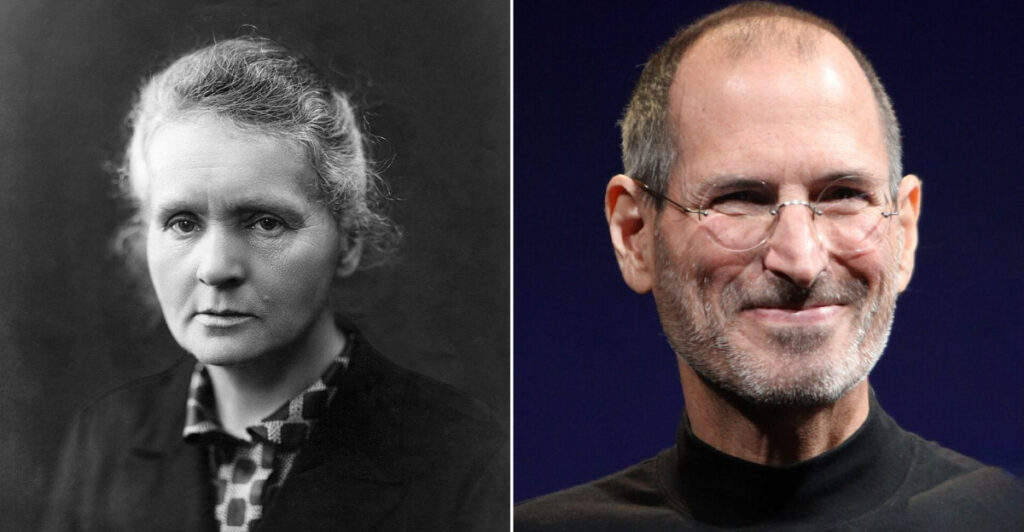
Marie Curie walked into rooms that weren’t built for her and rewrote the rules anyway. She became the first woman to win a Nobel Prize, then won a second one in a different scientific field, because once clearly wasn’t enough.
Her research on radioactivity opened the door to cancer treatments and medical imaging technologies we still use today. She didn’t just push boundaries in science; she shattered them with a smile and a Geiger counter.
Working in a leaky shed with minimal funding, Curie isolated two new elements: polonium and radium. The radioactive notebooks she used are still too dangerous to handle without protective gear.
Her legacy lives on in every radiation therapy session that helps cancer patients fight back. She proved that brilliance has no gender, and the periodic table is proof.
Nikola Tesla
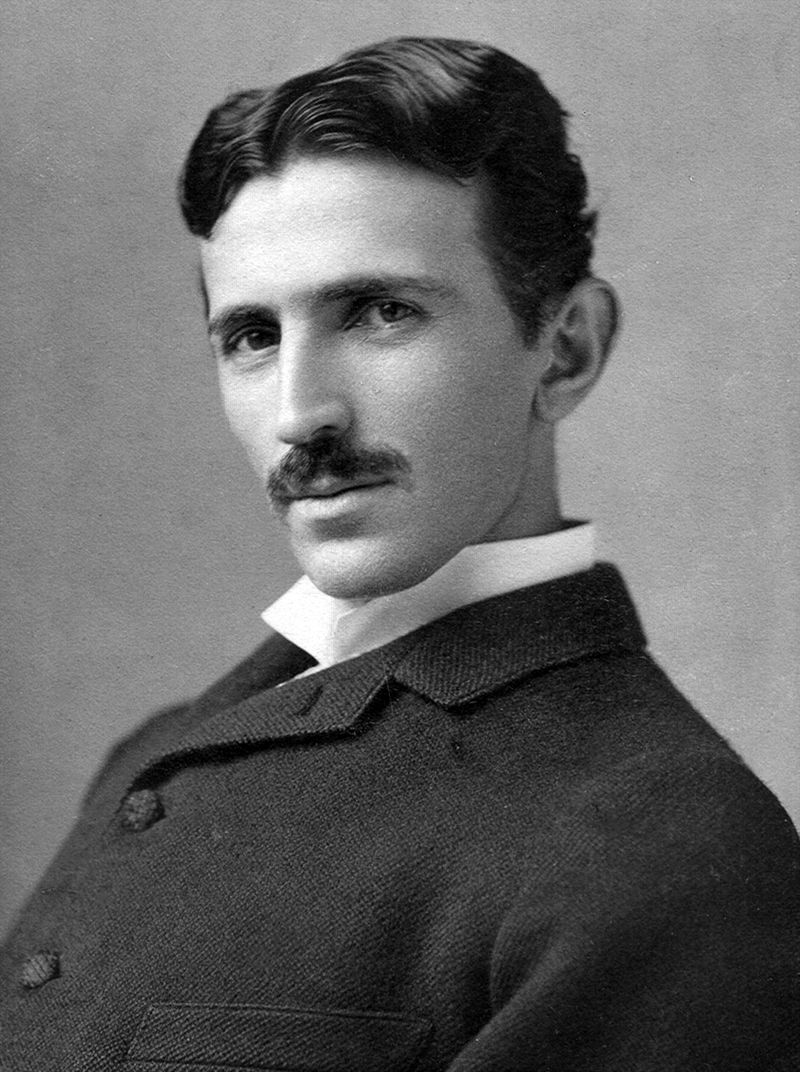
Tesla once claimed he could split the Earth with the right frequency. Whether true or not, the man clearly had big energy, literally.
His work on alternating current (AC) electricity gave the world a power system that still runs our homes today. While his rival Thomas Edison pushed direct current, Tesla’s system won out because it could travel far greater distances efficiently.
Score one for the underdog.
Tesla also pioneered wireless communication long before Wi-Fi was a word anyone knew. He held over 300 patents and reportedly slept only two hours a night.
Despite his genius, he died nearly broke in a New York hotel room. History has since corrected the record.
Today, the world’s most famous electric car company bears his name, which feels like a pretty solid consolation prize.
Charles Darwin
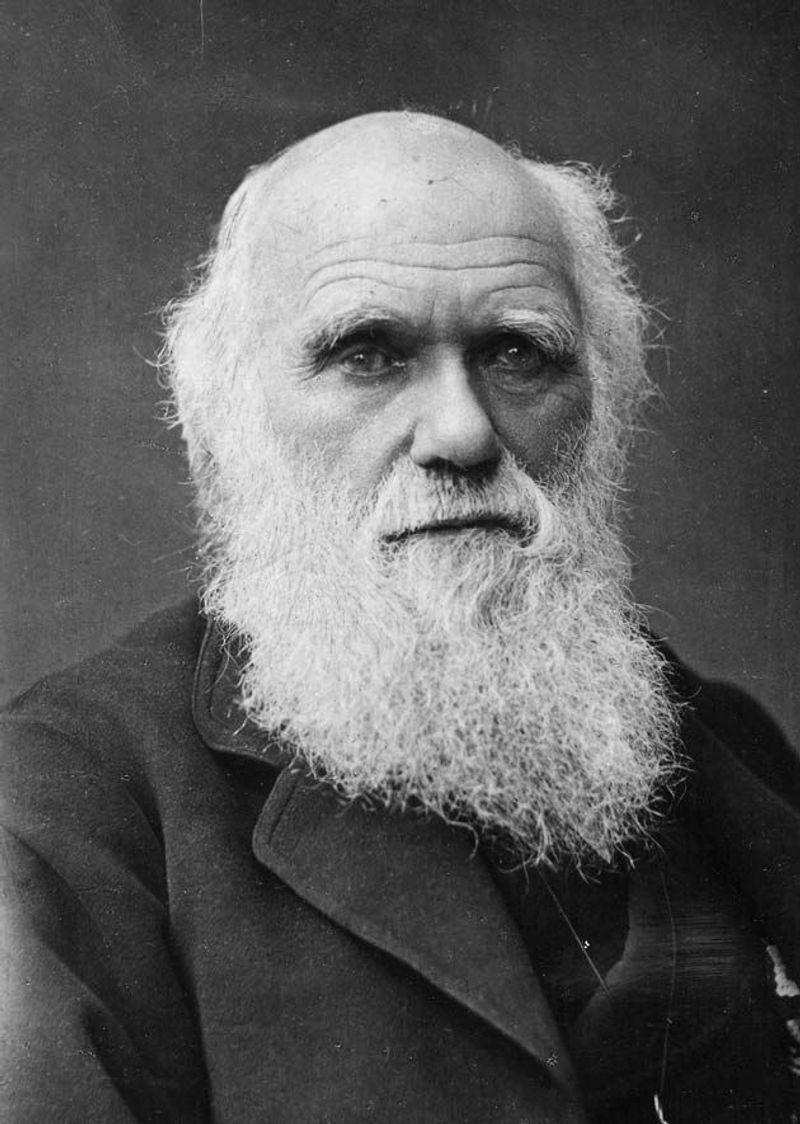
Charles Darwin spent five years sailing around the world on a ship called the Beagle and came back with an idea that biology has never recovered from. In a good way.
His theory of evolution by natural selection explained how species change over time to survive their environments. It connected every living creature on Earth into one giant family tree.
Humans, sharks, mushrooms, and bacteria are all distant cousins. Awkward holiday dinners, but fascinating science.
Darwin sat on his findings for over 20 years before publishing, partly out of fear of public backlash. When he finally did publish “On the Origin of Species” in 1859, it sold out on the very first day.
His ideas transformed biology, medicine, and even psychology. Evolution is now the central organizing principle of modern life science, all because one man watched finches eat seeds on the Galapagos Islands.
Leonardo da Vinci
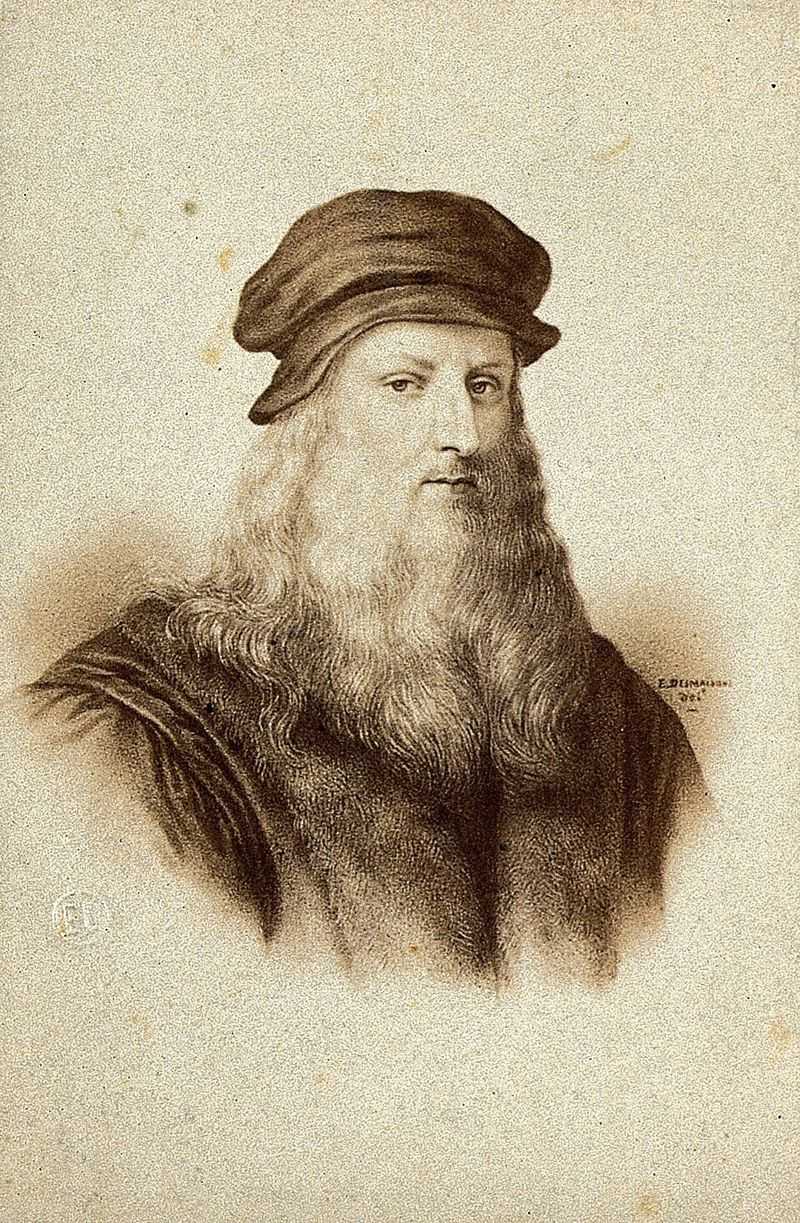
Leonardo da Vinci sketched a working helicopter design in the 1480s. The Wright Brothers wouldn’t fly for another 400 years.
That’s not being ahead of your time, that’s practically being from the future.
Da Vinci filled over 13,000 pages of notebooks with ideas spanning anatomy, engineering, architecture, and art. He studied human cadavers to understand the body from the inside out, producing anatomical drawings so accurate they’re still referenced in medical education today.
He painted the Mona Lisa and The Last Supper while casually designing canals, military weapons, and solar power concentrators on the side. Leonardo never finished many of his projects, which drove his patrons absolutely mad.
But even his unfinished ideas were centuries ahead of everyone else’s completed ones. He is the ultimate proof that curiosity, more than anything else, is the engine of human progress.
Ada Lovelace
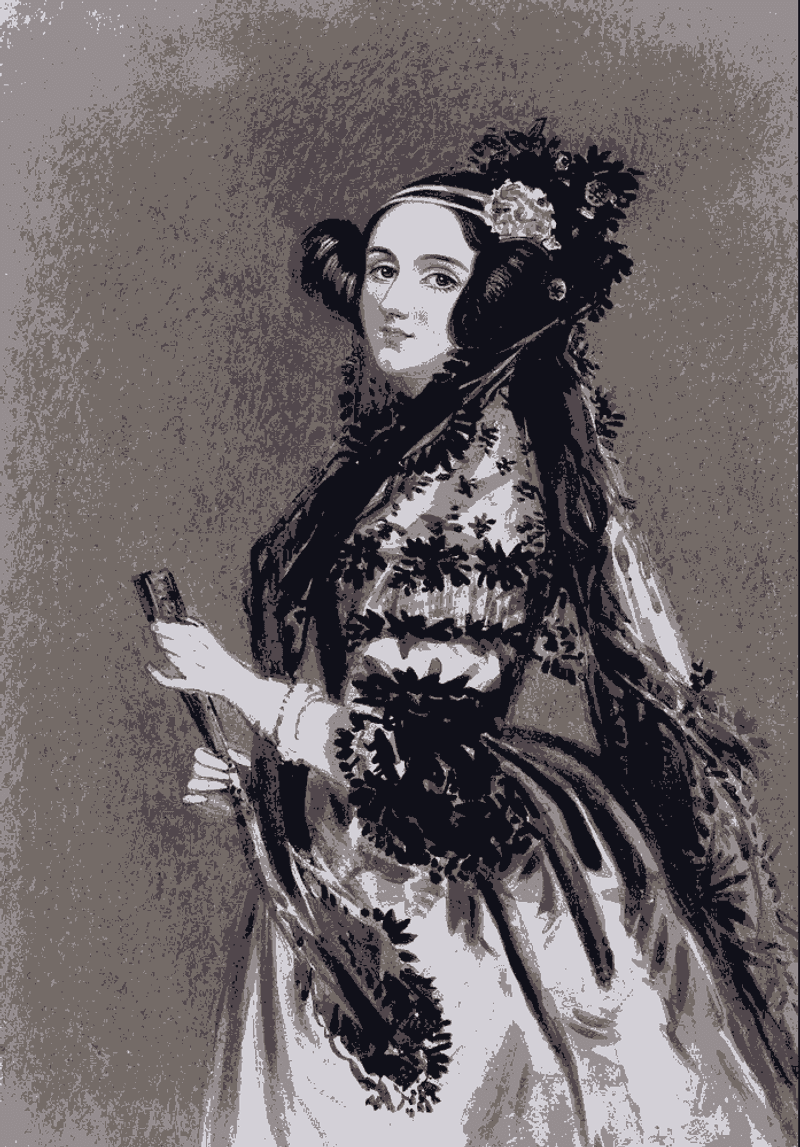
Ada Lovelace wrote the world’s first computer algorithm in 1843, for a machine that hadn’t even been fully built yet. That’s next-level confidence in both math and the future.
Working alongside mathematician Charles Babbage and his proposed Analytical Engine, Lovelace saw something everyone else missed. She recognized that the machine could do far more than crunch numbers.
It could process any kind of information, music, letters, symbols, basically everything a modern computer does now.
She was the daughter of the poet Lord Byron but inherited her mother’s passion for mathematics. Her notes on Babbage’s engine were longer and more insightful than his own writings on the subject.
For over a century, her contributions were overlooked. Today, the U.S.
Department of Defense named a programming language “Ada” in her honor. Not bad for someone working with pen, paper, and pure genius in Victorian England.
Alan Turing
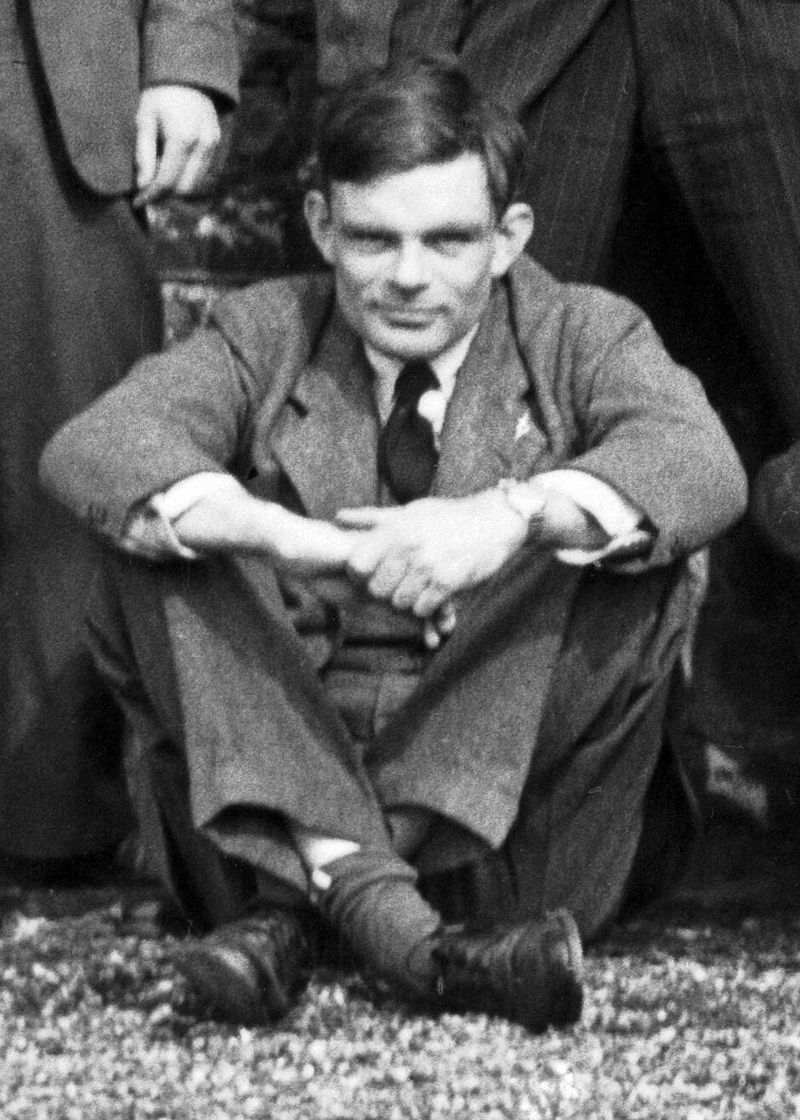
During World War II, Alan Turing cracked the Nazi Enigma code, a feat that historians estimate shortened the war by two years and saved millions of lives. Not bad for a mathematician with a crossword hobby.
Turing also asked the question that launched an entire field: “Can machines think?” His theoretical model, the Turing Machine, became the blueprint for modern computers. Every laptop, phone, and server on Earth traces its intellectual ancestry back to his ideas.
Tragically, Britain prosecuted Turing for his sexuality in 1952, and he died two years later under heartbreaking circumstances. In 2013, he received a royal pardon.
In 2021, his face appeared on the British 50-pound note. The man who helped save the free world deserved far better treatment during his lifetime.
His legacy now powers the artificial intelligence systems shaping the 21st century.
Galileo Galilei
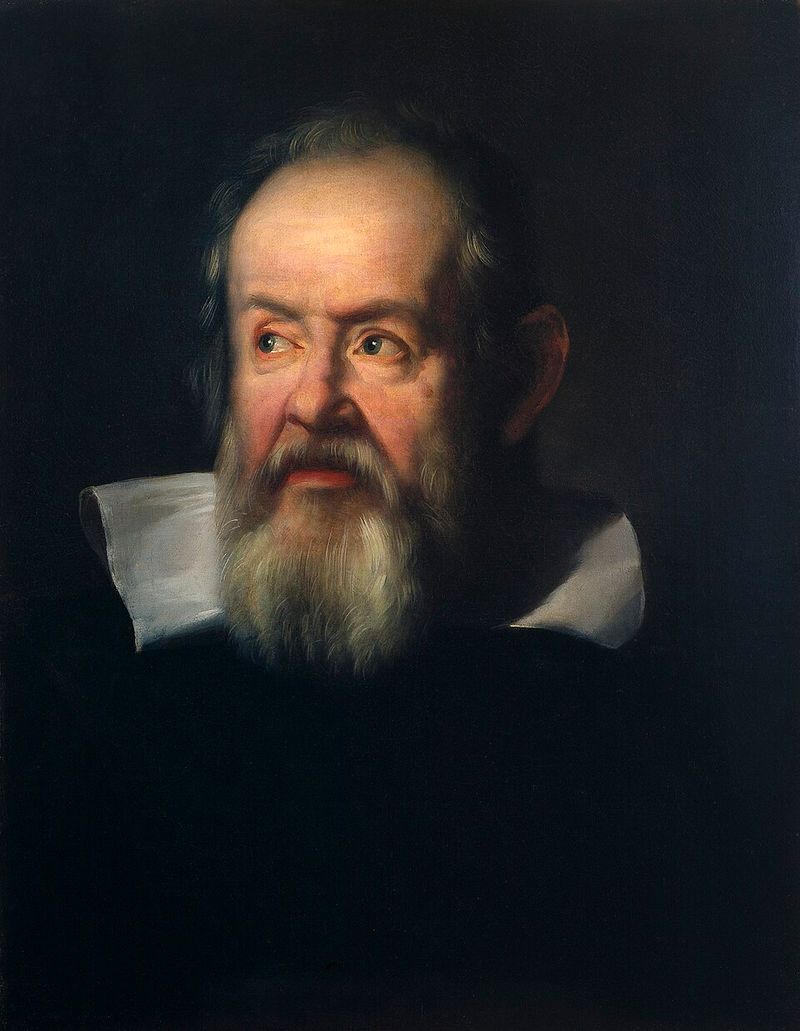
Galileo pointed a telescope at the sky and told the Catholic Church it was wrong. That took either tremendous courage or tremendous stubbornness.
Probably both.
His observations confirmed that Earth orbits the sun, not the other way around. He discovered Jupiter’s moons, studied the phases of Venus, and mapped the surface of the Moon.
Every one of those findings chipped away at centuries of accepted doctrine.
The Church placed him under house arrest for the last nine years of his life. He reportedly muttered “And yet it moves” after being forced to recant his views, though historians debate whether he actually said it.
What’s not debatable is his impact. Galileo helped launch the Scientific Revolution by insisting that observation and evidence matter more than tradition.
Modern science runs on that principle. He didn’t just look at the stars; he changed how humans look at everything.
Louis Pasteur
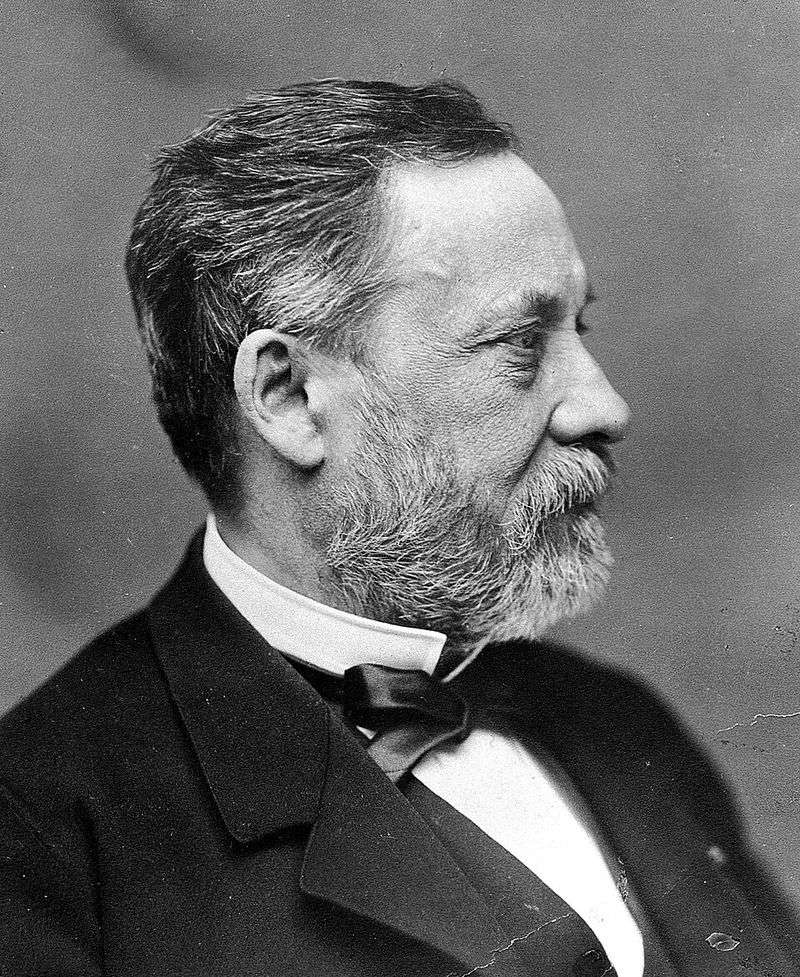
Before Louis Pasteur came along, people genuinely believed that maggots spontaneously appeared in rotting meat out of nowhere. Pasteur ran the experiments that proved life doesn’t just pop into existence, and germs cause disease.
His germ theory of disease transformed medicine more dramatically than almost any other discovery in history. Suddenly, doctors understood why patients were dying after surgery, and sterilization became standard practice.
He also developed vaccines for rabies and anthrax, saving countless lives in the process.
Pasteur had a stroke at 46 that partially paralyzed him, yet he continued working for nearly 30 more productive years. The pasteurization process that keeps your milk safe is named directly after him.
He was also fiercely competitive and kept meticulous lab notebooks that he refused to share publicly. A little secretive for a man who saved the world, but we’ll let it slide.
Johannes Gutenberg
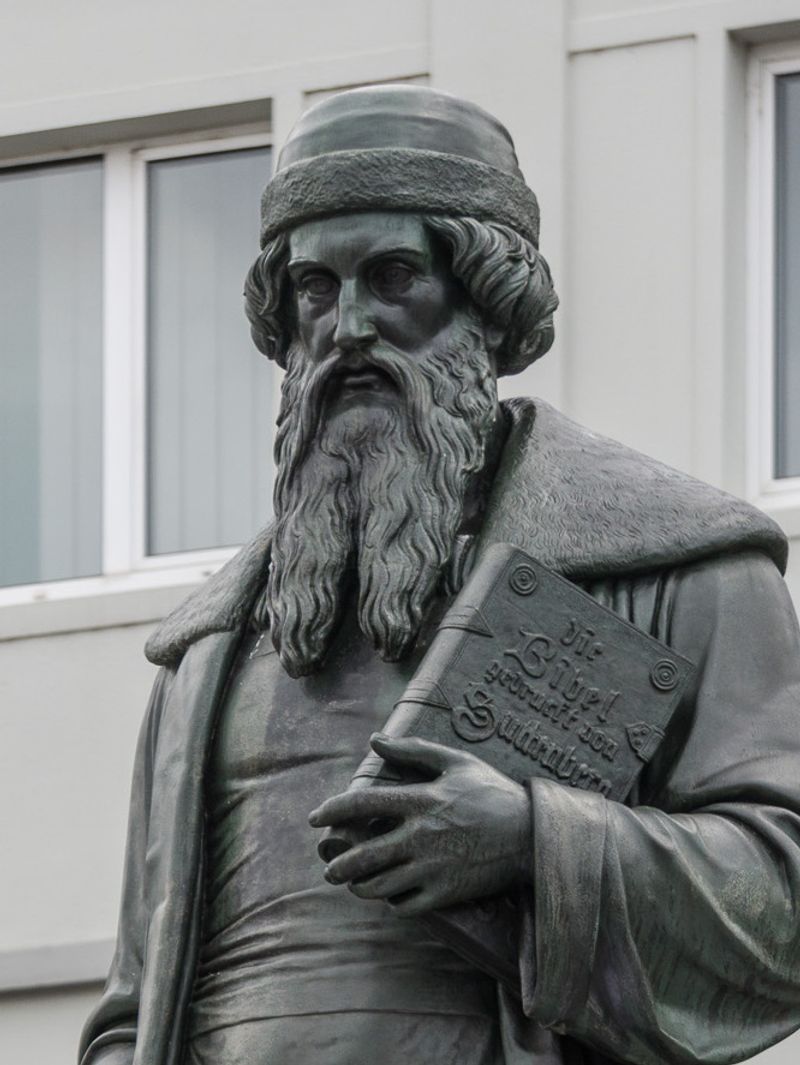
Before Gutenberg’s printing press, copying a single book took a monk months of painstaking work. Gutenberg made it possible to print hundreds of copies in the same time.
That’s not an upgrade, that’s a revolution.
His movable-type printing press, developed around 1440, democratized knowledge in a way nothing had before. Books went from luxury items owned by the elite to objects that ordinary people could actually afford.
Literacy rates climbed. Ideas spread across borders.
The Renaissance, the Reformation, and eventually the Scientific Revolution all got a serious boost from Gutenberg’s invention.
He actually died in relative obscurity and financial difficulty, having lost a legal battle over his own invention. History has been far kinder to him than his contemporaries were.
Today, the Gutenberg Bible is one of the most valuable books ever printed. He didn’t just build a press; he built the infrastructure for modern civilization’s love affair with the written word.
Thomas Edison
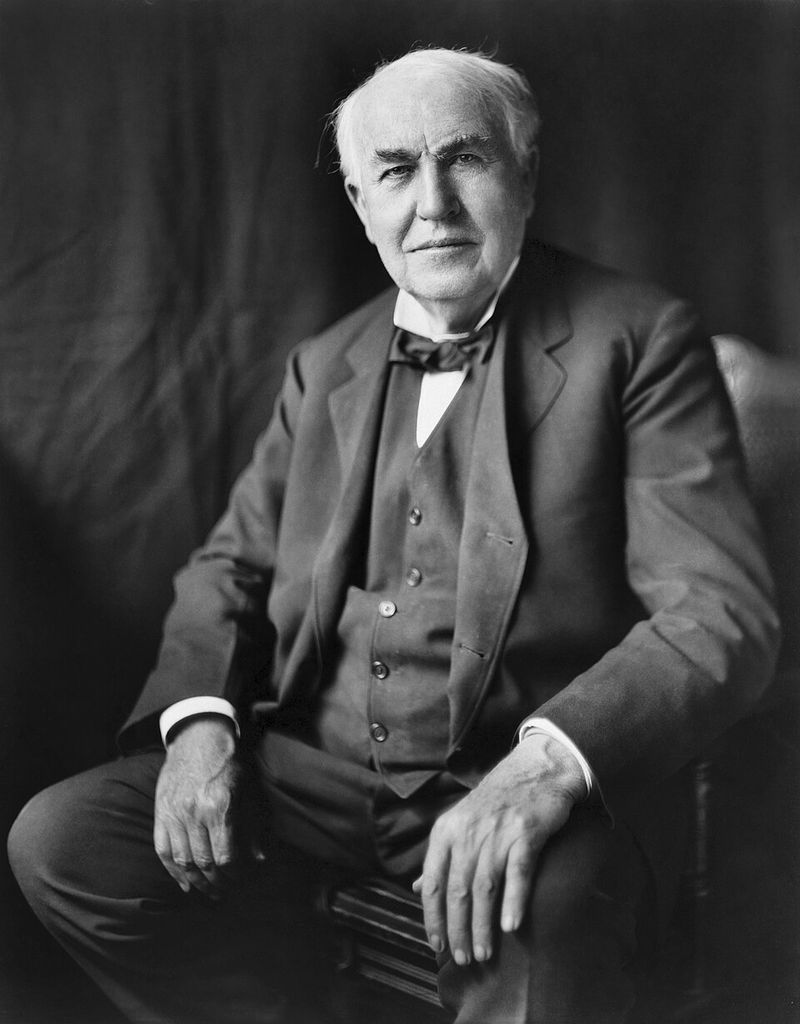
Thomas Edison held 1,093 patents. That’s not a typo.
The man filed for a new patent roughly every two weeks of his working life, which either makes him the most productive inventor in history or the world’s most prolific paperwork enthusiast.
His development of a practical incandescent light bulb changed how humans live after dark. But Edison didn’t stop at the bulb.
He built entire electrical systems, power stations, and distribution networks to make sure the lights actually had somewhere to plug in. He thought of everything.
Edison famously said he found 10,000 ways that didn’t work before succeeding. That attitude built the phonograph, the motion picture camera, and the carbon microphone.
He also ran a seriously competitive and sometimes ruthless operation against rivals like Tesla. But results don’t lie.
Edison’s Menlo Park laboratory was essentially the world’s first industrial research facility, a model every tech company today still follows.
Alexander Graham Bell
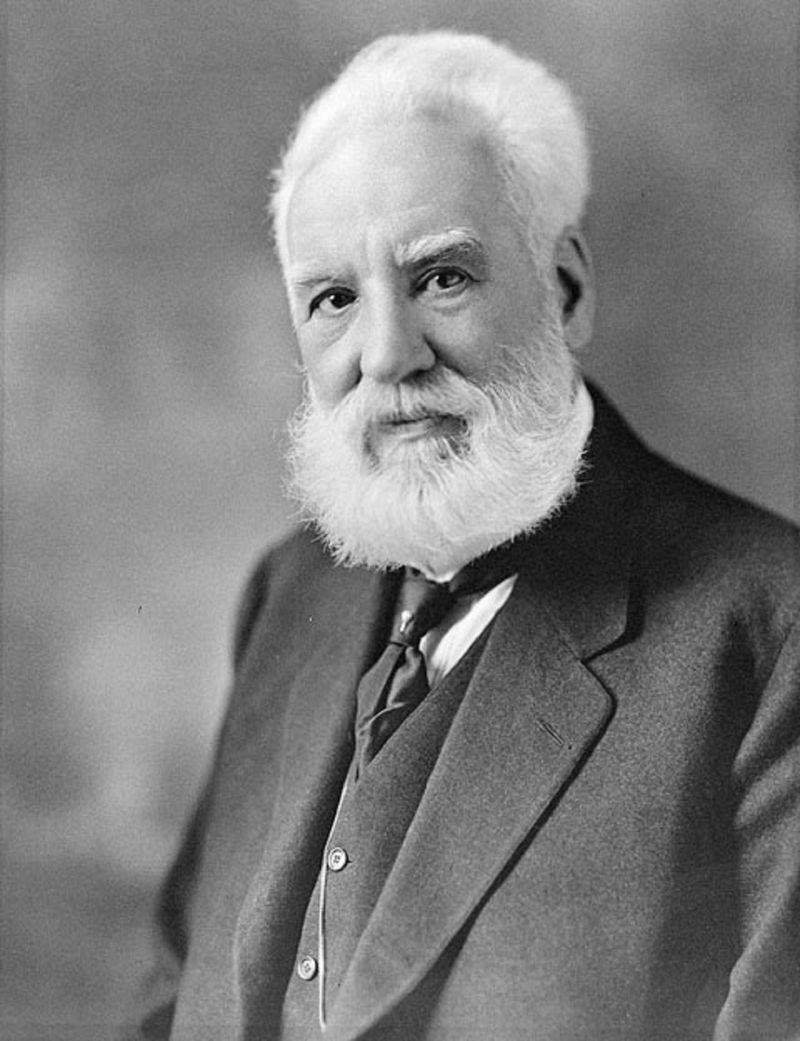
“Mr. Watson, come here, I want to see you.” Those were the first words ever spoken over a telephone, and Bell said them in 1876. From that moment, the world got a lot louder and a lot more connected.
Bell’s telephone turned long-distance communication from a fantasy into an everyday reality. Before his invention, sending a message across a city meant writing a letter or sending a messenger.
After it, you could just call. The impact was immediate and enormous.
Bell was actually working on a device to help deaf people communicate when he stumbled onto the telephone concept. His mother and wife were both deaf, which drove much of his lifelong interest in sound and hearing.
He later called the telephone an intrusion and reportedly refused to have one in his personal study. The man who invented the phone didn’t want to be disturbed by it.
Relatable, honestly.
Tim Berners-Lee
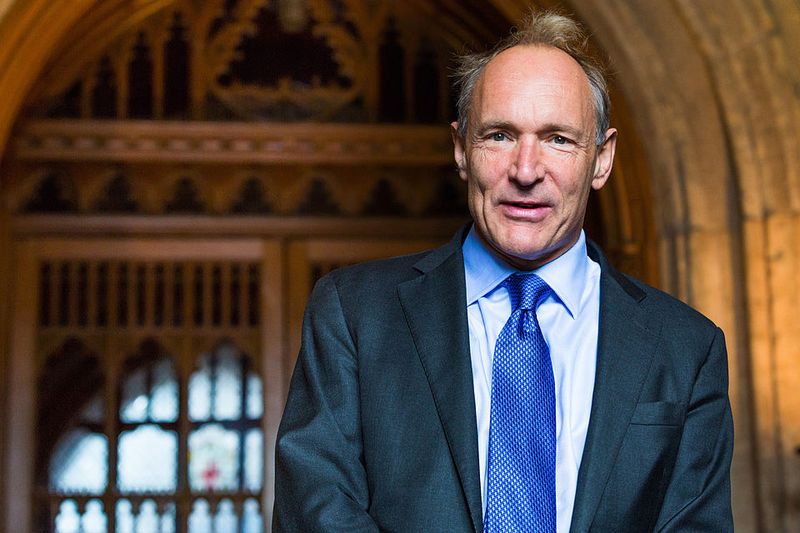
In 1989, Tim Berners-Lee sent his boss a proposal for a global information-sharing system. His boss wrote “vague but exciting” on the cover.
That vague idea became the World Wide Web, and now here you are, reading this on it.
Berners-Lee invented the Web while working at CERN, the European physics lab. He created HTML, URLs, and HTTP, the three foundational technologies that make websites work.
Then, crucially, he gave it all away for free. No patents, no licensing fees, just open access for everyone on Earth.
That decision to keep the Web open may be the single most generous act in technological history. It allowed billions of people to build on his foundation without asking permission.
Berners-Lee has since become a vocal advocate for internet privacy and digital rights, pushing back against the very surveillance economy his invention helped enable. He built the digital world and then immediately started worrying about protecting us from it.
Steve Jobs
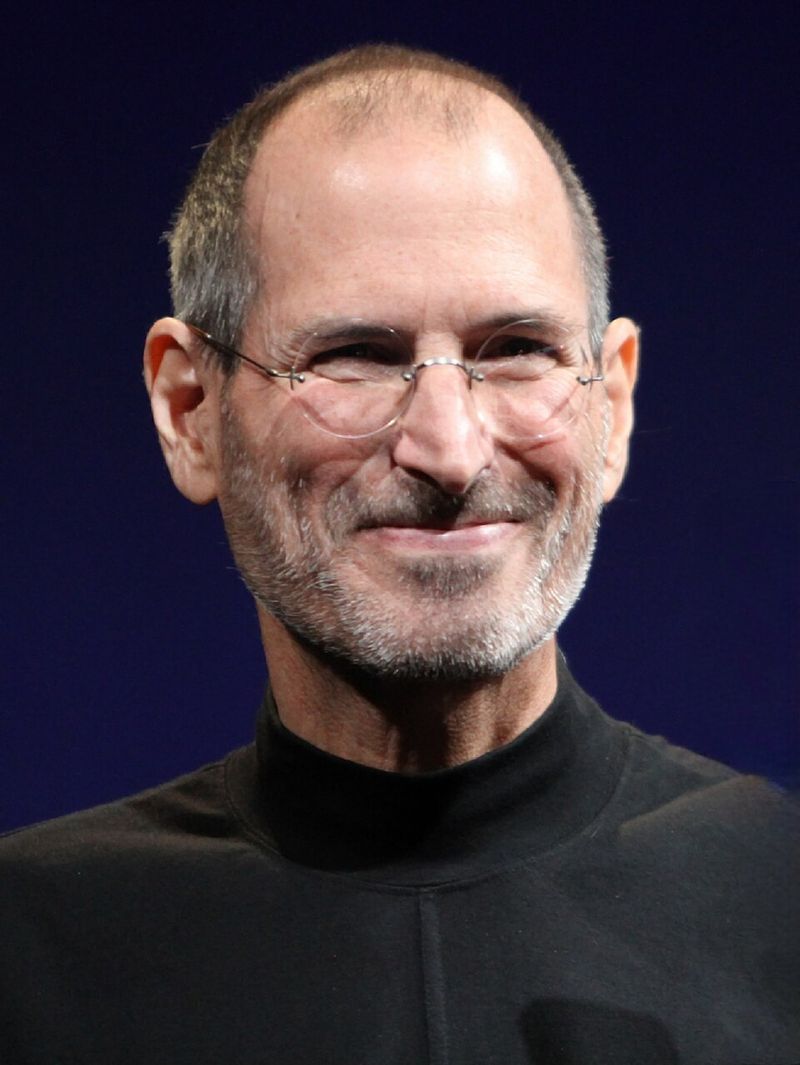
Steve Jobs once said the goal was to make a dent in the universe. He succeeded.
The iPhone alone changed how billions of people communicate, navigate, shop, and waste time on social media.
Jobs had a gift for seeing what people wanted before they knew they wanted it. The Macintosh gave computers a friendly face.
The iPod put a thousand songs in your pocket. The iPhone made all of those things one sleek device.
Apple under Jobs didn’t invent most of these technologies; it perfected them and made them irresistible.
He was notoriously demanding, fired from his own company in 1985, and returned years later to save it from near bankruptcy. Apple became the most valuable company in the world under his second run.
Jobs proved that design, simplicity, and user experience are not just nice extras. They are the product.
That philosophy permanently changed the entire technology industry.
Bill Gates
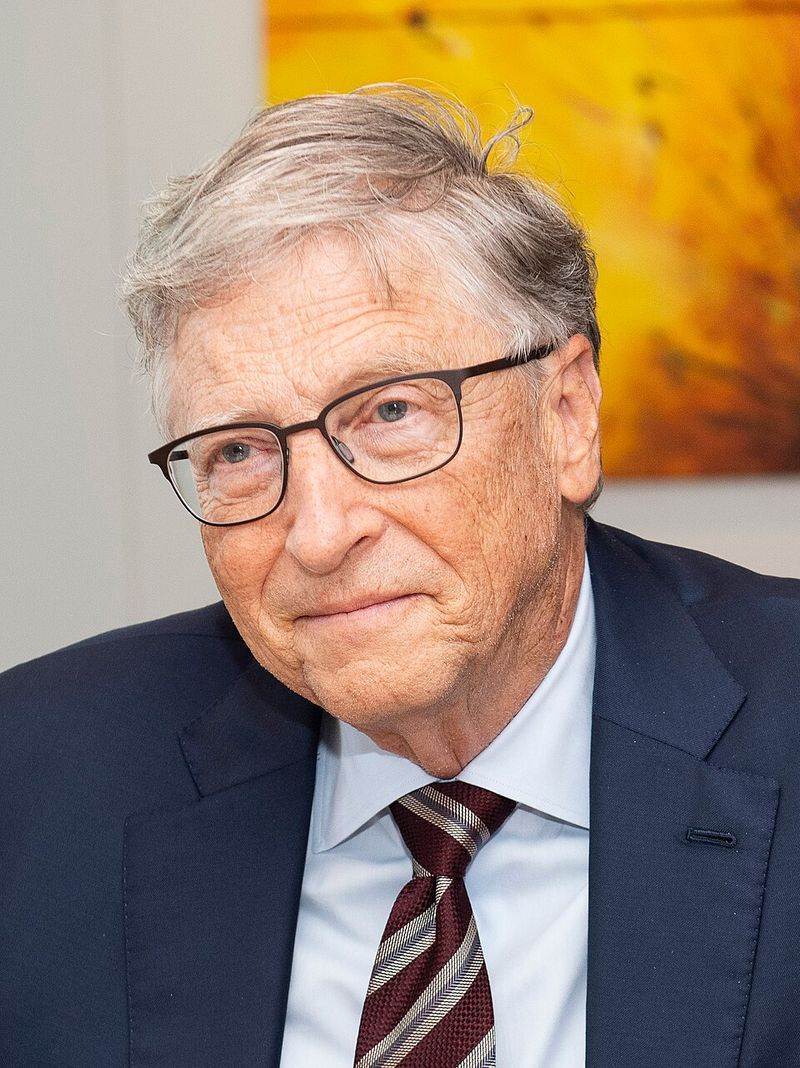
Bill Gates dropped out of Harvard to start a software company, and his mother reportedly told him it was a terrible idea. Microsoft went on to become one of the most valuable companies ever built.
Sorry, mom.
Gates and co-founder Paul Allen saw the future of personal computing before most people understood what a personal computer even was. Their MS-DOS operating system and later Windows software put computers on desks in homes, schools, and offices worldwide.
The digital revolution needed a user-friendly interface, and Gates built it.
He stepped back from Microsoft to focus on philanthropy through the Bill and Melinda Gates Foundation, which has donated billions to fight diseases like polio and malaria. Gates reads about 50 books a year and publishes detailed reviews of them.
He famously washes dishes by hand every night to unwind. The man who accelerated the digital age apparently finds peace in the most analog chore possible.
Rosalind Franklin
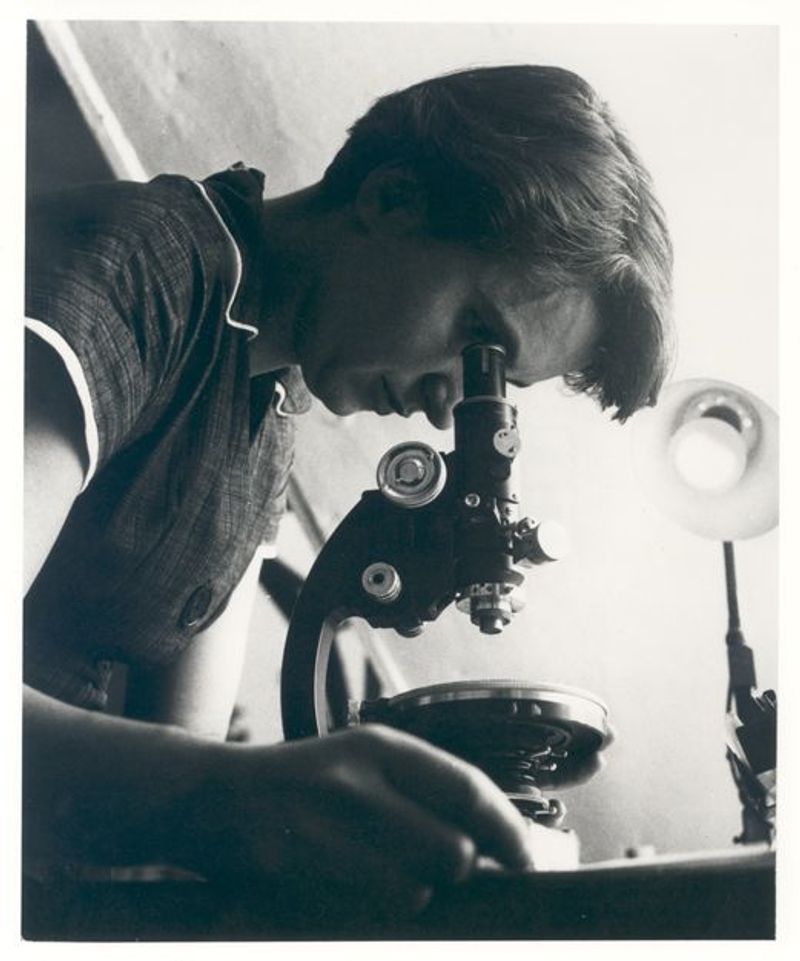
Rosalind Franklin took a photograph that changed biology forever. Photo 51, her X-ray diffraction image of DNA, was the clearest evidence yet that DNA had a double-helix structure.
She just didn’t get the credit for it in time.
Franklin’s meticulous X-ray crystallography work was shared with Watson and Crick without her knowledge or consent. They used her data to confirm their model of DNA’s structure and went on to win the Nobel Prize in 1962.
Franklin had died four years earlier from ovarian cancer, and Nobel Prizes are not awarded posthumously.
For decades, her contribution was minimized in popular accounts of DNA’s discovery. The scientific community has since worked to restore her rightful place in the story.
Franklin also made major contributions to understanding viruses, including the tobacco mosaic virus. She was rigorous, brilliant, and precise in everything she did.
Science owes her a debt it can never fully repay.
James Watson
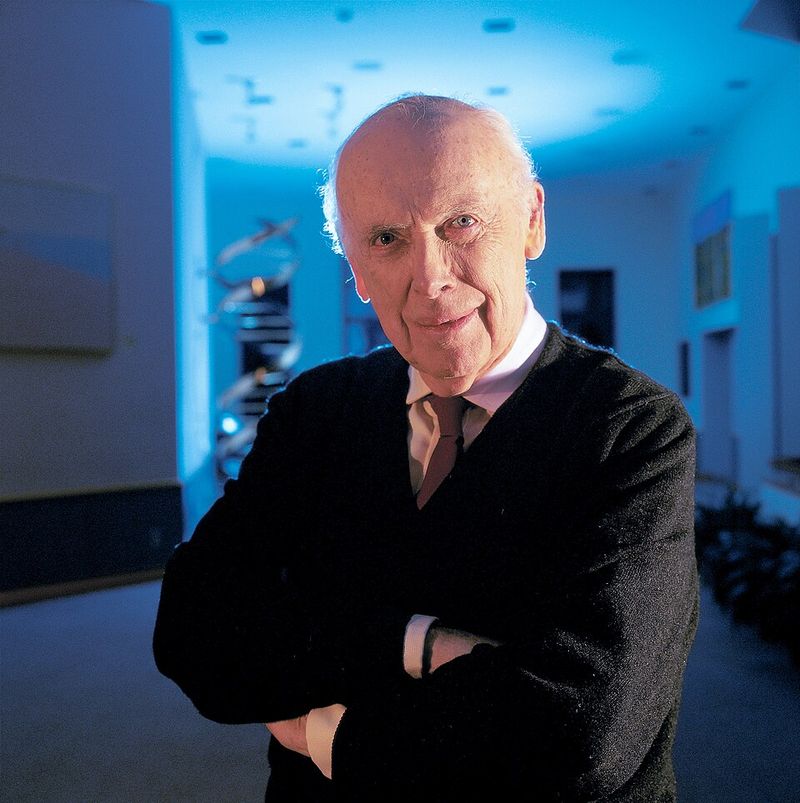
James Watson was 25 years old when he co-discovered the structure of DNA. Most 25-year-olds are still figuring out how to do laundry.
Watson was rewriting the book on life itself.
Working with Francis Crick at Cambridge, Watson helped build the first accurate model of DNA’s double-helix structure in 1953. The discovery unlocked the mechanism of heredity, explaining how genetic information is stored and passed from one generation to the next.
It was one of the most consequential scientific moments of the 20th century.
Watson shared the 1962 Nobel Prize in Physiology or Medicine with Crick and Maurice Wilkins. His memoir, “The Double Helix,” gave the public a behind-the-scenes look at competitive science, though critics noted it downplayed Rosalind Franklin’s crucial contributions.
Watson’s later years were marked by controversy over remarks on genetics and race. His scientific achievement remains monumental, even as his legacy remains complicated.
Francis Crick
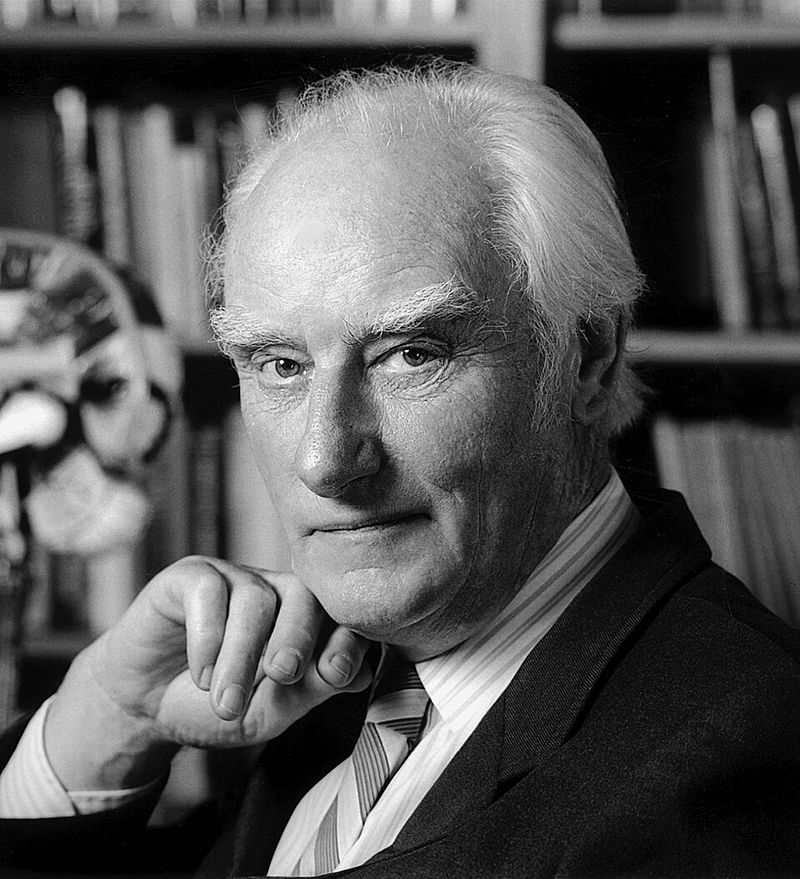
Francis Crick reportedly burst into a Cambridge pub one lunchtime in 1953 and announced he had found the secret of life. He wasn’t exaggerating even slightly.
Together with Watson, Crick built the double-helix model of DNA that revealed how genetic information is stored and copied. He later formulated the “Central Dogma” of molecular biology, explaining how DNA information flows to RNA and then to proteins.
That framework underpins virtually everything in modern genetics and biotechnology.
Crick was trained as a physicist before switching to biology, and his outsider perspective helped him approach DNA differently than traditional biologists might have. He later moved to the Salk Institute in California to study neuroscience and the biological basis of consciousness.
He kept working until just weeks before his death in 2004 at age 88. Crick treated every scientific problem like a puzzle demanding to be solved, and he rarely walked away unsatisfied.
Michael Faraday
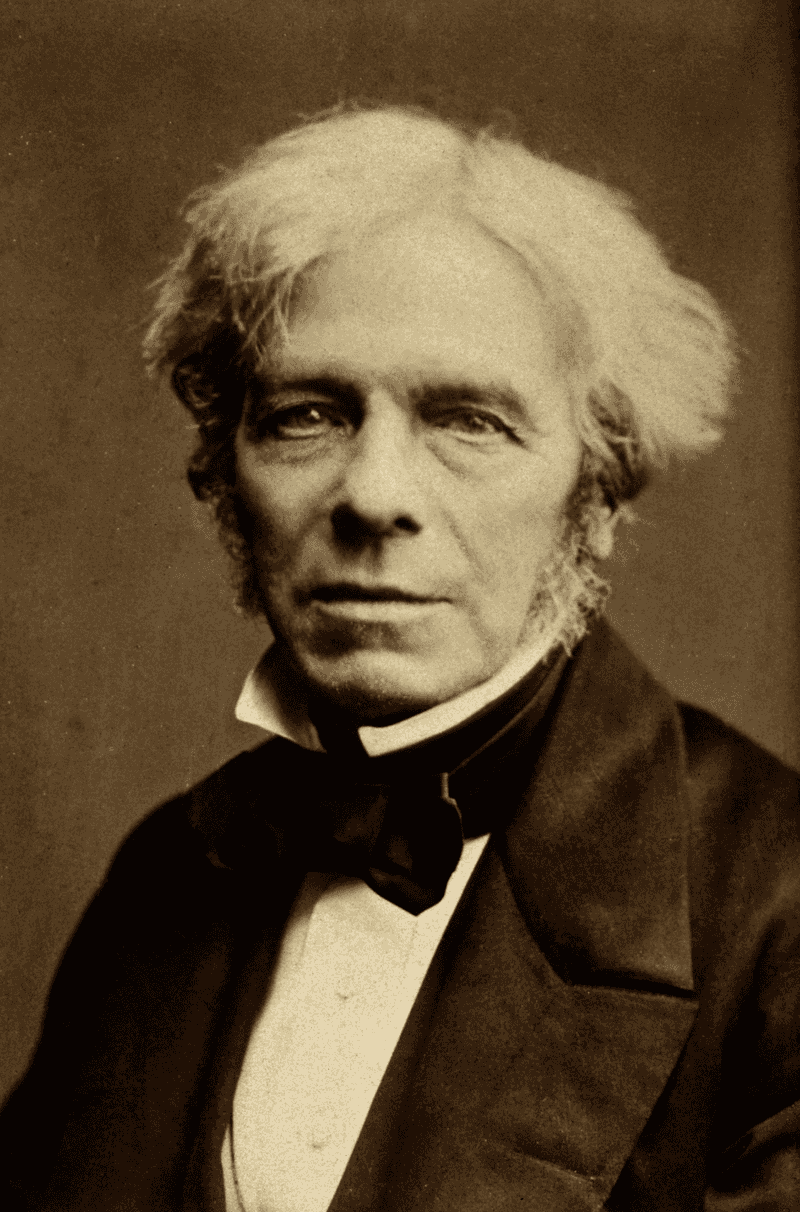
Michael Faraday had almost no formal education. He taught himself science by reading books he was paid to bind as a bookbinder’s apprentice.
Then he went and invented the electric motor and the generator. Self-taught doesn’t begin to cover it.
Faraday discovered electromagnetic induction, proving that a changing magnetic field produces an electric current. That single insight made modern power generation possible.
Every power plant on Earth, whether it burns coal, splits atoms, or harnesses wind, works on Faraday’s principle.
He also discovered benzene, invented an early version of the Bunsen burner, and contributed foundational work in electrochemistry. Despite his enormous contributions, Faraday was famously humble and turned down a knighthood because he preferred to remain plain Mr. Faraday.
James Clerk Maxwell later translated Faraday’s experimental findings into elegant mathematical equations. Einstein reportedly kept a portrait of Faraday on his study wall, which is about the highest compliment in physics.
Archimedes
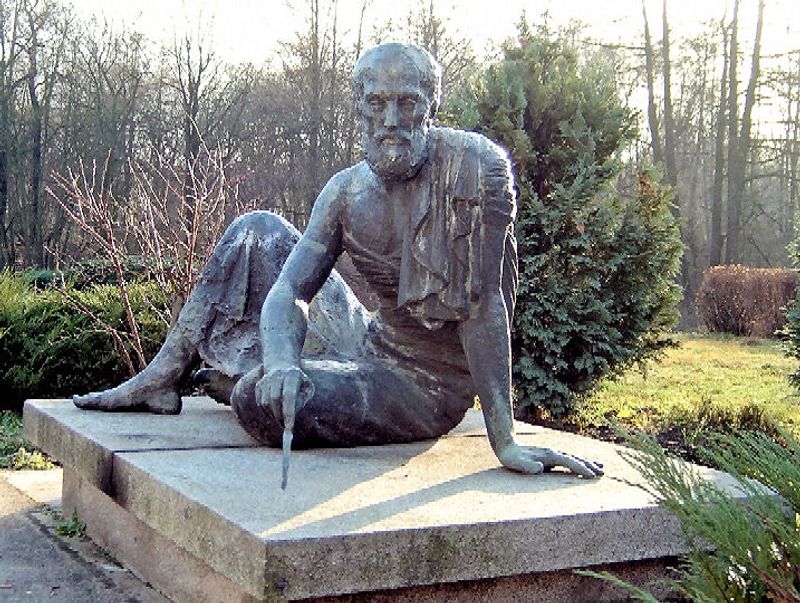
Archimedes reportedly leaped out of his bath and ran naked through the streets of Syracuse shouting “Eureka!” after discovering the principle of water displacement. Science has always attracted a certain kind of passionate personality.
His discovery that an object displaces its own volume in water became the foundation of fluid mechanics. He also calculated pi with remarkable accuracy, developed formulas for the area and volume of spheres and cylinders, and invented the Archimedes screw, a device still used today to move water uphill.
During the Roman siege of Syracuse, Archimedes designed war machines to defend his city, including cranes that could lift Roman ships out of the water and drop them. He was reportedly killed by a Roman soldier who interrupted his geometry work.
His last words were said to be “Do not disturb my circles.” Dedicated to the end, in the most gloriously nerdy way possible.
Pythagoras
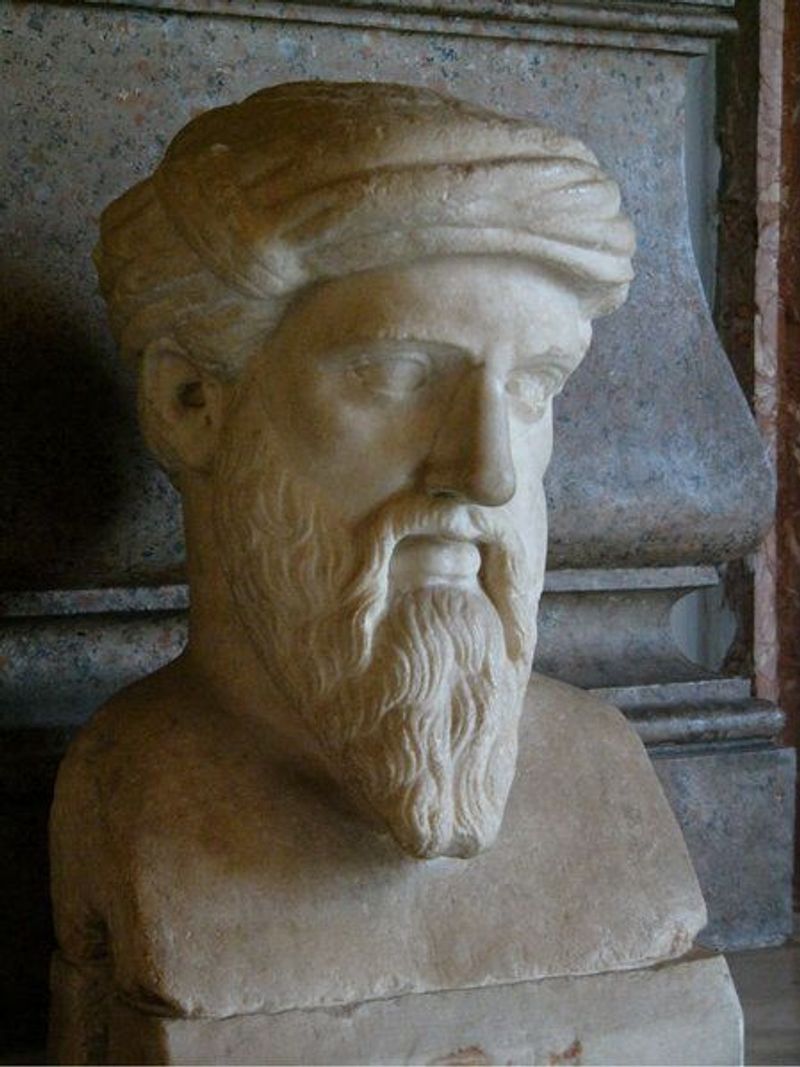
Every student who has ever groaned at the words “right triangle” can trace their suffering directly back to Pythagoras. You’re welcome, and also, he was absolutely worth it.
The Pythagorean theorem, a squared plus b squared equals c squared, is one of the most recognized equations in human history. It shows up in architecture, navigation, engineering, and even computer graphics.
Pythagoras didn’t just give us a formula; he demonstrated that the universe operates according to mathematical principles, a radical idea in ancient Greece.
He founded a philosophical community that treated mathematics almost like a religion. His followers believed numbers were the ultimate reality behind all things.
Pythagoras also made early contributions to music theory, discovering mathematical relationships between musical notes. Interestingly, he reportedly had a bizarre fear of beans and forbade his followers from eating them.
Great mathematician, questionable relationship with legumes, but an undeniable giant in the history of human thought.
Carl Linnaeus
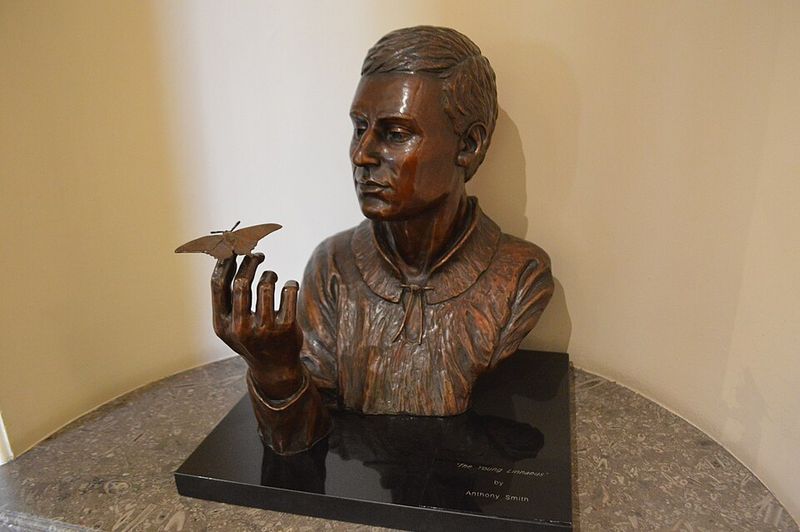
Carl Linnaeus named roughly 12,000 species of plants and animals during his lifetime. He didn’t just love nature; he organized it like the world’s most obsessive filing clerk, and science has been grateful ever since.
His system of binomial nomenclature gave every living organism a two-part Latin name: genus and species. Homo sapiens, for example, is Linnaeus’s label for us.
That system brought order to the chaotic world of biology and gave scientists worldwide a shared language for discussing life on Earth.
Linnaeus was so confident in his work that he once wrote, “God created, Linnaeus organized.” Modest, he was not. But his taxonomic system proved so effective that it remains the global standard for classifying organisms nearly 300 years later.
He also classified humans alongside other primates, which was controversial at the time but scientifically accurate. Linnaeus essentially built the index for the library of life on Earth.
Grace Hopper
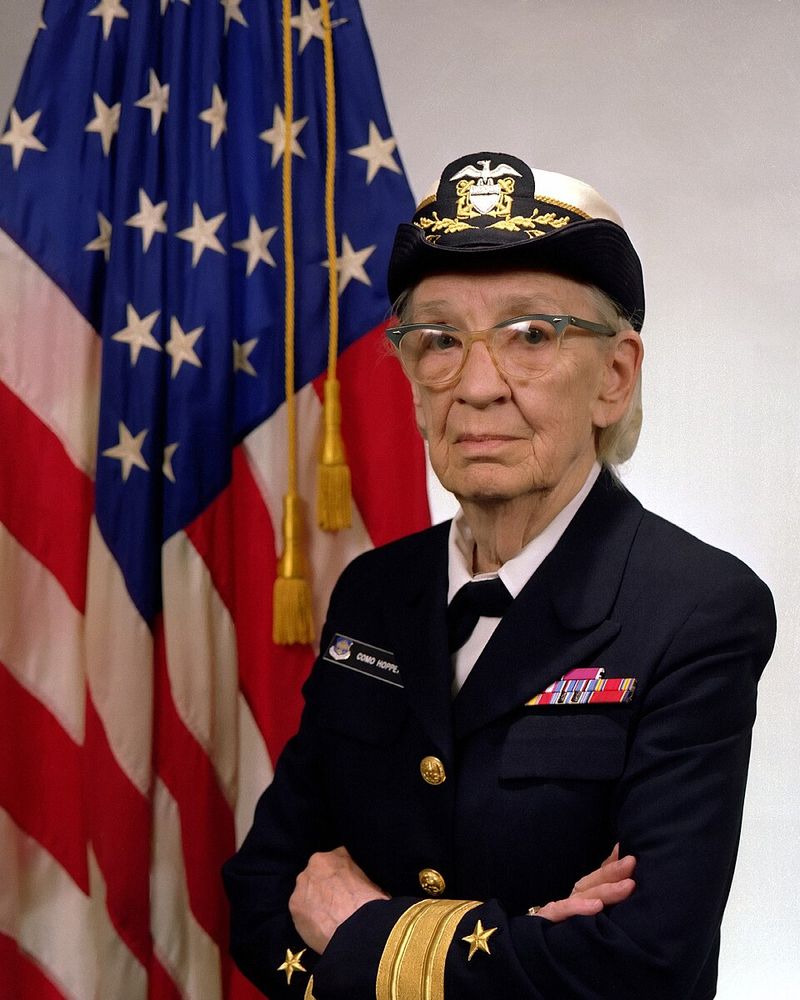
Grace Hopper once taped an actual dead moth into her engineering logbook after it caused a computer malfunction. She labeled it “the first actual case of a bug being found.” That’s where the term “computer bug” comes from, and it’s one of the best origin stories in tech history.
Hopper developed the first compiler, a program that translates human-readable code into machine language. Before her, programming required writing in complex binary or assembly code.
Her compiler made it possible to write programs in something closer to plain English, opening computing to far more people.
She also co-created COBOL, one of the earliest high-level programming languages, which still runs critical banking and government systems today. Hopper served in the U.S.
Navy and retired as a rear admiral at age 79. She was known for handing out pieces of wire 11.8 inches long to represent a nanosecond.
She wanted people to understand what a billion of anything actually means.
Shigeru Miyamoto
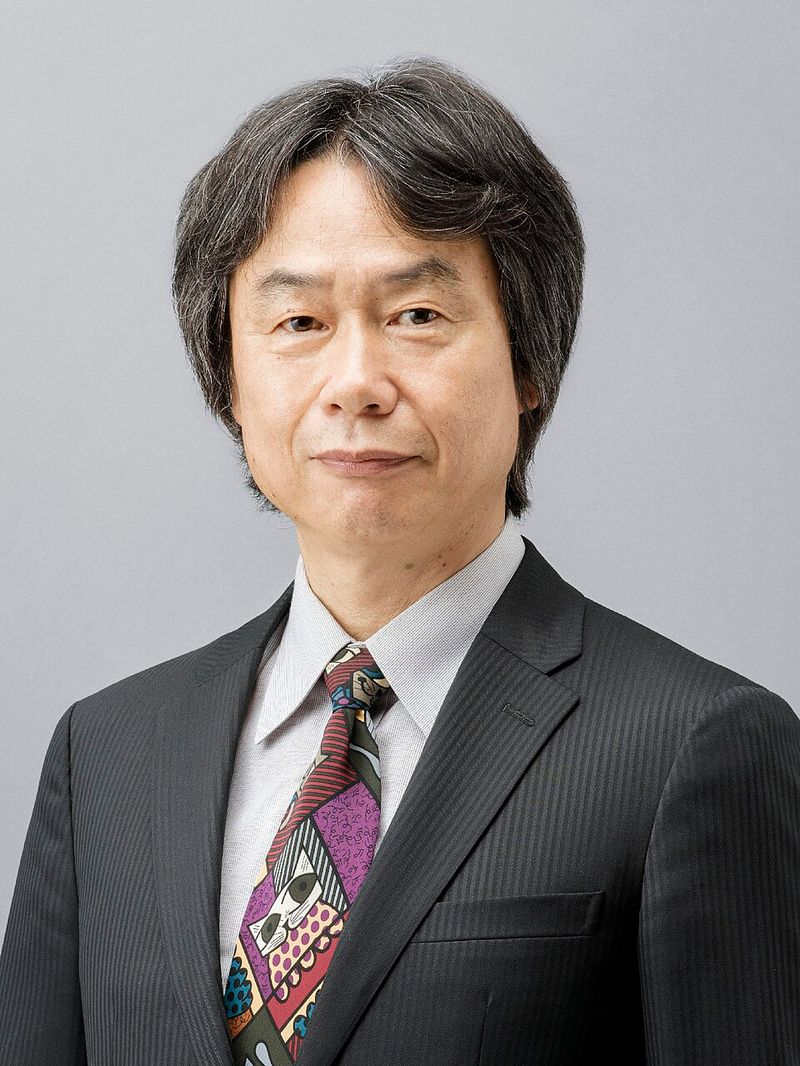
Shigeru Miyamoto grew up exploring the forests and caves near his home in rural Japan. He later channeled that childhood sense of adventure into a little game called The Legend of Zelda.
Not a bad return on some childhood curiosity.
Miyamoto created Mario, Donkey Kong, Zelda, Star Fox, and Pikmin, making him arguably the most influential game designer in history. His games didn’t just entertain; they defined what video games could be.
He proved that games could tell stories, build worlds, and create emotional connections just as powerfully as any film or book.
He once said that a delayed game is eventually good, but a rushed game is forever bad. Nintendo has lived by that philosophy ever since.
Miyamoto transformed gaming from a coin-operated arcade novelty into a global cultural force. Mario is now more recognizable to children worldwide than Mickey Mouse.
That’s not just game design; that’s cultural architecture at the highest level.
Share this story