The ’90s loved a giant sign, a photo-op line, and the promise that the next exit held something unforgettable. Decades later, plenty of those overhyped stops are still standing, still selling souvenirs, and still convincing perfectly sensible travelers to pull over, look up, and buy a magnet.
That is part of the fun, honestly: these places are half attraction, half time capsule, with a little faded glory and a lot of people-watching built in. Keep reading and you will get the full tour of 25 survivors that somehow outlasted trends, good taste, and every prediction that they would finally disappear.
1. Times Square Chain Restaurants – New York City, New York
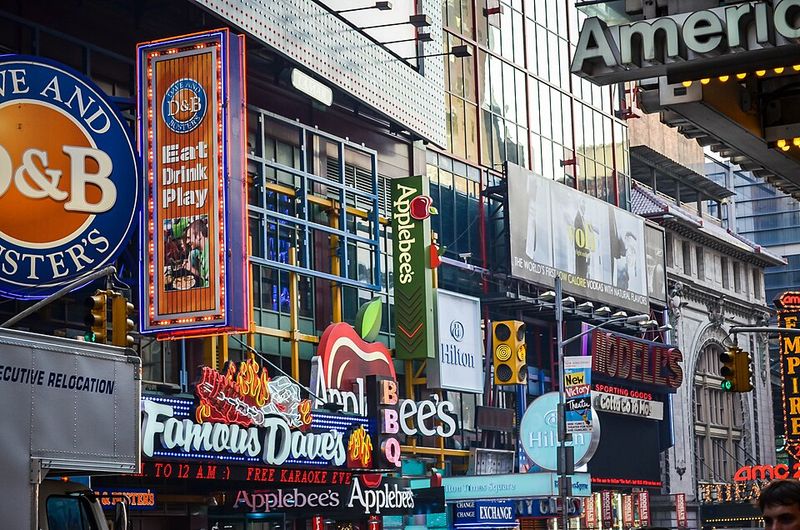
Nothing says big-city adventure like waiting for a table at a place you already know. In Times Square, familiar chain restaurants become part of the spectacle, framed by giant screens, endless foot traffic, and the feeling that every meal comes with bonus people-watching.
Locals often roll their eyes, and honestly, you might too once the bill arrives. Yet first-time visitors keep going because these spots offer easy menus, predictable service, and a front-row seat to Manhattan’s most famously busy crossroads.
It is less about culinary ambition and more about convenience wrapped in neon. The food may be ordinary, but the setting still makes dinner feel like an event.
2. Fisherman’s Wharf – San Francisco, California
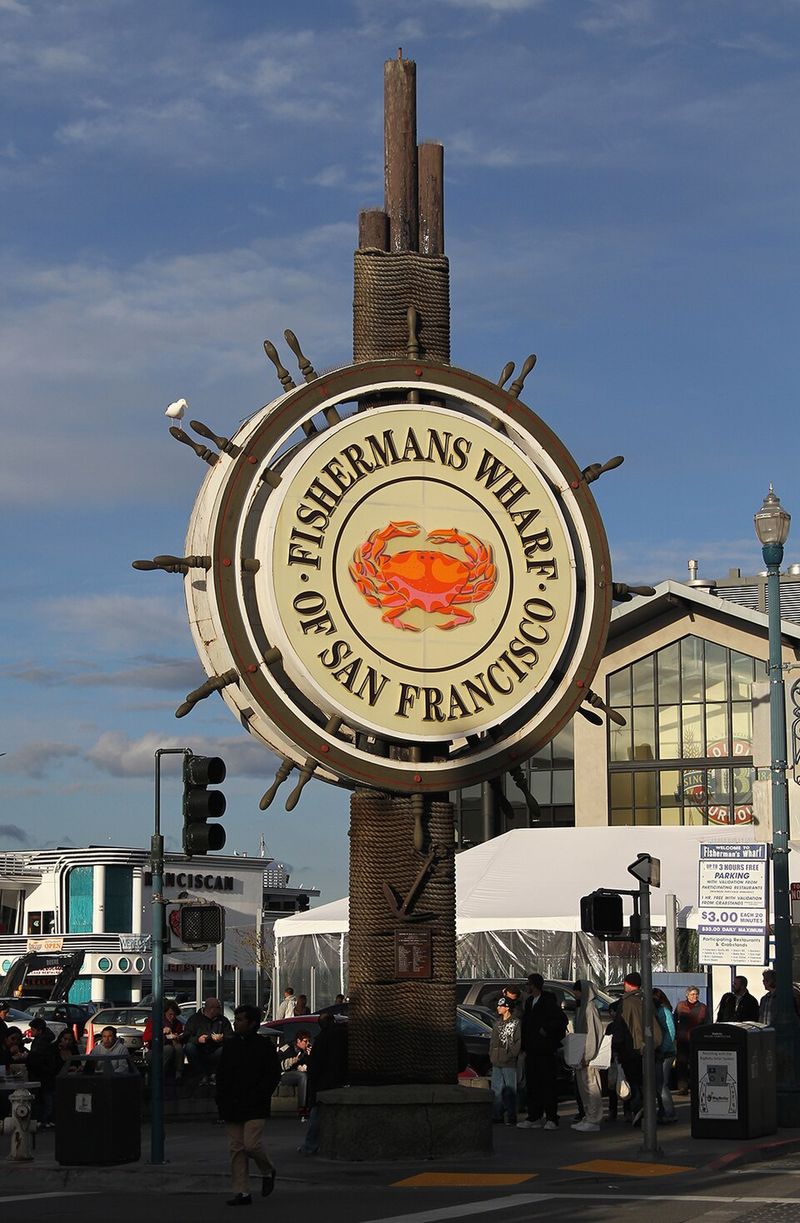
Here comes the waterfront where every third storefront appears ready to sell you a crab magnet. Fisherman’s Wharf is packed with souvenir counters, snack stands, family attractions, and enough branded sweatshirts to outfit a small convention.
That said, people keep showing up because the formula works. You can stroll the piers, watch street performers, glance toward Alcatraz, and check off a famous San Francisco stop without much planning.
Locals may dodge the area, but visitors like the easy access and all-in-one layout. It feels distinctly old-school, the kind of place built for postcards and vacation photos.
Even when it is corny, it remains efficient, memorable, and strangely hard to resist.
3. South of the Border – Dillon, South Carolina
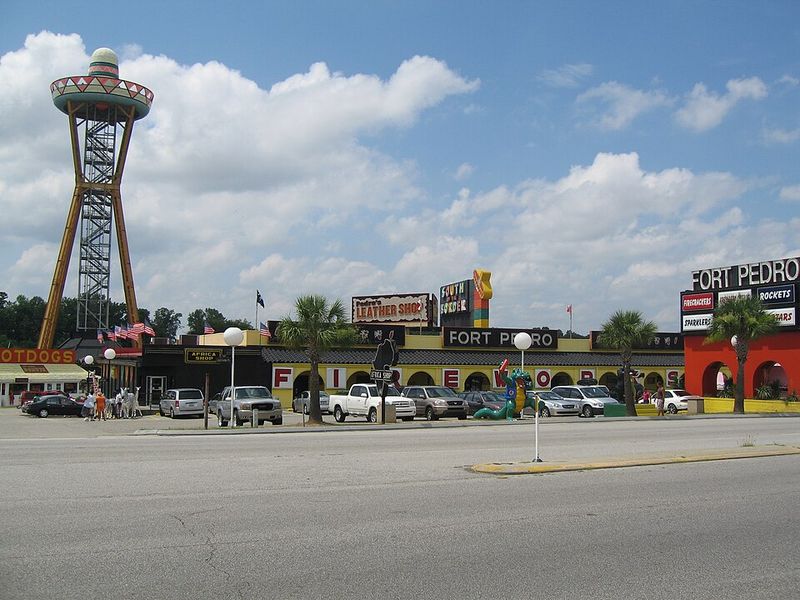
A hundred billboards later, curiosity usually wins. South of the Border mastered the art of roadside hype in the ’90s, and its colorful signs still tease drivers into stopping for photos, snacks, and a look around this oversized highway oddity.
The place feels frozen between eras, with retro architecture, gift shops, and an atmosphere that seems untouched by modern branding. You can see why some travelers call it outdated, but that same dated energy is exactly why it lasts.
Families break up long drives here, road trippers chase nostalgia, and everyone leaves with at least one mildly baffled photo. It survives because the promise is simple: weird, visible, convenient, and impossible to ignore.
4. Wisconsin Dells Strip – Wisconsin
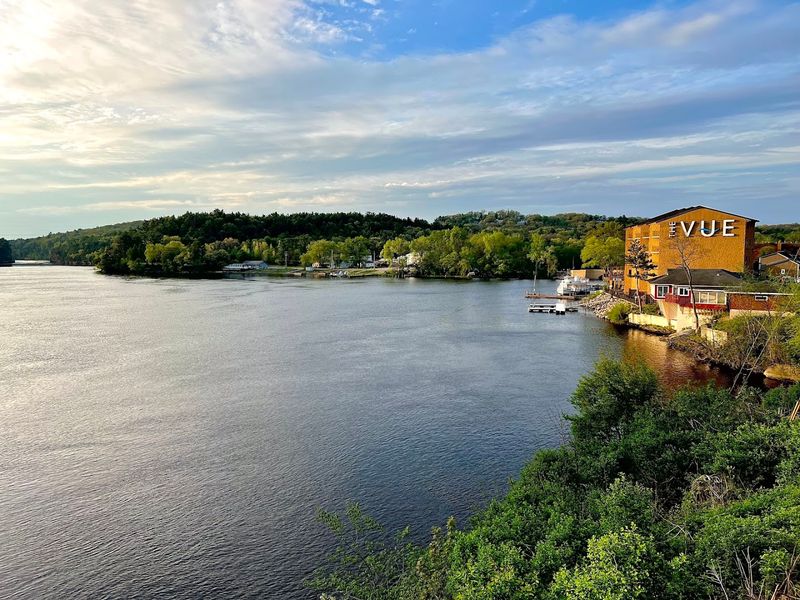
Family vacation mode switches on fast in the Dells. The strip still leans hard into giant signs, arcade energy, sweet shops, and waterpark marketing that looks proud to have skipped several design updates.
You can laugh at the excess, but the whole setup is remarkably effective. Everything is close together, easy to spot, and built for groups who want mini-golf, fudge, T-shirts, and slides without much debate.
That convenience gave the area staying power long after many other ’90s vacation strips faded. There is also a real nostalgia factor for adults returning with their own kids, now realizing the place looks almost exactly as remembered.
Sometimes survival comes down to consistency, and the Dells has plenty of that.
5. Hollywood Walk of Fame – Los Angeles, California
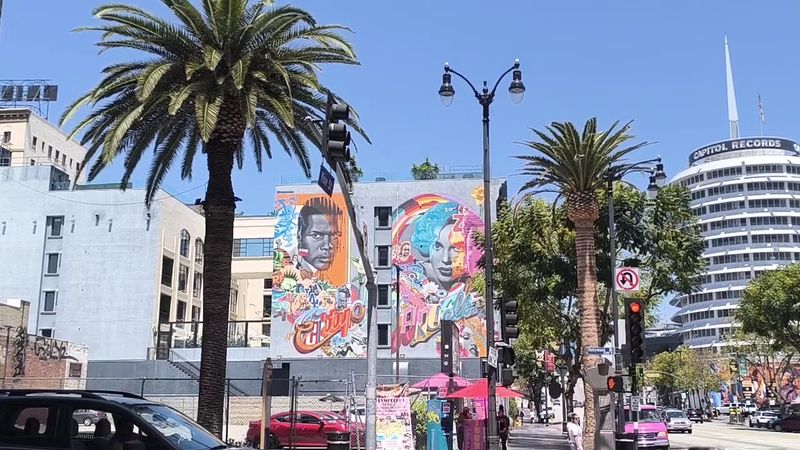
Fame looks smaller when it is set in a sidewalk. You come expecting cinematic glamour, then spend most of your time sidestepping costumed characters, discount ticket booths, and people kneeling for star photos.
Still, the appeal is stubbornly real. The Walk of Fame lets you hunt for favorite names, compare handprints nearby, and say you stood in one of pop culture’s most recognizable strips of concrete.
It is crowded, commercial, and rarely elegant, but that is almost the point. This place survives because visitors still want proof that Hollywood exists beyond a screen, even if the proof comes wedged between souvenir racks and snack stops.
6. International Drive – Orlando, Florida
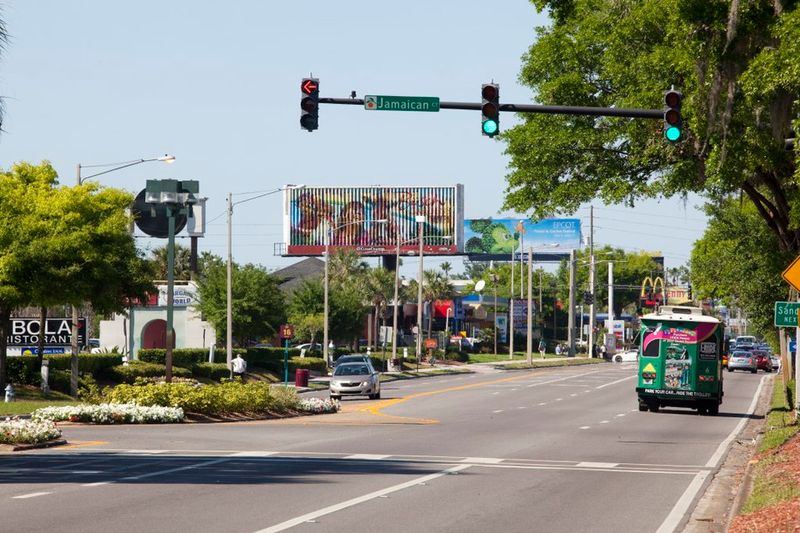
Orlando’s backup stage for vacation chaos still knows its lines. International Drive piles mini-golf courses, chain restaurants, outlet stops, and giant attractions along one stretch that seems engineered for maximum convenience and minimum subtlety.
You may not find much mystery here, but you will find exactly what many travelers want after a theme park day. The area makes meals simple, shopping easy, and entertainment options obvious, which explains why it keeps thriving.
Its ’90s appeal never really disappeared because families still appreciate predictable fun near the hotels. Even the tackiness feels dependable.
International Drive survives by being useful first and nostalgic second, a practical tourist machine wrapped in oversized signage and cheerful vacation logic.
7. Plymouth Rock – Massachusetts
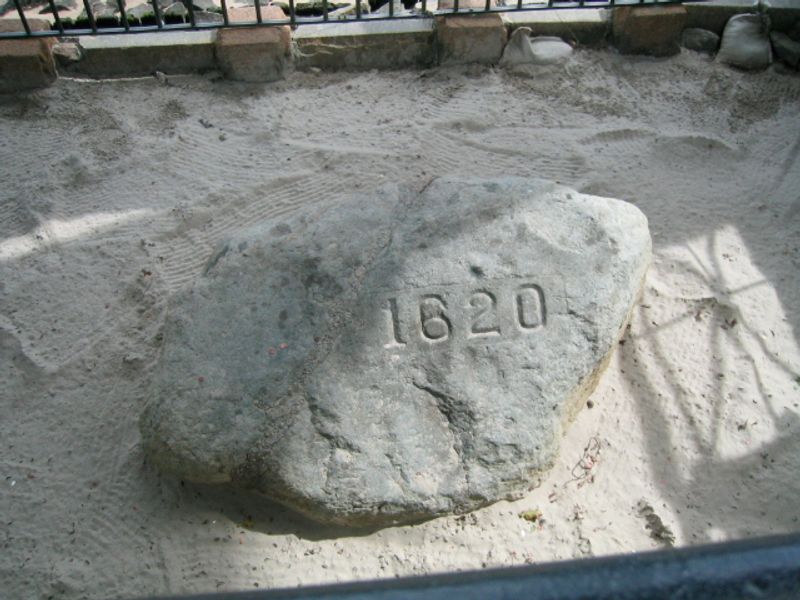
Expectation does a lot of heavy lifting at Plymouth Rock. After hearing the name for years, many visitors arrive prepared for grandeur and instead meet a famously modest boulder protected like a celebrity artifact.
That contrast is the whole story, and oddly enough, it works. People come because the site is quick, historic, and deeply embedded in schoolbook memory, even if the payoff is mostly a photo and a shrug.
You can debate the mythology, the presentation, or the size, but the place remains a reliable stop for anyone tracing early American landmarks. Its survival depends on curiosity more than spectacle.
Sometimes a famous rock stays famous simply because generations were told to go see it.
8. The Four Corners Monument – USA Southwest
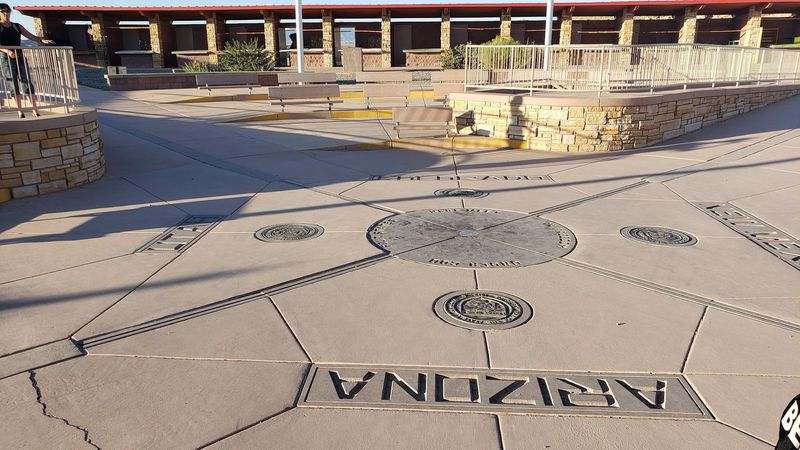
Few attractions can charge admission for standing still, yet Four Corners manages it. The draw is straightforward: you plant hands and feet across four states, take the photo, and enjoy a geographic party trick that still feels oddly satisfying.
The monument is not elaborate, and nobody claims it fills an entire day. What keeps lines forming is the novelty, plus the easy bragging rights that come with one well-timed picture.
Vendors and roadside planning help turn a brief stop into a ritual on Southwest trips. It is classic tourist logic from another era, and it still works because the concept is simple enough for everyone to understand immediately.
Sometimes a map fact becomes an attraction, and that is enough.
9. Niagara Falls Souvenir Strip – New York/Canada
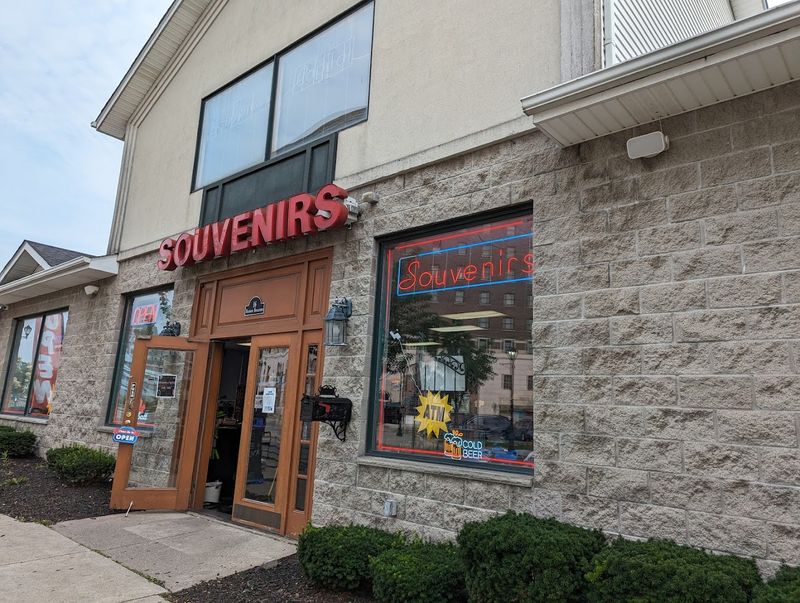
The waterfalls deliver the wonder, and the nearby souvenir strip delivers refrigerator magnets by the dozen. Around Niagara, rows of gift shops, snack counters, and family attractions keep the commercial side of the experience firmly in motion.
You can absolutely roll your eyes at the kitsch while still buying a poncho and a snow globe. That blend of world-famous scenery and relentless retail has powered this area for decades, especially with first-time visitors who want both the natural landmark and the classic tourist package.
The shops feel a little stuck in time, which only adds to the ’90s flavor. Niagara’s surrounding strip survives because the falls guarantee traffic, and traffic guarantees someone will decide they need one more souvenir.
10. Wall Drug – South Dakota
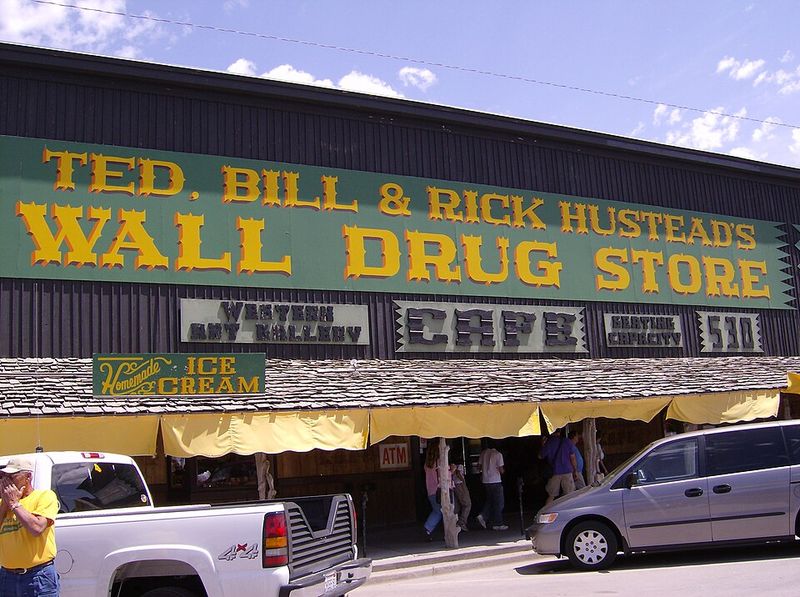
Billboard persistence deserves its own hall of fame, and Wall Drug would be a charter member. Long before you arrive, signs start promising free ice water, family fun, and enough curiosity to keep road trippers from driving past.
Once there, you get a sprawling mix of gift shops, western themes, quirky displays, and exactly the kind of roadside excess that the interstate era perfected. It is undeniably touristy, but it is also efficient at breaking up a long drive across South Dakota.
Families can wander, grab a snack, and collect a story about the place they saw advertised for what felt like three states. Wall Drug survives because it understands anticipation.
By the time you reach it, stopping already feels like part of the trip.
11. Roswell UFO Attractions – New Mexico
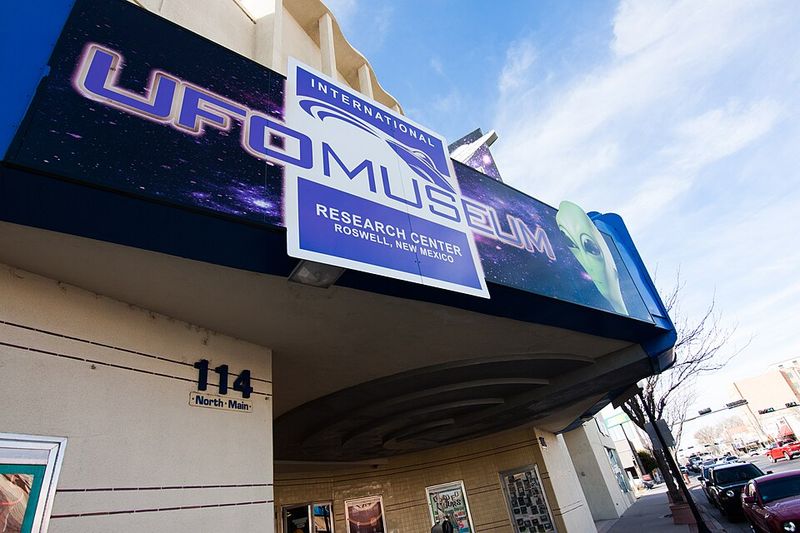
Little green marketing men have been working overtime in Roswell for years. The town’s UFO attractions turned one famous mystery into a full tourism identity, complete with alien murals, themed museums, novelty shops, and plenty of playful commitment.
You do not need to believe anything unusual to understand the appeal. Roswell offers a neat package of roadside weirdness, local history, and conversation-starting photos that still land well with curious travelers.
The ’90s were especially kind to extraterrestrial pop culture, and this place never really gave that energy back. It survives because visitors enjoy a destination that knows its bit and sticks to it.
In a travel world full of polished branding, Roswell remains proudly odd and refreshingly direct.
12. Gatlinburg Parkway – Tennessee
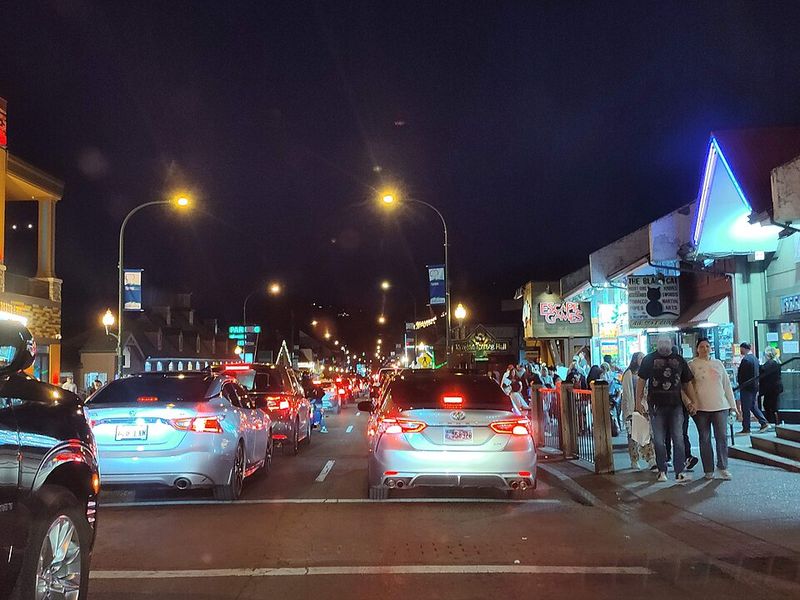
Mountain views meet main-strip mayhem on Gatlinburg Parkway. One minute you are admiring the Smokies, and the next you are choosing between candy stores, themed mini-golf, odd museums, and another storefront selling bear merchandise.
That collision of scenery and spectacle explains the area’s staying power. The parkway gives visitors a dense lineup of easy entertainment after hiking, and its walkable strip encourages plenty of unplanned stops.
Yes, it can feel crowded and unapologetically kitschy, but many travelers like that exact combination. The place asks very little of you beyond showing up ready to browse.
Gatlinburg survives because it offers both natural beauty nearby and a cheerfully overstuffed tourist corridor where every family member can find something mildly irresistible.
13. Mall of America Attractions – Minnesota
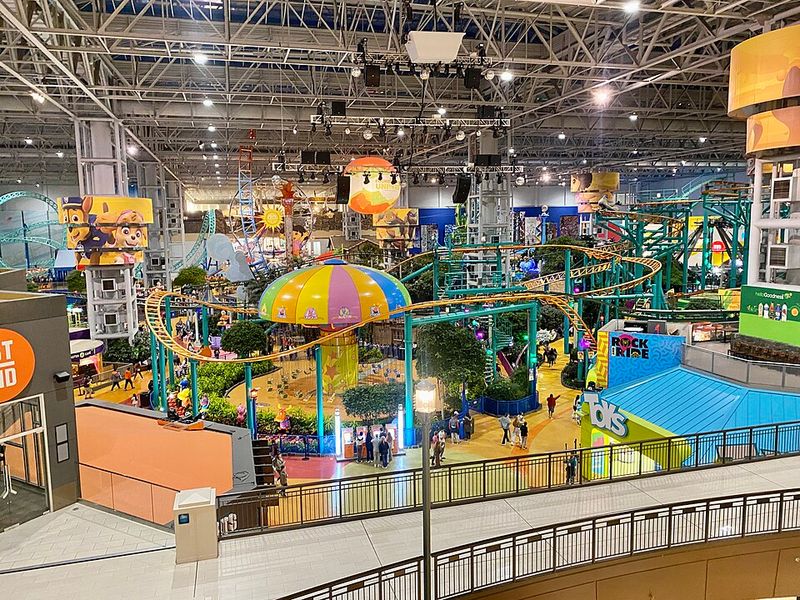
Bigger was the whole pitch, and Mall of America still leans into it. Beyond shopping, the indoor rides, themed attractions, and sheer scale keep the place operating as a destination rather than just a mall with very confident branding.
You can spend hours there without carrying a single store bag, which is part of the trick. Families use it as an all-weather entertainment hub, travelers drop in for novelty value, and returning visitors enjoy the throwback feeling of a place that still treats retail like an event.
That philosophy is pure ’90s, but the formula remains useful. It survives because it offers options under one roof, and because saying you visited the giant mall still sounds like a legitimate travel plan to plenty of people.
14. Atlantic City Boardwalk Shops – New Jersey
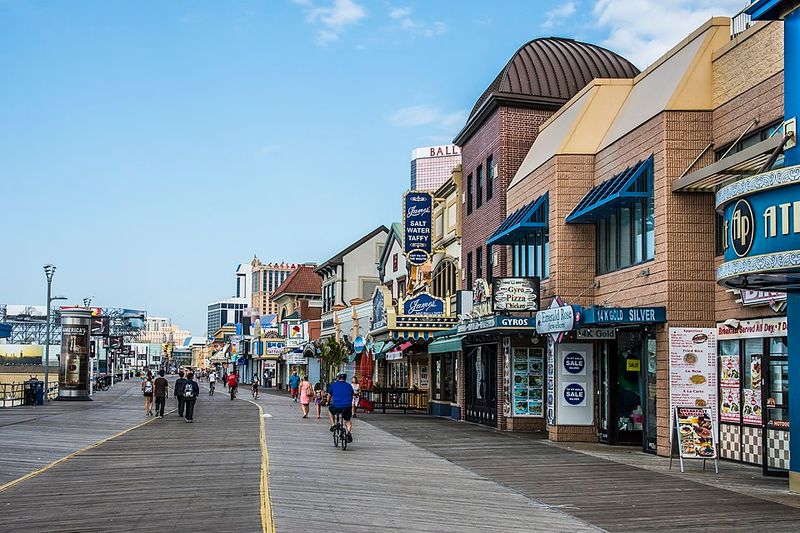
Nostalgia does a lot of business on the Atlantic City boardwalk. The shops and snack stands carry a mix of seaside tradition, flashy tourism, and just enough faded polish to remind you this strip has seen many different eras pass by.
You may notice the contrast between old-school charm and heavy commercialization right away. Still, people return for the boardwalk ritual itself: strolling, browsing, picking up a souvenir, and enjoying a place that feels tied to generations of vacation habits.
The shops survive because they are attached to an iconic format that still works on visitors. Even when the glamour looks a little tired, the boardwalk remains easy to enjoy.
It is familiar, walkable, and loaded with the kind of casual nostalgia that keeps crowds moving.
15. Route 66 Gift Shops – Multiple States
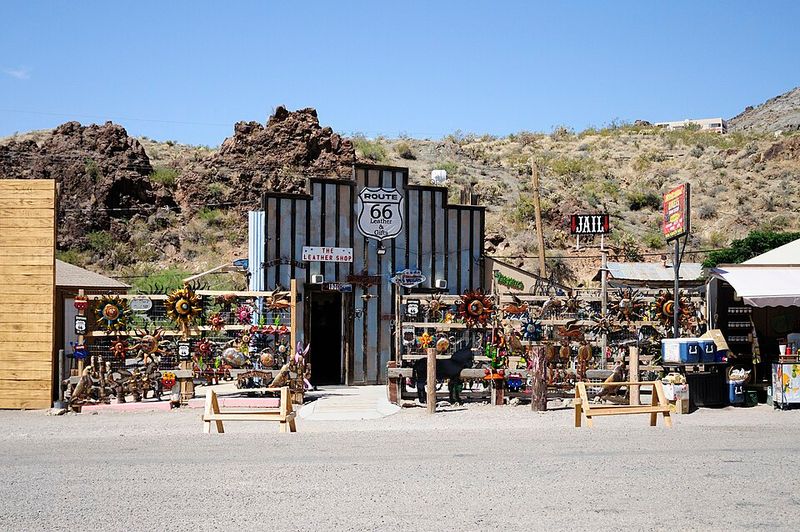
A good road trip barely begins before someone starts hunting for Route 66 souvenirs. The highway’s gift shops turned vintage Americana into a durable business model, with license plate decor, diner-style signs, and enough retro branding to fill a trunk.
Some stops are charming, some are shameless, and most are a little of both. Travelers keep pulling in because Route 66 carries built-in nostalgia, even for people who never experienced its earlier heyday.
Buying a postcard or keychain becomes a way to join the legend, however briefly. These shops survive because they sell more than objects.
They sell participation in a classic American road story, packaged neatly beside the highway and ready for anyone who wants a keepsake with instant context.
16. Myrtle Beach Souvenir Superstores – South Carolina
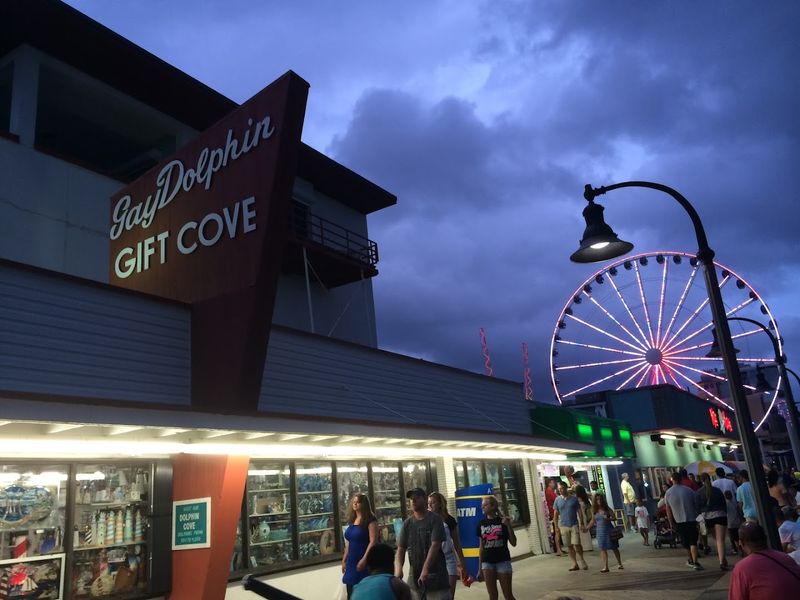
Subtlety checked out long ago at Myrtle Beach’s souvenir superstores. These massive beach retail palaces stack T-shirts, inflatable toys, shells, mugs, and novelty items in quantities that suggest every vacation needs a shopping cart.
The reason they endure is simple: they are convenient, visible, and oddly entertaining to browse. Families duck inside for one item and leave with six, usually after debating which design best captures a week at the shore.
The stores also deliver a very specific throwback mood, the kind of vacation retail that peaked in the ’90s and never got the memo to become minimalist. Myrtle Beach keeps them alive because visitors still want practical beach gear mixed with playful junk.
Sometimes excess is the attraction.
17. Graceland Surrounding Shops – Memphis, Tennessee
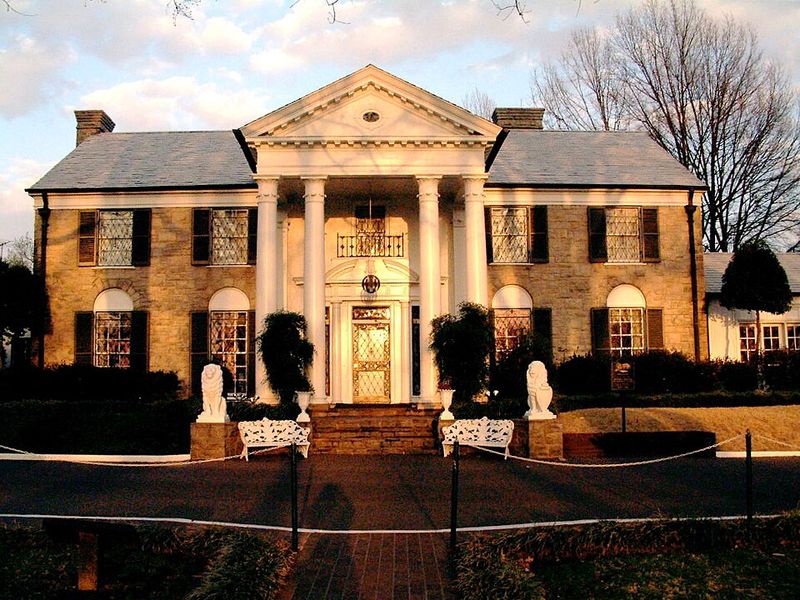
Blue suede commerce remains very much alive around Graceland. The surrounding shops lean hard into Elvis imagery, offering themed merchandise, collectible memorabilia, and a retail experience that extends the pilgrimage beyond the mansion gates.
Even visitors who skip serious shopping usually end up browsing, because the area is designed to keep the story going. You get a concentrated dose of music nostalgia, fan culture, and retro branding that feels perfectly suited to a legend whose image still sells across generations.
The setup may be unabashedly commercial, but it also gives fans an easy way to take a small piece of the experience home. These shops survive because cultural icons rarely stay contained to one address, especially when souvenirs are involved.
18. Las Vegas Strip Souvenir Shops – Nevada
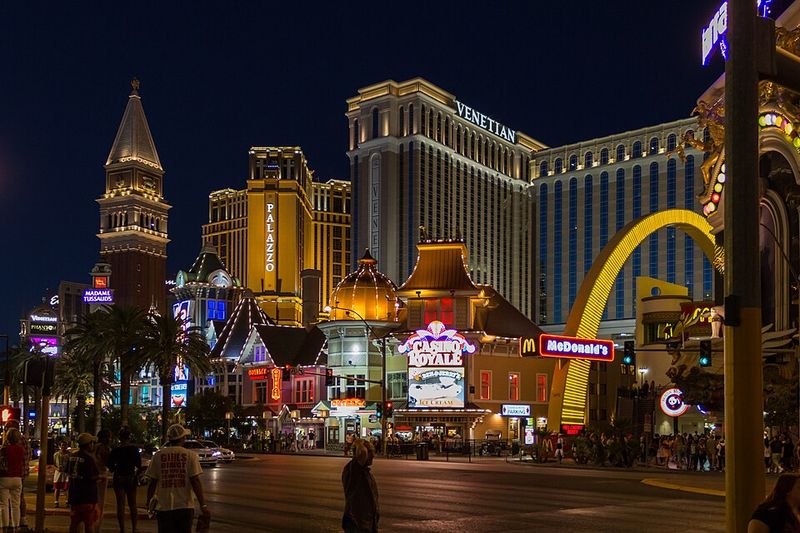
Flash has always been the local language, so Vegas souvenir shops fit right in. Along the Strip, stores push cheap T-shirts, novelty items, oversized drinkware alternatives, and every kind of logo-heavy keepsake you can imagine.
The quality is rarely the headline, but convenience definitely is. Visitors want a quick memento between major attractions, and these shops are positioned to catch that impulse with bright signs and easy browsing.
Their staying power comes from volume, visibility, and the fact that Las Vegas practically dares people to leave without proof they were there. The whole setup feels wonderfully stuck in time, like a retail side quest from a ’90s vacation package.
In a city built on spectacle, even the souvenir racks know how to perform.
19. Amish Country Tour Buses – Pennsylvania

Packaged authenticity is always a tricky sell, yet Amish Country tour buses keep filling seats. These tours promise a tidy introduction to rural life, local shops, and traditional culture, all arranged into a schedule that fits neatly into an afternoon.
Critics often say the experience can feel staged, and that concern is fair. Even so, many visitors prefer the structure because it removes guesswork and offers context they might miss on their own.
The tours survive by translating curiosity into something organized, approachable, and easy to book. That was a winning formula in the ’90s, and it still works for travelers who like guidance over improvisation.
The result may be polished, but polished remains popular.
20. Key West T-Shirt Shops – Florida
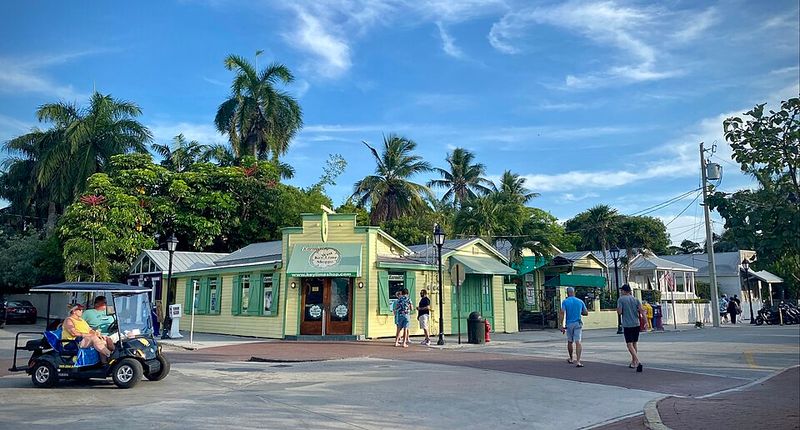
Somewhere in Key West, another bright slogan just found a new owner. The island’s T-shirt shops specialize in colorful prints, cheeky vacation messages, and racks so packed that choosing one shirt can become a surprisingly serious group decision.
You have likely seen similar designs elsewhere, which is exactly why these stores feel so familiar. They survive because travelers want an easy, inexpensive souvenir that instantly signals where they went, even if ten nearby shops carry near-identical versions.
The experience is less about originality and more about ritual. You browse, laugh at a few slogans, hold up two options, and eventually buy one.
Key West keeps the formula alive because vacation wardrobes still have room for one more tourist tee.
21. Venice Beach Boardwalk Shops – California
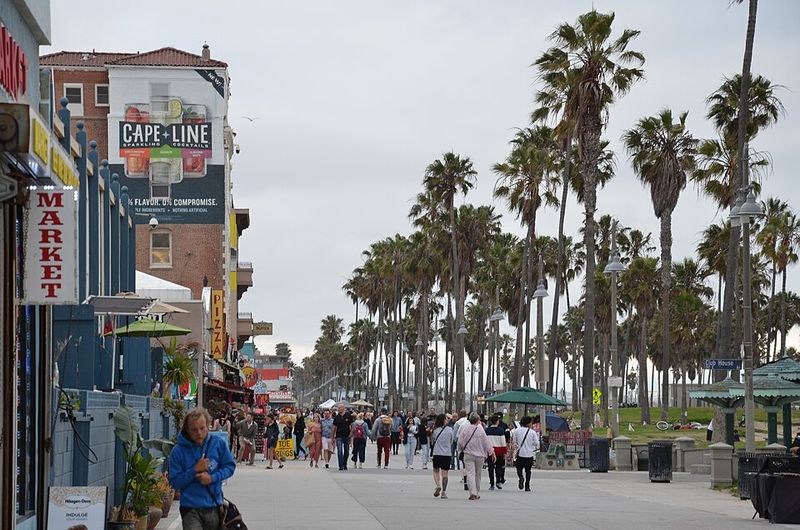
Order is not the point on the Venice Beach boardwalk. The shops and vendor stands create a loose, chaotic strip where souvenirs, street style, random curiosities, and people-watching all compete for your attention at once.
That unpredictability is exactly why the place remains popular. You can browse without a plan, pick up something strange or useful, and feel like you are getting a version of Los Angeles that still resists polish.
The setup has changed less than you might expect, which gives it a lasting throwback quality. Tourists keep coming for the mix of beach culture and spectacle, while vendors keep the scene lively through sheer variety.
Venice survives as a tourist trap because it never tried too hard to stop being one.
22. The Mystery Spot – Santa Cruz, California
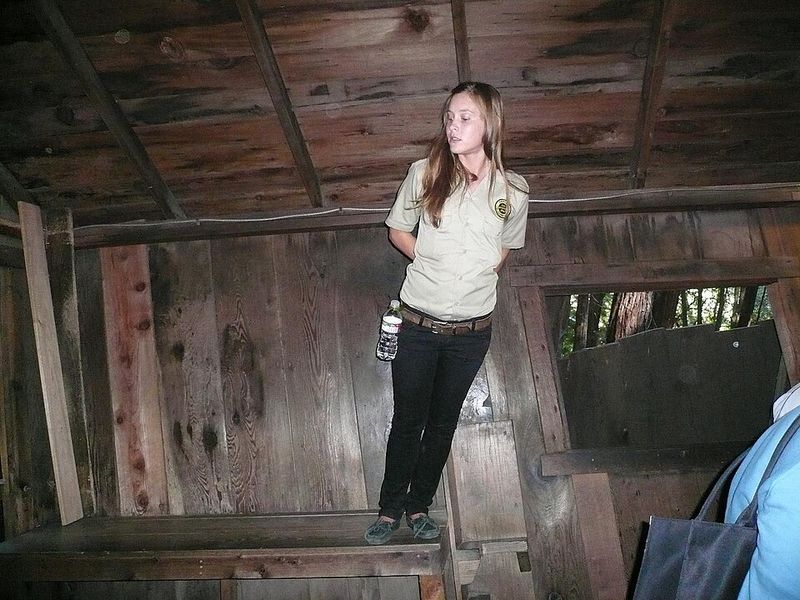
Gravity gets questionable billing at the Mystery Spot. This Santa Cruz classic still draws crowds with tilted rooms, guided demonstrations, and just enough visual confusion to keep you staring at every photo afterward.
The charm lies in its commitment to the bit. Rather than pretending to be polished science, the attraction embraces roadside weirdness and lets visitors enjoy the puzzle for what it is: a playful, compact experience that delivers memorable pictures and a fun story.
The ’90s loved places like this, and this one never lost its audience. Families, curious adults, and nostalgia seekers all keep it going because the concept is quick, distinctive, and cheerfully strange.
Not every survivor needs reinvention when a simple illusion still does the job.
23. Branson Strip – Missouri
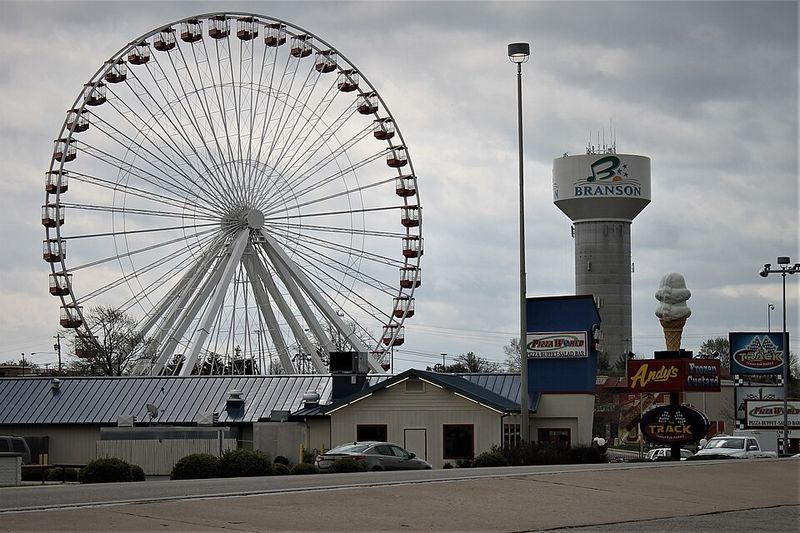
Branson never really stopped believing in the power of a marquee. The Strip stacks live shows, family attractions, themed restaurants, and glowing signs in a way that feels delightfully committed to pre-streaming entertainment values.
That commitment is why it still works. Visitors know they are coming for old-school fun presented with total sincerity, and the area delivers exactly that without chasing every trend.
The result feels like a preserved vacation model where schedules matter, showtimes matter, and a flashy sign still counts as persuasive marketing. You may find it nostalgic, over the top, or both at once.
Branson survives because it understands its audience and gives them a dependable menu of entertainment that feels proudly, unmistakably rooted in another era.
24. St. Augustine Old Town Shops – Florida
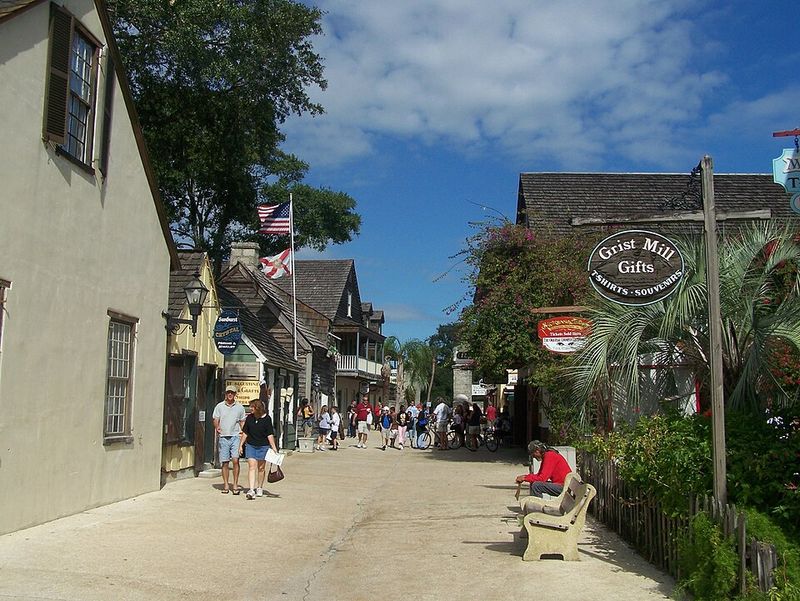
History shares sidewalk space with souvenir retail in St. Augustine’s old town. The area mixes genuinely interesting architecture and age-old streets with a dense run of shops clearly prepared for visitors who want postcards, candy, and themed trinkets.
That balance can tilt commercial fast, especially during busy travel seasons. Still, people keep coming because the setting gives even ordinary shopping a stronger sense of place than you get in a standard tourist district.
You can browse a store, look up, and remember you are in one of the country’s oldest European-established cities. The shops survive by attaching themselves to that powerful backdrop.
Not every purchase is memorable, but the location keeps the whole experience more compelling than it might otherwise be.
25. Chinatown Souvenir Markets – Various Cities
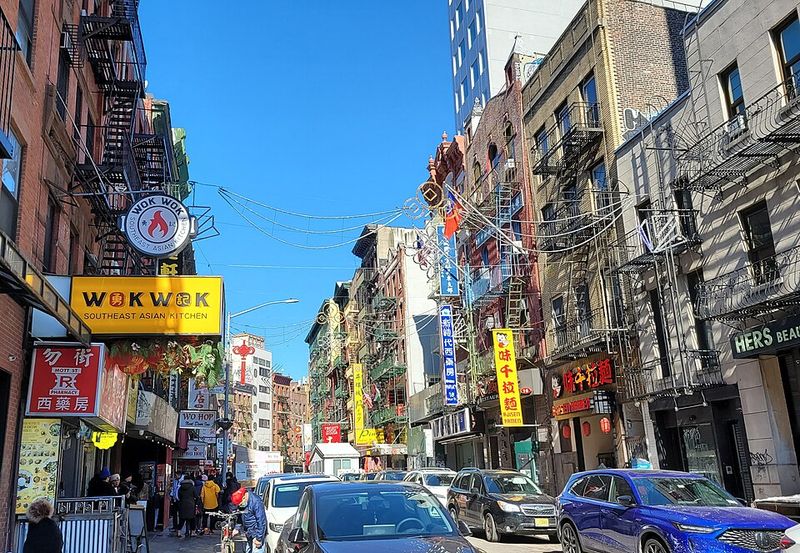
Bargain bins and lucky cats have impressive staying power. Chinatown souvenir markets in many cities still pull in visitors with dense displays of trinkets, T-shirts, figurines, and quick-purchase items that turn browsing into a sport.
Yes, plenty of the merchandise is mass-produced, and no, that does not seem to slow anyone down. Tourists like the easy prices, lively layouts, and the chance to leave with something small after wandering a neighborhood already on their sightseeing list.
These markets survived the ’90s because they occupy a useful niche: accessible, energetic, and built for casual shoppers. The best visits happen when you treat the souvenirs as one layer of a larger neighborhood stop, not the entire story.
Even then, a small trinket often wins.
Share this story