Some places stop you in your tracks the moment you arrive, making every photo you took feel completely inadequate. From ancient ruins wrapped in jungle mist to turquoise lagoons so clear you can see straight to the bottom, the world is packed with destinations that genuinely take your breath away.
Whether you’re a seasoned traveler or planning your very first big trip, these 25 places belong on your list. Pack your curiosity, charge your camera, and get ready to be amazed.
Machu Picchu, Peru
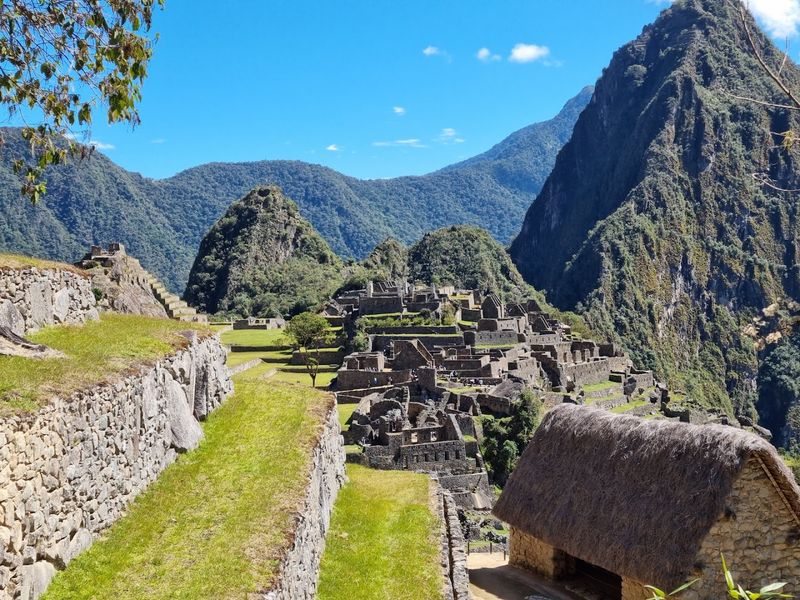
Standing at the edge of Machu Picchu and watching clouds roll through the Andes below your feet is one of those moments that makes you question everything you thought you knew about the ancient world. Built in the 15th century by the Inca Empire, this mountain citadel sits at over 7,900 feet and was largely unknown to the outside world until 1911.
That alone makes it feel like a secret you’ve finally been let in on.
Getting there is half the experience. The Inca Trail stretches roughly 26 miles through cloud forest and mountain passes, rewarding hikers with a sunrise arrival through the Sun Gate.
If trekking isn’t your style, scenic trains from Cusco take you through the Sacred Valley with stunning views the whole way.
Once inside, explore the agricultural terraces, ceremonial plazas, and stone temples that have somehow survived centuries of weather and time. Llamas wander freely among the ruins, completely unbothered by the crowds.
Arrive early or book a late-afternoon slot to avoid peak congestion. The site limits daily visitors to protect its structure, so booking well in advance is absolutely essential.
Santorini, Greece
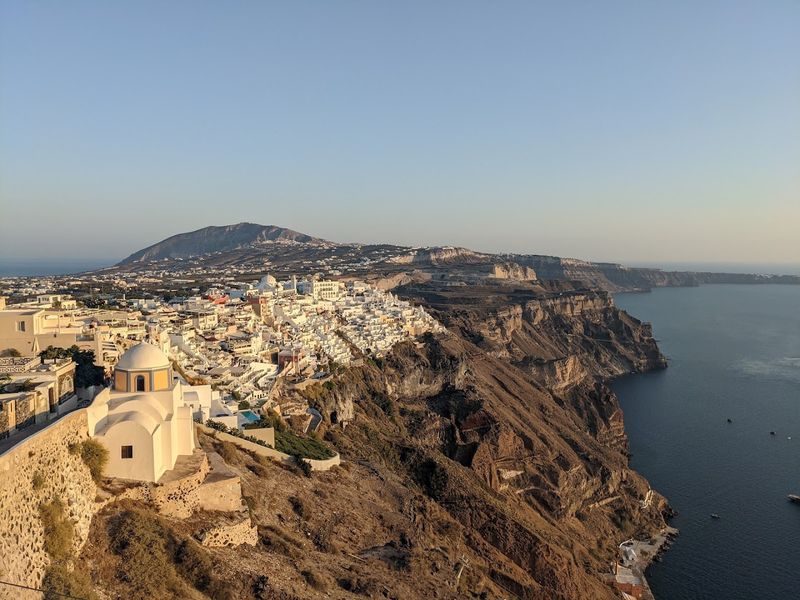
Santorini looks almost too perfect to be real, like someone painted it specifically to go viral on social media. The island formed from a massive volcanic eruption thousands of years ago, and that dramatic origin shaped the clifftop villages, black sand beaches, and deep caldera that make it so visually stunning today.
Oia is the most photographed village, famous for sunsets that draw crowds armed with cameras every single evening.
Beyond the picture-perfect scenery, Santorini delivers on food, wine, and culture. Local wineries produce Assyrtiko, a crisp white wine grown in volcanic soil, which pairs beautifully with fresh grilled octopus at a seaside taverna.
The island’s unique geology gives its produce a distinct flavor that you genuinely can’t find anywhere else.
Visiting in May, June, or September means fewer crowds and more comfortable temperatures than the peak July-August rush. Staying in Fira or Imerovigli offers similar caldera views at slightly lower prices than Oia.
Ferry rides between the island’s ports and neighboring islands like Crete or Mykonos are easy to arrange. Santorini rewards slow exploration far more than a rushed one-day stop.
Kyoto, Japan
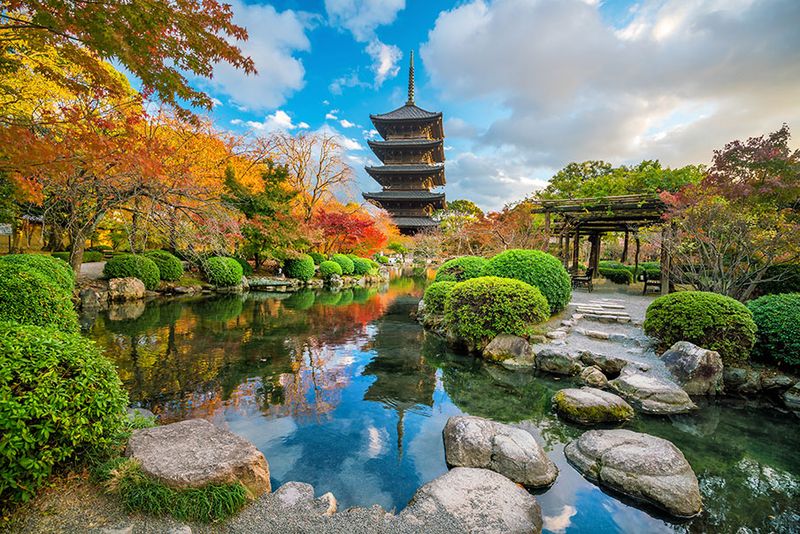
Kyoto moves at a different pace than most cities, and that’s exactly the point. While Tokyo dazzles with neon lights and skyscrapers, Kyoto pulls you back several centuries through moss-covered stone paths, wooden machiya townhouses, and the faint smell of incense drifting from temple courtyards.
Over 1,600 Buddhist temples and 400 Shinto shrines are spread across the city, meaning you could explore for weeks and still find something new.
Cherry blossom season transforms Kyoto into something almost magical. The Philosopher’s Path, a stone walkway along a canal lined with hundreds of cherry trees, becomes one of the most beautiful strolls in all of Japan during late March and early April.
Maruyama Park fills with families picnicking beneath blooming trees after dark, when lanterns light up the branches overhead.
Autumn is equally spectacular when maple leaves turn deep red and orange across hillside temples like Tofukuji and Eikan-do. The Arashiyama Bamboo Grove is worth visiting at dawn before the tour groups arrive.
Traditional kaiseki meals, matcha sweets, and ramen shops tucked into narrow alleys round out a visit that feels both deeply cultural and genuinely delicious from start to finish.
Serengeti National Park, Tanzania
Nowhere else on Earth can you watch two million animals move across an open landscape in a single continuous migration. The Serengeti’s Great Migration runs year-round as wildebeest, zebras, and gazelles follow rainfall and fresh grass in a massive clockwise loop across Tanzania and into Kenya’s Maasai Mara.
River crossings are the most dramatic moments, with crocodiles lurking beneath churning water as thousands of animals charge through.
Even outside migration season, the Serengeti delivers extraordinary wildlife encounters. Lions lounge in the shade of acacia trees, cheetahs sprint across golden grasslands, and elephant herds move slowly through the landscape with quiet authority.
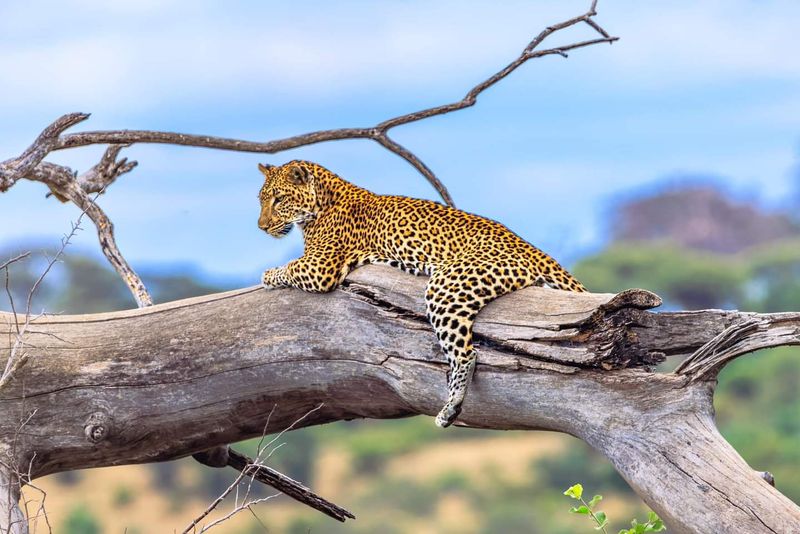
Leopards, notoriously difficult to spot, occasionally drape themselves across tree branches in the Seronera region.
Hot-air balloon safaris at dawn offer a perspective that ground vehicles simply can’t match. Floating silently above the plains as the sun rises and herds move below is a genuinely unforgettable experience.
Mobile tented camps move with the migration so guests stay close to the action throughout the year. The dry season between June and October generally offers the best wildlife viewing conditions, with animals gathering around shrinking water sources across the park.
Paris, France
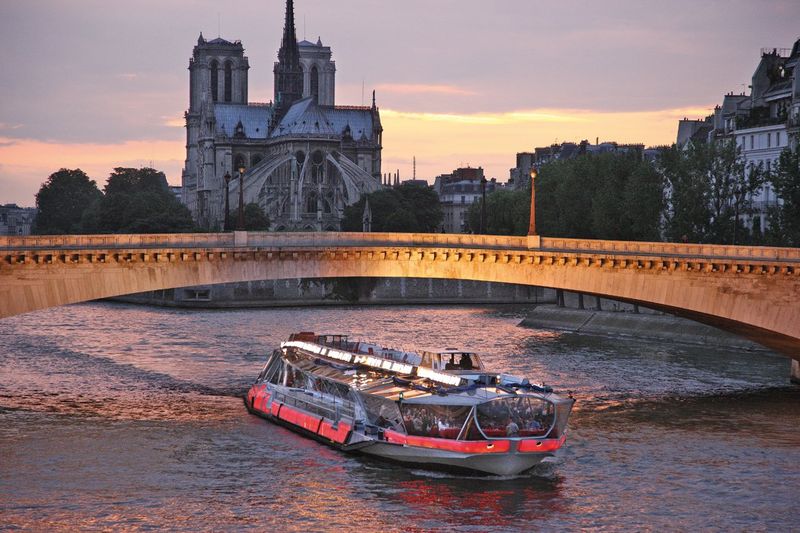
Paris has been called the most romantic city in the world so many times that it almost sounds like a cliche, but then you turn a corner and find yourself standing beside the Seine at dusk with golden light bouncing off old stone bridges and suddenly you completely understand it. The French capital layers centuries of art, food, fashion, and history into a city that somehow keeps reinventing itself without ever losing its classic character.
The Louvre alone could occupy two full days, housing over 35,000 works including the Mona Lisa and the Venus de Milo. But some of Paris’s best experiences cost nothing at all.
Wandering through the Marais neighborhood, browsing open-air markets, or sipping coffee at a sidewalk cafe while watching the city pass by costs very little and delivers a lot.
Climb the Eiffel Tower at night when the city sparkles below you, or head to Montmartre for sweeping views from the steps of Sacre-Coeur. The Palace of Versailles is a short train ride away and absolutely worth a day trip.
Paris rewards slow travelers who resist the urge to rush between landmarks and instead let the city’s rhythm carry them naturally from one discovery to the next.
Great Barrier Reef, Australia
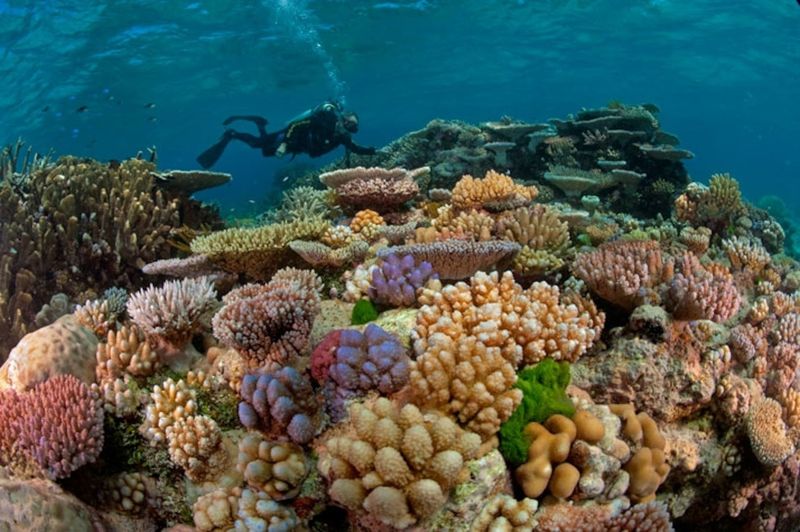
Stretching over 1,400 miles along Australia’s Queensland coast, the Great Barrier Reef is so large it can be seen from space. It’s the world’s largest coral reef system, home to over 1,500 species of fish, 4,000 types of mollusk, and six of the world’s seven sea turtle species.
Snorkeling or diving here feels like entering a living kaleidoscope that operates on its own completely independent schedule.
Cairns and Port Douglas serve as the main gateways to reef access, with day trips departing daily by boat. Liveaboard dive trips allow access to more remote sections of the reef where coral cover is denser and marine life is more abundant.
Glass-bottom boat tours and semi-submersibles offer underwater views without getting wet, making the reef accessible to all ages.
Scenic flights over the reef reveal the extraordinary patchwork of coral formations, sandbars, and lagoons that aren’t visible from the water’s surface. Conservation efforts have increased in recent years as coral bleaching events linked to rising ocean temperatures have affected large sections.
Choosing reef-safe sunscreen and responsible tour operators makes a genuine difference to the ecosystem’s recovery. Visiting this natural wonder now also carries a sense of urgency that makes the experience even more meaningful.
Petra, Jordan
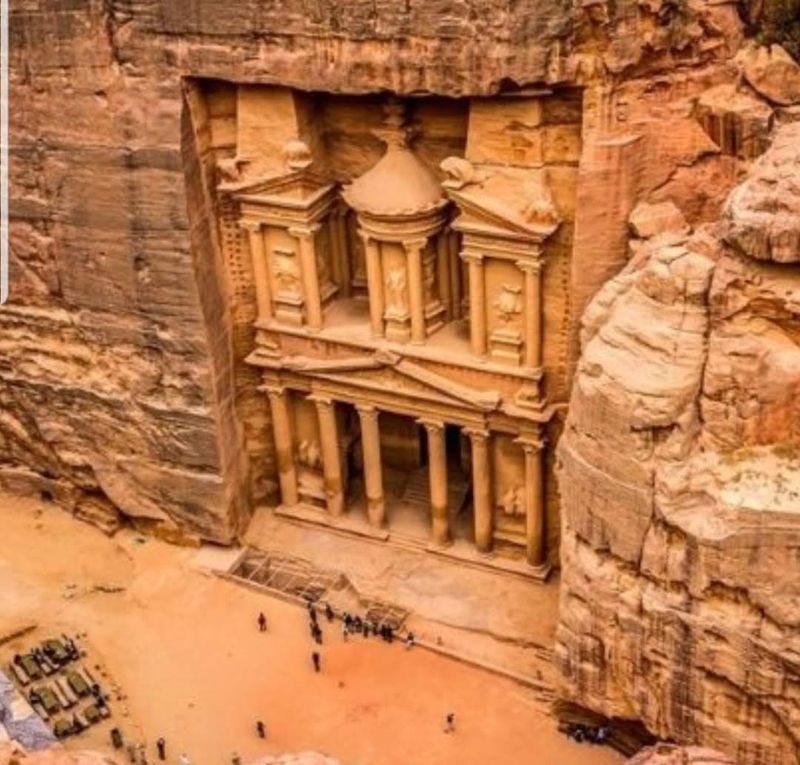
Walking the Siq in Petra feels like being slowly unwrapped from the outside world. The narrow canyon squeezes between sandstone walls that tower up to 200 feet above your head, filtering light into strange colors as you follow the ancient carved path.
Then suddenly the walls open up and the Treasury appears in front of you, carved directly into rose-red rock over 2,000 years ago, and your jaw drops on cue.
Petra was the capital of the Nabataean Kingdom and served as a major trading hub connecting Arabia, Egypt, and the Mediterranean. The city’s engineers were so advanced they built a sophisticated water channel system through the desert that kept the city alive for centuries.
Exploring beyond the Treasury reveals a vast archaeological site that most visitors barely scratch the surface of.
The High Place of Sacrifice trail climbs steeply to panoramic views across the canyon, while the Monastery, a lesser-visited monument even larger than the Treasury, rewards the 800-step climb with genuinely spectacular scenery. Petra by Night, offered three times weekly, fills the Siq with candlelight and traditional Bedouin music.
Jordan is one of the safest and most welcoming countries in the Middle East for travelers, making Petra an accessible and deeply rewarding destination.
Banff National Park, Alberta, Canada
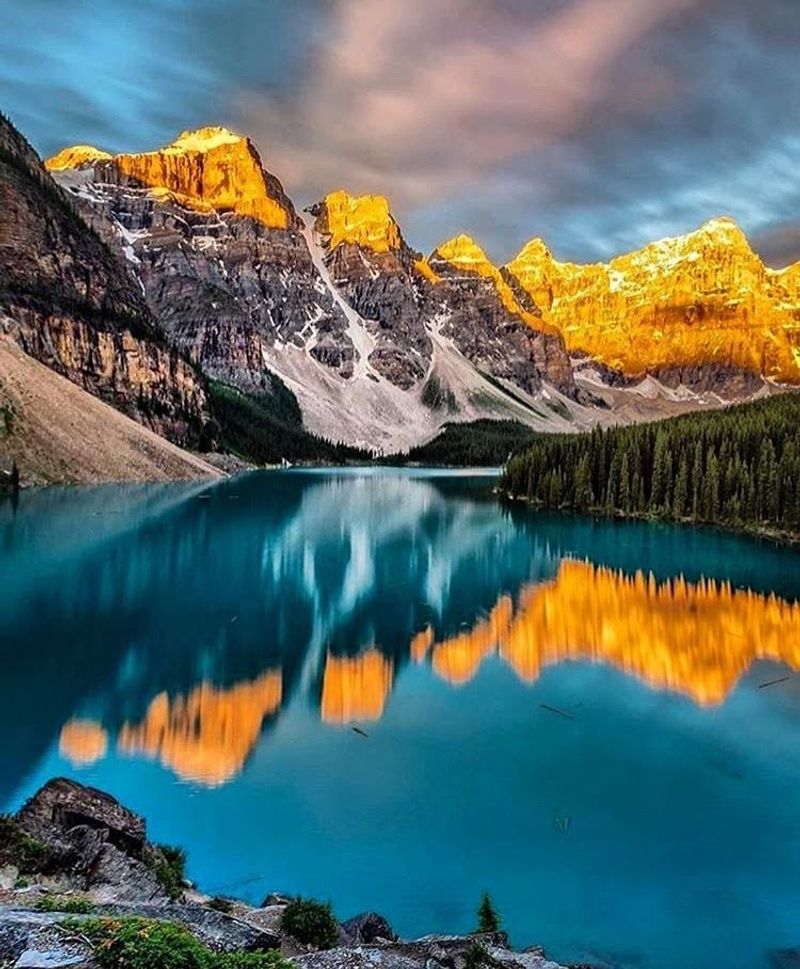
Moraine Lake’s turquoise water is so impossibly vivid that first-time visitors often wonder if the color has been digitally enhanced. It hasn’t.
Glacial rock flour suspended in the water scatters light in a way that produces that surreal blue-green hue, and no filter in the world can fully replicate seeing it in person. Banff National Park surrounds this and dozens of other jaw-dropping landscapes across Canada’s Rocky Mountains.
Lake Louise, just a short drive away, offers a similarly stunning turquoise lake framed by a hanging glacier and the grand Fairmont Chateau hotel. Canoes can be rented directly on the lake for an experience that feels both adventurous and deeply peaceful at the same time.
The Icefields Parkway, a 143-mile highway connecting Banff to Jasper, is consistently ranked among the world’s most scenic drives.
Wildlife sightings along mountain roads are frequent, with elk, black bears, grizzly bears, and bighorn sheep appearing regularly near the highway. Winter transforms the park into a ski destination centered around the Banff Sunshine and Lake Louise ski areas.
Summer hiking trails range from easy lakeside strolls to challenging multi-day backcountry routes. Year-round, Banff town itself offers excellent restaurants, hot springs, and a lively atmosphere just inside the park boundary.
Venice, Italy
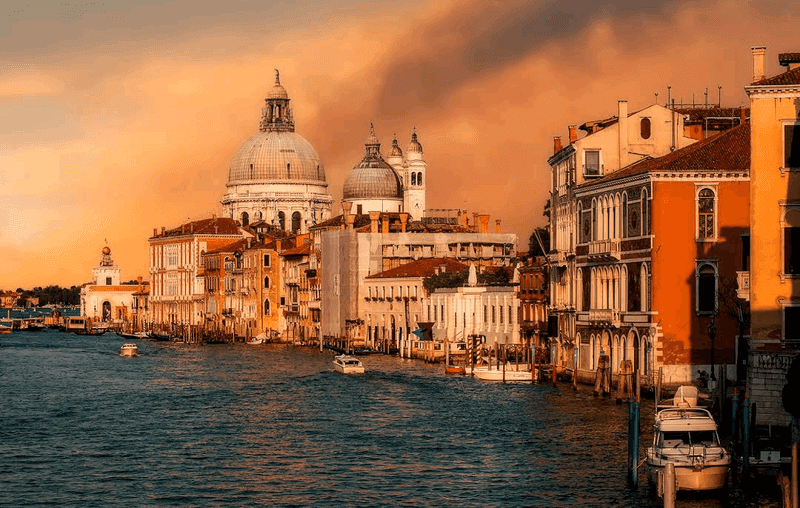
Venice shouldn’t work as a city. It’s built on 118 small islands connected by over 400 bridges, with canals instead of roads and no cars anywhere in sight.
And yet it not only works, it thrives as one of the most visually extraordinary places in Europe. The whole city is essentially a floating museum that has somehow survived floods, wars, and centuries of salt water eating away at its foundations.
Early mornings in Venice belong to the city itself. Before the day-trippers arrive from cruise ships and bus tours, narrow calle alleyways echo with the sounds of delivery boats and local life rather than tourist crowds.
Getting genuinely lost in the labyrinthine streets is not just acceptable, it’s highly recommended. Every wrong turn leads to a new courtyard, a hidden church, or a canal view that isn’t in any guidebook.
Riding a vaporetto water bus along the Grand Canal costs just a few euros and delivers spectacular views of Gothic and Renaissance palaces that line the waterway. The Rialto Market fills with fresh produce and seafood every morning in a tradition unchanged for centuries.
Cicchetti, small Venetian bar snacks served with local wine, offer one of Italy’s most affordable and delicious food experiences tucked inside neighborhood bacaro wine bars.
Iceland’s South Coast, Iceland
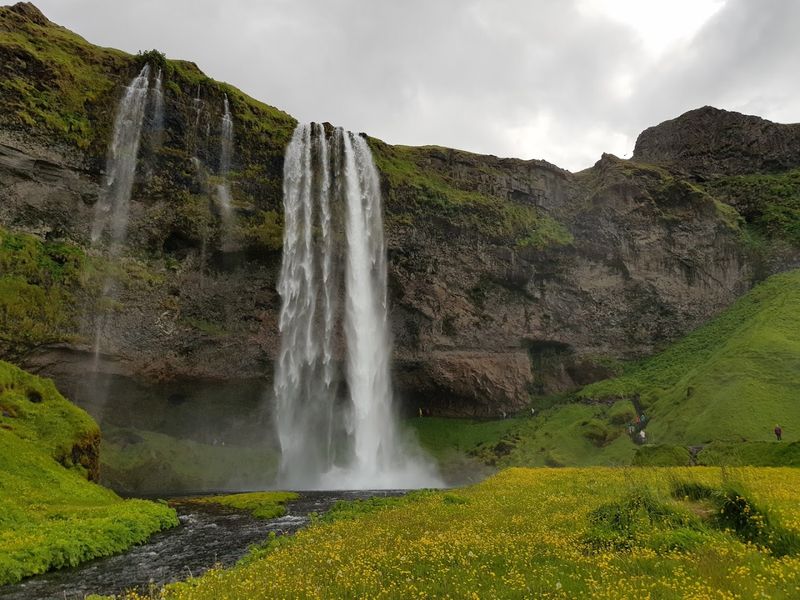
Iceland’s south coast operates on its own dramatic terms, delivering waterfalls, glaciers, black sand beaches, and volcanic cliffs all within a single day of driving. The Ring Road connects the highlights in a logical sequence, making this one of the most rewarding self-drive routes in the world.
Seljalandsfoss waterfall is unique because a path leads behind the curtain of falling water, letting you stand inside it with the landscape spread out in front of you.
Skogafoss, just down the road, thunders down a 200-foot cliff with such force that mist hangs permanently in the air around it. A staircase beside the falls climbs to a ridge trail with views stretching across the coastline.
Further east, Reynisfjara black sand beach draws visitors to its hexagonal basalt columns, sea caves, and the ominous waves that crash in from the North Atlantic with unexpected power.
Vatnajokull, Europe’s largest glacier, sits at the eastern end of the south coast with ice cave tours running through winter months. The Jokulsarlon glacier lagoon fills with floating icebergs that drift slowly toward the sea, while diamond-shaped ice chunks wash up on the black beach beside it.
Winter visitors also have strong chances of seeing the Northern Lights dancing above the darkened landscape on clear nights.
Bora Bora, French Polynesia
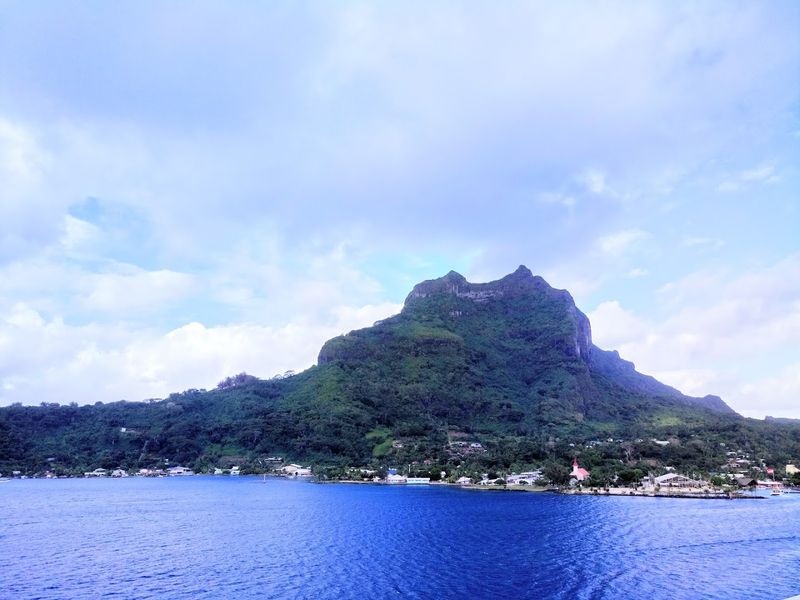
Bora Bora is the kind of place people spend years saving up for, and nearly everyone who finally gets there says it exceeded every expectation. The island’s central volcanic peak, Mount Otemanu, rises 2,385 feet above a sheltered lagoon that cycles through every possible shade of blue and green depending on the time of day.
Overwater bungalows perched directly above the water have made this one of the world’s most recognized luxury travel images.
The lagoon’s calm, warm waters are ideal for snorkeling, paddleboarding, and outrigger canoe tours. Coral gardens just below the surface host blacktip reef sharks, stingrays, and dense schools of tropical fish that swim close enough to touch.
Guided shark and ray feeding excursions run daily from most resort docks, offering an adrenaline-tinged wildlife encounter in shallow, crystal-clear water.
Bora Bora is a French territory, so baguettes, fresh croissants, and excellent wine are available alongside local Tahitian poisson cru, a coconut-marinated raw fish dish that tastes even better with sand between your toes. The island is small enough to circle by scooter in a single afternoon, passing vanilla plantations, roadside fruit stands, and village churches along the way.
Sunsets here hit differently when viewed from a hammock above the lagoon.
Cappadocia, Turkiye
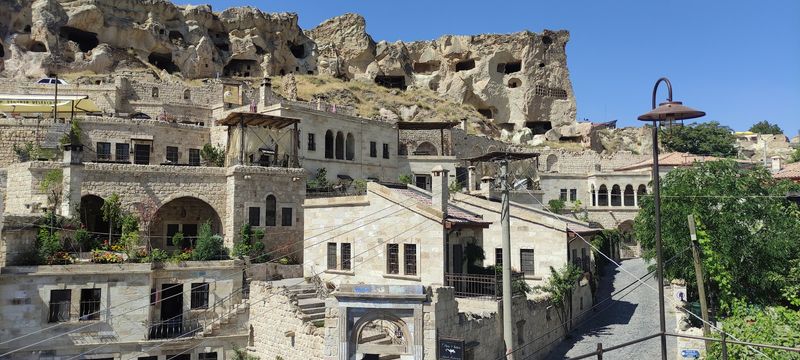
Nothing prepares you for the sight of hundreds of hot-air balloons rising together above Cappadocia at dawn. The sky fills with color as balloons drift over the Goreme Valley’s peculiar rock formations, called fairy chimneys, which were carved by volcanic eruptions and centuries of erosion into shapes that look genuinely otherworldly.
This is consistently ranked among the most photographed sunrise experiences on Earth, and it fully earns that reputation.
The region’s history runs deep beneath the surface, literally. Underground cities like Derinkuyu and Kaymakli were carved by early Christian communities seeking shelter from invaders, extending up to 18 stories below ground with ventilation shafts, stables, churches, and storage rooms still intact.
Exploring these tunnels is equal parts fascinating and slightly claustrophobic in the best possible way.
Cave hotels carved directly into the rock are one of Cappadocia’s most distinctive accommodation options. Staying in one means sleeping inside the same geological formations that have shaped the region for thousands of years.
The Rose Valley and Red Valley offer hiking routes with extraordinary views that shift in color as the sun moves across the sky. Local pottery, Turkish carpets, and freshly baked gozleme flatbreads fill the markets of Avanos and Urgup, adding excellent cultural texture to the visit.
New York City, New York
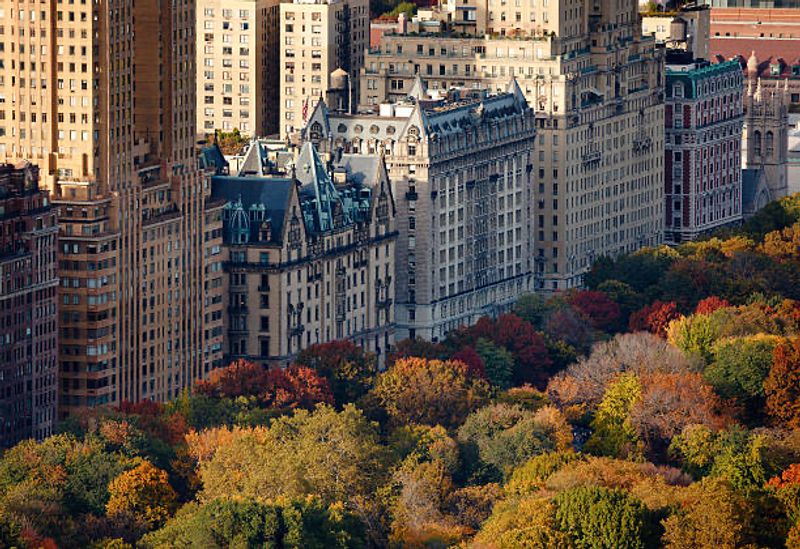
New York City doesn’t ease you in gently. The moment you step out of a subway station onto a Midtown street for the first time, the scale, sound, and sheer density of it all hits at once in the most thrilling way imaginable.
Over eight million people from nearly every country on Earth share this city, creating a cultural mix that makes every neighborhood feel like a different world within the same five boroughs.
The Metropolitan Museum of Art alone holds over two million works spanning 5,000 years of human history, and admission is technically a suggested donation. Times Square pulses with neon energy at all hours while the High Line park floats above the city on a converted elevated railway, offering a completely different perspective on the same streets below.
Brooklyn Bridge walks at sunrise reward early risers with one of the best skyline views money can’t buy.
Food options in New York are genuinely endless, from Michelin-starred tasting menus to dollar pizza slices eaten standing on the sidewalk, both of which are completely valid New York experiences. Central Park covers 843 acres in the middle of Manhattan, offering rowing, cycling, picnicking, and people-watching at any time of year.
Broadway shows, jazz clubs, and comedy venues run seven nights a week across the city.
Maldives
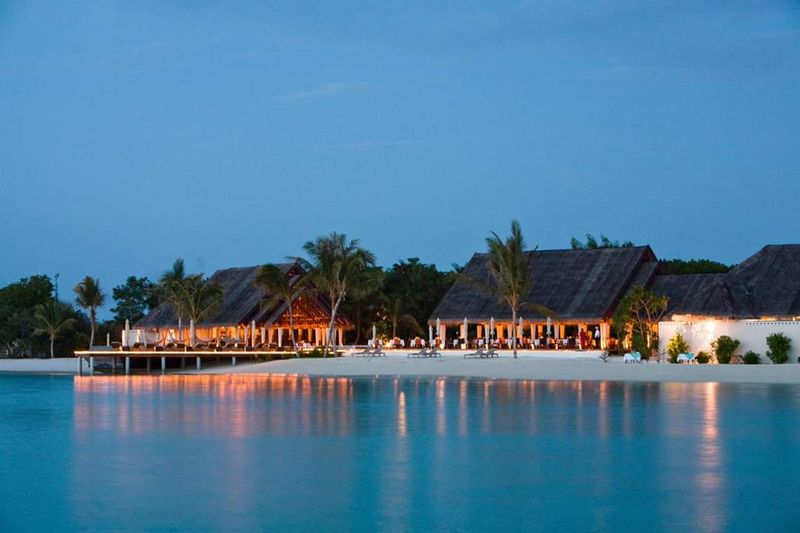
The Maldives sits so low in the Indian Ocean that its highest natural point is only about eight feet above sea level, making it one of the most vulnerable nations on Earth to rising seas. That fragility gives every visit a quiet urgency.
The country is made up of 1,192 coral islands grouped into 26 atolls, and each one offers the same jaw-dropping combination of white sand, turquoise water, and brilliant marine life that has made it globally famous.
Snorkeling directly off the beach at many resorts reveals house reefs teeming with sea turtles, Napoleon wrasse, and reef sharks patrolling the coral in lazy circles. Manta ray encounters are common in certain atolls, particularly around Hanifaru Bay, a UNESCO-protected marine area where dozens of mantas feed together during plankton blooms.
Whale shark sightings are also possible in the South Ari Atoll throughout much of the year.
Budget-conscious travelers often overlook the fact that guesthouses on local islands like Maafushi and Dhigurah offer beautiful beaches and excellent snorkeling at a fraction of resort prices. The dry season runs from November through April, delivering the clearest skies and calmest seas.
Bioluminescent plankton sometimes lights up the shoreline at night, turning each wave into a glowing blue edge that looks completely surreal from the beach.
Grand Canyon National Park, Arizona
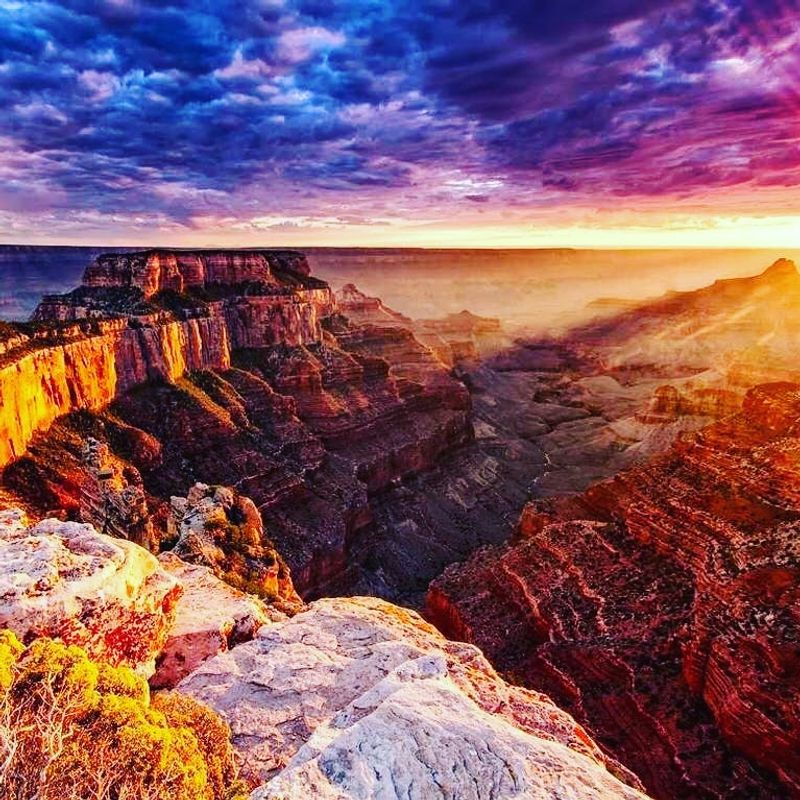
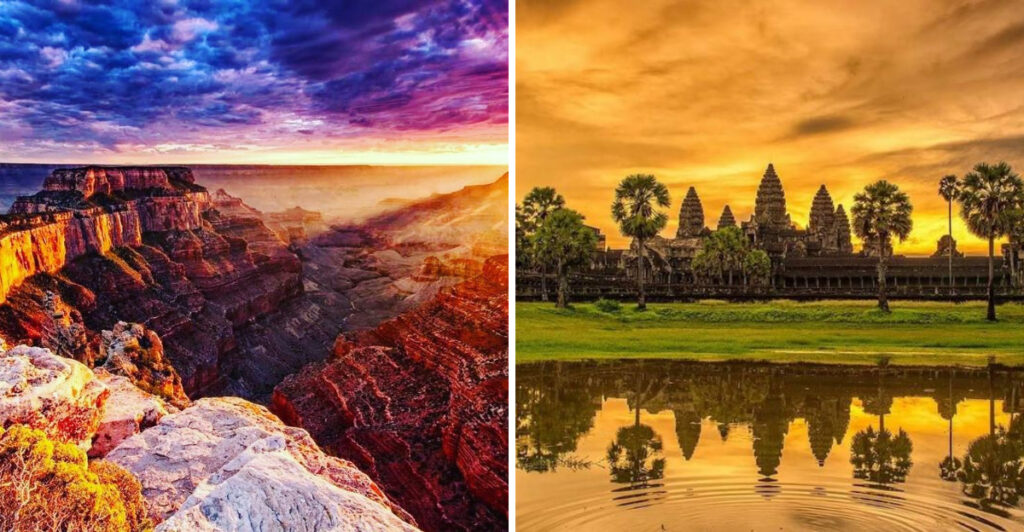
The Grand Canyon has been described in millions of words by millions of travelers, and almost all of them agree on one thing: photographs do not prepare you for standing at the rim for the first time. The canyon drops over a mile deep and stretches 277 miles long, exposing nearly two billion years of Earth’s geological history in layered bands of red, orange, purple, and cream-colored rock.
It is genuinely one of those sights that makes your brain work hard to process what your eyes are seeing.
Sunrise and sunset are when the canyon truly performs. Light moves across the rock walls in constantly shifting colors that photographers chase obsessively from overlooks along the South Rim.
Mather Point and Desert View are among the most accessible viewpoints, while Yaki Point offers a slightly quieter vantage with equally stunning panoramas.
Hiking below the rim reveals a completely different experience than looking down from above. The Bright Angel Trail descends through distinct geological layers with increasing warmth and desert scenery the deeper you go.
Rafting the Colorado River at the canyon’s base is a multi-day adventure offering perspectives that rim visitors never see. Helicopter tours and mule rides are also popular options for exploring the canyon’s extraordinary depth from different angles.
Angkor Wat, Cambodia
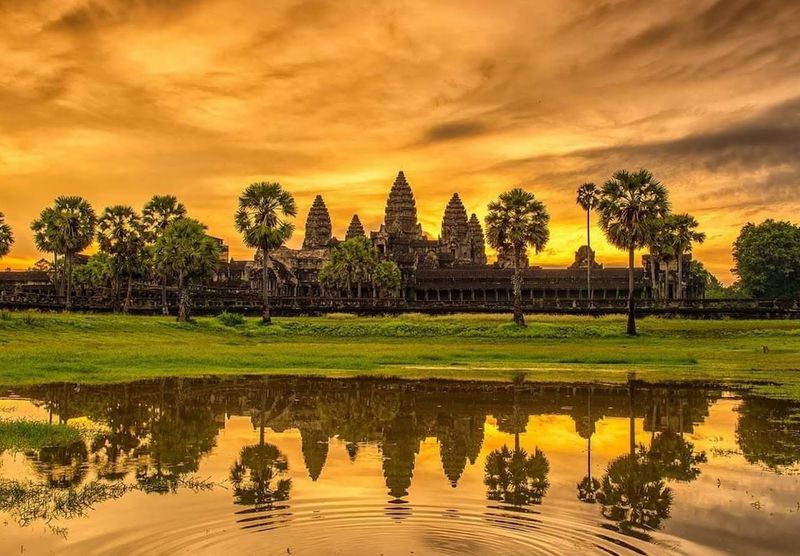
Angkor Wat is the largest religious monument ever built, covering over 400 acres of jungle in northwestern Cambodia. Constructed in the 12th century by Khmer King Suryavarman II, it was originally a Hindu temple dedicated to Vishnu before gradually transitioning to Buddhist use.
The scale of what was accomplished without modern machinery continues to baffle archaeologists and architects who study it today.
Sunrise at Angkor Wat is the stuff of bucket lists. Arriving before dawn to secure a spot beside the reflecting pool means watching the temple’s five towers emerge from darkness as the sky shifts through pink, orange, and gold above the jungle canopy.
The reflection doubles the spectacle, creating a mirror image in the still water that has appeared on the cover of countless travel magazines for good reason.
The Angkor Archaeological Park extends well beyond the main temple, encompassing Ta Prohm, where massive tree roots have grown directly through stone walls in a spectacular display of nature reclaiming architecture. Bayon temple is famous for its enormous carved stone faces staring out from every tower.
Hiring a local guide significantly deepens the experience, adding historical context that brings the carvings, galleries, and ceremonial spaces to life in ways a self-guided tour simply cannot match.
Amalfi Coast, Italy
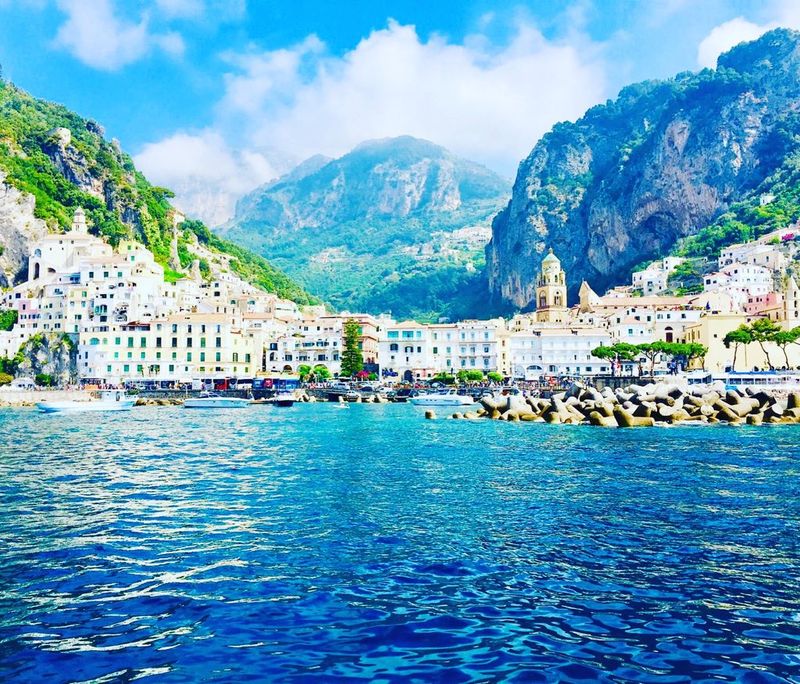
Positano from above looks like someone spilled a paint box down a cliff and called it a town. Pastel-colored houses stack up the steep hillside in tiers, connected by staircases so narrow that two people can barely pass each other going in opposite directions.
The Amalfi Coast runs for about 30 miles along southern Italy’s Sorrentine Peninsula, and nearly every inch of it qualifies as genuinely spectacular scenery.
The coastal road, the SS163, is famous for its hairpin turns, dramatic drops, and the sheer audacity of having been built along a cliff face at all. Driving it yourself is exhilarating.
Taking a bus is even more thrilling in a slightly terrifying way. Boat tours along the coastline offer the most relaxed perspective, drifting past sea caves, grottos, and rocky coves that can’t be reached from the road.
Ravello sits high above the coast with gardens and villas offering some of the most breathtaking views on the entire stretch. Villa Rufolo’s terrace overlooks a panorama so beautiful that composer Richard Wagner declared it the setting for his opera Parsifal.
Local cuisine leans heavily on fresh seafood, handmade pasta, and lemons so large and fragrant they barely resemble the ones sold in ordinary supermarkets back home. Limoncello tastings are practically mandatory.
Patagonia, Chile and Argentina
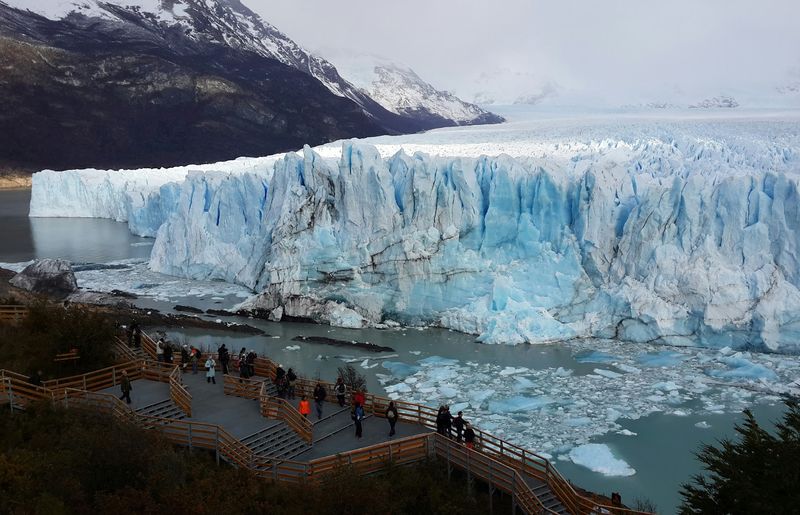
Patagonia sits at the end of the world and looks the part. The region covers the southern tip of South America across both Chile and Argentina, delivering some of the rawest, most untouched scenery on the planet.
Torres del Paine’s three granite towers rise over 8,000 feet above the Patagonian steppe in a formation so dramatic it seems deliberately designed to make hikers feel appropriately small.
The W Trek is one of South America’s most celebrated multi-day hiking routes, winding through glacial valleys, past turquoise lakes, and up to the iconic Mirador Las Torres viewpoint. Perito Moreno Glacier in Argentina’s Los Glaciares National Park advances at a rate visible to the naked eye, occasionally calving enormous ice blocks into the lake below with a thunderous crack that echoes across the valley.
Wildlife in Patagonia roams freely and abundantly. Guanacos graze on open grasslands, condors circle overhead on enormous wingspans, and pumas have been increasingly spotted near park lodges in Torres del Paine.
The region’s weather is famously unpredictable, with sunshine, rain, and fierce winds sometimes all arriving within a single hour. Layering clothing becomes an art form here.
The best hiking season runs from November through March, when daylight hours stretch well into the evening.
Marrakech, Morocco
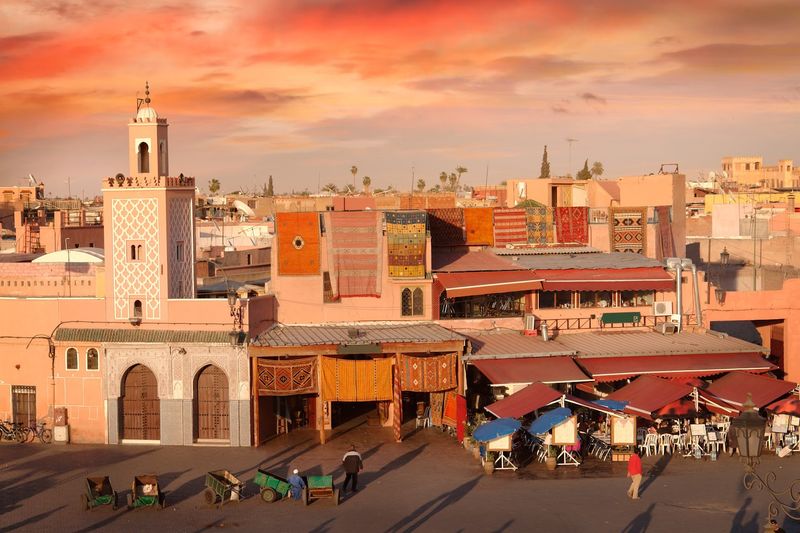
Marrakech is a full sensory experience delivered at high volume. The medina’s narrow alleyways funnel you past shops piled high with hand-stitched leather bags, mountains of cumin and saffron, glittering lanterns, and freshly squeezed orange juice vendors competing loudly for your attention.
Getting lost here isn’t a problem, it’s the whole point, because every wrong turn leads somewhere worth seeing.
Jemaa el-Fnaa is the city’s beating heart, transforming from a daytime market into a sprawling open-air food and entertainment festival after dark. Snake charmers, storytellers, musicians, and food stall owners all compete for space as the square fills with smoke from grilling meats and the sound of Gnawa music drifting from every direction.
Climbing to a rooftop cafe above the square gives a bird’s-eye view of the organized chaos below.
Riads are Marrakech’s secret weapon for accommodation. These traditional courtyard houses, hidden behind plain exterior walls, reveal beautifully tiled interiors, fountains, and rooftop terraces once you step through the door.
The Majorelle Garden, designed by French painter Jacques Majorelle and later owned by Yves Saint Laurent, offers vivid cobalt blue structures surrounded by exotic plants and a genuinely peaceful atmosphere just minutes from the medina’s controlled chaos.
Galapagos Islands, Ecuador
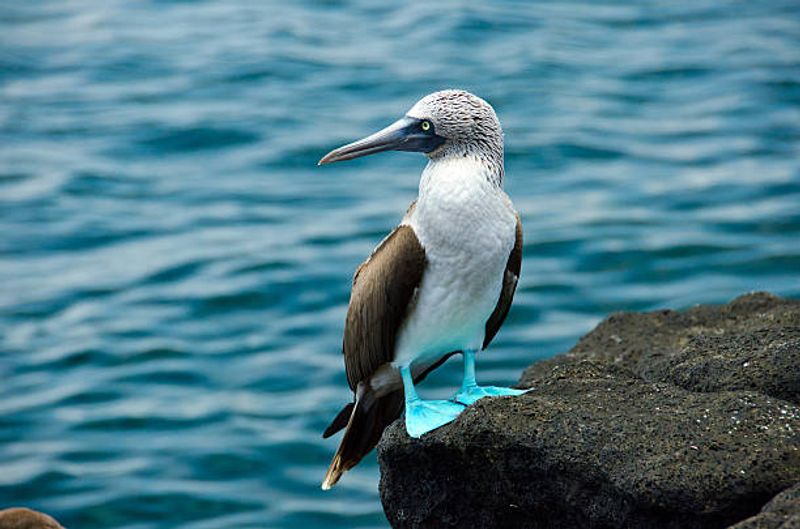
The animals of the Galapagos Islands have never learned to fear humans, and that changes everything about being there. Blue-footed boobies perform elaborate courtship dances a few feet from hiking trails without pausing to acknowledge your presence.
Sea lions sprawl across benches and boat docks as if they own them, which in a sense they do. Marine iguanas sneeze salt water from their nostrils and go about their day completely indifferent to your amazement.
Located 600 miles off Ecuador’s Pacific coast, the archipelago sits at the intersection of three ocean currents, creating a unique mix of tropical and cold-water species found nowhere else together on Earth. Charles Darwin arrived here in 1835 and spent five weeks observing the variation between species on different islands, observations that directly shaped his theory of natural selection published 24 years later.
Giant tortoises roam the highlands of Santa Cruz island in numbers that feel almost prehistoric. Snorkeling alongside Galapagos penguins, playful sea lion pups, and hammerhead sharks in the same session is a perfectly normal Tuesday here.
Strict visitor regulations limit daily numbers at most sites, preserving ecosystems that have remained largely intact for millions of years. Guided naturalist tours are required and genuinely enhance every single encounter you have with the wildlife.
Dubrovnik, Croatia
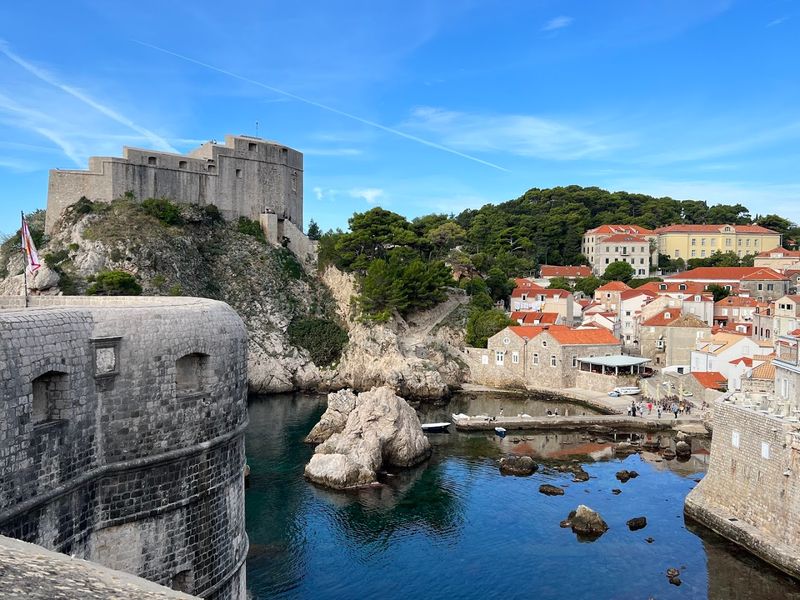
Dubrovnik’s old town is essentially a perfectly preserved medieval city encased in limestone walls that have stood for centuries above the Adriatic. George Bernard Shaw once wrote that anyone seeking paradise on Earth should come to Dubrovnik, and while that might sound like travel brochure hyperbole, the view from the city walls at sunset makes it very difficult to argue with him.
The walls themselves stretch for nearly two miles and can be walked in about two hours.
Cable car rides from the old town to Mount Srd deliver panoramic views across the entire walled city, the offshore Elafiti Islands, and the Dalmatian coastline stretching in both directions. The view from the top at golden hour is one of those images that locks itself permanently into your memory.
Game of Thrones fans will recognize dozens of locations throughout the city, which served as King’s Landing in the series.
Arriving early in the morning or staying for evening after day-trippers depart reveals a much calmer version of the city. Kayaking along the base of the walls at water level gives a completely different perspective on the architecture.
Nearby Lokrum Island, reachable by a short boat ride, offers swimming coves, peacocks roaming freely through a botanical garden, and a ruined Benedictine monastery worth exploring on a half-day trip.
Taj Mahal, Agra, India
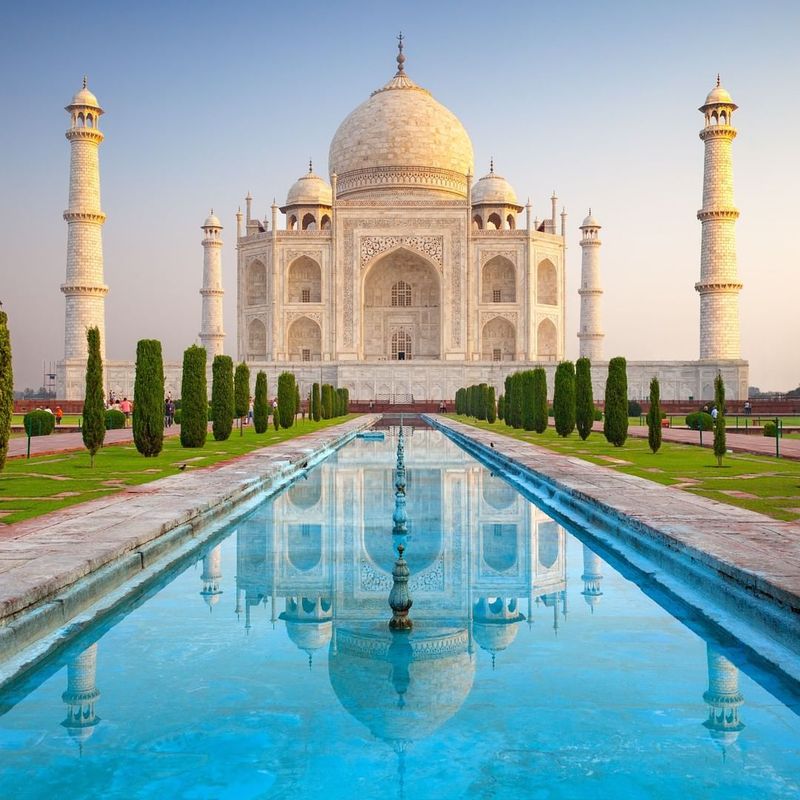
Shah Jahan built the Taj Mahal as a monument to grief, and somehow that origin story makes it more beautiful rather than less. After losing his wife Mumtaz Mahal during childbirth in 1631, the Mughal emperor commissioned a mausoleum so extraordinary that over 20,000 artisans worked for 22 years to complete it.
The result is a structure so perfectly proportioned that architects still study its geometry as a masterclass in symmetry.
White Makrana marble shifts color throughout the day, appearing soft pink at sunrise, brilliant white at midday, and golden as the sun drops toward the horizon. Inlaid semiprecious stones including lapis lazuli, jade, turquoise, and carnelian form intricate floral patterns across the exterior walls that reward close examination.
The calligraphy panels framing the main archways are deliberately sized larger at the top so they appear uniform from ground level, a deliberate optical correction built in at the design stage.
Arriving at the east or west gate before sunrise puts you inside the complex as the sky lightens and the first rays hit the dome, which is widely considered the best time to visit. The surrounding charbagh gardens follow a traditional Persian four-quadrant layout, with water channels reflecting the dome in long pools that stretch toward the main gateway.
Agra Fort, just two miles away, provides essential historical context for the Mughal dynasty that shaped the Taj.
Swiss Alps, Switzerland
Switzerland figured out long ago that the best thing to do with dramatic mountain scenery is build a train through it. The Glacier Express travels between Zermatt and St. Moritz across 291 bridges and through 91 tunnels over eight hours, delivering panoramic window views of the Alps that make the journey feel just as rewarding as the destination.
This is a country that treats its landscapes as infrastructure.
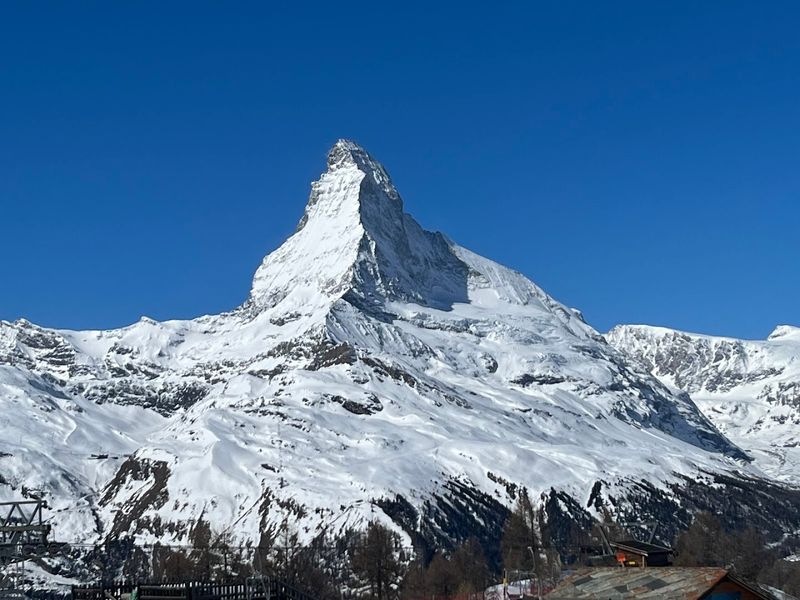
Zermatt sits car-free at the base of the Matterhorn, one of the world’s most recognizable mountain silhouettes. The pyramid-shaped peak appears on Swiss chocolate wrappers for a reason.
Hiking trails fan out from the village in every direction, ranging from easy valley walks to challenging ridge routes that reward experienced hikers with views across multiple countries simultaneously. The Klein Matterhorn cable car climbs to 12,500 feet, the highest in the Alps, year-round.
Grindelwald, Wengen, and Murren offer similarly spectacular settings in the Bernese Oberland region, with the Eiger’s famous North Face looming above picturesque villages. Jungfraujoch, known as the Top of Europe, sits at 11,332 feet and houses a research station, an ice palace, and a viewing terrace that feels genuinely close to the sky.
Summer wildflower meadows make hiking here as rewarding as any winter ski run on the same slopes.
Rio de Janeiro, Brazil
Rio de Janeiro is the rare city where a 98-foot-tall mountaintop statue is somehow not even the most visually dramatic thing competing for your attention. Sugarloaf Mountain rises sharply from Guanabara Bay while Copacabana and Ipanema beaches stretch for miles below steep green hills that plunge directly into the Atlantic.
The geography here is so spectacular that the entire landscape between the mountains and the sea was declared a UNESCO World Heritage Site in 2012.
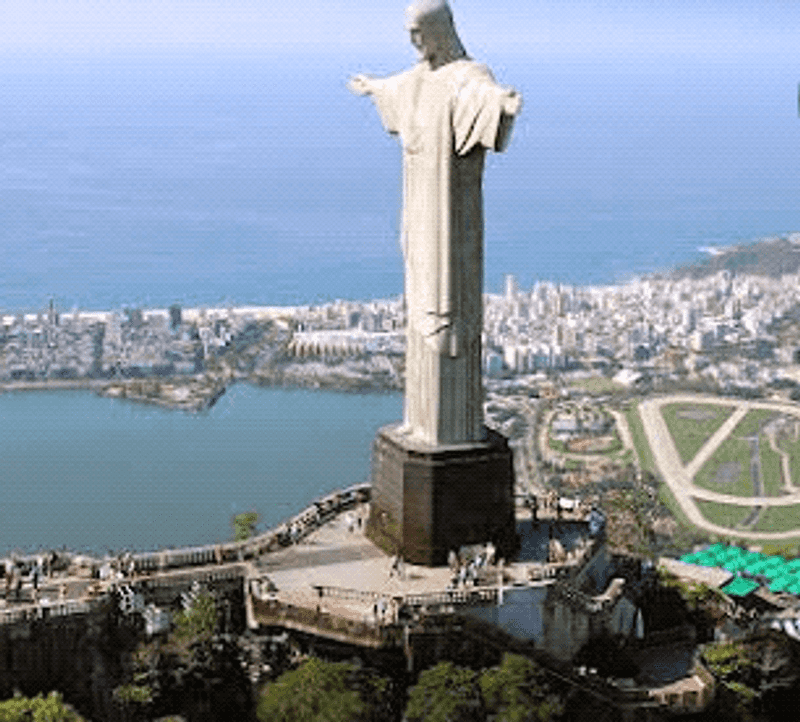
Christ the Redeemer stands at the summit of Corcovado, arms spread wide over a city of seven million people. Reaching the statue by rack railway through Tijuca Forest, the world’s largest urban forest, adds an unexpected layer of natural beauty to the ascent.
The view from the platform at Christ’s feet stretches across the entire city, bay, and coastline in every direction simultaneously.
Carnival in February transforms Rio into the world’s largest street party, with samba schools competing in the Sambadrome and blocos neighborhood parades filling streets across the city for weeks. The Santa Teresa neighborhood offers bohemian cafes, art galleries, and steep tram rides through colonial architecture.
Lapa’s arched aqueduct, now a tram viaduct, anchors a nightlife district where live samba spills out of bars until well past midnight every weekend of the year.
Antarctica
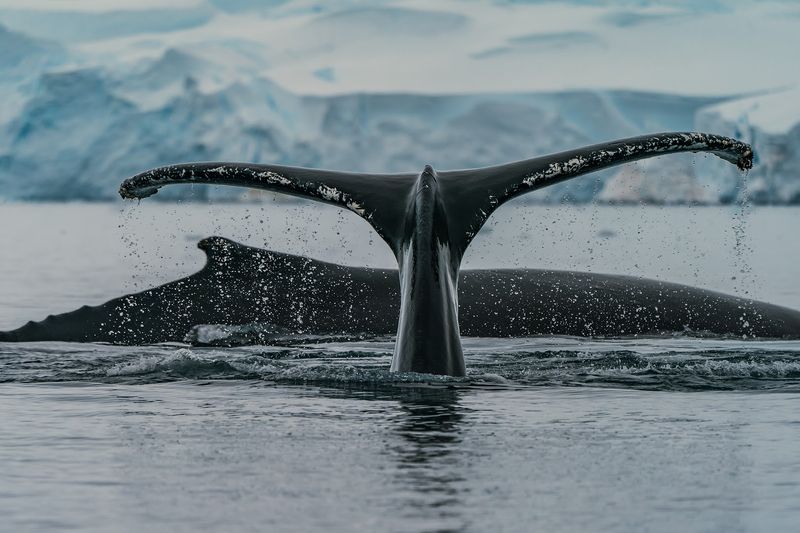
Antarctica is not a destination, it’s a reckoning. Fewer people have visited the southernmost continent than have climbed Mount Everest, and those who make the journey across the Drake Passage consistently describe it as the most humbling travel experience of their lives.
There are no hotels, no airports for regular tourists, and no roads, just ice, wildlife, silence, and an overwhelming sense of being somewhere genuinely few humans have ever stood.
Expedition cruises departing from Ushuaia, Argentina, typically spend 10 to 14 days navigating the Antarctic Peninsula, landing passengers by inflatable Zodiac boats onto ice shelves and rocky shores teeming with penguin colonies. Chinstrap, gentoo, and Adelie penguins waddle past with complete disregard for personal space.
Humpback and minke whales surface beside the boats with casual regularity that never stops being extraordinary.
Icebergs here reach sizes that defy easy comprehension, with some floating formations larger than entire city blocks, carved into arches, caves, and towers by wind and water. Midnight sun during the austral summer means 20-plus hours of daylight, giving the ice a constant golden glow that makes photography feel almost unfair in how easy it becomes.
The continent’s total absence of light pollution produces some of the clearest night skies visible anywhere on Earth during the brief autumn darkness.
Share this story