 Unearth The Voyage
Cars have shaped the modern world more than almost any other invention. From making travel affordable to saving lives with safety innovations, certain automobiles have left permanent marks on history. This list celebrates 27 machines that didn’t just transport people but transformed entire industries, cultures, and the way we think about mobility itself.
1. Ford Model T (1908)
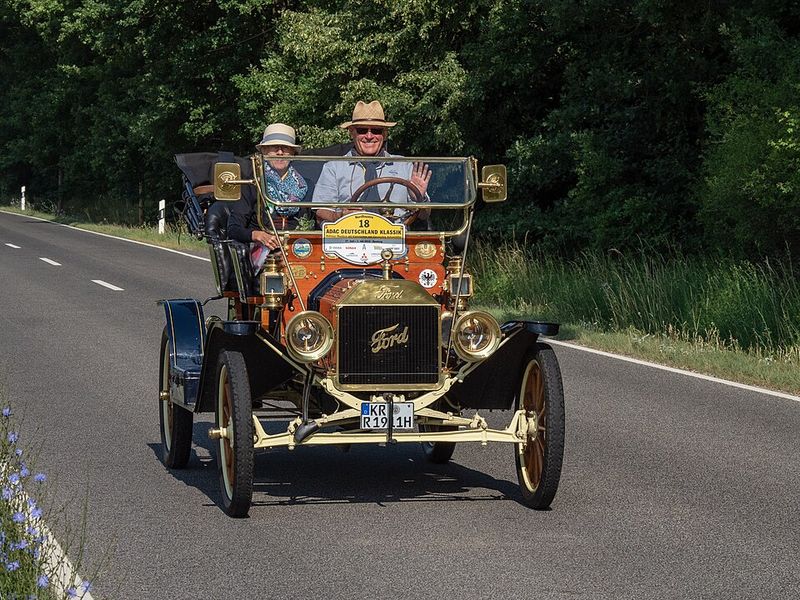
Henry Ford’s moving assembly line revolutionized manufacturing forever. By standardizing parts and streamlining production, the Model T became affordable for ordinary families, not just the wealthy elite.
More than 15 million rolled off the line between 1908 and 1927. Workers could actually buy the cars they built, reshaping labor and consumer culture.
This black beauty put America on wheels and proved mass production could democratize technology. Personal mobility became a reality for millions.
2. Volkswagen Beetle (1938)
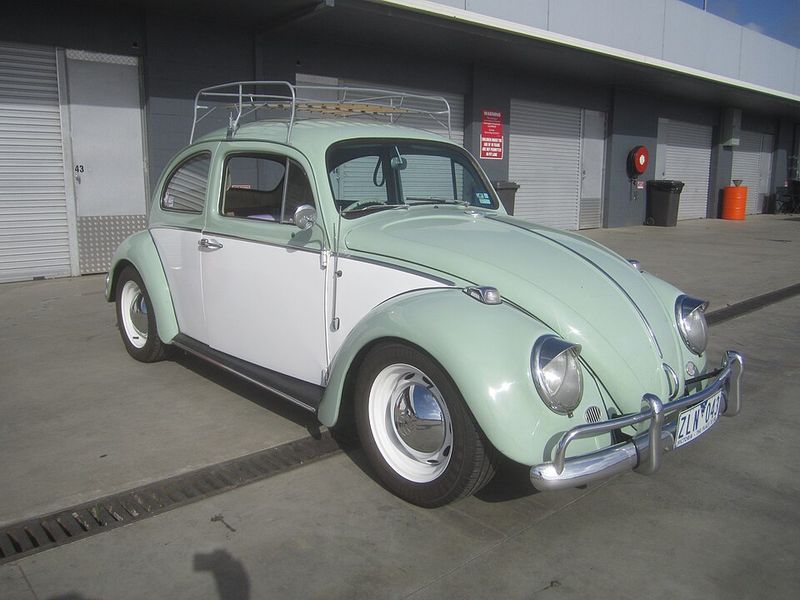
Ferdinand Porsche designed a car so simple and tough it conquered the world. Originally conceived as the people’s car for Germany, the Beetle survived war and became a global phenomenon.
Over 21 million units on the original platform made it one of history’s longest-running designs. Its air-cooled engine needed minimal maintenance, perfect for developing nations.
From counterculture icon to family hauler, the Beetle proved charm and reliability beat complexity. Simplicity became its superpower.
3. Mini (1959)

Alec Issigonis cracked the code on small-car packaging with genius engineering. Mounting the engine sideways and driving the front wheels freed up interior space like never before.
Suddenly, four adults fit comfortably in a car barely ten feet long. Rally victories proved the tiny titan could embarrass far larger machines on twisty roads.
Every modern compact borrows from this template: transverse engine, front-wheel drive, wheels pushed to the corners. The Mini wrote the rulebook everyone still follows today.
4. Toyota Corolla (1966)

Reliability became Toyota’s calling card with the Corolla nameplate. Launched in 1966, it promised low running costs and bulletproof dependability that resonated across continents.
Decade after decade, families trusted Corollas to start every morning and run for hundreds of thousands of miles. No drama, no surprises, just transportation you could count on.
With over 50 million sold worldwide, it remains the best-selling car name ever. Boring became beautiful when it meant never being stranded.
5. Honda Civic (1972)
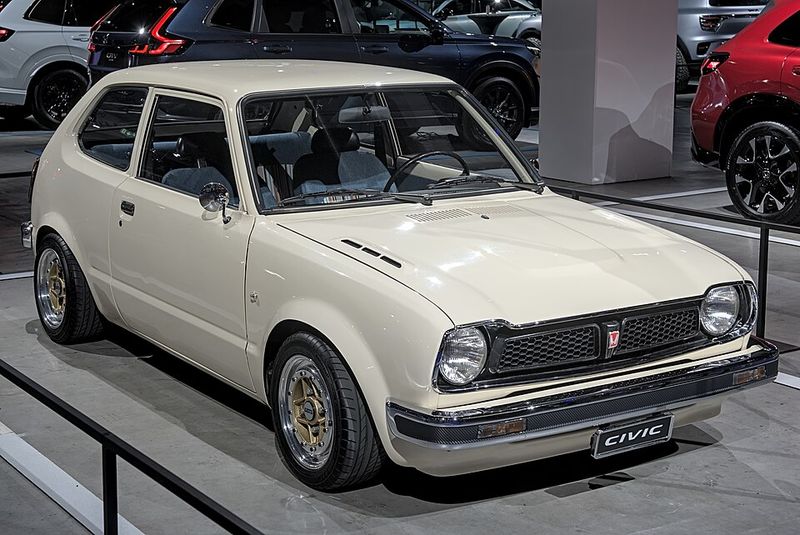
When the 1973 oil crisis hit, the Civic was already prepared. Honda’s CVCC engine technology met strict emissions standards without needing a catalytic converter, a stunning engineering feat.
Fuel economy became the new battleground, and this little Honda sipped gas while rivals guzzled. Suddenly, efficiency wasn’t a compromise but a competitive advantage.
The Civic proved small cars could be clean, fun, and practical all at once. It launched Honda into the global big leagues and changed priorities forever.
6. Ford Mustang (1964½)
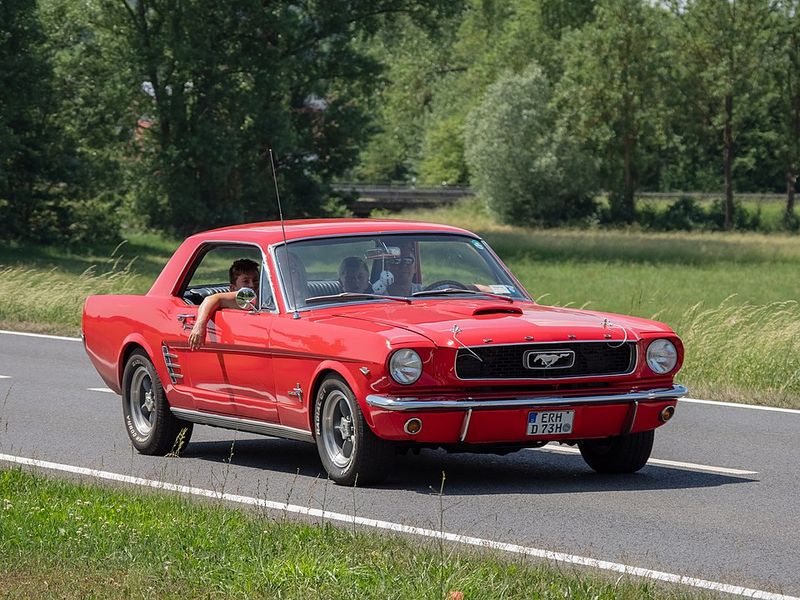
Lee Iacocca bet that young Americans wanted style and performance at Chevrolet prices. The Mustang hit showrooms in April 1964 and dealers couldn’t keep them in stock.
Long hood, short deck, and endless options let buyers customize their dream machine. You could have a secretary’s commuter or a tire-smoking street racer from the same platform.
Pony cars became a cultural phenomenon, inspiring countless imitators. The Mustang turned transportation into aspiration and never looked back.
7. Willys Jeep MB (1941)
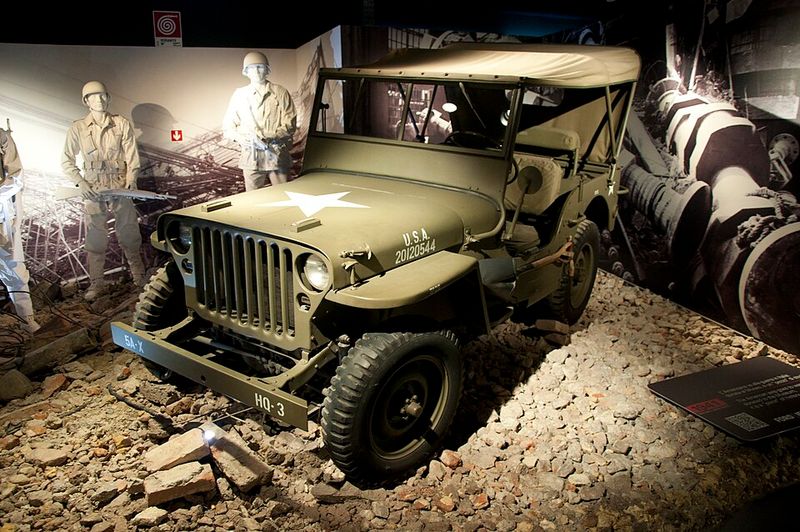
General Eisenhower called the Jeep one of the tools that won World War II. This go-anywhere workhorse hauled troops, supplies, and wounded soldiers across impossible terrain on every front.
Four-wheel drive and lightweight construction meant it could ford rivers and climb mountains. When peace came, civilians wanted that same unstoppable capability.
The postwar Jeep spawned an entire industry of sport-utility vehicles. Today’s SUV boom traces directly back to this military legend’s proven toughness.
8. Land Rover Series I (1948)
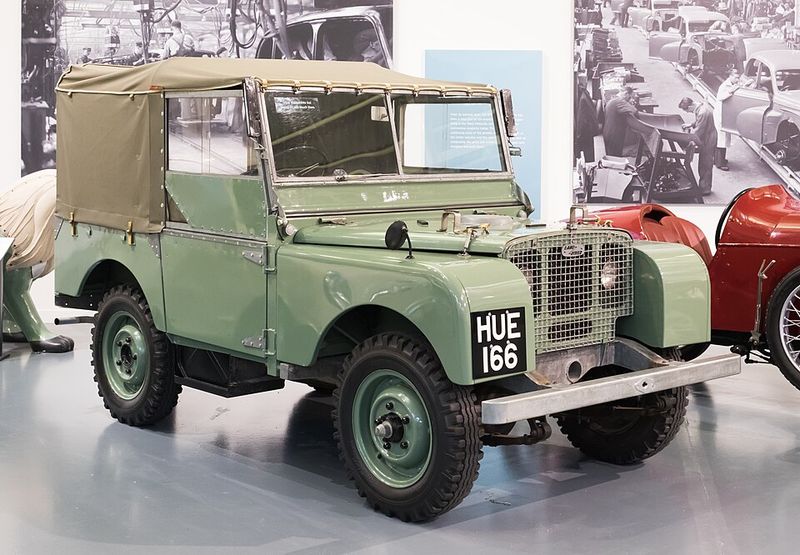
Postwar Britain needed a farm tool that could plow fields and haul goods. Maurice Wilks sketched the Land Rover in beach sand, and engineers built it with aluminum to save scarce steel.
Farmers loved its simplicity; you could fix it with basic tools. Explorers soon discovered it could cross deserts and jungles that stopped everything else.
The Series I became synonymous with adventure and durability worldwide. Its descendants still conquer the toughest expeditions on Earth today.
9. Mercedes-Benz 300 SL (1954)

Those iconic gullwing doors weren’t just for show. The 300 SL’s tubular space frame required high sills, so engineers hinged the doors at the roof instead.
Mechanical fuel injection appeared in a production car for the first time, helping the inline-six reach 160 mph. Race-bred technology met luxury in a package that defined automotive desire.
Movie stars and industrialists lined up to own one. The 300 SL proved performance and elegance could coexist beautifully, setting Mercedes apart forever.
10. Chevrolet Corvette (1953)
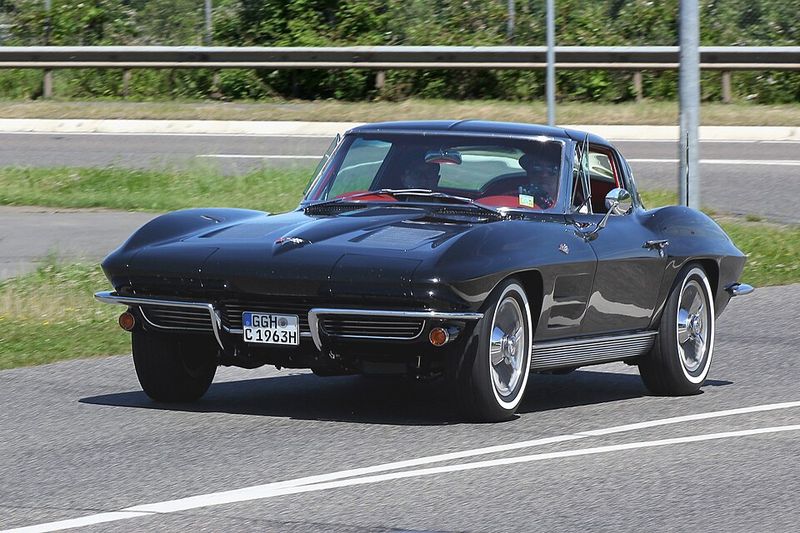
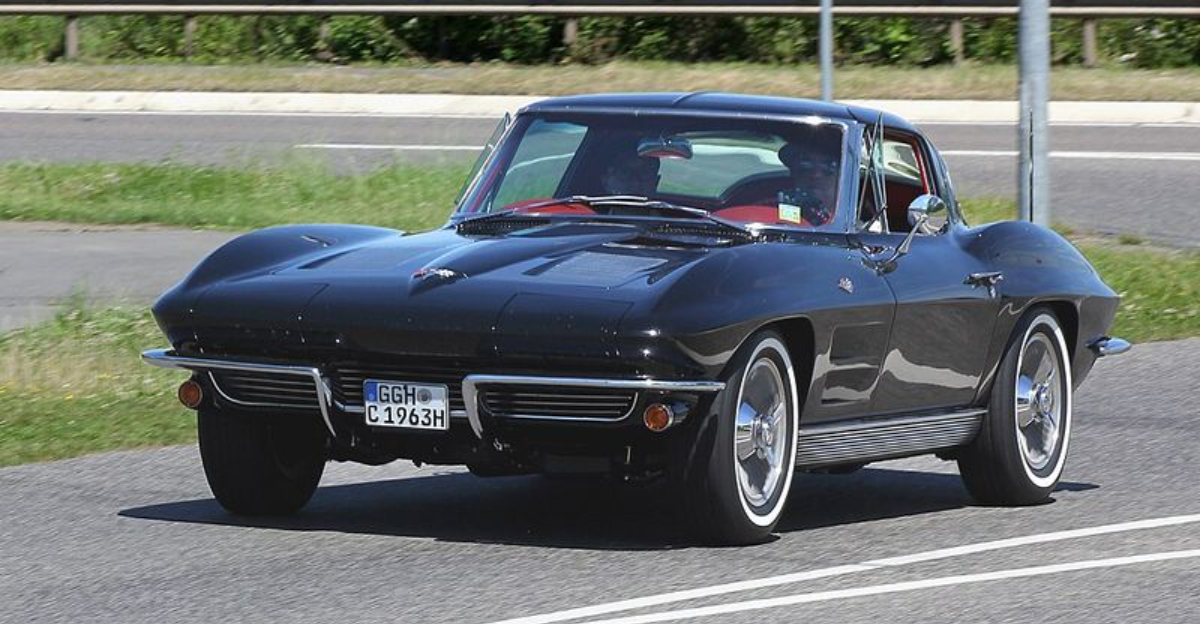
America’s sports car started with fiberglass bodies and borrowed inline-six engines. The 1963 Sting Ray transformed everything with independent rear suspension and stunning split-window styling.
Suddenly, the Corvette could challenge European exotics on racetracks and roads. V8 power, lightweight construction, and constant innovation kept it competitive for seven decades.
No other American nameplate has stayed true to the two-seat sports car mission this long. The Corvette remains proof that domestic engineering can thrill globally.
11. Porsche 911 (1964)

Rear-engine layouts were considered flawed until Porsche perfected the formula. The 911’s weight distribution demanded skill but rewarded drivers with unmatched feedback and balance.
Decade after decade, engineers refined rather than replaced the basic concept. Air-cooled, then water-cooled, always rear-engined, the 911 evolved without losing its soul.
Motorsport victories from rallies to Le Mans proved the design’s brilliance. Daily usability combined with racetrack capability created the ultimate sports car benchmark.
12. Lamborghini Miura (1966)

Ferruccio Lamborghini’s young engineers proposed something radical: mount a V12 sideways behind the driver. The result was automotive sculpture that redefined beauty and speed.
Bertone’s breathtaking bodywork wrapped around mid-engine architecture that put weight where it mattered most. Suddenly, every exotic manufacturer chased the same layout.
The Miura established the supercar formula still used today: mid-engine, low-slung, visually dramatic. It transformed Lamborghini from tractor maker to poster-car legend overnight.
13. Toyota Prius (1997)
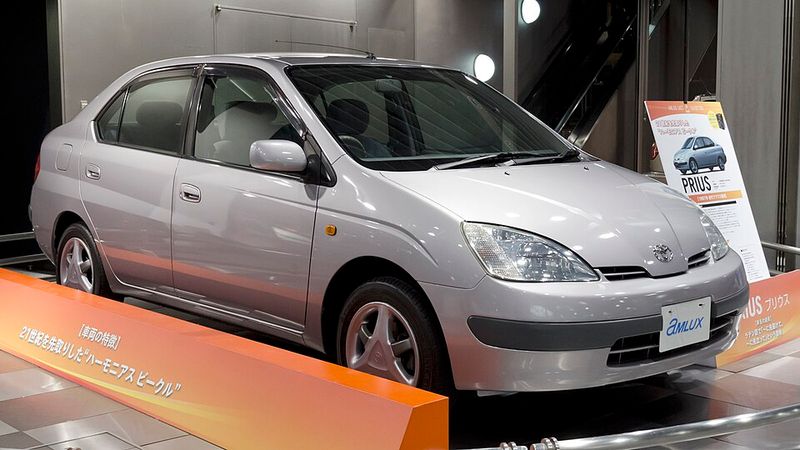
Skeptics laughed when Toyota bet big on hybrid technology. The Prius combined gasoline and electric power to achieve fuel economy that seemed impossible for a practical sedan.
Early adopters embraced the technology despite higher costs. Hollywood celebrities made it a status symbol, proving green could be glamorous.
Two decades later, hybrid systems appear across the industry. The Prius made electrification mainstream and proved environmental responsibility could drive sales, not just regulations.
14. Tesla Model S (2012)
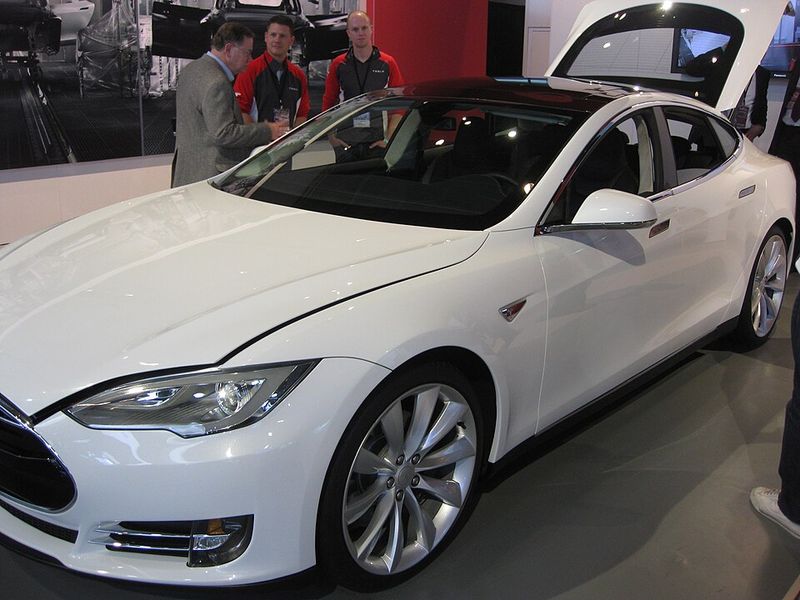
Elon Musk insisted electric cars didn’t have to compromise on performance or luxury. The Model S delivered supercar acceleration, over 250 miles of range, and over-the-air software updates nobody expected.
Traditional automakers suddenly looked outdated. A Silicon Valley startup proved batteries could power desirable, practical vehicles without apology.
The Model S reset expectations completely, forcing every manufacturer to accelerate electrification plans. Legacy brands scrambled to catch up to the new benchmark.
15. Nissan Leaf (2010)

While Tesla targeted luxury buyers, Nissan aimed at everyday commuters. The Leaf offered practical electric transportation at accessible prices for regular families.
No tailpipe, no gas station stops, just plug in at home overnight. Early adopters proved electric commuting worked for millions of drivers worldwide.
As the first high-volume modern EV, the Leaf demonstrated mass-market viability. Charging infrastructure grew because these cars actually sold in meaningful numbers globally.
16. Audi Quattro (1980)
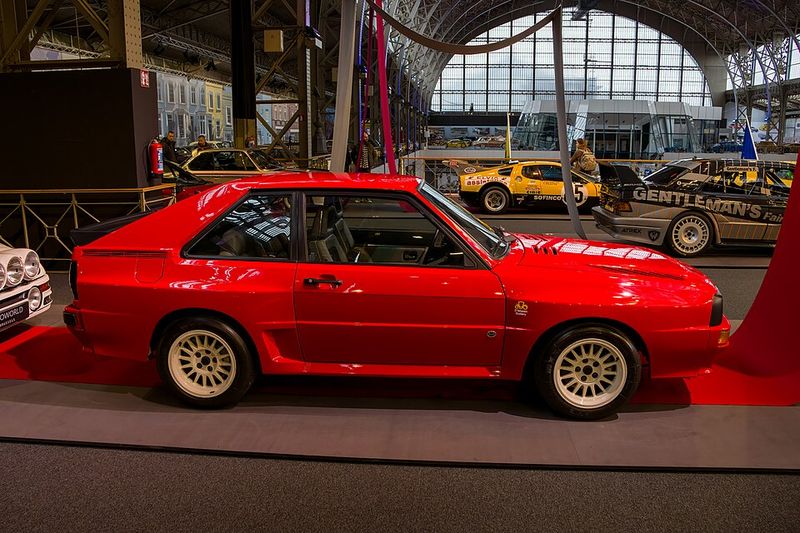
All-wheel drive belonged to trucks and off-roaders until Audi bolted it to a turbocharged coupe. Rally stages became Quattro demonstrations as it demolished rear-drive rivals in mud, snow, and gravel.
Suddenly, performance and all-weather traction weren’t mutually exclusive. Road cars gained the same system, making speed accessible in real-world conditions.
Every rival scrambled to develop competing AWD systems. The Quattro transformed rallying and proved four driven wheels belonged in every performance conversation.
17. BMW 3 Series (1975)
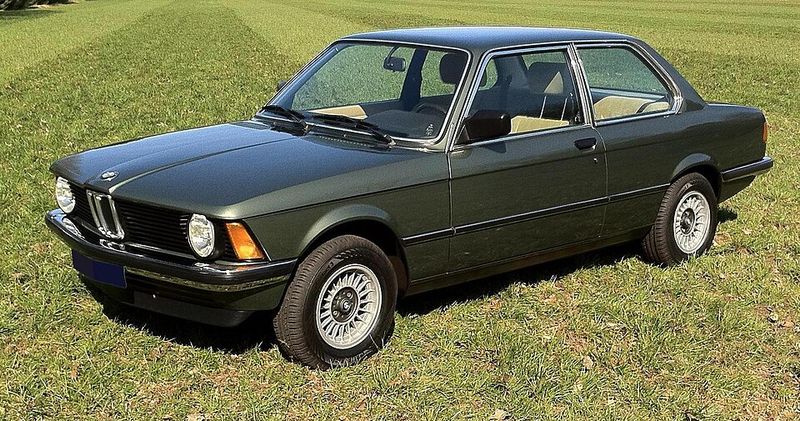
BMW engineers obsessed over weight distribution, steering feel, and chassis balance. The result was a compact sedan that actually rewarded enthusiastic driving on twisty roads.
Competitors built appliances; BMW built driver’s machines. The 3 Series proved family sedans didn’t have to be boring, just well-engineered.
For decades, every rival benchmarked their sports sedans against the 3 Series. It defined an entire category and influenced chassis tuning philosophy across the industry.
18. Chrysler Airflow (1934)
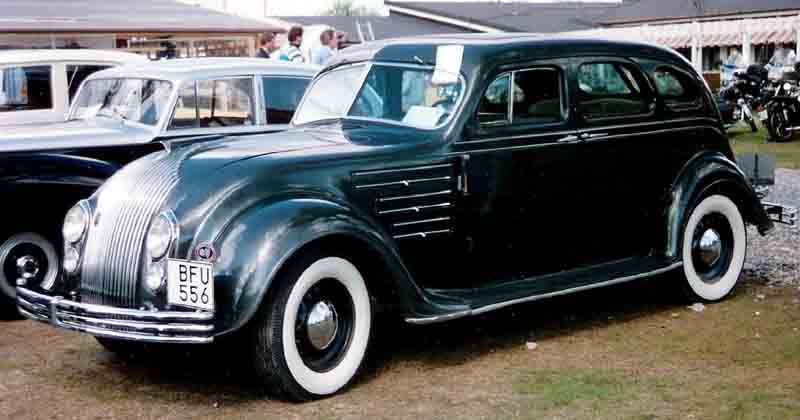
Carl Breer’s wind tunnel research produced radical streamlining and unitized construction years ahead of competitors. The Airflow looked like nothing else on 1930s roads.
Buyers found it too strange, and sales flopped badly. Yet engineers studied it carefully, adopting its aerodynamic principles and structural ideas.
The Airflow failed commercially but succeeded historically. Its innovations in design and safety construction influenced automotive engineering for generations, proving vision sometimes arrives too early.
19. Dodge Caravan / Plymouth Voyager (1984)
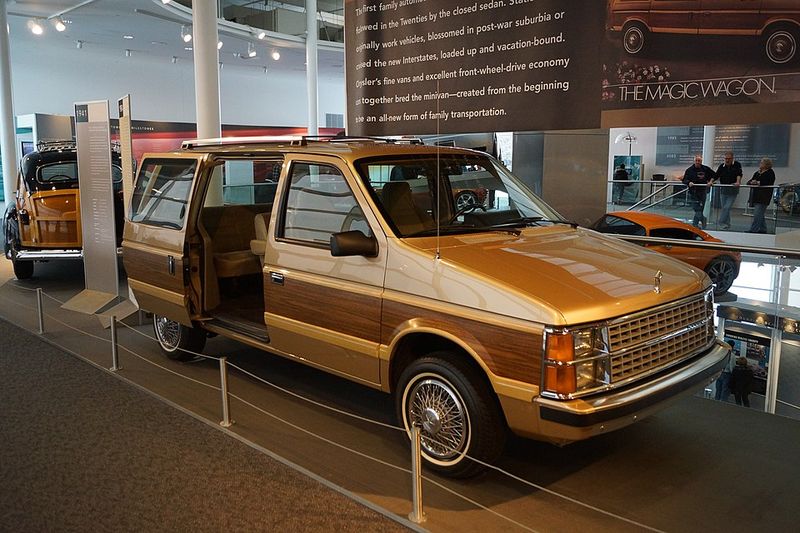
Lee Iacocca gambled that families wanted car-like handling with van-like space. The minivan combined front-wheel drive, sliding doors, and removable seats in one revolutionary package.
Station wagons suddenly looked outdated. Soccer moms embraced the practicality, and an entire segment was born overnight.
Competitors rushed to copy the formula that redefined family transportation. The Caravan proved Americans would embrace unconventional shapes if functionality delivered, changing suburbs forever.
20. Fiat 500 Nuova (1957)

Postwar Italy needed affordable mobility for crowded cities and tight budgets. Dante Giacosa designed a car barely ten feet long that seated four and sipped fuel.
The tiny Fiat squeezed through medieval streets and parked in impossible spaces. Rear-mounted air-cooled engines kept costs and complexity low.
Millions of Italians bought their first car wearing a 500 badge. It established the city-car template and put Europe on wheels one economical kilometer at a time.
21. Citroën DS (1955)
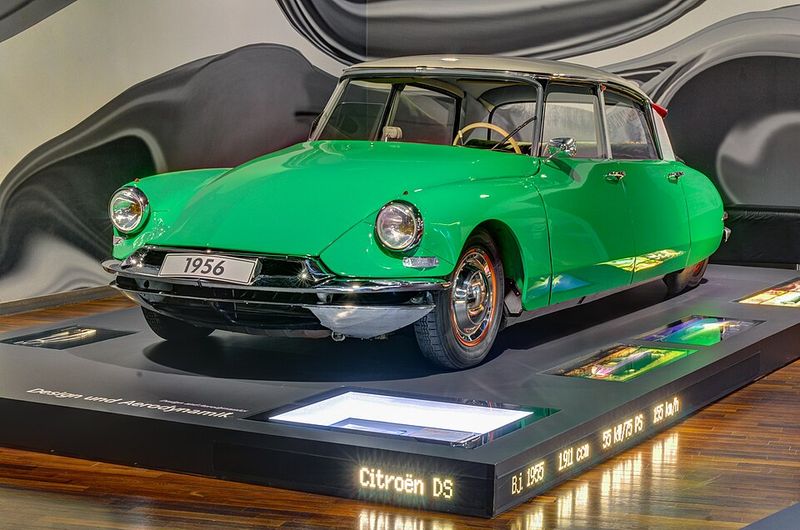
When the DS debuted at the 1955 Paris Motor Show, crowds couldn’t believe their eyes. Hydropneumatic suspension self-leveled regardless of load, delivering magic-carpet ride quality.
Power disc brakes, semi-automatic transmission, and aerodynamic styling came from the future. The French called it déesse, goddess, for good reason.
Engineers worldwide studied how Citroën achieved such innovation. The DS advanced suspension, braking, and safety technology while looking like sculpture, not transportation.
22. Citroën 2CV (1948)
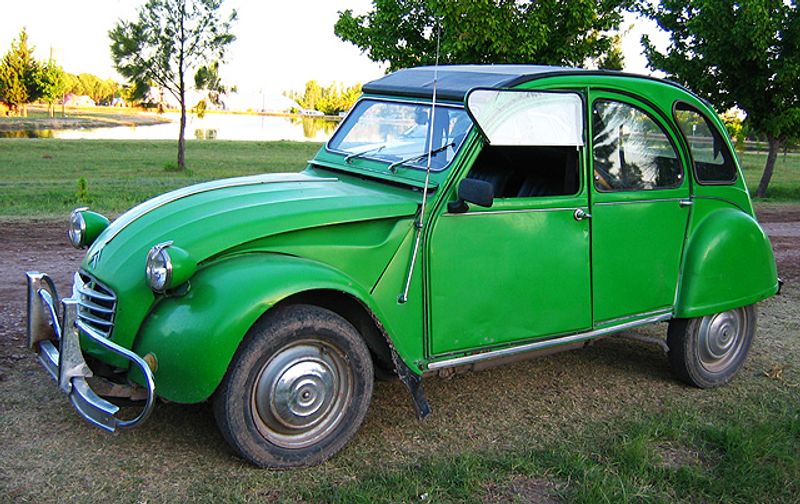
Pierre Boulanger wanted a car that could carry farmers across plowed fields without breaking eggs. The 2CV delivered exactly that with brilliant simplicity.
Soft suspension soaked up terrible roads. Air-cooled engines needed minimal maintenance. Every component served essential purposes only, keeping costs rock-bottom.
Urban intellectuals and rural workers alike embraced its honest functionality. The 2CV proved basic transportation could be charming, durable, and genuinely useful for millions.
23. Mazda MX-5 Miata (1989)
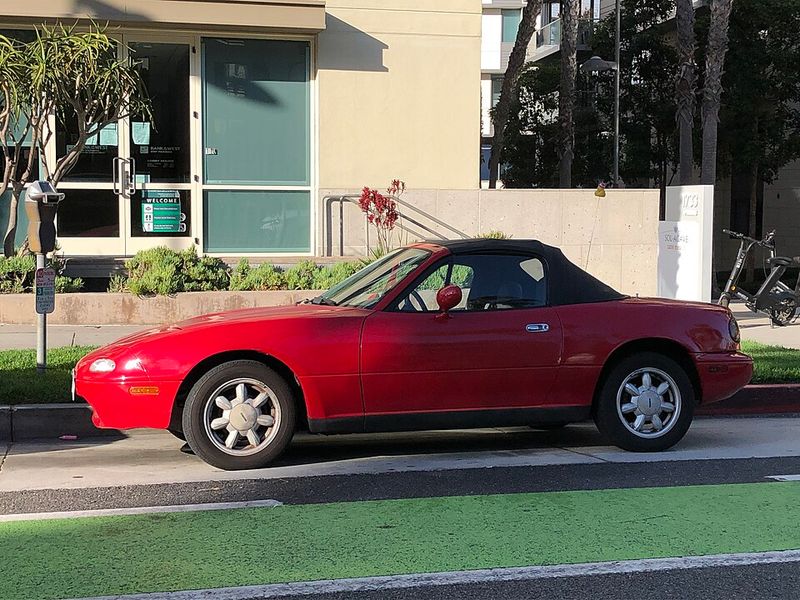
British roadsters had died out, leaving enthusiasts without affordable open-air fun. Mazda resurrected the formula with Japanese reliability and modern engineering.
Lightweight construction, perfect weight distribution, and eager engines delivered pure driving joy. You didn’t need 400 horsepower when balance and feedback felt this good.
The Miata became the best-selling two-seat sports car ever, proving the roadster concept remained timeless. Sometimes less really is more when executed with passion.
24. Saab 99 Turbo (1978)

Turbochargers belonged to racecars and exotic machines until Saab made them reliable for daily drivers. The 99 Turbo proved small engines could deliver big-engine power without the weight penalty.
Boost pressure multiplied performance while maintaining reasonable fuel economy. Suddenly, displacement wasn’t the only path to power.
Mainstream manufacturers took notice and turbos proliferated across the industry. Saab’s innovation democratized forced induction, changing engine design philosophy permanently.
25. AMC Eagle (1980)
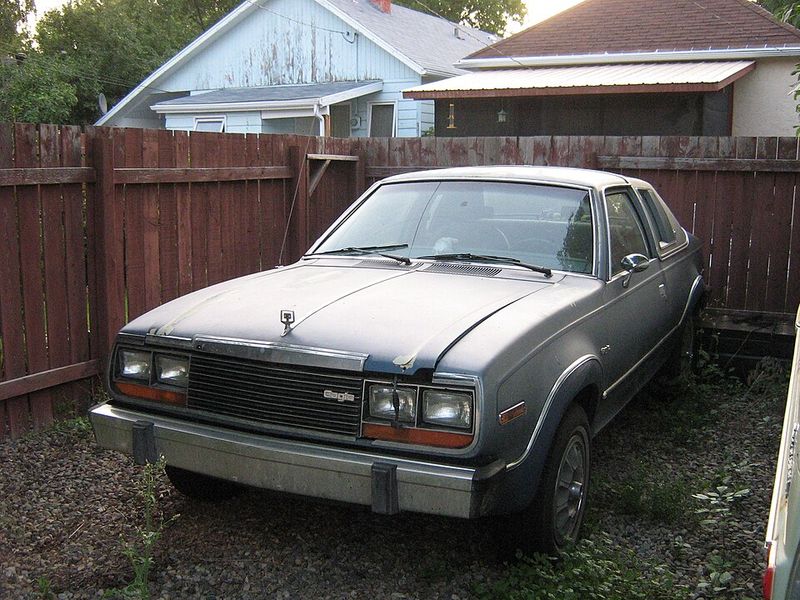
AMC bolted full-time four-wheel drive to a passenger car platform and created something new. The Eagle offered car comfort with SUV capability before crossovers existed.
Raised suspension and all-weather traction appealed to snow-belt buyers tired of choosing between cars and trucks. It carved out a niche nobody knew existed.
Though AMC disappeared, the Eagle concept foreshadowed today’s dominant crossover segment. Blending car and truck attributes proved visionary, just decades early.
26. Oldsmobile 88 Rocket 88 (1949)
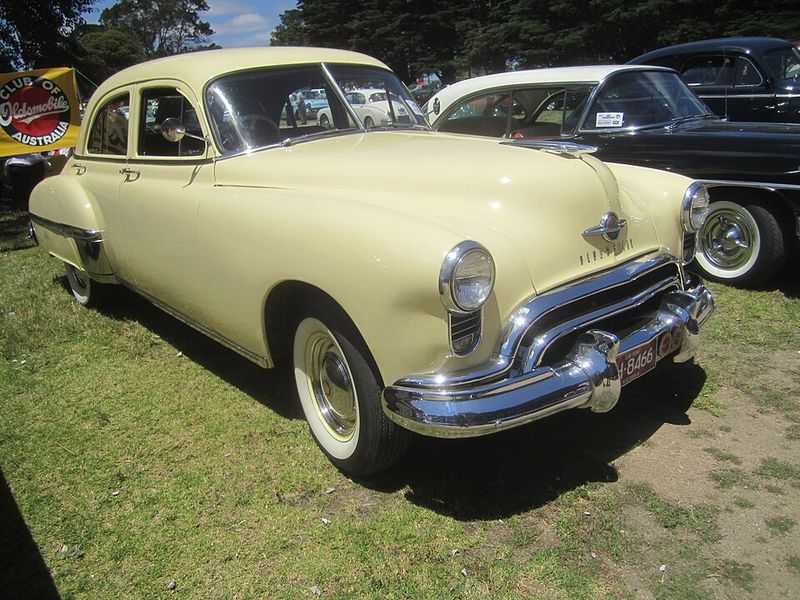
Oldsmobile dropped a high-compression overhead-valve V8 into a light body and accidentally created the muscle car formula. The Rocket 88 embarrassed heavier, more expensive cars at stoplights and drag strips.
Hot rodders immediately recognized the performance potential. Ike Turner’s band even recorded a song about it, cementing its cultural impact.
Power-to-weight ratio became the new obsession for American performance. The Rocket 88 launched a horsepower arms race that defined domestic cars for decades.
27. GM EV1 (1996)
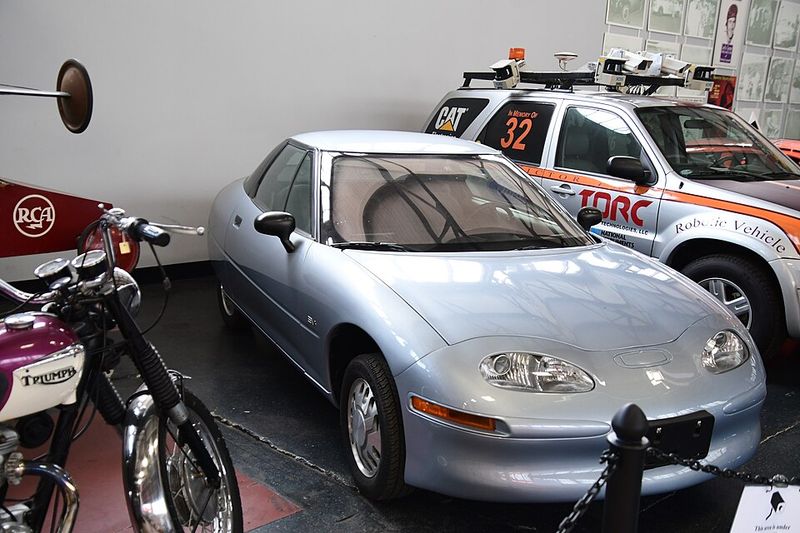
General Motors built the first purpose-designed modern electric car from a major automaker. The EV1’s radical aerodynamics and lead-acid batteries offered about 70 miles of range initially.
Lease-only programs created passionate advocates who loved quiet, smooth electric driving. When GM crushed most units, it sparked controversy and a documentary.
Despite its limited run, the EV1 pioneered battery management, regenerative braking, and aerodynamic techniques later adopted industry-wide. Its lessons shaped every EV since.



