 Unearth The Voyage
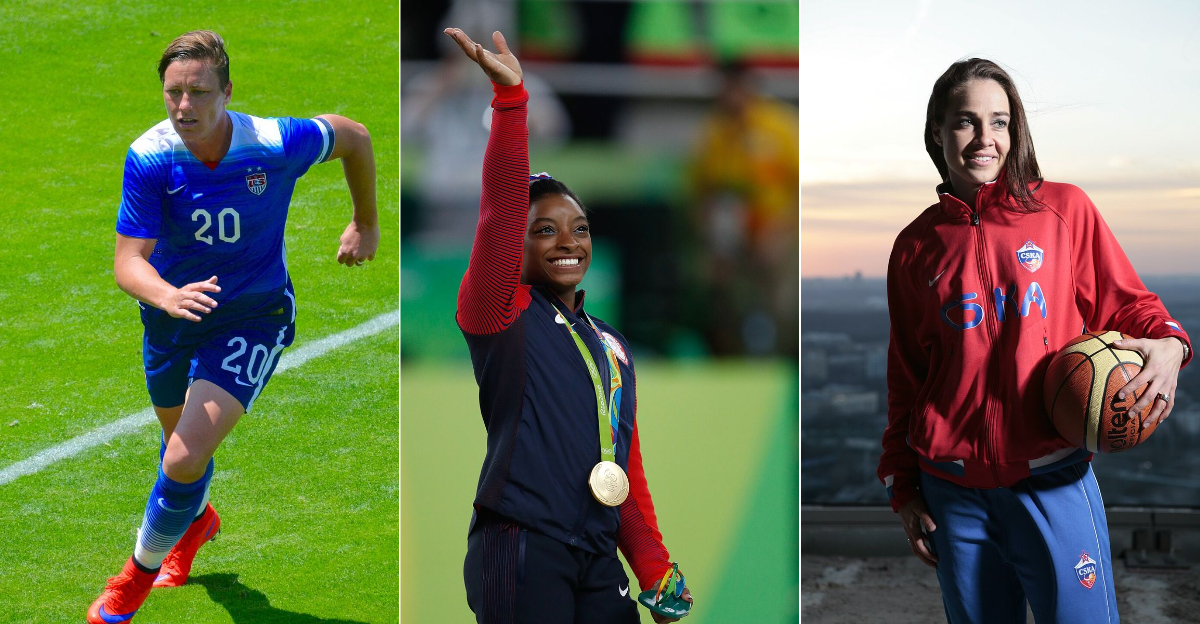
Throughout history, female athletes have faced countless obstacles, from being told they were too weak to compete to fighting for equal pay and recognition. Yet these remarkable women refused to back down, shattering stereotypes and opening doors for future generations. Their stories of courage, determination, and excellence remind us that true champions are measured not just by medals, but by the barriers they break along the way.
1. Billie Jean King
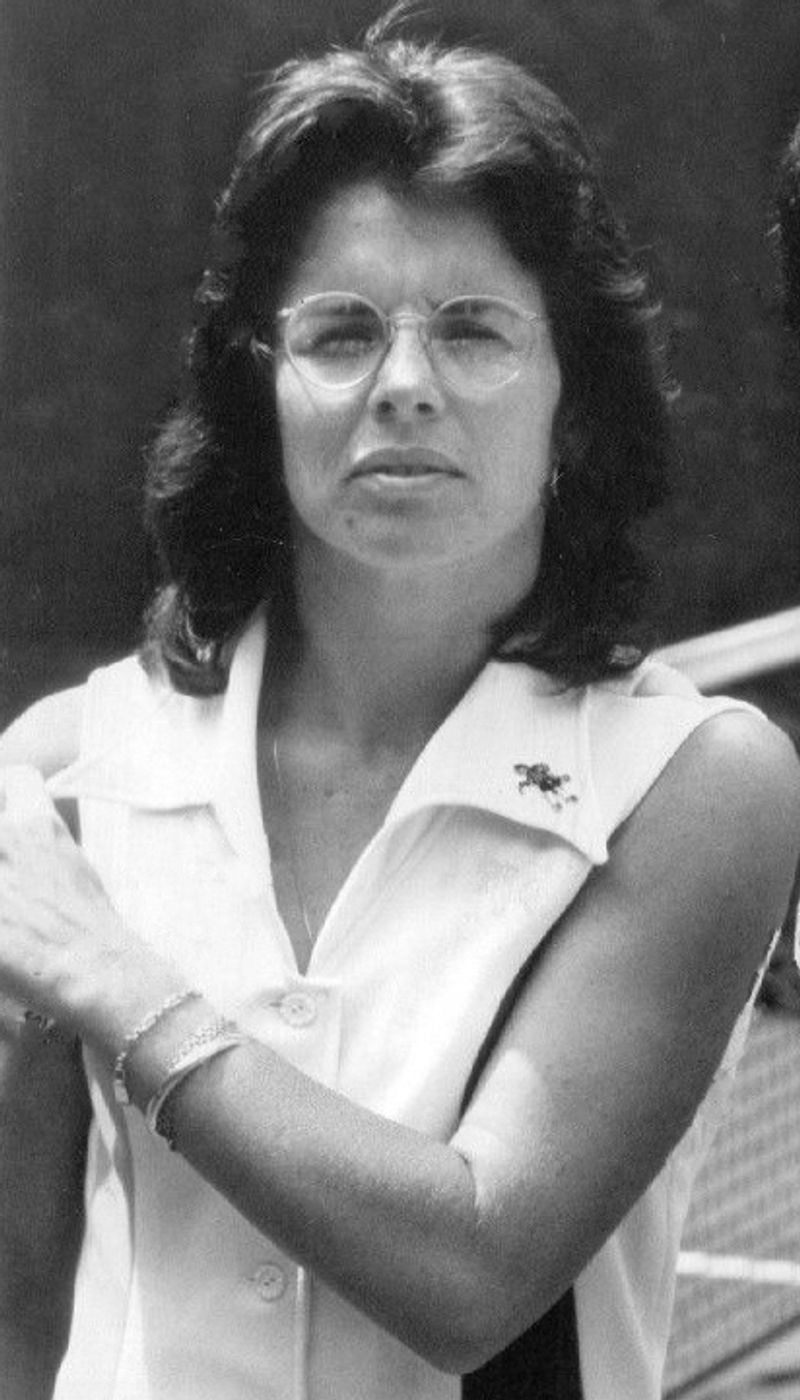
Few athletes have changed their sport as completely as Billie Jean King did for tennis. Her victories went far beyond the court, as she demanded that women receive the same respect and paychecks as their male counterparts.
King’s famous “Battle of the Sexes” match against Bobby Riggs in 1973 drew over 90 million viewers worldwide. She proved that women’s tennis deserved equal billing and equal prize money, forever altering the landscape of professional sports for female athletes everywhere.
2. Serena Williams
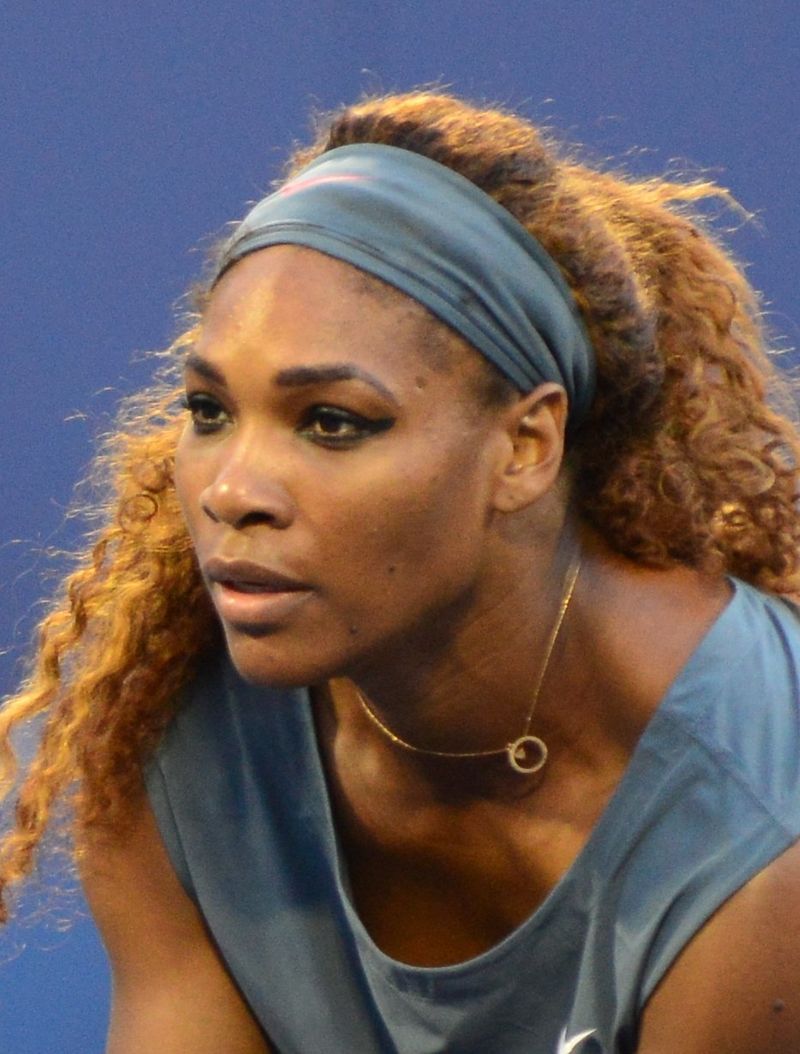
When you talk about dominance in tennis, Serena Williams stands alone. Her 23 Grand Slam singles titles represent the Open Era record, a testament to her unmatched power, skill, and mental toughness over two decades.
Williams redefined what longevity looks like in women’s tennis, competing at the highest level well into her thirties. Her influence extends beyond statistics; she inspired countless young athletes to believe they could achieve greatness regardless of their background or the obstacles in their path.
3. Martina Navratilova

Courage takes many forms, and Martina Navratilova showed it both on and off the court. As one of the first prominent athletes to publicly come out, she risked her career and endorsements to live authentically.
Yet Navratilova never let the controversy dim her competitive fire. She continued winning Grand Slam titles and dominating women’s tennis throughout the 1980s. Her bravery paved the way for LGBTQ+ athletes everywhere, proving that authenticity and excellence can coexist at the highest levels of sport.
4. Wilma Rudolph
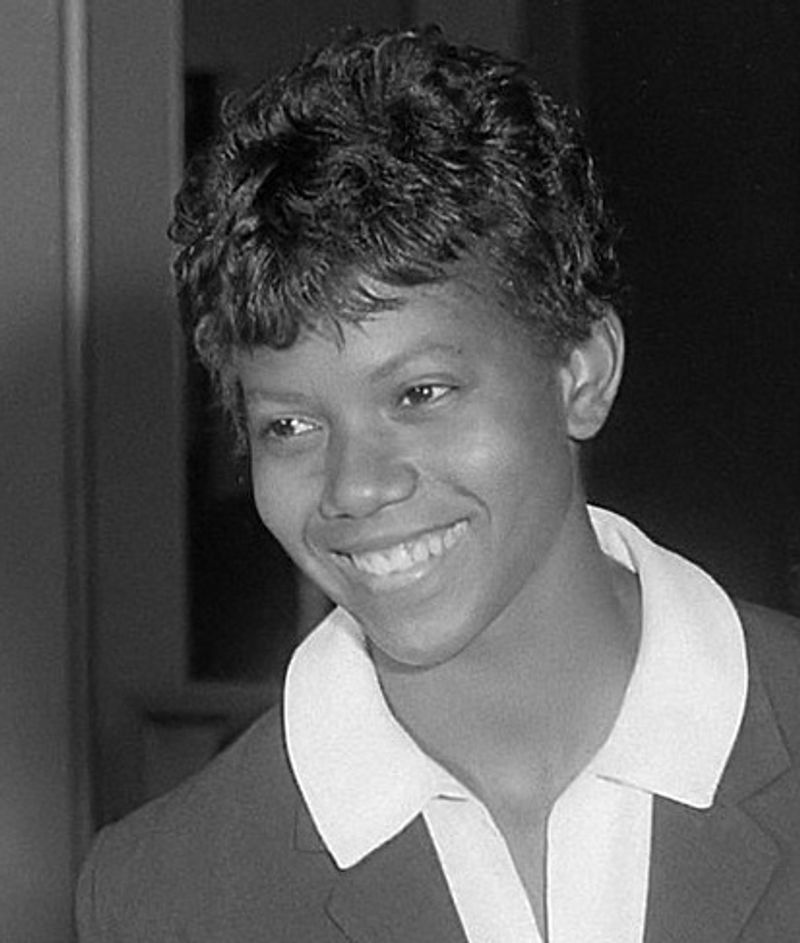
Childhood polio left Wilma Rudolph unable to walk without leg braces, but she refused to accept that as her destiny. Through years of physical therapy and determination, she not only walked again but became the fastest woman in the world.
At the 1960 Rome Olympics, Rudolph won three gold medals in track and field. Her grace and speed captivated audiences globally, making her a symbol of what human will can overcome and inspiring generations to pursue seemingly impossible dreams.
5. Nadia Comăneci
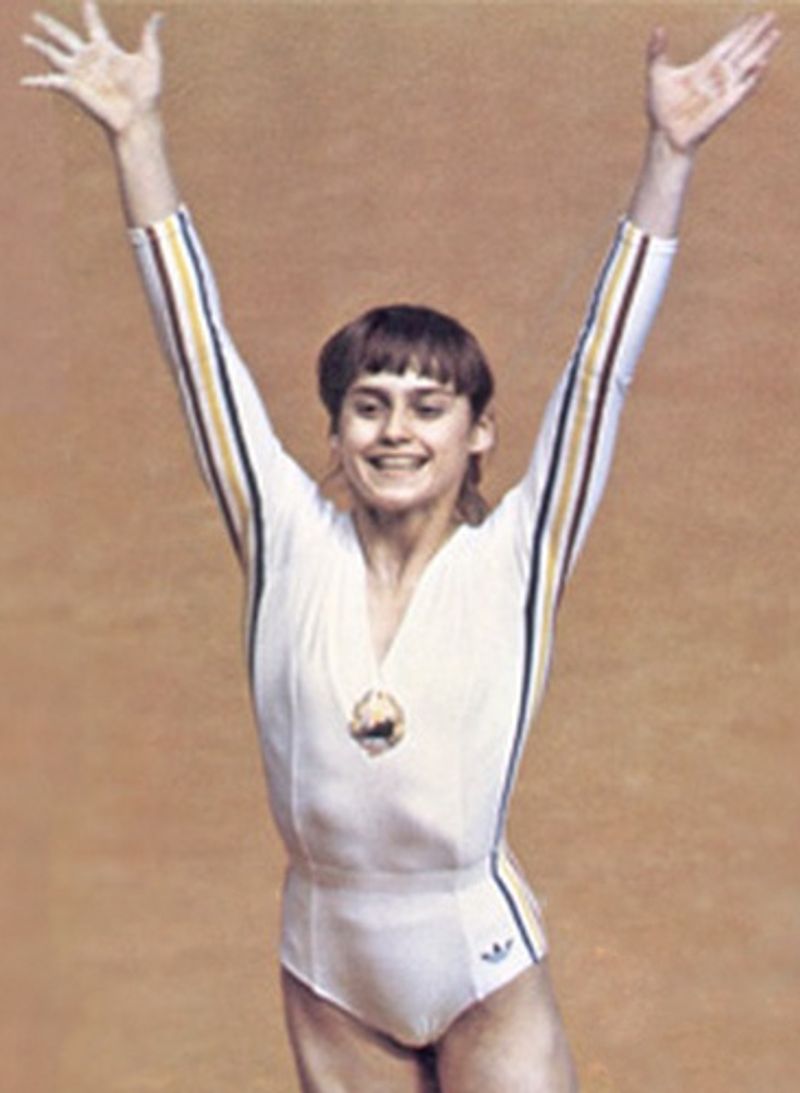
The scoreboard at the 1976 Montreal Olympics wasn’t even designed to display perfection. When 14-year-old Nadia Comăneci earned the first perfect 10 in Olympic gymnastics history, the board could only show 1.00.
That moment changed gymnastics forever, setting a new standard for excellence. Comăneci went on to earn seven perfect scores during those Games, captivating the world with her flawless technique. Her achievement redefined what was possible in a sport where perfection had seemed unreachable.
6. Florence Griffith Joyner
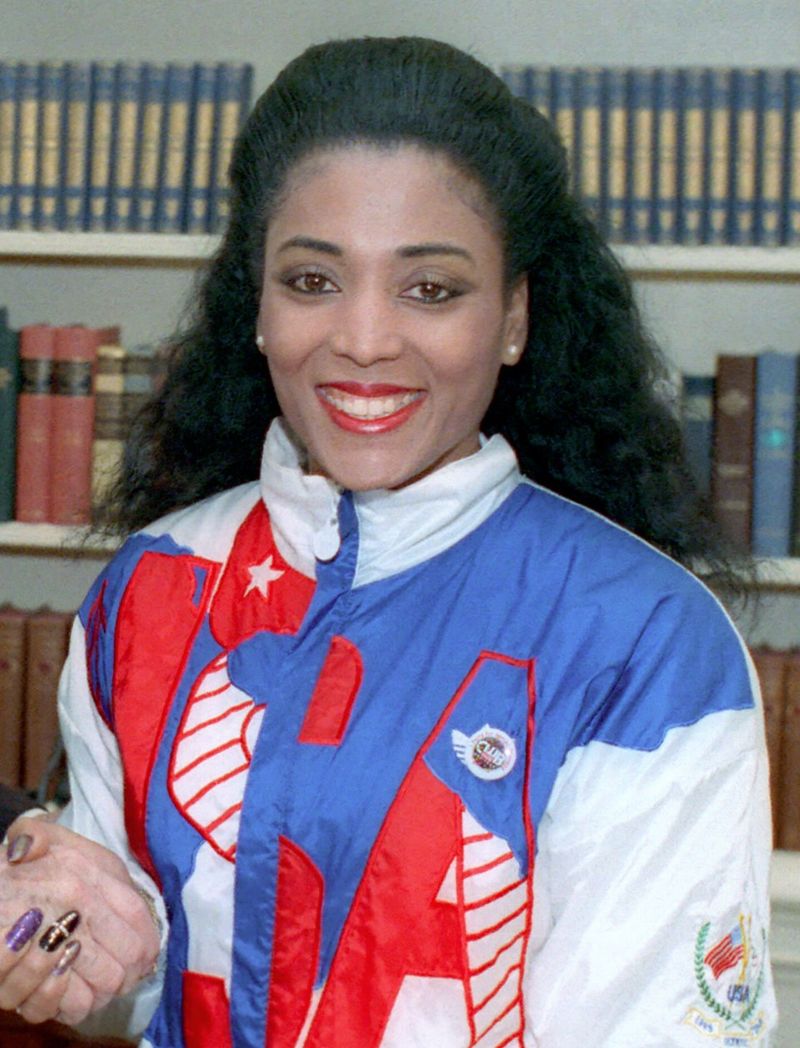
Speed, style, and substance defined Florence Griffith Joyner, affectionately known as Flo-Jo. Her world records in the 100-meter and 200-meter sprints, set in 1988, still stand today more than three decades later.
But Flo-Jo was more than just fast; she brought flair to track and field with her colorful outfits and signature long nails. She proved that female athletes could be fierce competitors while expressing their individuality, leaving a legacy that transcends the record books.
7. Jackie Joyner-Kersee
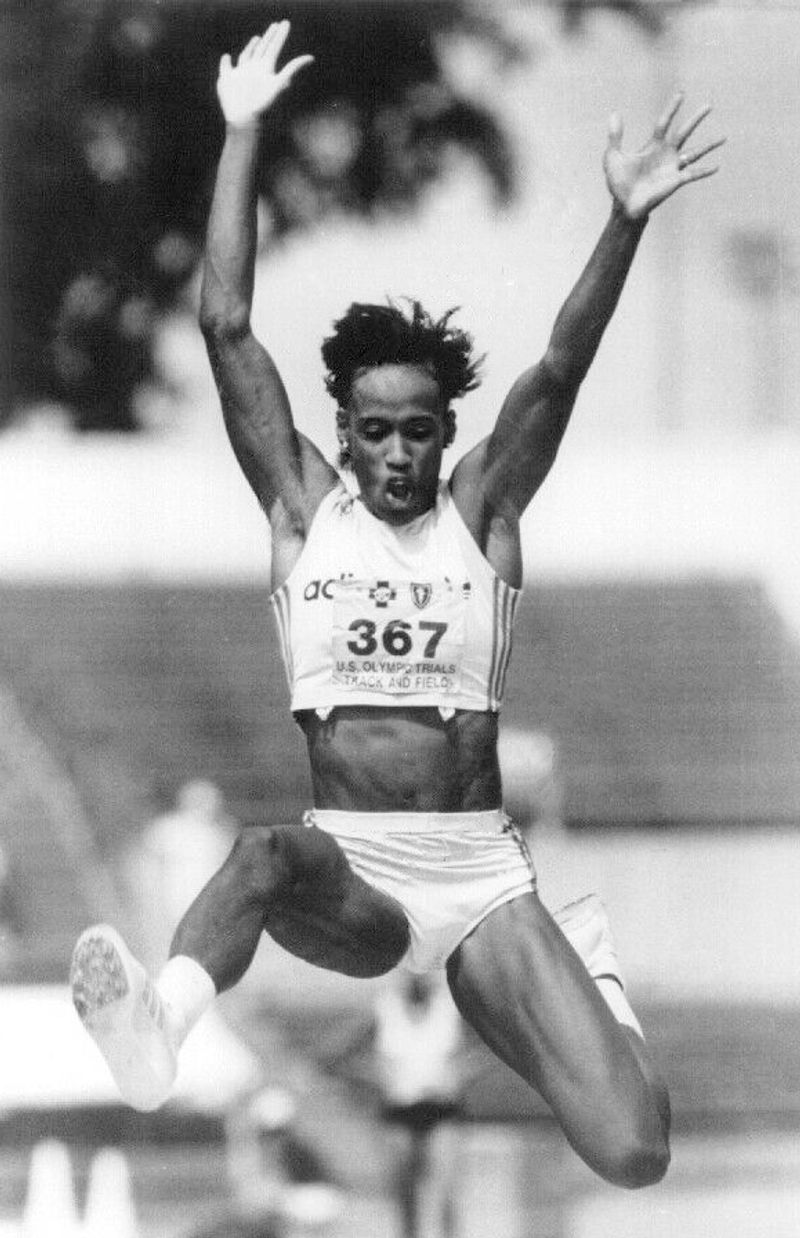
Versatility is rare in track and field, where most athletes specialize in a single event. Jackie Joyner-Kersee mastered seven different disciplines as a heptathlete, setting a world record in 1988 that remains unbroken.
Her combination of speed, strength, and technical skill was unprecedented. Joyner-Kersee won multiple Olympic gold medals and was once called the greatest female athlete of the 20th century. Her career showed that athletic excellence knows no limits when talent meets tireless dedication.
8. Mia Hamm
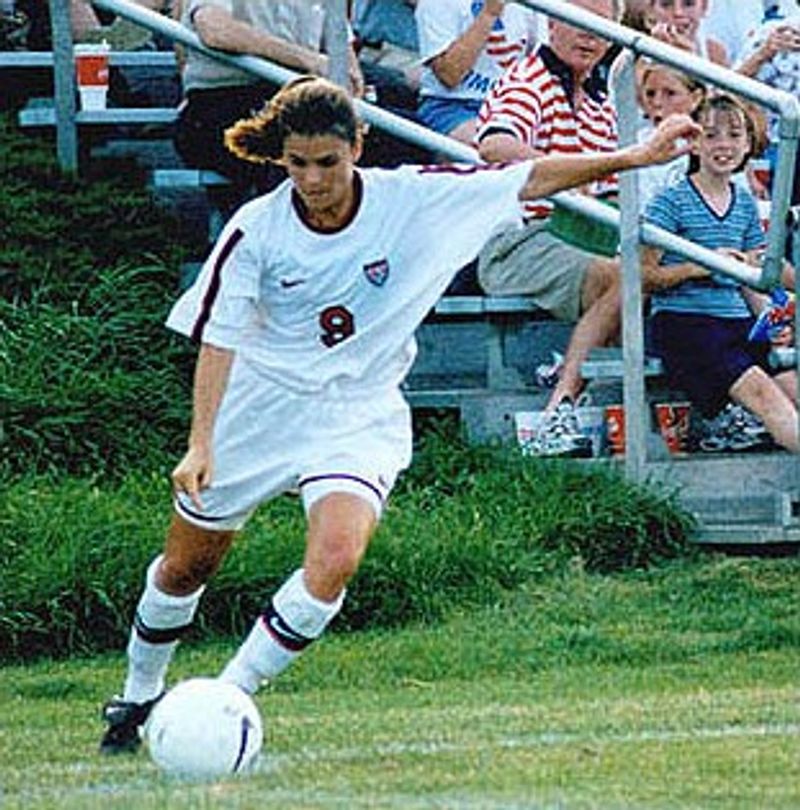
Before Mia Hamm, women’s soccer struggled for recognition in the United States. After her career, the sport exploded in popularity, with millions of young girls signing up to play.
Hamm’s skill, leadership, and competitive spirit made her the face of women’s soccer during its rise to prominence. She won two World Cups and two Olympic gold medals, but her greatest achievement might be inspiring an entire generation to fall in love with the beautiful game.
9. Abby Wambach

Nobody in the history of international soccer, male or female, scored more goals for their country than Abby Wambach. Her 184 goals for the U.S. women’s national team set a standard that seemed untouchable.
Wambach’s heading ability and physical presence made her a nightmare for defenders. She played with passion and intensity that rallied her teammates and thrilled fans. Her scoring record and leadership helped establish the U.S. women’s team as the world’s most successful soccer program.
10. Simone Biles
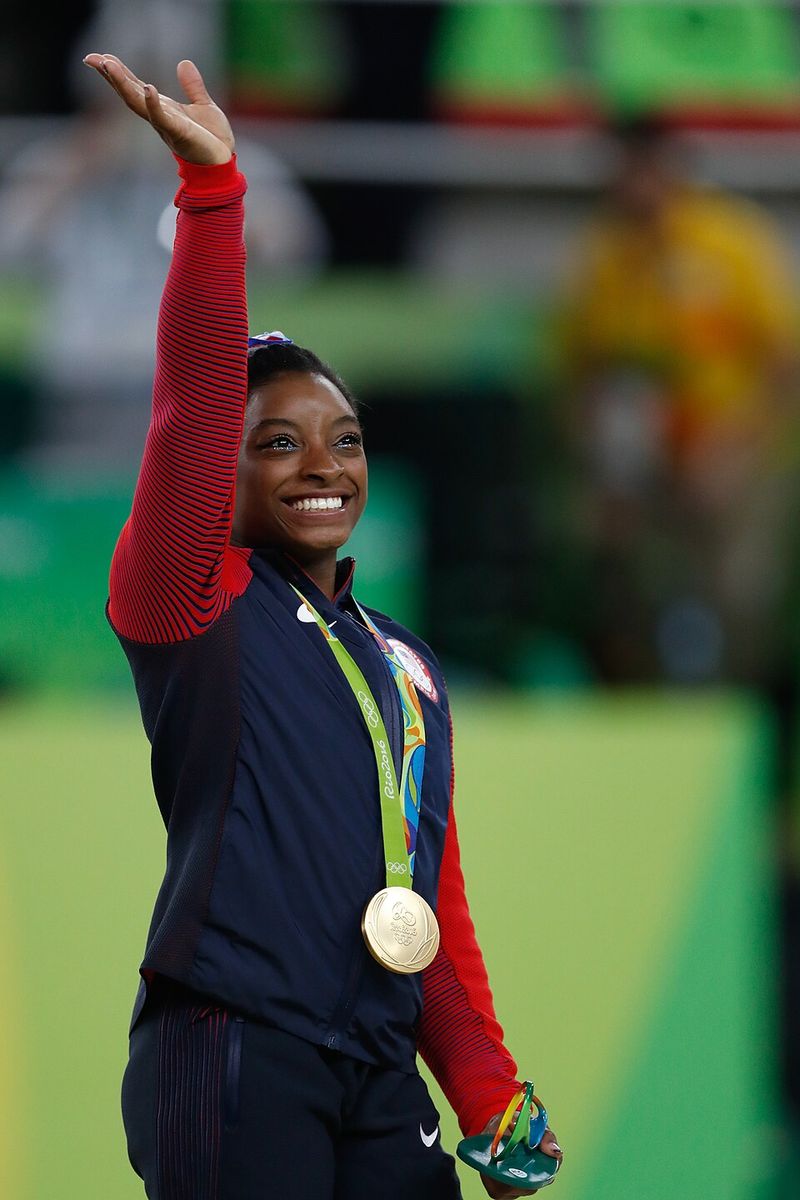
What does greatness look like? For gymnastics, it looks like Simone Biles defying gravity with skills no other woman has ever attempted in competition. Her historic medal count at World Championships has redefined the sport’s difficulty ceiling.
Biles has moves named after her because she’s the only person who can do them. Beyond her athletic achievements, she’s advocated for mental health awareness, showing that even champions need to prioritize their wellbeing. Her impact reaches far beyond the balance beam.
11. Cathy Freeman
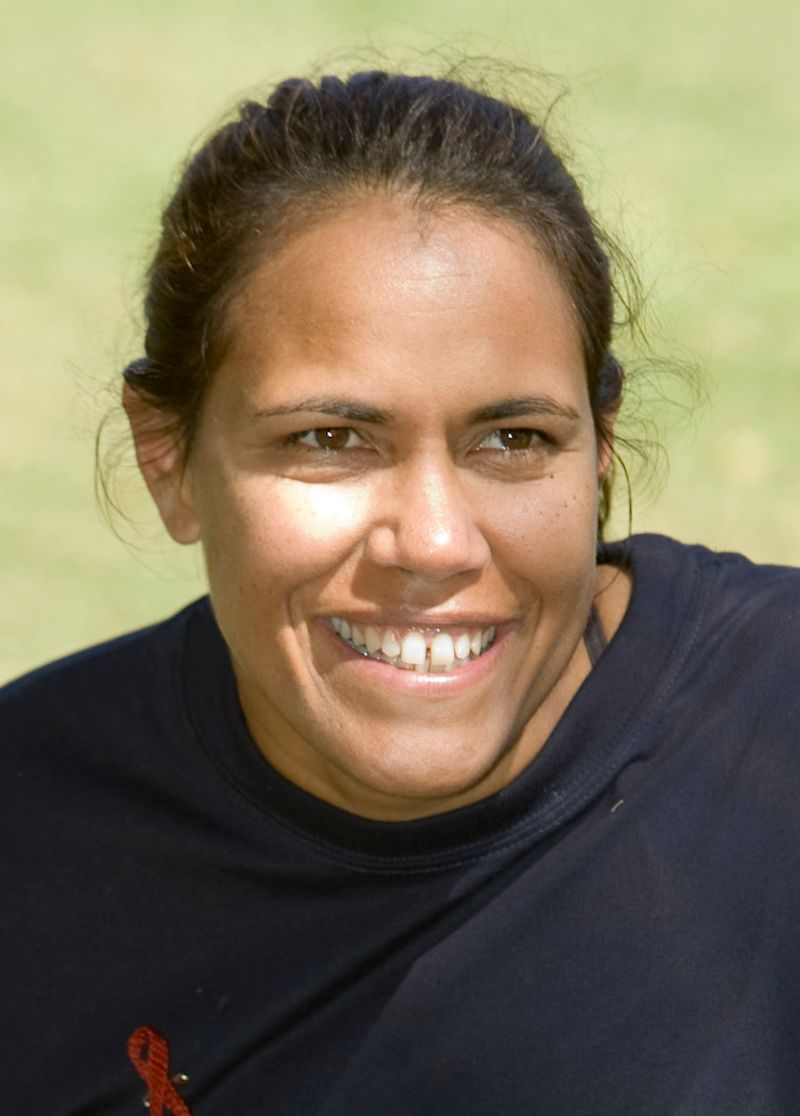
The Sydney 2000 Olympics gave Cathy Freeman a stage unlike any other. Running the 400 meters in her home country, she carried the hopes of a nation and the dreams of Indigenous Australians seeking recognition.
When Freeman crossed the finish line first, she wrapped herself in both the Australian and Aboriginal flags. That victory lap became one of the most powerful moments in Olympic history, symbolizing unity and reconciliation. Her golden moment transcended sport and touched hearts worldwide.
12. Fanny Blankers-Koen
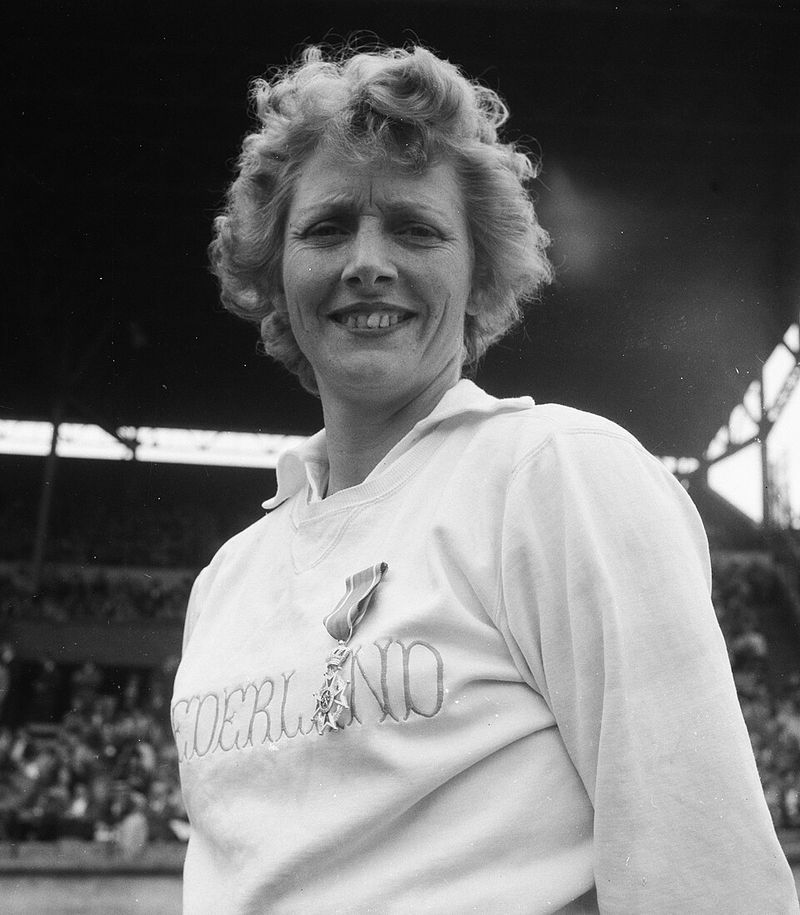
At 30 years old and a mother of two, Fanny Blankers-Koen wasn’t supposed to dominate the 1948 Olympics. Society expected her to be home with her children, not competing against younger athletes.
She ignored those expectations and won four gold medals in track and field. Blankers-Koen shattered stereotypes about age, motherhood, and women’s athletic capabilities. Her performance proved that women could be both mothers and elite athletes, opening minds and changing conversations about what women could achieve.
13. Donna de Varona
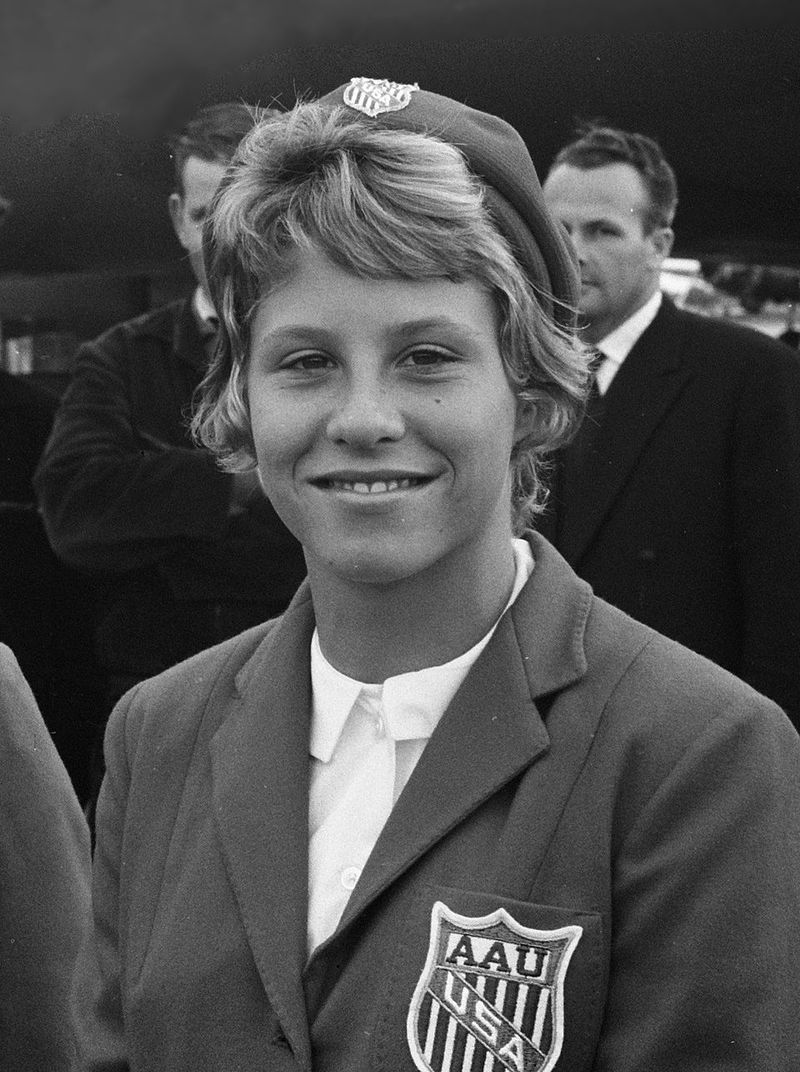
Donna de Varona won two Olympic gold medals in swimming at age 17, but her greatest contributions came after she left the pool. She became a pioneering sportscaster and a powerful advocate for Title IX enforcement.
De Varona used her platform to demand equal opportunities for female athletes in schools and colleges. Her activism helped expand access to sports for millions of girls. She understood that winning medals was important, but creating pathways for others was a legacy worth fighting for.
14. Danica Patrick

Motorsports had long been considered a male-only domain until Danica Patrick proved otherwise. In 2008, she won the Indy Japan 300, becoming the first woman to win an IndyCar race.
Patrick’s victory didn’t just break barriers; it shattered them at over 200 miles per hour. She went on to compete in NASCAR, earning respect in one of America’s most male-dominated sports. Her success opened doors for women in racing and showed that driving skill has nothing to do with gender.
15. Ronda Rousey

Ronda Rousey didn’t just compete in combat sports; she forced the world to take women’s fighting seriously. After winning Olympic bronze in judo in 2008, she transitioned to mixed martial arts and became the UFC’s first women’s bantamweight champion.
Rousey’s dominance and star power convinced the UFC to create women’s divisions. She finished most of her early fights in under a minute, captivating audiences with her signature armbar submission. Her success accelerated mainstream acceptance of women’s MMA exponentially.
16. Lisa Leslie
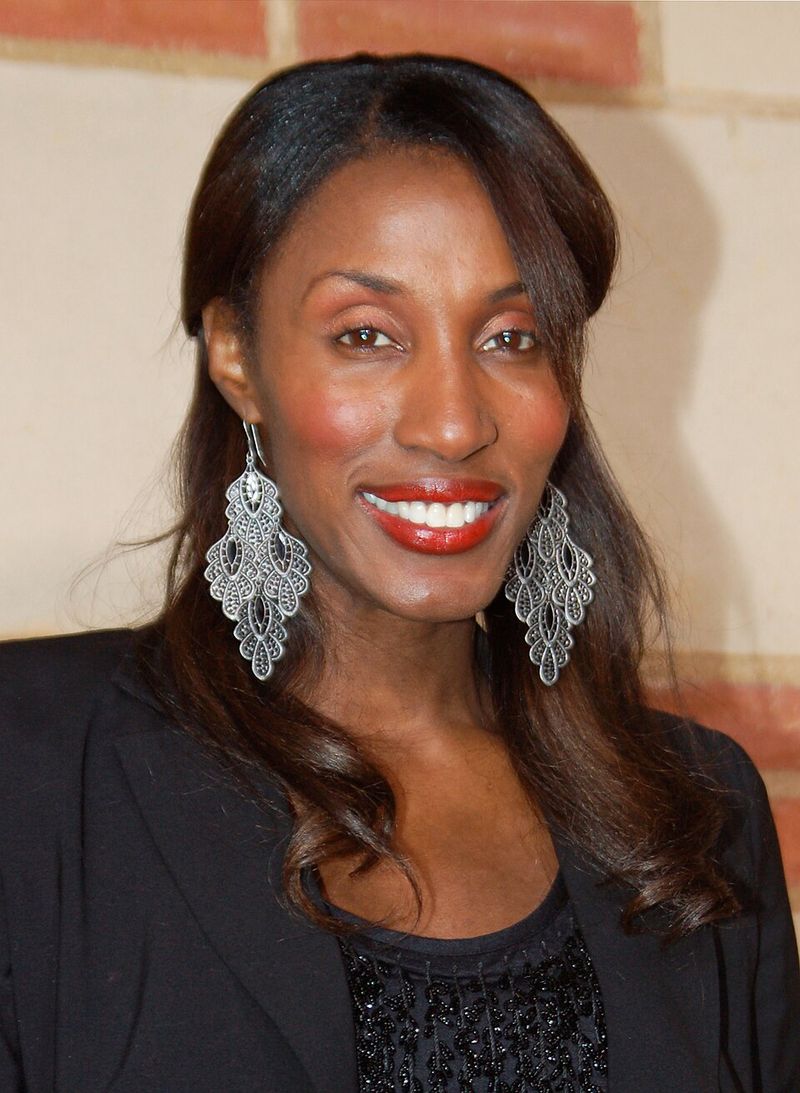
The dunk had been basketball’s ultimate power move, but it remained absent from women’s professional games until Lisa Leslie changed that in 2002. Her historic dunk in a WNBA game proved that women could play above the rim too.
Leslie’s achievement was more than just an athletic feat; it was a cultural moment that shifted perceptions about women’s basketball. A three-time WNBA MVP and four-time Olympic gold medalist, she helped establish the league’s credibility and inspired young players to reach new heights.
17. Cheryl Miller
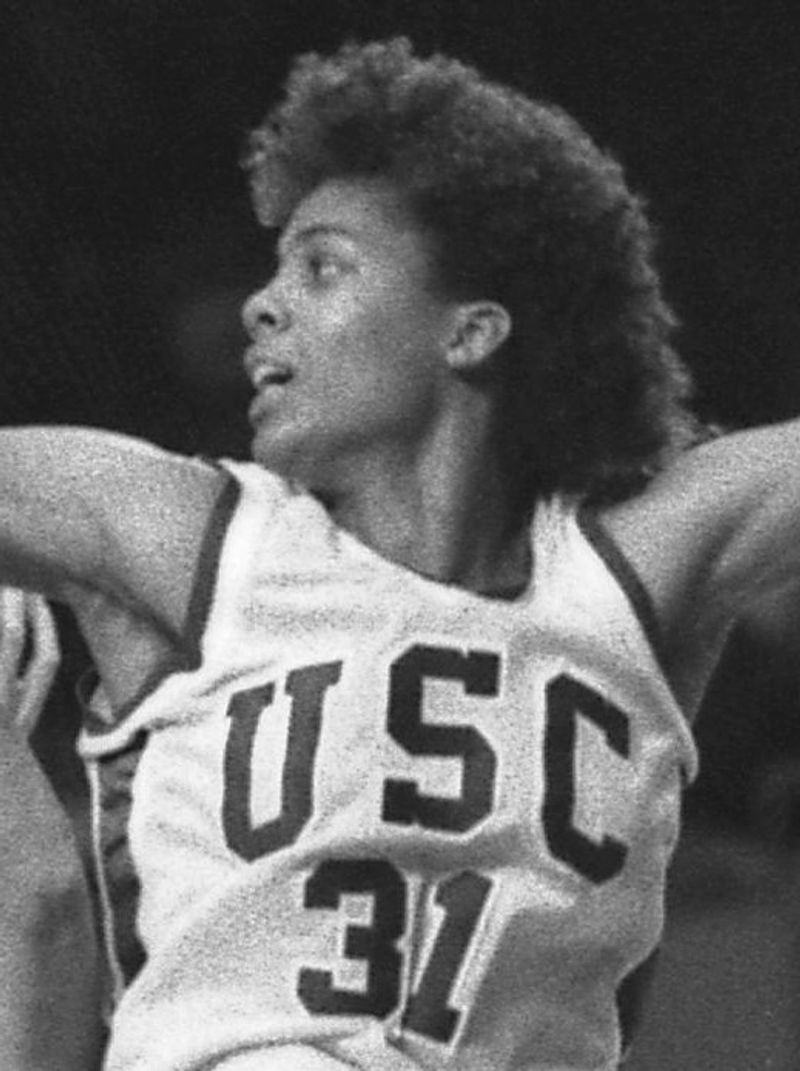
Long before the WNBA existed, Cheryl Miller was dominating college basketball at USC. She led her team to NCAA championships and won every major award the sport had to offer.
Miller’s impact extended beyond her playing days. She became a coach, broadcaster, and mentor who helped build the infrastructure for women’s basketball’s growth. Her influence during a critical period helped transform the sport from a novelty into a legitimate athletic pursuit that colleges took seriously.
18. Kerri Strug

Courage isn’t the absence of fear or pain; it’s performing despite them. Kerri Strug embodied this at the 1996 Atlanta Olympics when she landed a vault on an injured ankle to secure team gold for the United States.
That moment, with Strug grimacing in pain as she saluted the judges, became one of the most replayed in gymnastics history. Her sacrifice demonstrated the dedication Olympic athletes bring to their craft. Though controversial in retrospect, her vault remains a defining image of athletic determination.
19. Kerri Walsh Jennings
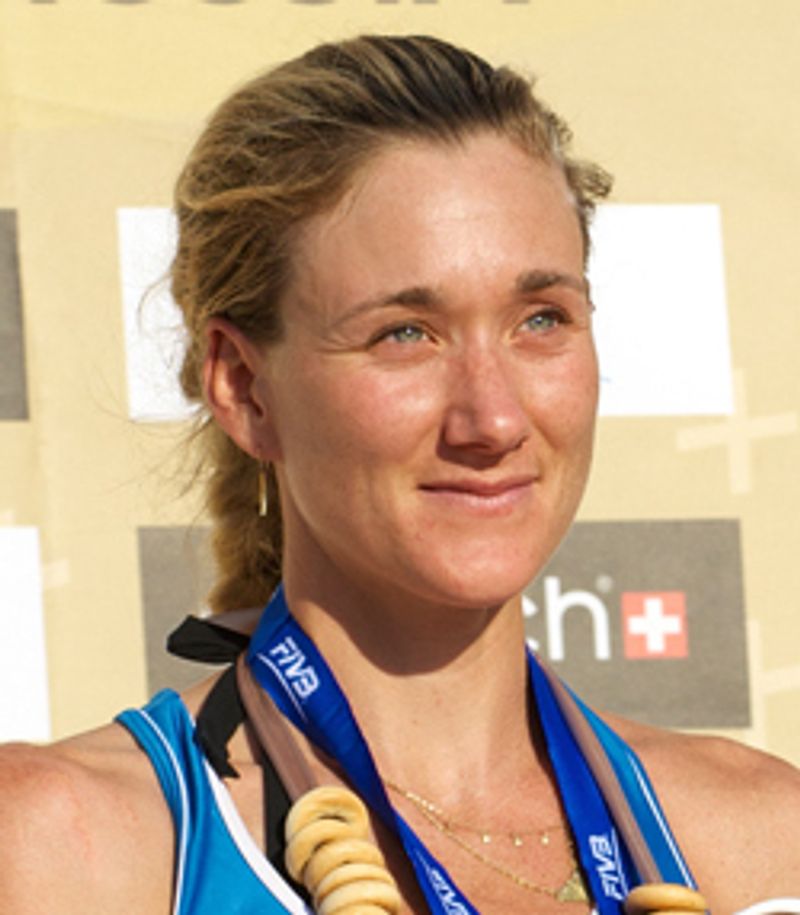
Partnership matters in sports, and few partnerships have been as dominant as Kerri Walsh Jennings and Misty May-Treanor in beach volleyball. Together, they won Olympic gold in 2004, 2008, and 2012.
Walsh Jennings continued competing long after their partnership ended, adding a bronze medal in 2016. Her longevity and consistency in a physically demanding sport demonstrated remarkable athleticism. The duo’s success elevated beach volleyball’s profile and inspired countless players to take up the sand sport.
20. Babe Didrikson Zaharias
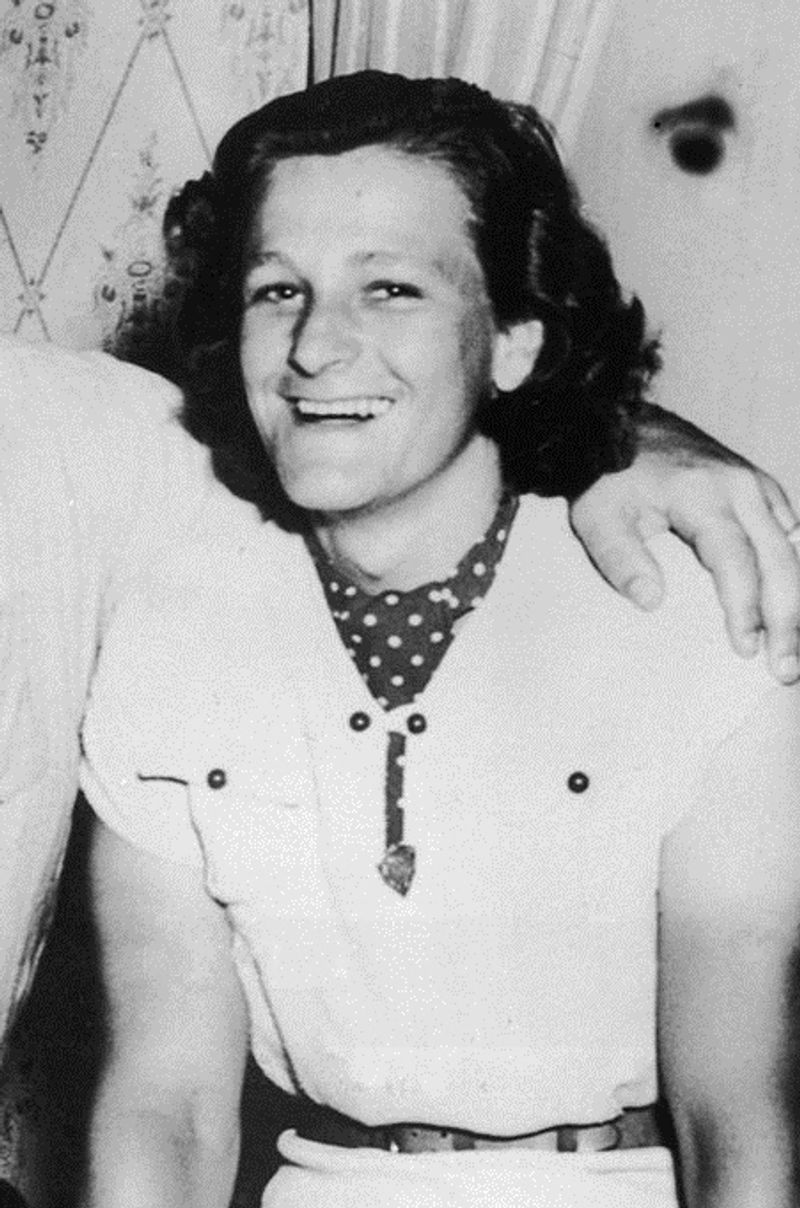
Some athletes excel at one sport. Babe Didrikson Zaharias conquered several. She won track and field medals at the 1932 Olympics, then switched to golf and became one of the sport’s greatest players.
Zaharias cofounded the LPGA, helping establish professional opportunities for female golfers. Her versatility and competitive fire made her a household name in an era when female athletes received little recognition. She proved that women could be elite athletes across multiple sports, not just participants.
21. Megan Rapinoe
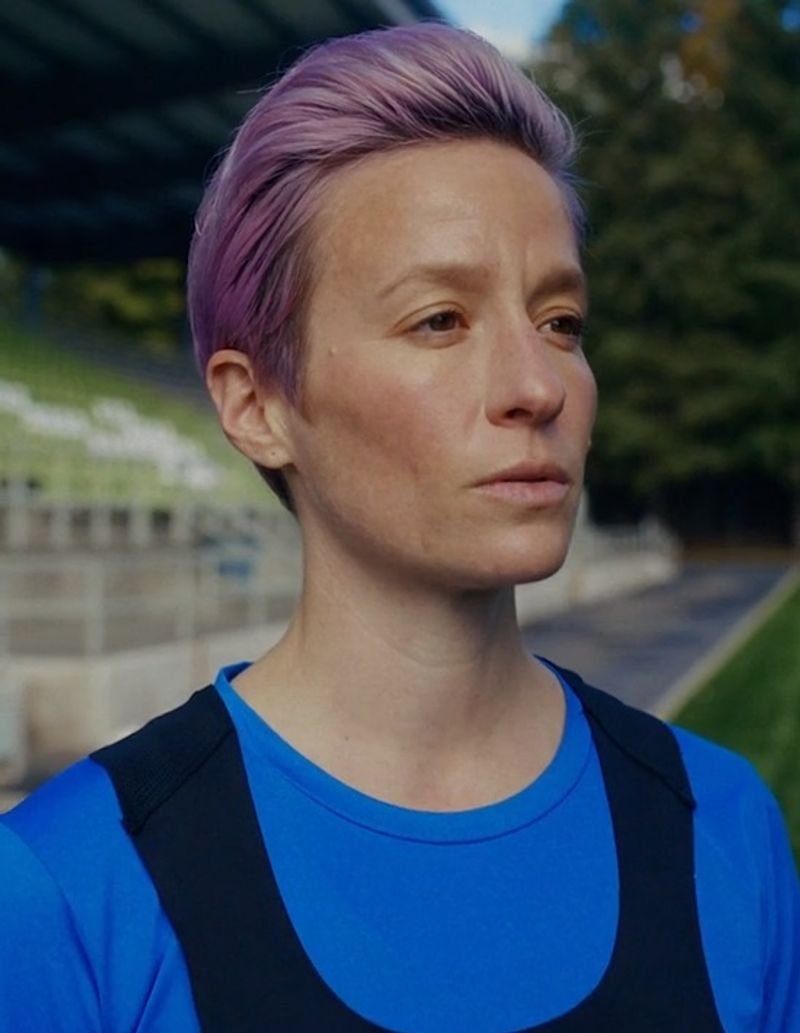
Megan Rapinoe has never been afraid to use her platform for advocacy. Her leadership during the 2019 World Cup, where she won the Golden Boot and Golden Ball awards, coincided with her vocal push for equal pay for women’s soccer players.
Rapinoe’s willingness to speak out on social justice issues made her controversial to some but inspiring to many. She helped bring conversations about pay equity and LGBTQ+ rights into mainstream sports discourse, showing that athletes can be both competitors and activists.
22. Venus Williams
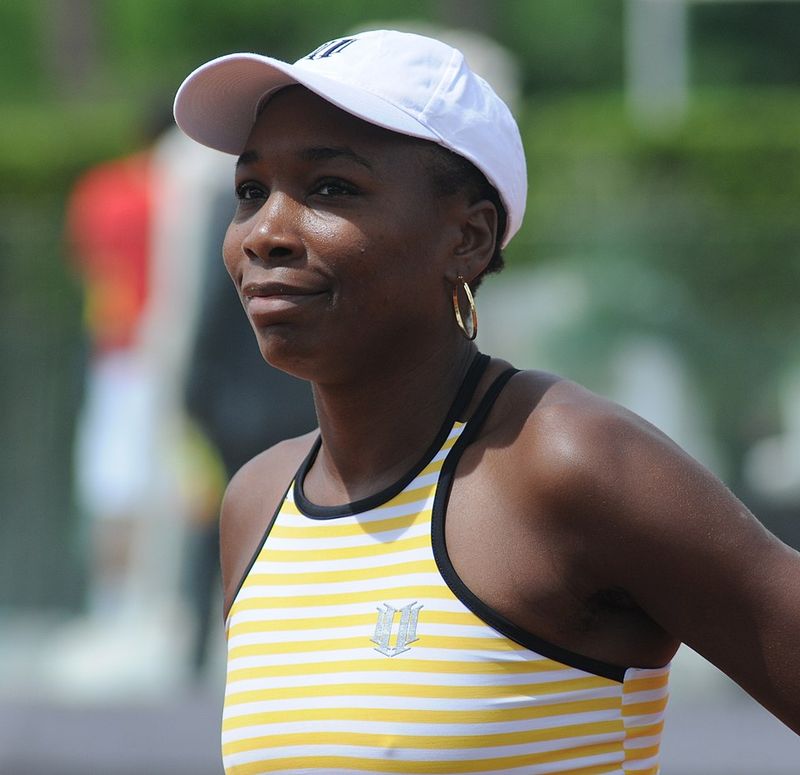
While her sister Serena often gets more attention, Venus Williams fought crucial battles for women’s tennis. She publicly advocated for equal prize money at Wimbledon, arguing that female champions deserved the same compensation as male champions.
Her advocacy succeeded, and Wimbledon finally awarded equal prize money in 2007. Venus won seven Grand Slam singles titles herself, but her work to ensure fair treatment for all female players might be her most important victory. Economics matter, and Venus understood that respect requires equal pay.
23. Lindsey Vonn
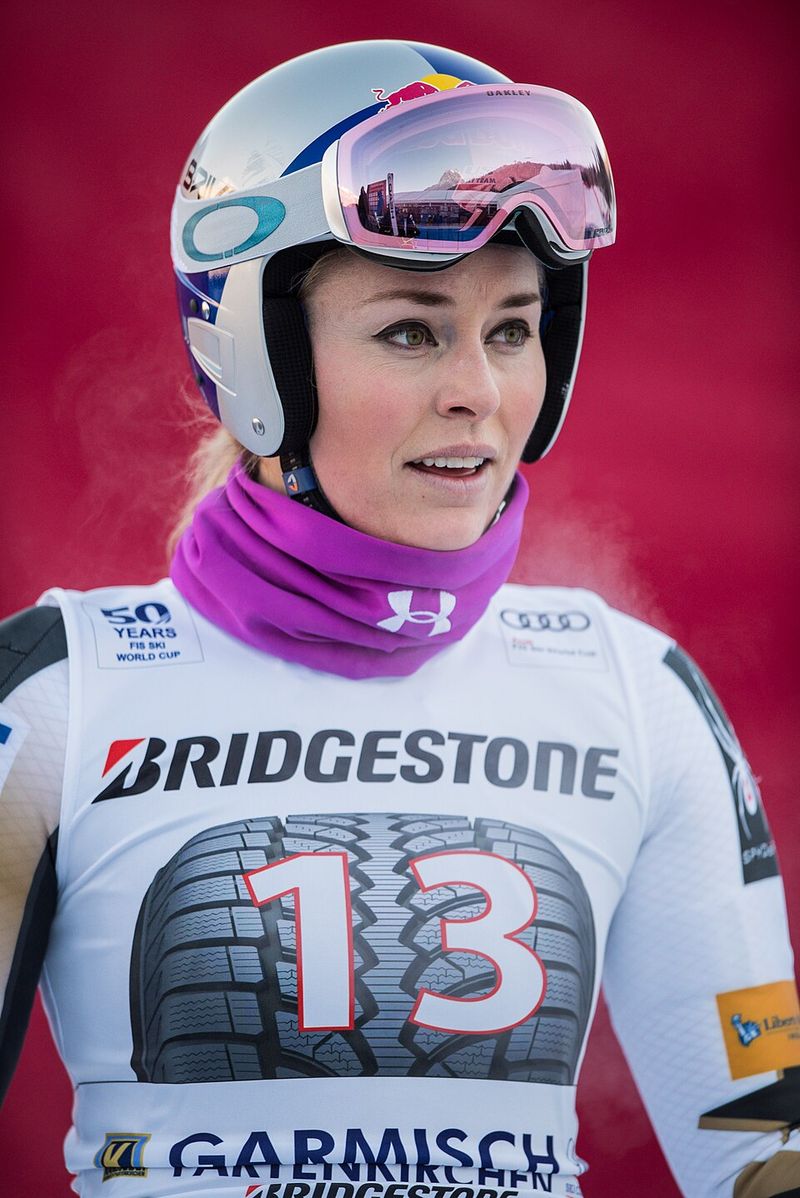
Alpine skiing demands courage that most people can’t fathom: racing down icy mountains at speeds exceeding 80 miles per hour. Lindsey Vonn mastered this terrifying sport, winning Olympic downhill gold in 2010.
Vonn’s career was marked by both triumph and adversity, including multiple injuries that would have ended lesser athletes’ careers. She returned from retirement briefly to race again, demonstrating the passion that drove her. Her 82 World Cup wins remain a record for female skiers, cementing her legendary status.
24. Katie Ledecky
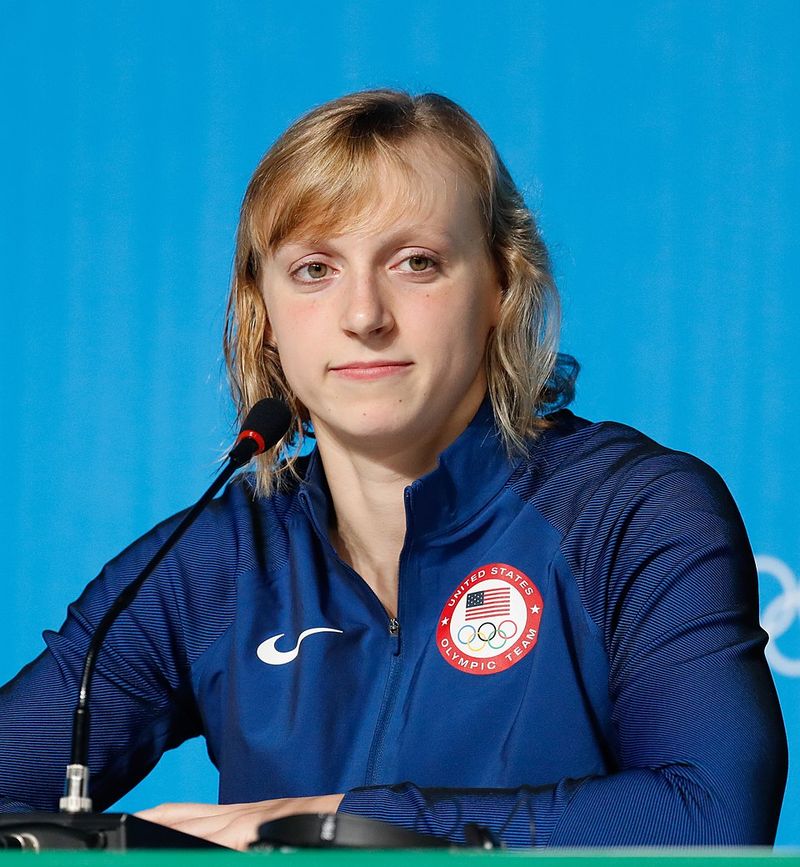
Dominance in swimming is rare because margins of victory are usually measured in hundredths of seconds. Katie Ledecky breaks that rule, often winning distance freestyle races by body lengths.
Her Olympic and World Championship medal collection ranks among swimming’s all-time greatest hauls. Ledecky’s sustained excellence over multiple Olympic cycles demonstrates not just talent but incredible work ethic. She’s redefined what’s possible in distance swimming, setting world records that seem to defy human limits and inspiring young swimmers worldwide.
25. Becky Hammon

Coaching in the NBA had been exclusively male territory until Becky Hammon joined the San Antonio Spurs as a full-time assistant coach in 2014. Her hiring represented a significant breakthrough in professional sports coaching pipelines.
Hammon had been a WNBA star before transitioning to coaching, bringing deep basketball knowledge and competitive experience. Her presence on an NBA bench challenged assumptions about who could coach at the highest levels. She’s since become a head coach, continuing to break barriers in professional basketball.
26. Dawn Fraser
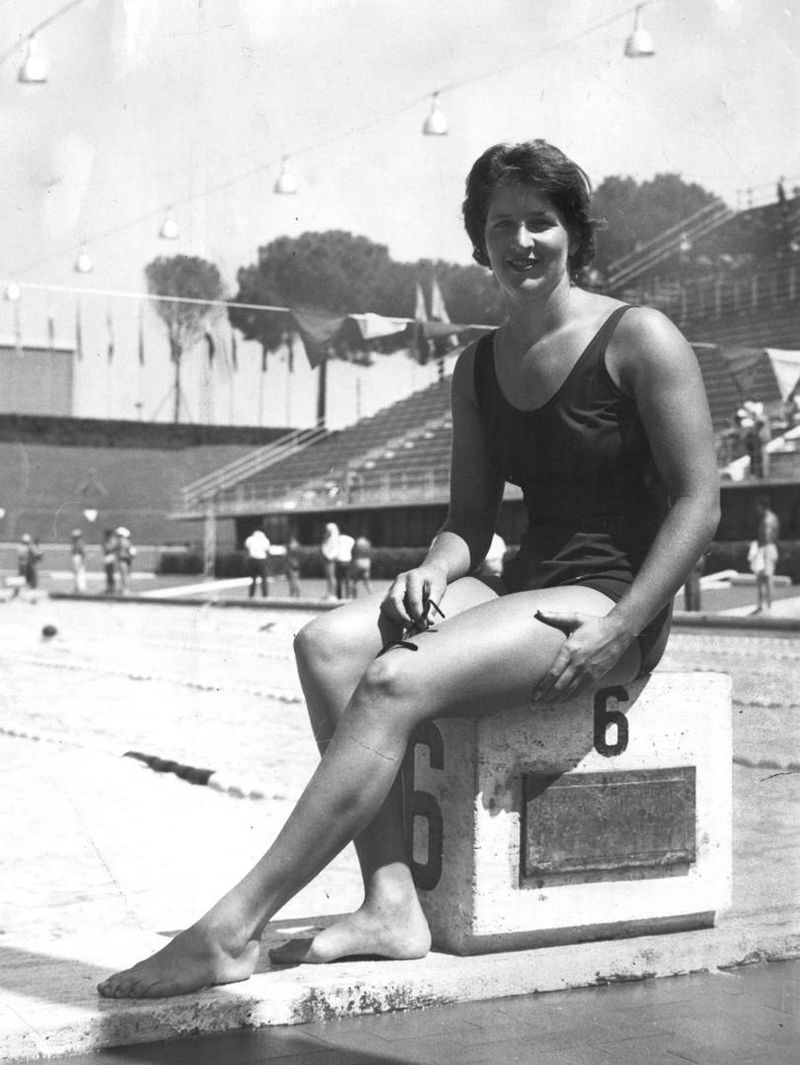
Winning one Olympic gold medal is an achievement most athletes only dream about. Dawn Fraser won the 100-meter freestyle gold at three consecutive Olympics: 1956, 1960, and 1964.
Her triple-gold achievement in the same event remains one of swimming’s most remarkable feats. Fraser’s dominance over such a long period helped establish women’s swimming as a premier Olympic sport. Australian swimming’s proud tradition owes much to Fraser’s pioneering excellence and the standard she set for future generations.
27. Naomi Osaka
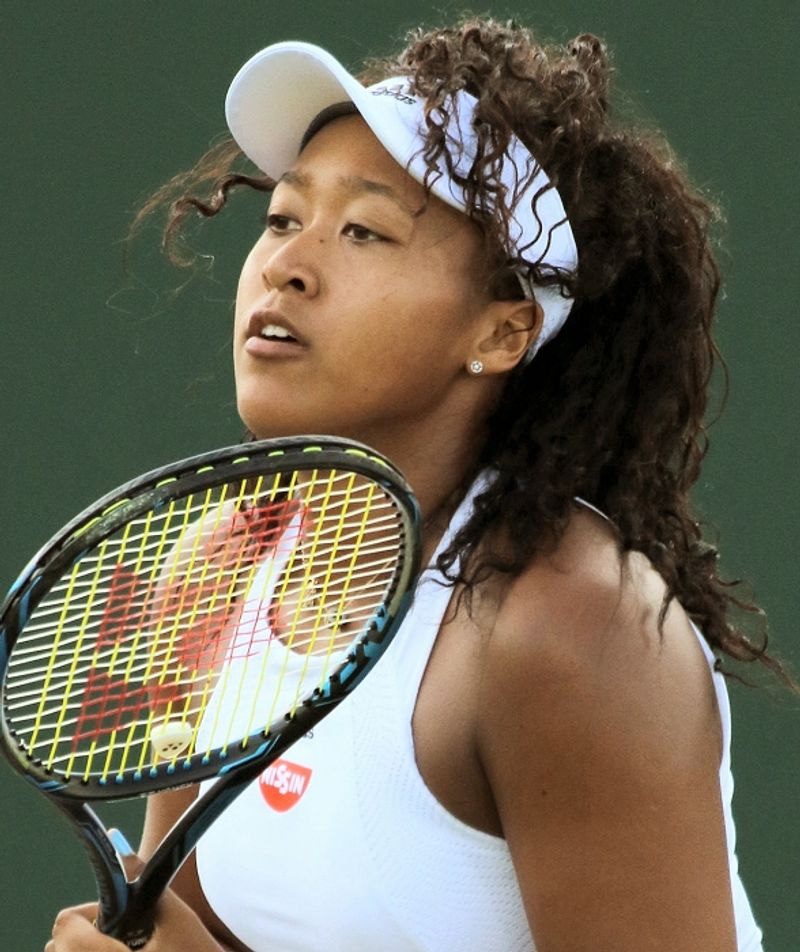
Naomi Osaka’s four Grand Slam titles established her as one of tennis’s elite players. But her decision to withdraw from the 2021 French Open to protect her mental health started a global conversation that transcended sports.
Osaka’s honesty about struggling with depression and anxiety gave other athletes permission to prioritize their wellbeing. Her courage in speaking openly challenged the expectation that athletes should ignore mental health concerns. She showed that vulnerability and strength aren’t opposites; sometimes vulnerability requires the greatest strength.
28. Gail Devers
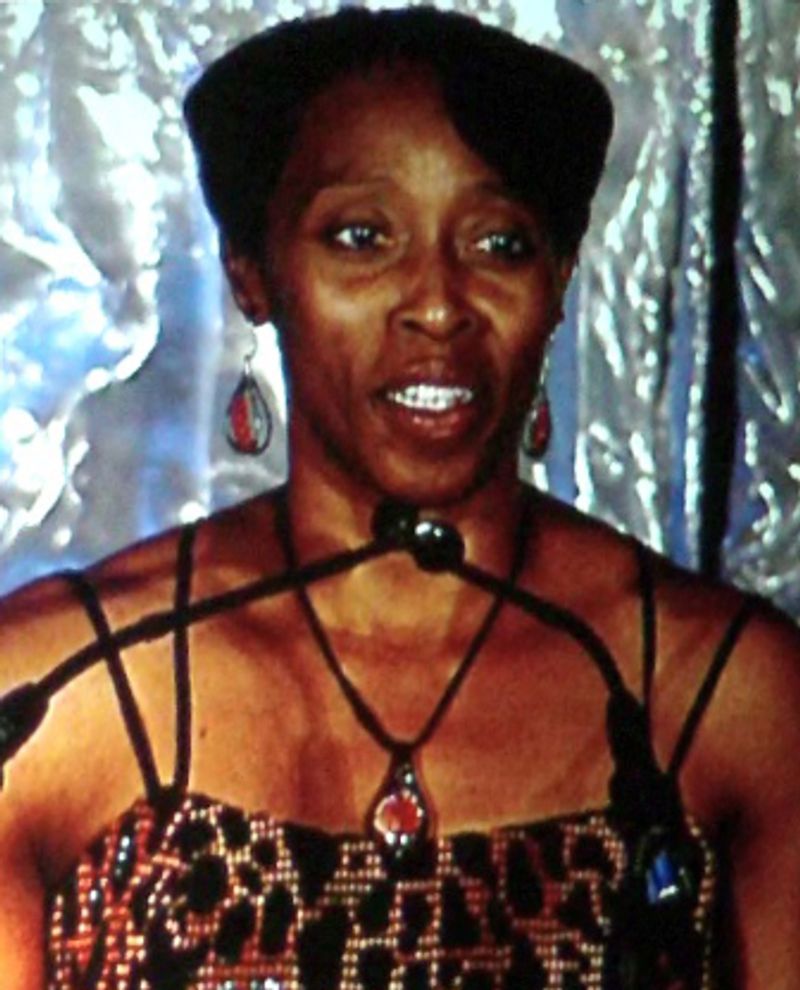
Gail Devers faced a medical crisis that nearly ended her career and threatened her ability to walk. Diagnosed with Graves’ disease, she underwent radiation treatment that had devastating side effects on her feet.
Doctors considered amputation, but Devers refused to give up. She recovered and returned to win Olympic gold in the 100 meters in 1992, then added two more golds in 1996. Her comeback story remains one of sport’s most inspiring tales of perseverance, proving that determination can overcome seemingly impossible obstacles.
29. Chloe Kim

At just 17 years old, Chloe Kim won Olympic gold in the halfpipe at the 2018 Winter Games. Four years later, she did it again, becoming the first woman to win back-to-back Olympic halfpipe championships.
Kim’s style combines technical difficulty with effortless grace, making her runs look easier than they are. Between Olympics, she took time off to attend college, showing that elite athletes can pursue education too. Her success has inspired a new generation of young snowboarders to push boundaries and dream big.



