 Unearth The Voyage
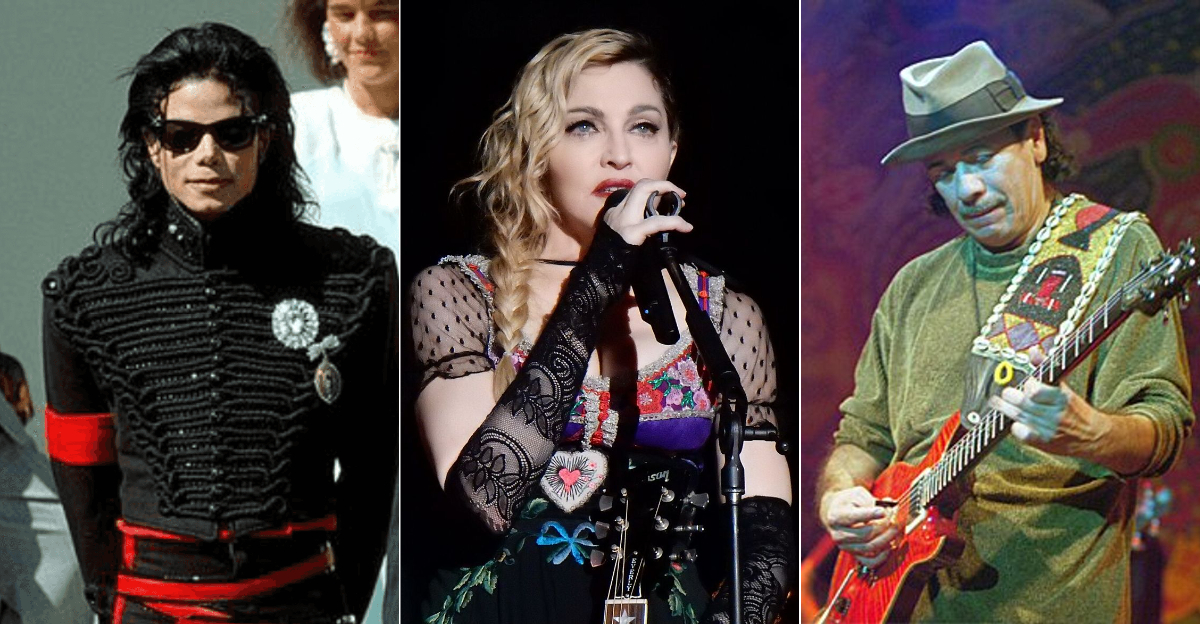
Music has the power to move us, inspire us, and connect us across cultures and generations. Throughout history, certain artists have risen above the rest, creating sounds that changed the world forever. From classical composers who wrote symphonies centuries ago to modern pop stars who dominate today’s charts, these musicians have left their mark on our lives in unforgettable ways.
1. Ludwig van Beethoven
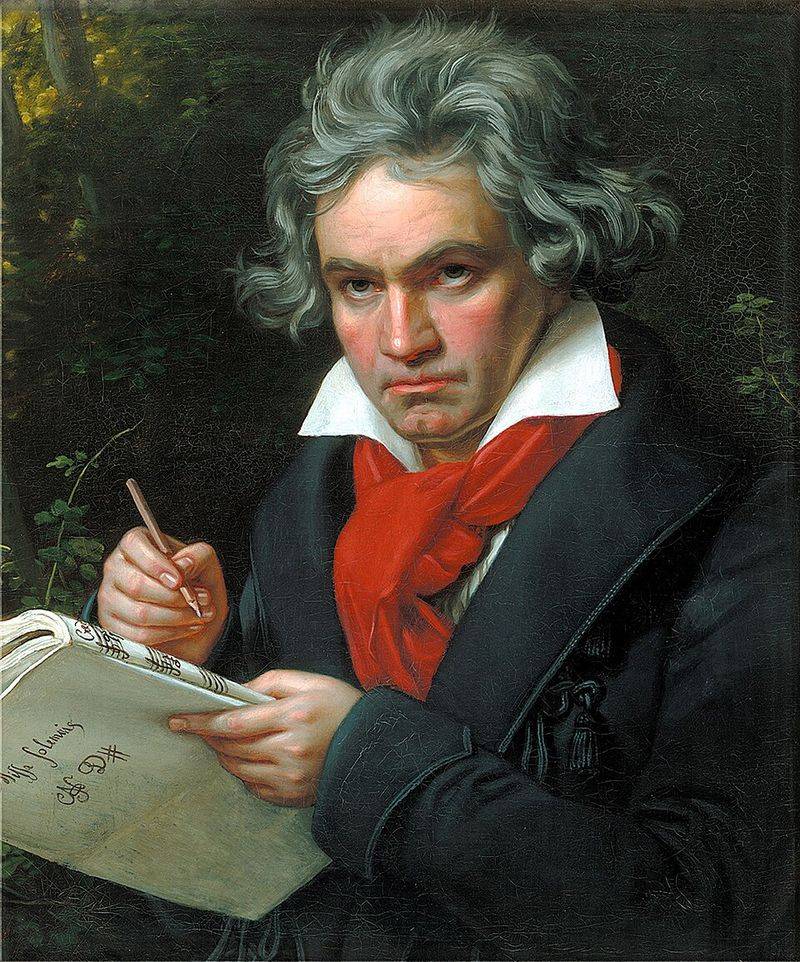
Nine symphonies, countless piano sonatas, and string quartets that still echo through concert halls today—Beethoven reshaped Western music like no one before him. He pushed the boundaries from Classical into Romantic territory, expanding what an orchestra could truly express.
What makes his story even more remarkable is that he composed many of his greatest masterpieces while nearly or completely deaf. He turned intensely personal emotion into music that continues to anchor concert programs worldwide, proving that genius transcends physical limitations.
2. Johann Sebastian Bach
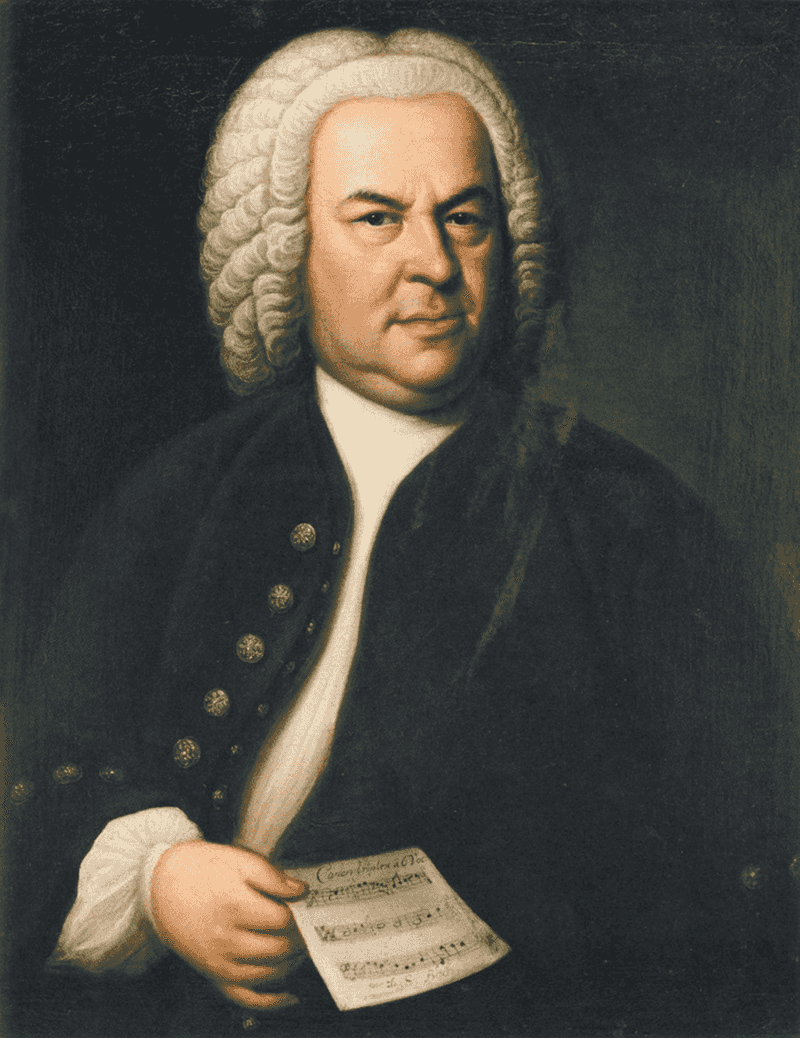
Intricate counterpoint and harmonic language flow through works like The Well-Tempered Clavier, the Brandenburg Concertos, and the Mass in B Minor. Bach set a foundation that composers still study and borrow from centuries later.
For many musicians, he represents the ultimate craftsman—a Baroque master whose music sounds both mathematically precise and deeply spiritual. His work bridges the technical and the divine, making him a musician’s musician in every sense of the word.
3. Wolfgang Amadeus Mozart
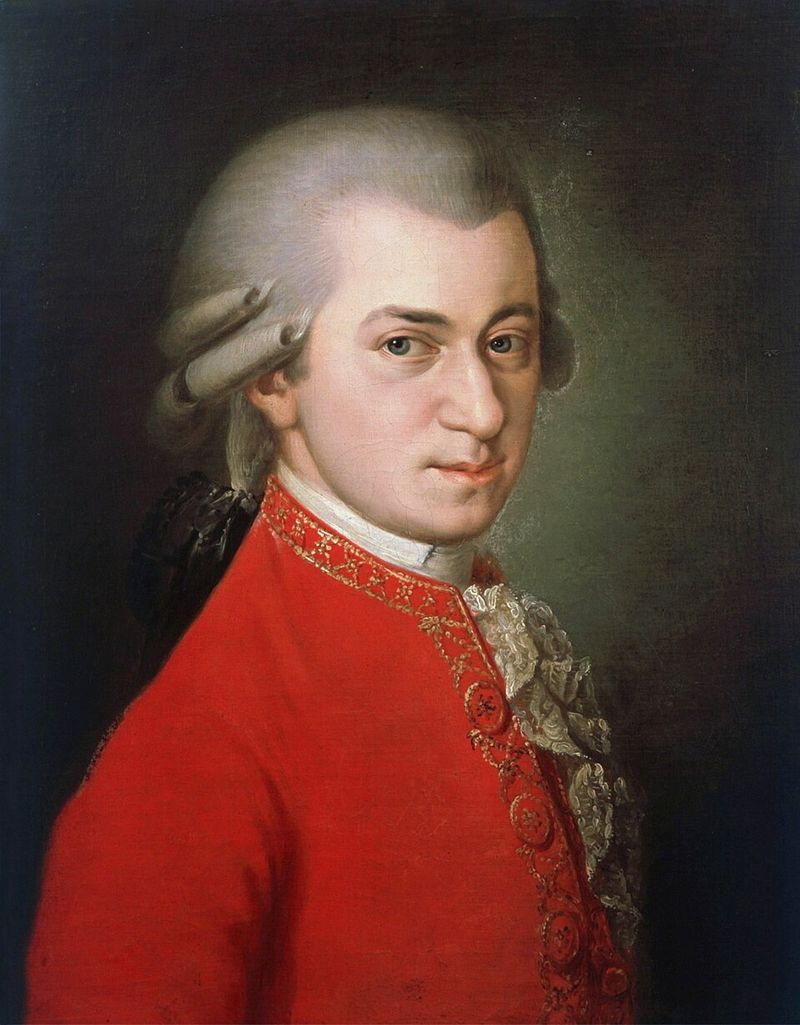
More than 800 works across nearly every genre of his time poured from Mozart’s pen before his death at just 35. Symphonies, operas, chamber music, sacred music—he mastered them all with seemingly effortless grace.
His melodies and balanced forms are often held up as the purest expression of Classical style. Operas like The Magic Flute and Don Giovanni still fill opera houses worldwide, enchanting audiences with their timeless beauty and dramatic power.
4. The Beatles
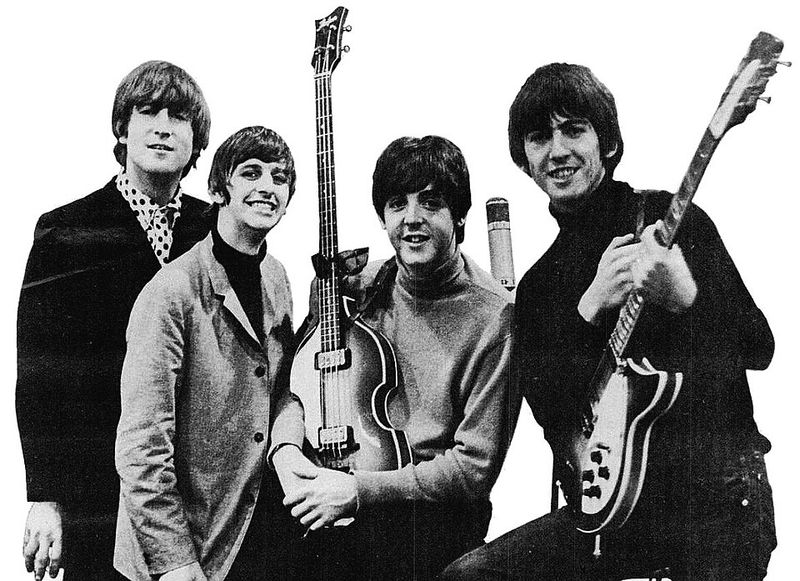
From Beatlemania to the studio innovations of Sgt. Pepper’s Lonely Hearts Club Band, The Beatles changed what a rock band could sound like and what an album could be. They transformed popular music into an art form that pushed creative boundaries.
Widely regarded as the best-selling music act in history, with over 500 million equivalent album sales, their influence spans generations. Songwriters and producers today still study their techniques and draw inspiration from their revolutionary approach to recording.
5. Louis Armstrong
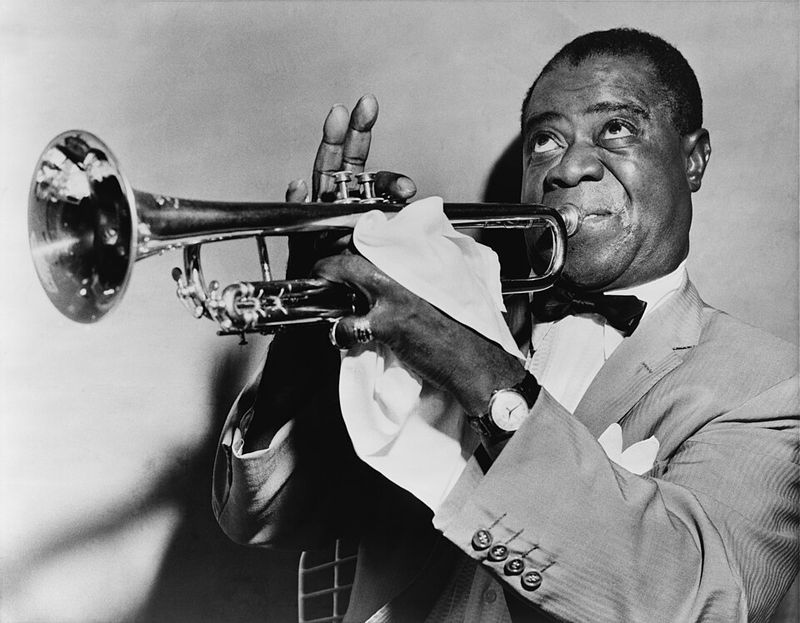
Jazz transformed from ensemble-based music into a soloist’s art thanks to Louis Armstrong’s trumpet playing, rhythmic feel, and gravelly voice. He shaped everything from swing to pop singing with his innovative approach.
Recordings with his Hot Five and Hot Seven bands set the template for jazz improvisation that musicians follow to this day. Songs like What a Wonderful World turned him into a global icon, spreading joy and musical excellence across continents.
6. Duke Ellington
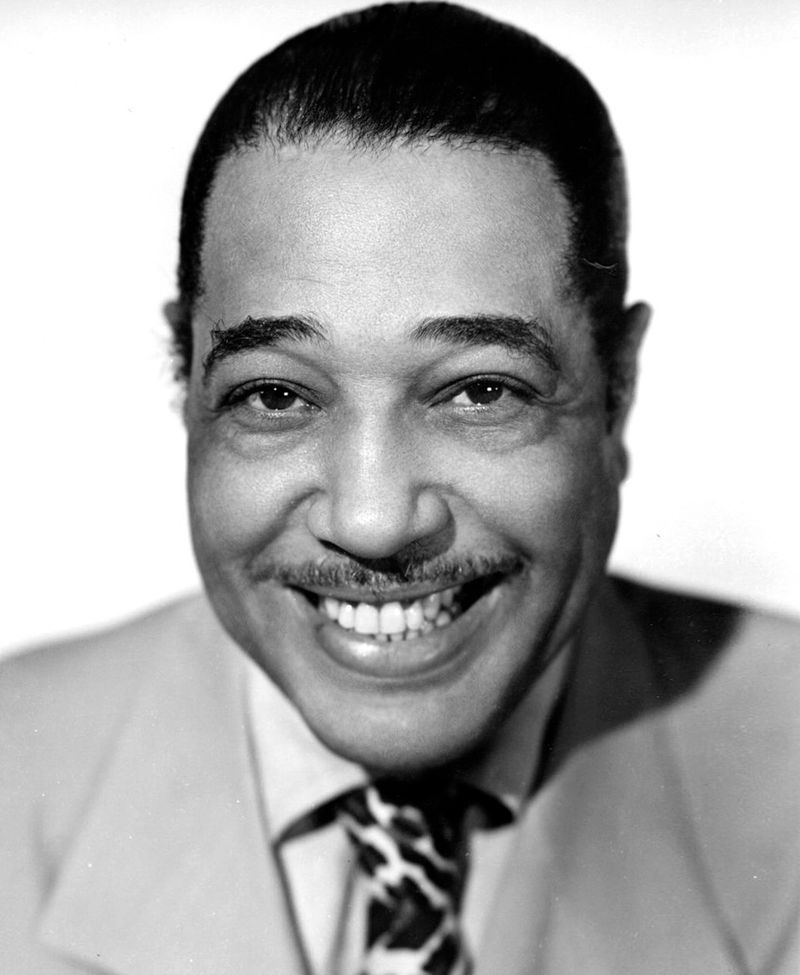
Treating the big band like a symphony orchestra, Ellington wrote tone poems and suites that elevated jazz to the concert hall. His sophisticated compositions showed that jazz could be both entertaining and artistically profound.
Pieces like Mood Indigo, Take the ‘A’ Train (by his close collaborator Billy Strayhorn), and his Sacred Concerts show his incredible range. From nightclub swing to spiritual grandeur, he proved jazz belonged anywhere music was celebrated.
7. Charlie Parker
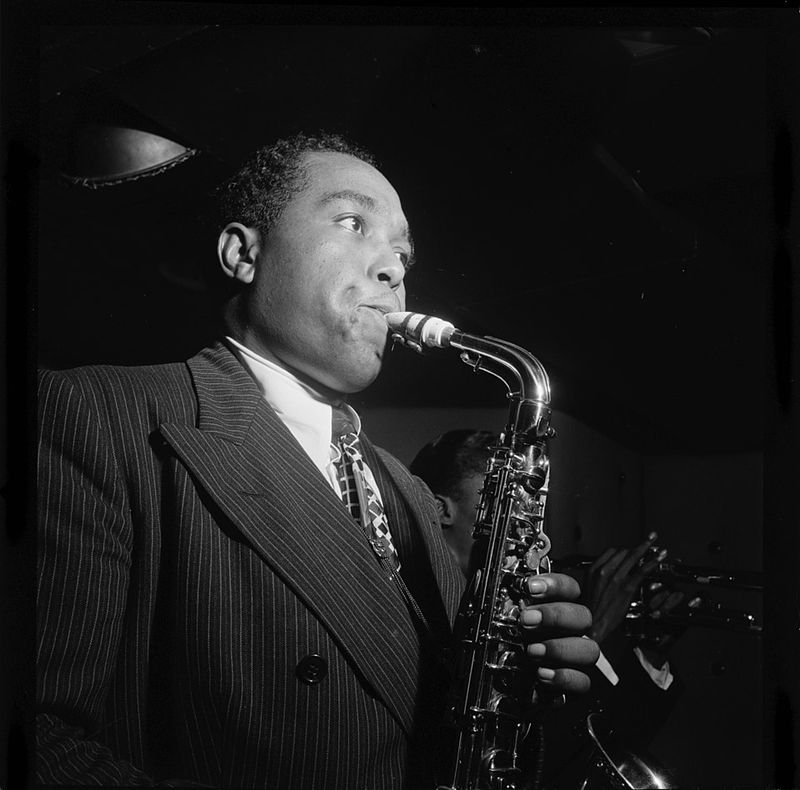
Alto saxophonist Charlie Bird Parker helped invent bebop in the 1940s, bringing breakneck tempos, complex harmonies, and hyper-inventive phrasing to jazz. His revolutionary approach completely transformed how musicians thought about improvisation.
His ideas changed jazz forever, influencing virtually every horn player who followed. Parker’s innovations fed directly into modern jazz harmony, establishing principles that remain fundamental to the genre today and inspiring countless artists across multiple generations.
8. Miles Davis
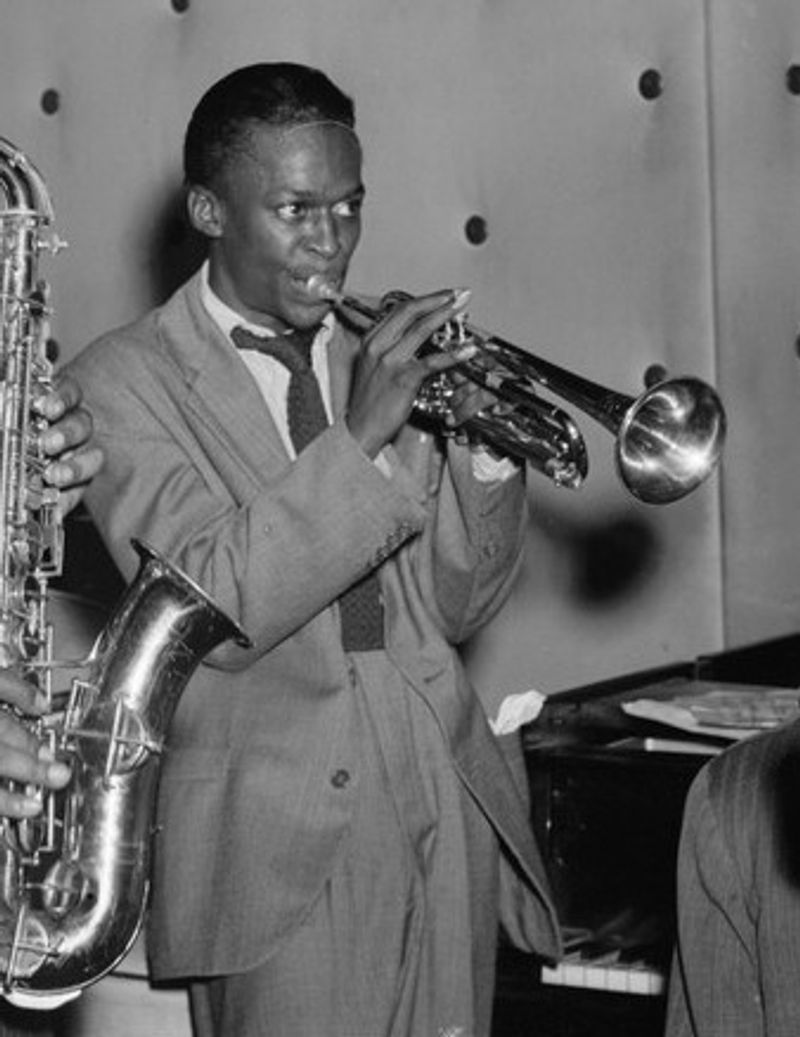
Central to multiple waves of jazz evolution, Miles Davis helped define cool jazz, hard bop, modal jazz, and jazz-fusion. His restless creativity kept him at the forefront of musical innovation for decades.
His 1959 album Kind of Blue is often cited as the greatest and most influential jazz album ever recorded. Rock and classical musicians embrace it as much as jazz fans, proving that truly great music transcends genre boundaries completely.
9. John Coltrane
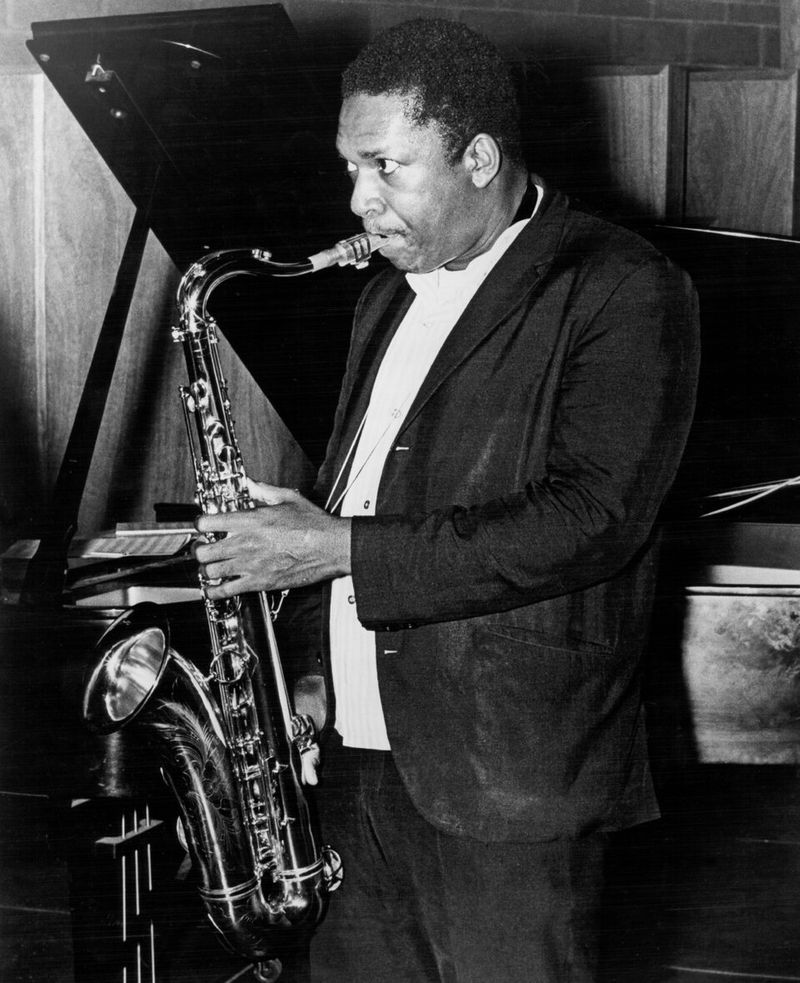
Coltrane’s tenor saxophone sound and relentless searching spirit made albums like Giant Steps and A Love Supreme milestones of jazz and spiritual music. His dedication to musical exploration knew no bounds.
His sheets-of-sound approach to improvisation revolutionized jazz technique. Blending modal jazz, world music, and devotional themes, he pushed the music into new emotional territory that connected listeners to something greater than themselves.
10. Billie Holiday
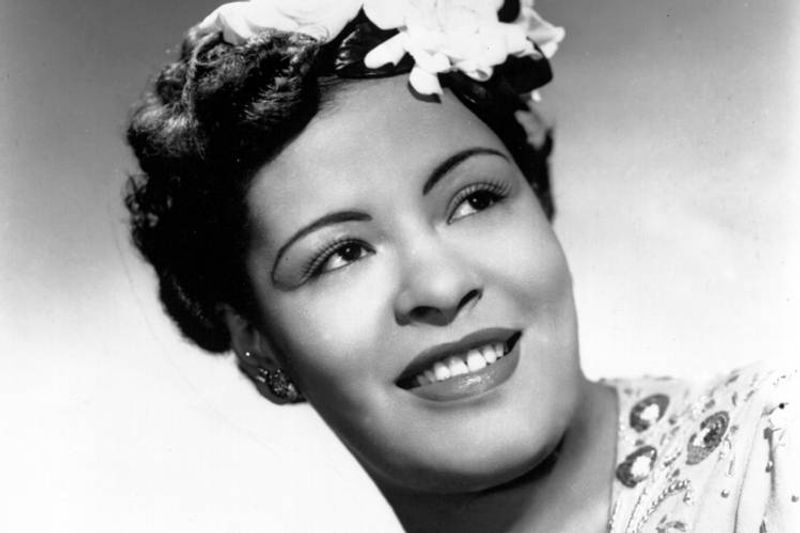
Limited vocal range never mattered when Billie Holiday sang. Her timing, phrasing, and emotional honesty made songs like Strange Fruit and God Bless the Child devastatingly powerful statements that moved audiences to tears.
She influenced generations of vocalists by proving that storytelling and nuance can matter more than sheer vocal power. Holiday showed that vulnerability and authenticity create the deepest connections between singer and listener, changing vocal performance forever.
11. Ella Fitzgerald
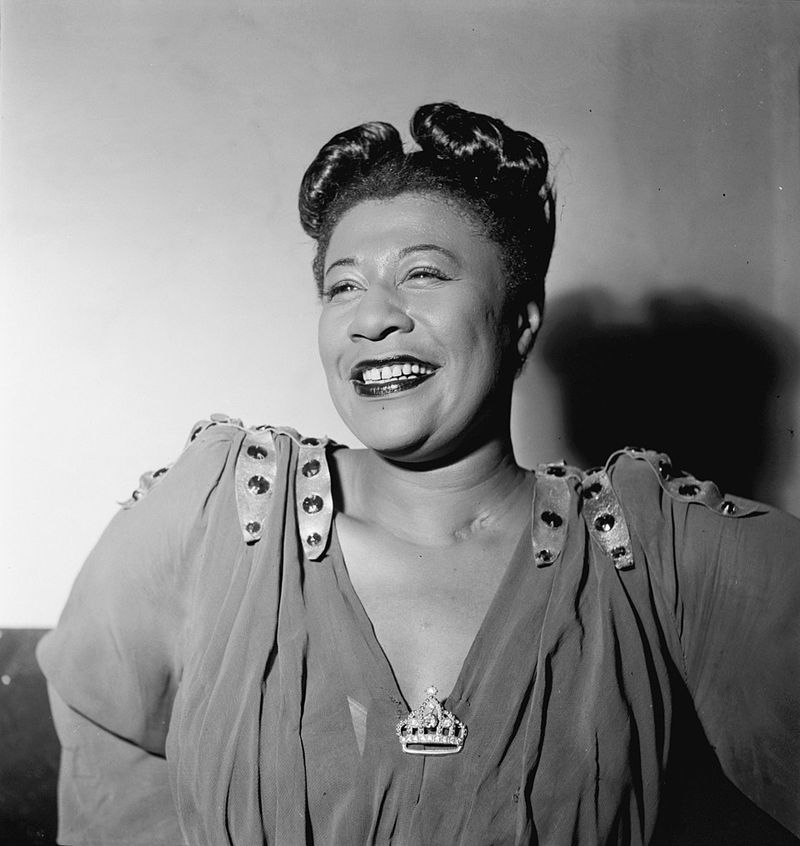
Pure tone, effortless swing, and virtuoso scat-singing made Ella Fitzgerald the definitive jazz singer for many listeners. Her technical mastery combined with warmth created performances that felt both impressive and intimate.
Her Songbook albums, interpreting composers like Cole Porter and Duke Ellington, are still considered textbook examples of how to sing the Great American Songbook. Fitzgerald set standards that vocalists measure themselves against even today.
12. Aretha Franklin
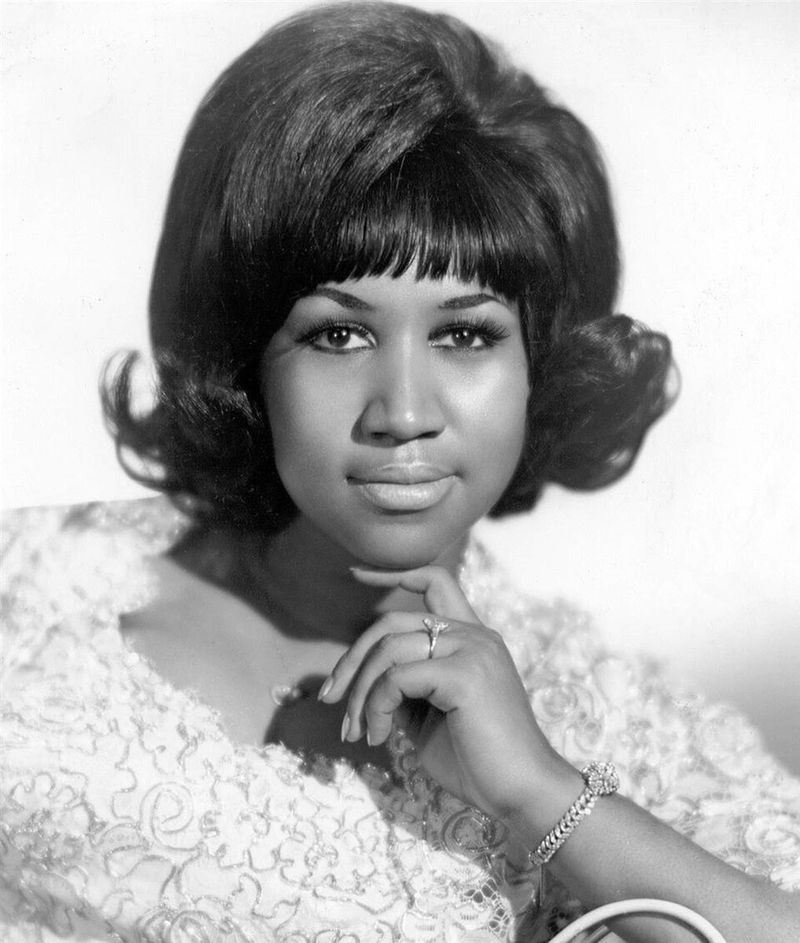
Gospel, R&B, and jazz fused into a style that defined soul music when Aretha Franklin opened her mouth to sing. Her voice carried power, grace, and an authenticity that couldn’t be faked or imitated.
Her recordings of Respect and (You Make Me Feel Like) A Natural Woman became anthems for the civil rights and women’s movements. Franklin proved that pop hits could carry political and personal power, making music that mattered beyond the charts.
13. Elvis Presley
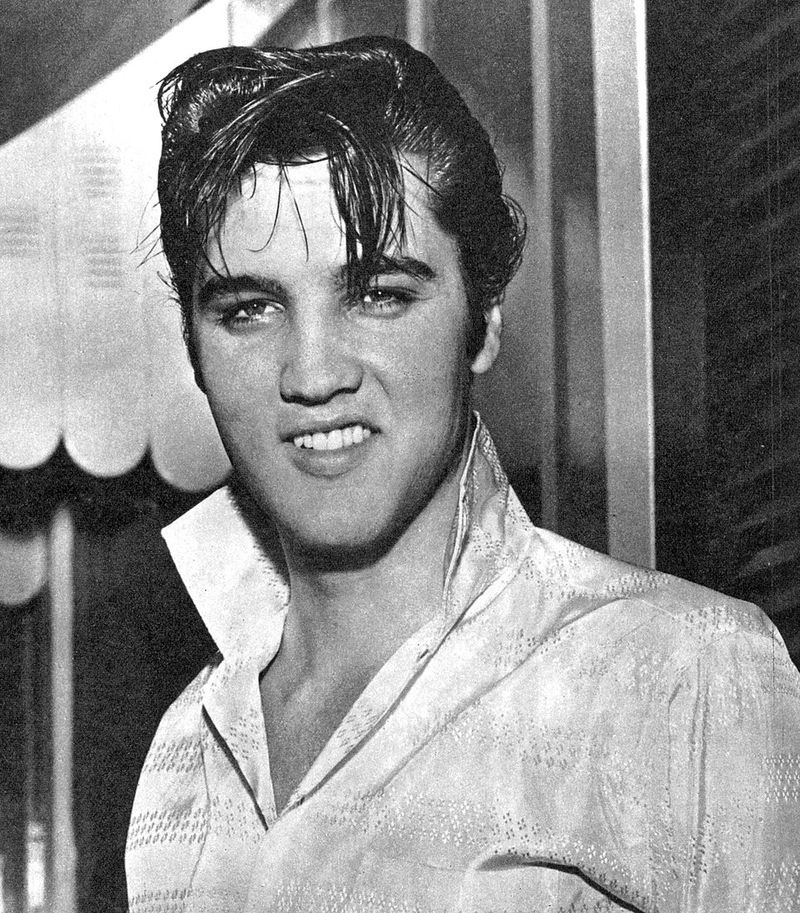
Country, blues, and gospel blended into a sound that helped bring rock and roll into the mainstream when Elvis stepped onto the stage. His charismatic stage presence electrified audiences and sparked a cultural revolution.
His crossover success made him one of the most culturally significant figures of the 20th century. Elvis influenced countless rock, pop, and country performers, becoming an icon whose impact on popular culture extends far beyond music alone.
14. Chuck Berry
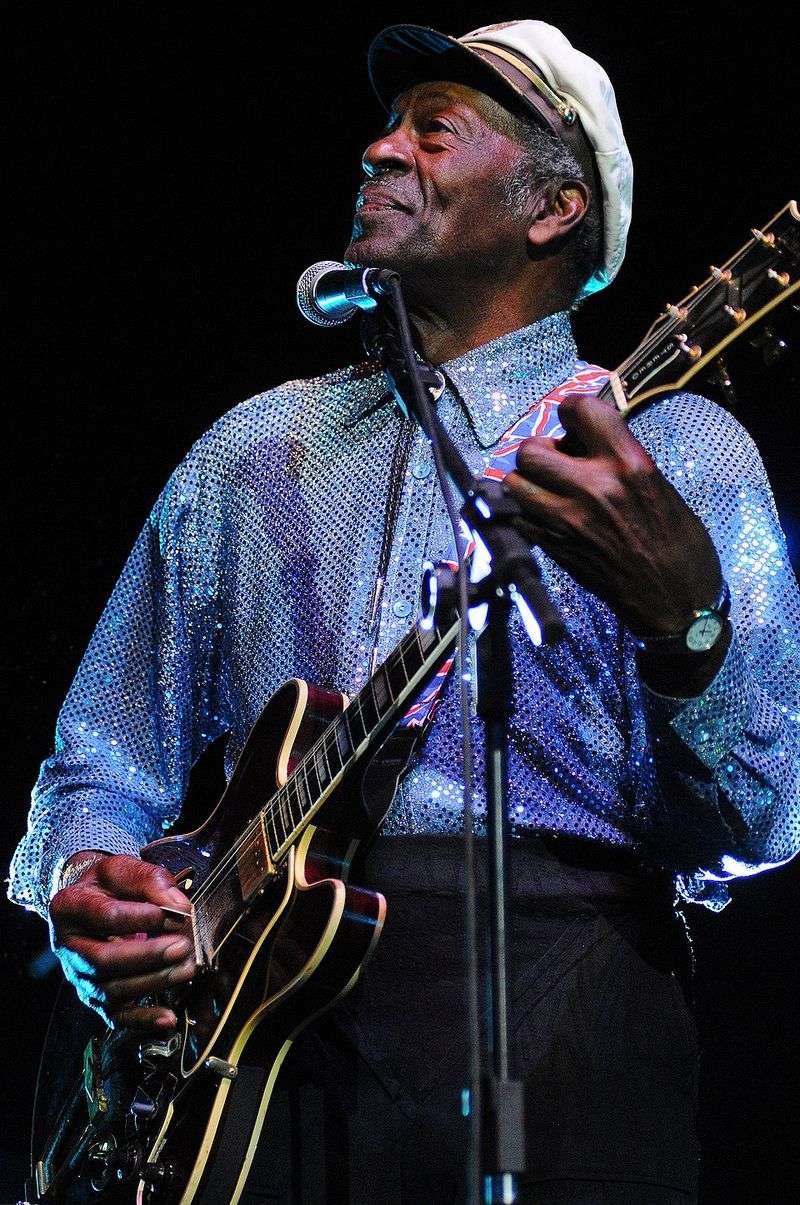
Guitar riffs and witty lyrics laid the blueprint for rock and roll when Chuck Berry started recording in the 1950s. His songwriting captured teenage life with humor and energy that resonated across racial and cultural lines.
Songs like Johnny B. Goode and Maybellene became templates for the rock band format—guitar-driven, youth-oriented, and rhythmically propulsive. Berry essentially wrote the instruction manual that countless rock bands would follow for generations to come.
15. Bob Dylan
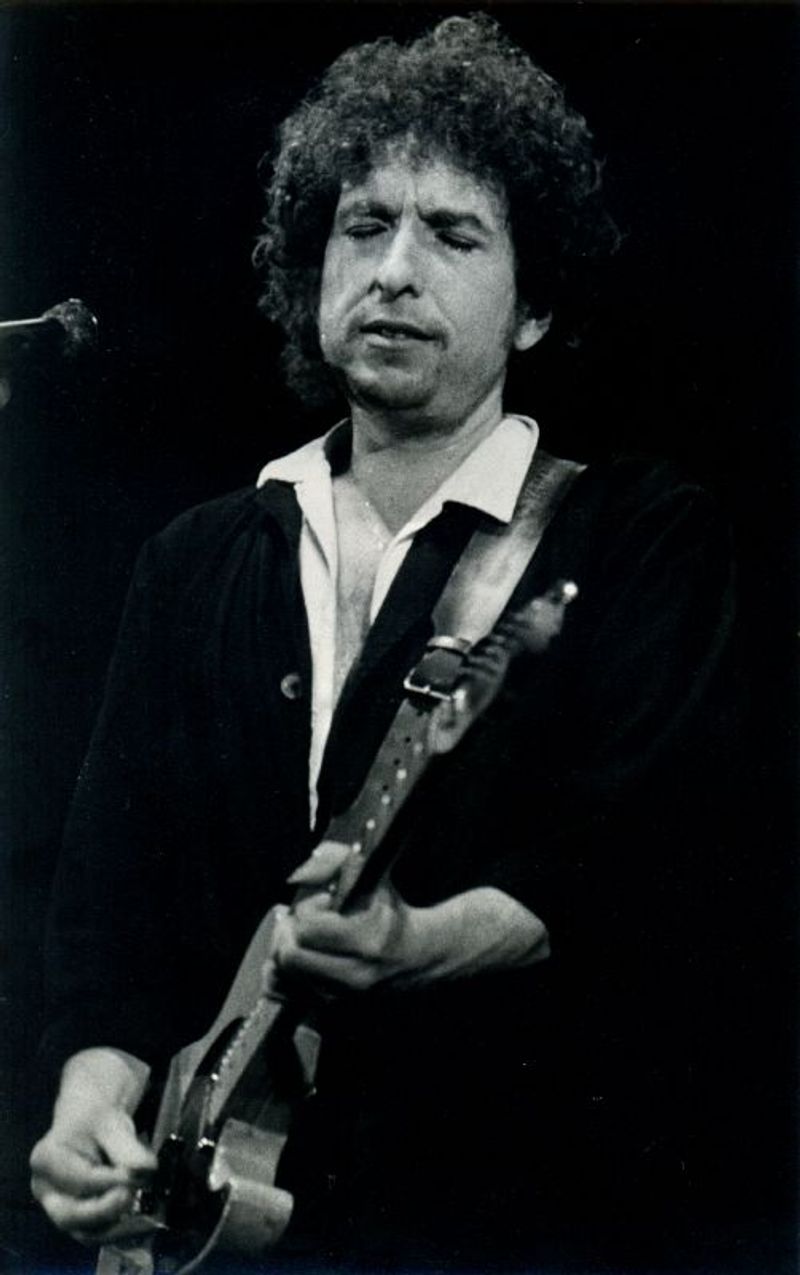
Dense, literary lyrics entered folk and rock music when Bob Dylan revolutionized songwriting in the 1960s. His words carried weight and meaning that elevated popular music into genuine poetry.
In 2016 he received the Nobel Prize in Literature for having created new poetic expressions within the great American song tradition—a first for a songwriter. Dylan proved that rock and folk lyrics deserved the same respect as traditional literature.
16. The Rolling Stones
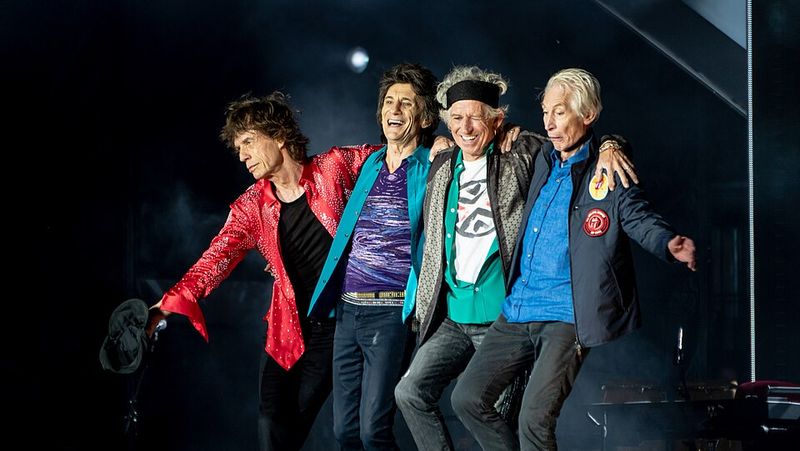
American blues turned into swaggering, stadium-sized rock when The Rolling Stones plugged in their guitars. Their raw energy and rebellious attitude gave rock music an edge that contrasted with the more polished pop of their era.
With classics like (I Can’t Get No) Satisfaction and Exile on Main St., they’ve been a touring and recording force for decades. Their influence on guitar-based rock remains massive, inspiring everyone from punk to alternative rockers.
17. Jimi Hendrix
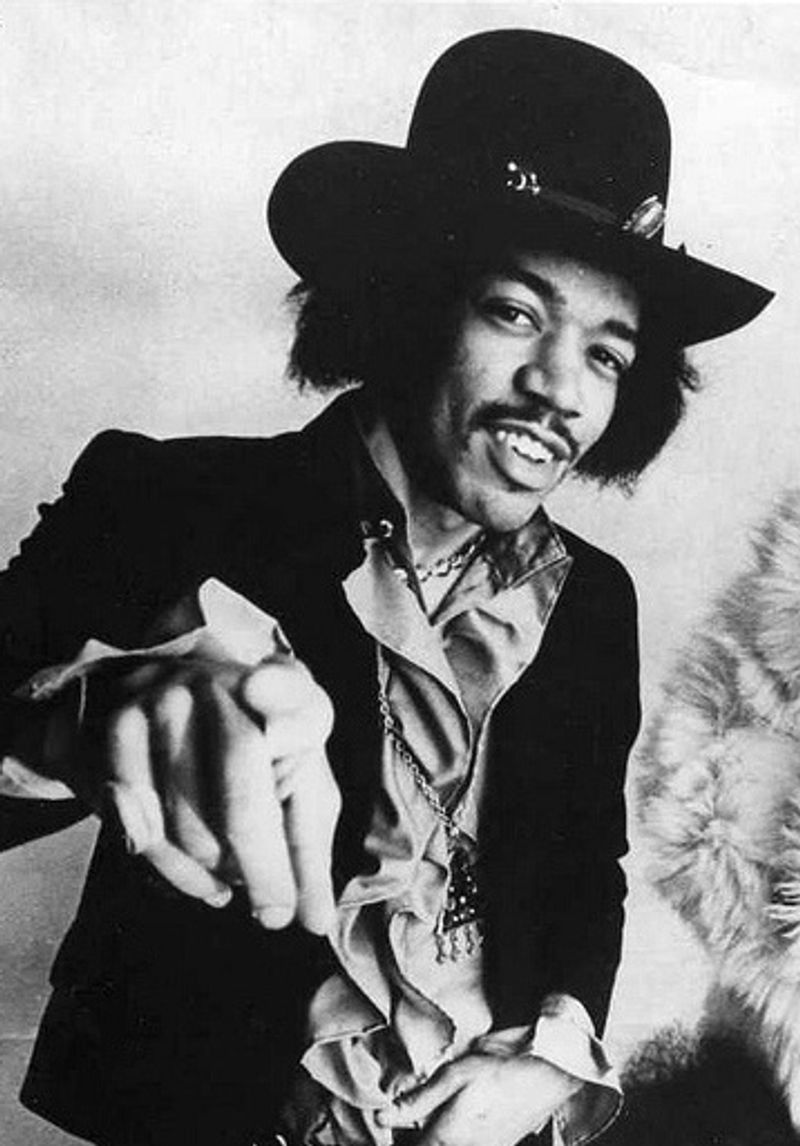
Feedback, distortion, and studio effects became musical tools when Hendrix picked up his guitar. He redefined what an electric guitar could do, treating it as an extension of his voice and imagination.
His performances at Monterey and Woodstock, along with albums like Are You Experienced, re-wired rock, funk, and even jazz guitar vocabulary. Hendrix showed that technical mastery and wild creativity could coexist in ways nobody had imagined before.
18. Stevie Wonder
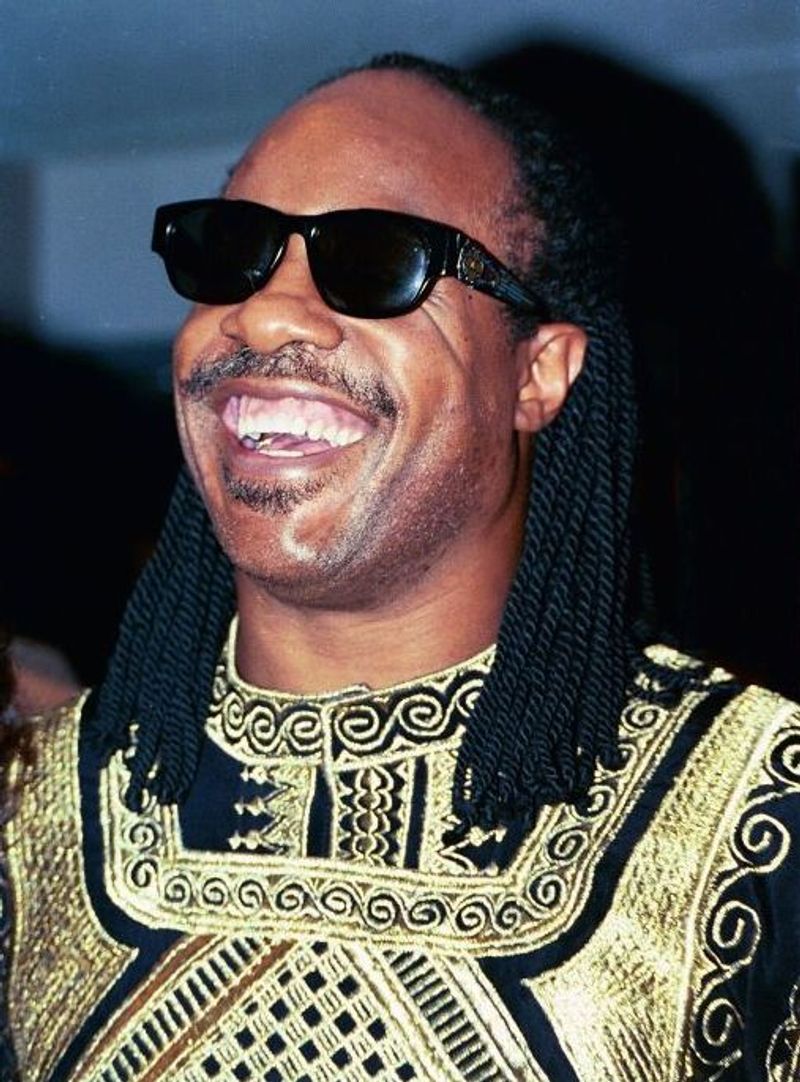
A child prodigy evolved into one of the most creative figures in late-20th-century music. Stevie Wonder wrote, produced, and played multiple instruments on many of his albums, demonstrating complete artistic control.
Classic 1970s records like Innervisions and Songs in the Key of Life blended soul, funk, jazz, and social commentary with cutting-edge synthesizer work. Wonder proved that commercial success and artistic innovation could walk hand in hand beautifully.
19. Marvin Gaye
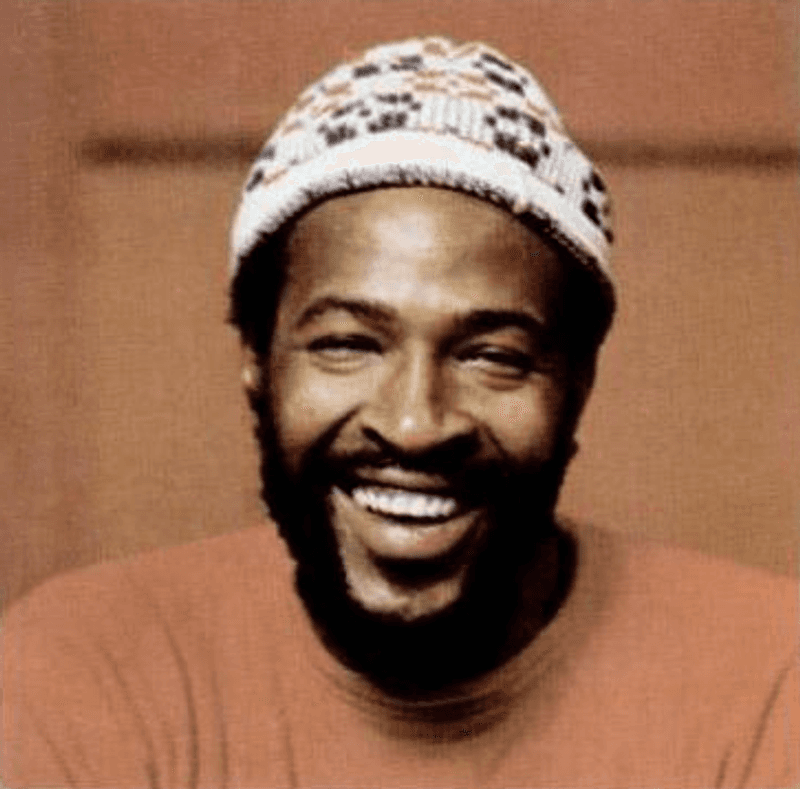
Starting as a Motown hitmaker, Marvin Gaye turned inward and political with What’s Going On—an album about war, environmental damage, and inner city struggle. His artistic evolution showed remarkable courage and vision.
That record demonstrated how soul music could carry sophisticated social commentary without losing its groove. Gaye proved that dance music and protest music weren’t opposites but could blend into something powerful that moved both bodies and minds.
20. Michael Jackson
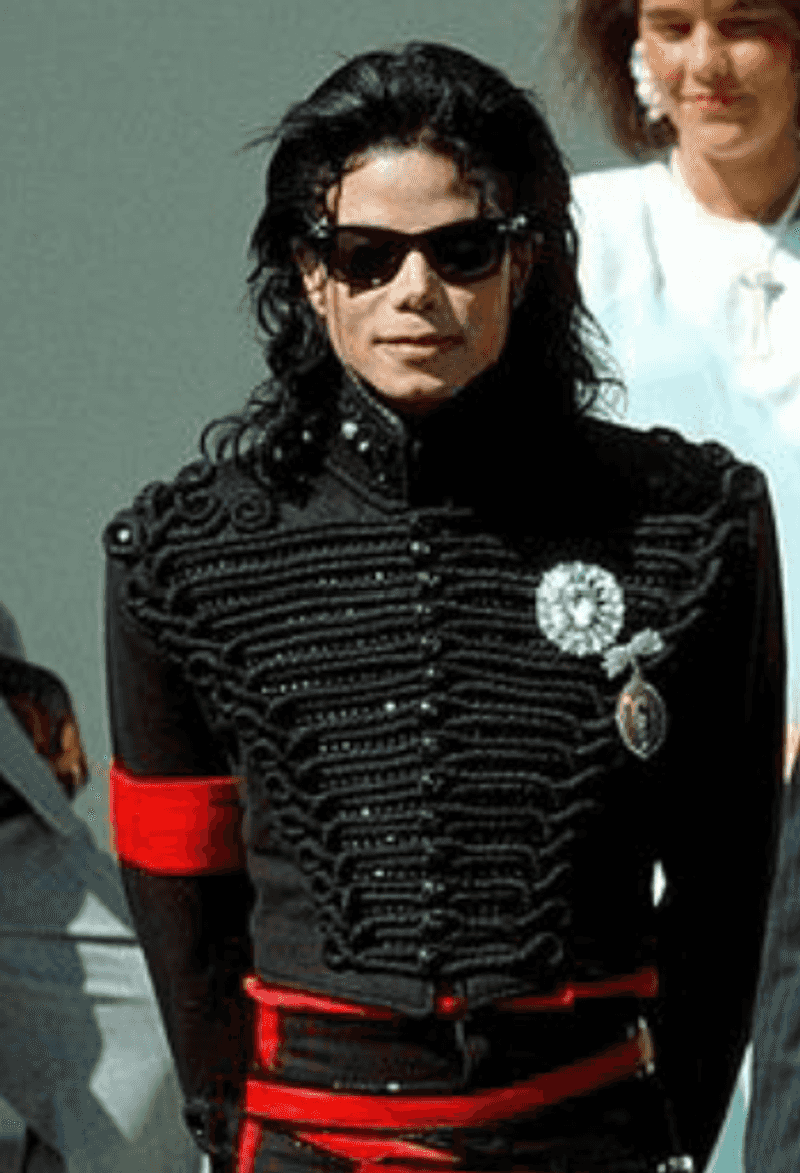
Pop, R&B, and rock fused into blockbuster albums and videos that changed music marketing forever. Michael Jackson didn’t just make music—he created complete visual and sonic experiences that dominated popular culture.
Thriller (1982) remains widely cited as the best-selling album of all time, with estimated sales exceeding 70 million copies worldwide. His King of Pop title wasn’t just hype; it reflected his unmatched ability to connect with audiences globally.
21. Prince
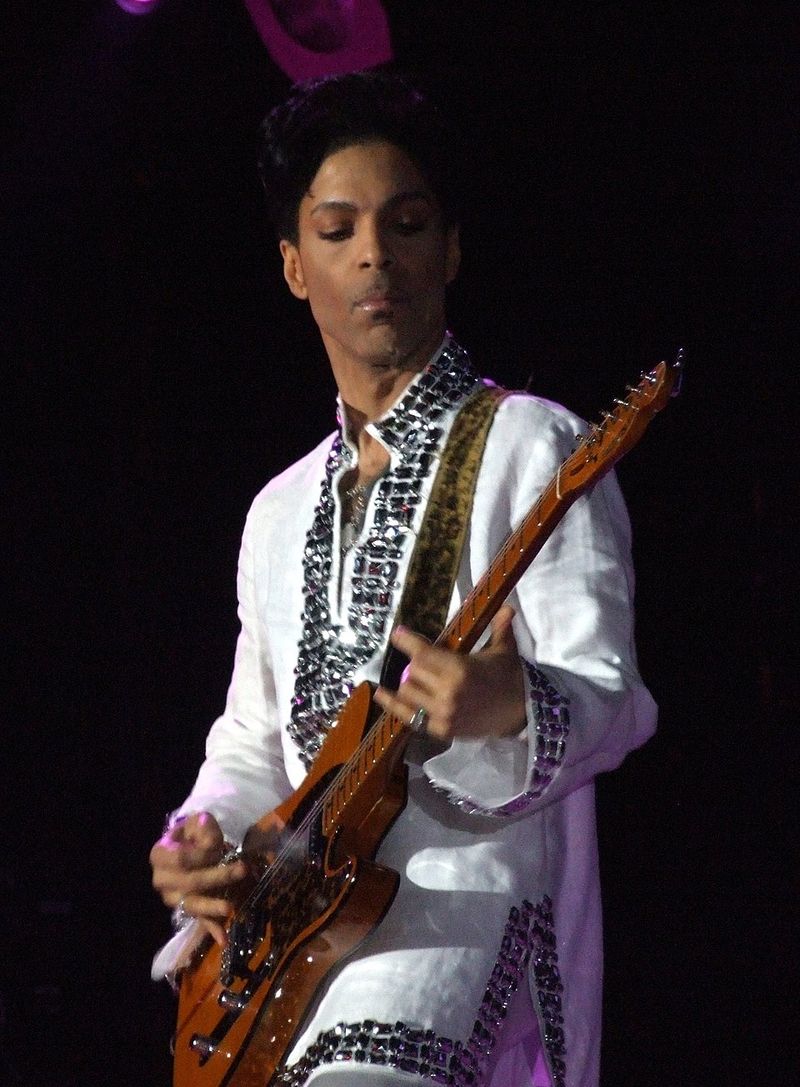
Writing, producing, and playing most instruments on his records, Prince mixed funk, rock, pop, and R&B into a highly personal sound. His musical virtuosity matched his fierce independence and creative vision.
Purple Rain turned him into a global superstar and showed how a concept album, film, and tour could work together as a single artistic statement. Prince proved that one person could control every aspect of their art and succeed wildly.
22. David Bowie
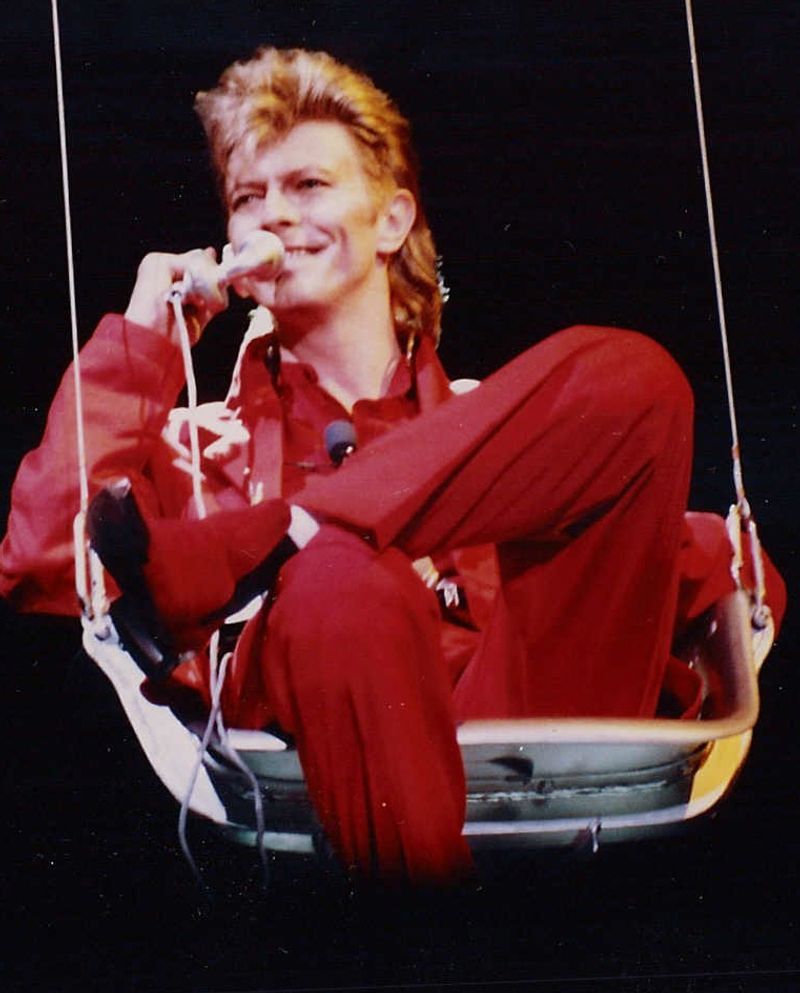
Constantly reinventing his music and image, Bowie moved from the glam-rock alien Ziggy Stardust to the Berlin-era art-rock experimenter. Each phase of his career brought fresh sounds and personas that challenged expectations.
He’s widely credited as a pivotal figure in glam rock and as an artist who blurred boundaries between music, theater, fashion, and gender expression. Bowie showed that pop music could be intellectually challenging while remaining wildly entertaining.
23. Bob Marley
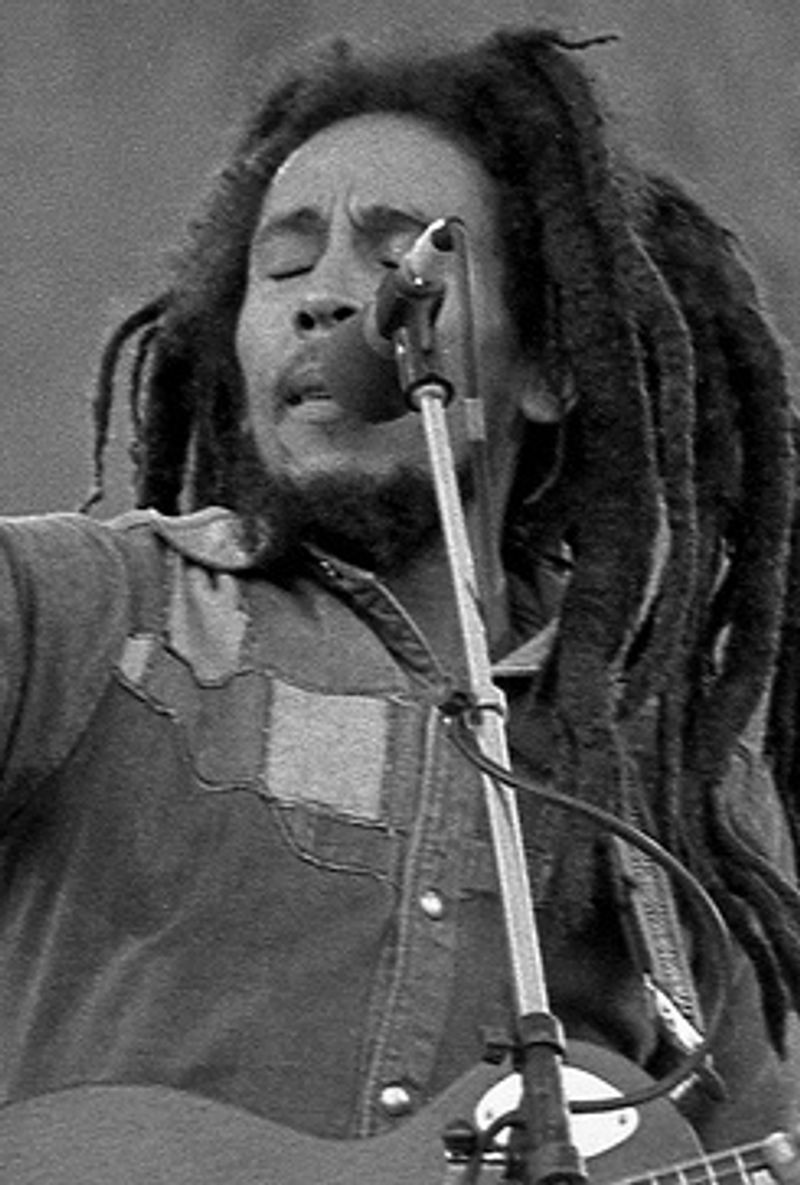
Ska, rocksteady, and reggae fused into songs that carried spiritual and political messages around the world. Bob Marley became more than a musician—he became a symbol of peace, resistance, and Jamaican culture.
Tracks like No Woman, No Cry, Redemption Song, and One Love turned him into a global icon. His music promoted Rastafarian spirituality and resistance to oppression, connecting with people fighting for justice everywhere on earth.
24. Nina Simone
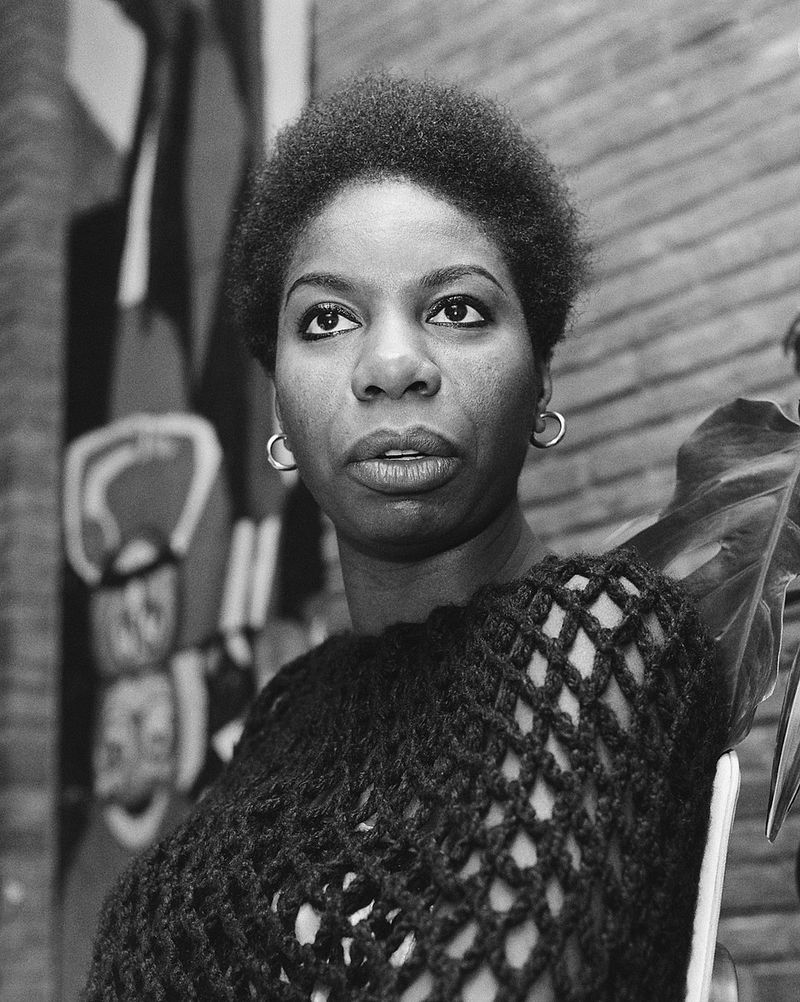
Pianist and singer Nina Simone blended jazz, blues, gospel, classical, and folk, earning the nickname High Priestess of Soul. Her classical training combined with raw emotional power created performances that defied simple categorization.
Songs such as Mississippi Goddam and To Be Young, Gifted and Black made her one of the most outspoken musical voices of the U.S. civil-rights movement. Simone never separated her art from her activism, using music as a weapon for justice.
25. Madonna

Four decades at or near the center of pop culture came from constantly reinventing both sound and image. Madonna understood that pop stardom required evolution, never letting audiences get comfortable with one version of her.
Often called the Queen of Pop, she’s credited with reshaping female pop stardom and blurring the line between music, fashion, sexuality, and performance art. Madonna proved women could control their own image and career in male-dominated industries.
26. Beyoncé
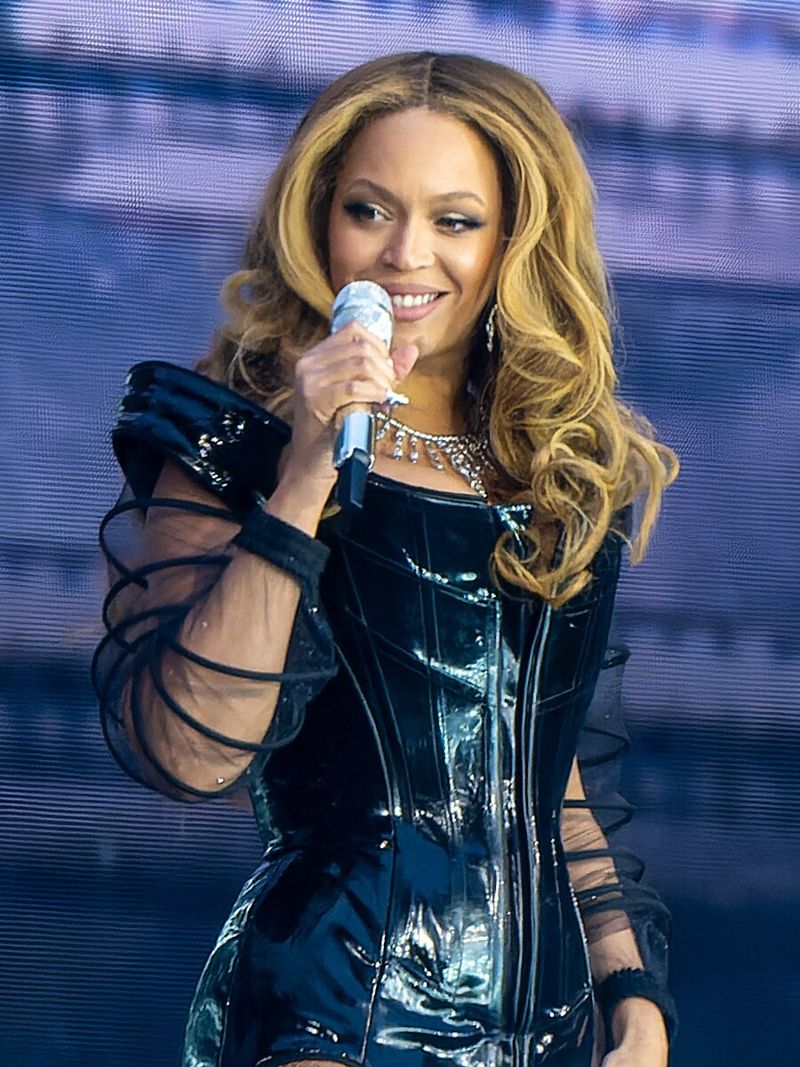
Evolving from Destiny’s Child frontwoman to a solo artist whose albums are full-scale multimedia events, Beyoncé redefined what pop stardom could mean. Each release became a cultural moment that transcended music alone.
She holds the record for most Grammy wins in history—with 35 awards—and in 2025 finally won Album of the Year for Cowboy Carter. Her achievement cements her place as one of the most celebrated and influential artists in pop history.
27. Ravi Shankar
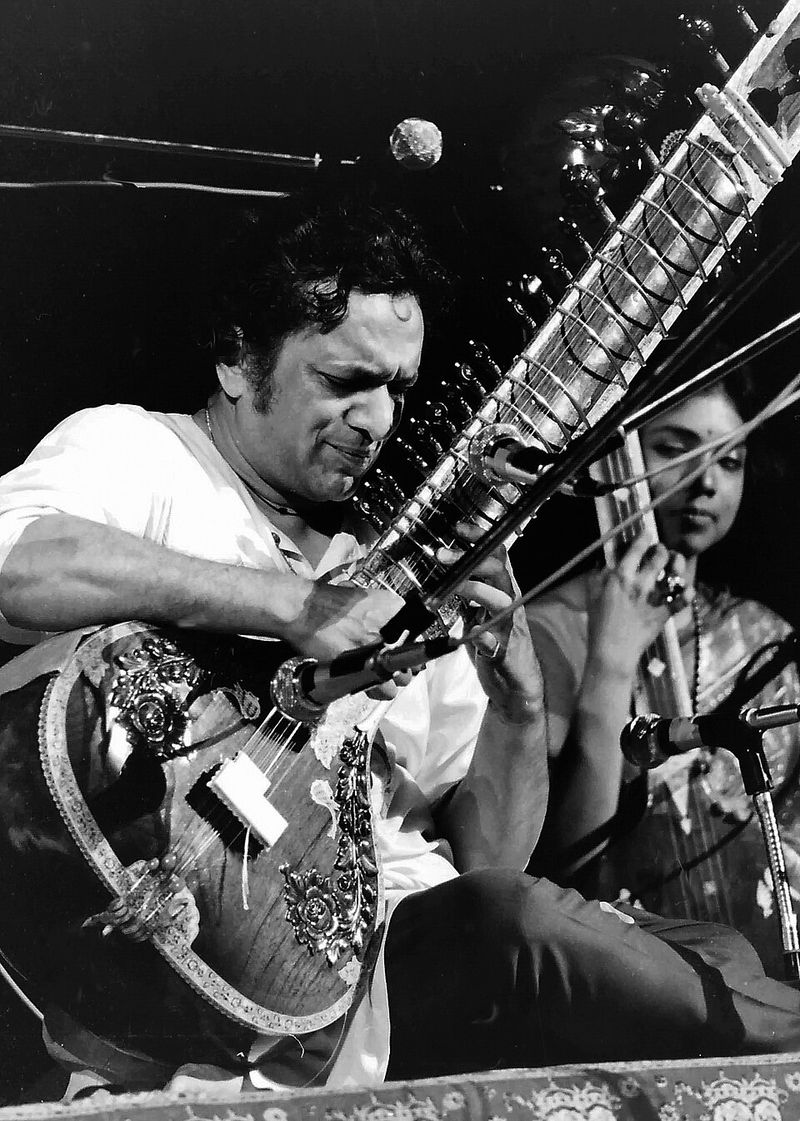
Indian classical music reached Western audiences through virtuoso sitar playing and collaborations with artists like George Harrison. Ravi Shankar served as a cultural ambassador, introducing millions to the beauty of Indian musical traditions.
His performances and compositions helped shape the world music conversation and deeply influenced 1960s rock, minimalism, and film scoring. Shankar proved that music could bridge continents and cultures, creating understanding through shared appreciation of beauty.
28. Fela Kuti
Nigerian bandleader Fela Kuti pioneered Afrobeat—a style fusing West African rhythms with jazz, funk, and highlife. His infectious grooves made people dance while his lyrics made them think about power and corruption.
His marathon groove-based songs doubled as fierce political critiques of corruption and dictatorship. Kuti became both a musical innovator and a symbol of resistance, showing that art could challenge authority while celebrating African cultural identity proudly.
29. Carlos Santana
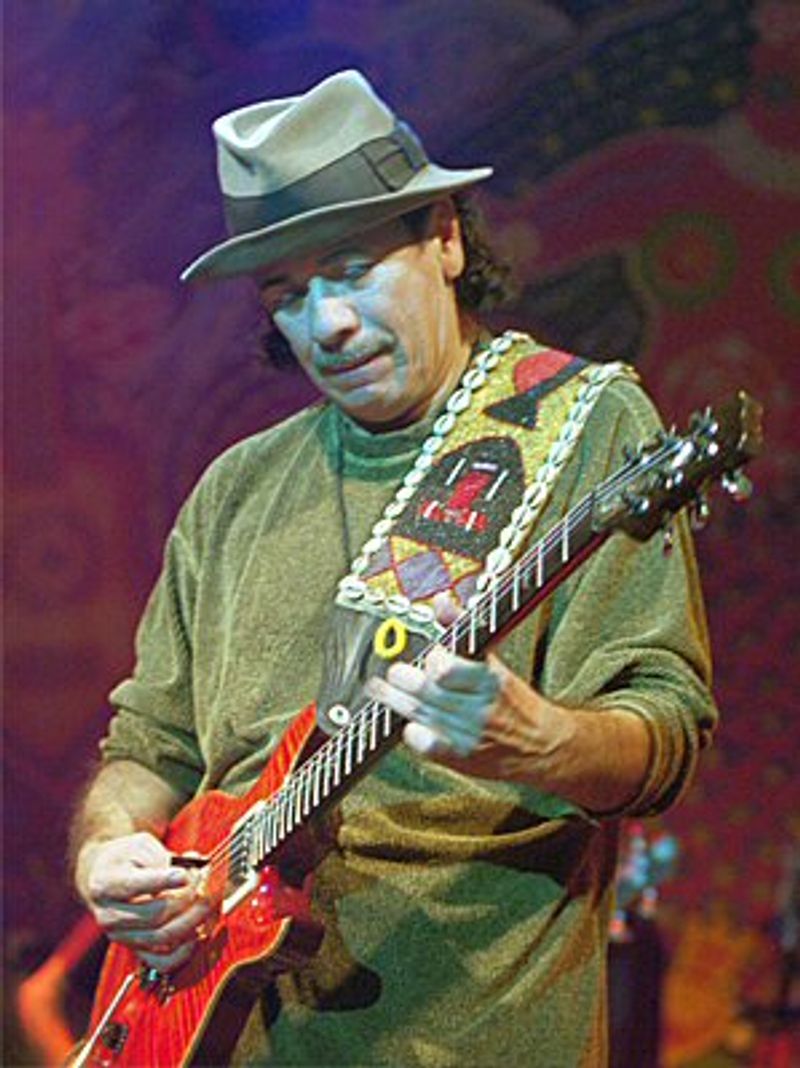
Latin rhythms, blues, and rock guitar blended into a distinctive, lyrical style that made Carlos Santana instantly recognizable. His guitar sang with emotion and cultural pride, creating a sound that honored his Mexican heritage.
His band’s performance at Woodstock and albums like Abraxas brought Latin rock into the mainstream. His 1999 comeback album Supernatural showed his sound could connect with new generations, proving timeless music never goes out of style.
30. JAY-Z
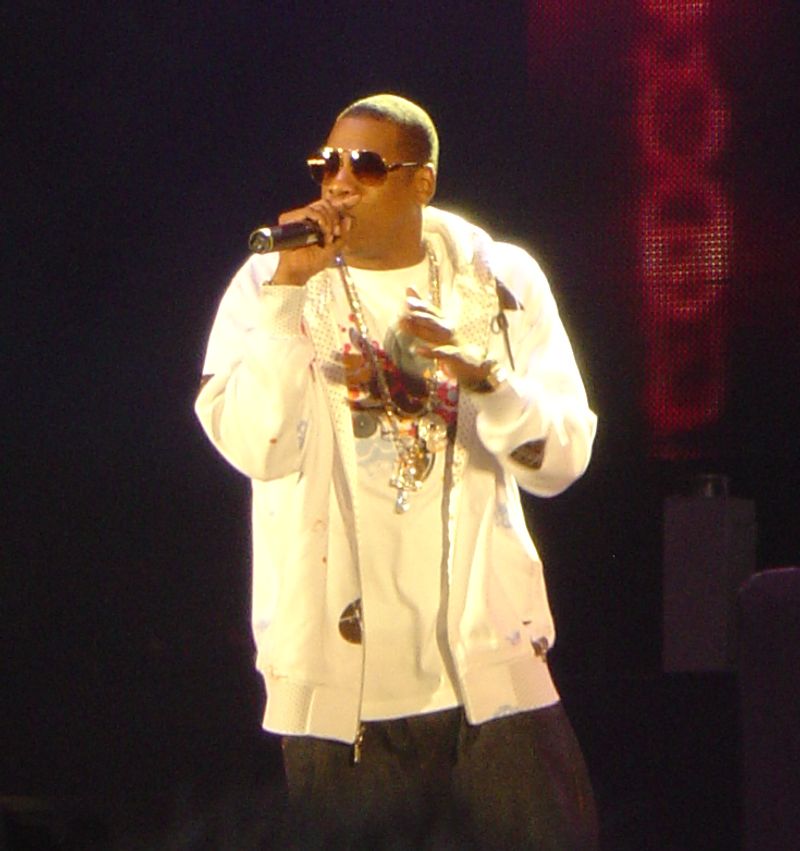
Emerging from Brooklyn’s rap scene to become one of hip-hop’s most influential voices and a major music executive, JAY-Z redefined what a rapper could achieve. His journey from the streets to the boardroom inspired countless artists.
Known for complex wordplay and a rags-to-riches narrative, he also helped define the artist-entrepreneur model. With ventures in fashion, streaming, sports management, and luxury beverages, he proved musicians could build empires beyond music itself.



