Some places ask you to choose between art, science, music, theater, gardens, and a library, but this campus quietly stacks them together like the most satisfying day-planning shortcut in Michigan. I love a destination where you can start with vintage cars, look up at galaxies, watch glass glow in a studio, and still have time to browse books before your parking meter becomes a problem.
The surprise is not just how much is here, but how close everything feels once you begin connecting the buildings, pathways, exhibits, and performance spaces. Keep reading and you will see why this 33-acre cultural campus in Flint feels less like a single stop and more like a full itinerary hiding in plain sight.
The Address That Opens the Whole Campus
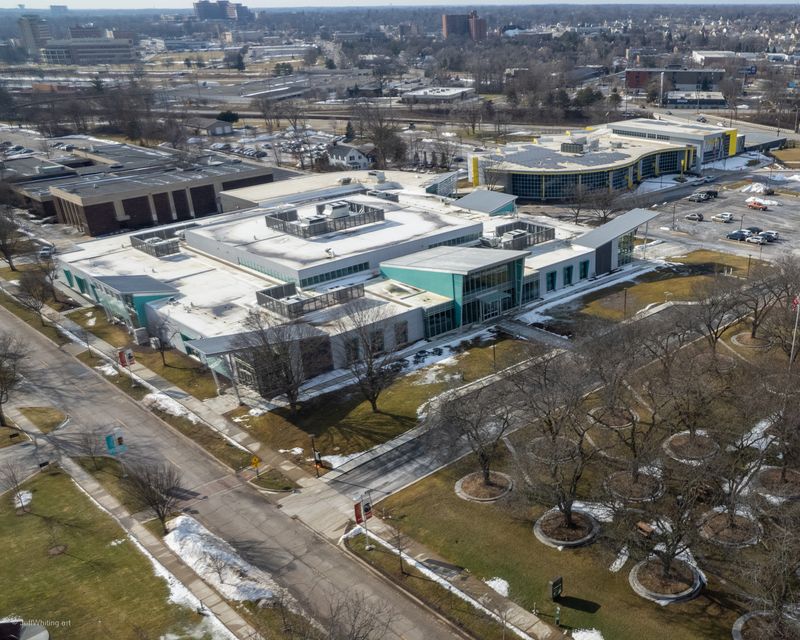
The first thing I like to pin down is the practical part: Flint Cultural Center is at 1310 E Kearsley St, Flint, MI 48503, in Flint, Michigan, United States.
That address leads you to a 33-acre campus where museums, theaters, classrooms, gardens, and community spaces sit close enough that your day can unfold without constant driving. The Flint Cultural Center Corporation manages the campus, and its role is clear the moment you notice how neatly the major institutions connect.
I found the layout especially friendly because the buildings feel distinct, yet not scattered. You can aim for one anchor stop, then let curiosity tug you toward the next door, dome, stage, gallery, or reading room.
The campus usually operates with weekday office hours listed as 9 AM to 5 PM, though individual institutions set their own schedules. Check each venue before going, because the next building may be the reason your quick visit becomes a full afternoon.
A 33-Acre Shortcut to Culture
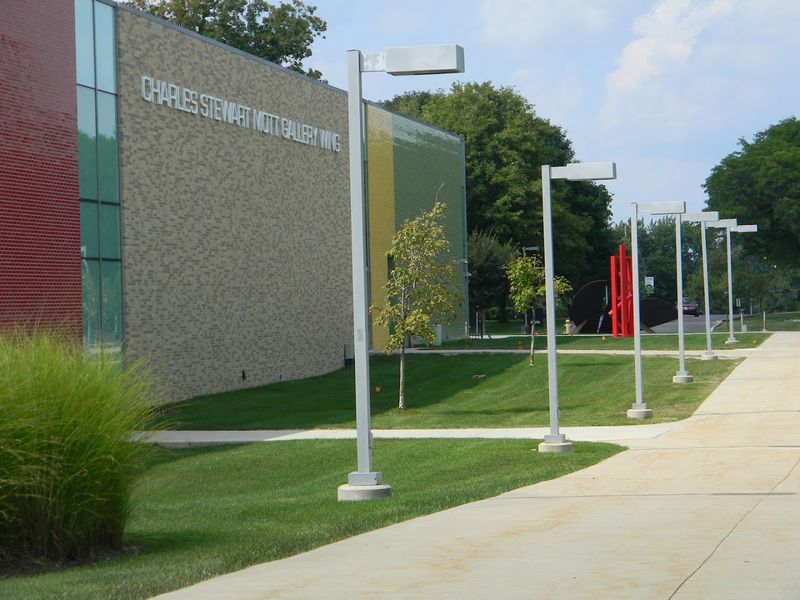
A campus this layered could easily feel confusing, but here the pieces settle into a rhythm that makes sense after a few minutes of exploring.
The Flint Cultural Center is not one giant building with a single lobby. It is a district of institutions, each with its own personality, gathered into one walkable civic setting that rewards a little wandering.
I like that the campus does not force one mood on the visit. One moment you are thinking about local history, then a theater marquee or planetarium dome nudges you into a completely different frame of mind.
That variety is the real trick. Families can split interests without splitting the day, and solo visitors can build a route around science, art, performance, books, or just the pleasure of moving between welcoming public spaces.
Parking is generally straightforward compared with many big-city cultural districts, which makes the whole place feel easier to approach. Once you settle in, the next question becomes which doorway gets your attention first.
Sloan Museum Makes History Hands-On
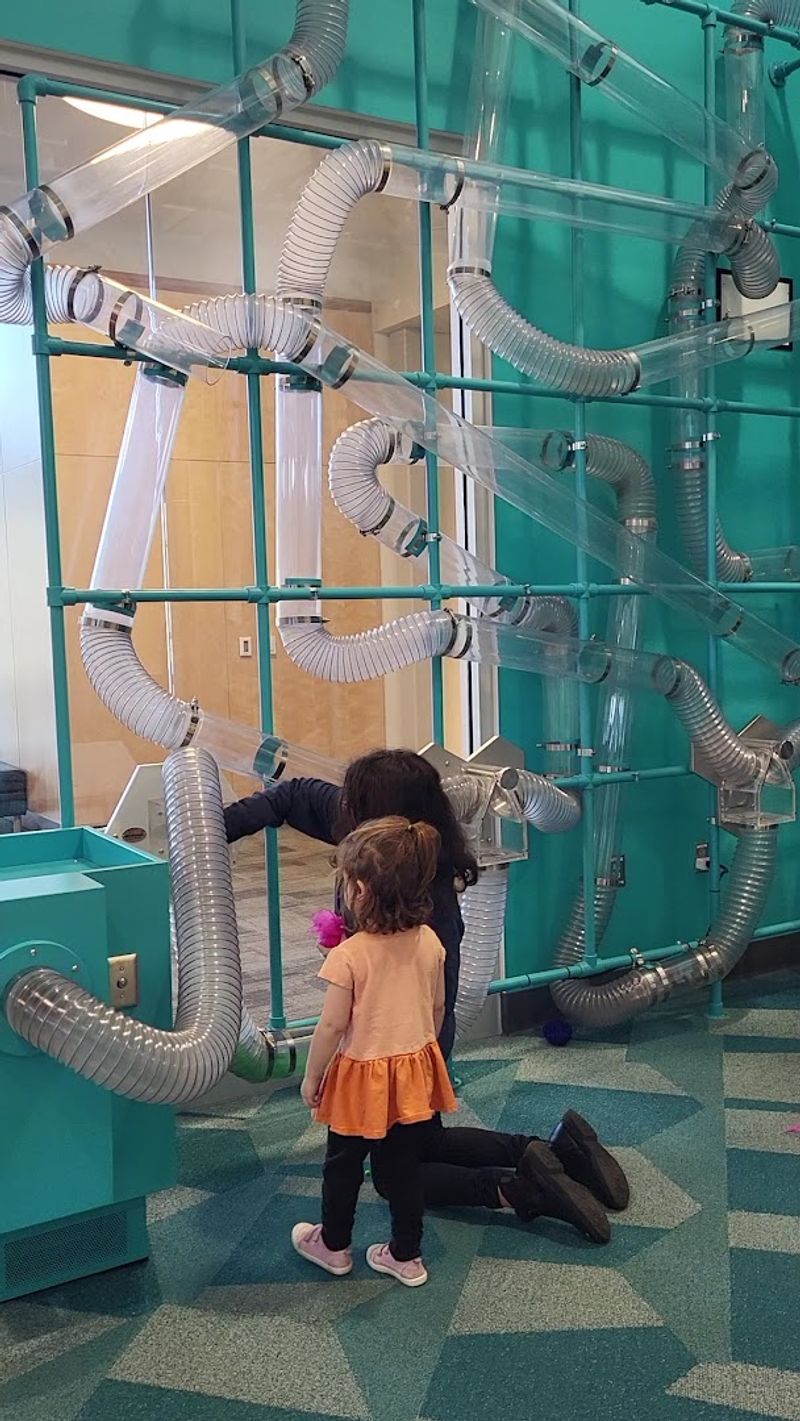
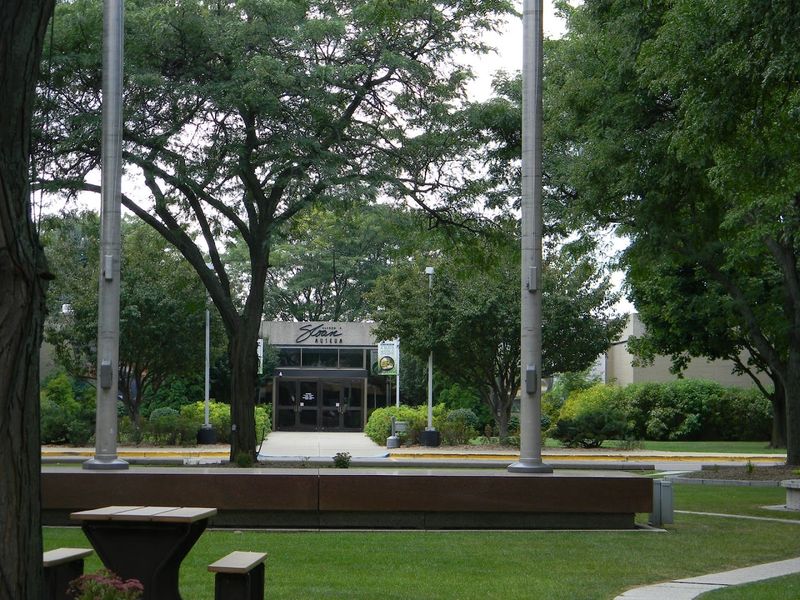
Sloan Museum of Discovery brings the biggest burst of hands-on energy to the campus, and I mean that in the best possible way.
The renovated over 100,000 square feet museum reopened in 2022 with interactive galleries that make Flint and Genesee County history feel touchable instead of tucked behind glass. Discovery Hall gives curious minds plenty to press, test, and puzzle through.
Hagerman Street is especially appealing for younger visitors because it turns early learning into pretend play. Tiny shoppers, mini storefronts, and busy little hands make this area feel cheerful without losing its educational purpose.
The Durant Vehicle Gallery gives the museum a strong local engine, with vintage cars connecting the campus to Flint’s automotive story. It is polished, specific, and easy to enjoy even if your car knowledge stops at knowing where the gas cap is.
After Sloan, the campus shifts upward in the most literal way, because the planetarium waits nearby with a dome full of stars.
The Planetarium Points the Day Skyward
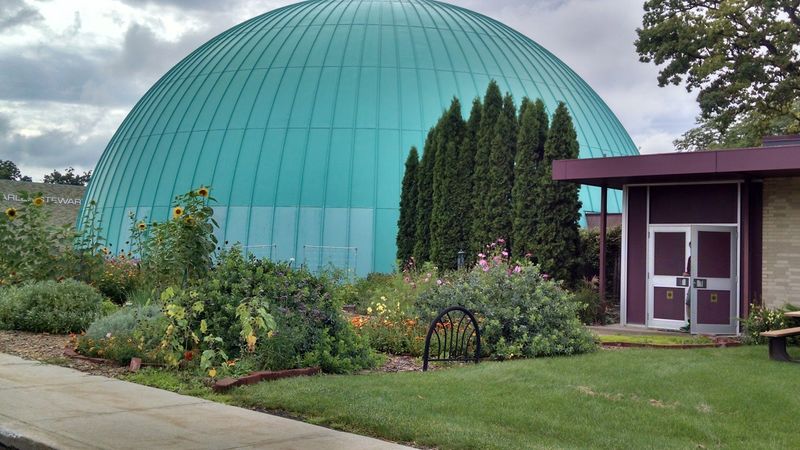
The Robert T. Longway Planetarium adds a wonderful change of scale after the busy, tactile energy of the museum.
Built in 1958, it has long been part of the campus story, and its interior geodesic dome was designed by Buckminster Fuller. That detail gives the space a little architectural wink before the lights even dim.
I enjoy places that make science feel theatrical, and the planetarium does exactly that. Astronomy programs turn the ceiling into a destination, giving you a reason to sit still while your imagination does the traveling.
It is also a smart stop when Michigan weather gets bossy. Rain, heat, or gray skies outside do not matter much when the show overhead is handling the cosmos indoors.
The planetarium pairs beautifully with Sloan because both spaces invite questions, just in different voices. One lets you touch and test, while the other asks you to look up and stay curious a little longer.
Art That Refuses to Sit Still
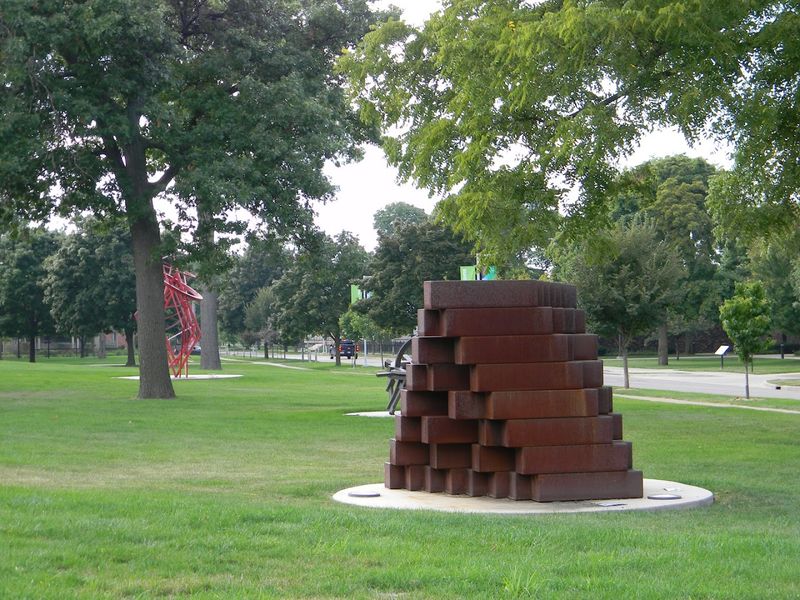
The Flint Institute of Arts gives the campus its gallery heartbeat, and it has the kind of collection that rewards slow looking.
Founded in 1928, the FIA holds the second-largest fine art collection in Michigan. That fact sounds formal, but the experience is approachable, with galleries that make room for both quiet concentration and casual discovery.
I especially like that the museum is not only about finished objects. Its Hot Shop brings glassblowing into view, so art feels active, warm, and slightly suspenseful as material turns into shape.
Rotating exhibitions keep the visit from feeling fixed in place. Even if you have been before, the next show or gallery arrangement can shift the mood and give you a fresh reason to return.
The FIA also connects naturally to the campus’s broader learning mission through classes and public programs. After absorbing visual art here, the next stop may trade canvas and glass for music stands, scripts, and stage lights.
Music and Theater Share the Spotlight
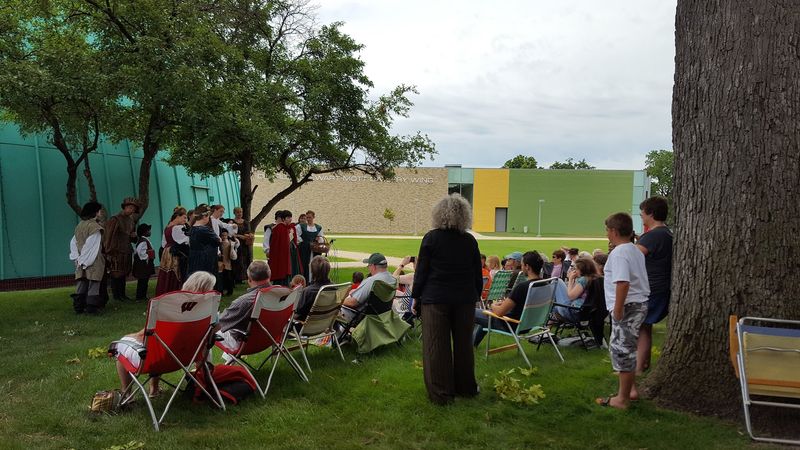
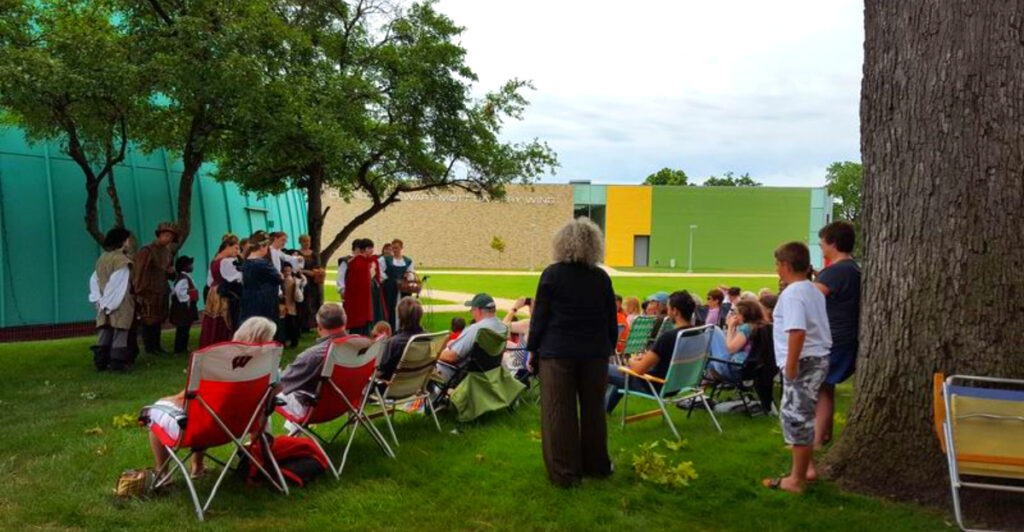
The performing arts side of the campus has a lively pulse, and it comes through the Flint Institute of Music.
FIM brings together the Flint School of Performing Arts, the Flint Symphony Orchestra, and Flint Repertory Theatre. That mix gives the campus a steady stream of rehearsals, lessons, concerts, productions, and creative momentum.
I like destinations where learning and performance live near each other, because the energy feels different. You may see students arriving with instrument cases, then later sit in an audience where practice becomes polish.
Flint Repertory Theatre has deep roots here, with a resident theater presence on the campus dating to 1957 under its earlier youth theater identity. Today, it continues with inter-generational programming and a year-round Drama School.
This is where the campus starts to feel less like a collection of buildings and more like a working creative neighborhood. Keep following the lights, because a larger stage waits just ahead.
The Whiting Brings the Big-Room Moment
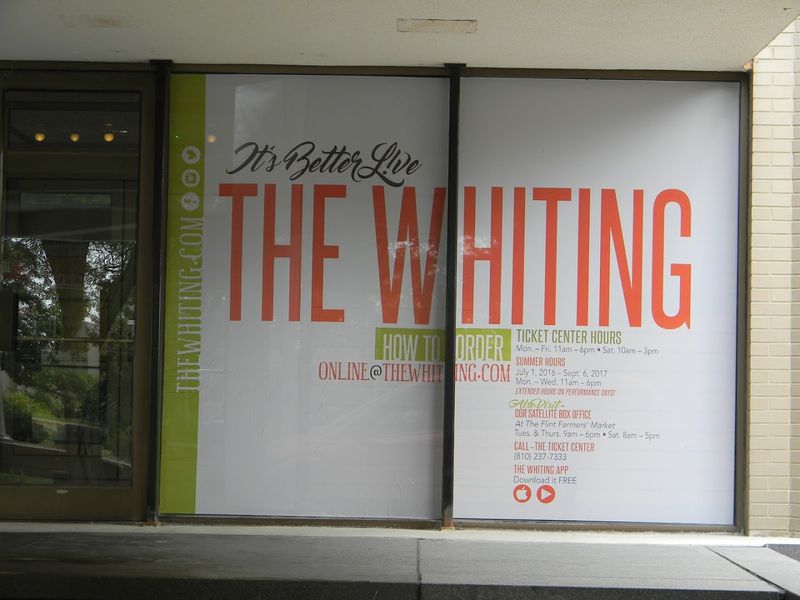
The Whiting Auditorium gives the campus its grand performance room, the kind of place that makes a regular evening feel properly scheduled.
Operated by the Flint Cultural Center Corporation, The Whiting hosts live performances and public programs that broaden the campus beyond museum hours. It also connects to the wider performing arts scene through management of the downtown Capitol Theatre.
I appreciate how The Whiting balances polish with accessibility. It feels formal enough to make you sit up straighter, but not so stiff that you worry about breathing too loudly during the curtain speech.
Its presence also helps explain why the campus works as a multi-stop day. You can browse galleries or exhibits earlier, eat a simple meal nearby, then return for a performance without rearranging your whole map.
That evening possibility changes how I think about visiting. The campus is not only a daytime classroom of culture, and the next stop proves its quieter side is just as important.
A Library With Fresh Pages and Civic Pride

The Gloria Coles Flint Public Library adds a calm, practical, and deeply community-minded layer to the campus.
The library owns its own building and underwent major renovations before reopening in 2022. That refreshed presence matters, because it keeps the campus from feeling only like a visitor attraction and anchors it as a daily resource.
I like slipping into a library during a culture-heavy day because it gives the brain a breather. Exhibits ask you to look outward, while shelves and reading rooms let you reset at your own pace.
The building also broadens who the campus serves. Students, families, researchers, casual readers, and neighbors can all find a reason to be here without needing a ticketed event or a special occasion.
That everyday usefulness is part of the campus charm. After the theaters, galleries, and science spaces, the library reminds you that curiosity also lives in quiet corners and well-used tables.
Applewood Adds a Garden Pause
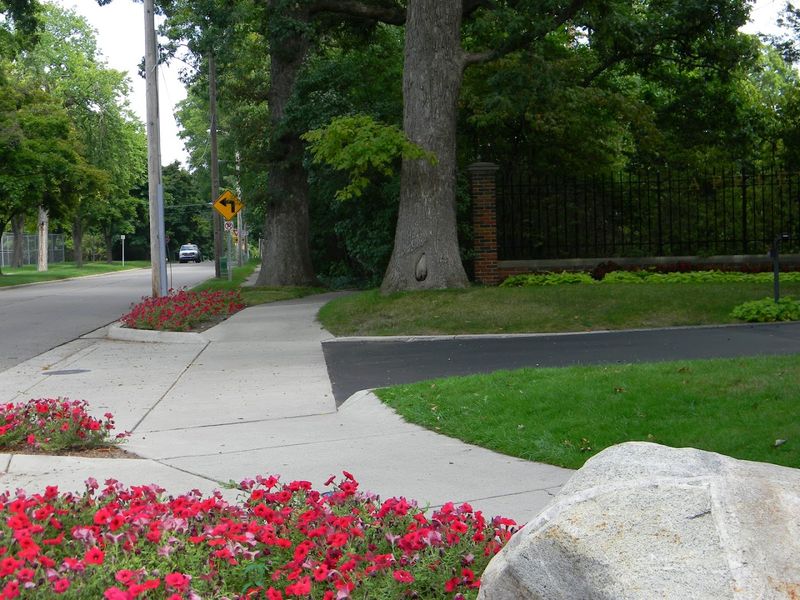
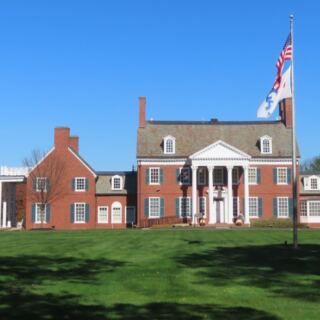
Applewood Estate brings the tempo down in the nicest possible way, especially after a stretch of galleries and indoor exhibits.
Listed among the institutions within the Flint Cultural Center, Applewood adds landscape, history, and a sense of pause to the broader campus experience. Its grounds give visitors another texture, one shaped by gardens, paths, and estate architecture.
I enjoy this part because it lets the day breathe. Cultural campuses can sometimes feel like a checklist, but a garden space encourages you to slow your stride and notice smaller details.
That shift matters more than it sounds. After cars, stars, paintings, scripts, and books, greenery gives everything a softer landing and makes the campus feel more complete.
It is also a smart reminder to plan with comfortable shoes and a flexible schedule. The next discovery may not be inside a gallery at all, but waiting along a path between buildings.
A School Day Built Into the Campus
One of the most interesting details here is that education is not treated as a side program.
Flint Cultural Center Academy opened in 2019 as a public charter school, and its model gives students regular access to the campus’s core institutions. That means the museums, arts spaces, and science resources are not just field trip rewards.
I find that idea genuinely exciting because it turns the whole campus into part of the school environment. A lesson can stretch beyond a classroom wall and land inside a gallery, theater, planetarium, or museum space.
For visitors, the academy adds another clue about the campus’s purpose. This is not simply a cluster of attractions, but a place built around long-term community learning and creative growth.
That educational thread connects almost every stop here, even the ones that feel purely entertaining. Watch closely, and you will notice the campus is always teaching, even when it is making you smile.
How to Plan a Visit Without Overpacking the Day
The easiest mistake at this campus is assuming you can casually see everything in one neat swoop.
I would pick two major indoor stops, then leave room for a performance, library break, or garden walk if time allows. Sloan Museum of Discovery and the planetarium pair well for families, while the Flint Institute of Arts and The Whiting make a strong art-and-stage combination.
Schedules deserve a quick check before you go because each institution may keep different hours, ticket policies, and program calendars. The campus office hours do not automatically tell the whole story for every exhibit, show, or class.
Comfortable shoes help, but this is not a punishing trek. The buildings sit close enough that the campus feels walkable, yet spread out enough to give each place its own identity.
Bring curiosity, a little flexibility, and maybe a spare layer for Michigan weather. The best plan is structured enough to work and loose enough to surprise you.
Why the Campus Stays With You
By the time I leave, the campus usually feels bigger in memory than it did on the map.
That is because the Flint Cultural Center succeeds by layering experiences instead of forcing one definition of culture. Science, local history, fine art, music, theater, literature, gardens, and education all get space to speak in their own voices.
The variety never feels random, either. Flint’s automotive heritage appears in Sloan, creative practice glows at the FIA, performance takes shape through FIM and The Whiting, and public learning continues through the library and academy.
I also like that the campus works for different kinds of visits. You can bring kids with busy hands, plan a thoughtful solo afternoon, attend a performance, or simply enjoy a walk between meaningful buildings.
That is the lasting appeal. In one compact corner of Flint, you get a cultural day with enough doors to keep you wondering which one you should open next.
Share this story