 Unearth The Voyage
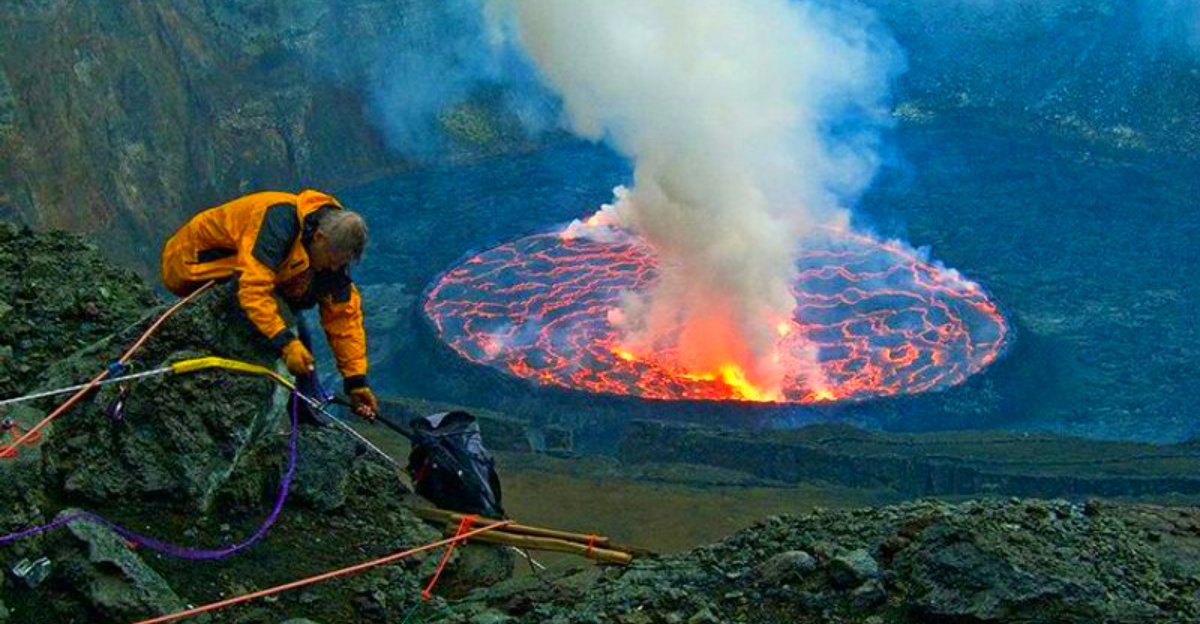
Lava chasing sounds like the ultimate bucket list thrill, but not every fiery rumor lives up to the hype. Some risky spots serve up long hikes and heat shimmer without a single glowing ribbon in sight.
Others, if you time them right, explode with color, sound, and raw power that you feel in your chest. Here is your field guide to avoiding the duds and finding the lava views that actually deliver.
1. Mount Etna’s Tourist Access Areas, Italy
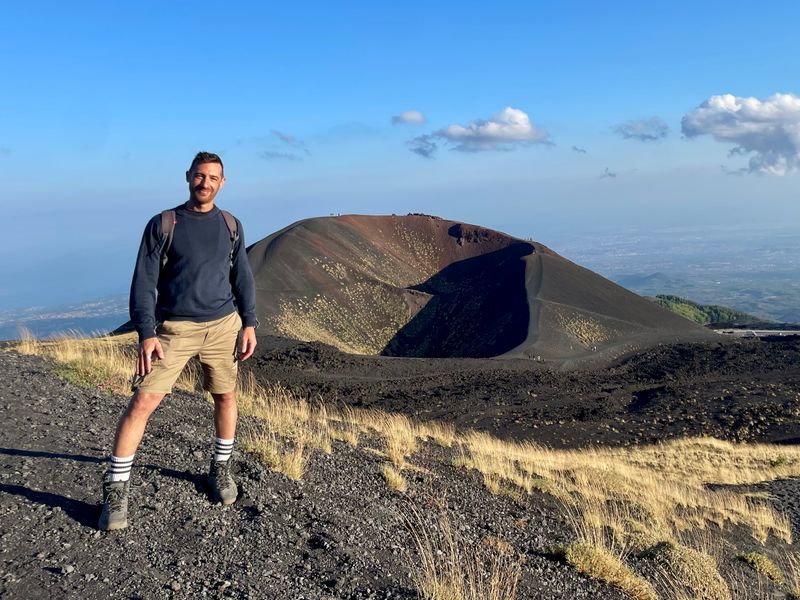
Etna’s name alone suggests drama, but the official viewpoints often keep you far from the show. From the upper cable car and jeep drop-offs, you scan a gray sea of cones and cinders while guides point to distant steam.
The wind tastes metallic, and ash scuffs your boots, yet the lava itself stays a rumor on the horizon.
Safety is the reason. Access rules shift with tremors, gas, and wind direction, and closures can happen in minutes.
Eruptions here are frequent but localized, so the glowing fountains you saw online might be on a flank you cannot reach.
On busy days you share platforms with bus groups and a sprawl of selfie sticks. The scale is impressive, but the spectacle feels diluted by distance.
Night tours sometimes help, though even then the glow may flicker faintly behind ridges.
Plan for cold air and sudden weather swings. Book with certified alpine guides who carry radios and monitor updates from INGV.
If you want guaranteed lava, Etna rarely promises, but it always teaches respect.
2. Older Lava Zones on Hawaiʻi’s Big Island
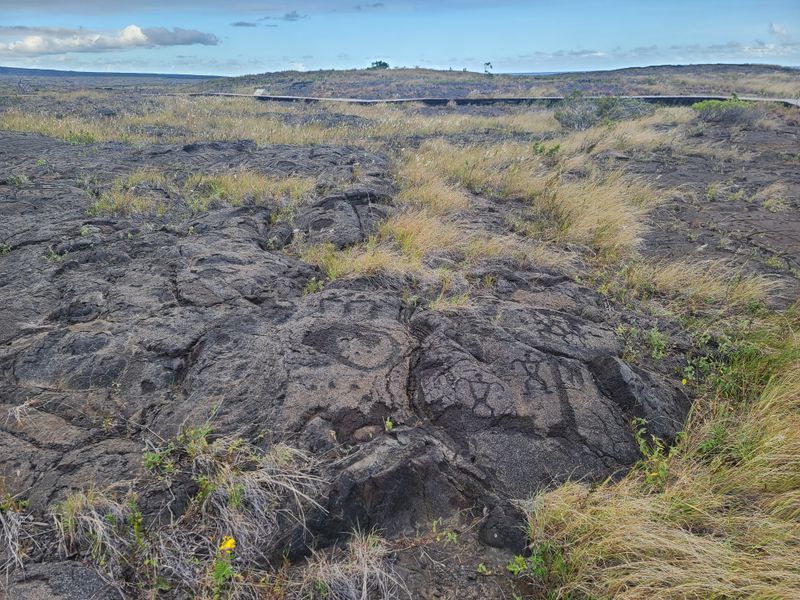
You picture rivers of orange sliding across midnight rock, but older flow fields mostly offer silence and heat. The ground crunches like glass as you walk, and every step crackles with trapped air under thin crusts.
The smell is faintly sulfuric, more like a memory than an event, and the horizon blurs with heat.
There is value here, but it is geologic, not cinematic. Ropey pāhoehoe folds like taffy, and pressure ridges rise like frozen waves.
You learn to read the land, spotting skylights that hint at hollow tubes, and scattered ferns reclaiming black soil.
Most days, though, there is no molten glow. Rangers post updates that stress safety and remind you that activity shifts fast, and often far from roads.
Tour numbers to Hawaiʻi Volcanoes National Park rose past 1.6 million recently, yet only a fraction arrive during visible eruptions.
If you still come, bring humility and sturdy shoes. Start at dawn to dodge radiant heat, carry extra water, and follow marked routes because the crust can fracture.
You might not see lava, but you will feel the island’s pulse.
3. Pacaya Volcano’s Public Trails, Guatemala
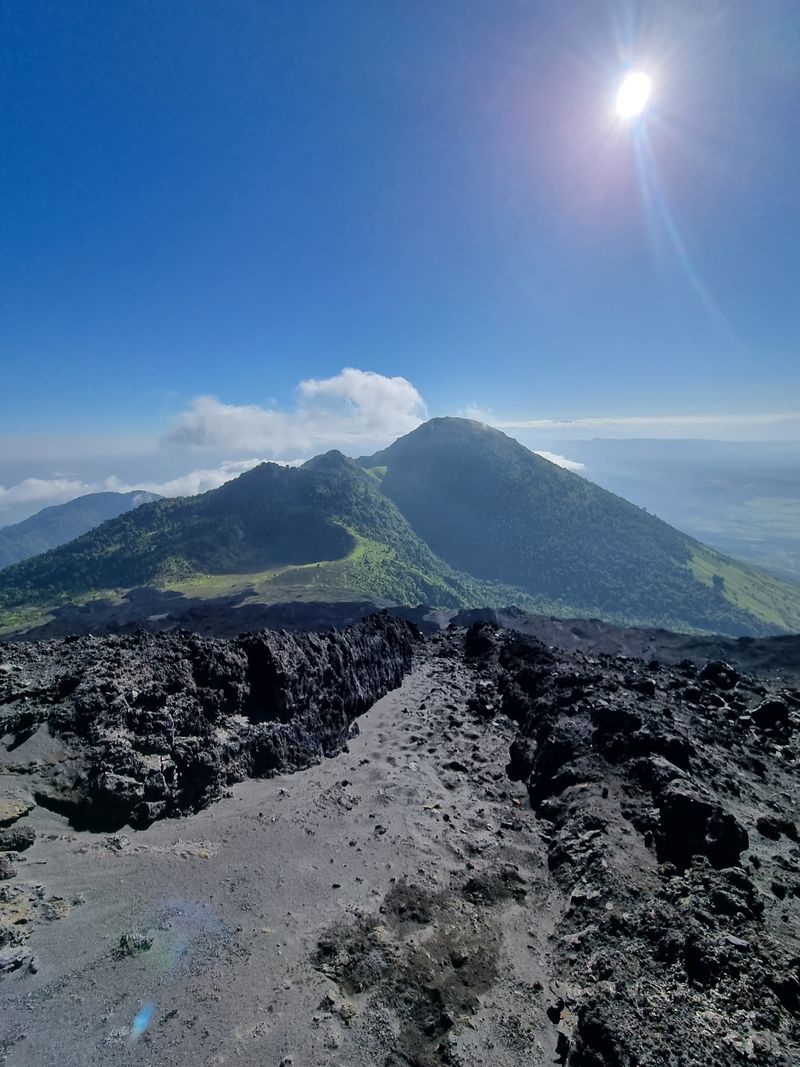
Pacaya’s Instagram glory shots make it look like you can toast marshmallows beside a glowing flow. Sometimes you can, but more often the lava has migrated beyond the public route.
What you actually find are warm rocks, hissing vents, and a wind that smells like wet basalt.
Local guides know the freshest terrain, yet rules limit how close groups can approach. Flows can crust over in hours, turning bright rivers into dull, crunchy carpets.
You hike across cinders that slip underfoot, hearing the hollow thud of tubes and the soft whistle of gas.
The vistas compensate on clear afternoons. Volcán de Agua and Fuego line the skyline like sentinels, and you feel the valley’s heartbeat when Fuego coughs a plume.
Still, many travelers leave surprised that the dramatic action sits well off trail.
Bring headlamps for the descent, and hire a licensed guide at the park entrance. Wear gloves for sharp rock and pack cash for local snacks.
If lava is your must-see, call ahead and be ready to pivot to alternate viewpoints near the villages.
4. Fagradalsfjall Between Eruptions, Iceland
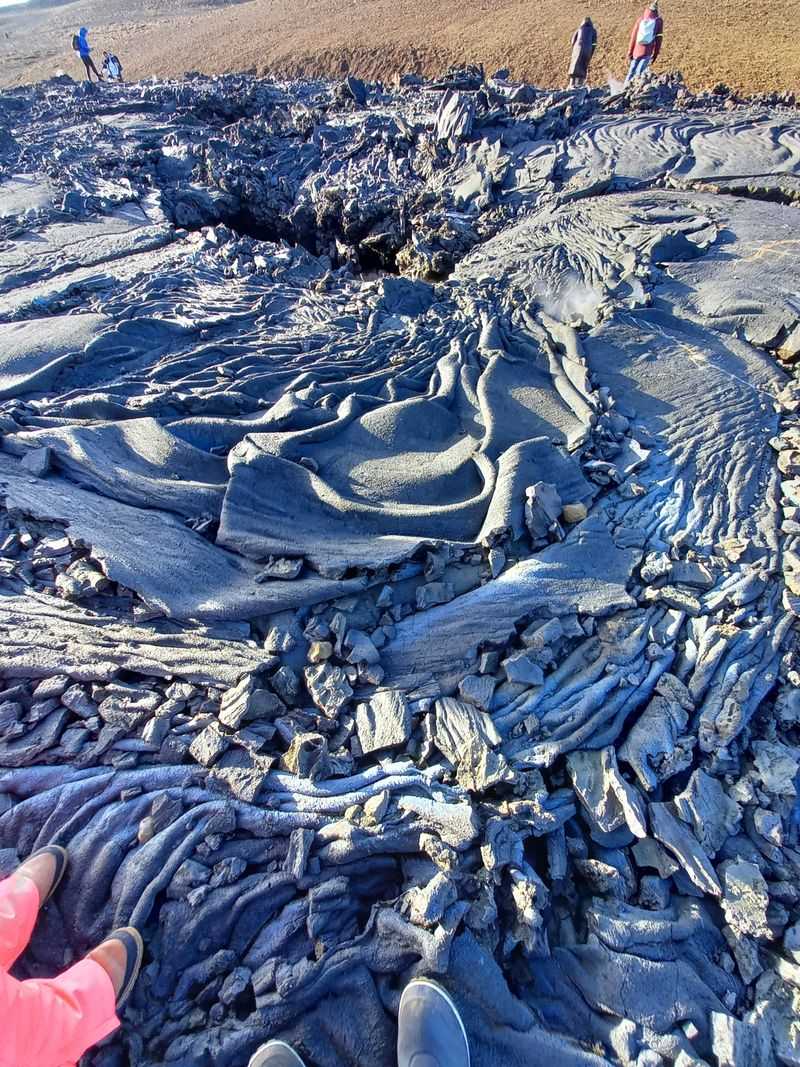
When Fagradalsfjall erupts, the Reykjanes Peninsula glows like a furnace, and crowds sprint for the ridgelines. Between eruptions, though, the scene is quieter and colder.
You hike past ropes and signboards to a vast, still-warm tapestry of basalt that sighs with trapped heat.
The wind slaps your cheeks, carrying sea salt and the faint tang of sulfur. Cracks radiate like spiderwebs, and spatter cones congeal into dark sculptures.
The drama becomes tactile rather than visual, felt in boot soles and fingertips.
Iceland’s civil protection teams constantly update routes, and they close areas when gas pools in low zones. Patience helps, but patience does not make lava appear.
Many visitors come expecting fountains and leave with photos of charcoal fields and sunset.
Check Safetravel and the meteorological office before driving out. Wear layers, traction spikes, and carry a headlamp, because weather buckles fast.
If the earth is sleeping, treat the walk as a lesson in time, not a front row seat.
5. Stromboli’s Daytime Viewing Zones, Italy
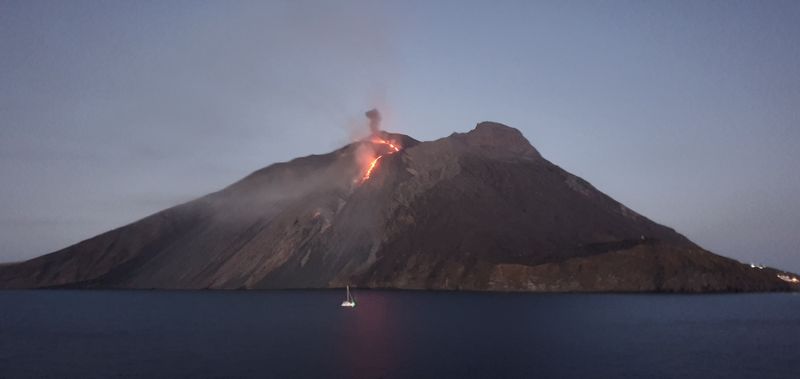
Stromboli pops like a metronome, but daylight steals its thunder. From the coastal lookouts and guided trail limits, you may catch ash puffs and rockfalls sliding the Sciara del Fuoco.
The sound arrives like distant thunder, yet the lava’s color washes out in the sun.
Night is the magic key here. After dusk, even small burps paint the sky with ember red, and the rhythm becomes hypnotic.
Daytime, however, often feels like watching a symphony with the speakers muted.
Boat tours circle the northwest flank for a wider angle, though swells can ruin photos and comfort. Island rules shift with activity levels and civil protection alerts, tightening access without notice.
You might spend hours for a handful of smoky snapshots.
If you visit by day, bring patience and a telephoto lens. Hydrate, wear grippy shoes on dusty basalt, and ask locals about evening conditions.
For true fireworks, return after sunset or book a night boat when seas are calm.
1. Kīlauea During Active Flow Periods, Hawaiʻi
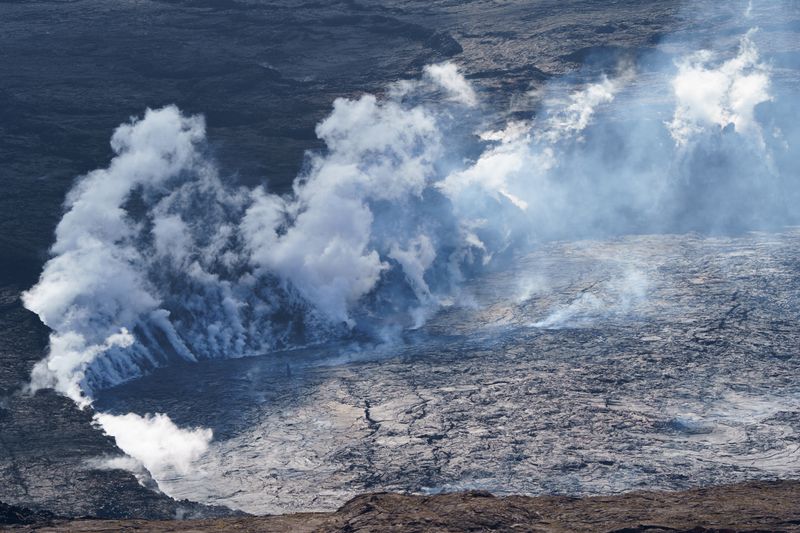
When Kīlauea wakes, the island hums. You feel it in your ribs as fountains hiss and crusts crack like breaking glass.
From sanctioned overlooks, the caldera glows like a furnace door, and the air rolls warm on your face.
The best views come when park alerts show surface activity within range of Uēkahuna or designated trails. Rangers keep crowds back, but the perspective is perfect for photography and safety.
On clear nights the sky mirrors the lava’s pulse, and tripods click in unison.
Hawaiʻi Volcanoes National Park has seen visitors surge past 1.6 million in recent years, and lava nights amplify that. Arrive early, pack layers, and bring a red-light headlamp to protect night vision.
The smell shifts between mineral and damp smoke, a reminder of the ocean’s breath mixing with volcanic steam.
Check USGS updates before committing. Respect closures, and never chase rumors past ropes.
With timing and patience, this is where your lava dreams become real, without stepping into danger.
2. Nyiragongo Volcano, Democratic Republic of Congo
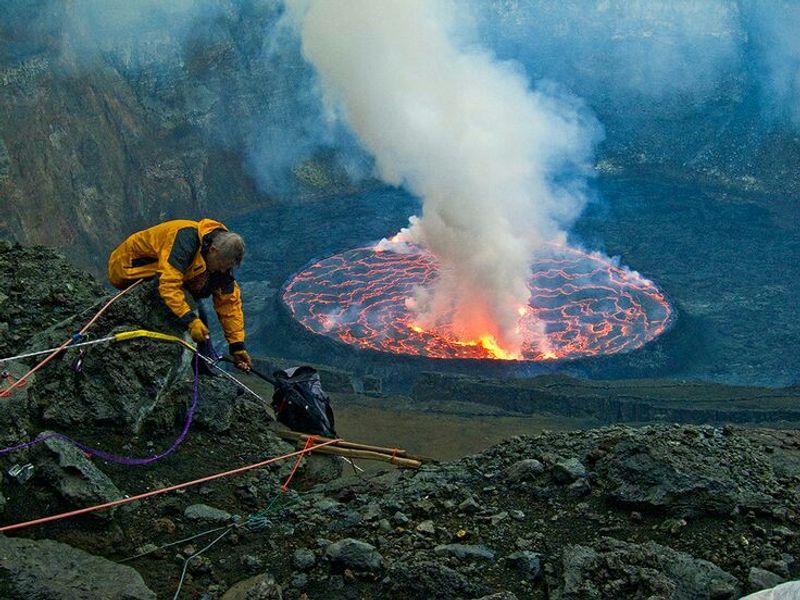
Nyiragongo’s lava lake is a living map of Earth’s bloodstream, veined with incandescent cracks and moving plates. From the rim, you watch the lake breathe, swell, and shatter into rafts that collide with gunshot pops.
Heat lifts in shimmering waves that dry your lips and fog camera lenses.
The climb is grueling, and conditions in the Virunga region require careful planning with reputable operators. Permits, security updates, and logistics are nonnegotiable.
At altitude, the cold bites, but that glow at night wraps the crater like a pulse.
Even at a safe distance, the scale feels unreal, a stadium of fire murmuring in a low roar. The smell of sulfur prickles your throat, so masks help on still nights.
Stars wheel above while the lake sketches orange lightning on the walls.
Pack down layers, gloves, spare batteries, and sturdy boots. Confirm current safety advisories and park operations well in advance.
If everything aligns, the view is otherworldly, a memory that follows you home in dreams.
3. Mount Yasur, Vanuatu
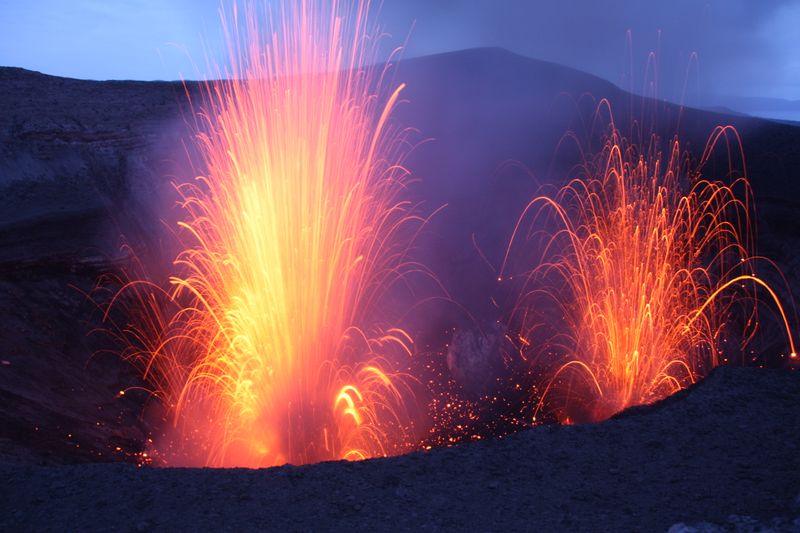
Mount Yasur greets you with a drumbeat that thumps through your chest before you see anything. The approach is short, the reward immediate.
From guarded perches, bursts fling glowing cinders into the dusk like a relentless fireworks show.
Local guides read the volcano like a friend, gauging wind and intensity to keep groups in the safe zone. Activity here is frequent, with strombolian pops that photograph beautifully at blue hour.
The crater’s rim breathes hot, gritty air that tastes like chalk and smoke.
Clouds often shred overhead, revealing stars between pulses. You feel tiny and electric at once, ears full of percussive booms and the hiss of falling spatter.
Unlike many places, visibility often matches your expectations.
Bring eye protection, a buff for ash, and closed shoes that shrug off cinders. Tripods help at low ISO, and a wide lens captures arcs cleanly.
If wind turns, follow your guide’s signals without hesitation and enjoy a front row seat to Earth’s heartbeat.
4. Fuego Volcano Viewing Points, Guatemala
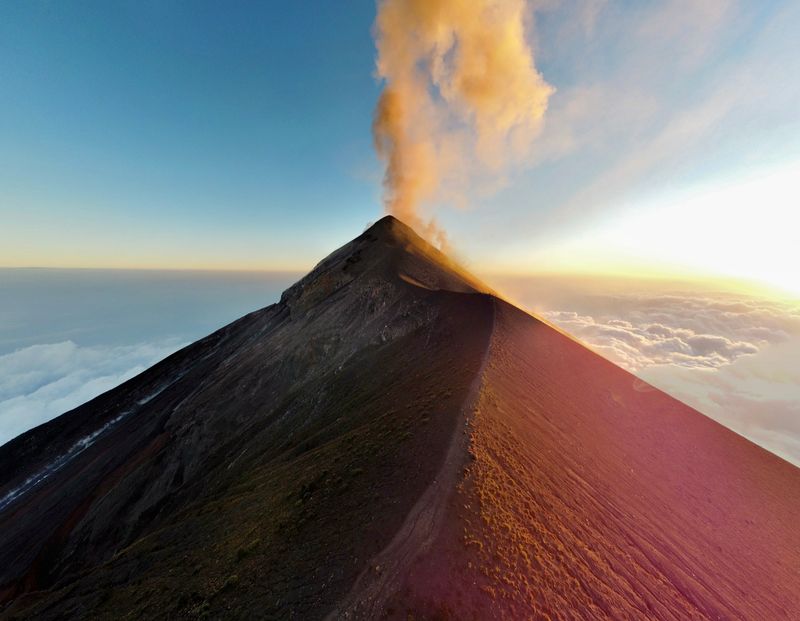
From Acatenango’s ridgeline, Fuego performs in full view, fireworks without the reckless proximity. You set camp above the clouds, and the wind rifles your jacket while embers arc from the summit.
Each eruption rolls a warm growl across the saddle before fading to silence.
Guided overnights are popular, and sunrise paints Pacaya and Agua in soft pastels. The key is patience and layers, because the altitude steals heat fast.
On active nights, lava rivers pour down barrancas, a bright thread stitching darkness.
Unlike trails that wander to closed zones, these viewpoints are designed for drama at a safe remove. Local operators track conditions and choose routes based on wind and ash.
The result is a clear line of sight that rewards waiting.
Pack a 200 mm lens for detail and a wide lens for scale. Use earplugs if you are a light sleeper, and bring cocoa for the cold.
With the right guide, you will watch Earth paint with fire until dawn.
5. Reykjanes Peninsula During Active Eruptions, Iceland
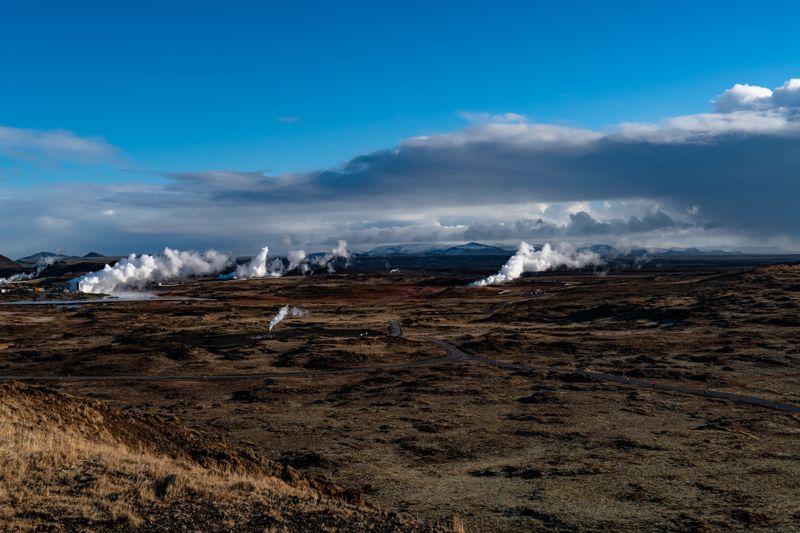
When the Reykjanes Peninsula breaks open, visibility can be astonishing thanks to broad valleys and low ridgelines. Marked paths thread toward safe berms, and you watch glowing rivers carve new maps into moss country.
The air crackles with heat while sea wind carries the plume sideways.
Civil protection teams post updates that change routes daily, but the logistics are straightforward. Parking areas, clear signage, and crowd control deliver views without chaos.
At twilight, the land flickers like a forge, and cameras hum with long exposures.
Between eruptions, fields cool into intricate black lace. During activity, though, you see everything from skylights to ropy pāhoehoe forming in minutes.
It is geology in real time, close enough to feel, far enough to be sensible.
Check gas forecasts and wear layers for sleet and sudden wind shifts. Microspikes help on frozen paths, and a buff filters grit.
If the alerts flash green, go quickly, stay behind lines, and let Iceland show you how worlds begin.



