 Unearth The Voyage
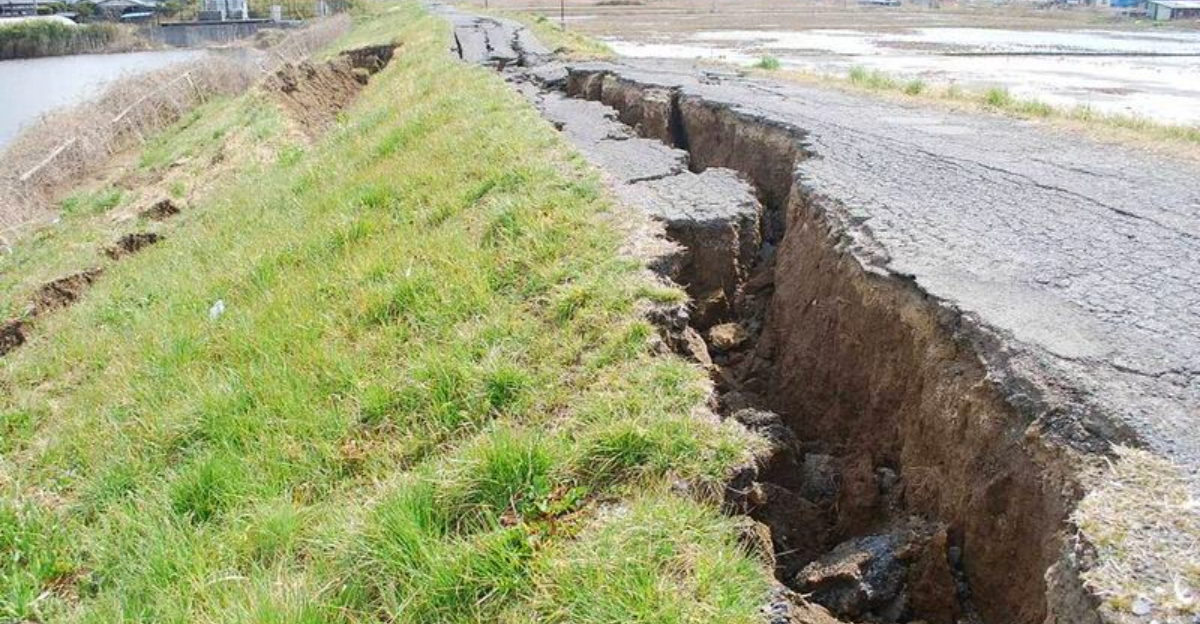
A powerful offshore quake jolted northern Japan late Monday, triggering tsunami warnings, urgent evacuations, and a frantic overnight response. With magnitude estimates between 7.5 and 7.6, the shaking rattled homes, toppled furniture, and sent thousands rushing to higher ground. Early reports suggested waves up to 3 meters, yet the largest arrivals stayed under a meter, offering relief but not complacency. Here is what happened, what was damaged, and what to watch in the critical days ahead.
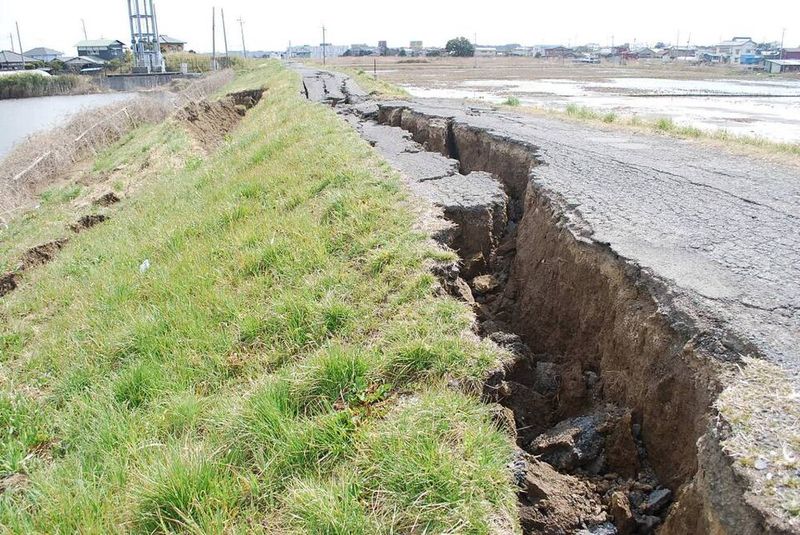
Late on Monday, December 8, 2025, a strong offshore earthquake struck near Aomori Prefecture, about 80 km out in the Pacific at roughly 50 to 54 km depth. Magnitude readings settled near 7.6, though initial flashes cited 7.5, underscoring how fast breaking data evolves. If you felt it in Hachinohe, you likely experienced an upper 6 on Japan’s seismic scale, the kind of violent shaking that knocks over furniture and makes standing a struggle.
Within minutes, the Japan Meteorological Agency issued tsunami warnings for Hokkaido, Aomori, and Iwate, estimating waves up to 3 meters. Sirens sounded, alerts buzzed phones, and broadcasters repeated urgent instructions to move uphill or inland. Local officials called for swift evacuation from low lying zones, and you could see orderly but tense flows of residents heading to shelters and schools perched on safer ground.
By midnight, rail operators paused services, ports suspended operations, and emergency centers activated wide area communications. Approximately 90,000 people were evacuated as a precaution, a figure that reflects hard learned lessons from past disasters. As agencies synchronized updates, they emphasized staying off coastal roads, avoiding river mouths, and keeping batteries and radios handy in case power or data networks faltered overnight.
Through it all, responders leaned on drills that have become second nature in northern Japan. The rapid J alert push, municipal loudspeakers, and neighborhood wardens helped cut through confusion. Even as magnitude details shifted, the guidance stayed clear and firm, giving you enough time to move, check on neighbors, and wait for verified wave observations.
As Tuesday’s early hours unfolded, tide gauges along Hokkaido and Tohoku recorded tsunami arrivals. The largest confirmed wave was around 70 cm, far below the initial 3 meter warning yet still dangerous for harbors, low quays, and river mouths. If you were near a port, you likely noticed strong currents, swirling eddies, and repeated surges that can sweep a person off their feet.
Authorities phased the warnings down to advisories, then lifted them once sensors showed limited heights and no broad inundation. Even so, dozens of people were injured, mostly by falling shelves, glass, and unsecured appliances during the main shaking. About 800 homes briefly lost power, some train and Shinkansen lines paused, and early morning commuters had to wait while crews inspected tracks and overhead wires.
Harbor operators reported damage to oyster farming gear and floating work platforms as the oscillating water tugged on moorings. Small boats banged against breakwaters and needed re rigging, but large scale coastal destruction was not confirmed. Your best move in these conditions is to treat even modest waves seriously, since channels can funnel energy and turn a knee high surge into a dangerous knockdown.
By sunrise, many services resumed with caution, and inspectors continued their sweeps of bridges, tunnels, and seawalls. Local shelters stayed open in case aftershocks forced extended stays away from home. The message from first responders was steady and calm, reminding you to document damages, avoid cluttered stairwells, and keep medical kits close as the region transitioned from response to assessment.
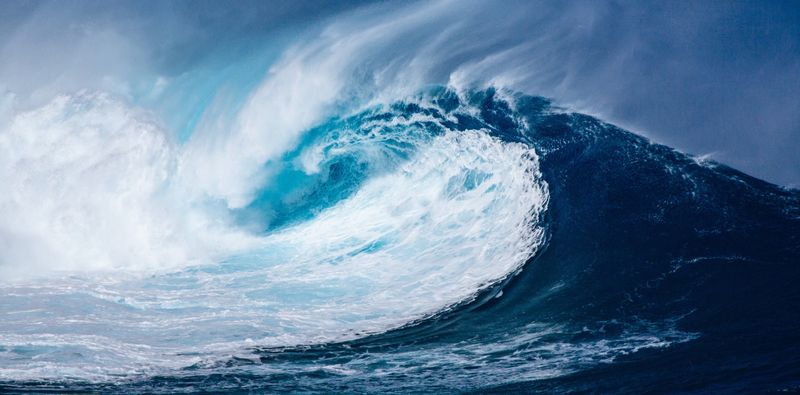
Japan sits astride the Ring of Fire, where the Pacific Plate dives beneath neighboring plates, making frequent quakes an everyday risk. The 2025 event is cataloged as the 2025 Sanriku earthquake, a thrust faulting shock at shallow to mid depth that aligns with known subduction dynamics. If you follow hazard maps, you know this corridor has produced tsunamis repeatedly, with narrow bays amplifying run up.
History weighs heavily here, especially the 2011 disaster that redefined preparedness and public expectations. That memory pushes officials to treat even smaller tsunami forecasts with urgency, since limited lead time and local geography can turn minutes into life or death. Early warnings, evacuation drills, robust seawalls, and continuous education are not luxuries in Japan, they are habits.
Seismic catalogs show clusters along the Sanriku coast, and this quake’s parameters fit a familiar pattern for undersea thrust events. You will hear terms like Mw and intensity scales, but what matters is how fast you act when the ground roars or alerts sound. The country’s layered systems aim to bridge that gap, guiding you from initial shock to higher ground before uncertainty resolves.
Even with modern sensors, nature keeps endpoints variable, especially for tsunami generation and basin resonance. That uncertainty explains conservative warnings, staged downgrades, and careful all clear decisions. For residents and travelers, the lesson remains steady and humble, respect the shoreline, know evacuation routes, and practice the motions long before sirens test your nerves.
In the hours after the mainshock, instruments detected a series of aftershocks, including a magnitude 6.6 that rattled nerves and shelves alike. If you are in multi story buildings, you may feel long period swaying during these follow ups, so duck, cover, and hold remains your best immediate response. Aftershocks cluster near the rupture, but stress can migrate along the subduction interface.
Officials warn that more strong shaking is possible in the coming days, with a nonzero chance of a larger event as stress redistributes. That does not mean a bigger quake will strike, only that caution is warranted. You should secure tall furniture, keep water and batteries stocked, and plan to sleep with flashlights within reach while advisories remain active.
Engineers are inspecting bridges, ports, coastal levees, rail viaducts, and lifelines for cracks, joint separation, and settlement. Nuclear facilities reported no anomalies, but regulators continue enhanced monitoring of cooling systems and backup power. If you commute, expect rolling checks, speed restrictions, and occasional closures while crews validate structural health.
Local governments will issue push notifications if conditions change, so keep phones charged and volume on. Should a fresh tsunami alert appear, move quickly to pre planned high ground without waiting for perfect information. The playbook is simple but effective, act early, verify later, and check on neighbors who might need a steady arm getting up the hill.
Although wave heights stayed modest, the quake’s timing, depth, and coastal reach were a bracing reminder of ever present risk. For roughly 90,000 evacuees, the speed of alerts and orderly movement likely prevented injuries on crowded roads and waterfronts. If you live along the Pacific coast, the takeaway is simple, know the map, pack the bag, and practice the route.
Scientists stress that a megaquake remains a low probability scenario, yet not impossible in the short term as faults adjust. This event renewed interest in retrofits, backup power for shelters, and multilingual alerts for tourists. You can push your household plan further by securing water heaters, labeling gas shutoffs, and sharing a meet up point with family.
Nationally, the conversation will center on resilient ports, flexible rail infrastructure, and smarter seawalls tuned to local bathymetry. Communities that pair drills with neighborhood support networks bounce back faster, reducing panic when notifications land at midnight. Insurance reviews, business continuity planning, and small upgrades like latching cabinets can blunt the next shock.
Looking outward, coastal nations can learn from Japan’s layered approach that favors early action over hesitation. Nature’s timing is unpredictable, but readiness is a choice you can make tonight. Keep an eye on official channels, treat advisories with respect, and turn this close call into momentum for safer homes, schools, and streets.



