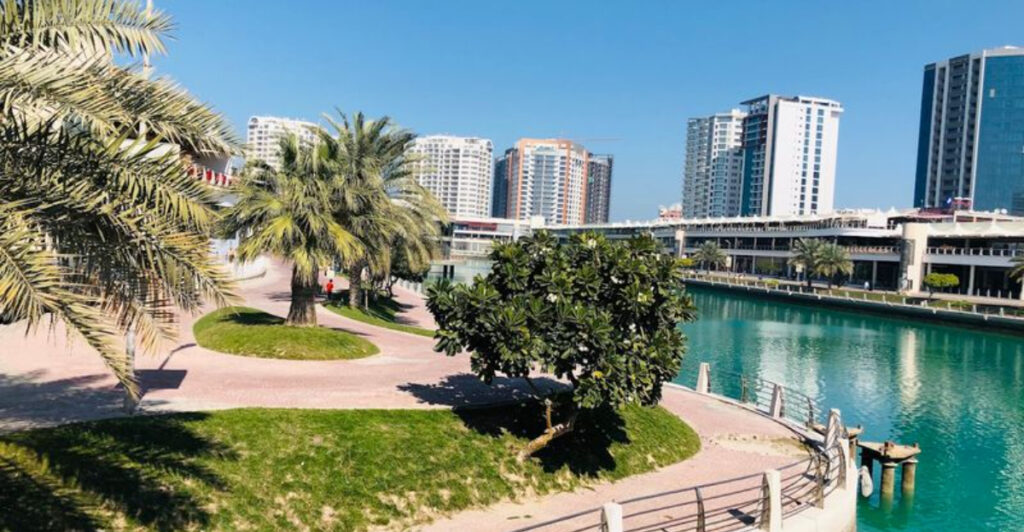
Walk through the streets of Doha or Dubai, and something quietly stands out – the crowds are overwhelmingly male. Across several countries, particularly in the Gulf region, men outnumber women by staggering margins that have no parallel anywhere else on Earth.
This unusual demographic reality isn’t a coincidence or a mystery – it’s the direct result of massive labor migration, booming economies, and deliberate workforce policies. Understanding why these gaps exist reveals a fascinating story about global economics, migration, and the way modern nations are built.
1. Qatar
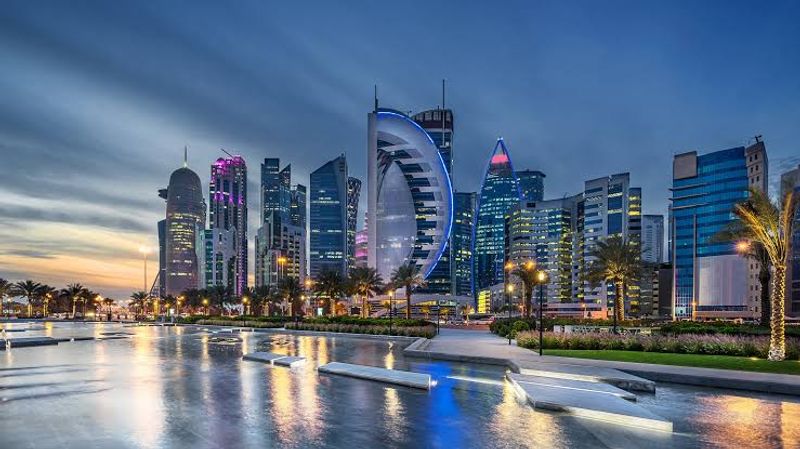
Qatar holds a demographic record that would make any statistician do a double-take – roughly 72 to 75 percent of its population is male. That’s not a typo.
For every woman living in Qatar, there are nearly three men.
The reason comes down to one word: construction. Qatar has been building at a breathtaking pace, especially after winning the bid to host the 2022 FIFA World Cup.
Stadiums, highways, hotels, and entire new city districts rose from the desert sand almost overnight.
To get all that done, Qatar imported hundreds of thousands of male laborers, mostly from South Asia – countries like Nepal, India, Bangladesh, and Pakistan. These workers typically come alone, without families, planning to send money home.
The sheer scale of this workforce has completely reshaped the country’s gender ratio in a way that is almost unmatched anywhere on the planet.
2. United Arab Emirates
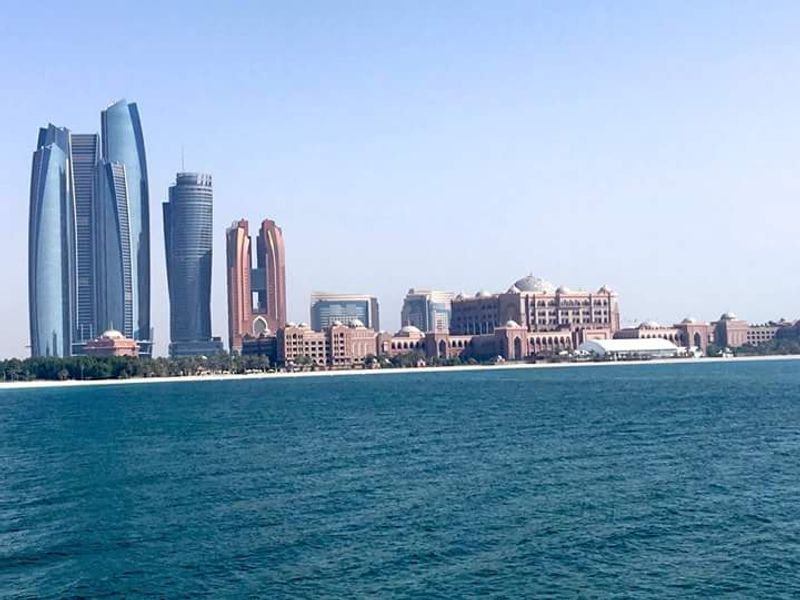
Few places on Earth have transformed as dramatically as the UAE. Fifty years ago, it was largely desert and fishing villages.
Today, it’s home to some of the world’s tallest buildings, busiest airports, and most ambitious megaprojects – and that transformation required serious manpower.
The UAE’s oil wealth created an enormous demand for labor that its small native population simply couldn’t fill. Men from India, Pakistan, the Philippines, Bangladesh, and dozens of other countries arrived in massive numbers to work in construction, hospitality, retail, and engineering.
As a result, around 64 to 69 percent of the UAE’s population is male. Expatriates make up roughly 88 percent of the total population, and the majority of those migrants are men who came without their families.
Cities like Dubai and Abu Dhabi have neighborhoods where bachelor housing blocks stretch for miles, quietly telling the story of this extraordinary demographic shift.
3. Oman
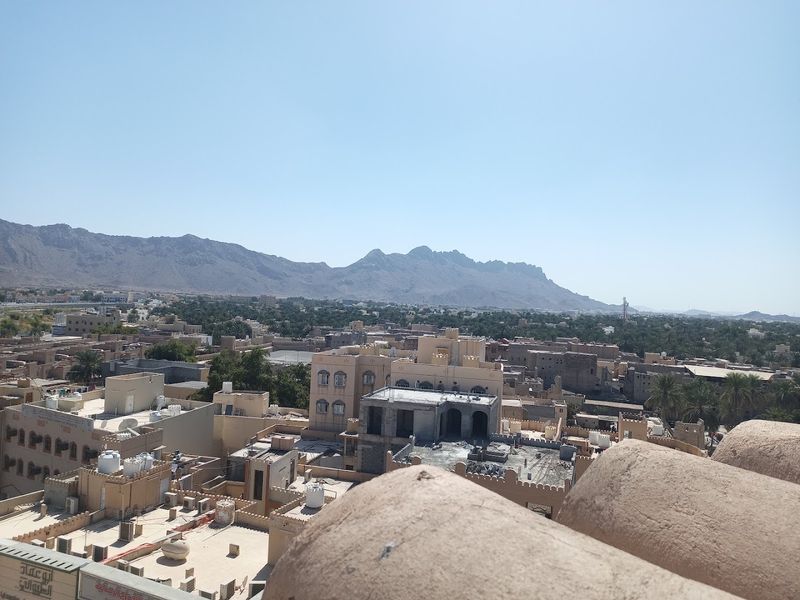
Oman doesn’t grab headlines the way Dubai does, but its gender imbalance is just as striking. About 62 to 65 percent of Oman’s population is male, and the explanation traces back to a decades-long reliance on foreign labor.
Since the 1970s, Oman has been modernizing rapidly under Sultan Qaboos, who launched ambitious development programs that required far more workers than the country had. Roads, ports, schools, and government buildings needed to be constructed fast, and migrant men from South and Southeast Asia answered the call.
Unlike the UAE, Oman has made serious efforts to reduce its dependence on foreign workers through a policy called Omanization, encouraging locals to fill jobs previously held by expatriates. Progress has been slow, though, and hundreds of thousands of male migrants remain.
The gender gap has narrowed slightly over the years, but Oman still sits firmly on this list with no quick fix in sight.
4. Bahrain
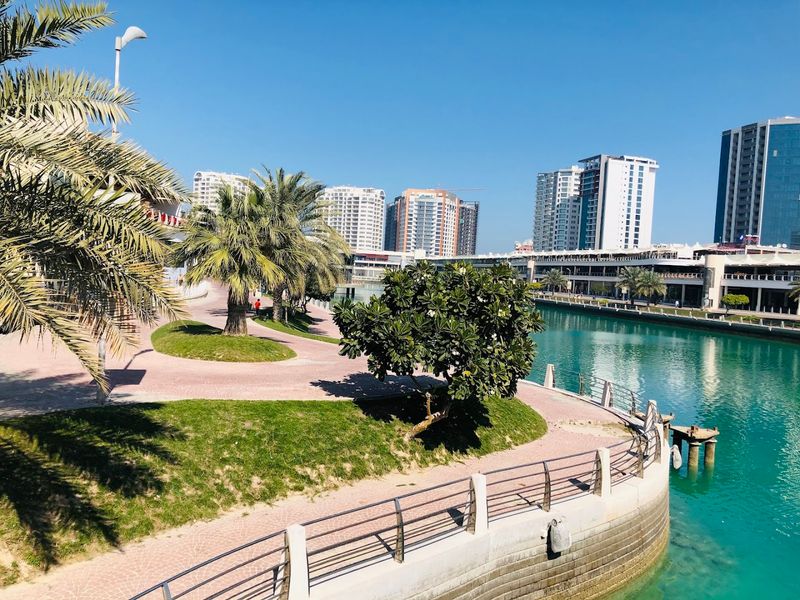
Bahrain is the smallest country on this list, but size hasn’t stopped it from developing one of the most lopsided gender ratios in the region. Roughly 62 to 64 percent of its population is male, driven largely by the service and industrial sectors that hum along thanks to a migrant workforce.
Bahrain’s economy runs on oil, financial services, and manufacturing. All three sectors have historically attracted male workers from South Asia who are willing to take on physically demanding or low-wage jobs that locals often avoid.
Bahrain has also become a regional hub for banking and hospitality, sectors that pull in additional male professionals from abroad.
One interesting quirk: Bahrain was actually the first Gulf country to discover oil, back in 1932. That early wealth set off a chain reaction of development and labor demand that shaped the island’s demographics for generations.
The gender gap today is essentially the long-term echo of that original oil boom.
5. Maldives
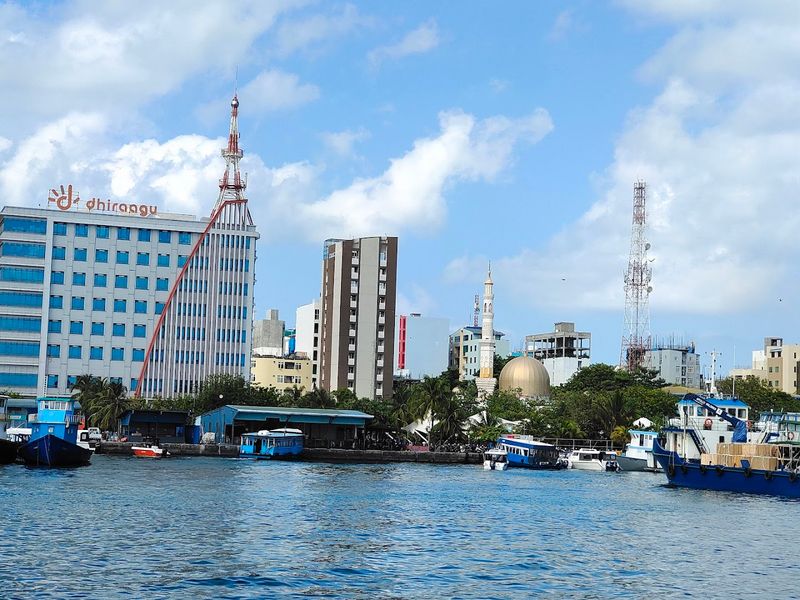
Most people picture the Maldives as a honeymoon paradise – white sand, crystal-clear water, and total relaxation. What the travel brochures leave out is that keeping all those luxury resorts running requires a massive imported workforce, and most of those workers are men.
Tourism is the backbone of the Maldivian economy, accounting for a huge chunk of GDP. Building and maintaining resorts, operating boats, managing kitchens, and handling construction all require labor that the country’s small local population cannot supply.
Workers arrive mainly from Bangladesh, India, and Sri Lanka.
The result is a gender ratio of roughly 60 to 63 percent male. The Maldives is also unusual because its population is spread across hundreds of tiny islands, making workforce logistics genuinely complicated.
Migrant workers often live on separate islands from tourists, in worker camps that exist in sharp contrast to the polished paradise just a short boat ride away.
6. Kuwait
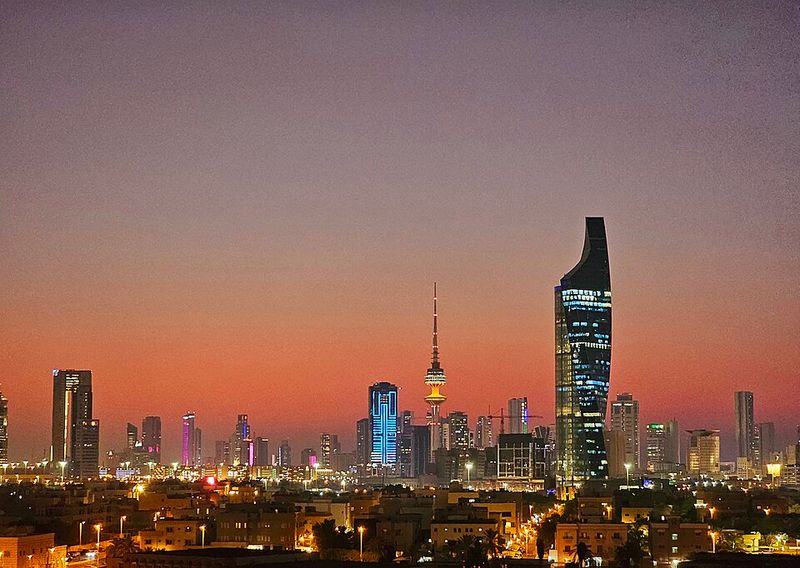
Kuwait punches well above its weight when it comes to oil wealth per capita, and that wealth has created a deep, long-standing need for foreign labor. About 60 to 62 percent of Kuwait’s population is male, a figure that has remained stubbornly consistent for decades.
Kuwaiti citizens make up only about 30 percent of the country’s total population. The rest are expatriates, and the majority of those are male workers from India, Egypt, the Philippines, and Bangladesh.
They work in construction, domestic service, retail, and the oil industry itself.
Kuwait has talked about reducing its expatriate population for years, but replacing such a large workforce with local labor has proven genuinely difficult. Kuwaiti nationals often prefer government jobs, which offer better pay and benefits, leaving private sector roles to migrants.
Until that economic dynamic changes, the gender gap is likely to stay right where it is – wide open.
7. Saudi Arabia
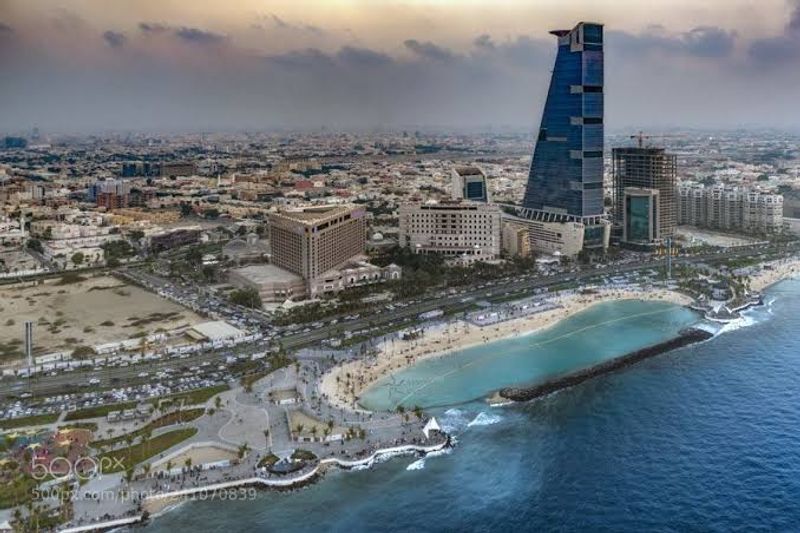
Saudi Arabia rounds out this list with a gender ratio of about 58 to 62 percent male – the most modest gap among these seven countries, but still a significant departure from global norms. What makes Saudi Arabia stand out is how long this imbalance has been building.
Labor migration to Saudi Arabia began in earnest during the 1970s oil boom and never really stopped. Millions of men from South Asia, Southeast Asia, and Arab countries came to work in construction, healthcare, retail, agriculture, and domestic service.
Many have been cycling in and out of the country for generations.
Saudi Arabia has recently launched Vision 2030, an ambitious plan to diversify its economy and boost local employment. More Saudi women are now entering the workforce than ever before, which is gradually shifting the demographic picture.
Still, the country remains heavily dependent on male migrant labor, and that won’t change overnight no matter how bold the vision.
Share this story