 Unearth The Voyage
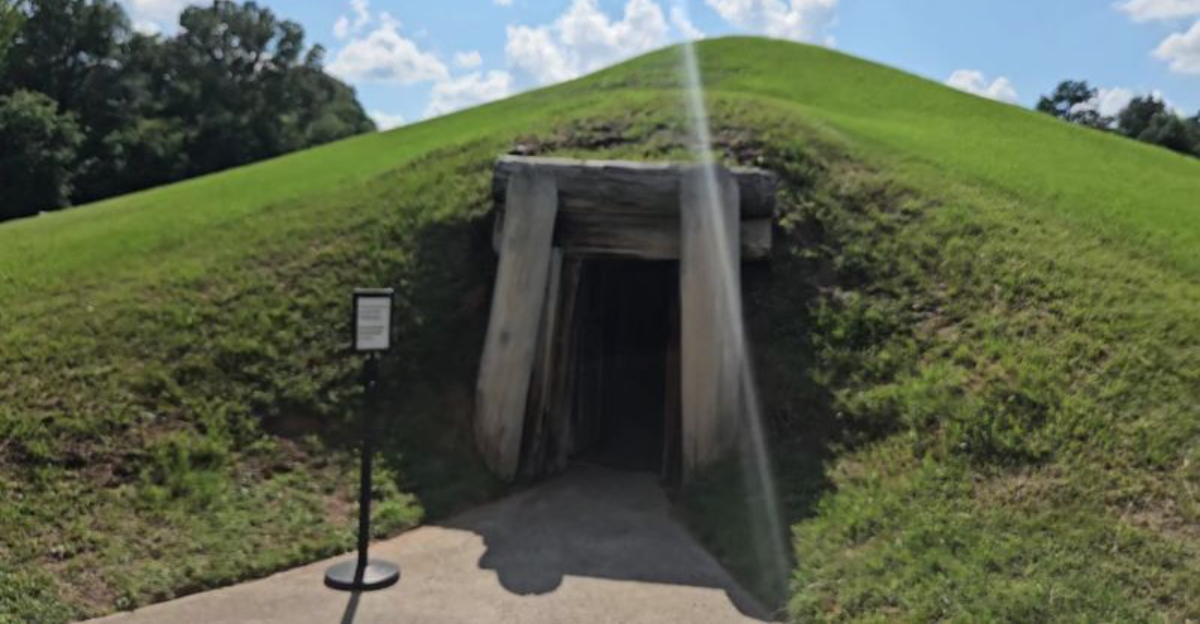
America’s Indigenous history stretches back thousands of years, yet so many of the places that keep these traditions alive fly completely under the radar. From ancient cliff-top cities to sprawling ceremonial mounds, these sites tell stories that textbooks barely scratch the surface of.
Whether you’re a history lover, a curious traveler, or someone who just wants to understand this land a little better, these seven places are absolutely worth knowing about.
1. Acoma Pueblo – New Mexico
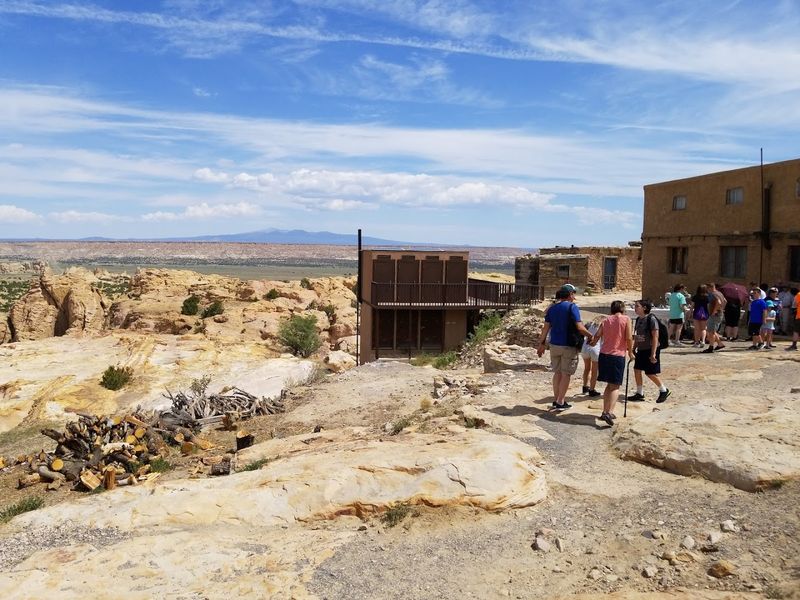
Perched 367 feet above the desert floor, Acoma Pueblo has been home to the same community for over a thousand years – making it one of the oldest continuously inhabited places in all of North America. That alone should stop you in your tracks.
Visitors walk through narrow adobe streets, peek into traditional pottery workshops, and stand before the San Esteban del Rey Mission, built in 1629 without a single piece of modern equipment. The craftsmanship is jaw-dropping.
Acoma pottery, recognized by its fine black-and-white geometric patterns, is still handmade by community artists today.
The Acoma people guard their ceremonies and traditions carefully, sharing what they choose on their own terms. Tours are available and respectful.
If you ever find yourself between Albuquerque and Gallup, pulling off the highway here is one of the best decisions you can make.
2. Cahokia Mounds – Illinois
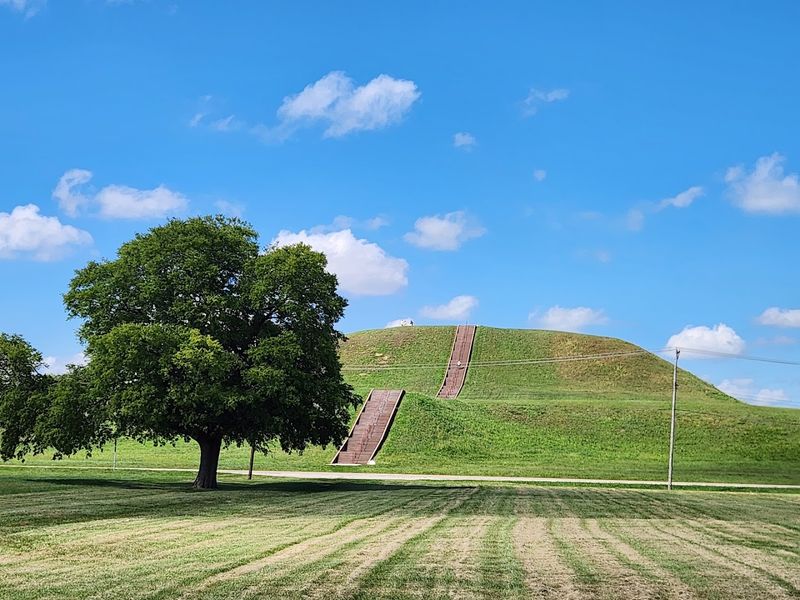
Most people drive past this site on their way to St. Louis without ever knowing they just missed one of the most remarkable cities ever built on American soil. At its peak around 1100 CE, Cahokia housed more than 20,000 people – bigger than London at the same time.
The Mississippian culture engineered massive earthen mounds here entirely by hand. Monks Mound, the largest, covers more ground at its base than the Great Pyramid of Giza.
That fact tends to make people do a double-take.
Today, the site is a UNESCO World Heritage Site with a solid visitor center that explains the political, spiritual, and agricultural systems the Mississippian people developed. School groups, archaeology fans, and casual visitors all find something fascinating here.
Best of all, admission is free, so there is zero excuse not to stop.
3. Taos Pueblo – New Mexico

Step onto the grounds of Taos Pueblo and something shifts. The air feels older somehow.
These towering adobe buildings have been continuously lived in for nearly a thousand years, and the community inside them still speaks Tiwa, practices traditional ceremonies, and farms the same land their ancestors did.
Taos Pueblo earned UNESCO World Heritage status for good reason. The north and south house complexes rise five stories high and were built without nails, steel, or blueprints.
Mud, straw, and incredible skill did all the work.
Guided tours run regularly and are led by Taos Pueblo members themselves, which makes the experience feel personal rather than touristy. Artisan shops sell handmade jewelry, drums, and pottery right on site.
Photography is allowed in certain areas with a small fee. This is not a museum – real families live here, and that distinction makes all the difference.
4. Ocmulgee Mounds – Georgia
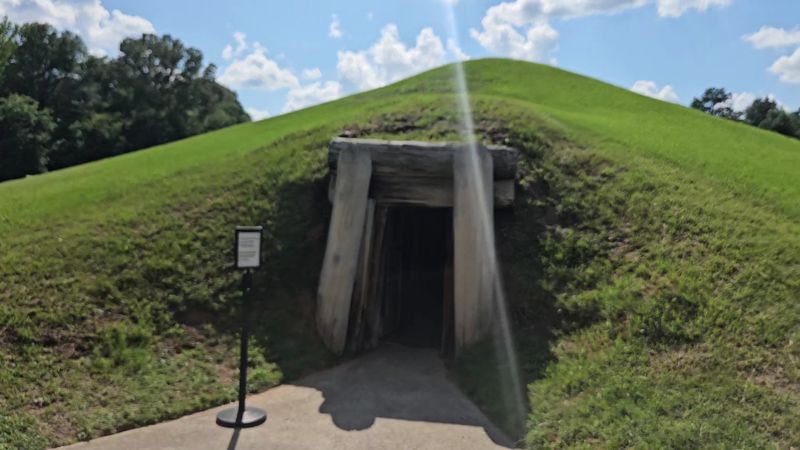
Tucked into Macon, Georgia, Ocmulgee Mounds quietly holds thousands of years of Indigenous history that most Georgians have never explored. The site is deeply connected to the Muscogee (Creek) Nation, whose ancestors built ceremonial earth lodges, burial mounds, and public plazas that still stand today.
One of the coolest features is the reconstructed earth lodge, where you can actually step inside a 1,000-year-old council chamber. The original clay floor is preserved beneath your feet.
That kind of hands-on history is rare and genuinely exciting.
Every fall, Muscogee descendants return for the Ocmulgee Indigenous Celebration, filling the park with traditional music, dance, storytelling, and food. It is one of the largest Native American cultural events in the Southeast.
The National Park Service manages the site, so entry is straightforward and visitor-friendly. This place deserves far more attention than it currently gets from Georgia’s own residents.
5. Heard Museum – Arizona
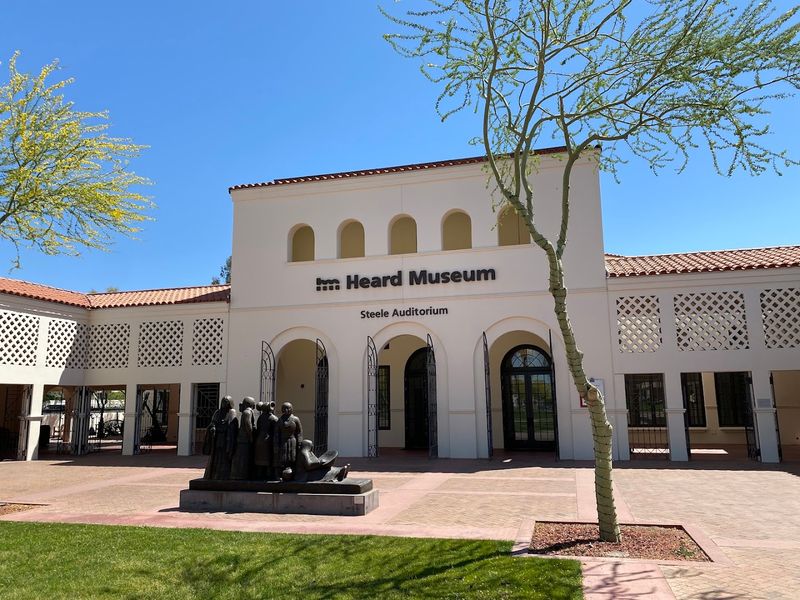
Not every cultural landmark involves ancient ruins. Sometimes it looks like a world-class museum in the heart of Phoenix, packed with stunning art and stories that will completely reshape how you think about Indigenous peoples in America.
The Heard Museum focuses on Native American art and culture from across the Southwest, featuring Navajo weavings, Hopi kachina figures, and Apache basketry alongside contemporary works by living Indigenous artists. The balance between historical and modern is handled beautifully.
Nothing here feels frozen in time.
One annual highlight is the World Championship Hoop Dance Contest, held right on the museum grounds. Dancers from tribes across North America compete with breathtaking skill and speed.
The Heard also runs strong education programs for kids and adults alike. If Phoenix is on your travel itinerary, skipping this museum would be a genuine miss.
Budget a full afternoon – you will need it.
6. Standing Rock Sioux Reservation – North Dakota & South Dakota
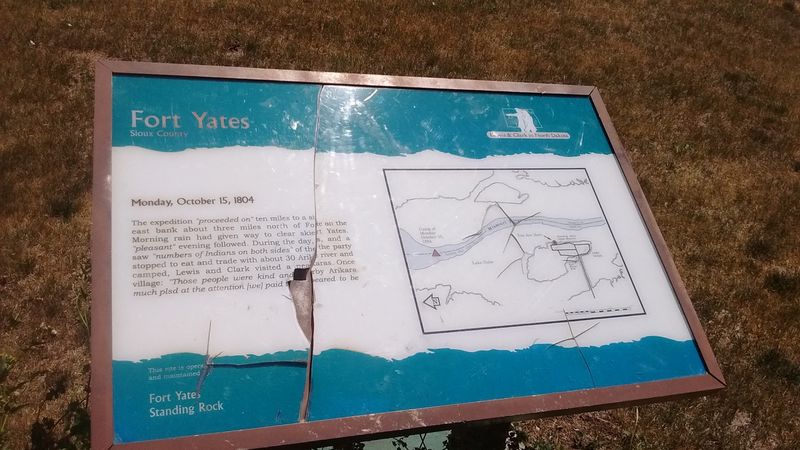
Standing Rock became a household name during the 2016 pipeline protests, but the cultural depth of this place goes far beyond any news headline. The Lakota and Dakota peoples who call this reservation home have maintained languages, ceremonies, and traditions under enormous pressure for generations.
The Standing Rock Sioux Tribal Museum preserves oral histories, sacred artifacts, and cultural records that connect the community to its past. Language revitalization programs actively teach Lakota to young people, which is a powerful act of resistance and love rolled into one.
Visitors who approach respectfully are welcomed into a community with incredible pride and resilience. Local events, powwows, and cultural gatherings happen throughout the year.
The landscape itself, wide open plains stretching toward the horizon, carries a quiet power that is hard to describe but easy to feel. Standing Rock is not just a place – it is a living statement of survival.
7. Chaco Culture National Historical Park – New Mexico
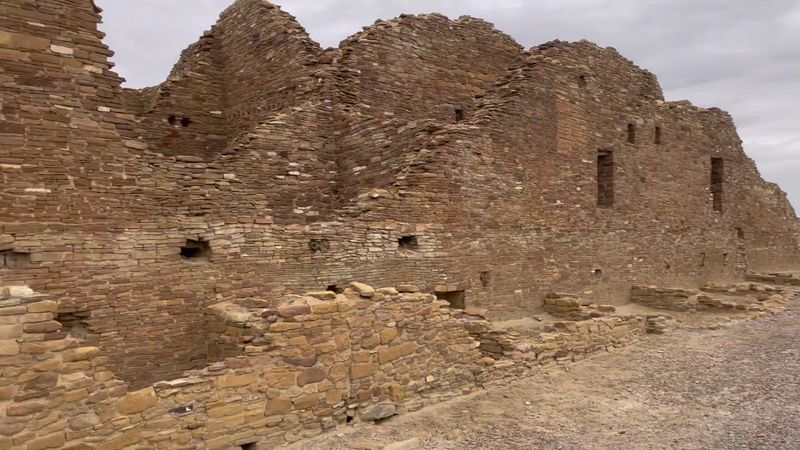
Getting to Chaco Canyon requires bumping down miles of unpaved road in the remote New Mexico desert – and every single mile is worth it. What waits at the end is one of the most sophisticated ancient sites anywhere in the Western Hemisphere.
Between 850 and 1250 CE, the Ancestral Puebloan people built massive stone Great Houses here, some rising four stories tall with hundreds of rooms. Astronomical alignments built into the structures track solstices and lunar cycles with stunning accuracy.
These were not just buildings – they were calendars, ceremonial centers, and hubs of a vast trading network.
Chaco’s influence still flows through Pueblo cultures today, and many tribes consider it a deeply sacred place. Night sky programs at the park are extraordinary because light pollution is almost nonexistent out here.
Rangers lead tours that connect the architecture to living traditions, making this far more than a pile of old rocks.



