Building a railway tunnel is never easy, but building one that stretches for dozens of miles beneath mountains, oceans, and some of the world’s toughest geology is a whole different challenge. These incredible structures required decades of planning, billions of dollars, and sheer human determination to push through natural obstacles that once seemed impossible to conquer.
From the Swiss Alps to the seafloor between Japan’s islands, engineers pulled off feats that still leave experts amazed. Get ready to explore the longest train tunnels ever built and the wild stories behind each one.
Gotthard Base Tunnel — Switzerland
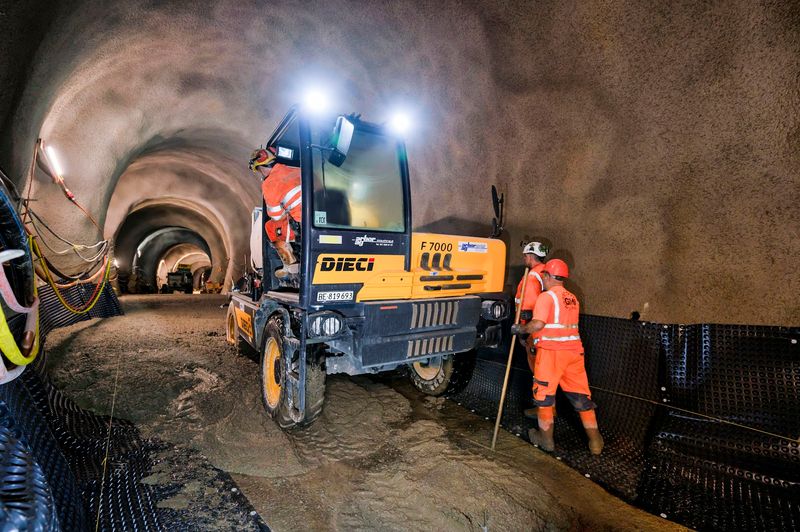
Picture drilling through 57 kilometers of solid Swiss Alps and somehow coming out perfectly on the other side. That is exactly what engineers did with the Gotthard Base Tunnel, the longest railway tunnel on Earth at 57.1 kilometers (35.5 miles).
Construction began in 1996 and took roughly 17 years to complete, making it one of the most ambitious infrastructure projects in modern history.
Workers drilled through some of the hardest rock on the planet, dealing with extreme heat underground that sometimes reached 46 degrees Celsius. More than 2,600 workers from dozens of countries contributed to the project at various stages.
Tragically, nine workers lost their lives during construction, a sobering reminder of the human cost behind the achievement.
The tunnel reaches depths of over 2,300 meters below the mountain peaks above it. Trains now pass through at speeds up to 250 kilometers per hour, slashing travel times between northern and southern Europe.
Before this tunnel existed, crossing the Alps by rail was slow, scenic, and seriously inconvenient. Switzerland spent around 12 billion Swiss francs to make it happen, and transportation experts widely consider it worth every single centime.
Seikan Tunnel — Japan
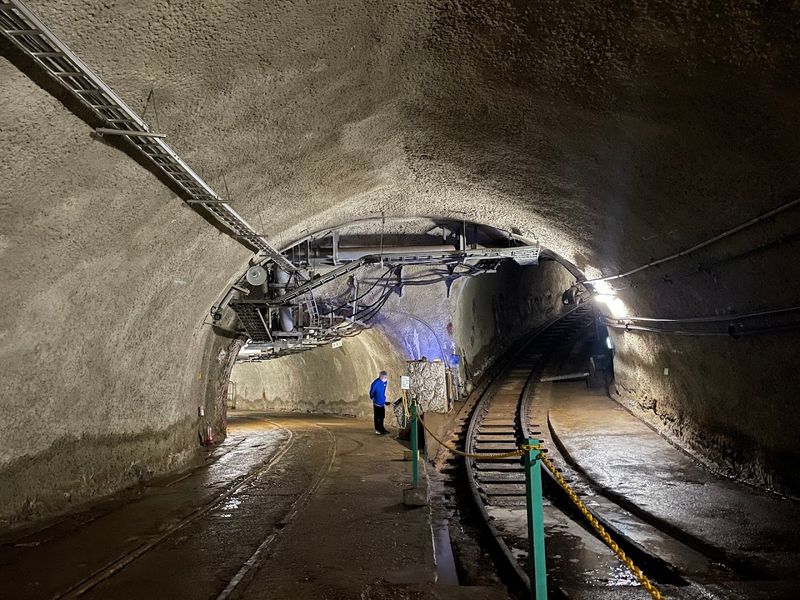
Japan is famous for doing things nobody else thought possible, and the Seikan Tunnel is proof of that reputation. Stretching 53.9 kilometers (33.5 miles) beneath the Tsugaru Strait, it connects the main island of Honshu with the northern island of Hokkaido.
For decades, a ferry crossing was the only practical option, and storms in the strait made that crossing genuinely dangerous.
In 1954, a typhoon sank five ferries and killed over 1,400 people. That tragedy pushed Japan to seriously pursue an undersea tunnel instead.
Planning and surveys began in the 1960s, but construction did not officially start until 1971 and did not finish until 1988 — a staggering 17 years of underground work.
Engineers battled powerful ocean currents, unpredictable rock conditions, and multiple flooding incidents that nearly derailed the project entirely. At its deepest point, the tunnel sits 240 meters below sea level, making it the deepest undersea railway tunnel in the world.
The undersea section alone spans 23.3 kilometers. Today, the Seikan Tunnel remains a symbol of Japan’s engineering stubbornness and a monument to the workers who refused to give up beneath the cold Pacific waters.
Channel Tunnel — United Kingdom and France
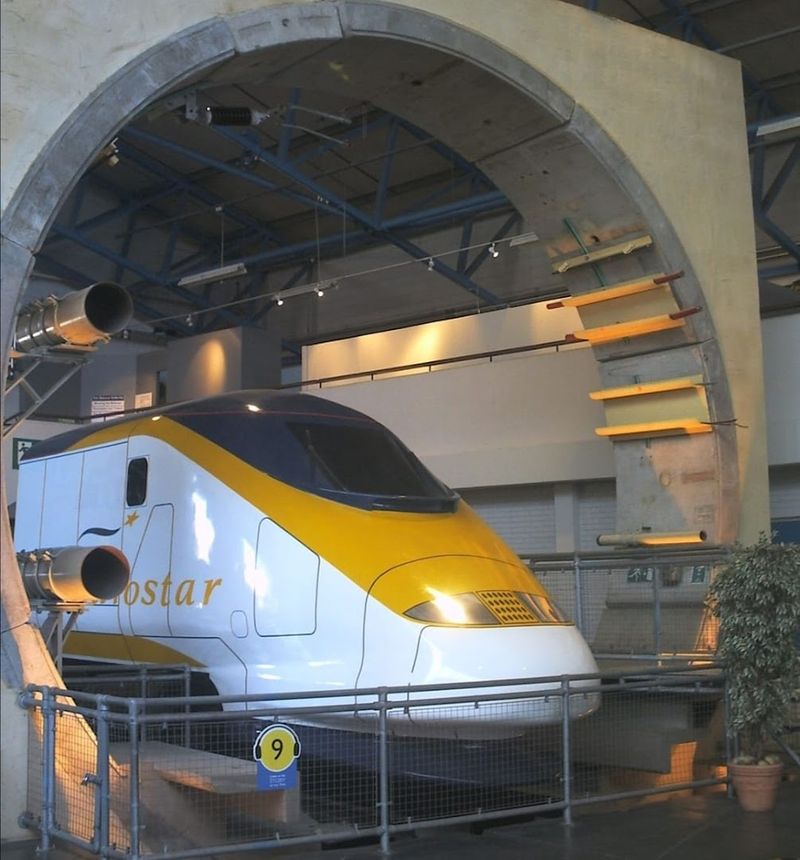
Two countries, one tunnel, and centuries of rivalry somehow set aside long enough to drill under the English Channel together. The Channel Tunnel, affectionately nicknamed the Chunnel, stretches 50.5 kilometers (31.4 miles) and links Folkestone in England with Coquelles in France.
It officially opened in 1994 after six years of intense construction that involved over 13,000 workers at its peak.
Boring machines worked from both sides simultaneously, chewing through chalk marl beneath the seabed at a rate of several meters per day. When the two tunnel crews finally met in the middle in 1990, the moment made international headlines.
Workers celebrated by shaking hands through the freshly broken rock face, a genuinely historic handshake across two nations.
The tunnel actually consists of three parallel tunnels: two rail tunnels and one service tunnel running between them. Eurostar passenger trains zip through at up to 160 kilometers per hour, making the crossing in about 35 minutes.
Freight trains and car-carrying Eurotunnel Le Shuttle services also use it daily. Around 21 million passengers travel through the Chunnel each year.
Originally projected to cost 4.7 billion pounds, the final bill ballooned to nearly 10 billion, a budget overrun that became almost as legendary as the tunnel itself.
Yulhyeon Tunnel — South Korea
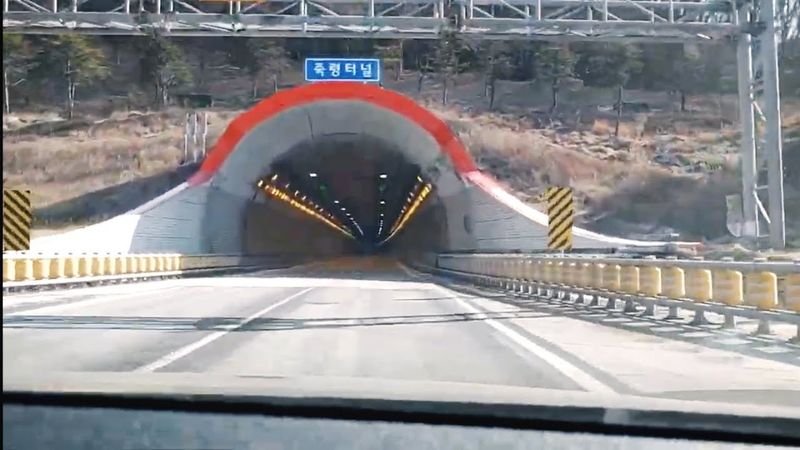
South Korea quietly pulled off something remarkable without the rest of the world paying nearly enough attention. The Yulhyeon Tunnel stretches 50.3 kilometers (31.3 miles) and forms a major section of the Suseo-Pyeongtaek high-speed railway line.
It ranks as the fourth longest railway tunnel on Earth and one of the longest in Asia built specifically for high-speed rail operations.
The tunnel was designed to support trains traveling at speeds up to 250 kilometers per hour. South Korea needed a way to reduce travel times between Seoul and the southern parts of the country without routing trains through slower, older sections of track.
The Yulhyeon Tunnel solved that problem with a straight, efficient underground corridor that bypasses much of the surface terrain entirely.
Construction involved sophisticated drilling and blasting techniques through varied and often unpredictable rock formations beneath the Korean Peninsula. Engineers paid particular attention to vibration control and waterproofing, since a tunnel this long accumulates enormous stress from surrounding ground pressure over time.
The tunnel opened as part of the broader Suseo-Pyeongtaek line, which itself was a massive national infrastructure investment. South Korea’s rail network continues to expand, and the Yulhyeon Tunnel stands as one of its most technically impressive achievements to date.
Shanghai Airport Link Tunnel — China
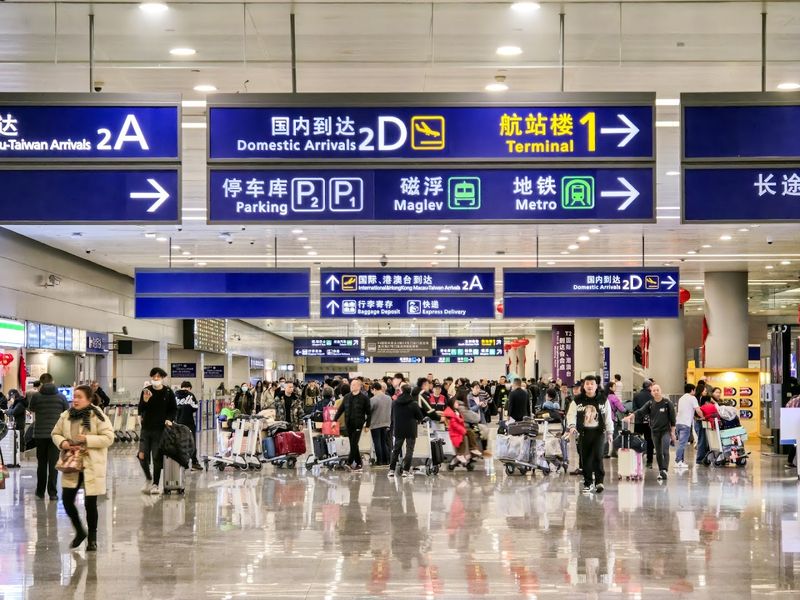
Shanghai moves at a pace that makes most cities look half-asleep, so it makes sense that its transportation tunnels are equally ambitious. The Shanghai Airport Link Tunnel stretches just over 40 kilometers and connects major airports and transportation hubs across one of the most densely populated urban regions on the planet.
Building underground in Shanghai is famously tricky because much of the city sits on soft, waterlogged soil that shifts unpredictably under pressure.
Engineers used advanced tunnel boring machines specially adapted for soft ground conditions. Keeping the surrounding buildings and infrastructure stable while drilling underneath a mega-city required constant monitoring and incredibly precise engineering calculations.
Even small ground movements could cause serious structural problems for the skyscrapers and subway lines sharing the underground space above the tunnel route.
The project reflects China’s broader strategy of investing heavily in fast, reliable urban transit to reduce surface congestion. Shanghai already has one of the longest metro systems in the world, and the airport link tunnel adds another critical layer to that network.
Passengers benefit from dramatically faster connections between international terminals and city center locations. For a city that processes tens of millions of air travelers annually, having a long, efficient underground rail link is not a luxury — it is an absolute operational necessity that keeps the whole system breathing.
Lötschberg Base Tunnel — Switzerland
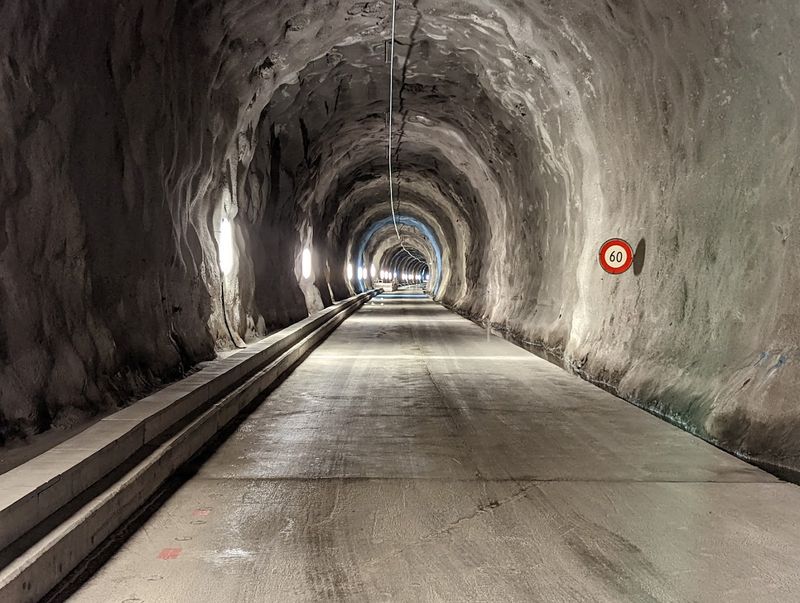
Before the Gotthard came along and stole all the headlines, the Lötschberg Base Tunnel was the star of Swiss engineering ambition. Stretching 34.6 kilometers through the Bernese Alps, it opened in 2007 and immediately transformed rail traffic between northern Europe and Italy.
Switzerland had long struggled with the bottleneck of moving freight and passengers across the Alps efficiently, and Lötschberg punched a very large hole in that problem.
One fascinating twist in the tunnel’s story involves an unexpected discovery mid-construction. Drillers hit a prehistoric riverbed filled with loose sediment instead of solid rock in one section, forcing a major redesign of that portion of the tunnel.
The workaround added cost and time but ultimately produced a tunnel that is every bit as safe and functional as originally planned.
Only one of the two planned parallel tunnel tubes was fully excavated, leaving the second tube partially bored for potential future use when traffic demand increases. Trains currently travel through the completed tube at up to 250 kilometers per hour.
The tunnel reduced travel times on the Bern to Brig route from about 100 minutes down to roughly 60 minutes. For freight operators, Lötschberg offered a flatter, faster route through the Alps that significantly cut fuel costs and improved scheduling reliability across the entire north-south European rail corridor.
Koralm Tunnel — Austria
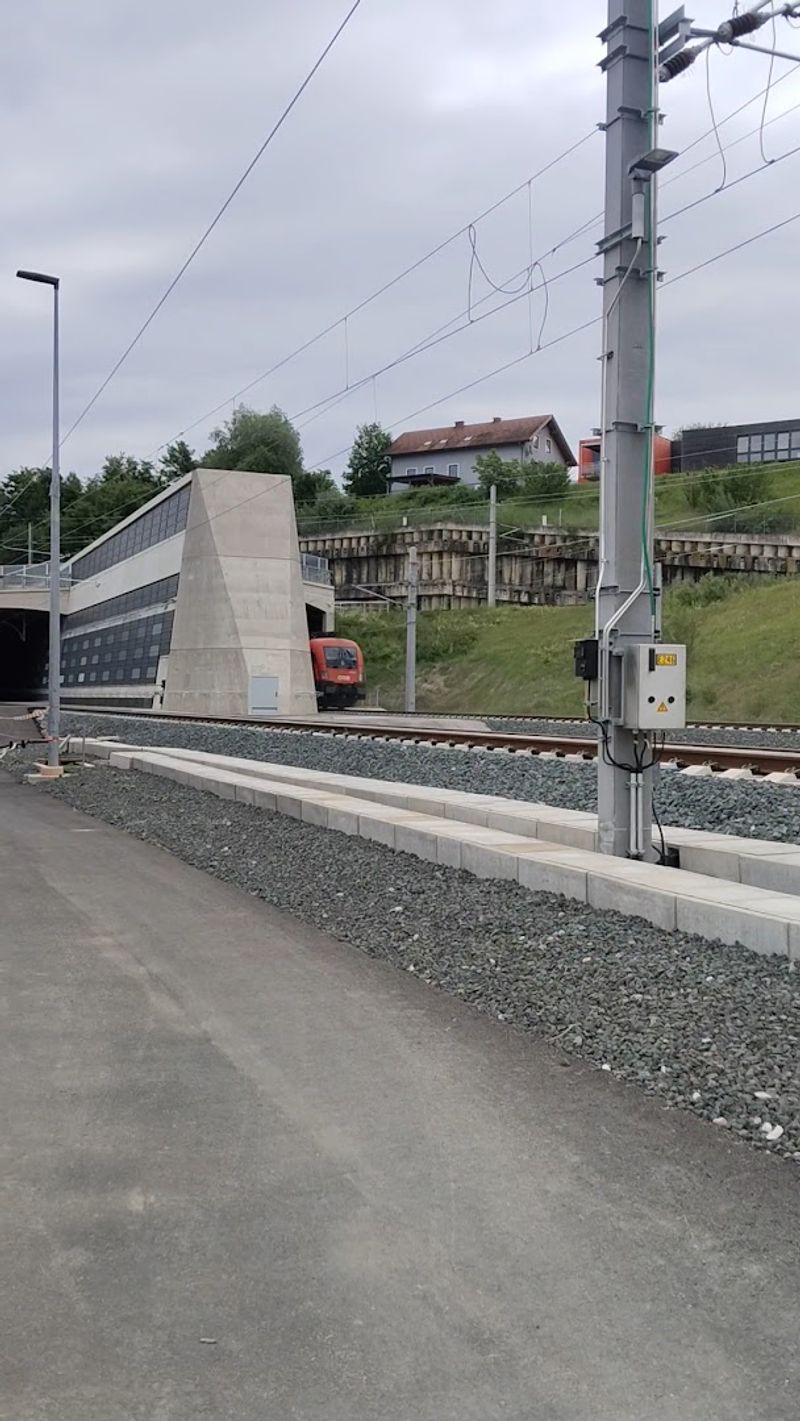
Austria’s Koralm Tunnel is the kind of project that makes engineers lose sleep for years before a single meter of rock gets removed. Running approximately 33 kilometers beneath the Koralpe mountain range in southern Austria, it forms the centerpiece of the Koralmbahn railway, a new high-speed line connecting the cities of Graz and Klagenfurt.
When fully operational, it will cut travel time between those two cities from around three hours down to about 45 minutes.
Construction began in 2008 and stretched across more than a decade of underground work. The mountain range presented particularly mixed geology, with sections of hard crystalline rock alternating with softer, wetter zones that required completely different boring and support strategies.
Workers used a combination of tunnel boring machines and traditional drill-and-blast methods depending on what the rock threw at them on any given day.
The Koralm Tunnel also includes two main tubes plus a parallel service tunnel, following modern European safety standards that require evacuation routes at regular intervals. Temperatures inside during drilling could spike uncomfortably high, adding physical stress on top of technical complexity for the crews working underground.
Austria’s investment in this project signals a long-term commitment to shifting freight and passengers from congested motorways onto faster, cleaner rail. Full service on the Koralmbahn is expected to begin around 2026, making it one of Europe’s most anticipated rail openings in recent years.
Share this story