Florida is famous for its beaches, theme parks, and sunshine, but its food scene is a whole different adventure. Some local favorites are so unusual that even the bravest tourists hesitate before taking a bite.
From swamp creatures to sea snails, the Sunshine State serves up dishes that raise plenty of eyebrows. If you’re visiting Florida, maybe it’s time to be a little bold and try something you’ve never dared to eat before.
1. Alligator Tail
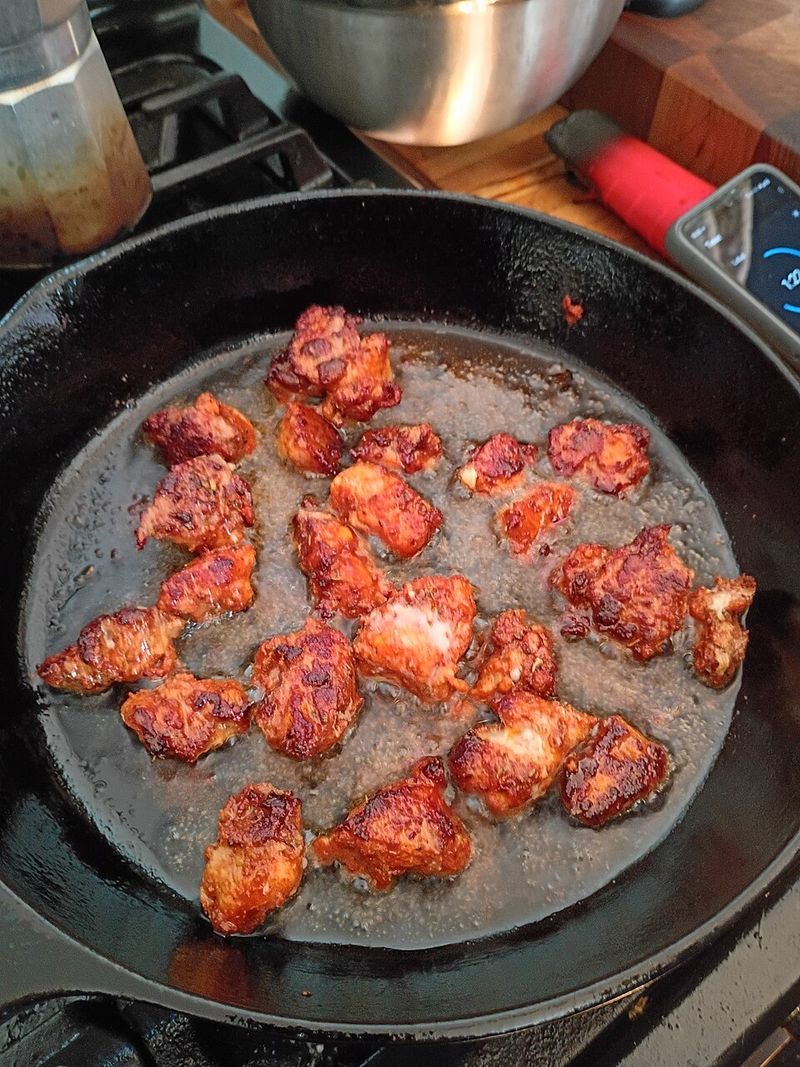
Warning signs in Florida swamps usually say “Do Not Feed the Alligators” – nobody mentions that you could be eating one instead. Alligator tail is one of the most iconic wild foods in the state, and yes, it tastes surprisingly good.
The meat is firm and chewy, a little like calamari but meatier. Most restaurants serve it fried in golden, crispy bites with dipping sauce on the side.
First-timers often do a double take when they realize what they just ordered.
Alligator farming is actually regulated in Florida, so the meat you’re eating comes from legal, licensed farms. The protein content is impressive, and the flavor is mild enough that even picky eaters usually come around.
Once you get past the mental hurdle of eating a reptile, alligator tail is honestly one of the more fun bites in the state.
2. Boiled Peanuts
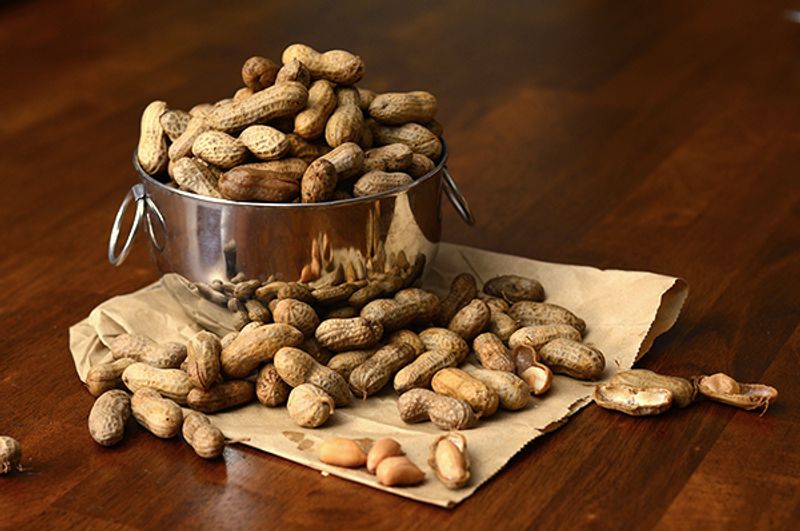
Pull up to almost any Florida highway and you’ll spot a hand-painted sign that reads “Hot Boiled Peanuts” – and tourists drive right past it every single time. The hesitation is understandable.
Soggy peanuts sound like a culinary disaster waiting to happen.
Here’s the thing though: boiled peanuts are absolutely addictive once you try them. The shells go soft during cooking, and the inside turns into this salty, creamy, almost bean-like bite that’s impossible to stop eating.
I made the mistake of buying one small bag and immediately went back for three more.
They’re a deep-rooted Southern tradition, and Florida roadside stands take them seriously. Some vendors add Cajun spices or garlic for extra punch.
Grab a bag while they’re hot, stand next to your car, and eat them the way locals do – messy, fast, and without apology.
3. Frog Legs
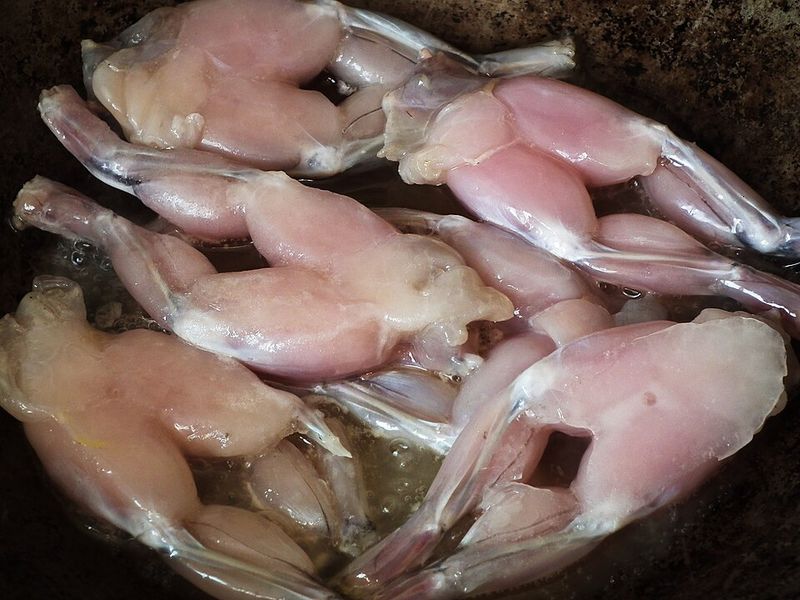
Frog legs have a reputation problem, and honestly, frogs brought it on themselves by looking the way they do. Most tourists take one look at the menu and quietly flip to the burger section.
That is a serious mistake.
Locals have been eating frog legs in Florida for generations, and the comparison to chicken is not just a convenient excuse. The white meat is delicate, tender, and picks up seasoning beautifully.
Fried versions come out crispy on the outside and juicy inside, which makes them genuinely hard to resist.
Florida’s freshwater marshes mean locally sourced frog legs are plentiful and fresh. Some restaurants bread and fry them simply; others go fancy with garlic butter and herbs.
Either way, the flavor is clean and mild. Close your eyes on the first bite if you need to – just make sure you actually take it.
4. Conch Fritters
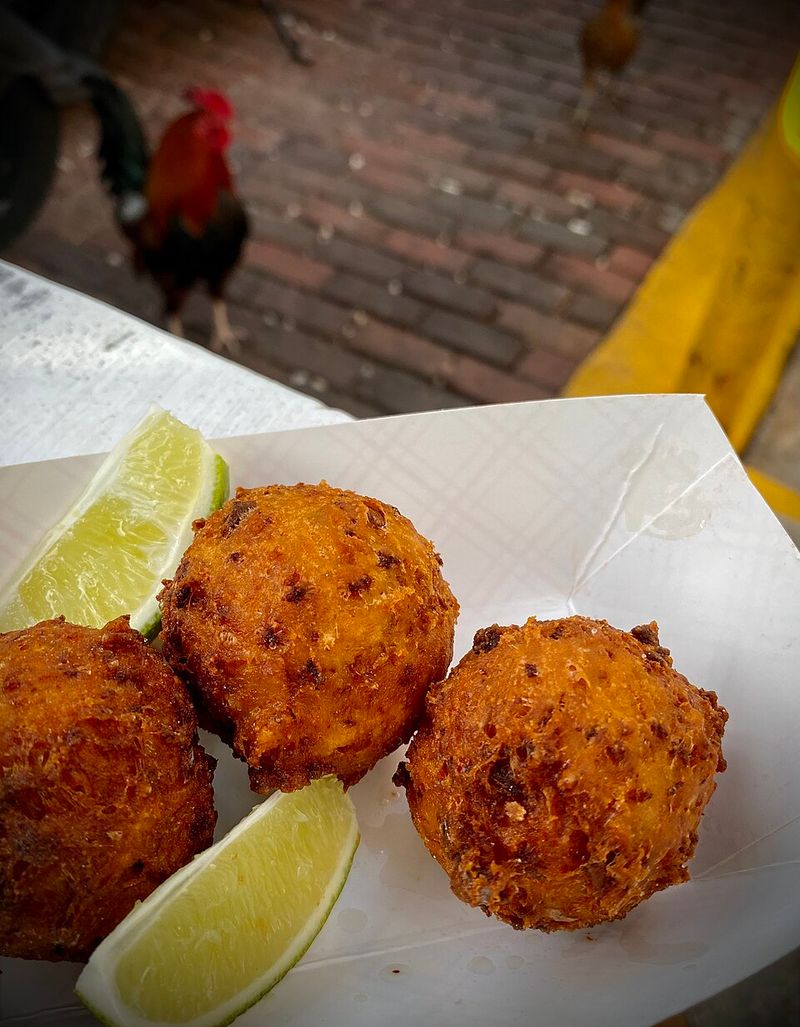
Down in the Florida Keys, conch is basically a cultural institution. The locals even call themselves Conchs, which tells you everything about how seriously they take this sea snail.
Tourists, however, tend to go quiet the moment they hear the word “snail.”
Conch fritters are the friendliest way to meet this ingredient for the first time. The conch meat gets chopped fine, mixed with peppers and spices, then fried into crispy golden balls that smell incredible.
The snail texture disappears entirely inside the fritter, leaving behind a savory, slightly chewy bite with serious flavor.
Order them at any waterfront shack in Key West and you’ll fit right in with the locals. A squeeze of lime and a swipe through the dipping sauce is all you need.
Conch fritters are the kind of snack you eat standing up, watching pelicans, without a single regret.
5. Raw Oysters from Florida Waters
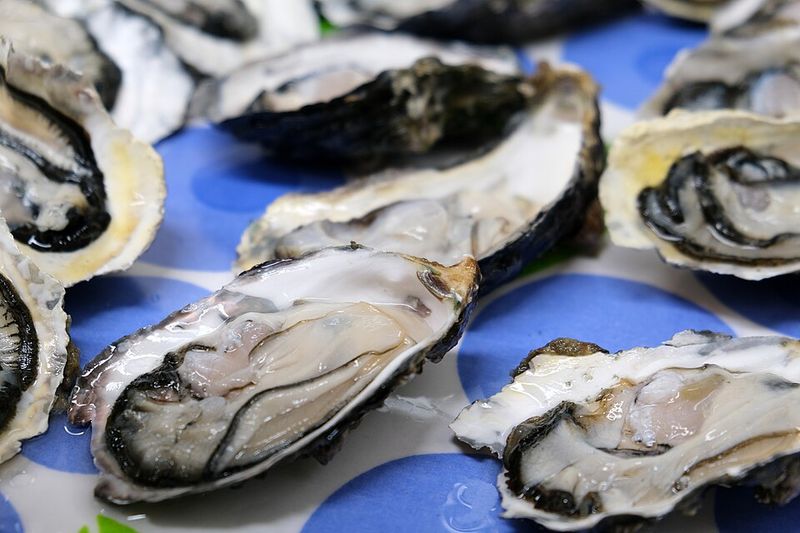
Florida heat and raw shellfish in the same sentence is enough to make cautious tourists back away slowly. It’s a fair concern, but it’s also why oyster bars in Florida take freshness incredibly seriously.
Apalachicola Bay alone has built a national reputation on its oysters.
Raw Florida oysters are briny, plump, and full of that unmistakable ocean flavor. They’re best eaten cold, straight from the shell, with a squeeze of lemon and a drop of hot sauce.
The whole experience takes about four seconds per oyster, which is four seconds of pure coastal bliss.
Reputable oyster bars source daily and maintain strict cold storage. If you’re nervous, go during peak lunch hours when turnover is fastest and everything is freshest.
Ask the shucker which batch came in that morning – they’ll respect the question and point you right. Florida oysters reward the brave every single time.
6. Stone Crab Claws
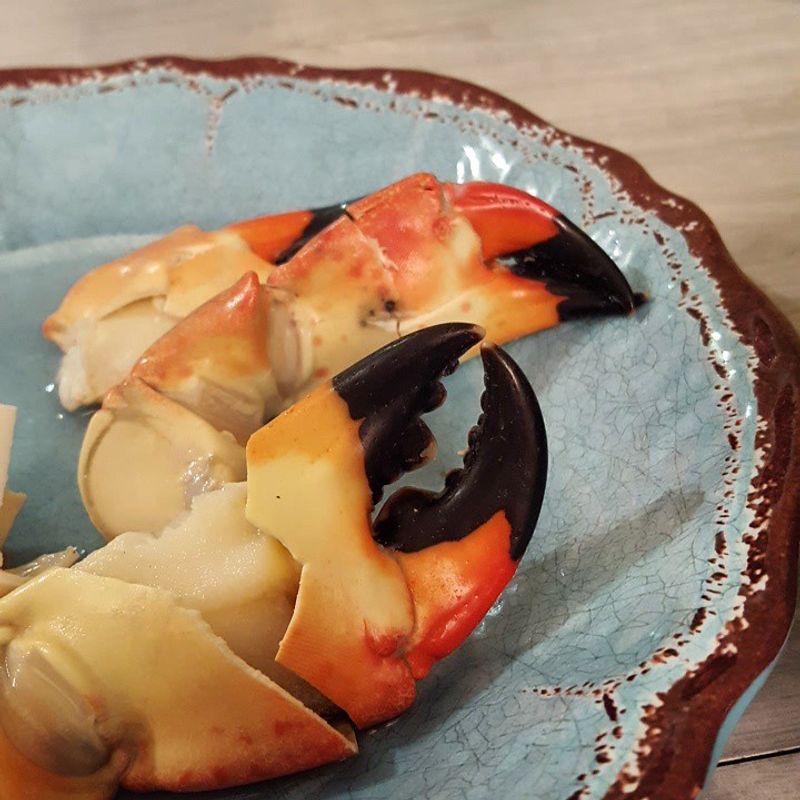
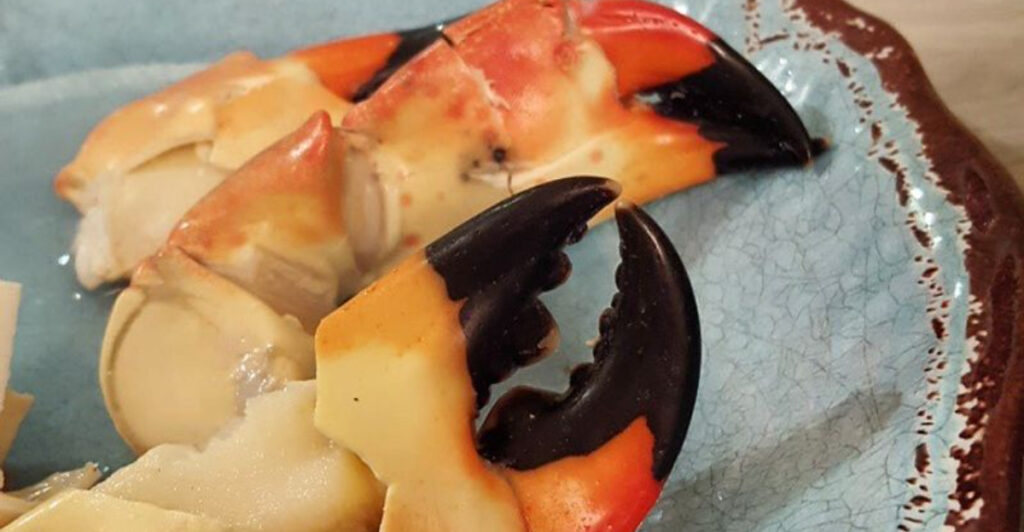
Stone crab claws arrive at the table looking like something out of a cartoon – enormous, prehistoric, and slightly intimidating. The tools they hand you to crack them open don’t exactly calm the nerves either.
First-timers often stare at the plate for a solid minute before committing.
Here’s what makes stone crab special: only the claws are harvested, and the crab is returned to the water to regenerate them. It’s one of the more sustainable seafood practices in the industry, which makes eating them feel a little less guilty and a lot more interesting.
The meat inside is sweet, firm, and rich – nothing like imitation crab or anything you’ve had from a grocery store. Joe’s Stone Crab in Miami Beach has been serving them since 1913, which is a pretty convincing endorsement.
Crack confidently, dip in the mustard sauce, and prepare to order another round immediately.
7. Datil Pepper Hot Sauce
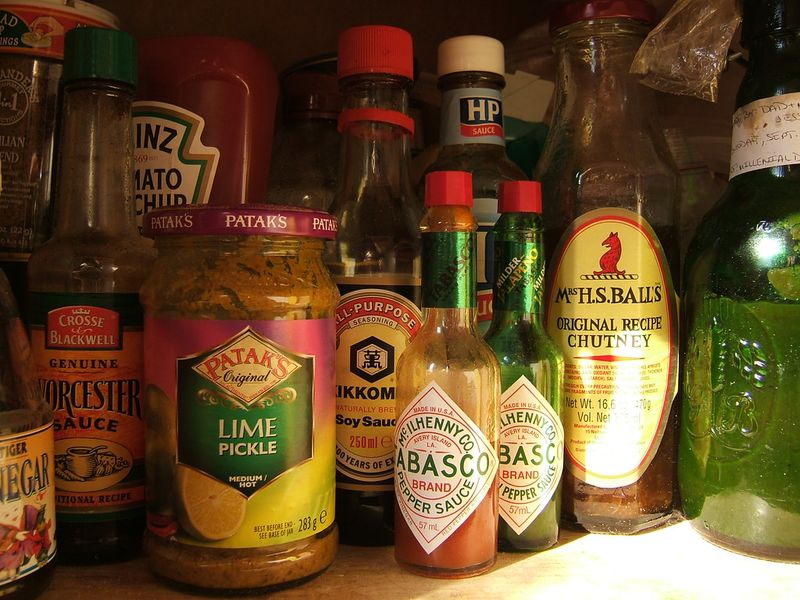
Tourists who consider themselves spice lovers have a habit of underestimating the datil pepper, and the datil pepper has a habit of making them regret that immediately. This small, fiery chili is unique to St. Augustine and packs serious heat with a fruity, almost sweet kick underneath.
Datil pepper hot sauce is sold all over St. Augustine in bottles with cheerful labels that give absolutely no warning about what’s inside. The heat sneaks up on you – pleasant at first, then suddenly very much present and demanding your full attention.
The pepper’s origin is debated, with some historians tracing it back to Minorcan settlers who arrived in Florida in the 1700s. That backstory alone makes it worth trying.
Start with a small dash on your eggs or fish tacos before committing to a full pour. Your mouth will thank you for the restraint, at least temporarily.
8. Cuban Coffee (Cafecito)
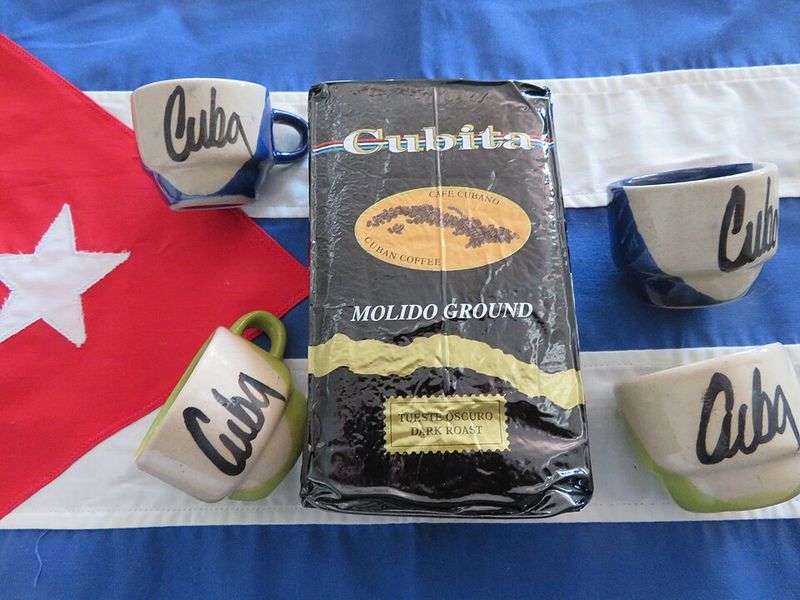
Cuban coffee isn’t terrifying in the way alligator is terrifying – nobody is going to question your life choices for ordering it. But the look on tourists’ faces when a tiny two-ounce cup arrives after they ordered “just a coffee” is genuinely priceless every single time.
A cafecito is a shot of espresso brewed with sugar whipped directly into the first drops, creating a thick, sweet foam called espuma on top. The result is intensely strong, deeply sweet, and nothing like the watered-down drip coffee most people are used to.
It hits fast and it hits hard.
Miami’s Cuban coffee windows, called ventanitas, are a cultural institution. Locals line up at all hours, toss back a cafecito in two sips, and carry on with their day like nothing happened.
Order one, stand at the window, and drink it the local way. No chair needed – this coffee doesn’t slow down for anyone.
Share this story