The British Royal Family follows a lot of traditions, and some of those traditions have to do with what they eat and drink. Over the years, former royal chefs and palace insiders have shared some surprising details about foods that are kept off the menu.
Whether it is for health reasons, animal welfare concerns, or simply personal taste, these food rules offer a fascinating look behind the palace doors. Read on to find out which foods have been avoided by royals and the reasons behind each choice.
1. Garlic
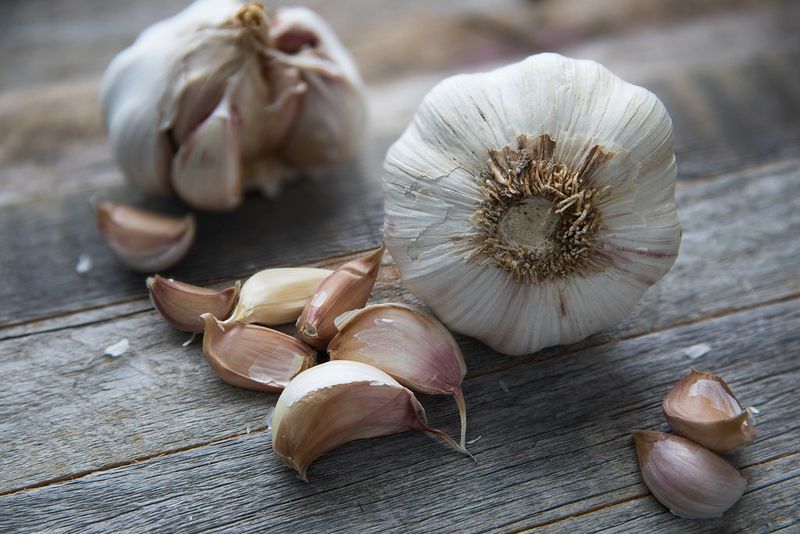
Ask any former royal chef and they will likely bring up garlic first. Queen Elizabeth II was famously not a fan of the pungent ingredient, and royal kitchen staff made sure it stayed out of meals served at the palace.
The reason goes beyond personal taste. When you are meeting hundreds of people at public engagements, shaking hands and chatting up close, strong breath is simply not ideal.
Garlic was considered especially problematic before official events and royal appearances.
Former royal chef Darren McGrady confirmed this in interviews, noting that garlic was a strict no-go in the palace kitchen. It was one of those unspoken rules that every cook learned quickly.
Whether or not all royals personally dislike garlic, keeping it off the menu was a matter of courtesy and professionalism.
2. Foie Gras
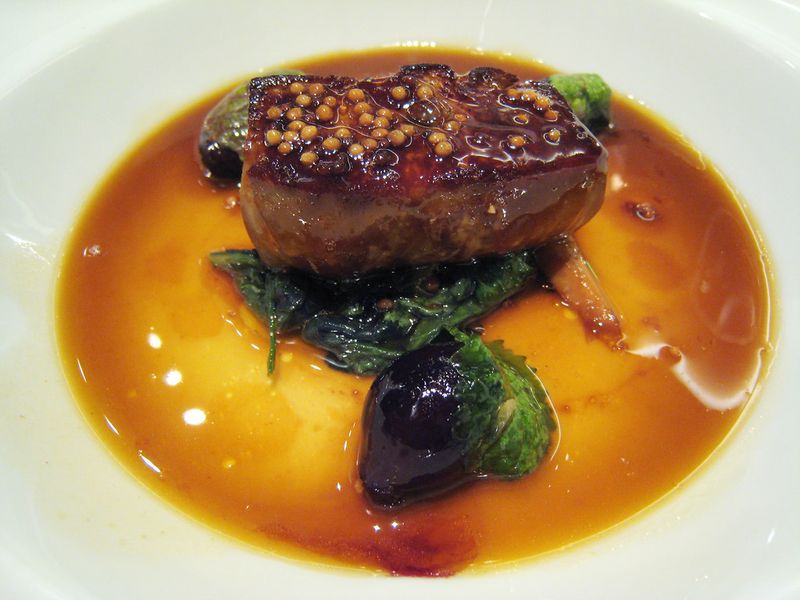
King Charles III has long been an outspoken advocate for animal welfare, and that conviction shows up directly on the royal menu. Foie gras, a French delicacy made from the liver of force-fed ducks or geese, has reportedly been banned from royal residences under his direction.
The production process involves a practice called gavage, where birds are fed large amounts of food through a tube to enlarge their livers. Many animal rights organizations consider this practice inhumane, and King Charles shares that concern.
By removing foie gras from palace menus, King Charles made a clear statement about his values without needing to say a word. It is a small but meaningful change that reflects the broader shift toward more ethical and sustainable choices in the royal household.
His stance on this issue has been consistent for many years.
3. Raw Oysters
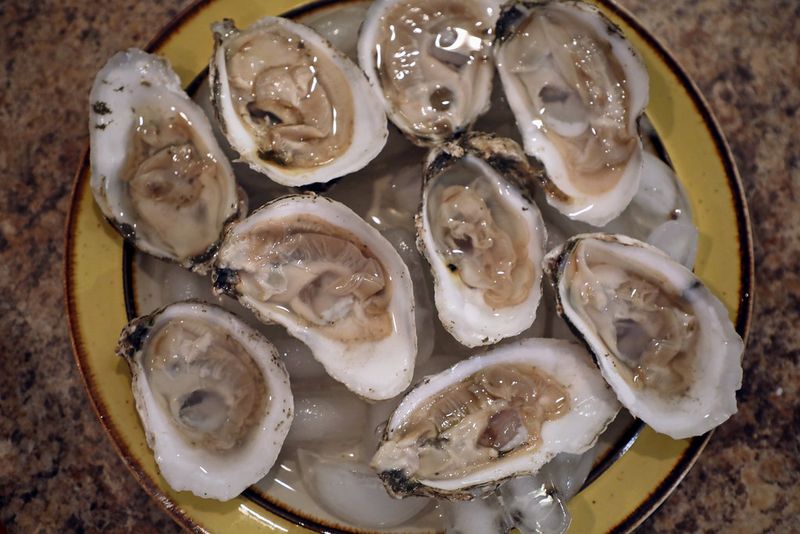
Raw oysters might be considered a luxury treat at fancy restaurants, but the royal household has long treated them with caution. The concern is not about taste.
It is about the very real risk of foodborne illness that comes with eating uncooked shellfish.
Oysters filter large amounts of seawater and can carry bacteria like Vibrio, which causes serious stomach illness. For most people, a bout of food poisoning means a few miserable days at home.
For a member of the royal family, it could mean canceling important engagements and creating a public spectacle.
Royal schedules are packed with official duties, state visits, and public appearances that simply cannot be rescheduled on short notice. Avoiding raw oysters is a straightforward precaution that protects both the health and the professional commitments of the royals.
It is practical thinking dressed up in royal protocol.
4. Raw Clams and Mussels
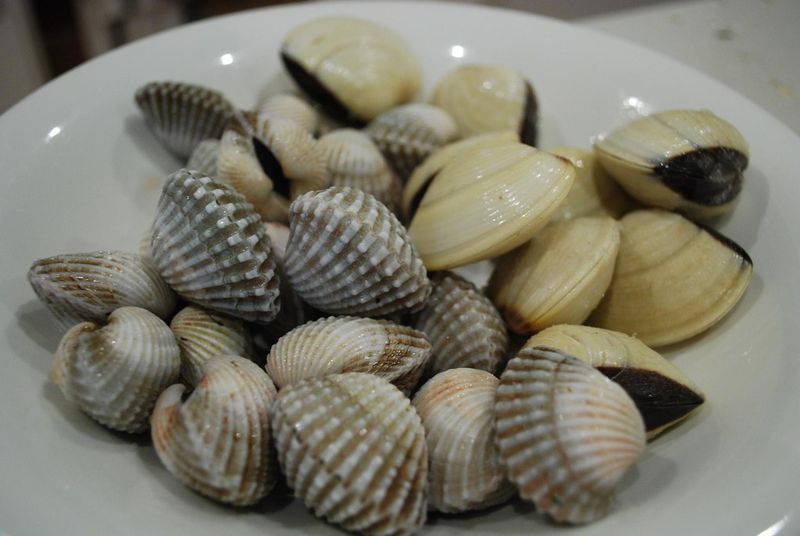
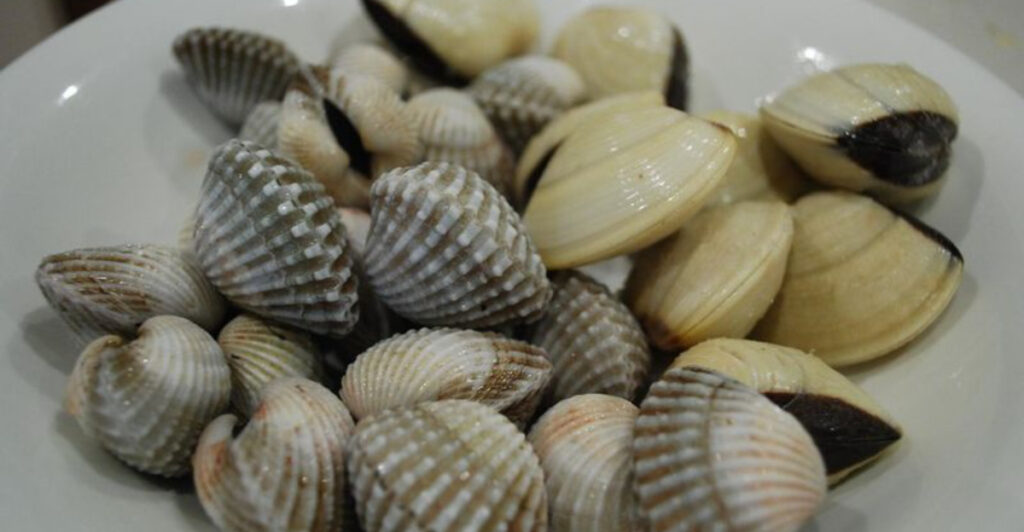
Raw shellfish of all kinds carry a higher-than-average risk of bacterial contamination, and the royal household takes that seriously. Clams and mussels, much like oysters, can harbor harmful bacteria and viruses depending on where and how they were harvested.
Royals traveling abroad face an even greater risk because shellfish quality and food safety standards vary widely between countries. What passes as safe in one region might not meet the stricter standards expected in royal kitchens.
Palace aides and royal protection staff are known to carefully vet food options during overseas tours.
Skipping raw clams and mussels is a sensible call when your diary is full of back-to-back meetings, speeches, and public events. Nobody wants to be the royal who had to cancel a state dinner because of a bad clam.
The precaution is quiet, simple, and very practical.
5. Rare Meat During Official Tours
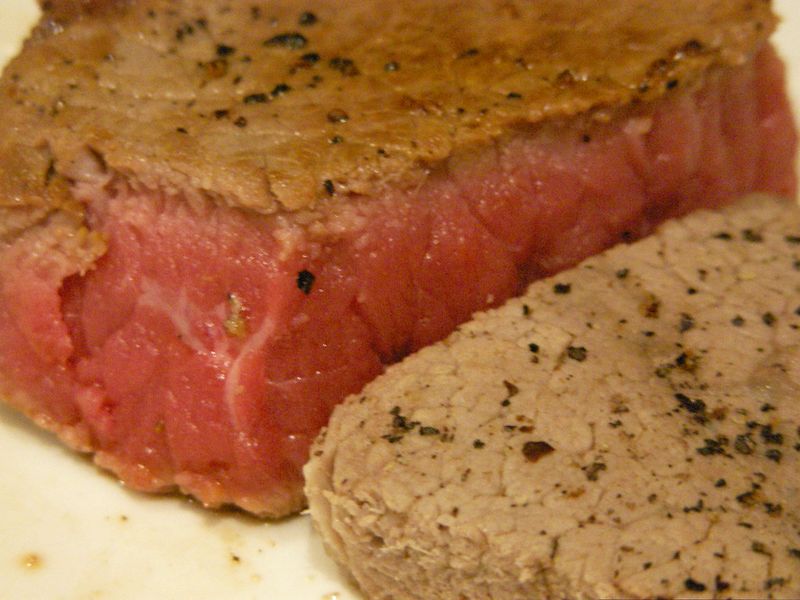
A perfectly cooked rare steak might be a personal favorite for some royals behind closed palace doors, but during official overseas tours, food safety takes center stage. Undercooked meat carries the risk of bacteria like Salmonella and E. coli, which can cause severe illness.
When royals are traveling internationally, they often face unfamiliar kitchens, different food handling standards, and local ingredients that their bodies may not be used to. The safest approach is to ensure meat is thoroughly cooked, reducing any chance of contamination.
Royal protection teams and household staff work carefully with local organizers to make sure meals served during official engagements meet strict health standards. A royal falling ill mid-tour would be a logistical and diplomatic headache.
Well-done meat might not be glamorous, but it keeps everyone healthy and the schedule running smoothly throughout demanding international visits.
6. Unpasteurized Dairy Products
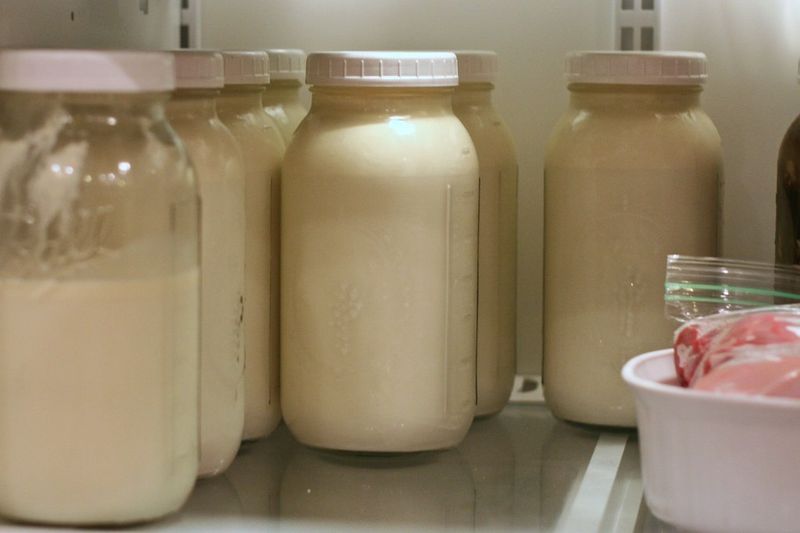
Unpasteurized milk and aged raw-milk cheeses have a devoted following among food enthusiasts, but the royal household tends to steer clear of them during official travel and state visits. The reason is straightforward: unpasteurized dairy can carry harmful bacteria including Listeria, E. coli, and Salmonella.
Pasteurization is the process of heating milk to kill dangerous pathogens. When that step is skipped, the risk of foodborne illness goes up significantly.
For most healthy adults, the risk might seem small, but for royals with packed public schedules, even a mild illness can have major consequences.
During domestic life at royal estates, some royals may have more flexibility with food choices. But on official state visits or international tours, the guidelines tighten considerably.
Avoiding unpasteurized dairy is one of the quieter food rules that rarely makes headlines but plays a real role in keeping royal health protected.
7. Tap Water in High-Risk Destinations
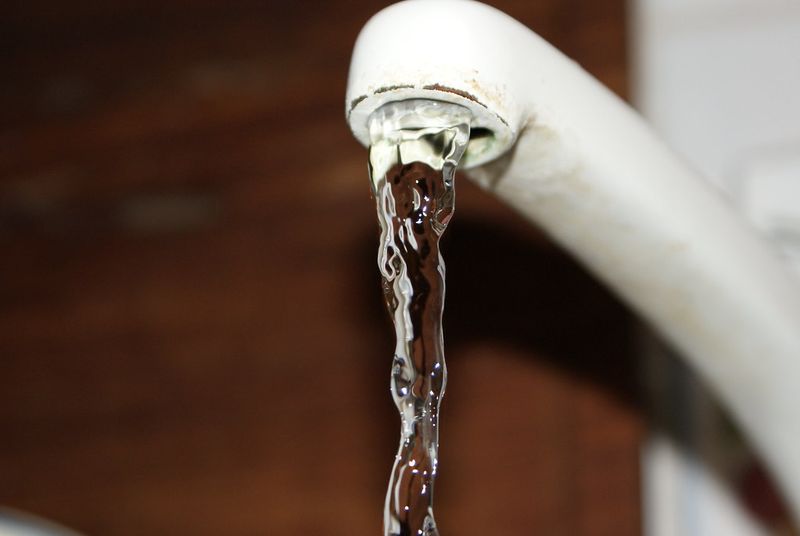
Water might not technically be food, but it is such a fundamental part of staying healthy while traveling that it deserves a spot on this list. Royal travel guidelines have long emphasized avoiding local tap water in regions where water quality or treatment standards may be uncertain.
Drinking contaminated water can cause traveler’s diarrhea, typhoid, and other serious illnesses. These risks are well-known to anyone who has traveled internationally, but for royals, the stakes are even higher because their health directly affects their ability to carry out official duties.
Palace staff and royal protection officers typically arrange for bottled or filtered water at every stop during overseas tours. It is a small but important detail in the enormous logistical operation that surrounds any royal visit abroad.
Staying hydrated safely is just one of many behind-the-scenes measures that keep royal tours running without a hitch.
8. Questionable Street Food
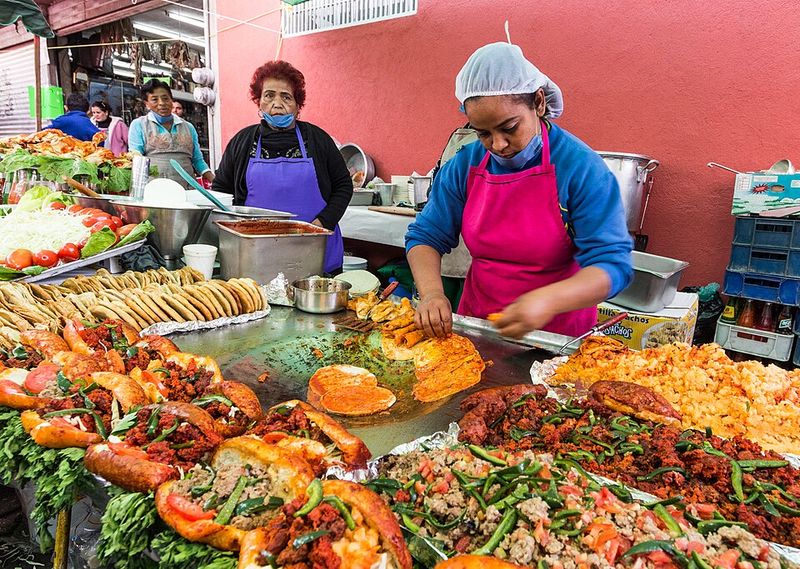
Street food is one of the most exciting parts of exploring a new culture, and royal family members genuinely enjoy sampling local cuisine during tours. However, there are limits to how adventurous they can be, and palace aides play a key role in drawing that line.
Food sold at outdoor stalls may be prepared in conditions that are harder to verify. Temperature control, ingredient freshness, and hygiene standards can vary widely.
For a royal on a tight international schedule, the risk of getting sick from street food is simply too disruptive to ignore.
That does not mean royals never taste local specialties. They often do, and those moments make for warm, relatable headlines.
But the food is typically vetted in advance or selected carefully by staff. It is a balancing act between cultural engagement and practical caution that royal teams have gotten very good at managing.
Share this story