Some places on Earth are so far from everything that getting there requires more than just a plane ticket. Whether surrounded by frozen tundra, open ocean, or endless ice, the people who call these spots home have built lives that most of us can barely imagine.
From tiny islands in the South Atlantic to research bases on Antarctica, these communities prove that human determination knows no limits. Get ready to discover ten of the most isolated places where real people wake up, go about their day, and somehow make it work.
Tristan da Cunha, South Atlantic Ocean
No airport. No quick escape.
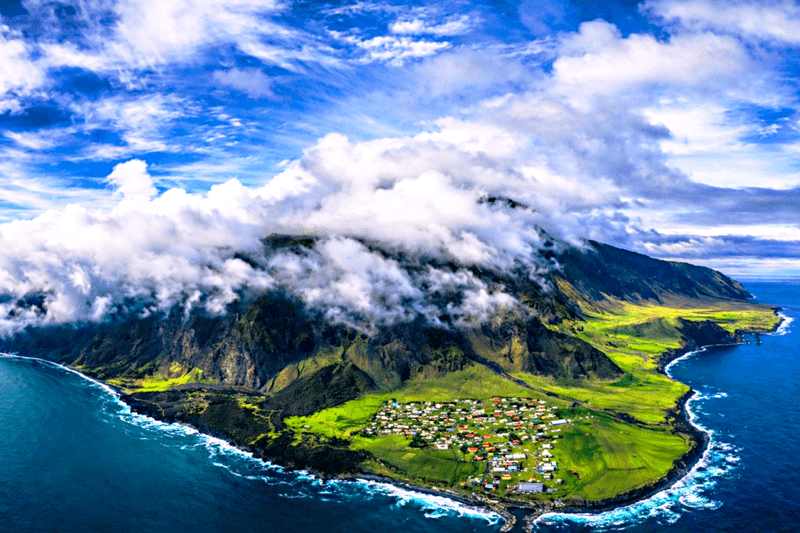
No popping to the mainland for a coffee. Tristan da Cunha holds the jaw-dropping title of the world’s most remote inhabited island, sitting roughly 2,400 kilometers from the nearest inhabited land.
Getting there means boarding a supply ship and enduring a week-long ocean voyage through rough South Atlantic swells.
About 250 people call this volcanic island home, and they have managed to build a remarkably self-sufficient society. Residents grow potatoes, fish the surrounding waters, and raise livestock to keep food on the table.
Everyone pulls their weight because the island’s survival literally depends on it.
The community shares a handful of surnames, reflecting generations of families who never left. A single eruption in 1961 forced everyone to evacuate temporarily, but most returned as soon as they could.
That kind of fierce loyalty to a place so difficult to reach says everything about the bond people develop when isolation becomes part of daily life.
Edinburgh of the Seven Seas, Tristan da Cunha
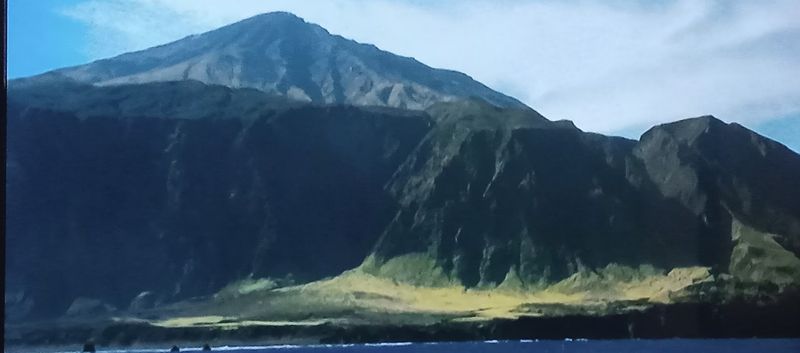
The name sounds grand, but Edinburgh of the Seven Seas is actually a tiny cluster of homes clinging to the base of a volcano. It serves as the only settlement on Tristan da Cunha and functions as the beating heart of island life.
With fewer than 300 residents, it may be the smallest capital-like community on Earth.
Life here runs on tight-knit cooperation. The settlement has a school, a small hospital, a post office, a pub, and even a supermarket that stocks goods brought in by supply ships.
When a shipment arrives, it is practically a community celebration since fresh supplies do not come often.
Interestingly, the island has its own currency and postage stamps, which are popular with collectors worldwide. Residents pay very low taxes and enjoy a peaceful lifestyle largely free from crime.
Outsiders who wish to move there must apply for permission, and approval is rare. That exclusivity keeps the community tight and the culture wonderfully preserved, making Edinburgh of the Seven Seas one of the most fascinating tiny towns anywhere on the planet.
Villa Las Estrellas, Antarctica
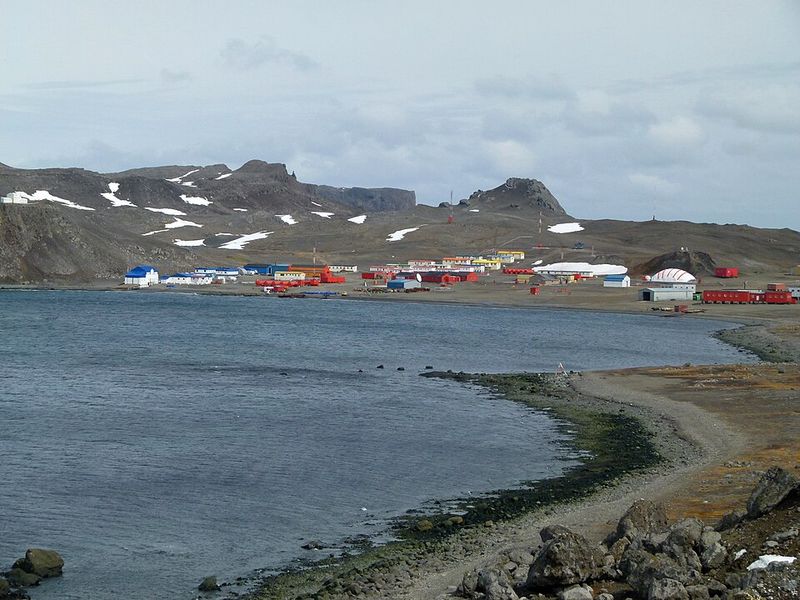
Forget everything you think a neighborhood looks like. Villa Las Estrellas is a Chilean civilian settlement planted firmly on King George Island in Antarctica, and yes, children actually go to school there.
Founded in 1984, it was built partly to reinforce Chile’s territorial claims on the continent, making it as much a political statement as a community.
Temperatures regularly plunge below freezing, and fierce Antarctic winds are just a fact of daily life. Residents bundle up and carry on, heading to the post office, attending church, or grabbing supplies from the small store.
The settlement even has a gym and a library, which must feel like luxury during the long polar winter.
Families who move here typically stay for one or two-year rotations. Children born at Villa Las Estrellas become part of a very exclusive club of humans who can say Antarctica is their birthplace.
The settlement currently houses around 80 to 150 people depending on the season. Living there demands mental toughness, adaptability, and a genuine love of wide-open, windswept, frozen landscapes that most tourists only dream of visiting briefly.
Esperanza Base, Antarctica
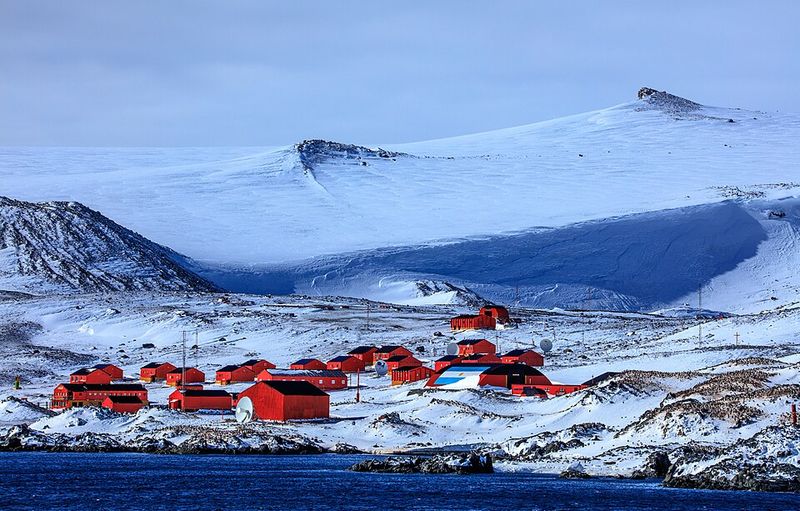
Most Antarctic research stations house only scientists and support staff, but Esperanza Base breaks that mold entirely. Located on the tip of the Antarctic Peninsula, this Argentine station is home to full families who live there year-round, making it one of the most unusual permanent communities on the frozen continent.
The base has a school, a small hospital, a chapel, and recreational facilities. Children play outside in temperatures that would send most people straight back indoors.
Parents work in research, logistics, and operations while keeping family life as normal as possible under wildly abnormal conditions.
Esperanza holds a remarkable record: Emilio Marcos Palma was born here in 1978, becoming the first person known to be born on the Antarctic continent. The base also recorded one of the highest temperatures ever measured in Antarctica, reaching 20.75 degrees Celsius in 2020, a reminder that even the coldest places on Earth are feeling the effects of climate change.
Life at Esperanza is demanding but deeply communal, with residents forming strong bonds forged by shared challenges and a landscape that is breathtaking in every literal sense of the word.
Concordia Station, Antarctica
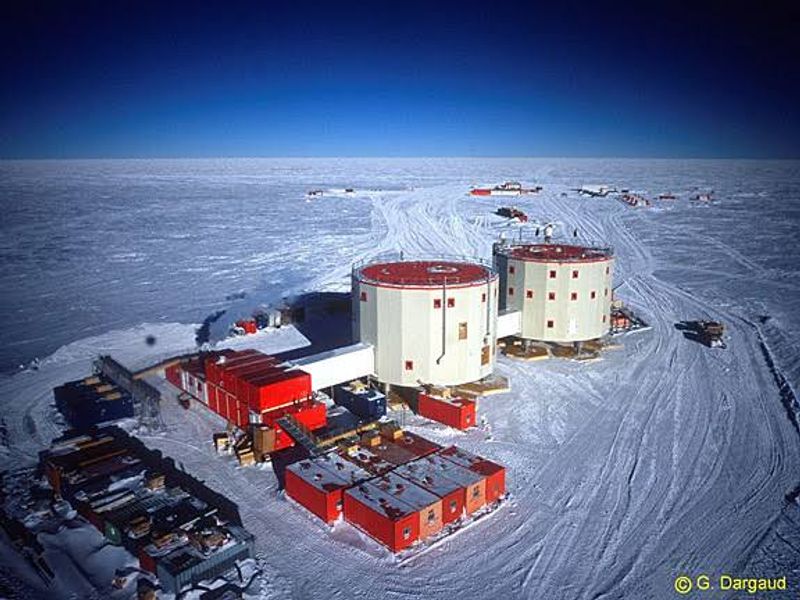
Scientists at Concordia Station jokingly refer to their home as White Mars, and the comparison is surprisingly accurate. Perched on the Antarctic Plateau at an altitude of 3,233 meters, this French-Italian research base experiences some of the coldest temperatures ever recorded on Earth, regularly dropping below minus 80 degrees Celsius in winter.
During the winter-over period, a crew of around 13 people is completely cut off from the outside world for nearly nine months. No evacuation is possible if someone gets seriously ill.
No supply plane can land in the brutal cold. The team must solve every problem with the resources already on hand, which makes psychological resilience just as important as scientific skill.
The European Space Agency actively studies Concordia crews to understand how astronauts might cope during long missions to Mars. Isolation, darkness, cramped quarters, and limited social contact mirror the conditions of deep-space travel remarkably well.
Researchers at Concordia study ice cores, atmospheric conditions, and even their own mental health. What happens at this remote station could shape the future of human space exploration, making its extreme isolation genuinely valuable to all of humanity.
Ittoqqortoormiit, Greenland
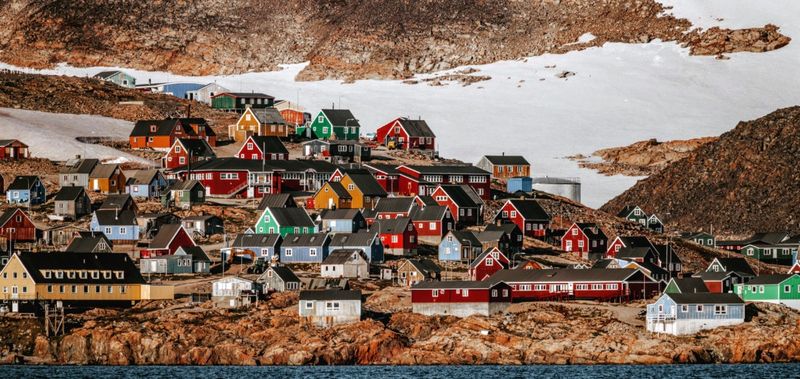
Try saying Ittoqqortoormiit three times fast. Once you manage that, consider what it would be like to actually live there.
This small Greenlandic community of around 350 people sits near the entrance to Scoresby Sound, one of the largest fjord systems on Earth, in a region covered by sea ice for most of the year.
Getting to Ittoqqortoormiit is a logistical puzzle that changes with the seasons. Depending on the time of year, visitors arrive by helicopter, small charter flight, boat, or dogsled.
There are no roads connecting it to anywhere else. Supplies arrive by ship during the brief summer window when the sea is navigable, and residents stock up heavily for the long winter ahead.
Hunting and fishing remain central to life here. Polar bears, musk oxen, seals, and walruses are all part of the local food culture, sustaining traditions passed down through generations of Inuit ancestors.
Nearby abandoned settlements serve as quiet reminders of just how unforgiving Arctic life can be. Despite the challenges, residents maintain a deep spiritual and cultural connection to the land that no amount of modern convenience could replace.
Longyearbyen, Svalbard, Norway
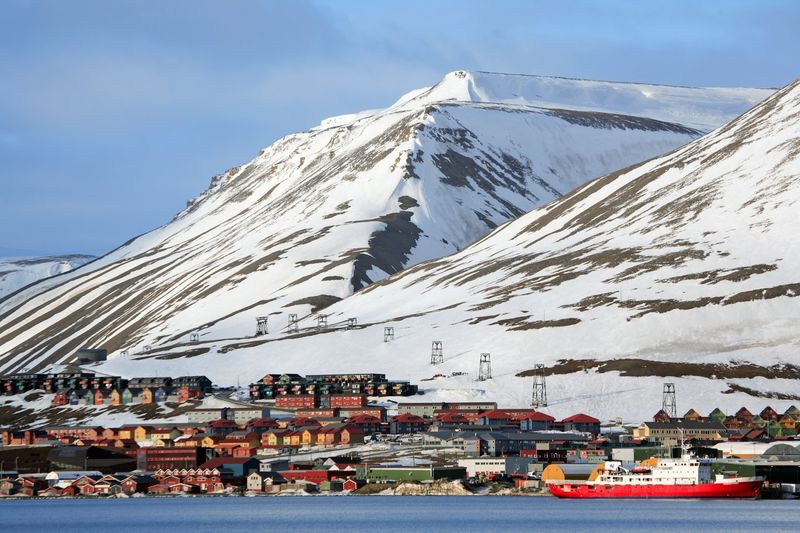
Polar bears outnumber people in Svalbard, and residents of Longyearbyen are required by law to carry a rifle when venturing outside town. That one fact tells you nearly everything you need to know about what daily life looks like at 78 degrees north latitude.
Longyearbyen is one of the northernmost permanent settlements in the world, home to about 2,400 people from over 50 countries.
The town experiences polar night, meaning the sun disappears completely for about four months in winter. Then summer arrives and flips the script entirely, bringing nearly four months of continuous daylight.
Residents adapt their sleep schedules, cover their windows with blackout curtains, and learn to measure time differently than people in sunlit places.
Despite its extreme location, Longyearbyen functions surprisingly well as a modern town. It has restaurants, a university, a hospital, a cinema, and even a global seed vault buried deep in the permafrost to protect the world’s crop diversity.
There is no income tax and no unemployment, partly because anyone unable to support themselves is expected to leave. Longyearbyen is simultaneously one of the harshest and most fascinating places a person could choose to call home.
Kivalina, Alaska, United States
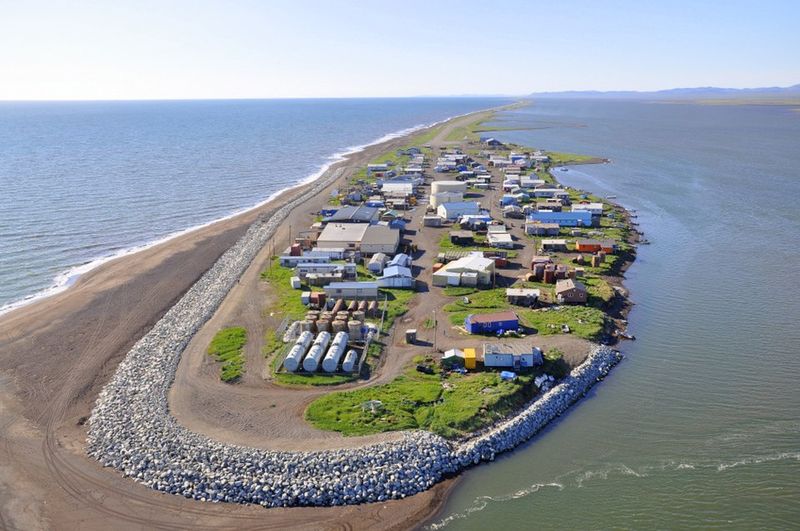
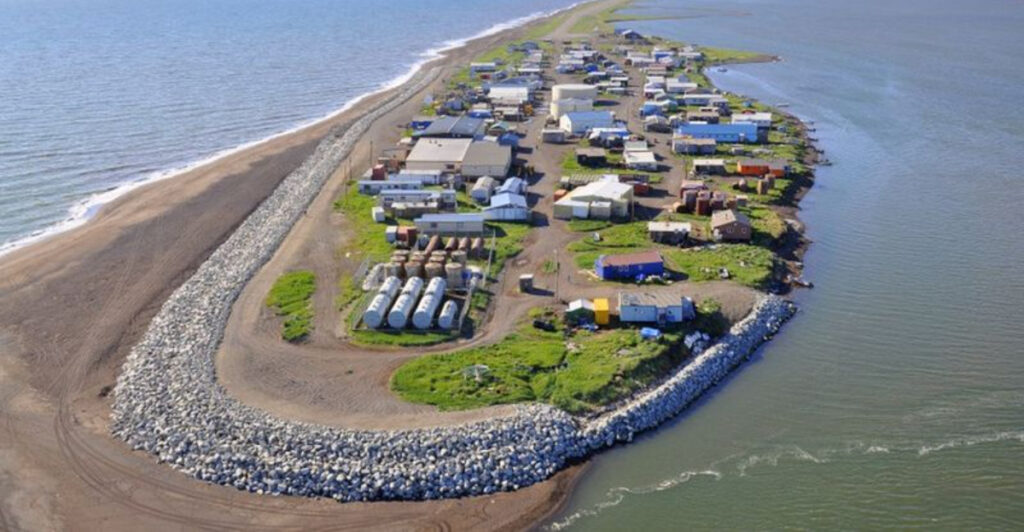
Balanced on a narrow strip of land barely wider than a few city blocks, Kivalina sits between a lagoon and the Chukchi Sea on Alaska’s remote northwest coast. About 400 Inupiat people live here, connected to the mainland by small planes and, during winter, ice roads that freeze over the surrounding water.
When neither option works, the community waits.
Kivalina faces a crisis that goes beyond typical isolation. Coastal erosion is eating away at the island at an alarming rate, threatening to swallow the entire community within decades.
Storm surges that once hit rarely now arrive more frequently, washing over the narrow island and damaging homes and infrastructure. Residents have been fighting for years to secure funding for relocation to safer ground.
Traditional Inupiat practices remain deeply woven into daily life. Hunting beluga whales, fishing, and gathering plants and berries are not just cultural activities but genuine survival strategies.
Elders pass these skills to younger generations with a sense of urgency, knowing that the old ways carry wisdom no app can replicate. Kivalina’s story is one of resilience, cultural pride, and an ongoing battle against forces far beyond the community’s control.
Gough Island Weather Station, South Atlantic
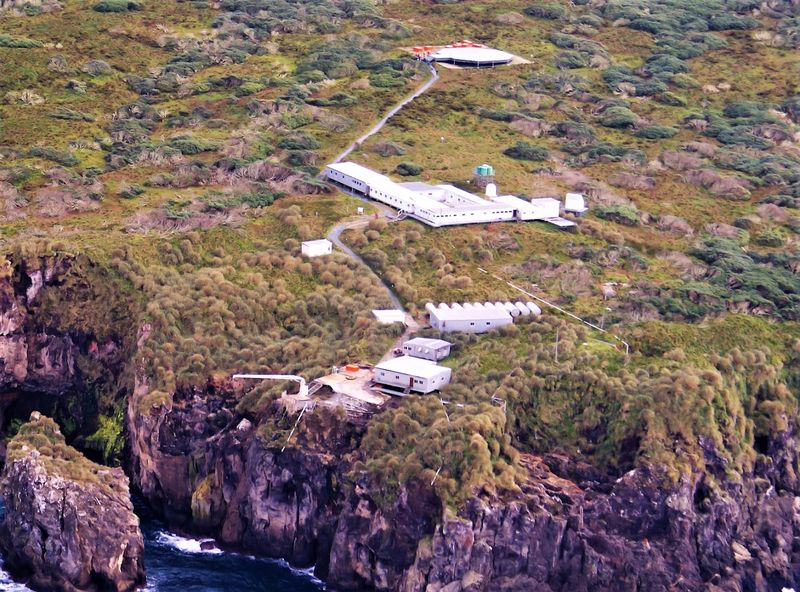
Gough Island does not appear on most people’s travel radar, and that is exactly the point. This remote volcanic island in the South Atlantic is one of the most isolated continuously occupied locations on Earth, staffed year-round by a small team from the South African Weather Service.
Reaching it requires a ship voyage of roughly 1,700 kilometers from the nearest populated island, Tristan da Cunha, which is itself famously remote.
The team stationed here typically numbers around six to ten people who live and work together for the better part of a year. Their primary job is collecting meteorological data, but they also monitor wildlife on an island that hosts some of the most important seabird colonies in the Southern Ocean.
Millions of seabirds nest on Gough, including the endangered Tristan albatross.
An invasive mouse population introduced by sailors centuries ago has become a serious threat to nesting birds, prompting major conservation efforts. The isolation that makes Gough challenging for humans is actually what makes it so ecologically precious.
Very few people ever set foot here, keeping human impact minimal. The small weather station crew essentially acts as the island’s guardians, balancing scientific duty with an unexpected role as wildlife protectors.
Share this story