Oklahoma is not just wide-open skies and rolling prairies. Hidden across the state are crumbling ghost towns, forgotten forts, and eerie industrial ruins that tell stories of boom, bust, and everything in between.
From the toxic wasteland of Picher to the sun-bleached storefronts along old Route 66, these abandoned places are a magnet for curious explorers, history lovers, and photographers hunting for something truly unforgettable.
Picher Ghost Town
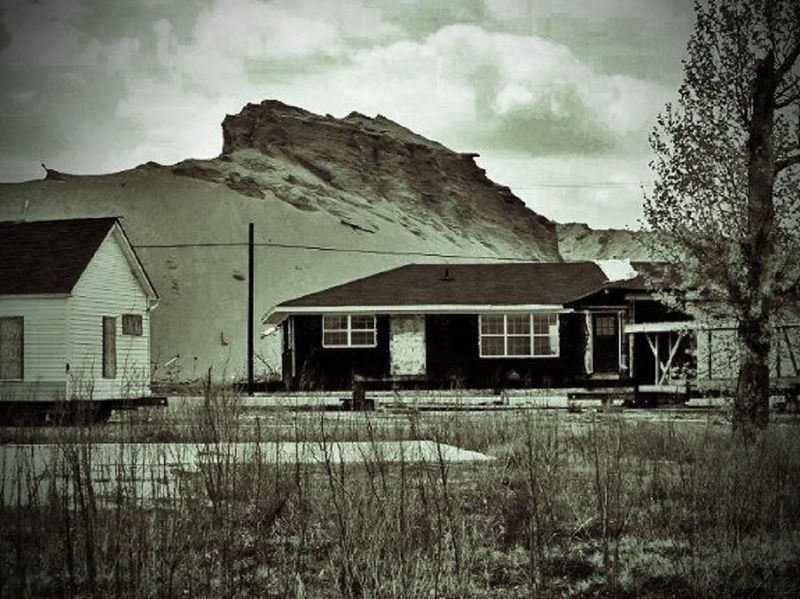
No other place in America quite captures the haunting consequences of industrial greed the way Picher does. This northeastern Oklahoma town was once a booming lead and zinc mining hub, home to nearly 20,000 people at its peak.
Then the bill came due.
Decades of unregulated mining left behind enormous grey chat piles and groundwater so toxic that children were found to have dangerous lead levels in their blood. A federal buyout eventually pushed most residents out, and a devastating tornado in 2008 finished off what little remained.
The town was officially dissolved in 2013.
Walking through Picher today feels like stepping onto a movie set for the end of the world. Broken foundations, rusted fences, and looming chat piles stretch across the flat landscape.
Visitors should stay cautious since the ground itself is unstable due to mine subsidence. Still, Picher remains one of the most photographed and talked-about abandoned sites in the entire country, drawing curious explorers from across the nation.
Fort Washita Ruins
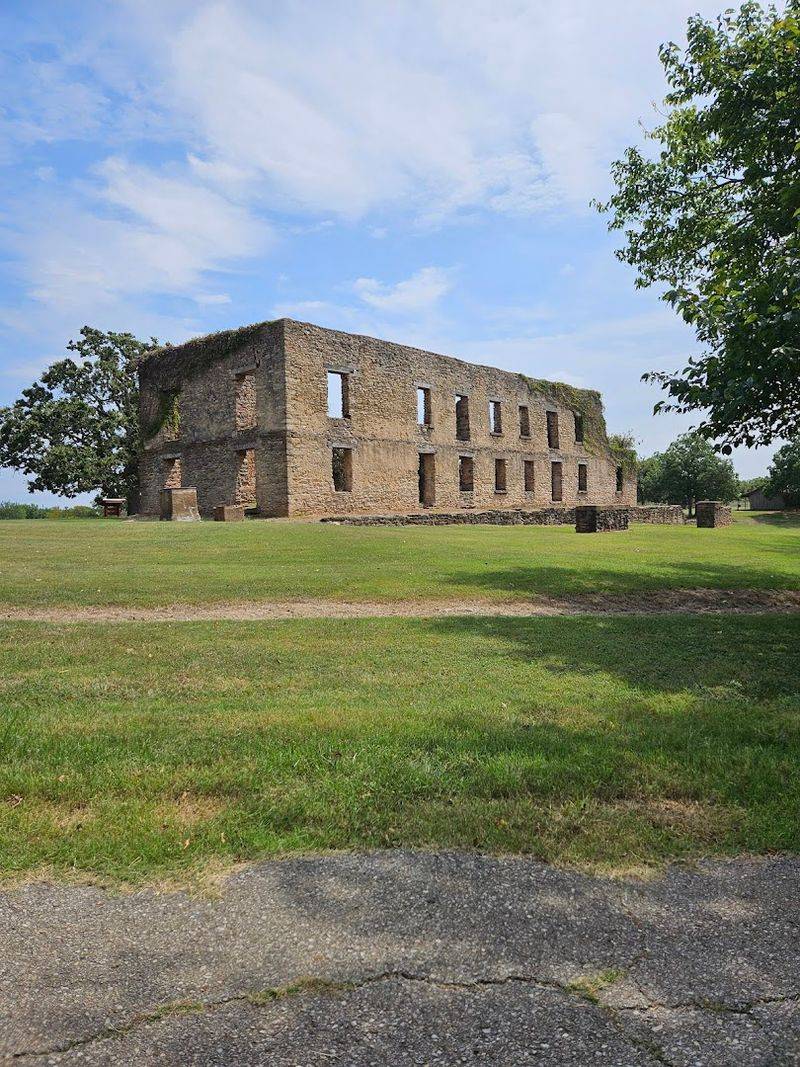
Built in 1842, Fort Washita had one job: protect the Chickasaw and Choctaw Nations from encroaching Plains tribes while keeping frontier routes open. It did that job well for years, until the Civil War turned everything upside down.
When Confederate forces abandoned the fort, they torched much of it on their way out. What the flames spared, time slowly wore down.
Today, several original stone structures and crumbling foundations still stand on the site near Durant, managed by the Oklahoma Historical Society.
Fort Washita is one of those rare places where history feels genuinely touchable. You can run your hand along walls that soldiers built nearly two centuries ago.
The site hosts living history events and guided tours, making it a fantastic stop for families and history buffs alike. Early morning visits are especially rewarding when soft light hits the old stonework and the whole place feels almost alive.
Admission is affordable and the grounds are well-maintained, so this one is absolutely worth planning around.
Skedee Ghost Town
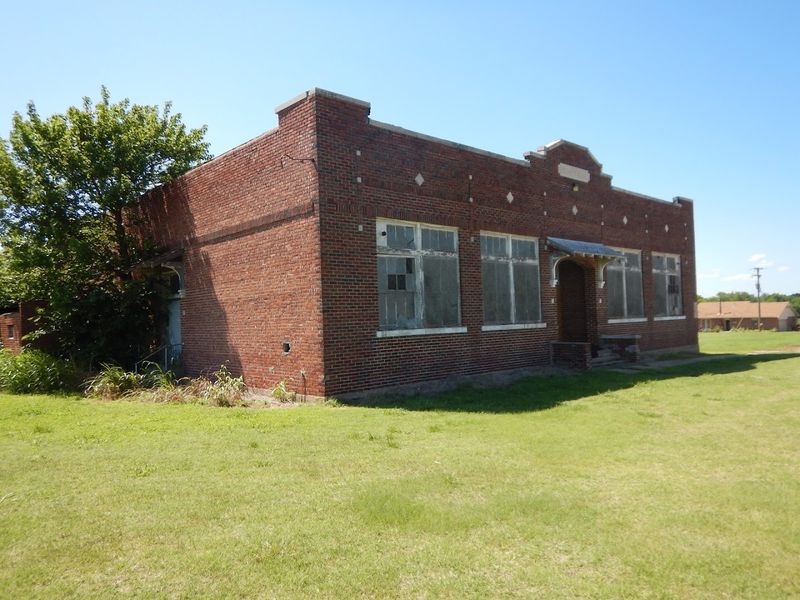
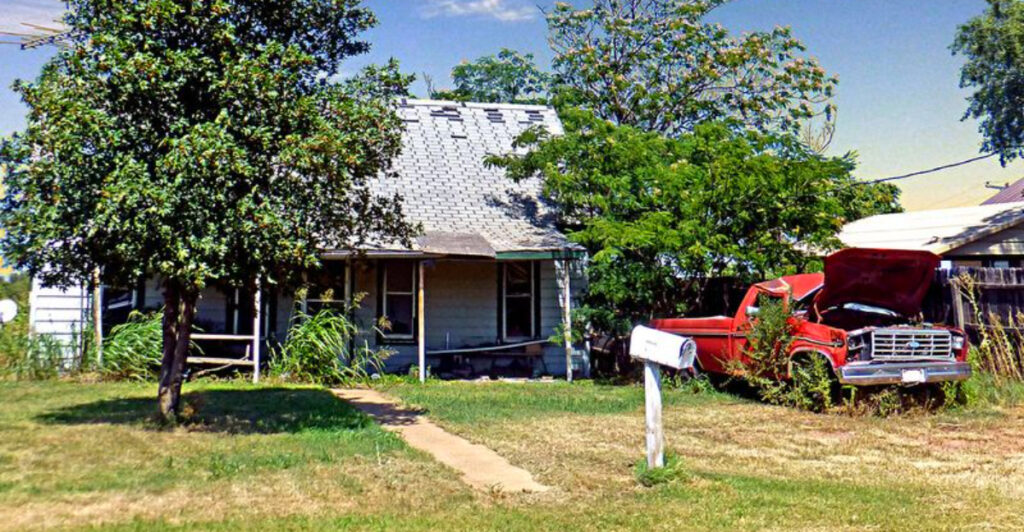
Skedee never made it onto many maps, and that is precisely what makes it so fascinating. Tucked into the quiet countryside of Pawnee County, this little railroad town once hummed with agricultural commerce and small-town ambition before the population slowly trickled away.
What remains today is a collection of weathered storefronts, sagging wooden structures, and crumbling brick walls that look like they have been slowly returning to the earth for decades. There are no tourist signs pointing the way, no gift shops, and no crowds.
Just you, the wind, and a town that time forgot.
Visiting Skedee feels like finding a secret that most people drive right past without knowing. The surrounding prairie landscape adds a melancholy beauty to the scene, especially in late afternoon when long shadows stretch across the empty streets.
Always respect private property when exploring since some structures sit on privately owned land. Bring water, wear sturdy shoes, and keep an eye on the weather since this part of Oklahoma can turn stormy fast.
Ghost town hunters consistently rank Skedee among their favorite hidden finds in the entire state.
Glass Mountain Trading Post Ruins
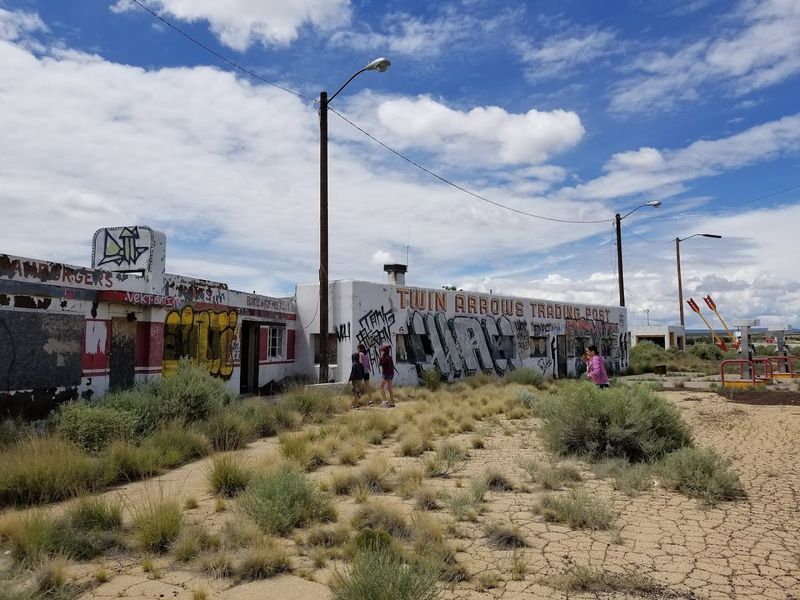
Somewhere between a crumbling building and a piece of living art, the Glass Mountain Trading Post ruins sit quietly near one of Oklahoma’s most unusual natural landmarks. The Glass Mountains themselves are named for the selenite crystals that catch sunlight across their slopes, and the old trading post once served travelers passing through this remote stretch of highway.
Today, the structure leans and crumbles with a certain defiant dignity. Walls have partially collapsed, the roof is long gone, and nature is firmly reclaiming what humans left behind.
Yet the bones of the building still suggest the ambition of whoever once ran a business out here in the middle of nowhere.
Pairing a visit to the ruins with a hike through the nearby Glass Mountains State Park makes for a full and rewarding day trip. The contrast between the sparkling natural formations and the decaying man-made structure is genuinely striking.
Sunset is the best time to visit since the selenite crystals and the old adobe walls both glow warm orange and pink. Wear long pants and boots since the terrain around the ruins is rough and dotted with prickly scrub brush.
Fort Towson Ruins
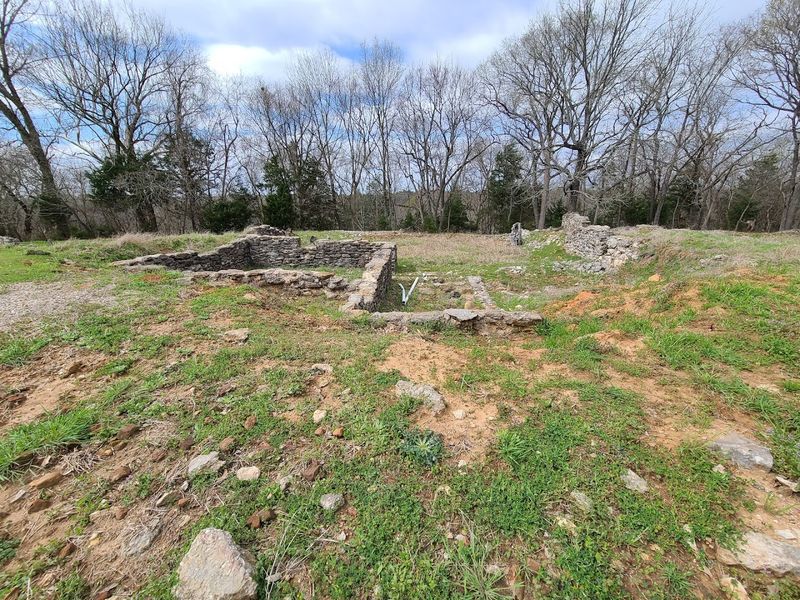
Fort Towson has been many things over the years: a frontier military post, a supply depot, a Confederate stronghold, and now one of Oklahoma’s most quietly powerful historic ruins. Established in 1824 near the Red River, the fort played a surprisingly large role in shaping the region’s early history.
Stand-out fun fact: Fort Towson is where Confederate General Stand Watie surrendered in June 1865, making it one of the last Confederate commands to officially lay down arms after the Civil War. That single moment gives the crumbling stones a weight that goes far beyond their age.
The site is managed by the Oklahoma Historical Society and is open to visitors year-round. Interpretive signs walk you through the fort’s layout and history, helping you visualize what once stood where only foundations remain today.
The shaded grounds make it a comfortable visit even in summer, and the surrounding woodland adds a peaceful atmosphere that feels far removed from the modern world. History enthusiasts who appreciate lesser-known Civil War sites will find Fort Towson particularly rewarding.
It is quiet, well-preserved, and genuinely moving in a way that bigger, more famous sites sometimes struggle to match.
Texola Ghost Town
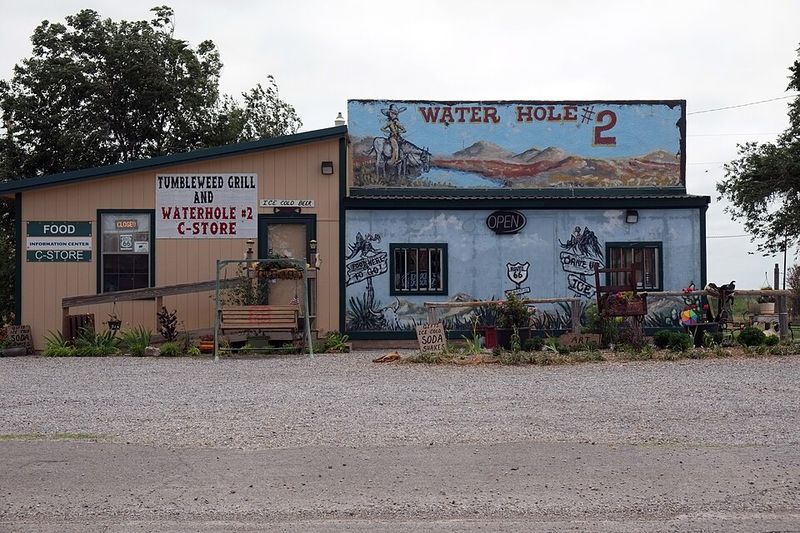
Texola sits at the very edge of Oklahoma like a town that could not quite decide whether to stay or go, and eventually the decision was made for it. Perched near the Texas border along old Route 66, Texola once had a thriving main street fueled entirely by highway traffic passing through.
When Interstate 40 bypassed the town, the customers disappeared almost overnight. Businesses shuttered, residents moved on, and Texola shrank from a lively crossroads community to a scattering of maybe a dozen permanent residents surrounded by ruins.
What remains is genuinely eerie and undeniably photogenic.
Peeling paint, collapsed ceilings, and rusted signs give Texola the kind of visual drama that photographers chase across the entire country. The old jail and several commercial buildings are among the most photographed structures.
Unlike some ghost towns that sit behind fences or on private land, much of Texola is accessible right from the road. A quick stop can easily turn into an hour of wandering and snapping photos.
The town even has a quirky water tower that has become something of a landmark for Route 66 travelers hunting for authentic roadside Americana.
Cherokee Strip Land Run Homestead Ruins
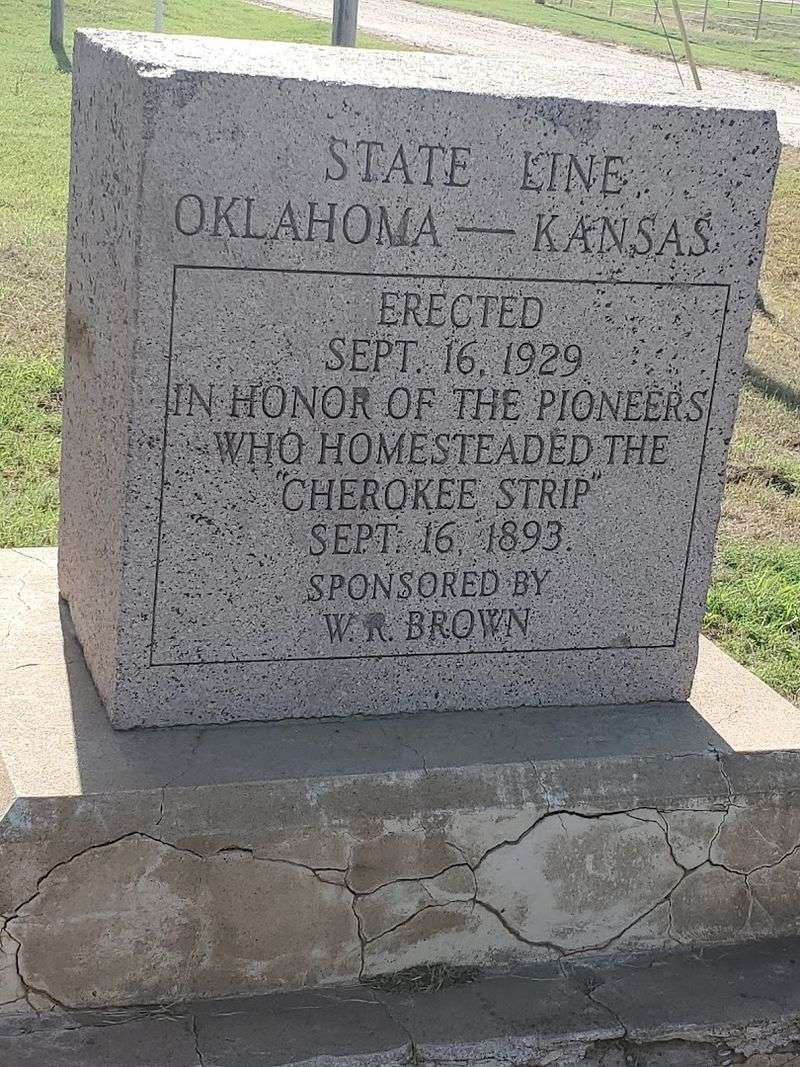
September 16, 1893 was one of the wildest days in American history. Over 100,000 people lined up at the edge of the Cherokee Strip and then sprinted, galloped, and scrambled for free land the moment a gun fired.
What they built afterward is slowly disappearing back into the earth.
Scattered across northern Oklahoma near Perry, old homestead foundations and crumbling agricultural structures from that frantic settlement era still surface across farm fields and open prairie. These are not grand monuments.
They are humble stone corners and broken brick walls, but they carry a remarkable human story inside every cracked surface.
Finding these remnants takes a bit of research and a willingness to explore rural backroads. The nearby Cherokee Strip Regional Heritage Center in Enid offers excellent context about the land run and the communities that sprang up almost overnight.
Combining a museum visit with a drive through the surrounding countryside gives a fuller picture of just how dramatically this region transformed in a matter of months. Bring a good map, some patience, and a genuine curiosity for the unpolished, unrestored side of Oklahoma history.
Hydro Ghost Structures
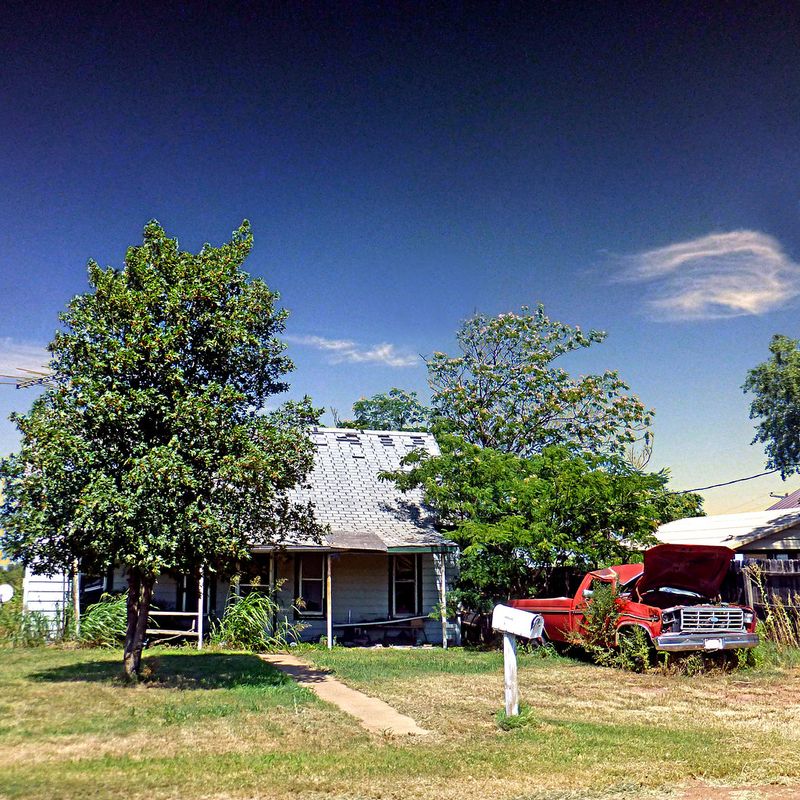
Hydro sounds like a superhero name, but the reality of this small Oklahoma town is a little more bittersweet. Sitting along old Route 66 in Caddo County, Hydro was once a dependable stop for road-tripping Americans fueling up and grabbing a cold drink before the next long stretch of highway.
Economic decline and the rerouting of traffic left behind a handful of abandoned commercial buildings that now stand as quiet monuments to mid-century American road culture. Old brick storefronts, forgotten service stations, and empty lots line what used to be a busy main drag.
The buildings have personality, even in their decay.
Hydro is perhaps best known among Route 66 enthusiasts for Lucille’s Service Station, a historic roadside landmark that operated for decades under the legendary Lucille Hamons, often called the Mother of the Mother Road. Though the station has also seen better days, its story adds emotional depth to an already compelling stop.
Hydro works beautifully as part of a longer Route 66 road trip through Oklahoma, paired with stops in nearby Weatherford and Clinton. Keep your camera ready since the light here in the late afternoon turns everything golden and gorgeous.
Old Cement Plant Ruins Near Ada
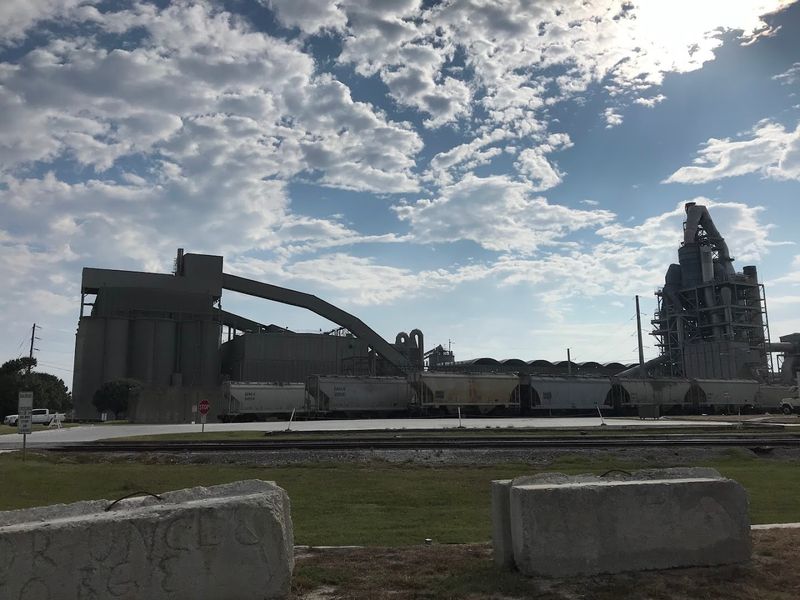
Nature has been quietly staging a hostile takeover of the old cement plant ruins near Ada, and honestly, the results are spectacular. Vines crawl up broken concrete walls, rusting equipment stands frozen mid-process, and trees push through cracked floors like they own the place now.
Which, at this point, they kind of do.
Oklahoma had a surprisingly active cement and manufacturing industry in the early twentieth century, and Ada was one of the regional hubs. When the plant closed, the infrastructure was simply left in place, and over the decades the site transformed from an industrial facility into something that looks almost intentionally artistic.
Urban explorers and photographers have made this site a local favorite, sharing dramatic images of the overgrown machinery and crumbling architecture across social media. The interplay between industrial decay and natural regrowth creates compositions that are hard to find anywhere else in the state.
Always check current access conditions before visiting since industrial ruins can shift from accessible to restricted depending on property ownership changes. Wear sturdy boots, bring a buddy, and watch where you step.
Broken concrete and uneven ground make this an adventure best tackled with both excitement and common sense.
Share this story