 Unearth The Voyage
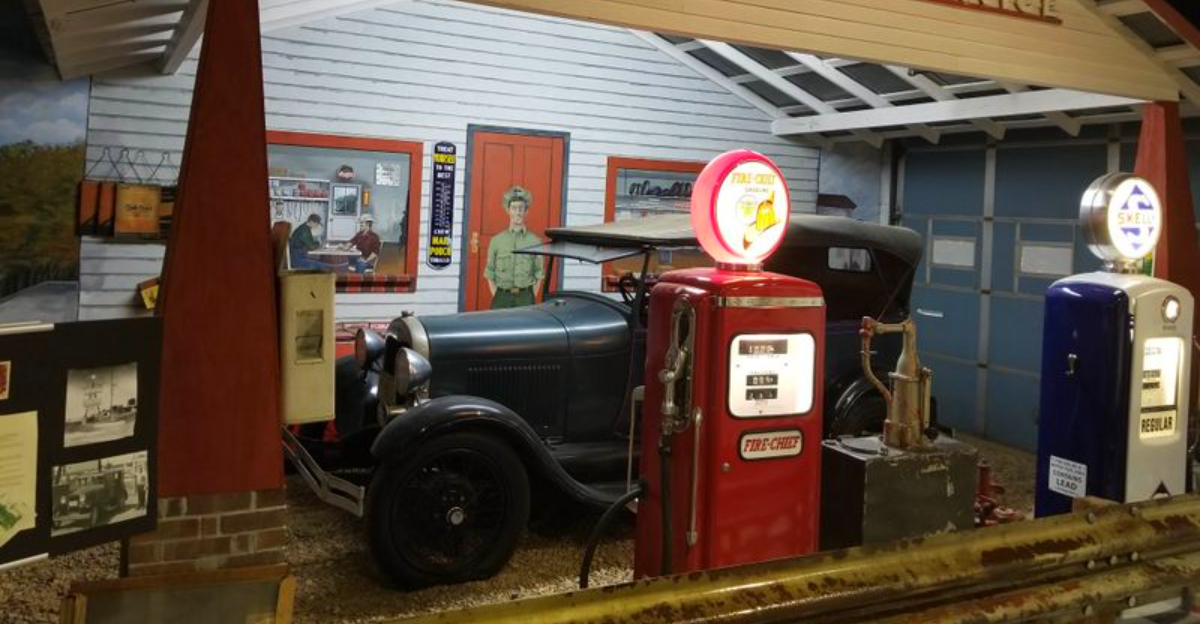
Missouri packs a big travel punch, blending towering monuments, underground wonders, and storybook history into one unforgettable road map. From St. Louis icons to Ozarks thrills, each stop feels like a chapter in a larger adventure.
Expect sky high views, hands on museums, and landscapes that shift from riverfront to cave country in a heartbeat. This list maps out the can not miss highlights worth planning an entire trip around.
Gateway Arch — St. Louis’ Sky-High Symbol
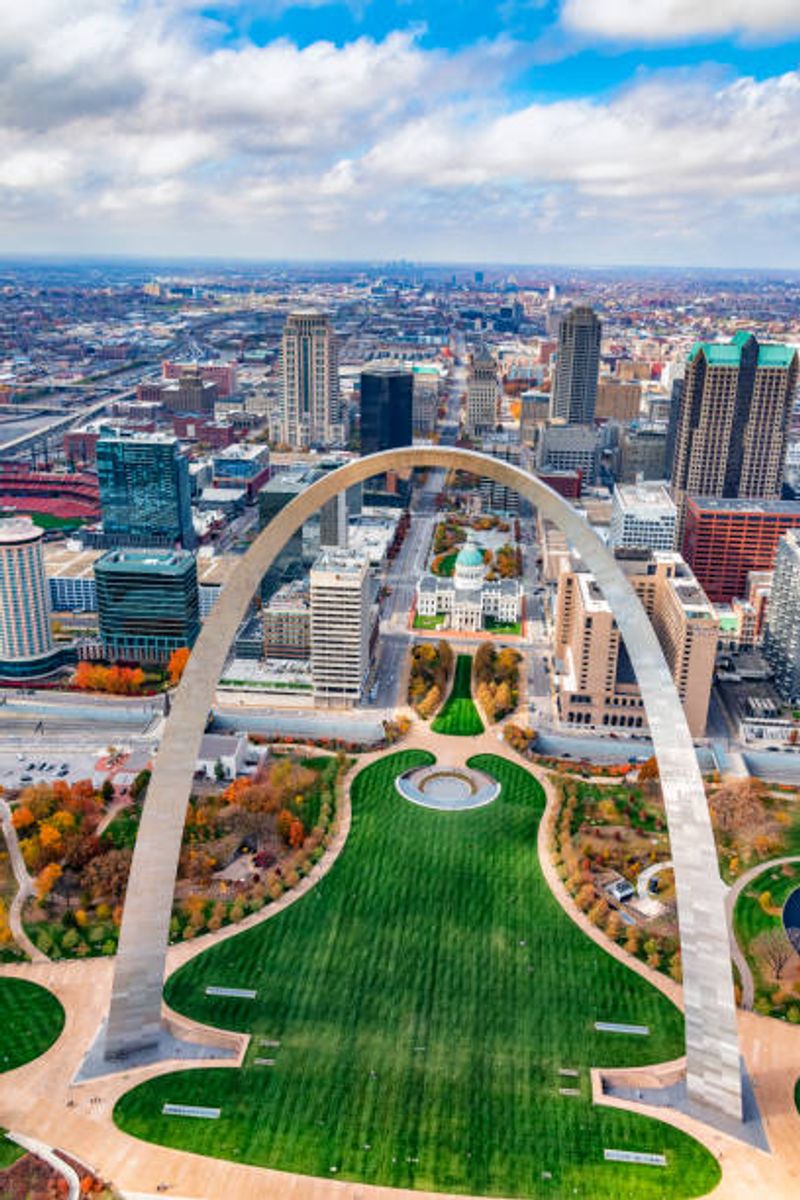
The Gateway Arch captures the spirit of exploration with a clean sweep of stainless steel against the sky. Its curve frames the Mississippi River and the city skyline, turning a simple riverfront into a grand civic stage.
Inside the base, exhibits chart westward migration, surveying the daring and determination that shaped a nation.
A compact tram whisks visitors through the structure to the small observation room at the top. Windows reveal a bird’s eye perspective of bridges, barges, and brick neighborhoods radiating from downtown.
On clear days, the horizon stretches in every direction, making the city’s grid and river bends feel like a living map.
Ground level spaces keep the story going with the museum’s immersive galleries and archival films. The surrounding park invites slow walks, picnic blankets, and photographs that play with reflections in the water.
Evening light turns the Arch silver blue, then soft charcoal as the river glows with city lights.
Engineers and dreamers alike find details to admire, from the precision of its triangular legs to the elegance of Saarinen’s design. Seasonal events animate the lawns with music and community gatherings.
It is a place where history, architecture, and everyday life meet, elevating a simple visit into a signature St. Louis memory.
Silver Dollar City — Branson’s Thrilling Heritage Park

Silver Dollar City pairs heart racing coasters with an immersive 1880s streetscape, bringing Ozarks heritage to life. Wooden boardwalks lead past blacksmith forges, candy makers, and glassblowers shaping molten color.
The aroma of skillets and kettle corn drifts through shaded lanes where live music spills from porches.
Thrill rides thread the hills with swoops, dives, and sudden airtime, all set against green Ozark ridges. Seasonal festivals layer the park with bluegrass, harvest decor, and Christmas lights that sparkle like stars.
Between attractions, craft demonstrations reveal skills honed over generations and stories told with steady hands.
Shows mix humor, gospel harmonies, and foot tapping fiddle tunes that loosen shoulders and set toes moving. Younger adventurers find gentle rides, splash areas, and characters who wave from passing wagons.
Relaxing corners serve cinnamon breads and skillets perfect for sharing while planning the next stop.
Paths wind to shaded vistas and artisan shops stocked with pottery, quilts, and hand turned wood. The park’s rhythm encourages lingering, not rushing, letting rides and traditions weave together.
It is equal parts theme park and living museum, a place where adrenaline and nostalgia ride the same tracks.
Mark Twain Boyhood Home & Museum — Literary History in Hannibal
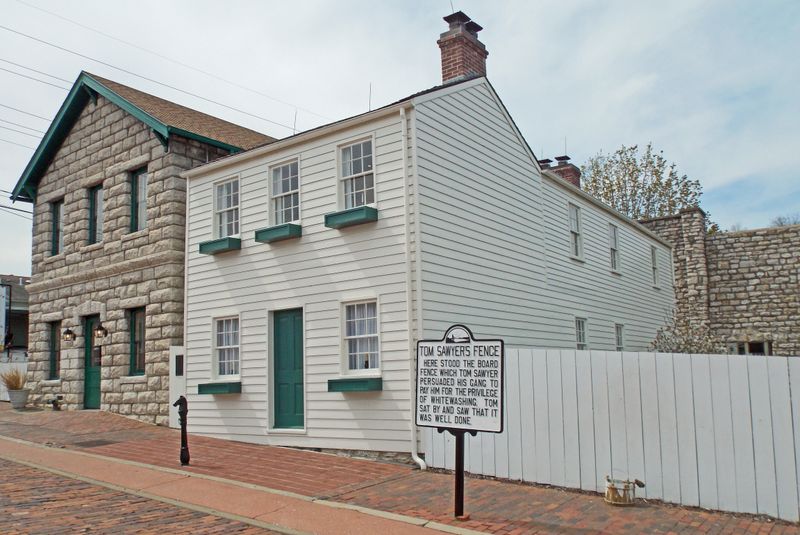
Mark Twain’s boyhood streets in Hannibal feel familiar even to first time visitors. White clapboard houses, a picket fence, and alleyways echo scenes that became Tom Sawyer’s stomping grounds.
Exhibits stitch together Samuel Clemens’s childhood with the river trade and small town rhythms that sparked timeless stories.
Original artifacts, first editions, and family letters reveal a mind quick with observation and humor. Rooms show modest furnishings and everyday tools that shaped a sharp moral imagination.
Nearby, the Becky Thatcher House and the Huckleberry Finn House broaden the circle of voices behind the novels.
Interactive displays invite close reading of satire, dialect, and the layered meanings of mischief. The museum explores how local characters inspired literary figures who wrestle with conscience and courage.
Outside, murals and river overlooks connect literature to landscape with simple visual poetry.
Guided tours weave biography with publishing history and the shifting reputation of Twain’s works. Shops stock pen and ink sets, river prints, and gently worn paperbacks ready for a porch read.
The whole district feels like a conversation between past and present, where a small town raised a giant voice.
Missouri Botanical Garden — A Living Legacy of Flora
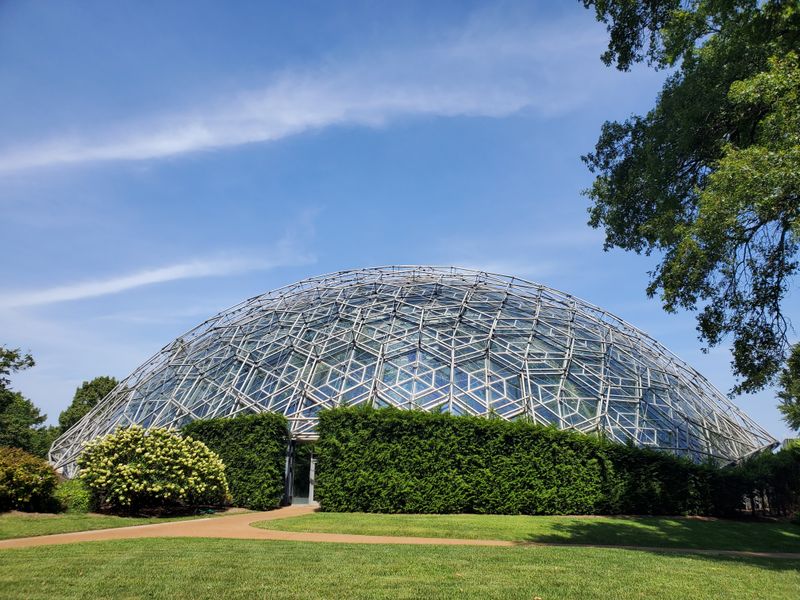
Founded in 1859, the Missouri Botanical Garden blends science, serenity, and history across 79 acres. The Climatron glitters like a faceted jewel, sheltering tropical palms and cascading vines.
Outside, formal beds unfold in color while heritage buildings nod to the garden’s long stewardship.
The Japanese Garden invites slow walking over arched bridges and around mirror still water. Koi drift by lanterns as maples frame distant islands with painterly restraint.
Seasonal displays shift from tulip seas to autumn ember tones and winter silhouettes etched in frost.
Research and conservation projects hum behind the scenes, mapping plant diversity and protecting rare species. Visitors meet horticulture up close through demonstration beds and helpful signage.
The children’s garden adds climbing nets, splash features, and hands on lessons that spark budding curiosity.
Quiet benches offer refuge for sketchbooks, poems, and unhurried conversations. Special events glow after dark, casting pathways in delicate light and soft music.
It is a living museum where design, ecology, and wonder grow side by side, season after season.
Forest Park — Urban Oasis in St. Louis
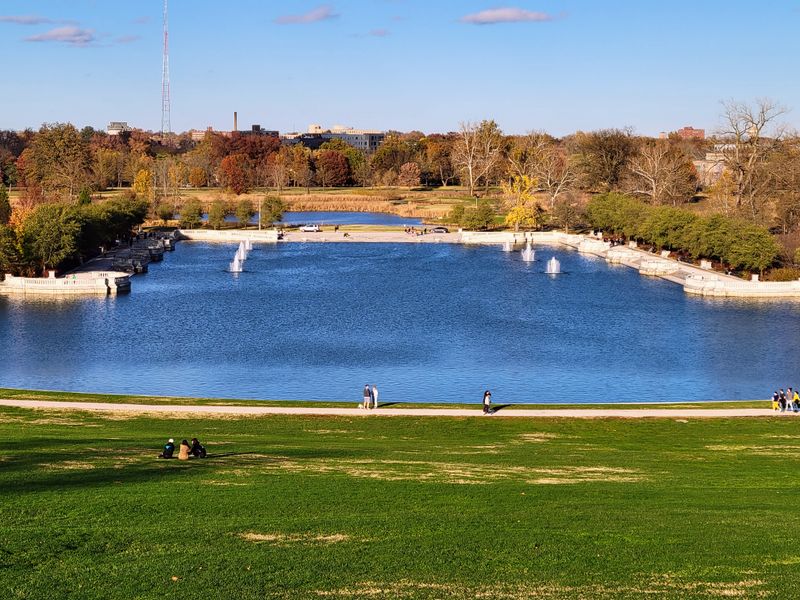
Forest Park spreads out like a green sea, larger than Central Park and rich with free cultural treasures. The St. Louis Zoo roars with life, while the Art Museum crowns a hill above the Grand Basin.
Nearby, the Science Center hums with hands on energy under wide Missouri skies.
Curving trails welcome joggers, cyclists, and stroller parades past lakes stitched by arched bridges. Golf courses, picnic groves, and boat rentals keep weekends pleasantly unstructured.
Spring blossoms lift spirits, and fall paints the park in bronze and copper shades.
Historic pavilions and fountains frame festivals, concerts, and summer movie nights. The Muny rings out with Broadway tunes that drift beyond the seats into the trees.
Winter brings quiet paths and occasional sleds carving clean lines down gentle slopes.
Maps make it easy to link museums, gardens, and open lawns into one lingering day. Food trucks and nearby cafes take care of refueling between stops.
In every season, Forest Park turns simple hours into a whole city’s shared backyard.
Onondaga Cave State Park — Underground Natural Wonder
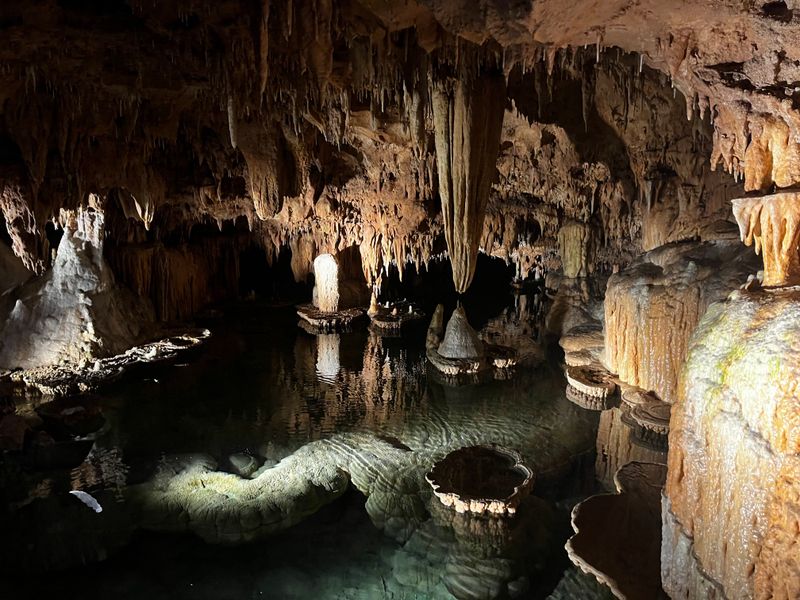
Onondaga Cave State Park reveals a subterranean cathedral carved by water and time. Stalactites drip like stone chandeliers while stalagmites rise in patient reply.
Quiet pools mirror delicate formations, doubling the glow of carefully placed lights.
Guided tours move at an easy pace through echoing chambers and narrow passages. Interpreters point out flowstone, draperies, and soda straws with practiced enthusiasm.
The constant cool temperature offers relief during humid Missouri summers, making every step refreshing.
Above ground, the Meramec River winds past bluffs where kingfishers flash and turtles sun. Trails lead to overlooks and wildflower patches that change week by week.
Picnic areas and a campground extend the visit into starry nights and early bird mornings.
Exhibits explain karst geology, groundwater protection, and the delicate balance caves require. The visitor center helps plan routes and shares safety tips for respectful exploring.
Taken together, the cave and park create a layered adventure of geology, river life, and quiet Ozark beauty.
George Washington Carver National Monument — Historic and Educational
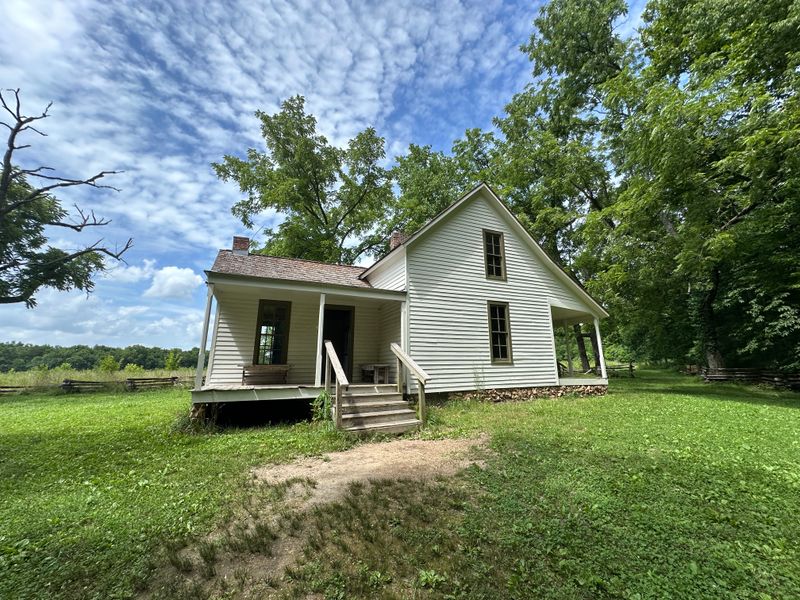
George Washington Carver National Monument honors a scientist whose curiosity reshaped agriculture and opportunity. Trails loop through prairie and woods where Carver explored plants as a child.
Exhibits trace his path from humble beginnings to influential educator and researcher.
Hands on displays highlight crop rotation, soil health, and resourceful uses for peanuts and sweet potatoes. Letters and photographs reveal a calm voice advocating education, dignity, and service.
A modest homestead and cemetery ground the story in specific places and names.
Rangers lead programs rooted in experimentation and observation, encouraging questions at every turn. Seasonal blooms attract butterflies, while birds stitch song over the fields.
Quiet benches invite reflection on perseverance and the power of patient practice.
The visitor center screens a film that compresses decades of work into clear, accessible scenes. Children’s activities make science approachable and fun without losing depth.
It is a heartfelt stop that leaves minds brighter and spirits steadier for the road ahead.
Graham Cave State Park — Ancient Shelter & Scenic Trails
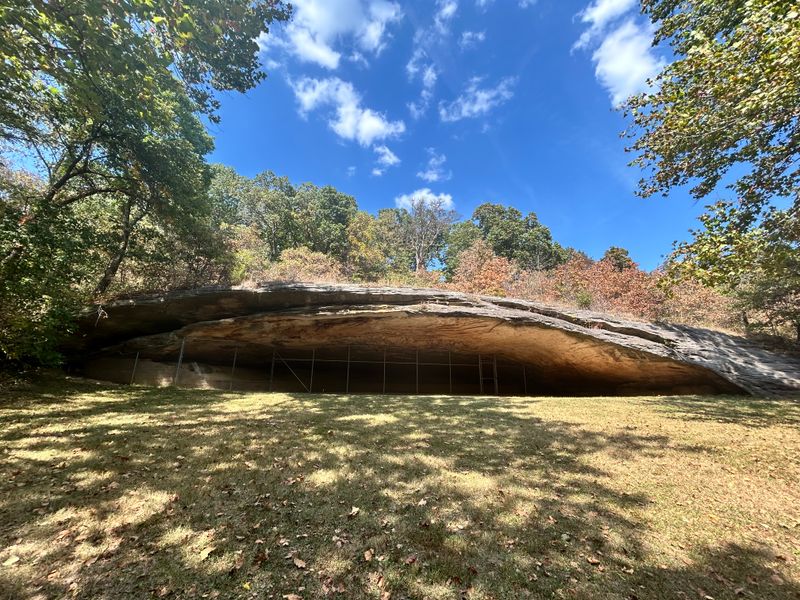
Graham Cave shelters stories from deep time inside an inviting sandstone opening. Archaeological discoveries reveal hunter gatherer lifeways mapped in stone tools and hearths.
Interpretive signs translate careful science into approachable snapshots of prehistoric Missouri.
Trails trace bluffs and bottomlands with gentle climbs and shaded stretches. Spring brings ephemerals under oaks, while summer layers the forest in cicada song.
The Loutre River meanders nearby, reflecting clouds and the occasional passing heron.
The cave itself maintains a quiet coolness that sharpens senses and slows footsteps. Overlooks offer wide views where farmland and forest knit a textured quilt.
Picnic tables and small shelters create easy bases for unhurried exploring between trail loops.
Park rangers preserve sensitive areas while sharing the evolving research story. Exhibits spotlight how careful excavation techniques protect context and meaning.
The result is a landscape where the past feels close, present, and respectfully held in place.
Historic Route 66 & Roadside Icons — Classic Americana
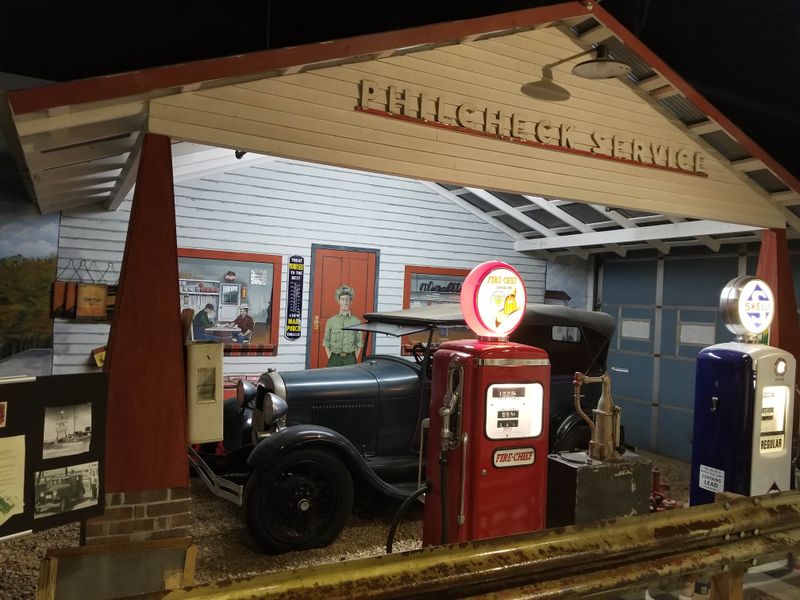
Missouri’s stretch of Route 66 strings together neon, chrome, and bright mural walls. Mother Road legends roll through small towns where burgers sizzle and milkshakes sing.
Vintage stations, quirky giants, and postcards fill shelves with gleaming roadside history.
Springfield, Lebanon, and Cuba mark the path with museums and photo ready stops. Old motels glow at dusk, their signs humming over polished hood ornaments.
Side roads loop to bridges, caves, and parks that keep the drive delightfully unscripted.
Diners dish out pies by the slice as jukeboxes trade old favorites. Antique shops and flea markets mix true relics with playful souvenirs.
Storytelling flows easily at counters where maps open and strangers trade tips.
The highway’s rhythm invites slower travel that savors every whistle stop. Sunsets burnish asphalt while long shadows lean from passing telephone poles.
It is classic Americana distilled, a rolling playlist of memory, humor, and heart.



