 Unearth The Voyage
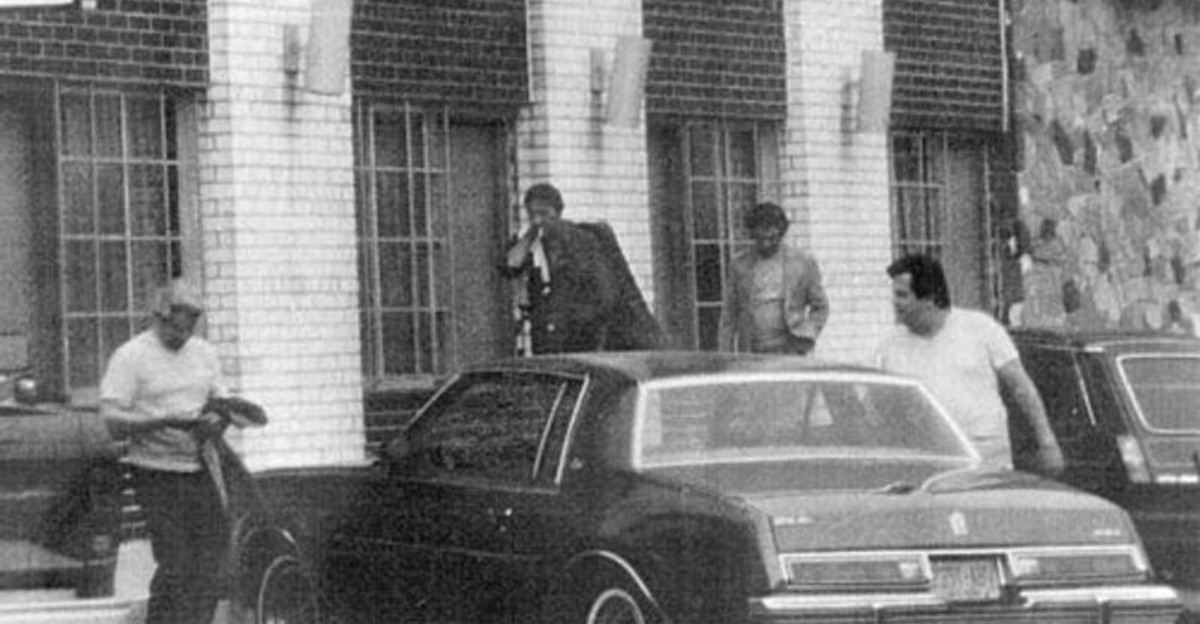
Throughout history, some families have become infamous not for their achievements, but for the crimes and cruelty they unleashed on the world. From medieval nobles to modern-day gangsters, these families left behind a legacy of fear, violence, and tragedy.
Their stories are a reminder of how power, greed, and dysfunction can lead to devastating consequences. Here is a look at ten of the most notorious families that history will never forget.
1. The Borgia Family
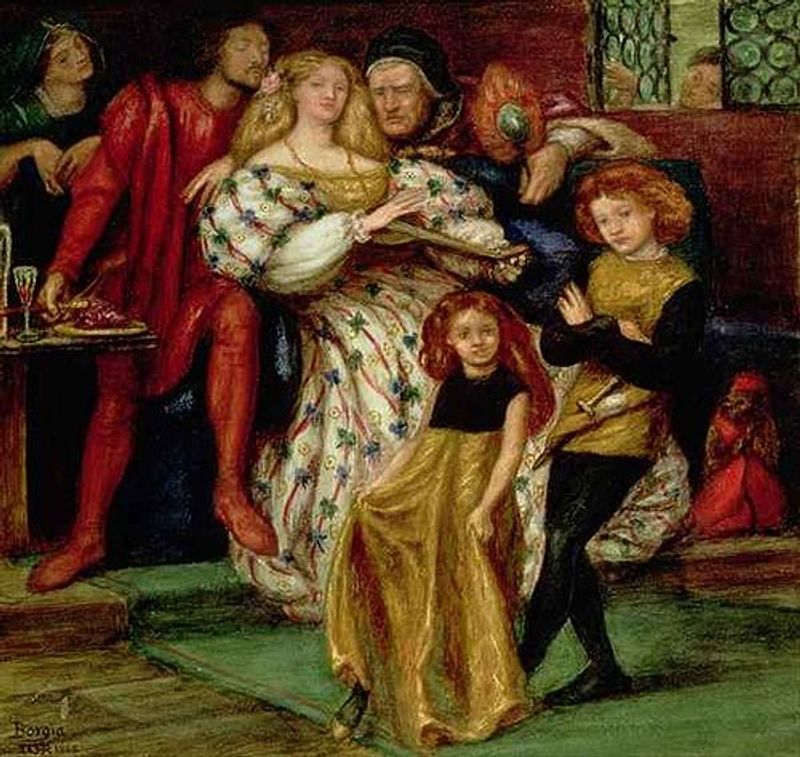
Few families in history have come to represent corruption and ruthless ambition quite like the Borgias. Rising to power in 15th-century Italy, the family reached its peak influence when Rodrigo Borgia became Pope Alexander VI in 1492.
He used the Church as a personal tool to advance his family’s political goals.
His son Cesare Borgia was a military commander feared across Italy, while daughter Lucrezia was used as a political pawn through multiple arranged marriages. Rumors of poisonings, bribery, and murder followed the family everywhere they went.
Historians still debate how many of these stories are fact versus legend.
What is clear is that the Borgias reshaped Renaissance Italy through manipulation and force. Their story inspired Nicolo Machiavelli’s famous political guide, “The Prince.” Even centuries later, the Borgia name remains a symbol of unchecked power and moral decay.
2. The Manson Family
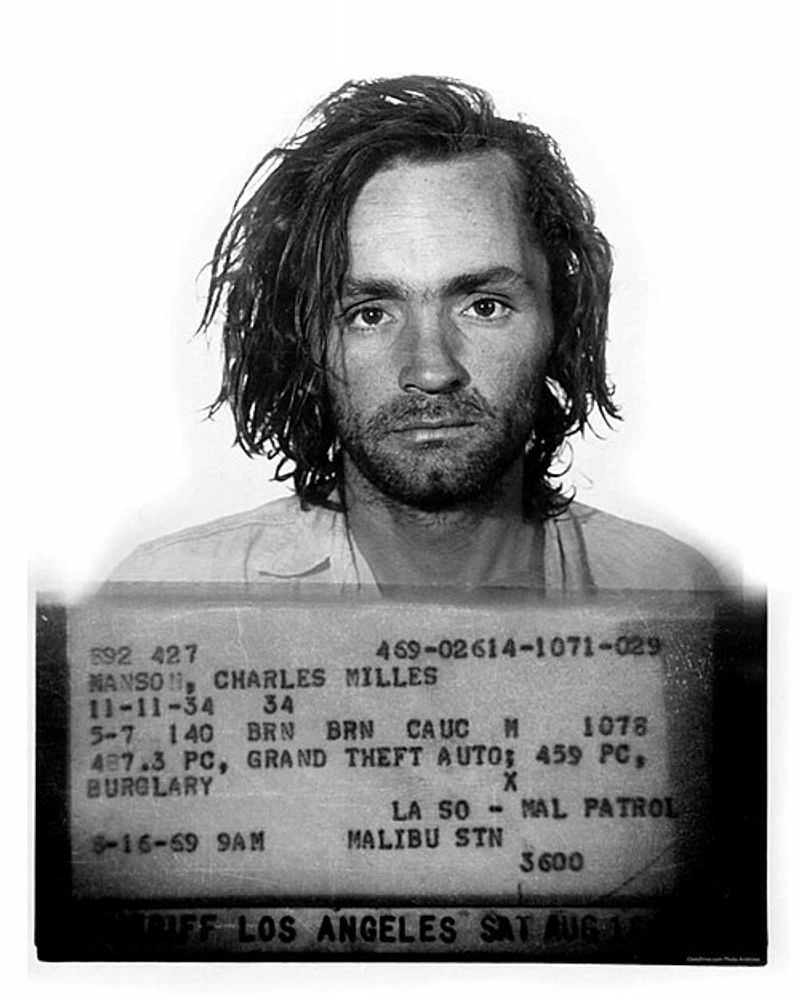
In the summer of 1969, a cult led by Charles Manson carried out a series of brutal murders that shocked the entire United States. Manson, then in his mid-30s, had gathered a group of devoted followers at a ranch outside Los Angeles.
He preached a twisted belief system that mixed race war prophecies with absolute loyalty to himself.
On the nights of August 8 and 9, cult members murdered seven people, including pregnant actress Sharon Tate. The killings were designed to be terrifying, and they succeeded in spreading widespread fear across the country.
Manson himself was not present at the crime scenes but was convicted of conspiracy to commit murder.
The case exposed how manipulation and psychological control can turn ordinary people into killers. Manson died in prison in 2017, but the cultural impact of his so-called family continues to haunt American history.
3. The Gambino Crime Family
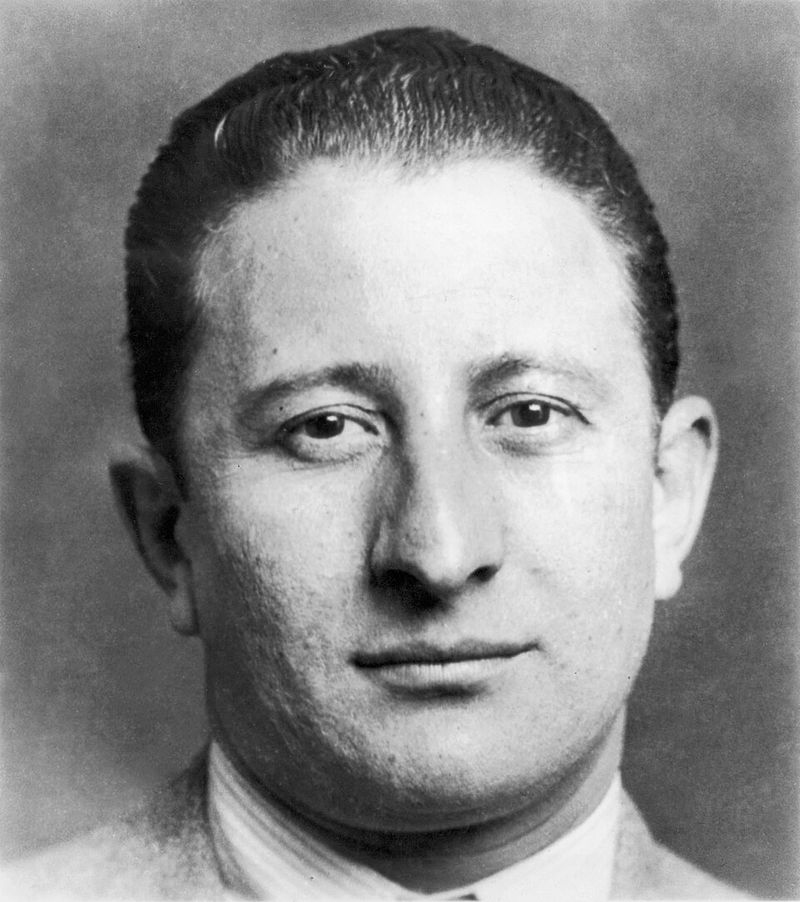
Named after boss Carlo Gambino, the Gambino Crime Family became one of the most powerful organized crime groups in American history. Based in New York City, the family was part of the infamous Five Families that controlled much of the city’s criminal underworld throughout the 20th century.
At its height, the organization had hundreds of members and associates.
The Gambinos were involved in murder, extortion, loan sharking, and drug trafficking on a massive scale. John Gotti, who took over leadership in 1985 after orchestrating the killing of previous boss Paul Castellano, became one of the most recognizable crime figures in the world.
His flashy lifestyle and ability to dodge convictions earned him the nickname “The Teflon Don.”
Gotti was eventually convicted in 1992 and died in prison a decade later. The family still technically exists today, though its power has been significantly weakened by law enforcement efforts.
4. The Bonanno Crime Family
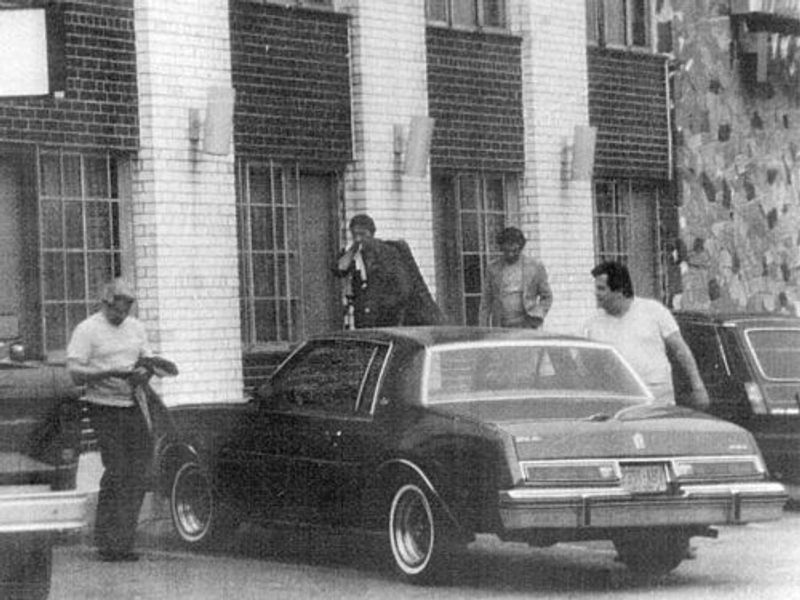
Founded by Joseph Bonanno in the early 1930s, the Bonanno Crime Family carved out a powerful place among New York’s Five Families. Joe Bonanno was known as “Joe Bananas,” and he ran his operation with a combination of business savvy and brutal discipline.
The family controlled rackets across Brooklyn, Queens, and parts of Canada and Arizona.
The Bonannos became even more notorious when FBI informant Joe Valachi publicly exposed the inner workings of the American Mafia in 1963. Later, Joseph Pistone, an undercover FBI agent operating under the alias Donnie Brasco, successfully infiltrated the family in the late 1970s.
His work led to over 100 indictments and became the basis for a famous Hollywood film.
The family’s internal power struggles and government infiltration weakened it significantly over the decades. Still, the Bonanno name remains one of the most recognized in the history of American organized crime.
5. The Bloody Benders
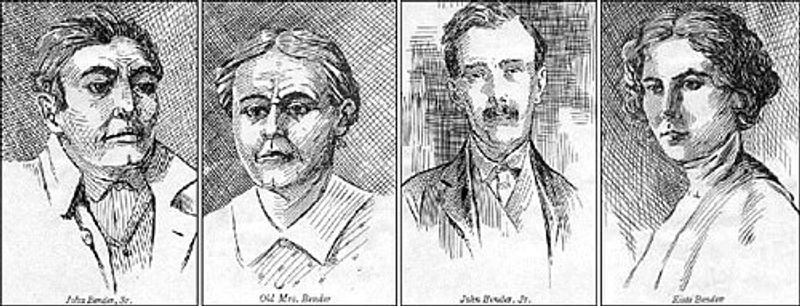
Travelers passing through southeastern Kansas in the early 1870s had no idea that stopping at the Bender family inn could cost them their lives. The family, consisting of John Bender Sr., his wife, and their adult children John Jr. and Kate, ran a small inn along the Osage Trail.
On the surface, they appeared to be ordinary settlers trying to make a living.
Behind a canvas curtain inside the inn, however, guests were seated with their backs to the partition, where a family member would strike them from behind. Victims were then dropped through a trapdoor into a cellar below.
When investigators searched the property in 1873, they discovered at least eleven bodies buried in the orchard.
The Benders vanished before they could be caught, and their fate remains one of history’s great unsolved mysteries. Some reports claimed they were killed by vigilantes, but no one was ever officially brought to justice.
6. The Turpin Family

When police responded to a 911 call in Perris, California in January 2018, they made a discovery that left the country stunned. Inside a home, they found 13 siblings ranging in age from 2 to 29 years old, many of them malnourished, chained to furniture, and living in filthy conditions.
Their parents, David and Louise Turpin, had kept them in near-total isolation for years.
The children were deprived of food, education, and basic hygiene. Some were so malnourished that adult children appeared to be young teenagers.
The family had even taken a trip to Disneyland, which neighbors later described as one of the few times the children were seen outside.
David and Louise Turpin were convicted in 2019 on multiple counts of torture, abuse, and false imprisonment. Each was sentenced to life in prison.
The case sparked a national conversation about child welfare and how such abuse can go undetected for so long.
7. The DeFeo Family
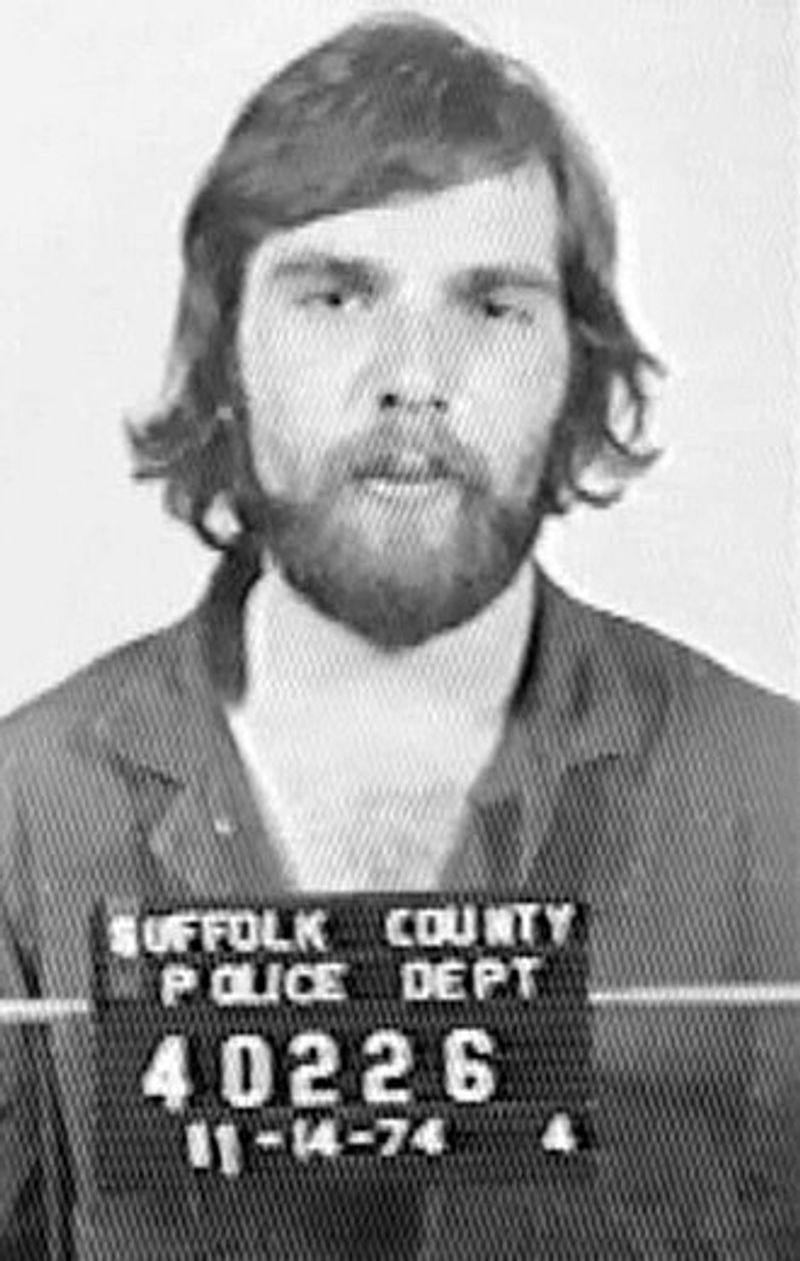
On the night of November 13, 1974, Ronald DeFeo Jr. shot and killed all six members of his own family as they slept in their home in Amityville, New York. His victims included his parents and four younger siblings, ranging in age from 9 to 18.
He used a .35 caliber Marlin rifle and moved room to room without waking a single person.
DeFeo initially reported the murders to police himself, claiming a hit man had killed his family. He changed his story multiple times before eventually confessing.
At trial, his defense attorney argued he had been suffering from a psychotic episode, but the jury did not believe it. He was convicted of six counts of second-degree murder.
The house on Ocean Avenue later became famous worldwide when the Lutz family moved in and claimed to experience paranormal events, inspiring the Amityville Horror franchise. DeFeo died in prison in 2021 at the age of 69.
8. The Kray Twins
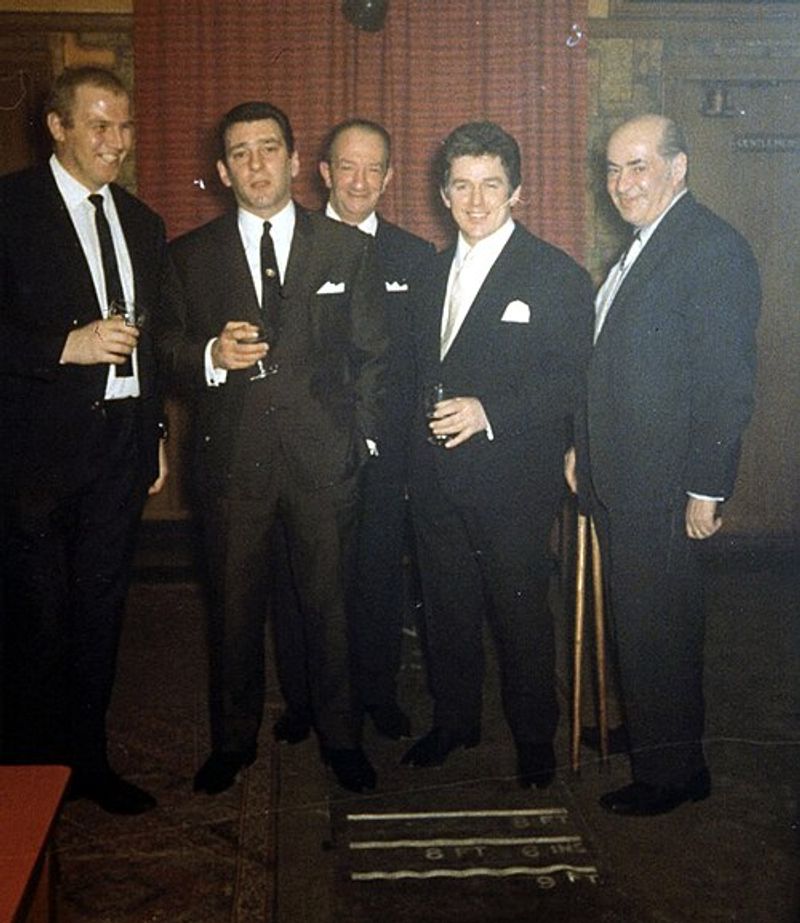
Ronnie and Reggie Kray were identical twins who built a criminal empire in London’s East End during the 1950s and 1960s. Unlike many gangsters who operated in the shadows, the Krays actively courted celebrity.
They were photographed with politicians, entertainers, and even members of the British aristocracy, which gave them a strange kind of social legitimacy.
Their organization, known as The Firm, ran protection rackets, gambling clubs, and violent enforcement operations across London. Both brothers committed murder personally.
Ronnie shot rival gangster George Cornell in a pub in 1966, and Reggie stabbed Jack McVitie to death the following year.
Despite their public profile, they managed to evade prosecution for years by intimidating witnesses. Scotland Yard eventually built a case against them, and both were convicted in 1969 and sentenced to life in prison.
Reggie died in 2000 and Ronnie in 1995, but their legend in British criminal history has never faded.
9. The Bathory Family
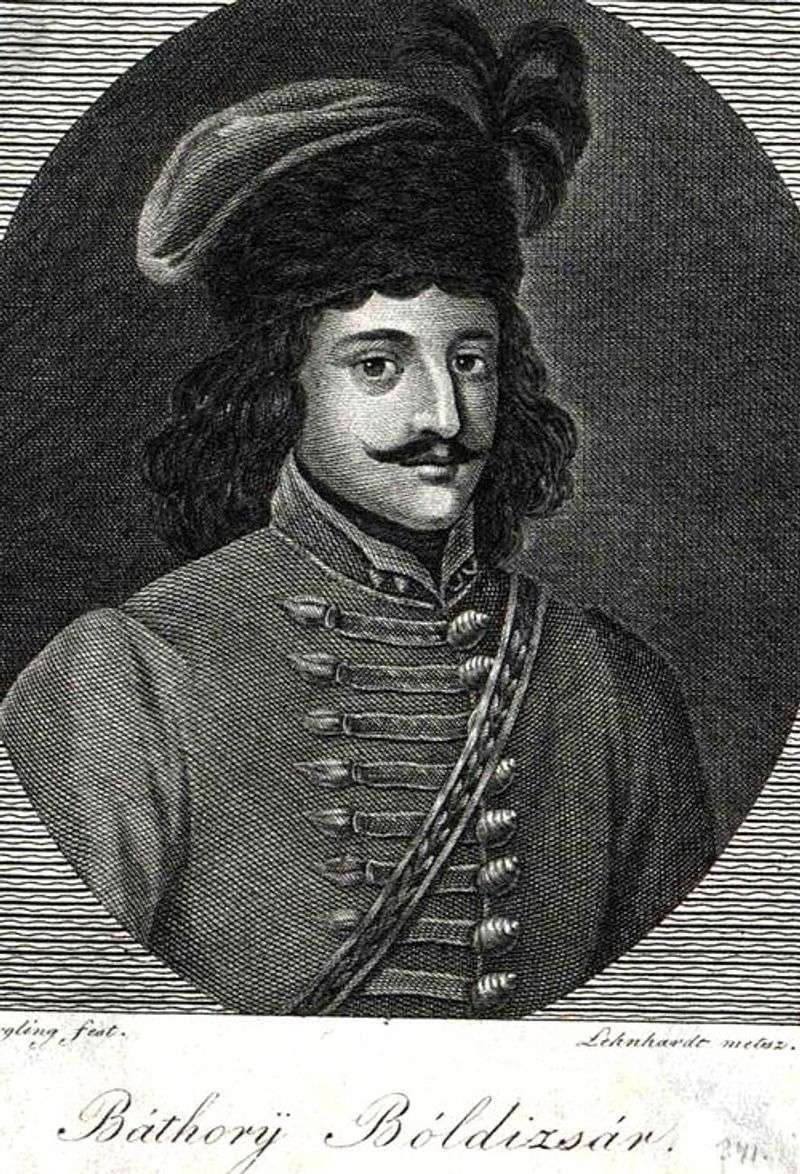
Countess Elizabeth Bathory of Hungary is often described as one of the most prolific female killers in recorded history. Born in 1560 into one of the most powerful noble families in the region, she had wealth, status, and near-total authority over the people on her estates.
That power, combined with a deeply disturbed personality, led to horrifying crimes.
Between the late 1500s and early 1600s, Bathory was accused of torturing and killing hundreds of young women, many of them servants and peasant girls lured to her castle with promises of work. A later legend claimed she bathed in the blood of her victims to preserve her youth, though historians debate whether that detail is accurate.
King Matthias II of Hungary eventually ordered an investigation, and Bathory was arrested in 1610. Rather than face a public trial, she was walled into a room in her castle, where she died four years later.
Her case remains one of history’s most disturbing examples of unchecked aristocratic power.



