Verona is famous for its Roman arena, Romeo and Juliet balcony, and lively piazzas, but the region surrounding this beautiful city holds some seriously underrated treasures. Just beyond the tourist crowds lie quiet villages, hilltop viewpoints, underground ruins, and lush gardens that most travelers never bother to find.
Whether you love history, nature, wine, or just wandering without a map, these hidden spots near Verona will genuinely surprise you. Pack your curiosity and maybe a good pair of walking shoes, because these places are absolutely worth the detour.
Borghetto sul Mincio
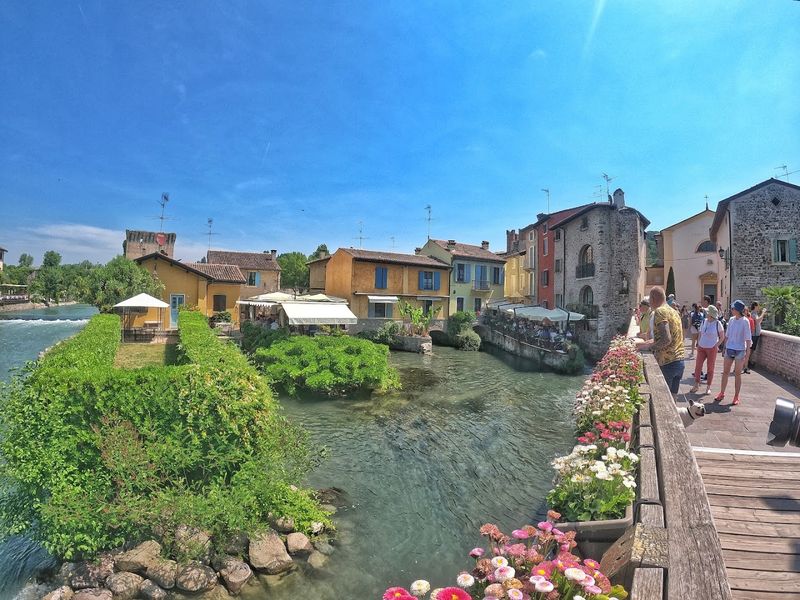
Stumbling upon Borghetto sul Mincio feels like accidentally walking into a movie set nobody told you about. This tiny hamlet near Valeggio sul Mincio sits right along the Mincio River, where ancient watermills still stand and flower boxes spill color over every stone bridge.
It is officially recognized as one of Italy’s most beautiful villages, yet on a quiet Tuesday morning, you might have the whole place nearly to yourself.
The village is small enough to explore on foot in under an hour, but you will want to linger much longer. Local restaurants serve Valeggio’s famous tortellini, a pasta tradition so beloved it earned its own annual festival.
Watching the river drift past while eating handmade pasta on a terrace here feels genuinely magical.
Spring and early autumn are the best times to visit, when the light is soft and the summer weekend crowds have not yet arrived. Parking is available just outside the village center, and the walk in takes only a few minutes.
Borghetto is proof that Italy’s most charming places rarely make it onto the average tourist itinerary.
Soave
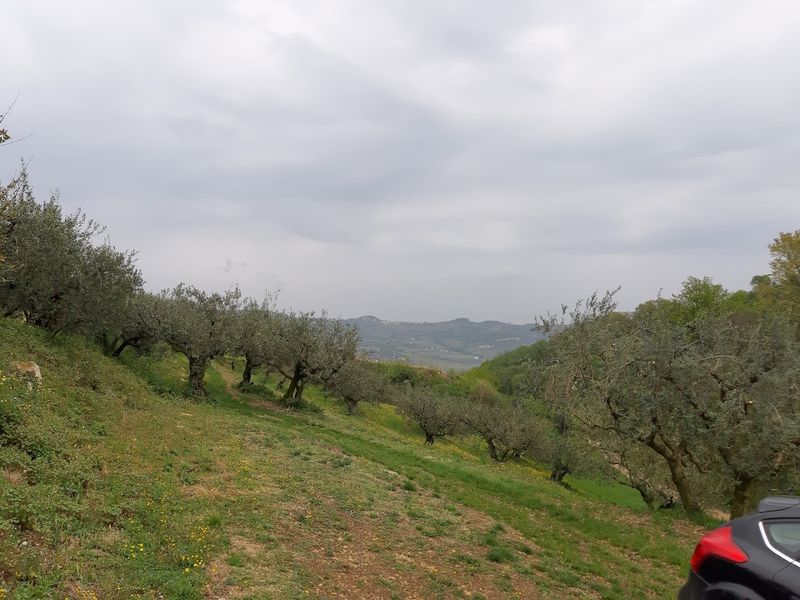
You have probably seen the name Soave on a wine bottle, but the town itself is a whole different kind of discovery. Encircled by remarkably well-preserved medieval walls and anchored by a dramatic Scaliger castle perched on the hill above, Soave is one of those places that makes you wonder why everyone is not already here.
It sits less than 30 minutes east of Verona, making it one of the easiest day trips imaginable.
The streets inside the walls are calm, lined with local shops and family-run wine bars where you can taste the region’s famous Soave Classico white wine without paying tourist prices. Winemaking in this area dates back centuries, and the volcanic soil of the surrounding hills gives the wine a distinctive mineral quality that experts genuinely rave about.
Climbing up to the castle rewards you with sweeping views over vineyards and the valley below. Entry fees are very reasonable, and the castle interior includes a small museum worth exploring.
For anyone who appreciates good wine, medieval history, and uncrowded Italian charm all in one place, Soave delivers everything without the fuss.
Giardino Giusti
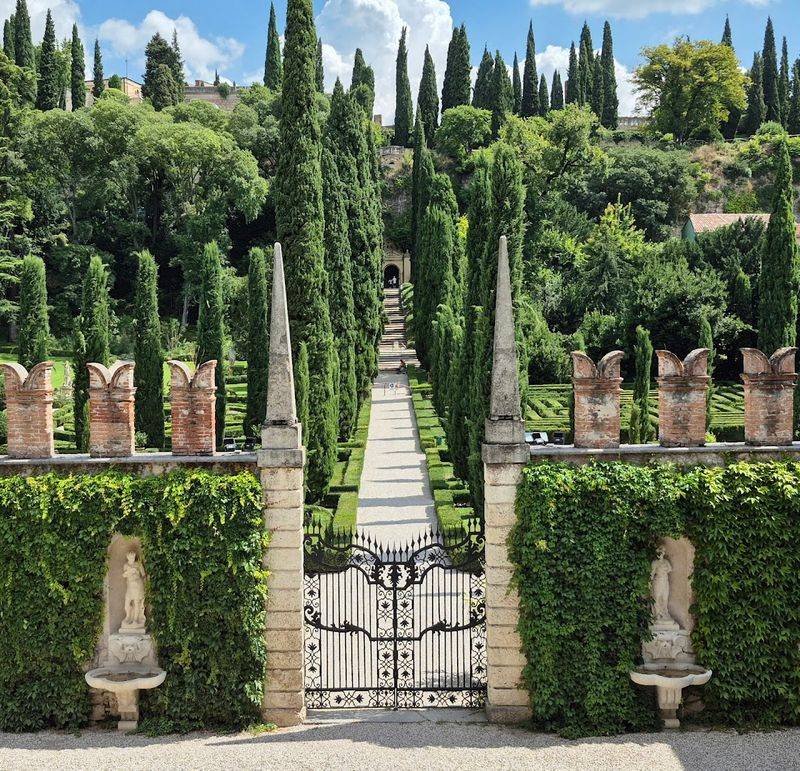
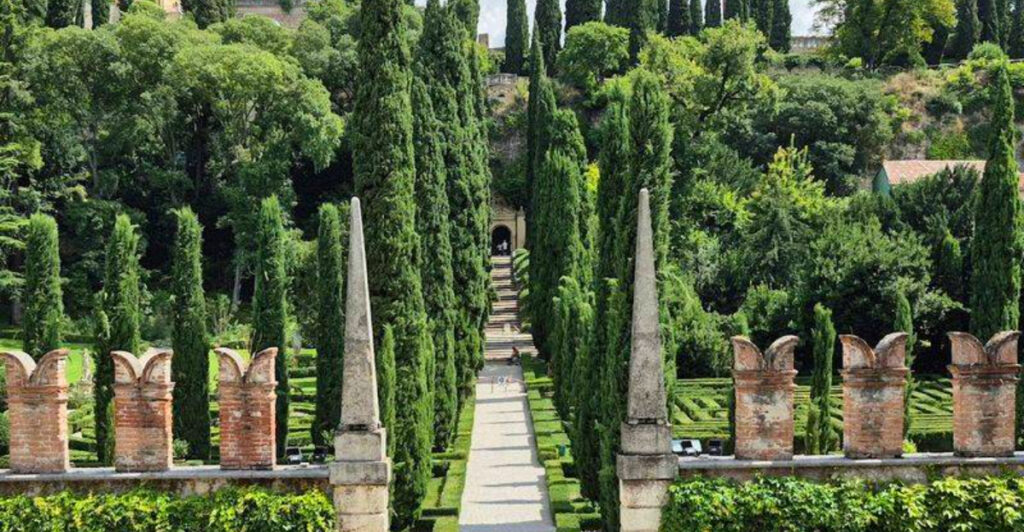
Hidden behind an unassuming gate just across the Adige River from Verona’s old town, Giardino Giusti has been quietly stunning visitors since the late 1500s. This Renaissance garden features perfectly aligned cypress trees that shoot straight into the sky like green exclamation points, along with fountains, carved statues, and shaded terraces that offer gorgeous views over Verona’s rooftops.
Famous visitors over the centuries have included Goethe and Mozart, which tells you something about the caliber of this place.
The garden covers multiple levels, climbing up a hillside so that each terrace reveals a new perspective. Near the top, a stone grotto and a small belvedere platform offer arguably the most photogenic view in all of Verona, yet far fewer tourists make the effort to find it compared to the Arena or Juliet’s balcony.
Admission is affordable, and the garden is rarely crowded on weekday mornings. Comfortable shoes are recommended since the upper terraces involve some steep stone steps.
Visiting in late spring when roses and wisteria are blooming transforms the whole experience into something genuinely breathtaking. Giardino Giusti is a green oasis hiding in plain sight within the city.
Lessinia Regional Park
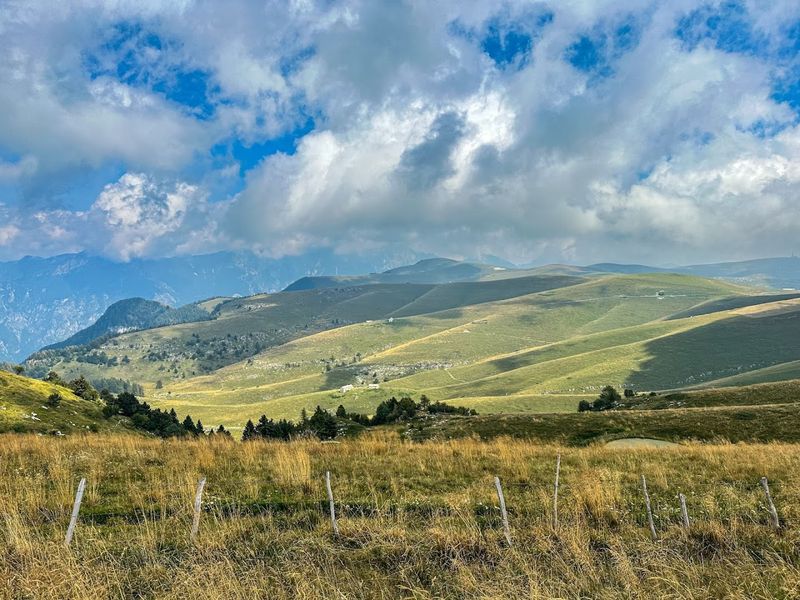
Just north of Verona, the landscape shifts dramatically from urban streets to sweeping alpine meadows, and Lessinia Regional Park is where that transformation happens. Covering a large stretch of the Venetian Prealps, this protected natural area offers hiking trails, fossil sites, ancient caves, and traditional stone villages that feel completely removed from modern tourism.
Very few foreign visitors ever make it up here, which means the experience stays refreshingly authentic.
The Grotta di Fumane, located within the park, contains some of Europe’s most significant prehistoric cave art and archaeological finds dating back tens of thousands of years. There are also well-marked trails suitable for both casual walkers and serious hikers, passing through beech forests and open pastures where cattle still graze in summer.
Small villages like Sant’Anna d’Alfaedo and Bosco Chiesanuova offer simple local restaurants serving hearty mountain cuisine, including wild mushroom dishes and robust cheeses produced right in the area. Temperatures up here run noticeably cooler than Verona below, making the park an ideal summer escape from city heat.
Bring layers even in July, because mountain weather changes quickly and the breezes off the high meadows carry a genuine chill.
Corte Sgarzerie
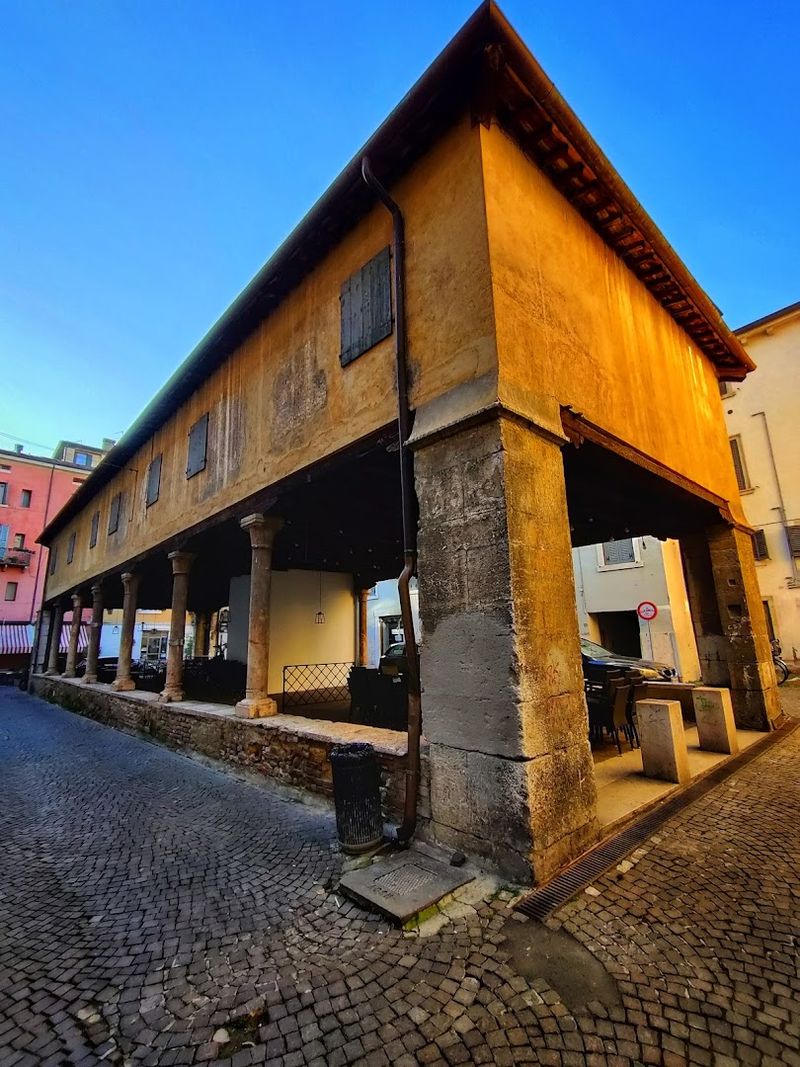
Most people walk right past the entrance to Corte Sgarzerie without even noticing it exists. Tucked just steps from Verona’s busy shopping streets, this quiet medieval courtyard feels like a secret pocket of calm that the city forgot to advertise.
The surrounding stone buildings date back centuries, and the whole space carries an atmosphere that is genuinely hard to find in a city as visited as Verona.
What makes Corte Sgarzerie especially fascinating is what lies beneath it. Archaeological excavations have uncovered remains of Verona’s ancient Roman Capitolium directly under the courtyard, and some of these ruins are partially visible through protected floor sections.
Finding Roman history buried beneath a casual coffee spot is exactly the kind of unexpected detail that makes Verona endlessly interesting.
A handful of small cafes and artisan workshops operate around the courtyard, giving it a lived-in, neighborhood quality rather than a polished tourist attraction feel. Visit on a weekday afternoon when the light filters through the old archways and the space is nearly empty.
Corte Sgarzerie does not appear on most travel guides or walking tour maps, which is precisely what makes discovering it feel so satisfying.
Castel San Pietro
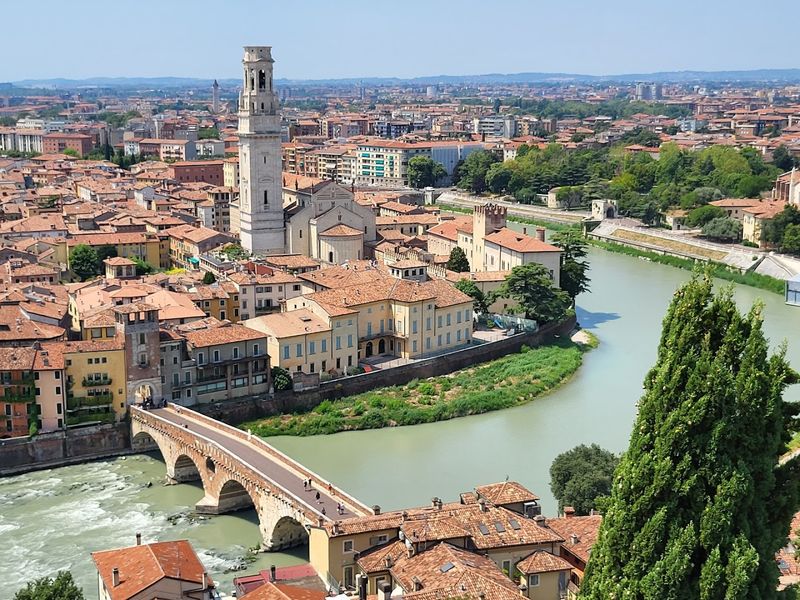
Perched on a wooded hill directly above Verona’s old town, Castel San Pietro rewards anyone willing to make the climb with one of the most spectacular city views in all of northern Italy. The current structure is actually a 19th-century Austrian military building, but the site has held fortifications since Roman times, layering centuries of history into one hilltop location.
Surprisingly, a large percentage of Verona visitors never bother coming up here at all.
Getting there is half the fun. A vintage funicular runs from the riverbank near Ponte Pietra, making the ascent effortless and scenic.
If you prefer walking, a well-marked path winds up through the trees and takes about 15 minutes at a comfortable pace. Either way, the view from the top justifies every step.
Sunset is the prime time to visit, when the warm light turns Verona’s terracotta rooftops a deep amber and the Adige River below glows like hammered copper. Bring a picnic if you want to sit and enjoy the panorama without rushing.
There is no admission fee to access the viewpoint, making Castel San Pietro one of the most rewarding free experiences the entire city offers.
Parco Giardino Sigurta
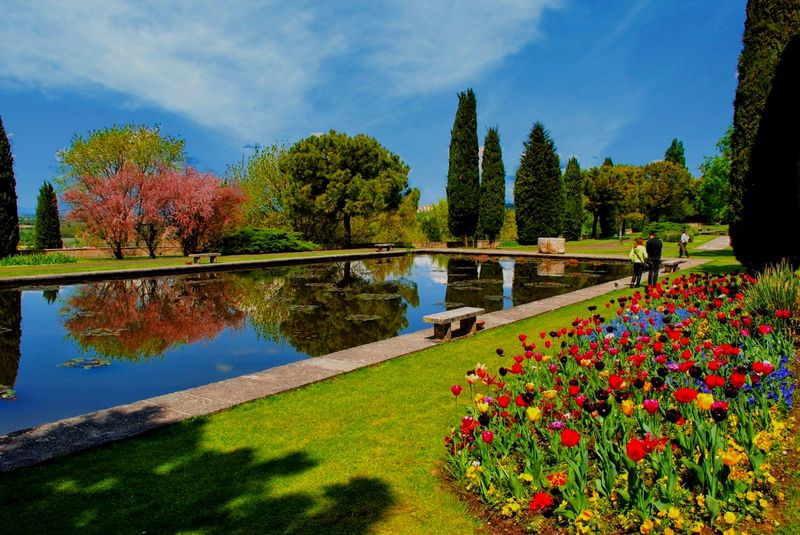
Every April, something extraordinary happens near the southern shore of Lake Garda. Parco Giardino Sigurta erupts into one of the most spectacular tulip displays in Europe, with over a million bulbs painting the landscape in waves of red, yellow, pink, and purple.
The park spans nearly 150 acres of landscaped gardens, ornamental lakes, and rolling lawns, yet it remains far less visited than Italy’s famous botanical gardens further south.
The park has won multiple international awards for garden design and maintenance, and a stroll through it in spring genuinely feels like walking through a living painting. Electric golf carts and bicycles are available to rent for those who prefer not to cover the entire grounds on foot, which is a very practical option given the park’s generous size.
Summer brings roses, dahlias, and wildflower meadows, making repeat visits across different seasons completely worthwhile. The park sits near the town of Valeggio sul Mincio, meaning you can pair a visit here with a stop at nearby Borghetto for a full and rewarding day out.
Entry fees are reasonable, and the crowds, even on busy weekends, feel manageable compared to Lake Garda’s more famous attractions nearby.
Veronetta District
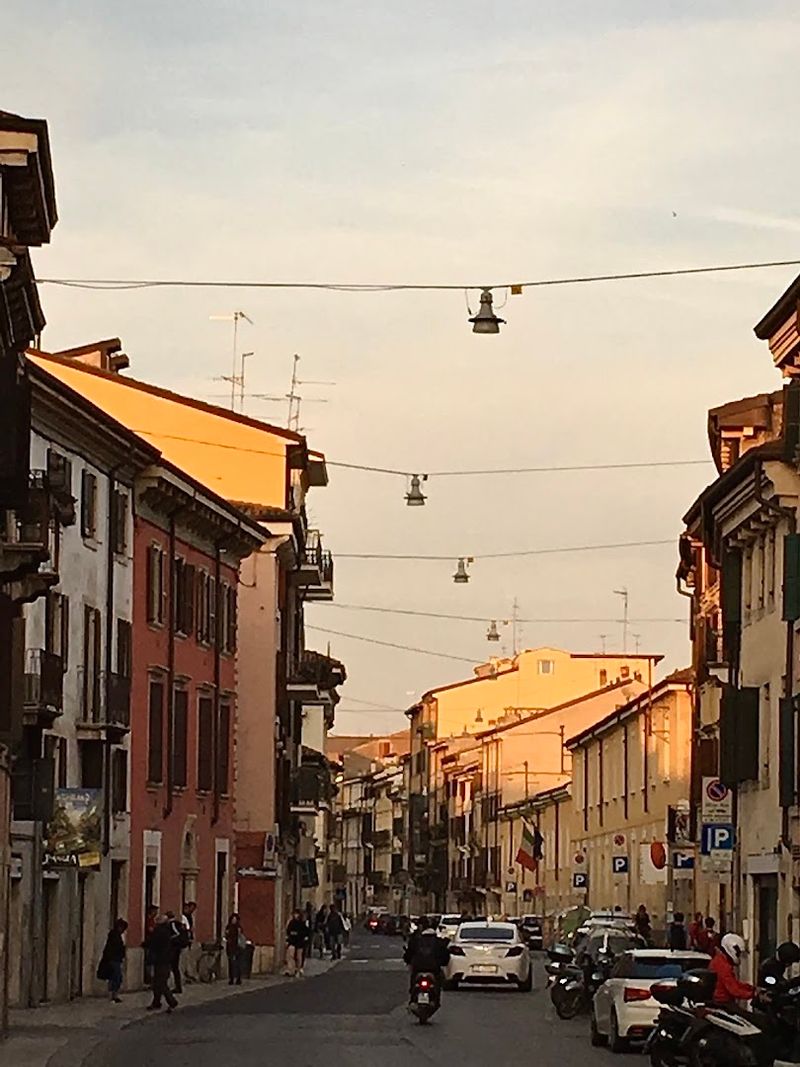
Cross the Adige River from Verona’s polished historic center and you land in Veronetta, a neighborhood with a completely different energy. Where the tourist side of the river feels curated and camera-ready, Veronetta feels genuinely lived-in.
Students from the nearby university fill the outdoor cafes, local residents carry grocery bags through narrow streets, and hand-painted murals cover building walls with bold, colorful artwork.
The neighborhood has a strong creative culture, with independent bookstores, small galleries, and artisan studios mixed in among ordinary apartments and corner bars. It is the kind of place where you can sit at a tiny table outside a cafe, order a spritz for two euros, and watch actual Veronese daily life unfold in front of you.
No souvenir shops, no tour groups, just real city living.
Veronetta also holds some genuinely interesting historic sites, including the Teatro Filarmonico and several Baroque churches that see very few foreign visitors. The neighborhood is completely walkable from central Verona, just a five-minute stroll across any of the old bridges.
For travelers who want to feel what a city is actually like beyond the tourist zones, Veronetta is an easy and completely free discovery.
Biblioteca Capitolare
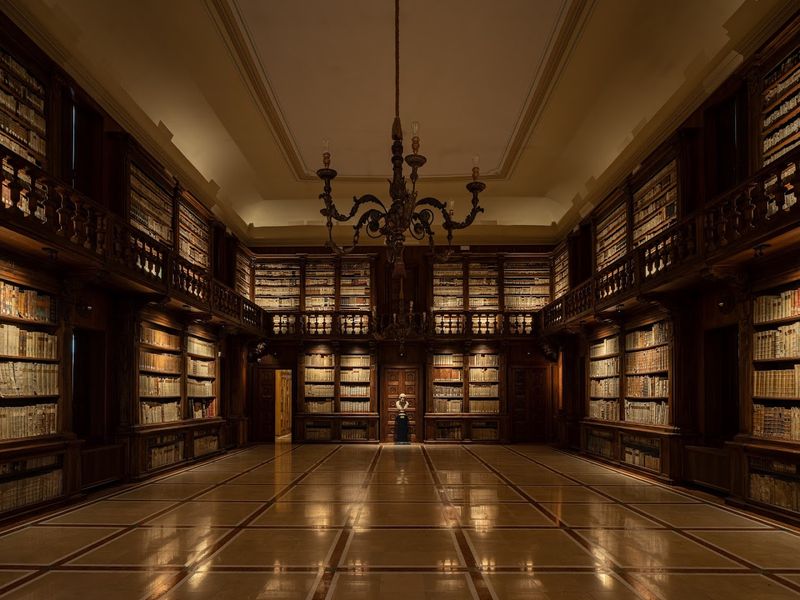
Believed to be the oldest continuously operating library in the entire world, the Biblioteca Capitolare in Verona has been preserving manuscripts without interruption since the 4th century. That is not a typo.
While empires rose and collapsed around it, this library kept collecting, copying, and safeguarding texts that would otherwise have been lost to history forever. It sits right next to Verona’s cathedral, yet most visitors who tour the Duomo never step through the library’s door.
The collection includes rare early Christian texts, illuminated manuscripts, and documents that shaped medieval European scholarship. Scholars travel from around the world to study materials held here, but casual visitors are also welcome and the experience inside is genuinely awe-inspiring.
Seeing handwritten pages from over a thousand years ago displayed under careful lighting makes history feel startlingly immediate.
Guided visits are available and strongly recommended since the context provided by a knowledgeable guide transforms the experience from interesting to unforgettable. The library is modest in size but extraordinary in significance.
Opening hours are limited, so checking ahead before visiting is smart. For anyone who loves books, history, or simply remarkable human achievements, the Biblioteca Capitolare is one of the most quietly powerful stops in all of Verona.
Share this story