 Unearth The Voyage
Oklahoma is packed with wide-open spaces, rolling hills, and hidden waterways that most people drive right past. While the big lakes get all the attention, the smaller ones are where the real magic happens.
These tucked-away spots offer fishing, paddling, and peaceful shorelines without the weekend warrior chaos. If you are ready to trade noise for birdsong and boat traffic for glassy-calm water, these nine small lakes are calling your name.
Clayton Lake
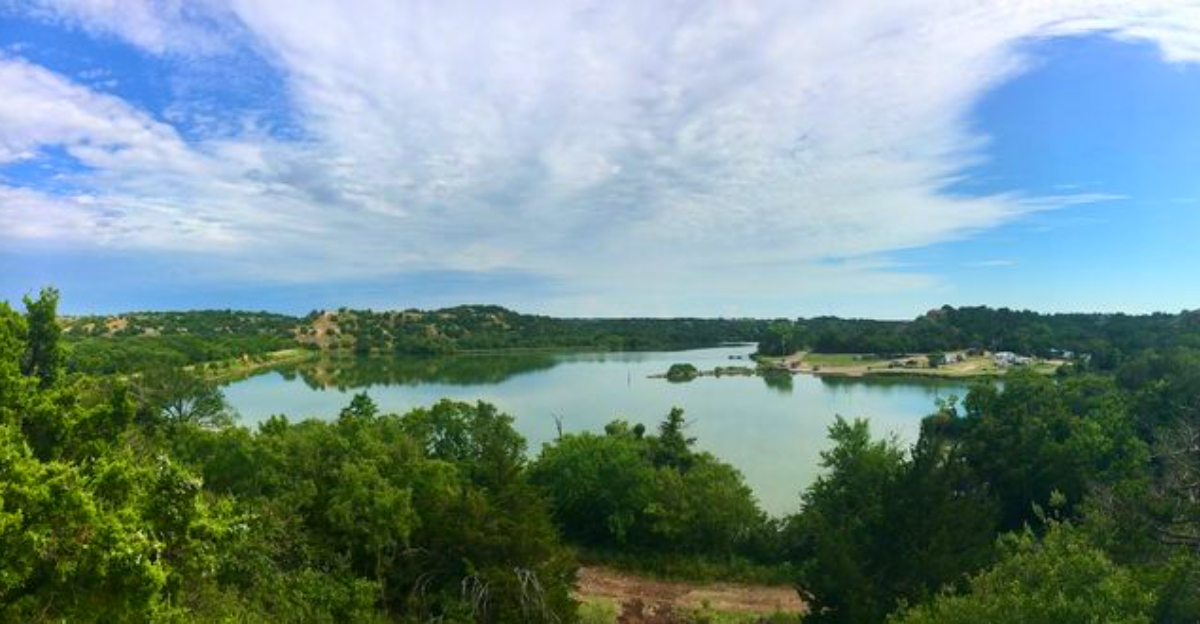
Pine trees pressing right up to the shoreline, birdsong echoing across 66 acres of glassy water — Clayton Lake might be small, but it punches way above its weight in charm. Tucked into the Kiamichi Mountains, this gem is part of Clayton Lake State Park, one of Oklahoma’s quieter state parks that rarely makes the tourist highlight reels.
Fishing here is genuinely rewarding. Bass, catfish, and crappie keep anglers busy without the shoulder-to-shoulder competition you find at larger reservoirs.
Kayakers love the calm surface, especially on weekday mornings when you might share the water with nothing but a great blue heron.
Camping options range from basic tent sites to cozy cabins, so you can stay as rugged or as comfortable as you like. The surrounding trail network winds through dense pine forest, offering short hikes with big payoffs.
Cell service is spotty at best, which most visitors consider a feature rather than a bug. Clayton Lake is the kind of place you visit once and quietly plan to return to every single year afterward.
Watonga Lake
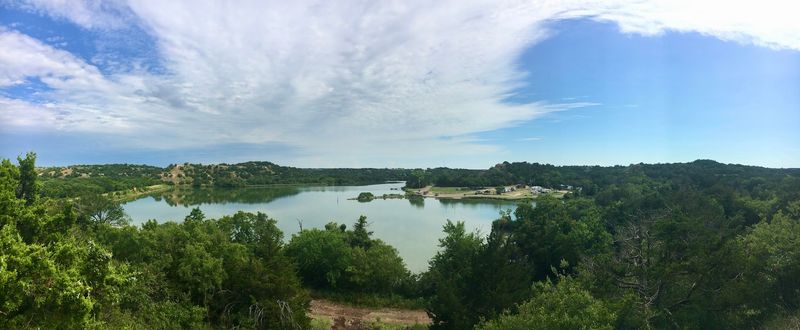
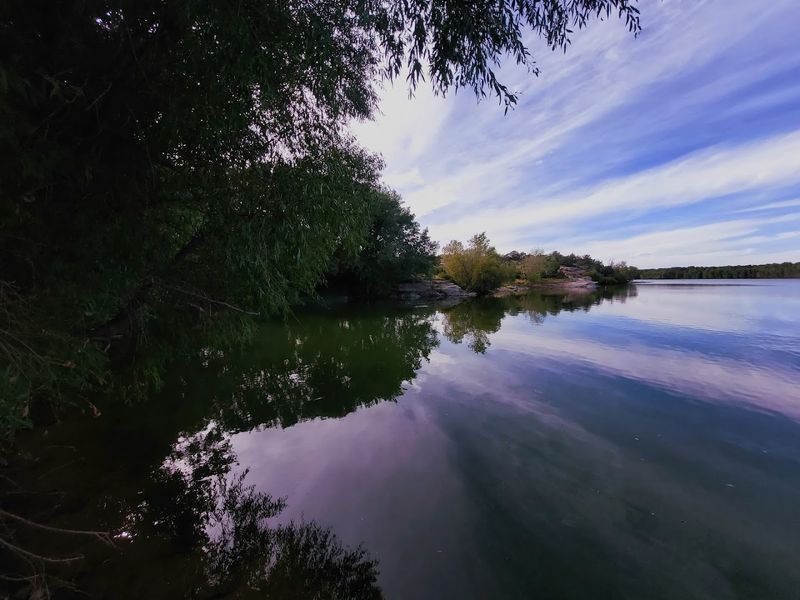
Barely 55 acres wide, Watonga Lake sits beside one of Oklahoma’s most underrated state parks, and somehow most people still manage to overlook it entirely. Roman Nose State Park wraps around the area with rugged canyon trails, cedar-covered ridges, and enough scenic overlooks to fill a camera roll without trying.
The lake itself is calm and uncrowded, making it ideal for light kayaking and casual fishing from the bank or a small boat. Catfish and bass are common catches, and the relaxed pace means you can actually enjoy the experience rather than racing to beat the crowds to your favorite spot.
Picnic areas near the water are shaded and well-maintained, great for a lazy afternoon lunch after a morning hike. The surrounding trails offer everything from easy strolls to more challenging climbs with rewarding canyon views.
Because Watonga is a smaller town, the park and lake see far fewer visitors than destinations near Oklahoma City or Tulsa. That low-key energy is exactly what makes it special.
Bring a good book, a fishing rod, and no particular agenda — Watonga Lake rewards visitors who show up without a schedule.
Spring Creek Lake
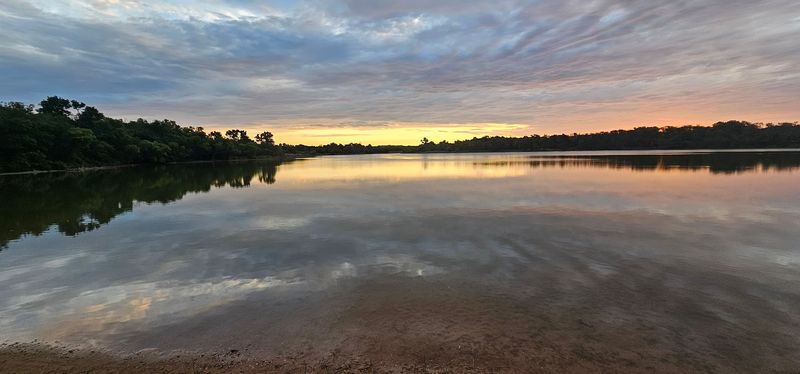
There is something genuinely rare about a lake where the water is always calm — no roaring jet skis, no wake-slapping speedboats, just still water and open sky. Spring Creek Lake enforces a no-wake rule, which instantly separates it from most Oklahoma lakes and puts it in a special category for paddlers and anglers who value peace over action.
Located within Black Kettle National Grassland, this 60-acre lake is surrounded by wide, open landscapes that feel almost cinematic in their simplicity. Dispersed camping areas nearby mean you can set up a tent with room to breathe, no reservation required in many spots.
Stargazing from the grassland at night is genuinely spectacular thanks to minimal light pollution.
Fishing produces solid results, with bass and catfish being the most common catches. The no-frills atmosphere keeps the experience honest and refreshing — no concession stands, no loud music, no crowds jockeying for prime spots.
Pack in your supplies, set up camp, and let the quiet do its work. Spring Creek Lake is proof that a lake does not need to be famous to be fantastic.
Sometimes the best spots are simply the ones most people have never heard of.
Skipout Lake
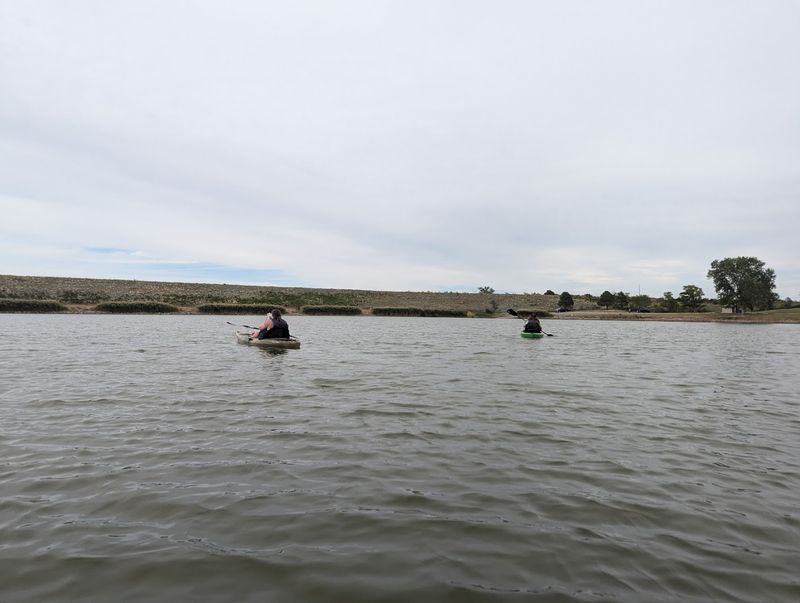
Fun fact: a lake called Skipout is ironically the last place you will want to skip out on. Also nestled inside Black Kettle National Grassland, this roughly 60-acre reservoir shares its neighbor Spring Creek Lake’s love of quiet but has its own loyal following among serious bass fishermen who prefer keeping their best spots off social media.
Crappie fishing here is particularly good, and the lack of crowds means you can work the shoreline at your own pace without worrying about other boats crowding your spot. The grassland setting gives the whole area a wide-open, almost meditative quality that is hard to describe but easy to feel the moment you arrive.
Facilities are minimal by design, which is honestly part of the appeal. No marina, no boat rentals, no tourist bustle — just you, the water, and whatever you packed in the cooler.
Dispersed camping options nearby let you extend the trip into a full overnight or weekend adventure. If you are the type who gets genuinely excited about finding a place before everyone else does, Skipout Lake is exactly that kind of discovery.
Low-key, productive, and wonderfully under the radar.
Lake Overholser
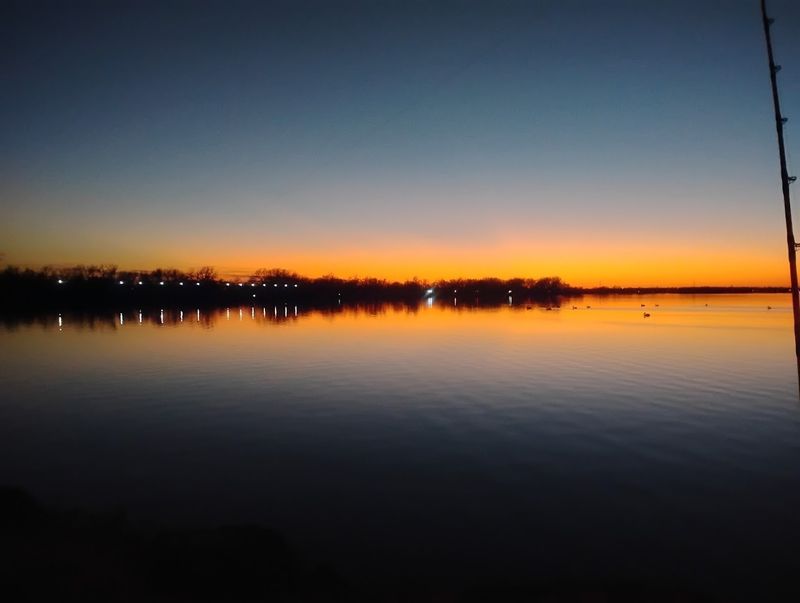
Most people assume that a lake sitting on the western edge of Oklahoma City would be a noisy, overcrowded mess — and most people would be pleasantly wrong. Lake Overholser manages to hold onto a quiet, neighborhood-park energy that feels almost surprising given its location near one of the state’s largest cities.
The paved trail circling the lake is a favorite among walkers, joggers, and cyclists who want scenery without driving an hour out of town. Birdwatchers show up regularly, especially during migration seasons when the surrounding wetlands attract impressive variety.
Kayaking on a calm weekday morning here feels genuinely peaceful, with views of the water and distant skyline creating an oddly satisfying contrast.
Fishing is allowed and productive, with catfish being a popular target for bank anglers. The nearby Stinchcomb Wildlife Refuge adds extra natural space and wildlife-watching opportunities right next door.
Weekday visits and early morning arrivals are the secret to catching the lake at its quietest and most photogenic. Lake Overholser proves that you do not always need a long road trip to find a genuine outdoor escape.
Sometimes the hidden gem is practically in your own backyard, just waiting for you to finally notice it.
Bath Lake (Medicine Park)
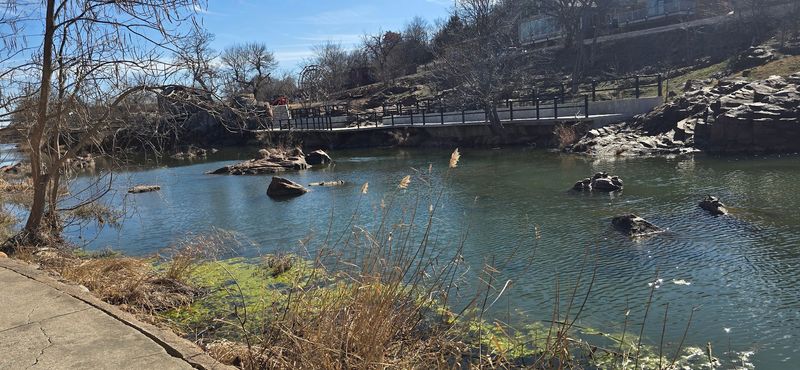
Medicine Park is one of those places that feels like it was designed specifically to make you slow down. The whole town is built from rounded cobblestones, and Bath Lake — formed by a small dam on Medicine Creek — fits right into that charming, unhurried atmosphere like it has always been there.
Unlike a traditional lake, Bath Lake is more of a wide, calm pool with natural granite surroundings and clear, refreshing water. Swimming is the main draw, and the shallow areas make it accessible for families with younger kids who want to splash around without venturing into deep water.
The scenery is genuinely lovely in a low-key way that photographs well but feels even better in person.
The town of Medicine Park itself is worth exploring before or after your lake visit. Quirky shops, local restaurants, and the nearby Wichita Mountains Wildlife Refuge make this a full-day destination rather than just a quick stop.
Off-peak visits — think weekday mornings or early fall — reward you with significantly fewer people and a noticeably calmer vibe. Bath Lake is small, yes, but it delivers a surprisingly complete and refreshing experience that sticks with you long after you have dried off and headed home.
Lake of the Arbuckles
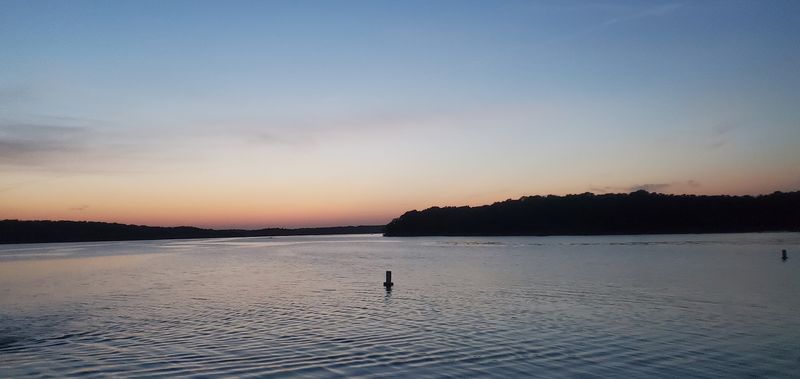
Clear water in Oklahoma is not something you take for granted, which is exactly why Lake of the Arbuckles earns a special kind of appreciation the moment you first see it. Sitting inside the Chickasaw National Recreation Area near Sulphur, the lake offers something genuinely different from the murky brown water common at many Oklahoma reservoirs.
The main areas can get busy on summer weekends, but the lake’s quieter coves and less-developed shoreline sections are where the real rewards hide. Kayakers who paddle away from the boat ramps discover calm, tree-lined stretches that feel completely removed from the crowds just around the bend.
Fishing for bass and catfish is popular, and the clear water makes it easier to spot structure and target your casts more effectively.
The surrounding recreation area adds serious value to any trip here. Natural springs, swimming holes, hiking trails, and historic bathhouses are all within easy reach.
Camping options range from developed sites with hookups to more primitive spots for those who want fewer neighbors. Visiting on a weekday or in the shoulder seasons of spring and fall transforms the experience dramatically.
Lake of the Arbuckles rewards a little planning with a lot of natural beauty and surprisingly uncrowded shoreline.
Arcadia Lake (Quiet Corners)
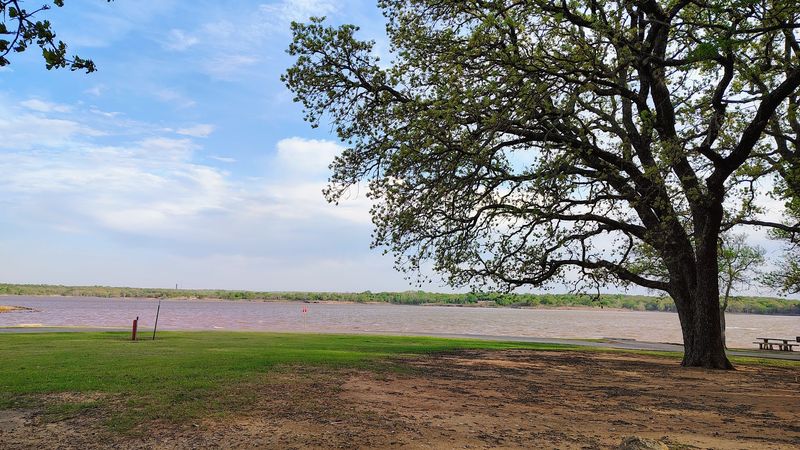
Arcadia Lake has a reputation as a busy recreational spot, but reputation and reality are two different things depending on where you plant your feet. Venture past the main boat ramps and popular beach areas and you will find wooded coves, sandy shoreline sections, and stretches of trail where the only sounds are wind, water, and birds.
The lake covers about 1,820 acres, which sounds large until you realize how much of that space sits well away from the weekend crowds. Early morning kayakers regularly report having entire coves to themselves, gliding through calm water with fog still sitting on the surface.
It is the kind of quiet that city people specifically drive out here to find.
Trails along the shoreline connect different sections of the lake, making it easy to hike between quiet spots and enjoy views from multiple angles. Fishing is productive in the less-trafficked areas, particularly for bass and crappie.
Off-season visits between October and March cut the crowd levels dramatically while still offering beautiful scenery. Arcadia Lake proves that popularity does not have to mean noise if you are willing to walk a little farther than everyone else.
The quiet corners are there — they just require a bit of curiosity to find.
Tenkiller Lake (Secluded Areas)
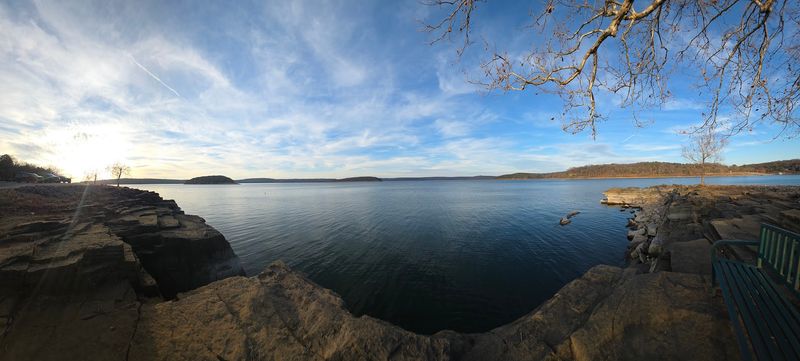
Lake Tenkiller has earned its reputation as one of Oklahoma’s most beautiful lakes honestly — the water is genuinely clear, the bluffs are dramatic, and the forested shoreline looks like it belongs in a travel magazine. What fewer people know is that beyond the marinas and popular swimming beaches, Tenkiller has a quieter, more private side worth seeking out.
The lake stretches nearly 13,000 acres with a long, winding shape that creates dozens of narrow coves tucked away from main traffic lanes. Paddling or boating into these areas reveals calm water, towering limestone walls, and an almost complete absence of other people — a remarkable thing on a lake this well-known.
Scuba diving is also popular here thanks to the exceptional water clarity, with several designated dive sites offering underwater exploration.
Fishing in the secluded coves produces excellent results for bass and walleye, especially during early morning and evening hours when boat traffic is minimal. Camping at the less-developed sites around the lake puts you closer to nature and farther from the party atmosphere of the main recreation areas.
Tenkiller rewards explorers who go beyond the obvious access points. The famous lake has a quieter version of itself hiding just around the next bend.



