 Unearth The Voyage
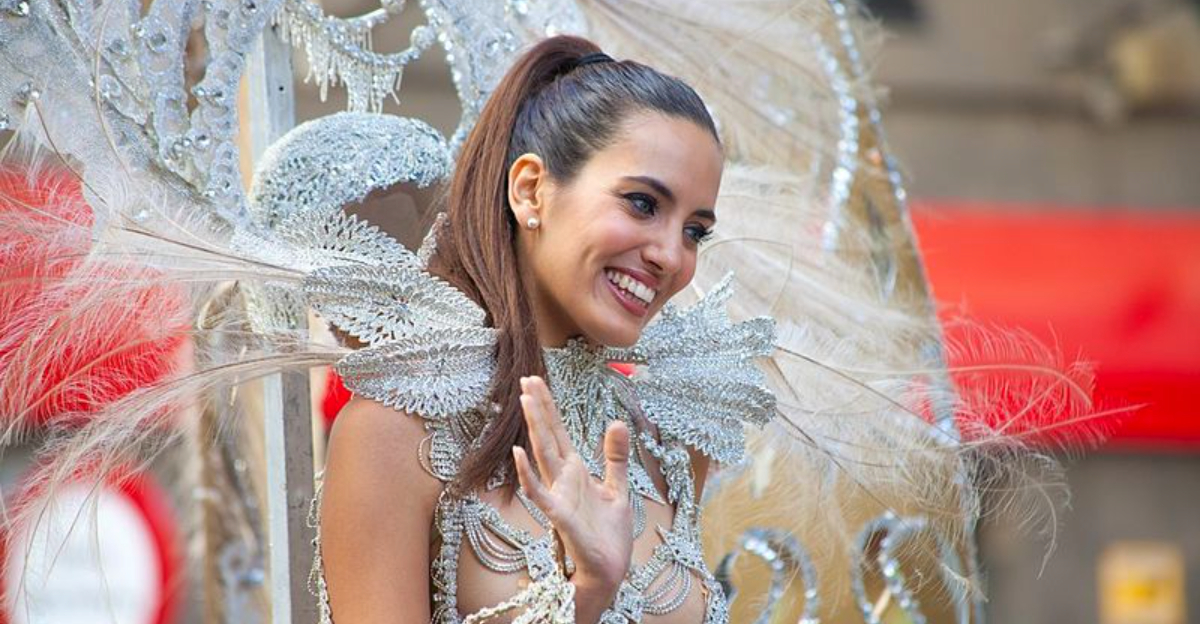
Carnivals represent some of the most vibrant and culturally rich celebrations found across the globe. These festivals blend ancient traditions, spectacular costumes, infectious music, and community spirit into experiences that travelers remember for a lifetime.
Whether seeking samba rhythms in South America or masked elegance in Europe, these spectacular carnivals offer unforgettable adventures worth every mile traveled.
Rio de Janeiro Carnival — Brazil’s Explosive Samba Celebration
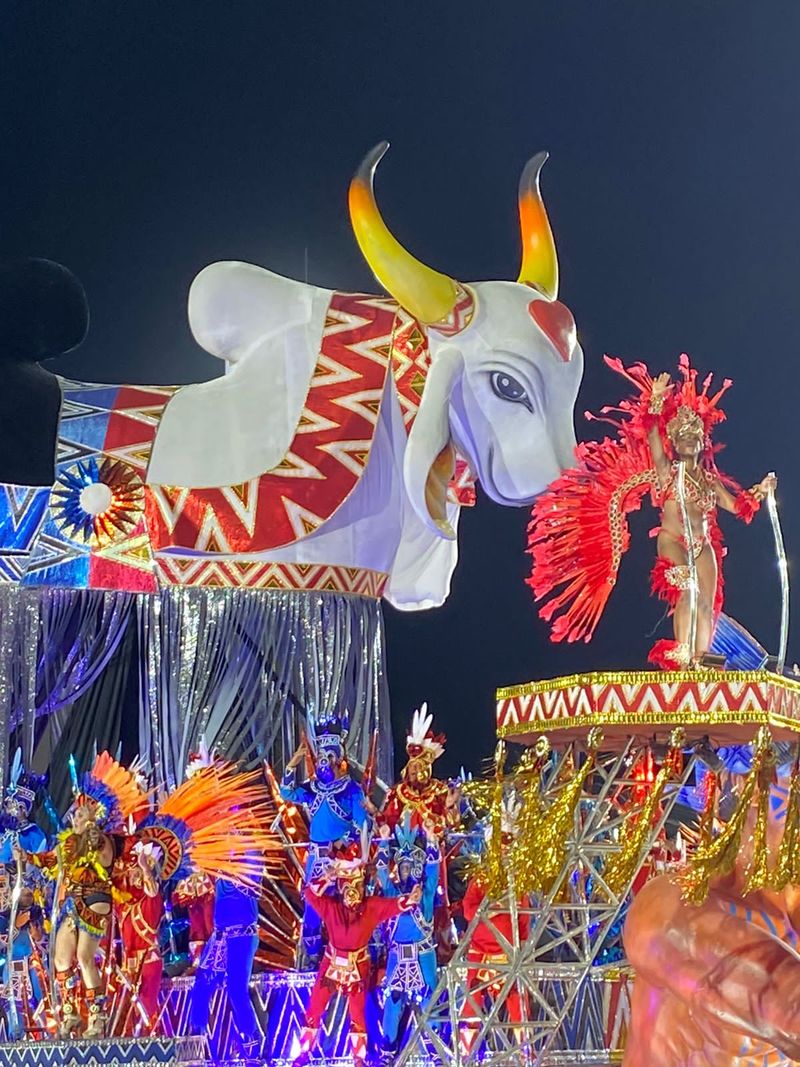
When conversations turn to carnival celebrations, Rio de Janeiro instantly dominates the discussion. This Brazilian metropolis hosts what many consider the planet’s most iconic carnival, transforming into a nonstop celebration for days before Lent arrives.
The Sambadrome parades form the beating heart of this festival, where elite samba schools battle for supremacy with towering floats, precise choreography, and costumes that display breathtaking Brazilian artistry and community dedication. Samba rhythms echo through every neighborhood as millions of participants and visitors dance through vibrant blocos that fill the streets.
The sheer magnitude, explosive energy, and visual splendor position Rio Carnival as one of Earth’s most magnificent cultural spectacles. Smart travelers secure parade tickets and hotel reservations months ahead, knowing this event attracts crowds from every continent.
Street parties continue from dawn until late into the night, creating an atmosphere where strangers become friends through shared celebration. The dedication each samba school brings to their performance reflects years of preparation, making every parade a masterpiece of coordination and passion that leaves audiences breathless with amazement.
Venice Carnival — Italy’s City of Masks and Elegance
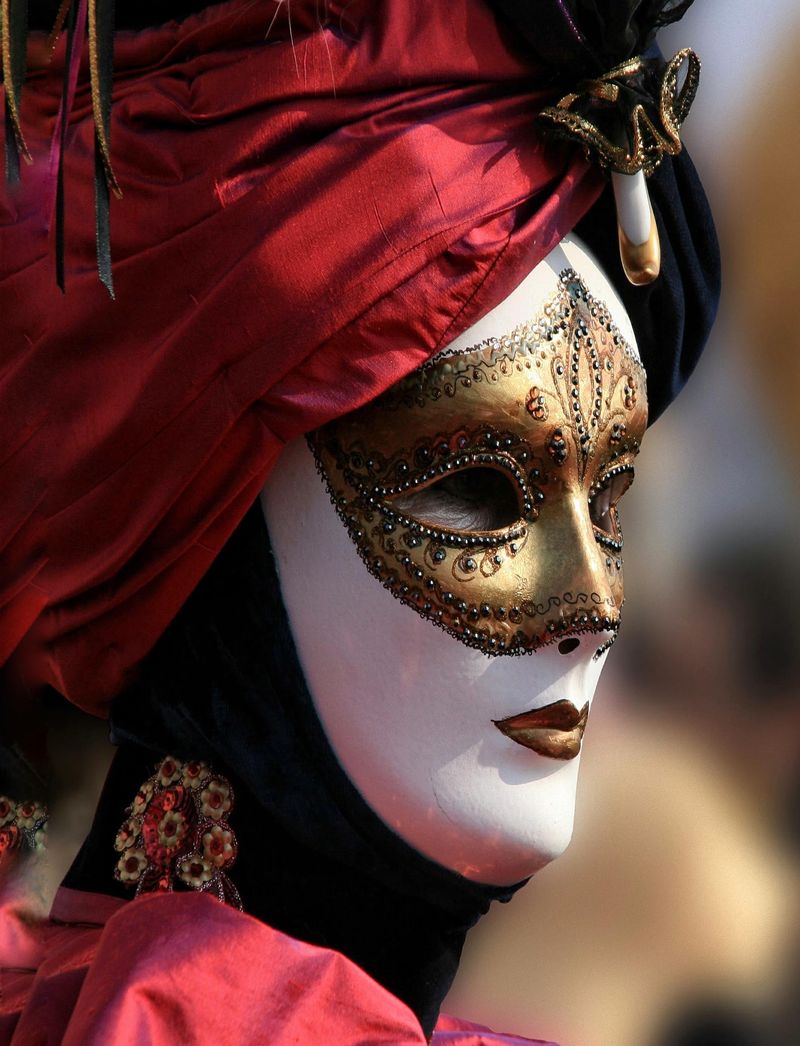
Centuries of tradition come alive each year when Venice transforms into a living theater of mystery and elegance. Unlike high-energy street festivals found elsewhere, Carnevale di Venezia offers something altogether different—a sophisticated journey through history wrapped in silk and secrecy.
Elaborate masks become the universal language here, concealing identities while revealing artistic excellence. Period costumes transport participants back to the glory days of the Venetian Republic, when masked balls in grand palaces represented the height of social sophistication.
The Flight of the Angel ceremony captures imaginations as a costumed performer descends dramatically into St. Mark’s Square, surrounded by thousands of spectators. Venice’s winding canals and ancient plazas provide an incomparable backdrop for parades, concerts, and theatrical performances that honor traditional craftsmanship.
Visitors wander through atmospheric streets where every corner presents another photo opportunity, another masked figure posing against weathered stone. The carnival blends visual artistry with historical pageantry in ways that appeal deeply to cultural enthusiasts and romance seekers alike, creating memories framed by one of the world’s most beautiful cities.
Santa Cruz de Tenerife Carnival — Spain’s Second Largest Carnival
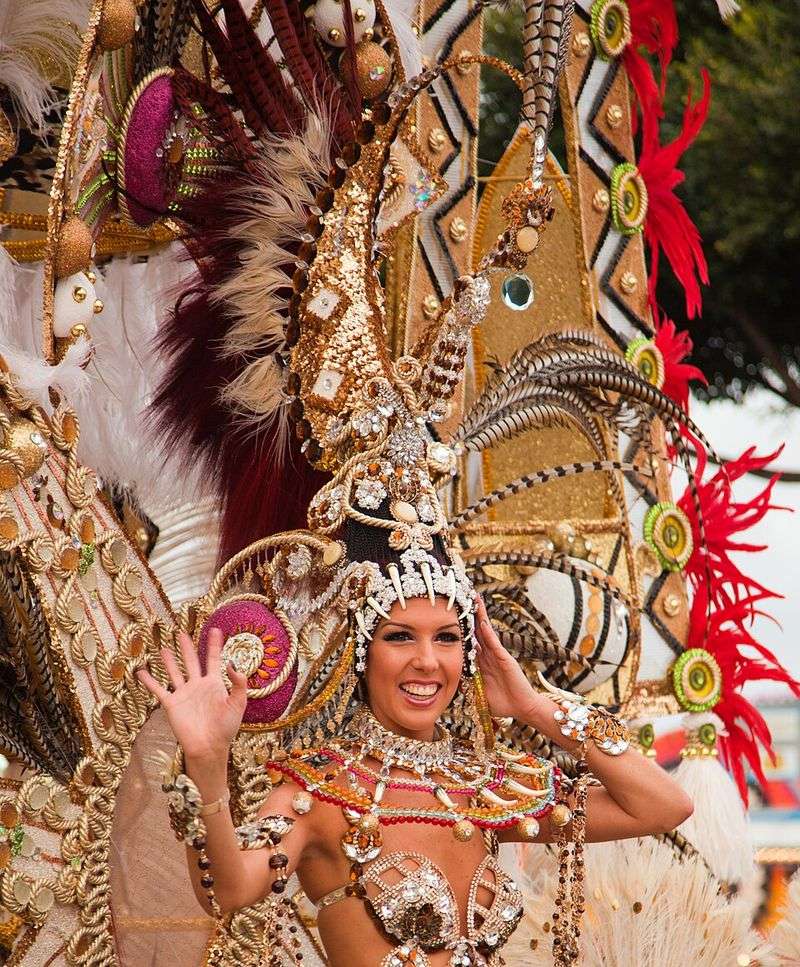
Ranking just behind Rio in global carnival standings, Santa Cruz de Tenerife delivers spectacular festivities under warm Canary Islands sunshine. This two-week extravaganza proves that Europe can match South American carnival energy when Spanish passion meets island hospitality.
Grand parades showcase glittering floats accompanied by thousands of performers wearing costumes that defy imagination—some so massive and brilliantly colored they seem to challenge the laws of physics. Rhythmic music fills the air as dancers move through streets packed with enthusiastic crowds who travel from across Europe for this celebration.
The costume competitions alone draw international attention, with designers creating wearable art that combines traditional carnival elements with contemporary innovation. Feasting and dancing continue well past midnight, creating an atmosphere where inhibitions disappear and strangers share tables at outdoor cafes.
The combination of Mediterranean climate, island beauty, and full-throttle celebration makes this carnival particularly appealing to those seeking festival excitement without tropical humidity. Local traditions blend seamlessly with international carnival culture, resulting in an event that honors its Spanish roots while embracing global influences and creative expression.
Oruro Carnival — Bolivia’s UNESCO-Recognized Cultural Spectacle
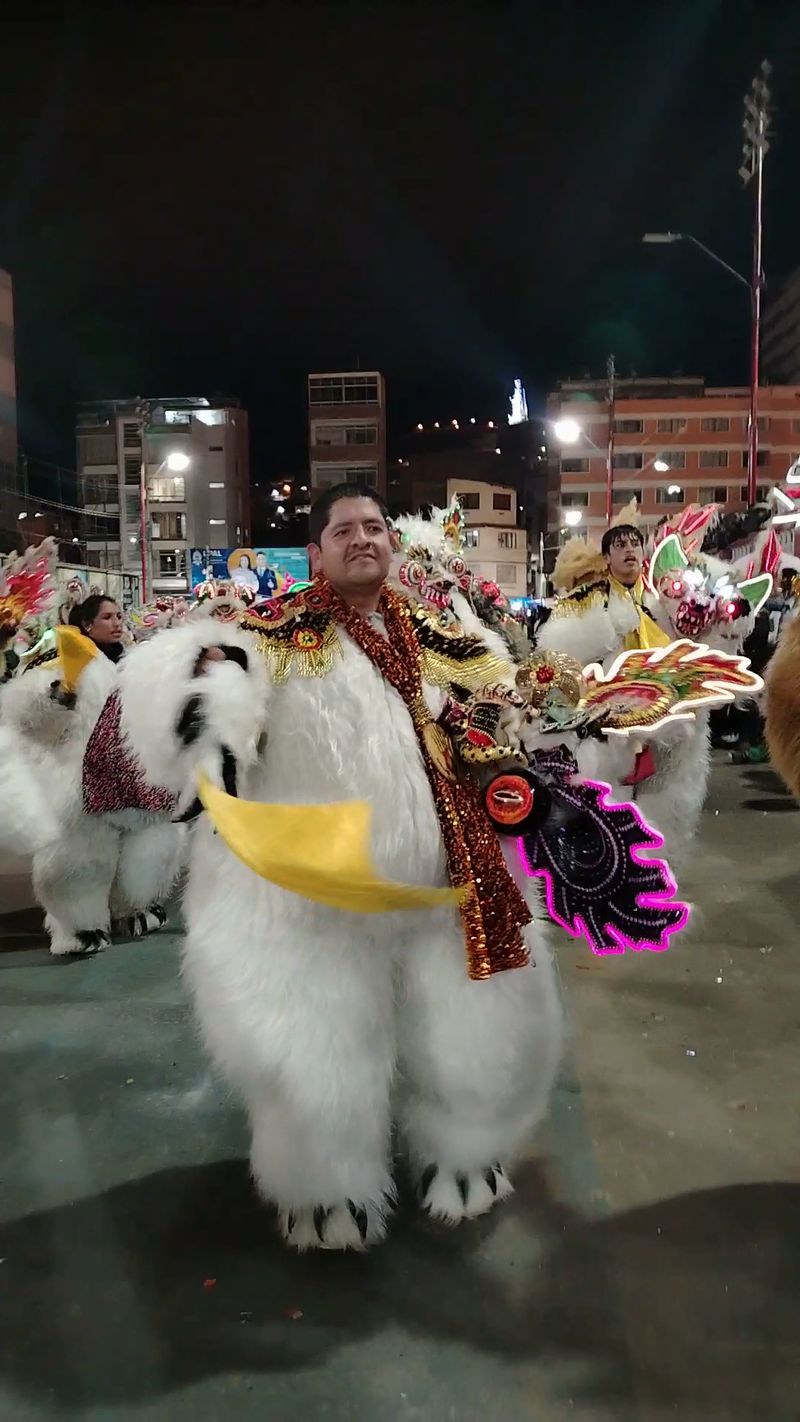
High in the Bolivian Andes, something extraordinary unfolds each year that UNESCO recognized as irreplaceable cultural heritage. The Oruro Carnival stands apart from beach-party celebrations, offering instead a profound blend of indigenous traditions and Catholic symbolism that tells stories centuries old.
La Diablada, the famous Dance of the Devils, dominates the procession with performers wearing intricate masks and costumes that depict the eternal battle between good and evil. These aren’t simple parade outfits—each piece represents months of craftsmanship, cultural knowledge, and spiritual significance passed through generations.
Processions stretch for kilometers, lasting many hours as thousands of dancers and musicians bring ancient mythology to life through choreographed performances. The dedication participants show reflects deep connections to ancestral heritage and community identity that modern commercialization hasn’t diminished.
Travelers seeking authentic cultural immersion find Oruro particularly rewarding, as the carnival maintains its traditional purpose while welcoming respectful observers. The high-altitude setting adds another dimension to the experience, with clear mountain air and dramatic landscapes framing performances that connect present-day Bolivia with its pre-Columbian past in ways few festivals manage.
Trinidad and Tobago Carnival — Caribbean Rhythm and Color
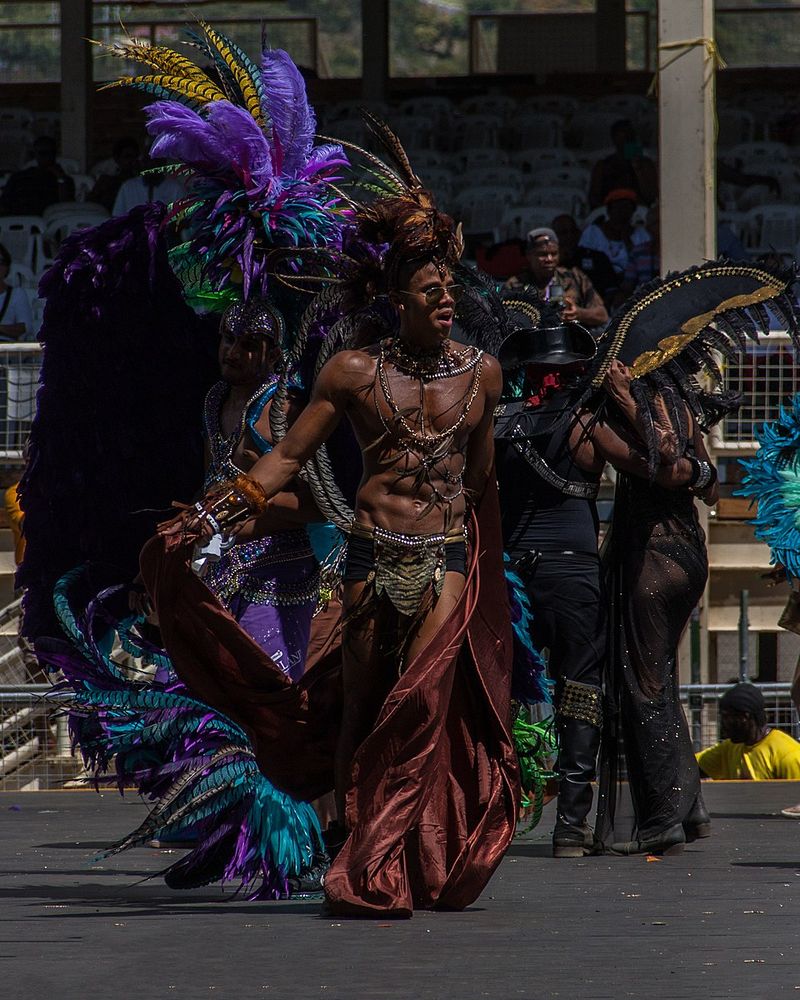
Caribbean sunshine meets African heritage and French colonial history in what many consider the most energetic carnival celebration across the islands. Trinidad and Tobago Carnival pulses with soca music and steel pan rhythms that make standing still physically impossible.
Elaborate costume bands compete for top honors, with designs featuring thousands of sequins, feathers, and creative materials that shimmer under tropical sun. The scale and craftsmanship rival anything found in South America, but with distinctly Caribbean flair and island attitude.
J’ouvert represents the carnival’s wildest moment—an early-morning street party where participants cover themselves in paint, mud, and powder while dancing through darkness into dawn. This ancient tradition strips away pretense, creating raw celebration that honors the festival’s rebellious roots.
Contests, concerts, and nonstop street parties fill the days leading to Ash Wednesday, drawing visitors from across the globe who seek authentic Caribbean culture. The combination of musical innovation, costume artistry, and pure celebratory energy makes this carnival essential for anyone serious about experiencing festival culture at its most genuine and exhilarating peak.
Cologne Carnival — Germany’s Crazy Days of Festivity
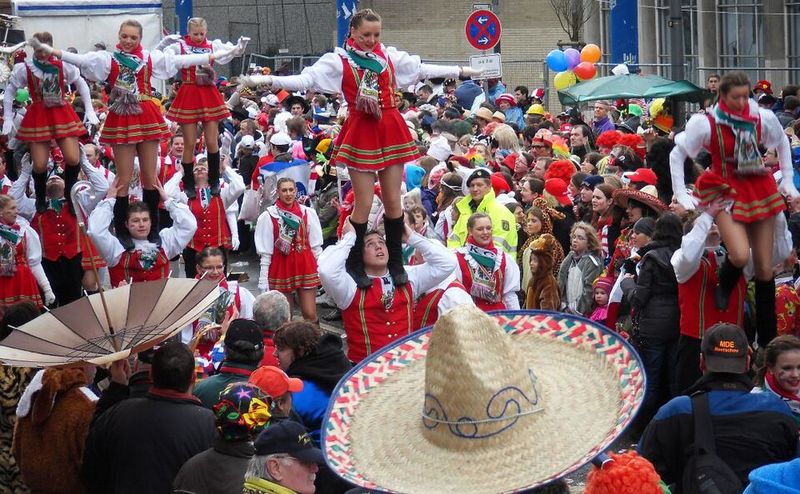
Germans call it the Fifth Season, and for good reason—Cologne Carnival transforms this historic city into a week-long celebration that suspends normal life entirely. Unlike carnivals in warmer climates, this festival brings color and warmth to winter streets through community spirit and quirky traditions.
Rosenmontag, or Rose Monday, serves as the celebration’s climax with a grand parade featuring satirical floats, marching bands, and thousands of costumed revelers. Local humor shines through in float designs that poke fun at politicians and current events, creating entertainment that’s both visually impressive and intellectually engaging.
The carnival’s democratic nature encourages everyone to participate, whether in elaborate costumes or simple disguises. Street parties fill neighborhoods as locals and visitors alike embrace the temporary freedom from everyday responsibilities and social conventions.
European travelers particularly appreciate Cologne Carnival for its accessibility and authentic local flavor, avoiding the commercialization that affects some larger festivals. The combination of German organizational skills and carnival chaos creates something uniquely enjoyable—structured fun that still manages spontaneity, cultural heritage that welcomes newcomers, and celebration that honors tradition while embracing contemporary creativity and inclusive participation.
Notting Hill Carnival — London’s Caribbean Street Festival
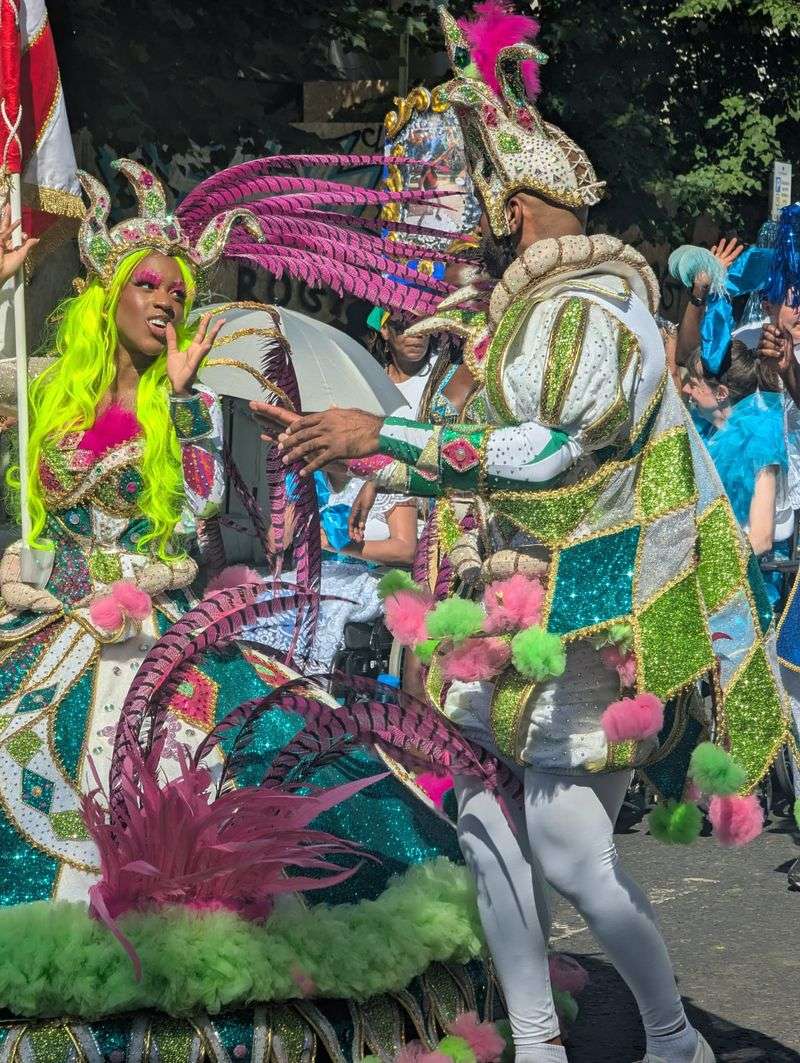
Every August, West London explodes into color and sound as Europe’s largest street festival takes over the Notting Hill neighborhood. Born from Caribbean immigrant communities in the 1960s, this carnival has grown into a massive celebration that attracts over two million participants annually.
Unlike Lenten carnivals, Notting Hill celebrates Caribbean diaspora culture and community resilience through music, dance, and spectacular costumes. Enormous sound systems mounted on trucks pump out reggae, soca, and dancehall rhythms while costume bands parade through streets lined with food stalls serving jerk chicken and Caribbean specialties.
The festival’s urban setting creates unique energy—historic London architecture provides backdrop for tropical celebration, creating visual contrast that makes the experience distinctly memorable. Dance troupes perform choreographed routines while spontaneous street dancing erupts throughout the route.
What began as small community gathering has evolved into internationally recognized cultural event that celebrates multiculturalism and creative expression. The carnival demonstrates how immigrant traditions can flourish and transform their adopted homes, creating new cultural forms that honor ancestral heritage while embracing contemporary urban reality and diverse participation from all backgrounds.
Nice Carnival — France’s Colorful Mediterranean Celebration
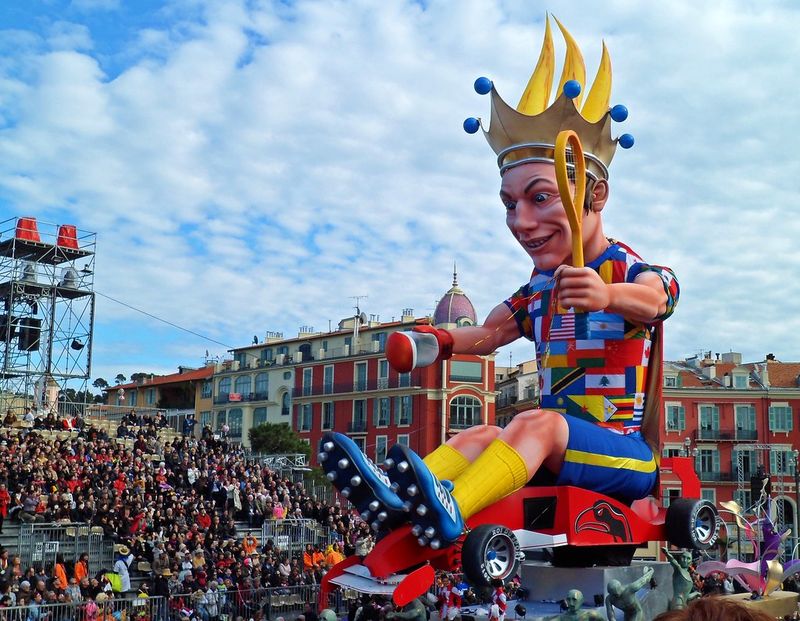
The French Riviera provides stunning backdrop for one of Europe’s grandest carnival celebrations, where Mediterranean elegance meets playful spectacle. Nice Carnival has entertained crowds for over a century with traditions unique to this coastal region, including the famous Bataille de Fleurs.
During the flower battles, performers atop decorated floats toss thousands of fresh flowers into delighted crowds—a tradition that transforms the parade route into fragrant celebration. Giant papier-mache puppets tower over spectators, their exaggerated features and satirical designs commenting on contemporary issues with French wit.
Multiple parades occur over two weeks, including spectacular night processions illuminated by elaborate lighting that creates magical atmosphere along the Promenade des Anglais. The scale and artistic ambition rival larger carnivals while maintaining distinctly French sophistication and style.
Visitors appreciate the combination of carnival excitement and Côte d’Azur beauty, with opportunities to enjoy festival culture alongside world-class dining and stunning sea views. The mild climate makes February festivities particularly appealing to northern Europeans seeking winter escape, while the artistic quality of float design and costume creation reflects the region’s long association with visual arts and creative innovation.
Carnival of Las Palmas — Spain’s Festival of Drag and Glamour
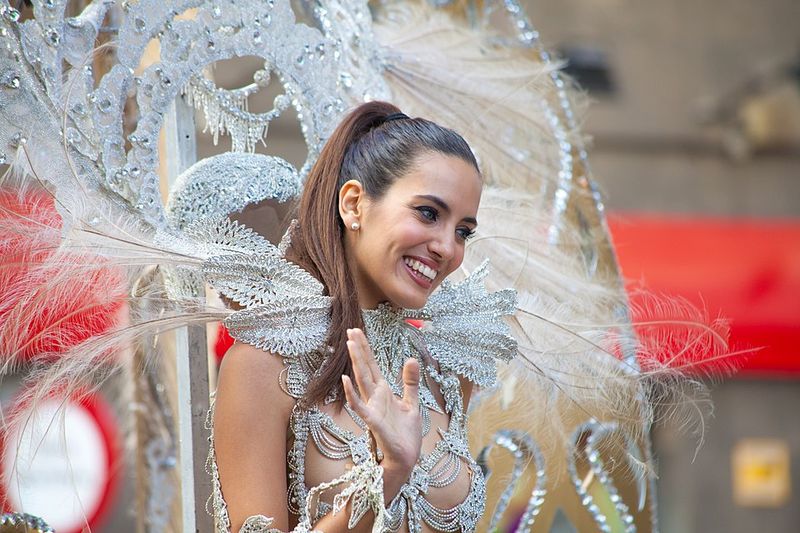
Gran Canaria’s capital hosts a carnival celebration famous for pushing boundaries and celebrating diversity with spectacular style. The Gala of the Drag Queen has become internationally renowned, attracting performers who create costumes so elaborate they require engineering expertise alongside fashion sense.
These aren’t simple drag performances—competitors wear creations weighing hundreds of pounds, featuring mechanical elements, lighting effects, and artistic vision that transforms bodies into moving sculptures. The gala draws massive crowds who appreciate the artistry, humor, and courage these performances represent.
Beyond the famous drag competition, Las Palmas Carnival offers traditional parade elements with costume bands, musical performances, and street parties that continue until dawn. The inclusive atmosphere welcomes all participants regardless of background, creating celebration that honors diversity as fundamental value.
February timing means warm weather and island sunshine enhance the carnival experience, with beaches and ocean providing daytime relaxation between nighttime festivities. The carnival demonstrates how traditional festival formats can evolve to embrace contemporary values while maintaining cultural roots, creating events that feel both timeless and thoroughly modern in their celebration of human creativity and individual expression.



