Florida is famous for beaches, theme parks, and sunshine, but some of its most fascinating stories are hiding in places most people have never heard of. Scattered across the state are tiny towns with populations in the hundreds, yet their histories rival those of major cities.
From civil rights milestones to Cold War experiments, these small communities punched way above their weight. Pack your curiosity and get ready to discover the Florida that the tourist brochures forgot.
1. Eatonville
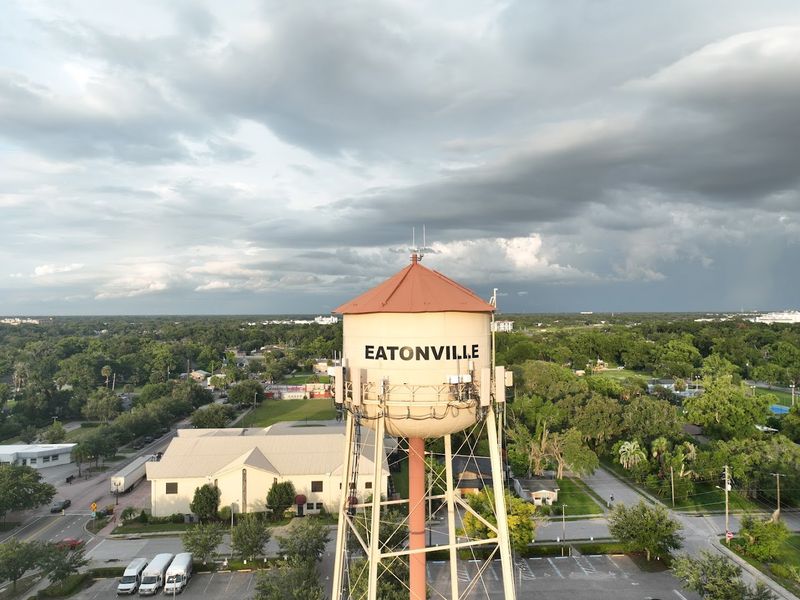
Before the Civil Rights Movement had a name, Eatonville was already making history. Incorporated in 1887, it became one of the first self-governing all-Black municipalities in the entire United States.
That is not a small thing. That is enormous.
The town gave the world Zora Neale Hurston, the legendary author and anthropologist whose novel “Their Eyes Were Watching God” changed American literature forever. She grew up on these streets, listening to stories on the porch of Joe Clarke’s store.
Those porches basically became her classroom.
Today, Eatonville hosts the annual ZORA! Festival, drawing thousands of visitors who come to celebrate Black art, culture, and storytelling.
The town sits just north of Orlando, making it easy to visit. Walking through Eatonville feels less like tourism and more like stepping into a living piece of American history that refused to be forgotten.
2. Marineland
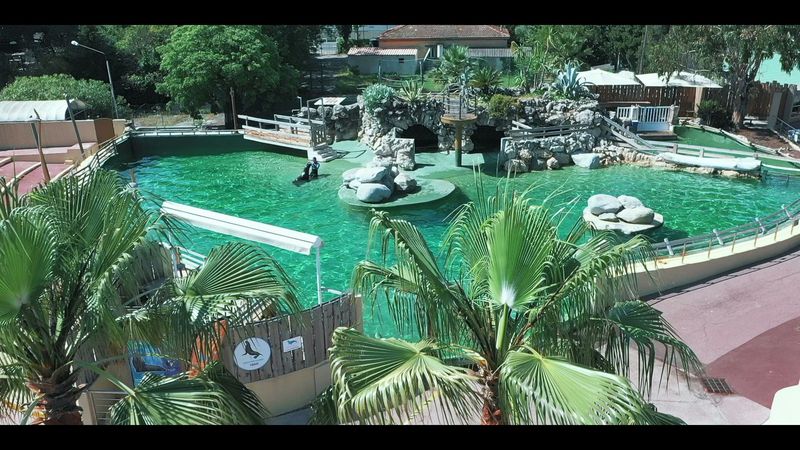
Way back in 1938, before SeaWorld existed, before aquariums were everywhere, Marineland opened its doors and basically invented the idea of watching marine life up close. Built on a stretch of Atlantic coastline between Jacksonville and Daytona Beach, it was originally called Marine Studios and served as an actual underwater film set.
Hollywood crews came here to shoot movies and documentaries. Dolphins performed here before performing dolphins were even a concept.
The first dolphin ever trained to jump through a hoop did it right here in Marineland.
At its peak, the attraction drew 500,000 visitors a year, making it Florida’s top tourist destination before Disney was even a dream. The town itself has fewer than 10 permanent residents today, making it possibly the smallest municipality in the entire state.
Big legacy, tiny zip code. Marineland is proof that greatness does not require a large population.
3. Lazy Lake
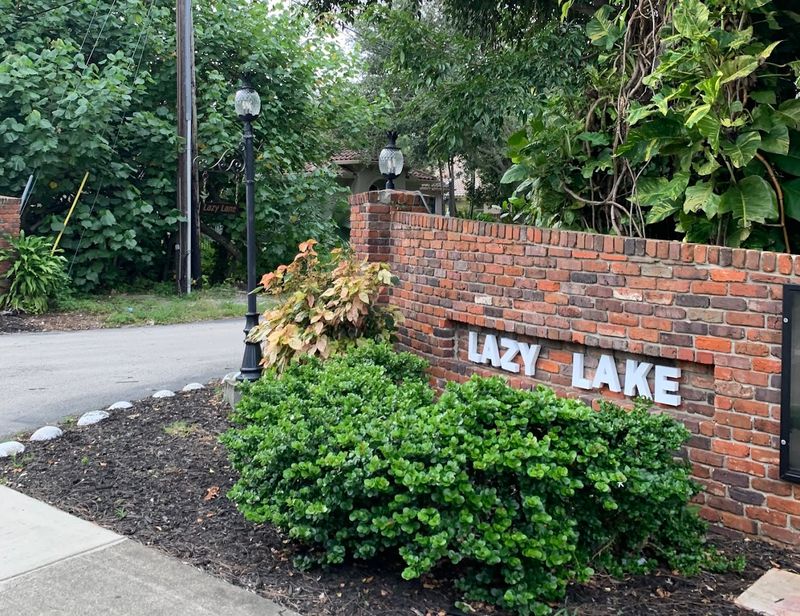
With fewer than 30 residents, Lazy Lake is technically a city, which is honestly the funniest thing about it. Nestled inside Broward County near Wilton Manors, this tiny lakeside community incorporated in 1953 and has stubbornly held onto its municipal status ever since.
The whole town is essentially a circle of small homes around a private lake. Residents share a swimming dock, and the community vibe is closer to a tight-knit neighborhood than anything resembling a traditional city government.
Yet elections happen, officials get elected, and city business gets done.
Lazy Lake has no commercial businesses, no traffic lights, and absolutely zero tourist attractions in the traditional sense. What it does have is a remarkable story about community identity and the quiet power of small places refusing to disappear into surrounding suburbs.
Sometimes the most interesting history is simply the history of surviving. Lazy Lake has done exactly that for over 70 years.
4. Hillcrest Heights
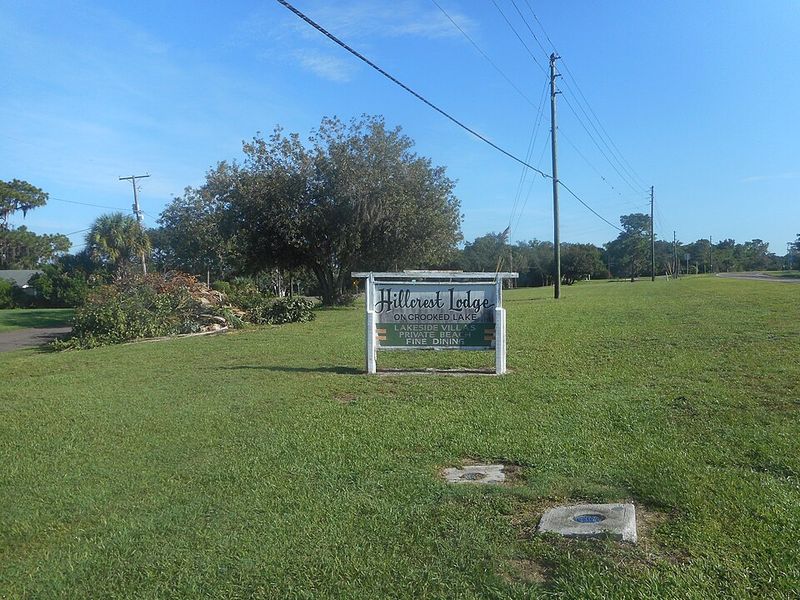
Hillcrest Heights sits in Miami-Dade County and might look like just another quiet neighborhood at first glance. But this tiny community carries a layered history tied directly to post-World War II suburban expansion in South Florida, when returning veterans needed affordable housing fast.
The community developed rapidly in the late 1940s and 1950s, shaped by the same forces of racial housing covenants and redlining that defined so many American suburbs of that era. Understanding Hillcrest Heights means understanding how geography and policy shaped who got to live where in mid-century Florida.
Today, the area reflects decades of demographic change and community resilience. Long-time residents remember when every neighbor knew each other by name and front porches were the neighborhood meeting room.
It is a small place with a story that connects directly to larger national conversations about equity, housing, and what the American Dream actually looked like for different families in the postwar years.
5. Vernon
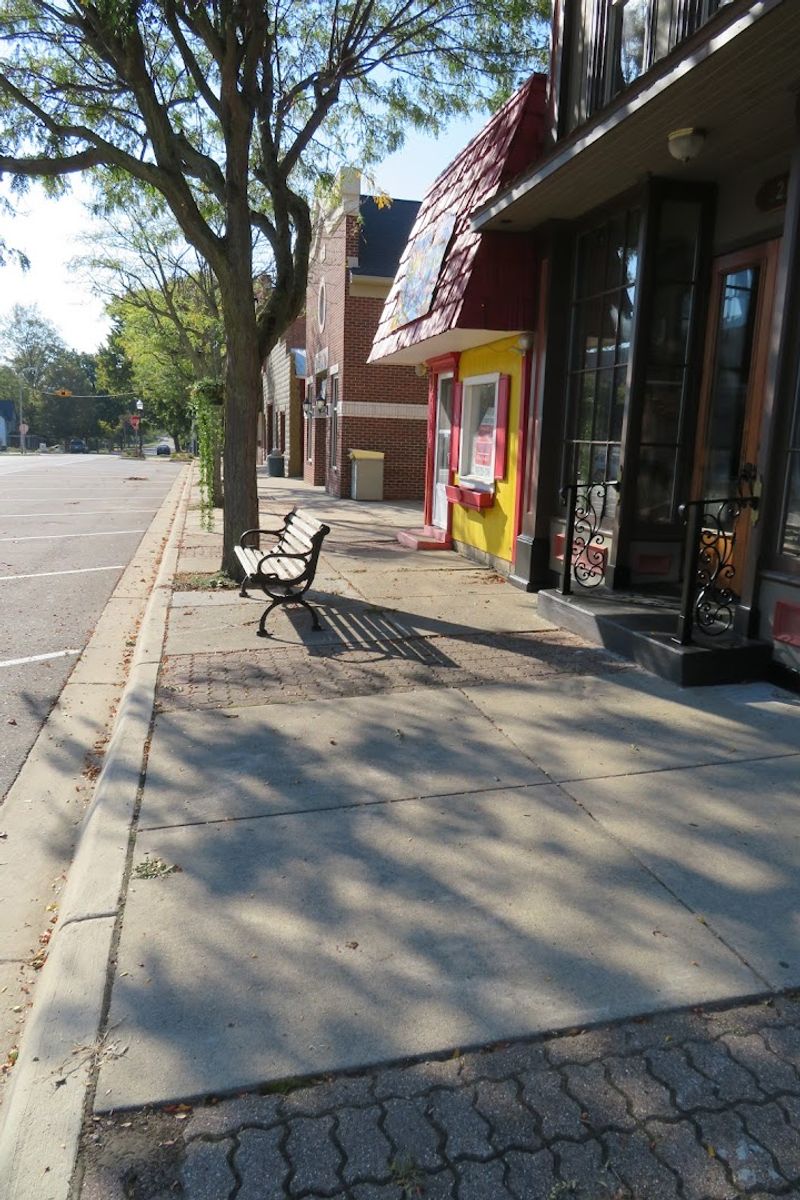
Vernon earned a truly bizarre nickname in the 1950s and 1960s: Nub City. Insurance investigators started noticing an alarming pattern where residents were filing claims for lost limbs at a rate statistically impossible for a town this small.
The fraud scheme allegedly involved people deliberately losing fingers, hands, and even entire legs to collect insurance payouts.
The story became so notorious that filmmaker Errol Morris came to Vernon to make a documentary about it. Residents refused to talk on camera, which somehow made the whole thing even creepier.
The resulting film, “Vernon, Florida,” ended up being more of an eccentric portrait of quirky rural characters than an insurance fraud expose.
Beyond its strange reputation, Vernon is a genuinely charming small town in the Florida Panhandle with friendly people and beautiful surrounding nature. The Choctawhatchee River runs nearby, offering great fishing and kayaking.
Vernon proves that even the weirdest histories come with beautiful landscapes attached.
6. Wausau
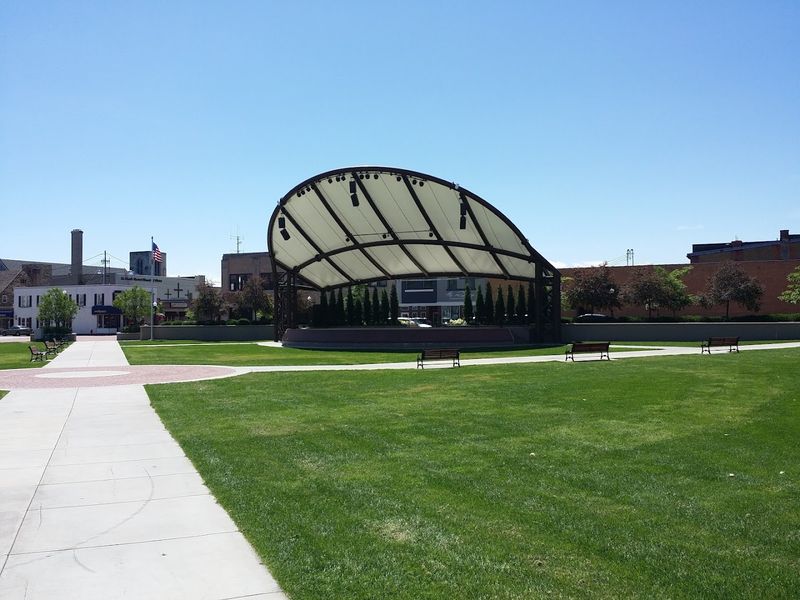
Every first Saturday of November, Wausau throws a party for an animal most people spend their lives trying to avoid. The Wausau Possum Festival has been running since 1982, complete with a possum parade, possum-themed food, and an actual live possum crowned as the festival queen.
Yes, really.
The festival started as a tongue-in-cheek tribute to the opossum, which locals credit with helping early settlers survive lean times by providing a reliable food source. It grew into a beloved community tradition that draws thousands of visitors to this tiny Washington County town each year.
Wausau has a population of just a few hundred people, but on festival day it transforms into one of the liveliest spots in the Florida Panhandle. The event raises money for local scholarships and community projects.
It is proof that you do not need a famous landmark to build a legendary reputation. Sometimes all you need is a possum and a good sense of humor.
7. Greensboro
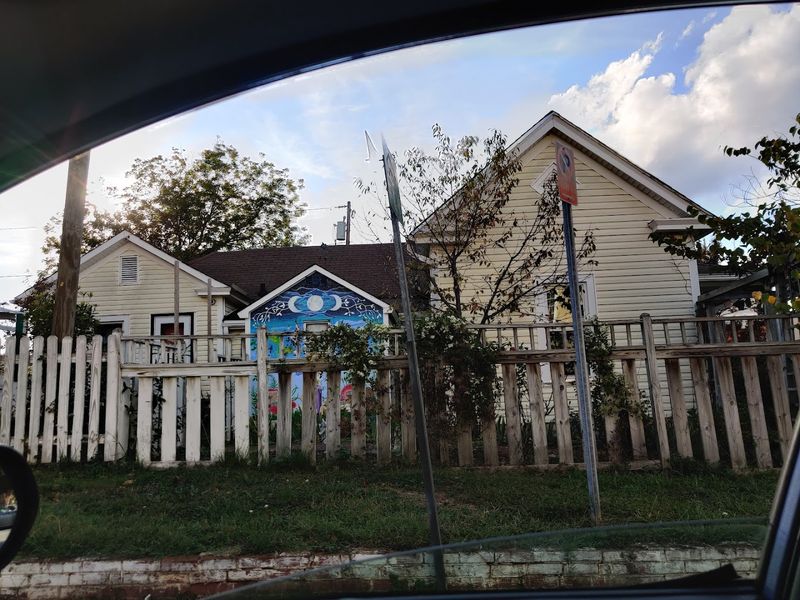
Gadsden County is the only majority-Black county in Florida, and Greensboro sits right at the heart of that story. This small town, population around 600, carries deep roots in the history of African American farming communities that shaped North Florida after the Civil War.
Tobacco was king in Gadsden County for most of the 20th century, and Black farmers and sharecroppers built much of that agricultural legacy with their labor. Greensboro was a center of that community, with churches, schools, and businesses that served residents who faced segregation everywhere else.
The town also played a quiet role in civil rights organizing during the 1960s, with local churches serving as meeting points for activists. Walking through Greensboro today, you pass buildings that witnessed remarkable courage from ordinary people.
The shade trees are old, the streets are quiet, and the history underneath it all runs deeper than most visitors would ever guess just passing through.
8. Alford
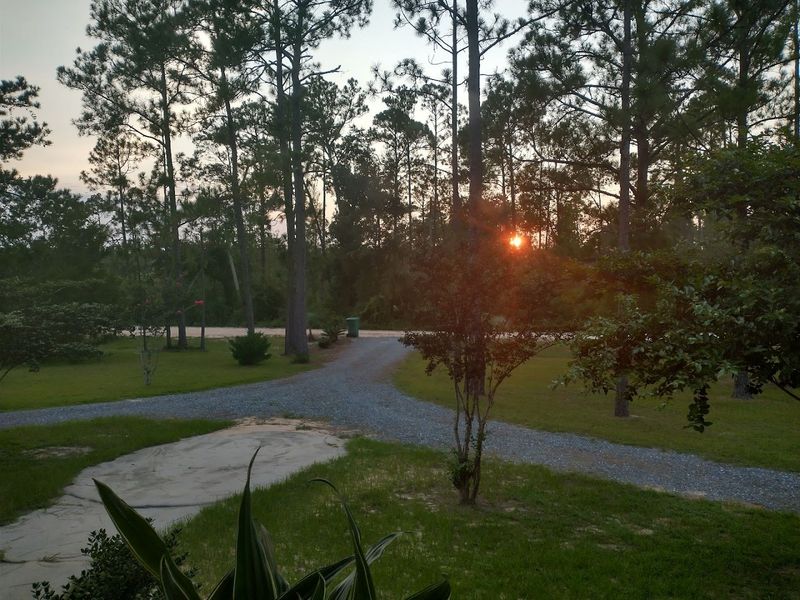
Alford is so small that blinking while driving through Jackson County might mean missing it entirely. The population hovers around 500, and the town has no traffic lights, no chain restaurants, and no reason to be famous.
Except it kind of is, for one very specific reason.
Alford sits in a region that historians consider one of the last strongholds of traditional Cracker culture in Florida. The term “Florida Cracker” refers to the early cattle-driving settlers who cracked long whips to herd cattle across the open range.
Their descendants shaped the culture, food, and stubborn independence that still define parts of rural North Florida today.
The cattle culture here predates the Civil War, making this region older in spirit than most of what tourists think of as Florida. Local families have farmed the same land for five and six generations.
Alford is quiet on the surface, but underneath it holds one of the most authentic slices of old Florida still breathing.
9. Esto
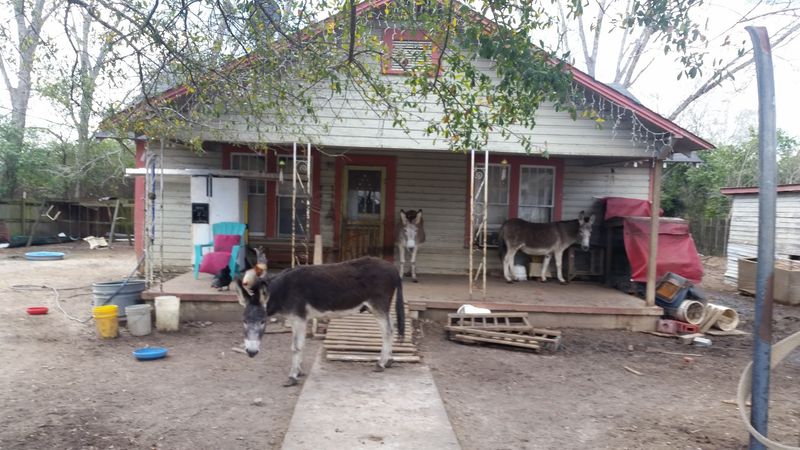
Esto might be the most unassuming town on this entire list, but its name alone is worth a conversation. Located in Holmes County in the Florida Panhandle, Esto reportedly got its name from a shortening of the word “estimate,” used when early surveyors could not agree on exact boundaries.
That origin story is either completely true or completely made up, and local historians still debate it cheerfully.
Holmes County itself has a fascinating history as one of the most rural and isolated counties in Florida, largely bypassed by the tourism and development booms that transformed the rest of the state. Esto sits at the heart of that preserved quietness.
The surrounding area is dotted with small farms, Baptist churches, and family cemeteries that tell the story of generations who stayed when everyone else left. Esto has fewer than 500 residents and zero pretensions.
Sometimes the smallest dot on the map holds the biggest stories about what it means to simply stay and build something lasting.
Share this story