You might have been told to avoid certain foods because they are bad for you. However, many so-called unhealthy foods can actually be part of a nutritious eating plan when enjoyed wisely. Nutrition science has evolved, and research now shows that some foods once labeled as junk may offer real health benefits. Read on to discover which surprising foods deserve a second chance on your plate.
1. Dark chocolate (70%+ cocoa)

Flavanol-rich cocoa can nudge blood pressure down a bit and support vascular function. Studies show that people who eat small amounts of high-quality dark chocolate may enjoy better heart health over time. The key is choosing bars with at least 70% cocoa content.
Stick to about one ounce per serving to keep calories in check. Higher cocoa percentages mean less sugar and more beneficial plant compounds. Think of dark chocolate as a treat that also delivers antioxidants, making it a win-win for your taste buds and your body.
2. Potatoes
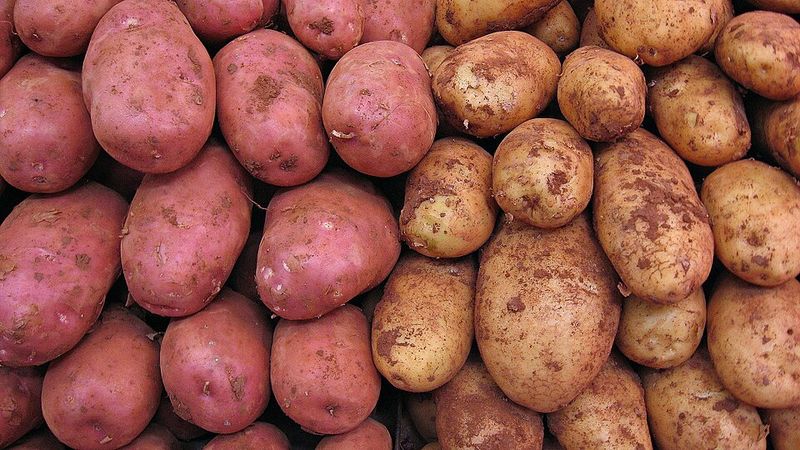
Maligned for carbs, but potatoes deliver potassium, vitamin C, and fiber, especially when you eat the skin. Many people wrongly assume potatoes are nutritionally empty, yet they pack more potassium than a banana. Preparation method makes all the difference.
Baking, roasting, or boiling potatoes keeps them healthy, while deep-frying adds unnecessary fat and calories. Pair your spuds with protein like grilled chicken or beans and add colorful veggies for balance. When prepared smartly, potatoes become a satisfying, nutrient-dense side dish that fuels your body well.
3. Popcorn

Air-popped popcorn is a whole-grain, high-fiber snack that satisfies your crunch cravings without guilt. Each serving provides more fiber than many other popular snacks, helping you feel full longer. The secret is keeping butter and salt light so you do not overwhelm the natural goodness.
Movie-theater popcorn drenched in butter is a different story, but homemade air-popped kernels are genuinely nutritious. Sprinkle a little parmesan or herbs for flavor without loading up on calories. Popcorn proves that wholesome snacking can still be fun and delicious.
4. Peanut butter
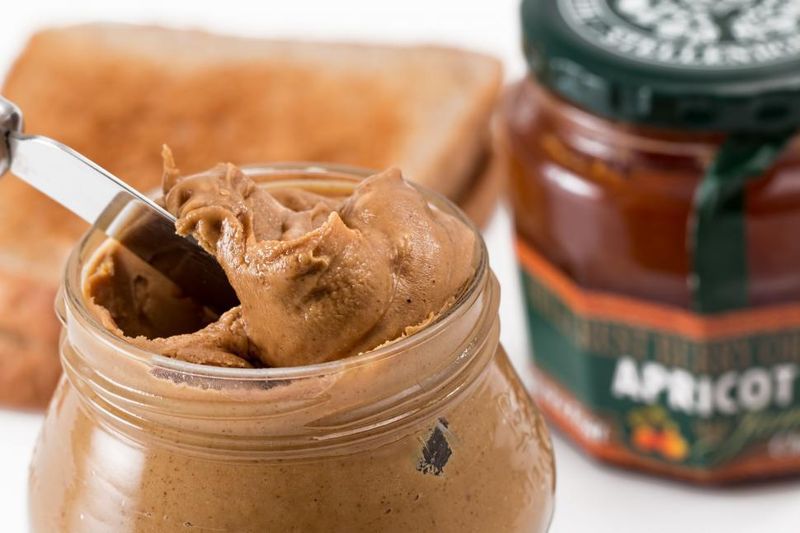
Mostly heart-healthy unsaturated fats make up about 80% of peanut butter’s fat content, plus it offers fiber, potassium, and serious satiety power. Spreading a tablespoon on whole-grain toast keeps you energized for hours. Just watch out for brands that sneak in added sugars and excess salt.
Look for jars with only peanuts and maybe a pinch of salt on the ingredient list. Natural peanut butter might separate, but a quick stir brings it back together. This pantry staple proves that fats are not the enemy when they come from whole-food sources.
5. Eggs

Dietary cholesterol limits were dropped in recent U.S. guidelines because evidence on eggs and chronic disease is mixed. For most people, moderate egg intake fits a healthy eating pattern without raising heart-disease risk. Eggs pack high-quality protein, vitamins, and minerals into a compact package.
One large egg contains about six grams of protein and important nutrients like choline for brain health. Scramble them with veggies, boil them for a portable snack, or bake them into a frittata. Eggs are affordable, versatile, and no longer the dietary villain they once seemed.
6. Coffee
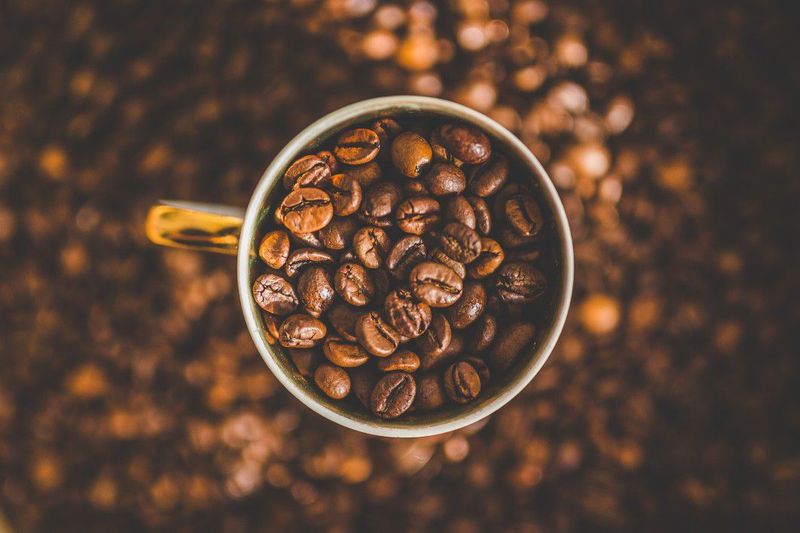
Coffee drinkers in large cohorts tend to have lower risks of cardiovascular disease and all-cause mortality, according to major studies. Those morning cups may actually protect your heart rather than harm it. Mind the caffeine if you are sensitive, and skip sugary add-ins that turn a healthy drink into dessert.
Black coffee or a splash of milk keeps calories low while delivering antioxidants and a mental boost. Moderate consumption, around three to four cups daily, appears safe for most adults. Your daily brew is more than a wake-up call; it is a beverage with real health perks.
7. Cheese & other fermented dairy (yogurt, kefir)

Fermented dairy is linked with neutral to favorable cardiometabolic outcomes in several studies, meaning cheese and yogurt may not be the heart villains we once thought. Fermentation transforms milk into probiotic-rich foods that support gut health. Portion size and overall diet still matter, so enjoy these foods in moderation.
A slice of cheese on whole-grain crackers or a bowl of plain yogurt with berries adds protein, calcium, and beneficial bacteria. Kefir offers even more probiotic strains than yogurt. These tangy, creamy foods prove that fat is not always the enemy when it comes from quality sources.
8. Pasta (al dente, or cooled & reheated)
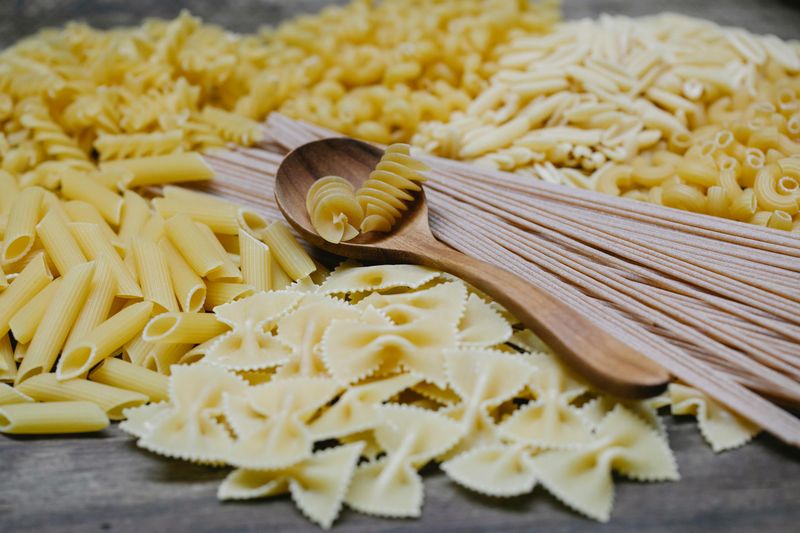
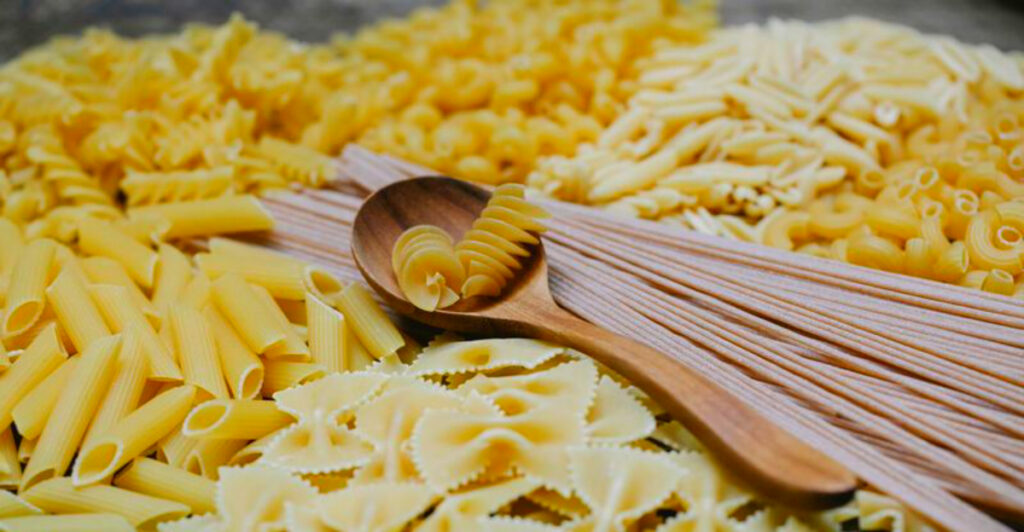
Cooking pasta al dente or cooling and reheating it increases resistant starch, which blunts post-meal glucose spikes. This simple trick transforms a carb-heavy dish into a more blood-sugar-friendly option. Al dente pasta has a firmer bite and takes longer to digest, keeping you satisfied.
Leftover pasta salad or reheated spaghetti actually becomes healthier because cooling changes the starch structure. Pair your noodles with lean protein, plenty of vegetables, and a light sauce. Pasta does not have to be off-limits; preparation method is the secret to making it work in a balanced diet.
9. Sourdough bread

Fermentation can lower glycemic impact and improve mineral bioavailability compared with conventional bread, but it is still bread, so watch portions. Sourdough’s tangy flavor comes from wild yeast and bacteria that break down starches and gluten during a slow rise. This process makes nutrients more accessible and easier to digest.
A slice or two of real sourdough made with whole grains beats mass-produced white bread any day. Top it with avocado, nut butter, or a poached egg for a balanced meal. Sourdough shows that traditional food preparation methods often create healthier, tastier results.
10. White rice (strategically used)

Fast-digesting carbs can be helpful for athletes to replenish glycogen after intense training sessions. White rice provides quick energy without much fiber to slow absorption, making it ideal post-workout fuel. Cooling cooked rice raises resistant starch for a steadier glucose response if you are not exercising hard.
For everyday meals, brown rice or other whole grains offer more nutrients and fiber. But white rice has a place when you need rapid carbohydrate delivery or have digestive issues. Context matters: white rice is not junk food when used strategically to support your activity level and goals.
11. Canned sardines

A budget superfood, sardines deliver omega-3 fatty acids, vitamin D, and bone-building calcium from the edible bones. These tiny fish pack a nutritional punch that rivals expensive supplements. Choose low-sodium options packed in olive oil or water to keep sodium in check.
Sardines on whole-grain crackers, tossed into salads, or mashed with avocado make quick, protein-rich meals. Many people avoid them because of the smell or appearance, but their health benefits are hard to beat. Give sardines a chance, and you might discover an affordable, convenient source of heart-healthy fats.
12. Pizza (DIY or smart toppings)

A homemade or health-conscious pie with whole-grain crust, veggie-heavy toppings, and lean proteins can be a balanced meal, per heart-health groups. Takeout pizza loaded with processed meats and extra cheese is a different story. When you control the ingredients, pizza becomes a fun way to eat more vegetables.
Pile on bell peppers, mushrooms, spinach, and grilled chicken for a nutrient boost. Use part-skim mozzarella and go easy on the cheese to keep saturated fat lower. Pizza night does not have to derail your healthy eating when you make smart choices at home.
13. Chocolate milk (post-workout context)

As a carb-protein electrolyte combo, chocolate milk performs about as well as many recovery drinks in controlled trials. Athletes have used it for years to refuel after hard training sessions. It is not an everyday beverage for inactive folks, but it is a legit option after intense exercise.
Low-fat chocolate milk provides the right ratio of carbs to protein for muscle repair and glycogen replenishment. It is also cheaper and more accessible than fancy sports drinks. If you have just finished a tough workout, a cold glass of chocolate milk might be exactly what your body needs.
14. Chips, the smarter way
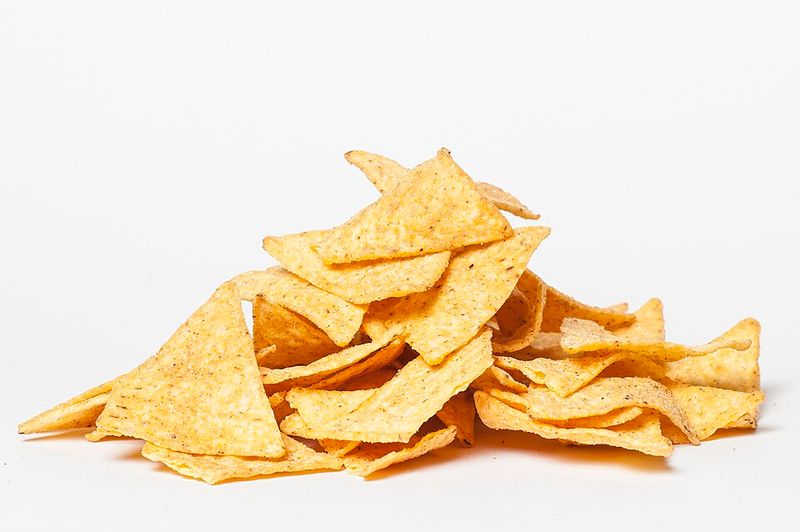
If you are going to snack on chips, a small portion of simple-ingredient potato chips or whole-grain corn tortilla chips can fit a balanced diet. Focus on brands listing only potatoes, oil, and salt, avoiding artificial flavors and excessive sodium. Portion control is the real key here.
Measure out a single serving instead of eating straight from the bag to avoid mindless munching. Pair chips with salsa, guacamole, or hummus for extra nutrients and satisfaction. Popcorn is still the better daily crunch, but chips do not have to be totally forbidden when you enjoy them mindfully and occasionally.
15. Whole-milk yogurt

Full-fat fermented dairy like plain yogurt often shows neutral or favorable associations with cardiovascular disease and diabetes risk in research. For years, experts pushed low-fat dairy, but newer evidence suggests whole-milk versions may be just as healthy or better. Pick unsweetened yogurt and add your own fruit and nuts.
The fat in whole-milk yogurt helps you absorb fat-soluble vitamins and keeps you full longer. Flavored yogurts often hide added sugars, so plain is the smarter choice. Whole-milk yogurt proves that not all fat is bad; natural fats from quality sources support overall health.
16. Peanut-or-nut-butter chocolate combos

Dark-chocolate-covered nuts combine cocoa flavanols with nut fats and fiber for a satisfying, portion-controlled treat compared with candy bars. This combo bundles the benefits of dark chocolate and nut butter into one smarter dessert option. A small handful delivers antioxidants, healthy fats, and protein without the sugar overload of typical sweets.
Look for versions with minimal added sugar and high cocoa content for maximum benefit. The crunch of nuts plus the richness of dark chocolate satisfies cravings while offering real nutrition. When you want something sweet, this duo beats most candy-aisle options hands down.
17. Pickles & fermented veg

Not all pickles have probiotics; fermented, refrigerated, unpasteurized varieties do. Traditional fermentation creates beneficial bacteria that support gut health, unlike shelf-stable pickles made with vinegar. Enjoy these tangy veggies, but keep an eye on sodium since brine is salty by nature.
Sauerkraut, kimchi, and real dill pickles add flavor and crunch to meals while delivering probiotics. Fermented vegetables have been staples in many cultures for centuries, valued for preservation and health benefits. A small serving on the side of your sandwich or salad boosts nutrition and adds a zesty kick to your plate.
Share this story