Shopping for hiking gear can feel like a maze of choices, with budget options that fall apart after a few trips and premium picks that cost more than your plane ticket. But there’s a sweet spot in the middle where quality meets affordability, and these mid-range heroes deliver performance that rivals gear twice their price. Whether you’re just getting serious about the trail or you’re a weekend warrior looking to upgrade, these 20 picks prove you don’t need to empty your wallet to hike like a pro.
1. Salomon X ULTRA 5 (GTX or non-GTX)
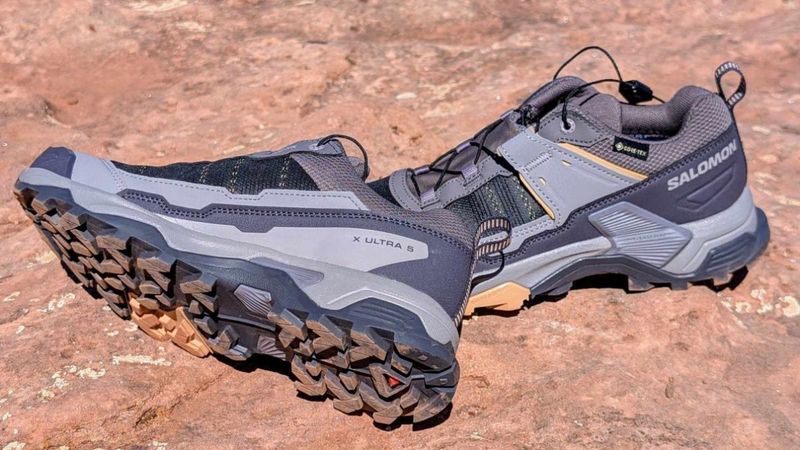
Fast hikers who tackle technical terrain swear by this boot for good reason. Salomon’s ADV-C chassis delivers rock-solid ankle support without the clunky weight, while the Contagrip outsole grips everything from wet roots to scree slopes like glue.
You can choose between the GTX waterproof version for soggy conditions or the non-GTX for breathability on dry trails. The mid-cut and low-cut options mean you’re covered whether you prioritize ankle protection or lightweight freedom.
Comfort straight out of the box is a rare find, but the X ULTRA 5 nails it with minimal break-in time. Trail runners who want more stability often graduate to this boot and never look back.
2. Merrell Moab 3
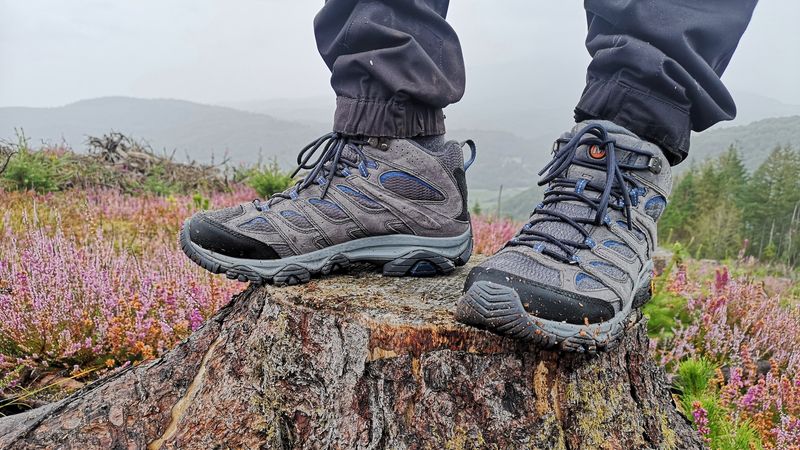
Walk into any trailhead parking lot and you’ll spot at least three pairs of Moabs. This all-around workhorse has earned its reputation through sheer reliability and day-long comfort that keeps your feet happy mile after mile.
Vibram’s TC5+ rubber outsole provides dependable traction, while recycled materials in the construction show Merrell’s nod to sustainability. Wide sizes mean people with broader feet finally get a proper fit without squeezing into standard widths.
Waterproof and non-waterproof versions give you flexibility based on climate and personal preference. For beginners and veterans alike, the Moab 3 removes guesswork from the footwear equation with proven, no-drama performance.
3. Altra Lone Peak 8 (trail-to-hike)
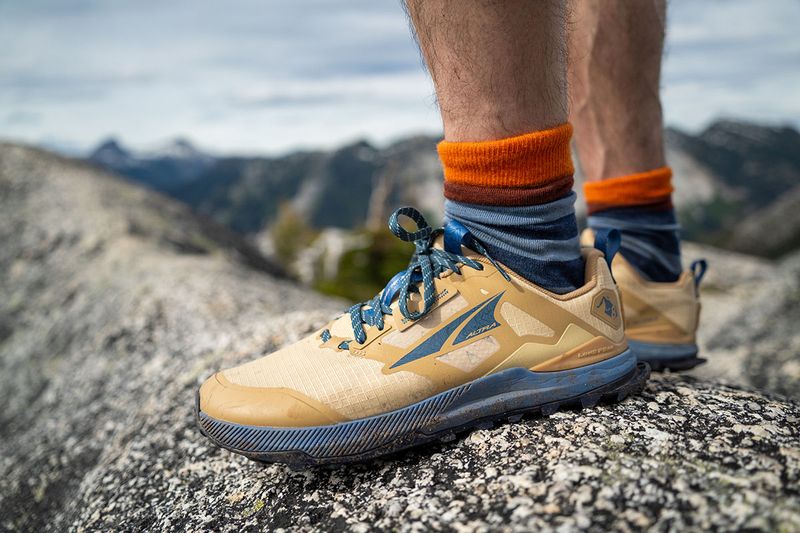
Zero-drop devotees have made the Lone Peak a cult classic, and version 8 keeps the faith with its signature wide toe box that lets your toes spread naturally. This design philosophy might feel strange at first, but converts claim it prevents blisters and improves balance on uneven ground.
The updated ripstop upper resists tears from brushy trails, while MaxTrac rubber grips confidently on both climbs and descents. Trail runners who prefer lighter footwear for hiking find this the perfect crossover shoe.
Your feet sit flat and stable, which strengthens foot muscles over time according to fans of the zero-drop movement. If traditional hiking boots feel restrictive, give these a shot.
4. Osprey Talon 22 (daypack)
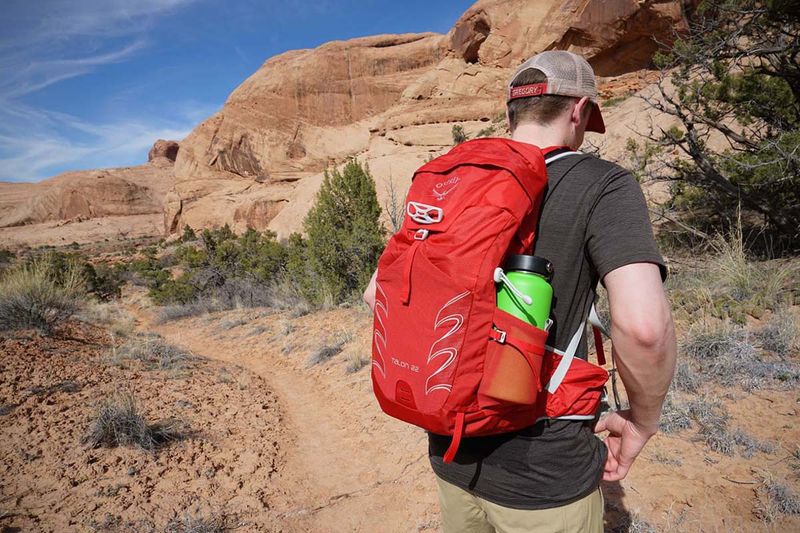
Daypacks either hug your body and move with you, or they bounce around like an annoying passenger. The Talon 22 falls firmly in the first camp, with a body-hugging suspension that makes you forget you’re wearing it after the first mile.
Smart organization means you can grab snacks, sunscreen, or your phone without stopping to dig through a black hole of gear. The 22-liter capacity hits the sweet spot for day hikes and short overnights when you pack light.
Ventilated back panels keep sweat under control on hot climbs, and the streamlined profile won’t catch on branches during bushwhacking detours. Osprey’s reputation for bombproof construction means this pack will outlast your boots.
5. HydraPak Shape-Shift (2-3L reservoir)

Bladders that slosh around inside your pack are annoying enough to make you consider going back to bottles. HydraPak solved this with internal baffles that stabilize the water load, so your pack doesn’t feel like it’s carrying a water balloon.
The reversible opening is genius for cleaning and drying, two tasks that usually make hydration bladders a pain to maintain. Quick-disconnect tubing means refills don’t require wrestling the entire bladder out of your pack.
Capacity options of 2 or 3 liters let you match your water needs to trip length. Clean water access on the move keeps you hydrated without breaking stride, which matters more than most hikers realize until they’re dehydrated at mile eight.
6. Patagonia Torrentshell 3L (rain shell)
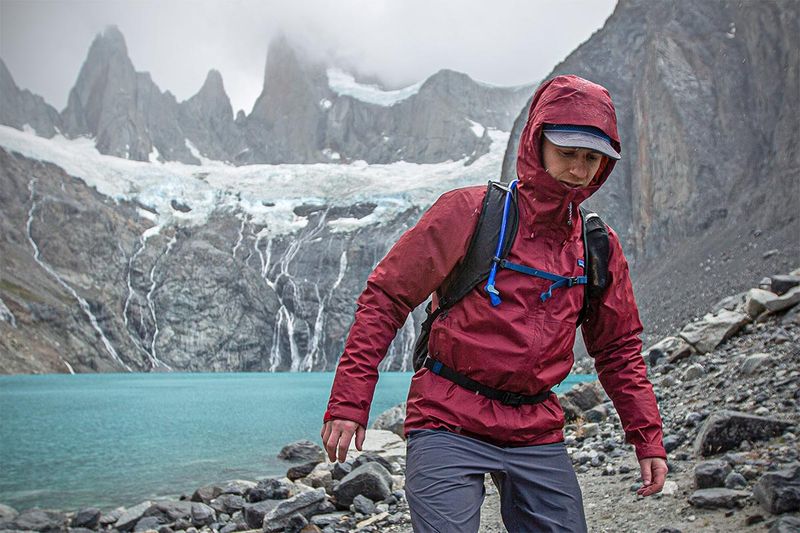
Getting caught in a downpour with a cheap rain jacket is a miserable experience that ends with you soaked and shivering. Patagonia’s H2No 3-layer construction keeps water out while letting sweat vapor escape, a balancing act that cheaper shells fail miserably.
The PFAS-free treatment means you’re not coating yourself in forever chemicals just to stay dry. Breathability during hard climbs prevents that clammy sauna feeling that makes you question whether the rain would be better.
Pit zips provide extra ventilation when you’re working hard uphill. For the price, you’re getting waterproof reliability that competes with jackets costing twice as much, backed by Patagonia’s repair and environmental commitments.
7. Outdoor Research Helium (ultralight rain shell)

Sometimes you need rain protection without carrying extra weight, and the Helium delivers exactly that with its featherlight Pertex Shield fabric. This shell stuffs down to roughly the size of a soda can, making it easy to stash in your pack for just-in-case weather.
Ultralight doesn’t mean fragile here. The fabric resists tears better than you’d expect from something this packable, though you’ll want to avoid scraping against sharp rocks repeatedly.
When storm clouds roll in unexpectedly, you’ll be grateful you brought this along instead of gambling on blue skies. The Helium proves that emergency rain gear doesn’t have to weigh you down or take up precious pack space.
8. prAna Stretch Zion (hiking pants)

Hiking pants that restrict your movement turn every high step into an awkward struggle. The Stretch Zion’s fabric moves with you naturally, whether you’re scrambling over boulders or taking long strides on flat trail.
UPF 50+ sun protection matters more than most people think, especially on exposed ridgelines where sunburn sneaks up on you. Water repellency sheds light rain and morning dew, keeping you comfortable when conditions aren’t quite wet enough for rain pants.
Durability has made these a long-time favorite among guides and frequent hikers who need pants that survive constant use. The fit is comfortable without being baggy, striking that rare balance between technical performance and casual wearability.
9. Smartwool Merino 150 (base layer)
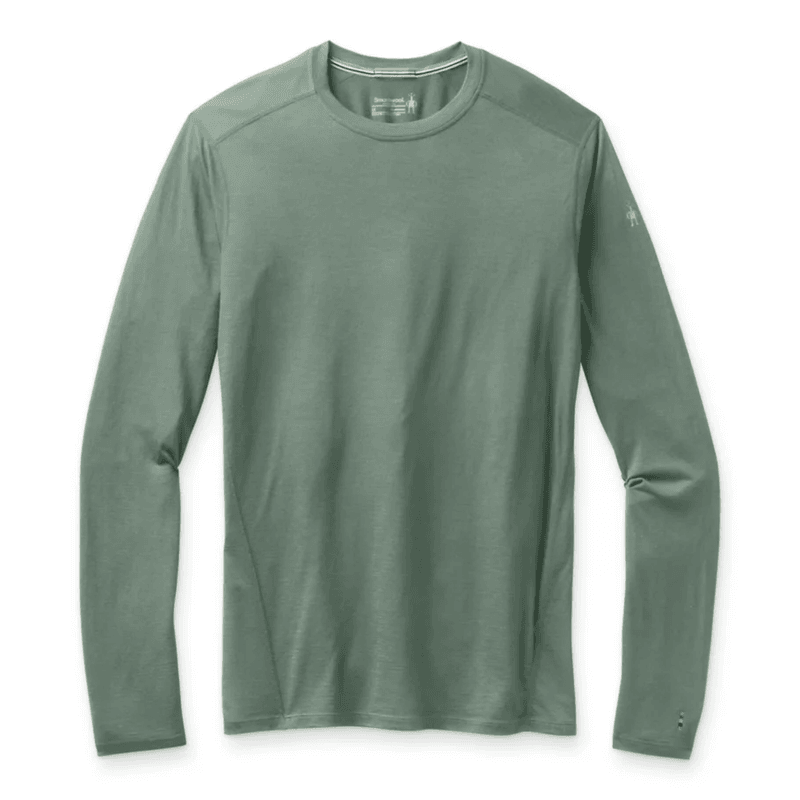
Cotton kills, as the saying goes, but merino wool keeps you comfortable in conditions that would leave synthetic fabrics feeling clammy. This lightweight 150-weight layer works as a standalone shirt on warm days or as insulation under a shell when temperatures drop.
Merino’s natural odor resistance means you can wear it multiple days without smelling like a locker room. Breathability during hard efforts prevents overheating, while moisture-wicking keeps sweat off your skin.
The versatility of this layer makes it a year-round staple that adapts to changing conditions. Unlike heavier base layers, the 150 weight won’t cook you on sunny days but still provides warmth when you need it.
10. Darn Tough Hiker Micro Crew Cushion (socks)
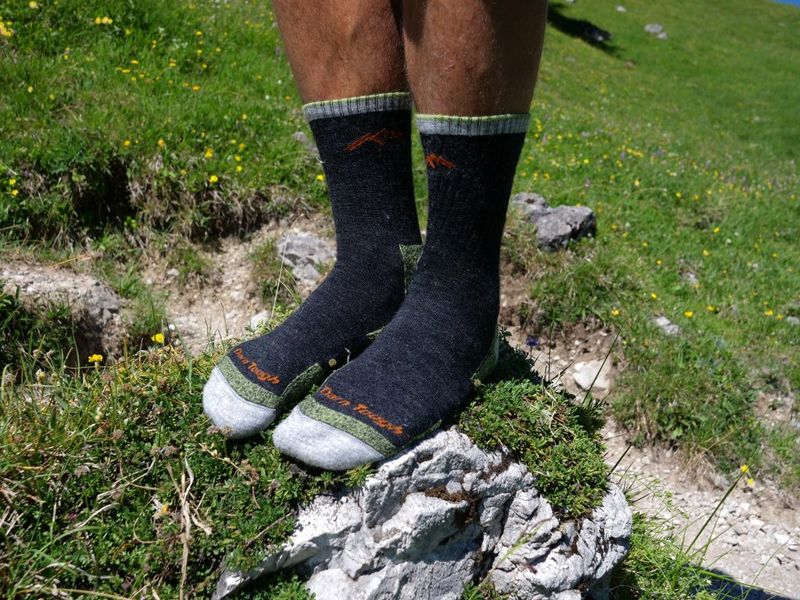
Blisters can ruin a perfect hike faster than bad weather, and cheap socks are often the culprit. Darn Tough’s merino construction wicks moisture away from your feet while providing cushioning exactly where pressure points develop.
The stay-put fit means no bunching or sliding down into your boot, two annoyances that cause hot spots and blisters. Micro crew height works perfectly with hiking boots without creating bulk at the ankle.
Here’s the kicker: these socks come with a lifetime warranty, which tells you everything about their durability. Most hikers end up with multiple pairs because once you experience blister-free miles, going back to regular socks feels like a downgrade.
11. Black Diamond Trail Cork trekking poles
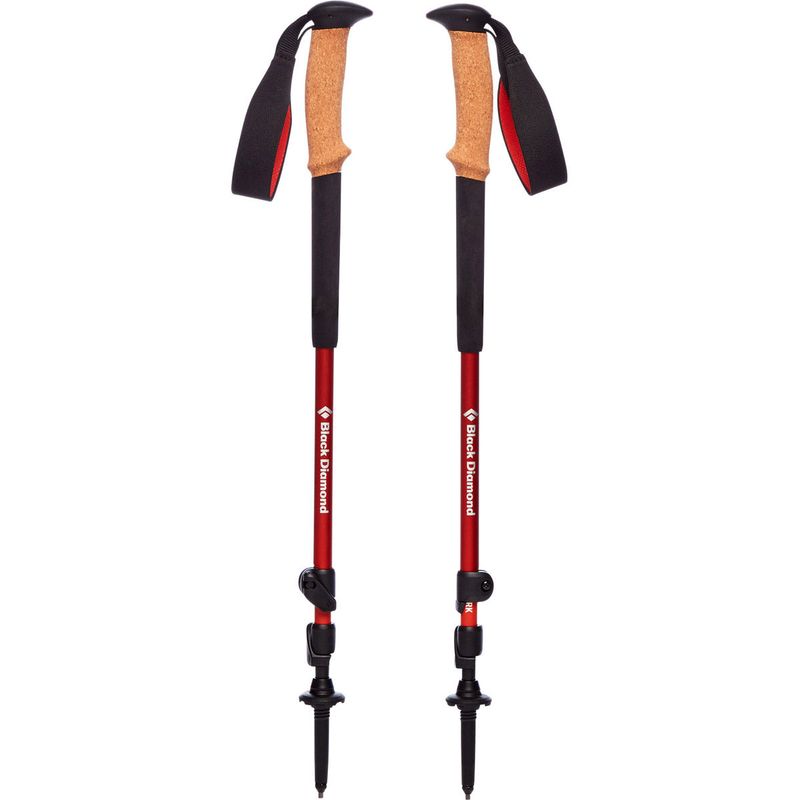
Trekking poles transform steep descents from knee-punishing ordeals into controlled, comfortable journeys. Cork grips absorb moisture from sweaty hands and mold to your grip over time, becoming more comfortable with use rather than less.
Dual FlickLock adjustments lock solidly at your preferred height without slipping mid-hike, a critical feature when you’re trusting your weight to these poles. Snow baskets included in the package mean four-season versatility without buying separate accessories.
Crossing streams, navigating loose scree, and taking pressure off your knees all become easier with poles. Many hikers who try them once never go back to hiking pole-free, especially on longer trips where joint preservation matters.
12. Petzl Actik Core headlamp
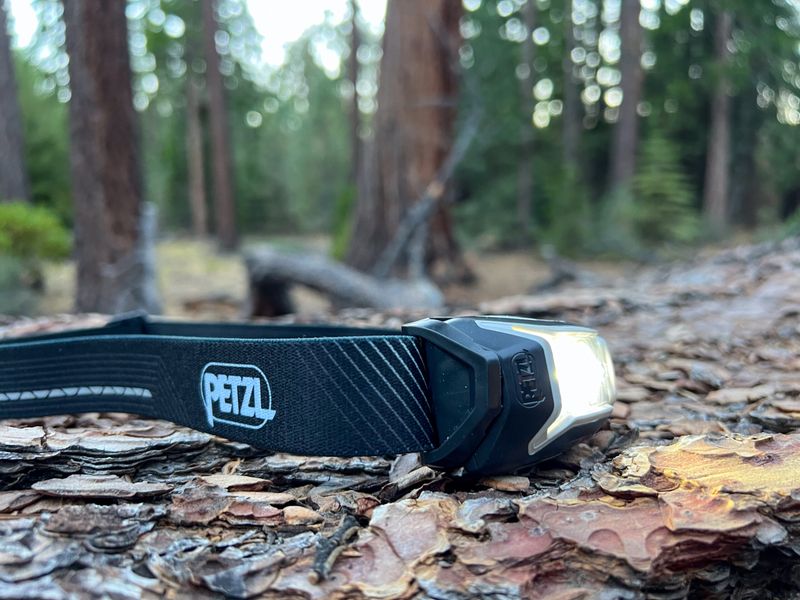
Night hiking or pre-dawn starts require reliable lighting, and the Actik Core’s 625 lumens turn darkness into daylight. USB-C charging means you can top it off from the same cable that charges your phone, eliminating the need to pack spare batteries for most trips.
The AAA compatibility provides backup power options when you’re far from outlets on longer expeditions. Red mode preserves night vision while preventing you from blinding your hiking partners during camp tasks.
Lock function prevents accidental activation in your pack, saving battery for when you actually need light. This sweet spot of power, features, and price makes pricier headlamps hard to justify for most recreational hikers.
13. Sawyer Squeeze filter
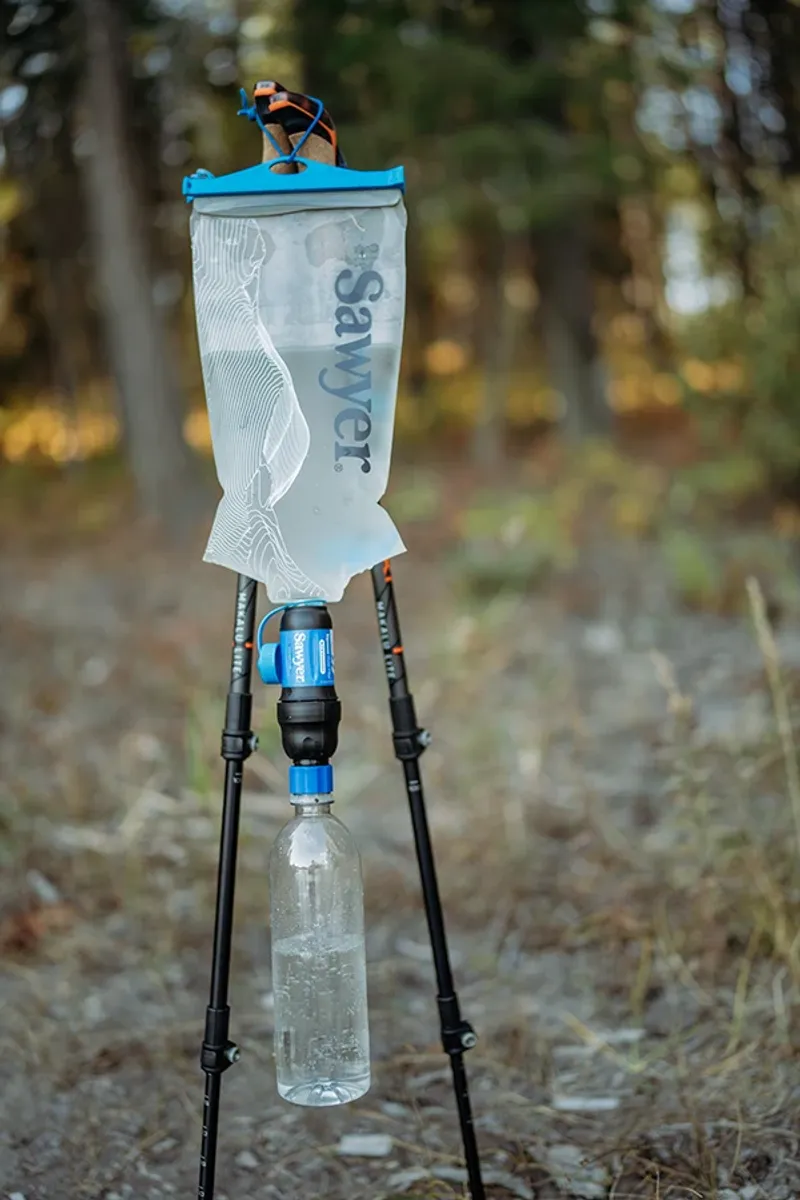
Carrying enough water for an entire hike weighs you down unnecessarily when clean sources exist along the trail. The Squeeze’s 0.1-micron hollow-fiber membrane removes bacteria, protozoa, and even microplastics that standard filters miss.
Backflushing capability means you can clean and restore flow rate in the field without special tools. The long lifespan of up to 100,000 gallons makes this a one-time purchase that lasts years of regular use.
Squeezing water through into your bottle takes seconds, keeping you moving without long filtration waits. Freedom to drink from streams and lakes means lighter pack weight and never running dry on long, hot stretches between water sources.
14. Katadyn BeFree 1.0L filter flask
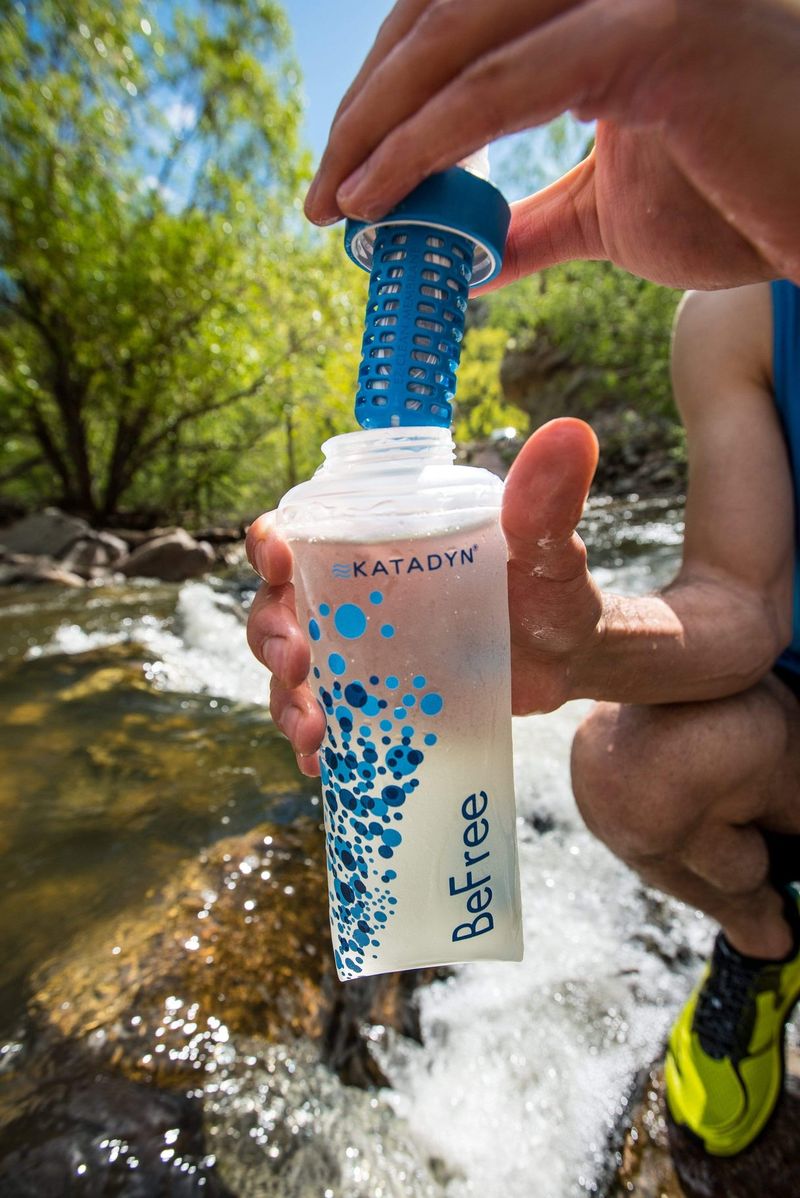
Speed matters when you’re thirsty and want to get moving again quickly. The BeFree’s fast flow rate of up to 2 liters per minute means you’re not standing around waiting for drips to fill your bottle.
The integrated flask design eliminates the need for separate squeeze bags or bottles, simplifying your water system. Swish cleaning is brilliantly simple: just swirl water inside the filter to clear debris and restore flow.
Ultralight construction makes this ideal for fast-and-light hiking styles where every ounce matters. The collapsible flask takes up minimal space when empty, and the whole system works seamlessly for on-the-move hydration without complicated setups.
15. MSR PocketRocket 2 stove
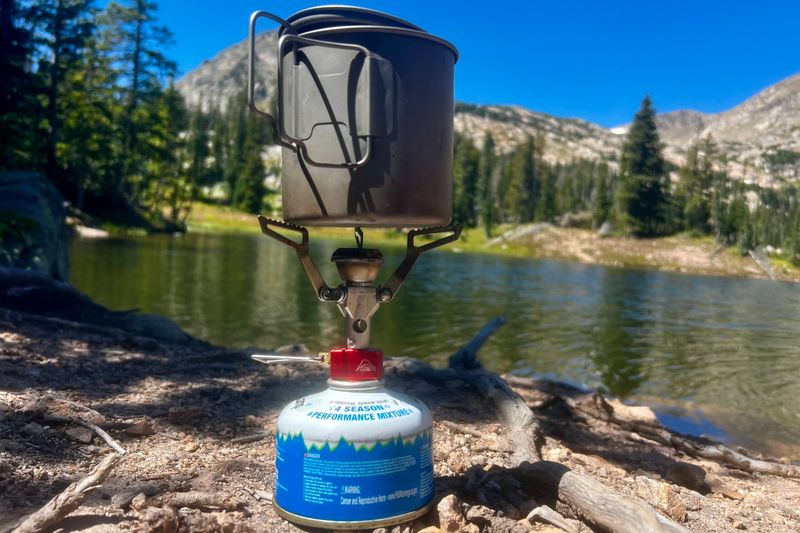
Hot meals and morning coffee transform camping from survival to enjoyment, and this tiny stove delivers without taking up pack space. The PocketRocket 2 weighs just 2.6 ounces but boils water fast enough to satisfy impatient, hungry hikers.
Precise simmer control lets you actually cook real meals instead of just boiling water, expanding your backcountry menu options. The ultra-compact design fits inside most cooking pots, maximizing space efficiency in your pack.
Canister stoves offer convenience that liquid fuel can’t match, with no priming, no pumping, and no fuss. Reliability in various conditions and altitudes makes this a trustworthy companion for everything from weekend trips to longer expeditions.
16. REI Co-op Trail Hut 2 (tent)
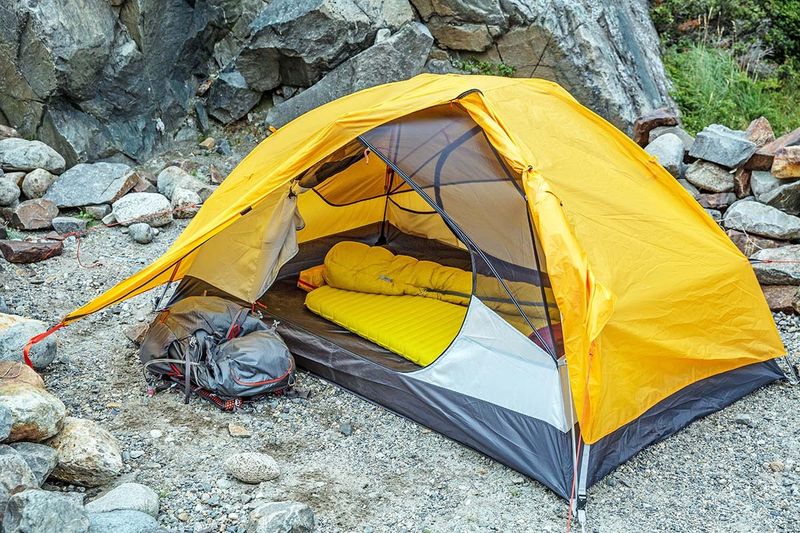
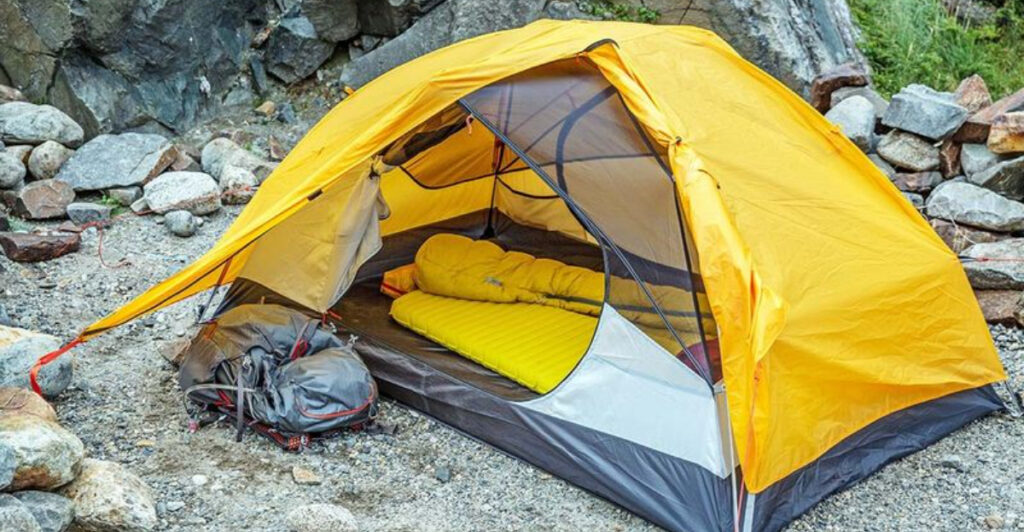
Budget tents often force you to choose between durability and cost, but the Trail Hut 2 refuses that compromise. This 3-season dome handles wind and rain confidently while providing enough interior space for two people and their gear without claustrophobia.
Including a footprint in the purchase saves you from buying it separately, a nice touch that budget-conscious hikers appreciate. Storm-worthy construction means you can trust it when weather turns nasty overnight.
Setup is straightforward enough for tired hikers at the end of a long day. For the price point, you’re getting reliable shelter that balances room, durability, and cost better than most competitors in this category.
17. Kelty Cosmic Down 20 (sleeping bag)
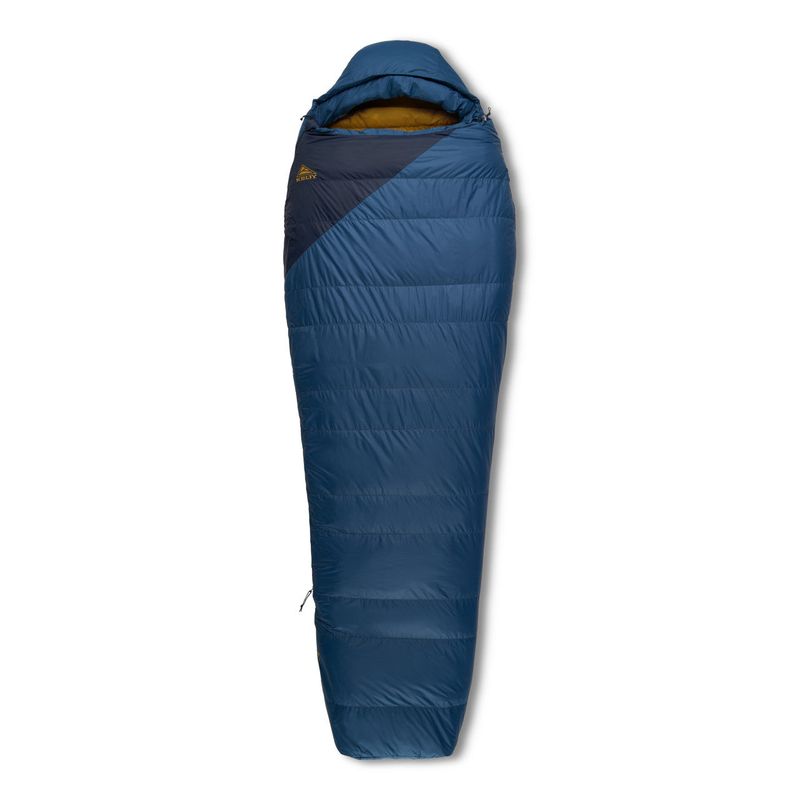
Cold nights in the backcountry are miserable when your sleeping bag doesn’t keep up with temperatures. The Cosmic Down 20’s 550-fill down insulation provides genuine 3-season warmth that keeps you comfortable into shoulder season conditions.
Trapezoidal baffles prevent down from shifting and creating cold spots, a common problem in cheaper down bags. PFAS-free DWR treatment resists moisture without the environmental concerns of older treatments.
Packability and warmth-to-weight ratio make down bags superior to synthetic for most hikers who can keep them dry. This bag proves you don’t need to spend premium prices to sleep warm and wake up rested for another day on trail.
18. Klymit Static V2 (sleeping pad)
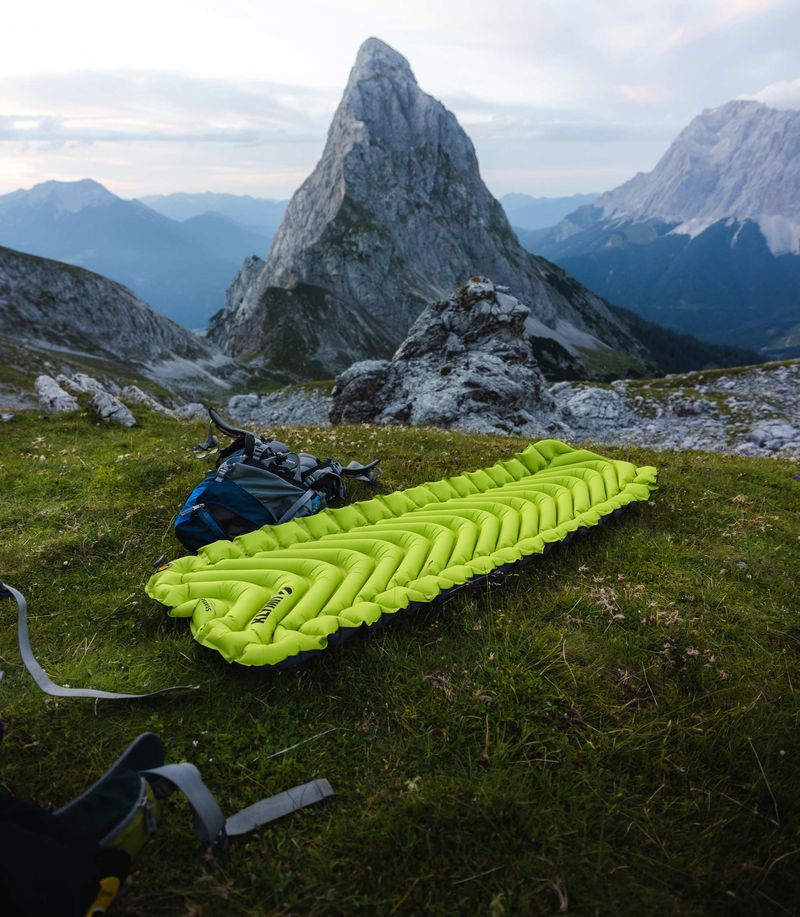
Foam pads are bombproof but bulky and uncomfortable, while premium inflatables cost a small fortune. The Static V2 occupies the middle ground with body-mapped V-chambers that support pressure points without the premium price tag.
Light weight and compact packed size make this an easy upgrade from foam that significantly improves sleep quality. The V-chamber design limits air movement and cold spots while maintaining support where your body needs it most.
Durability is solid for the price, though you’ll want to be mindful of sharp objects like pine cones under your tent. Better sleep means more energy for hiking, making a quality pad one of the smartest investments in your gear kit.
19. COROS PACE 3 (GPS watch)
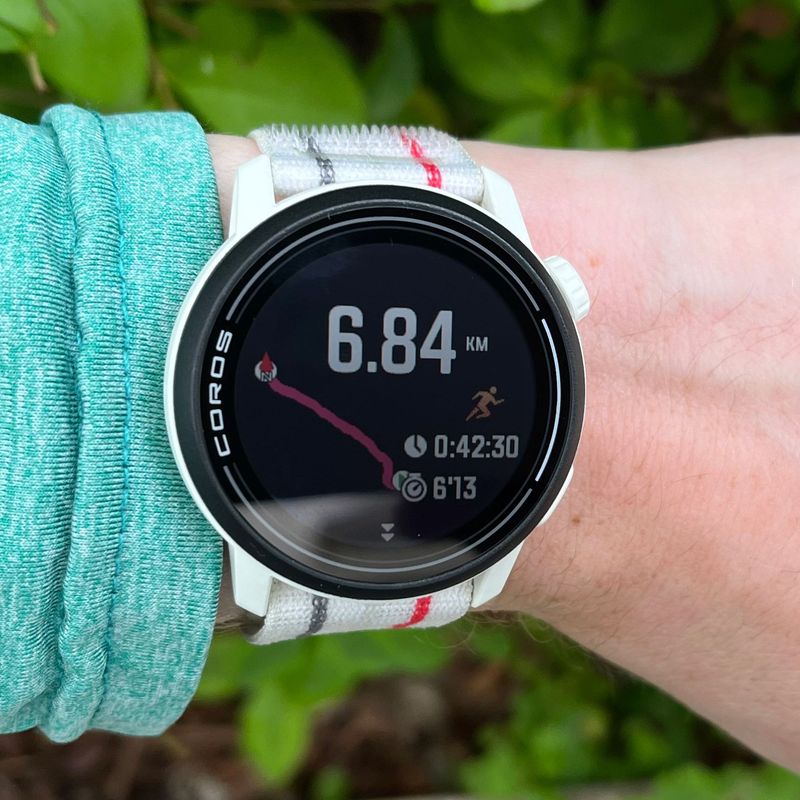
Tracking your hikes provides valuable data on distance, elevation, and pace that helps you improve and plan future trips. The PACE 3 delivers robust GPS accuracy and training metrics without the premium pricing of bigger-name competitors.
Battery life impresses, lasting multiple long hikes before needing a charge, which matters when you’re out for extended trips. Multi-sport functionality means this watch serves duty beyond hiking if you run, bike, or do other outdoor activities.
Lightweight construction won’t weigh down your wrist during all-day adventures. The accessible price point brings serious GPS watch capabilities to hikers who don’t need every premium feature but want reliable tracking and useful metrics.
20. Leatherman Wave+ (multi-tool)

Gear breaks at the worst possible times, and being able to fix problems on the trail beats hiking out early. The Wave+ packs 18 tools including pliers, wire cutters, knives, and screwdrivers into a pocket-sized package that handles most repair needs.
Replaceable wire cutters mean this tool lasts longer than cheaper multi-tools where wear makes them useless. Camp tasks like food prep, gear adjustments, and emergency repairs all become manageable with the right tools at hand.
This best-seller earned its reputation through decades of proven reliability in the field. Every hiker has a story about the time their multi-tool saved a trip, making this one of those pieces of gear you never leave behind.
21. Adventure Medical Kits Ultralight/Watertight .7
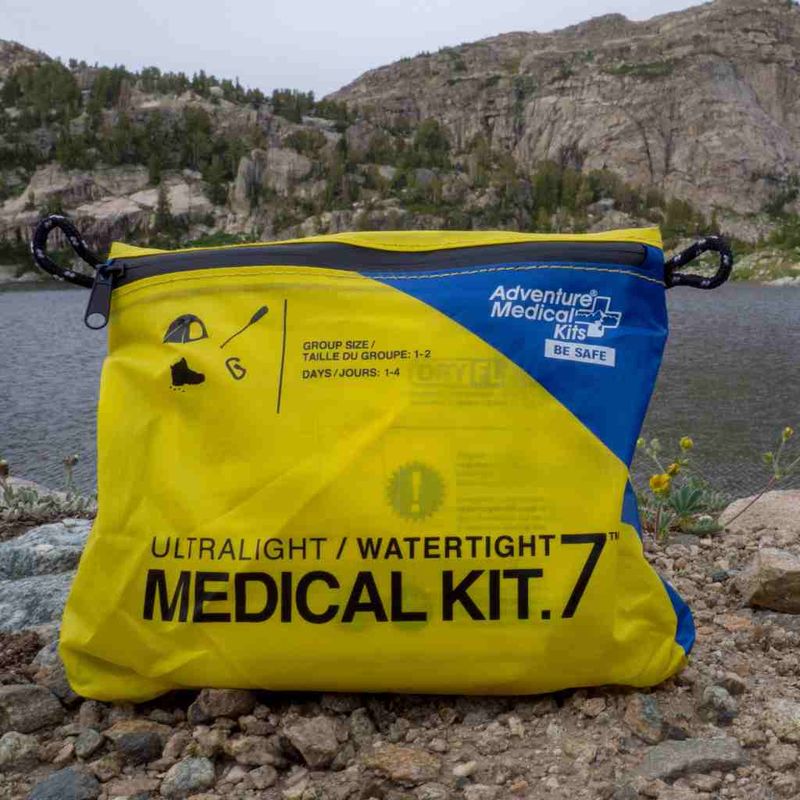
Accidents happen on the trail, from blisters and cuts to more serious injuries that need immediate attention. This compact kit covers the essentials for 1-3 people on day hikes or overnight trips without the bulk of larger first-aid kits.
Waterproof construction protects supplies from rain and stream crossings, ensuring bandages and medications stay dry and usable. The size strikes the right balance between comprehensive coverage and packable weight for most recreational hiking scenarios.
Hopefully you never need it, but having proper first-aid supplies provides peace of mind and preparedness. Smart hikers know that prevention is ideal, but preparation for problems is essential when you’re miles from the nearest road.
Share this story