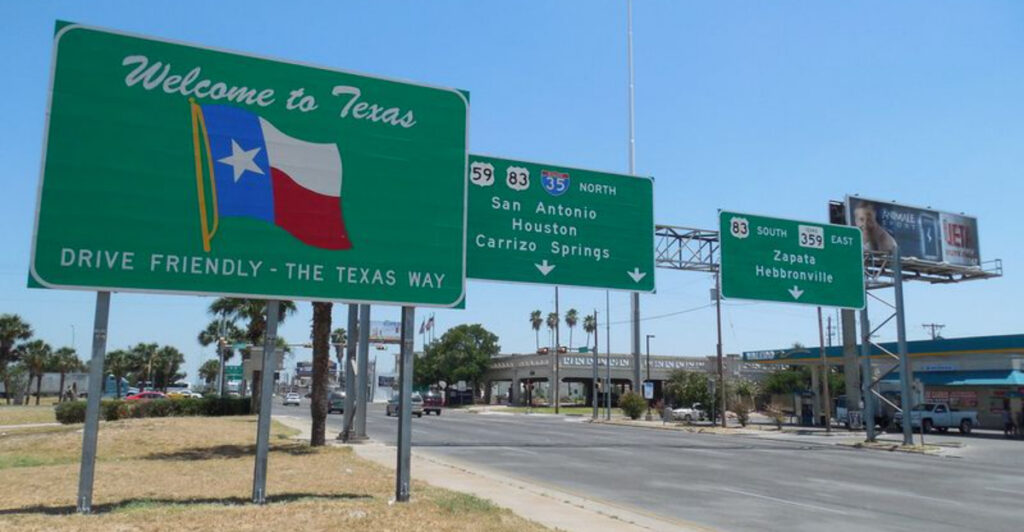
Want to know where you’ll encounter the calmest commutes, the fewest fender-benders, and the biggest insurance perks? Allstate’s 2025 Best Drivers Report reveals the U.S. cities where collisions are least likely—and the stories behind their road safety success. From Texas standouts to mountain metros, these places pair smart infrastructure with mindful habits. Read on to discover which cities lead the pack and what their roads can teach the rest of the country.
Brownsville, Texas
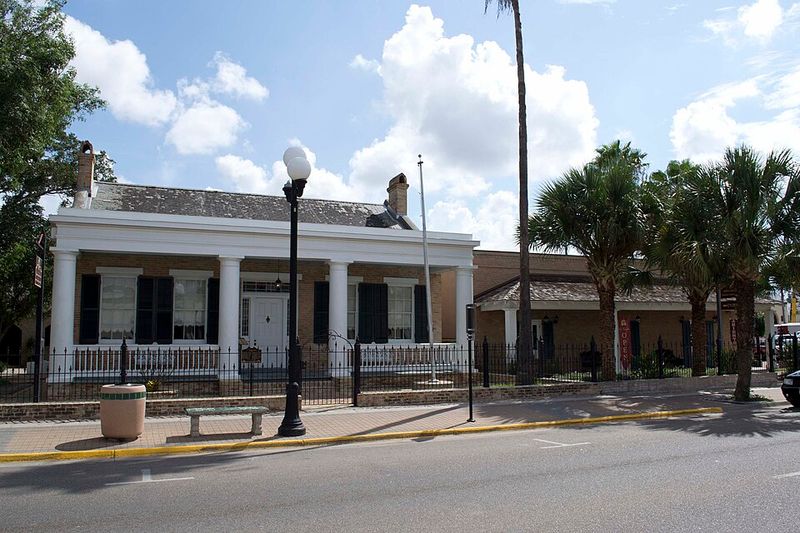
Brownsville tops Allstate’s 2025 Best Drivers Report, with drivers 25.9% less likely to be in a collision than the national average. The city’s return to #1 underscores Texas’s broader leadership in safe-driving metros and hints at well-coordinated infrastructure and local commuting patterns. Allstate’s data, drawn from 2022–2023 collisions, suggests residents enjoy fewer disruptions, lower claim frequencies, and smoother daily travel. Combined with thoughtful roadway design and enforcement, Brownsville presents a compelling case for how regional culture and planning can reinforce safe habits. For insurers, the metrics point to potentially more stable pricing environments and reduced volatility in claims. For everyday drivers, it means less stress and a stronger sense of reliability. Brownsville’s standout performance makes it a model for safety-focused urban policy.
Boise, Idaho

Boise secures the #2 spot in 2025, with a collision likelihood 24.1% below the national average. The city’s road network benefits from thoughtful design, steady enforcement, and traffic levels that rarely mimic big-city chaos. Allstate’s report notes the nationwide average driver collides about every 10.56 years, while Boise drivers go longer—suggesting safer habits and smoother traffic flow. Strong civic culture, outdoor-oriented lifestyles, and community buy-in further support cautious driving norms. These factors combine into observable, measurable gains that help both residents and visitors. For insurers, lower frequency often translates to more predictable risk and potential rate advantages. For commuters, that means fewer headaches and delays. Boise’s climb highlights how mid-sized metros can outperform larger markets through consistent, practical investments in road safety.
Fort Collins, Colorado
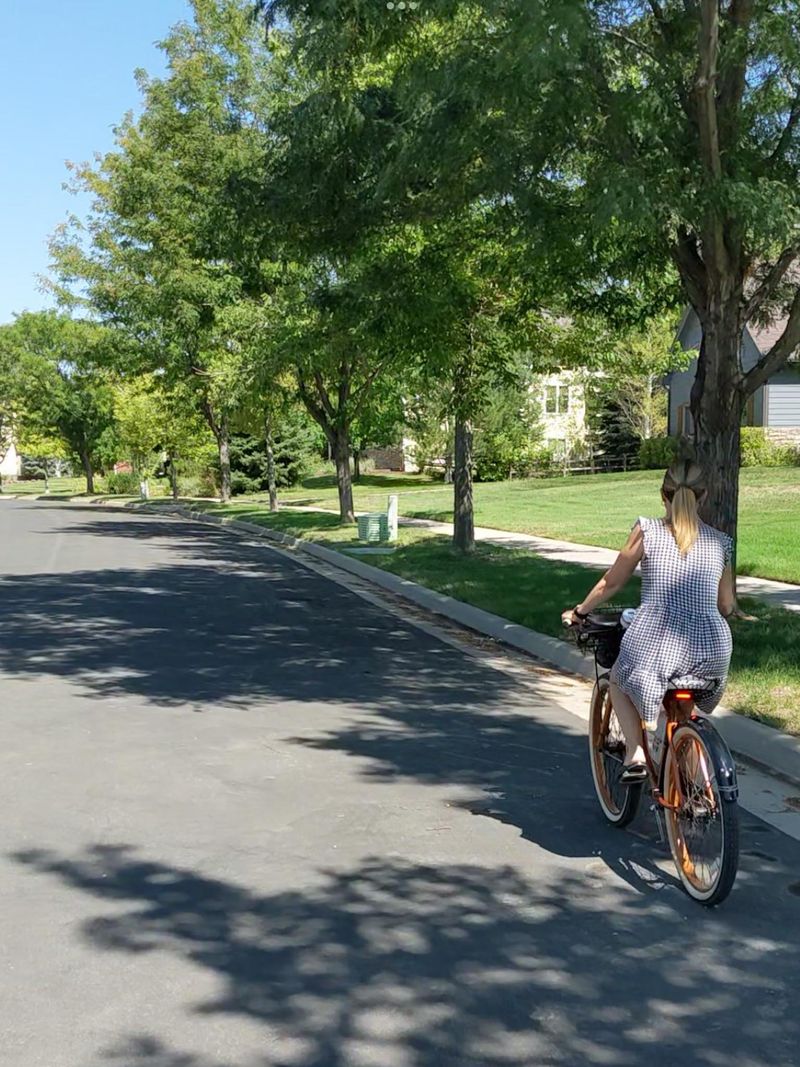
At #3, Fort Collins posts a relative collision likelihood of -21.0%. The city balances proximity to major commuting corridors with a local lifestyle that encourages measured driving. With well-marked lanes, sensible speed limits, and robust multi-modal planning, residents benefit from predictably safe trips. Community engagement and consistent enforcement further reinforce favorable behaviors behind the wheel. As Allstate’s 2025 data covers 2022–2023 incidents, the results reflect sustained patterns rather than short-term anomalies. For employers and insurers, that means steadier risk profiles and fewer costly interruptions. For families and students, it adds up to calmer commutes and confidence in daily travel. Fort Collins’ blend of infrastructure, education, and culture underscores how mid-sized cities can yield outsized safety returns without sacrificing mobility or access.
Cary, North Carolina
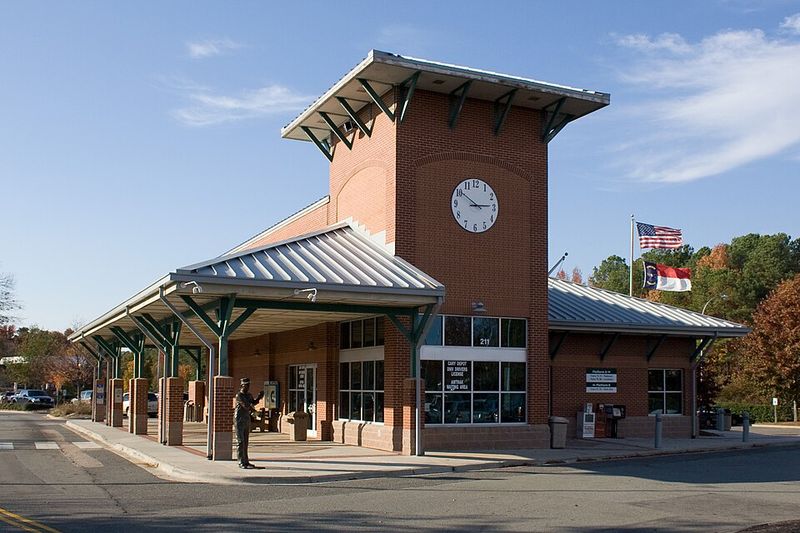
Cary ranks #4, with collision likelihood 18.3% below the national average. Situated in the Research Triangle, the city benefits from newer infrastructure, coordinated planning, and driver education that align with safety-focused outcomes. Thoughtful suburban layouts, synchronized signals, and active enforcement help minimize conflict points. The result is a reliably smooth driving experience that appeals to families and professionals alike. Allstate’s report indicates cities like Cary often draw insurer attention for lower-risk pools, creating potential pricing and service advantages. For households, that can mean fewer claims and less downtime from road incidents. As growth continues, Cary’s commitment to modern road design and multimodal integration positions it well to maintain its rank. The city demonstrates that design and culture together can significantly reduce collision frequency.
Laredo, Texas
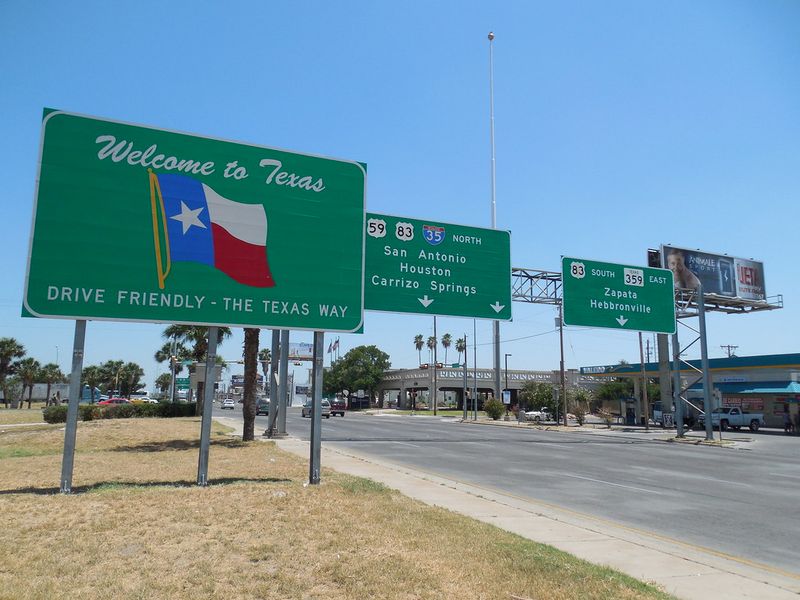
Laredo holds the #5 position with a collision likelihood 17.7% below the national average. As part of Texas’s cluster of safe-driving leaders, the city exemplifies how regional norms and enforcement can shape behavior behind the wheel. Road layouts, predictable traffic patterns, and community awareness contribute to fewer incidents and claims. Allstate’s analysis suggests these advantages accrue over time, producing stable, lower-risk conditions for residents and businesses. This stability is valuable for insurers and municipal planners managing growth at the border. For drivers, fewer disruptions translate into calmer commutes and reduced costs associated with collisions. Laredo’s consistent performance reinforces that sustained policy, infrastructure investment, and local culture can deliver measurable safety gains without sacrificing mobility.
Olathe, Kansas
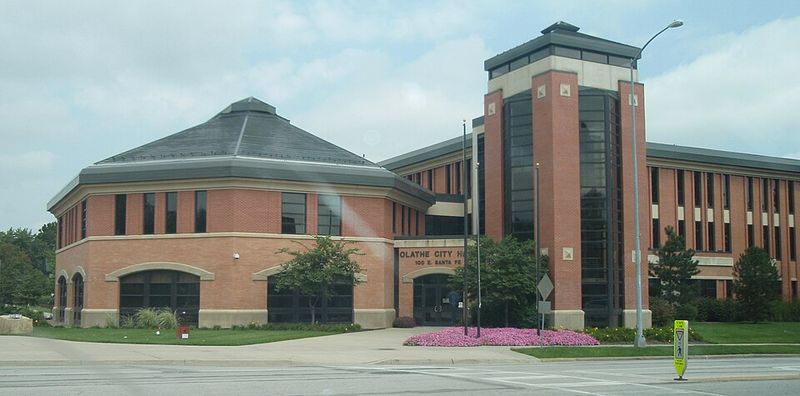
Olathe lands at #6, reporting a collision likelihood 17.3% below the national average. Proximity to Kansas City combines with a newer road network and well-planned subdivisions to reduce conflict points. Roundabouts, protected turns, and clear lane markings help drivers navigate with fewer errors. The result: fewer incidents, smoother flows, and more predictable commutes. Allstate’s 2025 report highlights how smaller metros can match or beat big cities by prioritizing design and enforcement. For residents, that means fewer claims and time savings. For insurers, it supports consistent underwriting and potential rate benefits. Olathe’s success story underscores the value of ongoing investment in infrastructure and driver education, ensuring safety keeps pace with regional growth and evolving travel patterns.
Scottsdale, Arizona

Scottsdale ranks #7 with a collision likelihood 17.1% below average, marking one of the report’s most impressive long-term improvements. Since 2015, the city has climbed 32 spots, signaling the impact of targeted investments and maturing infrastructure. Wide lanes, advanced signal timing, and active enforcement contribute to smoother traffic and fewer crash triggers. The metro’s driving culture also emphasizes space, speed discipline, and predictability—critical factors for safer roads. Allstate’s findings indicate that Scottsdale’s strategies are translating into fewer claims and less volatility. For residents and visitors, it means less stress and steadier trip times. The city offers a roadmap for desert metros: maintain infrastructure, manage growth responsibly, and reinforce safe driving behavior through continuous improvement.
Port St. Lucie, Florida
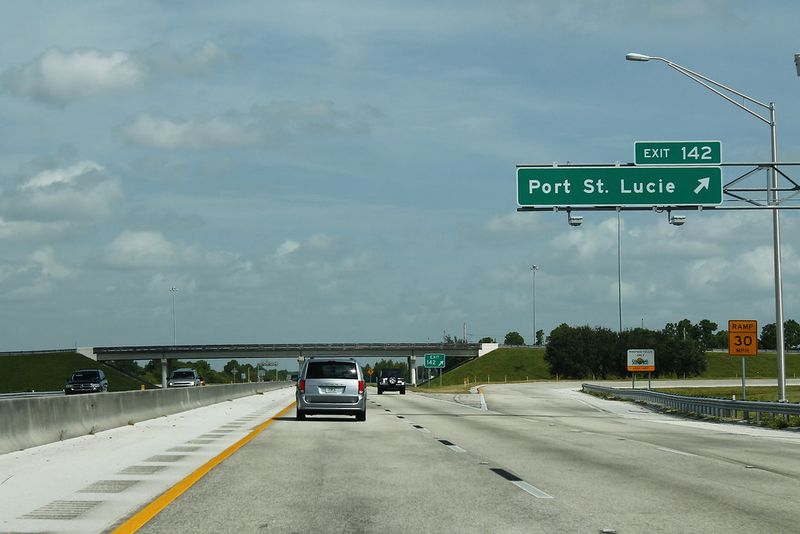
Port St. Lucie takes #8 with a 15.3% lower collision likelihood than the national average. Despite rapid growth, the city has maintained safety through effective road design, coordinated signal timing, and proactive community engagement. Newer corridors, protected turn lanes, and clear signage reduce confusion and aggressive maneuvers. The results: fewer crashes, smoother commutes, and lower claim frequencies. Allstate’s report highlights how fast-growing metros can still keep risk in check by investing wisely and encouraging courteous driving. Tourists and commuters alike benefit from reduced congestion and more predictable trip times. As expansion continues, Port St. Lucie’s focus on design and behavior offers a blueprint for other Florida cities aiming for improved safety metrics and stronger quality of life.
Madison, Wisconsin

Madison arrives at #9, with a collision likelihood 14.5% below the national average. As a university town and state capital, it blends educated driving populations with robust enforcement and multimodal planning. Bike lanes, crosswalk priority, and transit integration reduce vehicle conflicts and improve predictability. Allstate’s analysis suggests such environments yield stable, lower-risk profiles that benefit residents and insurers. Fewer collisions mean fewer claims and less downtime for households and businesses. The city’s culture of safety, reinforced by policy and infrastructure, supports consistent outcomes year over year. For commuters, that translates to less stress and more reliable travel. Madison’s data-backed performance shows how midwestern metros can lead on safety without sacrificing accessibility or economic vitality.
Eugene, Oregon

Eugene rounds out the top ten with drivers 14.0% less likely than average to experience a collision. Since 2015, the city has jumped 25 spots, reflecting steady gains in infrastructure and driver behavior. Bike-friendly corridors, moderate traffic volumes, and targeted safety campaigns reduce crash risks. Allstate’s 2025 report, drawing on 2022–2023 incidents, underscores Eugene’s progress as both durable and meaningful. For day-trippers and new residents, that equates to calmer navigation and fewer surprises. For insurers and employers, it signals stability and potential cost savings. Eugene demonstrates how consistent planning, education, and enforcement can nudge a community toward safer roads without compromising mobility or growth.
Share this story