Every runner knows that feeling when the road stretches endlessly ahead and your legs start to protest. The right gear can transform those brutal workouts into runs you actually look forward to. From protecting your feet to staying visible after sunset, smart choices in what you wear and carry make all the difference between limping home and finishing strong.
1. A reliable pair of running shoes (matched to your training)
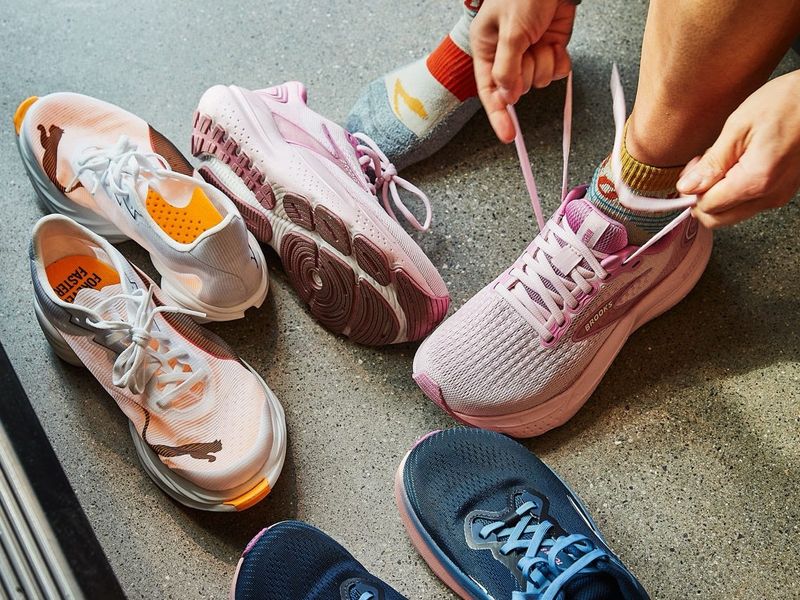
Picking the right shoes transforms every run from punishment into pleasure. Daily trainers cushion your regular miles, while race-day shoes give you that extra spring when speed matters. The foundation of comfortable running starts at your feet, so choosing wisely pays off with every step.
Current testing from specialist outlets like Believe in the Run and Runner’s World helps narrow your search. Their 2025 roundups break down options by cushioning level, stability features, and pace goals. Whether you need extra support or prefer a minimalist feel, these expert reviews guide you to models that match your stride.
Thoroughly tested shoes prevent injuries and keep you motivated. Invest time reading detailed comparisons, and your feet will thank you mile after mile.
2. Technical running socks (goodbye blisters)

Blisters can ruin a perfect run faster than anything else. High-quality technical socks eliminate that friction by wicking sweat away and hugging your foot without bunching. Forget cotton—modern running socks use engineered fabrics that resist wear and keep your skin dry even during long, sweaty efforts.
Darn Tough and other top-rated brands consistently earn praise in 2025 testing. Runner’s World highlights their durability and comfort, with some models offering lifetime guarantees. That means you buy once and enjoy blister-free miles for years.
Good socks might seem like a small detail, but they protect one of your most vulnerable spots. Seamless toes, arch support, and quick-drying materials add up to runs where your feet feel fresh from start to finish.
3. GPS running watch (data that actually helps)
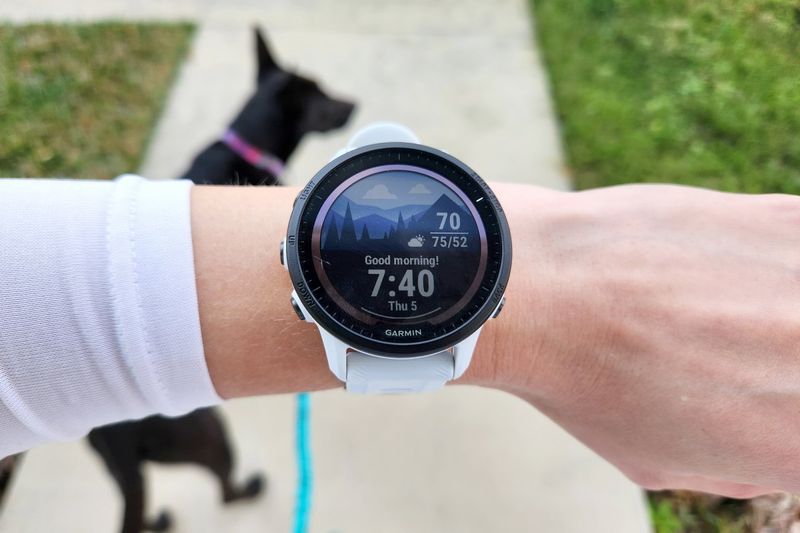
Knowing your pace, distance, and heart rate turns guesswork into strategy. A mid-range GPS watch delivers all the metrics serious runners need without breaking the bank. Real-time feedback helps you stick to your training zones and avoid going too hard too soon.
Garmin’s Forerunner 265 stands out in multiple 2025 reviews for excellent GPS accuracy and long battery life. Its AMOLED screen stays readable in bright sunlight, and training features guide your workouts with science-backed suggestions. Garage Gym Reviews and other testers call it a best-for-runners pick because it balances features with usability.
Tracking your progress over weeks and months keeps motivation high. When you see improvements in pace or endurance, those tough miles suddenly feel worth it.
4. Hydration vest (hands-free water + pockets)

Long runs demand water, nutrition, and extra layers, but carrying all that in your hands gets old fast. A well-designed hydration vest solves the problem by distributing weight evenly and staying put mile after mile. No more awkward bouncing or chafing that distracts you from the trail ahead.
REI’s 2025 testing highlights top performers like the Salomon ADV Skin for capacity, comfort, and stability. Recent reviews confirm these vests handle everything from flasks to phone to windbreaker without shifting. Adjustable straps let you dial in a custom fit that feels secure without squeezing.
Once you run hands-free with easy access to hydration, you’ll wonder how you ever managed without it. The right vest becomes invisible, letting you focus on the scenery instead of your gear.
5. Running belt (when you just need pockets)
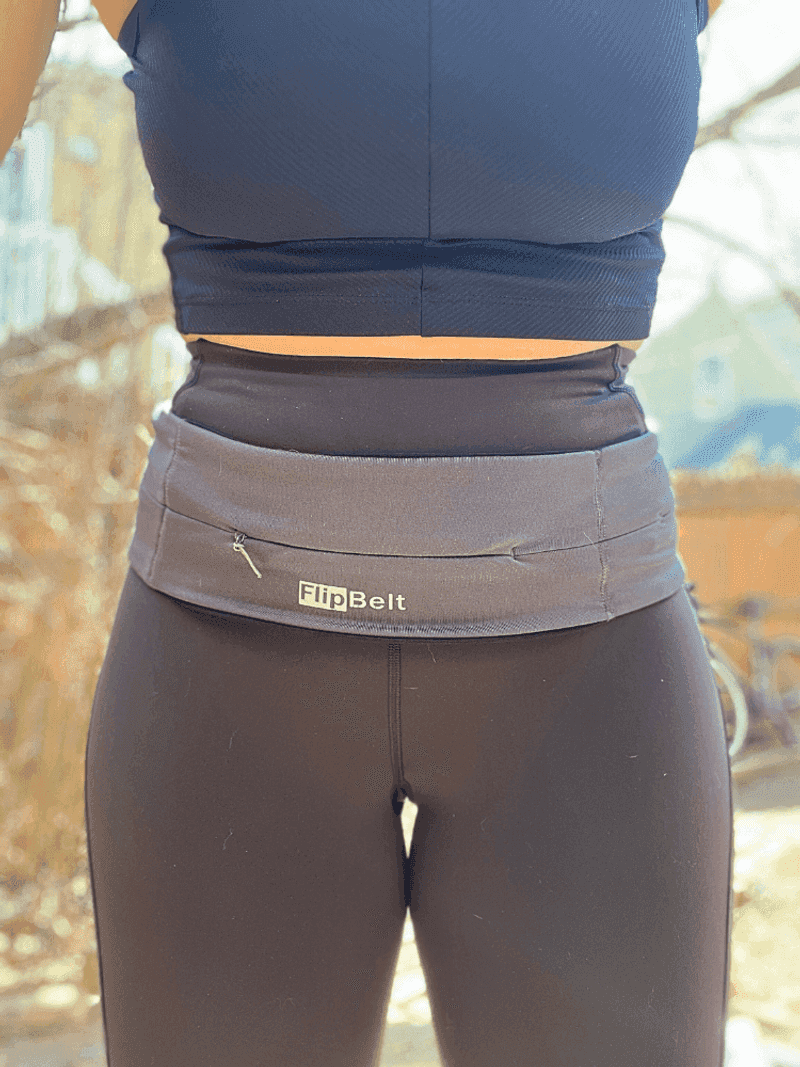
Not every run requires a full vest—sometimes you just need a spot for your phone, keys, and a gel or two. Running belts deliver exactly that: secure, bounce-free storage that disappears under your shirt. They’re perfect for shorter efforts or race day when you want to travel light.
Updated roundups from SELF and GQ recommend favorites like FlipBelt and SPIbelt for their stretch fabric and minimal profile. These belts expand to hold essentials, then cinch snugly so nothing jostles. Choosing the right one depends on how much you carry and whether you prefer a tube style or zippered pockets.
A good belt means no more clutching your phone or stuffing gels in your sports bra. Everything stays put, and you stay focused on your pace.
6. Anti-chafe balm (small stick, big difference)
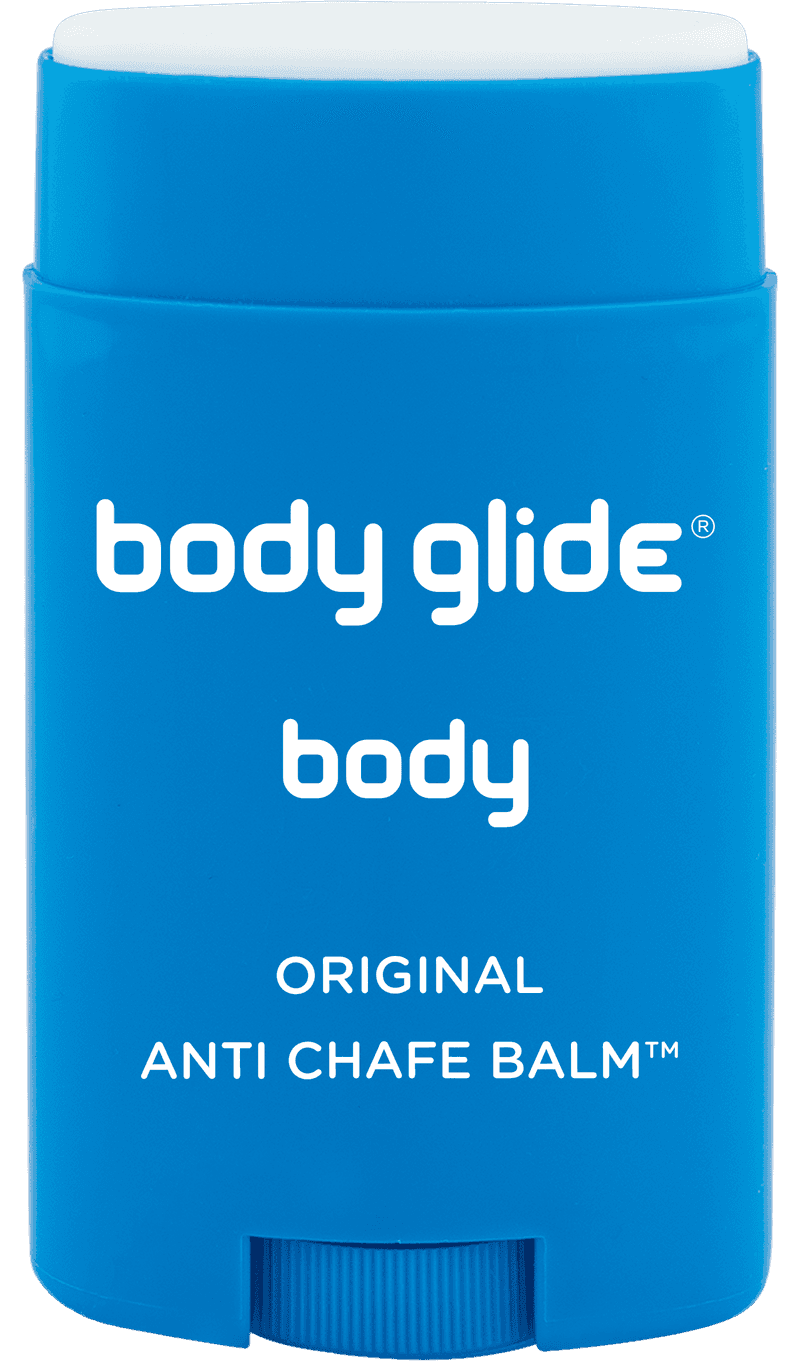
Chafing sneaks up on you—by mile three, that innocent rubbing turns into painful irritation. Anti-chafe balm stops friction before it starts, protecting thighs, underarms, toes, and sports-bra lines. A quick swipe of this waxy stick creates a smooth barrier that lasts through sweat and miles.
Body Glide’s formula uses waxes, emollients, and Vitamin E to reduce rubbing without feeling greasy. Independent product databases confirm its purpose: keep skin gliding smoothly instead of grinding raw. Apply it anywhere fabric or skin meets skin, and you’ll finish your run without red, angry patches.
This tiny stick fits in any pocket and saves you from post-run showers that sting. Once you start using balm, you’ll never skip it again—it’s that effective.
7. Bone-conduction or open-ear headphones (hear your surroundings)
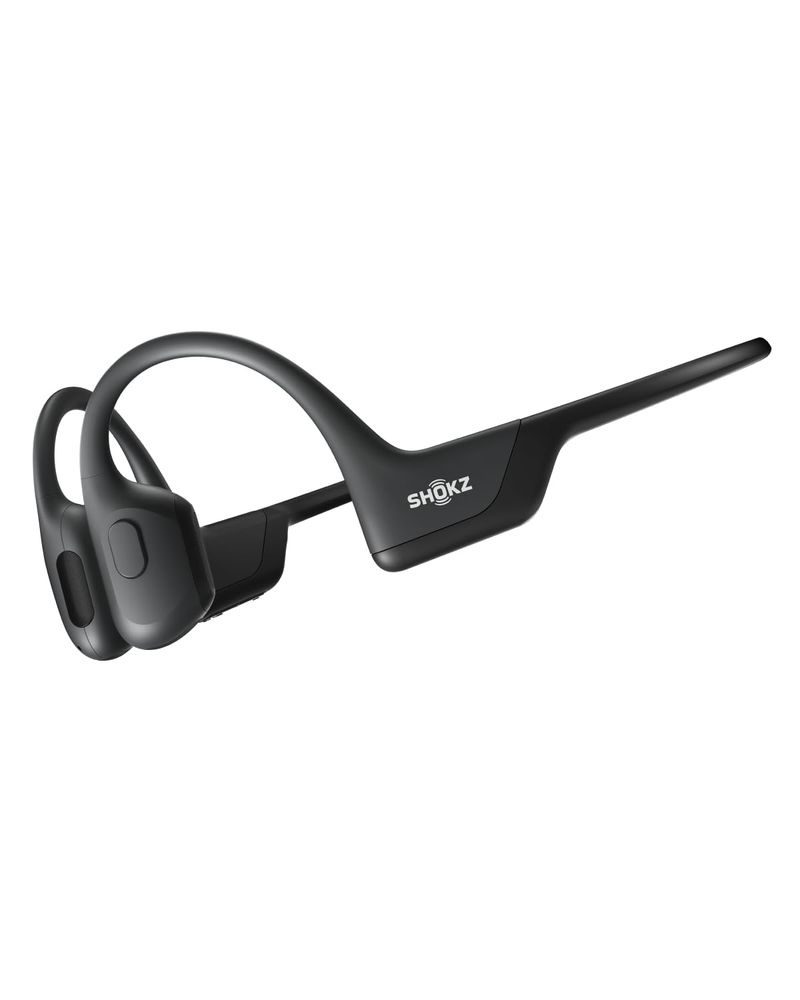
Music or podcasts make miles fly by, but blocking your ears on busy roads is risky. Bone-conduction headphones solve the dilemma by transmitting sound through your cheekbones, leaving ears open to hear traffic, bikes, and other runners. You get your audio fix without sacrificing awareness.
Shokz OpenRun Pro remains a top pick in 2025 reviews for solid sound quality, comfort, and durability. GearJunkie and other testers confirm it stays secure during sweaty runs while keeping you connected to your surroundings. Deals coverage highlights its battery life and water resistance, making it reliable in any weather.
Open-ear tech feels strange at first, but once you experience safe, immersive listening, traditional earbuds feel dangerous. Stay entertained and alert at the same time.
8. High-visibility/reflective vest or light (be seen at dawn/dusk)

Running before sunrise or after sunset puts you at risk if drivers can’t see you. High-visibility gear makes you impossible to miss, turning you into a moving beacon that cars spot from blocks away. Reflective vests and LED lights are your insurance policy against close calls.
Noxgear’s Tracer2 earns repeated praise for 360-degree illumination, light weight, and impressive battery life. iRunFar’s 2025 guide details its multiple light modes, IP67 water resistance, and roughly 20-hour runtime. The brand’s spec sheet confirms you can adjust brightness and patterns to stand out in any condition.
Drivers react faster when they see you clearly, giving everyone more time to stay safe. Investing in visibility gear is non-negotiable if you log miles in low light.
9. Headlamp (see the road/trail)

Darkness hides potholes, roots, and uneven pavement that can trip you up. A bright, compact headlamp lights your path so you can run confidently no matter how early or late. Whether you’re on city streets or wooded trails, seeing clearly prevents stumbles and keeps your pace steady.
Petzl and Tikka-Swift-class models appear frequently in current headlamp roundups for runners and climbers. Their balance of brightness and portability makes them favorites—you get enough lumens to spot obstacles without carrying a bulky battery pack. Adjustable beams let you focus light exactly where you need it.
Once you try running with a headlamp, pre-dawn and evening miles become adventures instead of hazards. Light up your route and explore times of day you used to skip.
10. UV-blocking running sunglasses (protect your eyes)

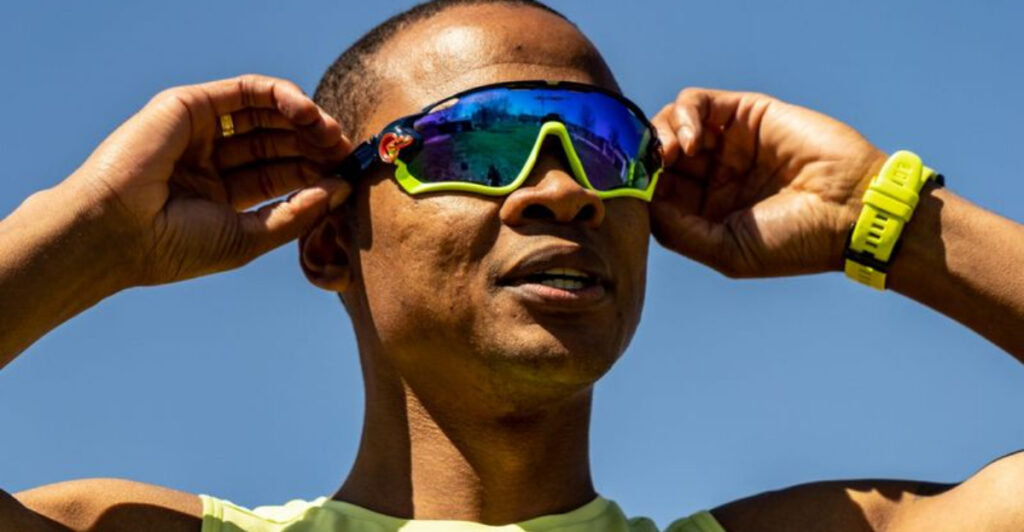
Squinting through miles of bright sun strains your eyes and gives you headaches. Running sunglasses with full UV protection shield your vision while contrast-boosting lenses help you spot hazards faster. Lightweight frames stay put even when you’re drenched in sweat, so you never have to adjust mid-stride.
OutdoorGearLab and Treeline’s 2025 test guides explain why secure-fit, non-bouncing shades improve both safety and comfort. Look for wraparound styles that block light from all angles and lenses that enhance depth perception on varied terrain. Polarized options cut glare on water or pavement.
Your eyes deserve the same protection as your skin. Quality sunglasses reduce fatigue and let you enjoy sunny runs without paying for it later with tired, irritated eyes.
11. Running hat or beanie (temp control + sun/rain management)
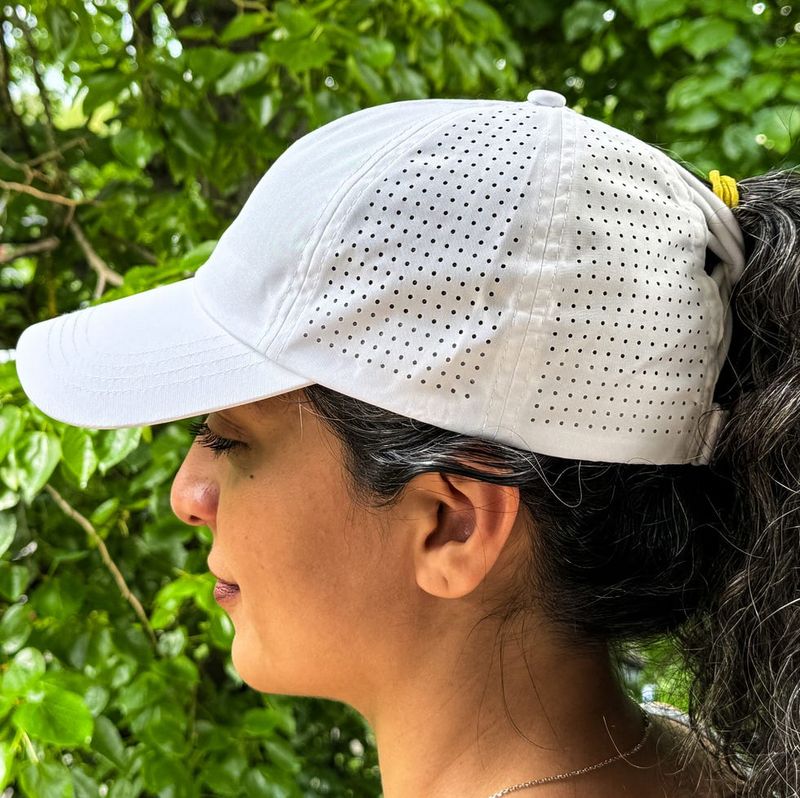
Your head loses heat fast in winter and overheats quickly in summer, so the right headwear keeps your body temperature balanced. Modern running caps wick sweat, dry fast, and shield your face from sun or rain. Winter beanies add warmth without making you feel like you’re wearing a sauna on your head.
Current gear guides cover both warm- and cold-weather options, emphasizing breathable fabrics and unobtrusive fits. GearJunkie highlights models that stay put without squeezing and feature reflective details for low-light visibility. A good hat becomes part of your uniform, adapting to whatever weather you face.
Protecting your head means more comfortable runs year-round. Whether you’re blocking UV rays or keeping ears warm, the right cap or beanie makes every mile more pleasant.
12. Broad-spectrum, water-resistant sunscreen (SPF that keeps up)
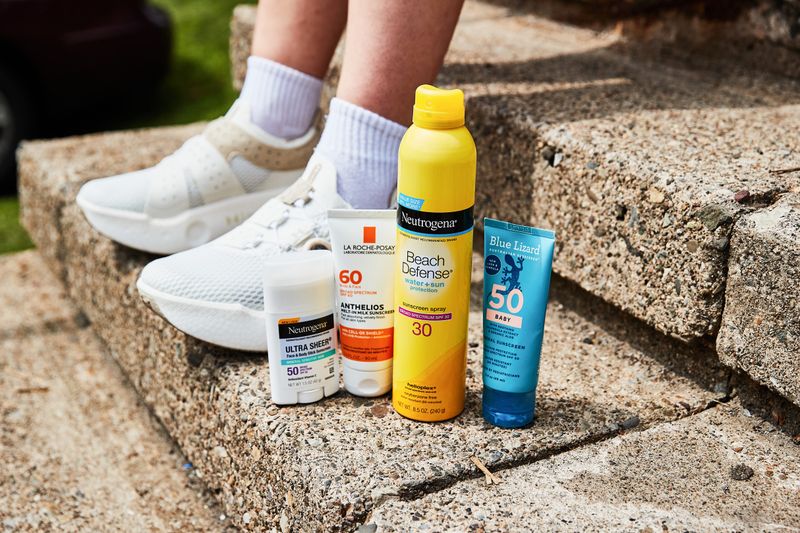
Sunburn during a run isn’t just painful—it increases your risk of skin damage that adds up over years. Broad-spectrum, water-resistant sunscreen stays effective through sweat and miles, giving you protection that doesn’t quit halfway through your workout. Dermatology organizations recommend SPF 30 or higher as a baseline for outdoor activity.
The Skin Cancer Foundation notes SPF 50 for extended outdoor sessions, and the American Academy of Dermatology emphasizes reapplying per label instructions. Water-resistant formulas cling to your skin instead of dripping into your eyes, so you can focus on your pace instead of stinging discomfort.
Make sunscreen as automatic as lacing your shoes. Your skin will stay healthier, and you’ll avoid the misery of post-run burns that make even wearing a shirt painful.
13. Sports bra (for high-impact support)

Running without proper support is uncomfortable at best and painful at worst. A high-quality sports bra locks everything in place, wicks sweat, and features adjustable straps so you can customize the fit. Support, breathability, and comfort are non-negotiable when you’re logging serious miles.
REI, Outside, and iRunFar’s 2025 test lists highlight best-in-class models like On Performance, Panache, and Brooks. These reviews emphasize that fit matters more than brand—use sizing notes carefully to find your perfect match. Look for bras with encapsulation or compression that suits your body and activity level.
The right sports bra disappears during your run, letting you focus on form and pace. Invest in quality, and you’ll never tolerate a subpar bra again.
14. Recovery tool: massage gun or foam roller (reduce soreness)

Sore muscles slow you down and make tomorrow’s run feel impossible. Recovery tools like foam rollers and massage guns speed healing by boosting blood flow and breaking up tight spots. Systematic reviews suggest foam rolling for 90 to 120 seconds per muscle can reduce delayed-onset soreness and improve flexibility.
Current guides rate compact massage guns like the Theragun Mini 2.0 for portable relief you can use anywhere. Foam rollers remain a budget-friendly option that delivers deep-tissue benefits with just your body weight. Both tools help you stay consistent by making recovery faster and less painful.
Spending ten minutes on sore calves or quads pays off with fresher legs the next day. Make recovery as important as the run itself, and your body will reward you with better performance.
15. Wearable ID (safety info on you, always)

If you run alone, carrying identification isn’t optional—it’s essential. A wearable ID puts your name, emergency contacts, and medical information right on your wrist or shoe, ready if something goes wrong. Sports medicine and safety organizations endorse having ID accessible during every solo run.
Road ID is a longstanding, dedicated option trusted by runners everywhere. OrthoInfo and the Road Runners Club of America both highlight the importance of emergency info in case of injury or medical event. A simple bracelet or tag can make a critical difference when you can’t speak for yourself.
Peace of mind is priceless, and wearable ID is lightweight insurance. Clip it on before you head out, and know that help can reach the right people if you need it.
Share this story