You want Europe at its best without weaving through selfie sticks and tour groups. These cities let you savor cobblestones, café corners, and castle views at a calmer pace, so your memories feel unrushed and personal. Expect rich history, local flavor, and time to breathe between sights. Ready to swap overwhelm for wonder and experience Europe the way it should feel: unhurried, intimate, and yours to explore.
Colmar — Alsace, France
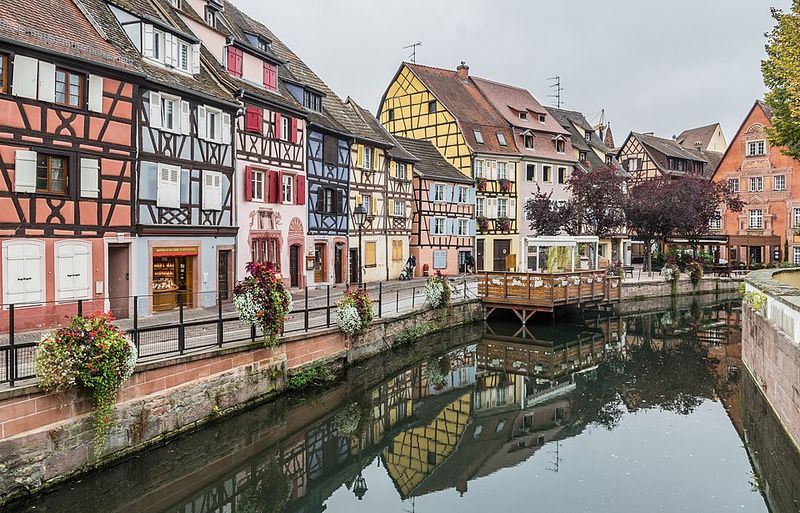
Colmar feels like a storybook set that you can actually wander, with pastel half-timbered houses reflecting in lazy canals. If you stroll early or late, the old town often feels like it belongs to you, especially along Petite Venise and quiet side lanes. Breathe in the scent of fresh kougelhopf from local bakeries and watch the light warm the façades.
You can pair slow museum browsing with vineyard detours along the Alsace Wine Route. Lunch might be tarte flambée on a sunny terrace, followed by a boat glide under flowered bridges. The calm is real here, and it invites you to linger rather than rush between highlights.
Because Colmar flies under the radar compared with Paris, you avoid the stress of big city lines. That means time to chat with shopkeepers and sip Riesling without clock watching. Come for the fairy tale feel, stay for the quiet rhythm that lets every detail land.
Plovdiv — Bulgaria
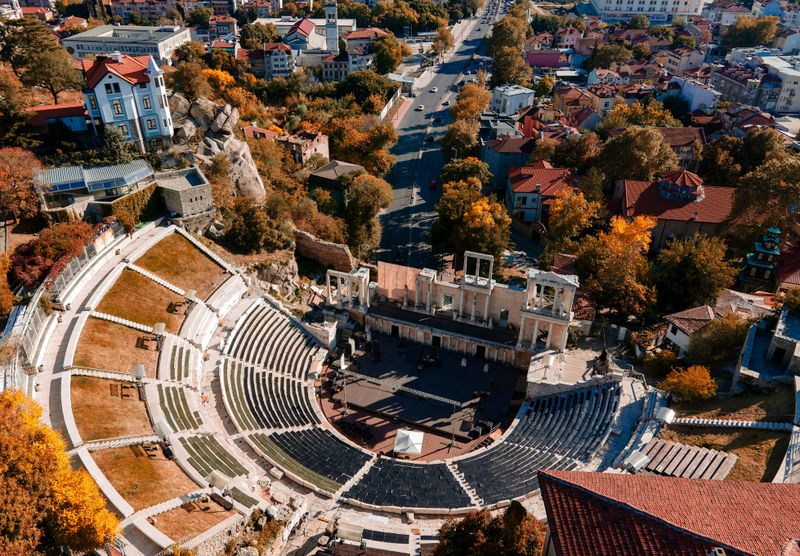
Plovdiv layers Roman ruins, Ottoman echoes, and colorful Revival-era houses into a city that rewards unhurried wandering. You can climb up to the ancient theatre, then drift through the Old Town where wood-carved eaves and stone lanes invite detours. In Kapana, cafés hum with artists and students, yet it never feels overrun.
Grab a seat, order a strong coffee, and watch the neighborhood breathe at its own pace. Street art pops in alleys, galleries feel approachable, and prices stay friendly for long afternoons. You get rich history without elbowing through tour groups.
Because Plovdiv sits outside mainstream circuits, you experience Eastern European life more directly. Ask for local recommendations and you will find family-run spots serving grills and salads that hit the table fast. By sunset, the hills glow and the city feels like yours to read slowly, page by page.
Český Krumlov — Czechia
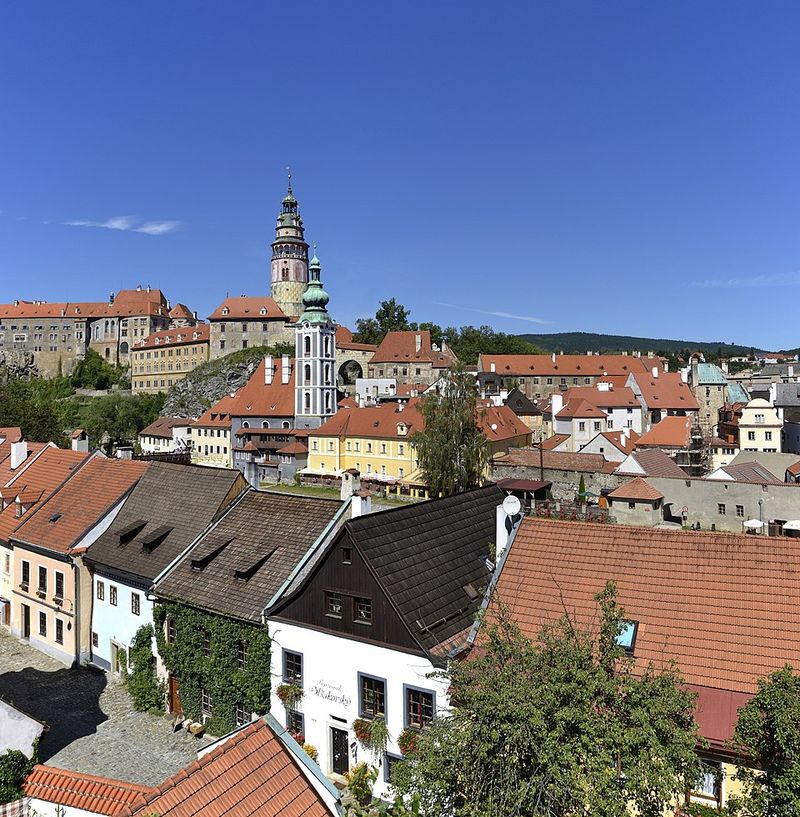
Český Krumlov curls along the Vltava like a medieval ribbon, with a castle rising above pastel streets. Many people day-trip, but staying overnight reveals a quieter soul. Early morning, it is just you, the river, and the echo of your footsteps on cobblestones.
Take your time in the castle gardens where hedges frame views of roofs and spires. By evening, candle-lit cafés bring warmth to stone lanes, and the water laps gently under bridges. The town feels handcrafted for slow travelers who want texture over checklist.
Even as a popular gem, it avoids the intensity of a capital city. You can find corners where conversation trumps noise and music drifts softly from small venues. Let the loop of the river guide your pace and you will carry the calm with you.
Braga — Portugal
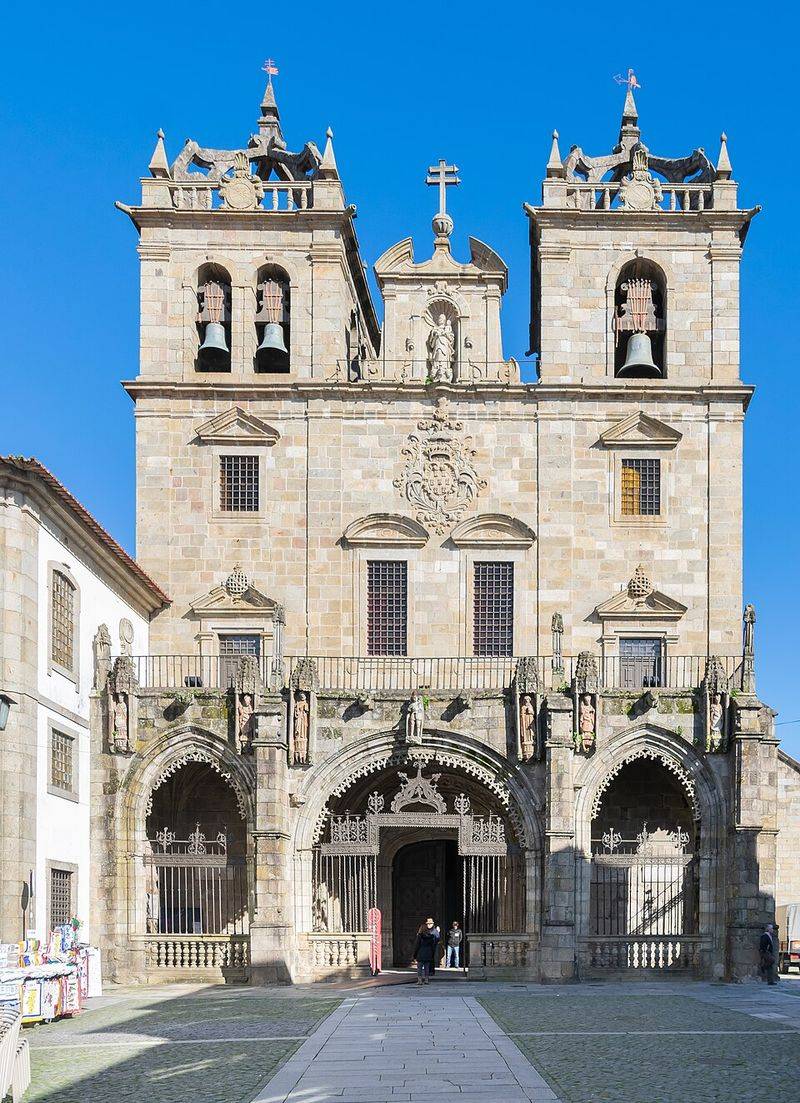
Braga blends ancient cathedrals and youthful energy, but with a gentler rhythm than Lisbon or Porto. You can wander from azulejo-fronted churches to leafy squares where conversations linger. The city invites you to pause for a pastel de nata and watch daily life unfold.
Climb the steps at Bom Jesus do Monte and let the baroque stairways slow your breathing. Down in town, side-street cafés serve northern flavors that pair perfectly with a mellow afternoon. You feel embraced, not rushed, by the scale of the place.
Without heavy tourist pressure, you get authentic warmth and straightforward prices. That means more time to savor, less time budgeting patience. If you crave old-world Portugal with room to breathe, Braga gives it freely.
Bergen — Norway
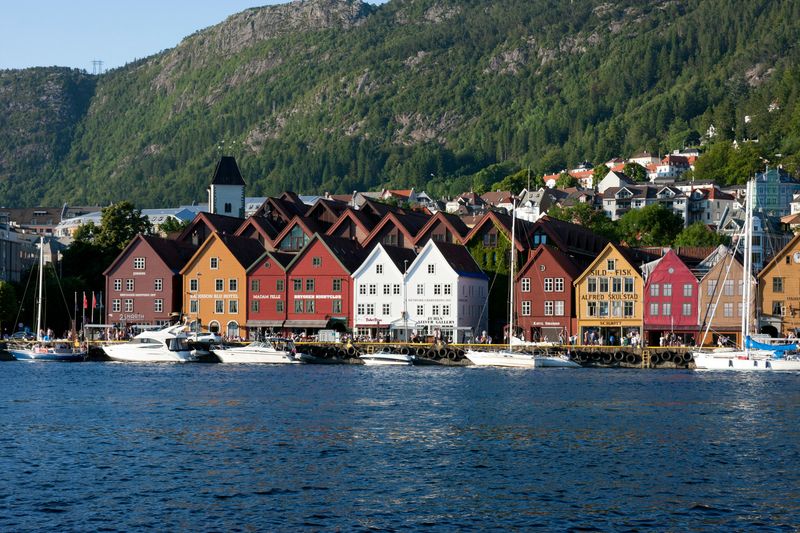
Bergen sits between mountains and sea, a pocket of color and calm on Norway’s west coast. The historic wooden wharf at Bryggen whispers of Hanseatic trade, yet the vibe feels easygoing. You can hop from a fish market lunch to a fjord-edges stroll without stress.
Ride the funicular to Mount Fløyen and let the city spread below like a model town. Trails tempt you with quiet overlooks, and weather adds drama rather than hassle. When the rain passes, the light turns everything crystalline.
Compared with larger capitals, the pace stays humane even in high season. You find room on the quay for a photo and a bench for your thoughts. Come for fjords and stay for the steady heartbeat of a coastal city that never shouts.
Belgrade — Serbia
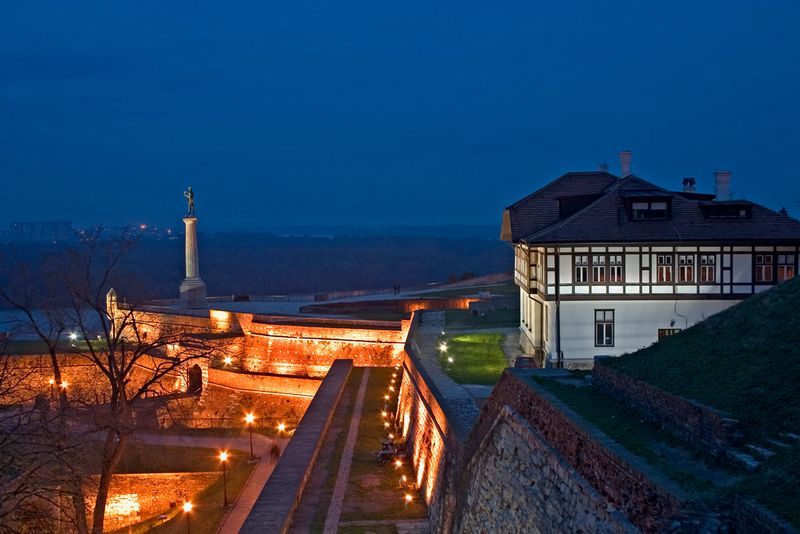
Belgrade hums with river breezes and Balkan grit, but tourists thin out once you step beyond the fort. Stari Grad mixes Austro-Hungarian facades with lived-in cafés where prices are friendly and conversations run late. You feel the city’s layers in its hearty food and bold street corners.
Walk to Kalemegdan for Sava-meets-Danube views, then trace murals through Dorcol. At night, floating clubs thump, yet you can still find quiet wine bars and rakija corners. It is an urban energy that you can tune to your own volume.
Because it is not a headliner for Western tours, the pressure stays low. You get choice without queues and culture without posturing. Belgrade lets you sample big-city life without the big-city fatigue.
Spa — Belgium
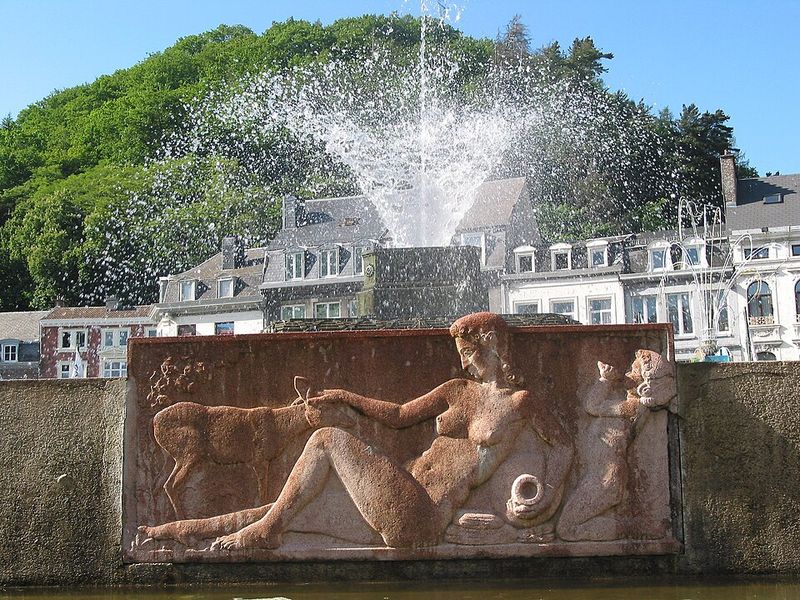
Spa trades blockbuster sights for serenity and mineral springs. Grand Belle Epoque architecture and tree-lined promenades set the tone for slow mornings. You can soak, stroll, and sip without ever feeling hurried.
Thermal traditions meet quiet woods that invite an unplanned wander. Between treatments, cafés offer waffles and light lunches that extend the calm. Even the museum visits feel gentle, more like chapters than checkmarks.
Because the town stays under most travelers’ radar, the vibe remains soothing. You get wellness without waitlists and history without noise. If you want Europe to feel like an exhale, Spa delivers the breath you are looking for.
Feldkirch — Austria
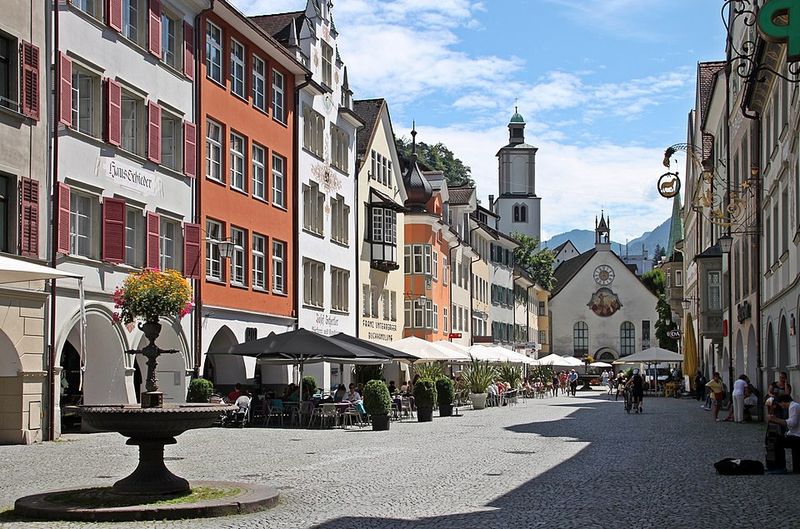
Feldkirch rests near the Alps with an 800-year-old castle watching over arcaded streets. The old town feels intimate, almost secret, with market chatter and church bells marking time. You can cross from history to hillside in minutes.
Climb to Schattenburg for valley views and a plate of schnitzel worth the detour. Down below, boutiques and bakeries fill vaulted passages with a cozy hum. It is the kind of place where you notice stone textures and window boxes.
Because big-name routes often skip it, crowds rarely gather. That leaves you space to wander and a seat at the café you actually want. Feldkirch gives Central Europe in a calm, concentrated dose.
Gjirokastër — Albania
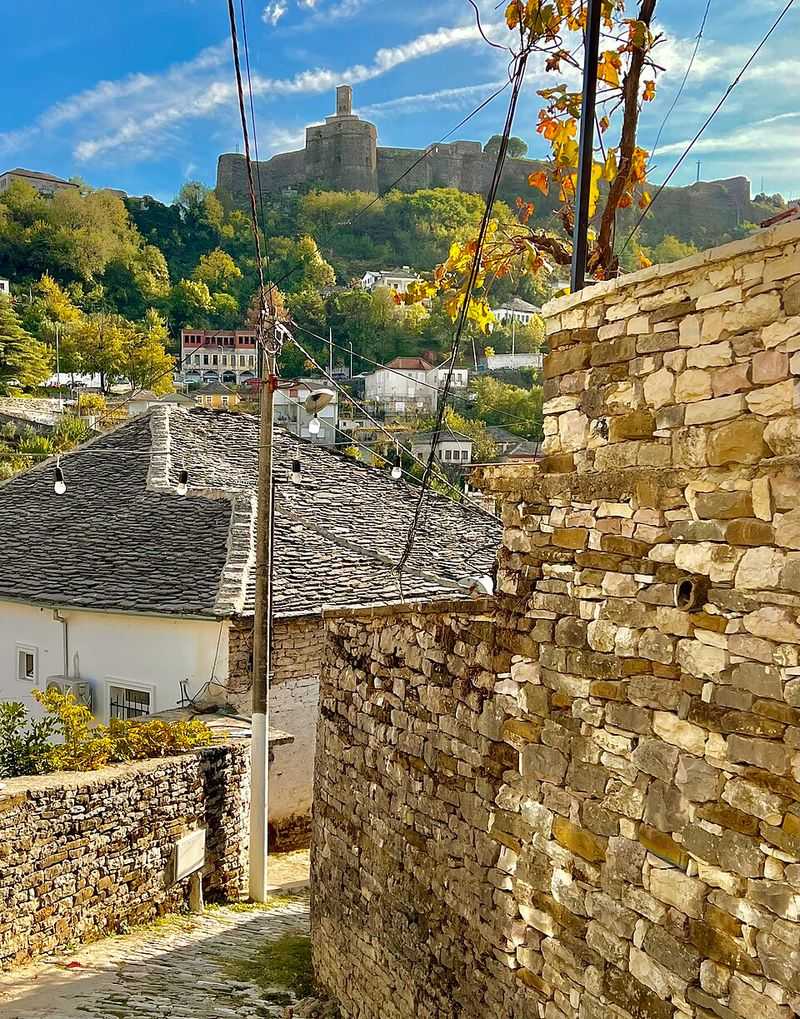
Gjirokastër rises in slate and stone, an Ottoman hillside city where rooftops step toward a fortress. Cobbled streets twist between tower houses, each with wooden balconies and mountain views. The texture underfoot slows you down in the best way.
Inside the citadel, history feels close and unpolished. Markets offer local cheeses, olives, and sweet raki for friendly toasts. You get generosity and stories as freely as the sunshine.
Because it is still outside many itineraries, you explore at your own pace. That means photos without jostling and conversations that last. If you want Balkan authenticity with breathing room, Gjirokastër is quietly brilliant.
Limassol — Cyprus
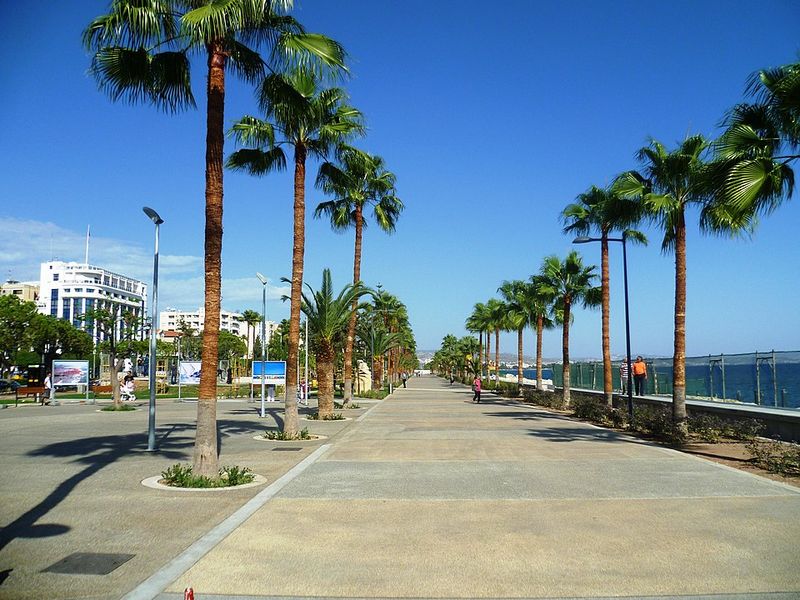
Limassol threads a seaside promenade with an old town of honey-colored stone. You can split days between beach breezes and café patios under citrus-scented shade. The marina feels polished, but side streets keep things local and relaxed.
Explore the medieval castle, then detour to wineries in the Troodos foothills. Fresh seafood pairs with late sunsets that seem to pause time. It is easy to plan little and still do plenty.
Compared with bigger Mediterranean resort magnets, Limassol stays manageable. That gives you room for spontaneous swims and unhurried meals. Sun, history, and calm share the same table here.
Karlovy Vary — Czechia
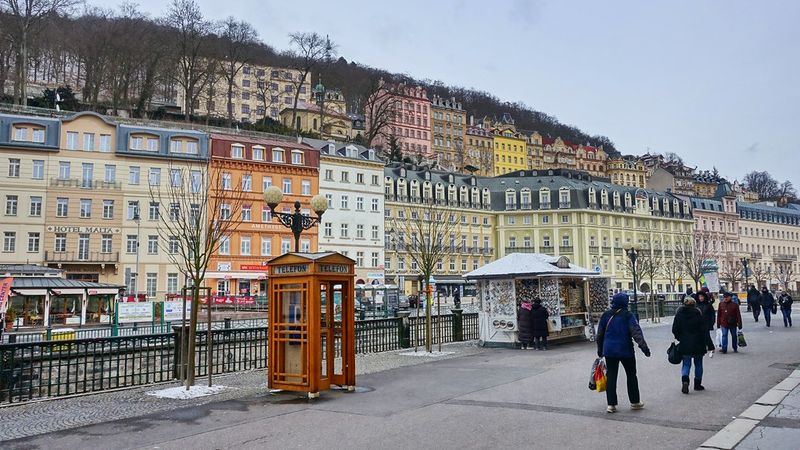
Karlovy Vary steams gently with spa culture and candy-colored colonnades. You can sip hot mineral water from a little cup and feel time wobble back to the 19th century. Walk slow and let each arcade echo.
Grand hotels frame river bends while forest trails start almost at the curb. Even the glass and porcelain shops invite a deliberate pace. Settle into a café and the town will do the unwinding for you.
It may be known, but it rarely feels hectic. Lines are short, promenades are long, and the air tastes clean. If wellness and elegance sound like your speed, this is the lap you want to swim.
Groningen — Netherlands
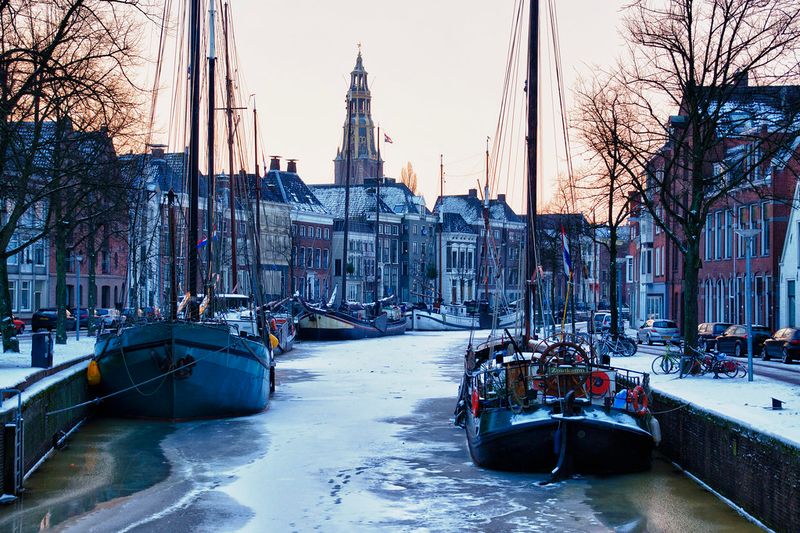
Groningen rides on bikes and easy charm, a university city that keeps its balance. The compact center gives you canals, brick warehouses, and creative nooks without the capital city frenzy. You can glide from market square to museum in minutes.
Climb the Martinitoren for a view that maps your day in real time. Coffee culture is strong, and terraces are ready for long conversations. Prices and pace make lingering the smart choice.
Because it is not overhyped, space just happens. You get a Dutch experience with locals front and center. Groningen proves that calm and culture can share the same saddle.
Bordeaux — France
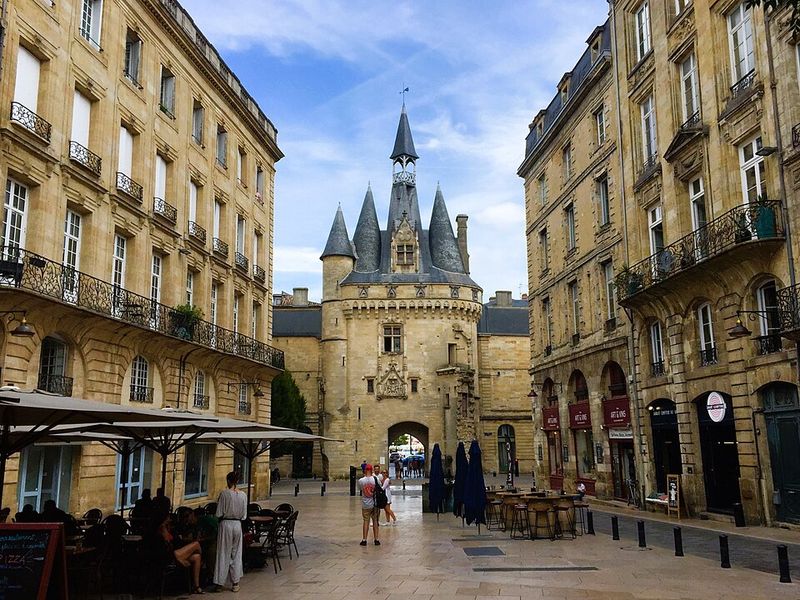
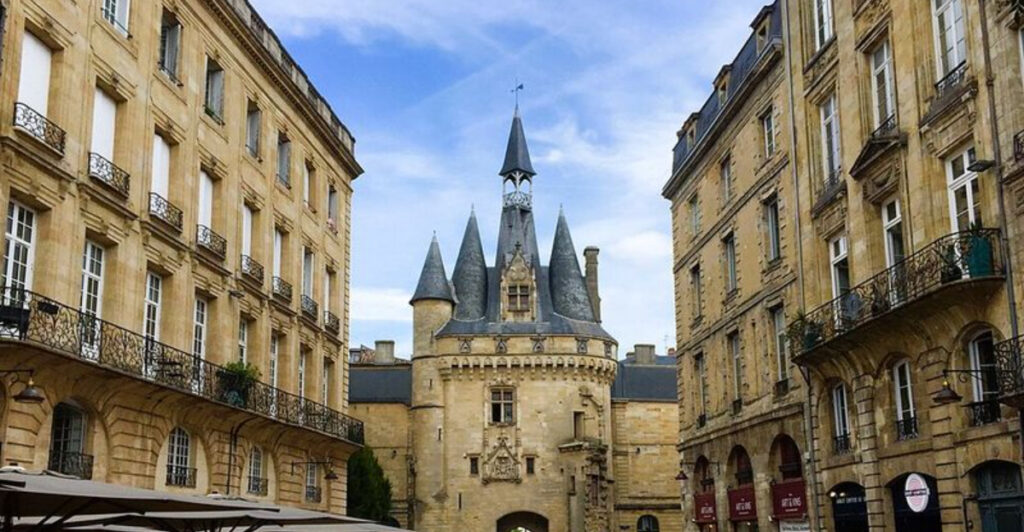
Bordeaux wears its elegance lightly, with limestone streets and riverfront strolls that feel designed for golden hour. The wine reputation is global, but the city itself keeps a steady pulse. You can browse covered markets, then drift into a tasting without ceremony.
Place de la Bourse shimmers, and the Miroir d’Eau turns reflections into play. Food ranges from bistros to modern kitchens where chefs speak terroir fluently. You will find sophistication without attitude and time to savor.
Often skipped for Paris, Bordeaux rewards those who choose it. Crowds thin, prices make sense, and the Garonne sets a calm tempo. It is culture, cuisine, and heritage in a relaxed pour.
Ghent — Belgium
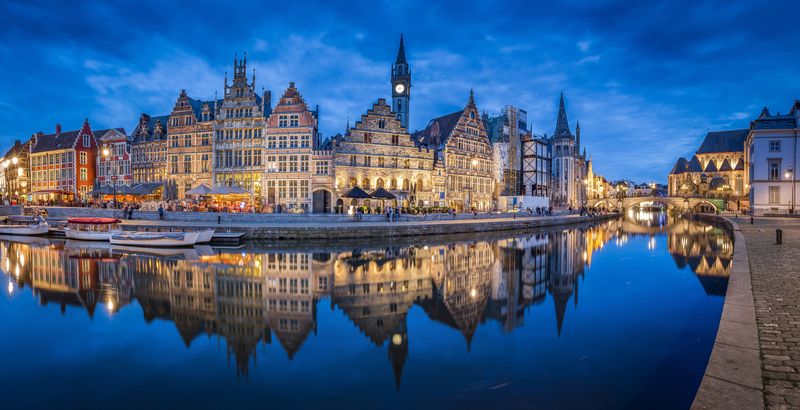
Ghent slips under Bruges’s shadow and uses it to its advantage. Medieval towers and canals set a grand scene, but students keep the atmosphere lively and unpretentious. You can grab fries by the water and feel like a local in minutes.
Climb the Belfry, admire the Adoration of the Mystic Lamb, then linger in the Patershol lanes. Evenings stretch with warm light on facades and soft chatter by the quay. It is beautiful without feeling breakable.
Because Ghent stays less hyped, sidewalks breathe and boats glide without queues. You get the postcard with space to frame it yourself. Come for the towers, stay for the gentle everyday rhythm.
Ljubljana — Slovenia
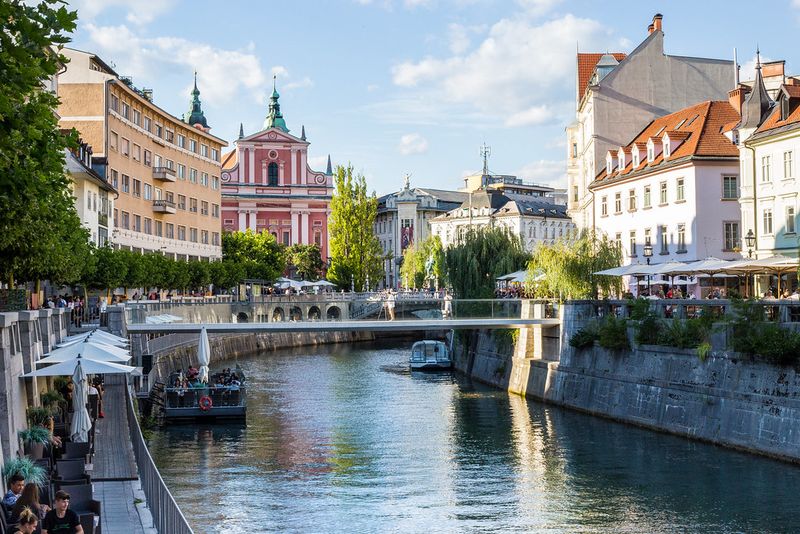
Ljubljana moves at pedestrian speed along an emerald river that reflects bridges like jewelry. The car-free core feels like a living room lined with cafés and soft music. You can walk the whole center and still find new angles every hour.
Ride the funicular to the castle for a panorama, then return for gelato under lime trees. Street performers and design shops give gentle sparks rather than noise. Sustainability is not a slogan here, it is the city’s habit.
With fewer crowds than larger capitals, you get clear paths and open tables. That makes spontaneous dinners and unplanned detours easy. Ljubljana shows how green and calm can feel genuinely fun.
Share this story