Starting January 1, 2026, international visitors planning trips to some of America’s most beloved national parks will face a surprising change at the entrance gates. Eleven popular parks across the country will charge non-U.S. residents an extra $100 per person on top of regular admission fees. This new policy affects travelers from around the world who dream of exploring iconic American landscapes, from towering redwoods to dramatic canyons.
1. Acadia National Park (Maine)
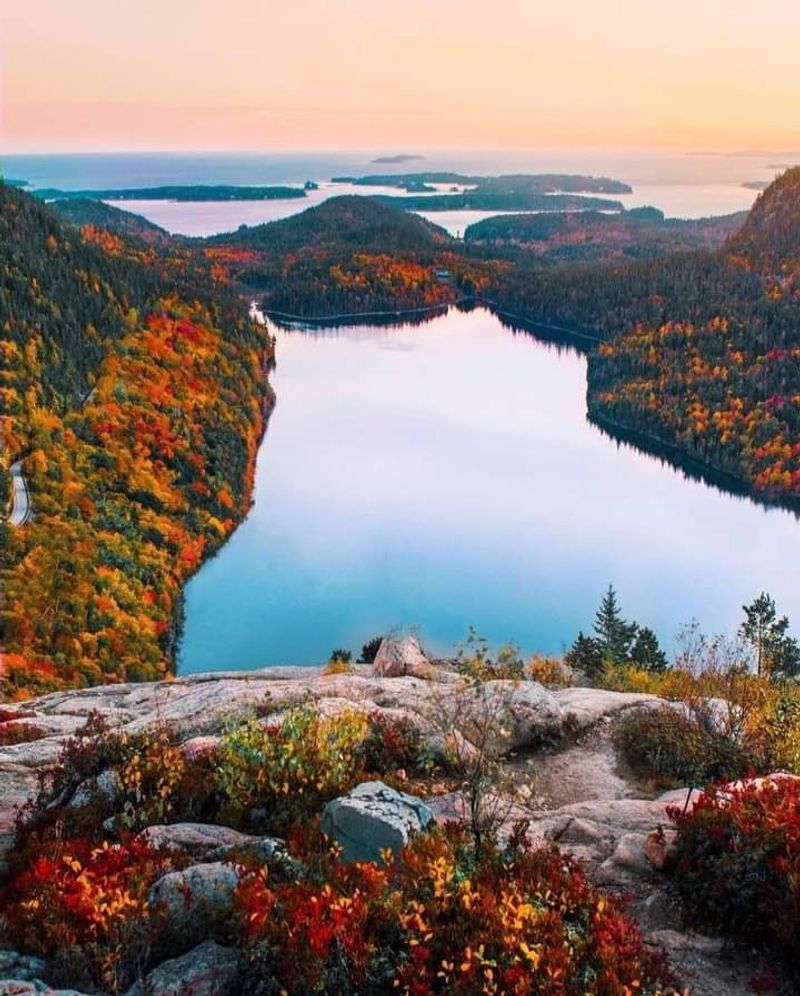
Perched along Maine’s rugged Atlantic coast, Acadia welcomes millions of visitors who come to witness where mountains meet the sea. International travelers will now need to budget an additional $100 per person when they arrive at this northeastern gem.
The surcharge applies on top of the standard entrance fee that everyone pays. For frequent visitors from abroad, park officials offer a $250 annual pass option that covers the entire year.
U.S. residents won’t see any changes to their current pricing structure. Families planning overseas trips should factor these extra costs into their vacation budgets well before booking flights.
2. Bryce Canyon National Park (Utah)
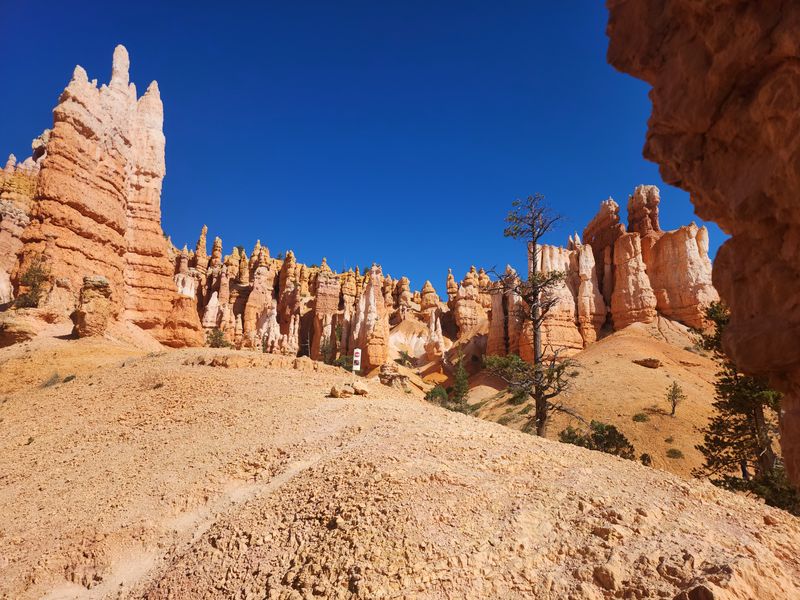
Famous for its otherworldly hoodoos and crimson rock spires, Bryce Canyon attracts photographers and nature lovers from every continent. The $100 surcharge matches the policy at other affected parks, creating consistency across the system.
American citizens and permanent residents can breathe easy knowing their admission costs remain exactly as they were before. The change specifically targets international passport holders entering the park.
Visitors from Canada, Europe, Asia, and beyond should prepare for the additional expense. Planning ahead helps avoid sticker shock at the entrance station when vacation excitement is at its peak.
3. Everglades National Park (Florida)
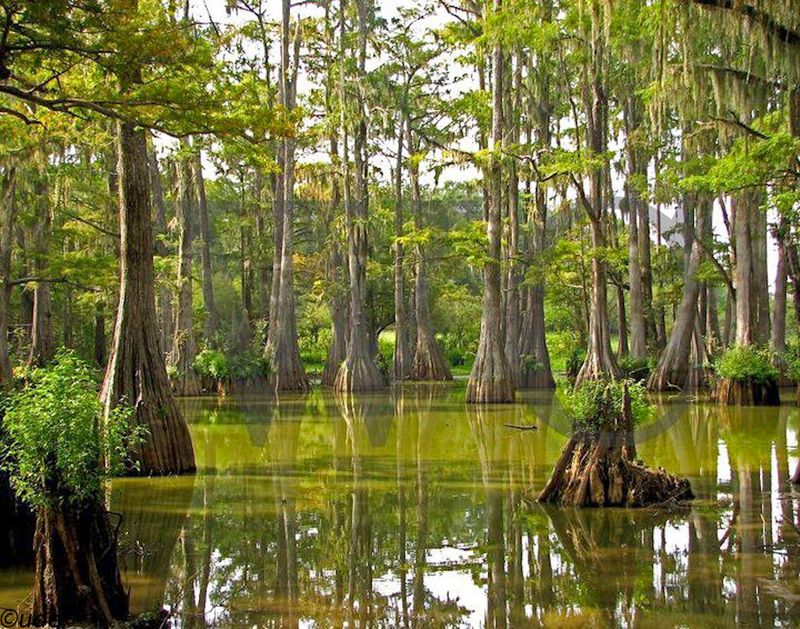
America’s largest subtropical wilderness offers a completely different landscape than the mountain parks out west. Alligators, manatees, and rare birds draw international wildlife enthusiasts to this unique ecosystem year-round.
The same $100 per-person fee applies here, affecting visitors who traveled thousands of miles to experience Florida’s natural treasures. Domestic tourists continue enjoying unchanged admission rates.
Many international guests combine Everglades visits with Miami beach vacations or Orlando theme park trips. Smart travelers now include this extra park fee when calculating their total Florida vacation expenses and daily spending limits.
4. Glacier National Park (Montana)
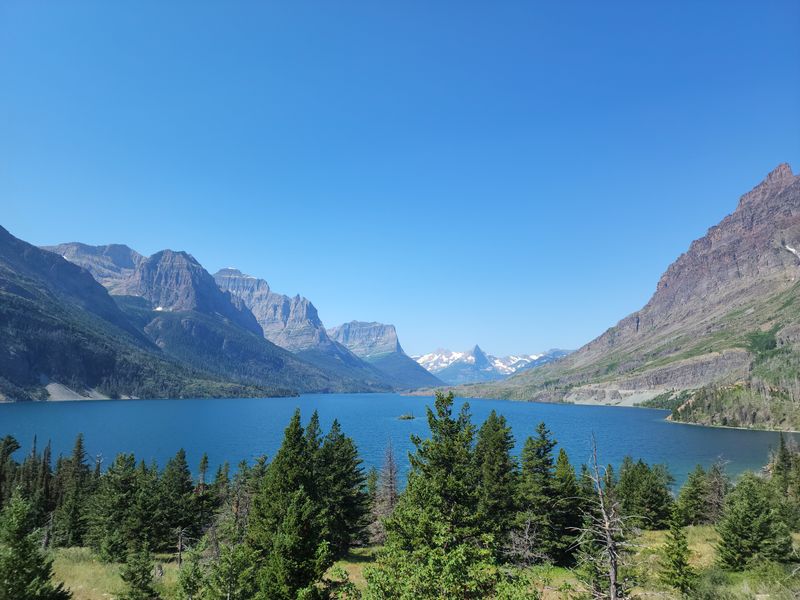
Snow-capped peaks and pristine alpine lakes make Glacier one of the crown jewels of the national park system. International adventurers seeking wilderness experiences will encounter the new $100 surcharge beginning in early 2026.
Like Acadia, Glacier also provides a $250 annual pass option for non-residents who plan multiple visits. This choice makes sense for extended trips or families splitting their vacation between several parks.
The policy doesn’t touch pricing for American visitors at all. Foreign tourists should research whether the annual pass saves money based on their specific itinerary and travel plans.
5. Grand Canyon National Park (Arizona)
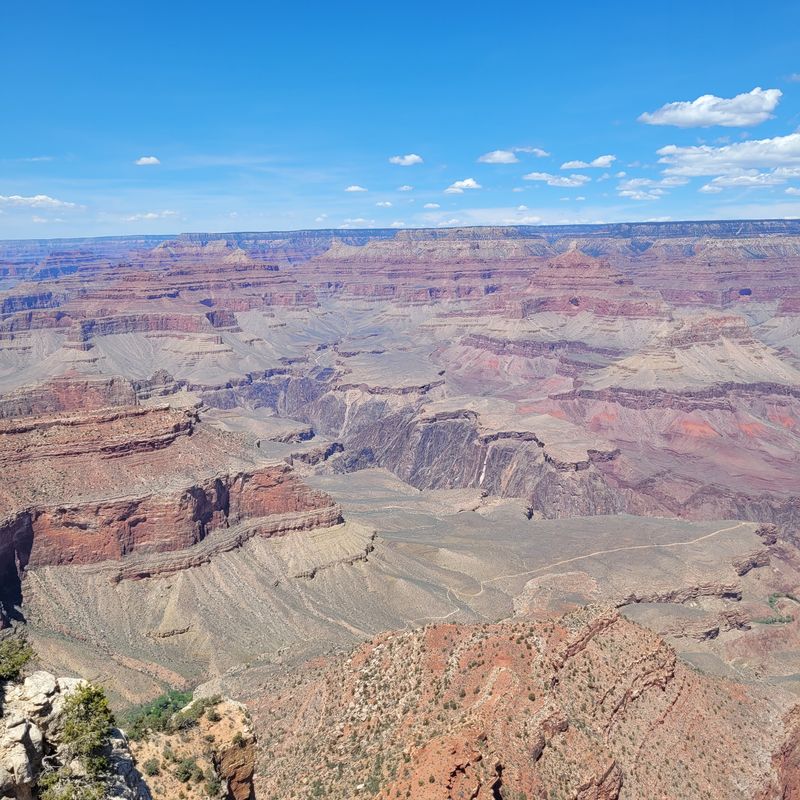
Perhaps no American landmark captures imaginations worldwide quite like this mile-deep chasm carved by the Colorado River. Starting next January, visitors arriving with international passports face the $100 additional charge per person.
Domestic travelers keep their existing fee structure without any increases or modifications. The Grand Canyon remains one of the most visited parks in the entire system, drawing over five million guests annually.
Tour operators bringing international groups should communicate these changes clearly to avoid confusion during check-in. The extra cost applies whether visitors explore the South Rim, North Rim, or venture into the canyon itself.
6. Grand Teton National Park (Wyoming)
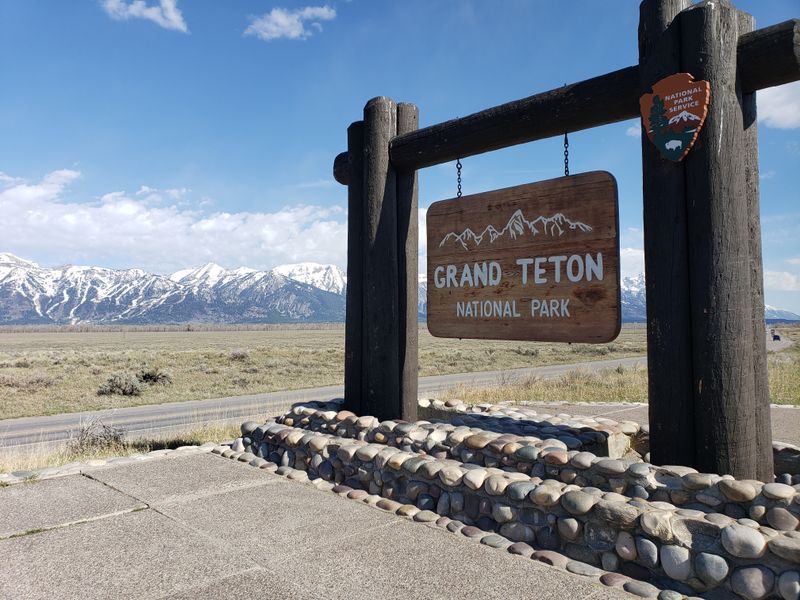
Jagged peaks rising dramatically above Jackson Hole create one of America’s most photographed mountain ranges. The $100 non-resident surcharge follows the same January 2026 implementation date as neighboring Yellowstone.
Many international tourists visit both parks during a single trip since they sit so close together. The surcharge applies separately at each park, meaning visitors pay the extra fee twice if exploring both locations.
U.S. passport holders continue using the parks under current pricing rules. Foreign travelers should budget accordingly, especially when planning multi-park adventures through the Rocky Mountain region during summer vacation season.
7. Rocky Mountain National Park (Colorado)
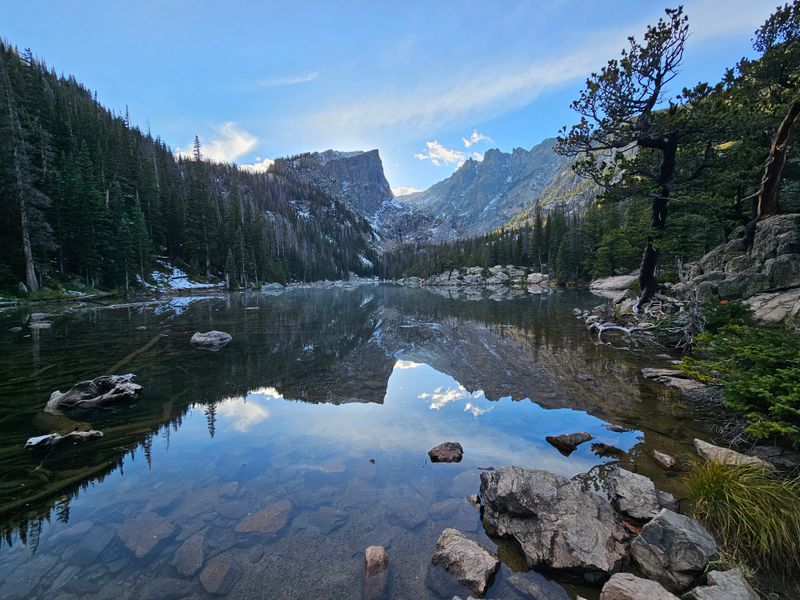
High-altitude adventures await at this Colorado treasure where visitors can drive above the treeline and spot elk in mountain meadows. Non-U.S. residents will pay the $100 surcharge while domestic guests continue with their current $80 pass.
The pricing difference becomes especially noticeable here since the resident annual pass costs significantly less than what international visitors pay for a single entry. Location near Denver makes this park accessible for quick day trips.
International students studying in America and tourists flying into Colorado should verify their residency status before arriving. Proper documentation helps ensure smooth entry and correct fee assessment at the gate.
8. Sequoia & Kings Canyon National Parks (California)
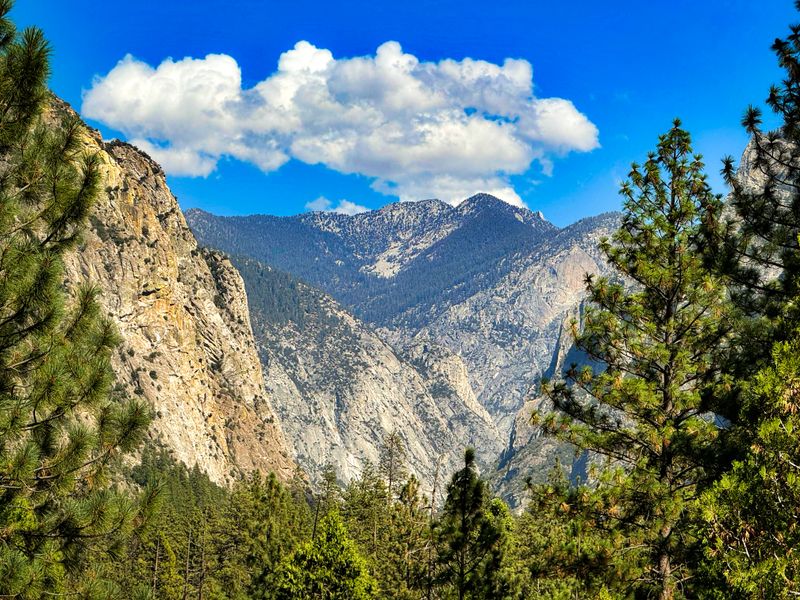
Walking among the world’s largest trees creates an unforgettable experience that draws visitors from across the globe. These connected California parks will implement the $100 per-person surcharge alongside the $250 annual pass option for international guests.
General Sherman, the largest tree on Earth by volume, remains the star attraction. Foreign tourists often underestimate how much time they need to properly explore both park sections.
American visitors maintain their current fee structure without changes. The parks recommend advance reservations during peak summer months when crowds swell and parking becomes extremely limited near popular groves and trails.
9. Yellowstone National Park (WY/MT/ID)
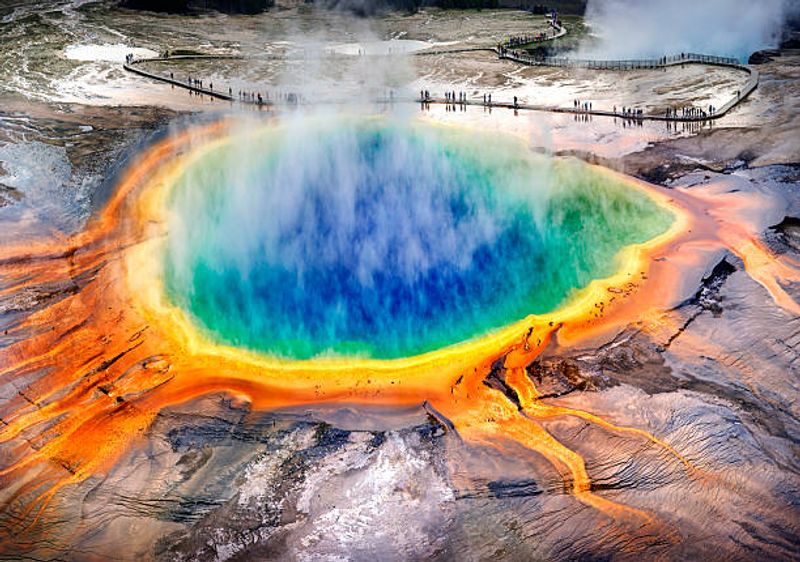
Geysers, hot springs, and roaming bison herds make Yellowstone America’s first and most famous national park. The $100 surcharge gets added on top of the standard entrance fee that all visitors already pay.
This means international guests face a higher total cost than at some other parks on the list. Yellowstone spans three states and offers enough attractions to fill an entire week of exploration.
Resident pricing stays put without modifications. Foreign travelers often book lodging inside the park months in advance, so they should also reserve budget room for these new fees when planning their Yellowstone adventure.
10. Yosemite National Park (California)
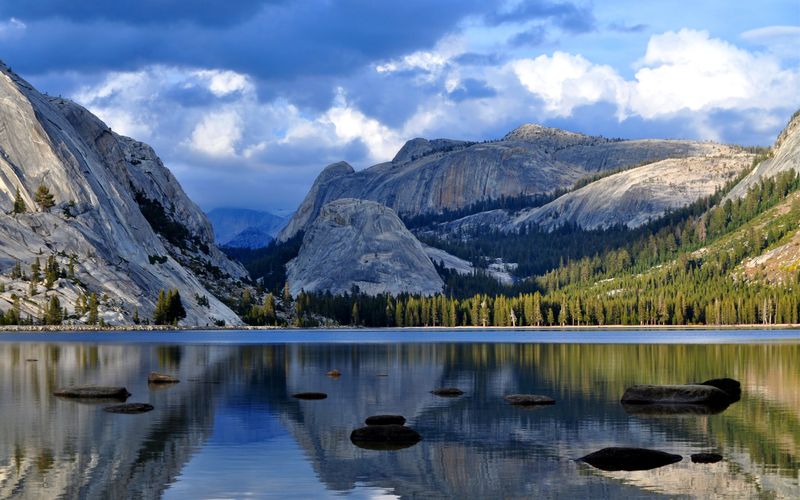
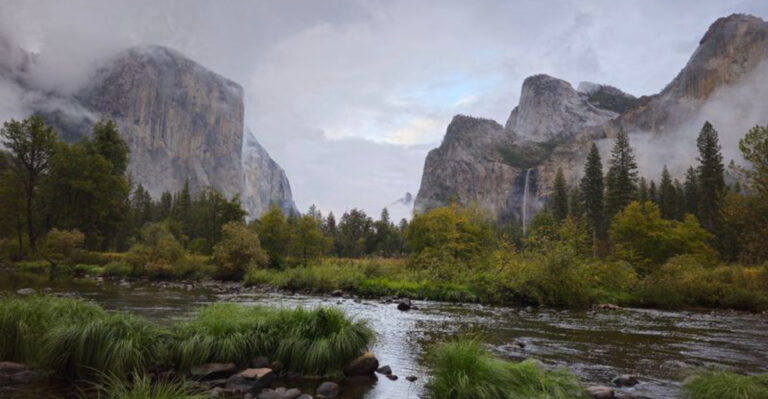
Towering granite cliffs and thundering waterfalls have inspired artists and adventurers for generations. International rock climbers, photographers, and families will all pay the new $100 surcharge when they enter this iconic Sierra Nevada wonderland.
El Capitan and Half Dome draw climbers from every corner of the planet. The additional fee doesn’t discriminate based on how visitors plan to spend their time inside park boundaries.
Domestic visitors keep their existing rates unchanged. Yosemite requires reservations during busy seasons, so foreign tourists should handle both reservation systems and budget planning simultaneously before finalizing their California vacation dates.
11. Zion National Park (Utah)
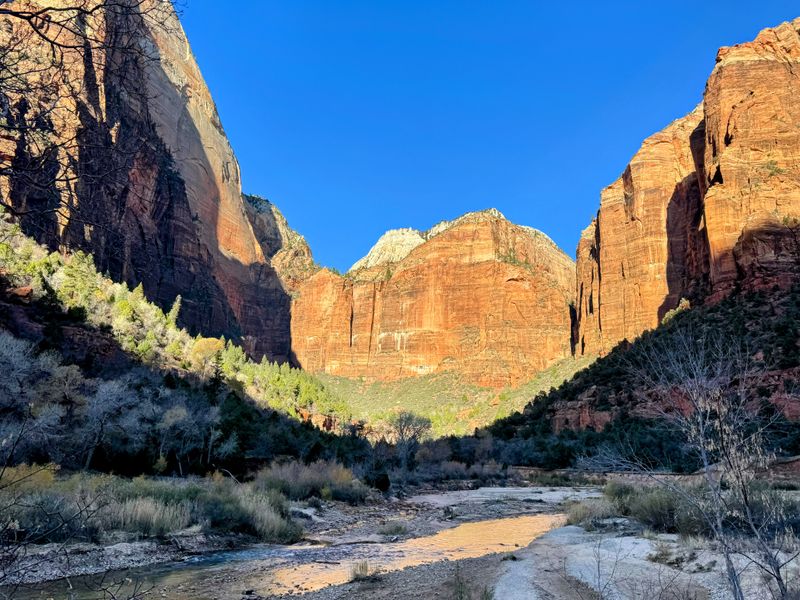
Red sandstone cliffs tower above the Virgin River in this desert paradise where slot canyons challenge adventurous hikers. The $100 non-resident surcharge joins the list of fees international visitors must consider when planning their Utah adventure.
Angels Landing and The Narrows rank among America’s most thrilling hikes. Permits for popular trails often sell out weeks ahead, adding another planning layer for overseas guests.
U.S. residents face no pricing changes whatsoever. Foreign travelers combining visits to multiple Utah parks should calculate total costs carefully, as Bryce Canyon also appears on the surcharge list just hours away by car.
Share this story