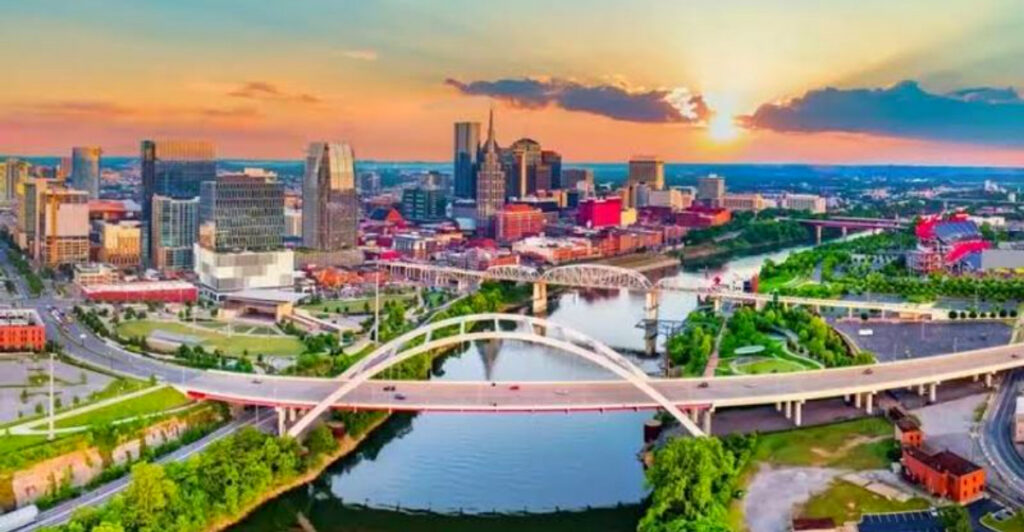
Tourism in America is getting a makeover. Cities and states across the country are rethinking how they welcome visitors, focusing on protecting the environment, respecting local communities, and creating experiences that leave places better than before. From eco-friendly city breaks to regenerative travel initiatives, these destinations are leading the charge into a new era of responsible tourism.
1. Denver, Colorado – Pioneer in Sustainable Urban Tourism

Colorado’s capital has earned bragging rights as one of America’s greenest getaway spots. Denver markets itself heavily around eco-friendly hotels, waste reduction programs, and greener operations at restaurants and attractions.
Getting around without a rental car is surprisingly simple. Light rail lines, regional buses, and free shuttles along 16th Street Mall connect visitors to neighborhoods, museums, and parks with minimal carbon footprint.
City planners designed downtown for walkability, encouraging tourists to explore on foot while soaking in mountain views. Denver proves urban adventures and environmental responsibility can coexist beautifully.
2. San Diego, California – 10-Year Tourism Stewardship Plan

Southern California’s beach city just rolled out an ambitious roadmap extending to 2034. San Diego’s Tourism Stewardship Process coordinates partners around protecting coastlines, parks, and neighborhoods from tourism pressure.
Officials aren’t just managing crowds anymore. They’re actively teaching visitors how to behave respectfully, where to explore responsibly, and why their choices matter to local ecosystems and communities.
This unified framework marks a shift from quantity to quality. San Diego wants thoughtful travelers who appreciate the region’s natural beauty while helping preserve it for future generations through conscious choices.
3. Hawaii – Regenerative Tourism + Climate Tax

Paradise is rewriting its relationship with visitors. Hawaii Tourism Authority has pivoted toward community-first approaches, restructuring into a Destination Stewardship Organization that prioritizes residents alongside tourists.
Native Hawaiian leaders champion regenerative tourism, inviting guests to engage with culture, support local businesses, and contribute positively. It’s about leaving islands healthier, not just taking photos and leaving.
A new climate tax on hotels and cruise ships funds beach restoration, wildfire prevention, and infrastructure improvements. Visitors pay slightly more, but their dollars directly repair damage caused by decades of unchecked tourism growth.
4. Seattle, Washington – Mother Nature’s City

Emerald City lives up to its nickname with a bold environmental identity. Visit Seattle’s marketing campaign positions the destination as where urban energy meets pristine nature, capitalizing on revitalized waterfronts and sustainability projects.
The city runs on hydropower-based electricity and maintains strong recycling programs. Tourism officials actively share tips helping visitors travel green, from transit options to eco-conscious dining choices.
With the 2026 World Cup approaching, Seattle doubles down on its reputation. Travelers seeking city excitement without environmental guilt find exactly what they’re looking for here, guilt-free exploration included.
5. San Francisco, California – OG Sustainable Destination

Before sustainability became trendy, San Francisco was already leading. The Bay Area city has spent years building environmental policies and long-term green goals that shape how tourism operates.
Tourism organizations actively promote walking, biking, and public transit over rental cars. Green-certified hotels dot neighborhoods, and regional strategic plans align with California’s broader sustainable tourism vision.
Think of it as climate-conscious tech culture applied to travel. San Francisco demonstrates what happens when a city treats tourism management like an innovation project, constantly improving systems to reduce environmental impact while enhancing visitor experiences.
6. Nashville, Tennessee – Respectful Tourism Campaign
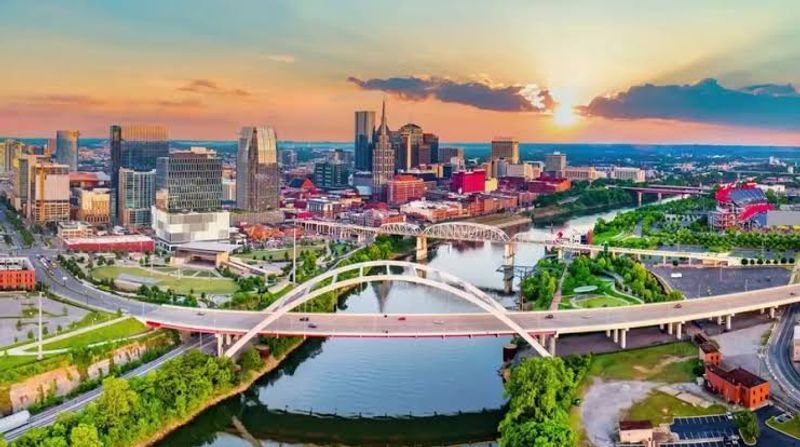
Music City is tackling its wild reputation head-on. The Convention & Visitors Corp launched a destination stewardship campaign with a straightforward message: respect yourself, others, and Nashville.
Overtourism and rowdy bachelor parties prompted resident complaints about noise, trash, and disruptive behavior. Rather than restricting visitors, officials chose education and cultural shift through clear communication.
Nashville protects its massive tourism economy while addressing quality-of-life concerns. The campaign balances honky-tonk fun with community needs, proving popular destinations can stay vibrant without sacrificing livability for locals who call these streets home.
7. Missoula, Montana – Small City, Big Stewardship Plan

Even smaller gateway cities are getting strategic. Missoula adopted a comprehensive 2024-2034 Destination Stewardship Plan balancing tourism growth with environmental protection, local quality of life, and inclusivity.
City leaders watched other mountain towns become overcrowded and expensive. They decided proactive planning beats reactive damage control, establishing frameworks before problems spiral out of control.
This Montana city demonstrates that stewardship thinking isn’t just for major metros. Communities of all sizes can implement Tourism 2.0 principles, protecting what makes them special while welcoming visitors who appreciate and respect their unique character.
8. Boston & Cambridge, Massachusetts – Passes, Culture & Smarter Visitor Flows

Bean Town takes a practical approach to tourism management. Multiple digital and physical passes bundle museums, historic sites, and attractions, encouraging visitors to explore diverse neighborhoods rather than clustering in obvious spots.
MBTA visitor passes make car-free exploration easy and affordable. Meanwhile, Cambridge transformed a historic newsstand kiosk into a combined arts venue and tourism hub, blending culture with visitor services.
Boston doesn’t shout about sustainability, but quietly implements it. The city nudges tourists toward public transit, cultural experiences, and local neighborhoods through smart infrastructure and coordinated marketing that benefits everyone involved.
9. Oregon – Statewide Sustainable Travel Blueprint

Travel Oregon created a dedicated Sustainable Travel section featuring EV itineraries, eco-friendly trip ideas, and practical tips for reducing environmental footprints statewide.
The Travel Oregon Forever Fund channels visitor donations into conservation projects. Money supports EV chargers at wineries, oyster habitat restoration, and bike-trail development, directly linking tourism revenue to environmental improvement.
Oregon built a replicable model for statewide sustainable tourism. Rather than leaving responsibility to individual cities, the state coordinates efforts across regions, creating consistent messaging and infrastructure that helps visitors make environmentally conscious choices throughout their journeys.
10. Utah – Forever Mighty Responsible Travel

Visit Utah runs the Forever Mighty initiative with a comprehensive Responsible Travel Hub teaching visitors how to minimize impact. Utah-specific Leave No Trace principles guide behavior across the state’s iconic landscapes.
Messaging invites tourists into stewardship rather than lecturing them. Officials encourage visitors to treat Utah like it’s theirs, respect local cultures, shop locally, and plan adventures carefully.
The approach avoids shaming while building awareness. Utah essentially deputizes every tourist as a temporary park ranger, empowering them to protect fragile ecosystems and cultural sites through informed choices and respectful behavior during their stay.
11. Maine – Eco-Friendly Adventures & Agritourism
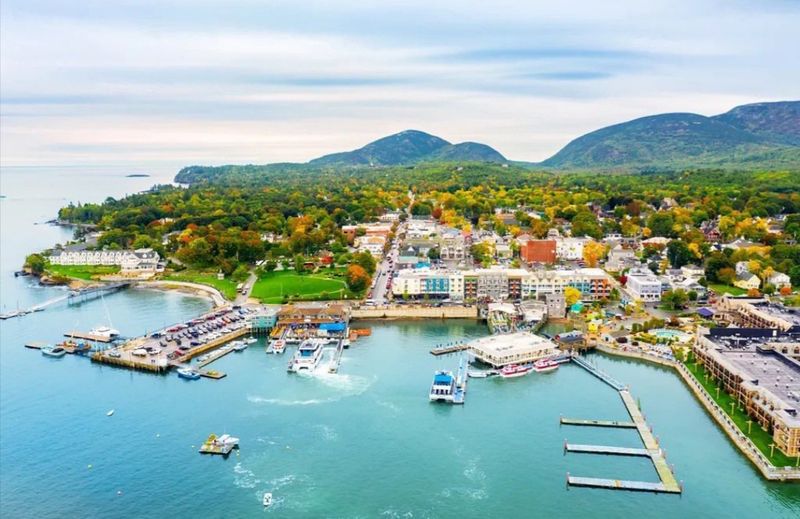
Pine Tree State promotes eco-friendly adventures and agritourism through official guides to sustainable ecotourism activities. Maine’s tourism annual plan explicitly includes destination stewardship and sustainable itineraries under marketing goals.
The Look Out for ME 2.0 campaign quietly builds Maine’s brand as New England’s premier green getaway. Coastal ecosystems, working farms, and forest preserves become attractions managed for long-term health.
Maine proves sustainability doesn’t require flashy campaigns. By integrating environmental responsibility into existing tourism infrastructure and messaging, the state attracts visitors who value authenticity and natural beauty preserved through thoughtful management practices.
12. Vermont – Green Mountain State Green Getaways
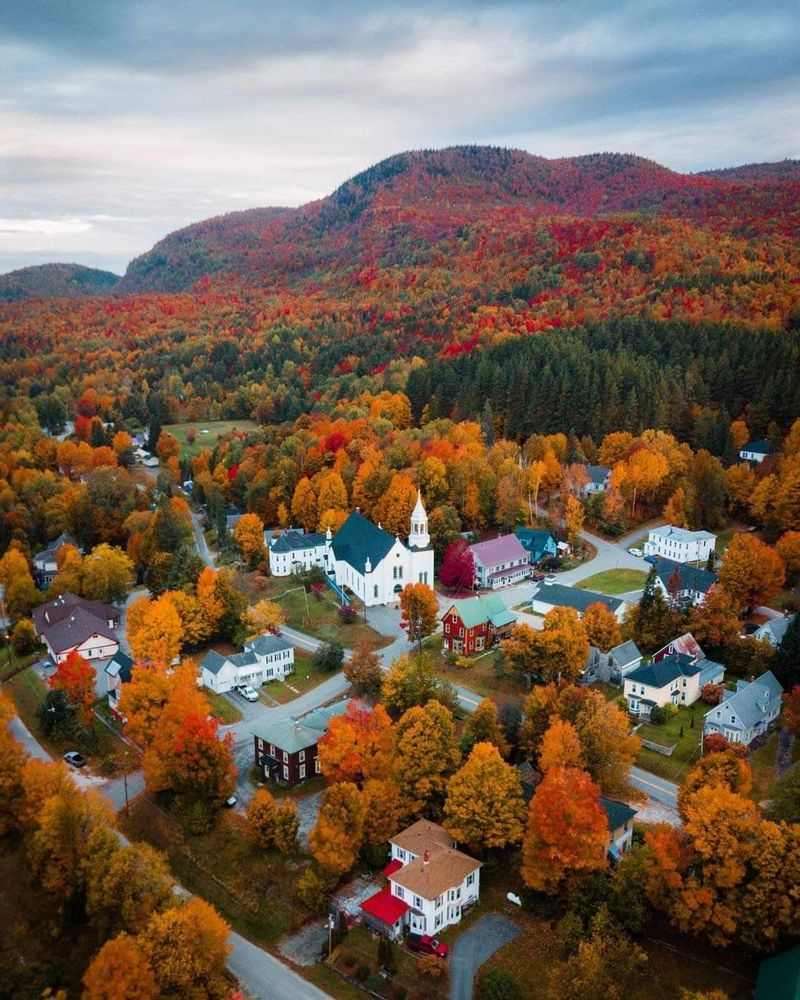
Vermont’s nickname aligns perfectly with its tourism strategy. State content highlights green getaways and resorts crafting the future of sustainable tourism throughout the Green Mountains.
Universities like University of Vermont and Vermont State University run programs on sustainable tourism and recreation. This embeds stewardship thinking into policy, education, and workforce development beyond just marketing slogans.
Vermont demonstrates how deeply sustainability can integrate into regional identity. When tourism strategy, educational institutions, and state branding all reinforce the same environmental values, visitors receive consistent messages that shape behavior and expectations throughout their experience.
13. New Mexico – Culture-Protecting Tourism

Land of Enchantment uses tourism to safeguard culture as much as attract visitors. The Tourism Department offers programs helping communities build profitable and sustainable tourism products while maintaining attractive, livable destinations.
Strong connections between tourism, local culture, Indigenous history, and landscape create perfect conditions for slow, conscious travel narratives. Officials prioritize community benefit over visitor numbers.
New Mexico shows tourism can serve preservation goals. By supporting local artisans, respecting sacred sites, and educating visitors about Native American heritage, the state creates meaningful experiences that generate revenue while protecting cultural traditions for future generations.
14. Western North Carolina – Regenerative Tourism Initiative
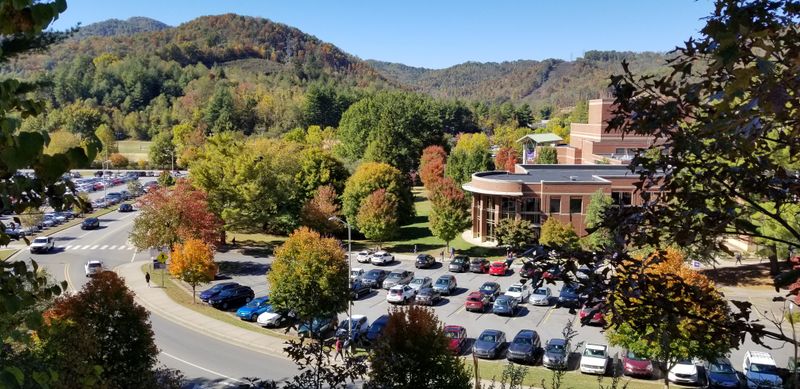
Appalachia is experimenting beyond sustainability. Western North Carolina launched a Regenerative Tourism Initiative training local businesses to create experiences that actively improve places rather than just minimizing harm.
Post-disaster recovery and community projects integrate with tourism offerings. Visitors participate in restoration work, support rebuilding efforts, and contribute skills alongside their spending.
This represents tourism’s cutting edge. Regenerative approaches ask visitors to give back more than they take, leaving destinations healthier, stronger, and more resilient. Western North Carolina tests whether tourism can become a genuine force for positive community transformation.
Share this story