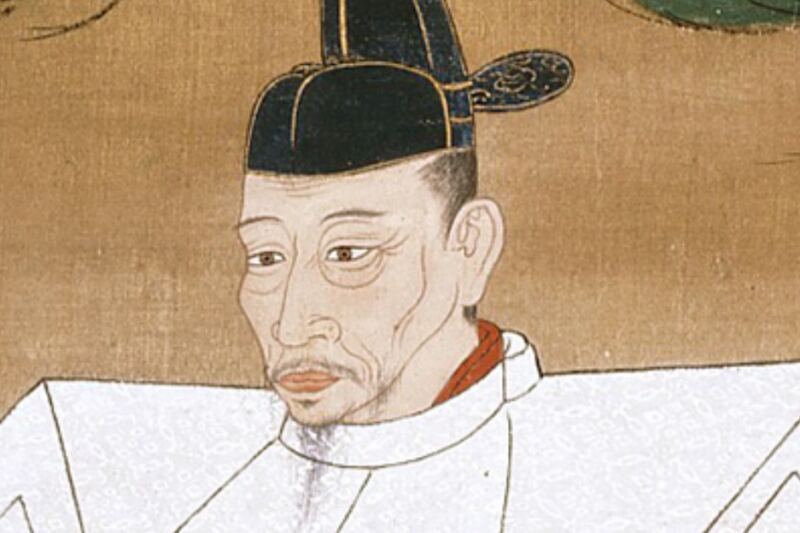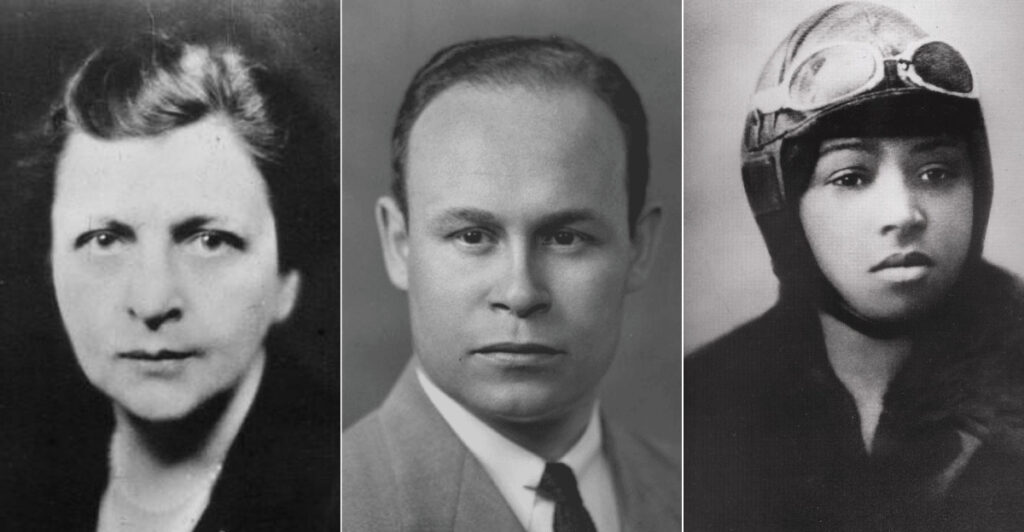
America celebrates many famous figures, but countless brave individuals who changed history remain in the shadows. These heroes fought injustice, saved lives, and opened doors for others, yet most people have never heard their names. It’s time to honor their courage and give them the recognition they truly deserve.
1. Claudette Colvin (b. 1939)
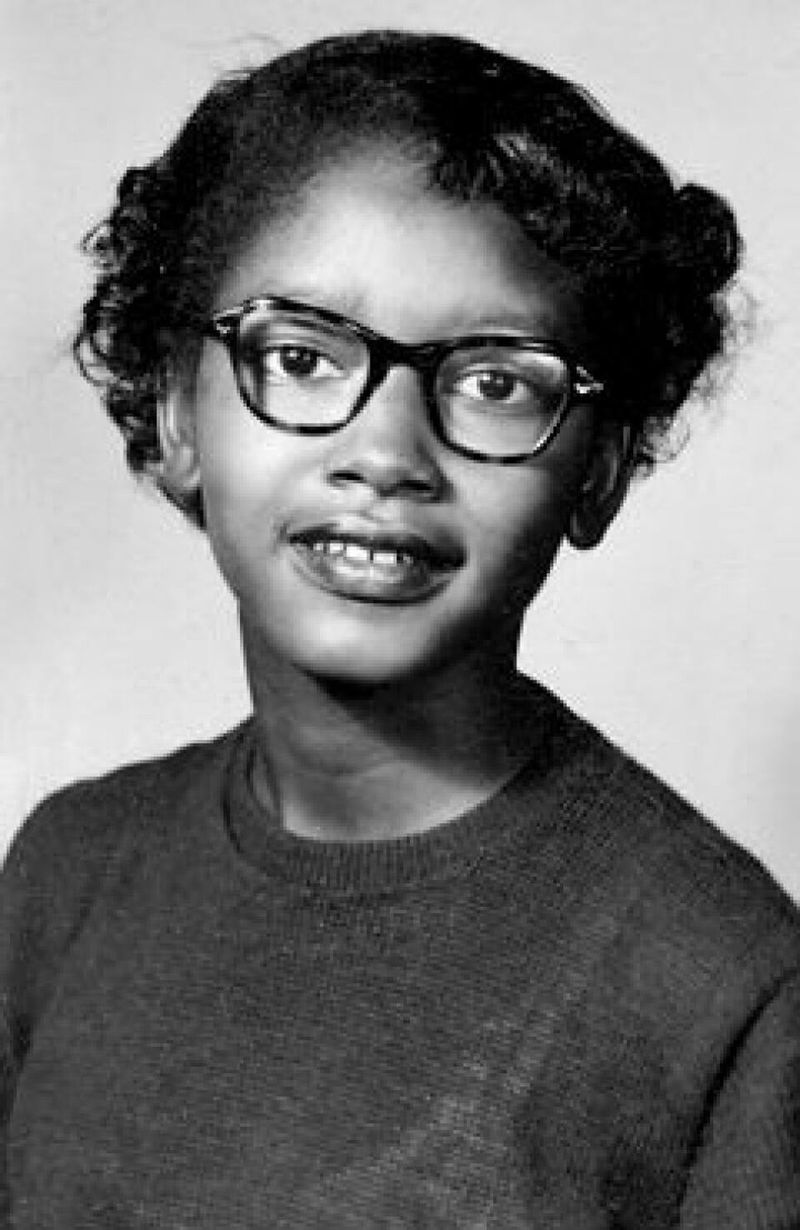
Nine months before Rosa Parks made history, a brave teenager named Claudette Colvin refused to surrender her bus seat in Montgomery. She was only 15 years old when police dragged her off that bus on March 2, 1955. Most history books skip over her name, but her courage mattered just as much.
Colvin didn’t stop there. She became a plaintiff in Browder v. Gayle, the court case that actually ended bus segregation across the South. Her testimony helped strike down the unfair laws that forced Black passengers to sit in the back.
March 2 would be a perfect day to remember her bravery. Young people everywhere can learn from her example of standing up for what’s right, even when adults tell you to stay quiet.
2. Bass Reeves (1838–1910)
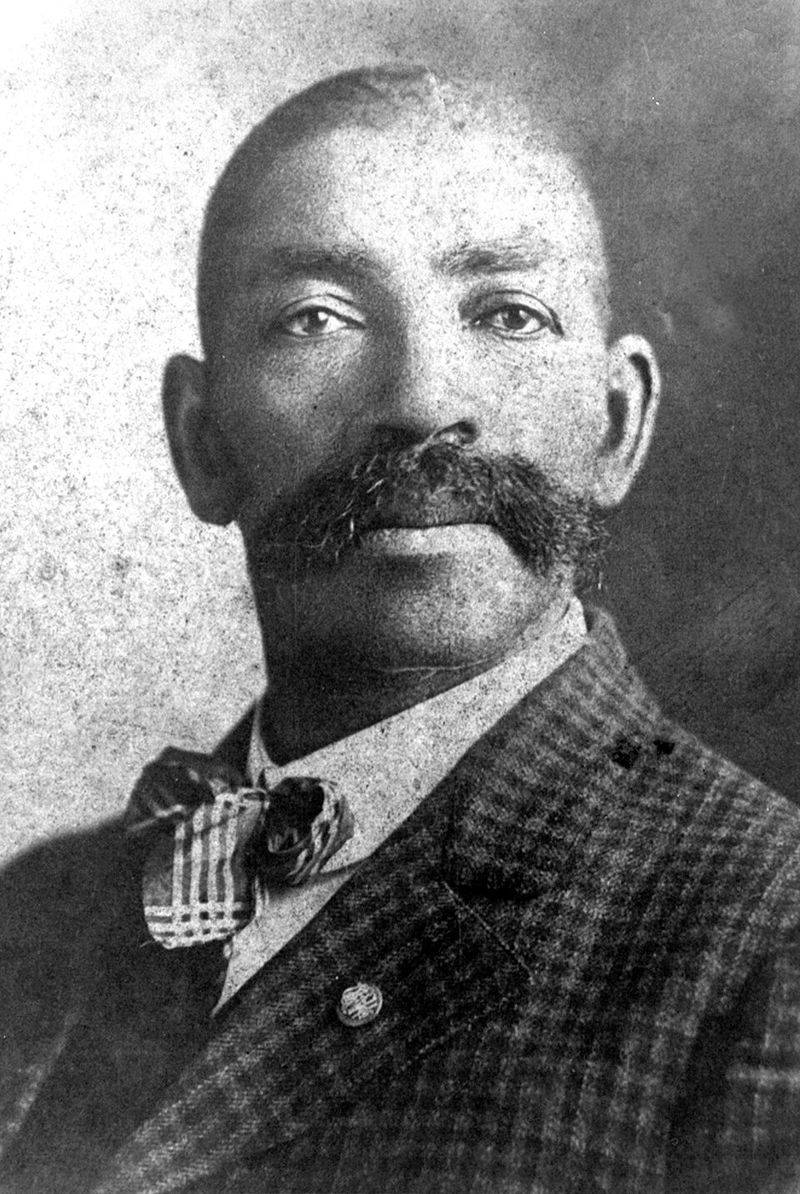
Born into slavery, Bass Reeves escaped during the Civil War and later became one of the most legendary lawmen in American history. He served as a deputy U.S. marshal in Indian Territory for over 30 years, bringing justice to a wild and dangerous frontier. His record speaks for itself: thousands of arrests and an incredible reputation for fairness.
Reeves was one of the first Black deputy marshals west of the Mississippi River. He spoke multiple Native American languages and used clever disguises to catch criminals. Stories say he never got shot despite countless dangerous encounters.
May 10 honors his appointment and reminds us that heroes came in all colors during the Old West. His dedication to justice deserves celebration.
3. Dr. Mary Edwards Walker (1832–1919)
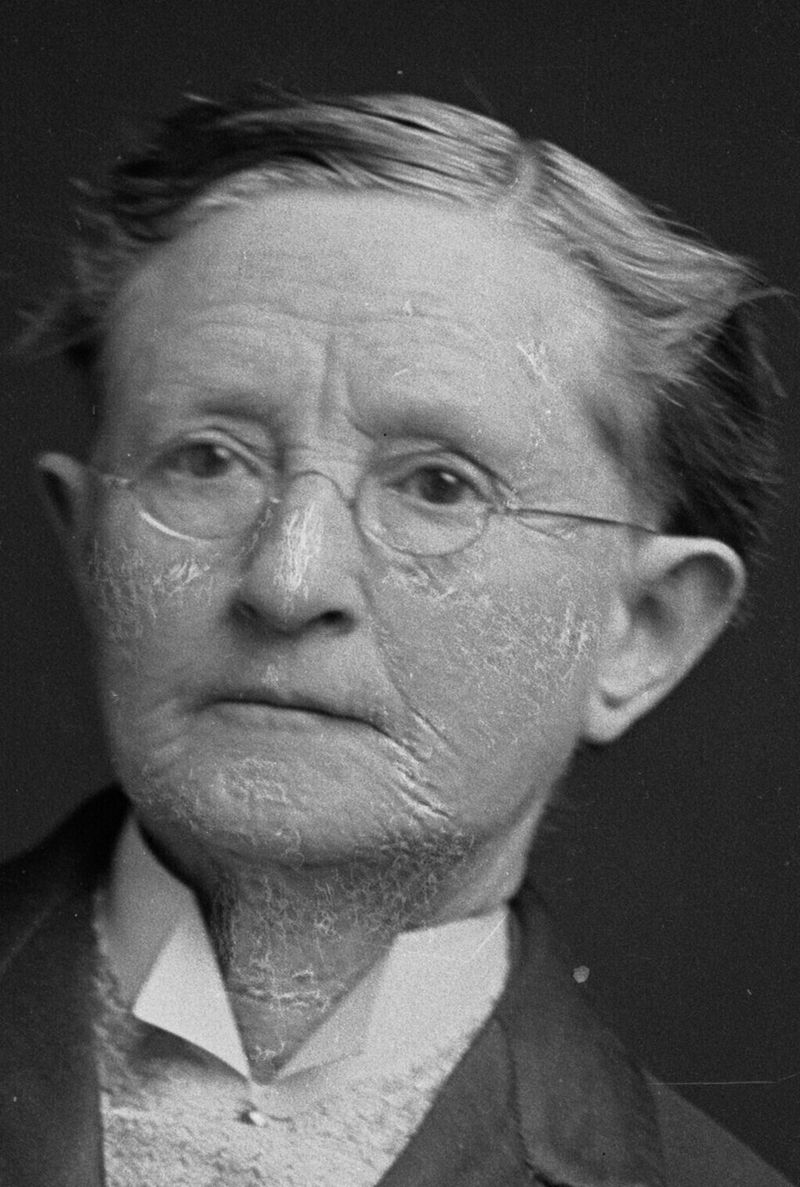
Imagine being the only woman in American history to receive the Medal of Honor. Dr. Mary Edwards Walker earned that distinction by serving as a surgeon during the Civil War, treating wounded soldiers on bloody battlefields. She crossed enemy lines to care for people, got captured, and spent months as a prisoner of war.
The government took away her medal in 1917, claiming she hadn’t served in combat. Her family fought for decades until President Jimmy Carter restored it in 1977. Walker also championed women’s rights and wore pants when society said women shouldn’t.
November 26, her birthday, should remind everyone that courage and skill matter more than gender. She broke barriers that seemed impossible to crack.
4. Harriet Quimby (1875–1912)
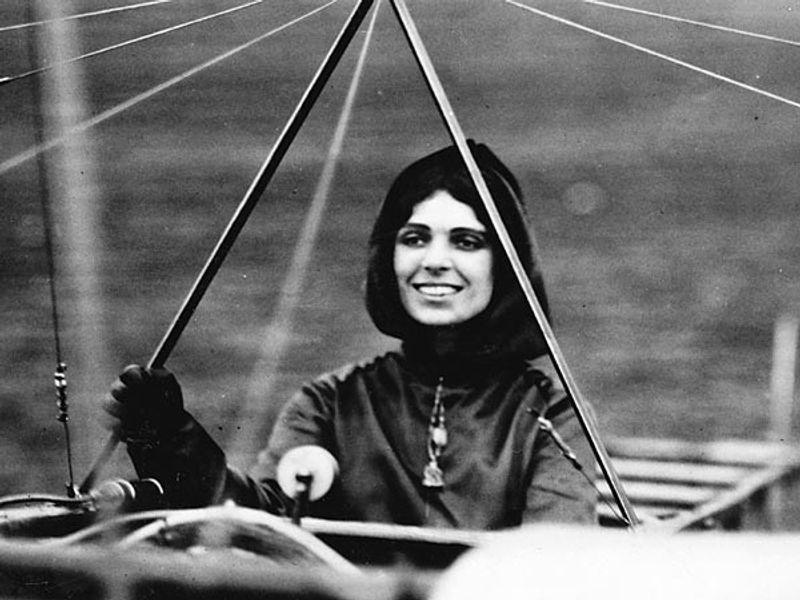
On August 1, 1911, Harriet Quimby became the first American woman to earn a pilot’s license. Flying was brand new and incredibly dangerous, but she didn’t let fear stop her. Less than a year later, she piloted her plane solo across the English Channel, becoming the first woman to accomplish that daring feat.
Newspapers barely covered her Channel crossing because the Titanic had just sunk days earlier. Still, her achievements inspired countless women to pursue careers in aviation. She wrote articles about flying and encouraged other women to take to the skies.
Tragically, she died in a flying accident just months after her Channel triumph. August 1 would honor her pioneering spirit and remind us that women have always belonged in the cockpit.
5. Fred Korematsu (1919–2005)
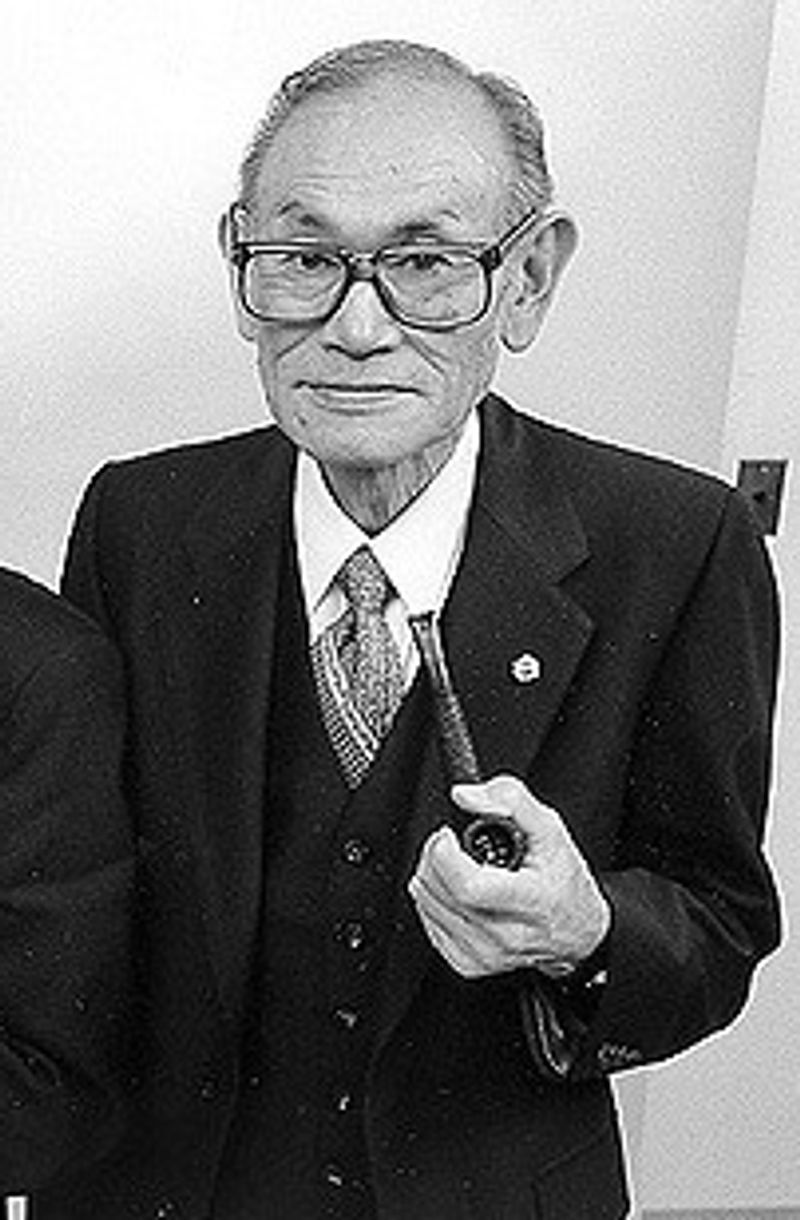
When the U.S. government ordered Japanese Americans into prison camps during World War II, Fred Korematsu refused to go. He believed the policy was wrong and violated the Constitution. His defiance led to arrest, and the Supreme Court ruled against him in 1944.
Decades later, legal scholars proved the government had lied to the Supreme Court about Japanese Americans being a security threat. Korematsu’s conviction was overturned in 1983. His case became a warning about what happens when fear overrides justice.
Some states already observe Korematsu Day on January 30. Everyone should join them in remembering that standing up to your own government sometimes takes the greatest courage of all. His fight protects all Americans today.
6. Frances Perkins (1880–1965)
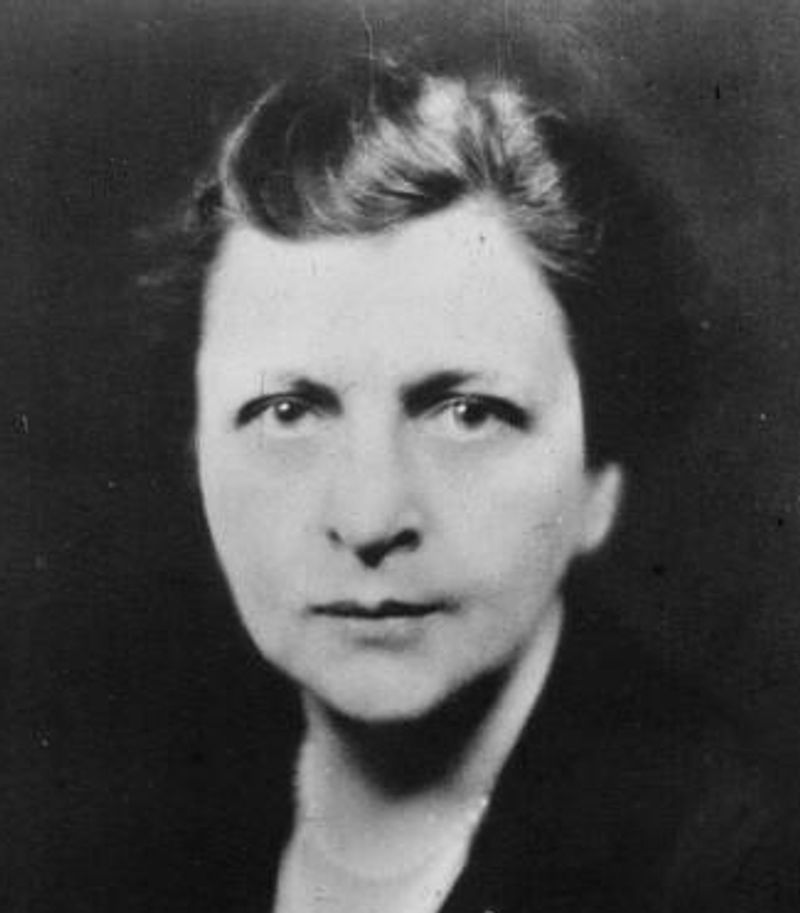
Frances Perkins changed American life more than almost anyone you’ve never heard of. As the first woman cabinet secretary, she served as Secretary of Labor under President Franklin D. Roosevelt from 1933 to 1945. She was the mastermind behind Social Security, minimum wage laws, the 40-hour work week, and bans on child labor.
Before Perkins, children worked in dangerous factories and adults had no retirement safety net. She witnessed the Triangle Shirtwaist Factory fire in 1911, which killed 146 workers, and dedicated her life to protecting working people. Her reforms created the middle class we know today.
March 4, the day she was sworn in, should be a national day of gratitude. Every weekend off and every Social Security check traces back to her vision and determination.
7. Dolores Huerta (b. 1930)
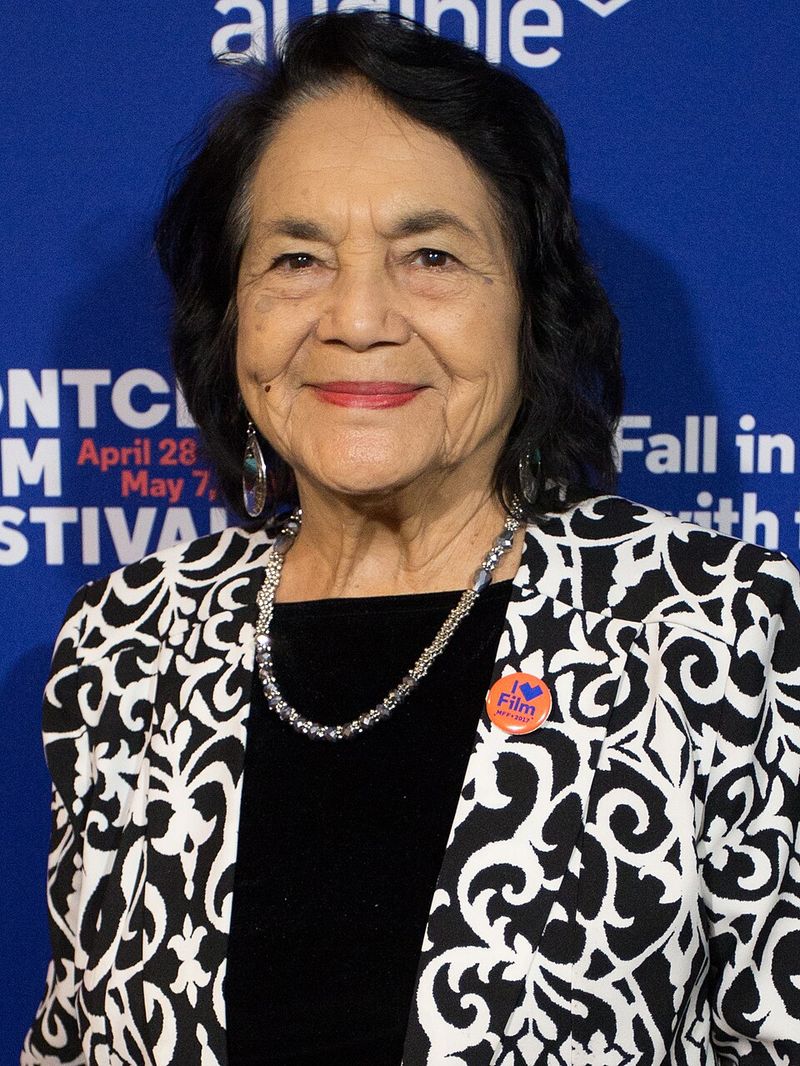
You’ve probably heard the phrase “Yes, we can.” Dolores Huerta created the original Spanish version: “Sí, se puede.” She co-founded the farm workers movement alongside César Chávez, organizing thousands of laborers who picked America’s fruits and vegetables for poverty wages. Her negotiating skills won better pay, safer conditions, and dignity for workers.
Huerta didn’t just fight for farm workers. She championed women’s rights, immigrant rights, and voting rights throughout her long life. Police once beat her so badly at a peaceful protest that she nearly died, but she recovered and kept organizing.
April 10, her birthday, deserves recognition. At over 90 years old, she still inspires activists everywhere. Her life proves that one determined person can create massive change.
8. Zitkála-Šá / Gertrude Simmons Bonnin (1876–1938)
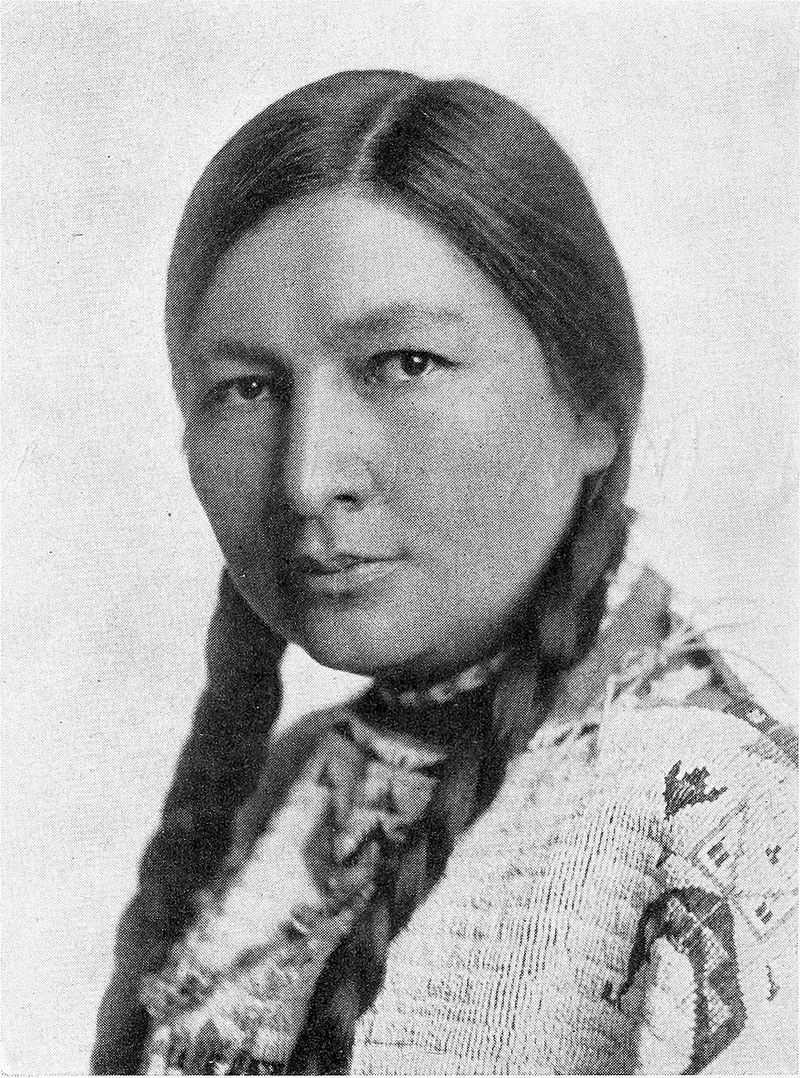
Zitkála-Šá was a Yankton Dakota writer, violinist, and activist who fought tirelessly for Native American rights. Forced into boarding schools as a child, where authorities tried to erase her culture, she later wrote powerful essays exposing the cruelty of those institutions. Her words opened many Americans’ eyes to injustices against Native people.
She co-founded the National Council of American Indians and lobbied Congress for citizenship and voting rights for Native Americans. Her efforts helped lead to the Indian Citizenship Act of 1924. She also collected traditional stories and composed an opera blending Native and European musical traditions.
February 22, her birthday, would honor her multifaceted legacy. She proved that Native people could excel in any field while staying true to their heritage and fighting for their communities.
9. Henrietta Lacks (1920–1951)
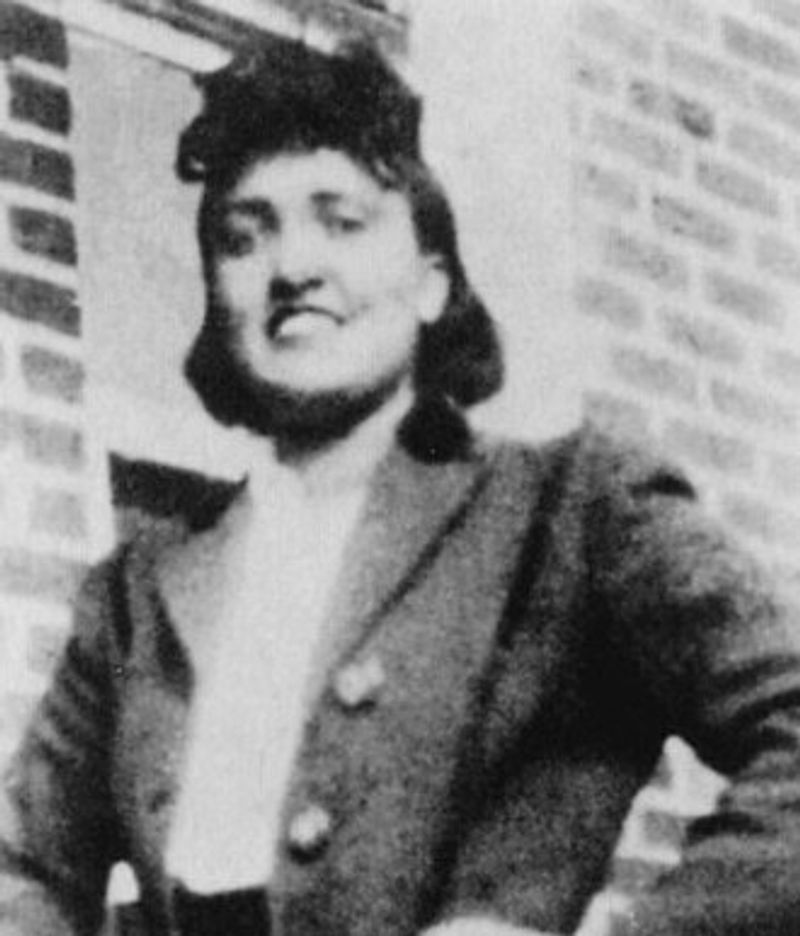
Henrietta Lacks died of cancer in 1951, but her cells are still alive today. Doctors took cells from her tumor without asking permission, and those cells became the first “immortal” human cell line, called HeLa. Scientists have used HeLa cells to develop the polio vaccine, cancer treatments, gene therapy, and countless other medical breakthroughs.
For decades, the Lacks family didn’t know that Henrietta’s cells were being bought and sold worldwide. Companies made millions while her children couldn’t afford healthcare. Her story raises important questions about medical ethics and who profits from scientific discoveries.
August 1, her birthday, should remind us to honor her contribution while demanding justice for her family. Medical progress matters, but so does respecting the people who make it possible.
10. Bessie Coleman (1892–1926)
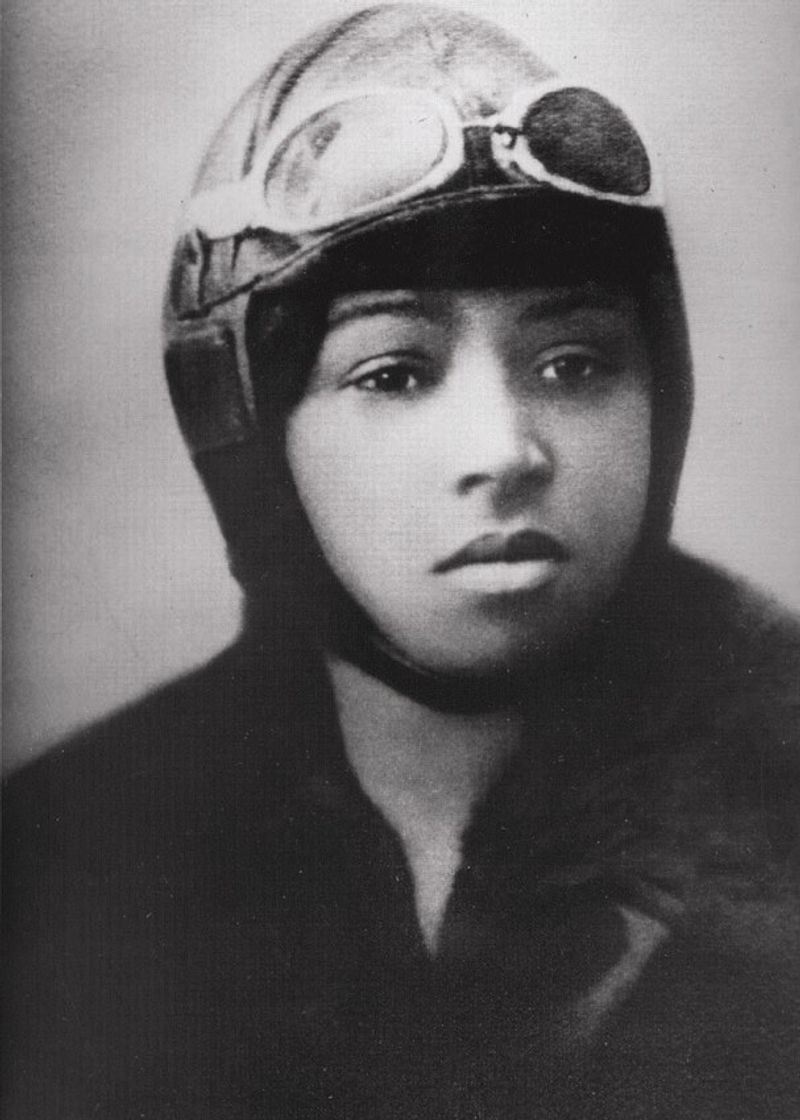
No American flight school would teach Bessie Coleman because she was Black and female. So she learned French, moved to France, and earned her international pilot’s license on June 15, 1921. She became the first Black woman and the first Native American woman to fly a plane.
Coleman returned to America and wowed crowds as a stunt pilot, performing daring aerial tricks at airshows. She refused to perform anywhere that segregated audiences, using her fame to fight racism. She dreamed of opening a flight school for Black students.
Tragically, she died in a plane crash during a practice flight in 1926, just 34 years old. June 15 would celebrate her determination to soar despite every obstacle society placed in her path. She inspired generations of aviators of color.
11. Dr. Charles R. Drew (1904–1950)
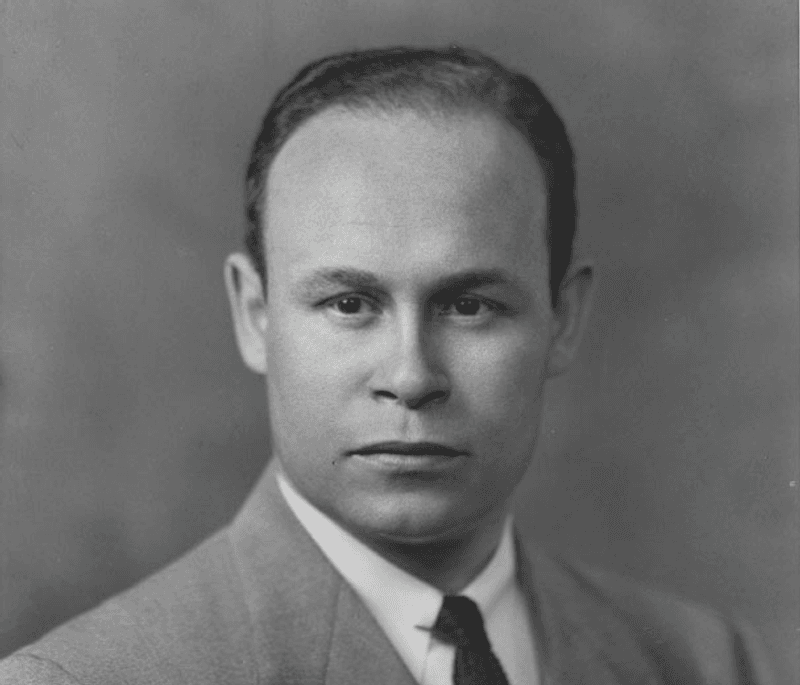
Dr. Charles Drew figured out how to store blood plasma for long periods, a discovery that saved countless soldiers during World War II. Before his work, blood spoiled quickly, making it hard to keep supplies ready for emergencies. His innovations led to the first large-scale blood banks.
Ironically, Drew faced racism even while revolutionizing medicine. The military initially refused to mix blood from Black and white donors, a policy with zero scientific basis. Drew spoke out against this segregation, knowing that blood type matters but skin color doesn’t.
He died in a car accident in 1950 at just 45 years old. June 3, his birthday, should honor his genius and remind us that prejudice harms everyone. Every blood donation today builds on his groundbreaking research.
12. Bayard Rustin (1912–1987)
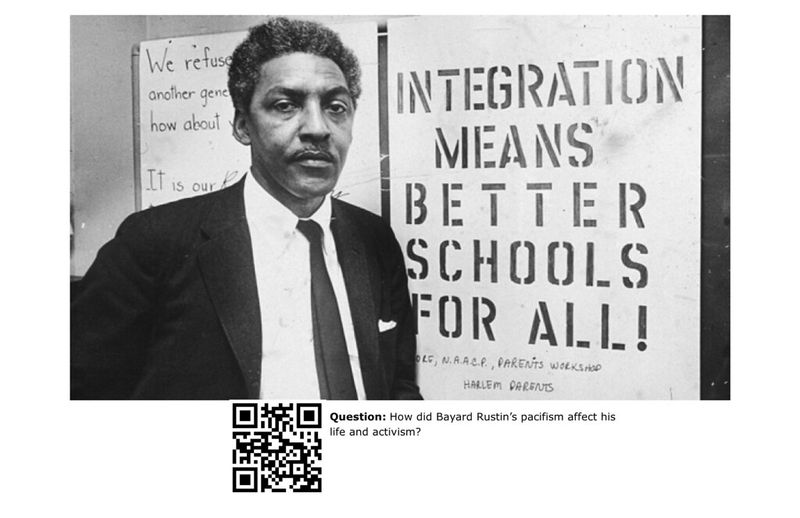
Bayard Rustin was the strategic genius who organized the 1963 March on Washington, where Dr. Martin Luther King Jr. delivered his famous “I Have a Dream” speech. Rustin planned every detail of that massive peaceful protest, bringing over 250,000 people to the nation’s capital without a single arrest.
He mentored King in nonviolent resistance tactics and advised the civil rights movement for decades. Yet Rustin often stayed in the shadows because he was openly gay at a time when that brought harsh discrimination. Some civil rights leaders worried his identity would hurt the movement.
August 28, the day of the March on Washington, should celebrate his brilliant organizing and unwavering principles. He fought for justice on multiple fronts and never compromised his values, even when others asked him to hide who he was.
13. Pauli Murray (1910–1985)
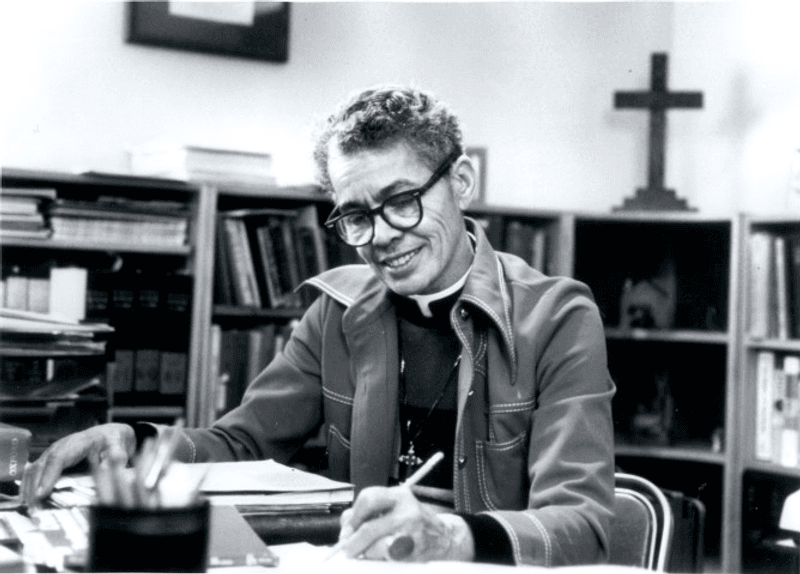
Pauli Murray’s brilliant legal mind shaped both the civil rights and women’s rights movements. She coined the term “Jane Crow” to describe how Black women faced double discrimination based on race and gender. Her writings influenced Thurgood Marshall’s arguments in Brown v. Board of Education and Ruth Bader Ginsburg’s work on gender equality.
Murray was also the first Black woman ordained as an Episcopal priest, breaking barriers in religion as well as law. She challenged segregation laws years before Rosa Parks, getting arrested for refusing to move to the back of a bus in 1940.
November 20, her birthday, deserves recognition for someone whose ideas changed America. She saw connections between different types of injustice and built legal frameworks that protect millions of people today. Her vision was decades ahead of her time.
14. Katherine Johnson (1918–2020)
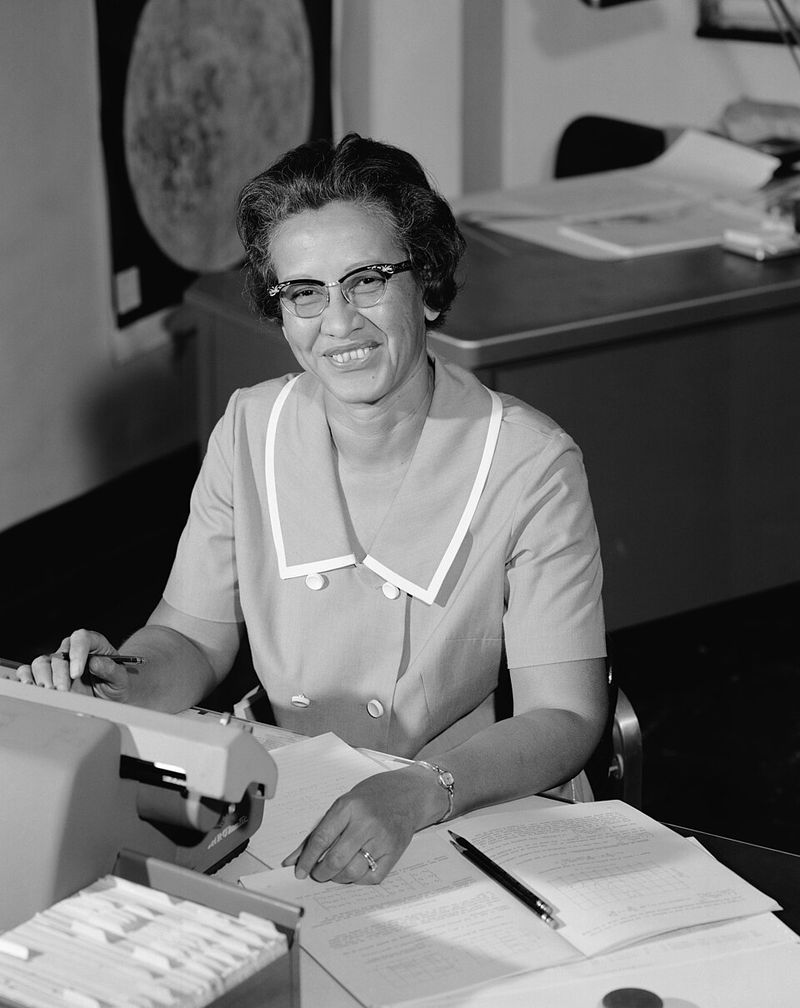
When astronaut John Glenn prepared to become the first American to orbit Earth on February 20, 1962, he refused to launch until Katherine Johnson personally checked the computer calculations. He trusted her math more than the new electronic computers. Johnson’s trajectory calculations were that good.
As a Black woman mathematician at NASA during segregation, Johnson faced discrimination but earned respect through her incredible accuracy. She calculated flight paths for the Mercury and Apollo missions, including the moon landing. Her work was essential to America’s space program success.
President Obama awarded her the Presidential Medal of Freedom in 2015, and the movie “Hidden Figures” finally brought her story to millions. February 20 would celebrate her genius and perseverance. She proved that talent and hard work can overcome even the highest barriers.
15. William H. Carney (1840–1908)
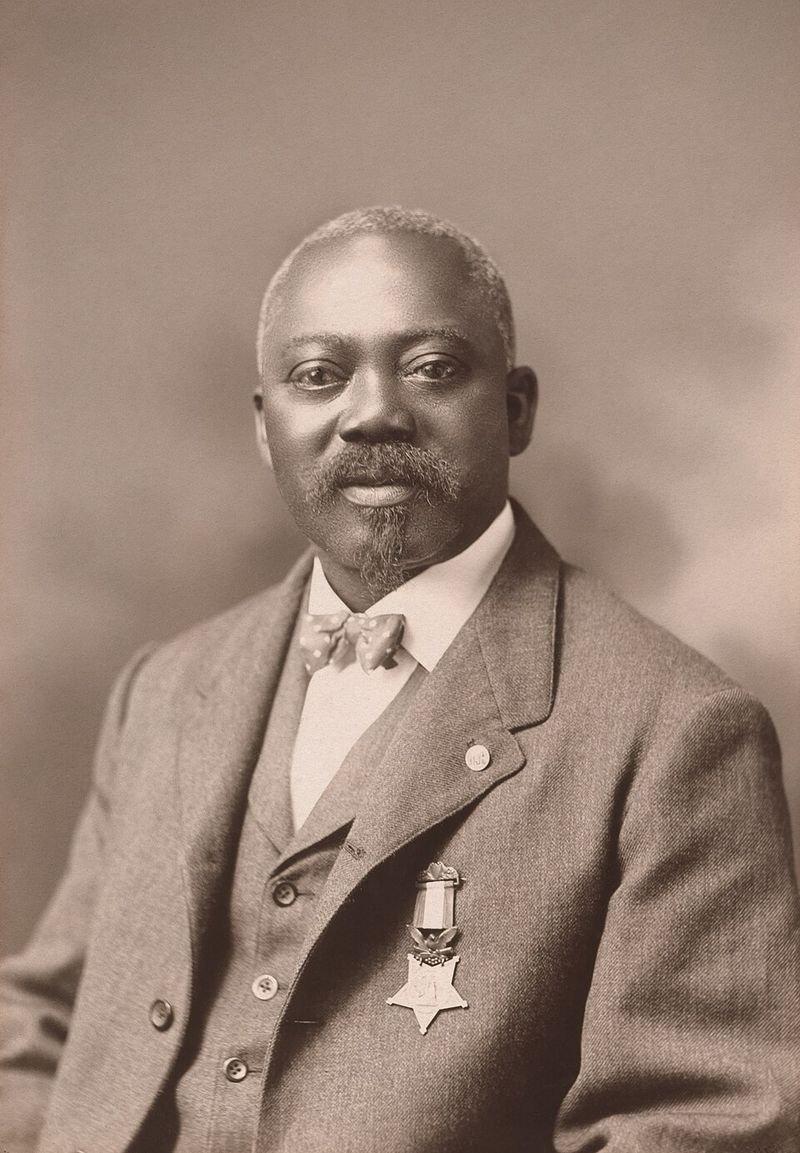
During the brutal Battle of Fort Wagner on July 18, 1863, Sergeant William Carney of the 54th Massachusetts Infantry saw the flag bearer fall. Despite being shot multiple times, Carney grabbed the American flag and prevented it from touching the ground. He crawled back to Union lines, still clutching the flag, and reportedly said, “Boys, the old flag never touched the ground.”
Carney became the first Black American to receive the Medal of Honor for his actions, though he didn’t receive it until 1900. His bravery at Fort Wagner symbolized the courage of the nearly 200,000 Black soldiers who fought for the Union.
July 18 would honor his sacrifice and remind Americans that Black soldiers fought heroically for freedom long before they received equal treatment. His story deserves to be as famous as any Civil War hero.
16. Dr. Frances Oldham Kelsey (1914–2015)
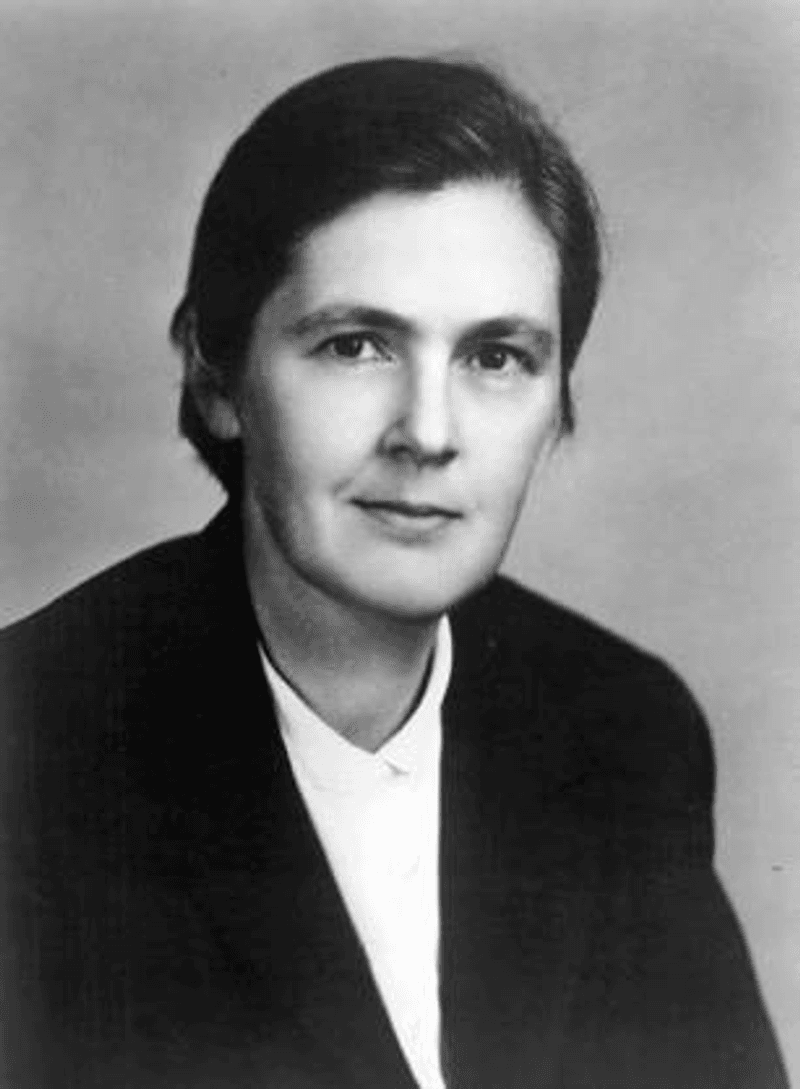
In 1960, Dr. Frances Oldham Kelsey was a new FDA reviewer when a drug company submitted thalidomide for approval. The company insisted the sleeping pill was perfectly safe, but Kelsey noticed the studies were incomplete. Despite enormous pressure, she refused to approve it.
Her stubbornness saved thousands of American babies. In Europe and other countries where thalidomide was approved, over 10,000 children were born with severe birth defects. Kelsey’s insistence on proper testing prevented that tragedy in the United States and led to stronger drug safety laws.
President Kennedy awarded her the President’s Award for Distinguished Federal Civilian Service on August 7, 1962. That date should remind everyone that saying “no” sometimes takes more courage than saying “yes.” One scientist’s integrity protected an entire generation of children.
Share this story