Some Christmas customs that once defined the season have quietly slipped into the past. You might recognize a few from family stories or old movies, and others will sound almost unbelievable today. As modern life sped up and technology changed how we celebrate, many heartfelt rituals faded from the calendar. Take a nostalgic tour through traditions Americans rarely follow anymore, and see which ones you might bring back in your own way.
1. Real Candles on Christmas Trees
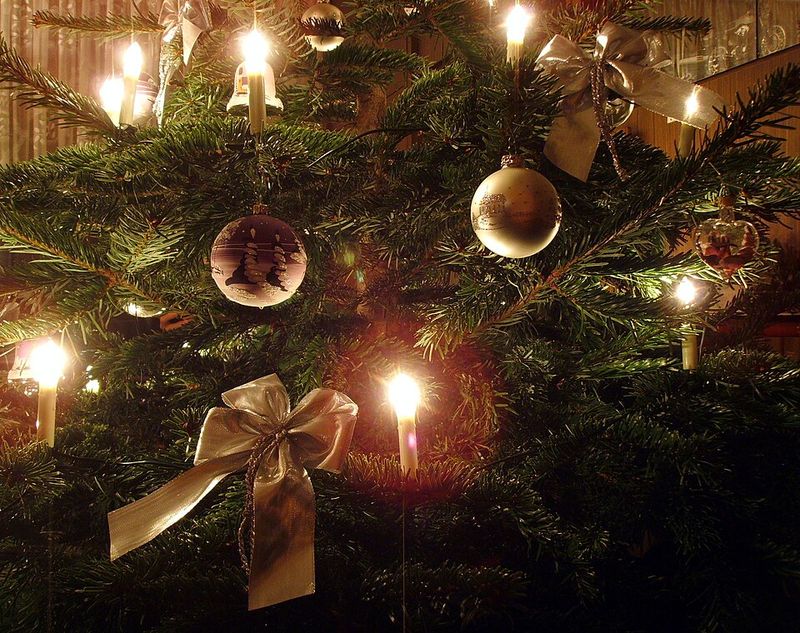
Picture a tree sparkling with real candlelight, each tiny flame clipped to a branch with metal holders. The room glows soft and golden, and shadows dance on the ceiling as everyone holds a careful breath. It feels magical, but you can also sense the risk that haunted earlier generations every December.
Back when electricity was new or unavailable, families relied on candles for that festive shimmer. They kept water buckets nearby and lit the tree only for short bursts, a ritual that required attention and courage. As house fires mounted, practicality won and electric lights took over.
Today, safety rules and common sense make this tradition a rarity. You still get the sparkle without the danger thanks to LEDs and smart timers. The romance remains, just packaged for peace of mind.
2. Christmas Cards for Everyone on Your Street
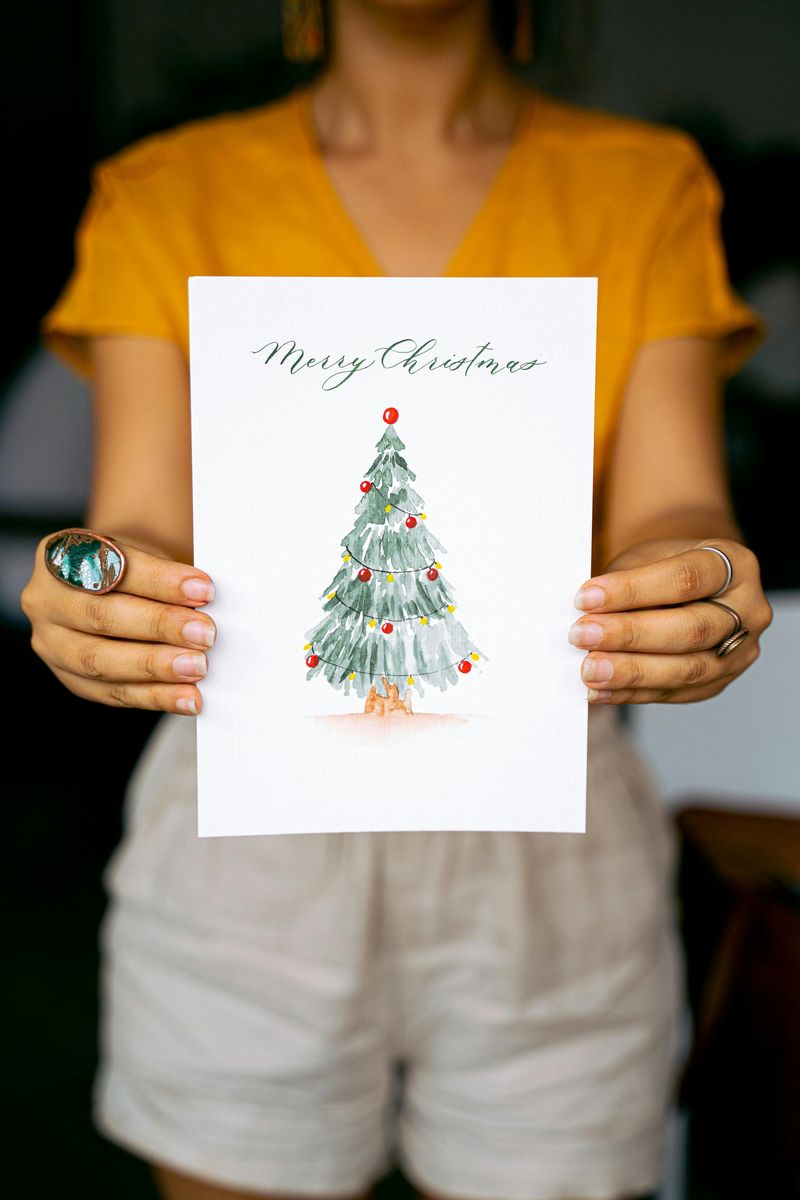
Imagine walking your block with a bundle of handwritten cards for neighbors, shopkeepers, and the mailman. The ritual turned streets into communities, every envelope a small nod of connection. You did not need a reason beyond simple goodwill and a stamp.
Postage hikes and crowded schedules slowly thinned those lists. With inboxes overflowing and social feeds buzzing, a quick message often replaced a card. The keepsake quality of paper could not compete with speed and cost.
Still, a thoughtful card stands out precisely because it is rare. If you send one to a neighbor, you might start a tiny revival on your street. It is a small gesture that can feel bigger than any viral post.
3. Cutting Down Your Own Christmas Tree
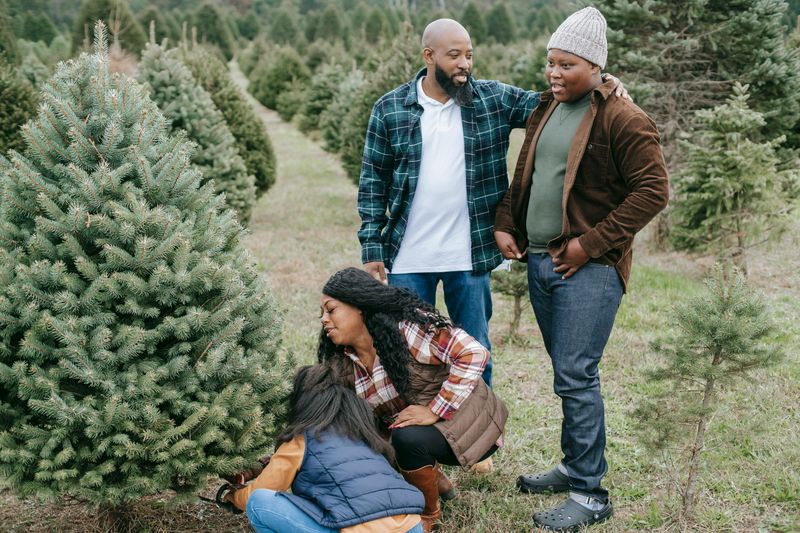
There was a time when finding a tree meant bundling up and heading into the woods. You would scout for the right shape, argue a bit, then take turns with the saw. The fresh pine scent hit hard the moment it fell.
As more people moved to cities and suburbs, forests were farther away and rules tightened. Tree lots and later artificial trees made the whole process simple. Convenience and consistency gradually won the holiday vote.
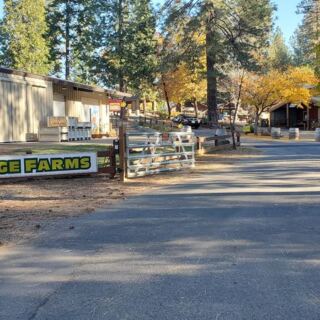
You can still visit cut your own farms if you want the experience without the guesswork. It turns a task into a memory, complete with cocoa and mittens. Few things beat the pride of bringing home a tree you chose yourself.
4. Christmas Goose Instead of Turkey or Ham
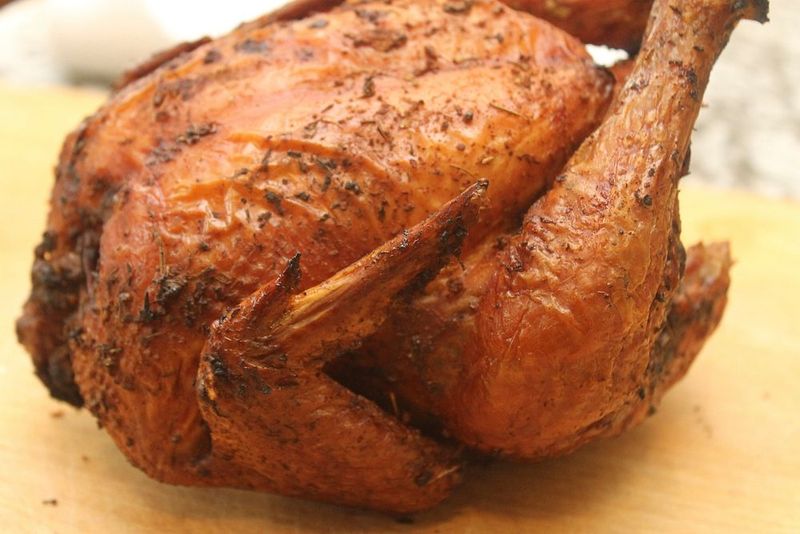
Before turkey took the throne, goose ruled many holiday tables. The meat is rich, the skin crisps beautifully, and the presentation feels grand. If your heritage leans English or German, your ancestors likely savored it.
By mid century, turkey muscled in with size, value, and easier farming. Supermarkets stocked it widely, and recipes spread fast in magazines. Ham joined the rotation as a no fuss crowd pleaser.
You can still bring goose back for a special twist. It is pricier and needs a bit of know how, but the flavor rewards the effort. Serving one might turn your dinner into a story everyone retells.
5. Putting Oranges in Christmas Stockings

Once upon a time, an orange was a winter treasure. Before refrigeration and global shipping made fruit common, a single bright citrus felt like sunshine. Kids would find one nestled in the stocking toe and know they were lucky.
As markets changed, oranges showed up year round and lost their rarity. The symbol of health and fortune faded into nostalgia. Candy canes and gadgets crowded the space where fruit once starred.
Still, tucking an orange in a stocking can add old school charm. It costs little and carries a rich story about simple abundance. You might even spark a conversation about gratitude over breakfast.
6. Sending Children Door to Door Caroling Alone
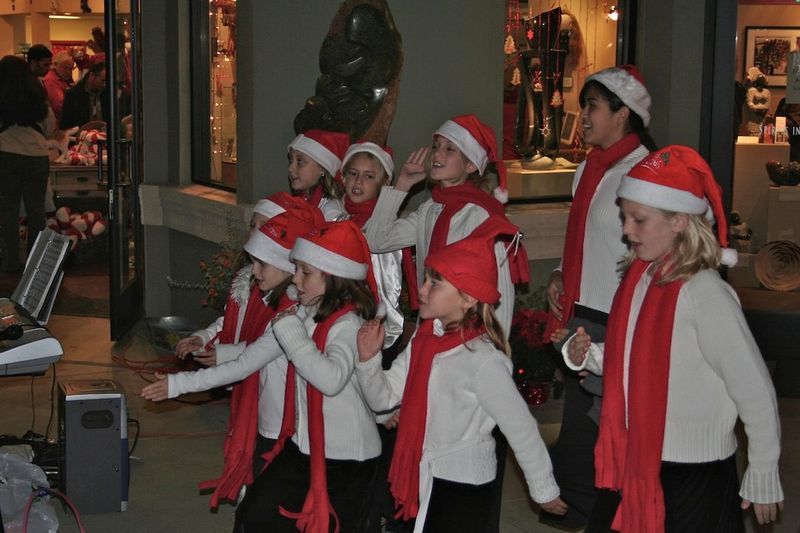
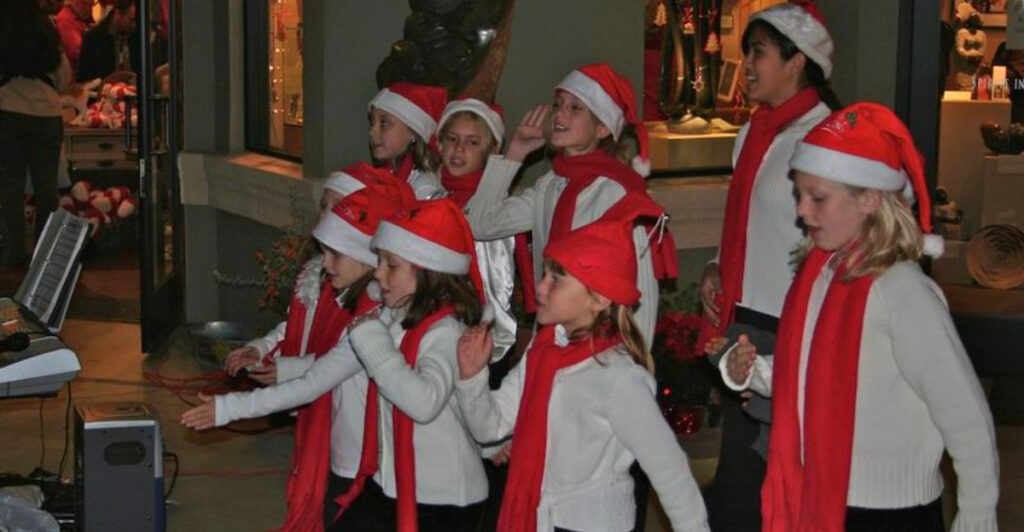
There was a period when kids bundled up and roamed the block singing. Doors opened, coins clinked, and cookies appeared on plates. The world felt small, familiar, and safe enough for little voices after dark.
Today, most parents prefer group events or supervised choirs. Traffic, safety concerns, and changing neighborhood ties shifted the norm. The spontaneous charm gave way to scheduled performances in brighter spaces.
If you miss it, gather friends and make it community style. Coordinate with a few houses and bring thermoses for warmth. You get the music and the magic without the worry.
7. The Christmas Belsnickel
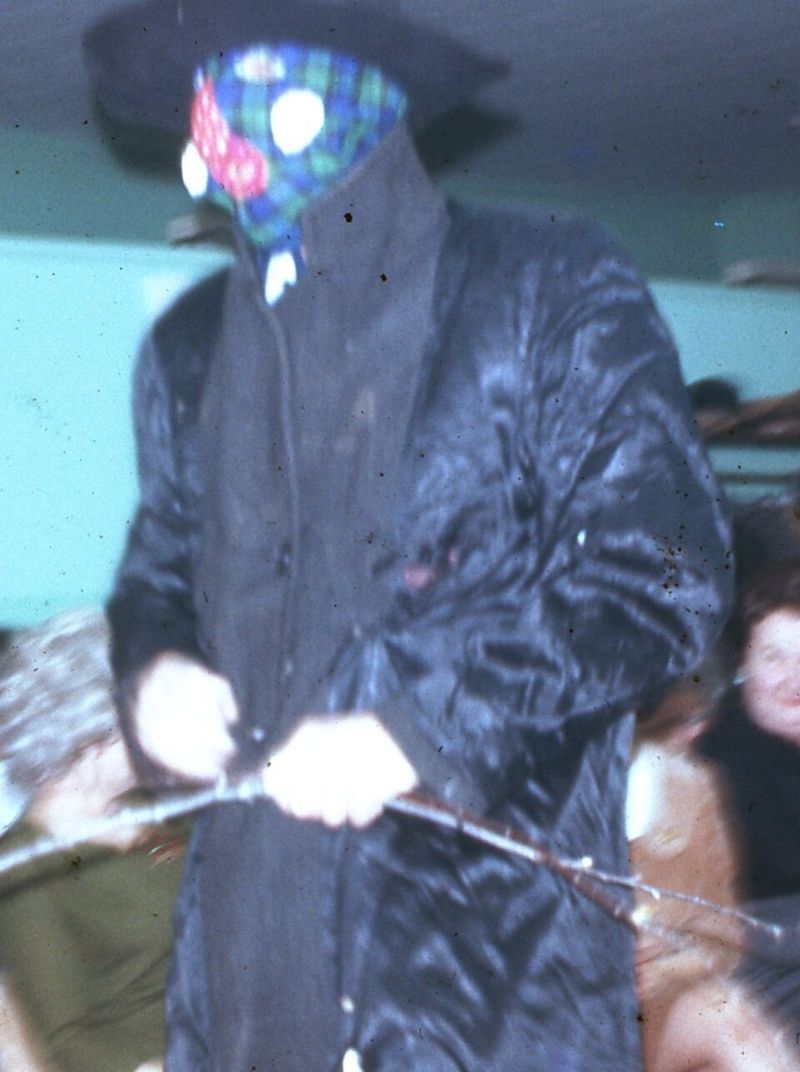
Before Santa dominated, some communities expected the Belsnickel. Cloaked in furs and a bit fearsome, he praised the good and scolded the naughty. The visit felt part morality tale, part holiday thrill.
As mid century America embraced a gentler Santa, the Belsnickel faded. Shopping malls and cartoons cemented the red suit as the standard. The rough edged folk figure stepped aside for something more marketable.
Still, festivals in Pennsylvania keep the legend alive with pageantry. If you love folklore, you can share the story around the tree. It adds texture to a season often smoothed by brand new traditions.
8. Big Christmas Eve Community Parades

Many towns once saved their big parade for the night before Christmas. Streets filled with brass bands, floats, and last minute cheer. You could finish shopping, wave at neighbors, and feel the countdown hit.
Over time, logistics pushed parades earlier into December. Police overtime, travel plans, and busy calendars made Christmas Eve tough. Some places dropped the event entirely as costs rose.
If your town still hosts one, bundle up and enjoy the glow. If not, a smaller block procession can capture the spirit. A few lights and a drumline can go a long way.
9. Telling Ghost Stories at Christmas
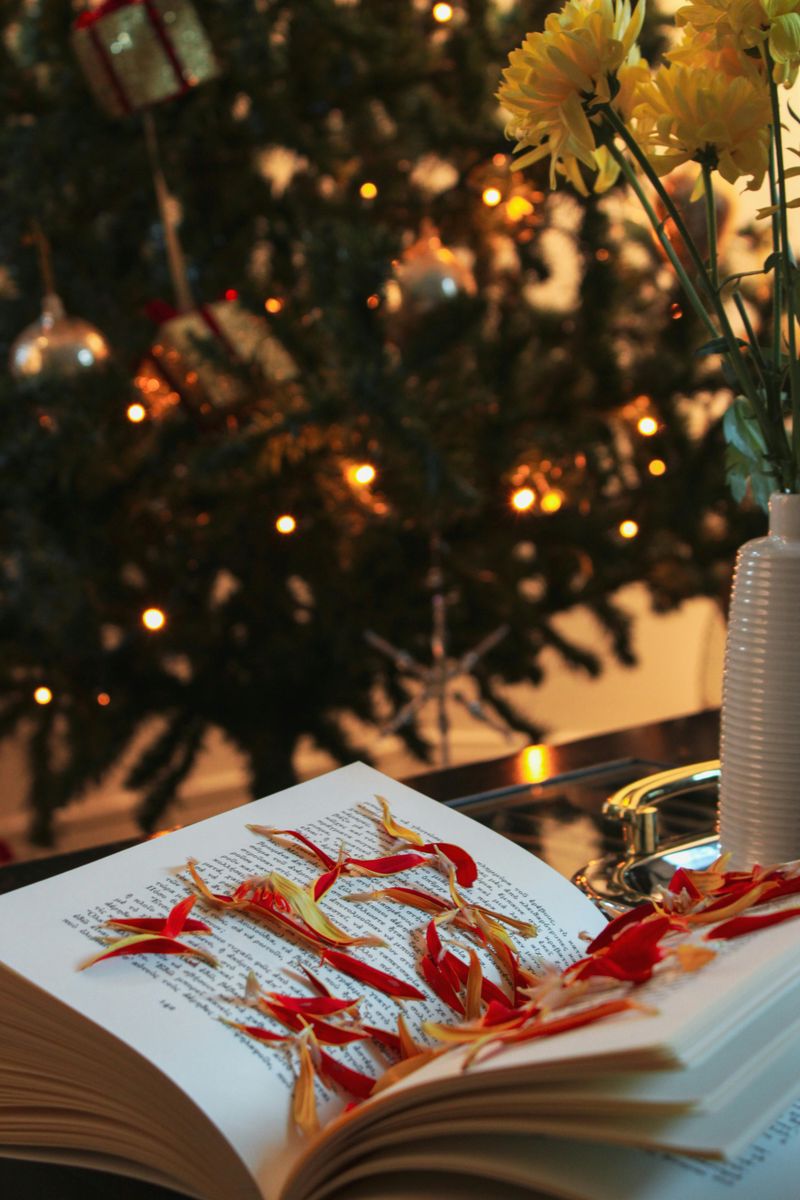
Once upon a winter night, people told ghost tales at Christmas. Long dark evenings and crackling fires set the scene perfectly. You probably know the most famous one from Dickens.
As the holiday took a brighter, family friendly tone, the scares faded out. Television specials and children focused traditions filled the gap. The season shifted toward comfort over chills.
There is room for a comeback with age appropriate lore. Try a spooky short story before cocoa and carols. It keeps the old ambience without spoiling the joy.
10. Midnight Church Processions
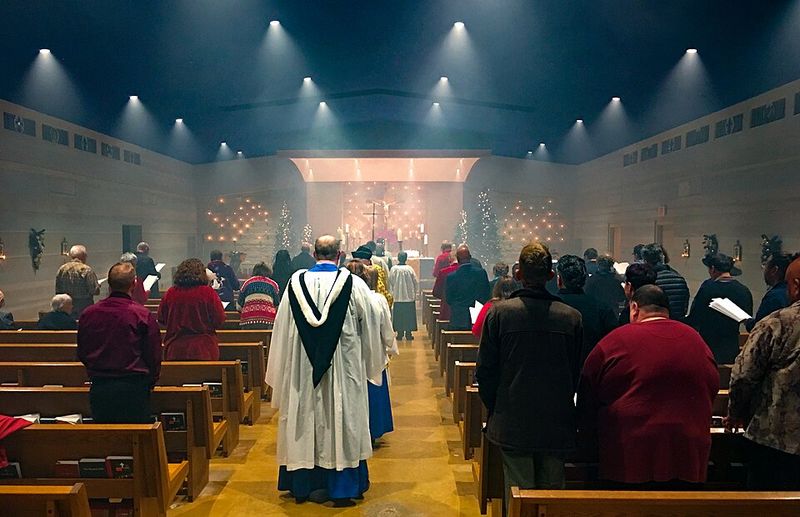
Midnight once meant movement, not just a service. Parishioners processed by candlelight, voices rising as they circled the church. The hush of winter made every step feel sacred.
Concerns about safety and travel slowly dimmed those rituals. Attendance dipped, and schedules shifted earlier to accommodate families. Many congregations simplified to a single late service.
If your church offers one, you will feel the difference at first note. The night air, the candles, the slow pacing change the mind. Even a short procession can turn routine into reverence.
11. Elaborate Handmade Ornaments
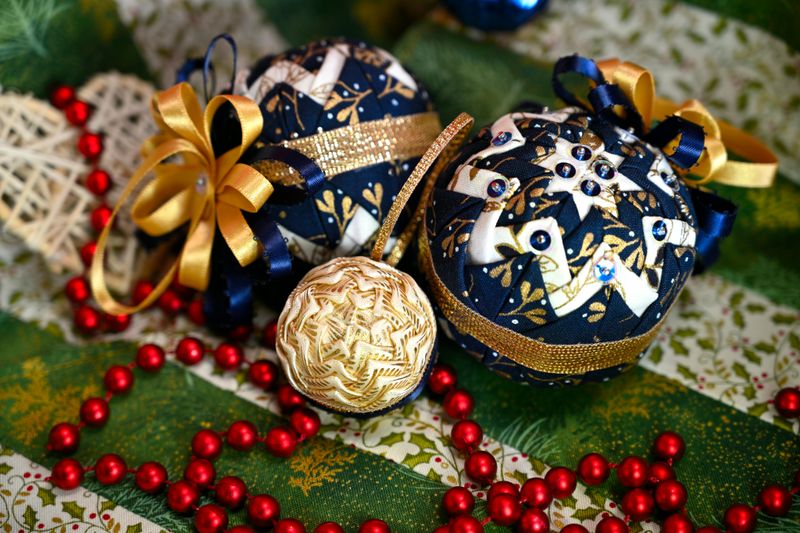
Before stores overflowed with shiny baubles, families made their own. Paper chains, tin cutouts, and dried citrus turned into miniature art. Each piece carried fingerprints and tiny imperfections that felt human.
Mass production in the 1950s changed the tree completely. Affordable sets promised sparkle and symmetry with zero mess. Convenience edged out the long evenings of crafting together.
You can still gather friends and revive the joy. Put on music, slice oranges, and let the house smell amazing. The tree will tell your story in a way no box can.
12. Christmas Dance Balls
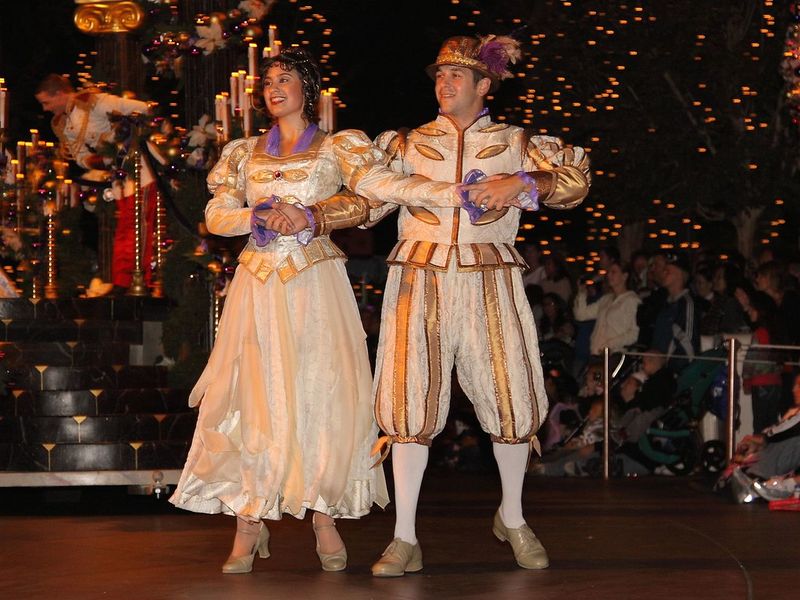
There was a season when tickets to a Christmas ball felt essential. Live bands, glittering floors, and dress codes set the mood. You would dance until late and toast the year ahead.
After the war, nightlife scattered into clubs, house parties, and concerts. Formal events seemed fussy, and costs climbed. The calendar shifted toward casual gatherings with easier logistics.
If you crave glamour, host a mini version with a playlist and dress theme. A rented hall or living room can transform for a night. Sometimes the ritual matters more than the venue.
13. Burning a Yule Log for Days

The original Yule log was no quick blaze. Families fed a massive log for days, keeping watch and sharing stories. The fire felt like a heartbeat that carried everyone through the dark.
Modern fireplaces shrank, and central heating took over. Long burns became impractical and sometimes illegal. What survived was the idea rather than the practice.
Now you can channel the vibe with a smaller log or even a video. The symbolism remains warmth, continuity, and welcome. It is a tradition you can scale to your life without losing meaning.
14. Christmas Savings Clubs at Banks
Long before apps, people joined Christmas Clubs at local banks. You would deposit small amounts all year and cash out in December. It turned discipline into a holiday safety net.
As credit cards and online tools expanded, the clubs lost ground. Interest rates and fees made them less attractive. People preferred flexibility and digital tracking over a locked account.
If budgeting feels slippery, you can recreate the habit with automation. Set a transfer and forget it until the first frost hits. Old wisdom still works, just with a modern dashboard.
15. Opening the House to Drop In Guests

There was an era when you could leave the door ajar and expect company. Neighbors popped in for punch, cookies, and easy talk. The season ran on spontaneity as much as schedules.
Today, privacy norms and locked doors shape daily life. People juggle calendars, commutes, and screen time that competes with visits. Hospitality shifted toward planned invites and tidy houses.
You can still capture the warmth with a set open house hour. Text the block, put on a pot of cider, and keep it simple. The welcome matters more than perfect timing or decor.
Share this story