 Unearth The Voyage
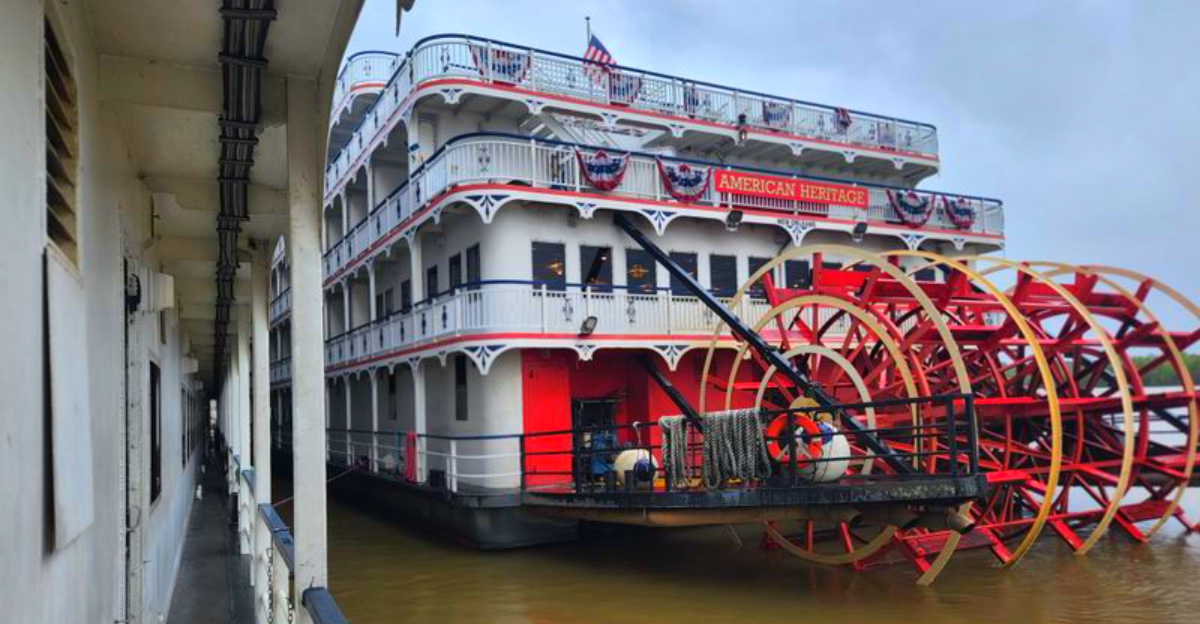
Most rivers take centuries to wander, but the Mississippi once pulled a vanishing act that left people speechless. In 1876, during a monster flood, it sliced a shortcut and abandoned Vicksburg overnight, turning a roaring waterfront into silence. You can still stand where steamboats once docked and feel the eerie calm of a river that moved on. If hidden history and Southern river towns call your name, Vicksburg belongs on your list.
1. Visit Vicksburg – the Town the Mississippi River Once Abandoned Overnight
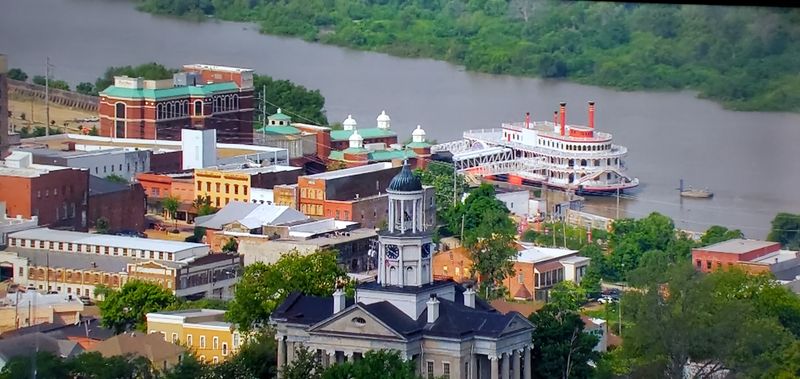
Walk the brick streets where steamboats once whistled and imagine waking up to find the waterfront gone. In April 1876, the Mississippi burst across DeSoto Peninsula and left Vicksburg high and dry. Locals called it overnight because the change felt instant, and the impact on daily life was shocking.
Historic markers at the Old Vicksburg Waterfront Site show where the main channel once flowed. The Riverfront Murals narrate the city’s boom, siege, and sudden isolation. Stop at Catfish Row Art Park for photos and river breezes, then trace the vanished edge with your own footsteps.
2. Walk the Old River Route – Now a Quiet Lake Instead of a Mighty Current
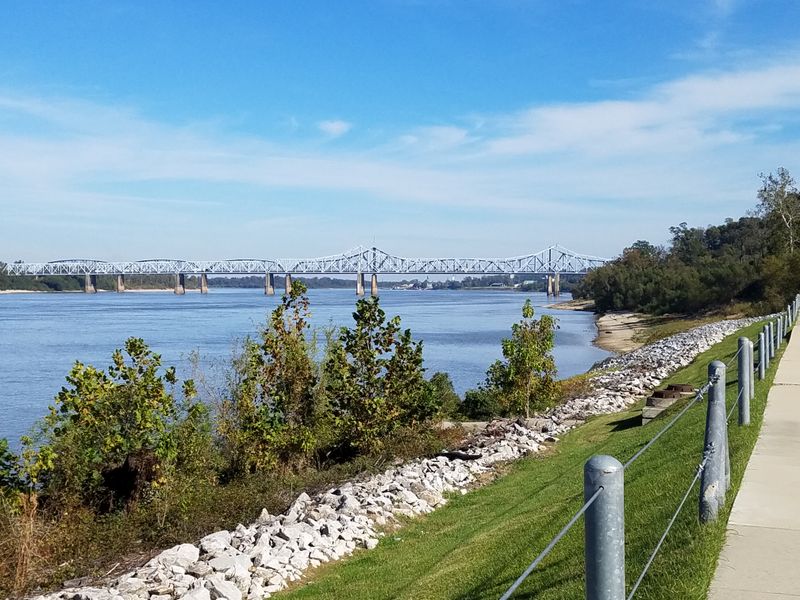
What used to be the Mississippi’s thundering highway is now peaceful water you can stroll beside. Locals call it the old channel, a living exhibit of river science you can see without squinting at a map. The contrast hits you immediately, calm reflections replacing churning current.
Bring a camera at sunrise or sunset for pink skies and glassy surfaces. Watch for herons, turtles, and the occasional otter sliding through reeds. If you kayak, you can glide the ghost of a former main stem where cargo once thundered past.
3. Explore Vicksburg National Military Park – History, Views, and Rolling Hills
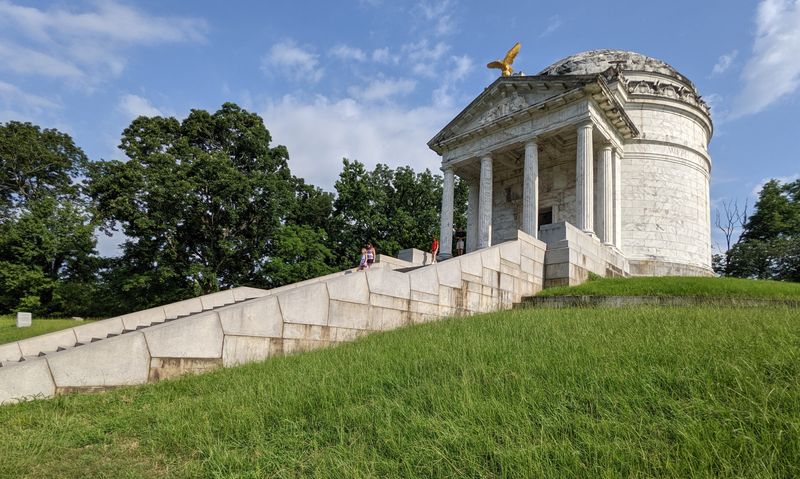
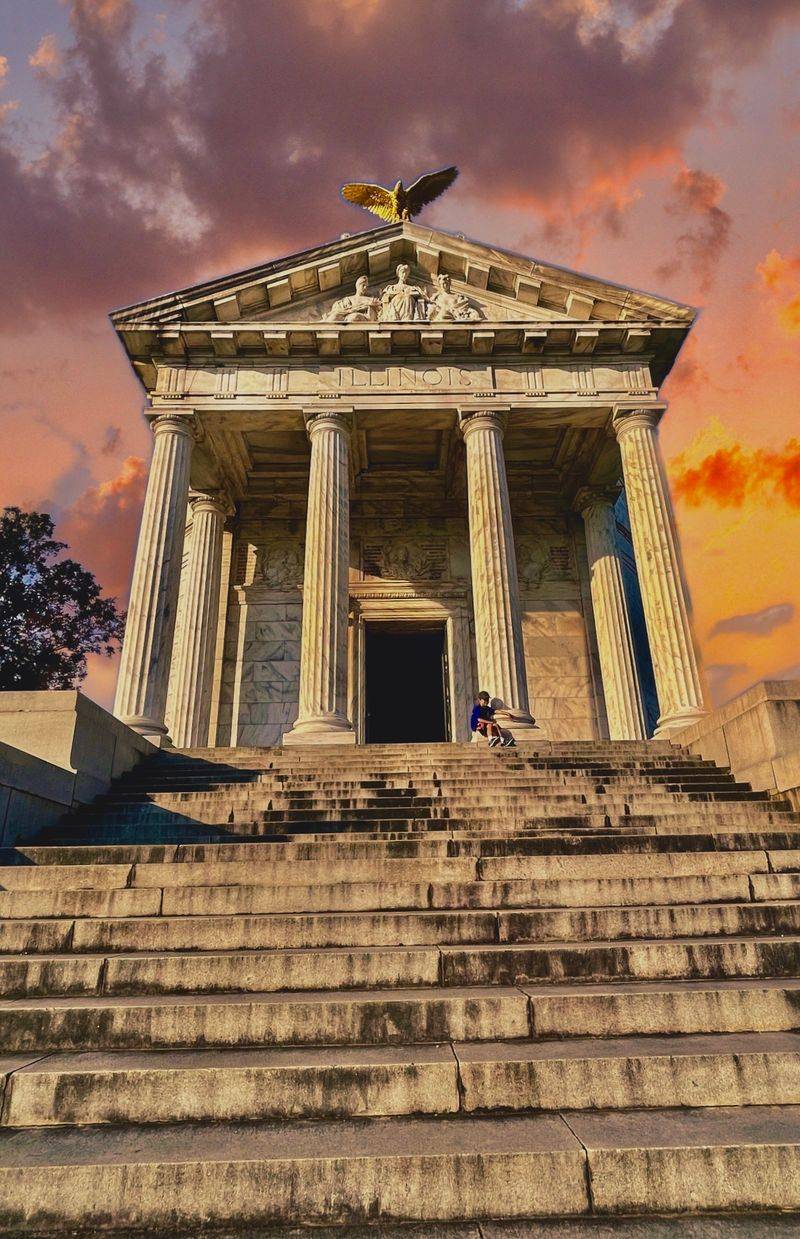
You might come for the river story, but the park’s sweeping hills and solemn monuments keep you exploring. Scenic overlooks frame the modern Mississippi so you can compare its current path to the lost channel. The Illinois Memorial and cemetery vistas are prime spots for photos and reflection.
Drive or bike the loop to pair Civil War history with river geography. Rangers explain how the bluffs shaped both battles and commerce. Bring water, good shoes, and time to linger at the lookouts.
4. Visit the Museums That Tell the Full Story – From Floods to Engineering Marvels
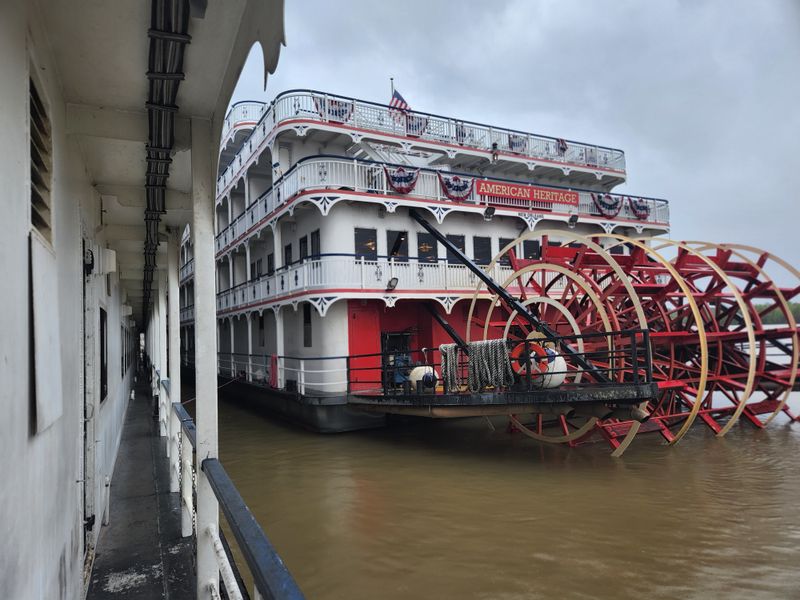
Start at the Lower Mississippi River Museum for a hands-on look at floods, levees, and a riverboat you can board. The giant watershed model makes the 1876 jump make sense in minutes. Catfish Row Museum layers in culture, music, and the people who rode this river to fortune.
Then head to the Old Courthouse Museum for maps, steamboat artifacts, and bluff-top views. You will see how commerce boomed, stalled, and adapted after the channel moved. It is the clearest crash course on why the Mississippi never sits still.
5. See the Old River Control Structure – the System Preventing Another Sudden Jump
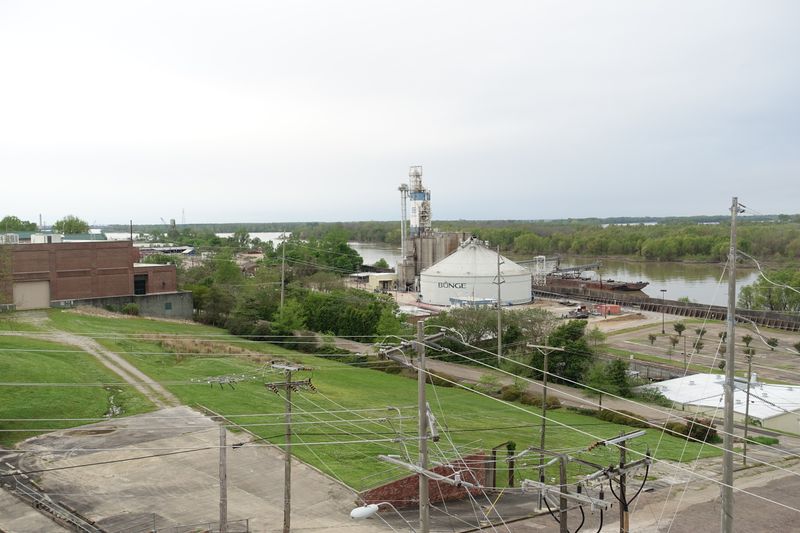
South of Vicksburg, engineers manage the Mississippi’s split with the Atchafalaya. The Old River Control Structure keeps the main stem from bolting west and rerouting commerce. Without it, New Orleans and Baton Rouge would face a very different future.
There is a public viewing area and signage that explains the 1973 near disaster. You will come away understanding how modern levees and gates tame a restless giant. It is not pretty in a postcard way, but it is unforgettable infrastructure.
6. Enjoy Vicksburg’s Food, River Views, and Laid-Back Southern Charm
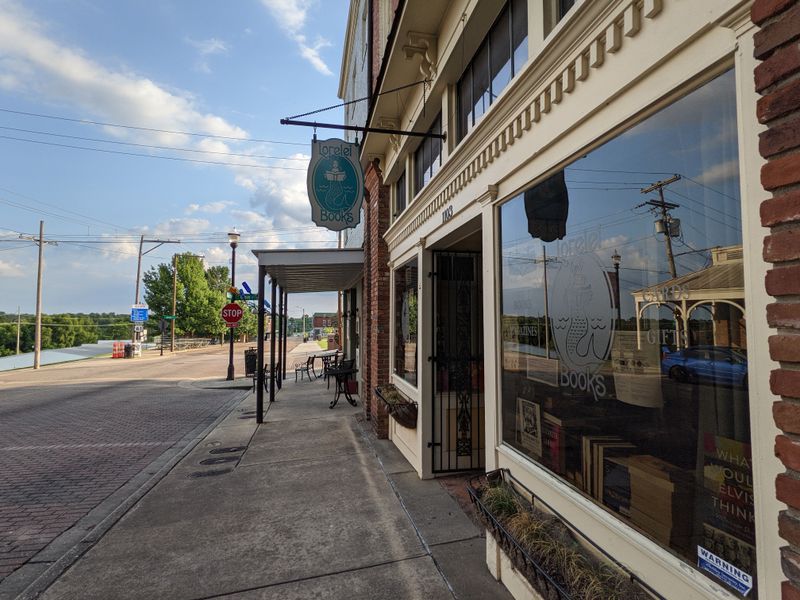
Between museums and overlooks, refuel with classic Mississippi flavors. The Tomato Place serves quirky produce shakes and comfort plates that hit the spot. Walnut Hills is beloved for fried chicken and round table service that feels like Sunday.
At sunset, 10 South Rooftop pairs skyline views with a glowing river horizon. Chat with locals about flood seasons and fishing holes. The slow pace makes a weekend feel longer in the best way.
7. Best Time to Visit: Spring and Fall for Water Drama and Easy Strolls
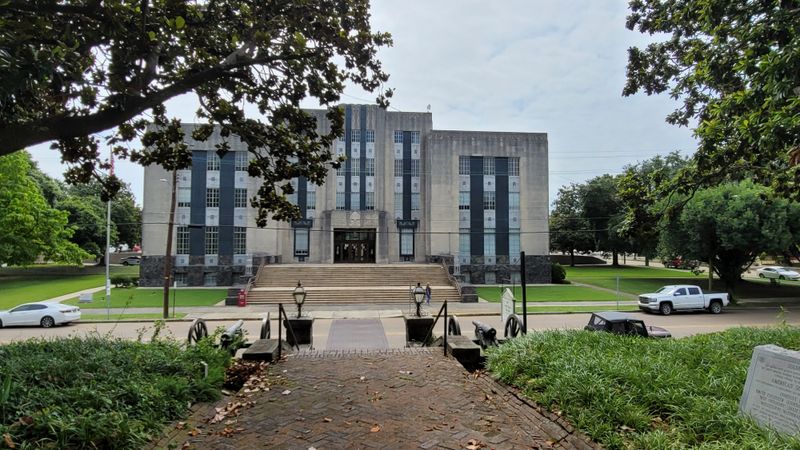
Spring brings high water, fast clouds, and big-sky photo drama. Trails and overlooks are lively without summer heat. In fall, the river often calms and the air turns crisp, perfect for long walks and mural hopping.
Pack layers and check river stages if you want those moody shots. Crowds stay manageable, so you can linger at exhibits and viewpoints. Winter can be quiet, while summer heat rewards early starts.
8. Walk the Vicksburg Riverfront Murals – A Timeline in Color
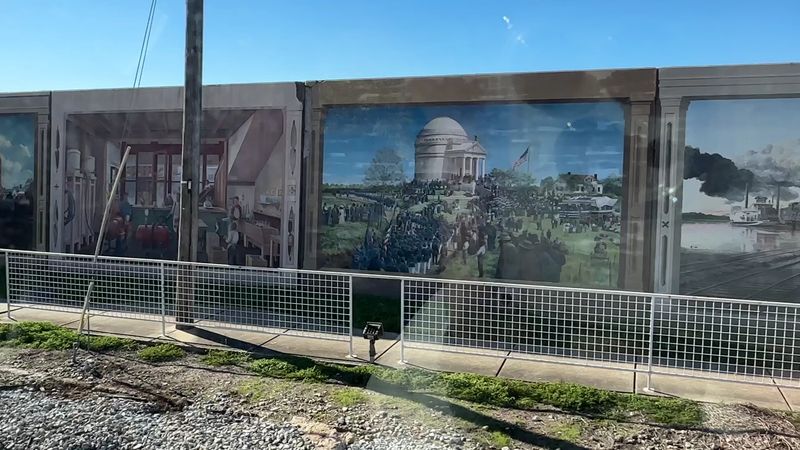
Along Levee Street, 32 massive panels turn history into an open-air gallery. You will trace Indigenous roots, steamboat glitz, the Civil War siege, and the 1876 jump in one walk. It is easy to follow and perfect for families and solo travelers alike.
Golden hour makes the colors sing while towboats hum in the distance. Bring a wide lens for full panels and a prime for details. It is the most photogenic crash course in town.
9. Take a Riverboat-Style Tour – Modern Boats, Classic Mississippi Views
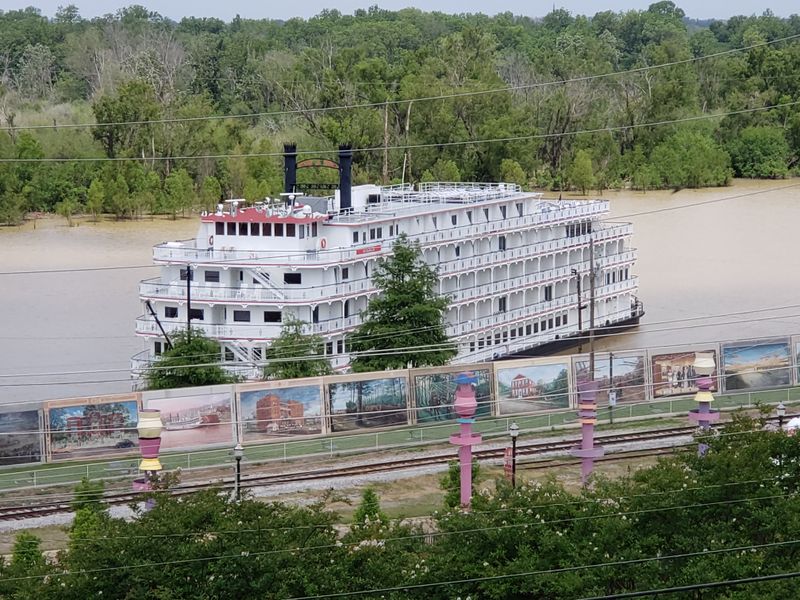
Even though the main channel shifted, you are minutes from modern river overlooks and boat outings. Guides point out levees, revetments, and cutoffs that sculpt today’s flow. You will hear how another Atchafalaya capture could reshape the coast.
Expect big skies, towboats churning, and pelicans gliding low. It is part storytelling, part field lesson in hydrology. Dress for wind and bring binoculars for barge traffic and birds.
10. Drive the Great River Road – Bluff Views and Backroad Magic
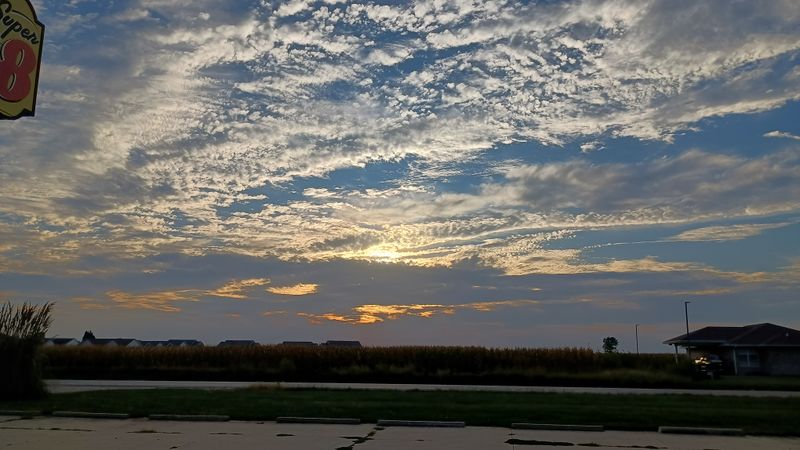
Vicksburg anchors a gorgeous stretch of the Great River Road through Mississippi and Louisiana. Expect cypress swamps, Spanish moss, and quiet pullouts with sweeping vistas. It is the long, meandering way to feel the river’s scale.
Pair overlooks with small museums and local diners. Road-trippers love stitching history stops between wildlife refuges. Keep a flexible plan and follow the water where it leads.
11. Explore the Old Courthouse Museum – Maps, Artifacts, and Bluff-Top Views
Perched above the former channel, the Old Courthouse ties the story together. Inside, you will find antebellum artifacts, siege relics, and steamboat memorabilia. Historic maps show the river before and after the 1876 cutoff.
Step outside for one of the best photo angles in town. The Greek Revival silhouette and distant water make a classic frame. It is a quick walk from downtown cafes and murals.
12. Make a Day Trip to Natchez – Pair Two Bluff Towns for One Epic Loop
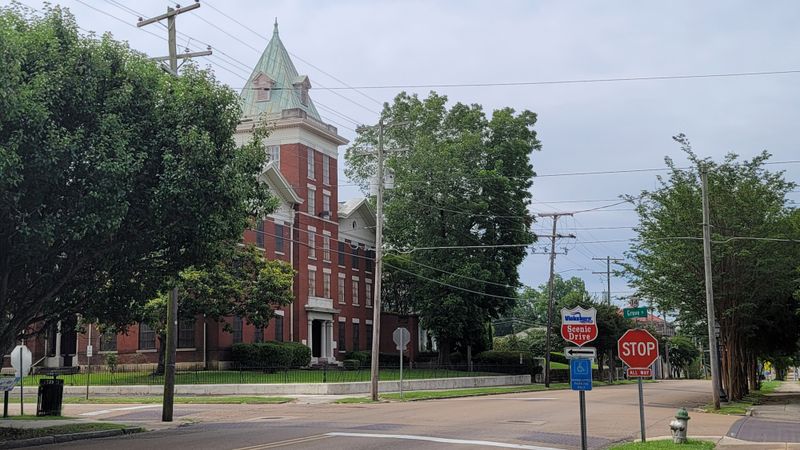
About 75 minutes south, Natchez adds grand homes and sweeping river bluffs to your itinerary. The drive links two cities shaped by the same restless water. Seeing both makes the 1876 jump feel bigger and more human.
Return to Vicksburg for dinner and murals at dusk. It is an easy two to three day loop that blends architecture, food, and river lore. You will head home with a fuller picture of the Mississippi’s power.



