Road trips sound romantic until reality kicks in with sketchy highways, sudden checkpoints, and neighborhoods where a wrong turn can change everything. If you are planning to rent a car and explore, some places really are better navigated with a guide, a group, or a trusted local driver. Safety can shift quickly, and what felt fine in daylight might feel very different after dark. Use this list to plan smarter, minimize risk, and keep the adventure without the avoidable scares.
1. Guerrero, Mexico
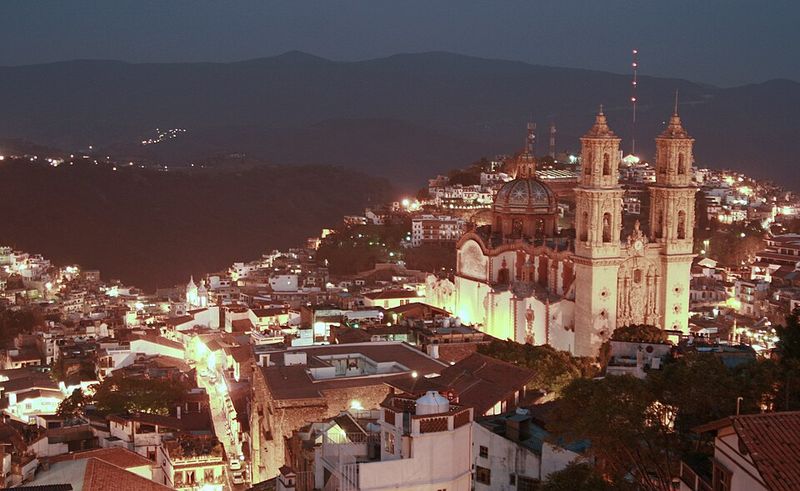
Guerrero offers stunning coastline and mountain towns, but organized crime can make highways unpredictable. Carjackings and illegal checkpoints sometimes appear without warning, especially at night or on less traveled routes. If you must drive, do it in daylight and stick to toll roads where possible.
Travel with a local driver or reputable tour company to reduce risk and avoid getting lost. Keep doors locked at traffic lights and do not display valuables. Always check current advisories and ask hotel staff which routes are safest that day.
2. Michoacan, Mexico
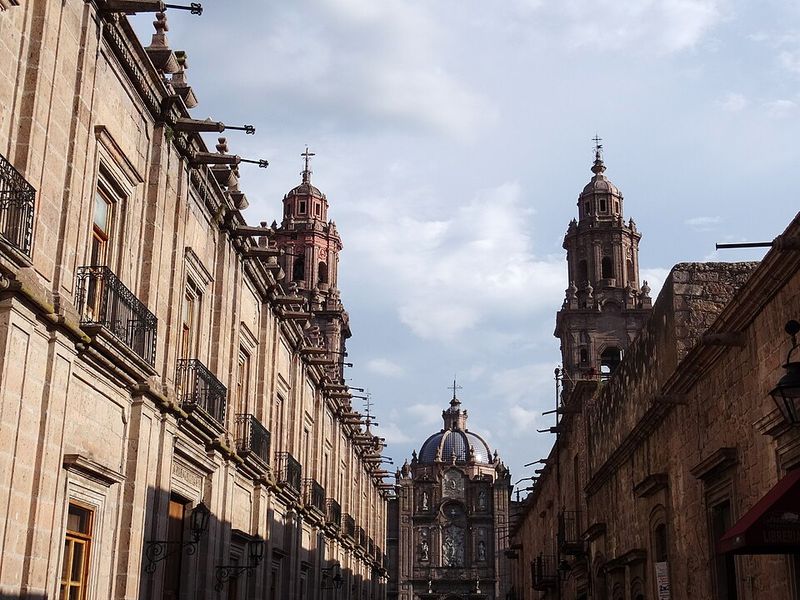
Michoacan is famous for monarch butterflies and artisan towns, yet some rural corridors see organized crime activity. Unmarked checkpoints and cargo thefts are reported on secondary roads, especially after dusk. Travelers should avoid solo driving and plan routes with local guidance.
Use main toll roads, leave early, and keep fuel topped up to avoid unscheduled stops. Navigation apps can send you down isolated shortcuts, so verify directions with your hotel. Consider hiring a licensed driver for visits to remote sanctuaries and markets.
3. Johannesburg, South Africa
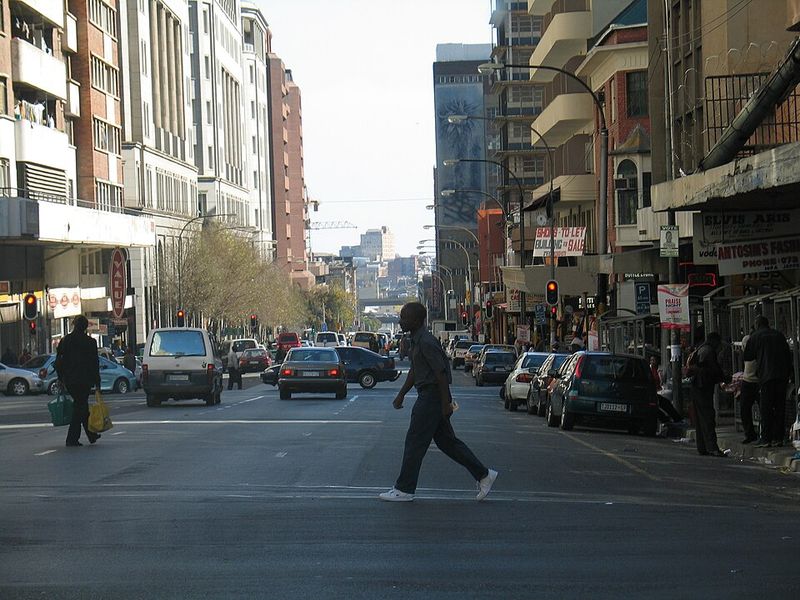
Johannesburg has vibrant neighborhoods but also a reputation for carjackings at intersections and off-ramps. Solo drivers can be targeted when stopping at lights or following navigation into unfamiliar suburbs. Plan routes that use major arteries, and avoid driving after dark when possible.
Keep windows up, doors locked, and leave space to maneuver at stops. If lost, head to a secure petrol station or mall parking area to recalibrate. Rideshares or vetted transfers are often safer for night movements.
4. Cape Town High-Crime Hotspots, South Africa
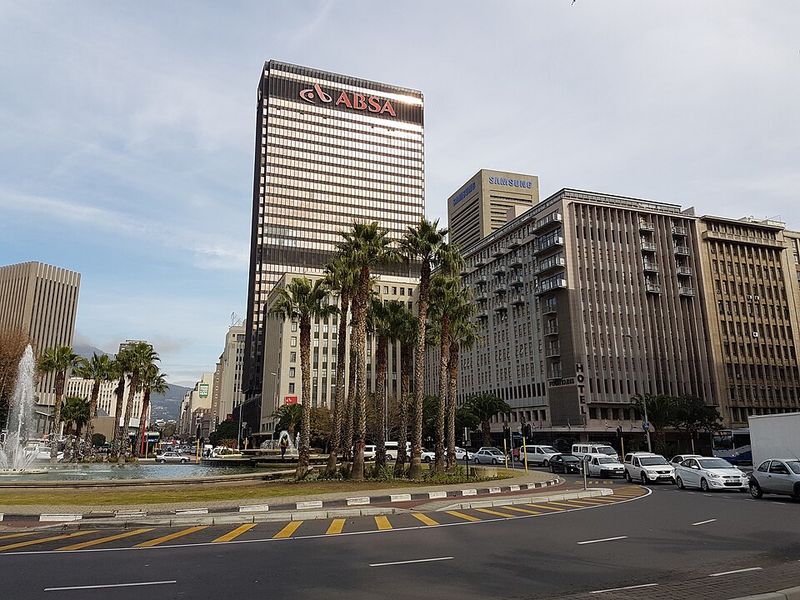
Cape Town mixes scenic drives with pockets where opportunistic crime spikes, especially near certain township edges and isolated viewpoints. Break-ins and smash-and-grabs can happen at traffic lights or trailhead parking. Avoid leaving anything visible inside the vehicle.
Stick to well used routes, drive in daylight, and park where there is visible security. If you plan to explore viewpoints, go with a guide or a small group. Locals can advise which roads to skip on that particular day.
5. Jammu and Kashmir, India
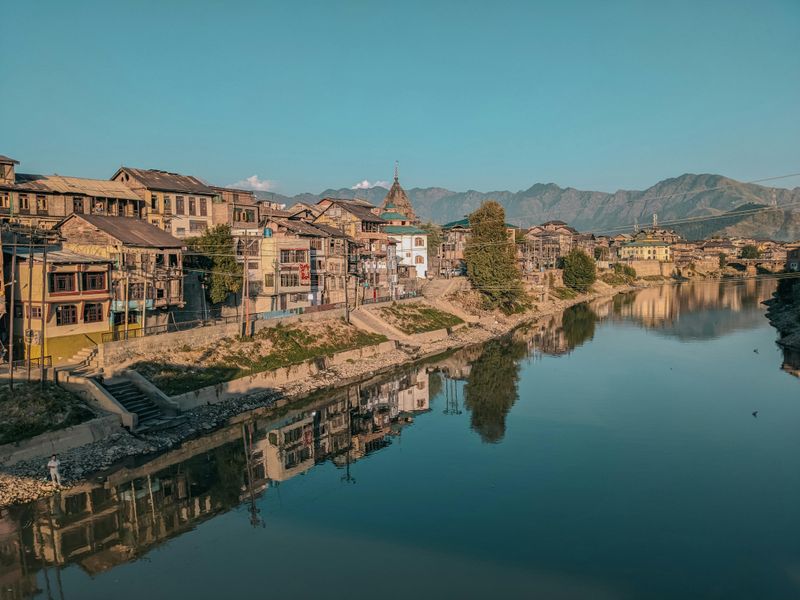
In Jammu and Kashmir, security operations and occasional disruptions can affect road travel. Checkpoints and short notice closures may reroute you through unfamiliar areas. Solo drivers risk getting stuck without local context or guidance.
Travel with a reputable operator who understands current conditions and can adjust quickly. Daylight driving and official convoys on certain stretches increase safety. Always carry identification and follow instructions at security posts.
6. Rural Colombia Border Corridors
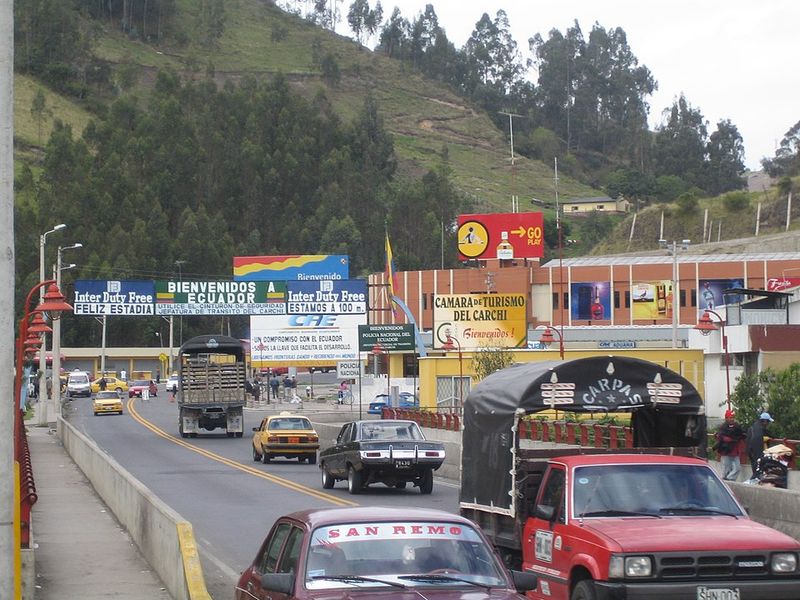
Colombia has transformed, yet some rural border zones remain sensitive due to illicit trafficking routes. Poor connectivity and long stretches without services amplify the risk if something goes wrong. Solo drivers stand out and can become targets for theft.
Stick to major highways in daylight and consult locals about roadblocks or protests. Consider flights or buses for long cross country moves, then hire drivers for day trips. Keep plans flexible in case conditions change.
7. Mindanao, Philippines
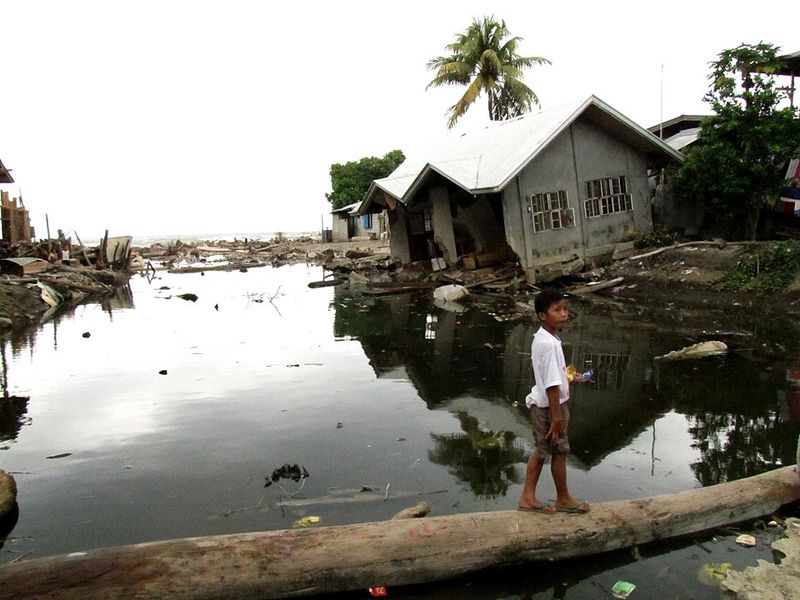
Mindanao has beautiful landscapes and welcoming communities, but parts of the island experience insurgent activity. Road conditions vary, and isolated sections can be risky for solo travelers. Government advisories frequently recommend avoiding unnecessary road travel at night.
Use airlines between major hubs and hire vetted drivers for local trips. Coordinate with your hotel and check local news before setting out. Travel in small groups and keep itineraries conservative.
8. Tamaulipas, Mexico
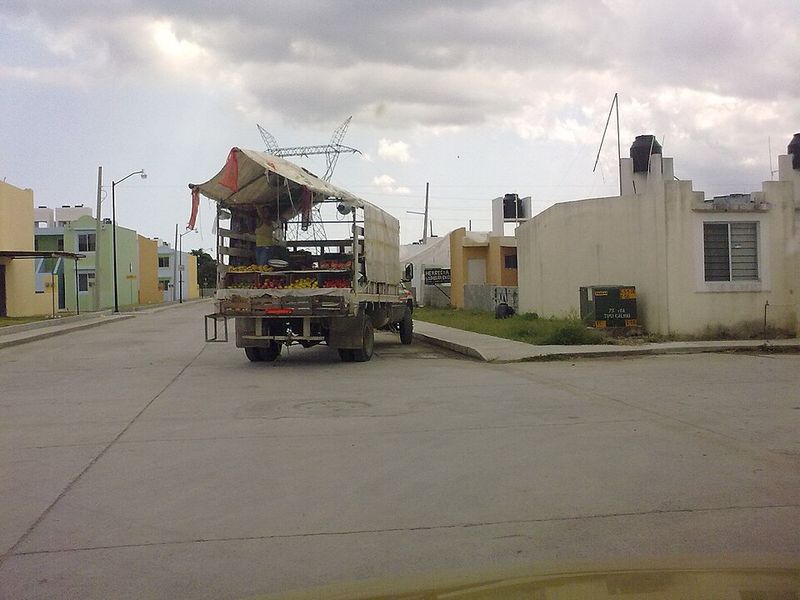
Tamaulipas borders the U.S., but cartel activity makes certain highways volatile. Reports mention roadblocks, cargo theft, and kidnappings on specific routes. Solo drivers and vehicles with foreign plates can attract attention.
Cross during daylight, stick to toll roads, and avoid unnecessary stops. If possible, use official buses or trusted transfers between cities. Keep your phone charged and location sharing enabled with someone you trust.
9. Honduras Rural Highways
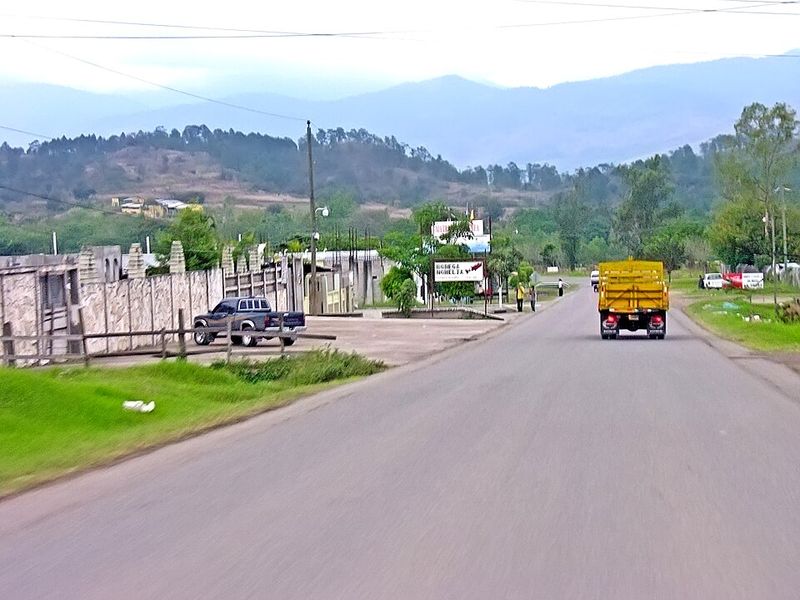
Honduras offers lush scenery, but rural highways can be isolated and poorly lit. Criminal activity and accidents are more common at night, especially on mountain passes. Solo drivers may struggle to get help quickly if something happens.
Plan routes that end before sunset and avoid stopping in secluded pullouts. Consider reputable shuttles between major towns. Local advice is essential because conditions change after storms.
10. Venezuela Intercity Routes
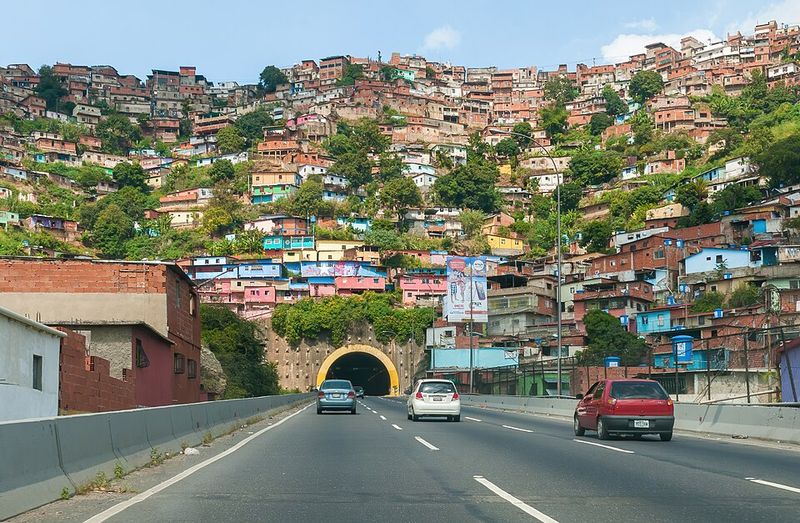
Economic challenges and security issues make long drives in Venezuela risky. Fuel availability can be unpredictable, increasing exposure to roadside scams. Criminal groups target isolated stretches and stranded motorists.
If you must travel, join a convoy or hire a trusted driver. Move during daylight and plan refueling stops carefully. Keep copies of documents and do not display electronics at checkpoints.
11. Port Moresby Surrounds, Papua New Guinea
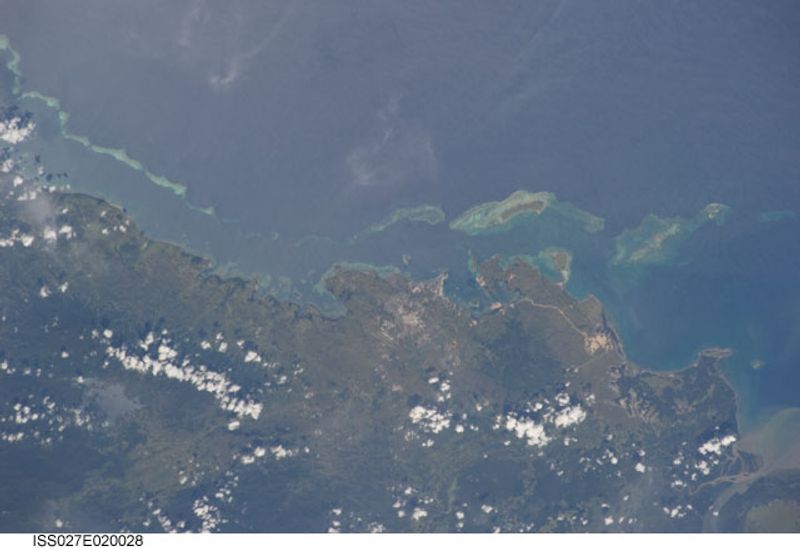
Port Moresby and its outskirts can experience carjackings and road ambushes. Roads may pass through settlements where strangers attract attention. Getting stuck in traffic or after dark increases vulnerability for solo drivers.
Use hotel arranged transfers and travel with local knowledge. Keep windows up, avoid side streets, and move with a plan. Ask your host which areas to avoid that week.
12. Haiti National Roads
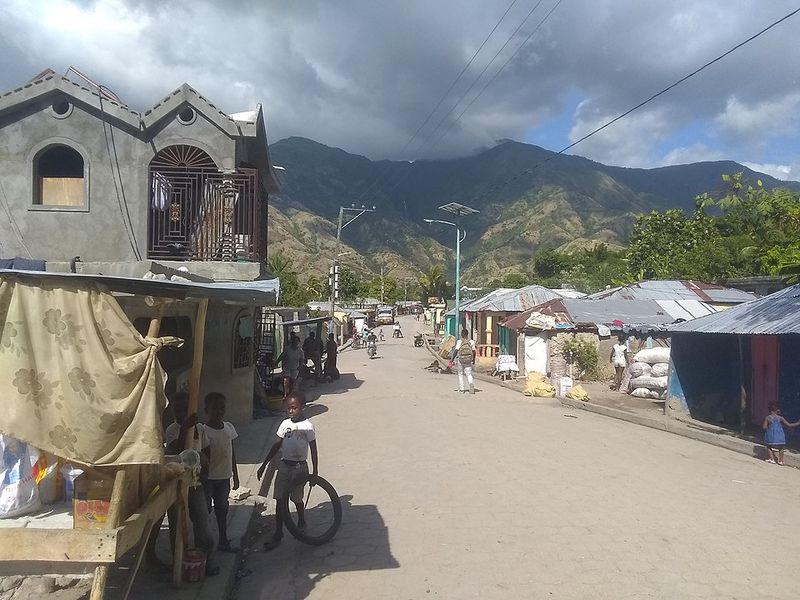
Political instability and gang activity have impacted major routes in Haiti. Roadblocks and sudden protests can trap drivers in volatile situations. Emergency services and towing support are limited outside key areas.
Coordinate movements with local contacts and avoid solo trips, especially at night. Consider professional drivers who know alternate routes. Keep a low profile and carry only essential valuables.
13. Northern Mozambique (Cabo Delgado)
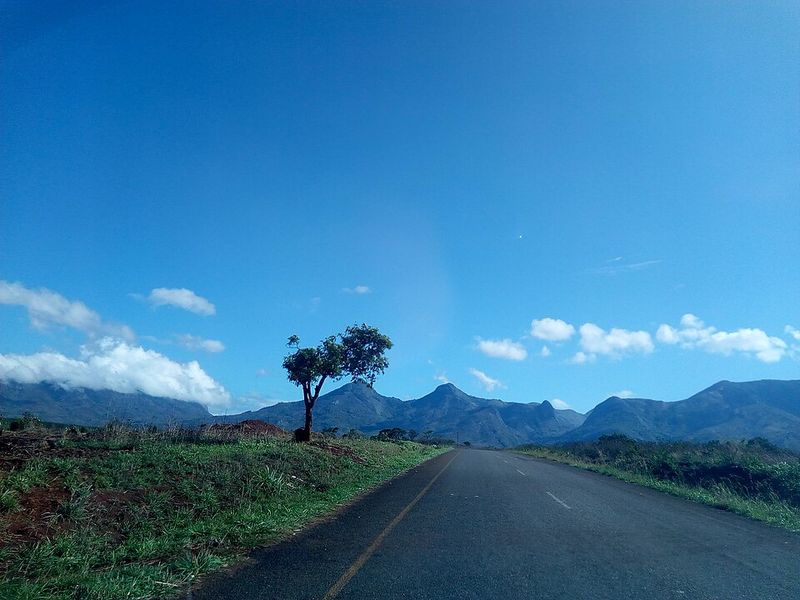
Insurgent activity in parts of Cabo Delgado has disrupted travel and logistics. Some roads have seen attacks and temporary closures, making independent driving hazardous. Cell coverage can be unreliable in remote stretches.
Use flights where possible and arrange secure transfers through your lodge. Always get an updated security brief before departure. Daylight travel and group movement are strongly advised.
14. Sahel Transit Routes (Mali and Burkina Faso)
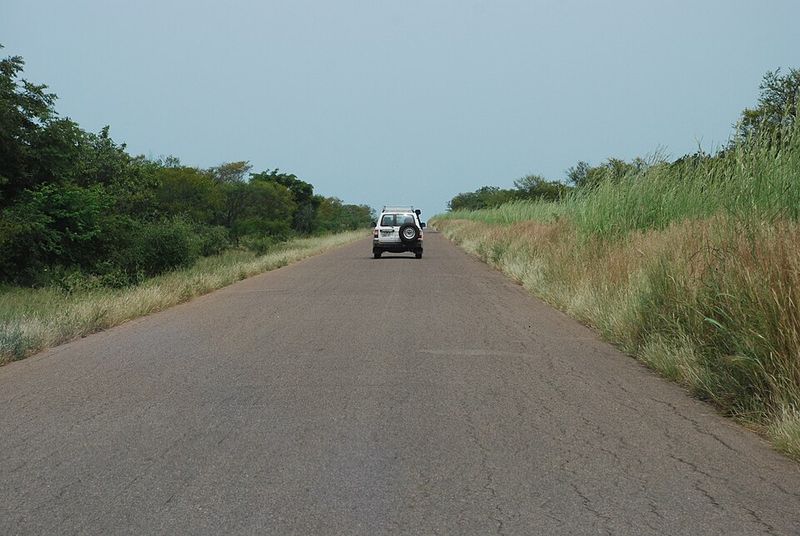
Across parts of the Sahel, armed groups and banditry affect overland routes. Kidnapping risk and fake checkpoints make solo driving a bad idea. Terrain and limited services add to the challenge if a breakdown occurs.
Rely on vetted operators with security protocols and local intel. Avoid night driving and keep itineraries discreet. Consider alternative transport or rerouting through safer hubs.
15. Sinaloa, Mexico
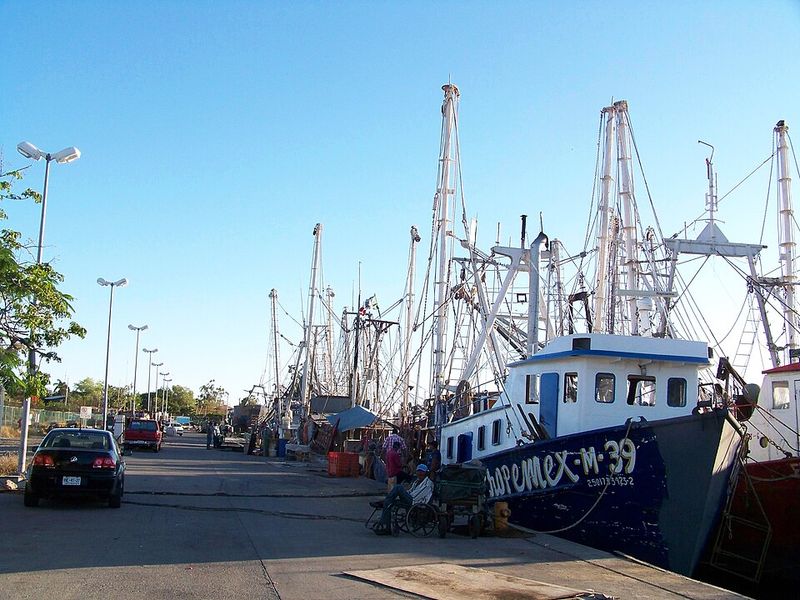
Sinaloa has major highways that can feel routine, but cartel dynamics change quickly. Isolated segments and local disputes may spill onto the roads. Tourists driving alone risk unwanted attention at gas stations or rest stops.
Stick to toll roads in daylight and limit detours. If unsure, take a bus between cities and hire drivers locally. Keep your route private and avoid posting live locations.
16. Rio de Janeiro Outskirts, Brazil
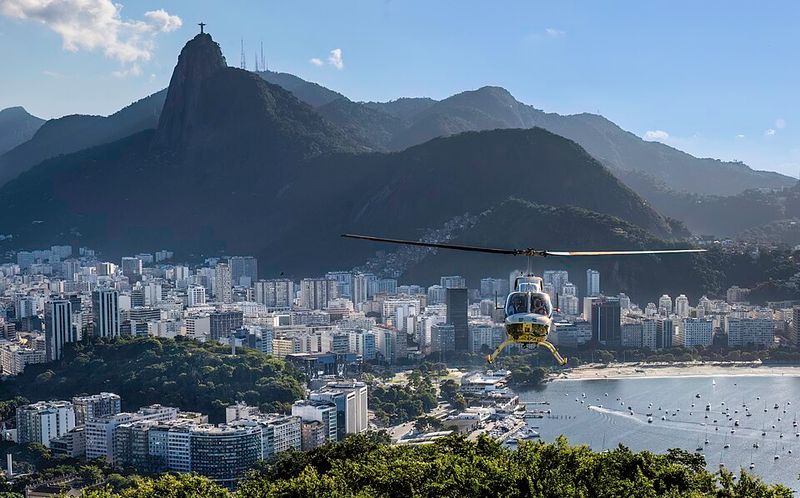
Scenic coastal drives can intersect with areas affected by armed groups. Navigation apps sometimes route through favelas where outsiders should not linger. Stopping at red lights in certain zones after dark can be risky.
Use expressways, drive during the day, and rely on hotel suggested routes. Consider rideshares or taxis at night. Disable shortcut options in your map app to avoid risky detours.
17. Nicaragua Overnight Highway Travel
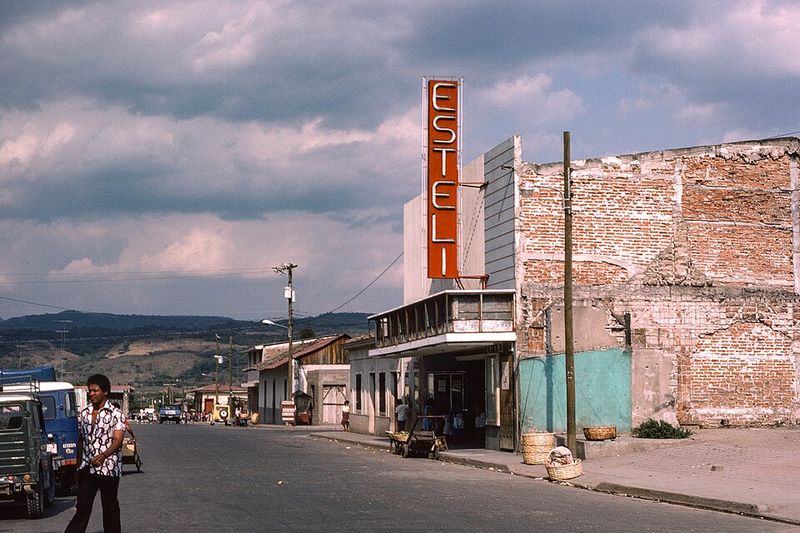
Night driving in Nicaragua increases accident and crime risks, especially on rural stretches with livestock or unlit obstacles. Police checkpoints can be legitimate, but scams occur on deserted roads. Solo drivers have fewer options if something goes wrong.
Schedule intercity trips for daylight and use reputable shuttles. Ask locals about current checkpoints and detours. Keep cash small and documents ready to minimize stops.
18. Belize Northern Border Roads
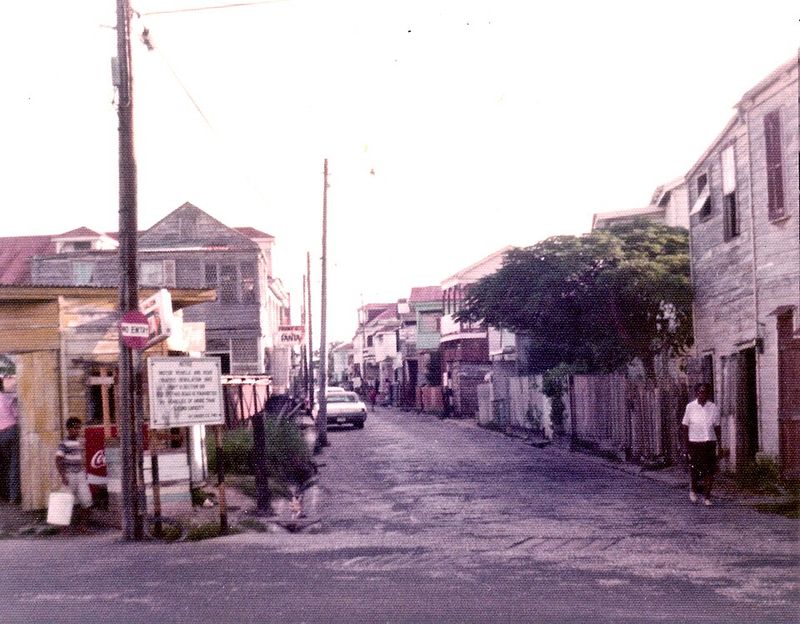
Belize is popular for road trips, but some northern border approaches see opportunistic crime and limited services. Breakdowns or flat tires can leave you exposed on quiet stretches. Solo drivers should avoid pulling over for strangers.
Fill up in major towns and end drives before sunset. Travel with another vehicle or hire a local driver for remote areas. Share your route and check community updates before departure.
Share this story