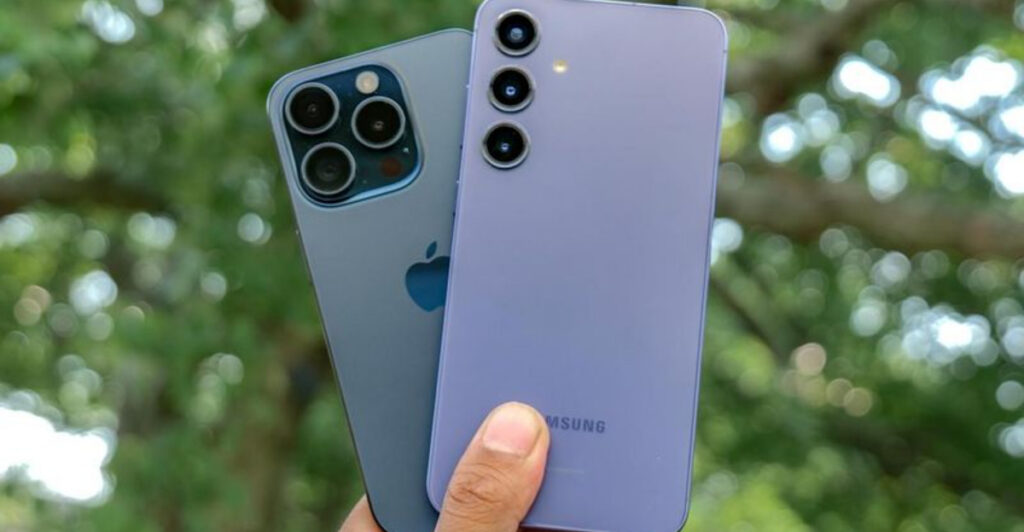
Planning a trip and wondering which phone to pack? The debate between iPhone and Samsung gets real when you’re navigating foreign streets, capturing sunsets, and recording memories. Both brands promise amazing cameras and features, but how do they actually perform when you’re far from home?
1. Overall photo quality & consistency
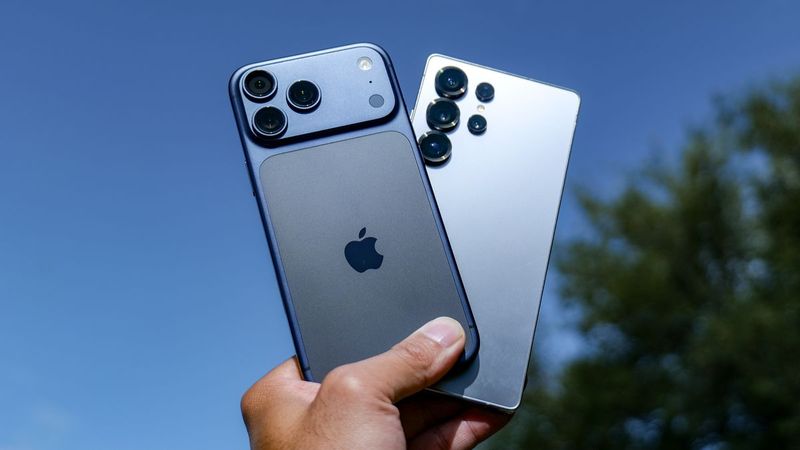
When you snap a hundred photos on vacation, you want each one to look great without fiddling with settings. The iPhone 16 Pro consistently delivers true-to-life colors that match what your eyes actually see.
DXOMARK scores put the iPhone 16 Pro at 157, beating the Galaxy S25 Ultra’s 146. Multiple reviewers agree that Apple’s phone produces more reliable results across different lighting conditions.
Samsung phones sometimes oversaturate colors, which can look dramatic but less accurate. For travelers who want dependable shots every time, the iPhone takes this round convincingly.
2. Zoom range (daytime wildlife, distant cityscapes)
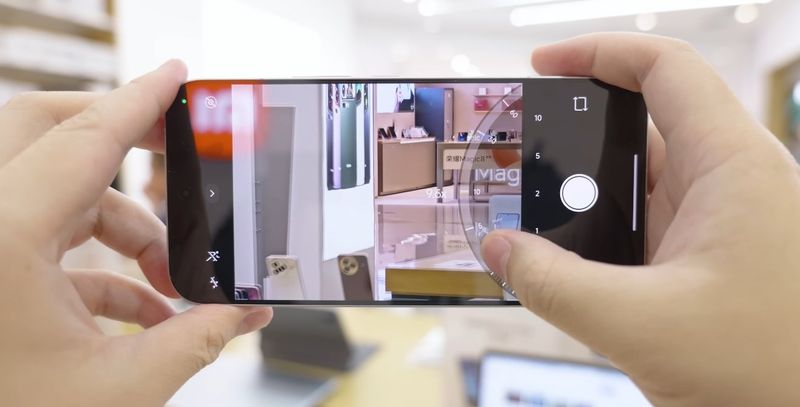
Spotting a bird across a lake or capturing cathedral details from street level? Samsung’s dual telephoto system crushes the competition here. The S24 and S25 Ultra pack both a 3x lens and a periscope long-range zoom.
This setup gives you serious flexibility when distant subjects refuse to come closer. Testing shows the S25 Ultra maintains solid detail even at extreme zoom levels during daylight.
Apple’s zoom is decent but can’t match Samsung’s reach. For architecture lovers and amateur wildlife photographers on safari, Samsung wins this category hands down.
3. Color accuracy vs. punchy pop
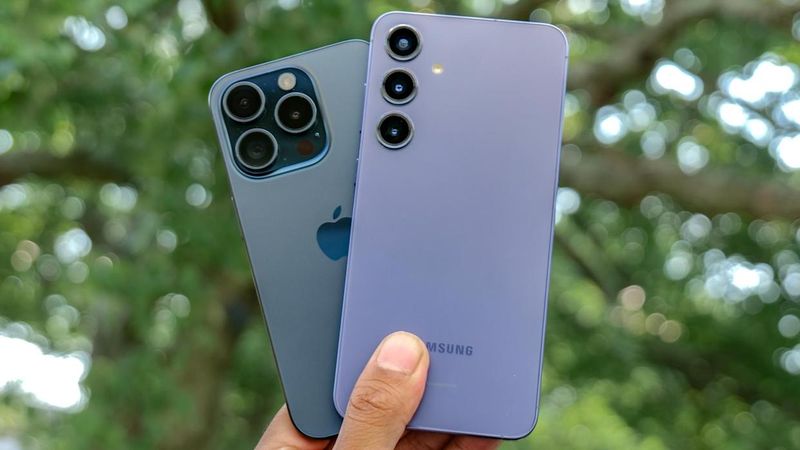
Here’s where personal preference matters more than technical specs. TechRadar’s direct comparisons revealed the iPhone 16 Pro captures the most natural, consistent colors across different scenes.
Samsung deliberately amps up saturation, making reds pop dramatically and skies look extra blue. Sometimes those reds even blow out completely, losing detail in the process.
Which is better? If you’re posting straight to Instagram and want eye-catching vibrancy, Samsung delivers. If you value accuracy or plan to edit later, iPhone gives you a cleaner starting point to work from.
4. Low-light noise & stability
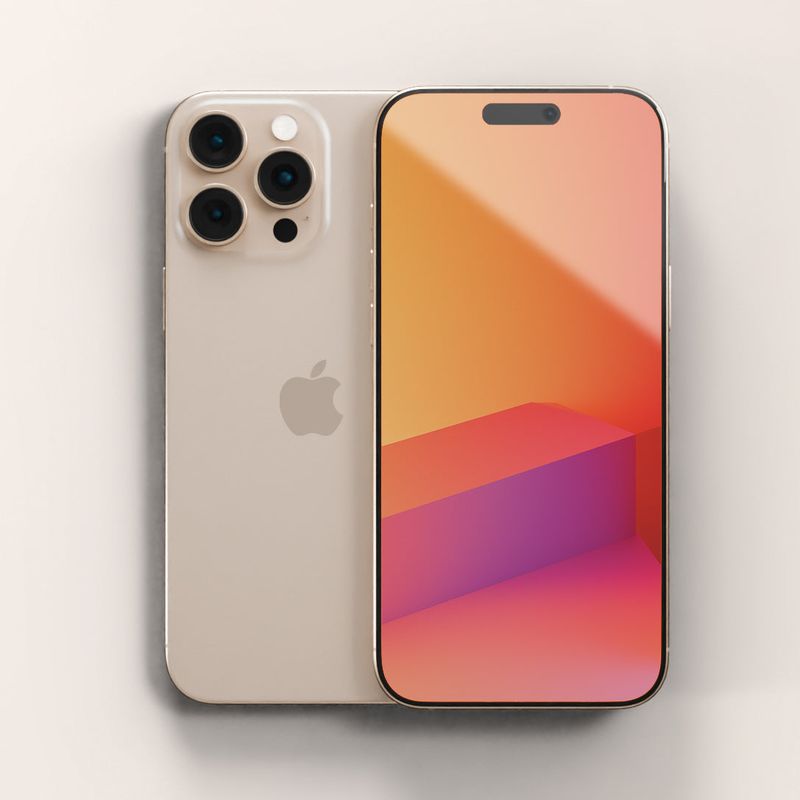
That magical dinner at a candlelit restaurant or exploring night markets? Low-light situations separate good phone cameras from great ones. DXOMARK testing and multiple reviews give the iPhone a clear edge here.
Apple’s processing delivers more predictable exposure and white balance when light gets scarce. Samsung phones sometimes struggle with noise and instability, especially when recording video in dim conditions.
The difference becomes obvious when you review your evening shots later. iPhone keeps details cleaner and colors more believable, making those moody travel memories look better without extra editing effort.
5. Video tools for creators on the road
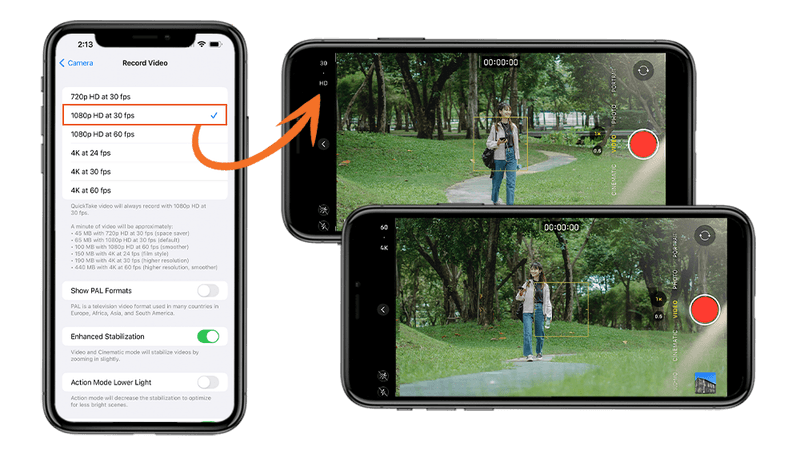
Serious about travel vlogs or documentary-style footage? The iPhone 16 Pro and Pro Max are built specifically for you. ProRes recording with Log options gives you cinema-quality color grading flexibility later.
Even better, you can record directly to an external SSD through the USB-C port, bypassing storage limits. Just remember your drives need exFAT formatting and fast write speeds to keep up.
Samsung offers solid video, but iPhone’s ACES-friendly workflows and professional codec support make it the clear choice. For travel filmmakers who edit seriously, this alone justifies choosing Apple.
6. High-frame-rate & high-res video options
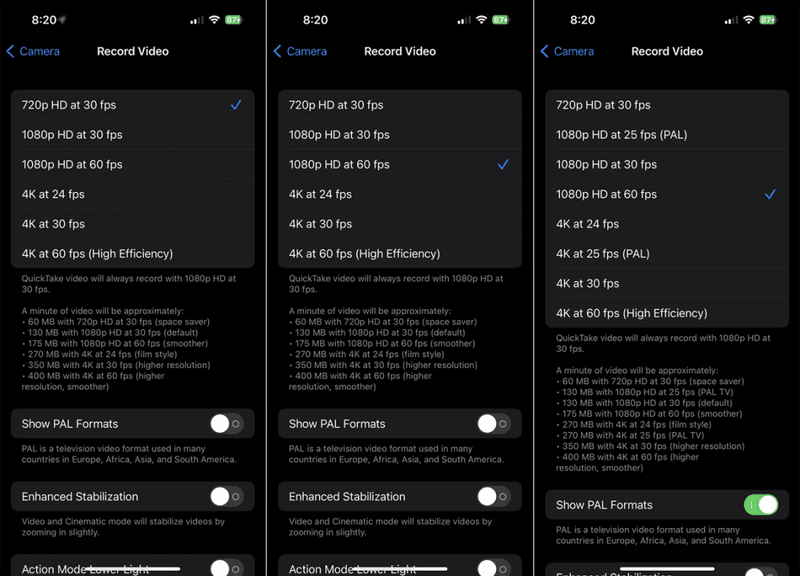
Want buttery-smooth slow motion of waves crashing or 8K resolution for maximum detail? Samsung takes this category with official 4K at 120 frames per second and 8K at 30fps support.
These specs let you capture super-slow action sequences that look incredible, perfect for adventure travel content. The resolution options give you serious future-proofing and cropping flexibility in post-production.
iPhone counters with ProRes and Log instead of pushing resolution numbers. Choose Samsung if high frame rates and 8K matter most; pick iPhone if color-gradeable professional footage is your priority instead.
7. Manual controls & RAW shooting
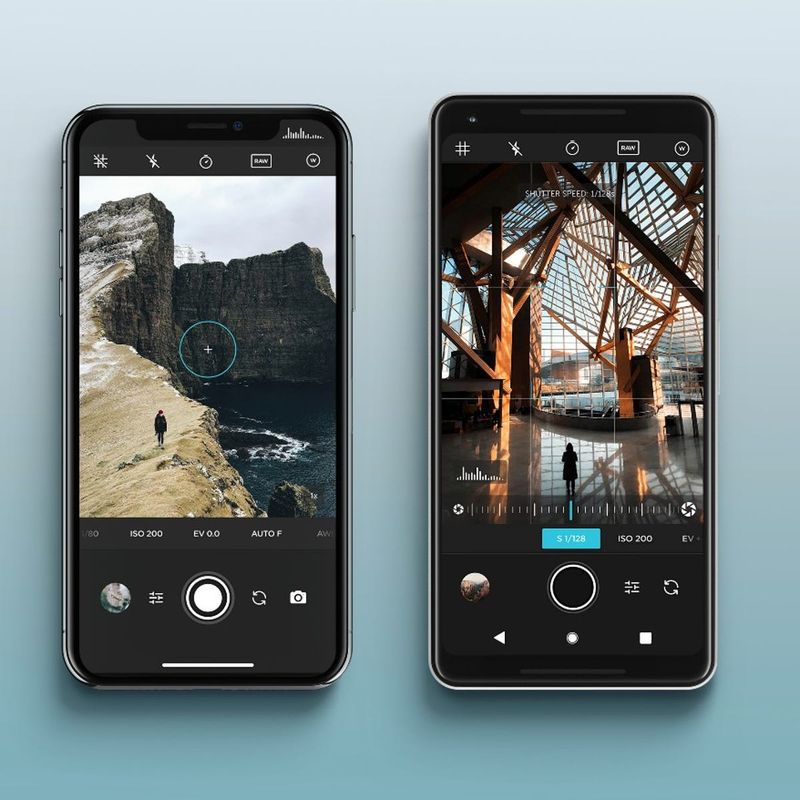
Photography enthusiasts who love tweaking every setting will appreciate different strengths from each brand. Samsung’s Expert RAW app outputs 16-bit DNG files with robust manual controls over exposure, focus, and white balance.
This gives you maximum editing flexibility when you return home and want to perfect those shots. iPhone relies more on first-party automation and third-party apps for manual control.
Where iPhone excels is ProRes and Log for video, which serves as its big manual-control advantage. Samsung wins for still photography control; iPhone wins for video workflow flexibility.
8. Battery endurance on long days out
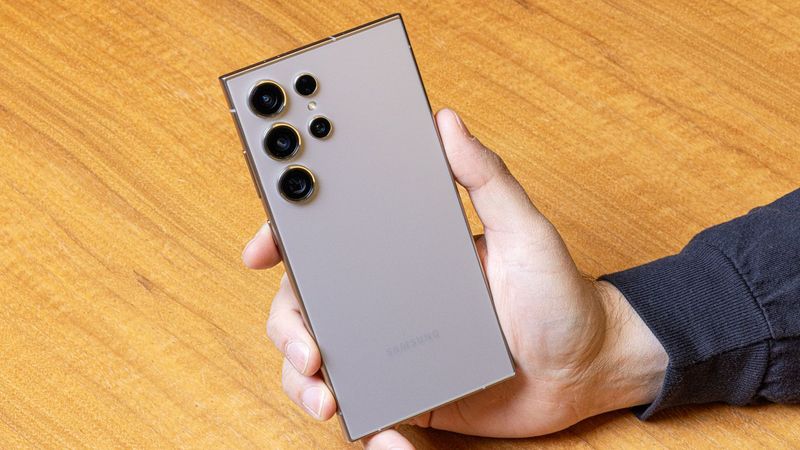
Nothing ruins a travel day faster than your phone dying at 3pm. Reviews consistently highlight the S24 Ultra’s impressive battery life, with some tests showing up to 60 hours of mixed use between charges.
Samsung’s larger battery capacity translates to real-world endurance when you’re navigating, photographing, and staying connected all day. iPhone 16 Pro reviews praised camera improvements but noted battery longevity concerns.
For marathon sightseeing days when outlets are scarce, Samsung Ultra models hold a practical advantage. You’ll spend less time hunting for charging spots and more time exploring your destination.
9. One-hand shooting & controls
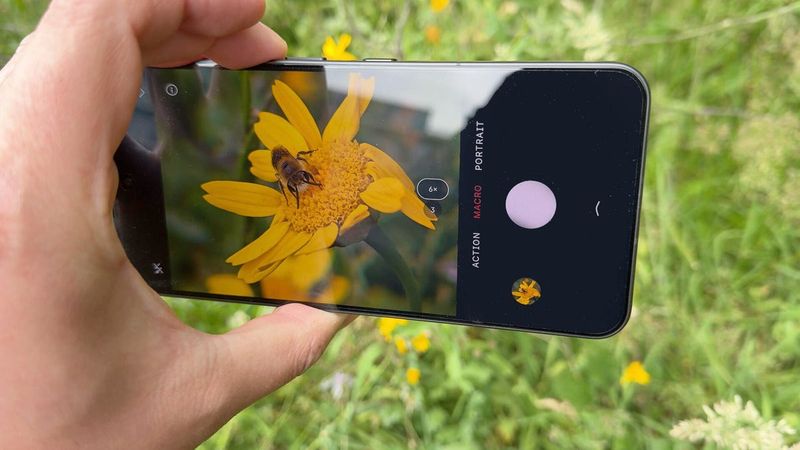
Grabbing quick shots while holding luggage or a coffee requires good one-handed operation. The iPhone 16 Pro added a new Camera Control hardware button that sounds perfect in theory.
Unfortunately, early reviews and users report the button behaves inconsistently, sometimes not responding as expected. Samsung dropped the S-Pen remote shutter feature on the S25 Ultra, disappointing travelers who used it for discreet tripod shots.
Both brands stumbled here in different ways. Neither offers a clear advantage for convenient one-handed shooting, which is disappointing given how often travelers need exactly that capability on the go.
10. AI & after-the-shot conveniences
Sometimes the magic happens after you press the shutter button. Samsung’s Galaxy AI brings impressive on-device conveniences like Instant Slow-mo, which creates slow-motion from regular video after recording.
Dual-recording upgrades and other AI features let you enhance footage without needing a laptop or desktop editing suite. Everything happens right on your phone during downtime at your hotel.
iPhone takes a different philosophy, aiming for a clean, neutral baseline you’ll grade and edit later with professional tools. Samsung wins for travelers who want powerful editing built in; iPhone suits those preferring minimal processing upfront.
11. The “Trip Winner” (if you had to pick one)
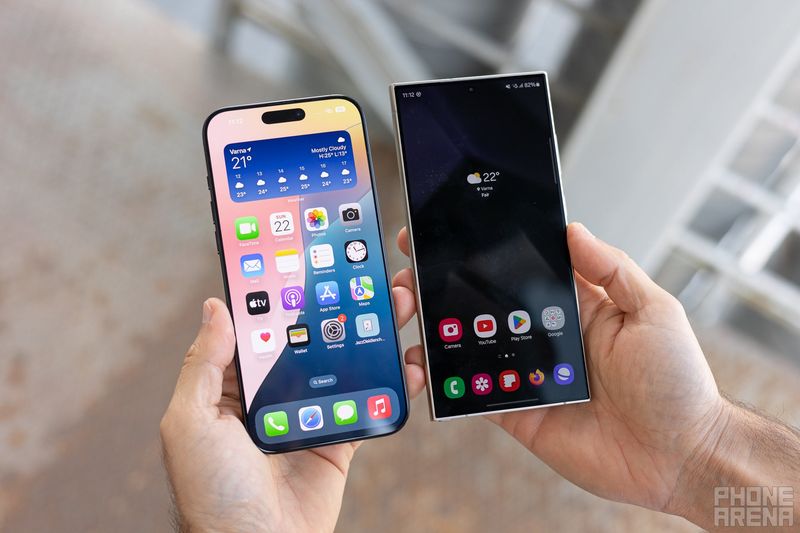
For most travelers who want the best out-of-camera consistency and pro-grade video workflows: iPhone 16 Pro/Pro Max.
For travelers who prioritize long battery life, built-in high-frame-rate/8K options, and powerful zoom for wildlife/architecture: Galaxy S24/S25 Ultra.
If you need just one answer across a typical multi-day trip with lots of mixed scenes and minimal fiddling, the iPhone’s consistency and video pipeline tip it overall.
Share this story