Some places look so colossal you might swear giants stacked the stones. Yet every block and lintel came from human hands, human grit, and human genius. As you explore these jaw dropping sites, you will feel the scale tug at your sense of what is possible with simple tools and sheer determination. Ready to stand where myths meet measurable craft and feel wonderfully small in the best way
1. Göbekli Tepe, Turkey
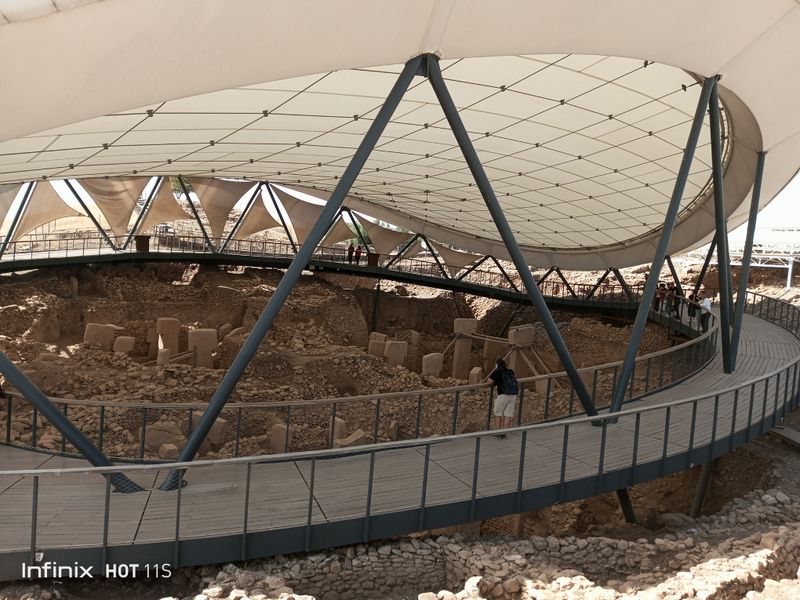
At Göbekli Tepe, T shaped pillars rise from the dust like a script older than cities. You stand eye level with foxes, vultures, and serpents carved in crisp relief, each groove catching Anatolia’s sun. Built around 9600 BCE by hunter gatherers, it upends tidy timelines, proving ritual could precede farming.
The limestone circles feel too ambitious for people without pottery or metal, yet here they are. You begin to picture work parties, flint tools, and songs pushing stones uphill. The hill itself was later buried, deliberately, as if closing a chapter.
Walk slowly. Each enclosure is a room where stories once met stone. There is no mortar, no wheels, just leverage and vision. The site whispers that belief can build before bread does.
2. Sacsayhuamán, Peru
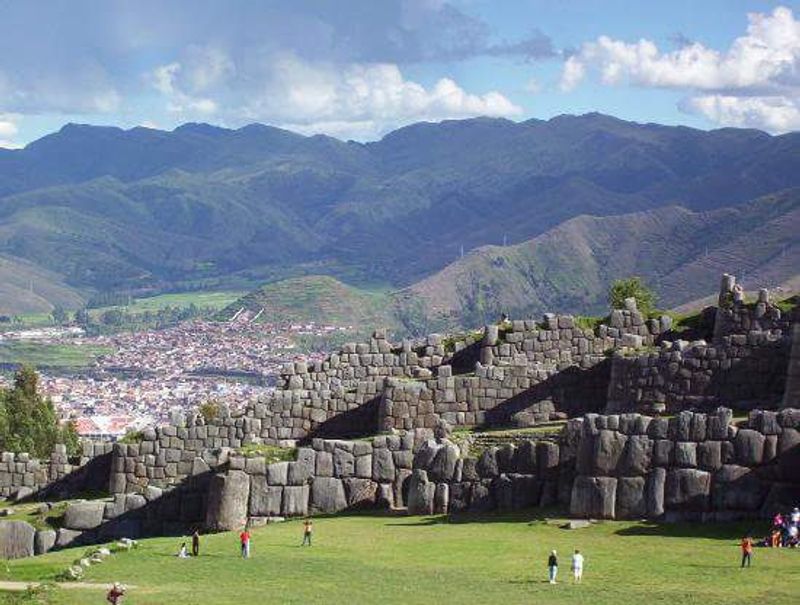
At Sacsayhuamán, the stones lock together like a puzzle you cannot solve. Some weigh as much as buses, faces polished so closely a knife blade finds no welcome. You trace the zigzag ramparts and feel the Inca mind ruling space with geometry and will.
No mortar. Just patience, abrasion, and a choreography of ramps and ropes. Looking down at Cusco, you sense how ceremony and defense fused in one commanding terrace.
Move your fingertips along the joints. The surface is cool and faintly pitted, proof of hand and hammerstone. You imagine teams chanting, shifting weight inch by inch. Thunder gathers over the Andes, echoing across the walls. It feels like the mountain itself agreed to be shaped, stone by shaped stone.
3. Baalbek, Lebanon
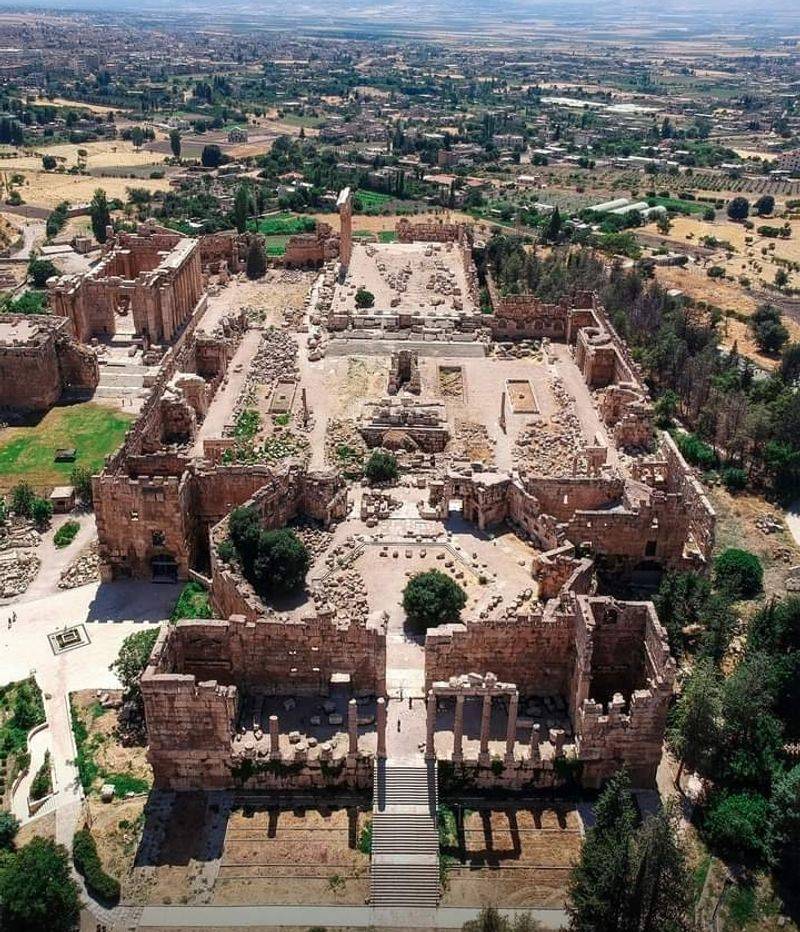
Baalbek is Roman swagger made rock solid. Columns shoot skyward, yet the real jaw dropper waits below in the platform. The Trilithon foundation blocks are so big they read like cliff faces, each one squared and laid with unreal precision.
You look from chisel mark to horizon and wonder how cranes of wood and rope lifted ambition this high. The colonnades frame slabs of sky, a theater for light and shadow. Fragments lie everywhere like a dismantled giant’s toy box.
Lean close. The stone holds tool scars that feel surprisingly intimate. Imagine quarry workers, oxen, rollers, and timing set to the drumbeat of empire. Baalbek teaches that foundations can be the headline. The temples gleam, but the base is the miracle you cannot forget.
4. Dolmen of Menga, Spain

Step into Menga and the air changes. The corridor draws you under gigantic capstones, a Neolithic hush pressing gently against your ears. Built around 3750 to 3650 BCE, it is a burial space and a compass for awe.
The uprights carry weight like patient shoulders. You can almost hear the creak of sledges and the scrape of stone on stone. Beyond the doorway, Andalusian light flashes, reminding you life kept going outside these rituals.
Stand midway and look up. The ceiling stones feel oceanic, floating because dozens made them rise. No mortar, only balance and faith in friction. Menga aligns your heartbeat with a slower clock. You leave whispering, as if the sleepers could still wake and ask how carefully you walked.
5. Avebury Stone Circle, England, UK

Avebury wraps a village in prehistory. The ditch and bank are so broad you feel like an ant on a ceremonial racetrack, weaving between sarsen giants. Unlike roped off monuments, you stroll right up, touch lichen crusted faces, and listen to wind skim the chalk.
Built around 2500 BCE, it is less about a single moment and more about a landscape sized gesture. Paths, avenues, and rings link like notes in a slow song. You are inside a map someone drew with stones.
Walk the embankment. Watch shadows slide as clouds herd overhead. The stones are irregular, stubborn, and endearing. Avebury invites lingering, not snapshots. It feels human scale and cosmic at once, a circle spacious enough to hold you and the passing weather.
6. Ring of Brodgar, Scotland, UK

On Orkney, the Ring of Brodgar stands like a chorus of silhouettes. The wind never clocks out, combing heather while lochs glint on both sides. Around 2500 BCE, people set these stones to frame sky, water, and time itself.
You walk the perimeter and every step reshuffles alignments. Gaps become doorways, horizons become markers. It is architecture made of intervals as much as stone.
The circle feels social. You can imagine gatherings, stories braided with weather reports. No visitor center speech can match the way gusts speak across the ring. Knees damp, cheeks stung pink, you understand that endurance is part of the design. Brodgar is not delicate. It is elemental, and it lets the elements finish the work.
7. Stonehenge, England, UK
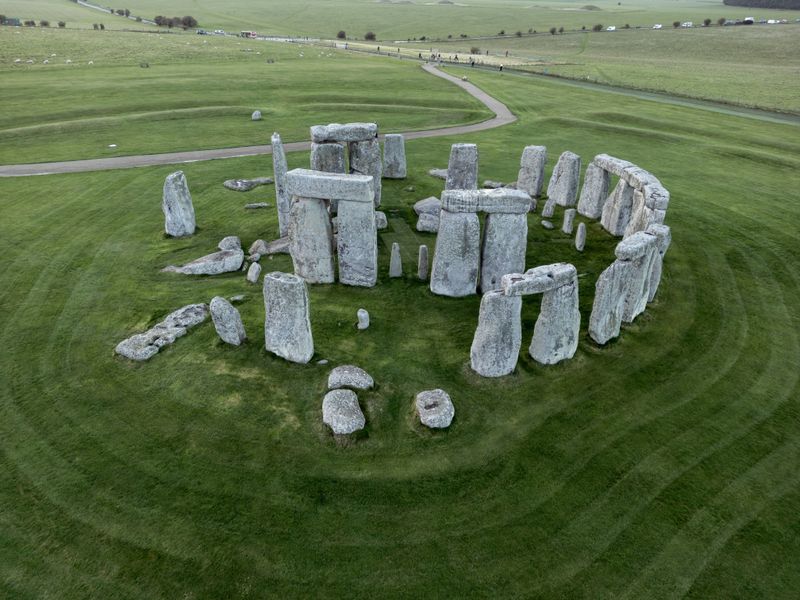
Stonehenge is the celebrity, but seeing it in person still surprises you. The sarsen trilithons stand heavier and more architectural than photos suggest. Bluestones huddle like a memory within a memory.
Built between 3000 and 2000 BCE, it is engineering plus choreography. Mortise and tenon joints lock lintels in place, woodworking ideas scaled into stone. You circle the ditch, and every angle edits the monument’s mood.
Listen to skylarks. The wind pulls a steady note across the plain. You cannot untangle calendar from ceremony here, so you stop trying. Instead, you feel the discipline in each lifted lintel and the patience in every weathered edge. Stonehenge wears its fame lightly, a quiet weight resting on a very old idea of belonging.
8. Great Zimbabwe, Zimbabwe
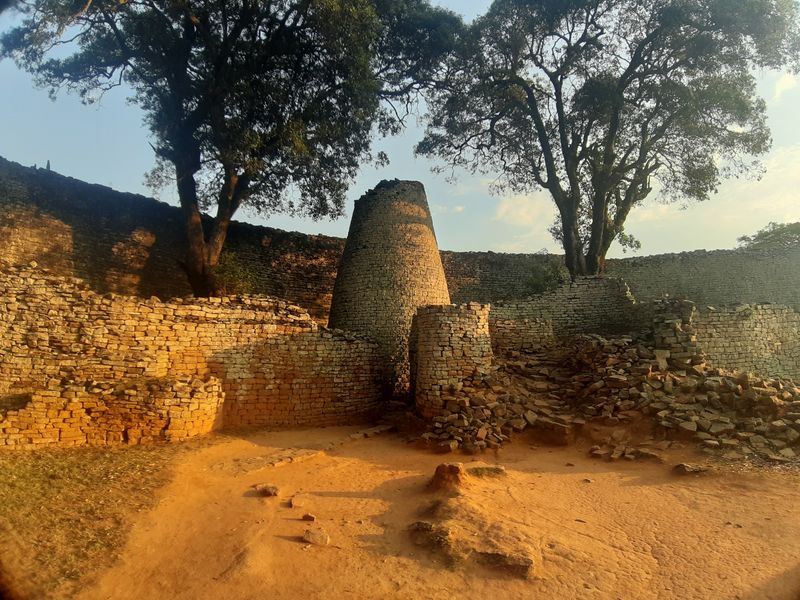
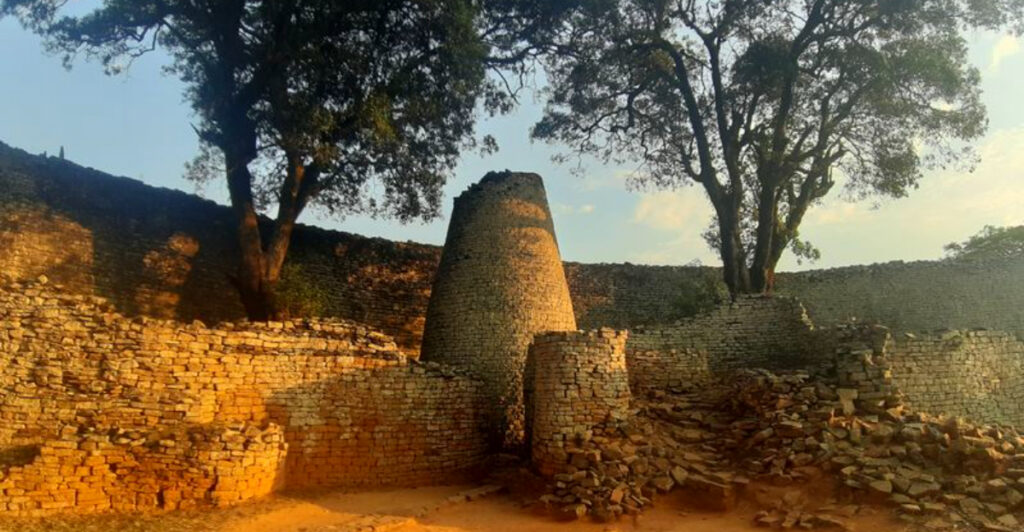
Great Zimbabwe curves like a stone river. Dry laid walls climb and bend, no mortar, just craft tuned across centuries. The conical tower rises inside the Great Enclosure, enigmatic as a closed hand.
Between the 11th and 15th centuries, Shona builders stacked granite with a mason’s rhythm, shaping status and ceremony into space. You wander narrow passages that funnel breeze and footfall. Patterns in the brickwork catch light like woven cloth.
The site once anchored trade routes reaching the coast. Hold a shard of pottery and you hold a map. It is easy to feel pride here, and to correct old myths that tried to erase African authorship. Great Zimbabwe answers with walls that still stand, singing softly of skill, trade, and community.
9. Nan Madol, Micronesia

Nan Madol floats like a basalt dream. Hundreds of islets form a city stitched by tidal canals, walls stacked from prismatic columns that look quarried from a giant’s organ. You listen to water cluck against stone and feel the tide keeping time.
From the 13th to 17th centuries, builders ferried and levered columns into neat cribs. The result is part fortress, part ceremony, part logistics hub. As you paddle between walls, mangroves brush shoulders and history feels close.
Step ashore and the ground answers with hollow echoes. Coral cores and basalt shells make a resilient, airy platform. You picture teams balancing columns like oversized firewood, reading grain and weight. Nan Madol proves a city can be fluid, its streets bright water and its stones aligned with currents.
10. Tiwanaku, Bolivia
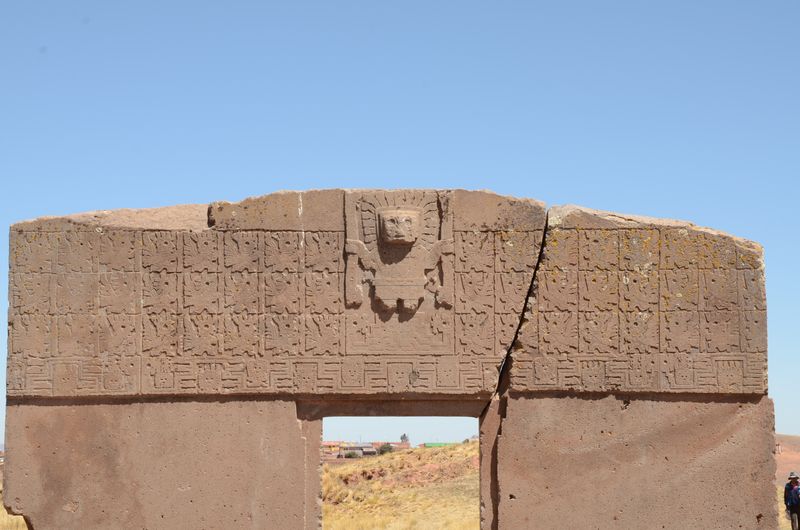
At Tiwanaku, edges are ideas made strict. The Gate of the Sun stares past you, its carved figures locked in a rhythm of myth and calendar. Blocks sit so true it feels like someone squared the horizon first.
This pre Columbian city commanded the Titicaca basin with terraces, canals, and ceremony. You walk Kalasasaya and Akapana, sensing a city tuned to mountains and seasons. The altitude turns breath into a metronome.
Lean into the stone. Tooling marks are faint but stubborn. You imagine teams with hammerstones, copper tools, and plans passed mouth to ear. Tiwanaku is not a riddle you solve in an afternoon. It is a study in patience and squared intention, still aligning thought with sky.
11. Mycenae, Greece
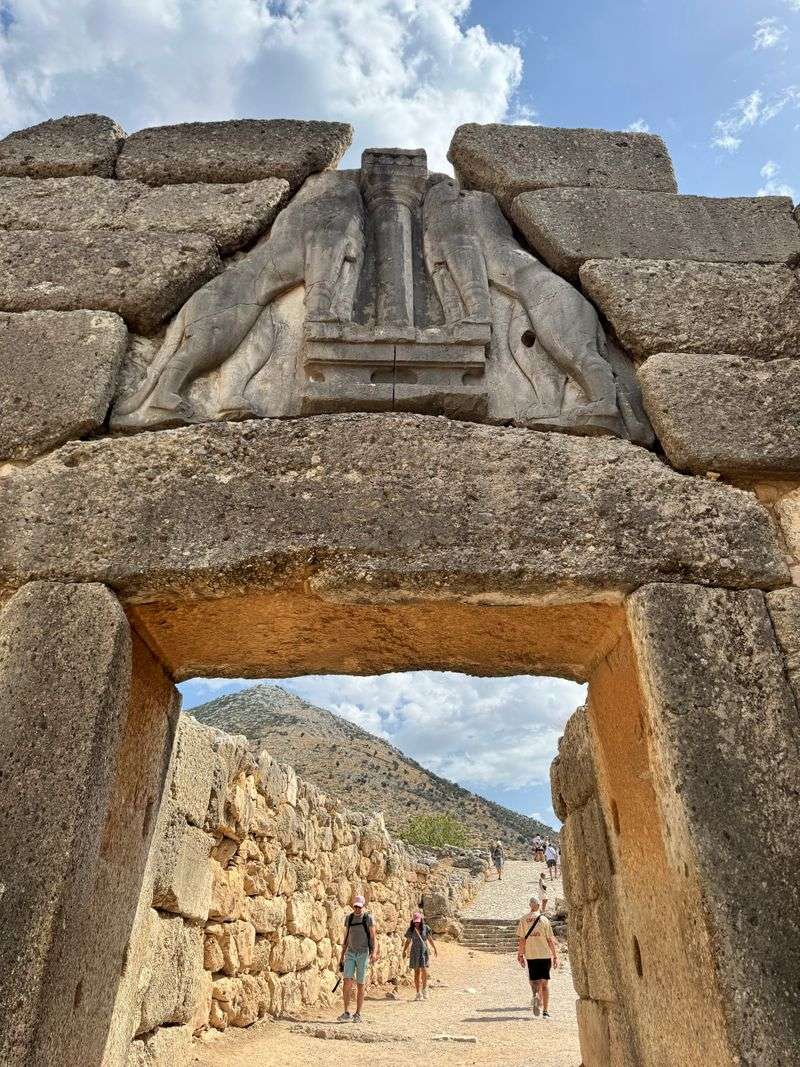
Mycenae greets you with the Lion Gate, paws braced on a column like a heraldic heartbeat. Cyclopean walls climb the hill in rough boulder courses, each stone a shoulder carrying war stories and trade routes. Homer is loud here, but the masonry is louder.
Walk the ramp and feel the squeeze of defense. Corridors turn like thought under pressure. Tombs open into the hillside, beehive spaces that hold cool air and old echoes.
You trace the cuttings where timbers once bit into stone. Bronze Age engineering is everywhere if you look gently. The view from the citadel throws olive silver across the plains. Mycenae proves myth can sit on very practical footings, and the stones wear their age like a seasoned guard’s grin.
12. Tiryns, Greece
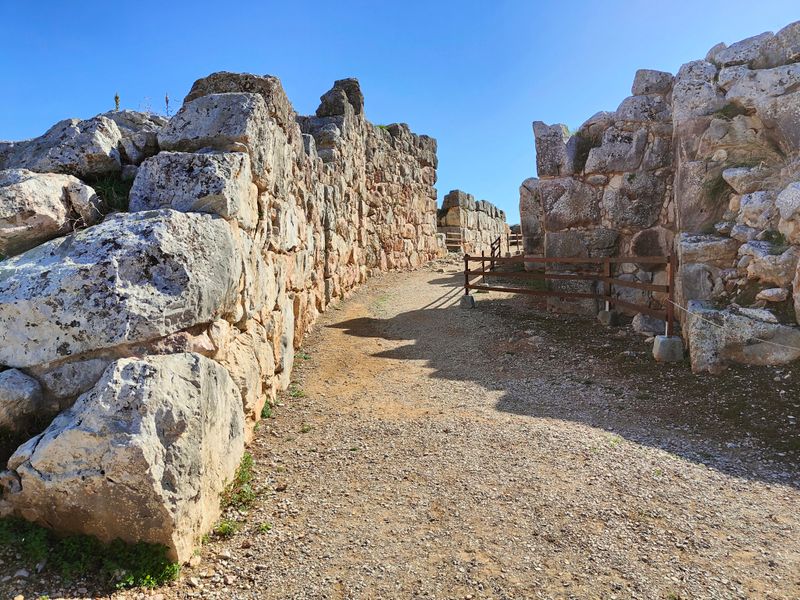
Tiryns is muscle in masonry form. Cyclopean blocks stack into a fortress that looks freshly flexed. You climb ramps and duck into corbelled galleries, where shade cools the air and footsteps return as soft drums.
Built around 1400 BCE, it showcases engineering that does not need polish to impress. The walls tilt slightly inward, calm under their own weight. Arrow slits and turnings show a mind for defense sharpened by experience.
Touch the stone. It is coarse and confident. You picture lever teams, sledges, and shouted timing. With every corner, sightlines snap into place. Tiryns turns strategy into landscape, making you feel how power once moved through gates and along walls. Simplicity, scale, and patience do the heavy lifting here.
Share this story