America is dotted with places that dreamed big, then watched the future pass them by. These towns were built for booms that fizzled, industries that vanished, and visions that never quite arrived. You will meet coal capitals, resort fantasies, and company towns that once promised prosperity and pride. Walk through them in your imagination, and you might feel the echo of plans that once felt unstoppable.
1. Centralia, Pennsylvania
Walk Centralia’s cracked streets and you can feel heat rising through the earth, a reminder of the coal seam fire that never sleeps. This town was built for a booming mining future, but the ground betrayed the promise beneath it. Homes were condemned, zip codes erased, and silence replaced the rhythm of shift whistles.
Today only a few residents remain, tending memories while steam breathes through seams in asphalt. You will see nature reclaiming foundations, brush and birch threading through lots where porches once faced parades. Centralia speaks softly but clearly about risk, extraction, and the stubbornness of hope when the map burns from below.
2. Gary, Indiana
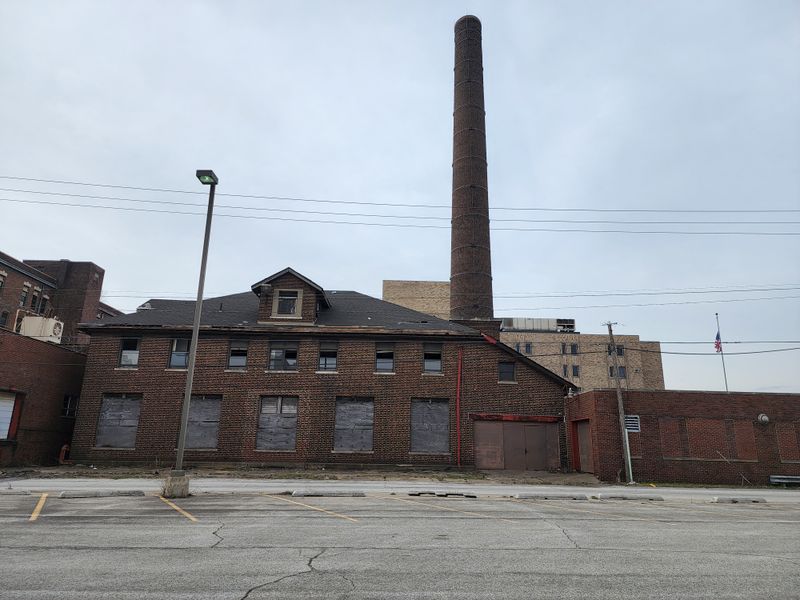
Gary rose like a monument to American steel, its skyline framed by mills that glowed through the night. Streets filled with workers, music, and storefront pride, a metropolis built on molten certainty. Then global competition and automation cut the furnaces cold, and the city’s heartbeat thinned.
Now you drive past boarded schools and cavernous factories, reminders of a population that fell far faster than anyone expected. Still, murals bloom on brick and community gardens seed new corners. If you wander with respect, you will sense both grief and grit, the stubborn belief that reinvention can start in the shadow of smokestacks.
3. Bodie, California
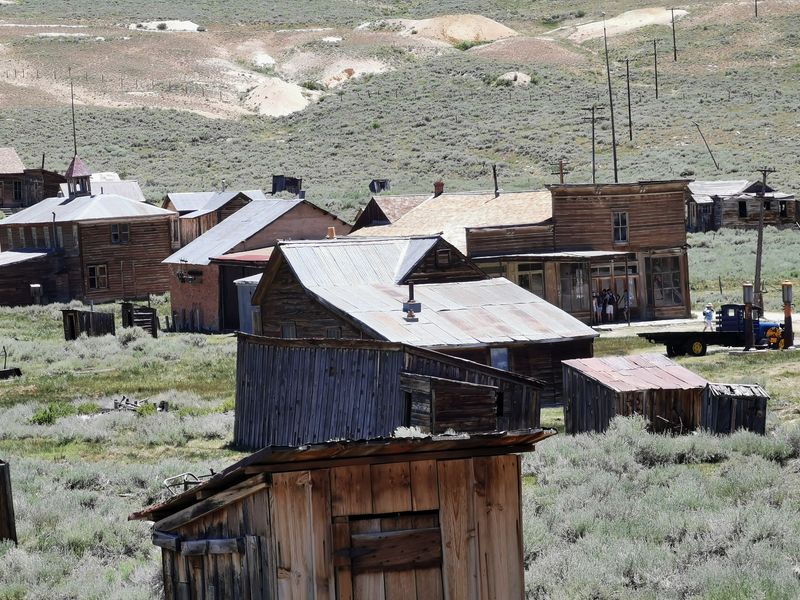
Bodie was built on gold and swagger, a rush-era city where saloons outnumbered sermons. The money slowed, the shafts emptied, and winter winds took over the main street. California turned the ruins into a park, preserving neglect as a state of grace.
You walk past glass bottles catching thin light, schoolbooks still open to forgotten lessons, and wagons leaning into time. The silence is complete, broken only by your boots and the wind’s dry whistle. If you ever wanted to step inside a photograph of the Old West, Bodie’s arrested decay holds the frame steady and lets you look as long as you like.
4. Cairo, Illinois

Cairo stands at the meeting of two powerful rivers, once a strategic hub brimming with commerce and promise. Trains clattered, steamboats docked, and the future felt inevitable. But industry drifted away, racial violence scarred the streets, and the population unravelled.
Today you will find haunting blocks of brick and bay windows, their stories sealed by plywood and peeling paint. Still, churches ring on Sundays and a few diners keep faithful hours. When you walk Cairo’s quiet grid, you feel the confluence of history and hurt, and the fragile possibility that water can carry a town forward again.
5. Glenrio (Texas/New Mexico border)
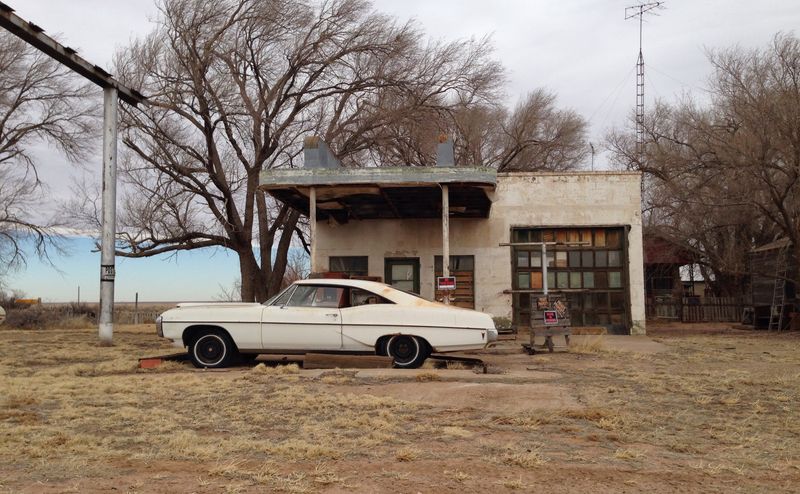
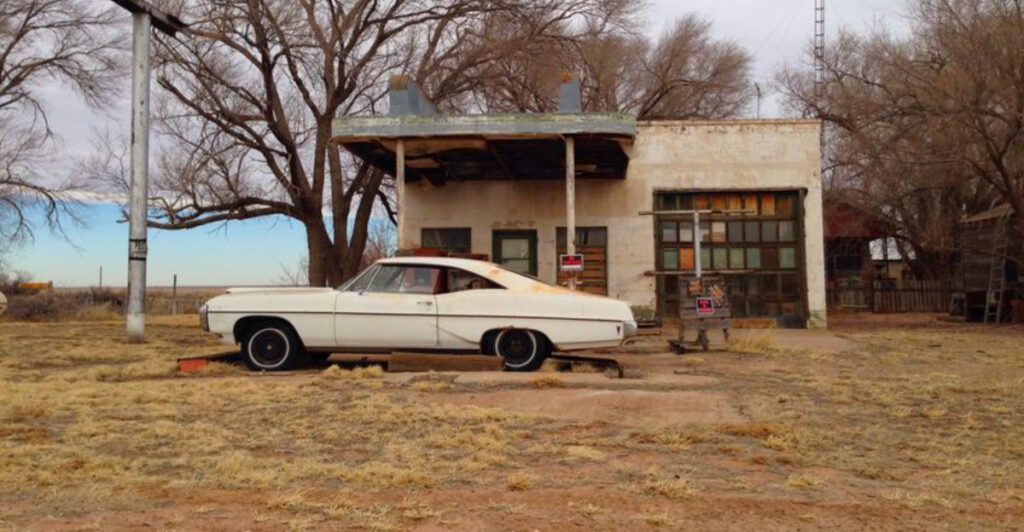
Glenrio bloomed beside Route 66, where travelers chased horizons and motels promised mint pillows and ice. Then the interstate drew a clean line around the town, and engines stopped idling at its pumps. Silence took over the jukebox and vacancy signs faded to pale ghosts.
Walk the shoulder and you will hear the echo of road-trip laughter riding the wind. Glenrio is pure still life now, a lesson in how a bypass can sever a heartbeat. Bring a camera, tread lightly, and remember that convenience often leaves a toll behind.
6. Kolmanskop, Nevada
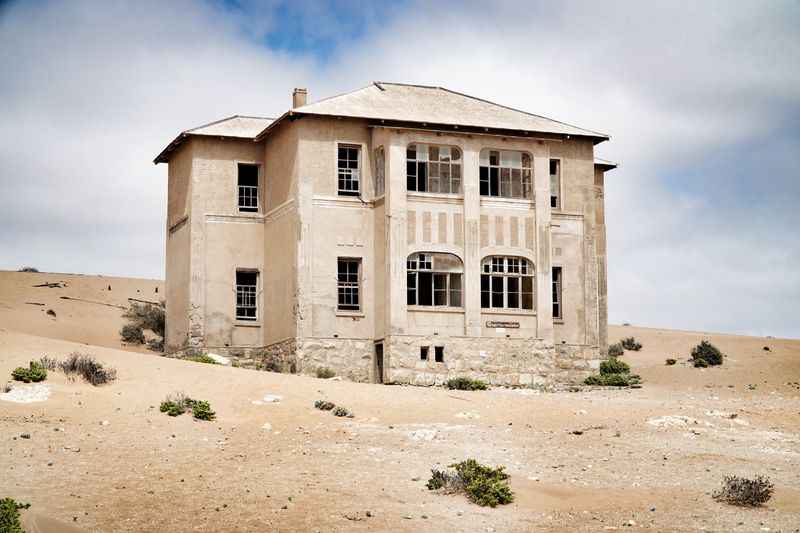
Kolmanskop, Nevada borrowed its name from a famous colony abroad and chased the same mining spell. Camps sprang up, payrolls rolled, and saloons winked in the twilight. When the ore gave out, the wind repossessed the deed, and the desert walked back in.
Now sand creeps through thresholds and floorboards sigh under your boots. You will find rusted pulleys, a lonely water tank, and foundations that barely remember their weight. The town teaches a simple law: dig until you cannot, then leave and let time finish the job.
7. Kennecott, Alaska

Kennecott rose like a staircase of red timber against blue ice, feeding a copper empire that wired the nation. Trains hauled ore through a world of glaciers and grandeur, and paydays felt eternal. Then the mine closed in 1938, and the camp fell silent except for ravens and snowmelt.
Today the national park wraps the ruins in breathtaking scenery. You can hike mill floors, hear boards creak, and imagine ore buckets clattering into the long light. Kennecott shows how industry can carve wonder and leave behind cathedrals of scaffolding.
8. New Idria, California
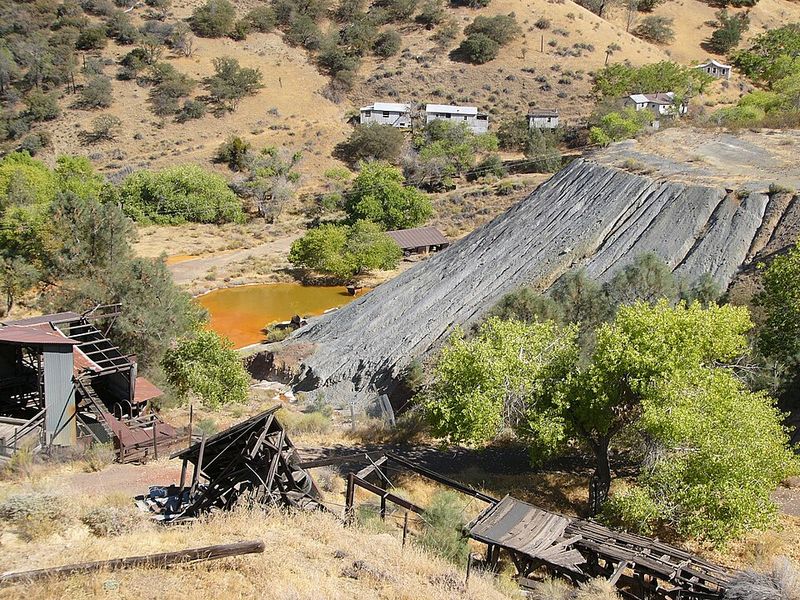
New Idria thrummed with mercury mining, retorts hissing and payrolls spinning storefront dreams. When markets crashed and toxic legacies surfaced, the exits filled faster than promises could slow them. The hills kept the scars, and the creeks flashed warning colors under a hard sun.
What remains are skeletal sheds, buckled roofs, and the uneasy hush of poisoned ground. You can feel the weight of chemistry in the air, a history that will not rinse away quickly. Walk carefully, read the signs, and carry the lesson home about profits that outpace precaution.
9. Thurmond, West Virginia
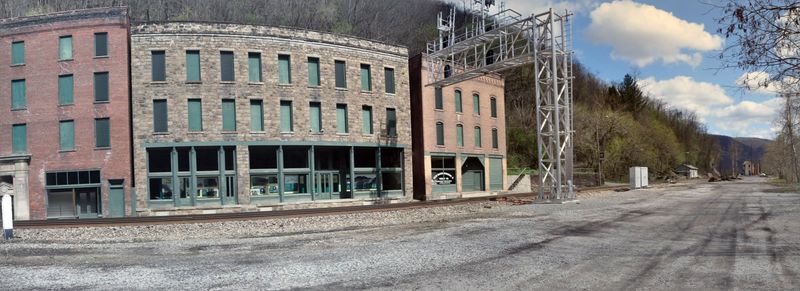
Thurmond was a coal rail titan, where steam engines exhaled and conductors punched time into the cliffs. Diesel swallowed steam, and the town’s purpose thinned to a whisper. Buildings lingered like actors after the play, waiting for a final cue.
Now the National Park Service keeps watch, inviting you to step into a station preserved in amber. The river hums, the rails shine, and history breathes slow. If you listen, you will hear the clank of couplers and the soft fade of an era that powered a nation.
10. Eagle Mountain, California
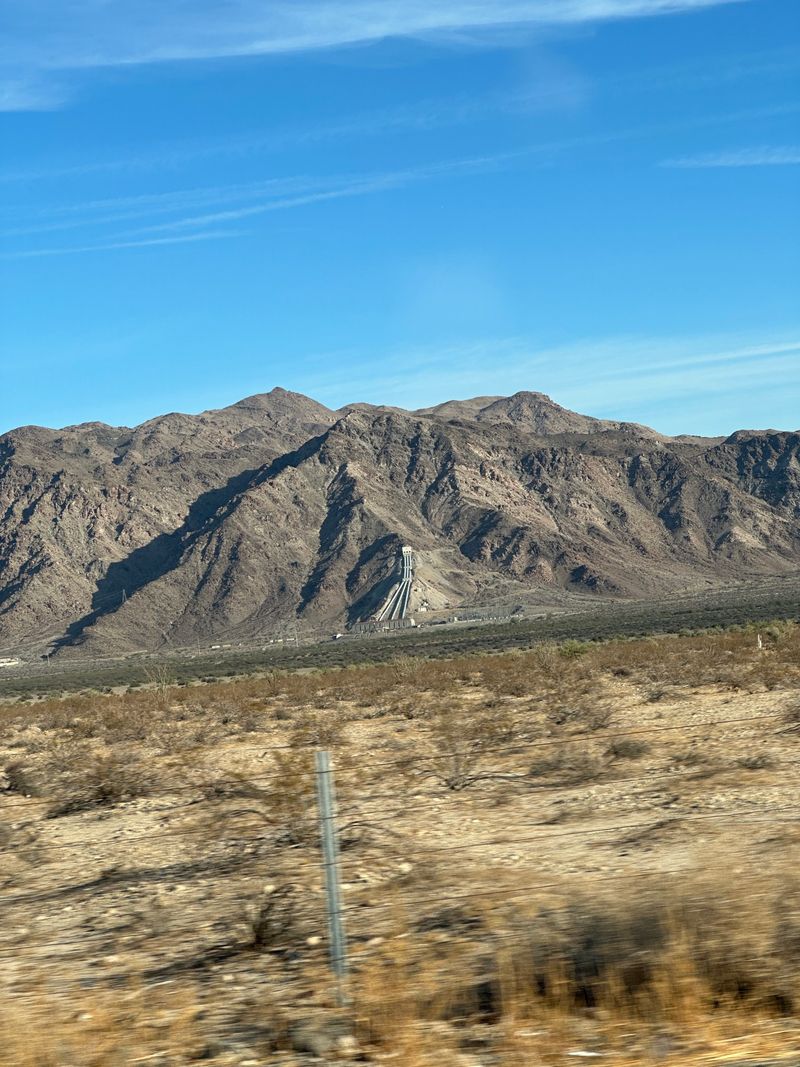
Eagle Mountain grew from Kaiser Steel’s ambitions, neat streets cradled by a vast open pit. Paychecks bought school jerseys and bowling nights, a complete life under a corporate sky. Then the mine shut in 1983, and the town’s clock wound down to stillness.
Today you will find fences, sun-peeled paint, and rumors of schemes to repurpose the site. It feels like a stage set where the audience left mid-scene. Stand there a minute and you will hear the wind paging through a script that once promised permanence.
11. Bombay Beach, California (Salton Sea)

Bombay Beach imagined a Riviera in the desert, cocktails by a glittering inland sea and speedboats slicing turquoise. Then salinity spiked, fish died, and winds carried a briny ache across neighborhoods. The resort future dissolved, leaving trailers, art, and stubborn optimism.
Now you can wander through pop-up galleries, mutant sculptures, and a beach that crunches underfoot. Residents and artists embrace the weird, turning collapse into a canvas. Visit with curiosity and sunscreen, and you will find joy stitched inside the ruin.
12. Scotia, California
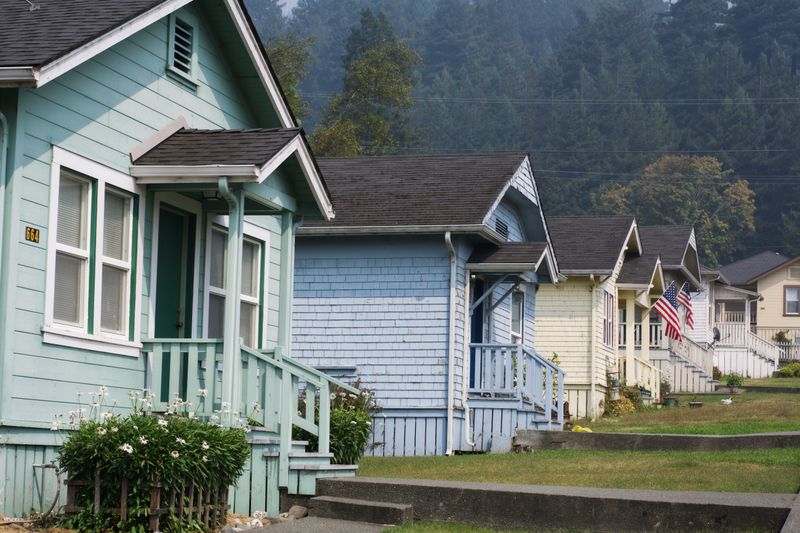
Scotia was a timber utopia, a company town where redwoods fueled paychecks and community life. When logging faltered and ownership shifted, the model fractured into private parcels and uncertainty. Yet porches still glow at dusk and kids pedal past the old mill.
Walk through and you will sense a place suspended between eras, not quite ghost, not quite boomtown. The forest stands near and reminds everyone who sets the terms here. You may leave feeling that small towns can adapt, even as the industry that built them thins to memory.
13. Gilman, Colorado
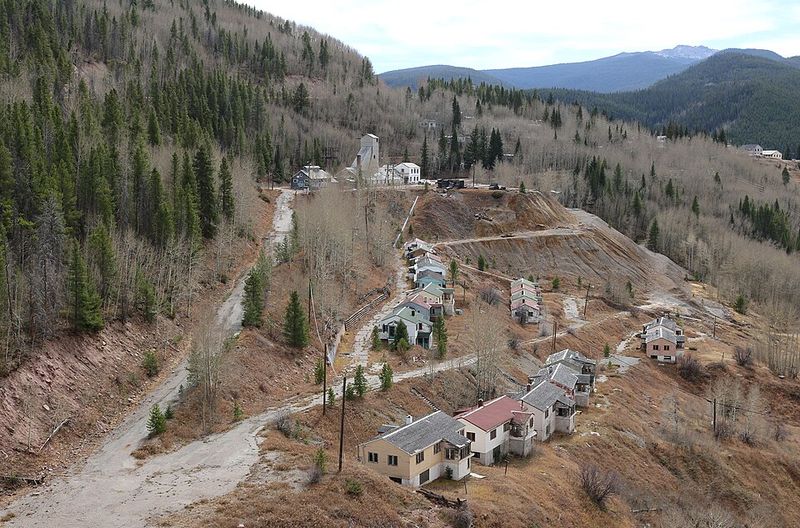
Gilman clings to a cliff above a gorge, once thriving on zinc and good wages. Toxic waste finally called the tune, and regulators shut it down for safety. The town froze in place, an alpine tableau labeled hazardous.
You can peer from a distance and feel the pull of forbidden history. Windows reflect sky, and the mine headframes stand like abandoned scaffolds for a vanished opera. Gilman reminds you that prosperity without stewardship can end with locked gates and long cleanup timelines.
14. Keeler, California
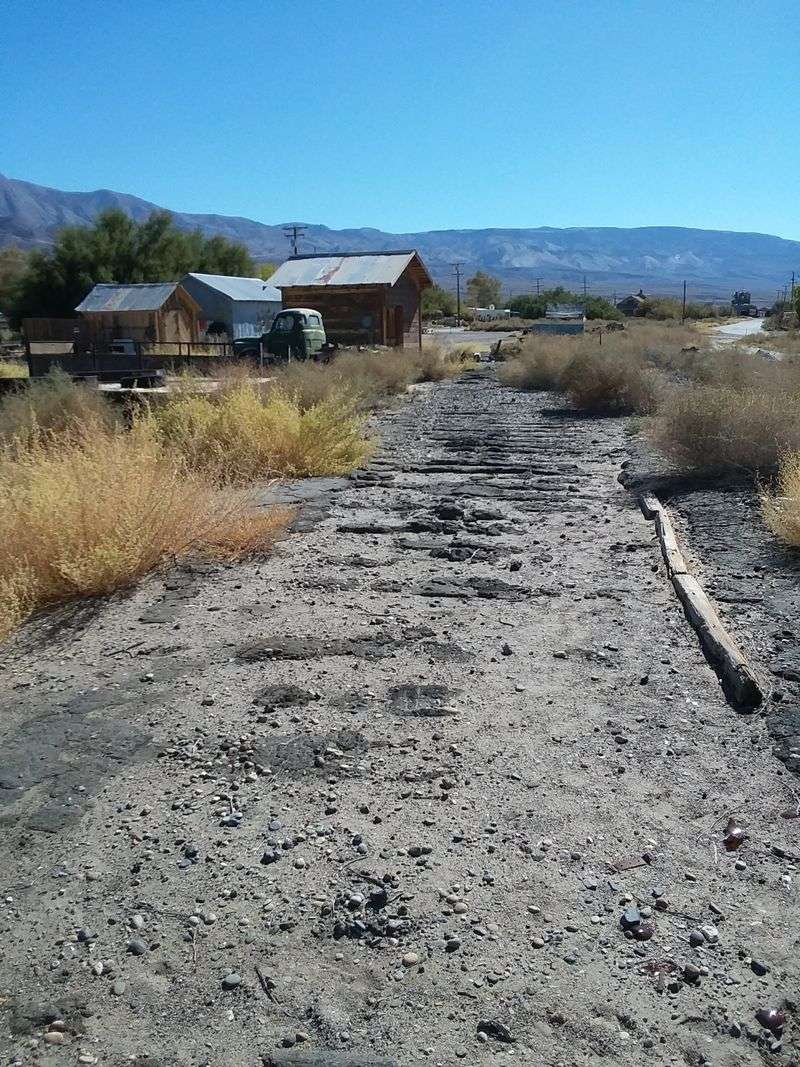
Keeler grew from rail and mining, its lifeblood tied to Owens Lake and freight that rattled through. When water vanished and industries withered, the town slipped into a slower gear. A few porches still host conversations as dust devils sketch the road.
Visit and you will find rail relics, quiet streets, and the Sierra standing like a painted backdrop. Keeler is not empty, just thinned, a reminder that loss can arrive grain by grain. Bring patience, look closely, and the past will introduce itself.
15. Castle Gate, Utah

Castle Gate surged on coal, its houses tucked beneath canyon ramparts. Disasters struck hard, and closures followed, pulling families and buildings out by the roots. The townsite was cleared, leaving memory to do the heavy lifting.
Today you pass memorials and feel the hush of respect settle on the shoulders of the canyon. You will not find many structures, only the ache of what once stood. Castle Gate teaches that some stories end with careful erasure and names etched in stone.
16. St. Elmo, Colorado
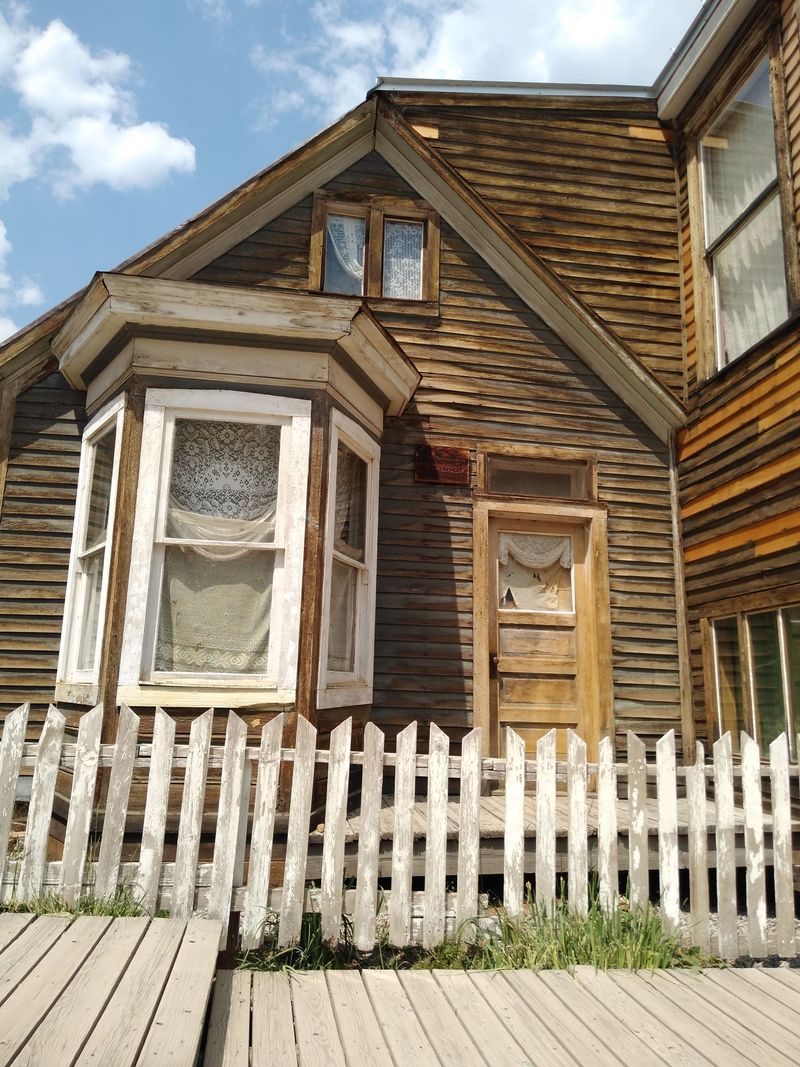
St. Elmo is a postcard that never curled, an alpine mining town paused mid-sentence. Gold and silver left, but the buildings stayed, tended by caretakers and mountain air. Visitors shuffle past porches and peer into windows full of neatly staged ghosts.
You will hear creeks, feel sun on varnished wood, and maybe buy a soda at the tiny store. St. Elmo’s lesson is gentle: preserve enough and you can time-travel without pretending. It is one of the best-kept echoes in the Rockies.
17. Rhyolite, Nevada
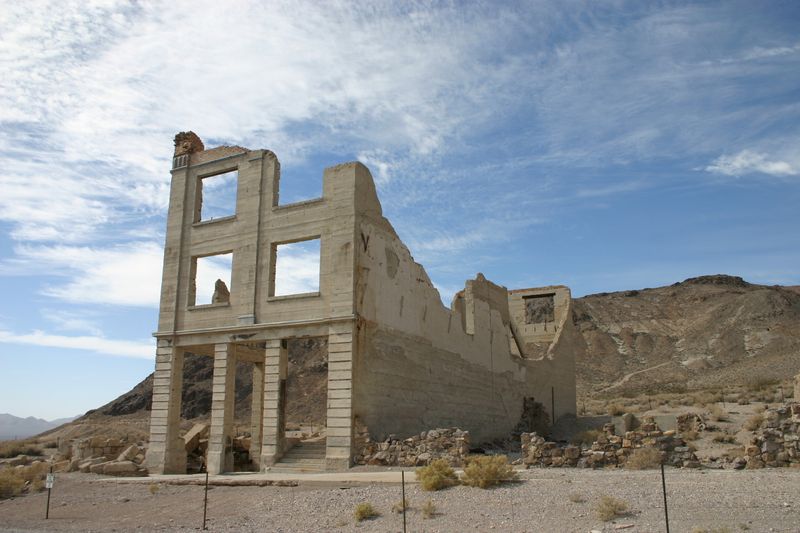
Rhyolite erupted during a gold fever that filled boardinghouses and bank vaults in record time. When the mine shuttered in 1911, the lights snapped off and the town cracked in the sun. Stone walls frame empty doorways like open mouths.
Wander among art installations and the famous bottle house, where whimsy and ruin share the same address. The desert owns the silence, but visitors lend a little heartbeat. If you ever wanted a clear photograph of a boom’s whiplash, Rhyolite poses without blinking.
18. Calico, California

Calico rode high on silver until prices fell and payrolls evaporated like mirages. Decades later it returned as a staged ghost town, complete with shops, tours, and staged gunfights. History meets cotton candy, and the hills still shimmer with color.
You can pan for flecks, ride a little train, and touch timbers older than your grandparents. Calico teaches that storytelling can keep a town fed when ore cannot. It is tourism, sure, but the bones beneath the paint are real.
19. Monowi, Nebraska
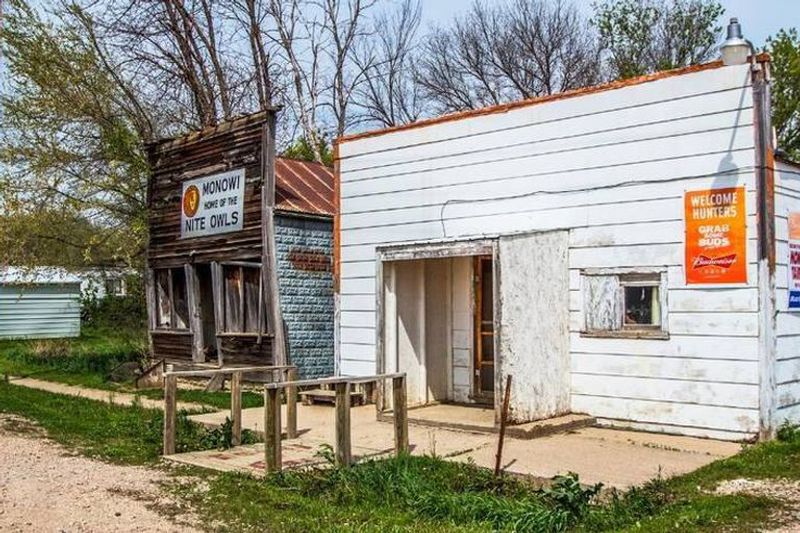
Monowi never boomed, and that is its charm as much as its headline. Rural depopulation pared it down to one resident, a librarian-bartender who keeps the town ledger. The tavern is city hall, tourism office, and living room all in one.
When you visit, you sign for a permit, order a burger, and feel the scale of community shrink to human size. The prairie presses friendly and wide against the horizon. Monowi proves that a town can be as small as a conversation and still be official.
Share this story