There’s a certain kind of song that doesn’t just play – it remembers. For Baby Boomers, these tracks aren’t background noise; they’re bookmarks in the story of their lives. From the warmth of childhood to the ache of goodbye, these songs carry decades of emotion in just a few chords. They bring back faces, places, and feelings long tucked away. Sometimes it’s a lyric. Sometimes it’s a single note. But every one of these 15 songs has the power to stop Boomers in their tracks – and maybe even bring a tear. These aren’t just hits. They’re heartbeats. Let’s revisit the songs that still make us cry, even after all these years.
1. “Tears in Heaven” – Eric Clapton (1992)
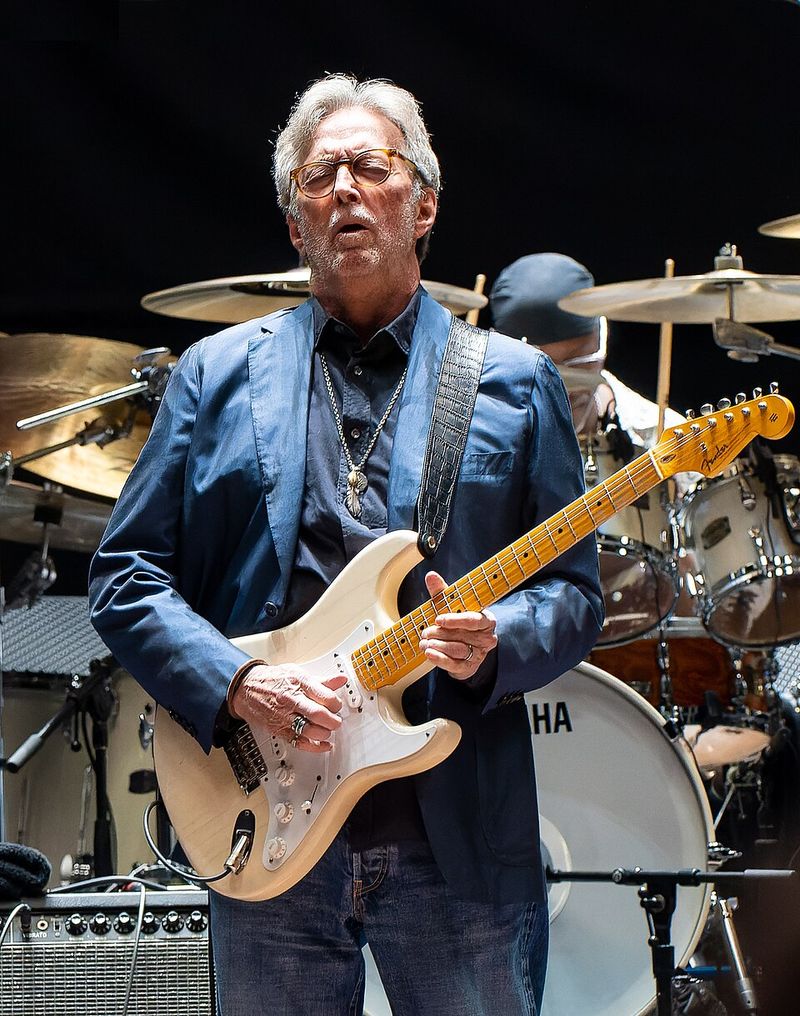
Few songs carry the emotional force of “Tears in Heaven,” written after Clapton’s unimaginable loss of his young son. The soft acoustic guitar paired with his fragile vocals creates an atmosphere that feels intimate, almost private – like reading a page from someone’s diary. Boomers often connect deeply with the themes of grief, healing, and longing, especially those who’ve experienced personal loss. The lyrics question whether love endures after death, capturing both heartbreak and hope. Even decades later, the song retains its quiet power. It’s not just sad – it’s reflective, tender, and brave, expressing pain most people struggle to put into words. That honesty is what makes tears feel unavoidable.
2. “Yesterday” – The Beatles (1965)
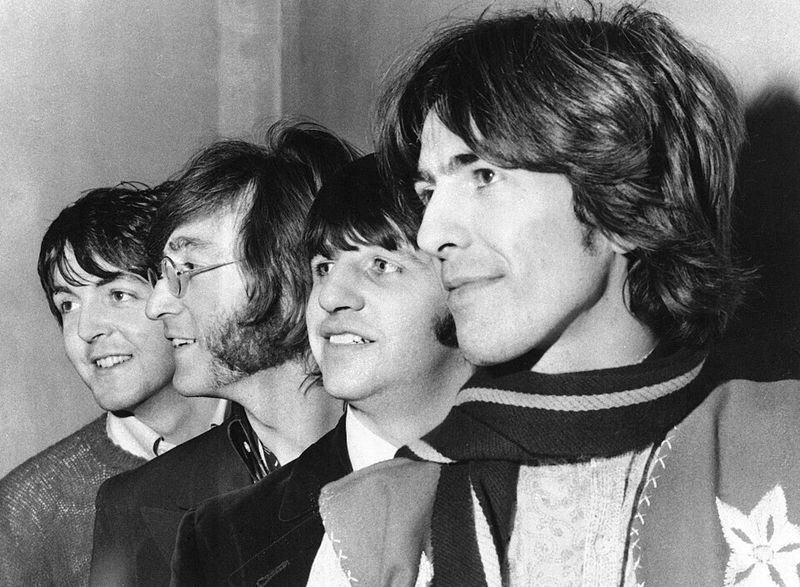
Paul McCartney’s “Yesterday” remains one of the most recorded songs in history, and its emotional pull hasn’t weakened with time. Its beauty lies in its simplicity: a guitar, a string arrangement, and a voice filled with quiet regret. Many Boomers first heard this song as teenagers, and it has aged with them – now carrying memories of lost friendships, old loves, and chapters long closed. There’s a longing in the melody that feels universal, a sense that the world once felt gentler and easier. Every “why she had to go” awakens personal memories of people who drifted away or moments that can’t be retrieved. For many, it’s nostalgia distilled into three minutes.
3. “Time in a Bottle” – Jim Croce (1972)
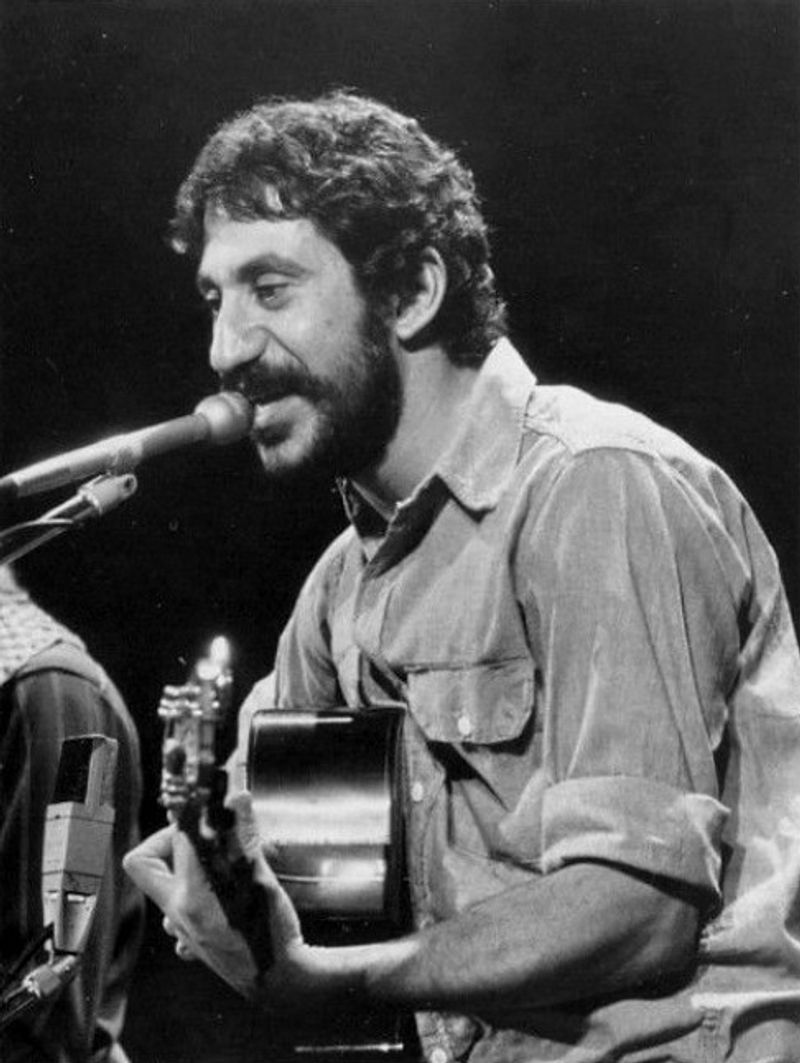
“Time in a Bottle” feels almost prophetic. Jim Croce wrote it for his newborn son, wishing for more time, only to die in a plane crash before the song reached the masses. For Boomers, the lyrics hit especially hard: “If I could save time in a bottle…” captures the universal desire to hold onto life’s most meaningful moments. The gentle guitar, Croce’s warm voice, and the song’s message create a sense of reflection – what time has given and what it has taken away. Many listeners associate it with their own children or loved ones, making it emotionally powerful even on a casual listen. It’s tender, timeless, and almost too real.
4. “The Living Years” – Mike + The Mechanics (1988)
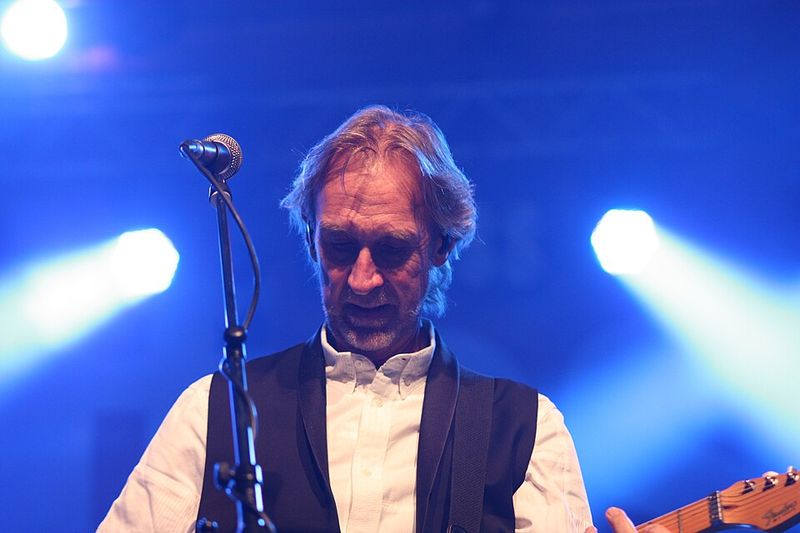
This father‑and‑son ballad aches with the weight of unspoken words. “The Living Years” captures a universal regret: waiting too long to say the things that mattered. For Boomers who lost parents or struggled through generational gaps, the lyrics often feel painfully familiar. The story of misunderstandings, missed chances, and finality creates an emotional punch that’s hard to dodge. It’s not just about grief; it’s about reconciliation that never came. The soaring chorus and reflective verses make it a cathartic listen, especially for those navigating their own family memories. It reminds everyone to speak love while they can – a message that grows heavier with age.
5. “Bridge Over Troubled Water” – Simon & Garfunkel (1970)
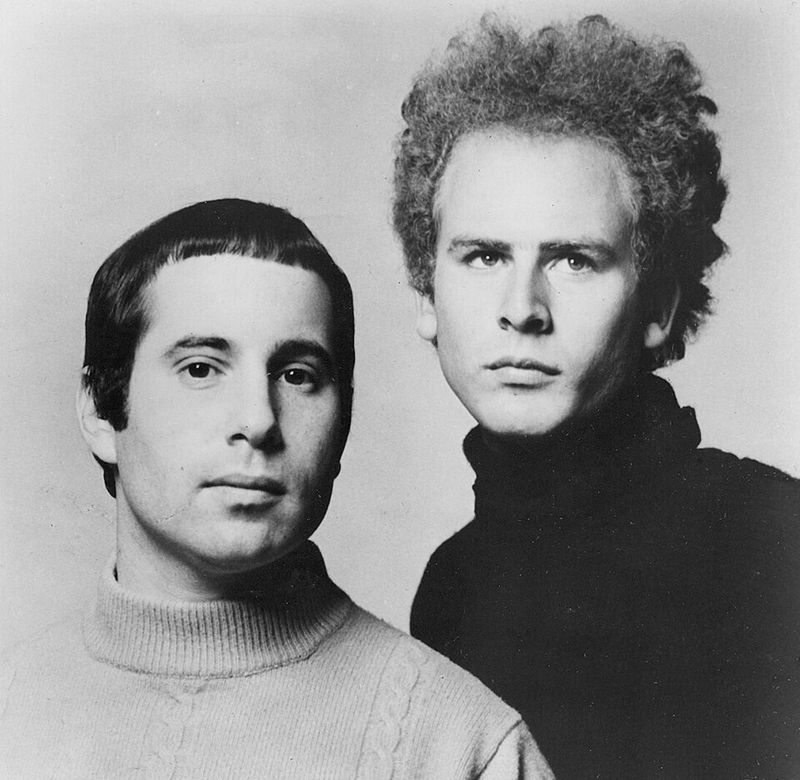
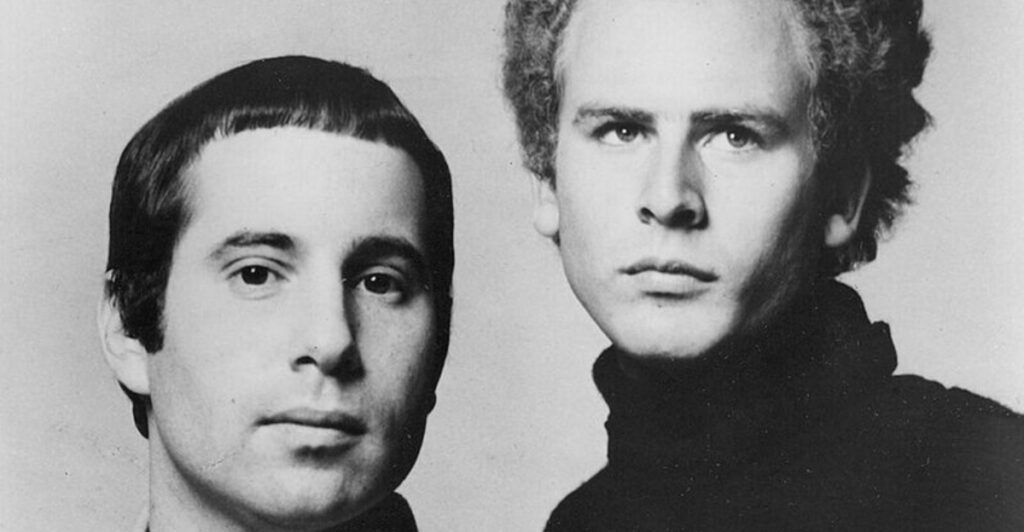
More than a song, “Bridge Over Troubled Water” is a comfort blanket woven into melody. Art Garfunkel’s soaring vocals turn a simple message of support into something almost spiritual. For Boomers, it often brings back memories of difficult periods – breakups, family losses, or moments when someone stepped in with kindness. The arrangement builds from quiet piano to sweeping crescendos, making the emotional arc feel like a release. It’s frequently played at memorials and major life events, further deepening its emotional associations over time. Few songs offer reassurance this gracefully. Even today, hearing the opening notes feels like someone placing a gentle hand on your shoulder.
6. “Vincent” – Don McLean (1971)
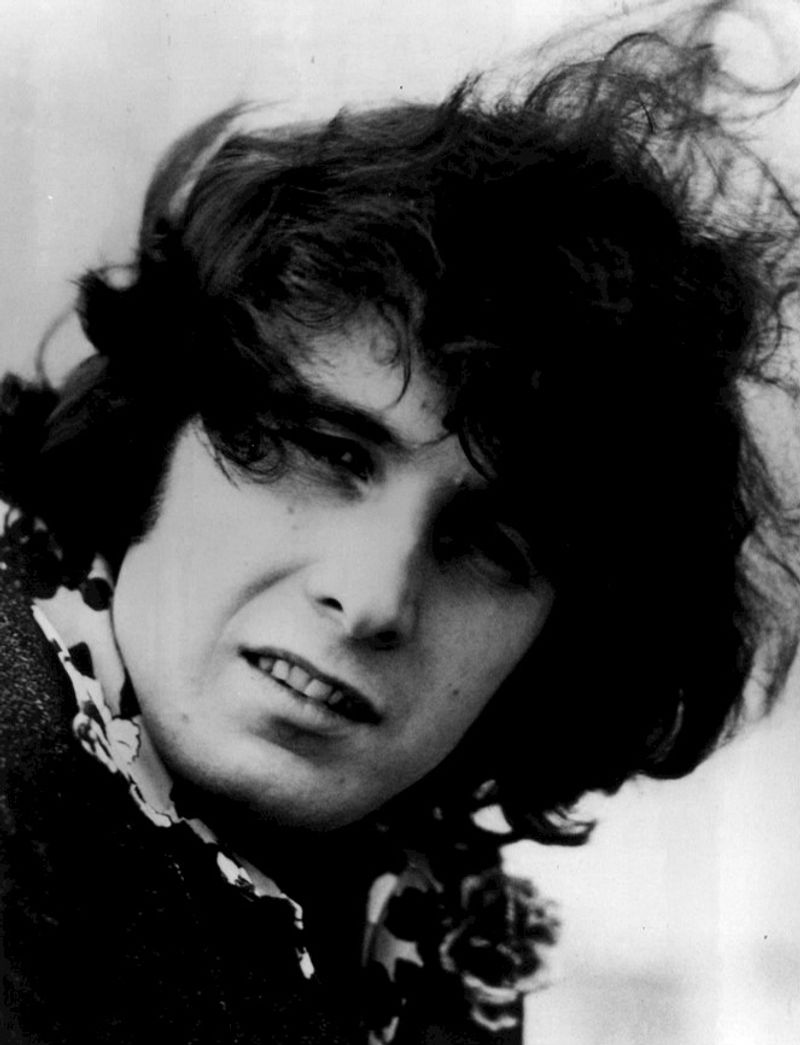
“Vincent” is haunting in the most delicate way. McLean wrote it as a tribute to Vincent van Gogh, painting a portrait of the fragile artist through poetic lyrics and soft guitar. Boomers often connect with its themes of misunderstood genius, loneliness, and emotional struggle. The line “this world was never meant for one as beautiful as you” has brought many listeners to tears over the years. The melody floats, calm and melancholic, encouraging quiet reflection. As people age, the song’s emphasis on compassion and the weight of internal battles feels even more poignant. It’s a reminder of the beauty – and sadness – found in being human.
7. “Dance With My Father” – Luther Vandross (2003)
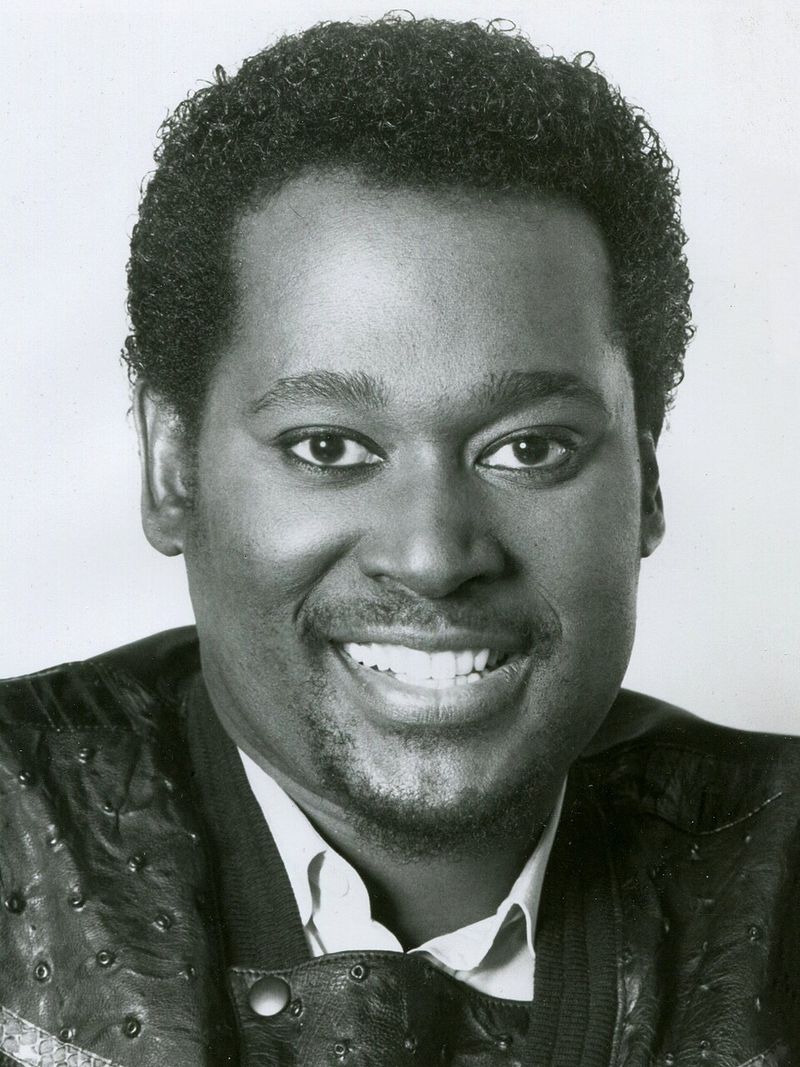
While released well after the Baby Boomer youth era, “Dance With My Father” taps into emotions that transcend generation. Vandross wrote it in memory of his father, and the vulnerability in his voice makes the song almost unbearably tender. For Boomers who lost a parent or cherished a similar childhood memory, the lyrics strike a deeply personal chord. The imagery of dancing in the living room, of longing for just one more moment, resonates with anyone who has felt the ache of absence. It’s a modern classic that evokes timeless themes – love, family, and the preciousness of small moments. Few songs capture grief this beautifully.
8. “Cats in the Cradle” – Harry Chapin (1974)
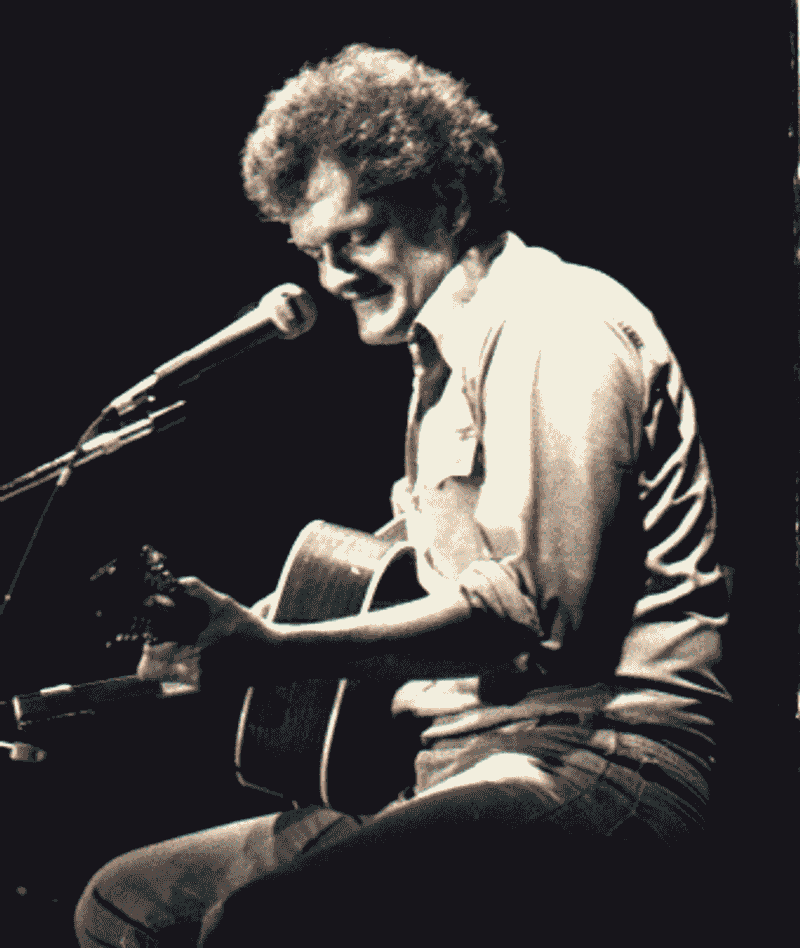
“Cats in the Cradle” lands with a different kind of weight as the years pass. What begins as a story about a busy father slowly becomes a mirror many Boomers recognize – the missed ballgames, the long workdays, the promises to “do it later.” Then comes adulthood, when the son repeats the same cycle. It’s a simple melody wrapped around a powerful message: time slips away whether you notice it or not. The last verse, where the father realizes his son has become just like him, hits especially hard for listeners reflecting on their own families. It’s not just a song; it’s a reminder of how life can pass in a blink.
9. “Operator (That’s Not the Way It Feels)” – Jim Croce (1972)
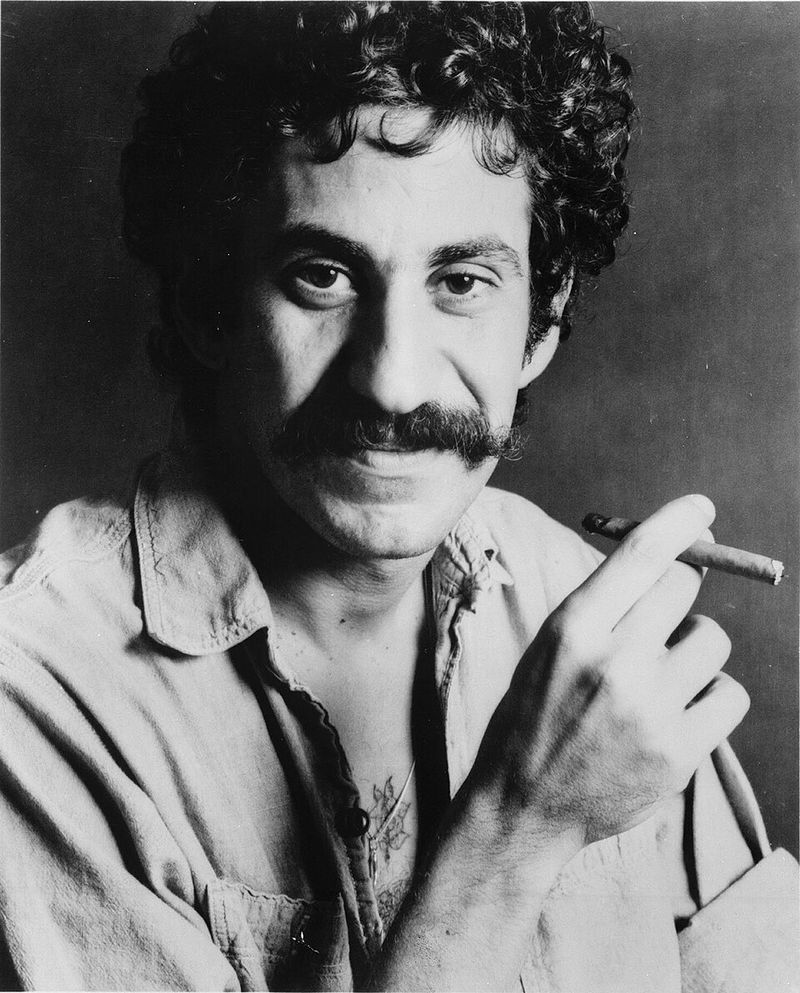
Another emotional gem from Croce, “Operator” is a heartbreak story packed into a phone call. The narrator is trying to reach an ex who ran off with his best friend, pretending he’s okay even as his voice cracks with pain. Boomers often connect with both the story and the nostalgia of an era when emotions were shared through landline calls and payphones. The combination of vulnerability, storytelling, and Croce’s warm tone gives the song a timeless sadness. It captures the difficult pride of pretending not to hurt – something many listeners recognize in themselves. It’s gentle, raw, and beautifully human.
10. “My Way” – Frank Sinatra (1969)
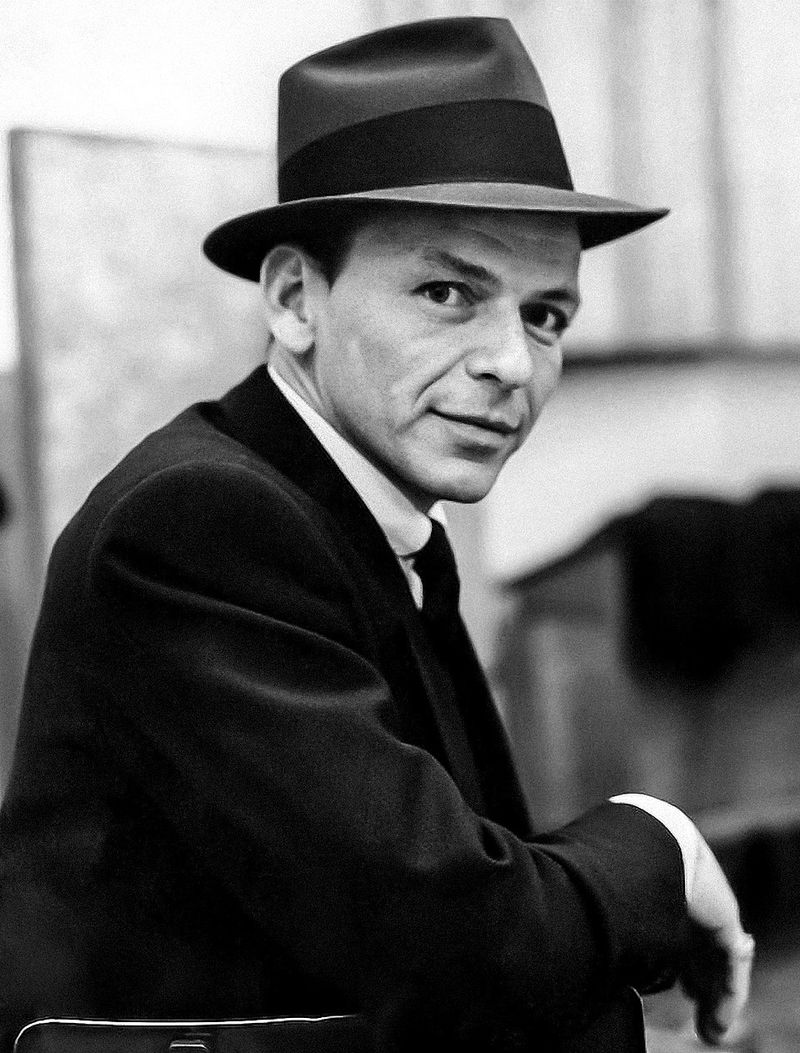
“My Way” is more than a standard; it’s a life statement. Sinatra reflects on choices, regrets, victories, and losses with a confidence that many Boomers admire – or aspire to. It’s often played at funerals, retirements, and major milestones, which only deepens its emotional impact over time. The sweeping orchestration paired with Sinatra’s steady delivery gives the song a sense of closure, prompting listeners to consider their own journeys. For Boomers looking back on decades of choices, the song can feel like a mirror, sometimes comforting and sometimes painfully honest. Its power lies in its universal message: life wasn’t perfect, but it was lived fully.
11. “Fire and Rain” – James Taylor (1970)
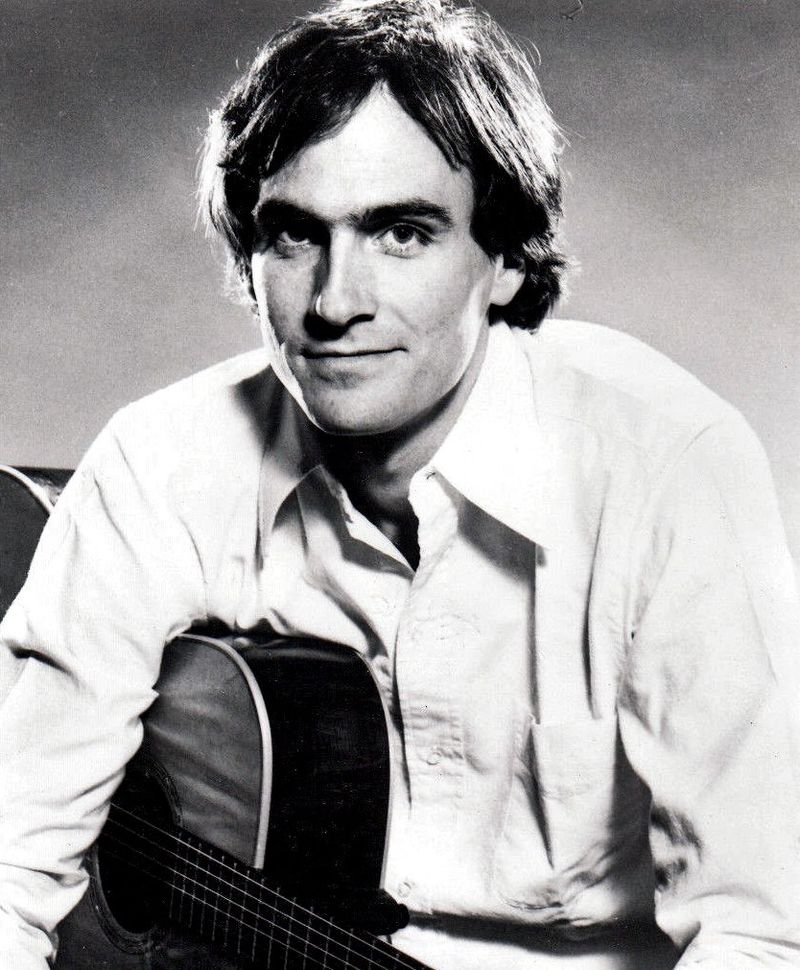
“Fire and Rain” is a quiet song with devastating depth. Taylor wrote it after the suicide of a close friend, and the lyrics explore depression, loss, and resilience with a painful honesty. Boomers who faced similar struggles during turbulent decades often find this song deeply relatable. The gentle guitar and Taylor’s soothing voice contrast with the emotional weight of the story, creating a bittersweet listening experience. Lines like “I always thought I’d see you again” resonate with anyone who has lost someone unexpectedly. It’s a song that doesn’t shout its grief – it whispers it, making it even more affecting.
12. “He Stopped Loving Her Today” – George Jones (1980)
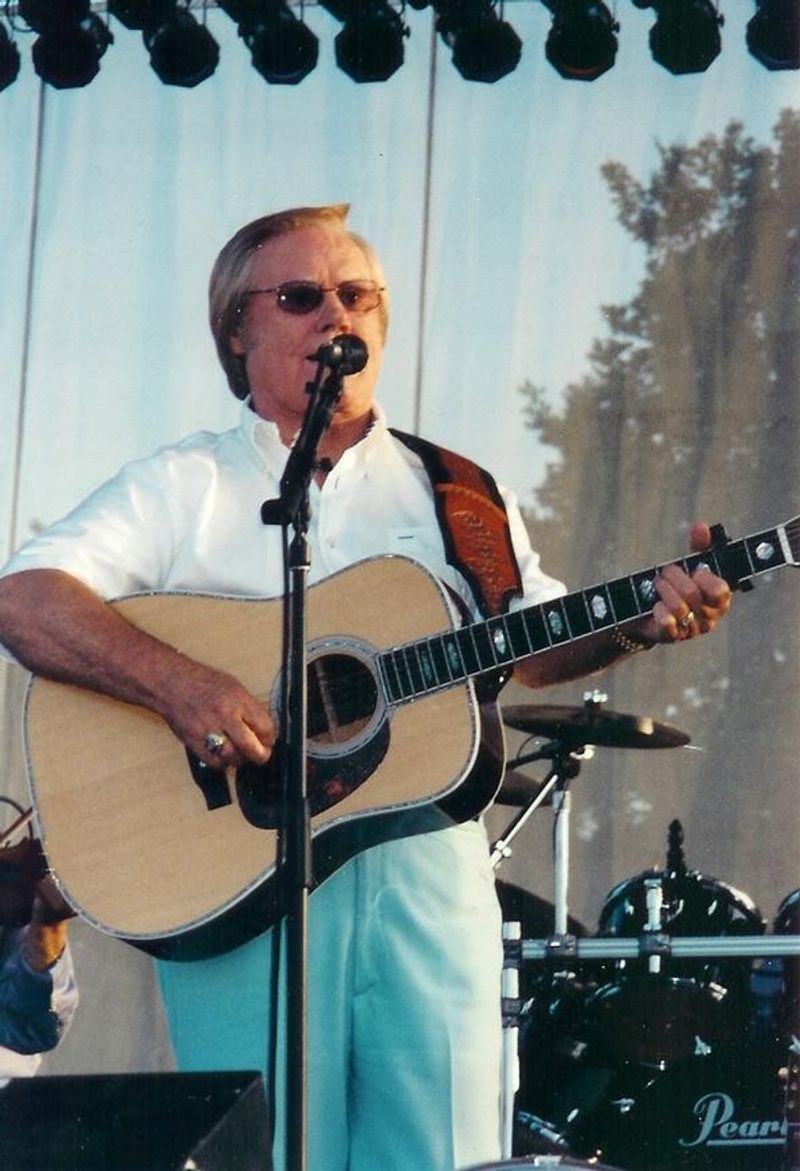
Often called one of the saddest songs ever written, this country classic tells the story of a man who never stopped loving a woman – until he died. It’s a masterclass in storytelling, with a twist that still brings listeners to tears even when they know it’s coming. Boomers appreciate the simple instrumentation and Jones’ aching delivery, which makes the heartbreak feel painfully real. The song taps into themes of loyalty, devotion, and the kind of love that lasts long after it should. For many, it’s a reminder of old loves and promises kept in quiet ways. It’s country music at its emotional peak.
13. “In My Life” – The Beatles (1965)
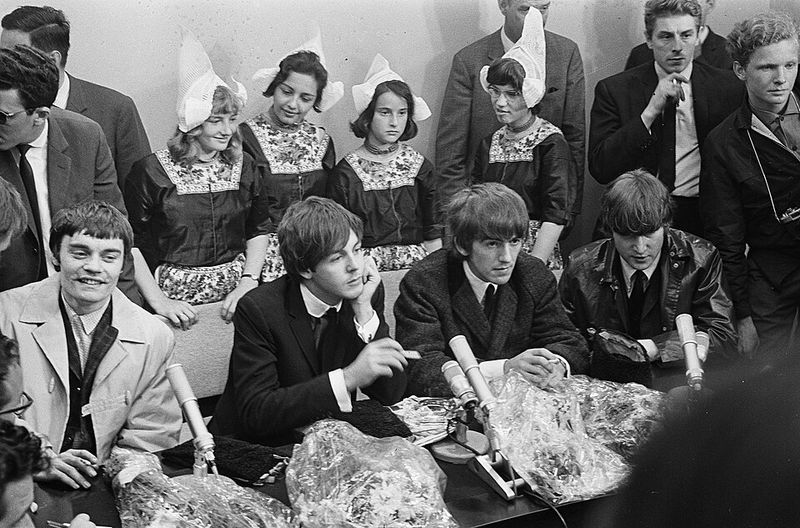
“In My Life” is a reflective journey through memories – friends, places, loves, and losses. For Boomers who grew up with The Beatles, this song feels like a personal soundtrack to their lives. The lyrics are gentle and nostalgic, acknowledging change while cherishing the past. The simple melody and harmonies make the song feel intimate, almost like a diary entry set to music. As listeners age, the meaning deepens: the people who shaped them become clearer, and the line “some are dead and some are living” becomes more literal. It’s tender, wise, and deeply moving.
14. “What a Wonderful World” – Louis Armstrong (1967)
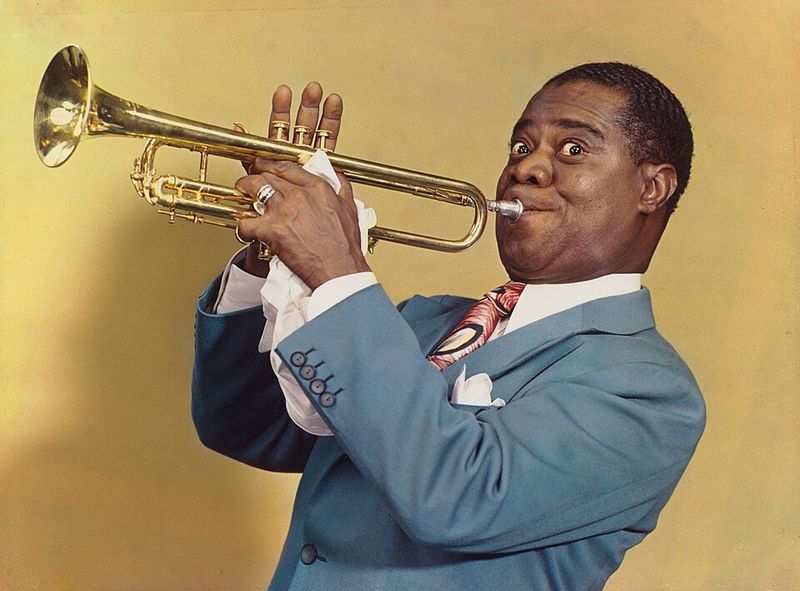
Louis Armstrong’s warm voice turns “What a Wonderful World” into a nostalgic lullaby. It’s a song many Boomers grew up hearing at family gatherings, weddings, and celebrations, giving it built‑in emotional resonance. But the older you get, the more the lyrics take on a bittersweet edge – the beauty of the world contrasted with the passage of time. Armstrong recorded it during a period of social unrest, making its optimism even more meaningful. Today, it often triggers memories of loved ones, simpler days, and the sweetness of childhood. It’s gentle, hopeful, and quietly tear‑inducing.
15. “Turn! Turn! Turn!” – The Byrds (1965)
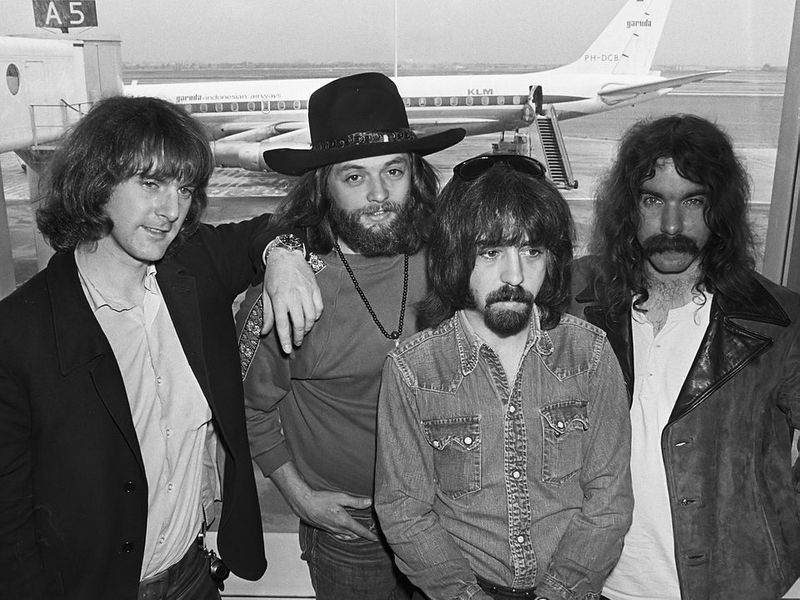
Adapted almost entirely from Ecclesiastes, “Turn! Turn! Turn!” captures the rhythm of life: seasons of joy, sorrow, growth, and loss. Boomers who came of age during the 1960s associate the song with profound social change, but also with personal milestones. The chiming guitars and layered harmonies create a reflective atmosphere that encourages listeners to think about the seasons of their own lives. As the years pass, the lyrics – “a time to be born, a time to die” – carry increasing emotional weight. It’s a song that grows with you, becoming more powerful, more relatable, and more tear‑provoking with every decade.
Share this story